China Rubber Acoustic Insulation Suppliers & Pricelist

High-Performance NBR/PVC Elastomeric Foam Solutions for Global Industrial, HVAC, and Cryogenic Engineering Systems

High-Performance Acoustic Insulation - Featured Range

Explore our range of premium rubber acoustic insulation products, engineered to control noise propagation and prevent energy loss across complex structural installations.
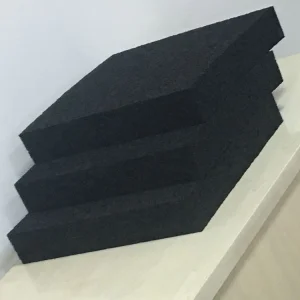
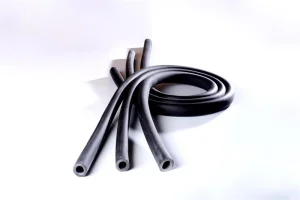
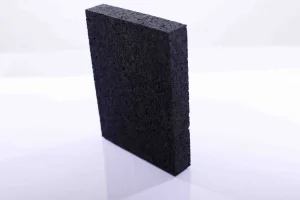
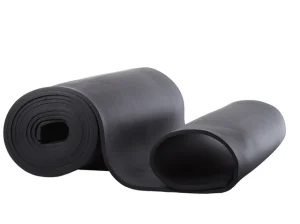
Wholesale NBR/PVC rubber foam insulation panel

Wholesale NBR/PVC rubber foam insulation panel for sound absorption

View Details & Pricelist
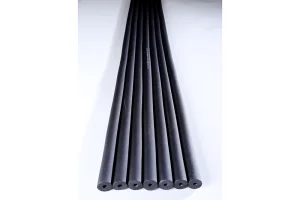
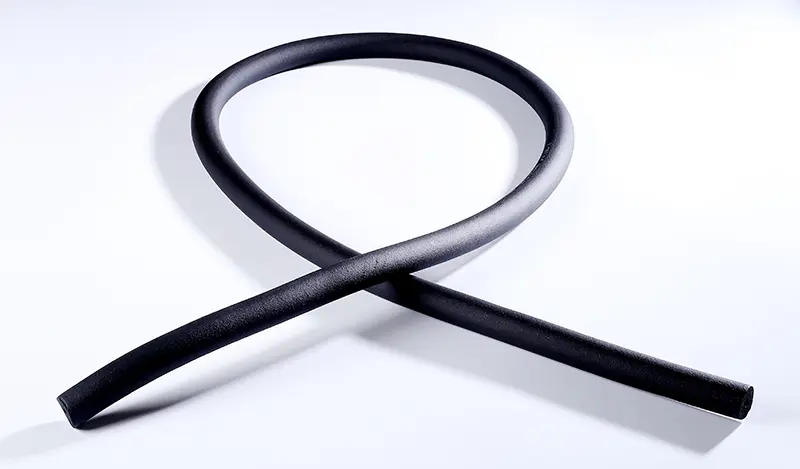
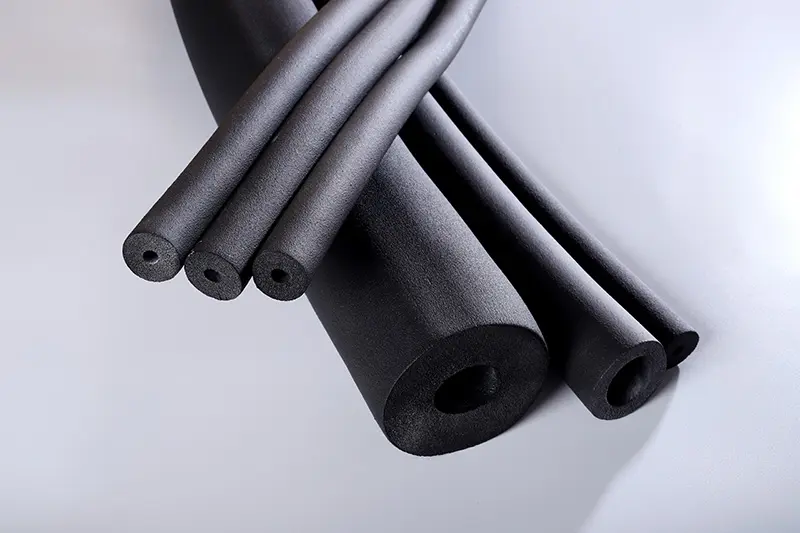
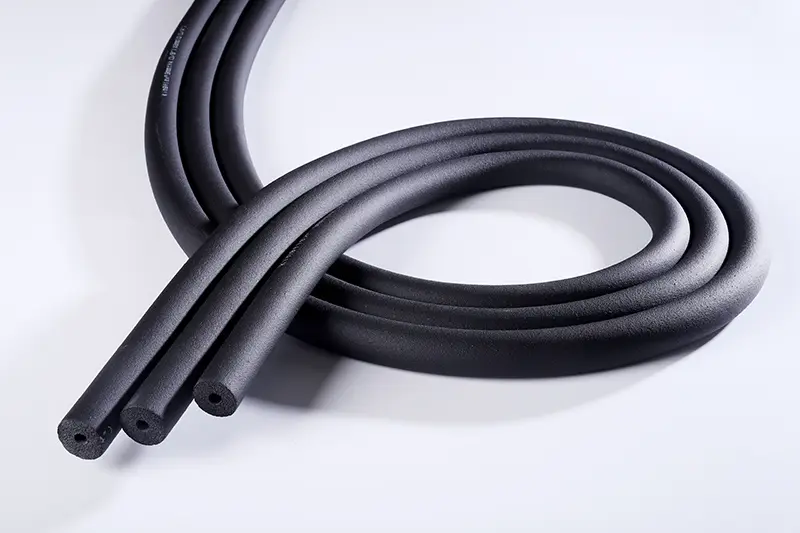
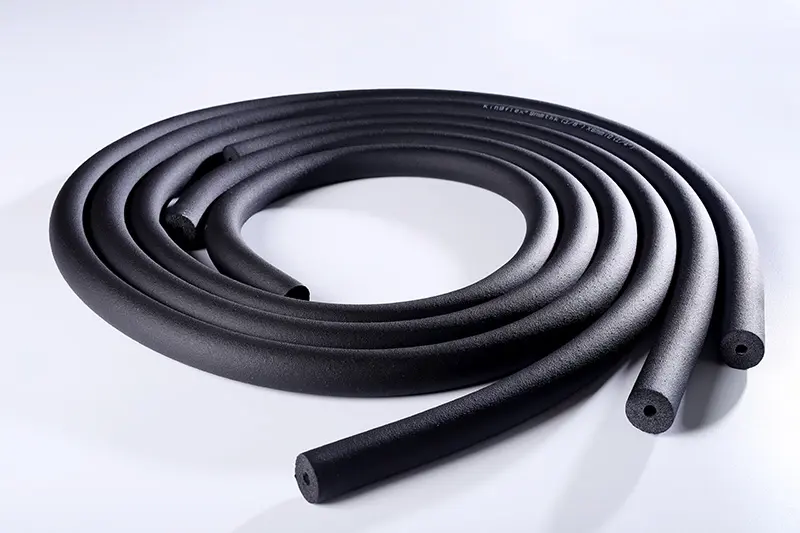
Wholesale Industrial Rubber Foam Insulation Pipe

Wholesale Industrial Rubber Foam Insulation Pipe

Get Quotes & Specs
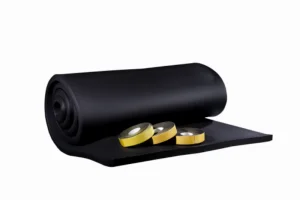
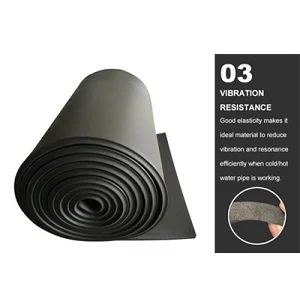
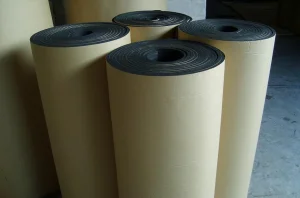
China Self-adhesive Rubber Insulation Roll

China Self-adhesive Rubber Insulation Roll

Pricelist & Options
China NBR PVC pipe insulation

China NBR PVC Flexible Elastomeric Thermal Insulation Pipe

Contact Manufacturers
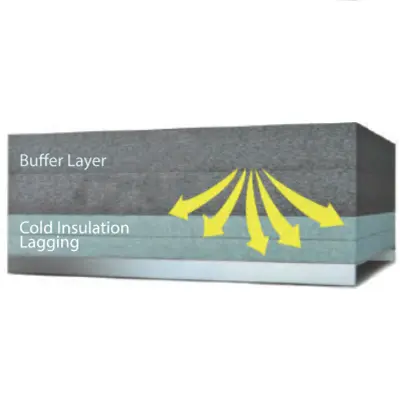
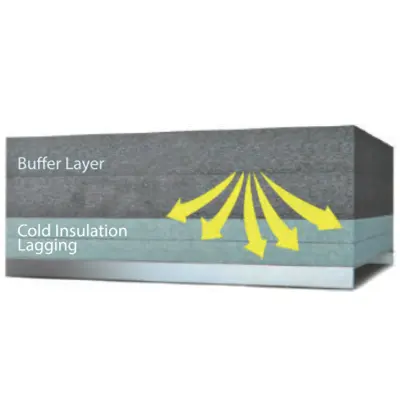
Wholesale Elastomeric Rubber Foam Insulation

Wholesale Elastomeric Rubber Foam Insulation for Ultra Low Temp

Supplier Pricelist
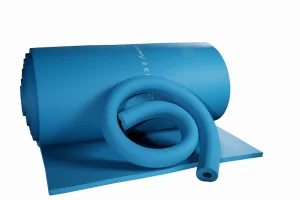
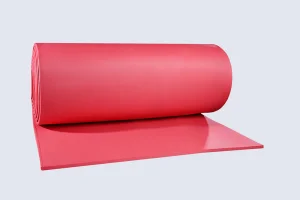
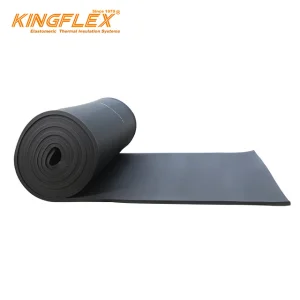
Wholesale Kingflex Colorful NBR PVC Rubber Foam Sheet

Wholesale Kingflex Colorful NBR PVC Rubber Foam Sheet Roll

Request Roll Quote
Kingflex elastomeric rubber foam soundproof insulation

Wholesale Kingflex Elastomeric Rubber Foam Soundproof Insulation

Factory Direct Price
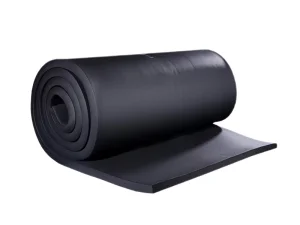
Wholesale FOAMING RUBBER INSULATION SHEET ROLL

Wholesale Foaming Rubber Insulation Sheet Roll

Get Volume Quote

Executive Summary: Demystifying NBR/PVC Rubber Acoustic Insulation

Modern commercial infrastructure, high-rise architectural complexes, and precision industrial setups require advanced mitigation strategies for noise and thermal transfer. Flexible elastomeric foam, primarily formulated from Nitrile Butadiene Rubber (NBR) and Polyvinyl Chloride (PVC), has emerged as the premier industry standard. Unlike traditional fibrous materials (such as fiberglass or mineral wool) which are susceptible to structural settling and fiber shedding, NBR/PVC structures exhibit a stable closed-cell architecture. This structure ensures consistent acoustics and thermal retention.

Through rigorous engineering, Chinese manufacturing hubs like Dacheng have optimized this formulation. They provide dual-functionality barriers that excel in both structural vibration dampening and high-performance airborne sound transmission reduction. In this whitepaper, we dissect the manufacturing paradigms, material science dynamics, performance thresholds, and direct global procurement metrics that enable engineering buyers to identify high-performance suppliers.

600K+
Cubic Meters Annual Capacity
40+
Years Industry Heritage
≥98%
Closed Cell Rate
66+
Global Countries Exported

Mechanisms of Sound Dampening and Thermal Shielding

Acoustic insulation performance relies on two physical mechanisms: sound absorption (converting acoustic energy into heat within porous media) and sound transmission loss (restricting sound waves from passing through a barrier). Let's review the technical features of NBR/PVC rubber foam:

Viscoelastic Damping

The elastomeric polymer matrix acts as a spring-mass dampener. When sound waves hit the flexible NBR/PVC polymer cell walls, the structural molecules undergo shear deformation, dissipating acoustic kinetic energy into thermal energy. This reduces structure-borne noise (vibration) along HVAC sheet metal duct systems.

Micro-cavity Attenuation

The standard foaming technique yields a consistent micro-cell density (40-55 kg/m³). Millions of independent closed cells trap gas molecules inside. As sound pressure passes through, the trapped gas undergoes rapid compression and expansion cycles, scattering acoustic waves and reducing noise levels.

Acoustic Insertion Loss

When wrapped around piping or HVAC systems, elastomeric foam shifts the resonant frequency of the metallic substrate. This dampens the "ringing" behavior of sheet metal, offering high insertion loss values and minimizing low-frequency rumble in structural environments.

Material Comparison: NBR/PVC vs. Conventional Insulation

Performance Metric NBR/PVC Elastomeric Foam Fiberglass / Glass Wool Polyurethane (PU) Foam Rock Wool / Mineral Wool
Structure Closed-Cell (≥98% cell rate) Fibrous Open-Structure Open/Closed Mixed Fibrous Open-Structure
Thermal Conductivity (λ) ≤0.034 W/(m·K) at 0°C ~0.036 W/(m·K) at 0°C ~0.024 W/(m·K) (High but decays) ~0.038 W/(m·K) at 0°C
Acoustic Performance (STC/NRC) Excellent for low-mid structural vibration Good for high-frequency absorption Moderate absorption Excellent for high-temp noise control
Moisture Resistance (Factor μ) ≥10,000 (No barrier wrap needed) <5 (Requires vapor barrier) ~50 to 120 Minimal resistance
Fire Safety Standard Class 1 / Class 0 (BS 476, UL94 V-0) Non-combustible Highly combustible (unless heavily treated) Non-combustible (Up to 1000°C)
Service Life 10-15 Years (Highly stable) 5-8 Years (settles and degrades) 5-10 Years (crumbles/oxidizes) 8-12 Years (susceptible to moisture)

The Strategic Advantages of China's Advanced Manufacturing Infrastructure

Global B2B procurement managers face the challenge of balancing structural component costs against strict safety standards. Choosing leading Chinese manufacturers like Kingflex Insulation Co., Ltd. offers significant strategic advantages:

01

Economies of Scale

Kingflex operates 5 large-scale automated assembly lines. Our annual output capacity exceeds 600,000 cubic meters. This high production volume keeps unit manufacturing costs low, allowing us to offer competitive direct-to-factory wholesale pricing to international buyers.

02

Vertical Integration

Located in Dacheng, China—a hub for green building materials—our production lines sit within a highly integrated supply chain. We maintain direct relationships with chemical component suppliers, shielding our partners from volatile raw material price swings.

03

Advanced Quality Control

Our manufacturing facilities feature real-time computerized thickness regulators, densitometers, and continuous vulcanization chambers. These tools ensure uniform micro-cellular structures, preventing weak points that could lead to condensation or sound leakage.

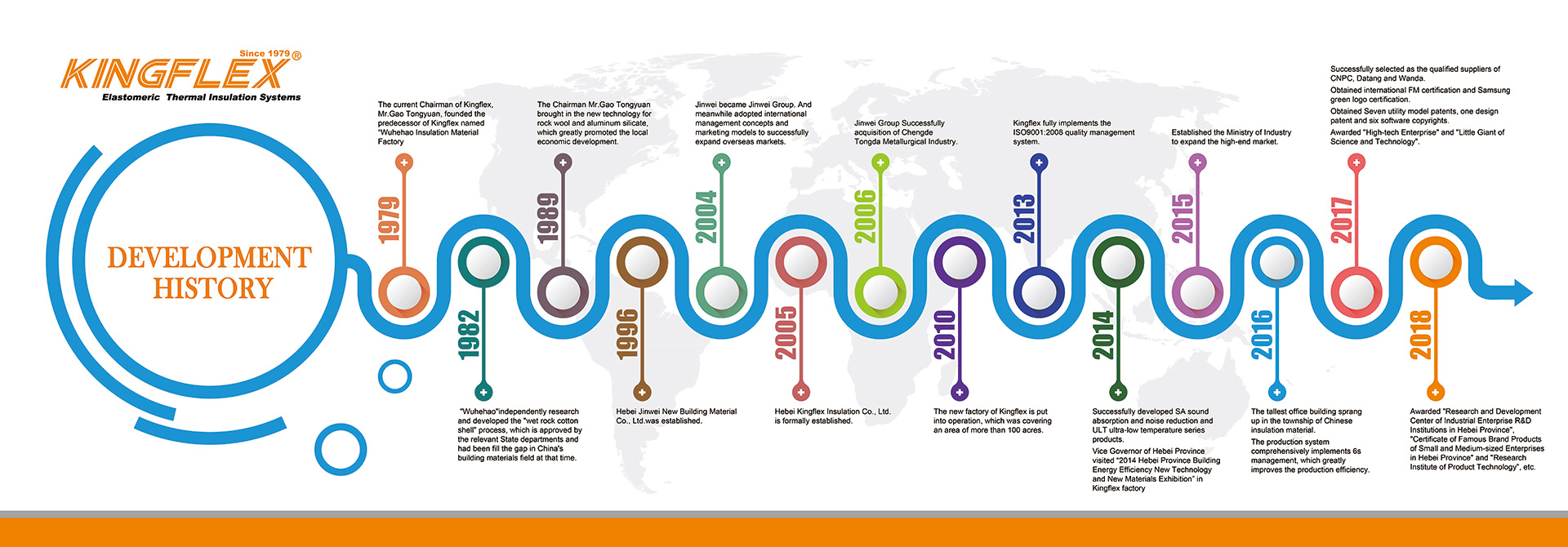
About Kingflex & The Jinwei Group

Kingflex Insulation Co., Ltd. is a leading manufacturer and trading group specializing in advanced thermal and acoustic insulation products. Our R&D and production facilities are based in Dacheng, China—the country's hub for energy-efficient building materials. We provide end-to-end insulation solutions, from consultation and custom R&D to production and post-sale installation support.

Established by the Jinwei Group, which has over 40 years of industry experience, our heritage dates back to 1979. The Jinwei Group was the first manufacturer of thermal insulation materials north of the Yangtze River. Today, our close-knit team is guided by eight professional R&D engineers, six international sales specialists, and a dedicated workforce of 230 factory personnel.

Macro-Industry Solutions & Application Scenarios

Rubber acoustic insulation is versatile and serves multiple key industrial sectors. These applications showcase how our NBR/PVC formulations solve both thermal and acoustic challenges:

1. HVAC Air Duct Systems

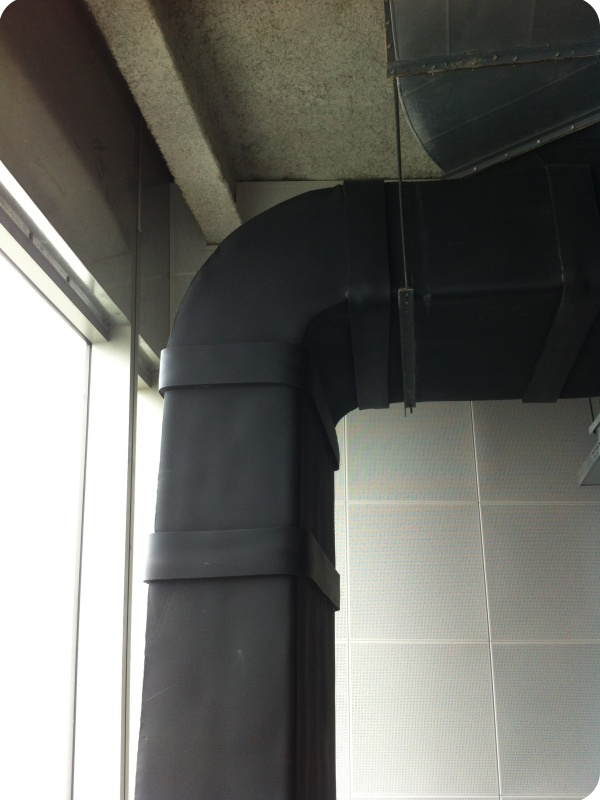
Air conditioning compressors and high-velocity air streams generate persistent duct rumble. Applying self-adhesive NBR/PVC sheets to duct surfaces dampens sheet-metal vibrations and prevents condensation on cold duct faces.

2. Building Walls & Rooftops

In hotels, hospitals, and high-density apartments, NBR/PVC sheets serve as sub-flooring and wall underlays. They isolate footfall impact and reduce airborne sound transfer between rooms.

3. Cryogenic & Cold Storage

Cryogenic storage systems operate at extremely low temperatures. Kingflex flexible insulation prevents cold loss and keeps ambient moisture from migrating toward sub-zero steel lines, protecting against structural icing.

4. Chemical & Process Piping

Chemical plants run continuous high-pressure pumps and steam lines. NBR/PVC covers dampen high-frequency pipeline noise, insulate process temperatures, and shield pipes from chemical corrosion.

Our Advanced Manufacturing Facilities & Production Lines

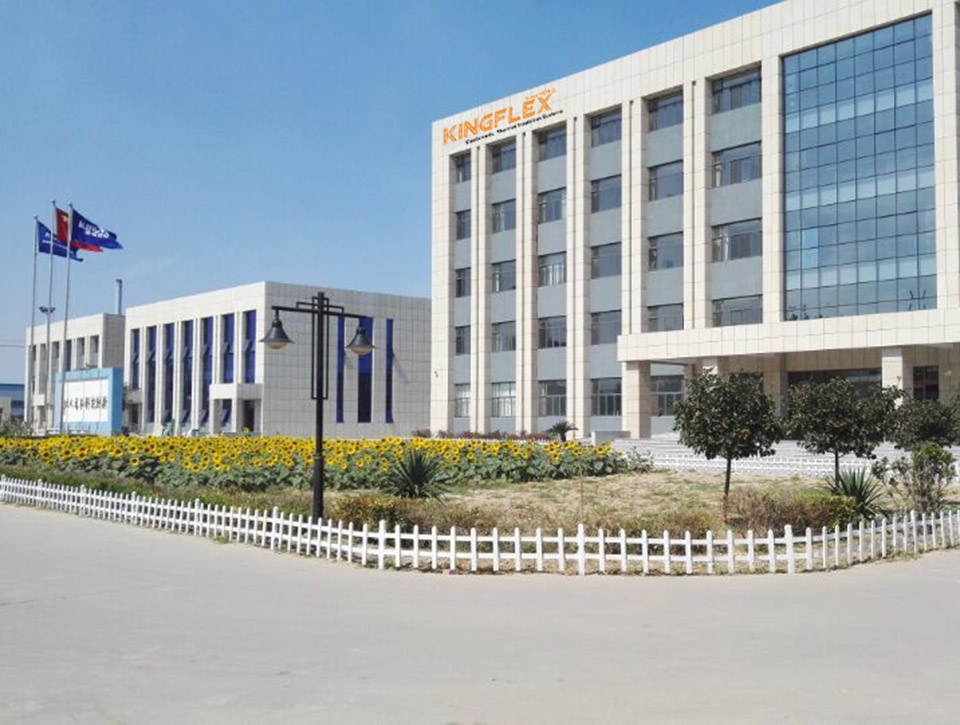
Kingflex Manufacturing Facility
Kingflex Production Line Details
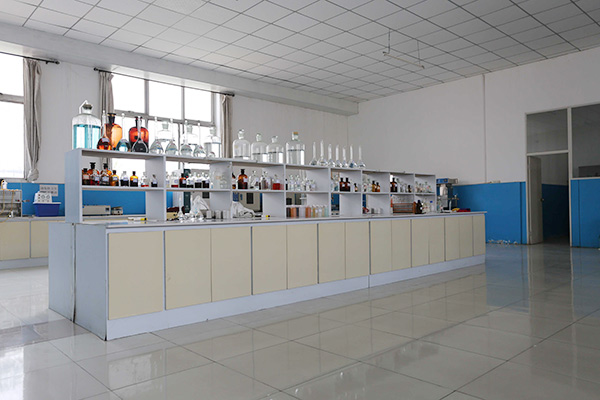
Factory Internal R&D Department
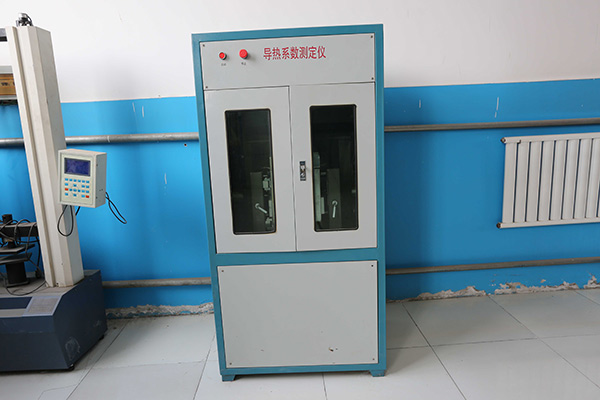
R&D Laboratory Testing
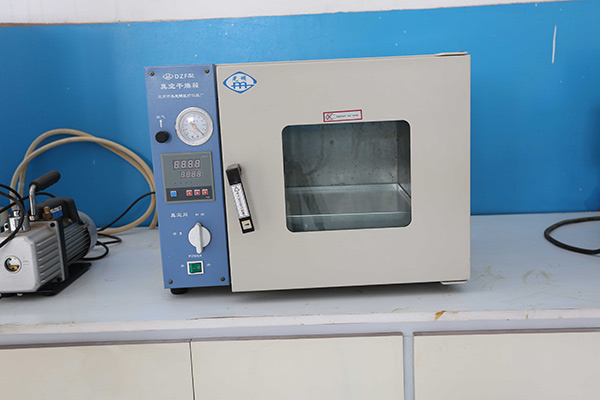
Laboratory Dynamic Quality Control
Insulation Elastomeric Roll Batching

Technical Specification Matrix

Review the physical and acoustic properties of Kingflex elastomeric foam insulation. Ensure your selected material specifications align with your project requirements:

Black Rubber Foam Insulation Sheet Roll

Standard Dimensions:

  • Material Composition: NBR/PVC polymer blend
  • Thickness Range: 6mm - 50mm
  • Density Range: 40 - 55 kg/m³
  • Operating Temperature Limit: -40℃ to 105℃

Key Advantages:

  • Uniform foam cells with a closed-cell rate exceeding 98%.
  • Excellent thermal insulation and moisture barrier performance.
  • High flexibility, with compression resilience exceeding 80%.
  • Self-extinguishing, flame-retardant formulation.

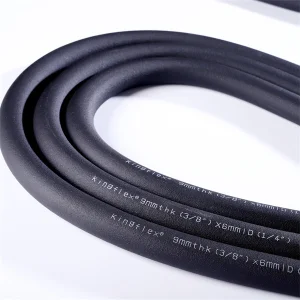
Black Rubber Foam Insulation Pipe

Standard Dimensions:

  • Material Composition: NBR/PVC elastomeric matrix
  • Thickness Range: 9mm - 40mm
  • Inner Diameter (ID): 6mm - 114mm
  • Density Range: 40 - 55 kg/m³
  • Operating Temperature Limit: -40℃ to 105℃

Key Advantages:

  • Excellent thermal barrier properties with uniform interior coatings.
  • Easy-fit flexibility simplifies installation around tight pipe elbows.
  • Resistant to thermal cycling and moisture ingress.
  • Protects outdoor plumbing from freezing and splitting.

Projects & Application Case Studies

Elastomeric Insulation Project Case 1

Large HVAC Chilled Water System

Elastomeric Insulation Project Case 2

Industrial Pipeline Steam Insulation

Elastomeric Insulation Project Case 3

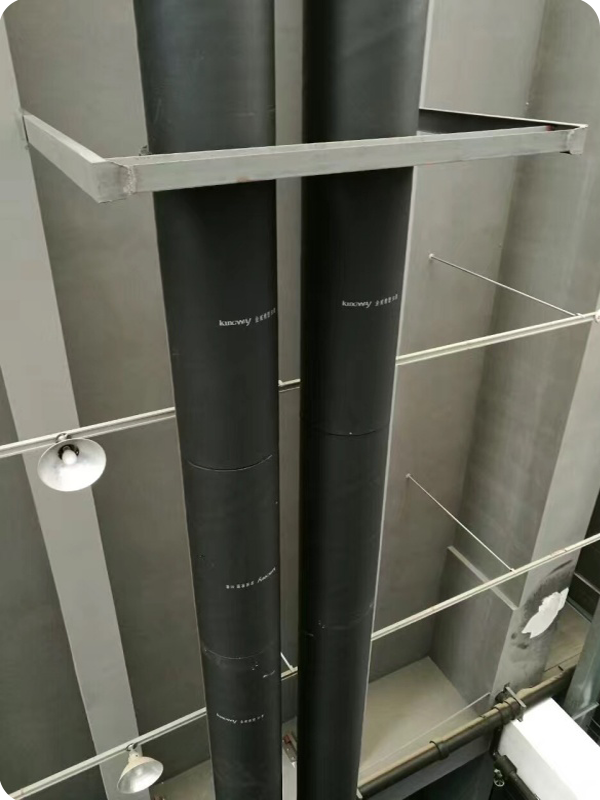
High-rise Ventilation Piping Control

Elastomeric Insulation Project Case 4

Underground Thermal Drainage Network

Technical Compliances & International Standards

In critical construction projects, third-party performance validation is essential. Kingflex rubber acoustic and thermal insulation products are tested and verified to meet major international standards:

British Standard (BS 476)

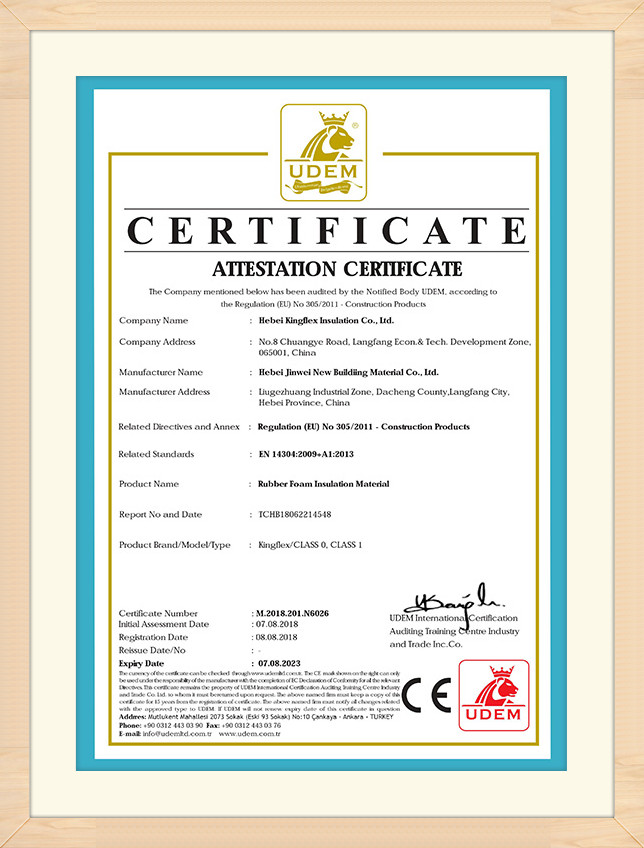
Certified under BS 476 Parts 6 & 7. Testing verifies Class 0 and Class 1 ratings for low flame spread and minimal heat release under fire exposure.

UL 94 Flammability Standard

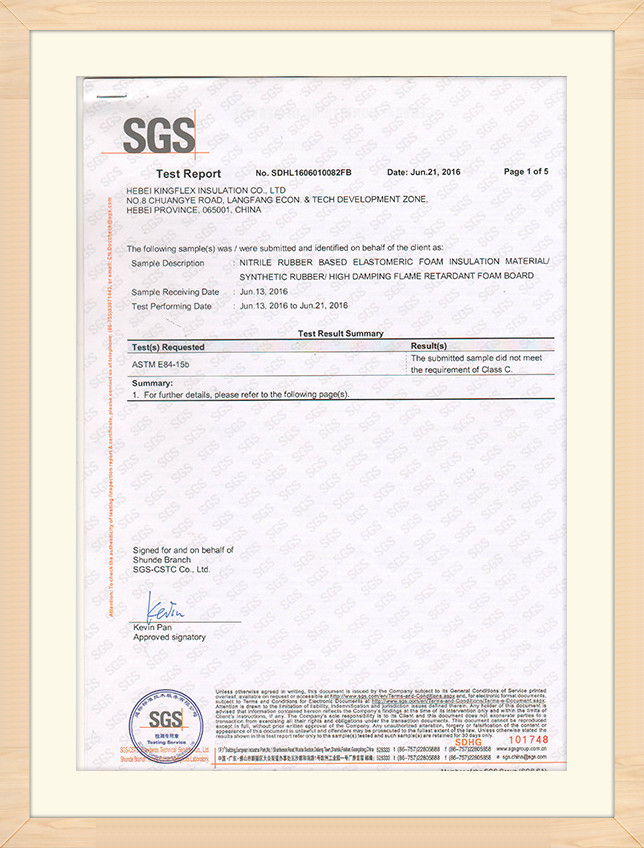
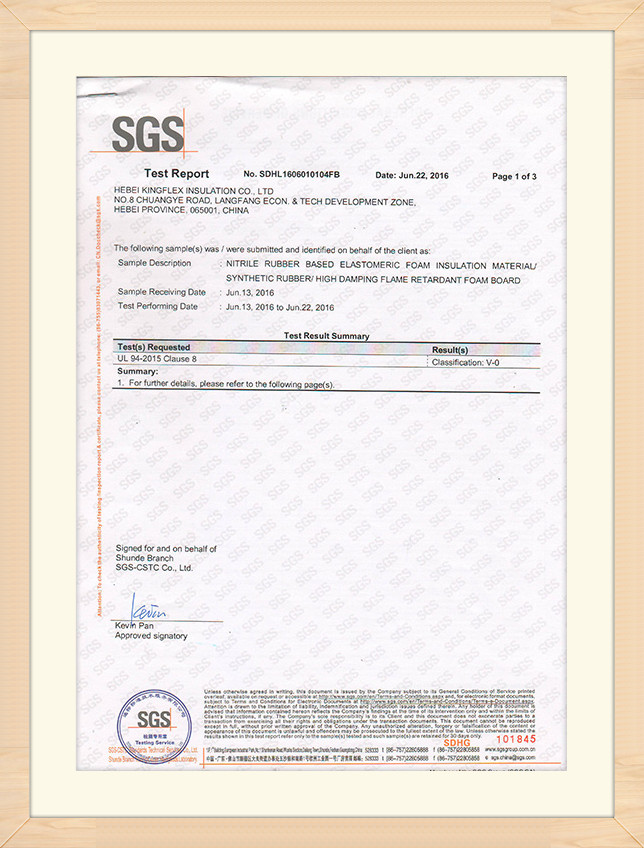
Meets UL 94 V-0 requirements. The material is self-extinguishing and will not drip flaming particles, reducing smoke density in fires.

ASTM & EN Standards

Validated under ASTM C518 for thermal transmission and EN 12086 for water vapor permeability. These tests ensure long-term, stable thermal resistance.

Quality Control & Certificate Gallery

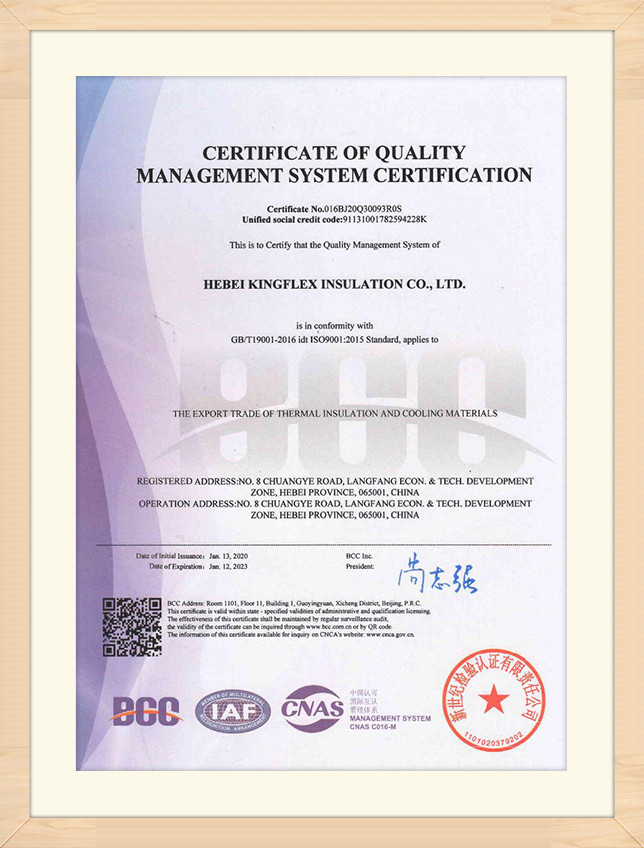
ISO Quality Certificate
FM Approval Testing Certificate
SGS RoHS Environmental Compliance Certificate
CE Marking Testing Certificate

Global Customer Feedback & Verification

Our products are used in energy-saving industrial and commercial systems worldwide. We maintain transparent communication channels with our buyers, ensuring consistent quality and reliable delivery. Here is feedback from some of our international trade partners:

Client Communication Feedback Sheet 1
Client Communication Feedback Sheet 2
Order Confirmation Log 3
Shipment Release Slip 4
Performance Verification Form 5

Global B2B Bidding and Procurement Guide

When sourcing elastomeric NBR/PVC foam insulation, project managers should look beyond basic thickness requirements. To ensure long-term performance, your technical specifications should cover the following parameters:

  • Sound Transmission Class (STC): Specifying the required decibel reduction limits (typically 25 to 35 dB depending on thickness).
  • Thermal Resistance Performance: Confirming the target thermal conductivity (λ ≤ 0.034 W/m·K at 0°C) to optimize energy efficiency.
  • Vapor Permeability Coefficient (μ): Ensuring a moisture resistance factor of μ ≥ 10,000 to eliminate the need for secondary foil jacketing.
  • Fire Propagation Index: Specifying UL94 class V-0, Class O (BS 476 Pt 6), or EN 13501-1 B-s3-d0 ratings for commercial building code compliance.

Frequently Asked Questions (Technical & Commercial)

Review our detailed answers to common technical, design, and commercial questions about rubber acoustic and thermal insulation.

Q1: What is elastomeric rubber foam insulation used for?
Elastomeric rubber foam is a flexible, closed-cell insulation material. It is primarily used to isolate HVAC duct networks, thermal and hot water piping, building walls and roofs, cryogenic systems, and industrial chemical process piping. Its closed-cell structure helps prevent condensation and reduces both airborne and structure-borne noise.
Q2: Is Kingflex rubber foam insulation fire resistant?
Yes, Kingflex rubber foam insulation is formulated with fire-retardant additives. It complies with major international fire safety standards, achieving Class 0 and Class 1 ratings under BS 476 (Parts 6 & 7) and a V-0 rating under UL 94, making it suitable for high-occupancy commercial and industrial projects.
Q3: What is the difference between rubber foam and rock wool insulation?
Rubber foam is a flexible, closed-cell material with high moisture resistance (μ ≥ 10,000), making it ideal for refrigeration, HVAC systems, and acoustic dampening without requiring an additional vapor barrier. Rock wool is a fibrous, open-structure mineral material that handles higher temperatures (up to 1000°C) but is highly permeable to moisture, requiring an outer cladding to prevent water absorption.
Q4: Do you provide customized insulation products?
Yes, Kingflex offers comprehensive OEM and ODM services. We customize thickness (6mm to 50mm), inner diameters for pipe systems, color-coded outer jackets, and self-adhesive backings to meet specific project guidelines.
Q5: What certifications do your products have?
Our products are certified under several international standards, including BS 476, CE, REACH, RoHS, UL 94, and ASTM. This documentation ensures compliance with environmental and building safety regulations globally.
Q6: Does Kingflex products have traceability?
Yes, every production batch is logged with a unique tracking number, detailing raw material input lots, curing temperatures, cell density checks, and shipping details. This ensures complete supply chain transparency.
Q7: What thickness of Rubber foam insulation sheet roll can you produce?
Our standard production line processes sheets and rolls in thicknesses ranging from 6mm to 50mm. Thicker specifications can be manufactured upon request for specialized acoustic or low-temperature industrial applications.
Q8: What is the service life of rubber plastic pipe and board?
Under typical operating conditions (-40°C to 105°C) and with proper installation, Kingflex NBR/PVC elastomeric insulation maintains its structural integrity and performance properties for 10 to 15 years.

Explore More Specialized Insulation Products

Browse our complete product range, featuring specialized configurations for high-temperature applications, cryogenic systems, and custom pipe geometries.
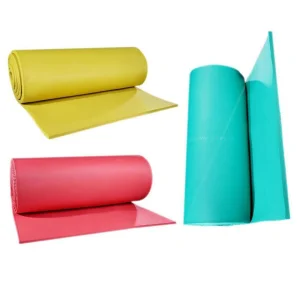
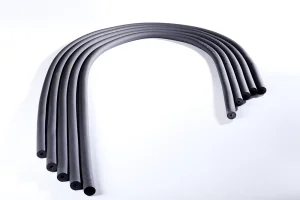
Wholesale Kingflex Colored Rubber Foam Sheet Roll

Wholesale Kingflex Colored Rubber Foam Sheet Roll

Request Color Options
Wholesale Kingflex rubber plastic foam insulation tube

Wholesale Kingflex Rubber Plastic Foam Insulation Tube

Get Tube Quotes
China Insulation rubber foam product

China Insulation Rubber Foam Product Suppliers

Contact Suppliers
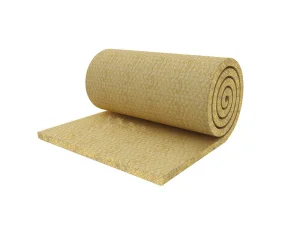
China rock wool thermal insulation blanket

China Rock Wool Thermal Insulation Blanket

Get Rock Wool Quotes
China Rubber foam insulation roll sheet

China Rubber Foam Insulation Roll Sheet Manufacturer

Get Roll Pricelist
China Kingflex Rubber Foam Sheet Roll

China Kingflex Rubber Foam Sheet Roll Manufacturer

View Factory Specs
China Flexible Ultra Low Temperature Insulation Series

China Flexible Ultra Low Temperature Insulation Series

Cryogenic Series Price
Wholesale elastomeric NBR/PVC rubber foam insulation sheet roll

Wholesale Elastomeric NBR/PVC Rubber Foam Insulation Sheet Roll

Get Volume Quote

Specialized Piping Insulation Catalog

In addition to sheet rolls, we manufacture specialized piping insulation designed for chemical resistance, high elasticity, and cryogenic applications. Explore our targeted industrial pipe insulation options below:
Rubber elastomeric foam insulation tube

Rubber Elastomeric Foam Insulation Tube

Standard closed-cell structure for air conditioning lines and heating pipes.

Corrosion Resistant Rubber Foam Insulation Tube

Corrosion Resistant Rubber Foam Insulation Tube

Formulated with an outer protective skin to resist chemical spills and corrosive environments.

Elastic Rubber Foam Insulation Pipe

Elastic Rubber Foam Insulation Pipe

High-flexibility line sets designed for quick installation around complex piping geometries.

Black Rubber Foam Insulation Pipe

Black Rubber Foam Insulation Pipe

Traditional NBR insulation tube for HVAC refrigeration lines and drainage piping.

Foam Rubber Foam Insulation Tube

Foam Rubber Foam Insulation Tube

Extra-thick foam walls for demanding structural and heavy industrial projects.

HVAC Rubber Foam Insulation Tube

HVAC Rubber Foam Insulation Tube

Acoustic-lined pipe covers engineered specifically for commercial building ventilation corridors.

Elastomeric rubber foam insulation system

Elastomeric Rubber Foam Insulation System

Comprehensive system designed for ultra-low temperature and chemical gas handling facilities.

Kingflex flexible insulation material for cryogenic
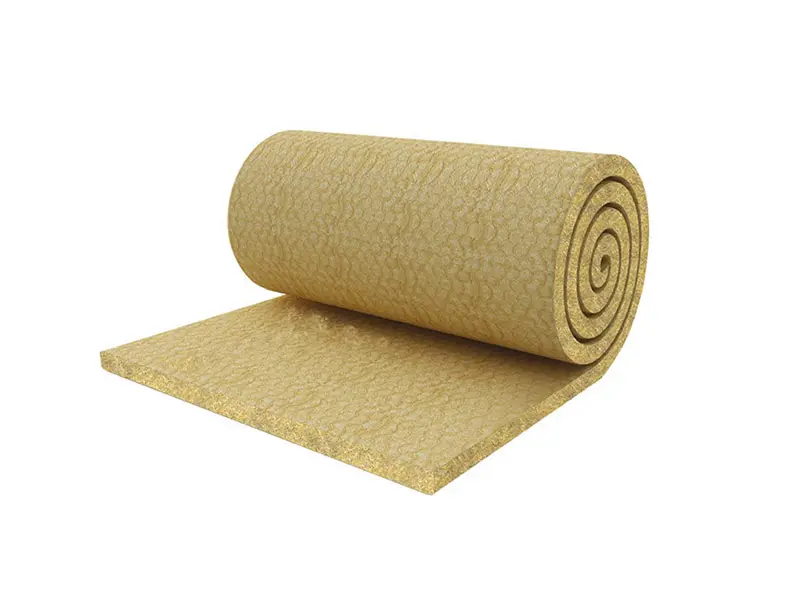
Kingflex Flexible Cryogenic Insulation Material

Specifically designed for cold conservation on LNG pipelines and deep chilling tanks.

Cryogenic rubber foam for low temperature

Cryogenic Rubber Foam for Low Temp & High Vibration

Dual-action protection system offering vibration dampening and thermal insulation.

Elastomeric cryogenic insulation for low temper

Elastomeric Cryogenic Insulation

Advanced low-temperature polymer series for heavy industrial operations.

Rock Wool Insulation Board

Rock Wool Insulation Board

Non-combustible mineral wool panels for high-temperature process walls.

rock wool thermal insulation blanket

Rock Wool Thermal Insulation Blanket

Flexible mineral fiber wraps suitable for large storage tanks and industrial kilns.