Engineered elastomeric foam and high-density fiber options direct from state-of-the-art Chinese manufacturing facilities.
Analyzing market trends, noise control regulations, and technical demands in modern infrastructure design.
In contemporary architectural design, mechanical system engineering, and industrial processing plants, managing sound transmission and heat energy transfer are twin components of a singular goal: optimization. The rapid development of HVAC system configurations, industrial fluid piping, and aerospace frameworks has elevated requirements for acoustic comfort and energy efficiency. Today, sound absorption and thermal insulation are no longer treated as secondary architectural additions; they are core parameters calculated from the start of structural planning.
According to global building standards—such as the International Building Code (IBC) and ASHRAE directives—controlling internal reverberation and external noise pollution is directly connected to occupant health, structural durability, and overall energy savings. The search for high-density, closed-cell elastomeric rubber foams and fireproof rock wool matrices has increased as designers seek systems that provide high sound transmission loss (STL) alongside low thermal conductivity.
Key Engineering Metric: The efficiency of modern acoustic barriers is measured by the Noise Reduction Coefficient (NRC) and Sound Transmission Class (STC). High-performance rubber-foam configurations exhibit closed-cell ratios exceeding 98%, balancing thermal isolation with acoustic attenuation in space-constrained layouts.
Evaluating structural differences, physical dynamics, and appropriate system applications.
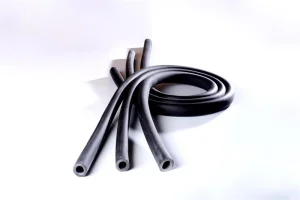
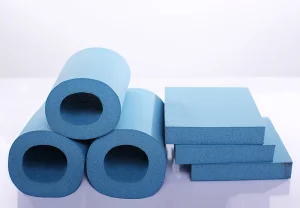
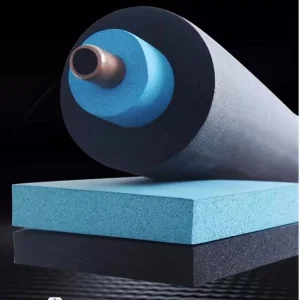
Characterized by a closed-cell matrix, elastomeric foam sheets and tubes (such as the Kingflex NBR/PVC line) prevent moisture ingress. By blocking moisture movement, they maintain stable thermal conductivity over a 15-year service life. The flexible structural matrix absorbs vibration energy, making NBR/PVC foam effective at reducing low-frequency structural noise in air ducts and refrigeration systems.
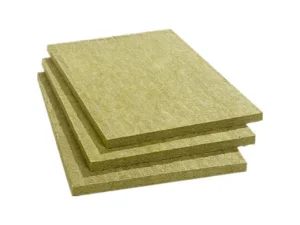
Composed of spun basalt fibers bonded with thermosetting resins, rock wool boards excel in high-temperature applications and passive fire protection. Their open-fibered density structure traps sound waves within a network of microscopic air pockets, offering high acoustic absorption (NRC up to 0.90) for machine rooms, drywall partitions, and high-heat steam pipes.
For systems operating down to -200°C (such as LNG systems or cryogenic chemical transport pipelines), elastomeric cryogenic insulation systems are used to prevent structural damage from thermal contraction. The selection of materials depends on operating temperatures, environmental moisture levels, fire hazard ratings, and target acoustic frequencies.
Standard sizing, physical performance values, and material properties for project planning.
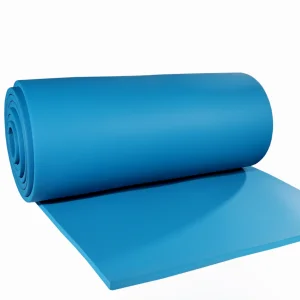
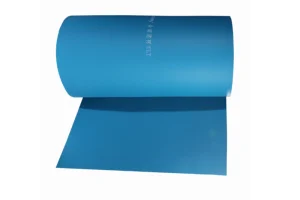
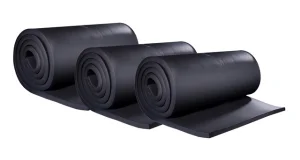
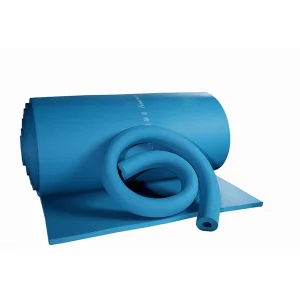
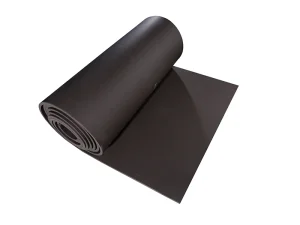
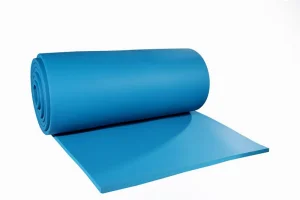
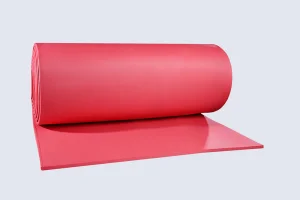
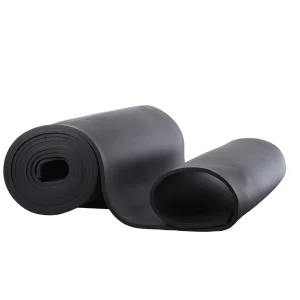
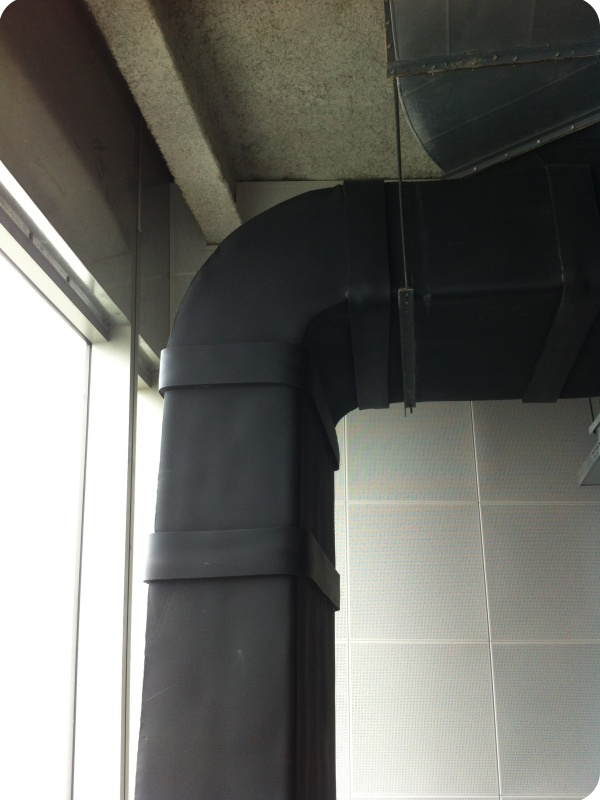
Manufactured from high-grade Nitrile Butadiene Rubber / Polyvinyl Chloride (NBR/PVC) compounds, these sheet rolls are formulated for large-surface coverage, including HVAC duct wraps, large-diameter industrial tanks, and mechanical enclosures.
Key Applications: Wall, roof, and basement thermal and acoustic insulation; anti-condensation wrappers for central AC ducts; noise dampening in industrial facilities, hotels, malls, and hospital ventilation ducts.
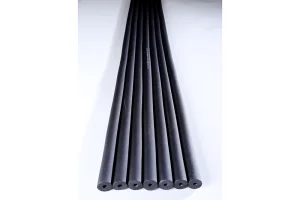
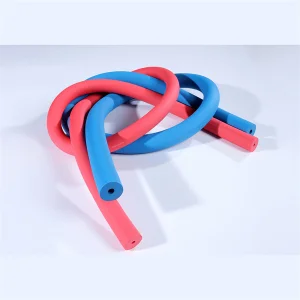
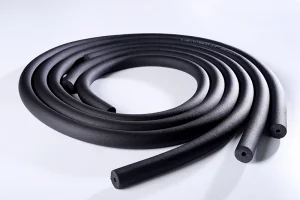
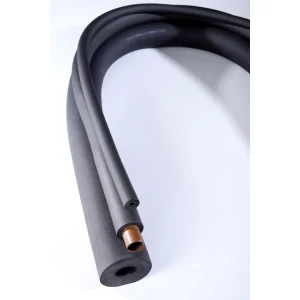
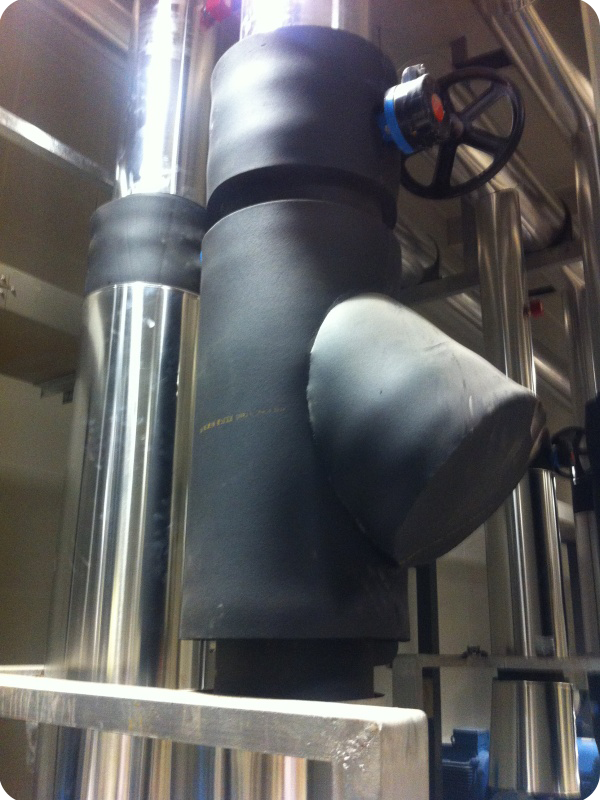
Designed for pipe routing, these extruded tubes fit standard copper and steel pipes, protecting them from condensation, energy loss, and structural vibration noise.
Key Applications: HVAC chilled/hot water piping, residential plumbing freeze protection, process chemical lines, solar hot water lines, and marine ducting setups.

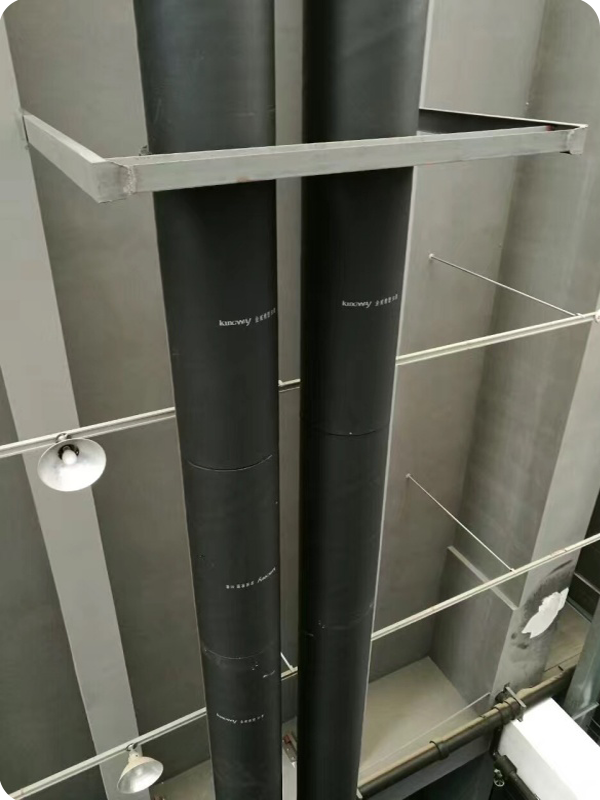
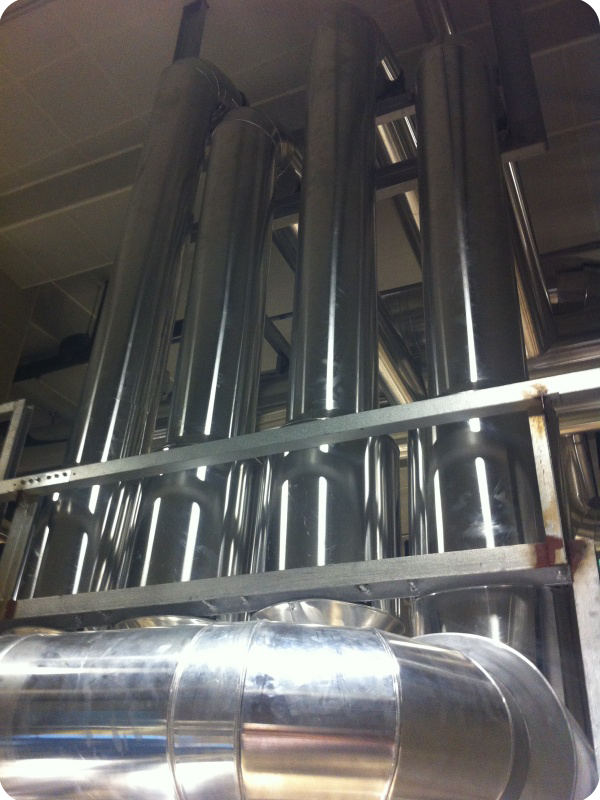
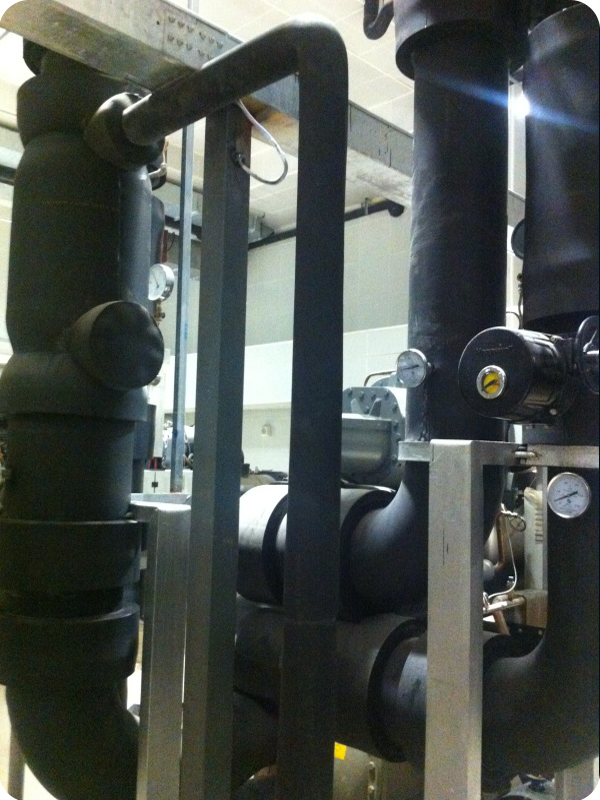

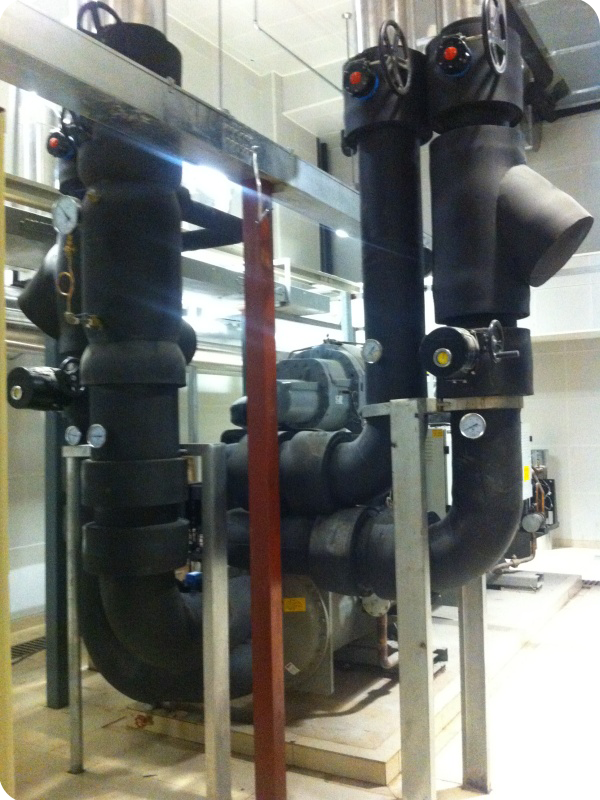
Leveraging automated production, direct raw material sourcing, and specialized cluster efficiencies.
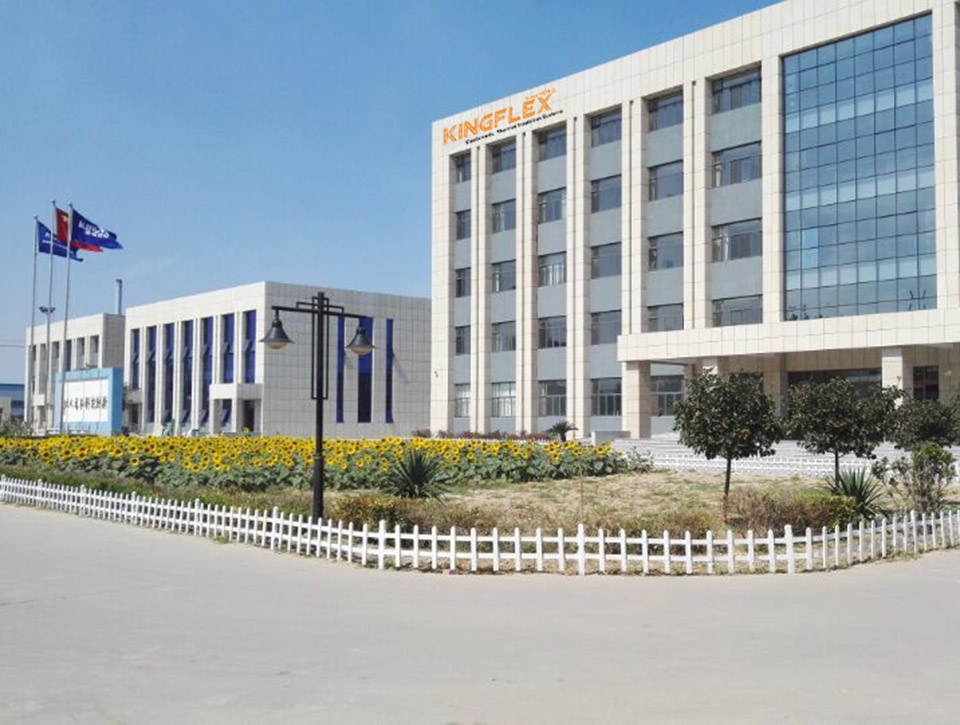
China's dominance in the global thermal and acoustic insulation supply chain rests on organized industrial ecosystems. Dacheng, located in Hebei province, is recognized as a center for green building materials. Operating from this hub, Kingflex Insulation Co., Ltd. integrates research, development, and high-volume extrusion. Under the Jinwei Group (established in 1979 as the pioneer manufacturer of thermal insulation materials north of the Yangtze River), our facility has optimized its workflow over more than four decades of operations.
Our 5 automated assembly lines run continuously, producing over 600,000 cubic meters annually. This scale provides cost efficiencies and production consistency that smaller suppliers cannot match. The facility is designated as a production enterprise by the Ministry of Energy, the Ministry of Electric Power, and the Ministry of Chemical Industry, reflecting its compliance with strict state infrastructure standards.
Additionally, direct regional access to PVC resins, NBR polymers, and specialized blowing agents reduces lead times for raw materials. This proximity protects our supply chains from global logistics volatility, ensuring reliable fulfillment for overseas projects.
Implementing custom insulation systems in demanding environments, from high-humidity coastal zones to dry industrial plants.
In hotels, shopping complexes, and hospital ventilation networks, low-frequency fan noise can travel through metal ductwork. Wrapping ducts with elastomeric rubber sheet rolls dampens vibrations and controls condensation. Halogen-free, flame-retardant configurations are standard here to prevent toxic smoke generation in public buildings.
Industrial cryogenic operations down to -200°C face the risk of system failures caused by thermal expansion, contraction, and ice formation. Applying specialized flexible elastomeric cryogenic insulation (such as Kingflex Cryogenic Systems) provides the required thermal barrier. It prevents atmospheric oxygen condensation, which can pose a fire hazard on piping surfaces.
In heavy industrial facilities, generating high acoustic energy (such as compressors or high-pressure steam pipes), open-loop rock wool blankets and high-density boards are installed inside multi-layered acoustic panels. The combination of open-fiber absorption and closed-cell vibration damping blocks sound propagation, protecting worker hearing and meeting municipal noise regulations.
Exploring advanced raw material formulations, halogen-free compositions, and aerogel composite systems.
The global insulation industry is shifting toward materials that deliver performance while prioritizing environmental safety. The research department at Kingflex, led by 8 professional R&D engineers, focuses on modifying polymer matrices to improve fire resistance without using halogenated additives. Traditional chlorinated flame retardants release acidic fumes in fire conditions; developing halogen-free elastomeric sheets directly addresses this safety concern.
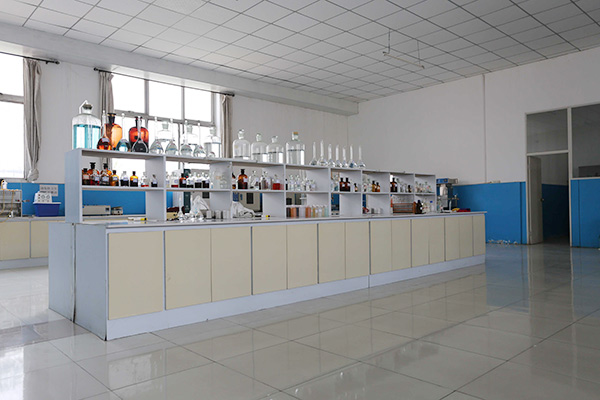
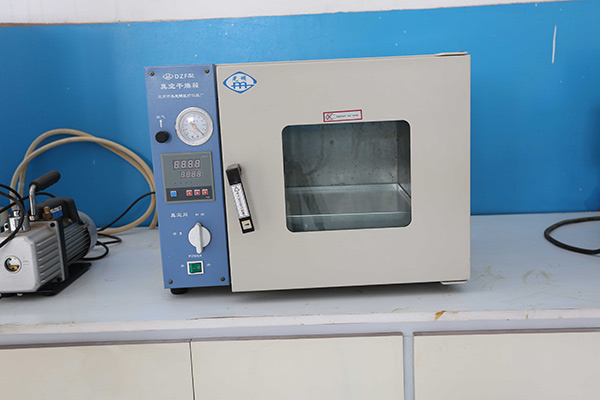
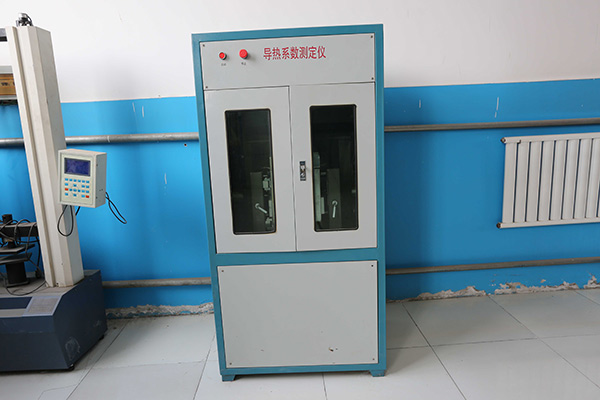
Furthermore, our technological roadmap focuses on integrating silica aerogel technologies into the rubber foam foaming process. This composite approach lowers thermal conductivity while maintaining flexibility and ease of installation. Our ongoing engineering research targets:
Documenting our international compliance, professional team structures, and customer trust signals.
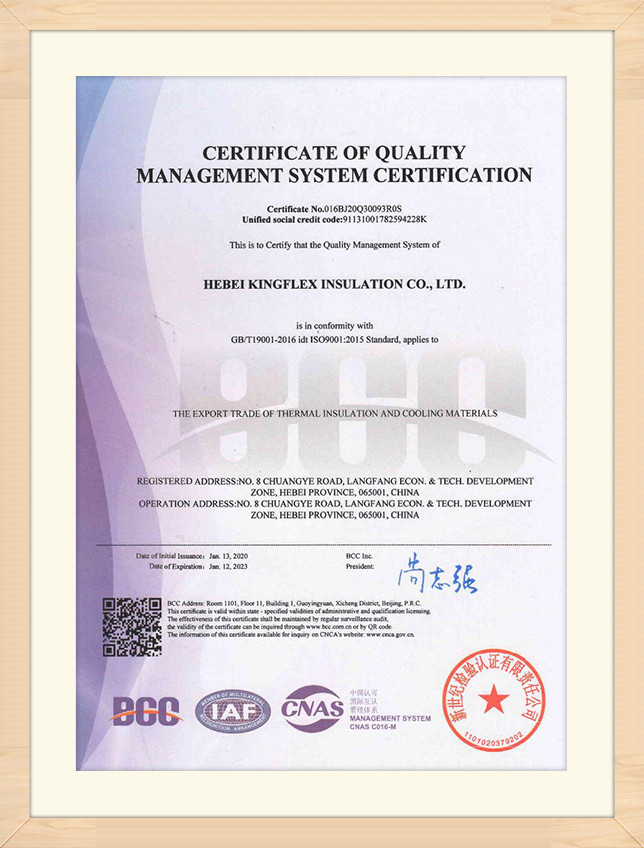
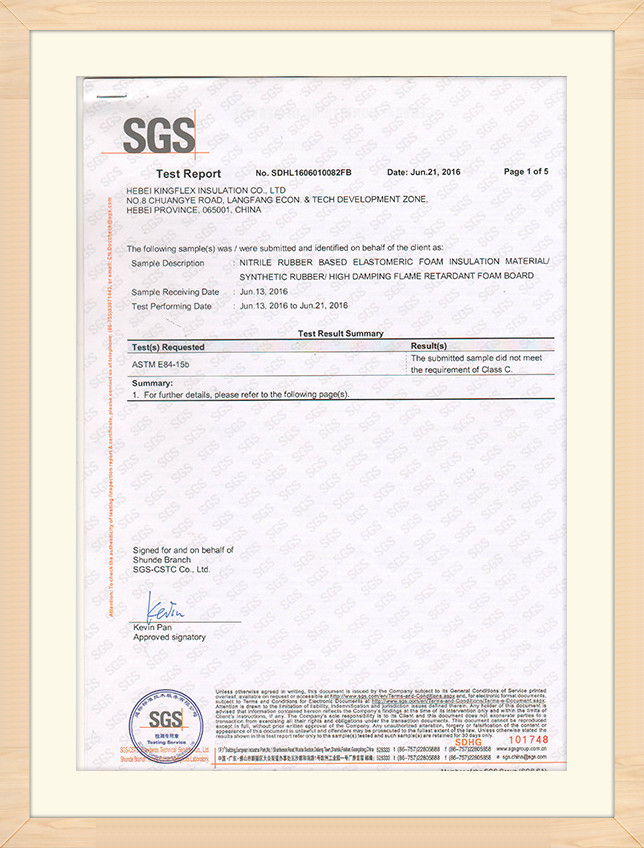
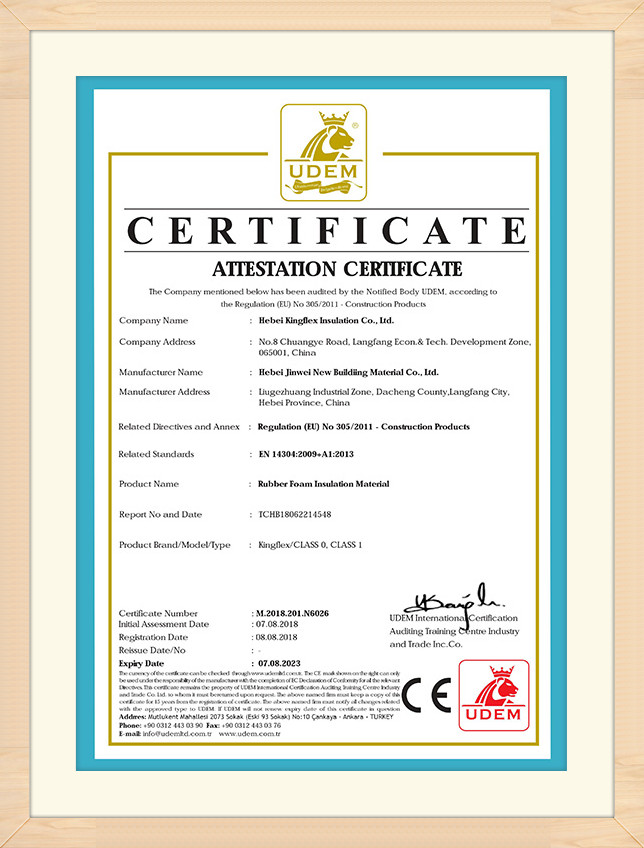
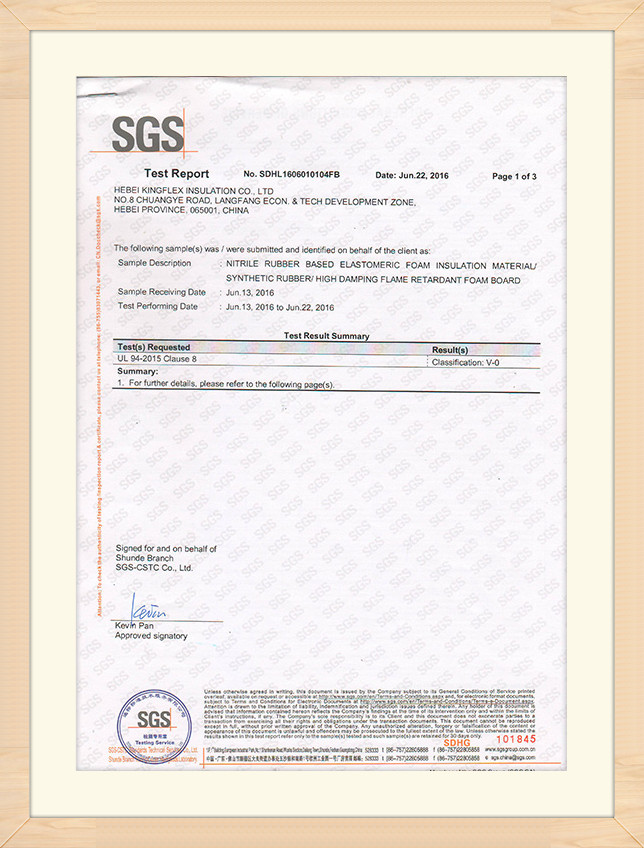
Reliability in industrial procurement requires independent certification. Kingflex materials undergo regular testing against global standards, ensuring safety, durability, and environmental compliance:
Our international sales and technical support departments guide projects from initial specification to final delivery. Our site team consists of 8 professional R&D engineers, 6 international sales representatives, and 230 manufacturing specialists. We provide technical consultation, tailored engineering quotes, shipping logistics, and post-installation support.
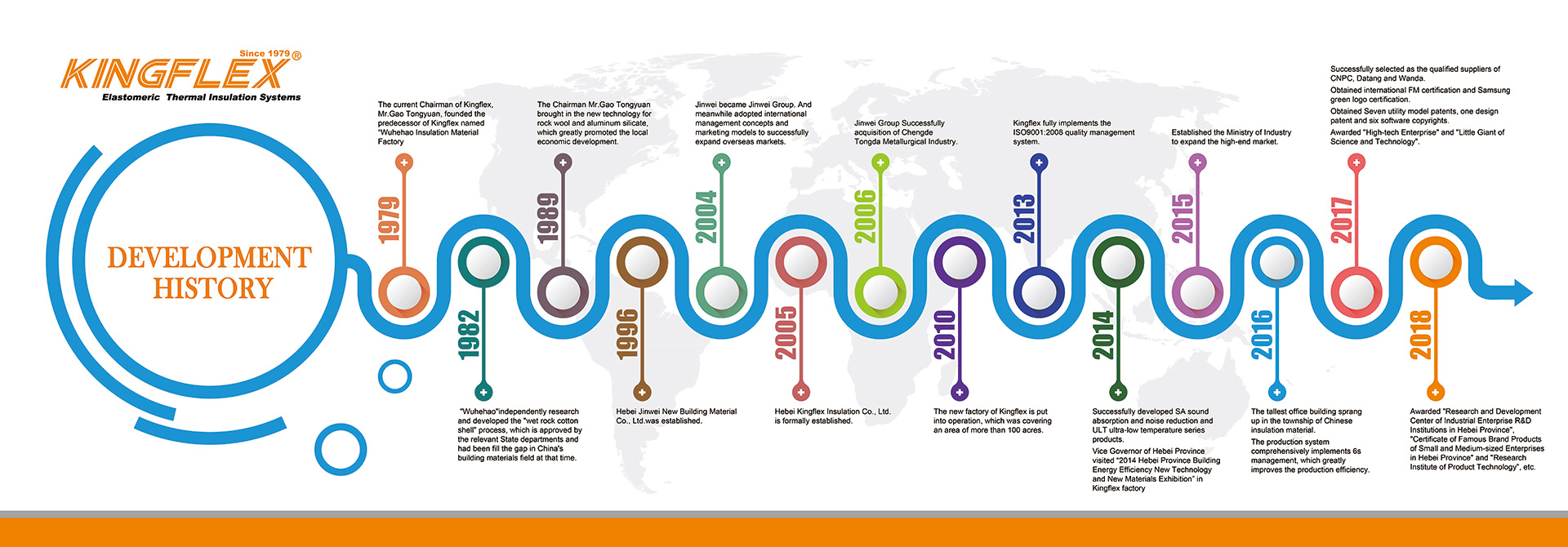

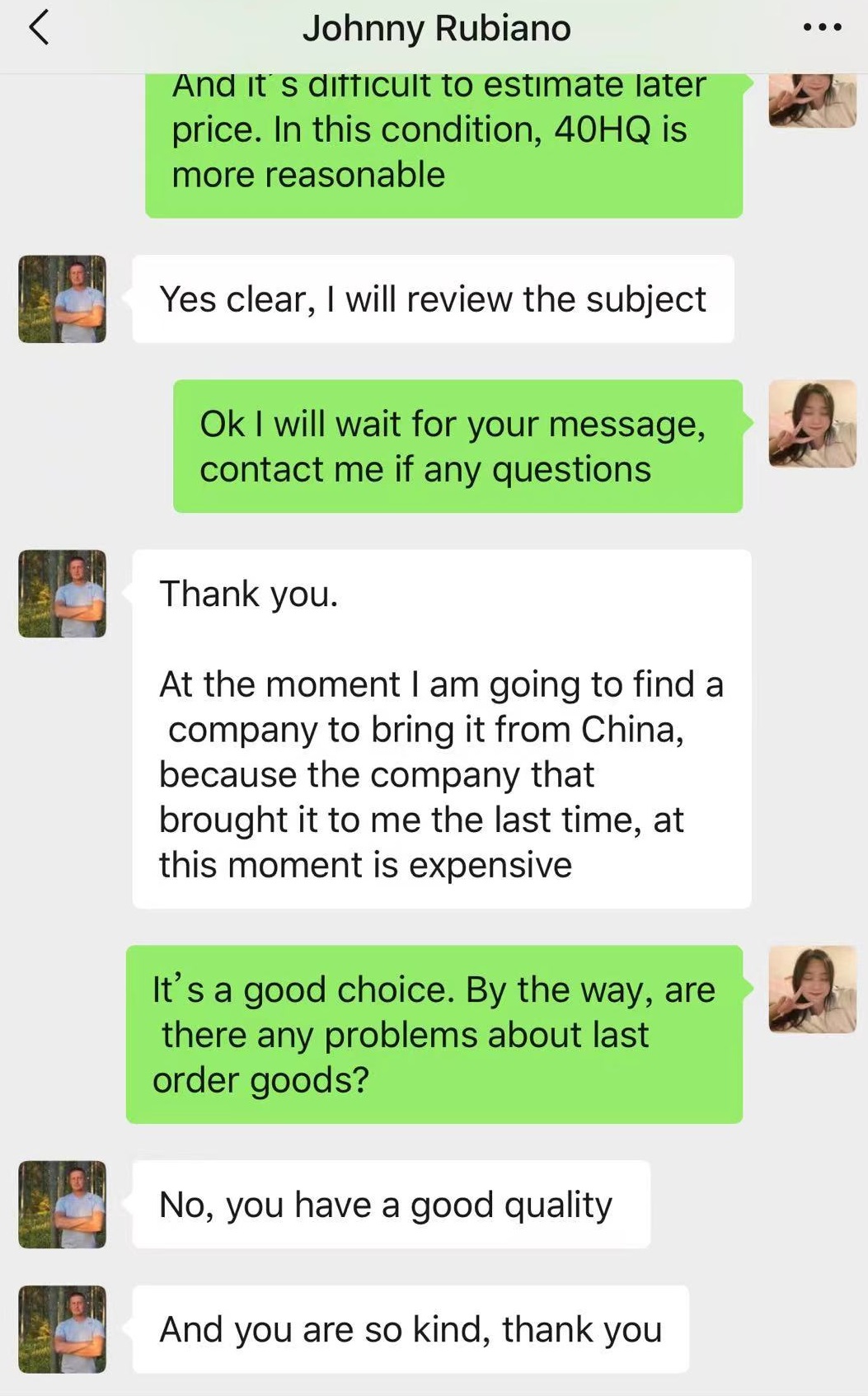
Open communication is key to project success. We maintain full traceability for all shipped batches, allowing clients to trace finished materials back to raw material lots. Below are verified records of client updates and project communications:




Handling international logistics, customs regulations, container packing, and local support services.
Securing insulation materials requires reliable shipping logistics and custom clearance procedures. Because elastomeric rubber foam has a low bulk density, it takes up significant volume. Standard international shipments require optimized container packaging to manage freight costs effectively. Kingflex offers vacuum compression packaging for rolls, maximizing container capacity by up to 40% without compromising the physical recovery properties of the foam.
Our international logistics team manages customs documentation, including Certificates of Origin, bills of lading, and compliance records required for entry into markets across North America, Europe, Southeast Asia, and the Middle East. Additionally, we provide localized installation guidelines to ensure that field adjustments match design specifications.
Technical answers regarding installation, material features, and standard specifications.
A1: It is mainly used for HVAC ducts, air conditioning pipes, building thermal insulation, industrial pipeline cold insulation, and sound insulation.
A2: Yes, our rubber foam insulation is fire retardant, which meets the safety standards of building and industrial projects.
A3: Rubber foam is flexible, closed-cell, and moisture-proof, suitable for HVAC and building insulation; rock wool is high-temperature resistant and fireproof, suitable for industrial high-temperature pipeline insulation.
A4: Yes, we support OEM service to meet different project needs.
A5: Our products have passed BS 476, CE, REACH, ROHS, UL94, ASTM, and other international certifications, ensuring product quality and compliance with global standards.
A6: Yes, Kingflex products have traceability.
A7: We can produce from 6mm to 50mm thickness.
A8: It will be about 10 to 15 years.
Select specialized insulation models, cryogenic rolls, and standard NBR/PVC panels.
For project specifications, technical datasheets (TDS), safety datasheets (SDS), and custom drawings, explore the following product files:
 Kingflex