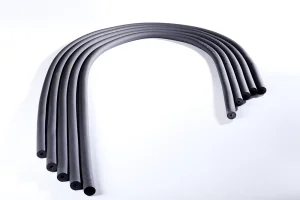
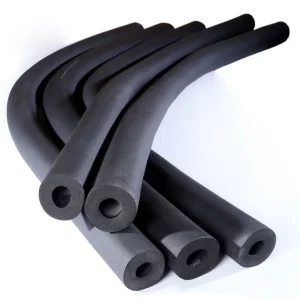
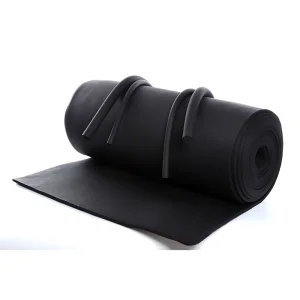
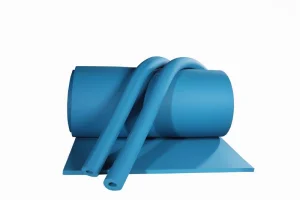
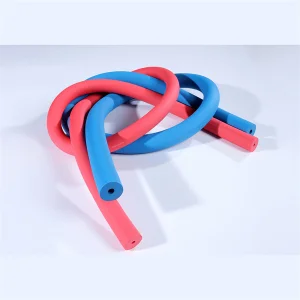
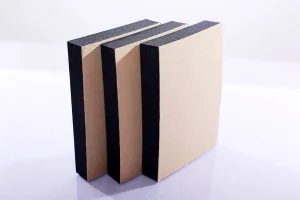
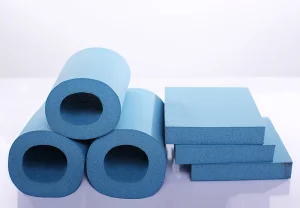
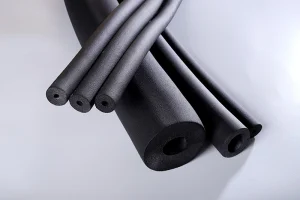
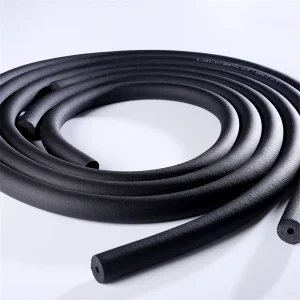
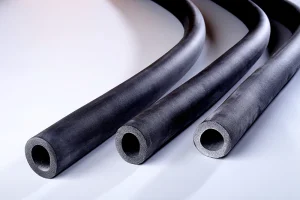
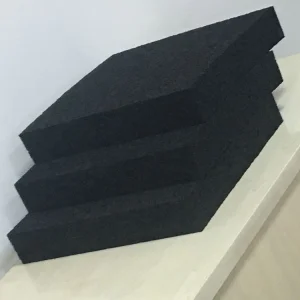
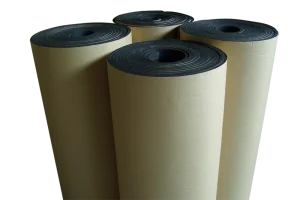
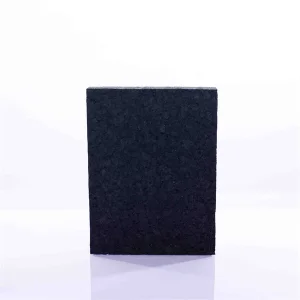
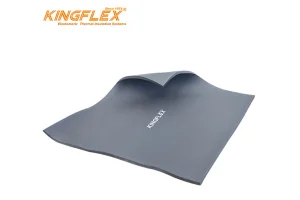
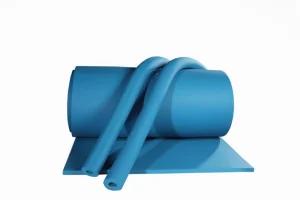
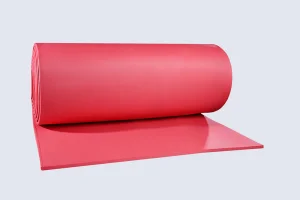
Direct factory supply of high-grade NBR/PVC elastomeric rubber foam insulation rolls, tubes, and sheets.
In high-performance building design, industrial facilities, and HVAC systems, specifying the correct insulation is critical to both environmental safety and energy efficiency. B2B buyers and engineers looking for Wholesale Acoustic Insulation PDF catalogs seek more than generic product sheets. They require comprehensive documentation showing physical performance statistics, fire-resistance standards, acoustic damping performance, and environmental compliance certifications.
At Kingflex Insulation Co., Ltd., we serve as a premier manufacturing and trading combo, focusing on direct factory supply chains of elastomeric rubber foam insulation products. Our global reputation rests on providing detailed architectural and engineering datasheets to help procurement directors make informed decisions. We understand the specific demands of project designers, mechanical engineers, and global distributors who need reliable material attributes to meet local construction and energy codes.
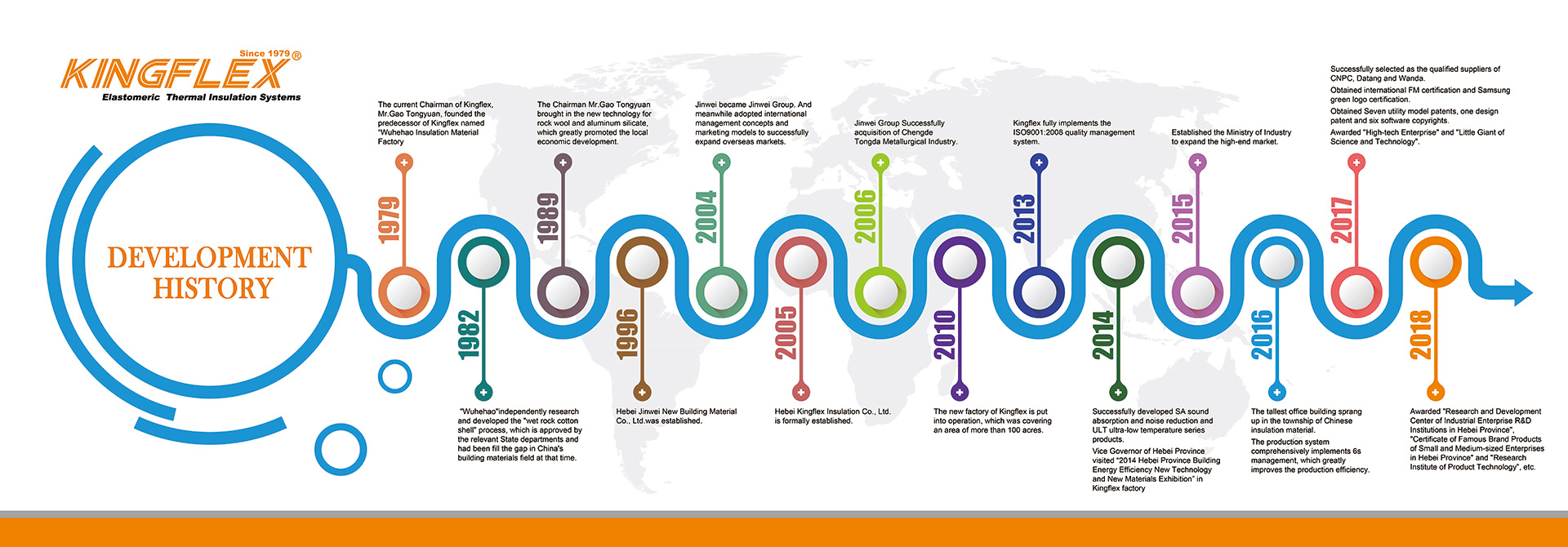
Established under the parent umbrella of the Jinwei Group, which boasts a history of over 40 years since its founding in 1979, Kingflex holds deep expertise in thermal and acoustic insulation manufacturing. Jinwei Group was the first manufacturer of thermal insulation materials located north of the Yangtze River, paving the way for China's modern insulation industry. Our current operations are based in Dacheng, China—historically recognized as the capital of green-building materials.
Equipped with 5 advanced automatic production lines to handle high-volume wholesale requirements seamlessly.
Led by 8 professional research engineers and 230 manufacturing specialists maintaining consistent material quality.
With 16+ years of international logistics experience, supplying certified insulation systems globally.
Acoustic insulation works by disrupting air-borne and structure-borne sound transmission. Standard thermal insulation focuses solely on limiting heat transfer. In contrast, high-performance acoustic materials combine open-cell structure for sound absorption and high density for sound barrier properties. Kingflex factories produce premium NBR/PVC elastomeric formulations engineered to target specific acoustic challenges in ductwork, walls, and piping assemblies.
Our raw material compounding process blends Nitrile Butadiene Rubber (NBR) and Polyvinyl Chloride (PVC) to form a flexible, closed-cell matrix, or an open-cell sound-absorbing configuration for high-frequency attenuation. The foam structure acts as an array of microscopic chambers that convert kinetic sound energy into heat energy through friction within the cell walls.
Our standard dimensions and performance ranges are engineered to meet global commercial building standards:
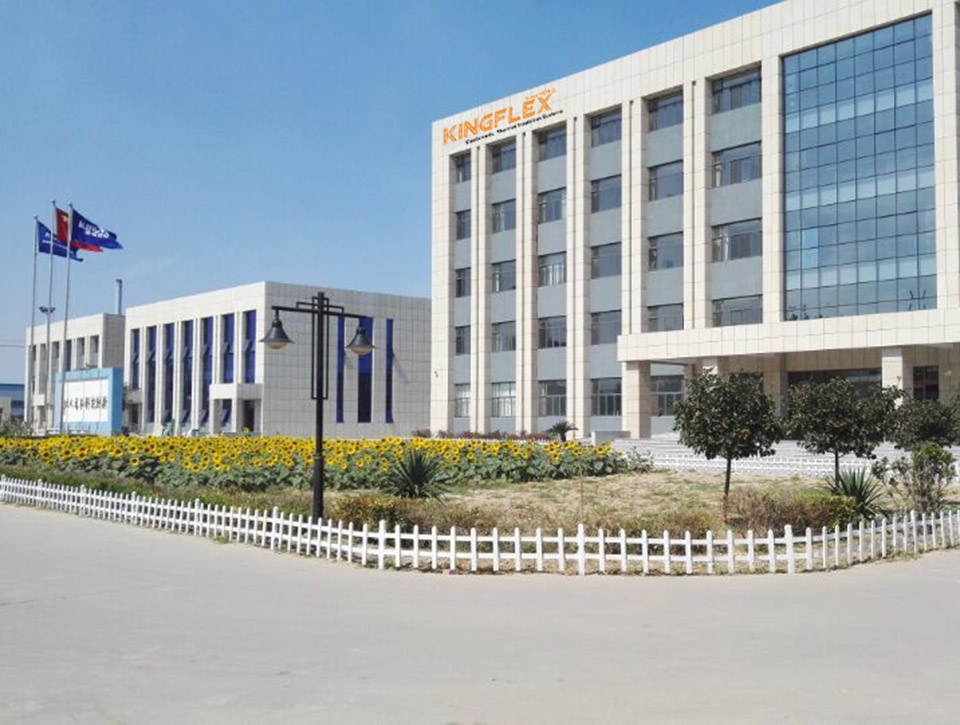
Modern factories must operate with energy conservation as a primary benchmark. By locating our production in the Dacheng green-building materials cluster, we reduce the logistics carbon footprint of raw material transport. Our automatic assembly lines prioritize low energy consumption. The durability of our NBR/PVC sheets (offering a service life of 10 to 15 years) ensures that the environmental energy saved during their application phase far outweighs the energy consumed during manufacturing.
Why do leading international contractors source their acoustic materials directly from a Chinese wholesale factory? The answer lies in supply chain aggregation, advanced chemical processing, and pricing efficiencies. Operating in Dacheng gives us direct access to high-grade industrial polymers, curing agents, and foaming chemicals, shielding us from volatile localized supply shocks.
Our vertical integration—from material R&D to direct global export—allows us to eliminate middleman margins. This setup gives us flexibility to offer OEM customizations such as pre-applied self-adhesives, protective aluminum foil facings, and customized thicknesses (ranging from 6mm to 50mm). Global procurement officers benefit from consistent, traceable batches and competitive volume pricing.

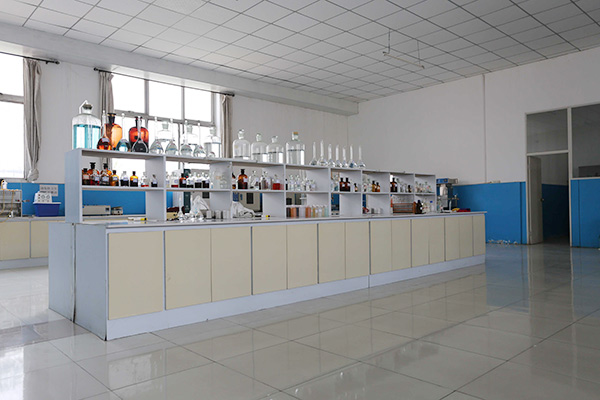
Procuring raw materials from overseas requires robust export logistics. Our international sales and logistics team coordinates shipping routes, customs compliance documentation, and multi-layered packaging to prevent moisture damage during sea transit. With a production facility designated by the Ministry of Energy and the Ministry of Chemical Industry, our shipping processes meet high international quality standards, ensuring on-time delivery for large projects.
For an acoustic consultant or design engineer, a PDF technical catalog is more than a brochure; it is a legally binding performance document. When selecting materials, designers cross-reference physical properties against regional codes like building safety mandates and environmental directives. Standardizing testing procedures is the only way to ensure the safety and compliance of soundproof structures.
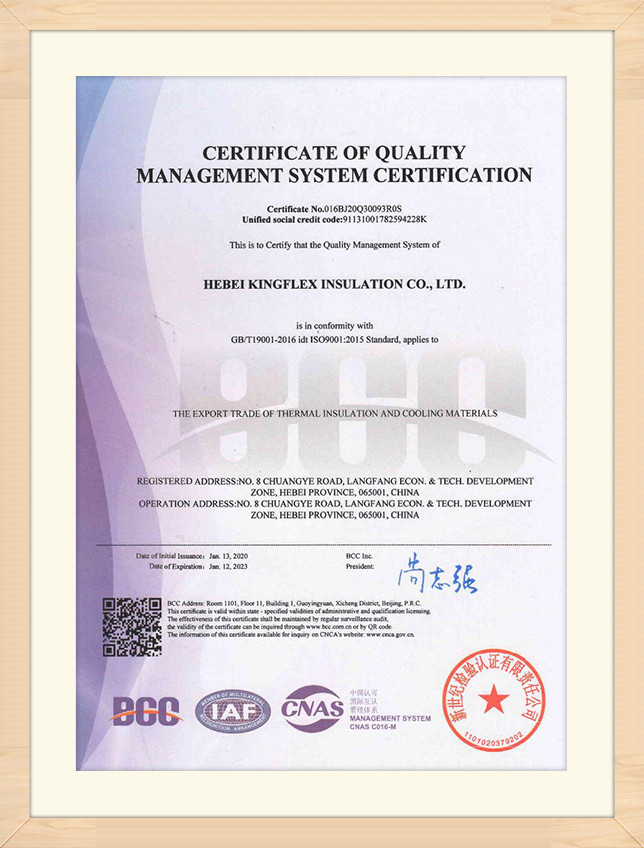
At Kingflex, our products undergo regular testing to meet major global criteria. This transparent verification process helps project managers secure municipal approvals and verify project specifications.
Our elastomeric insulation sheets achieve Class 0 classification under British Standard 476 Parts 6 & 7. They are self-extinguishing and resist flame propagation, meeting safety codes for high-occupancy structures.
Our formulations are free from heavy metals, polybrominated biphenyls, and dangerous plasticizers. This guarantees low outgassing and compliance with strict EU environmental mandates.
Tested under ASTM protocols, our open-cell soundproofing sheets achieve optimal sound absorption coefficients, reducing high-frequency vibrations in metal duct systems.
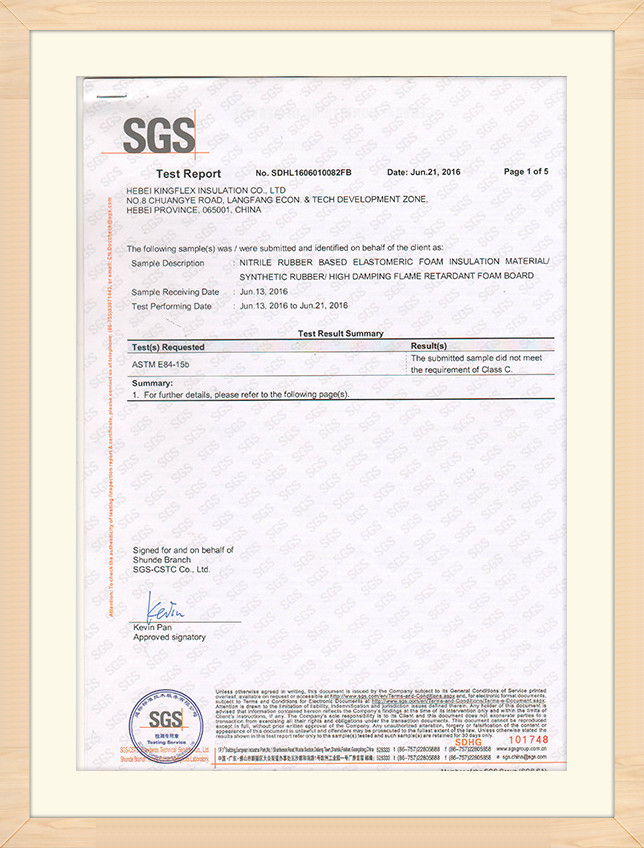
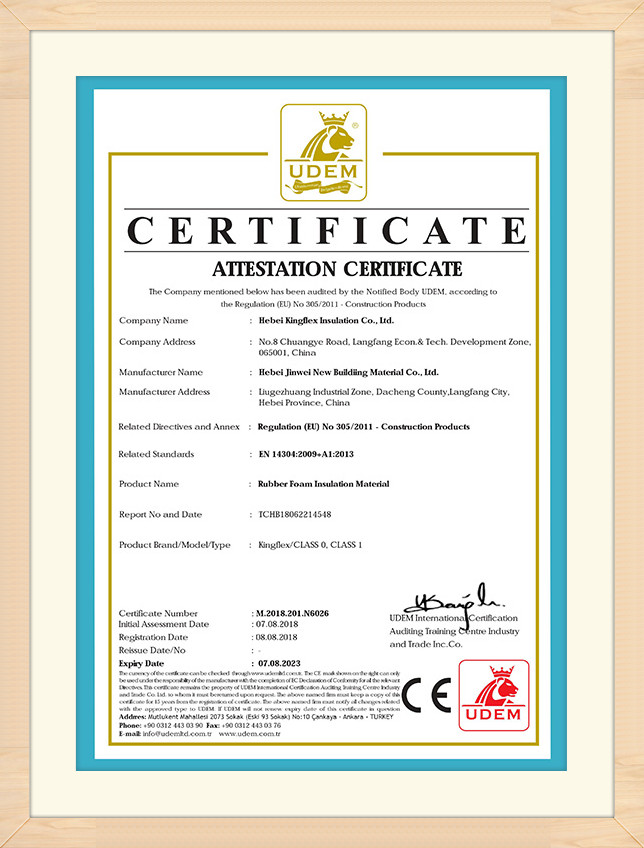
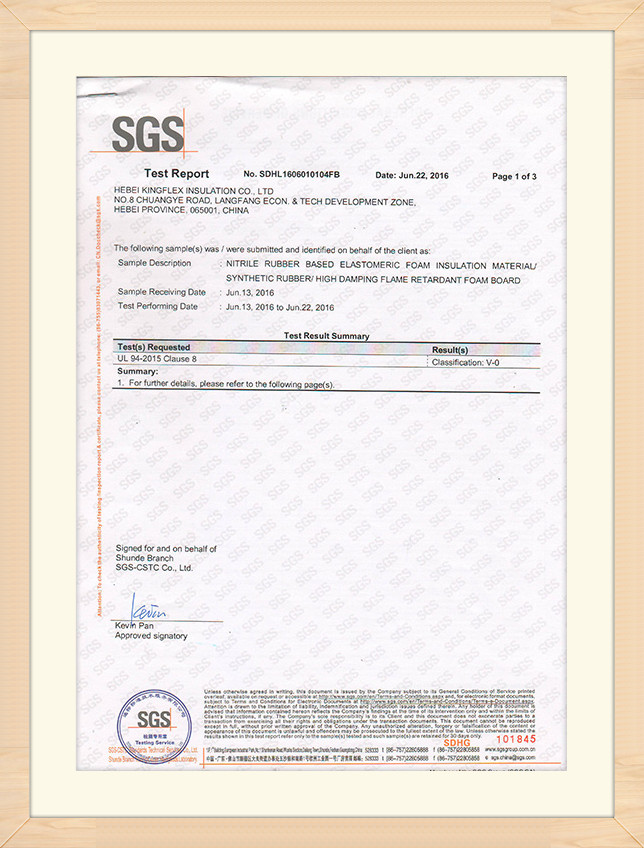
Acoustic and thermal insulation challenges vary depending on the local environment and application. Our specialized NBR/PVC materials are engineered to perform reliably across a wide range of conditions:
In hot and humid climates, cold air flowing through sheet metal ducts can trigger external condensation, leading to mold growth and water damage. Applying our closed-cell rubber insulation sheets blocks condensation and dampens mechanical vibration noise from fans and compressors.
Hospitals, schools, and offices require quiet indoor environments. Using open-cell soundproof insulation sheets in wall cavities and machine room linings helps block crosstalk between rooms and absorbs equipment noise.
Liquefied gas transport and chemical pipelines run at sub-zero temperatures, risking ice formation and thermal energy loss. Our cryogenic elastomeric rubber foam remains flexible down to -40°C, providing insulation without cracking under thermal contraction stresses.
Chemical processing environments present risks of chemical splash, moisture ingress, and thermal fluctuations. Our corrosion-resistant rubber foam insulation protects carbon steel pipes from corrosion under insulation (CUI) while reducing process noise.
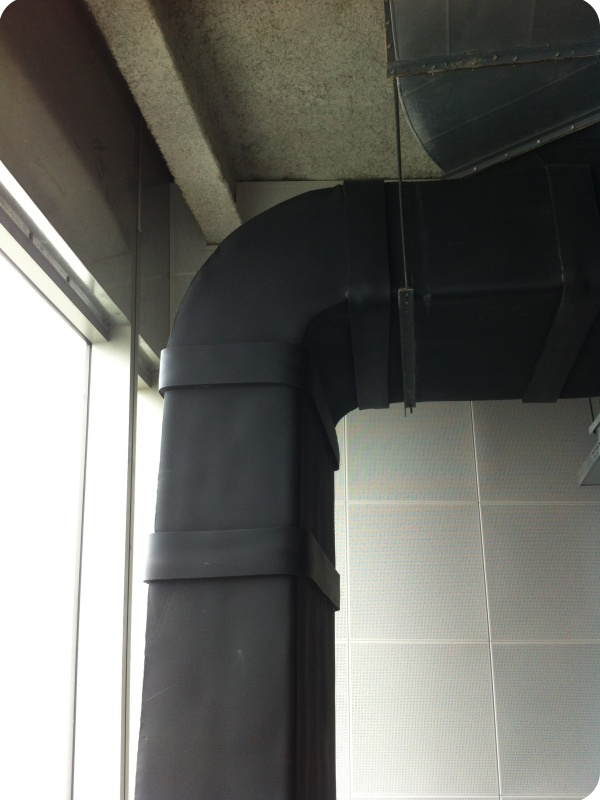

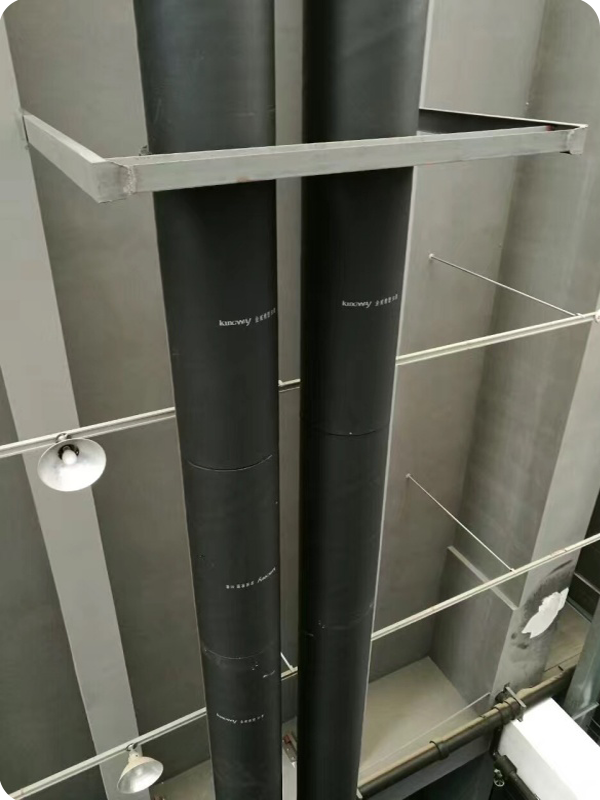
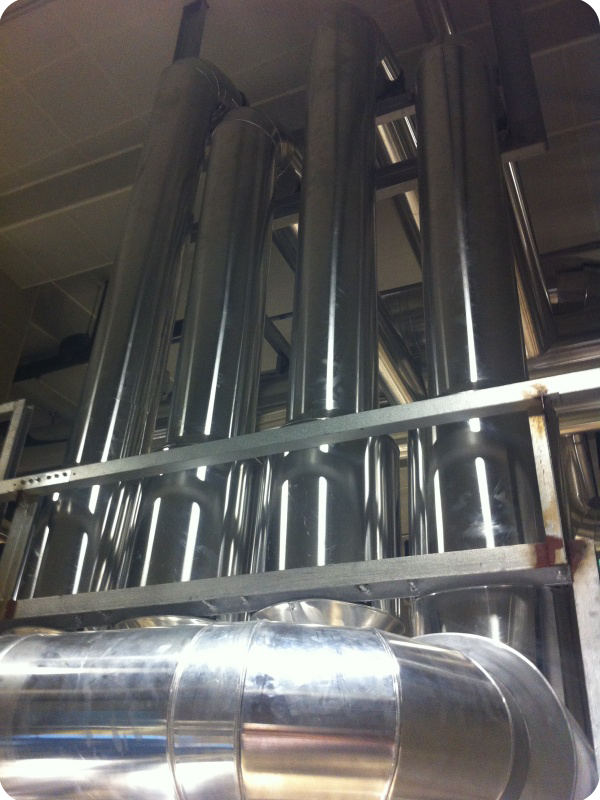
Engineered performance values verified by independent laboratory testing.
Material: NBR/PVC Blend
Thickness Options: 6mm - 50mm
Density Range: 40 - 55 kg/m³
Service Temperature: -40℃ to 105℃
Acoustic Value: Low vibration transmission, closed-cell rate >98%.
Material: Elastomeric NBR/PVC
Wall Thickness: 9mm - 40mm
Inner Diameter (ID): 6mm - 114mm
Resilience Rate: >80% compression recovery
Application: Reduces pipe freezing risks, stops condensate formation.
Adhesive Type: Reinforced grid pressure-sensitive adhesive
Facing Options: Plain, ALU Foil, Fiber reinforcement
Installation: Direct bond to cleaned sheet metal or plastic ducts.
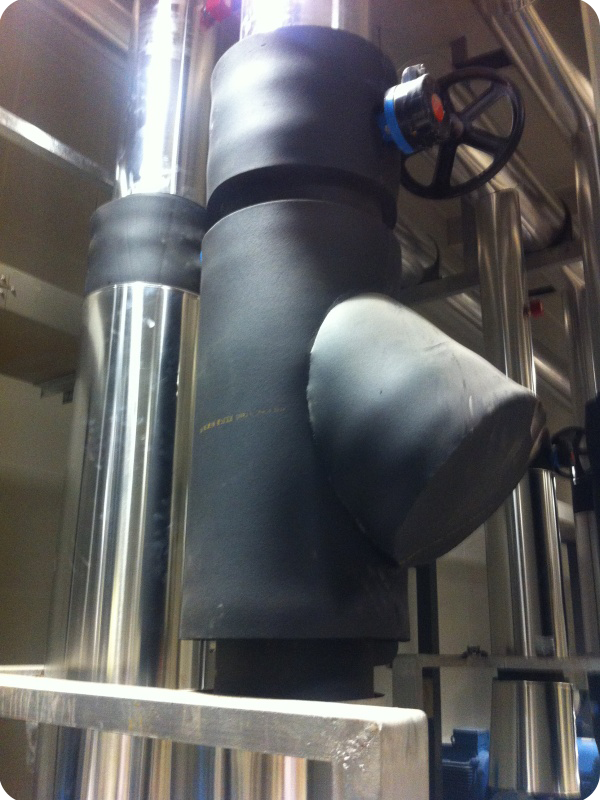
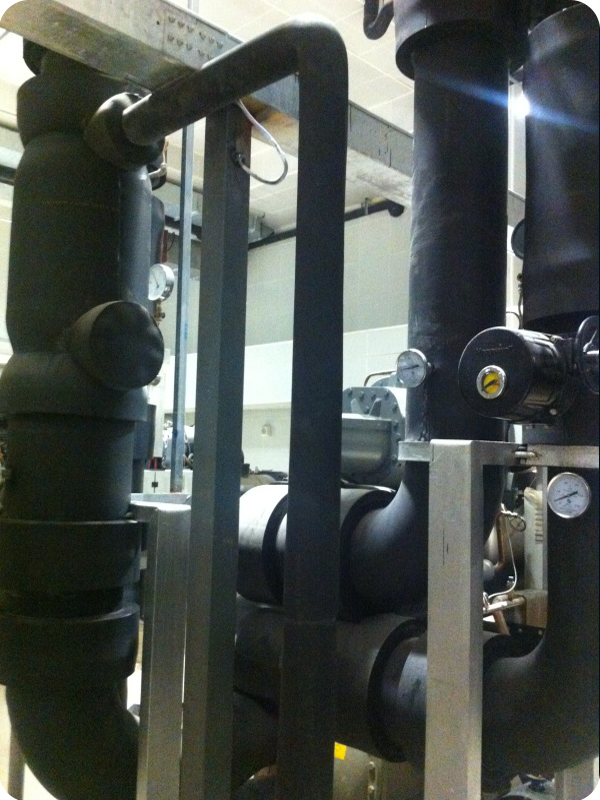

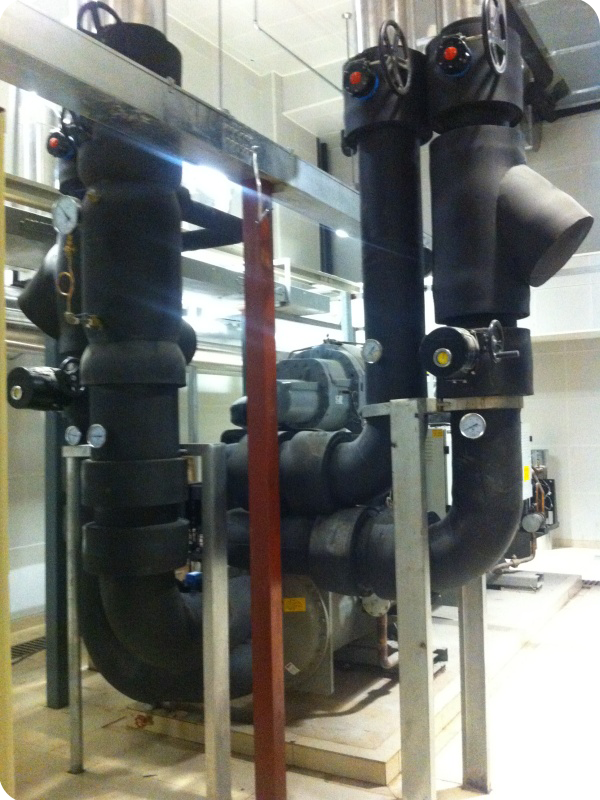
Delivering high-performance insulation systems to commercial and industrial projects worldwide.
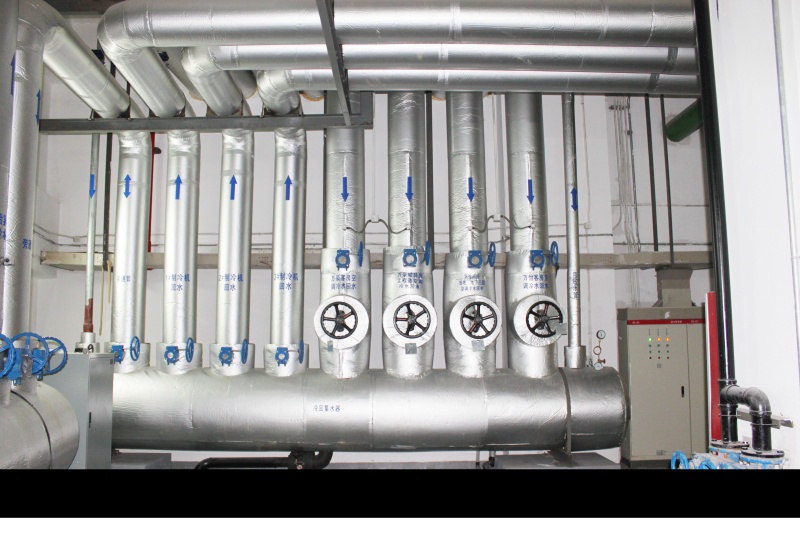
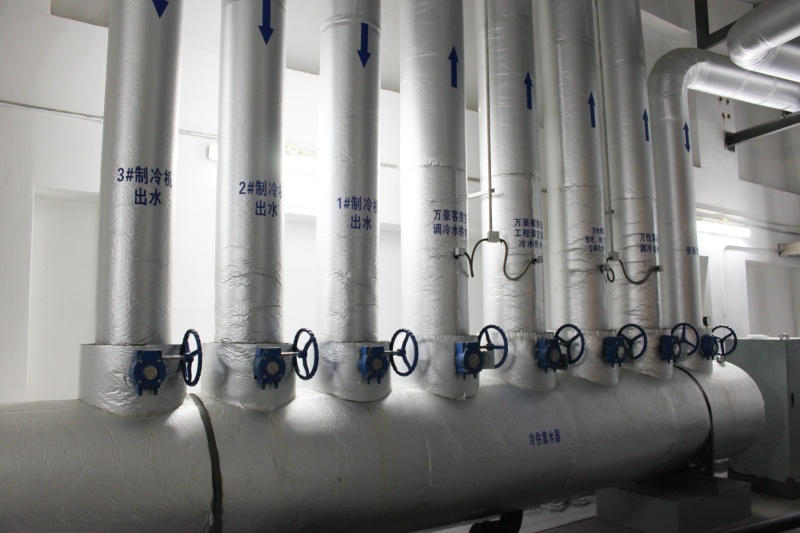
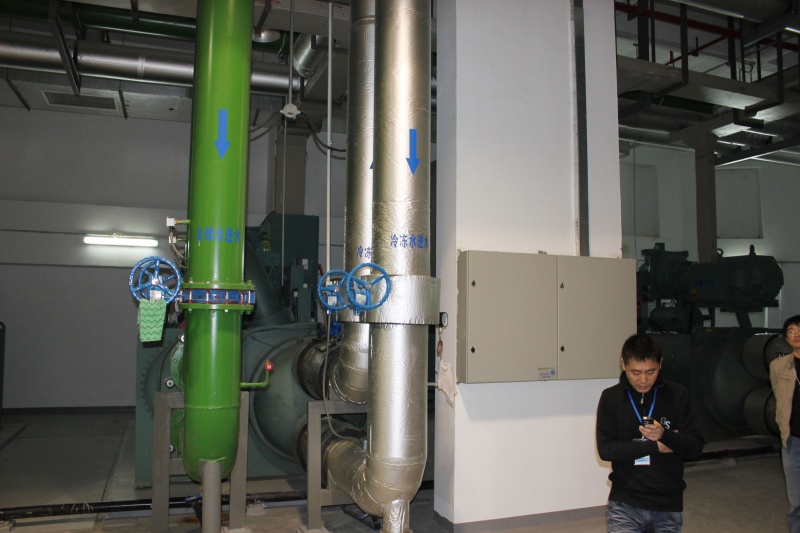
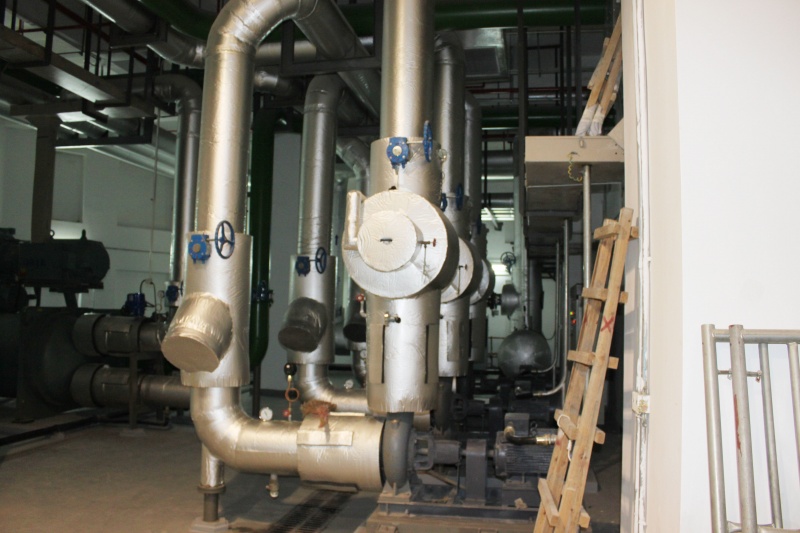
Technical guidance and answers for purchasing agents and engineers.
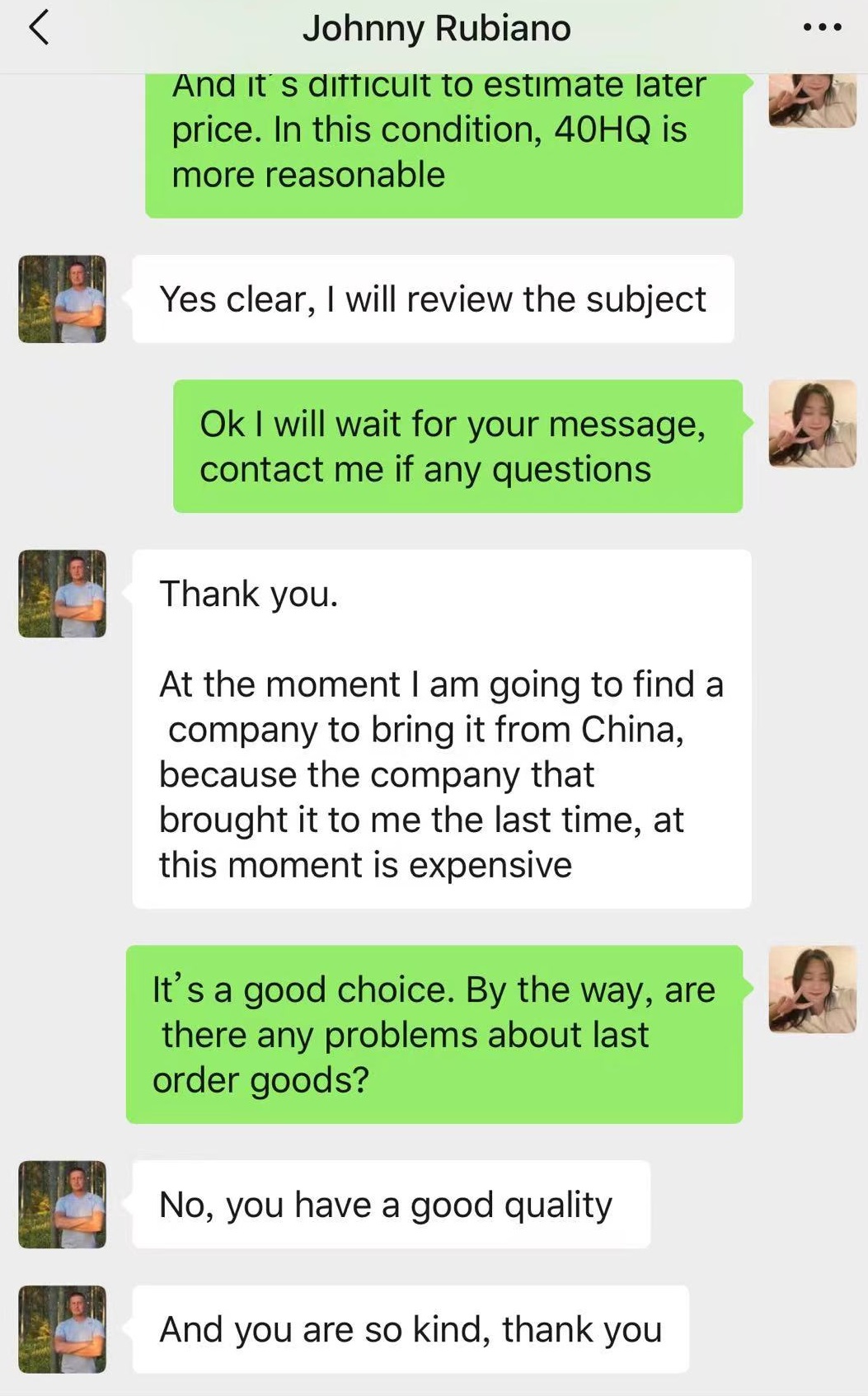
Reliable service requires clear communication. Our sales and engineering support teams maintain open communication lines with clients to ensure all technical specifications are met. Below are verified screenshots showing our regular technical updates and support conversations with international contracting partners:




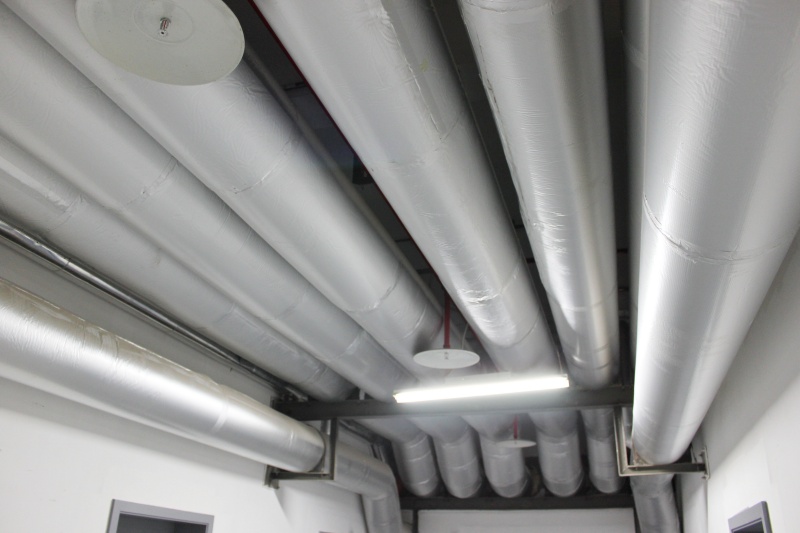
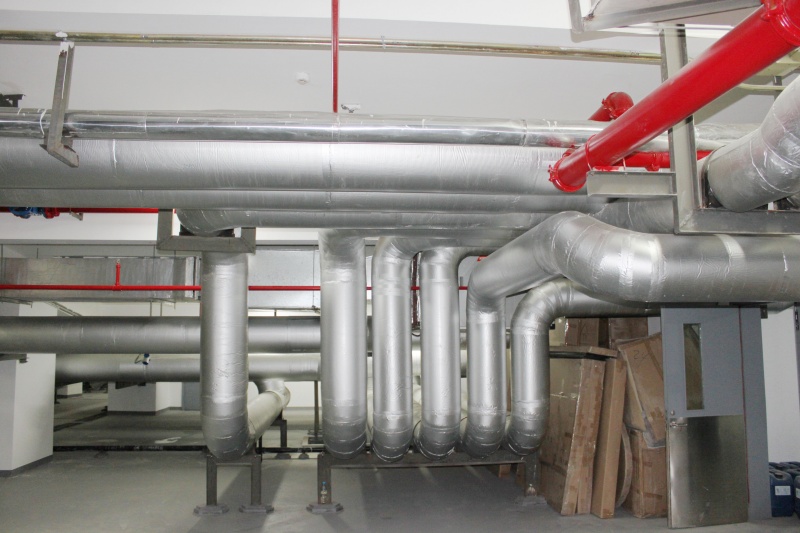
Premium flexible insulation materials designed for acoustic damping and thermal performance.
A look inside our automated assembly lines and warehouse facilities in Dacheng.


 Kingflex