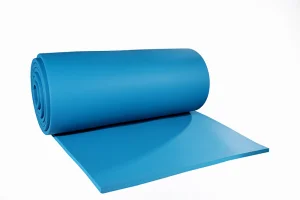
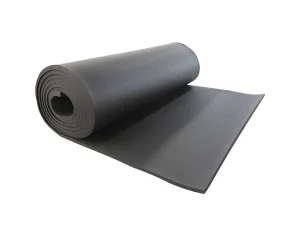
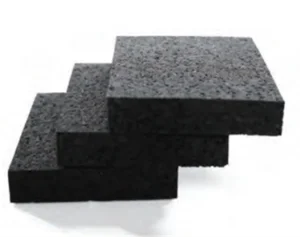
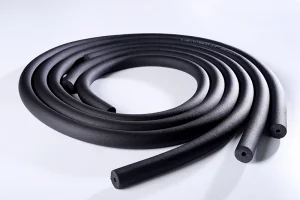
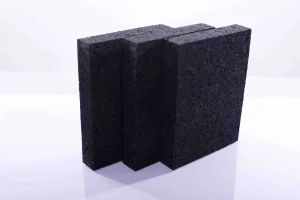
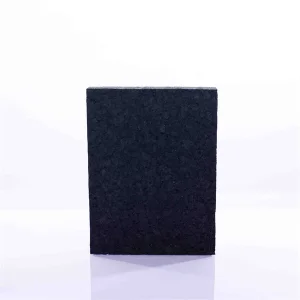
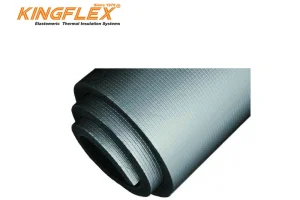
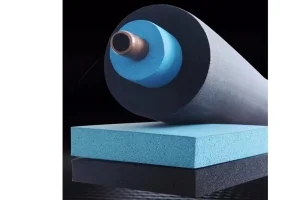
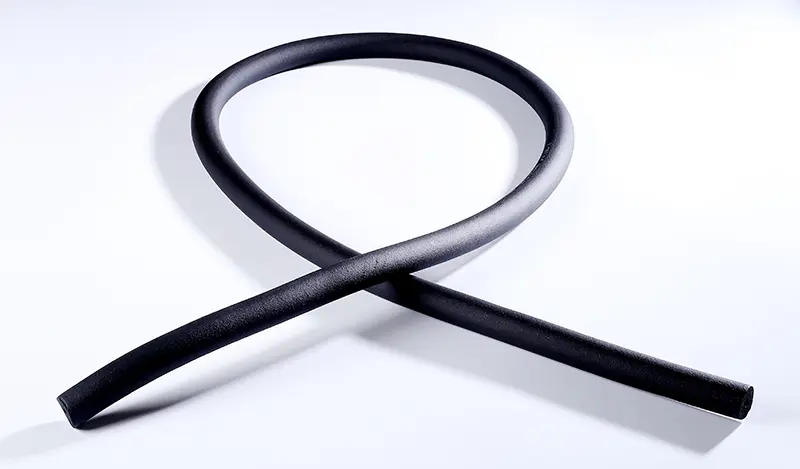
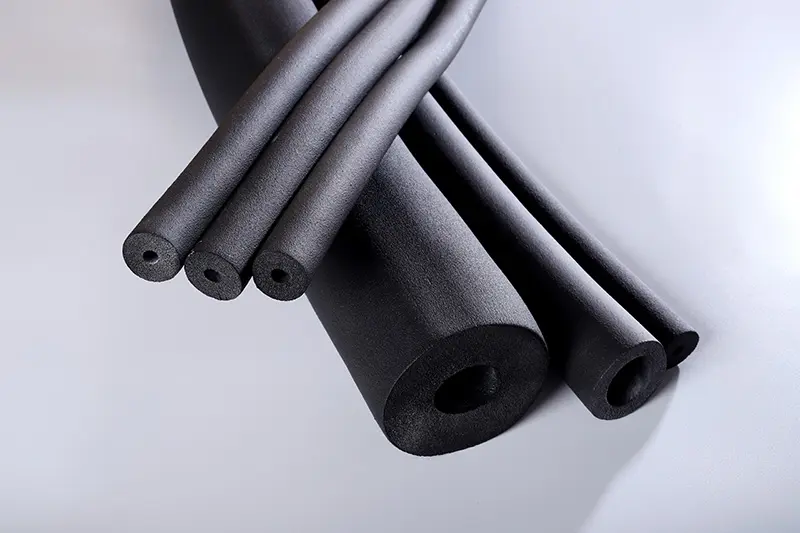
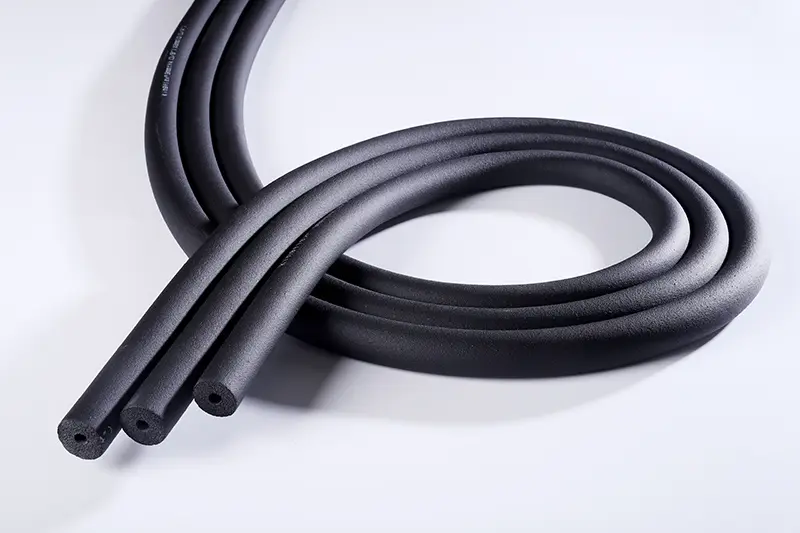
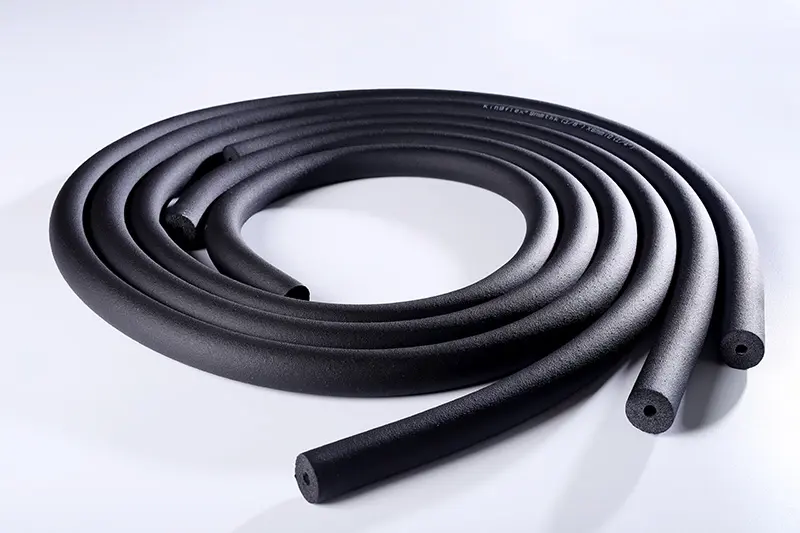
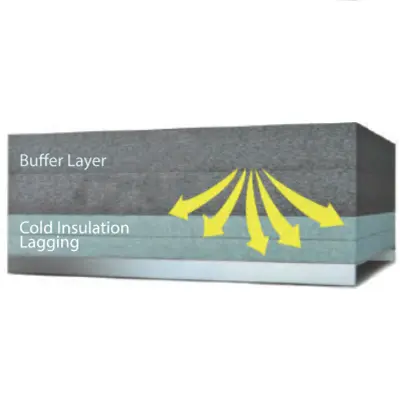
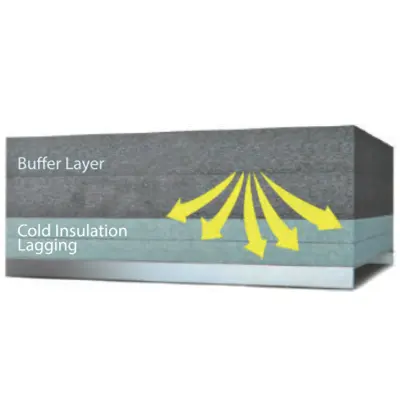
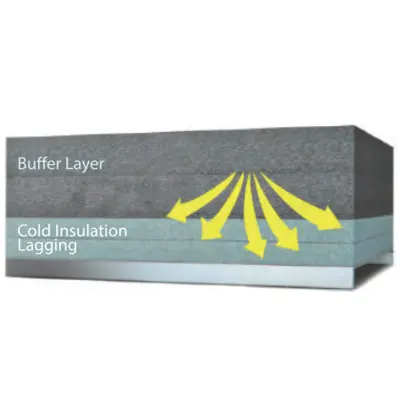
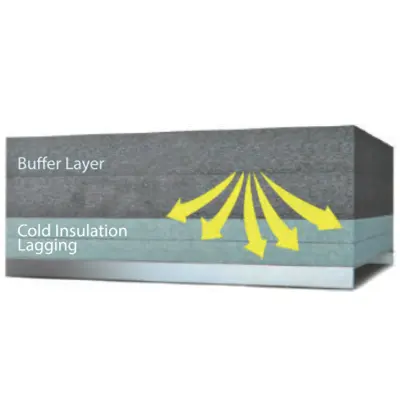
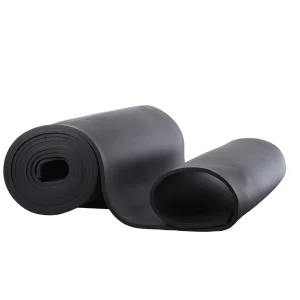
Engineered Class 0 elastomeric pipe & sheet insulation directly sourced from industry-certified manufacturing bases.
In high-specification MEP (Mechanical, Electrical, and Plumbing) engineering, selecting the correct insulation goes far beyond typical thermal efficiency. The structural safety rating, specifically BS 476 Class 0 fire classification, stands as the global standard for public safety, high-occupancy commercial complexes, and hazardous industrial zones. Class 0 signifies a product is designed to resist fire propagation, limit smoke generation, and completely prevent the rapid spread of flames.
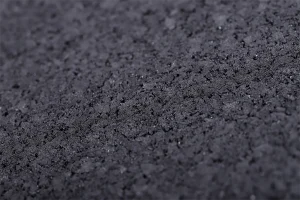
Chemically structured with a highly vulcanized elastomer base (mainly synthetic Nitrile Butadiene Rubber blended with Polyvinyl Chloride, or NBR/PVC), the material utilizes halogenated flame retardants and carbonaceous additives. Upon fire exposure, it forms a protective, carbonized intumescent barrier that cuts off oxygen flow to underlying pipe surfaces. This mechanism yields a fire propagation index ($I$) of less than 12 and a surface spread of flame index ($i_1$) of less than 6 under strict laboratory testing conditions.
Across Europe, the Middle East, the Americas, and the Asia-Pacific region, mechanical design engineers face diverse environmental pressures. For instance, in hot, high-humidity coastal zones such as the GCC (Gulf Cooperation Council) region and Singapore, cold water systems and air-conditioning ducts struggle with external condensation (sweating). If moisture penetrates the insulation, it leads to Corrosion Under Insulation (CUI)—a silent structural killer that weakens carbon steel pipelines over time.
To address this, our Class 0 closed-cell elastomer acts as a continuous water-vapor barrier. Unlike open-cell rock wool or glass fiber, which act like sponges once their external jackets are breached, closed-cell rubber requires no separate vapor barrier jacket because the entire material thickness resists water penetration.
| Regional Challenge | Environmental Factors | Standard Recommendation | Engineering Outcome |
|---|---|---|---|
| Middle East (GCC) | Extreme ambient temp, high coastal humidity | Class 0 foil-faced sheets, UV resistant | CUI mitigation, long-term HVAC efficiency |
| Southeast Asia (ASEAN) | Continuous high relative humidity (RH > 90%) | Closed-cell tubes with high μ-factor | Zero condensation run-off on ceiling voids |
| North America / Europe | Low winter temp, stringent fire hazard regulations | UL94 V-0 & Class 0 dual certification | Building occupant safety, insurance compliance |
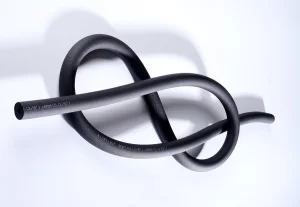
In sub-zero applications, such as LNG (Liquefied Natural Gas) distribution lines and ethylene refining systems, Kingflex elastomeric cryogenic insulation sheets and rolls provide structural elasticity down to -200°C. At these sub-zero levels, standard plastics become brittle and crack due to thermal contraction. Kingflex formulations incorporate specialized synthetic elastomers that retain viscoelastic properties, preventing cracks and thermal breaks.
Kingflex Insulation Co., Ltd. operates at the center of the world's most concentrated thermal insulation manufacturing ecosystem: Dacheng County, Hebei Province, China. This cluster provides our operations with several key advantages:
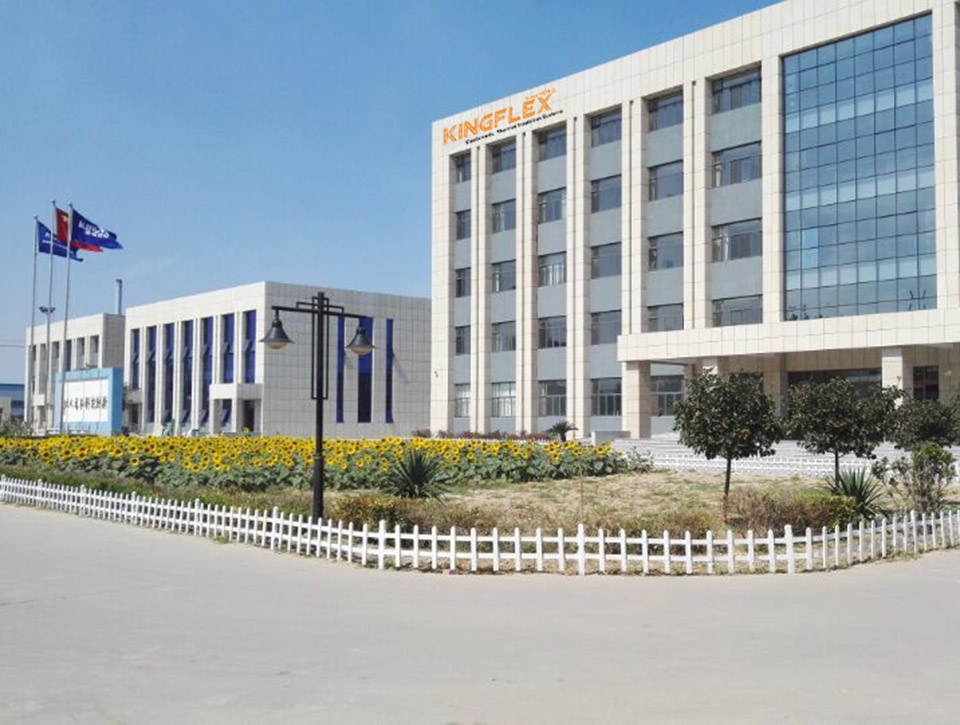
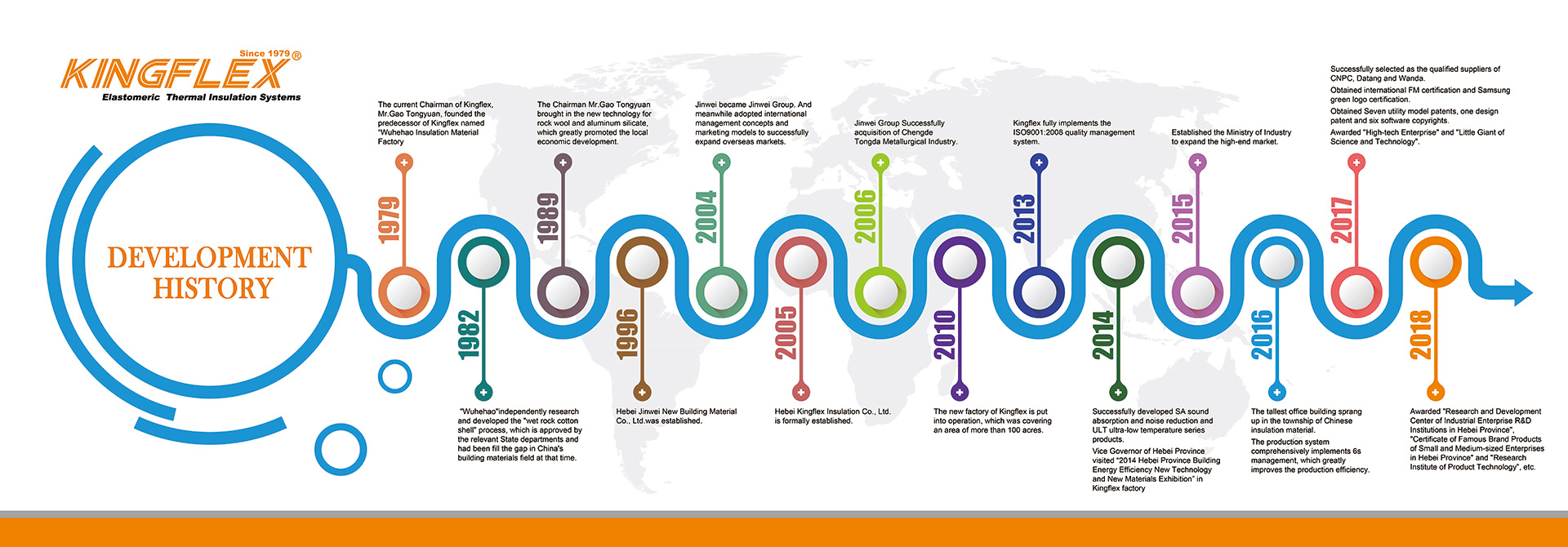
Established by the Jinwei Group, which possesses a rich manufacturing history dating back to 1979, Kingflex stands on decades of research and production expertise. Jinwei Group was the first manufacturer of thermal insulation materials north of the Yangtze River, paving the way for China's modern insulation sector.
Over the past 40 years, our team has expanded to include eight dedicated R&D engineers, six international sales specialists, and 230 technicians. This focus on product quality has earned Kingflex designated supplier status with China's Ministry of Energy, Ministry of Electric Power, and Ministry of Chemical Industry.
How we are preparing next-generation elastomeric insulation systems for green building standards.
Developing non-halogenated elastomeric foams (HF Series) to reduce toxic gas release and smoke acidity during fires. This formulation satisfies international transit guidelines (such as EN 45545 for rail vehicles) and green building certifications.
By embedding silica aerogel particles into our closed-cell NBR matrix during the mixing phase, we target a thermal conductivity of 0.028 W/m·K. This enables thinner insulation profiles in space-constrained installations.
Integrating sensor loops beneath the outer insulation layer to monitor moisture accumulation and detect pipe corrosion, allowing plant operators to preemptively identify CUI risk zones.
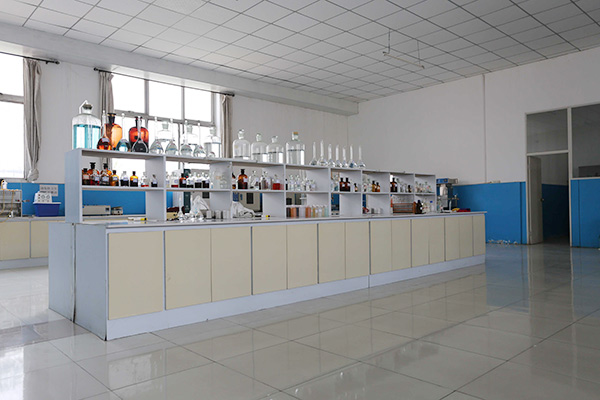
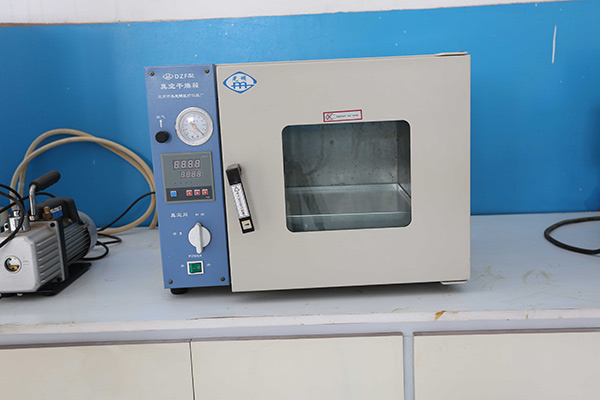
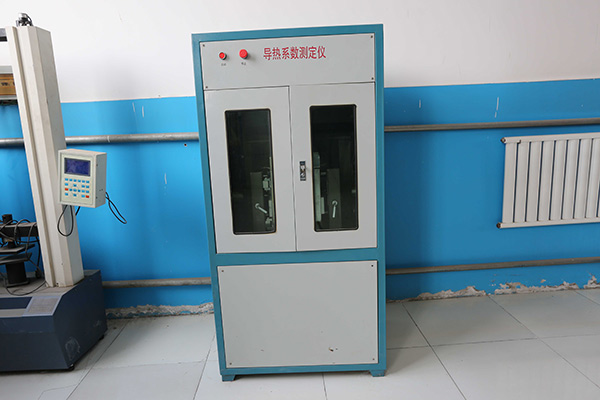

Our manufacturing and quality assurance frameworks align with international testing standards to ensure compliance for global projects. Kingflex materials undergo regular, independent testing to verify performance indicators such as density, water vapor diffusion resistance, and flame propagation.
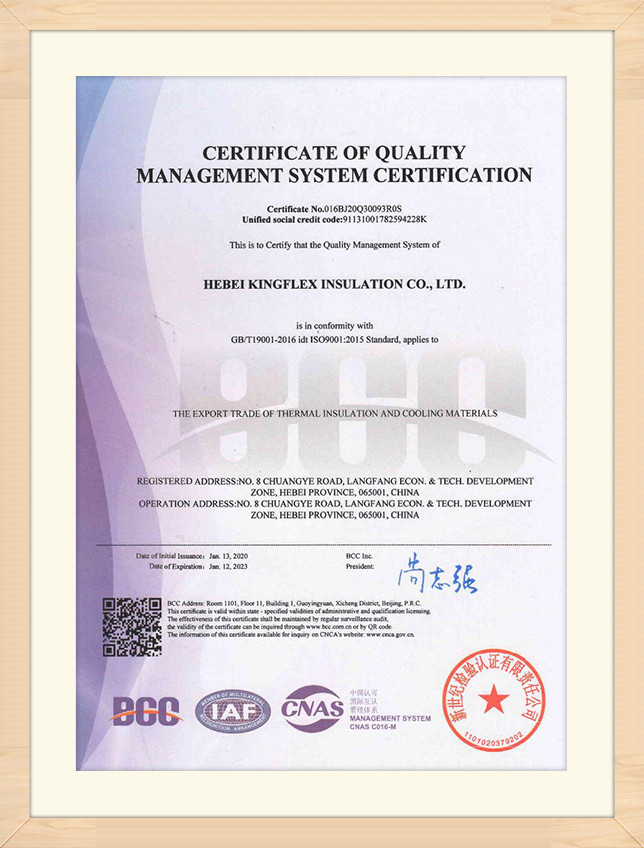
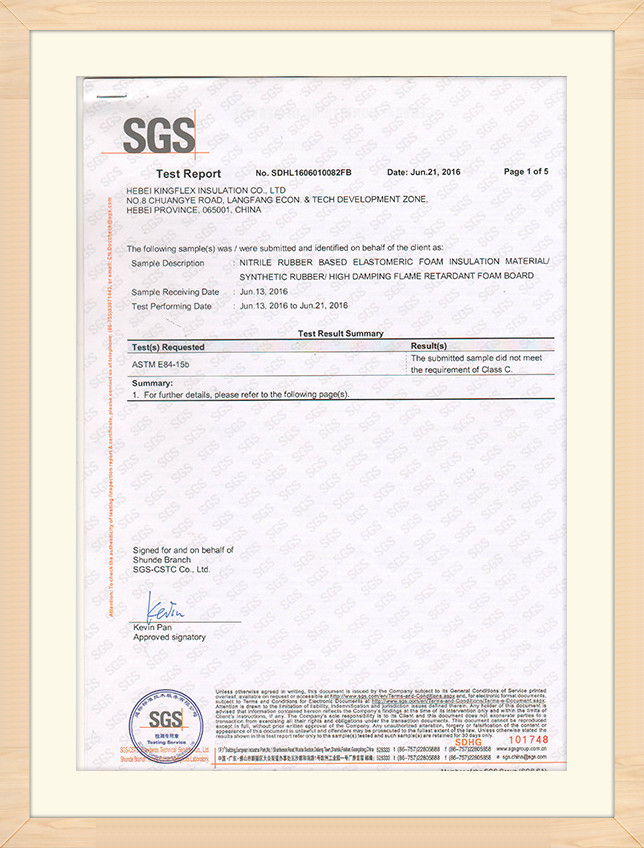
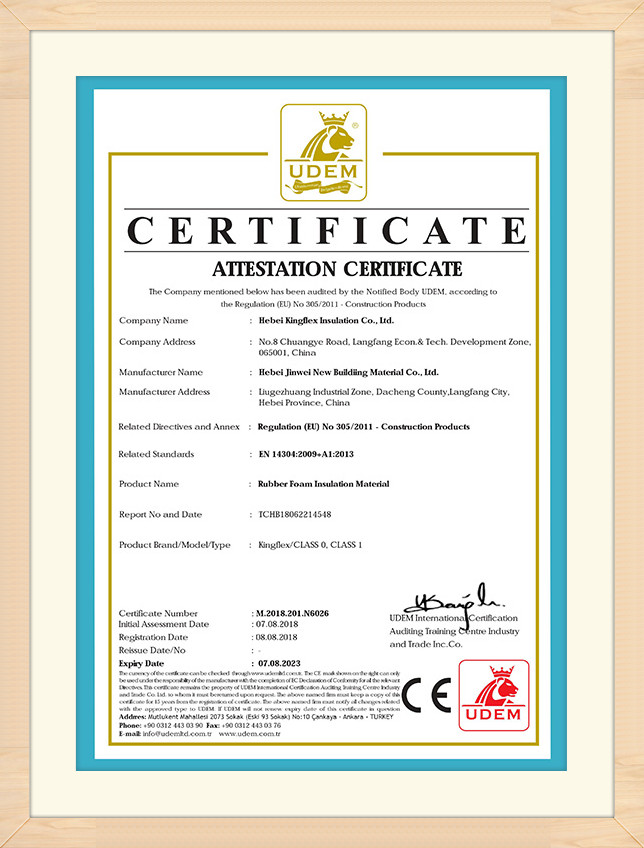
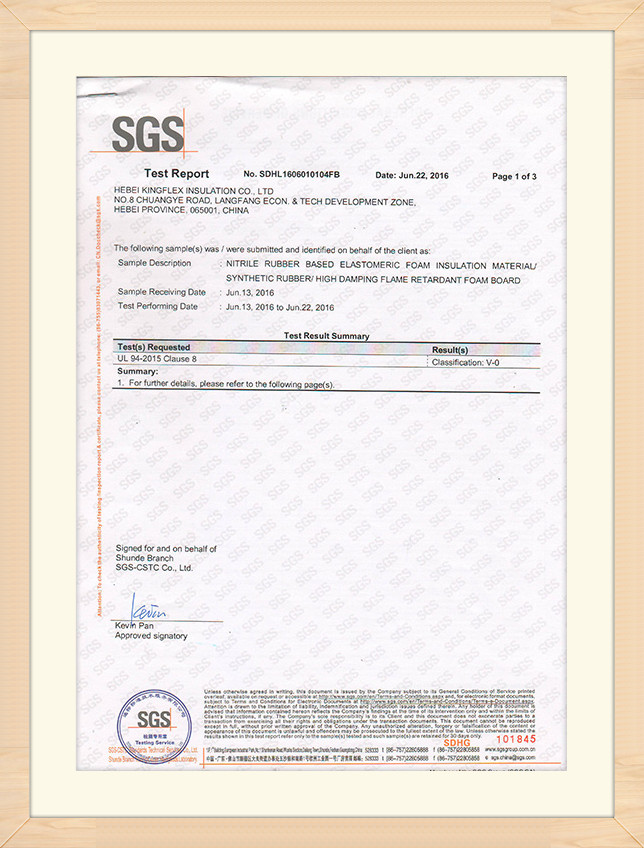
We maintain full batch traceability from raw material mixing to end-user shipping. Each production run of Kingflex sheets and tubes is stamped with a tracking code, allowing project engineers to access quality control data sheets corresponding to specific deliveries.
Kingflex materials are used in construction, petroleum, chemical, national defense, aerospace, and energy infrastructure projects worldwide, exporting to more than 66 countries over the last 16 years.
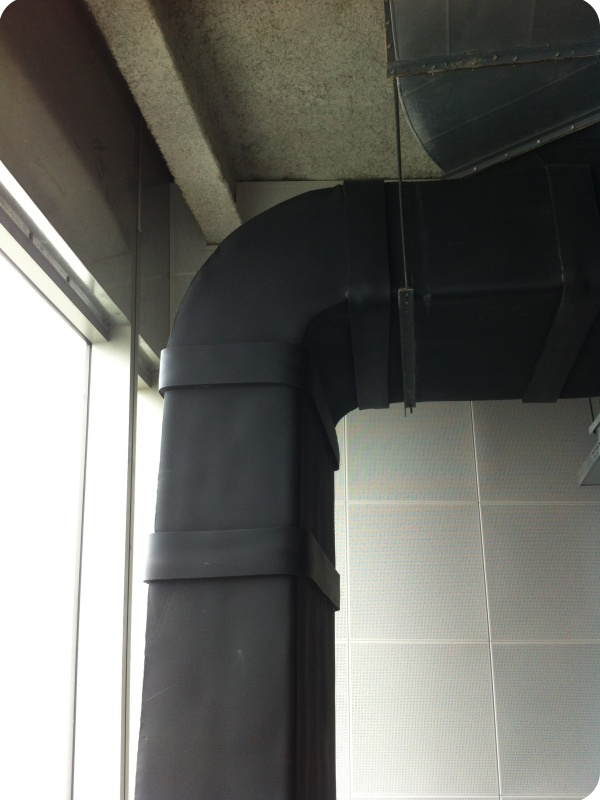

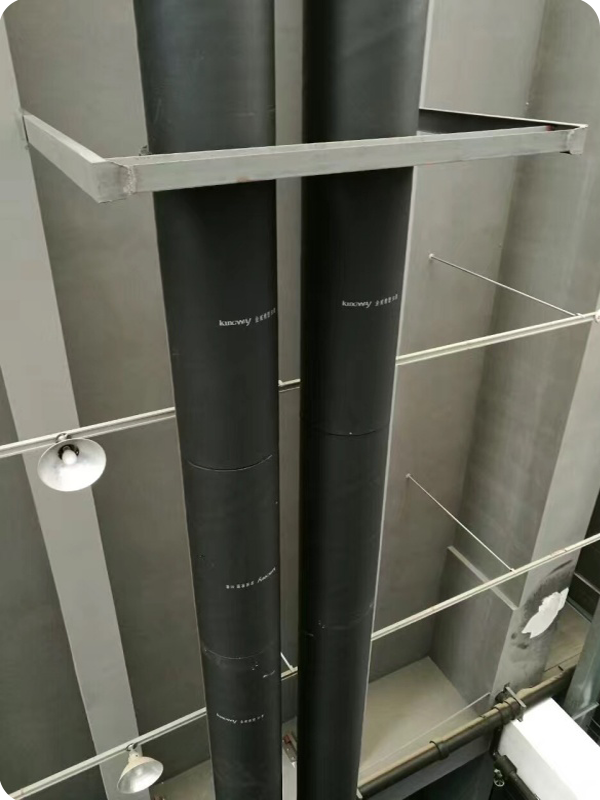
Through proactive technical support, we collaborate directly with international mechanical contractors, detailing specifications, thickness requirements, and physical properties through quick online channels.


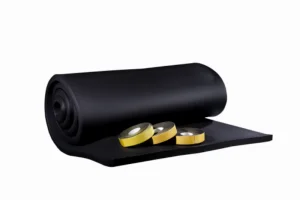
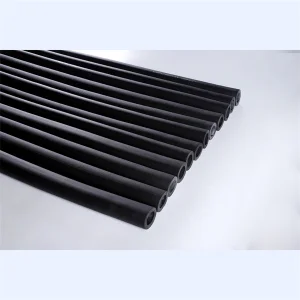
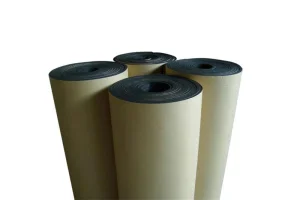
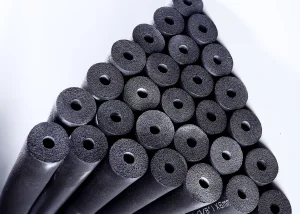
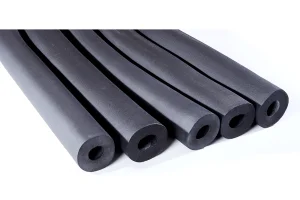
Below is a summary of standard physical dimensions and material classifications for Kingflex Black Rubber Foam sheet rolls and tubes. These values are checked during quality control processes to ensure compliance with field safety guidelines.
| Insulation Type | Material Base | Wall Thickness Range | Inner Diameter (ID) / Width | Density Range | Operating Temperature Limits |
|---|---|---|---|---|---|
| Black Rubber Foam Sheet Roll | NBR/PVC Elastomeric Blend | 6mm - 50mm | 1.0m / 1.2m / 1.5m Width | 40 - 55 kg/m³ | -40°C to +105°C |
| Black Rubber Foam Pipe | NBR/PVC Elastomeric Blend | 9mm - 40mm | 6mm - 114mm ID | 40 - 55 kg/m³ | -40°C to +105°C |
| Cryogenic Foams | Specialized Low-Temp Synthetics | 6mm - 32mm | Custom Profiles Available | 50 - 65 kg/m³ | -200°C to +125°C |
To maximize thermal performance, clean the metal pipe surface with appropriate degreasers before wrapping. Cut the insulation to length, apply adhesive evenly to both joint faces, and press together once dry to the touch. In outdoor installations, apply a UV-resistant coating or metal cladding to protect the material from ozone degradation and physical damage.
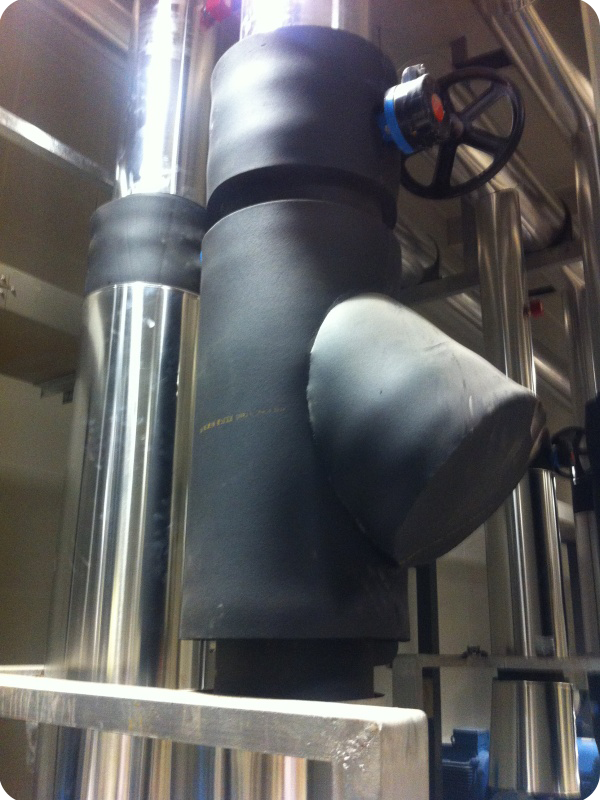
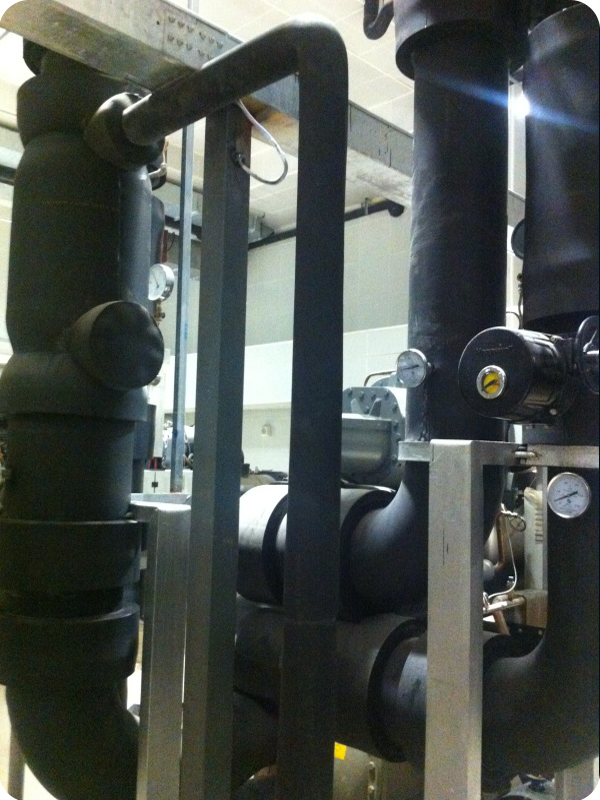

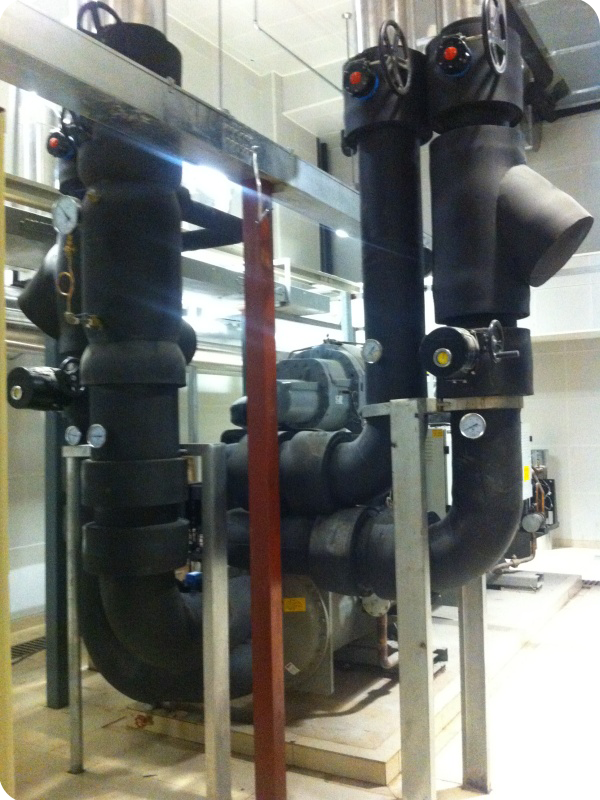
Our raw material sourcing and product logistics network serves key hubs worldwide.
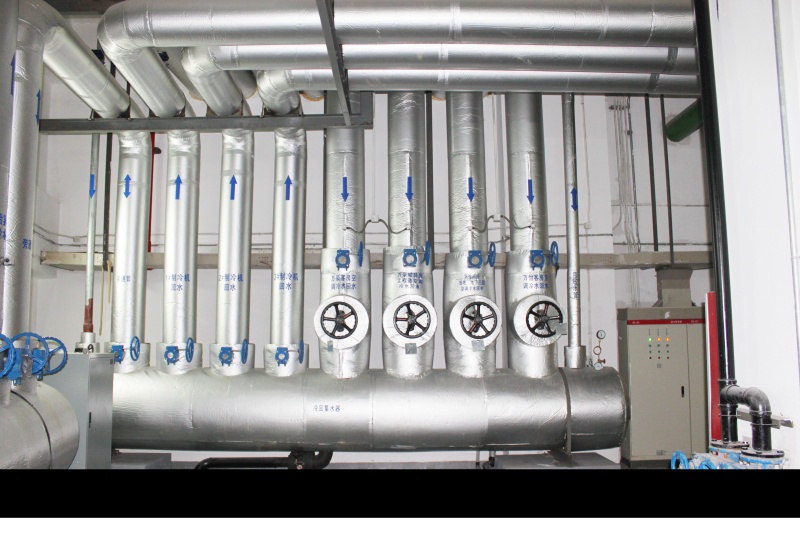
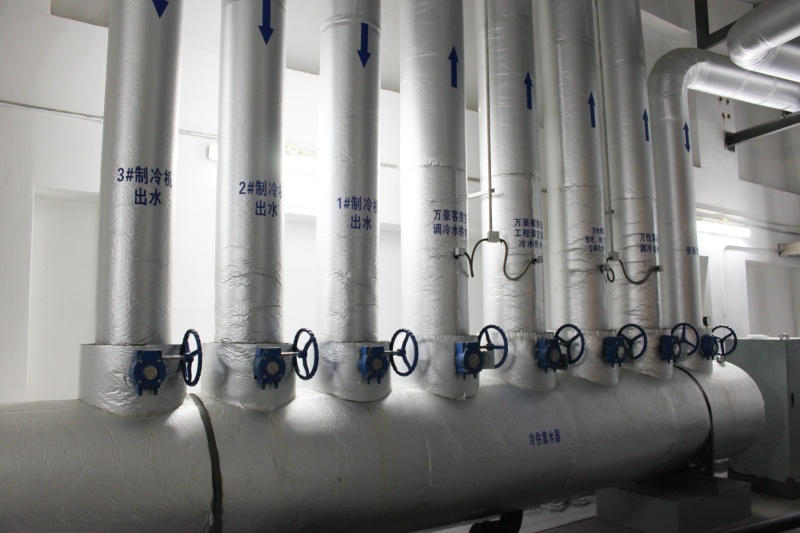
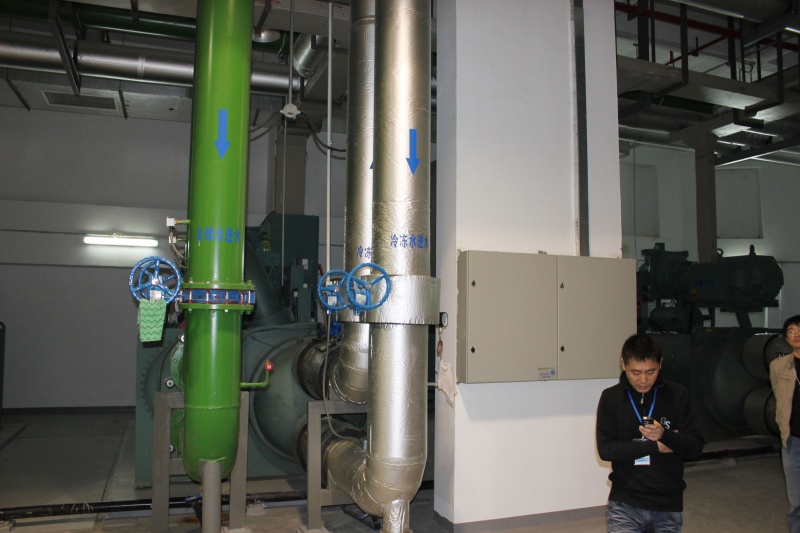
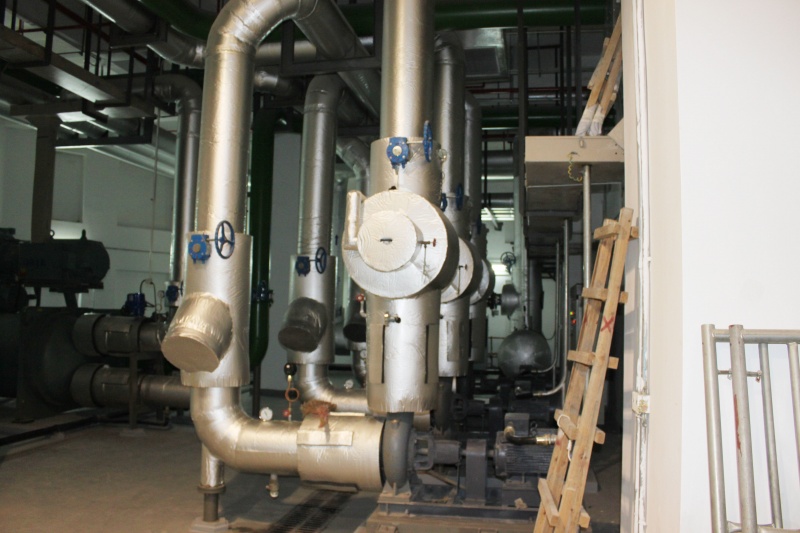
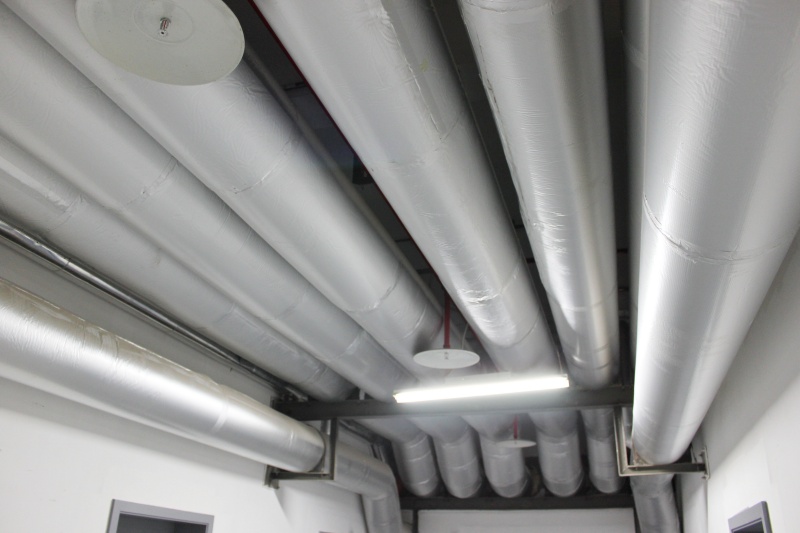

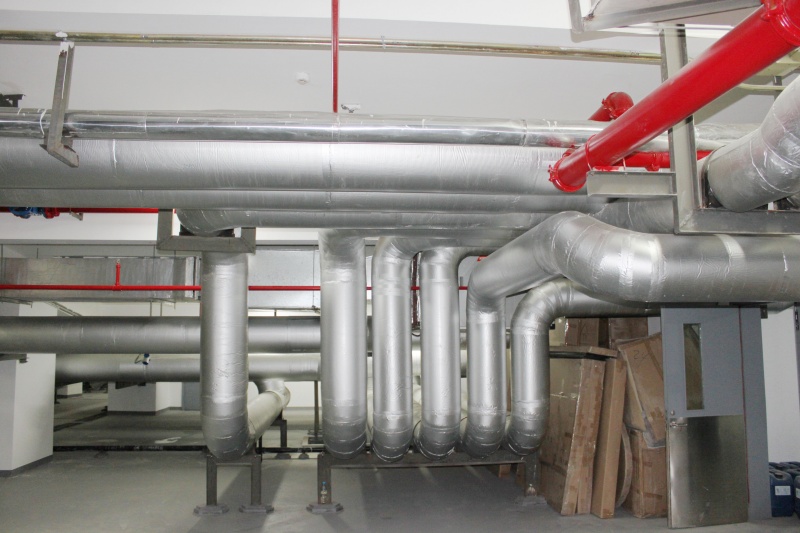

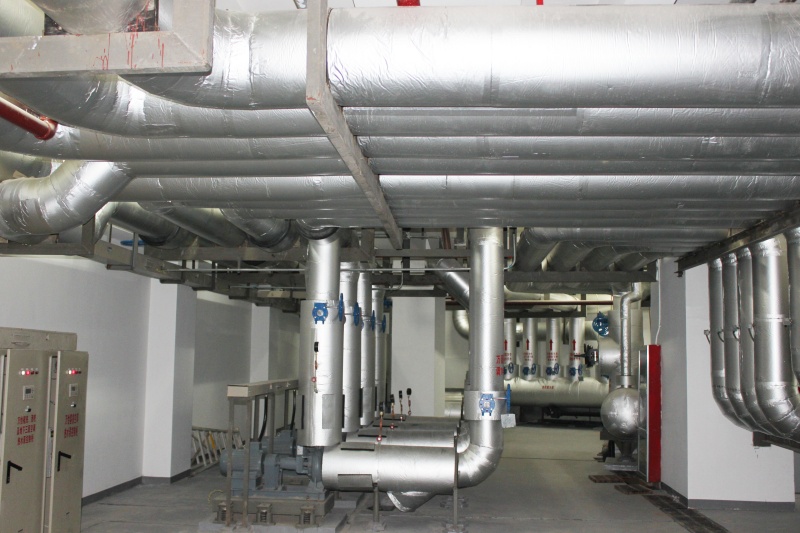
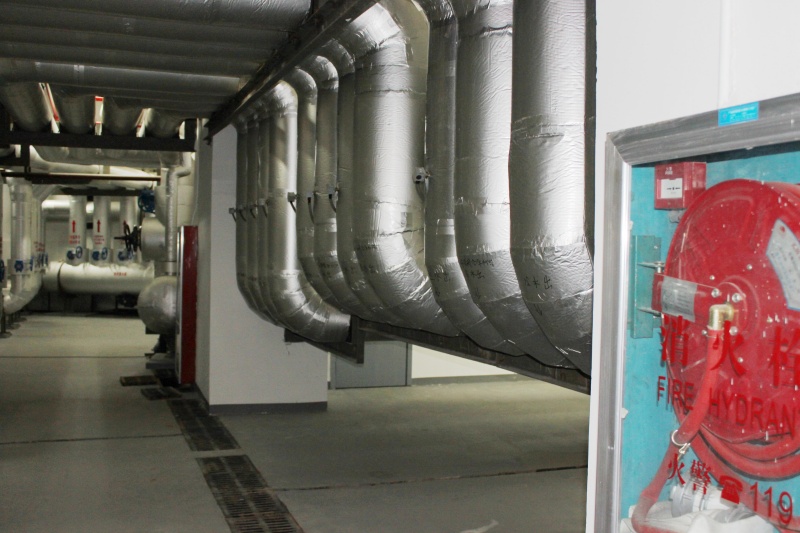
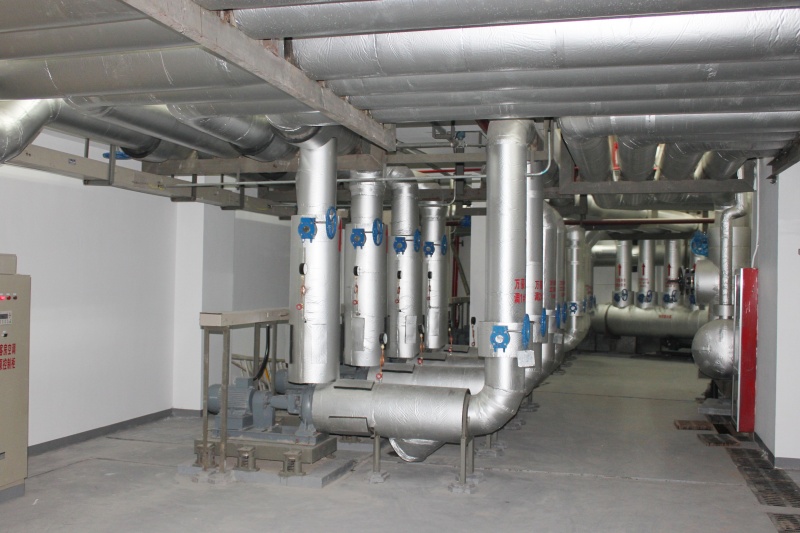
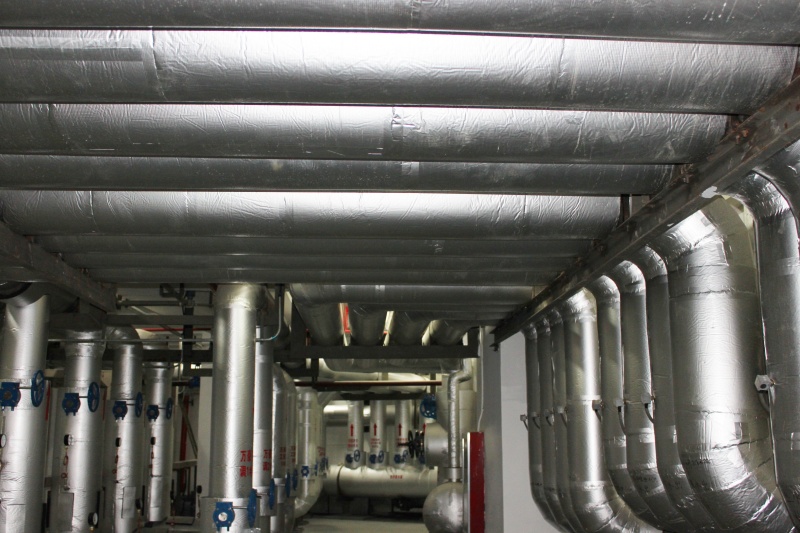
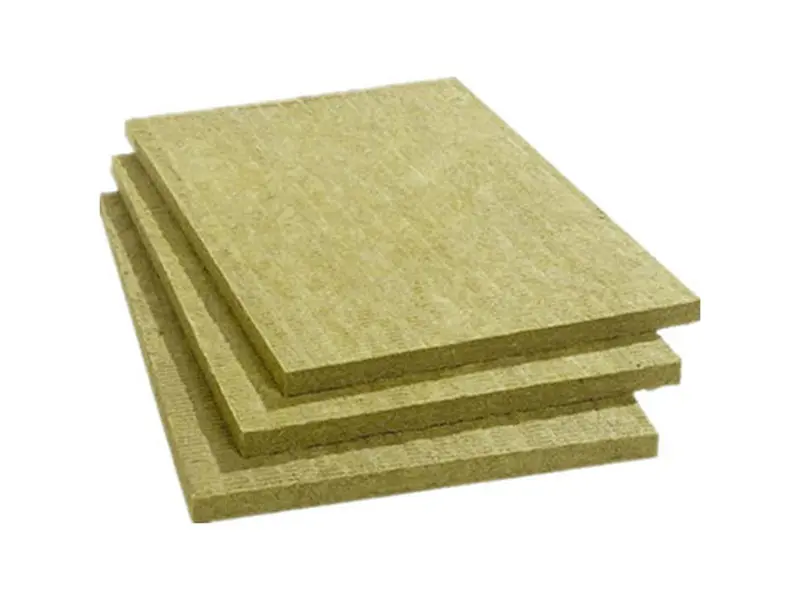
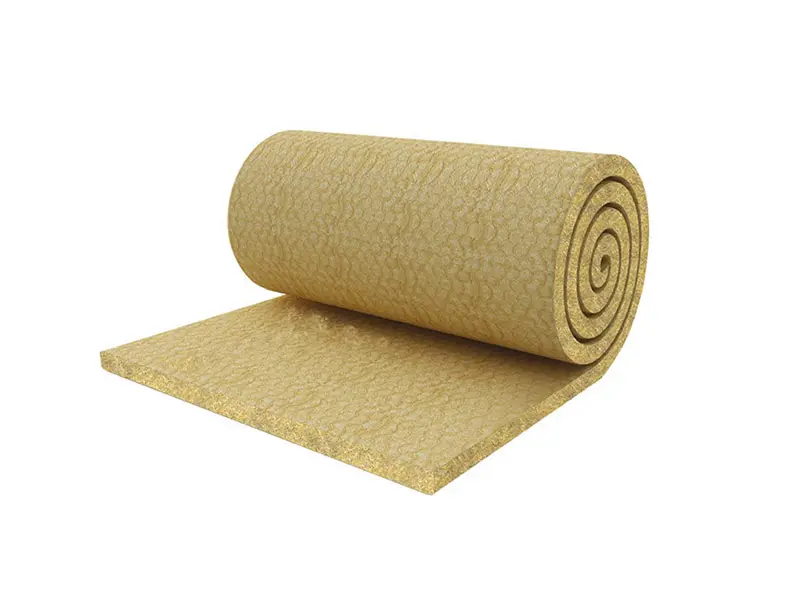
Explore our core product classifications, ranging from elastomeric pipes and sheets to high-temperature rock wool materials.
In-depth responses from our technical team on product specifications, standard compliance, and field installation practices.




Custom self-adhesive sheets, elastomeric tubes, and specialized systems supporting global commercial projects.
 Kingflex