Wholesale Closed Cell Elastomeric Insulation Factory & Factories

Global Industrial Standards, Advanced China Factory 4.0 Efficiency, and Decarbonization Thermal Management Solutions

Executive Brief

The Thermodynamics of Closed-Cell Elastomeric Insulation: Mitigating Thermal Loss and CUI

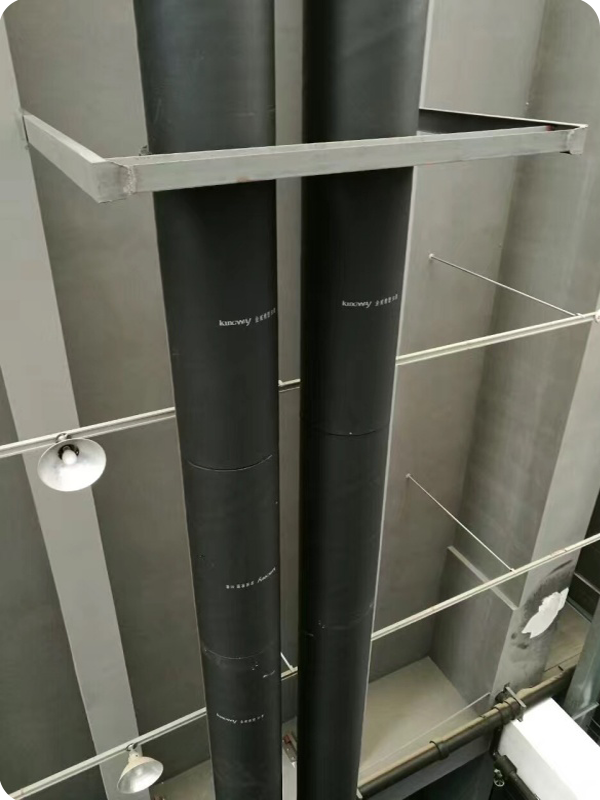
Closed-cell elastomeric insulation has emerged as the global benchmark for high-efficiency thermal management across commercial building construction, process piping, marine architectures, and refrigeration systems. Structurally composed of a synthetic nitrile rubber (NBR) and polyvinyl chloride (PVC) matrix, this specialized material features a micro-cellular structure with more than 98% completely sealed cells. This geometry restricts convective heat transport within the insulation layer and blocks vapor migration, which is the primary cause of insulation degradation and Corrosion Under Insulation (CUI).

Traditional open-fiber materials like fiberglass and rock wool depend on dry, trapped air zones to maintain low thermal conductivity. If these zones become damp, their thermal barrier degrades rapidly. NBR/PVC closed-cell foams feature a built-in vapor retarder that blocks moisture penetration throughout the entire thickness of the material. This provides a long-lasting barrier that maintains low thermal conductivity in demanding chilled water and sub-zero process pipeline systems.

Energy Efficiency Optimization

Reduces carbon footprints by preventing thermal transfer on complex industrial piping, supporting corporate net-zero environmental targets.

Condensation Prevention

Maintains a surface temperature above the ambient dew point, preventing condensation buildup that causes mold growth and structural damage.

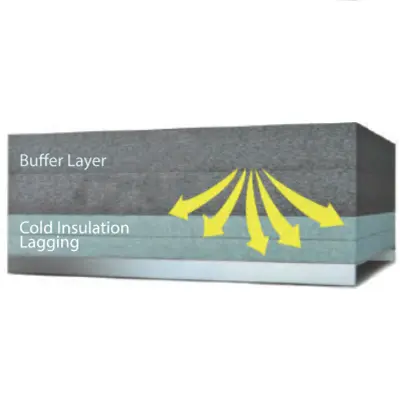
Acoustic Attenuation

Dampens mid-to-high frequency industrial sound waves, making workspaces safer and quieter.

Kingflex Overview

Our Company: Kingflex Insulation Co., Ltd.

Kingflex Insulation Co., Ltd. is a professional manufacturing and trading combo for thermal insulation products. Our research, development, and production departments are located in Dacheng, China—a well-known hub for green building materials. Kingflex is an energy-saving, environmentally friendly enterprise focused on research, development, production, and sales. We design solutions that optimize efficiency and reduce energy loss. Our comprehensive approach includes consulting, custom R&D, manufacturing, installation guidance, and dedicated after-sales support, helping to drive performance standards in the global building materials industry.

A Rich Legacy of Thermal Science

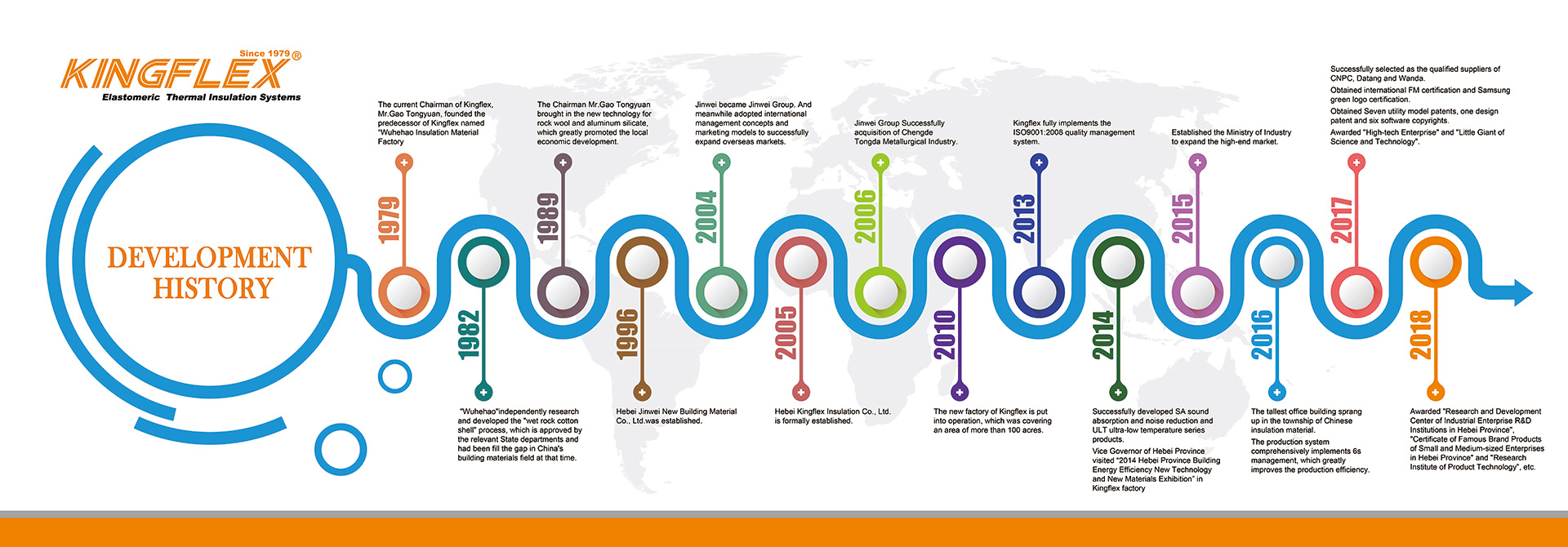
Established by the Jinwei Group, which brings more than 40 years of industry experience, Kingflex draws on a legacy dating back to the group's founding in 1979. Jinwei Group was the first manufacturer of thermal insulation materials north of the Yangtze River, pioneering advancements that helped establish China's energy efficiency infrastructure.
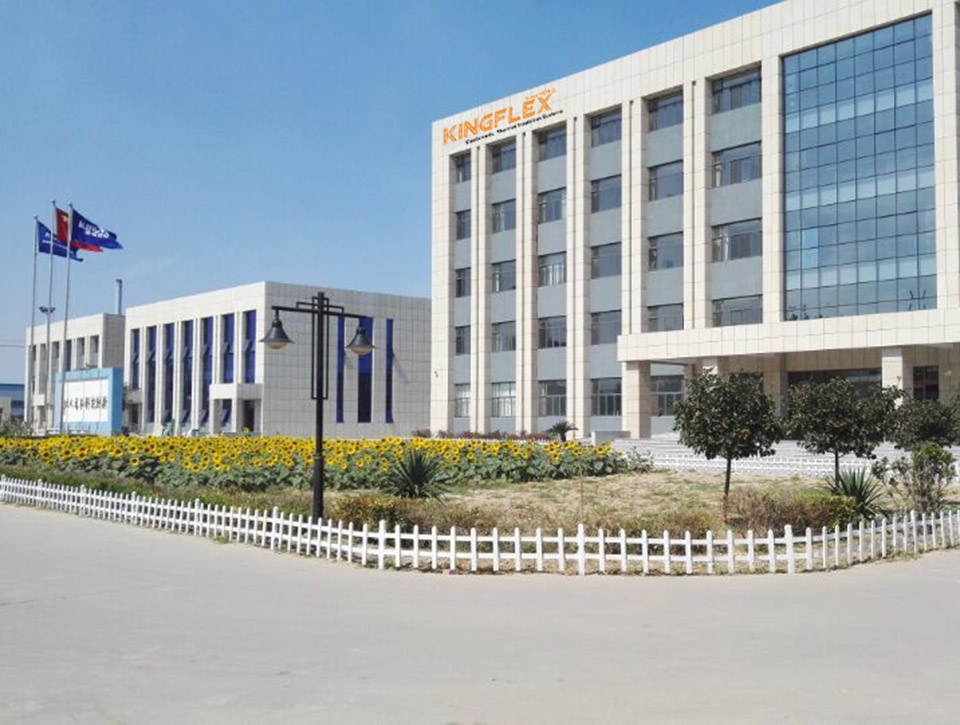
Kingflex Corporate Office
Kingflex Factory History Kingflex Team Building
Human Capital

Our Team & Global Engineering Expertise

Our employees are key to our success, bringing together diverse skills to make Kingflex a productive and rewarding place to work. The Kingflex team is a collaborative group focused on delivering reliable service and high-quality products to our clients.

To support high performance and compliance with global standards, our organizational structure features:

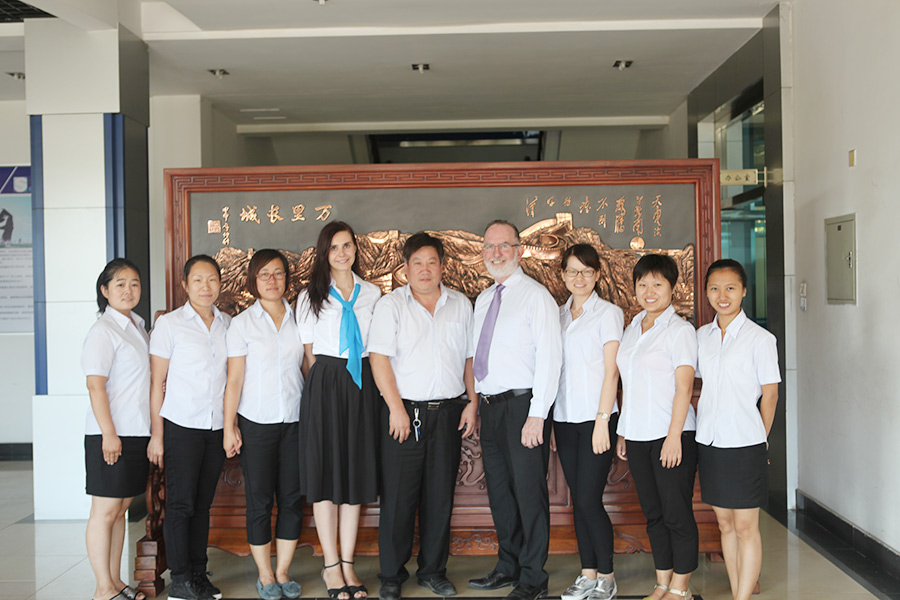
  • 8 Dedicated R&D Engineers: Focused on polymer blending, flame retardants, and manufacturing technology.
  • 6 International Technical Sales Experts: Helping global procurement managers match products to local building codes.
  • 230 Skilled Production Workers: Managing our continuous vulcanization and extrusion lines.
Kingflex Team Portrait Kingflex Team Presentation
Production Capacity

China Factory 4.0: Scale, Speed, & Supply Chain Resilience

Operating advanced high-automation manufacturing facilities to deliver consistent product quality and shorten delivery times for global infrastructure projects.

600K+
Annual Capacity (m³)
5 Lines
Automatic Assembly Lines
66+
Exporting Countries
40+ Yrs
Group Heritage

Kingflex operates 5 large automatic assembly lines, enabling an annual production capacity of over 600,000 cubic meters. This scale has earned us designations as a qualified supplier for energy, power, and chemical infrastructure initiatives. Over the past 16 years, our product line has expanded to reach sixty-six countries across Europe, the Americas, the Middle East, and Asia Pacific.

Our Factory 4.0 production framework utilizes automated raw material dosing, high-shear internal mixers, vacuum-assisted sheet/tube extruders, and continuous vulcanization ovens. Automated controls manage temperature, pressure, and expansion rates, ensuring a consistent closed-cell structure and uniform cell density. These processes help prevent structural weak points that can lead to early product failure.
Quality Control

Global Compliance: Certifications & Lab Assurances

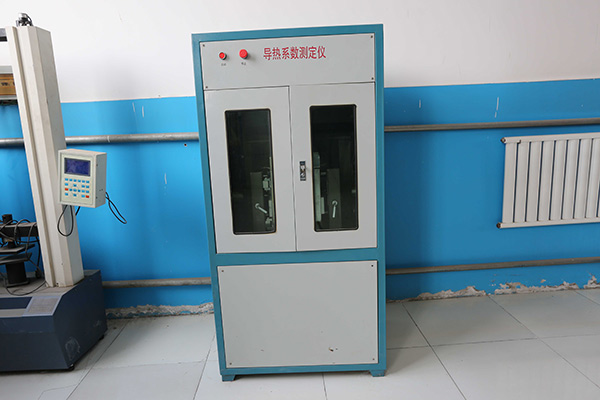
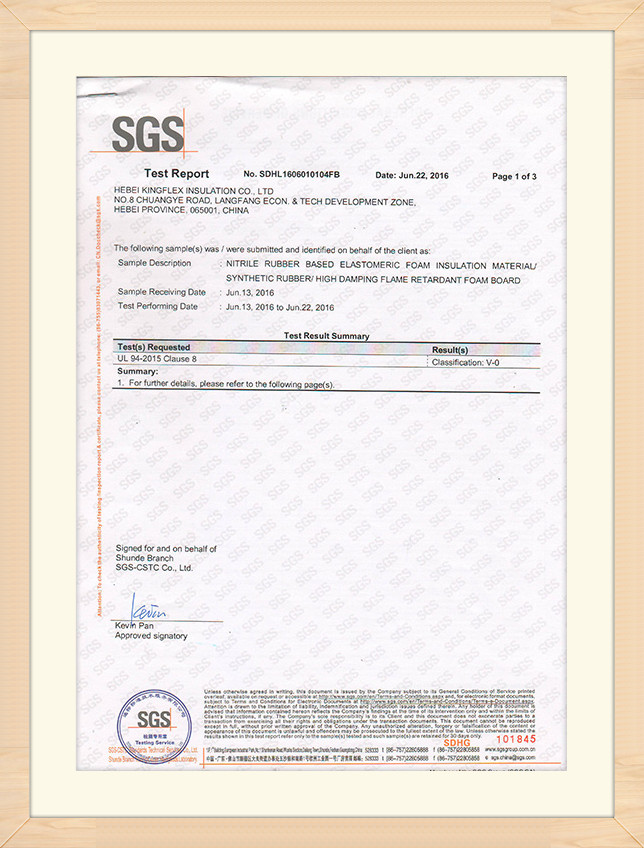
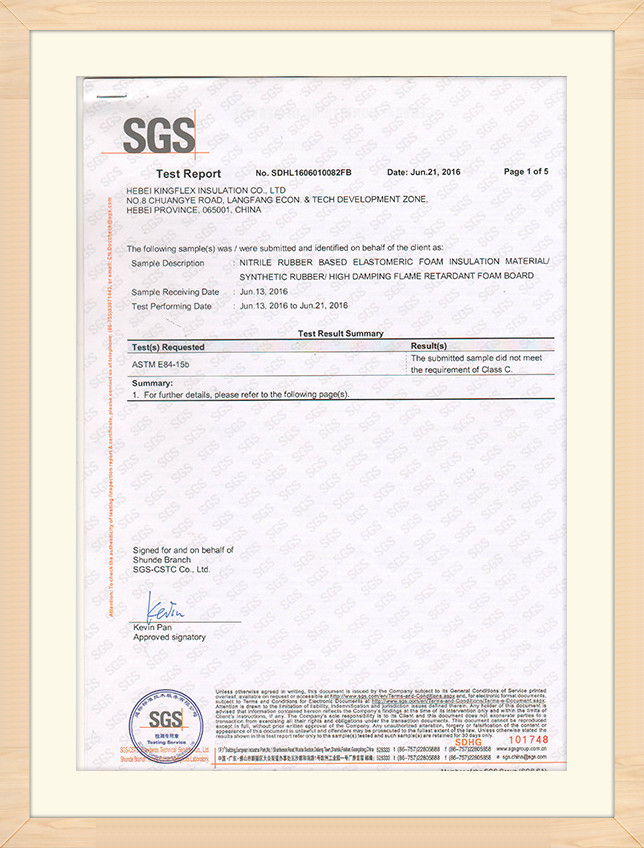
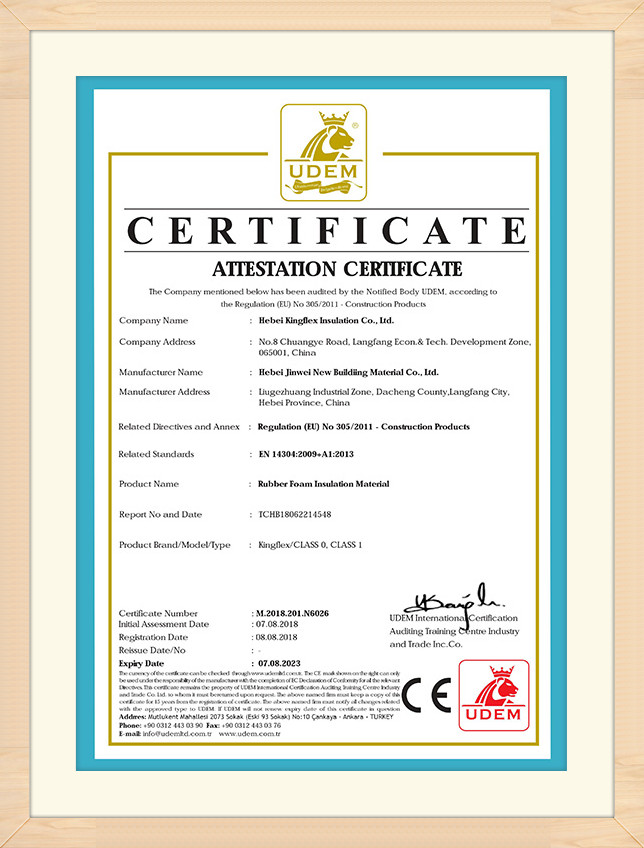
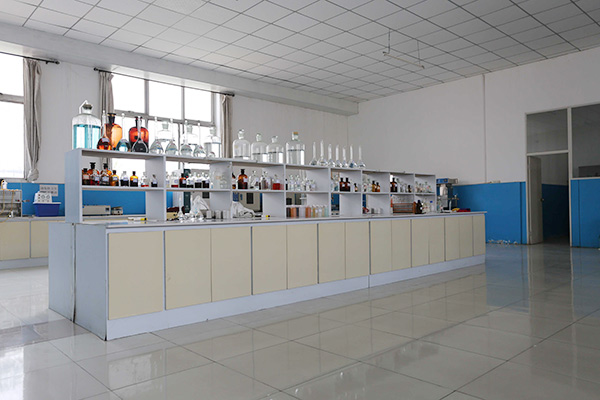
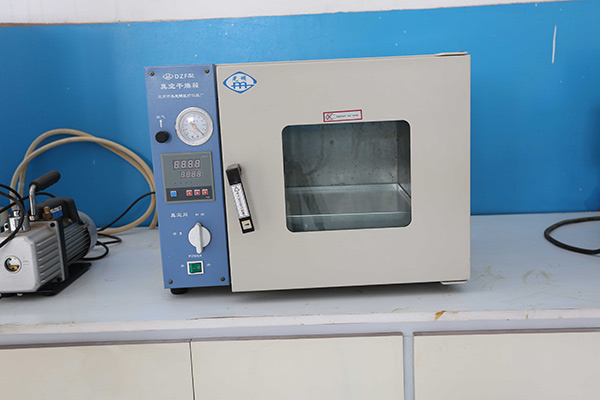
In the building materials industry, compliance is essential. Kingflex products undergo third-party testing to meet international safety and environmental standards. We maintain traceability across our production runs, tracking raw materials through to final delivery to verify quality and performance.

Our current certification matrix includes:
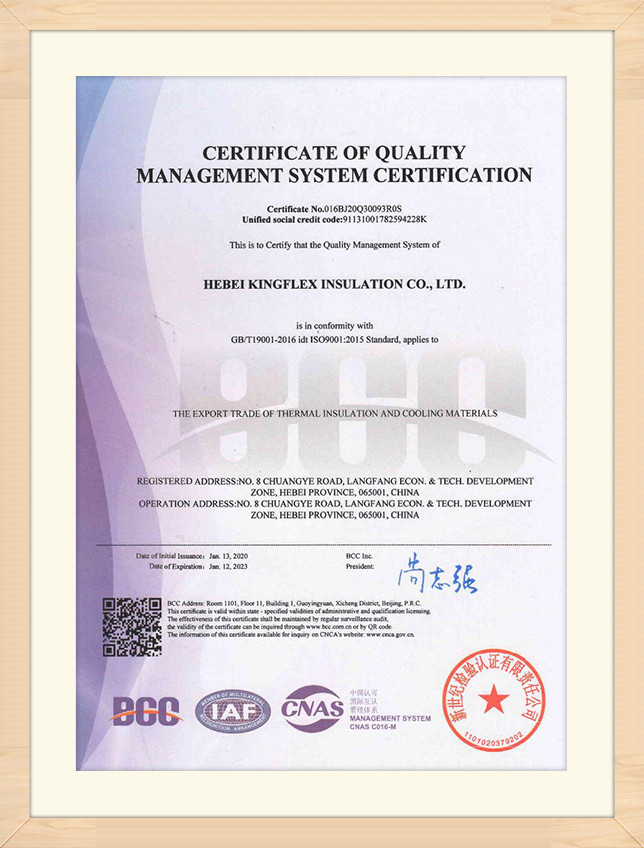
  • BS 476 Parts 6 & 7: Classified Class 0 and Class 1, verifying flame retardant and low flame-spread characteristics.
  • UL94 Flammability Standard: V-0 ratings for fire-retardant performance.
  • CE Certification: Compliant with European Union construction product regulations.
  • RoHS & REACH Compliance: Formulated without hazardous heavy metals or restricted chemicals, supporting environmental standards.
  • ASTM Certification: Engineered to meet North American thermal conductivity and moisture-vapor transmission parameters.
Product Data

Standard Dimensioning & Material Characterization

High-precision formulations designed to perform reliably across a wide temperature spectrum.

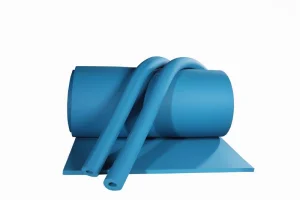
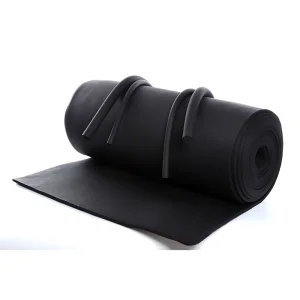
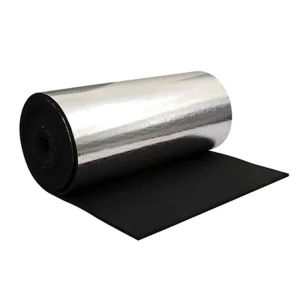
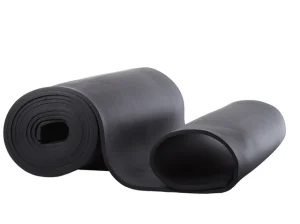
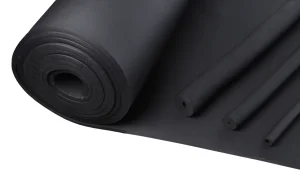
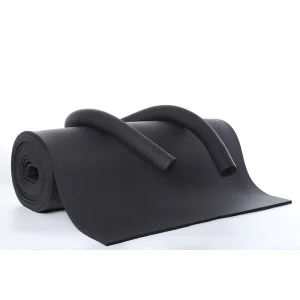
Black Rubber Foam Insulation Sheet Roll

  • Base Polymer Material Nitrile Butadiene Rubber (NBR) / Polyvinyl Chloride (PVC) Blend
  • Manufacturing Thicknesses 6mm to 50mm (Customizable)
  • Nominal Density Range 40 to 55 kg/m³
  • Service Limits -40℃ to 105℃
  • Closed Cell Ratio Over 98%
  • Vapor Permeability Highly Resistant (Built-in Vapor Barrier)
  • Thermal Resistance Stable, Low Thermal Conductivity

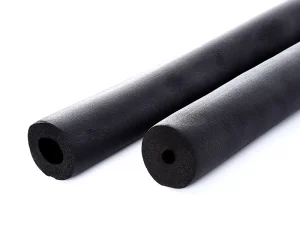
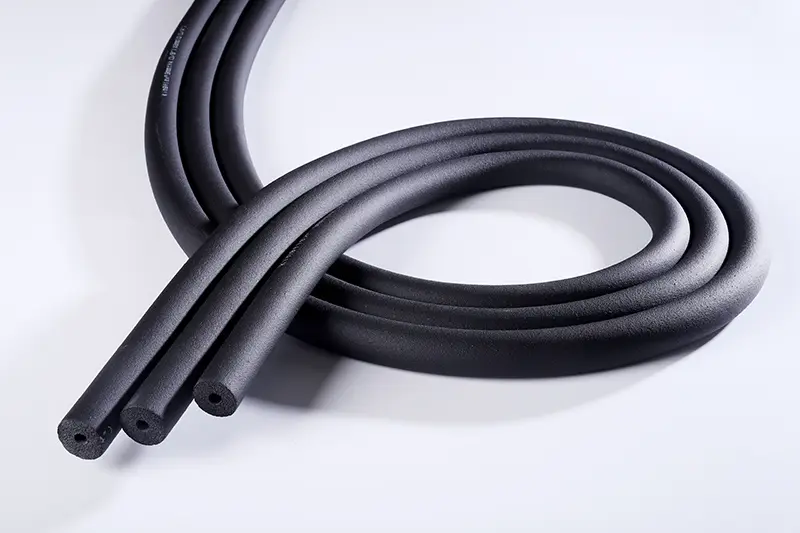
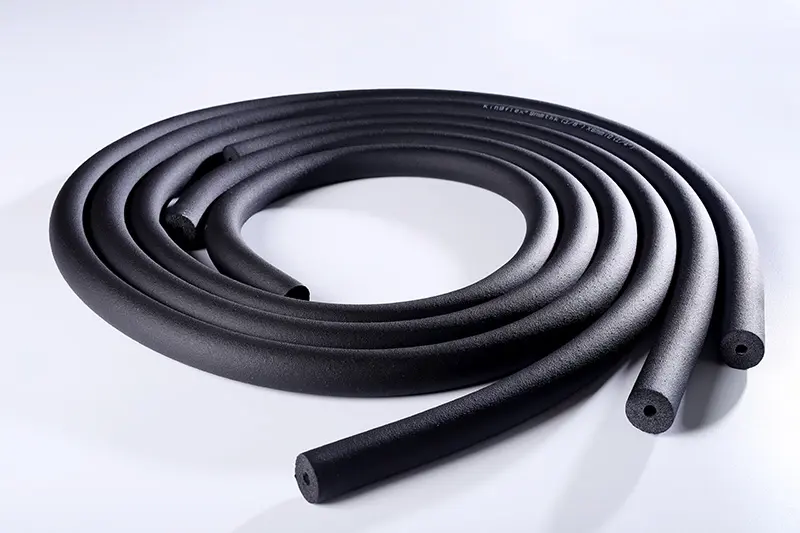
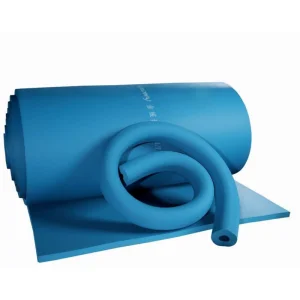
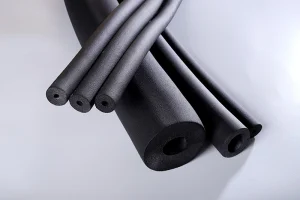
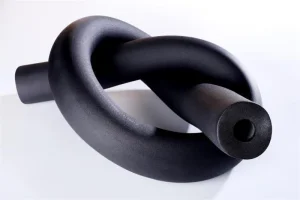
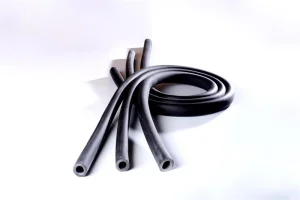
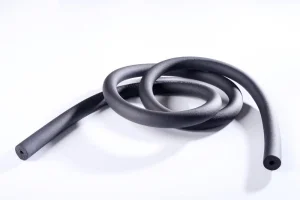
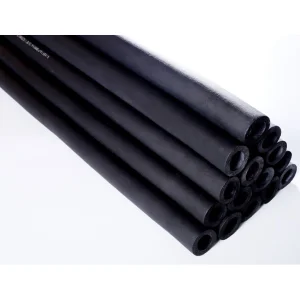
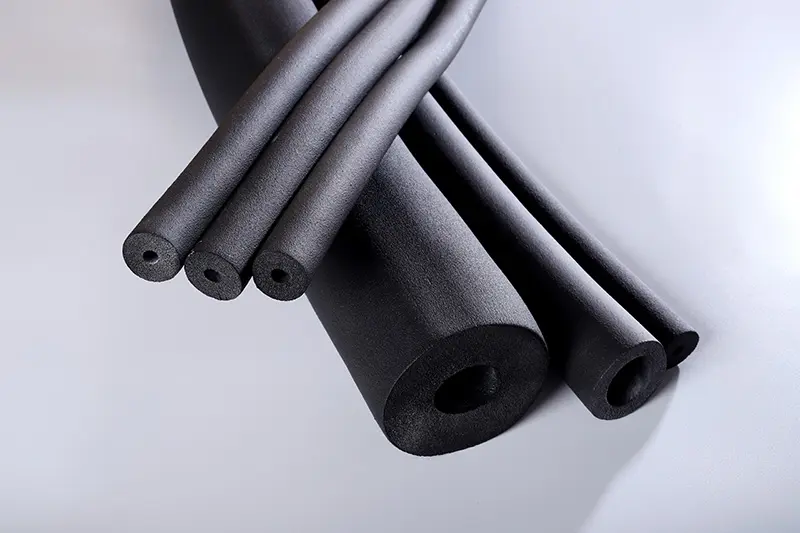
Black Rubber Foam Insulation Pipe

  • Base Polymer Material Nitrile Butadiene Rubber (NBR) / Polyvinyl Chloride (PVC) Blend
  • Insulation Thickness Range 9mm to 40mm
  • Inside Diameter (ID) Bounds 6mm to 114mm
  • Compression Resilience Over 80% Elastic Recovery
  • Service Limits -40℃ to 105℃
  • Surface Coating Uniform Co-Extrusion Protective Skin
  • Applications HVAC, Domestic Water Supply, Industrial Steam Lines

Localized Application Architectures

Our products are engineered to meet the requirements of multiple industrial sectors:

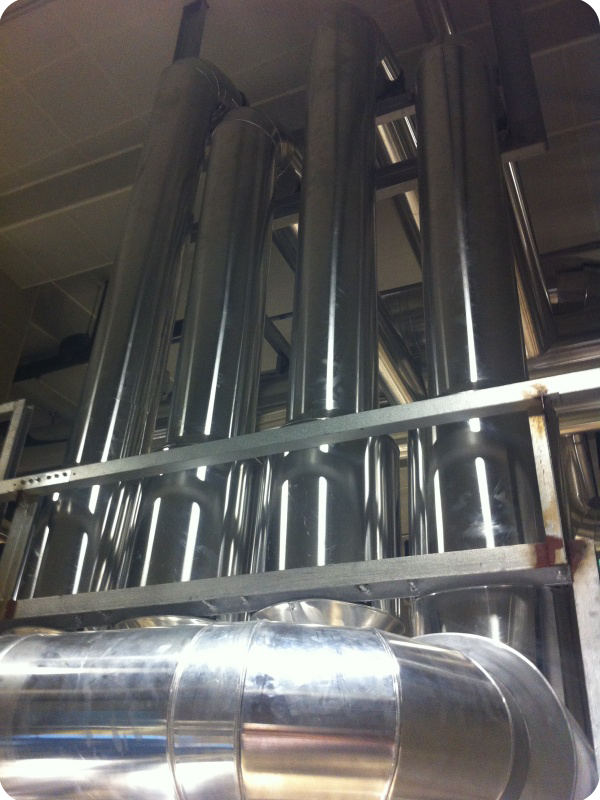
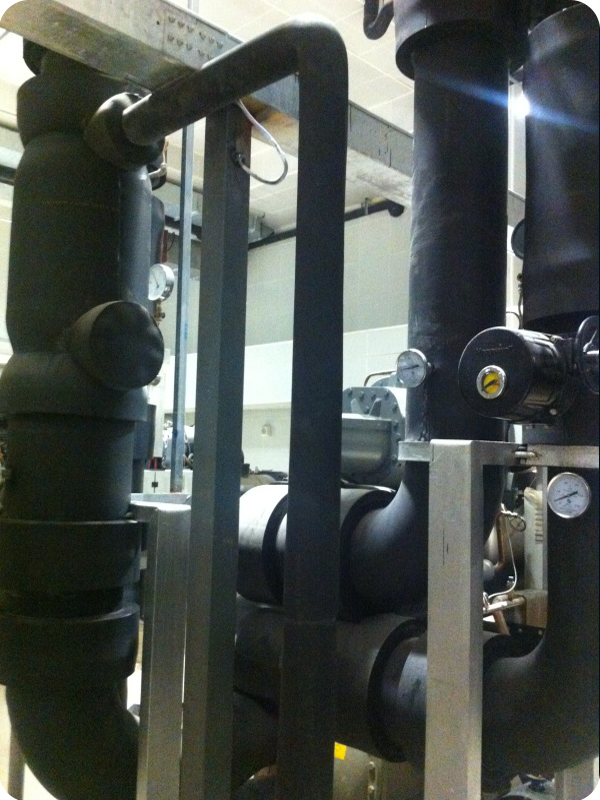
  1. Central HVAC/R Infrastructure: Provides thermal insulation for chilled water lines, condensate drainage pipes, and distribution ductwork, helping to optimize system efficiency.
  2. Architectural Shells & Commercial Buildings: Offers wall, roof, and basement thermal and acoustic insulation to reduce energy demands in modern structures.
  3. Anti-Condensation Systems: Formulated for domestic and industrial water lines to prevent condensation in high-humidity environments.
  4. Heavy Process Industries & Plants: Insulates process piping, storage tanks, and steam networks to minimize energy loss.
  5. Institutional Facilities (Hotels, Hospitals, Retail): Reduces fan and air-flow noise in duct networks and equipment rooms to help maintain quiet environments.
  6. Transit Systems & Cold Chain Logistics: Insulates refrigeration vans, cold storage structures, and rail cars carrying temperature-sensitive cargo.
  7. Petrochemical & Industrial Processing: Provides chemical resistance and thermal control for process pipes, helping to prevent moisture intrusion and pipe degradation.
Case Studies

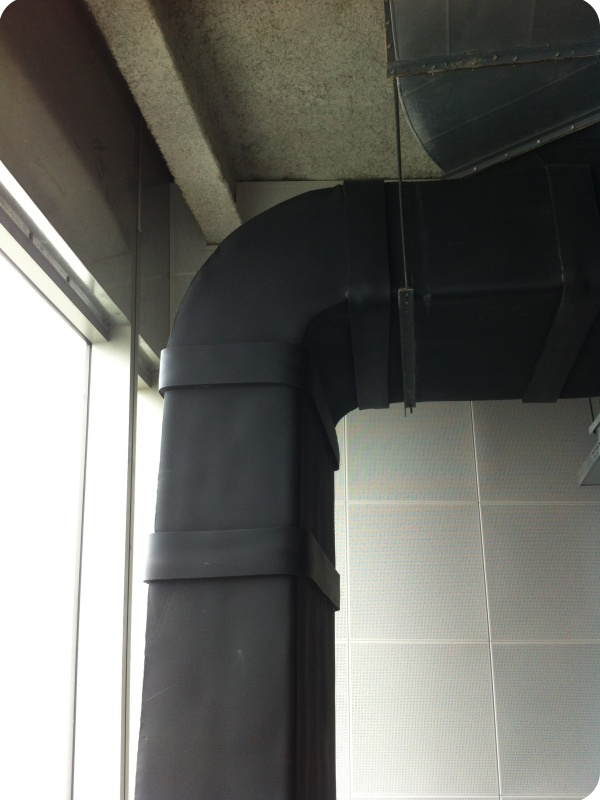
Global Projects & Installation Sites

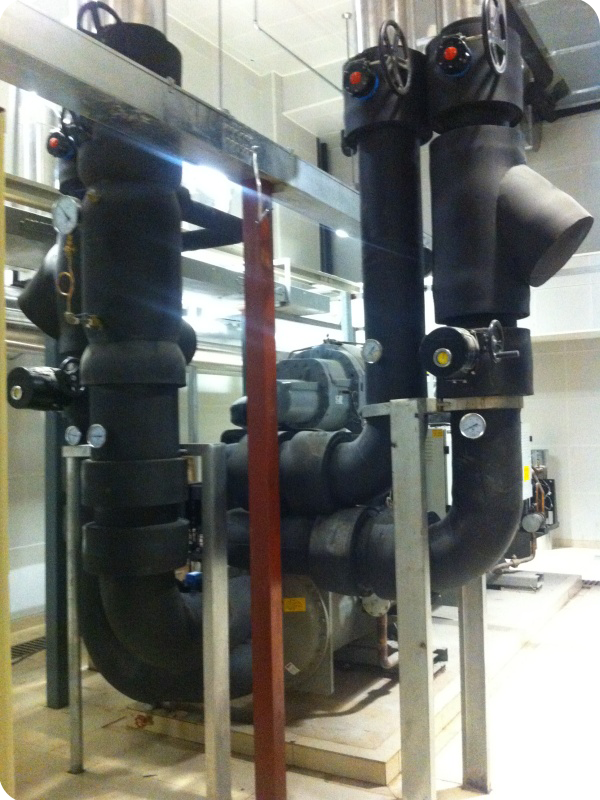
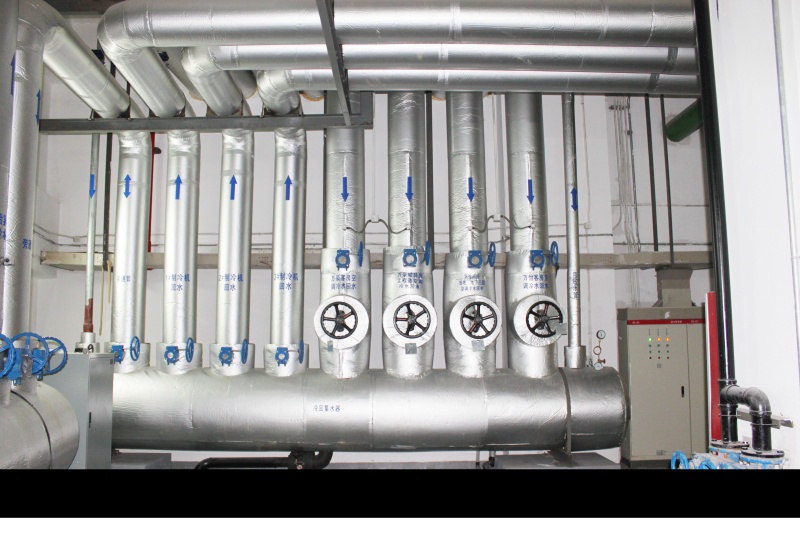
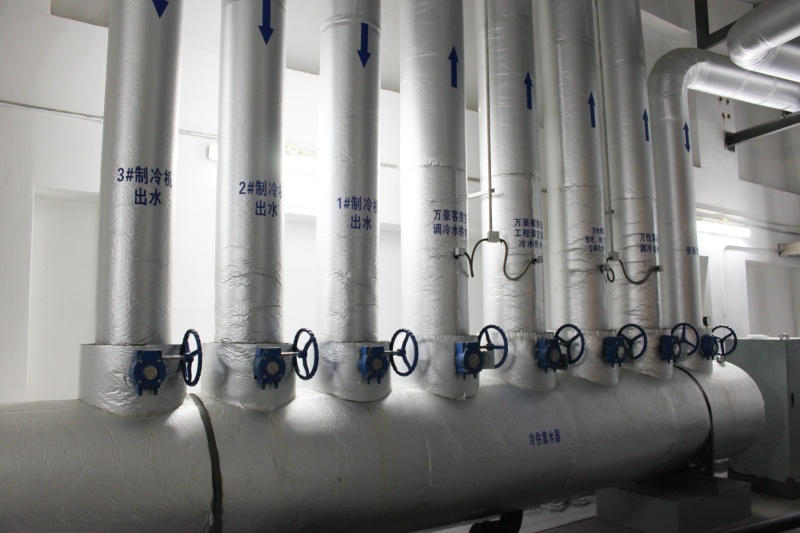
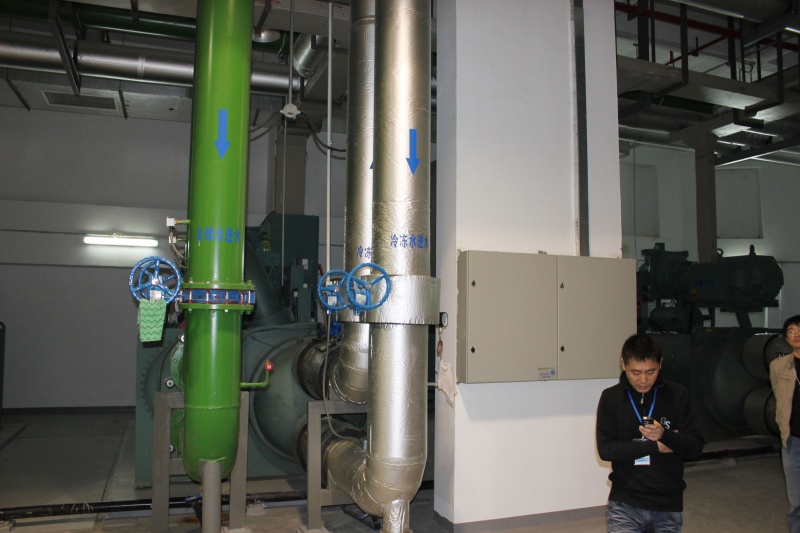
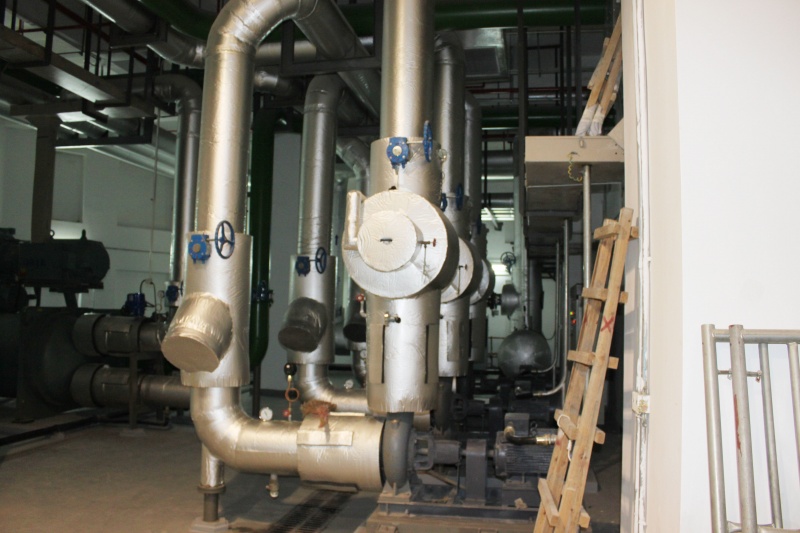
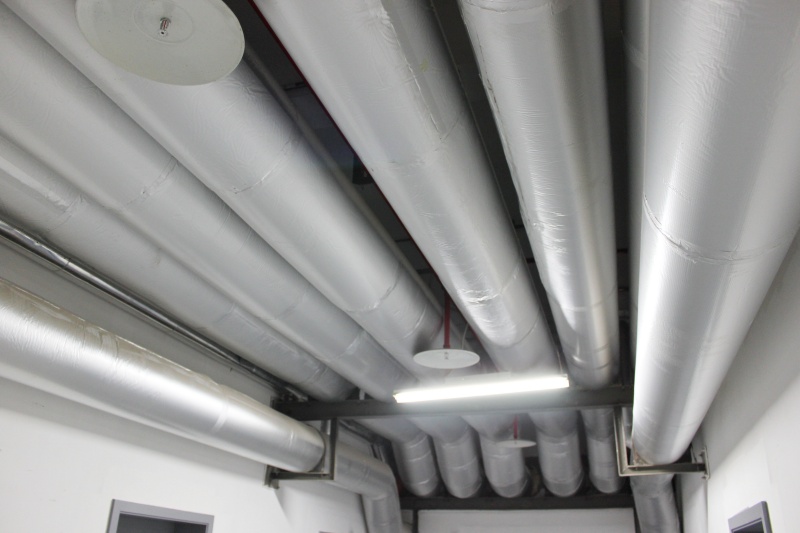
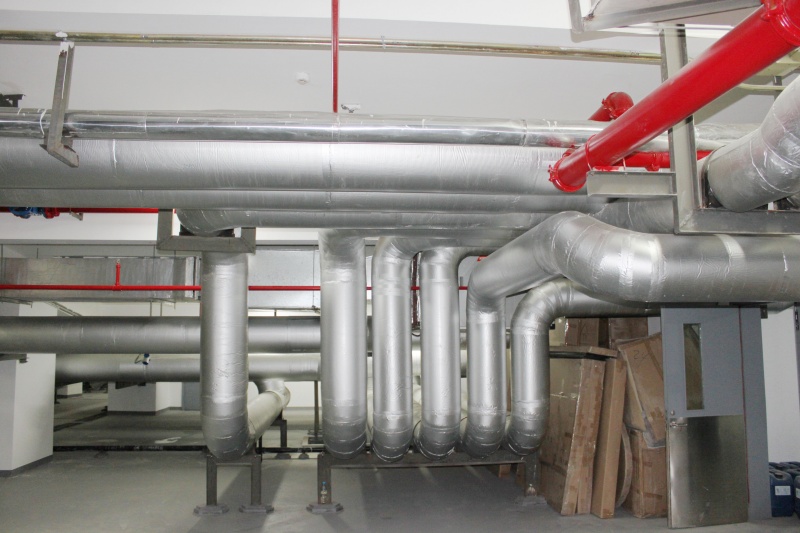
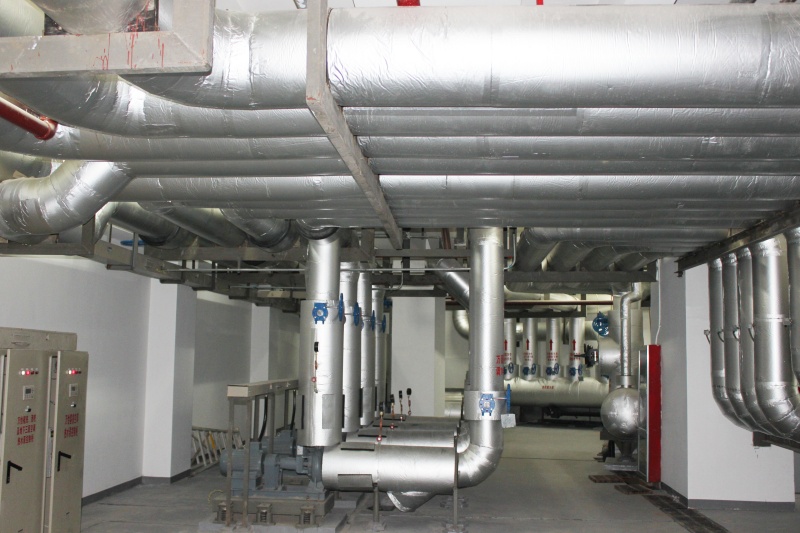
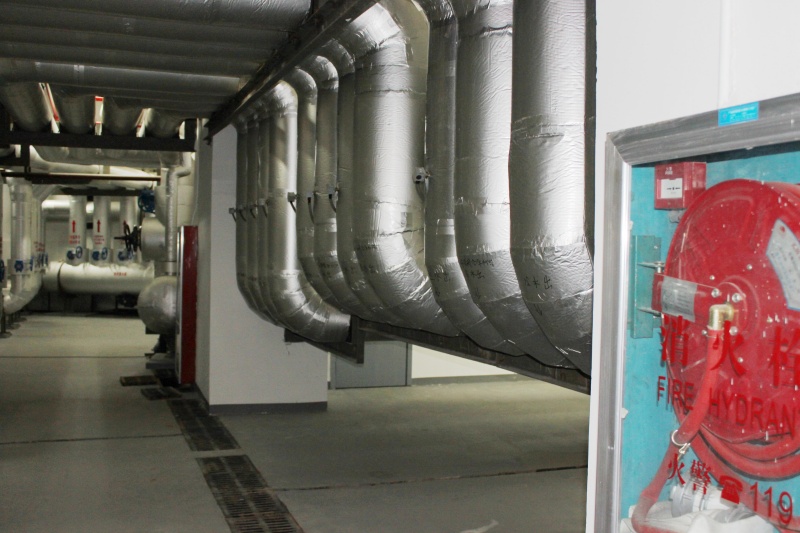
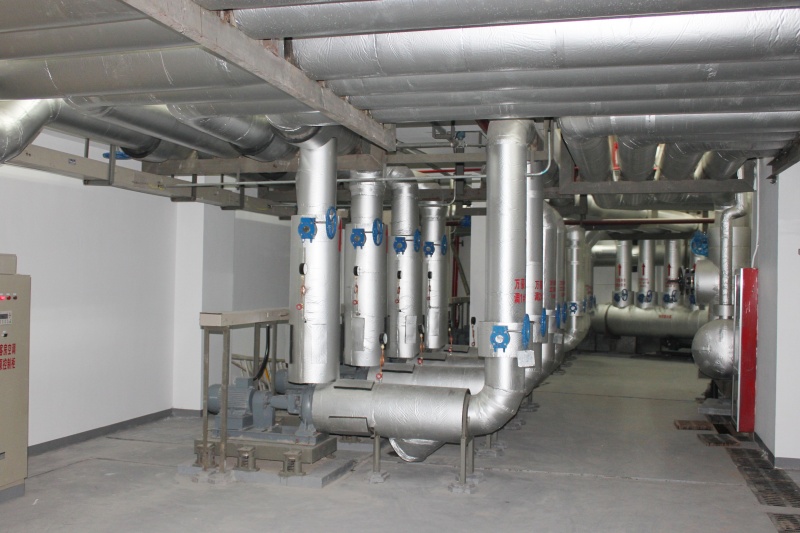
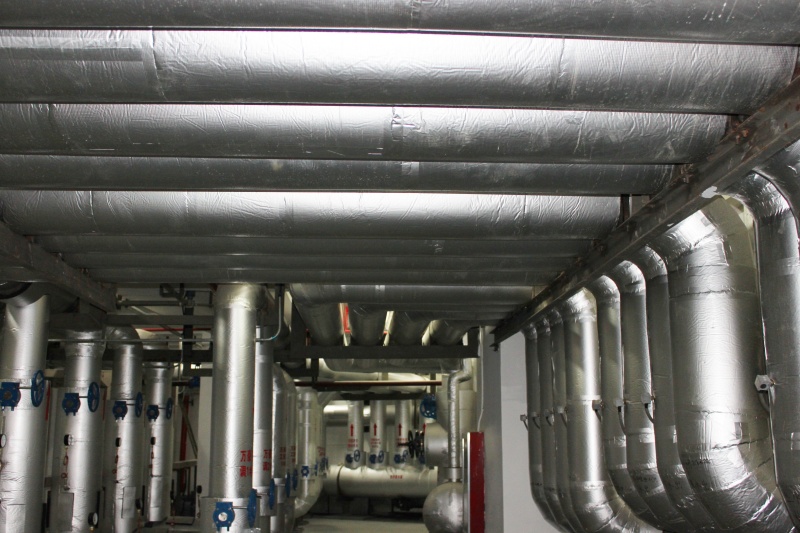
Tested and proven in demanding climates, from high-temperature solar installations to sub-zero refrigeration pipelines.
Global Communications

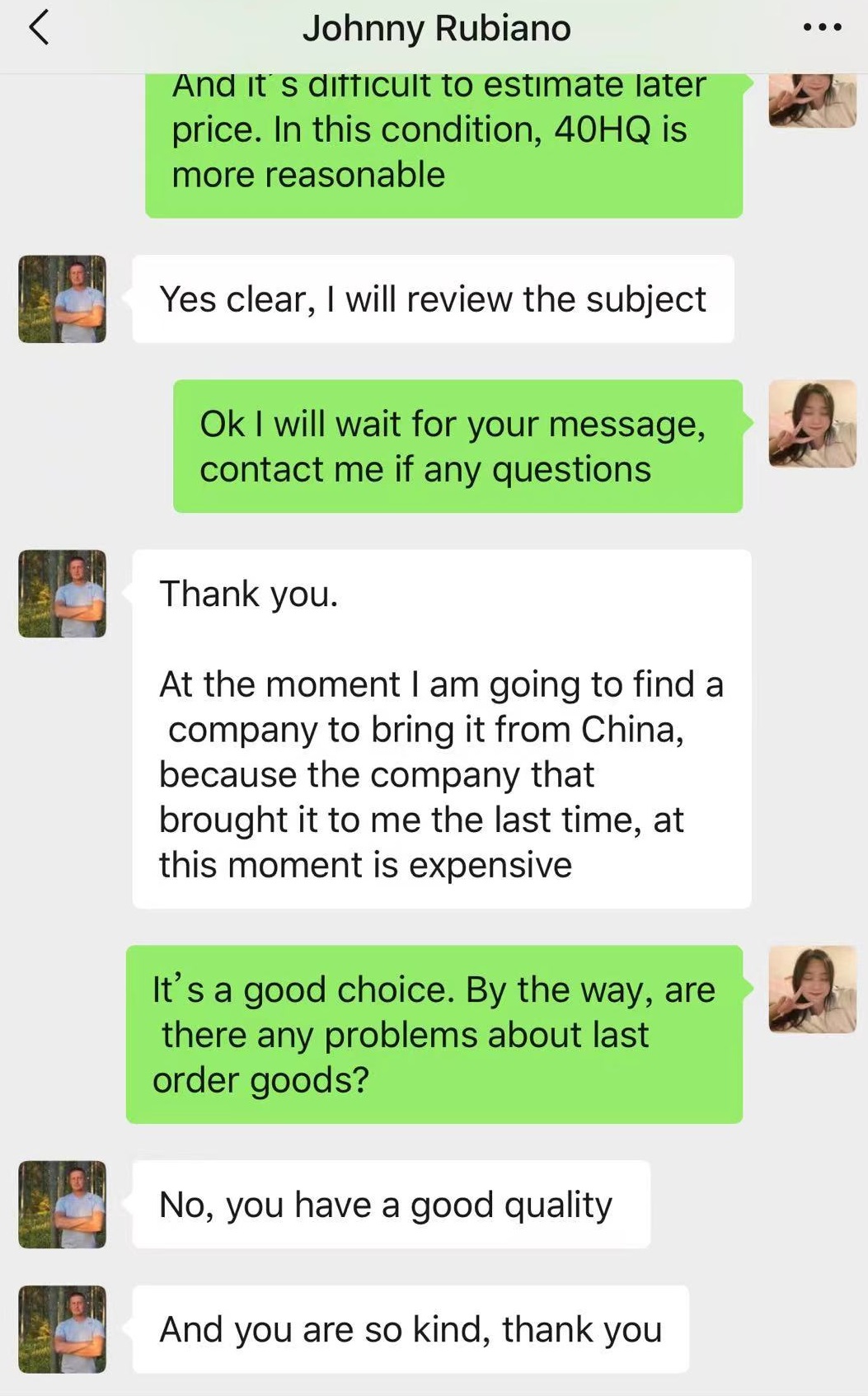
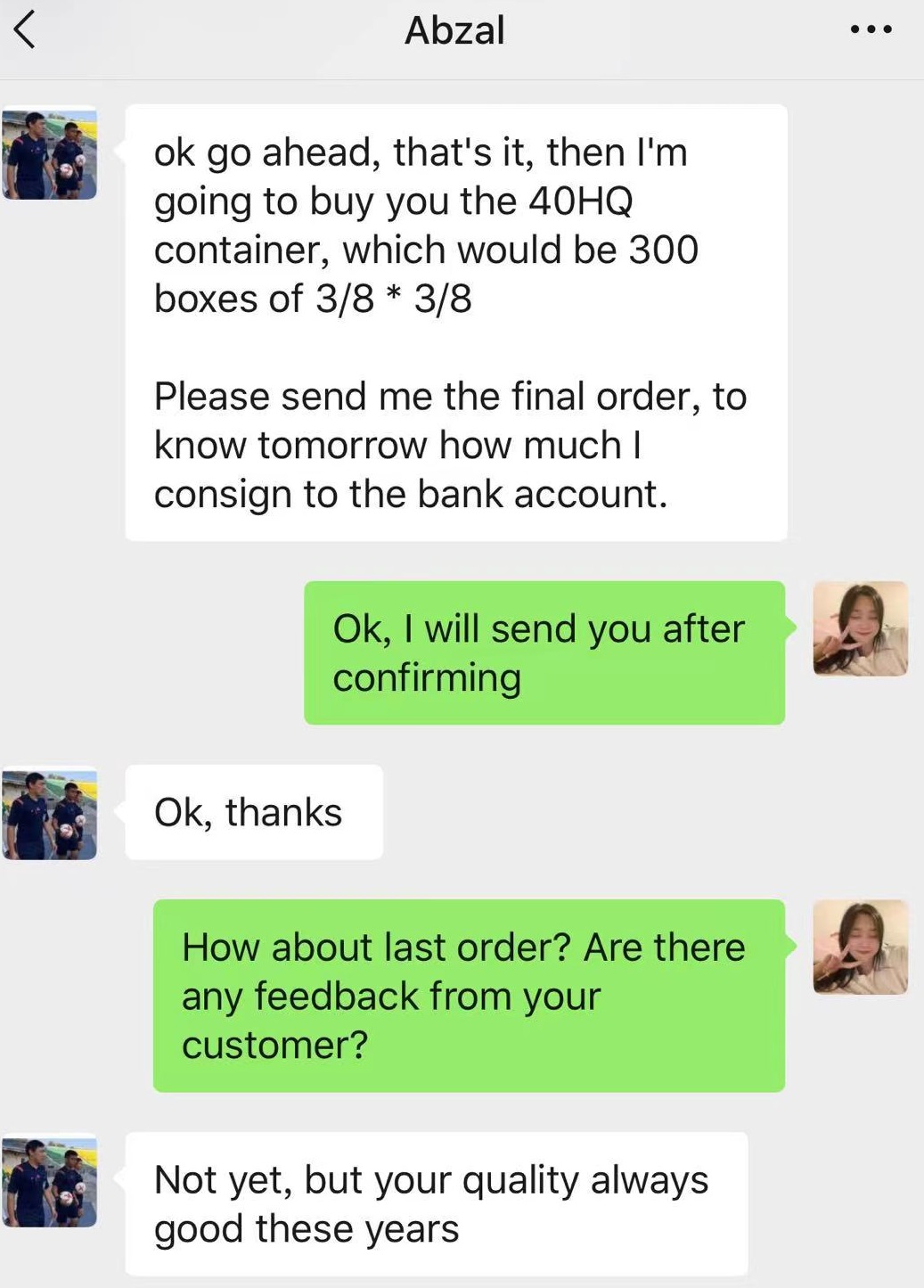
Real-Time Technical Support & Inquiries

Direct and collaborative communication with global procurement offices to align project specifications and delivery times.
Extended Catalogue

Complementary Thermal & Sound Management Solutions

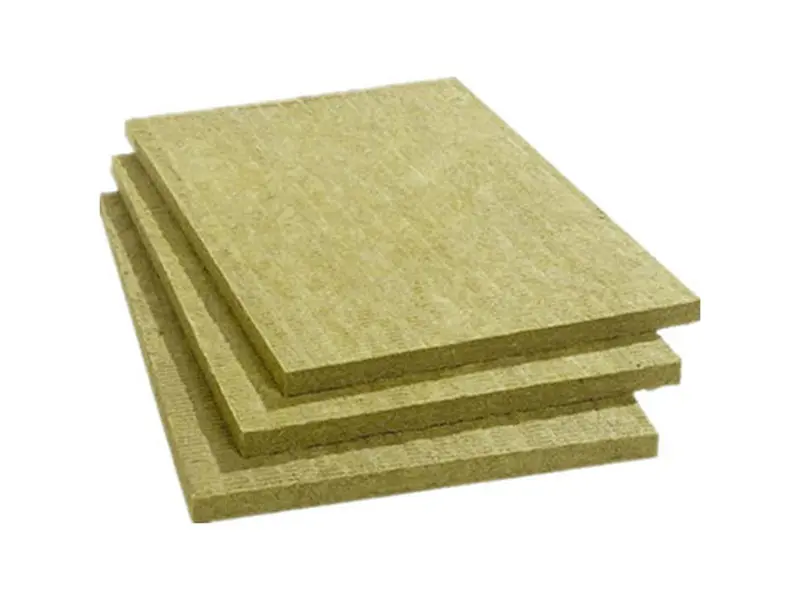
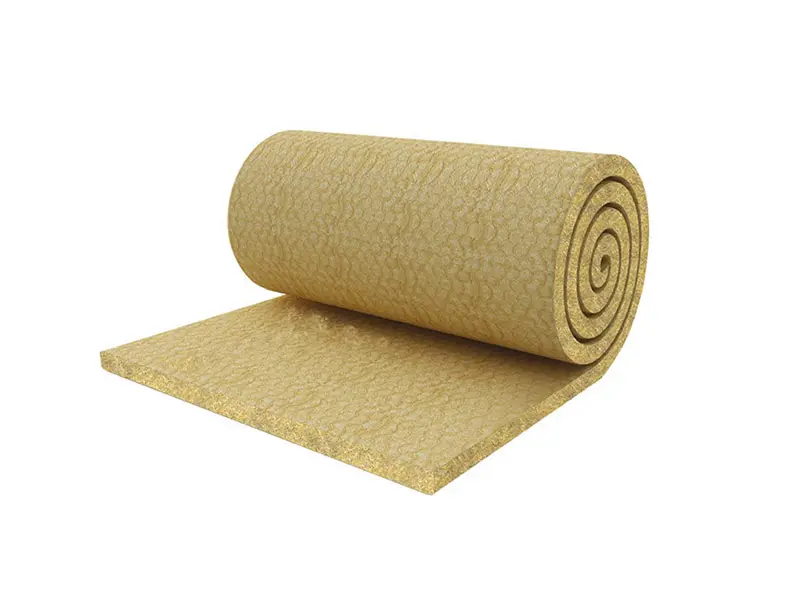
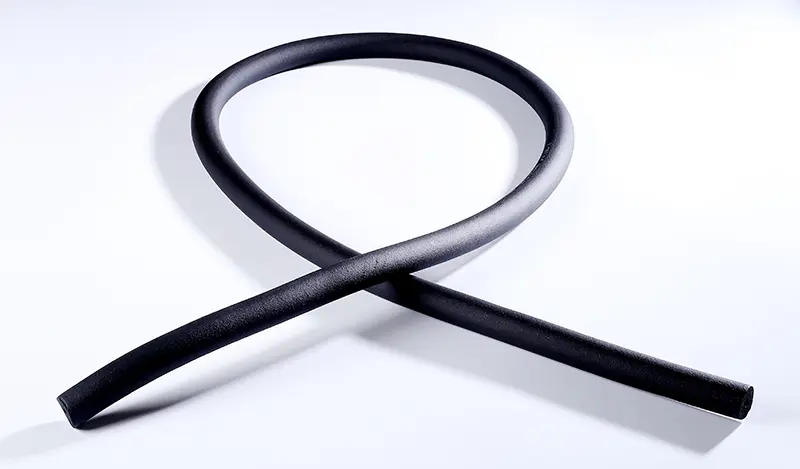
Explore our expanded NBR/PVC foam configurations and high-temperature mineral fiber insulation range.
Factory Gallery

Inside Our Manufacturing & Storage Depots

Continuous process lines and optimized storage systems support high capacity and rapid fulfillment.
Industrial Intelligence

Strategic Trends in Global Thermal Insulation & Supply Chain Adaptation

As the construction and process industries face stricter efficiency rules, standard insulation materials are being replaced by high-performance polymer options. Modern regulations like the EU's Energy Performance of Buildings Directive (EPBD) and ASHRAE Standard 90.1 require materials that deliver reliable long-term thermal performance. Closed-cell elastomeric foam fits these requirements well. NBR/PVC materials combine low initial thermal conductivity (K-value) with high resistance to moisture absorption, preventing the performance drops common in fibrous insulation.

A major trend in modern HVAC and refrigeration design is the transition to sub-zero and cryogenic environments. Systems like Liquefied Natural Gas (LNG) pipelines and ultra-low-temperature cooling require specialized insulation. In these setups, even small amounts of moisture can freeze and damage the material. Solutions like Dolefin flexible cryogenic insulation are designed to remain flexible and prevent cracking under extreme cold.

Global Procurement Strategy: Total Cost of Ownership (TCO)

Procurement teams are shifting away from evaluating insulation based solely on the purchase price. Instead, they look at the Total Cost of Ownership (TCO), which factors in installation labor, maintenance, service life, and energy savings over time. Closed-cell elastomeric foam offers clear advantages in this area:

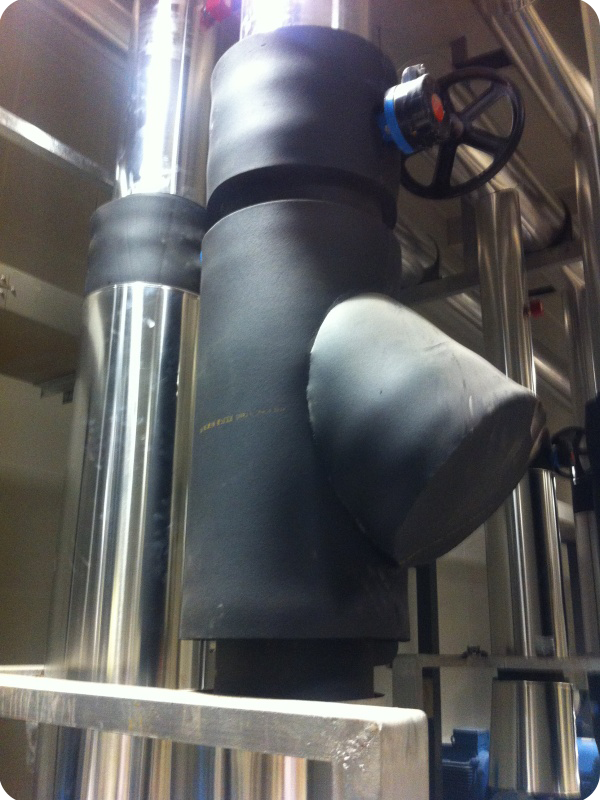
  • Simpler Installation: The material's flexibility makes it easier to cut and fit around valves, elbows, and manifolds. This reduces installation time and labor costs compared to rigid options.
  • No Extra Vapor Barrier Needed: The closed-cell structure serves as its own vapor barrier, eliminating the step and cost of applying separate outer jackets in indoor setups.
  • Reduced Maintenance: Excellent moisture resistance and durability reduce the risk of mold growth and pipe corrosion, leading to fewer repairs and a longer service life.
FAQ Portal

Frequently Asked Questions

Technical answers regarding closed-cell elastomeric insulation specifications, usage, and logistics.

Q1: What is elastomeric rubber foam insulation used for? +
A1: It is mainly used for HVAC ducts, air conditioning pipes, building thermal insulation, industrial pipeline cold insulation, and sound insulation. Its closed-cell structure prevents moisture absorption, making it particularly effective for cold-water lines where condensation control is critical.
Q2: Is Kingflex rubber foam insulation fire resistant? +
A2: Yes, our rubber foam insulation products are fire retardant. They are formulated to meet international safety and building codes, including BS 476 (Class 0 and Class 1) and UL94 flammability ratings.
Q3: What is the difference between rubber foam and rock wool insulation? +
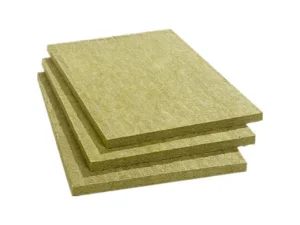
A3: Rubber foam is flexible, closed-cell, and highly moisture-resistant, making it suitable for HVAC, chilled water lines, and general building insulation where condensation is a concern. Rock wool is a high-density fibrous material with high heat resistance, suitable for high-temperature industrial pipelines and specialized fire wall systems.
Q4: Do you provide customized insulation products? +
A4: Yes, we provide OEM services. We can customize density, wall thickness, inner diameter, and external finishes (such as aluminum foil cladding) to meet specific project guidelines.
Q5: What certifications do your products have? +
A5: Our products are certified under BS 476, CE, REACH, RoHS, UL94, and ASTM standards, confirming compliance with building regulations and chemical safety codes.
Q6: Does Kingflex products have traceability? +
A6: Yes. We use product batch coding to track raw materials, processing conditions, and QC reports for all shipped batches.
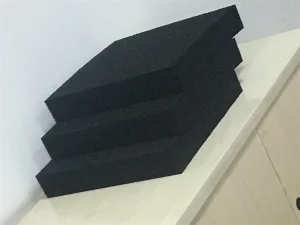
Q7: What thickness of Rubber foam insulation sheet roll can you produce? +
A7: We produce rubber foam sheets in thicknesses from 6mm up to 50mm, allowing engineers to choose the right thickness to meet condensation control and thermal requirements.
Q8: What is the service life of rubber plastic pipe and board? +
A8: When properly installed and maintained under standard operating conditions, our elastomeric insulation materials have an expected service life of 10 to 15 years.