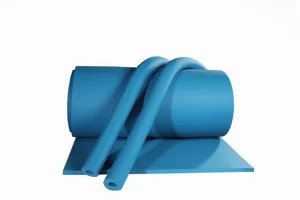
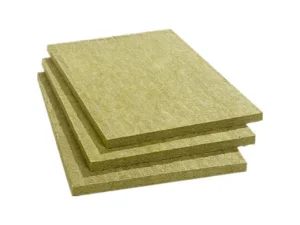
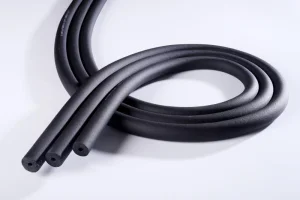
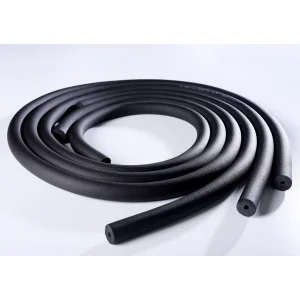
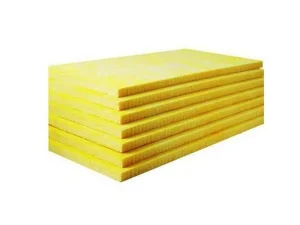
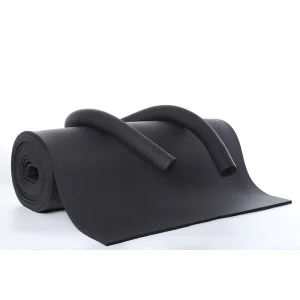
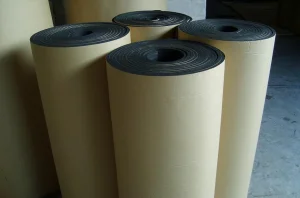
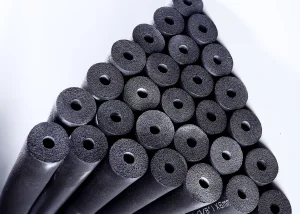
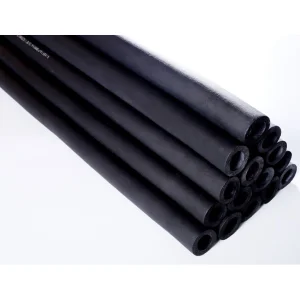
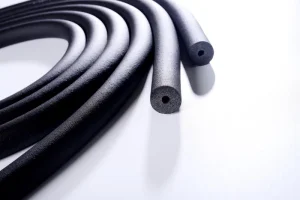
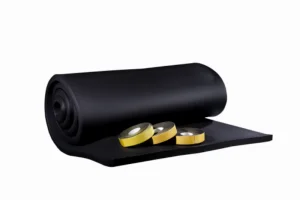
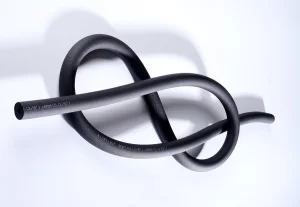
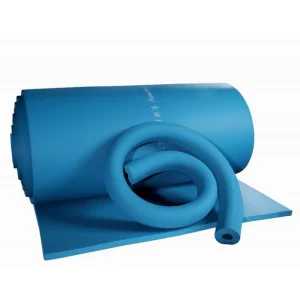
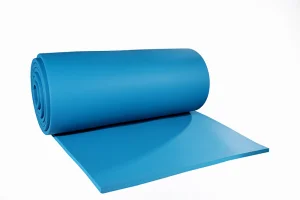
Explore our certified elastomeric foam rolls, acoustic panels, and engineering accessories tailored for heavy industry requirements.
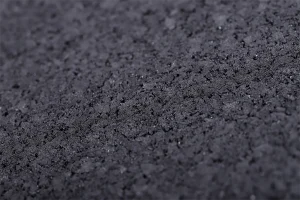
In modern industrial, commercial, and marine building architecture, fire safety regulations and environmental protection directives are driving a rapid transition from conventional insulation to advanced Halogen-Free Elastomeric Insulation Sheet Rolls. This document evaluates the molecular structure, engineering parameters, performance standards, and commercial procurement economics of utilizing halogen-free closed-cell technology compared to standard NBR/PVC formulations.
Standard nitrile butadiene rubber (NBR) and polyvinyl chloride (PVC) elastomeric insulations contain chlorine and bromine, which act as highly effective chemical flame retardants in the gas phase. However, when these materials combust, they release toxic hydrogen halide gases (such as HCl and HBr) that form highly corrosive acids upon contact with atmospheric moisture.
Kingflex Halogen-Free insulation relies on an innovative synthetic copolymer backbone combined with inorganic mineral flame retardants, such as Aluminum Trihydrate (ATH) or Magnesium Hydroxide (MDH). Under fire load, these non-halogenated additives undergo endothermic decomposition, releasing chemically bound water molecules. This process cools the flame front and forms an inorganic char barrier that prevents oxygen penetration and heat transfer to the underlying pipe or sheet roll surface. The resulting cell structure maintains a closed-cell ratio exceeding 98%, ensuring excellent long-term resistance to water vapor transmission without relying on halogenated compounds.
For large-scale industrial projects, dimensional consistency and verified performance are critical parameters. The table below outlines the core properties of our halogen-free sheet rolls:
| Physical Property | Testing Standard | Value / Performance Range |
|---|---|---|
| Material Formulation | ICP-OES / GC-MS | Halogen-Free (Chlorine & Bromine < 500ppm) |
| Available Thicknesses | ASTM C209 | 6 mm to 50 mm (Custom laminations available) |
| Service Temperature | ASTM C411 | -40°C to +105°C |
| Thermal Conductivity (λ) | ASTM C518 (at 0°C) | ≤ 0.035 W/(m·K) |
| Water Vapor Permeability (μ) | BS EN 12086 | ≥ 10,000 (Built-in vapor barrier) |
| Fire Safety Classification | UL 94 / BS 476 Part 7 | Class V-0 / Class 1 (Self-extinguishing) |
| Density | ASTM D1622 | 40 to 55 kg/m³ |
Selecting a wholesale sheet roll format rather than individual pre-slit tubes provides distinct systemic advantages during site assembly:
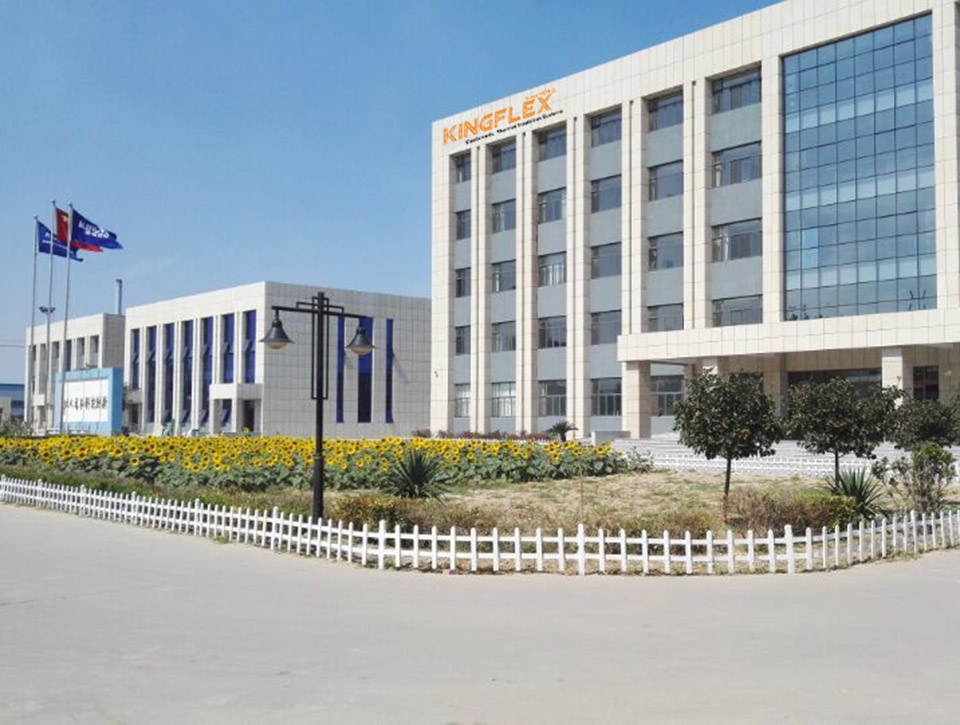
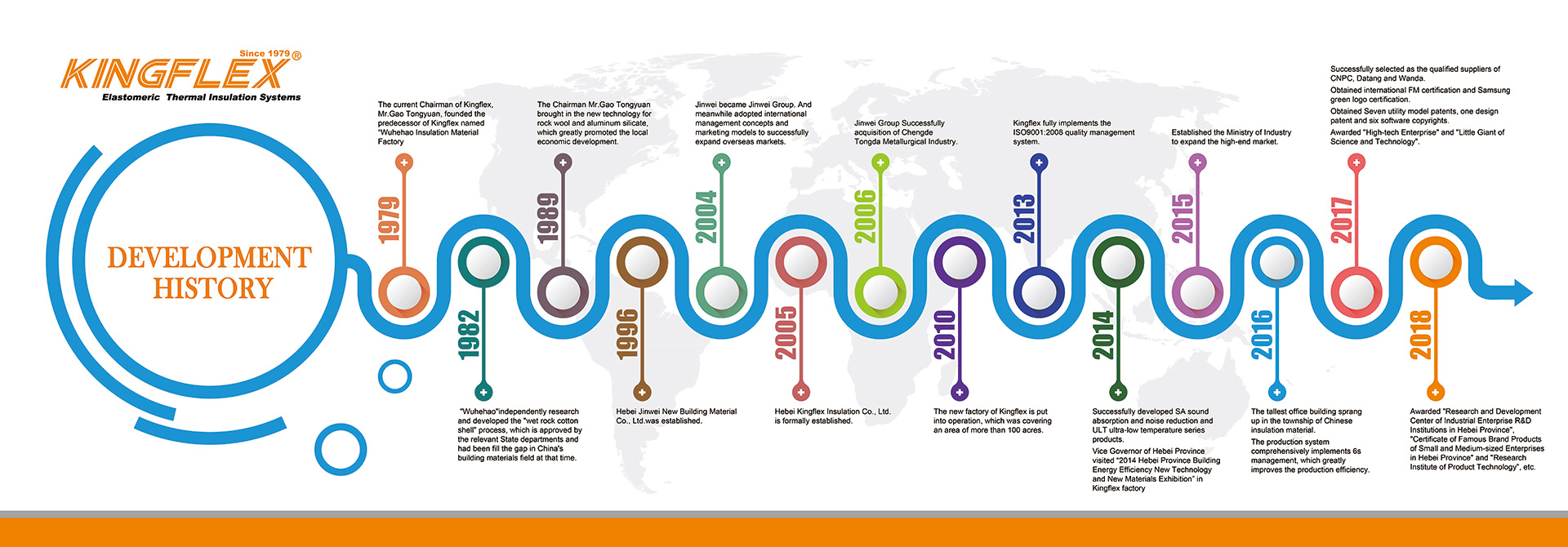
Our production department operates in Dacheng, China, the world-renowned capital of green building materials. Through our parent enterprise, the Jinwei Group—established in 1979 with over 40 years of pioneering thermal insulation experience—we have implemented digital manufacturing systems across five high-speed automated lines.
By shifting to an automated continuous-foaming method, our factory achieves an annual capacity exceeding 600,000 cubic meters. Real-time computerized control of raw material mixing, density, and temperature profiles guarantees that every sheet roll meets international tolerances. This level of automation keeps production costs competitive, allowing us to offer direct-factory pricelists to distributors and EPC contractors worldwide.

Meets strict smoke density and toxicity limits (IMO FTP Code), preventing dangerous gas buildup in enclosed shipboard cabins.
Non-outgassing properties protect sensitive wafers and lithography systems from chemical degradation and particulate contamination.
Installed inside railway carriages, subways, and airport terminals to protect passengers under strict local fire safety regulations.
For international buyers, balancing shipping logistics with material costs is critical. Kingflex supports global procurement with tailored logistics packages, container load optimization, and comprehensive documentation, including certificates of origin and customs clearance paperwork.
Each sheet roll batch is fully traceable from raw materials to final packaging. Whether you require specific densities, self-adhesive backing, or protective foil surfaces, our sales and engineering teams can provide comprehensive quotes and technical support from design through delivery.
As regulatory frameworks on synthetic chemicals grow stricter worldwide, Kingflex is actively developing next-generation thermal insulation materials. Our R&D division is focused on three primary areas:
Our scaled manufacturing capability ensures prompt deliveries for complex, multi-site construction and industrial projects.
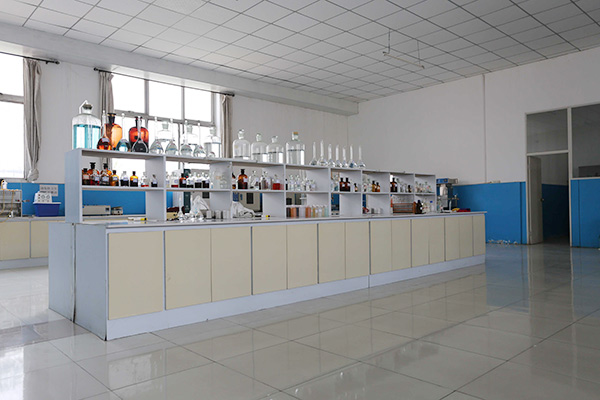
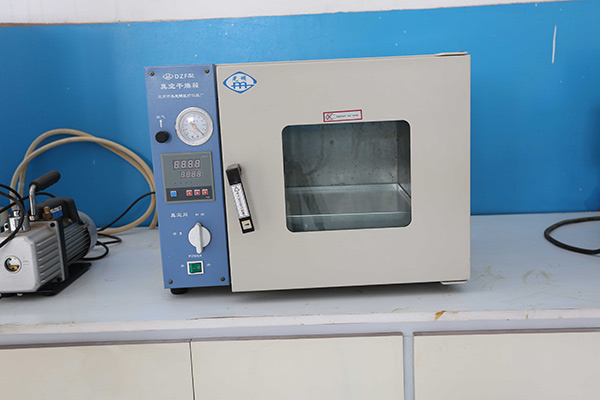
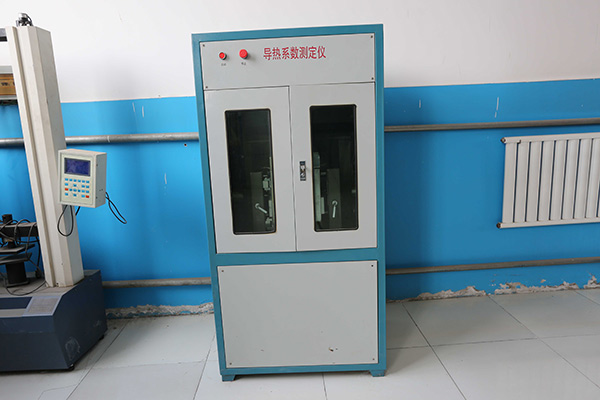
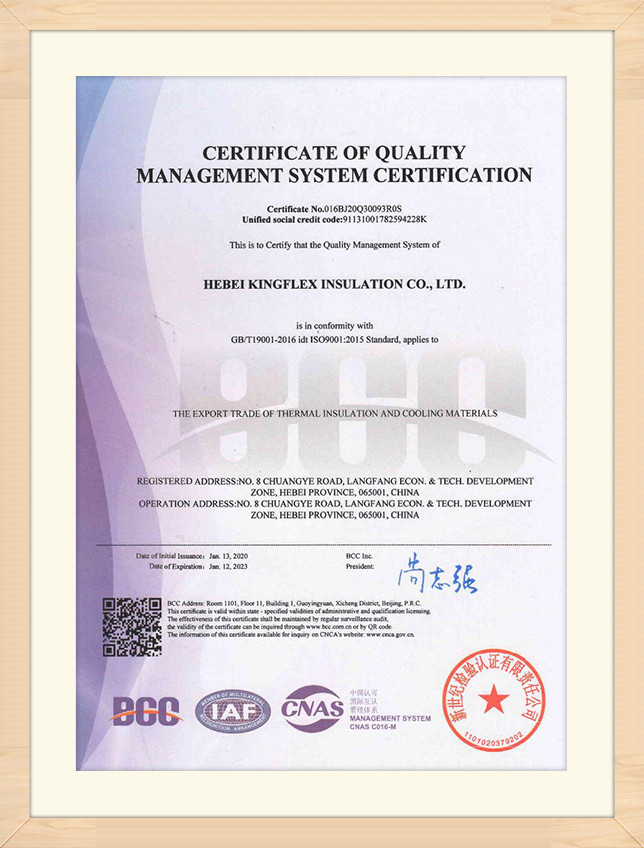
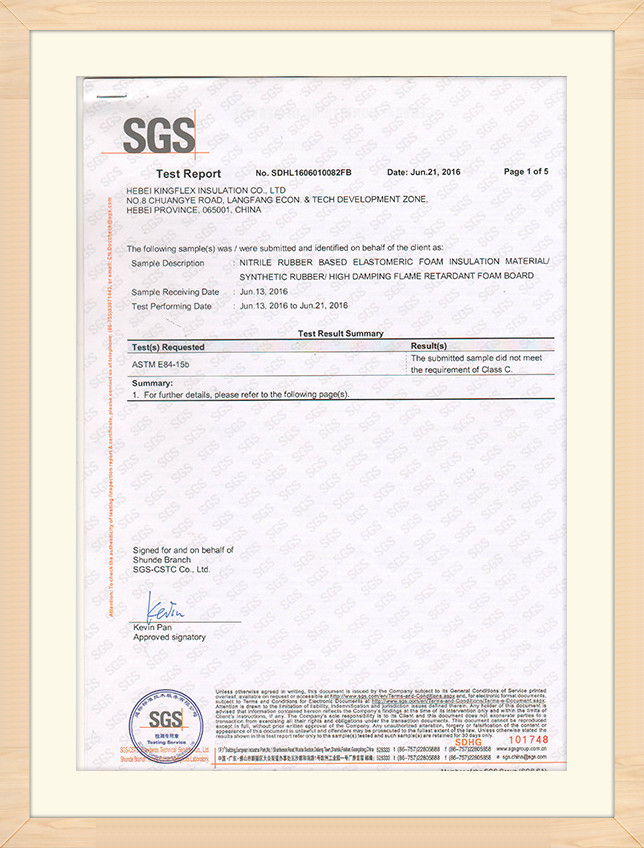
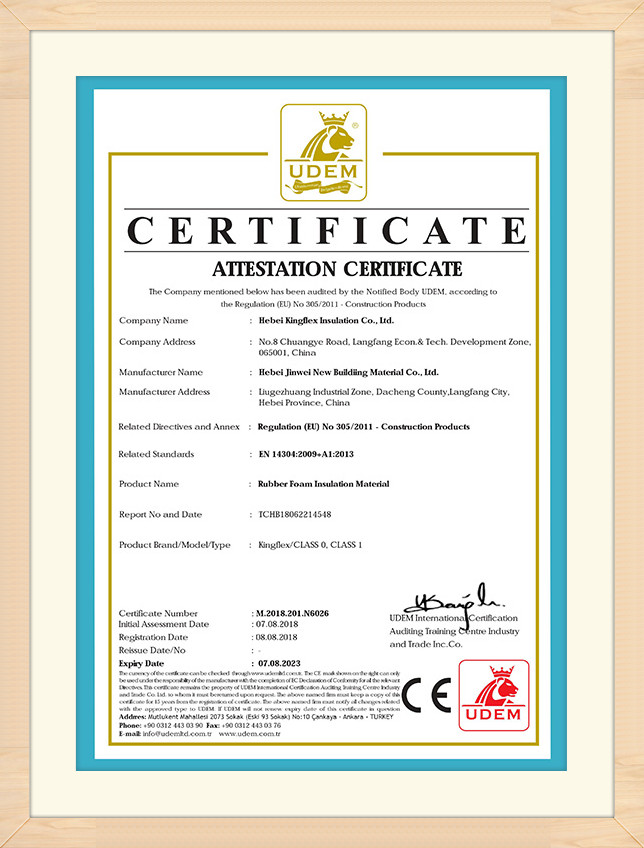
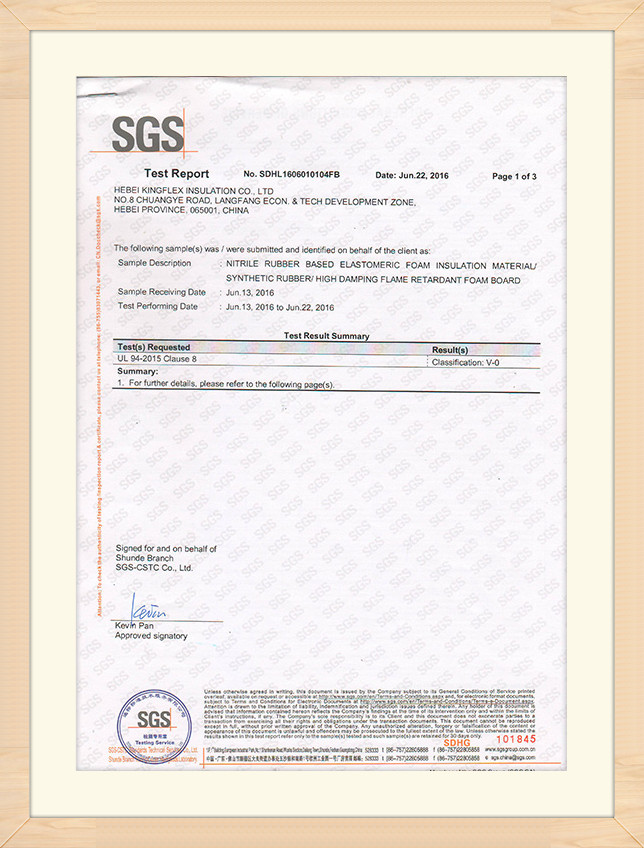
Every production run undergoes strict quality control and is certified by leading third-party testing laboratories:
Kingflex Insulation Co., Ltd. is a leading manufacturer of high-performance thermal insulation products. Located in China's green building materials hub in Dacheng, our operations focus on energy-saving, environmentally sustainable solutions.
We provide comprehensive project support, from initial design and specification consulting to production, logistics, and on-site installation guidance.

Technical answers to support project specifications, fire performance requirements, and commercial procurement decisions.



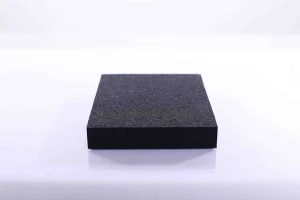
Complete your insulation systems with our high-density tubes, cryogenic sheets, and specialty rock wool lines.
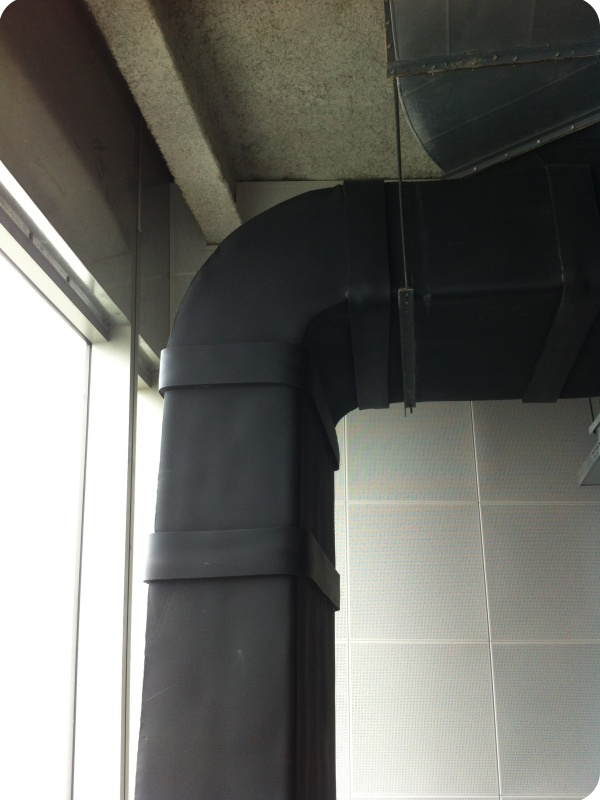
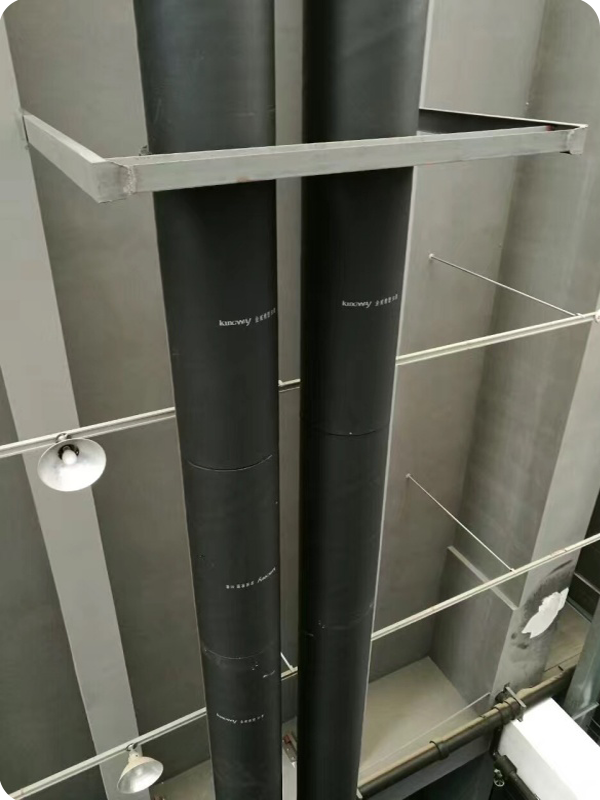
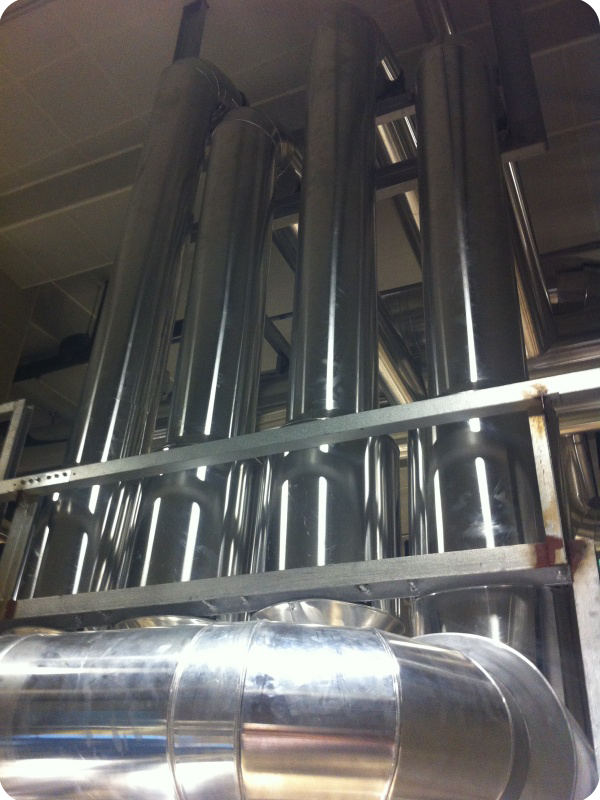
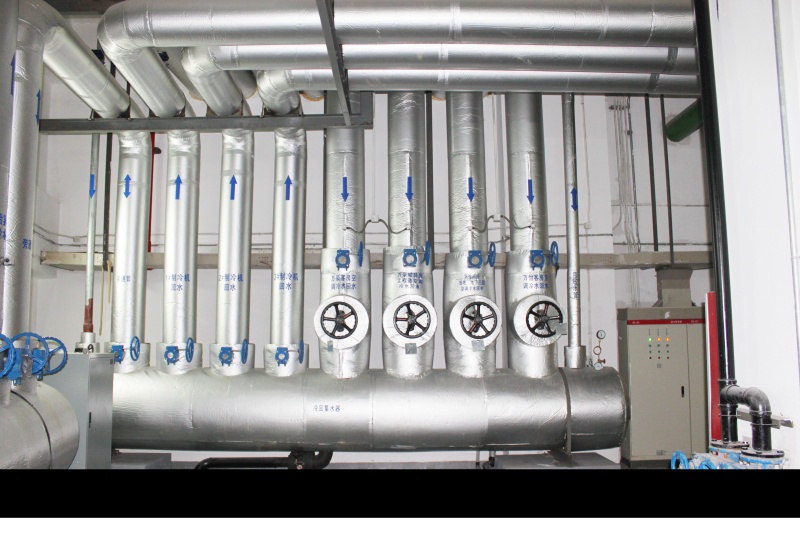
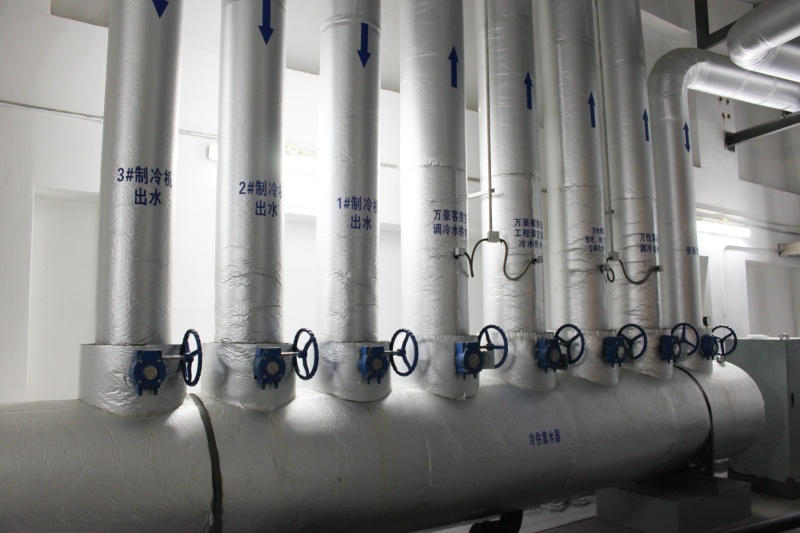
See our insulation materials in place across large-scale commercial, chemical, and transportation infrastructures.

 Kingflex