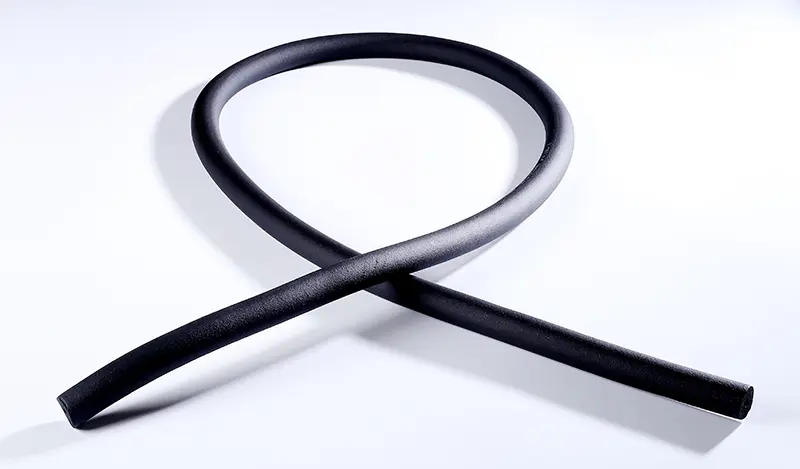
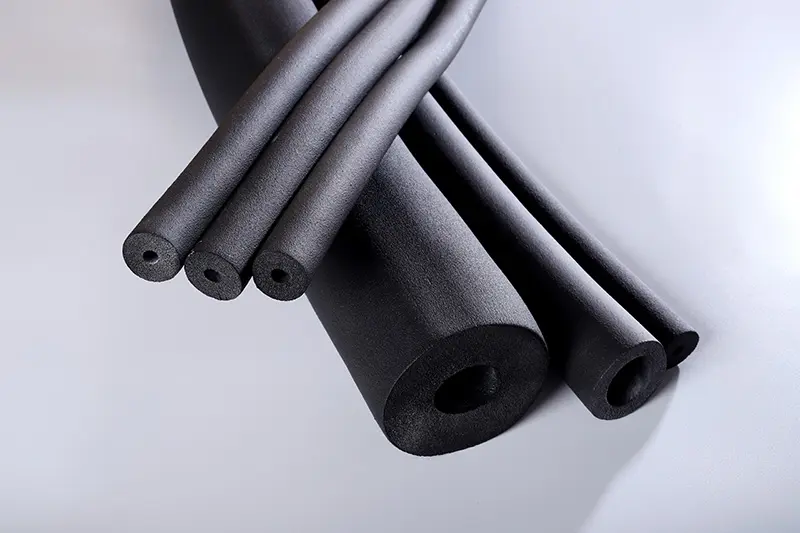
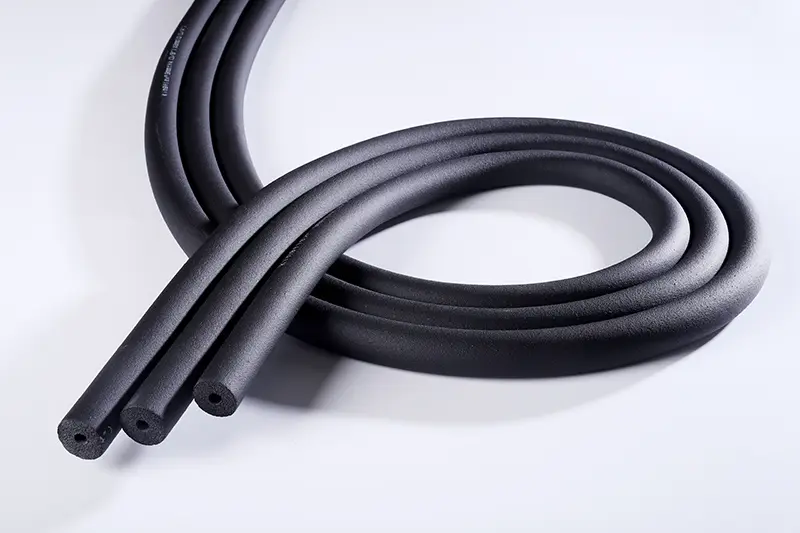
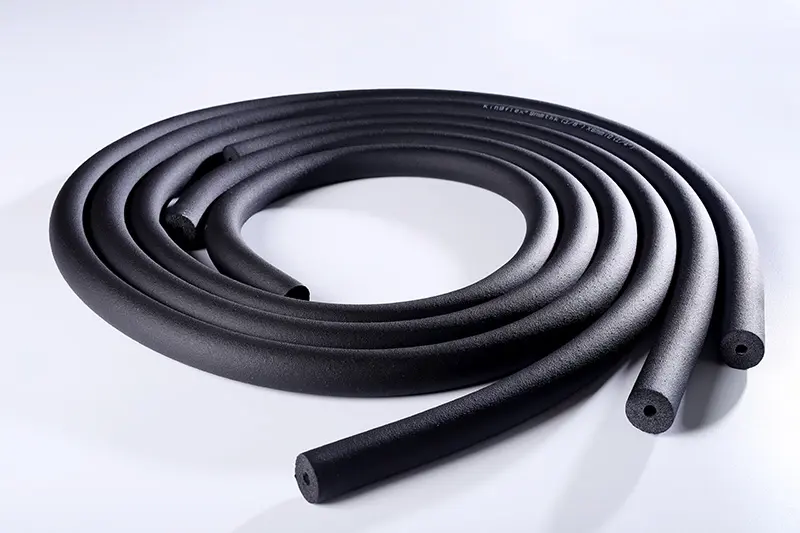
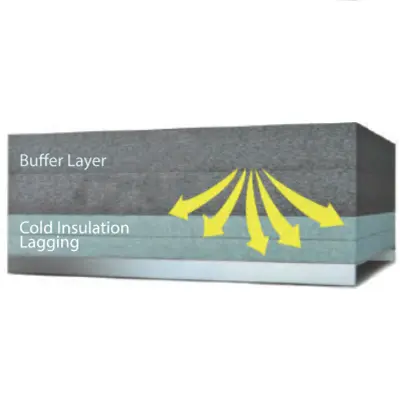
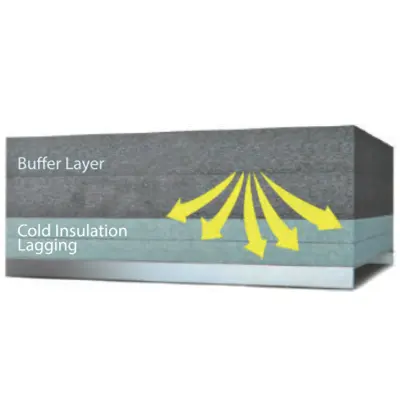
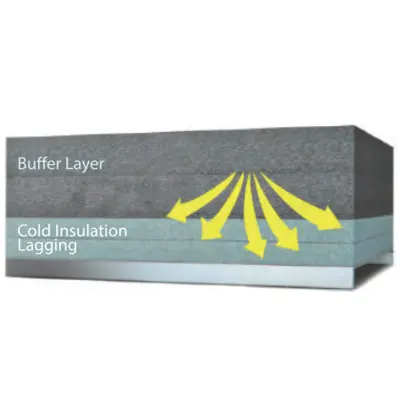
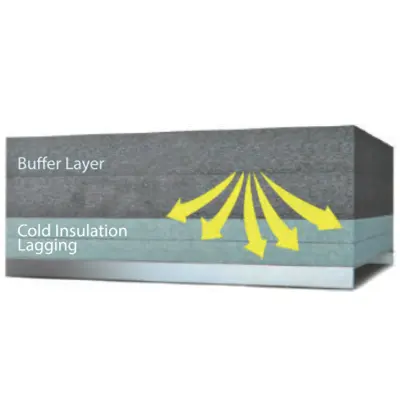
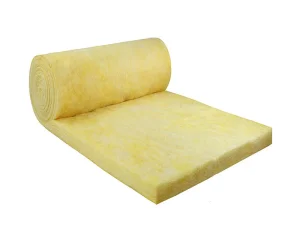
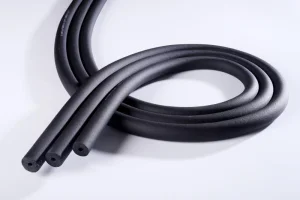
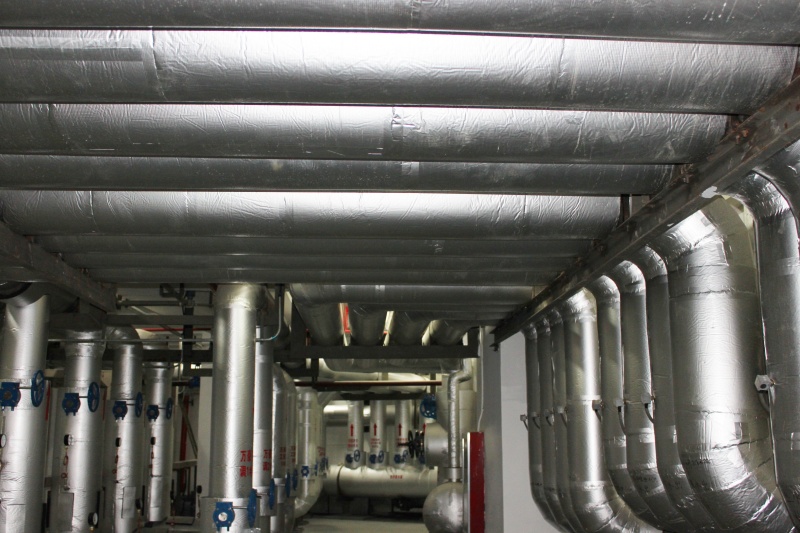
Modern architectural development, industrial processing, and commercial construction demand advanced thermal management systems to mitigate thermal transfer and optimize energy efficiency. As a primary conduit for localized climate control, insulated air duct systems have transformed from simple structural pathways into highly engineered components critical to sustainable engineering goals. Regulatory focus on Net-Zero carbon thresholds, combined with rising energy costs, has placed advanced thermal insulation systems at the core of structural design.
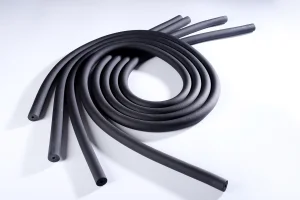
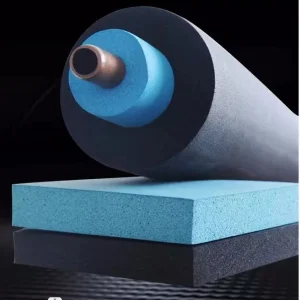
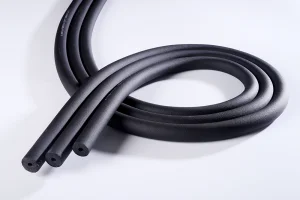
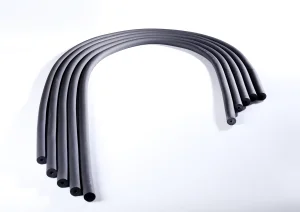
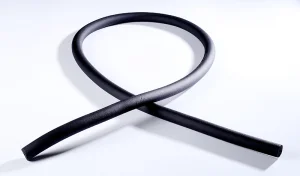
Historically, commercial and industrial HVAC projects relied on loose-fill fibrous insulation or external fiber blankets. These methods, however, carry high vulnerabilities regarding moisture penetration, air quality degradation, and thermal bridging. The transition toward high-density, closed-cell elastomeric materials (such as NBR/PVC blends) addresses these fundamental mechanical issues. By implementing a fully enclosed structural cell matrix, these materials provide permanent, built-in resistance to water vapor permeation, rendering external vapor barriers obsolete. This shift is crucial for high-humidity environments, cleanroom facilities, and large-scale industrial complexes that require continuous climate stability.
On a macro scale, the global demand for insulated air duct systems is expanding rapidly across diverse geographic sectors. In urban centers across North America, Europe, and the Asia-Pacific region, retrofitting outdated structural infrastructure with high-efficiency HVAC components has become a priority. Meanwhile, in industrial zones such as the Middle East and heavy-manufacturing corridors, extreme environmental temperature swings require highly resilient insulation systems to protect process piping, chilled water lines, and structural ventilation routes from thermal shock. As a leading manufacturer, Kingflex is positioned at the intersection of supply chain stability and technical innovation, delivering high-performance insulation solutions worldwide.
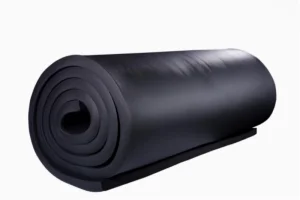
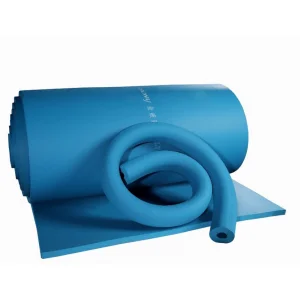
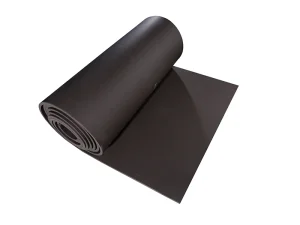
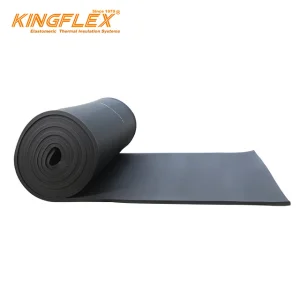
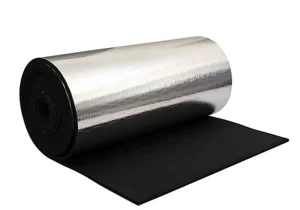
Our standard sheet insulation rolls feature high-purity NBR/PVC blends, engineered to deliver long-term thermal stability. With a density profile of 40–55 kg/m³ and operational service temperatures ranging from -40°C to 105°C, these materials are built to withstand challenging industrial conditions.
1. Closed-cell structure exceeds 98% expansion, providing exceptional thermal isolation.
2. Low moisture absorption maintains stable, long-term thermal conductivity.
3. Compression resilience greater than 80% prevents mechanical deformation.
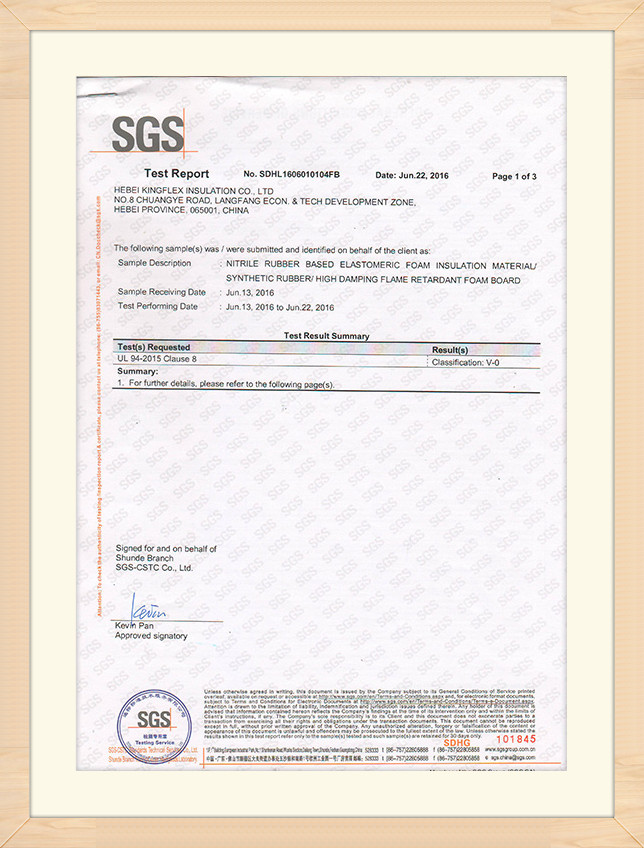
4. Built-in flame retardants ensure rapid self-extinguishment off fire.
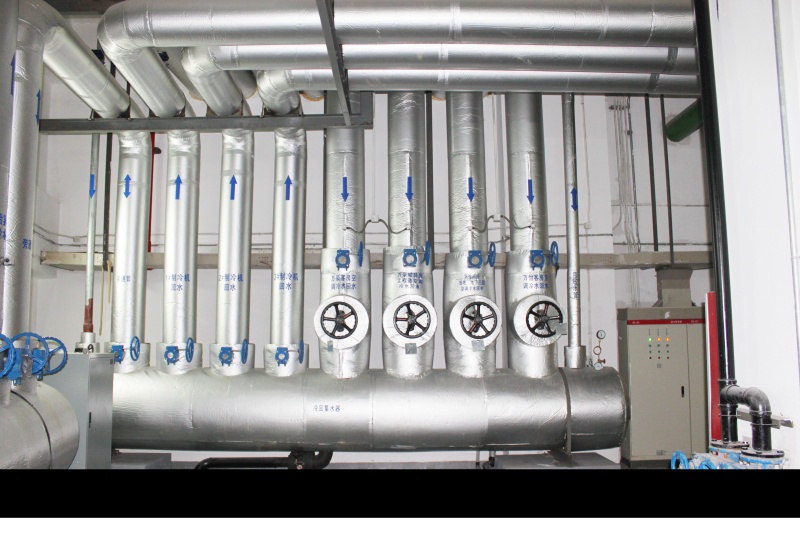
From high-flow HVAC duct networks in healthcare facilities and data centers to sub-zero refrigeration pipelines, solar thermal loops, and petrochemical process routing, Kingflex elastomeric materials deliver consistent thermal and acoustic protection.
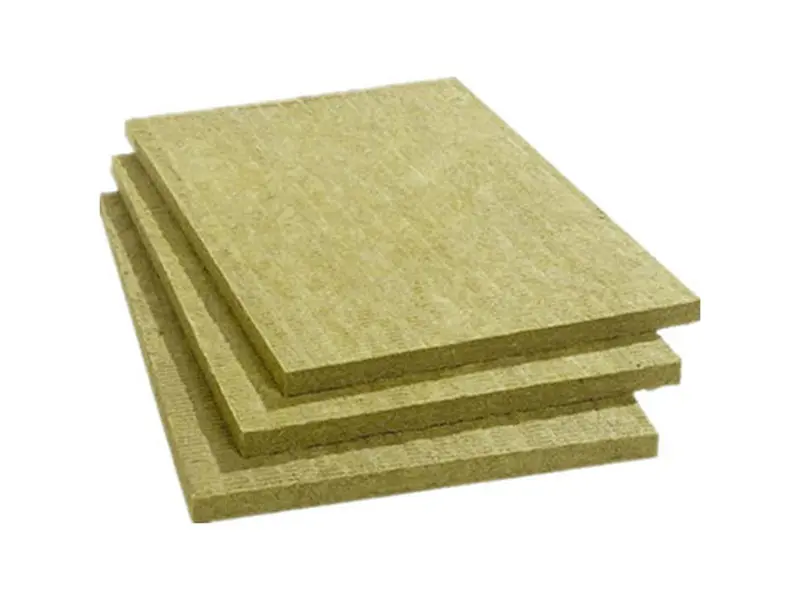
| Material Property | NBR/PVC Elastomeric Foam | Traditional Rock Wool | Fiberglass Blanket |
|---|---|---|---|
| Thermal Conductivity (λ) | ≤ 0.034 W/(m·K) at 0°C | ≥ 0.040 W/(m·K) at 25°C | ≥ 0.038 W/(m·K) at 24°C |
| Water Vapor Resistance (μ) | ≥ 10,000 (Built-in Vapor Barrier) | Low (Requires Outer Jacketing) | Negligible (Vulnerable to Sagging) |
| Fire Classification | Class 0 / Class 1 (BS 476 Part 6/7) | Non-combustible (Class A1) | Flame-spread index ≤ 25 |
| Flexibility & Installation | High flexibility; simple adhesive seams | Rigid panels; requires binding wire | Semi-flexible; prone to fiber loss |
| Environmental Safety | Halogen-Free, Low GWP, Fiber-Free | Fibrous; potential skin/lung irritant | Fibrous; requires protective gear |
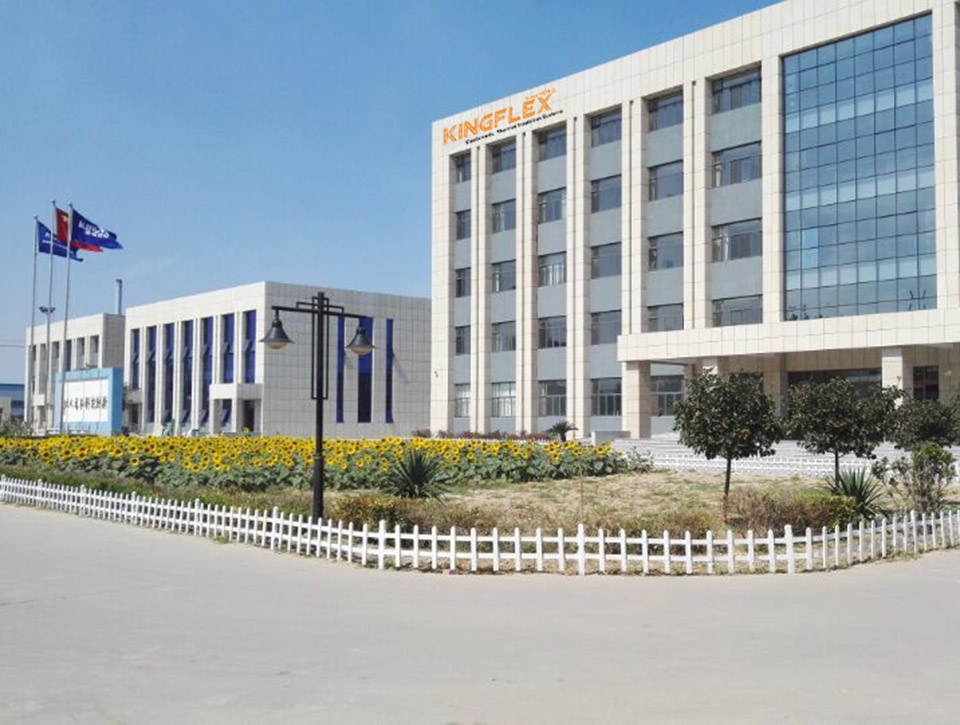
Kingflex Insulation Co., Ltd. is a professional manufacturing and trading combo for thermal insulation products. Kingflex research development and production department is located in the well-known capital of green-building materials in Dacheng, China. It is an energy-saving, environmentally friendly enterprise concentrating on research, development, production, and sales. In operation, Kingflex takes energy saving and consumption reduction as its core concept. We provide solutions regarding insulation by means of consultation, research and development, production, installation guidance, and post-sale service to lead the development of the global building materials industry.
Established by the Jinwei Group, which carries a rich manufacturing heritage, Kingflex traces its lineage back to 1979. The Jinwei Group was the first manufacturer of thermal insulation materials north of the Yangtze River, paving the way for decades of technological advancement and industrial leadership in China's green building sector.
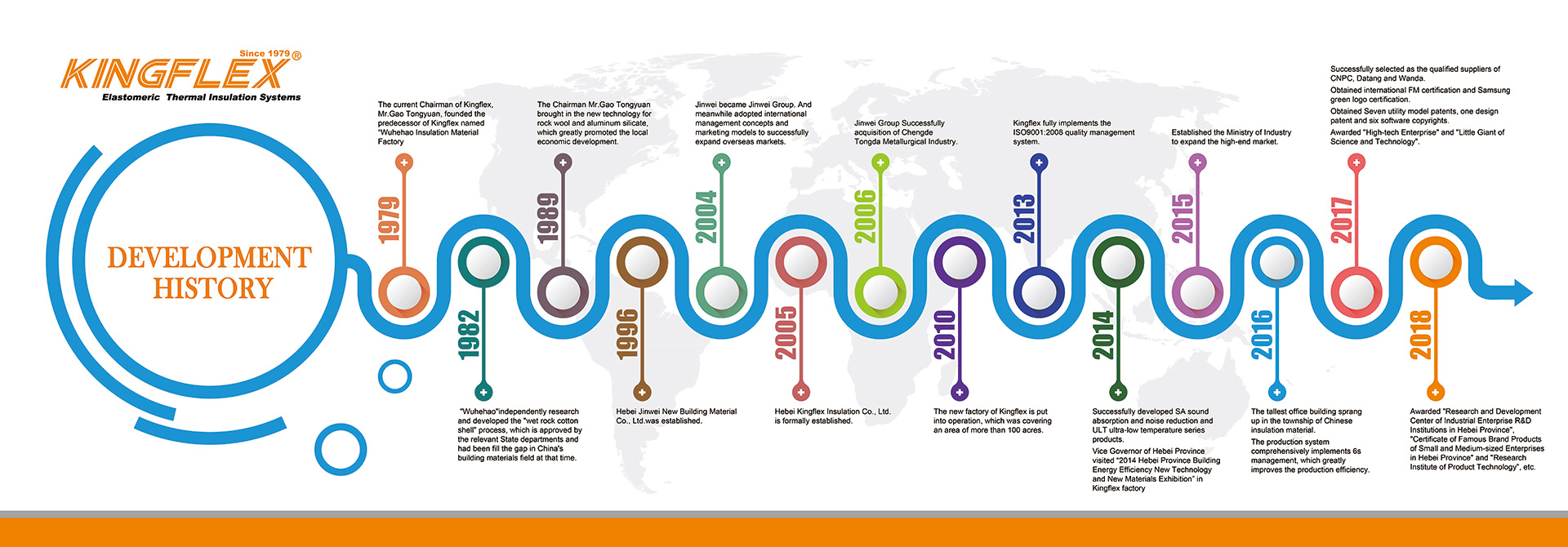
At present, Kingflex operates 5 large automatic assembly lines with an annual production capacity exceeding 600,000 cubic meters. This high production capability has established us as a designated production enterprise certified by the Ministry of Energy, the Ministry of Electric Power, and the Ministry of Chemical Industry.
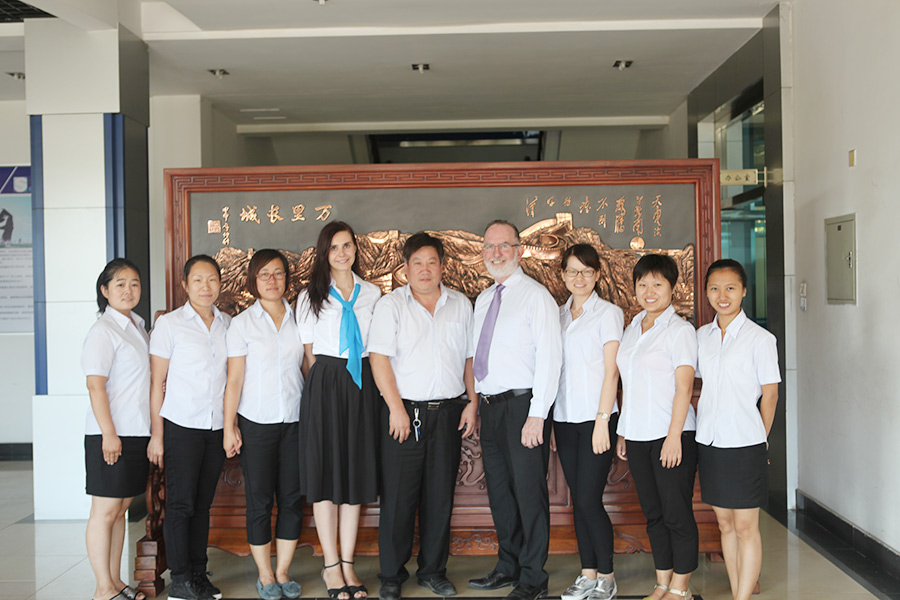
Our dedicated team is what makes Kingflex a highly collaborative and rewarding place to work. The Kingflex team is a close-knit, talented group with a shared vision of providing first-class service to our clients. Our facility houses 8 professional engineers in the R&D Department, 6 professional international sales coordinators, and 230 skilled production professionals.
 Advanced Production Operations
 Global Sales Team
 Quality Control Center
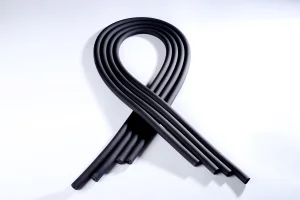
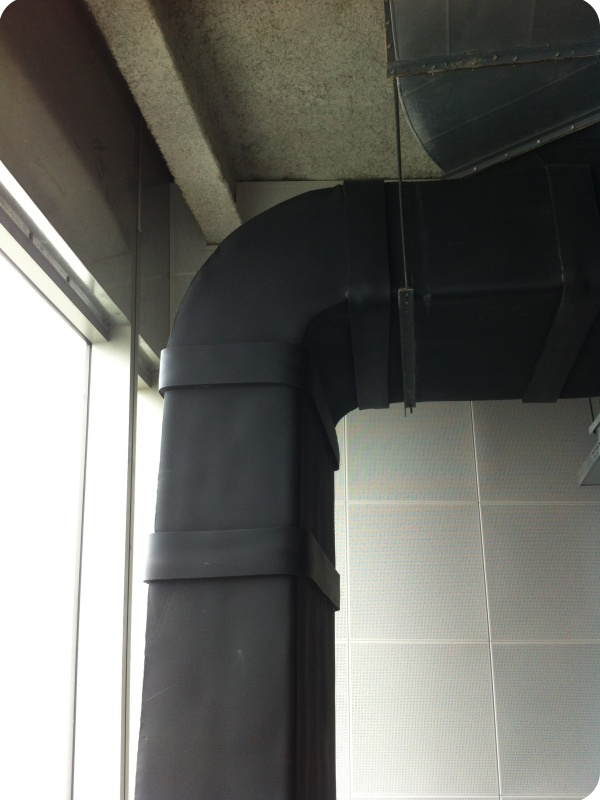
In large-scale public buildings, commercial centers, healthcare facilities, and transportation terminals, indoor air quality (IAQ) and acoustic comfort are essential. Kingflex NBR/PVC elastomeric foam features a fiber-free structure that prevents microbial growth and fiber shedding, providing clean, quiet, and reliable air delivery.
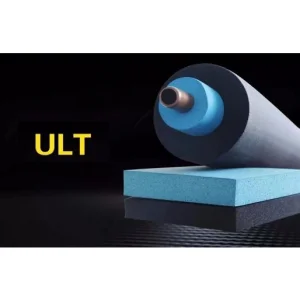
Cryogenic processes and liquefied natural gas (LNG) transport pipelines require heavy-duty thermal insulation systems that operate reliably down to -200°C. Kingflex Cryogenic elastomeric foam configurations maintain structural flexibility and prevent thermal stress cracking under extreme temperature conditions.
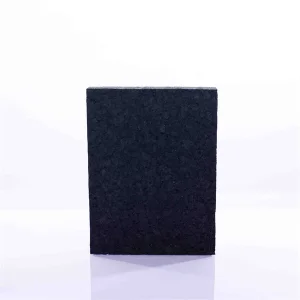
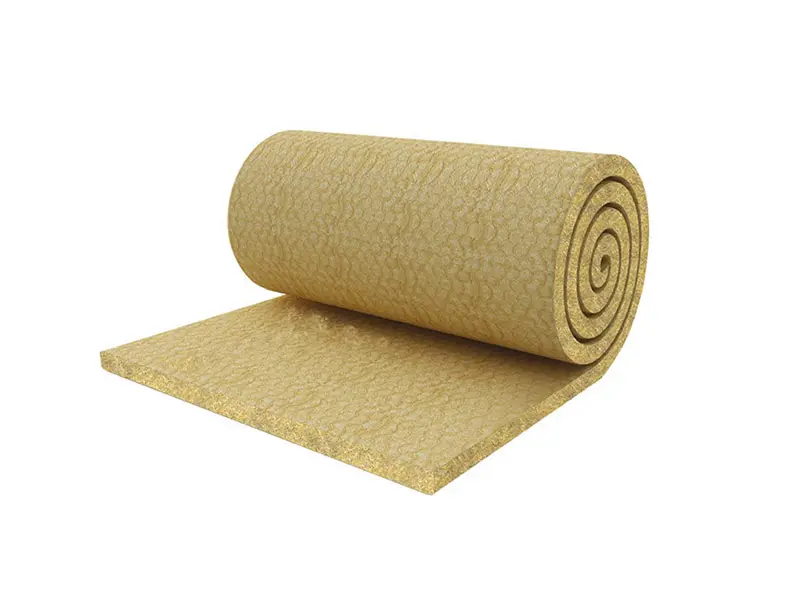
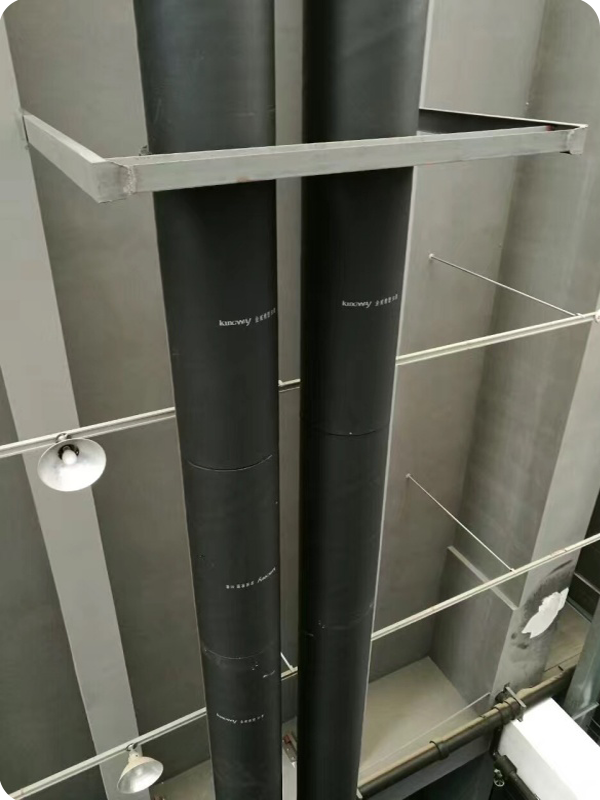
Petrochemical systems, power generation boilers, and high-pressure steam distribution networks depend on durable thermal protection. Integrating Kingflex closed-cell rubber foam sheets and rock wool blankets helps reduce heat loss and protects operators from accidental contact with hot surfaces.

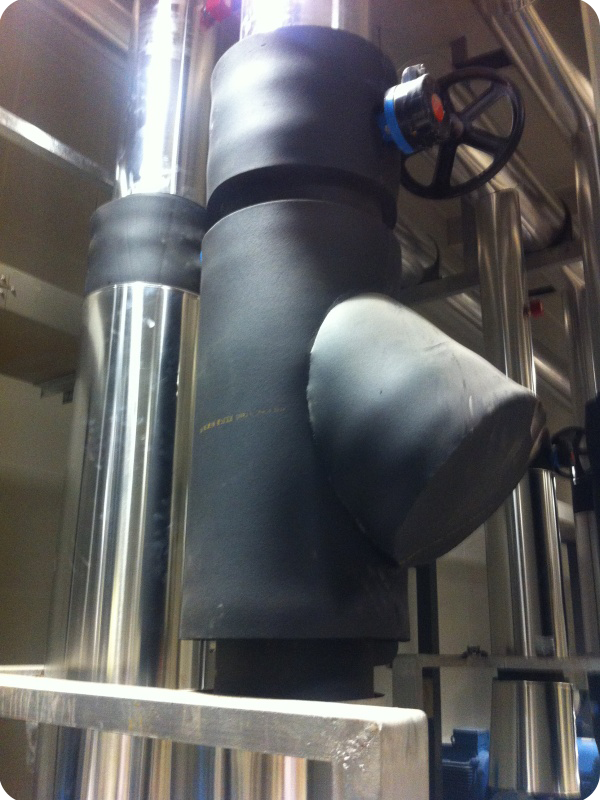
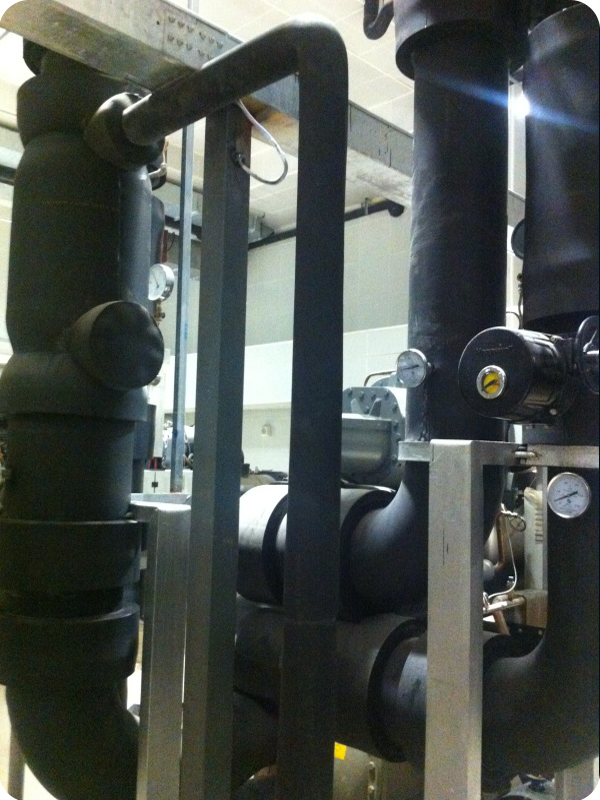

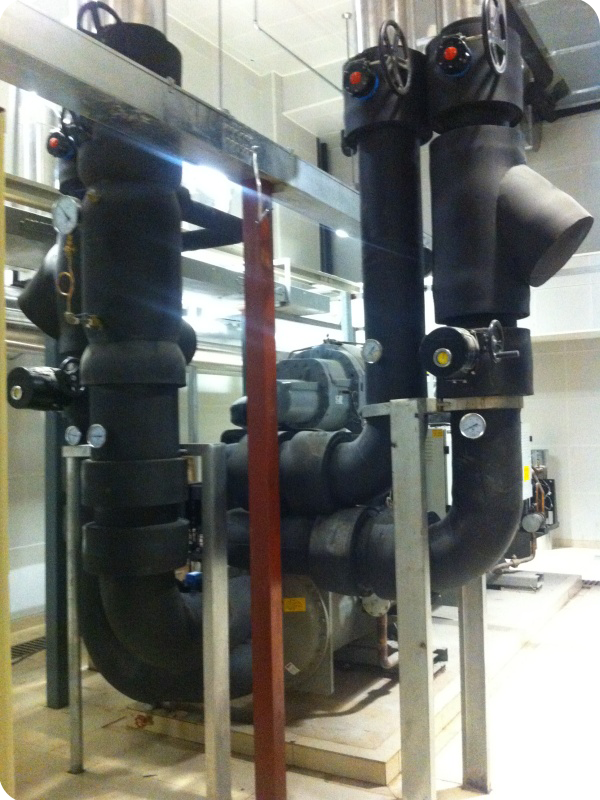
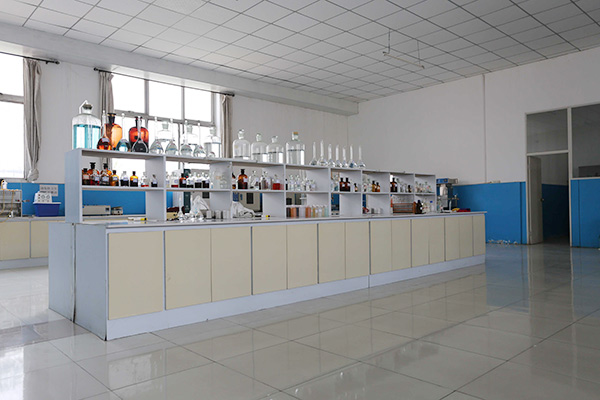
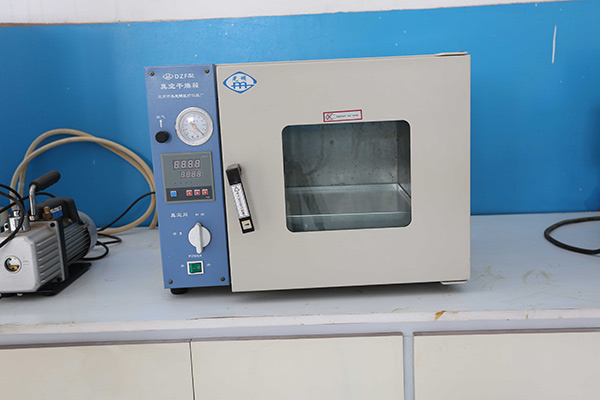
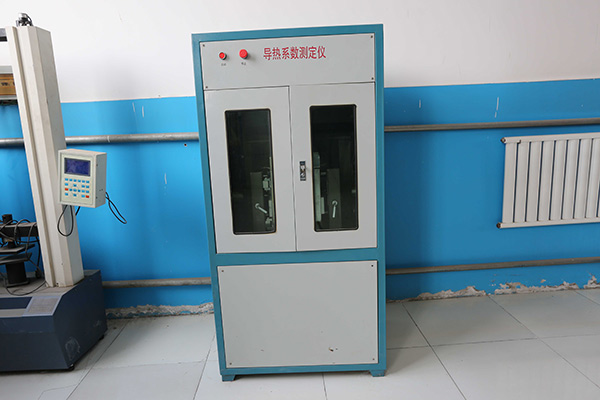
Our dedicated R&D facility utilizes specialized instrumentation to evaluate material performance under simulated real-world conditions. From testing thermal conductivity to measuring water vapor diffusion resistance and conducting mechanical compression testing, our QA process ensures that every production run meets international performance standards.
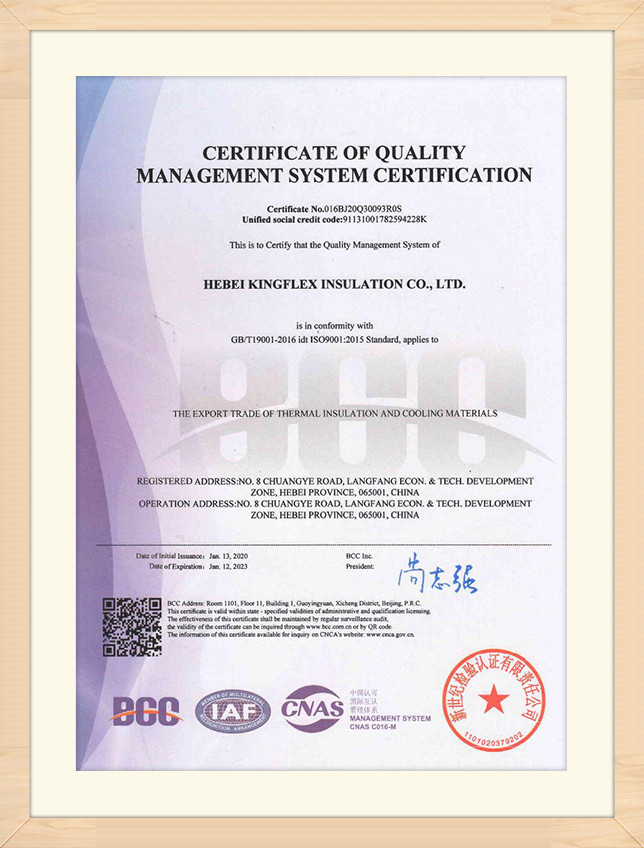
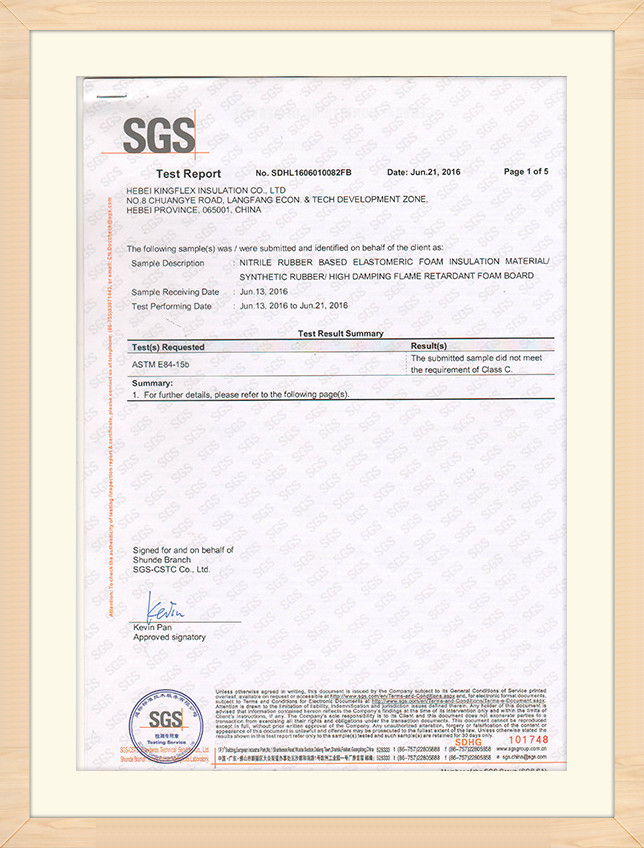
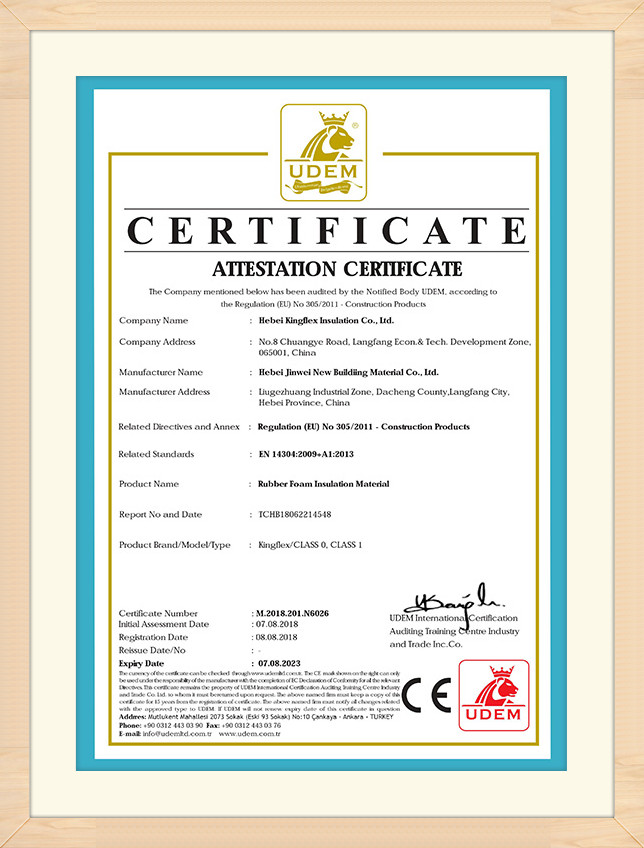
To support global supply chains and meet localized project regulations, our insulation materials are certified to major industry standards. Kingflex products carry certifications including BS 476, CE, REACH, RoHS, UL 94, and ASTM, ensuring compliance and reliable performance in demanding applications.
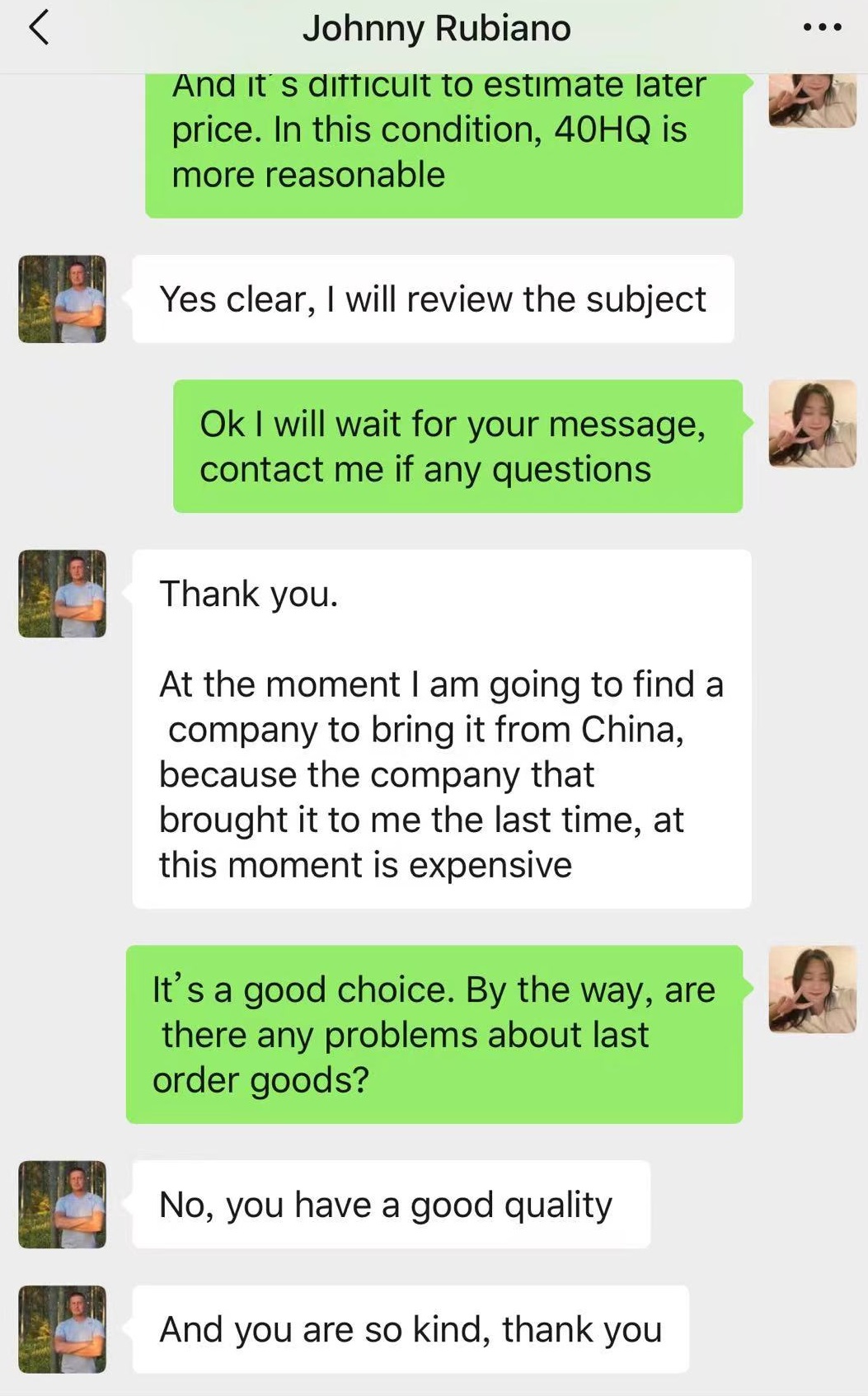
Our international support coordinators communicate directly with global project engineers to ensure correct component specification, custom packaging configurations, and on-time shipment coordination.




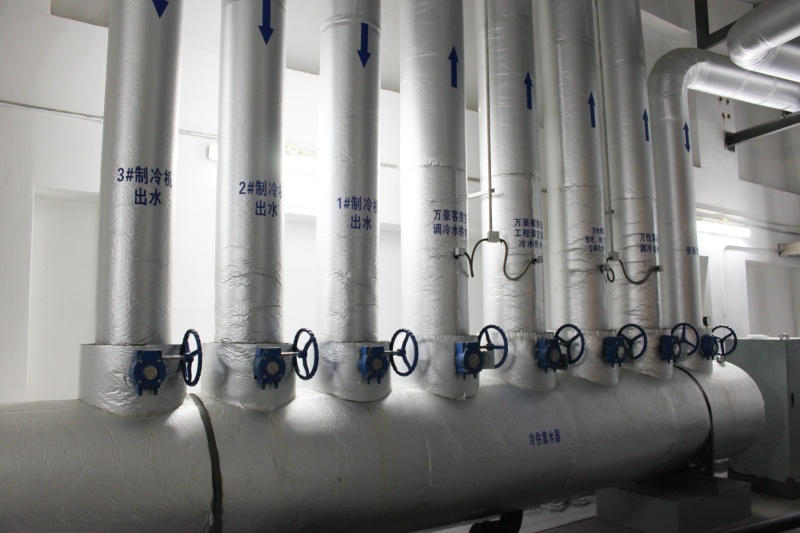
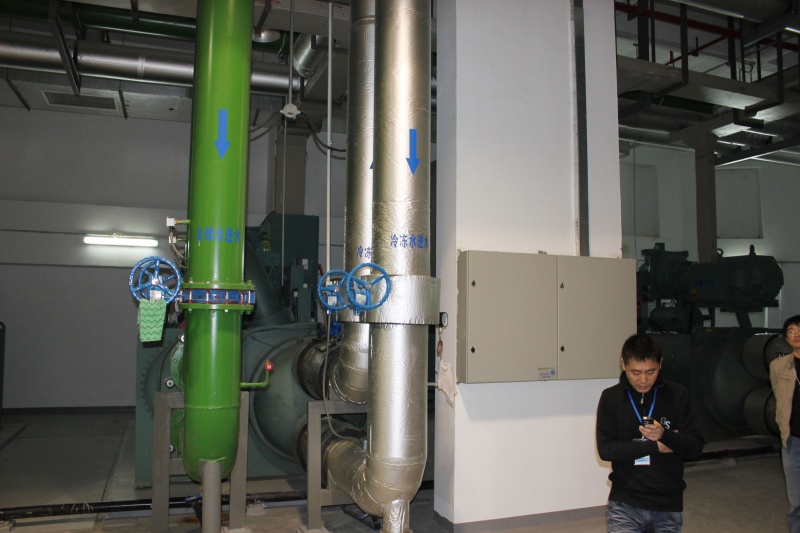
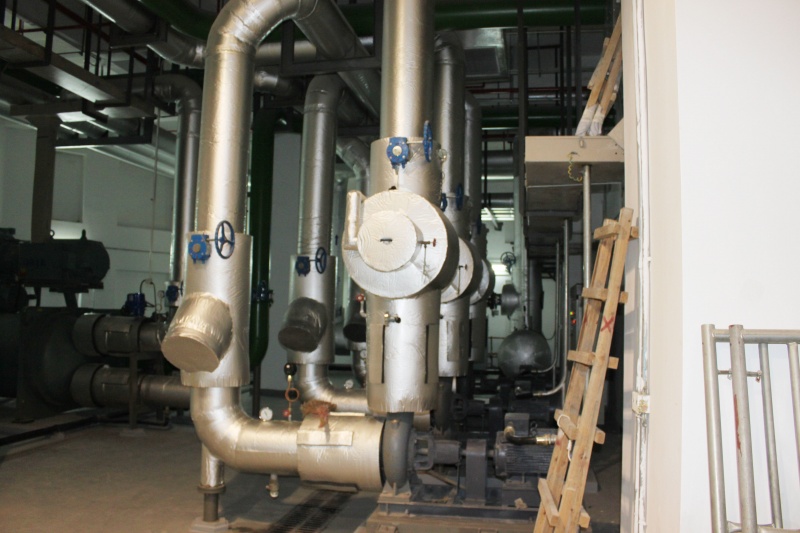
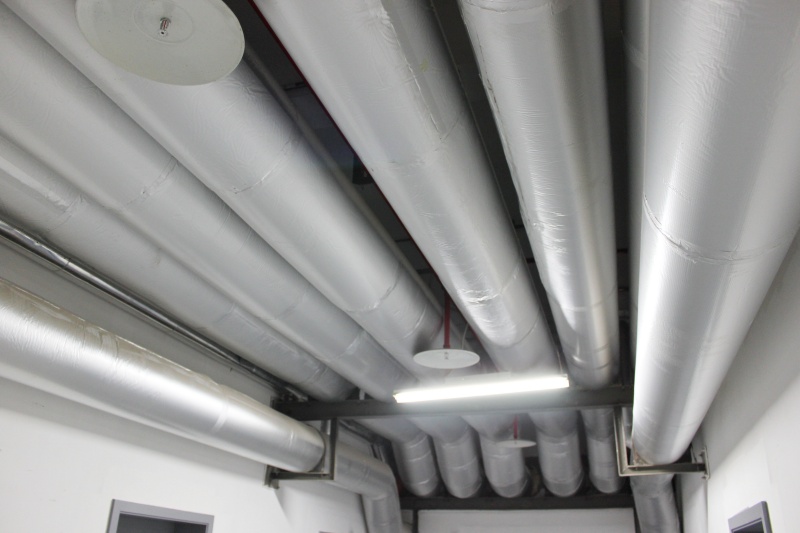

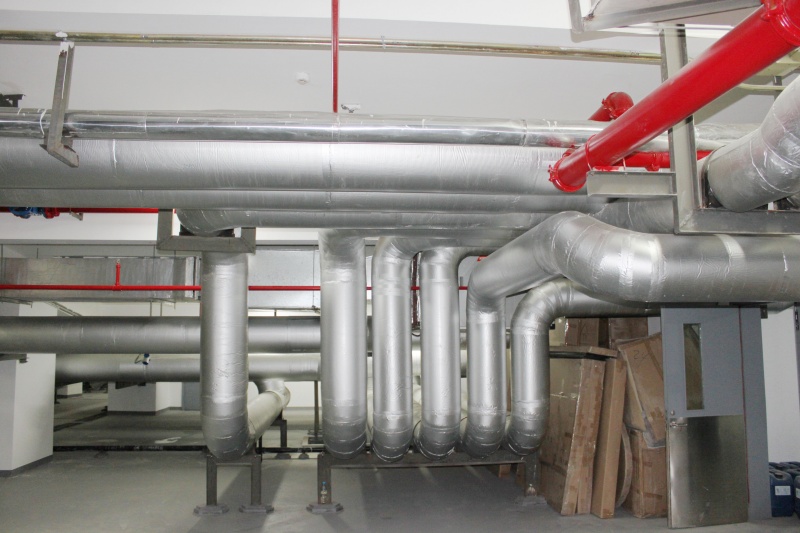

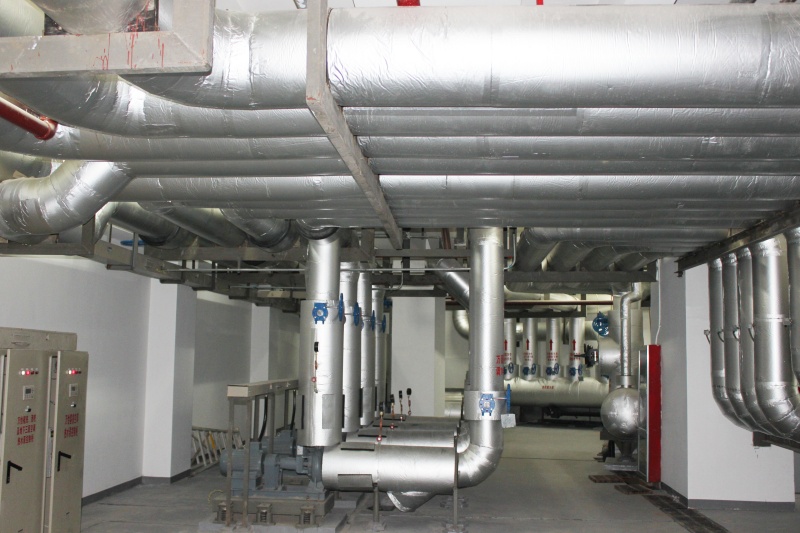
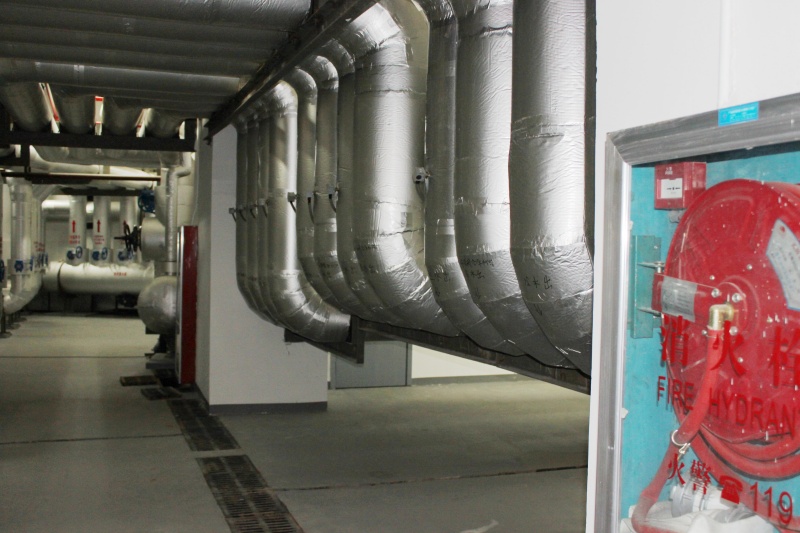
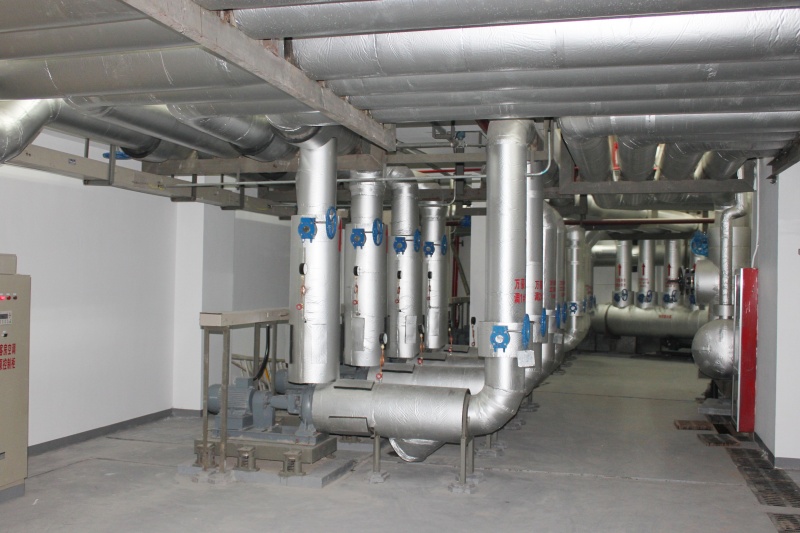




The thermal insulation industry is shifting toward materials with lower environmental impact and improved thermal efficiency. Our ongoing R&D initiatives focus on introducing eco-friendly foaming agents that eliminate halogens and reduce Global Warming Potential (GWP) to zero. This aligns with global green building standards like LEED and BREEAM, providing mechanical engineers with high-performance, sustainable options.
In addition, we are researching the integration of Phase Change Materials (PCMs) within the elastomeric structure. PCMs allow the insulation to absorb and release latent heat at specific temperatures, helping to stabilize ductwork thermal loads. This development could further reduce HVAC energy consumption, particularly during peak temperature fluctuations. Our focus remains on refining closed-cell foam technology to support energy-efficient building designs globally.
 Kingflex