Wholesale Insulation Catalogue PDF: Industrial Manufacturing & Customized Factory Quotes

Accelerating global energy efficiency with premium elastomeric rubber foam materials, advanced acoustic barrier systems, and extreme cryogenic piping insulation.

Global Industrial Insulation Landscape

In today's global commercial and industrial sectors, thermal and acoustic insulation are no longer optional utility elements; they are core parameters for regulatory compliance, carbon emission management, and operational efficiency. Green building standards such as LEED, BREEAM, and DGNB have established stringent thresholds for energy leakage, demanding advanced performance insulation systems.

Elastomeric rubber foam insulation plays a critical role in HVAC systems, chilled water lines, cryogenic engineering (including liquid natural gas terminals), and acoustic attenuation. By implementing a high-density, closed-cell configuration, modern insulation materials effectively prevent water vapor transmission, eliminate the risk of Corrosion Under Insulation (CUI), and sustain long-term operational performance.
"Engineered with a closed-cell ratio exceeding 98%, our flexible elastomeric materials maintain a stable thermal conductivity coefficient of ≤ 0.034 W/(m·K) at 0°C, offering durable barrier properties against high humidity and temperature differentials."
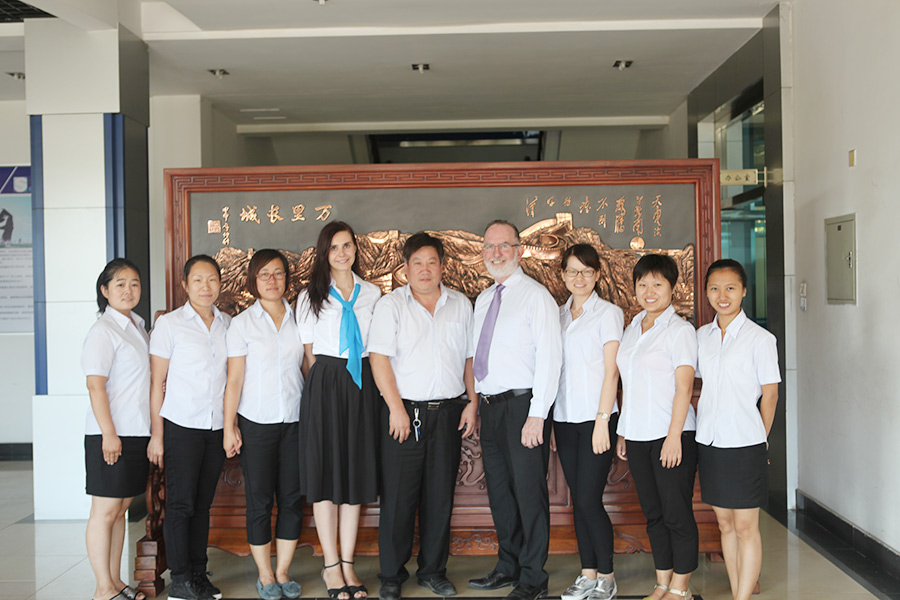
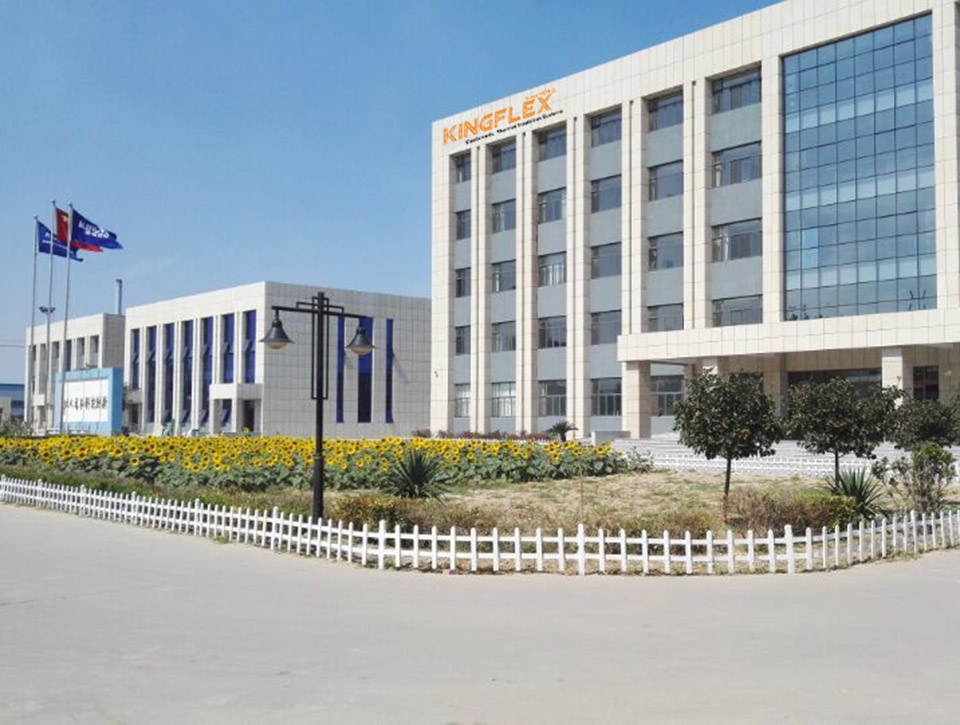
Kingflex Manufacturing Facility
40+
Years Industry Experience
600K+
Annual Capacity (m³)
66+
Export Destinations
5
Automated Production Lines
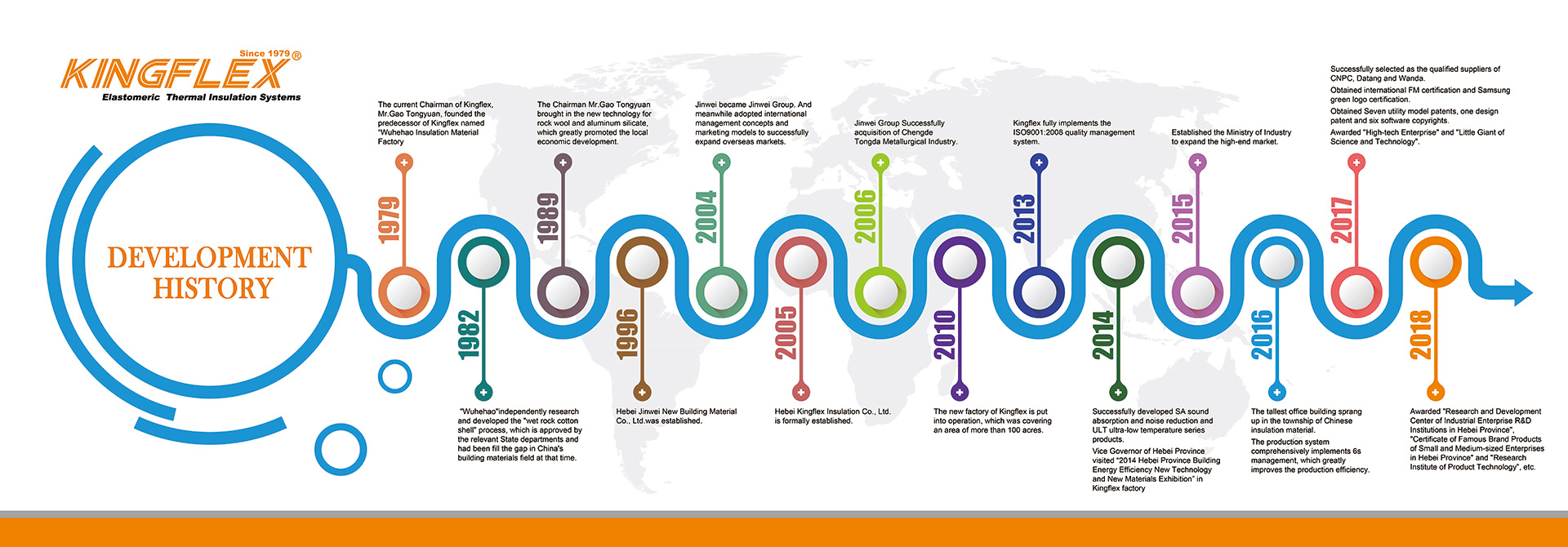
Kingflex Historic Development and Heritage

China Factory Efficiency & Dacheng Cluster Leadership

Our manufacturing operations are based in Dacheng, China—widely recognized as the global cluster hub for energy-saving, green building materials. Kingflex Insulation Co., Ltd. operates as a leading developer and high-volume manufacturer in this industrial zone.

By integrating automated continuous extrusion vulcanization lines, computerized raw material batching systems, and real-time density profiling, we deliver significant efficiency benefits to international procurers.

  • Scaling Operations: 5 major automatic assembly lines producing up to 600,000 cubic meters annually.
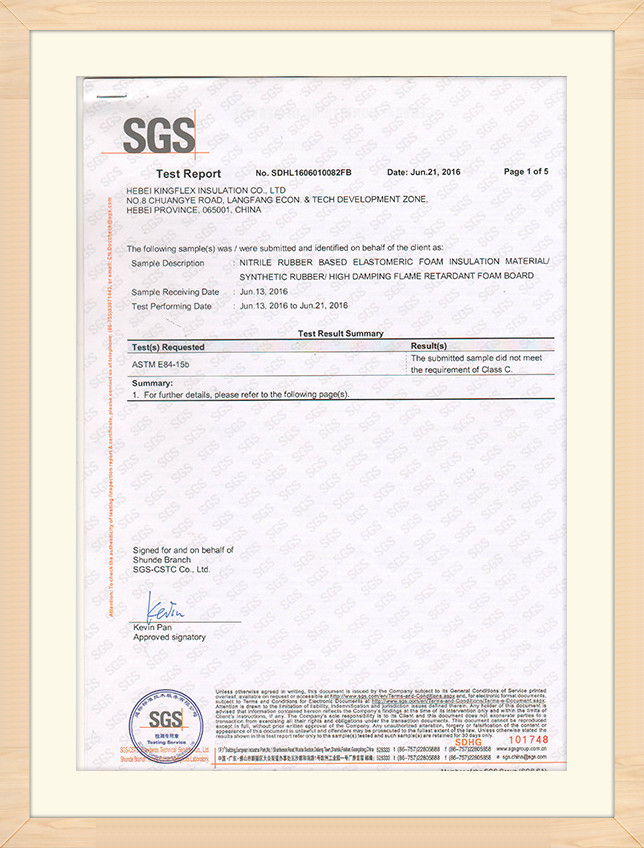
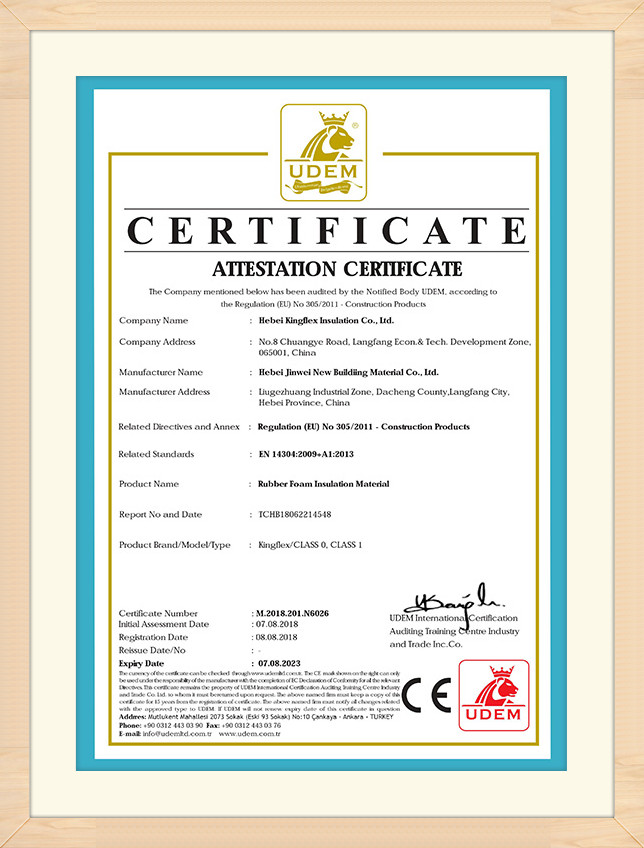
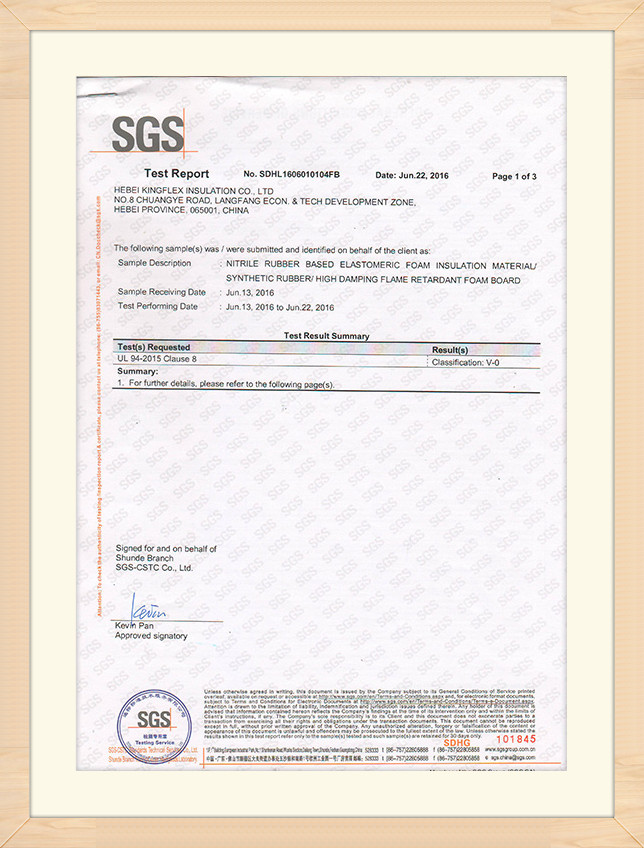
  • Verified Conformity: Certified with BS 476, CE, REACH, RoHS, UL 94, and ASTM performance benchmarks.
  • Direct R&D Innovation: Managed by an in-house engineering team of 8 specialists designing tailored densities and customized roll widths.

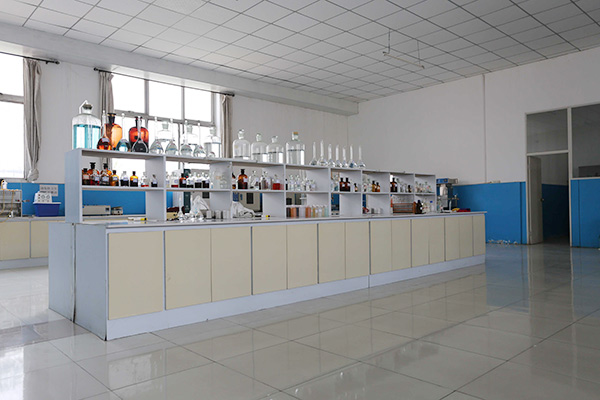
Technical Team & Research Focus

Our dedicated R&D division, comprising 8 professional engineers, coordinates with 230 manufacturing specialists to ensure the quality of every production run.

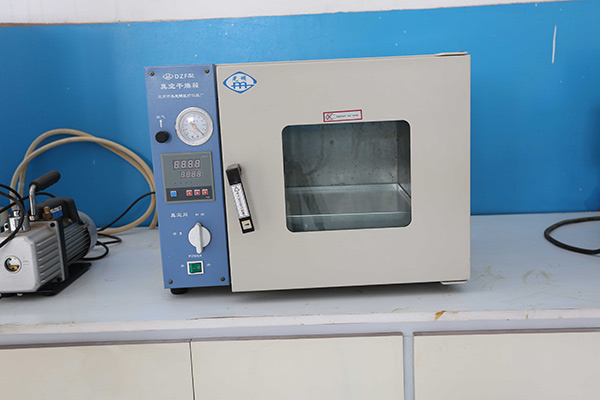
R&D Lab Process

Raw Material Control

Microcellular Verification

Microcellular Research

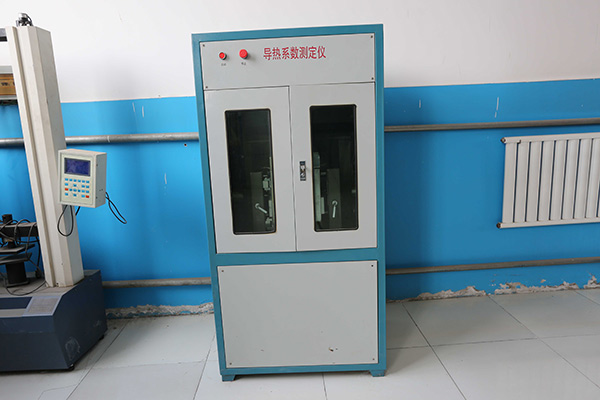
Thermal Conductivity Testing

Precision Heat Metrics

Technical Catalog Specifications & Dimension Matrix

Analyze our engineering configurations. We manufacture structural foam boards, tubes, and cryogenic systems designed to align with international construction specifications.

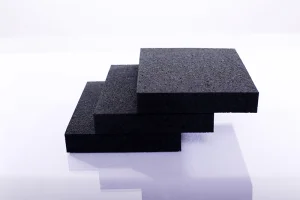
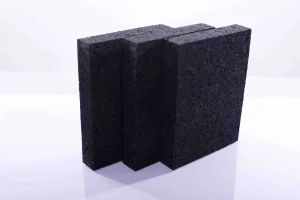
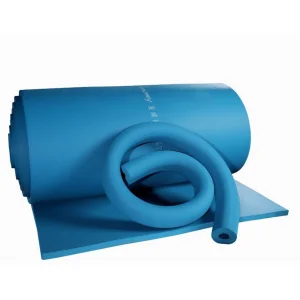
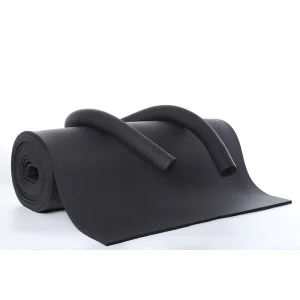
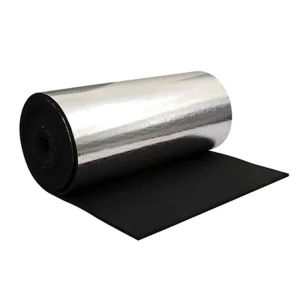
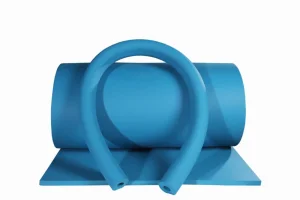
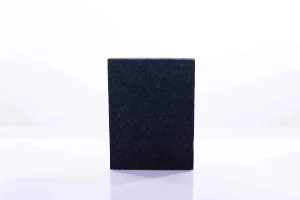
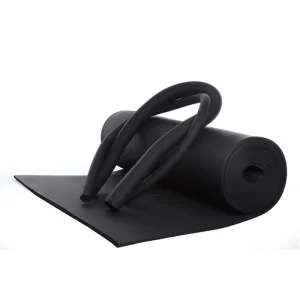
Black Rubber Foam Insulation Sheet Roll

Material: Elastomeric NBR/PVC blend

Thickness Range: 6mm to 50mm

Standard Density: 40 to 55 kg/m³

Service Temperature: -40℃ to 105℃

Primary Application Scenarios:

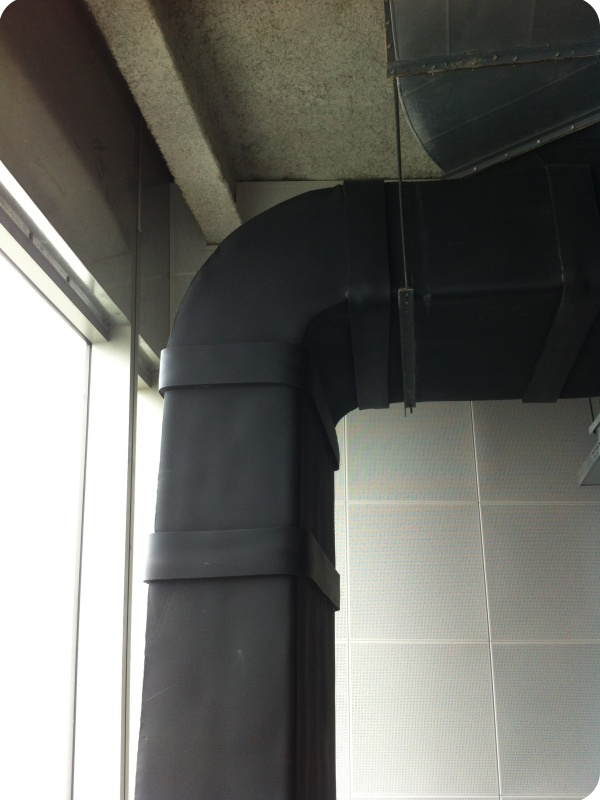
  • Central HVAC system air duct wrapping to prevent structural energy loss.
  • Wall, roof, and floor slabs acoustic damping.
  • Mechanical equipment outer jackets for condensation protection.
  • Railway transit carriage thermal and acoustic separation.

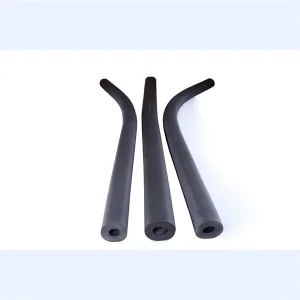
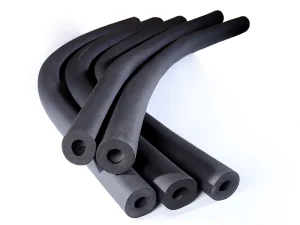
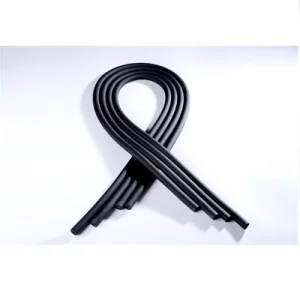
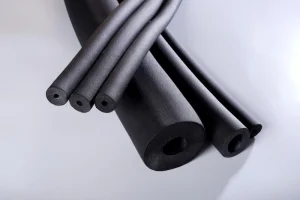
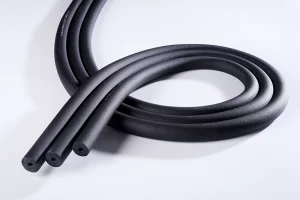
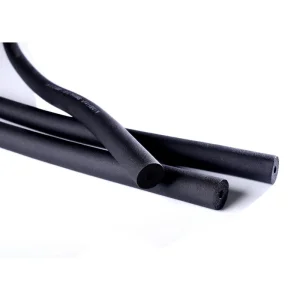
Black Rubber Foam Insulation Pipe / Tube

Material: Closed-cell synthetic elastomer

Wall Thickness: 9mm to 40mm

Inner Diameter (ID): 6mm to 114mm

Service Temperature: -40℃ to 105℃
Primary Application Scenarios:

  • Chilled water distribution networks & split air-conditioning copper lines.
  • Hot water pipelines to reduce standby thermal loss.
  • Cold storage system piping to control ice formation.
  • Petrochemical pipeline systems requiring high moisture resistance.

Certified Global Performance Standards

We maintain verified compliance parameters across international testing regimes to support technical approvals for engineering projects.
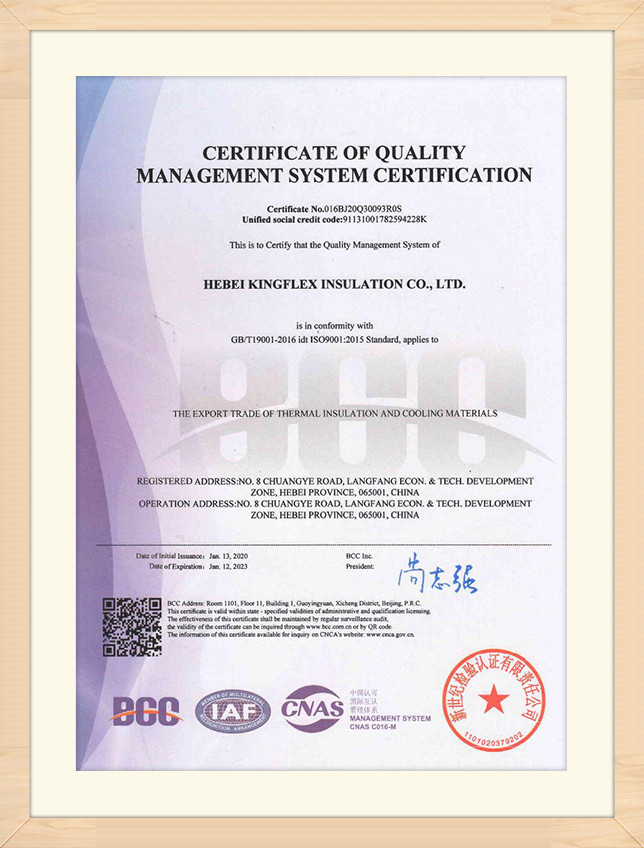
BS 476 Certification

BS 476 Fire Test Approved

RoHS Certification

RoHS Directive Conformity

FM Approval Certificate

Fire Behavior Standard

CE Mark Quality Certificate

CE Compliance Certified

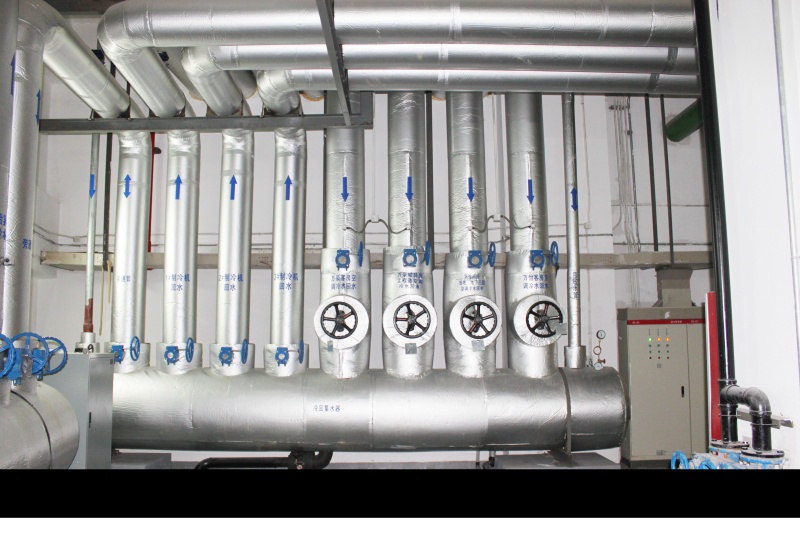
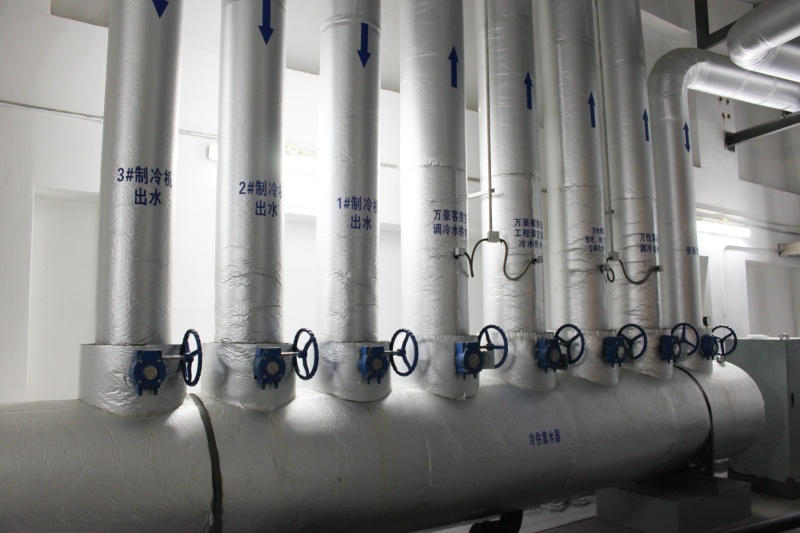
Localized Application Scenarios & Engineering Trends

Explore technical application criteria for our thermal, cryogenic, and acoustic insulation systems in actual installation environments.

High-Humidity HVAC Environments

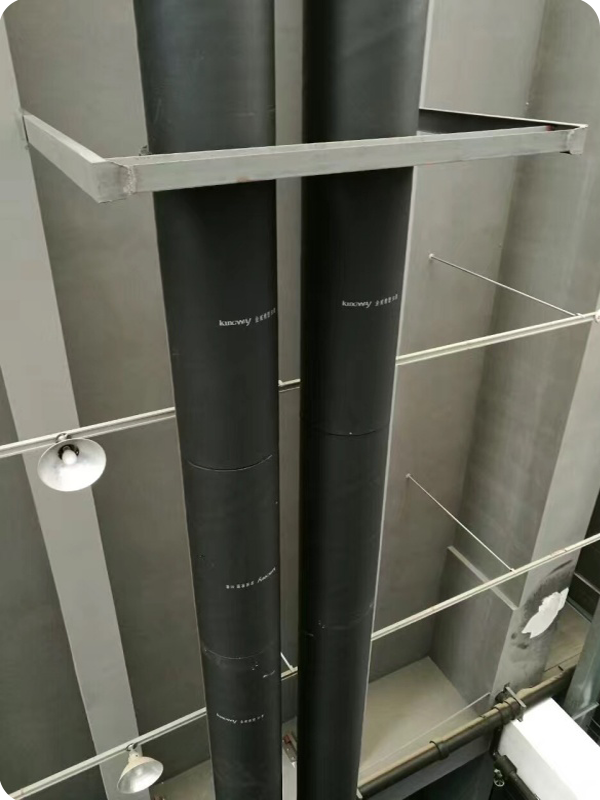
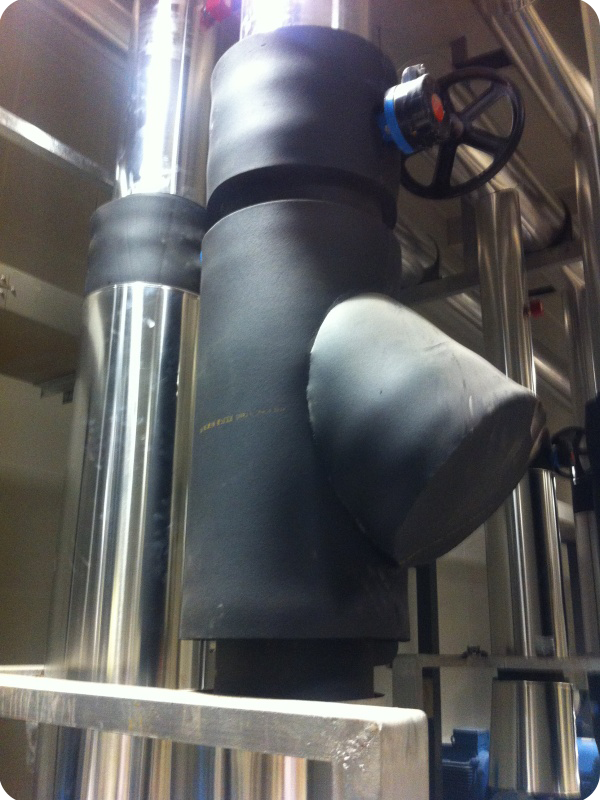
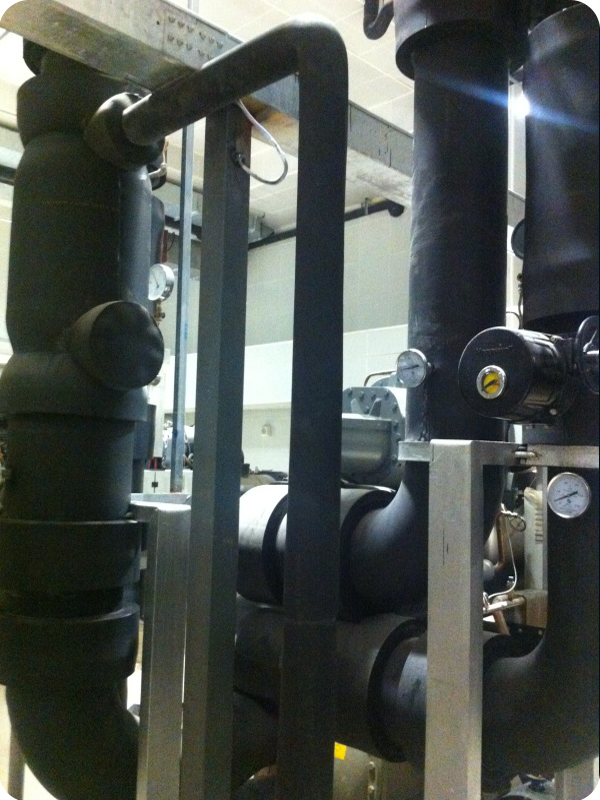
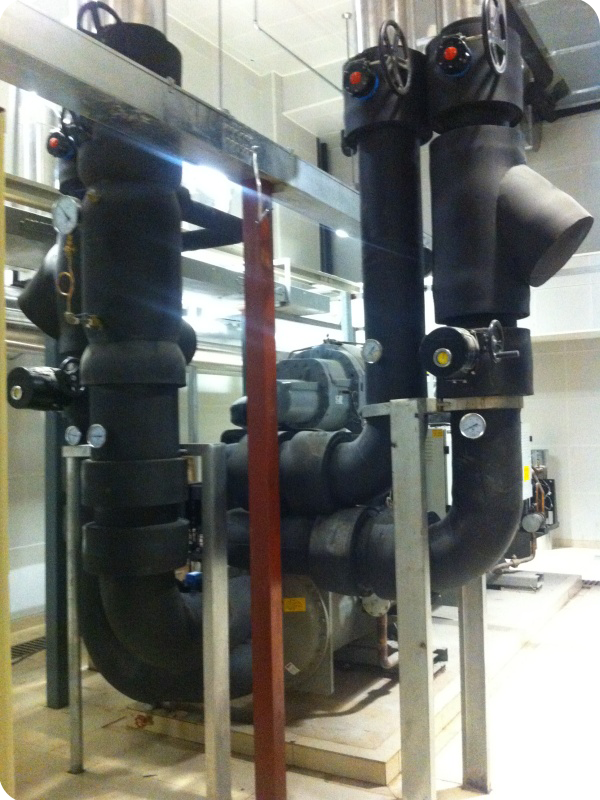
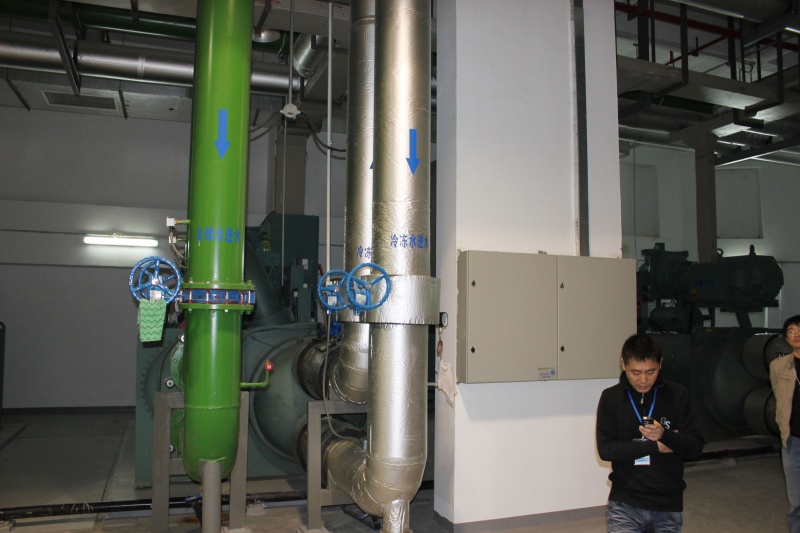
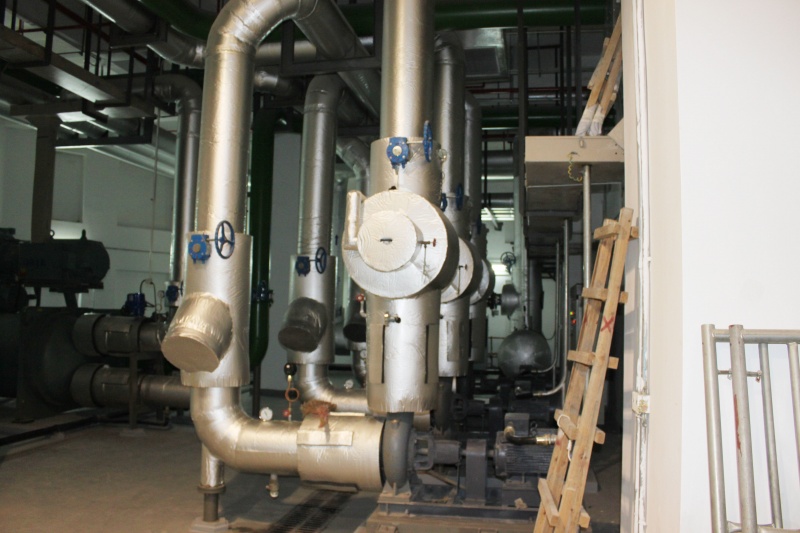
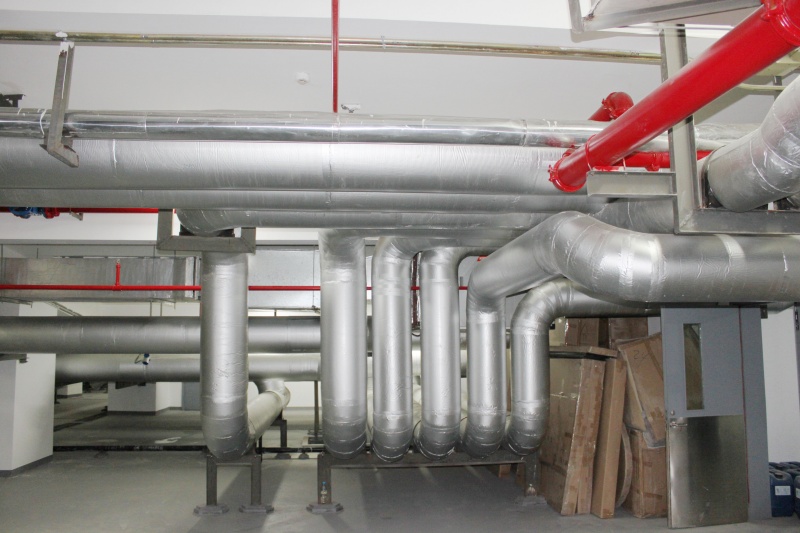
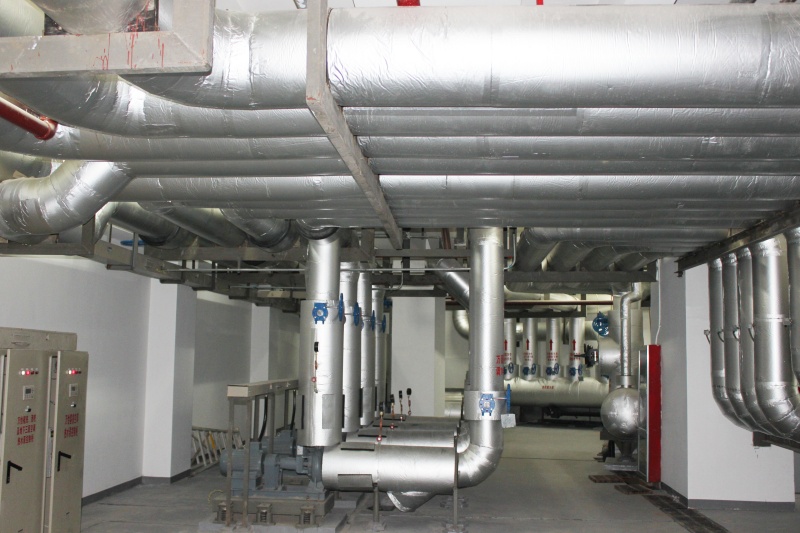
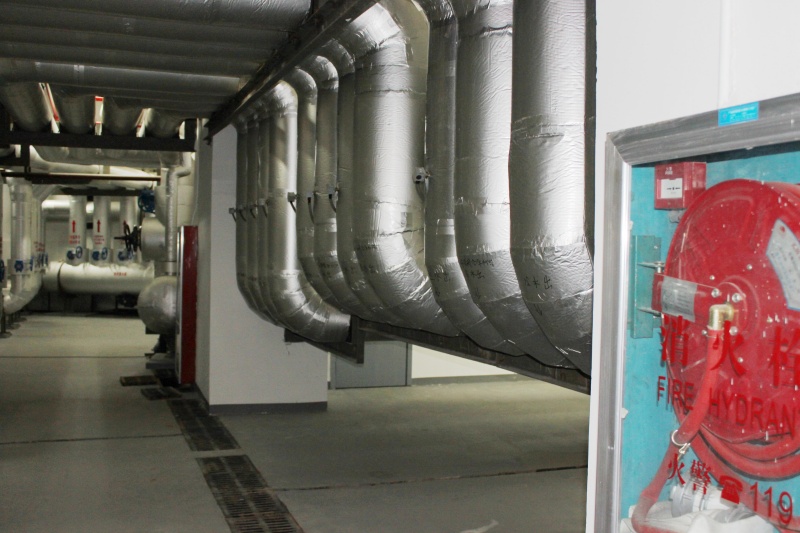
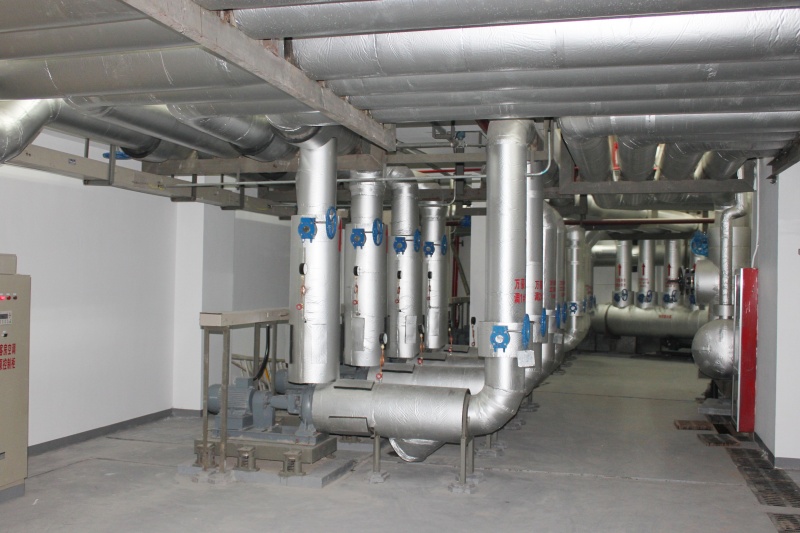
In regions with high ambient humidity, condensation on chilled water pipes can lead to structural damage and mold growth. Standard open-cell insulation systems can absorb moisture, leading to thermal degradation. Our high-resistance NBR/PVC closed-cell structure operates without an additional vapor barrier, maintaining structural integrity and preventing energy transfer.

LNG & Cryogenic Transport Systems

Transporting liquified natural gas at temperatures below -160°C requires thermal control systems that remain flexible. Standard insulation materials can become brittle and crack under cryogenic stress. Our multi-layered Flexible Cryogenic Insulation uses optimized density sheets that tolerate contraction and prevent cracking under extreme temperature cycles.

Acoustic Attenuation in Infrastructure

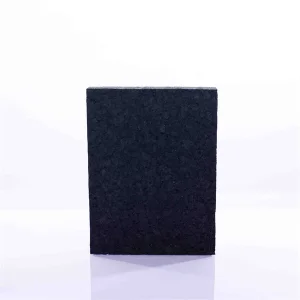
Modern commercial buildings demand effective vibration damping. Mechanical equipment rooms, gyms, and sub-floor infrastructure generate low-frequency vibration. Installing our dual-density sports rubber pads and soundproofing boards isolates vibrational energy, reduces sound transmission, and satisfies municipal noise level requirements.
Industrial Project Gallery

Global Procurement Blueprint & Quoting Guidelines

Evaluating an industrial insulation factory requires careful analysis of material performance metrics to ensure long-term value. Procurement managers should evaluate key parameters beyond basic unit costs to optimize total cost of ownership:
  • Thermal Conductivity (λ) Validation: Request certified test reports verifying performance at 0°C, 20°C, and 40°C.
  • Vapor Permeability Coefficient (μ): Ensure the water vapor resistance factor is ≥ 7000 to eliminate condensation risks.
  • Fire Performance Classes: Confirm compatibility with regional building regulations, including BS 476 Part 6/7, UL94 V-0, and EN 13501-1.
  • Logistic Cube Optimization: Work with manufacturers to maximize container volume using nested sizing (inserting smaller diameter tubes inside larger ones) to reduce shipping costs.

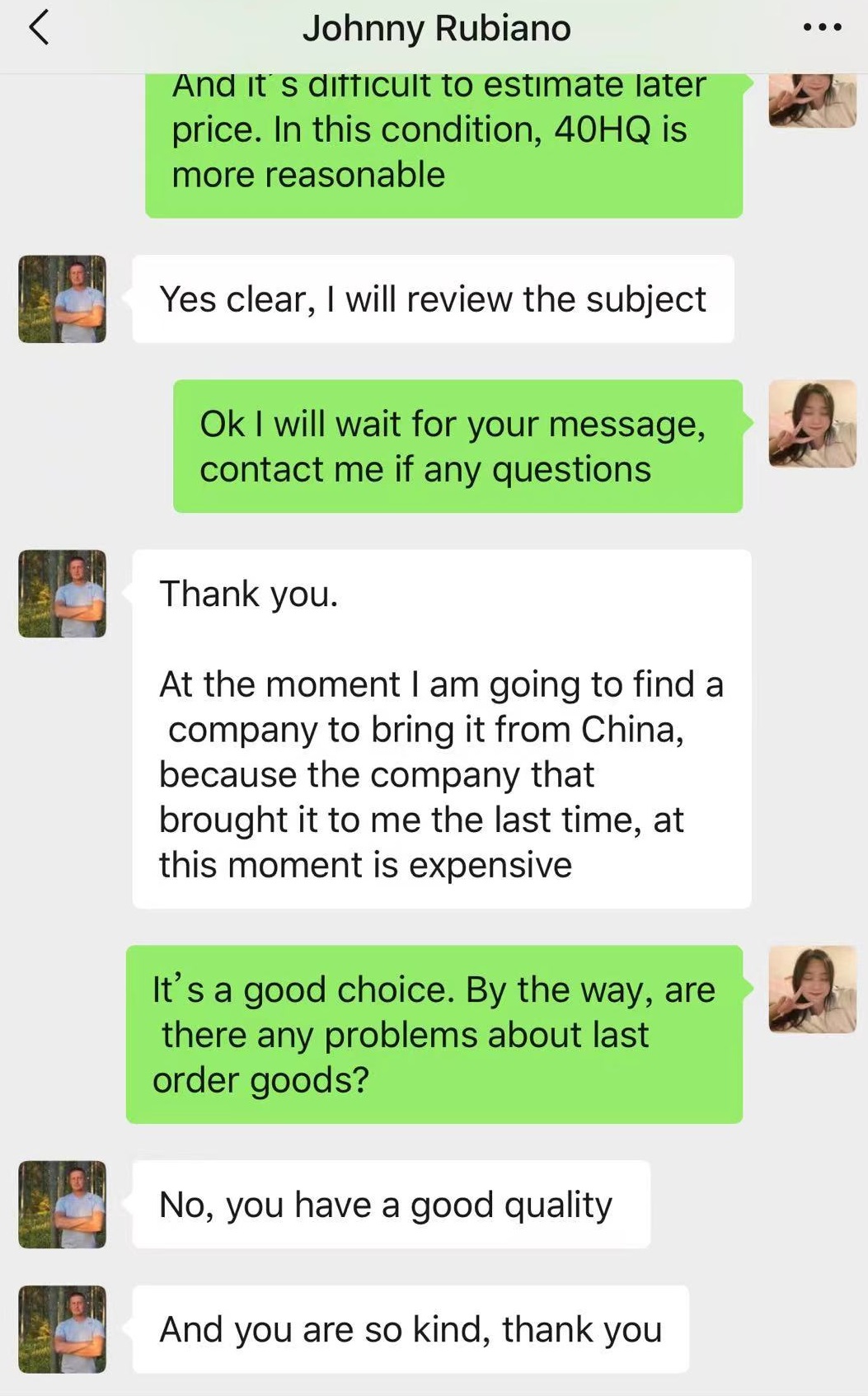
Verified Customer Transactions & Quality Approval

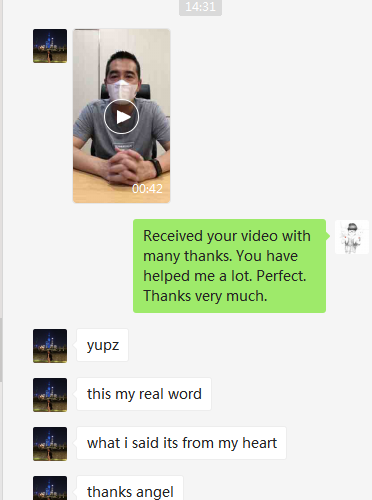
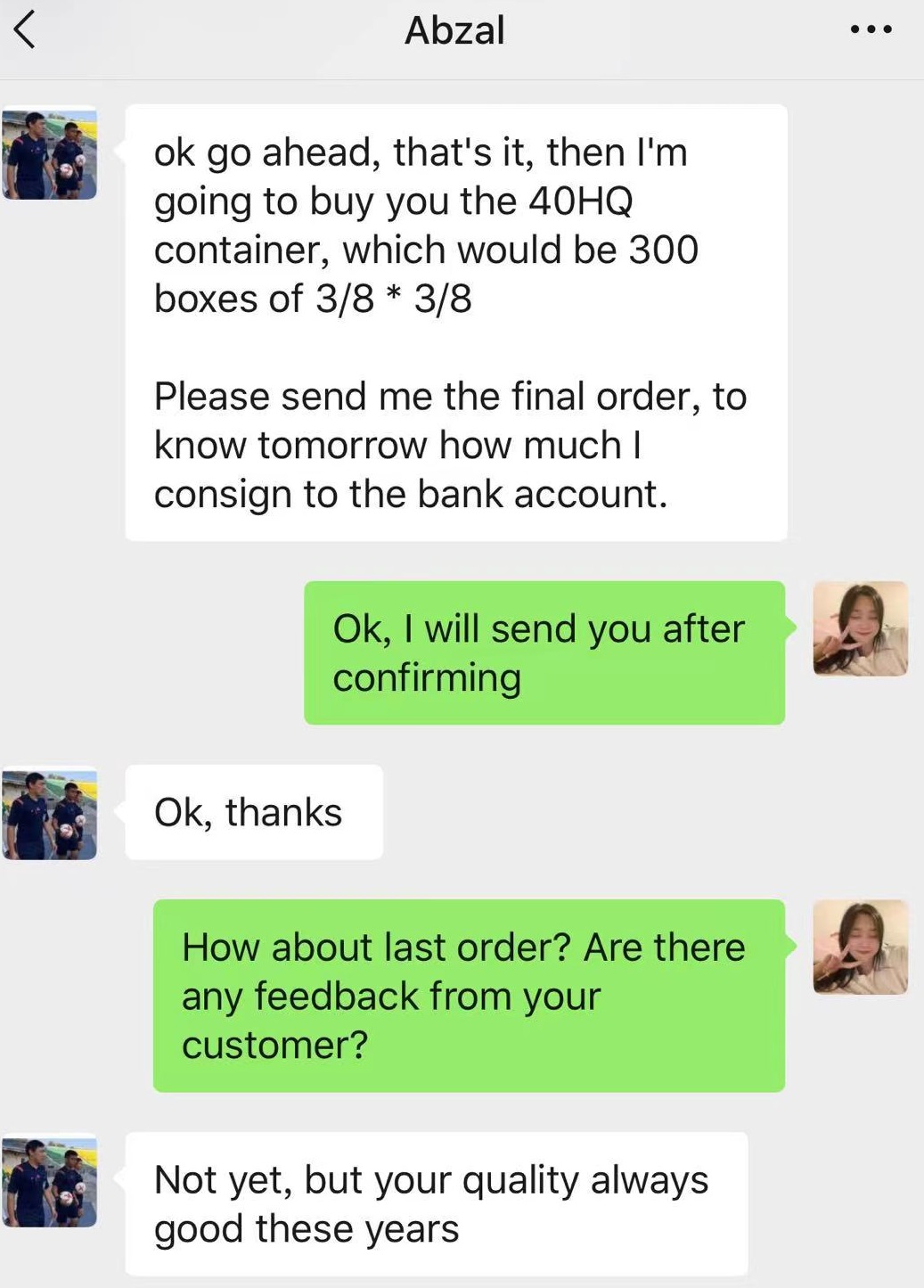
Client Communication Record 1 Client Communication Record 2 Client Communication Record 3 Client Communication Record 4
Client Communication Record 5

Industrial FAQ Center

Get answers to common technical queries about elastomeric foam insulation performance, fire ratings, customization, and factory logistics.

Q1: What is elastomeric rubber foam insulation used for?
Elastomeric rubber foam insulation is primary used for energy conservation and moisture management in commercial and industrial piping, mechanical air ducts, plumbing systems, and cooling installations. Its closed-cell structure prevents moisture ingress, making it suitable for cold conservation in refrigeration and cryogenic facilities, as well as acoustic attenuation in high-vibration applications like gym floor pads.
Q2: Is Kingflex rubber foam insulation fire resistant?
Yes. Our elastomeric rubber foam formulations include flame retardants and smoke suppressors. The material complies with international fire safety certifications, including the BS 476 Part 6 & 7 Class 0 rating and UL 94 V-0 requirements. When exposed to flame, it does not support flame spread and is self-extinguishing.
Q3: What is the difference between rubber foam and rock wool insulation?
Rubber foam is a flexible, closed-cell, moisture-resistant material designed for temperatures between -40℃ and 105℃, making it ideal for HVAC and refrigeration systems where moisture control is critical. Rock wool is an open-fiber mineral insulation suited for high-temperature industrial steam lines, ovens, and heavy fire containment partitions due to its high melting point.
Q4: Do you provide customized insulation products?
Yes, we provide full OEM and custom design services. Through our Dacheng research and manufacturing facility, we can customize material densities (ranging from 40kg/m³ to 55kg/m³), wall thicknesses (from 6mm to 50mm), pipe inner diameters, and surface laminations (such as aluminum foil cladding or peel-and-stick adhesive backings) to match specific project requirements.
Q5: What certifications do your products have?
Our products are tested and certified by international laboratories, including BS 476, CE, REACH, RoHS, UL 94, and ASTM. This ensures compliance with structural and environmental requirements in regions like Europe, North America, the Middle East, and Southeast Asia.
Q6: Does Kingflex products have traceability?
Yes. Every production run undergoes quality control processing. Each batch is assigned a unique tracking code that identifies the raw material batch, production line parameters, testing results, and packing details, ensuring quality control from factory to field.
Q7: What thickness of Rubber foam insulation sheet roll can you produce?
Our continuous vulcanization process supports the production of elastomeric rubber foam sheets in thicknesses from 6mm to 50mm. Standard thicknesses include 6mm, 9mm, 13mm, 19mm, 25mm, 32mm, 40mm, and 50mm, available in various roll widths to meet different installation needs.
Q8: What is the service life of rubber plastic pipe and board?
Under typical operating temperatures (-40℃ to 105℃) and standard maintenance conditions, our closed-cell rubber foam insulation has a service life of 10 to 15 years. For outdoor installations, applying a protective aluminum foil cladding (Alu-clad) shield extends the service life by protecting the material from UV degradation and weathering.

Additional PDF Catalogue Products

Analyze these configurations for specialized industrial applications, including cryogenic systems and high-temperature mineral fiber insulation.
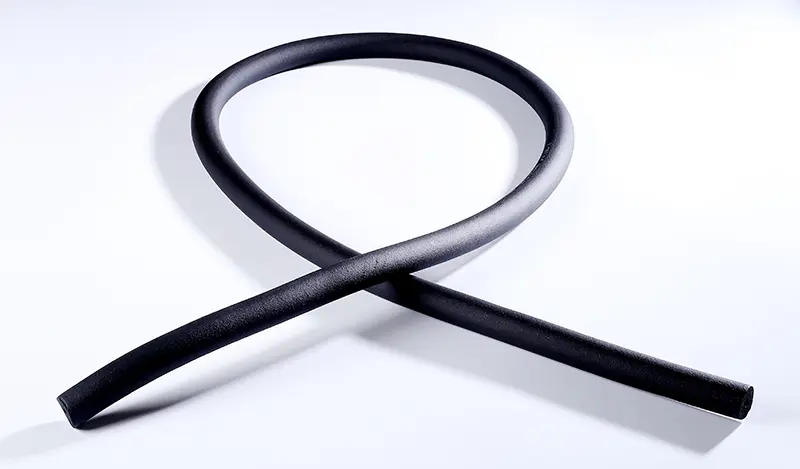
Rubber elastomeric foam insulation tube

Rubber elastomeric foam insulation tube

High elasticity closed-cell tube for HVAC piping systems.

View Details
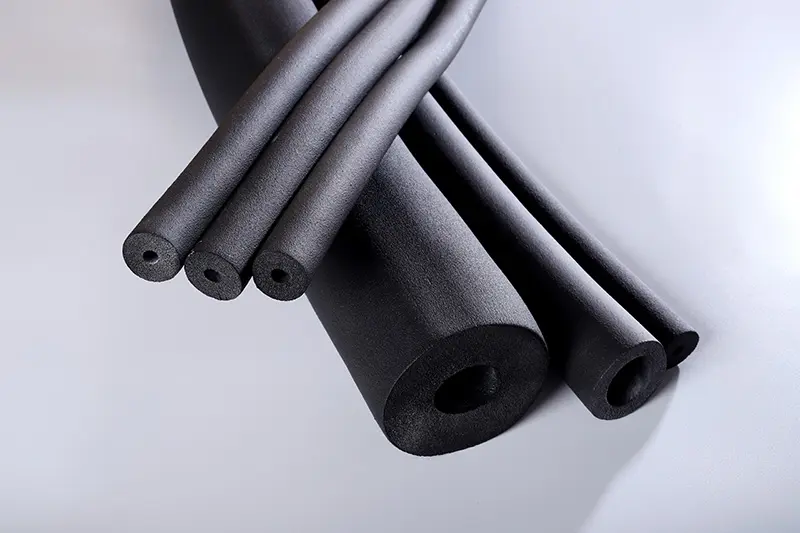
Corrosion Resistant Rubber Foam Insulation Tube

Corrosion Resistant Rubber Foam Insulation Tube

Designed for harsh chemical environments to mitigate CUI.

View Details
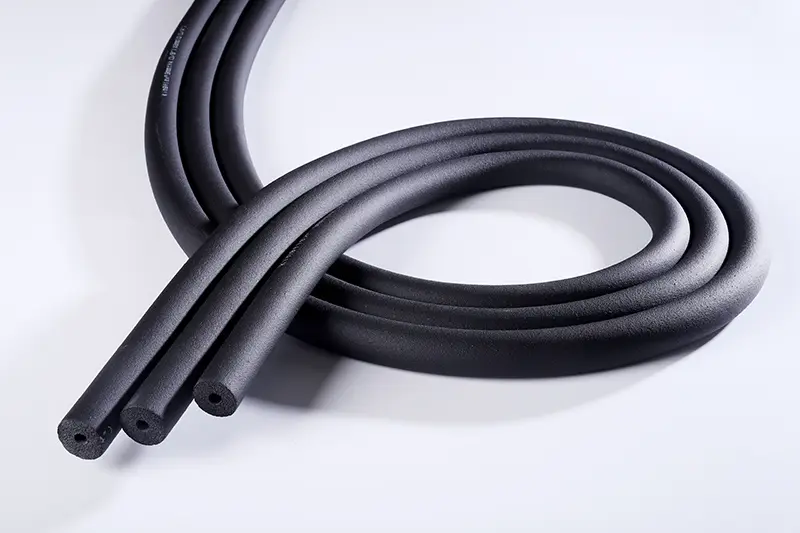
Elastic Rubber Foam Insulation Pipe

Elastic Rubber Foam Insulation Pipe

Highly flexible line wrapping to simplify installation around bends.

View Details
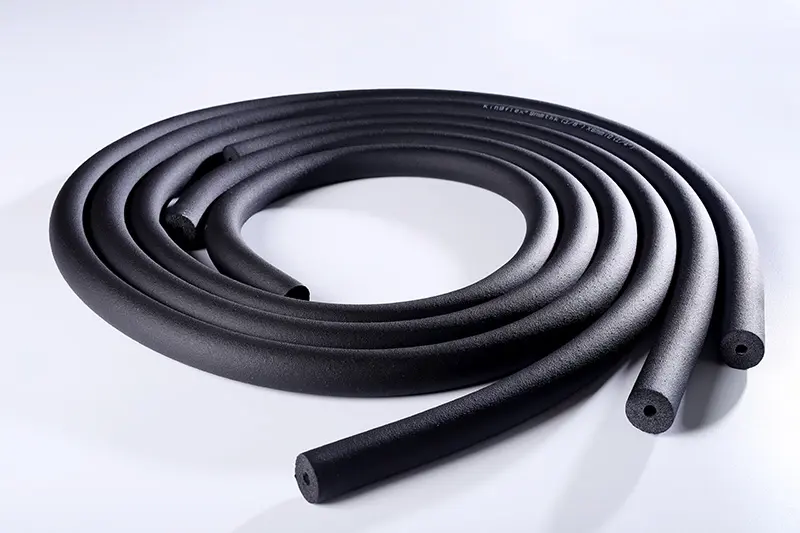
Black Rubber Foam Insulation Pipe

Black Rubber Foam Insulation Pipe

Standard industrial piping cover with high thermal resistance.

View Details
Foam Rubber Foam Insulation Tube

Foam Rubber Foam Insulation Tube

Optimized microcellular density for industrial process systems.

View Details
HVAC Rubber Foam Insulation Tube

HVAC Rubber Foam Insulation Tube

Optimized configuration for high-volume HVAC plumbing installations.

View Details
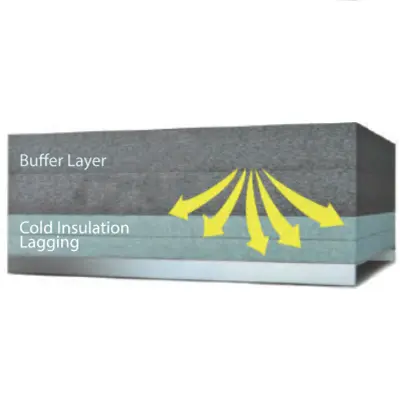
Elastomeric rubber foam insulation system

Elastomeric rubber foam insulation system for u...

Heavy-duty integrated thermal jacket for complex configurations.

View Details
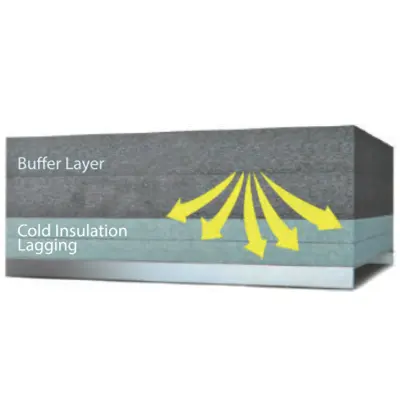
Kingflex flexible insulation material for cryogenic

Kingflex flexible insulation material for cryog...

Cryogenic grade insulation designed for LNG lines.

View Details
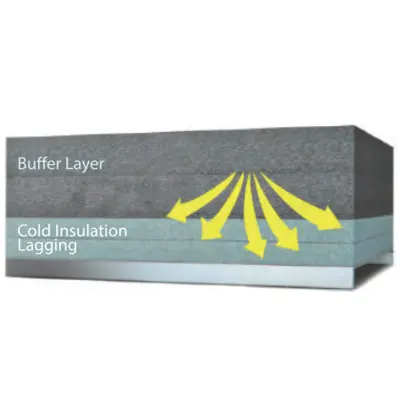
Cryogenic rubber foam for low temperature

Cryogenic rubber foam for low temperature and h...

Resists thermal shock down to -200°C without crack propagation.

View Details
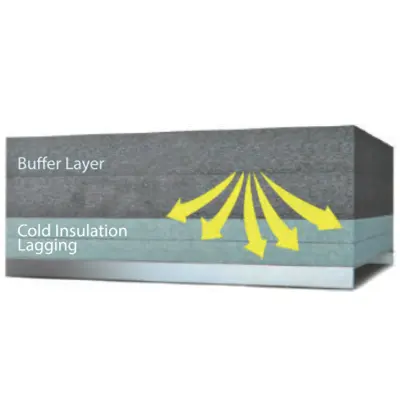
Elastomeric cryogenic insulation

Elastomeric cryogenic insulation for low temper...

Engineered for cold storage facilities and liquid gas systems.

View Details
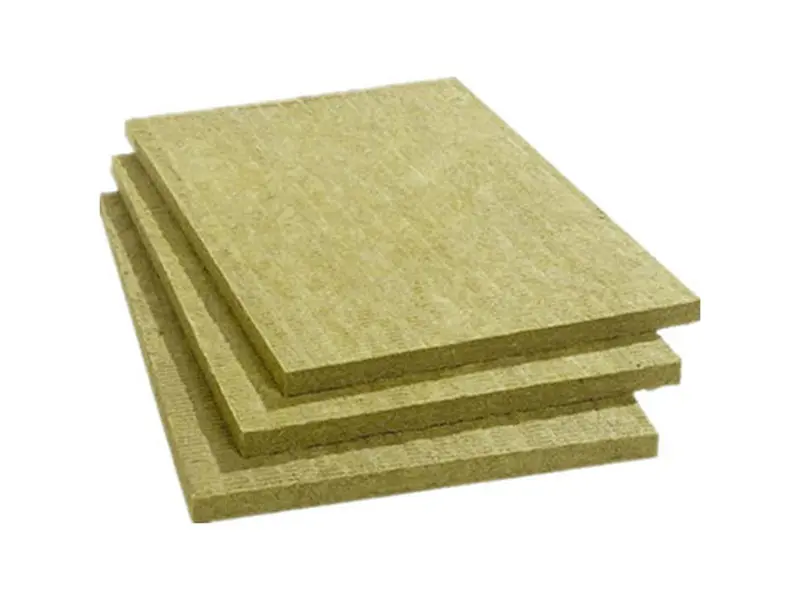
Rock Wool Insulation Board

Rock Wool Insulation Boad

High-density mineral wool panels for fire barrier applications.

View Details
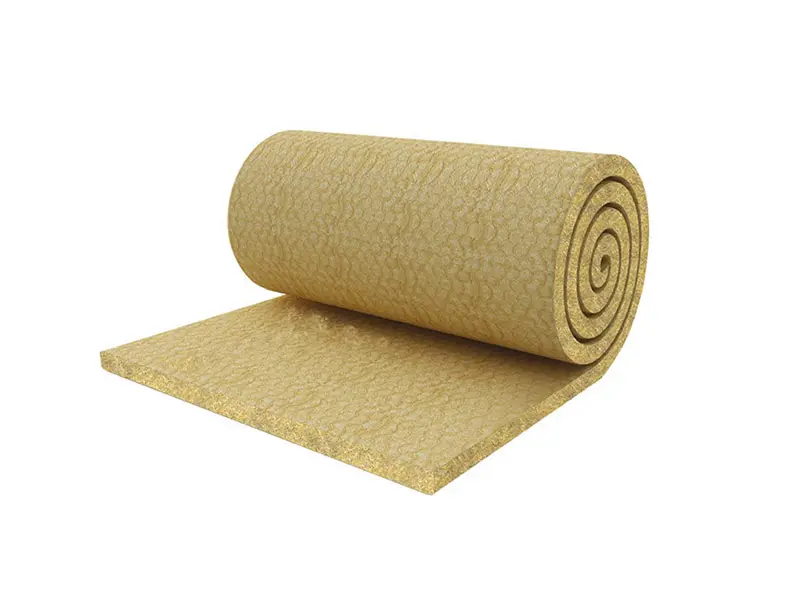
rock wool thermal insulation blanket

rock wool thermal insulation blanket

Flexible high-temperature insulation blanket for industrial boilers.

View Details
Production Facility & Operations

Facility operations view