Explore our elite range of elastomeric, mineral wool, and acoustic insulation designs engineered for heavy-duty commercial and mechanical piping infrastructure.
Deciphering BS EN standards, thermal conductivities (λ), and imperial to metric conversions for building envelope specifications.
When selecting thermal insulation systems for the UK construction and mechanical services market, understanding the Insulation R-Value Chart UK system is crucial. The R-value measures thermal resistance, defined as the ratio of the temperature difference across an insulator to the heat flux density through it. In mathematical terms, $R = d / \lambda$, where $d$ is the thickness in meters and $\lambda$ (lambda) is the thermal conductivity of the material in $W/m\cdot K$.
UK building standards, particularly Approved Document L (Conservation of fuel and power), place rigorous demands on the thermal efficiency of elements like mechanical piping, HVAC networks, roofing, and wall installations. While the UK primarily references U-values (thermal transmittance, which is the reciprocal of the total R-value, $U = 1 / \Sigma R$), wholesale specifiers, distributors, and structural designers rely heavily on nominal R-value charts to calculate cumulative building performance.
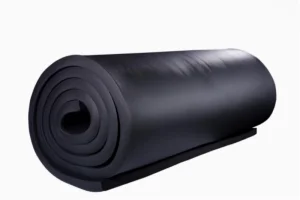
The matrix below demonstrates the physical metrics of our closed-cell elastomeric rubber foam and rock wool materials, specifically measured at standard UK engineering design reference temperatures.
| Material Type | Nominal Thickness (mm) | Thermal Conductivity (λ at 10°C) | Metric R-Value (m²·K/W) | US Imperial R-Value (h·ft²·°F/Btu) | Main Application Sector |
|---|---|---|---|---|---|
| Elastomeric Rubber (NBR/PVC) | 9 mm | ≤ 0.034 W/m·K | 0.265 m²·K/W | R-1.50 | A/C Condensate, HVAC Ducting |
| Elastomeric Rubber (NBR/PVC) | 13 mm | ≤ 0.034 W/m·K | 0.382 m²·K/W | R-2.17 | Chilled Water Systems |
| Elastomeric Rubber (NBR/PVC) | 19 mm | ≤ 0.034 W/m·K | 0.559 m²·K/W | R-3.17 | Low-Temperature Refrigeration |
| Elastomeric Rubber (NBR/PVC) | 25 mm | ≤ 0.035 W/m·K | 0.714 m²·K/W | R-4.05 | Cold Chain / Exterior Process Piping |
| Elastomeric Rubber (NBR/PVC) | 32 mm | ≤ 0.035 W/m·K | 0.914 m²·K/W | R-5.19 | Industrial Glycol & Cryogenics |
| Elastomeric Rubber (NBR/PVC) | 50 mm | ≤ 0.036 W/m·K | 1.389 m²·K/W | R-7.89 | Deep Cryogenic & Acoustic Barrier |
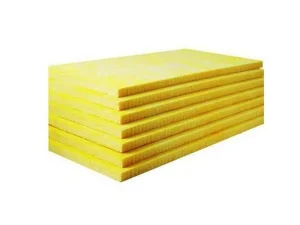
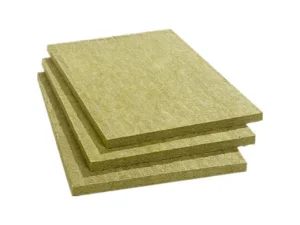
| High-Density Rock Wool Board | 50 mm | ≤ 0.038 W/m·K | 1.316 m²·K/W | R-7.47 | High-Temp Steam Pipes, Firewalls |
| Fiberglass Wool Board | 50 mm | ≤ 0.040 W/m·K | 1.250 m²·K/W | R-7.10 | Commercial Wall Cavity, Attics |
By comparing materials via our standardized R-value metrics, engineers can easily verify that closed-cell elastomeric rubber delivers equivalent or superior thermal resistance at thinner configurations than mineral wools, with the added benefit of integral water vapor resistance (μ ≥ 10,000).
In the humid UK climate, thermal performance drops instantly if moisture penetrates insulation. Choosing closed-cell elastomeric foam prevents condensation corrosion (CUI) while maintaining a stable R-value throughout its 15-year operational life cycle.
Our products are systematically tested against BS 476 Parts 6 & 7 (Class 0 rating), EN 13501-1 (B-s3, d0 fire rating), and meet the thermal conductivity criteria specified under BS 5422 for mechanical installations.
Bridging the gap between macro B2B procurement and micro installation scenarios across the UK industrial landscape.
Large-scale construction, mechanical contracting, and refrigeration distribution networks face volatile supply chains and rising local material costs in Europe and North America. Procurement officers require long-term contracts with manufacturing entities capable of custom wall-thickness OEM, reliable high-volume processing, and reliable ocean cargo networks. Our export operations spans 16 years, sending certified, traceable thermal solutions to over 66 countries including major hubs in the UK, Central Europe, South America, and Southeast Asia.
Within the UK, thermal insulation specifications are dictated by building typologies:

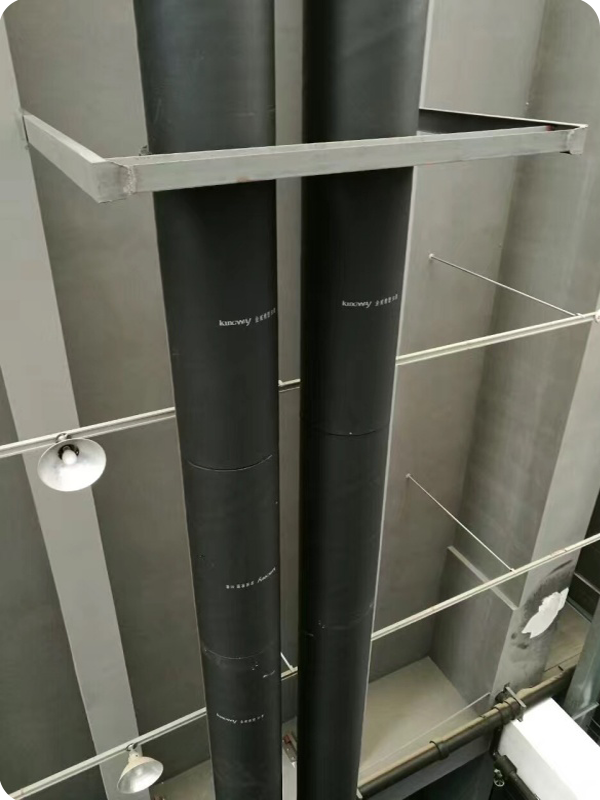
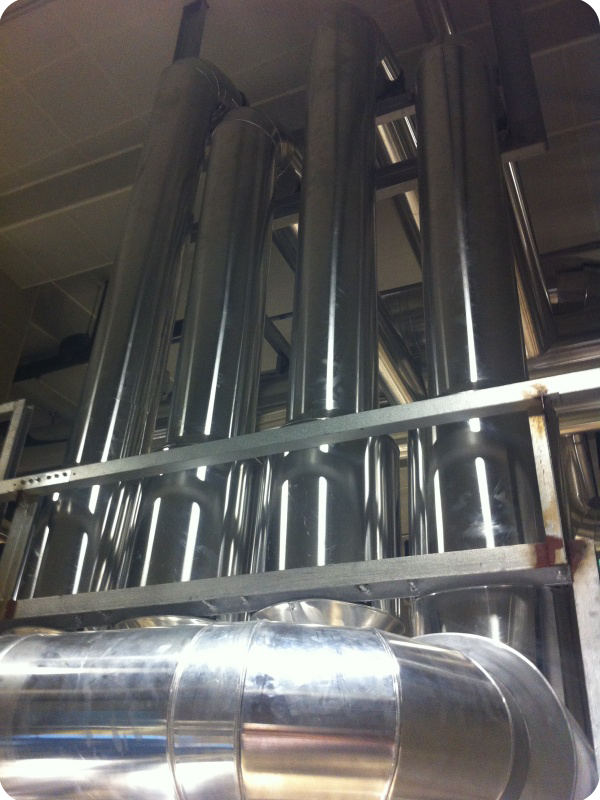
Why sourcing directly from China's premier green-building material manufacturing zone ensures cost and quality sovereignty.
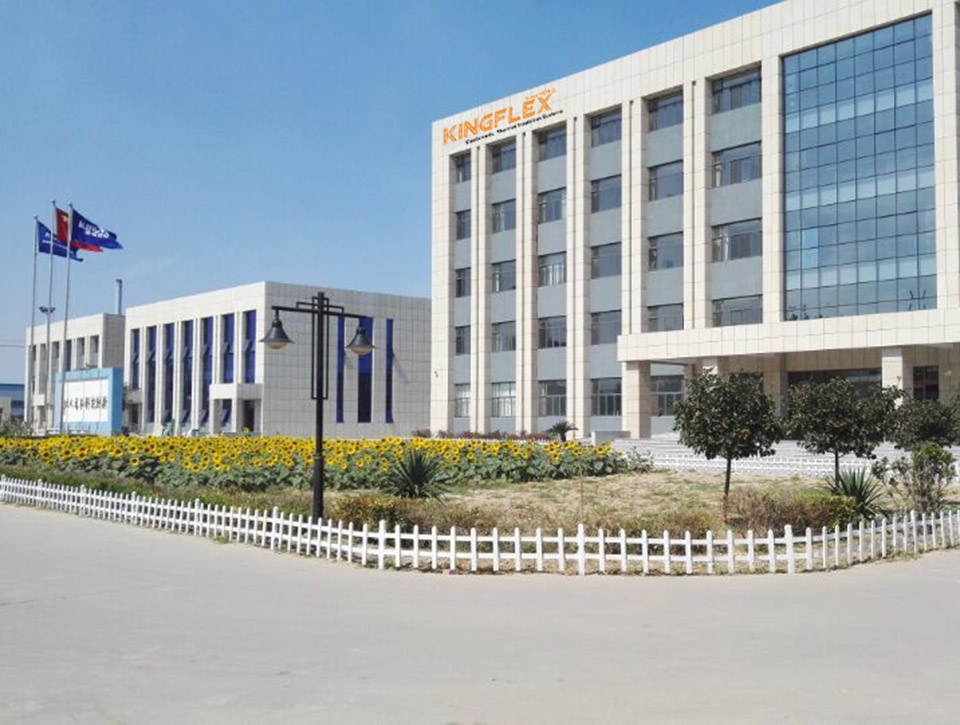
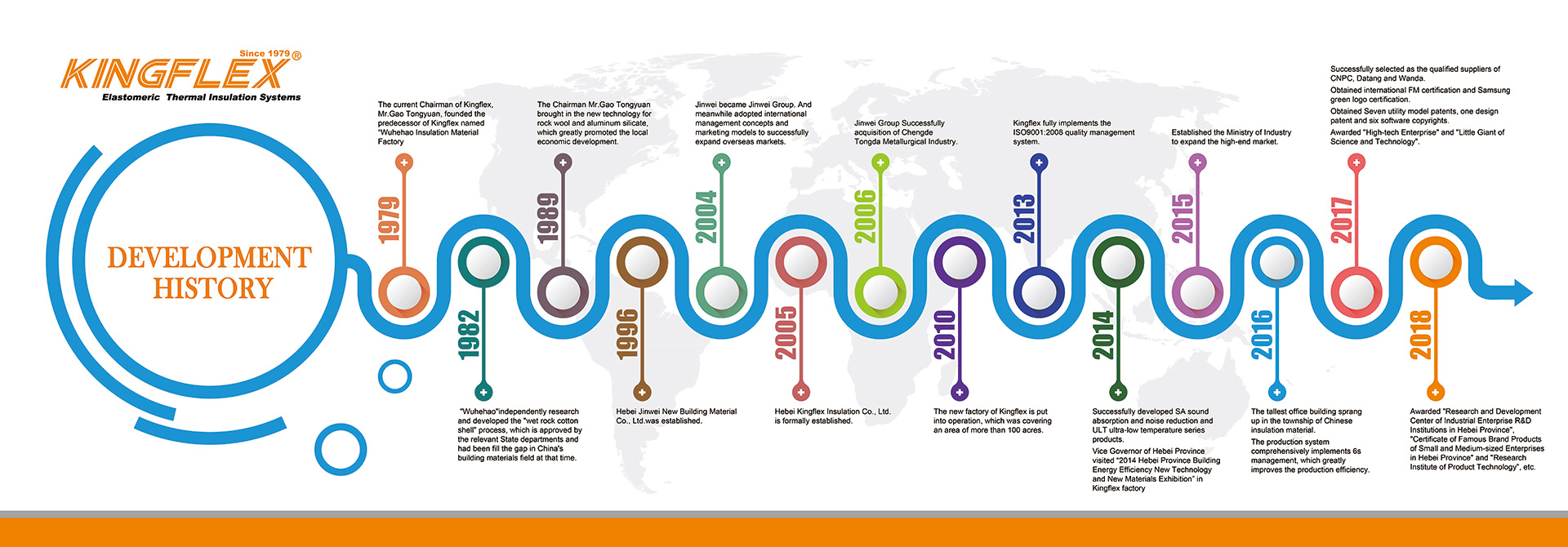
Operating out of Dacheng, China, the globally recognized cluster of green building technologies, Kingflex Insulation Co., Ltd. represents the peak of thermal systems manufacturing. Backed by the Jinwei/Kingway Group (established in 1979 as the pioneer of northern Yangtze thermal insulation manufacturing), our operations utilize advanced Factory 4.0 automation. Our 5 high-speed automated lines yield consistent density (40-55 kg/m³), uniform closed-cell architectures (rate exceeding 98%), and precise thickness control from 6mm to 50mm.
Our dedicated R&D department features 8 structural materials engineers focusing on reducing thermal conductivity while maximizing flame retardancy. Standardized product batches undergo strict testing prior to dispatch, maintaining conformity with ASTM, BS 476, CE, REACH, and RoHS protocols.
Our designated enterprise status from the Chinese Ministry of Energy and Ministry of Chemical Industry guarantees structural raw material availability and production stability even during winter environmental shifts.
Every manufacturing batch is assigned a localized tracking matrix, ensuring that physical properties (density, fire performance, dimension safety) are fully auditable by UK engineers.

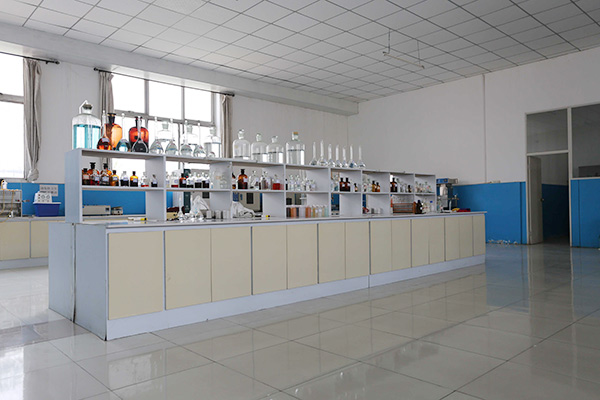
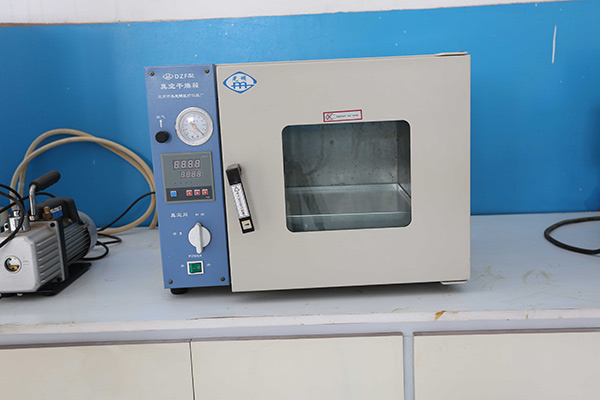
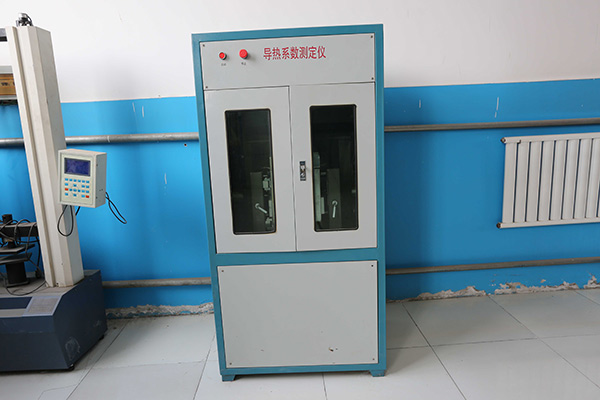
Verifiable proof of credentials and engineering validation testing at the Kingflex central testing laboratories.
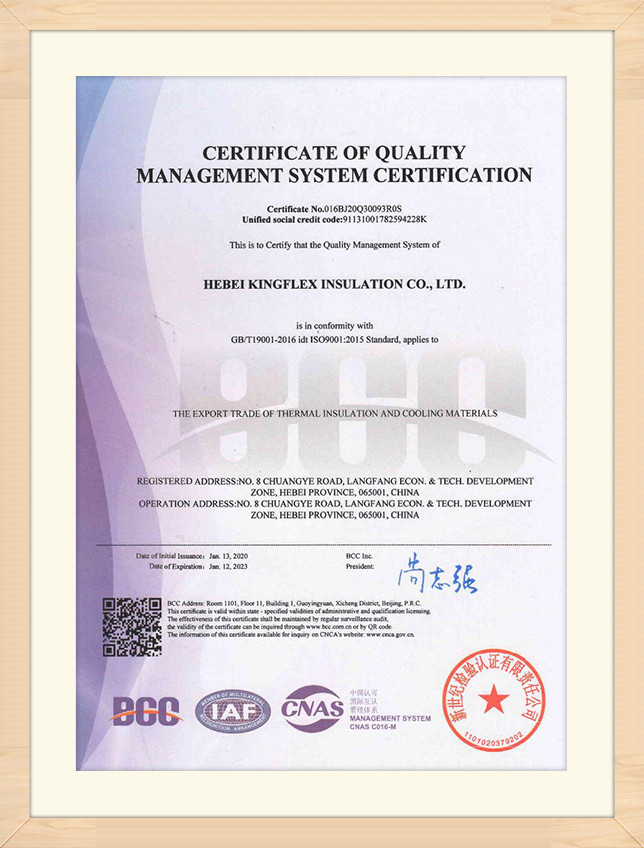
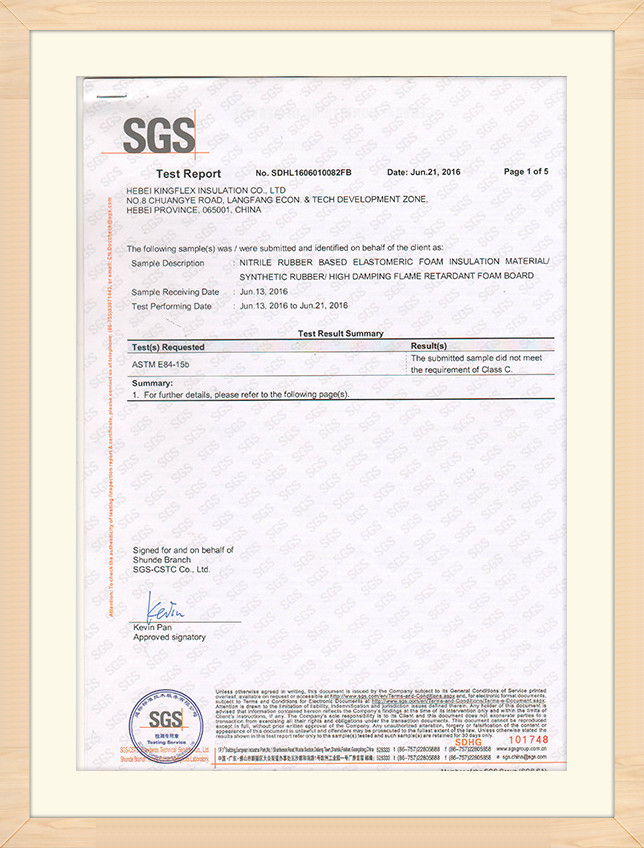
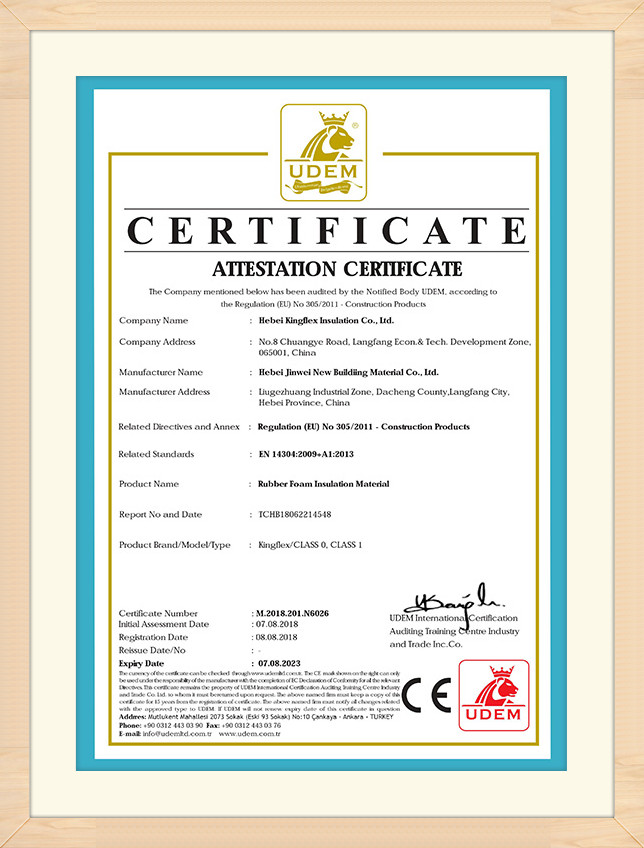
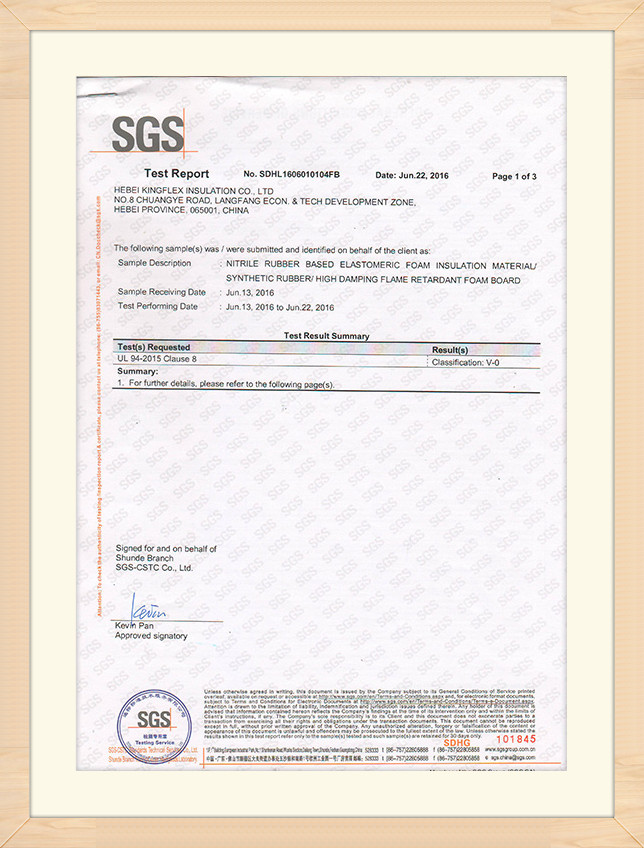
Transparent records of B2B purchase interactions, volume approvals, and on-site deployment feedback.




Our professional sales division features 6 specialized international sales specialists, offering technical consultation on regional UK building regulations and specific port-to-port ocean freight rates.

Strategic transport relationships provide optimized direct loading to major northern ports, reducing transshipment times to UK import hubs like London Gateway, Felixstowe, and Southampton.
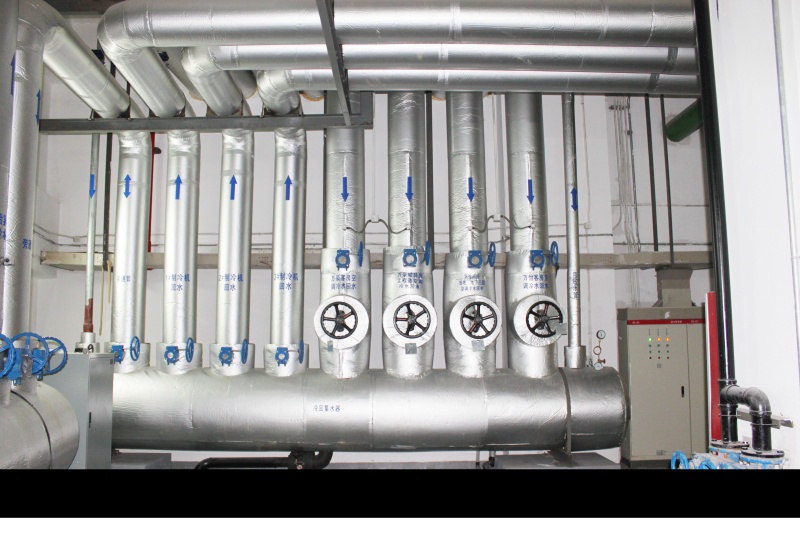
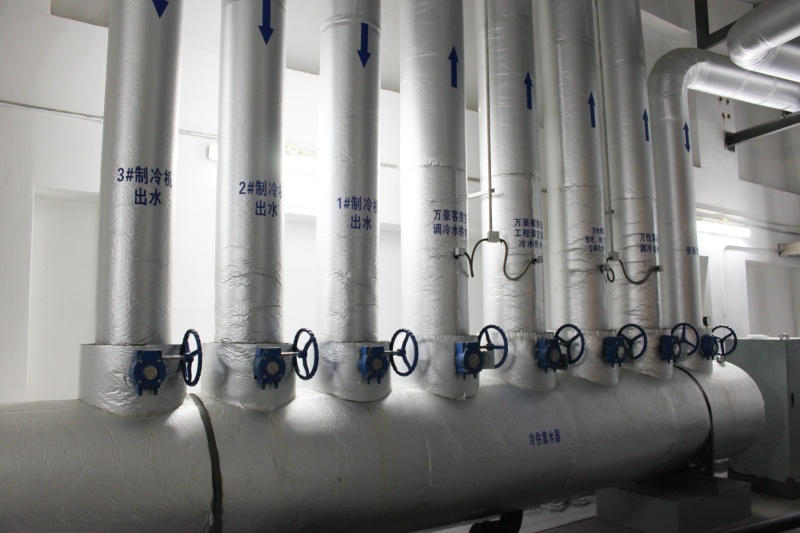
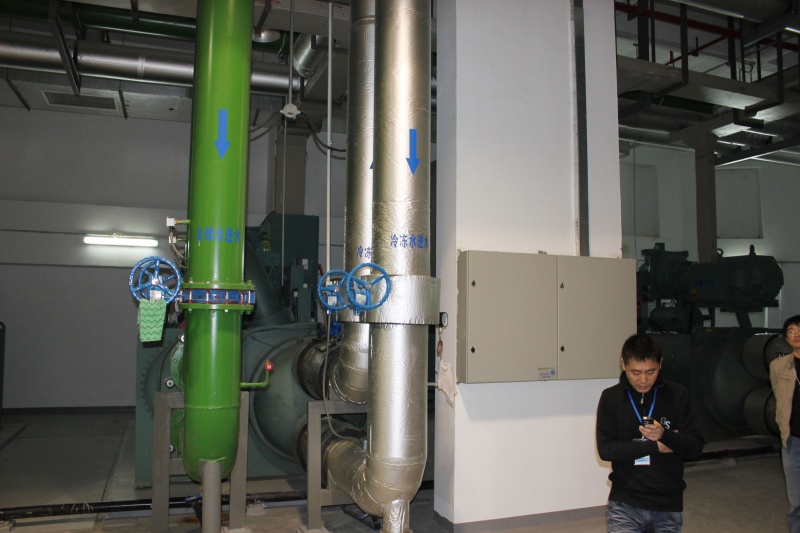
Take a visual tour of our loading procedures, automated roll production, and dense foam storage blocks.
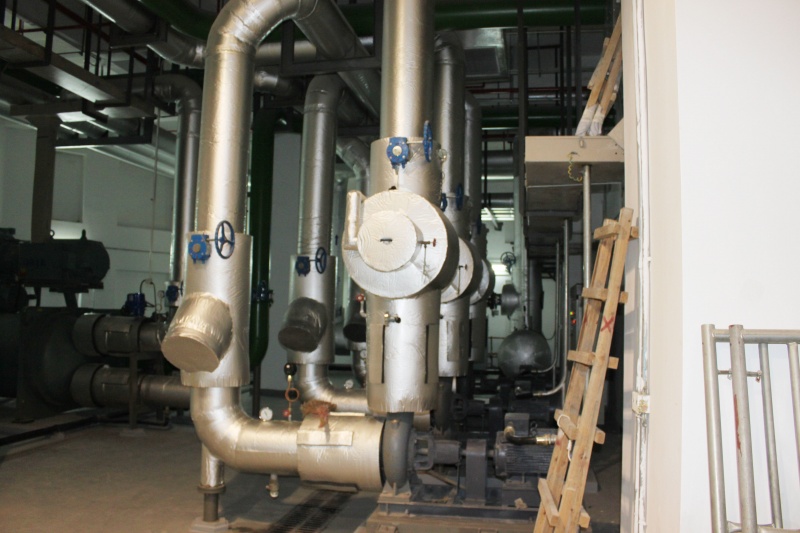
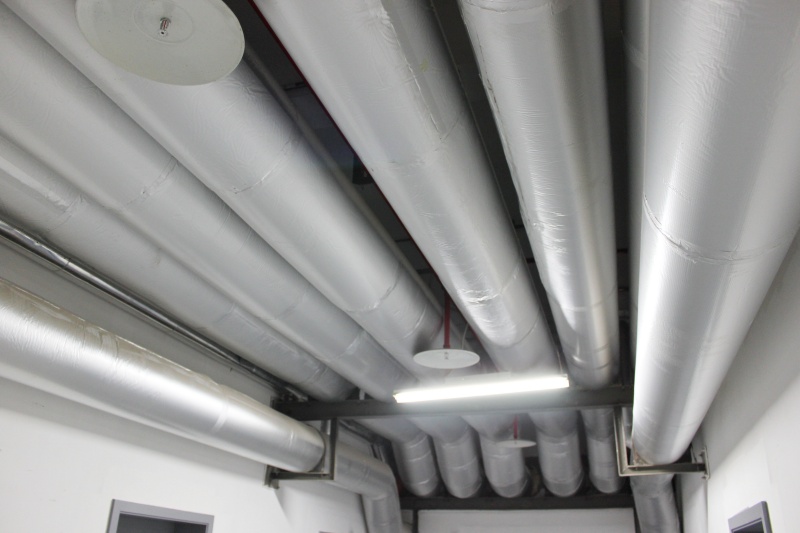

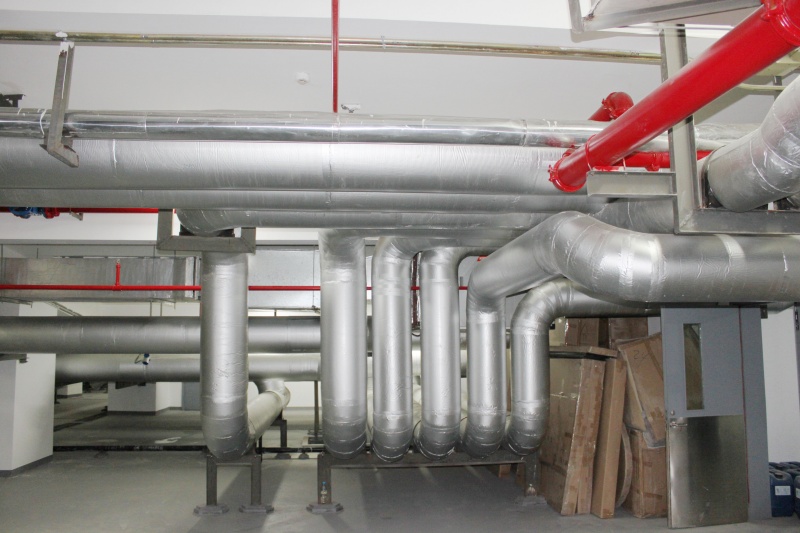

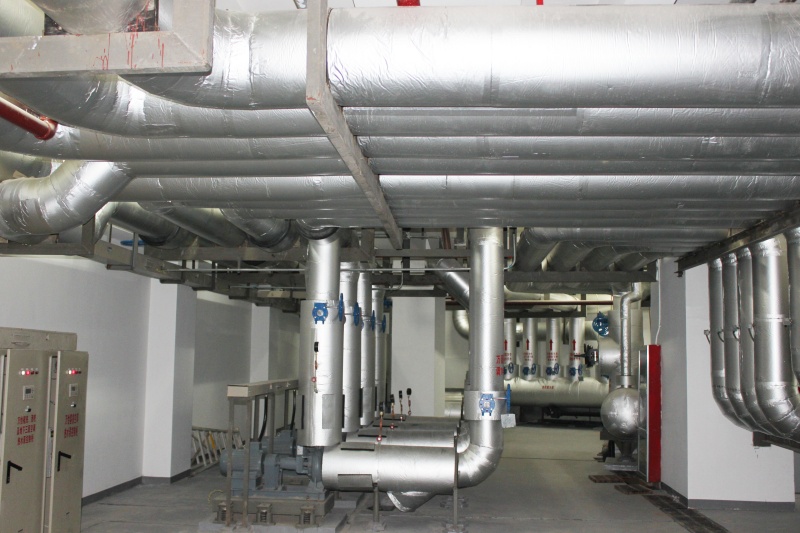
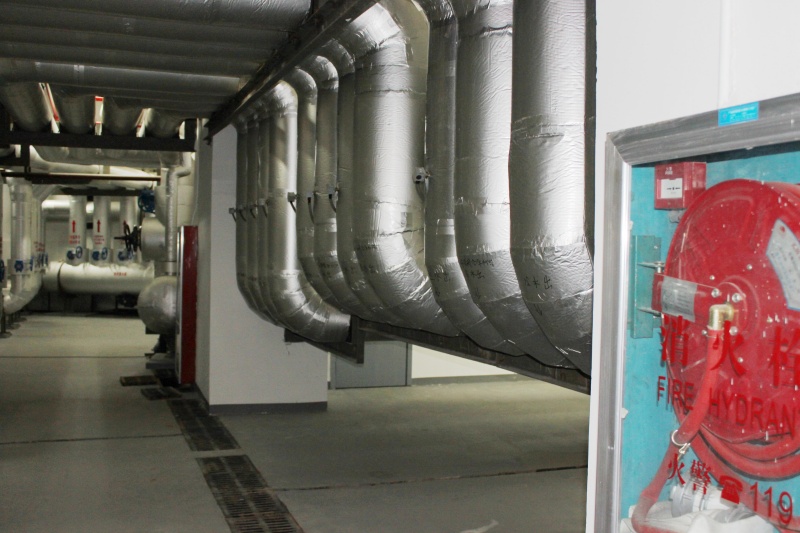
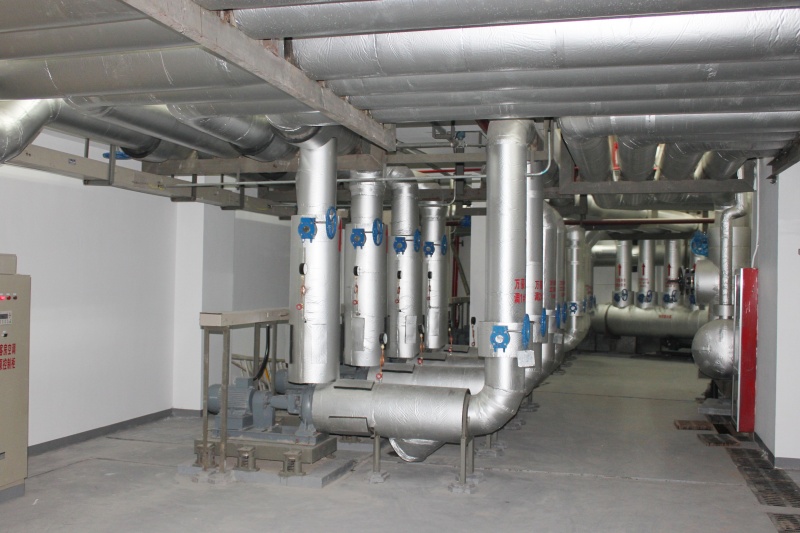
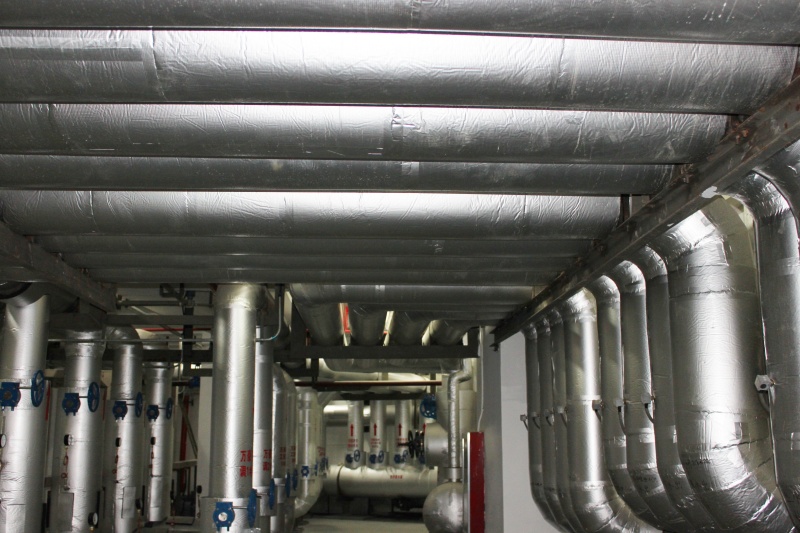
Expert technical answers regarding structural specifications, conversion metrics, and procurement standards.
Select specific structural models for exact physical specs, pricing lists, and volume supply configurations.
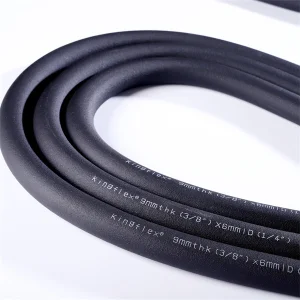
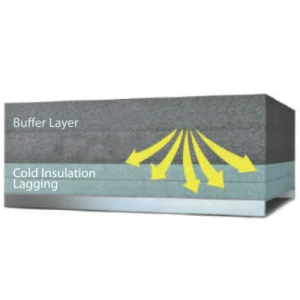
Review the standard dimensions, core product advantages, and physical thermal parameters of Kingflex.
Kingflex Standard Dimensions:
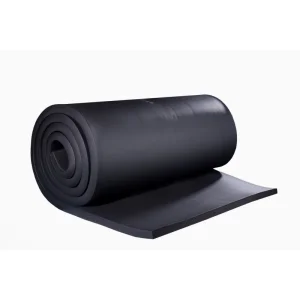
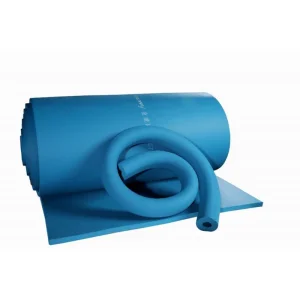
Material: NBR/PVC Blend
Thickness: 6mm to 50mm
Density: 40 to 55 kg/m³
Service Temperature Range: -40℃ to 105℃
Advantage:
1. Foams evenly and fully, closed cell rate over 98%, excellent thermal insulation.
2. Full closed-cell structure, low moisture absorption, stable long-term thermal conductivity.
3. Compression resilience over 80%.
4. Flame retardant, self-extinguishing off fire.
5. Low thermal conductivity, high moisture resistance factor.
Application:
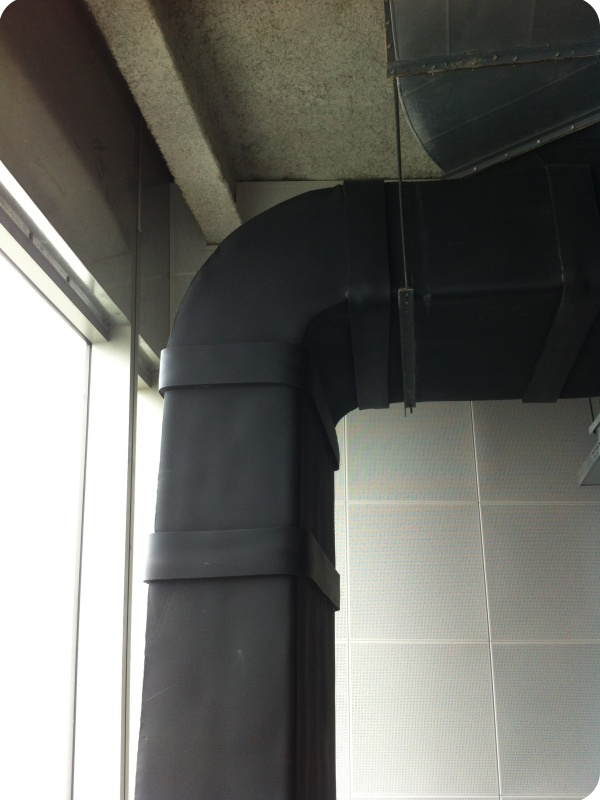
Central air conditioning: Heat insulation for air ducts and pipes; Buildings: Wall, roof, and basement thermal & sound insulation; HVAC & water supply: Anti-condensation and anti-freezing for pipes; Industrial plants: Insulation for equipment, steam pipes, and storage tanks.
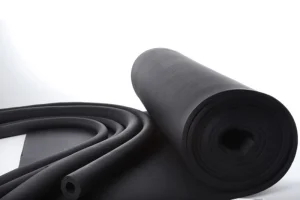
Kingflex Standard Dimensions:
Material: NBR/PVC Blend
Thickness: 9mm to 40mm
Inner Diameter (ID): 6mm to 114mm
Density: 40 to 55 kg/m³
Service Temperature Range: -40℃ to 105℃
Advantage:
1. Foams evenly and fully, closed cell rate over 98%, excellent thermal insulation.
2. Professional pipe spraying equipment ensures even coating.
3. Compression resilience over 80%.
4. Flame retardant, self-extinguishing off fire.
5. Low thermal conductivity, high moisture resistance factor.
6. Greatly reduce pipe freezing and cracking risks.
Application:
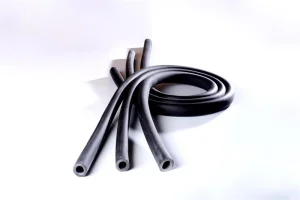
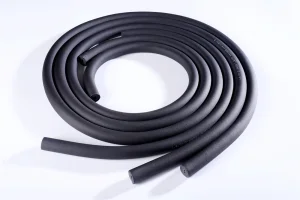
Central air conditioning chilled/hot water pipes and condensate pipes; Building HVAC & water supply pipes: antifreeze and anti-condensation; Ventilation and equipment room pipes for hotels, malls, and hospitals; Thermal & cold insulation for industrial steam and process pipes.
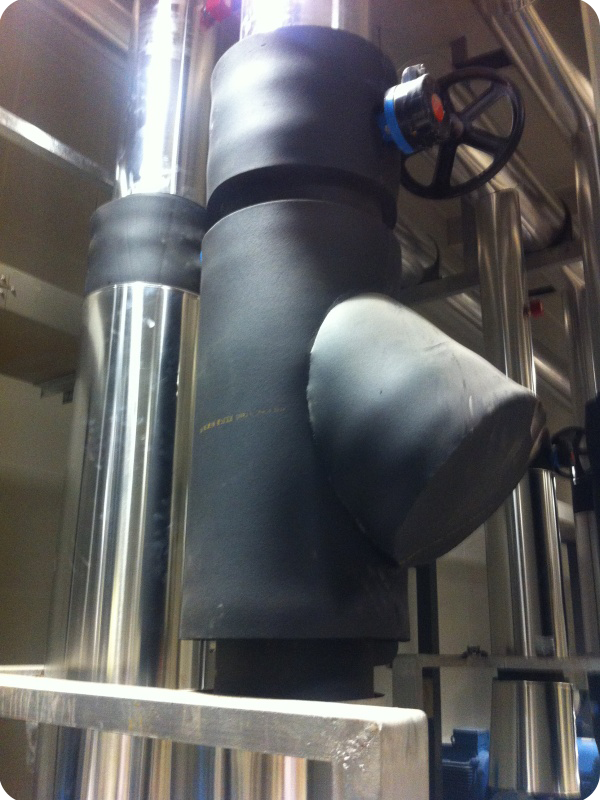
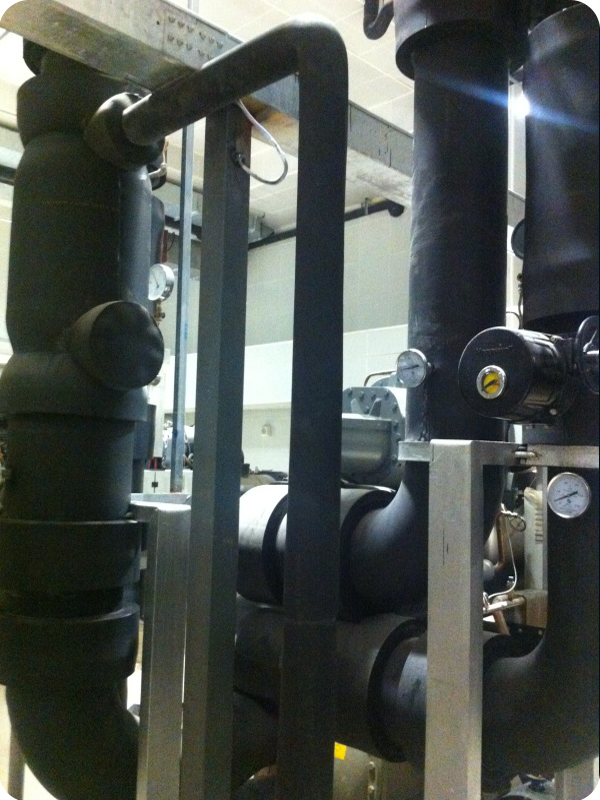

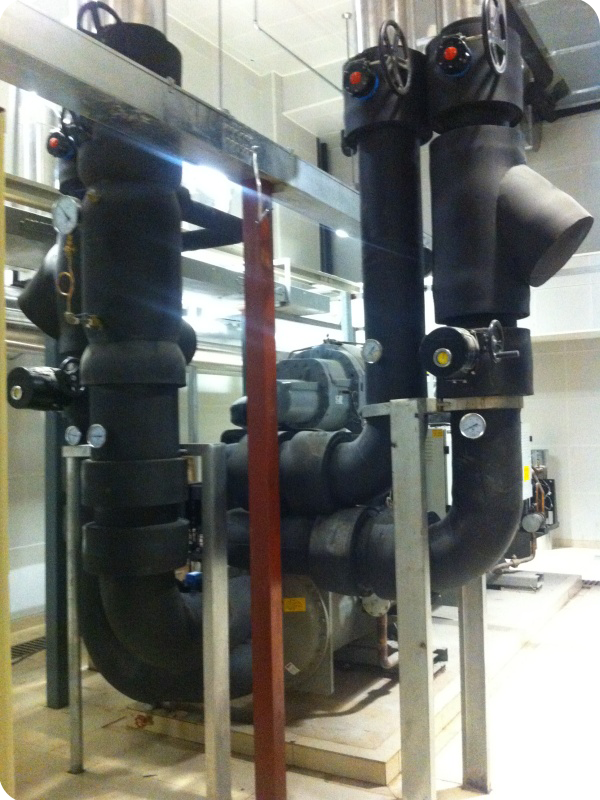
 Kingflex