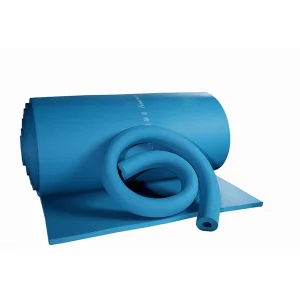
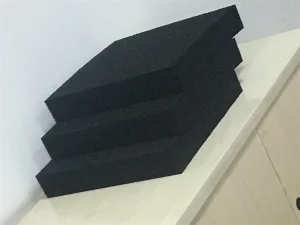
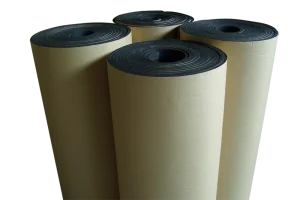
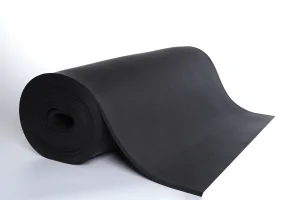
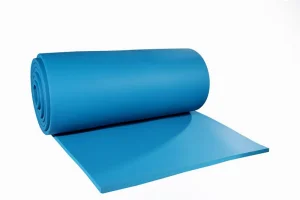
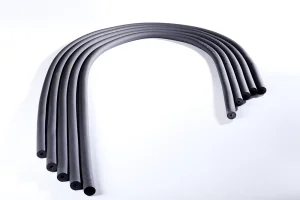
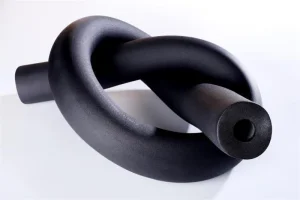
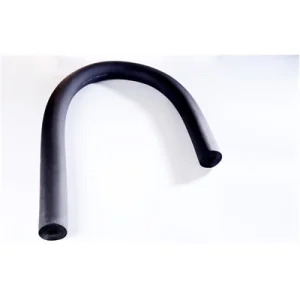
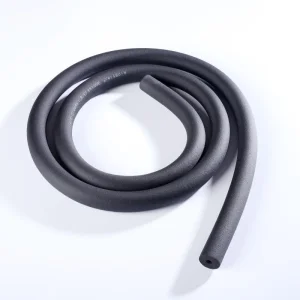
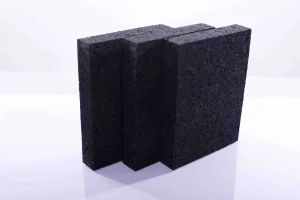
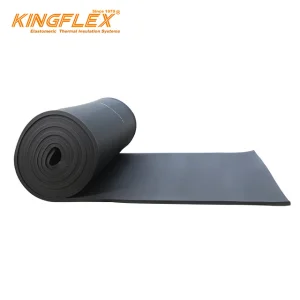
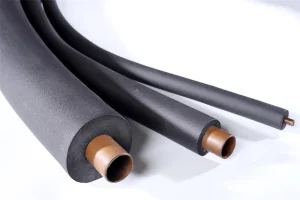
Explore our core selection of high-performance elastomeric rubber sheets, cryogenic blocks, and sound-absorbing products manufactured to international criteria.
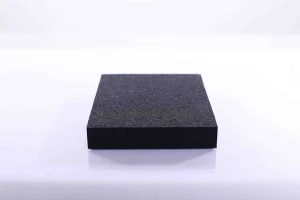
In modern industrial engineering, the importance of thermal insulation systems cannot be overstated. As global policies tilt towards net-zero carbon operations, thermal performance in structural buildings, chemical processing pipelines, and HVAC systems directly correlates to structural efficiency and operating expense control. High-quality elastomeric rubber insulation sheets serve as the frontline defense against thermal bridge dissipation and catastrophic moisture condensation.
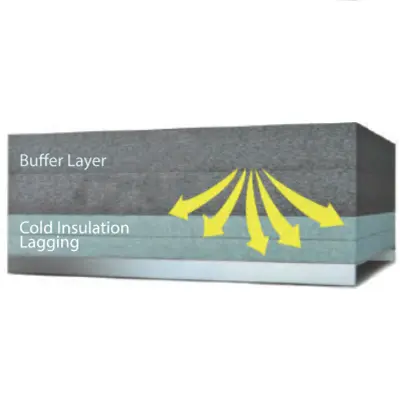
Our core product utilizes a highly structured NBR (Nitrile Butadiene Rubber) and PVC (Polyvinyl Chloride) matrix. During thermal extrusion and foaming, the material locks in thousands of micro-cells. Unlike traditional open-cell materials like fiberglass or mineral wool, the closed-cell structure operates with a dual capacity: blocking convective heat transfer and remaining completely impermeable to liquid water or vapor. This eliminates the necessity of a separate outer vapor barrier, which drastically lowers installation time and risk of failure.
Currently, the industrial demand for structural elastomers has shifted towards higher performance metrics: lower toxicity, zero ozone depletion potential (ODP), minimal global warming potential (GWP), and exceptional fire retardance. Kingflex is engineered specifically to align with these demanding modern safety guidelines.
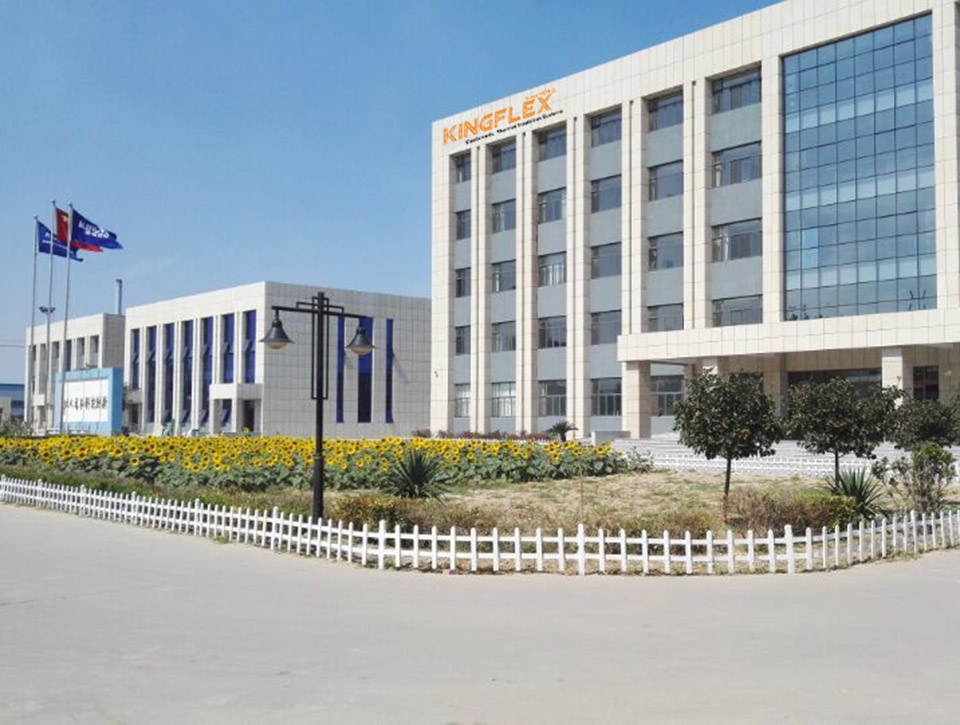
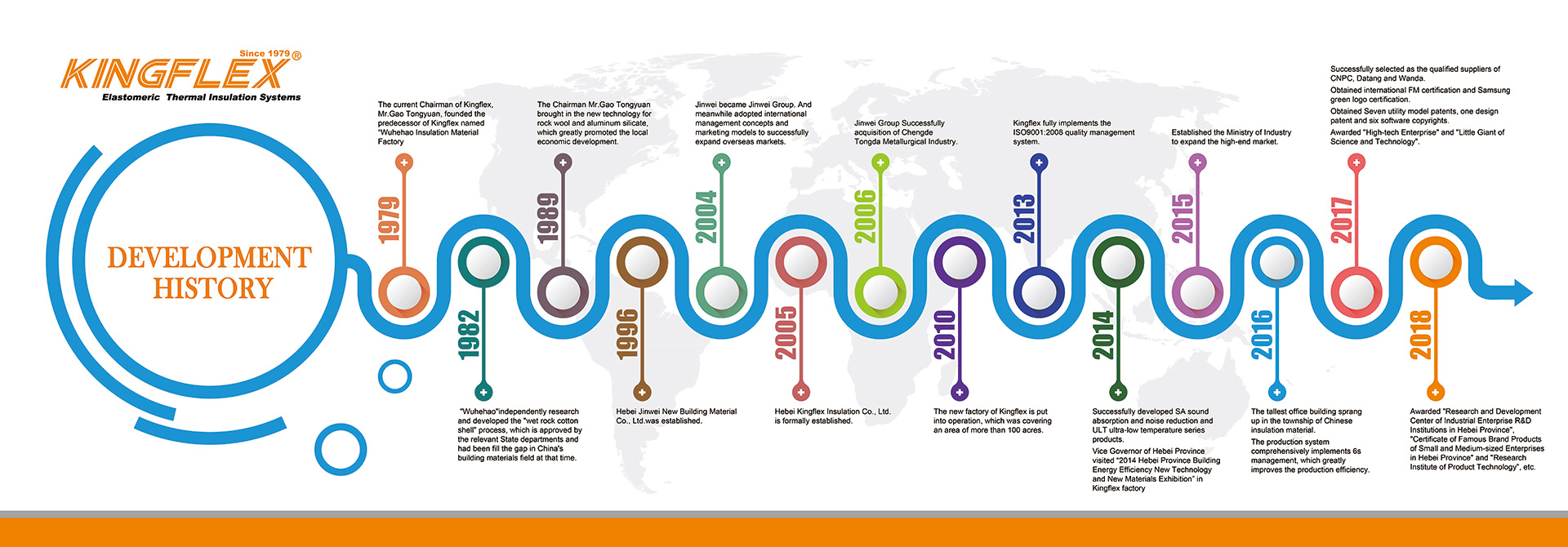
Established as an elite strategic arm under the Jinwei Group, which has paved the way in thermal isolation technologies since 1979, Kingflex has accumulated over four decades of engineering legacy. Located in Dacheng, China—historically recognized as the capital of green building materials—our production base functions as a massive, environmental-friendly hub designed to optimize environmental outputs while scaling global supply stability.
By blending localized engineering wisdom with Western standards compliance, we formulate high-density insulation sheets that function seamlessly under temperatures ranging from -40°C up to 105°C (with specialized cryogenic formulations reaching -200°C). Our R&D division has continuously pioneered innovations that increase the compression resilience of our elastomeric sheets to over 80%, providing long-term structural recovery when subject to heavy load bearing, vibration, or seismic movement.
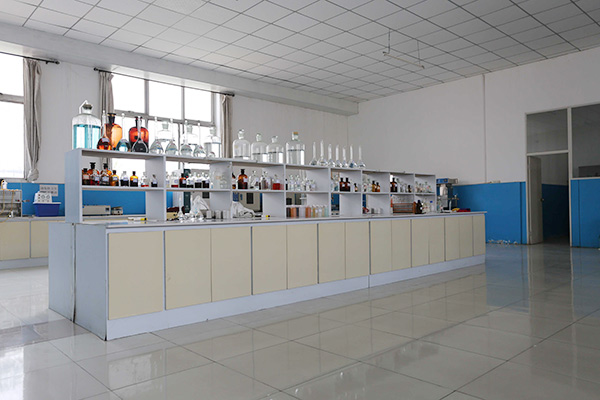
Each batch undergoes gas chromatography and density analysis to confirm accurate foaming and cell uniformity across the NBR/PVC sheets.
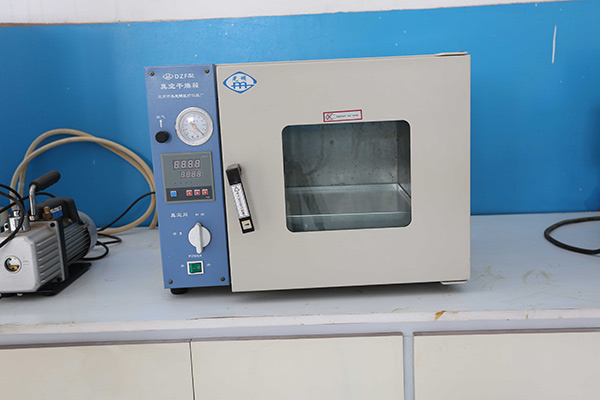
Using advanced heat flow meters, we verify that the lambda value remains at or below 0.034 W/mK at 0°C, ensuring minimal energy loss.
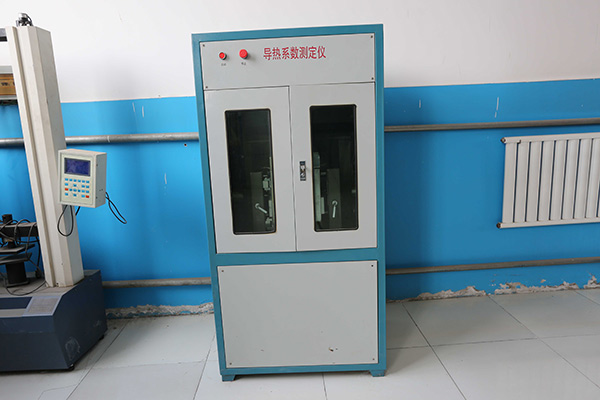
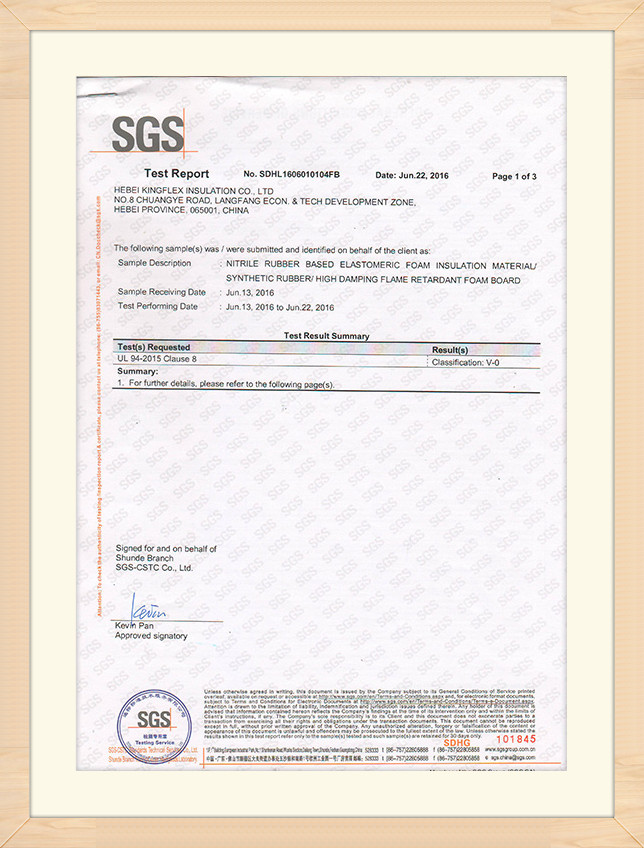
Our materials are certified according to BS 476 Part 7 Class 1 and UL 94 standards, displaying rapid self-extinguishing traits upon ignition removal.
A reference table outlining the performance values of standard NBR/PVC rubber foam insulation systems supplied by Kingflex.
| Property Description | Standard Reference Value | Test Standard Method | Engineering Benefit |
|---|---|---|---|
| Thermal Conductivity (λ) | ≤ 0.034 W/(m·k) at 0°C | ASTM C518 / ISO 8301 | Limits cold/hot transmission, saving energy costs. |
| Water Vapor Permeability (μ) | ≥ 10,000 (Resistance Factor) | ASTM E96 / BS EN 12086 | Completely stops atmospheric condensation inside insulation. |
| Service Temperature Limit | -40°C to +105°C (Standard Class) | EN 14706 / ASTM C411 | Maintains elasticity under cold water or steam system lines. |
| Fire Performance Class | Class 1 / Class V-0 | BS 476 Part 7 / UL 94 | Low smoke emission, non-dripping behavior under direct fire. |
| Average Product Density | 40 to 55 kg/m³ | ASTM D1622 | Optimizes balance between structural stiffness and weight. |
In regional industrial deployments, the usage of rubber sheets falls under distinct operating envelopes:
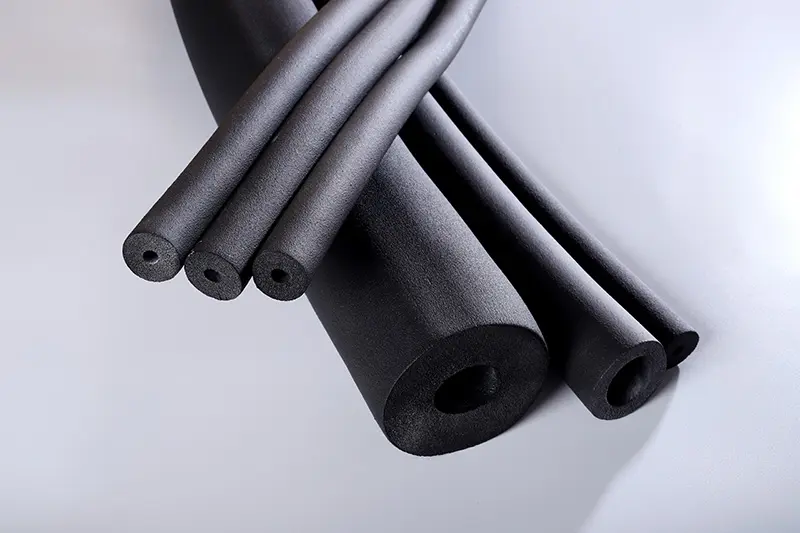
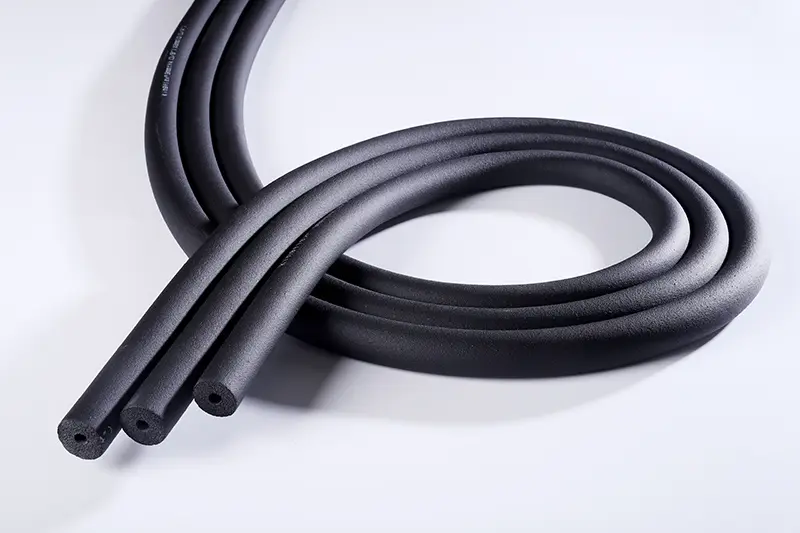
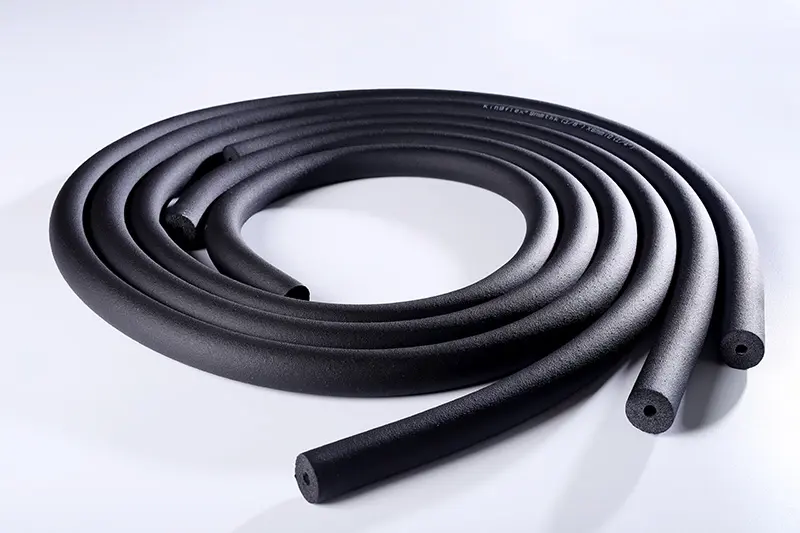
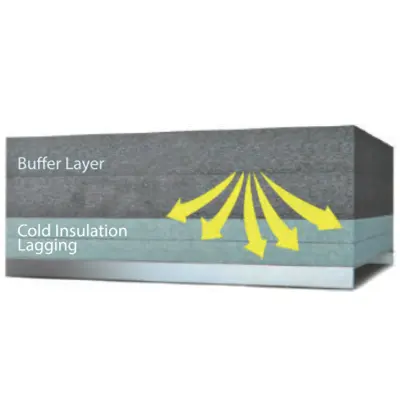
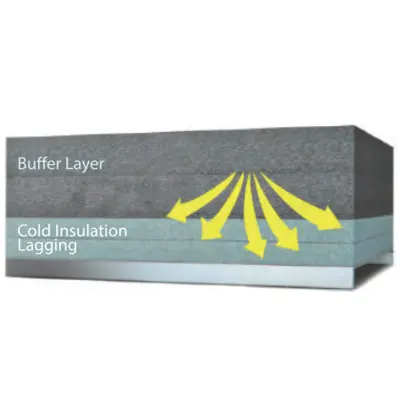
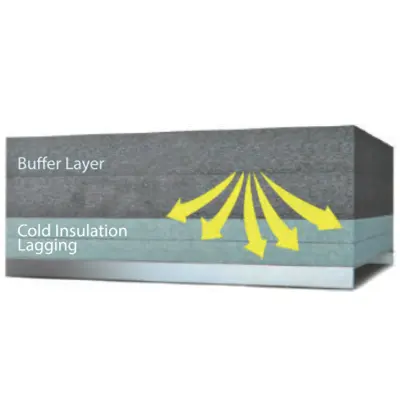
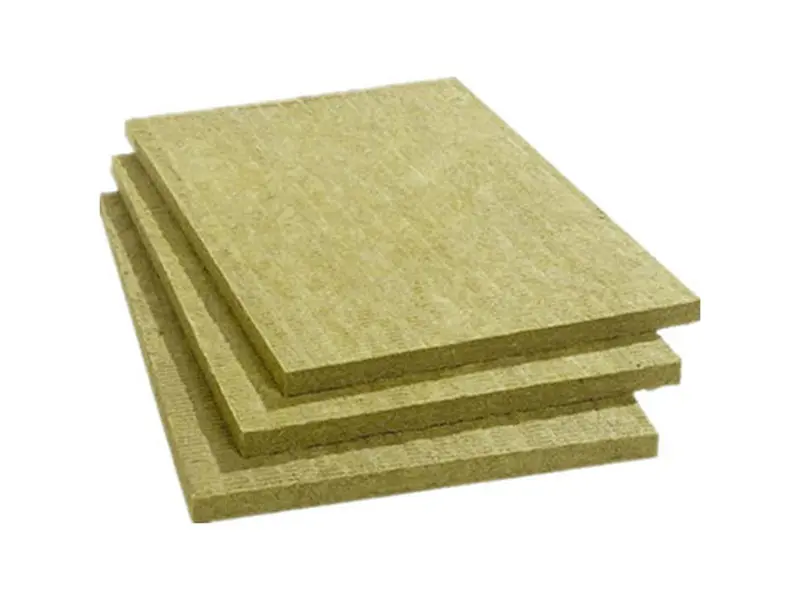
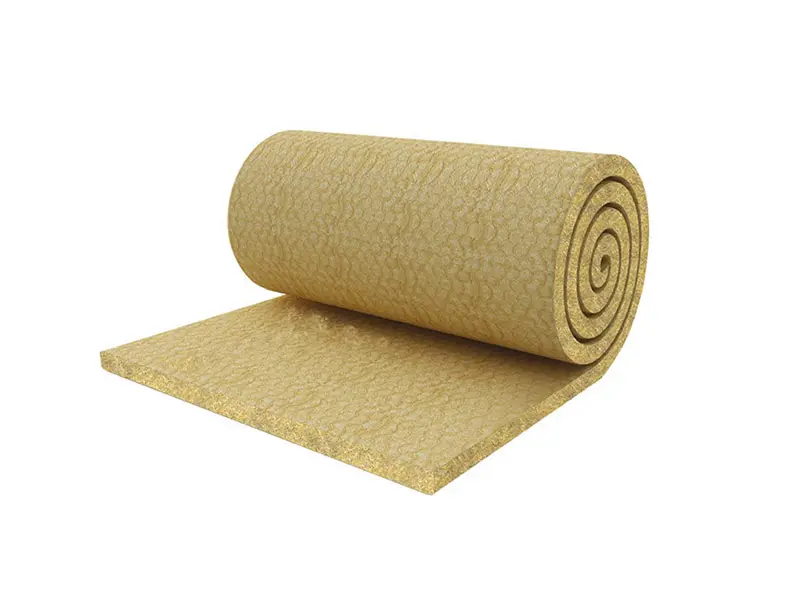
Our specialized range of tubes, panels, and rock wool insulation blankets manufactured for demanding industrial sites.
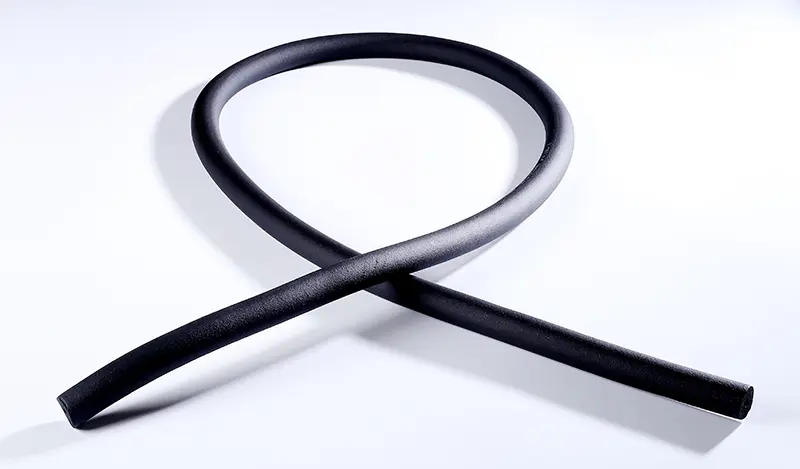


As standard lead times fluctuate globally due to raw material and fuel logistics challenges, Kingflex provides robust supply stability. Operating 5 fully automated extrusion lines, our annual output exceeding 600,000 cubic meters secures massive production throughput. This scale has earned Kingflex designation as a qualified production base by the Ministry of Energy, the Ministry of Electric Power, and the Ministry of Chemical Industry in China.
Our geographic positioning in Dacheng allows us to run a vertical raw-material sourcing model, utilizing direct chemical feedstocks from domestic refineries. This reduces processing overhead and limits volatility in FOB pricing, creating cost efficiency for international wholesale buyers. By operating with standardized container packaging and automatic sheet rolling equipment, we minimize transport damage and ensure our product density is maintained during shipping.

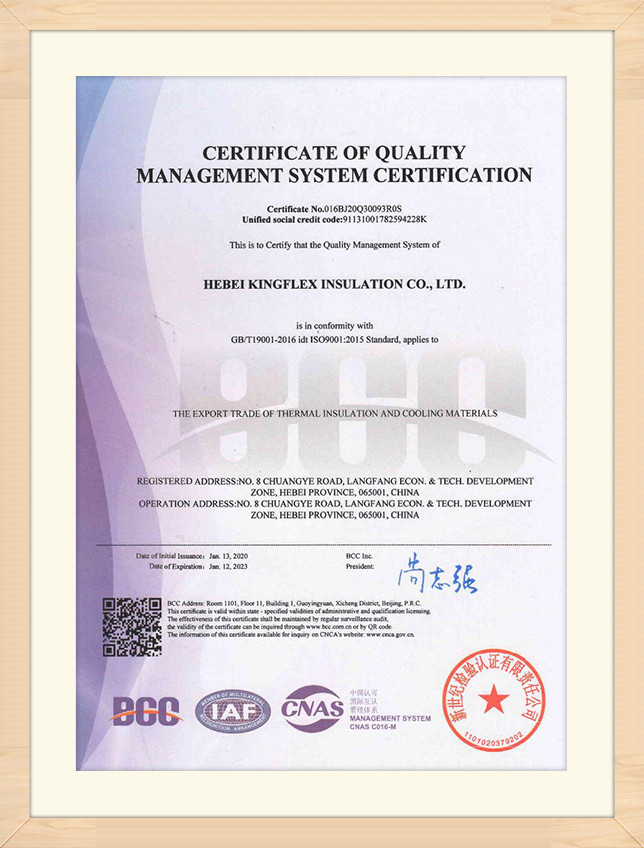
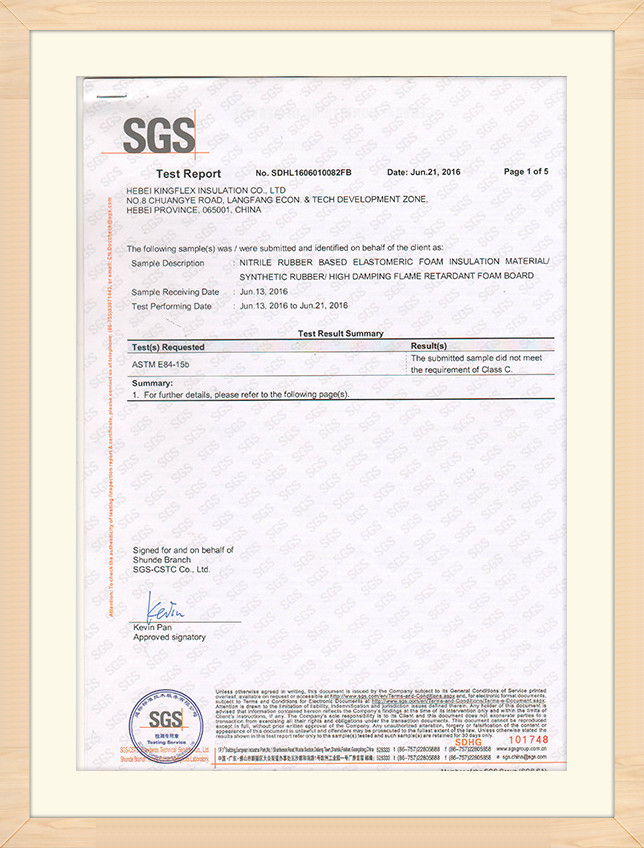
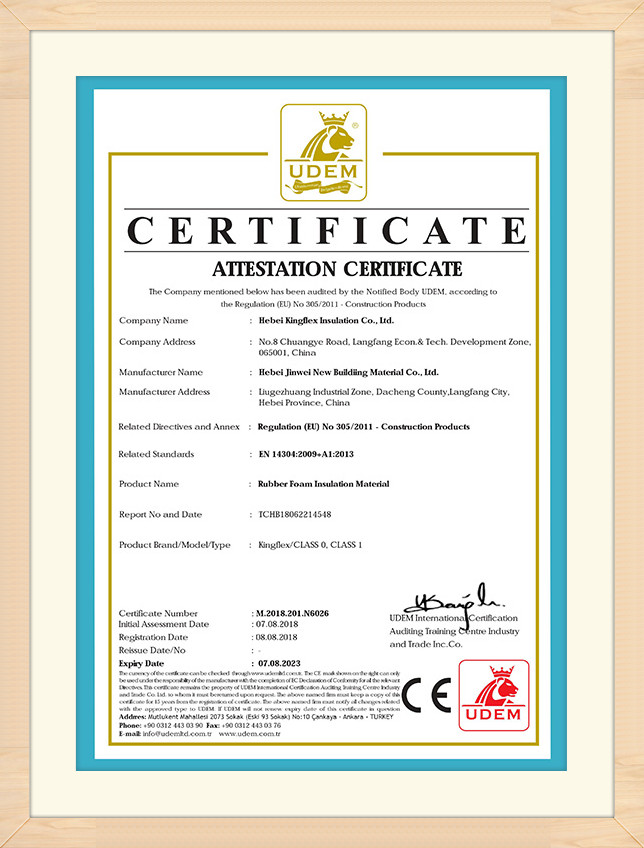
Our commitment to quality assurance is validated by international regulatory frameworks and client communications.
Our team includes 8 professional research engineers dedicated to improving raw elastomer properties, and 6 international sales specialists offering technical consultation and customized insulation designs.
Kingflex insulation sheets conform to BS 476, CE, REACH, RoHS, UL94, and ASTM standards. Each manufacturing run is fully traceable back to its compound batch.
Over 230 trained production operators run our high-capacity lines, ensuring consistent density, dimensional tolerance, and surface finish.




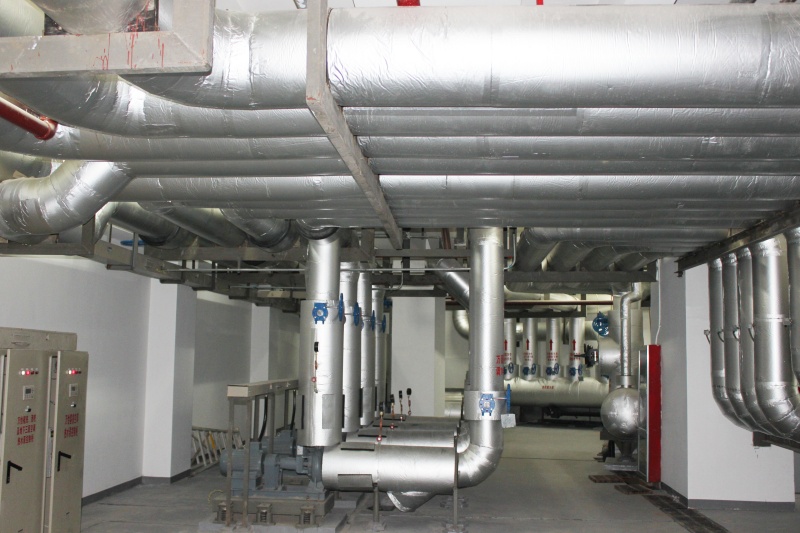
A showcase of industrial, commercial, and energy transport installations using Kingflex insulation systems.
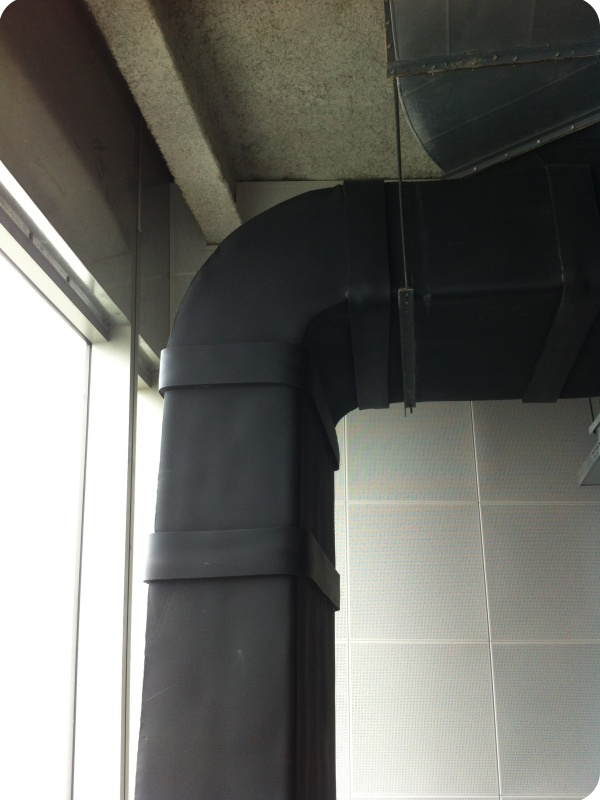

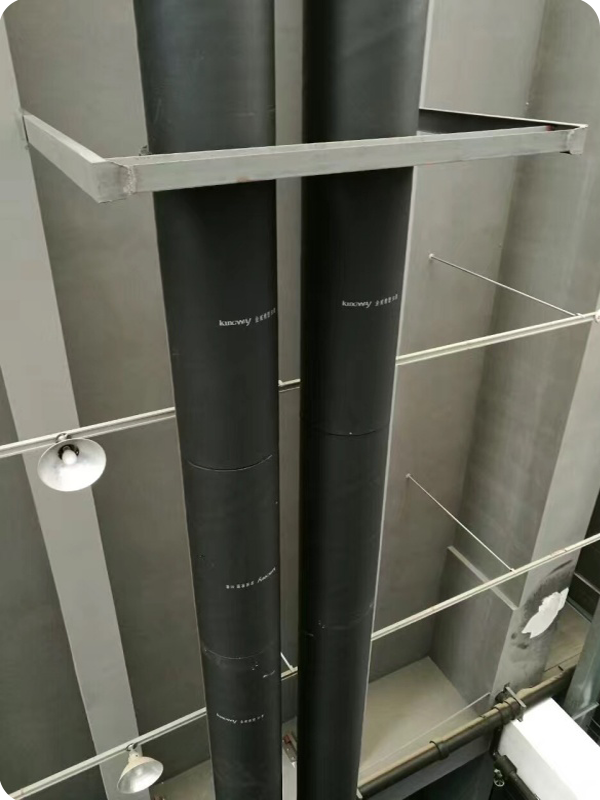
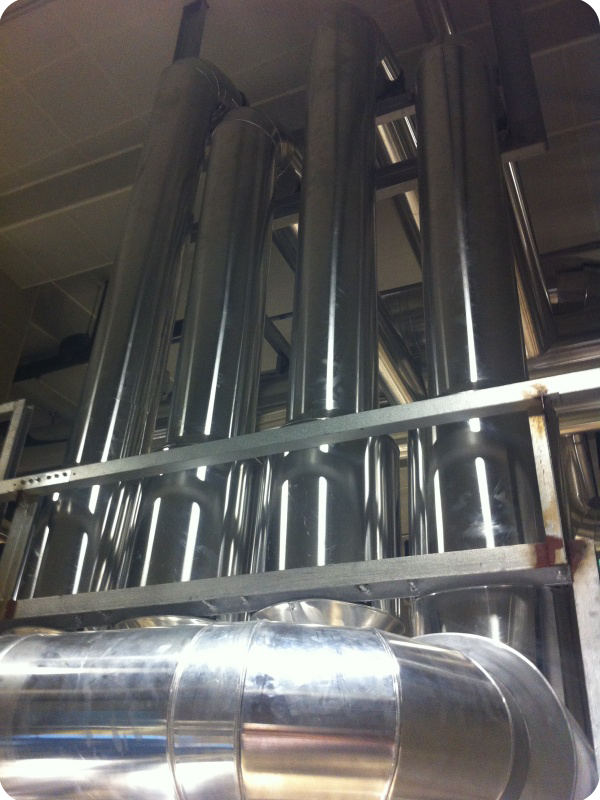
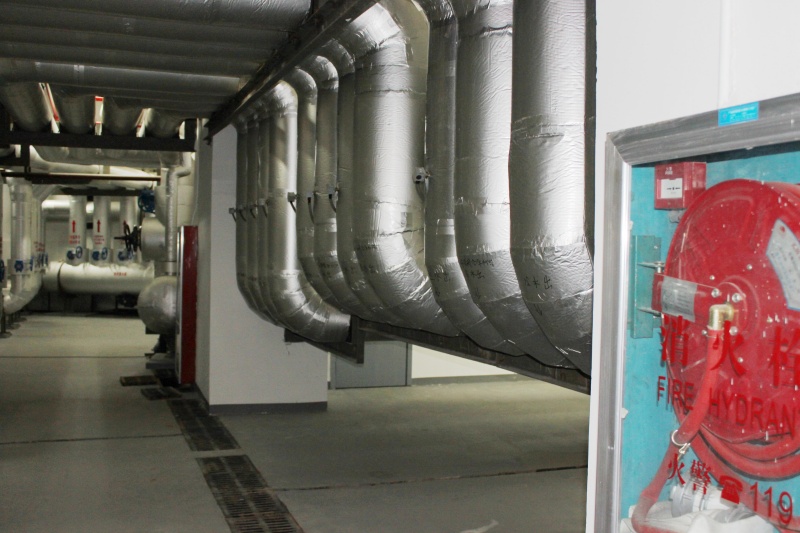
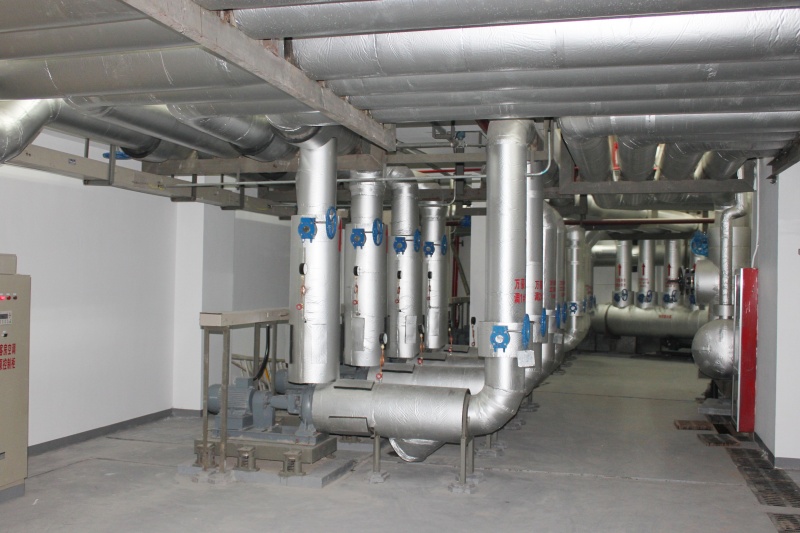
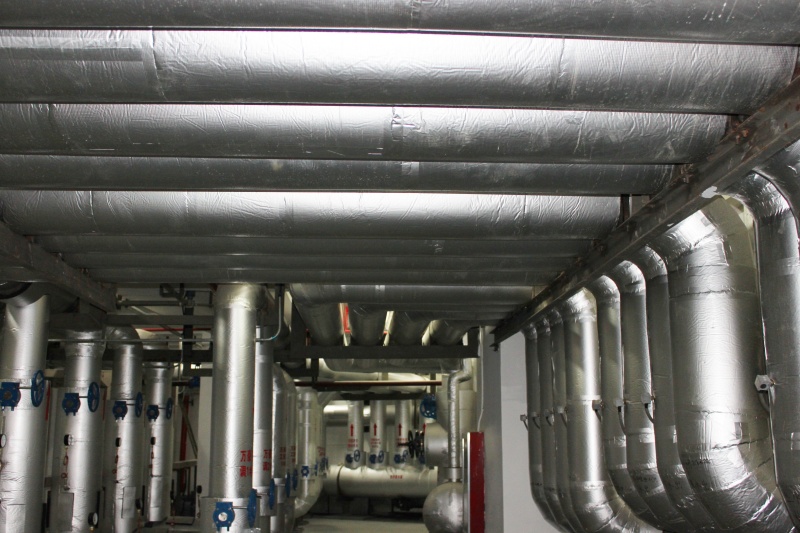
From centralized airport HVAC systems to marine LNG carriers, the physical integrity of Kingflex elastomeric materials stands up to severe climate demands. Operating with a continuous temperature capacity of -40°C to +105°C, these projects demonstrate zero condensation failure and excellent mechanical longevity.
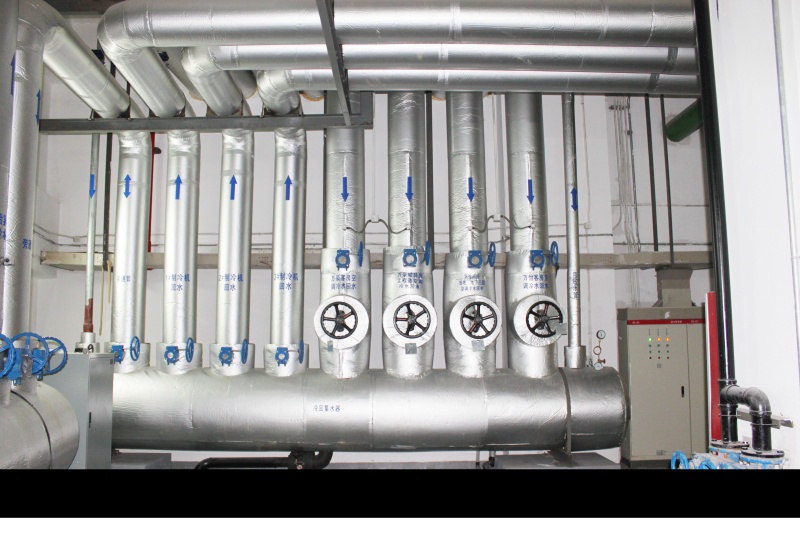
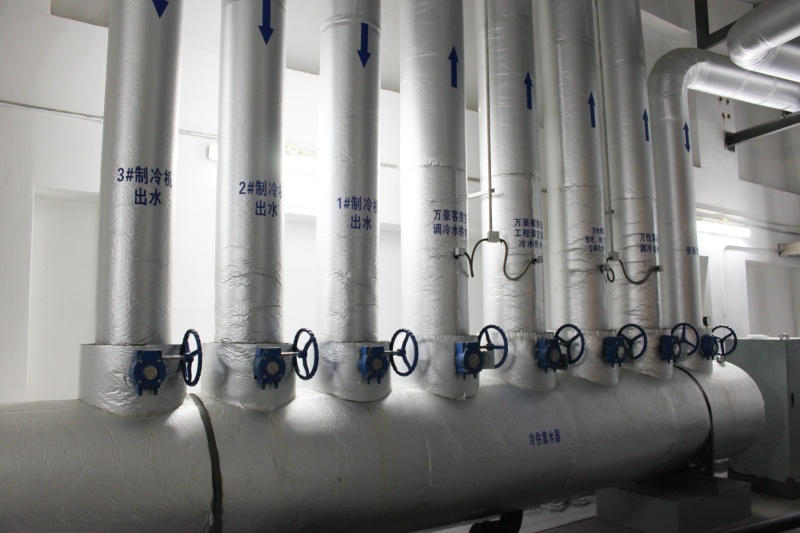
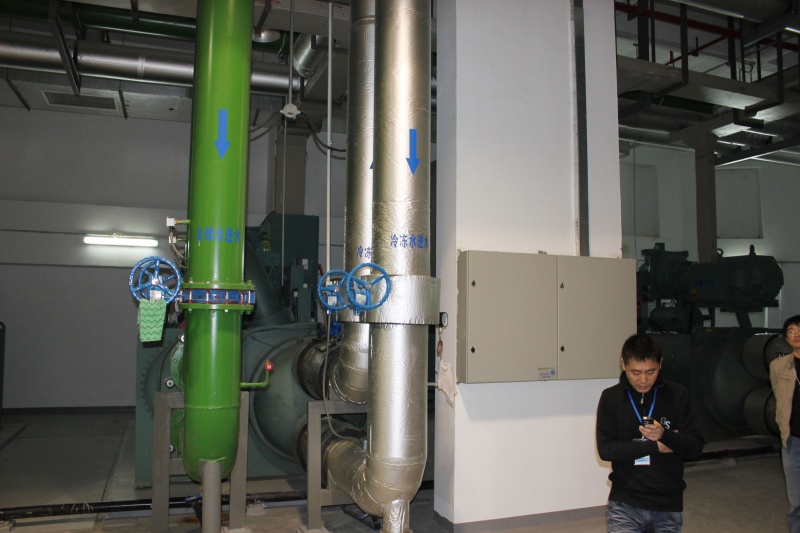
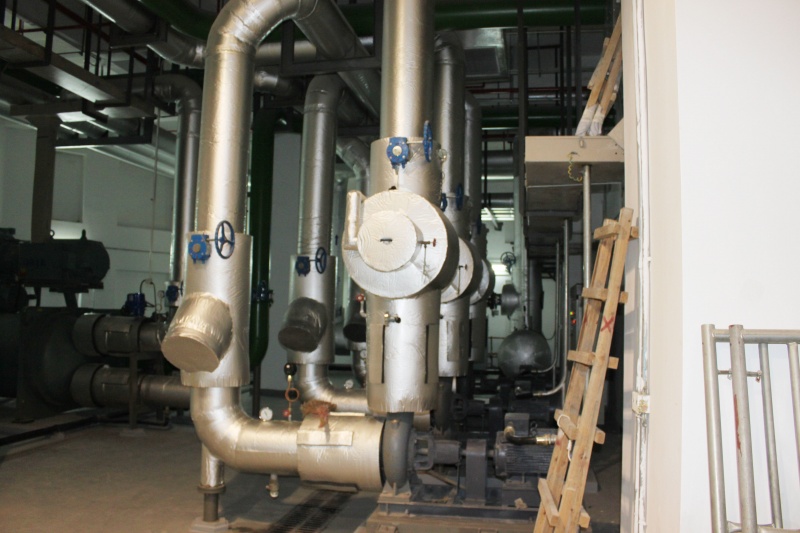
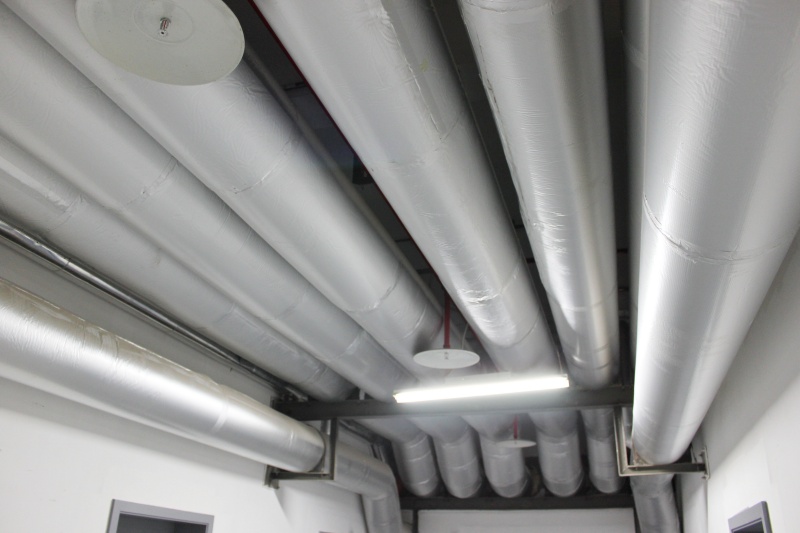

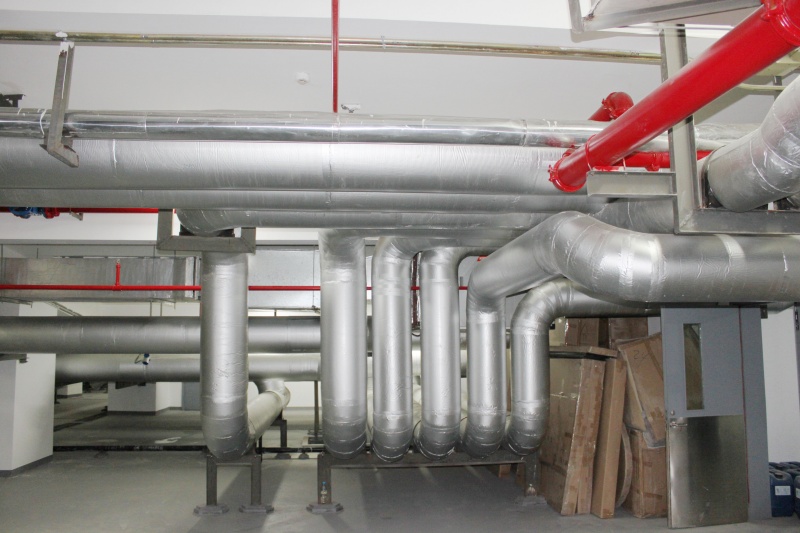

The insulation industry is evolving rapidly, driven by the demand for energy-efficient building systems. Kingflex’s engineering department is focused on three primary areas of development:
1. Hybrid Aerogel Composites: We are testing methods to integrate silica aerogel matrices into the base NBR/PVC melt. This aims to lower the thermal conductivity value to 0.022 W/mK, allowing for thinner insulation profiles without compromising thermal performance.
2. Bio-sourced Base Polymers: In response to the demand for circular building materials, we are developing plant-based polymers to replace petroleum-derived inputs, reducing carbon footprint while maintaining fire retardance and moisture resistance.
3. Non-halogenated Flame Retardants: While our current brominated flame retardants meet standard building regulations, we are shifting towards eco-friendly mineral-based additives to limit smoke toxicity in enclosed environments.
Direct answers from our engineering division regarding elastomeric rubber thermal insulation sheets.
A1: It is primarily used for commercial HVAC ductwork, chilled water and condensate piping systems, solar hot water collectors, industrial processing piping, and sound isolation panels. Its moisture resistance prevents condensation and corrosion under insulation (CUI).
A2: Yes. The material meets BS 476 Part 7 Class 1 (surface spread of flame) and UL 94 Class V-0 ratings. It self-extinguishes upon fire source removal and resists structural flame propagation.
A3: Rubber foam features a flexible, closed-cell, moisture-impermeable structure (high μ factor), making it ideal for refrigeration, HVAC, and condensation control. Rock wool is an open-fiber mineral matrix that tolerates much higher temperatures (often over 1000°C), making it better suited for high-temperature steam lines and Class A1 firewalls, but it requires a separate vapor jacket to prevent water saturation.
A4: Yes. We offer comprehensive OEM/ODM options, including custom wall thicknesses (6mm to 50mm), inner pipe diameters, sheet widths, and specialized self-adhesive or foil facers.
A5: Kingflex products are certified under BS 476, CE, REACH, RoHS, UL94, and ASTM. This ensures compliance with standard fire, health, and environmental safety regulations globally.
A6: Yes. Every production batch is marked with a tracking code that details the raw material inputs, processing parameters, and quality control test records.
A7: We produce thickness ranges starting at 6mm up to 50mm, available in standard roll widths of 1m, 1.2m, and 1.5m.
A8: Under standard operational conditions within the temperature limits of -40°C to +105°C, the estimated service life ranges between 10 and 15 years, depending on UV exposure and mechanical stress.
Specific performance values for our flagship black rubber sheet range, designed for industrial plants and air handling systems.
Material base: Nitrile Butadiene Rubber (NBR) and Polyvinyl Chloride (PVC) blend.
Available Thicknesses: 6mm, 9mm, 13mm, 19mm, 25mm, 32mm, 40mm, 50mm.
Density range: 40 to 55 kg/m³.
Operating Range: -40℃ to +105℃.
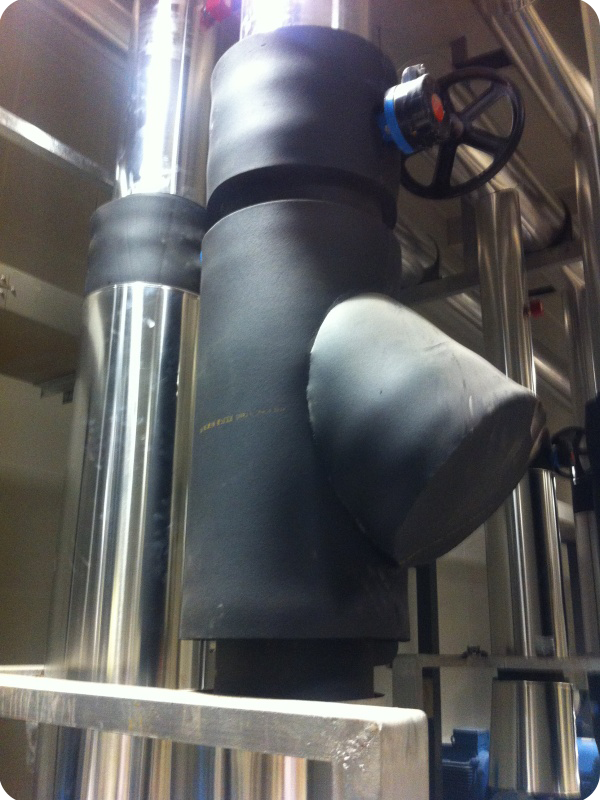
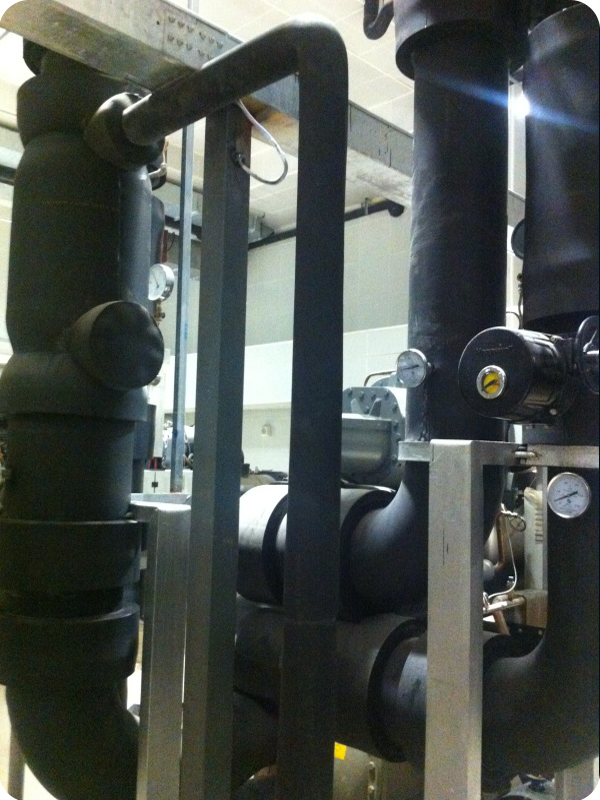

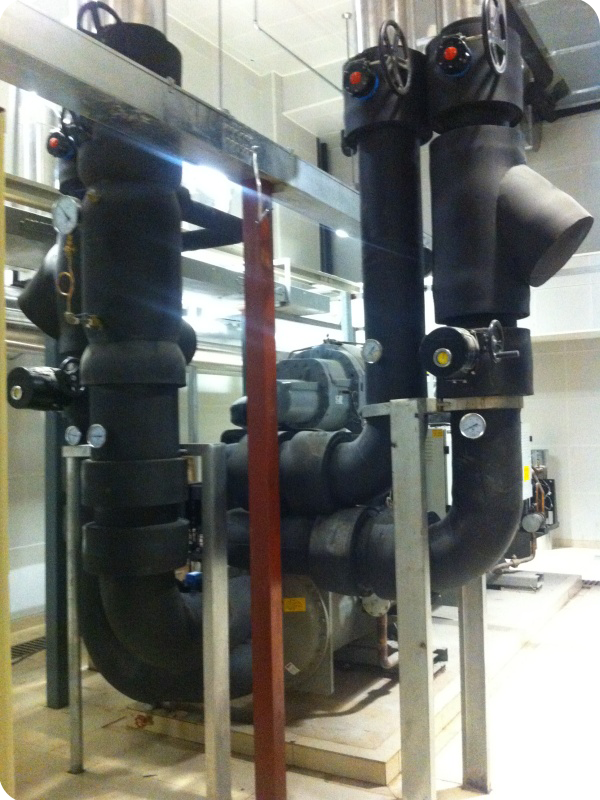
Browse our selection of specialized elastomeric pipes, fire-retardant barriers, and system components for global distribution.
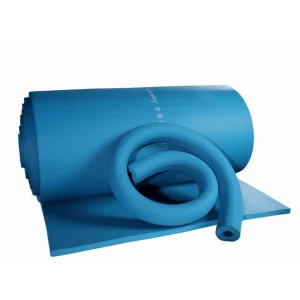
A reference gallery showing our international container packaging, storage capacity, and raw material processing.




 Kingflex