 Kingflex
Zero Halogen
BS EN 13501-1
Engineered to exceed strict fire safety specifications, these four primary high-performance thermal insulation solutions lead our architectural and industrial range.
The UK construction, HVAC, and industrial processing markets have undergone profound regulatory transformations over the past decade. Following the structural changes to building regulations post-Grenfell, the emphasis on material composition and reaction-to-fire classification is unprecedented. In accordance with the amended UK Building Regulations Part B (Fire Safety) and the rigorous demands of British Standards such as BS 476 Part 6 & 7, specifiers, mechanical consultants, and main contractors are progressively banning halogenated materials.
Halogen-free elastomeric insulation has transitioned from a niche choice to a critical specification requirement for high-density public spaces, critical server environments, and key public sector buildings. When conventional insulation materials containing chlorine or bromine catch fire, they release toxic halogen acid gases (such as hydrogen chloride). In contrast, our halogen-free elastomerics ensure minimal smoke toxicity, zero acid generation, and significantly improved visibility indexes, allowing occupants to evacuate safely.
"Regulatory alignment with Class 0 fire ratings and Euroclass B-s1, d0 parameters has accelerated the demand for halogen-free closed-cell systems in critical London data centres and major transport upgrades like HS2 and the London Underground network."
Understanding the molecular advantage of low-smoke, non-halogenated thermal systems over traditional NBR/PVC foams.
Eliminating chlorine and bromine entirely from the base polymer matrix. Utilising clean hydrocarbon compounds to eliminate acidic gas emissions during thermal events.
Incorporating synthetic Aluminium Trihydroxide (ATH). When exposed to heat, ATH undergoes endothermic decomposition, releasing pure water vapour to suppress flame spread.
A cell density exceeding 98% prevents ambient moisture ingress. This maintains consistent thermal performance (λ ≤ 0.034 W/m·K at 0°C) and stops under-insulation corrosion.
For UK specification writers, thermal conductivity performance must not come at the expense of fire safety. Standard elastomeric insulation uses chlorinated paraffin flame retardants, which release dense black smoke and acid gas in a fire. Our halogen-free solutions feature a refined compound structure that meets critical fire, smoke, and toxicity standards without losing the flexible properties of synthetic rubber.
| Performance Characteristic | Halogen-Free Elastomeric System | Standard NBR/PVC Elastomeric | Technical Testing Standard Reference |
|---|---|---|---|
| Thermal Conductivity (λ at 0°C) | ≤ 0.034 W/(m·K) | ≤ 0.033 W/(m·K) | BS EN ISO 8497 / ASTM C518 |
| Water Vapour Resistance (μ-factor) | ≥ 10,000 | ≥ 10,000 | BS EN 12086 / ASTM E96 |
| Halogen Acid Gas Emission | 0% (Totally Acid-Free) | Highly acidic (HCl release) | BS EN 50267-2-1 / IEC 60754-1 |
| Smoke Density & Toxicity Class | s1 (Minimal smoke creation) | s3 (Dense, blocking smoke) | BS EN 13501-1 / EN ISO 5659-2 |
| Operating Temperature Limits | -50 °C to +105 °C | -50 °C to +105 °C | BS EN 14706 / ASTM C411 |
Different industries require unique structural properties. Our halogen-free solutions are tailored to meet the technical demands of several key sectors:
In high-rise developments across major UK cities, fire-safe building services are essential. Our halogen-free sheets and tubes prevent condensation on chilled water pipes and air conditioning systems. The non-corrosive, clean chemistry also protects copper and stainless steel piping from stress corrosion cracking.
Modern data centers house high-value electrical and network systems. Using halogen-free thermal insulation is critical to protect sensitive servers from acidic soot damage in a fire, ensuring maximum uptime and data integrity.
For liquefied natural gas (LNG) terminals and chemical processing plants, thermal protection is required at cryogenic temperatures. Our specialized cryogenic systems retain flexibility down to -200°C, providing structural vibration resistance and thermal efficiency.
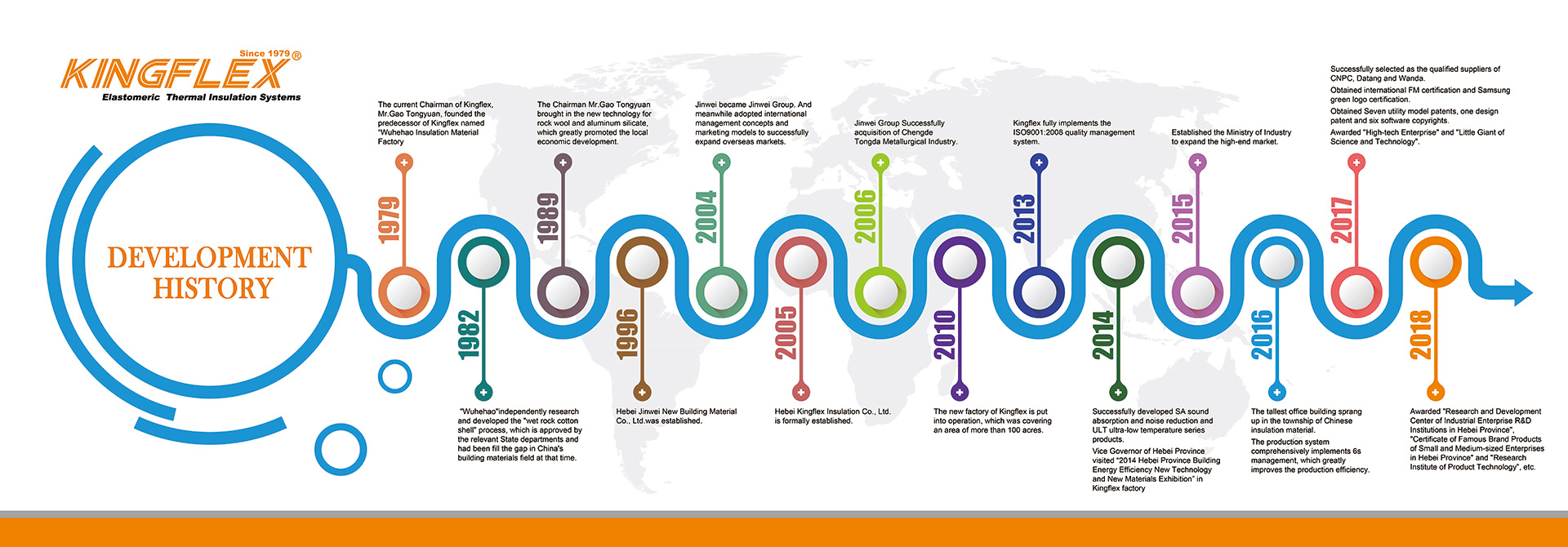
Kingflex Insulation Co., Ltd. combines advanced manufacturing facilities with efficient global distribution networks to support UK developers and distributors.
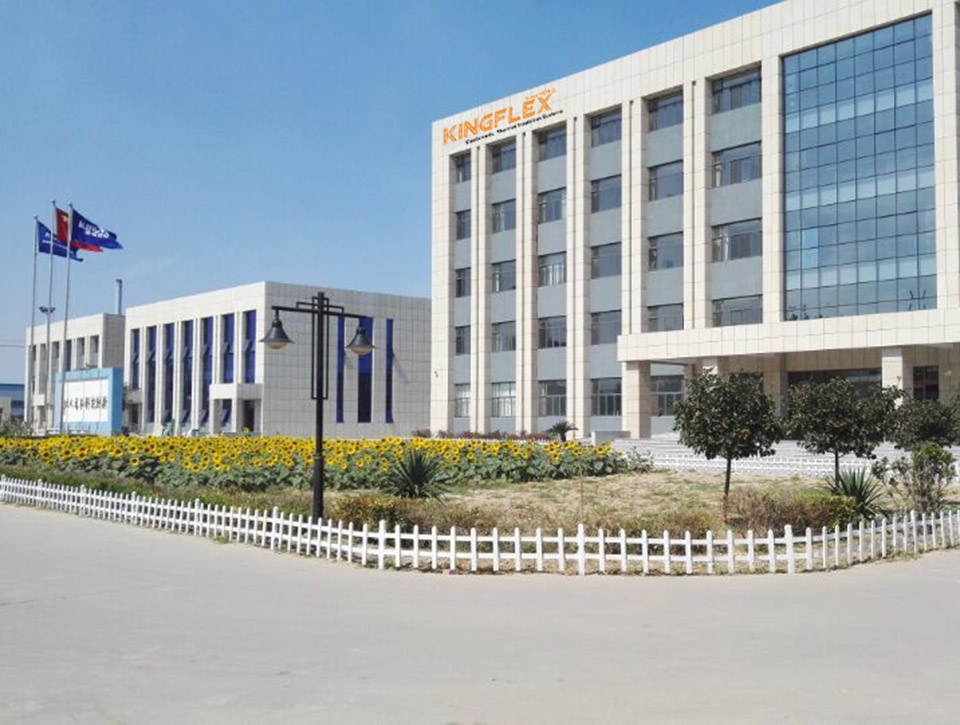
Our production facilities in Dacheng, China, operate under a Factory 4.0 model, using smart manufacturing technologies to ensure high precision and consistent material performance. Our five automated extrusion lines maintain uniform cell sizes across sheet rolls and pipe sections.
With an annual capacity of over 600,000 cubic meters, Kingflex maintains steady production schedules to keep projects running on time. This high output helps absorb raw material market fluctuations, offering competitive pricing for large-scale developments in the UK.
All materials are fully traceable from raw chemical components to final packed goods. Every production batch is marked and tested for density, flame spread index, and cell uniformity, giving contractors reliable material documentation.

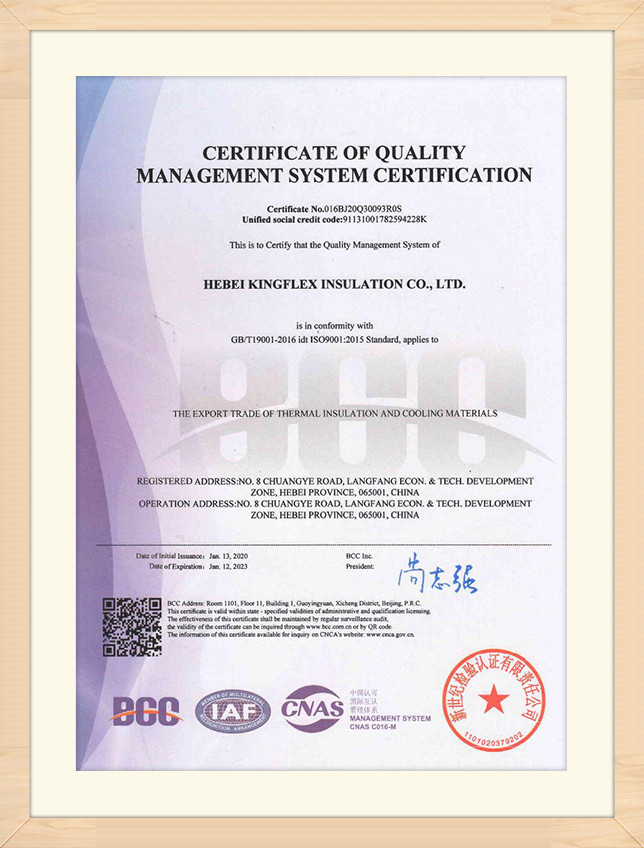
To meet UK regulatory requirements, our halogen-free elastomeric products undergo regular validation testing. We maintain certified quality processes that comply with current British standards:
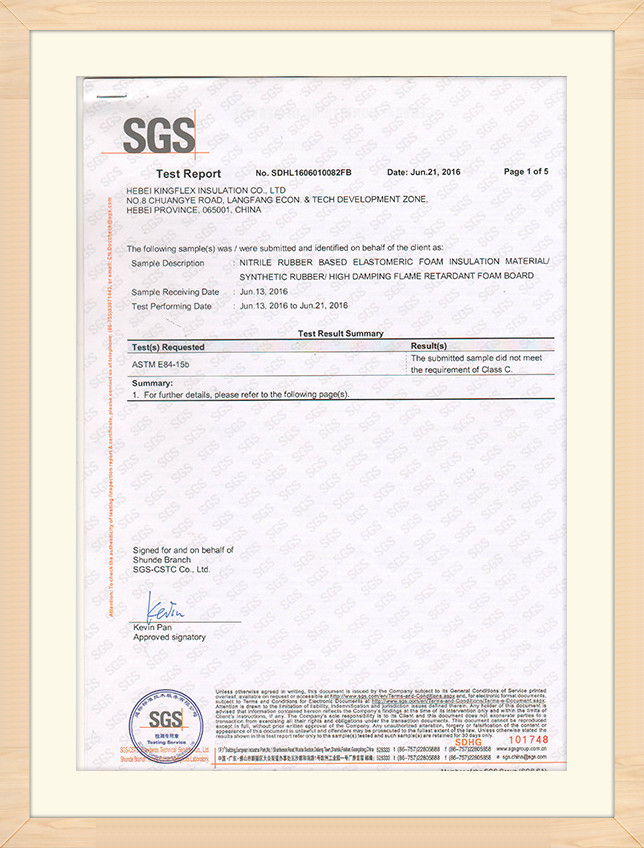
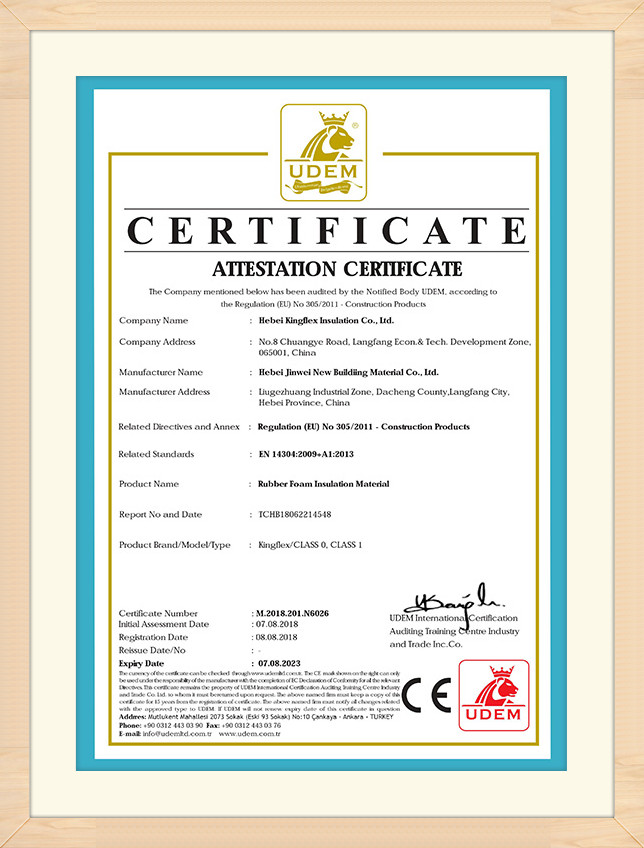
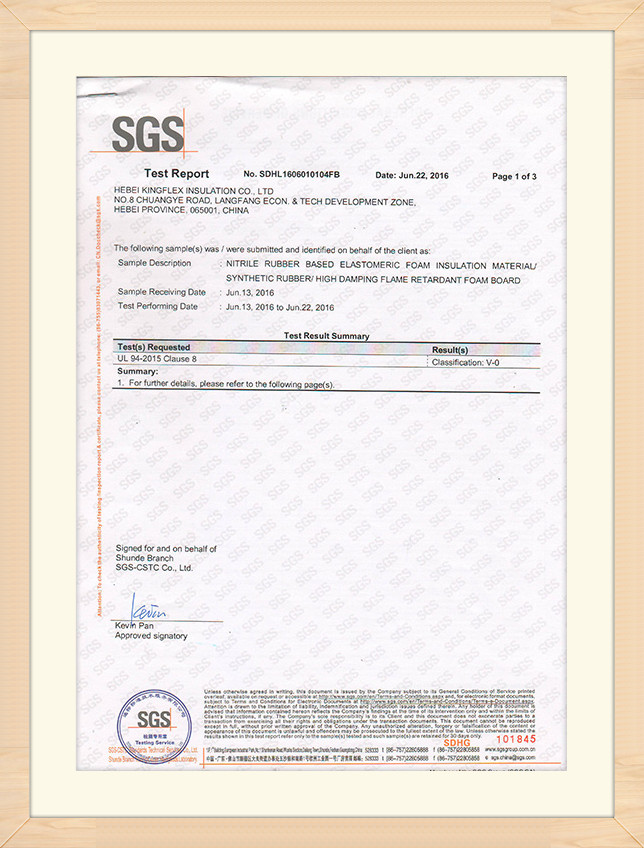
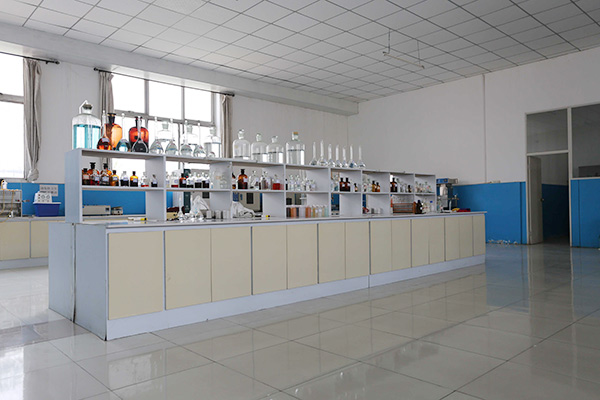
Our engineering laboratory continually tests raw materials to ensure product quality and meet customer specifications.
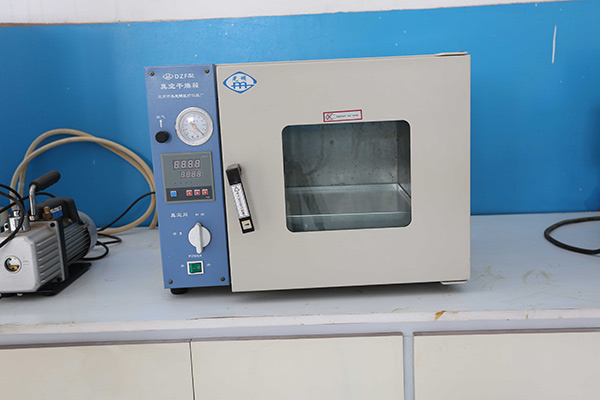
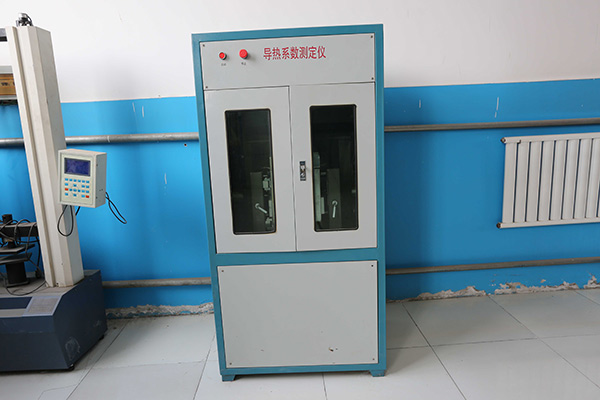

We work directly with contractors and commercial managers worldwide, providing verified product quality, fast dispatch, and complete documentation for customs clearance.




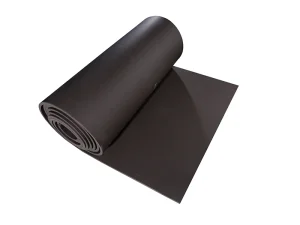
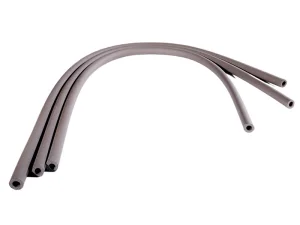
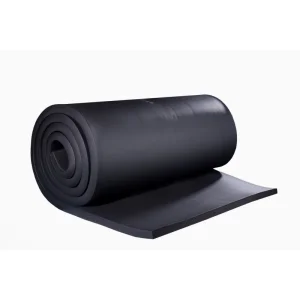
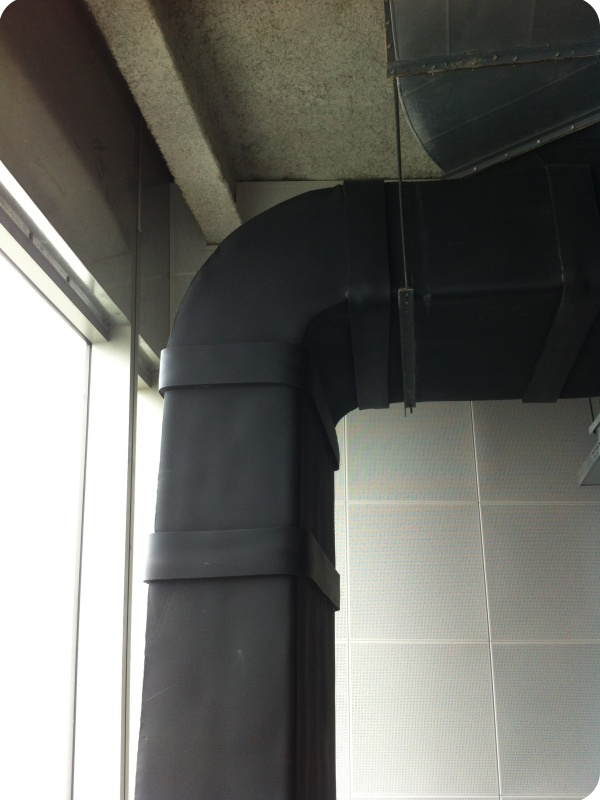
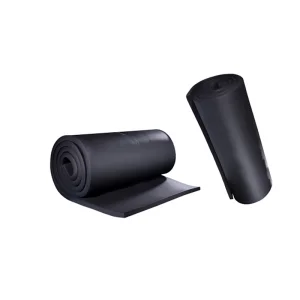
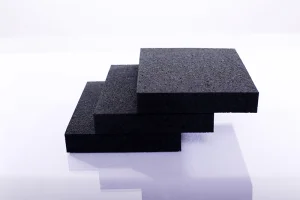
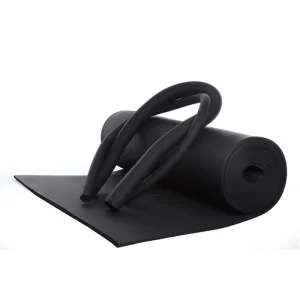
Our core range of black rubber foam insulation is manufactured in sheets and tubes, designed to support modern building services in the UK.
Ideal for air conditioning ducts, large piping systems, and flat surfaces.
| Material | NBR/PVC Elastomeric Foam |
| Thickness | 6mm - 50mm |
| Density | 40 - 55 kg/m³ |
| Service Temperature | -40℃ to 105℃ |

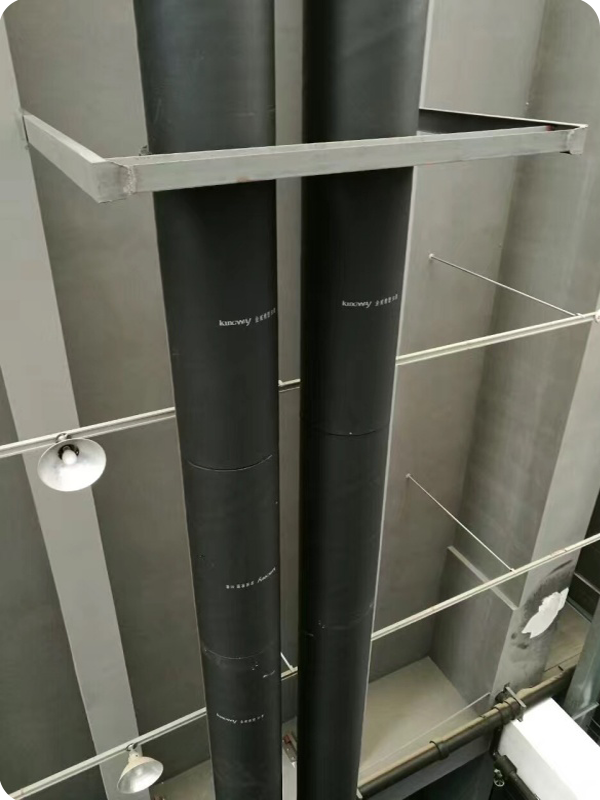

Designed for precise fit and thermal protection on hot and cold water pipelines.
| Material | NBR/PVC Elastomeric Foam |
| Thickness Range | 9mm - 40mm |
| Inside Diameter (ID) | 6mm - 114mm |
| Density | 40 - 55 kg/m³ |
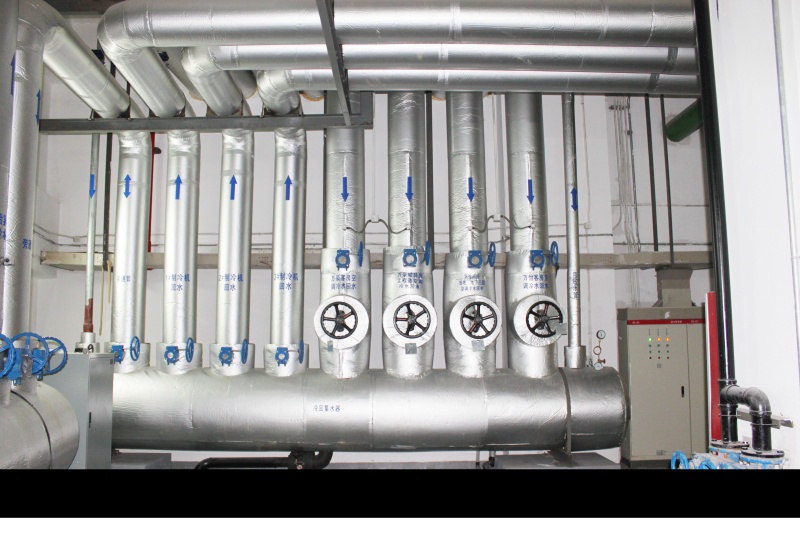
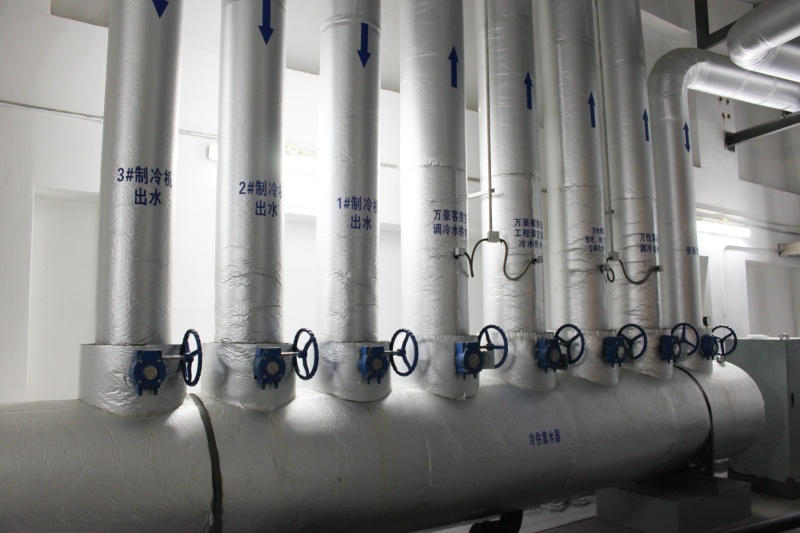
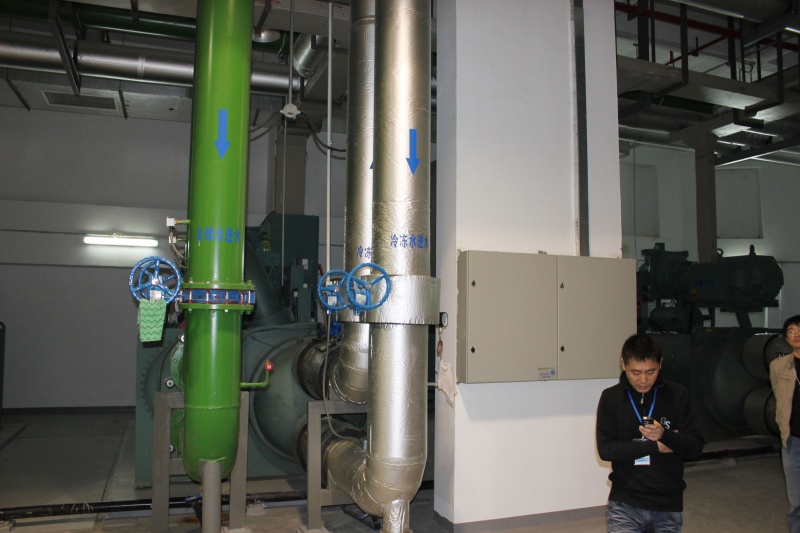
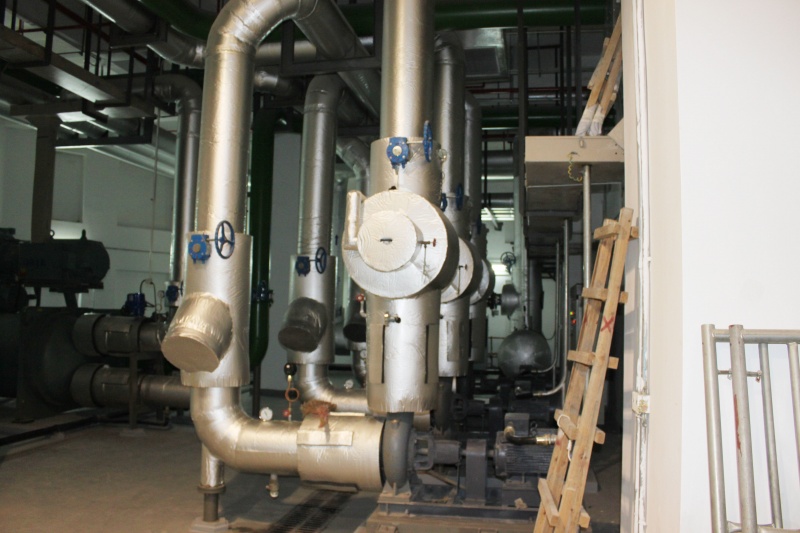


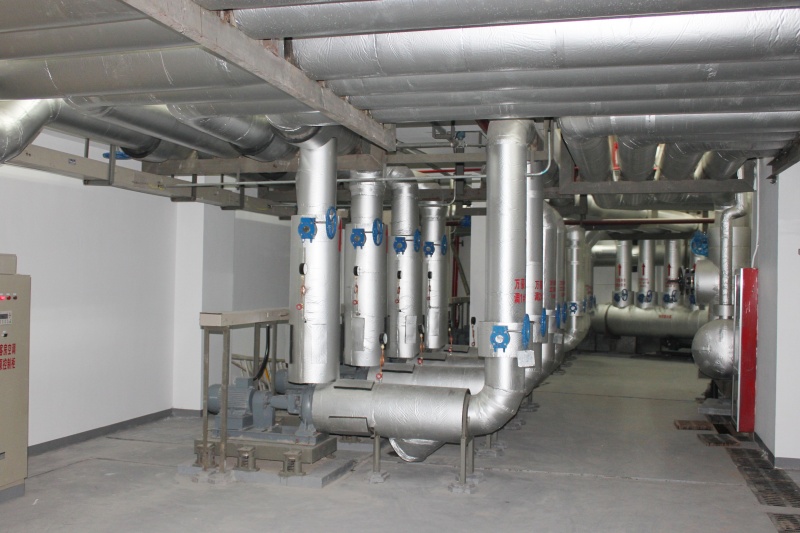
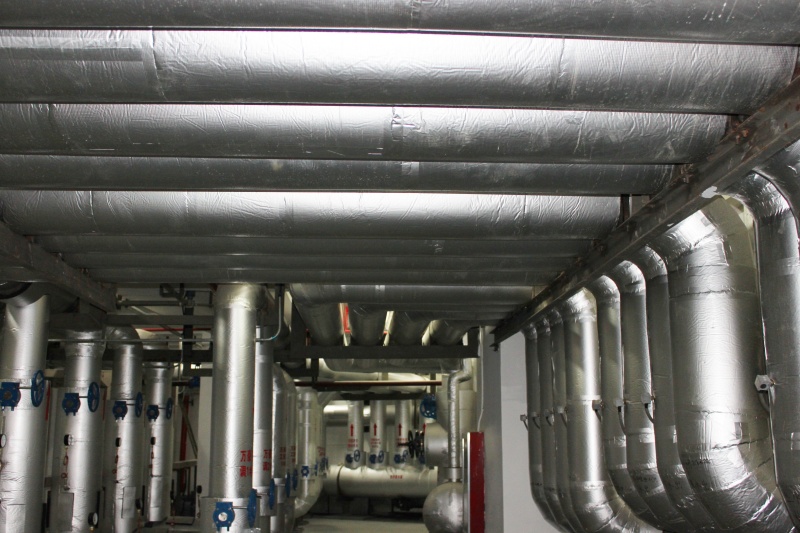
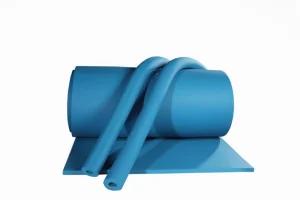
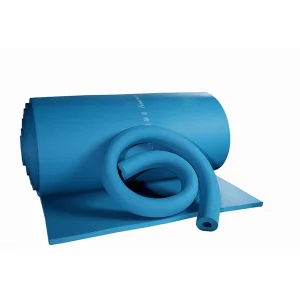
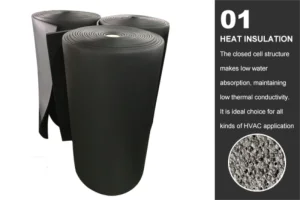
Explore our complete range of elastomeric materials, engineered blankets, and specialized cryogenic systems.
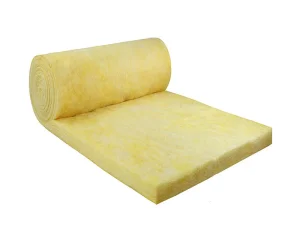
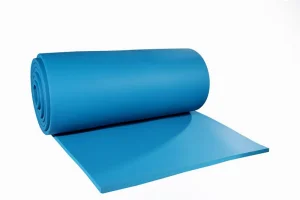
Get answers to common technical, design, and regulatory questions about halogen-free insulation systems.
It is mainly used for HVAC ducts, air conditioning pipes, building thermal insulation, industrial pipeline cold insulation, and sound insulation. The closed-cell structure makes it effective at preventing condensation on chilled water pipes and refrigeration lines.
Yes, our rubber foam insulation products are formulated with flame retardants to meet BS 476, Class 0, and other international building safety standards. They are self-extinguishing and designed not to propagate flames.
Rubber foam is a flexible, closed-cell material that provides excellent moisture resistance, making it ideal for HVAC and refrigeration systems where condensation is a concern. Rock wool is a fibrous material with high temperature resistance, commonly used for high-temperature industrial pipelines and acoustic installations.
Yes, we support OEM/ODM services. We can adjust dimensions, wall thicknesses, densities, and outer coatings to meet specific UK commercial and industrial project requirements.
Our products are tested and certified to international standards including BS 476 (Parts 6 & 7), CE, REACH, RoHS, UL94, and ASTM. This ensures compliance with structural fire safety regulations in Europe and the UK.
Yes, we maintain a complete batch traceability system from raw materials through production to final shipping. This allows us to verify product quality and consistency for all delivered orders.
We can manufacture sheet rolls in thicknesses ranging from 6mm to 50mm, allowing you to select the appropriate thickness to meet your project's thermal design requirements.
When installed correctly according to technical guidelines, our elastomeric rubber foam has a typical service life of 10 to 15 years, maintaining its physical properties and thermal performance throughout this period.