Engineered rubber-foam structures optimized for building codes, HVAC systems, and industrial acoustic dampening in the European Union.
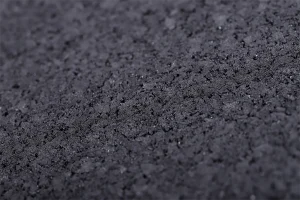
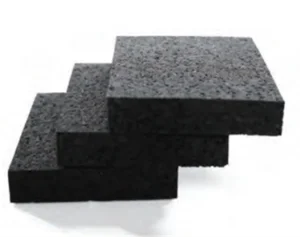
Italy’s strict passive acoustic requirements for buildings, established under the D.P.C.M. 5/12/97 decree, enforce minimum sound insulation performance levels across residential, commercial, and educational buildings. This legal framework requires high-performance sound absorption and impact-noise reduction products to mitigate transmission through floors, walls, and structural elements.
Concurrently, the manufacturing hubs of northern Italy—such as Lombardy, Veneto, and Emilia-Romagna—demand specialized industrial thermal and acoustic insulation. These materials are widely utilized in complex HVAC networks, heavy machinery enclosures, and low-temperature process piping to comply with EU occupational safety directives.
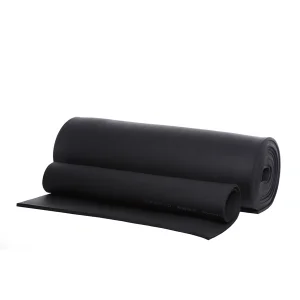
By leveraging advanced open-cell and closed-cell elastomeric rubber foams, Italian engineering contractors can achieve excellent sound pressure attenuation while maintaining low thermal conductivity, offering a dual-action thermal-acoustic solution.
Understanding the micro-structural mechanics of sound absorption insulation materials.
Acoustic insulation relies on converting sound wave kinetic energy into heat energy through viscous friction within a porous matrix. Elastomeric rubber foams accomplish this via two distinct cell configurations:
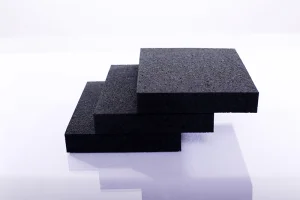
Open-cell elastomers features interconnected microscopic pathways. Sound waves enter the matrix, encountering resistance along the channel walls. This boundary-layer friction dampens mid-to-high frequency airborne noise (500Hz - 2000Hz), making it highly effective for duct linings, machine enclosures, and acoustic panels.
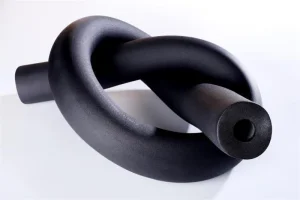
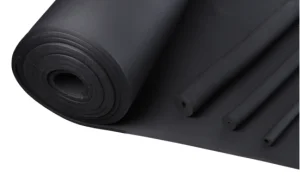
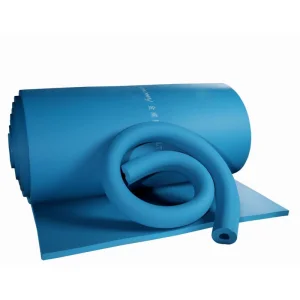
Closed-cell elastomers lock gas within independent, non-communicating cells. While primarily used for low-frequency vibration isolation, its main advantage is thermal and moisture control. It provides excellent resistance to water vapor transmission, preventing condensation and secondary structure-borne noise in chilled water systems.
| Property | NBR/PVC Open Cell Foam | Closed Cell Elastomeric Foam | Standard Test Method |
|---|---|---|---|
| Density | 40 - 55 kg/m³ | 45 - 60 kg/m³ | ASTM D1622 |
| Thermal Conductivity (at 0°C) | ≤ 0.038 W/(m·K) | ≤ 0.034 W/(m·K) | ASTM C518 |
| Moisture Resistance Factor (μ) | ≥ 1,500 | ≥ 10,000 | EN 12086 |
| Noise Reduction Coefficient (NRC) | 0.65 - 0.85 | 0.15 - 0.30 | ASTM C423 |
| Service Temperature Range | -40°C to +105°C | -200°C to +125°C | EN 14706 |
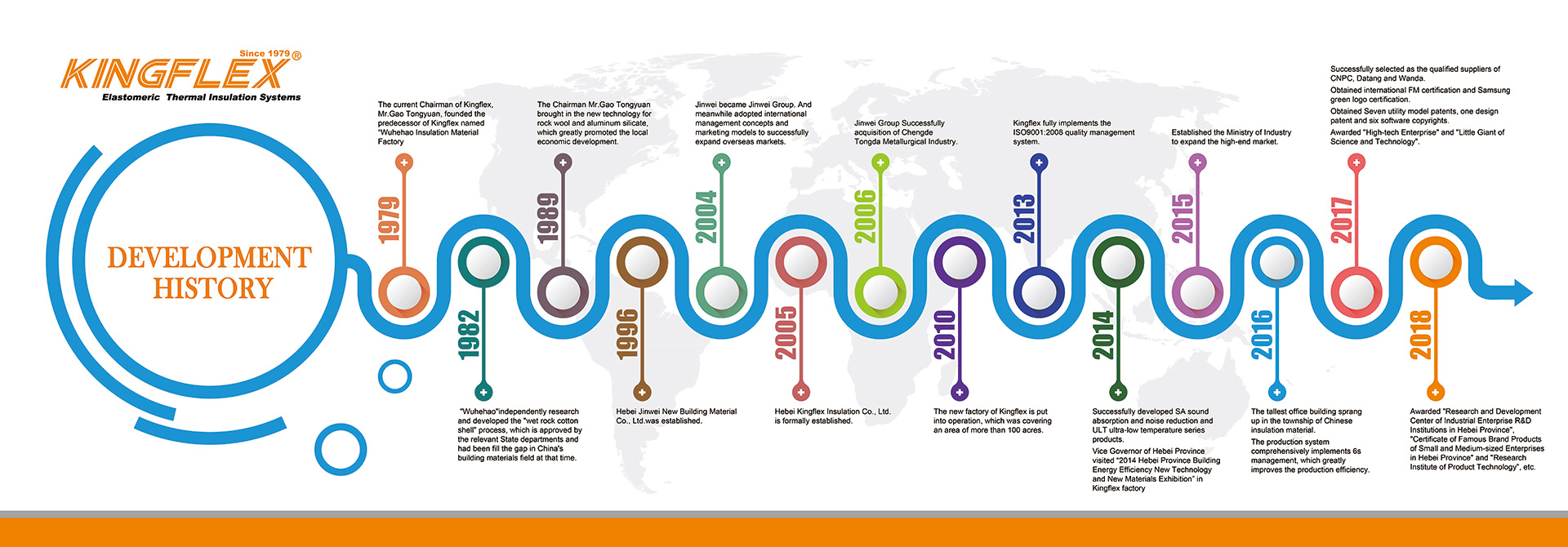

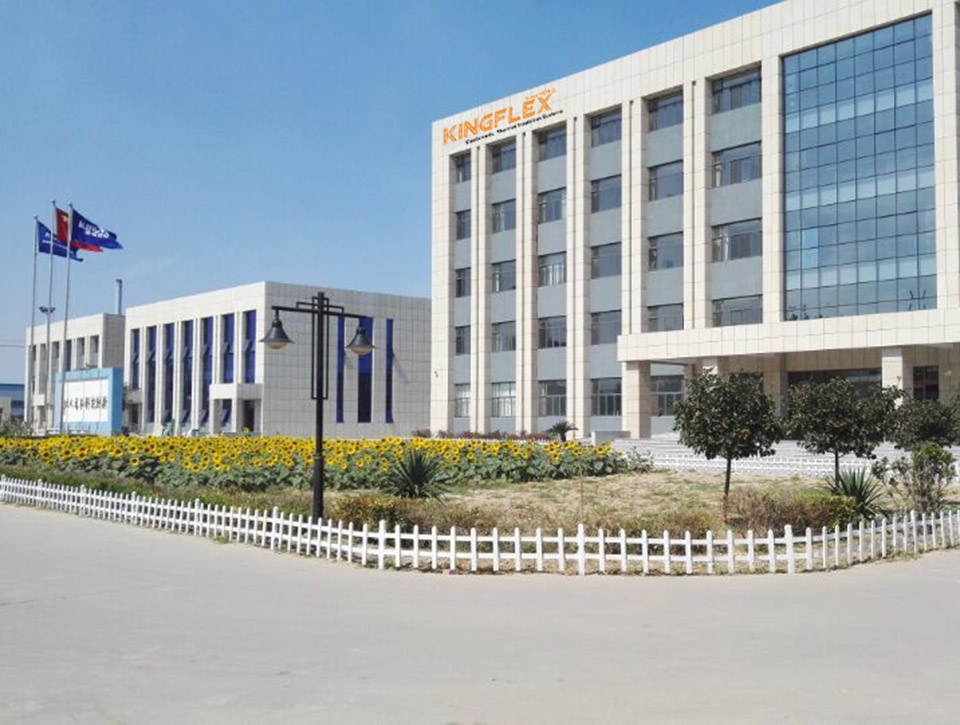
Established under the Jinwei Group, which has a manufacturing heritage dating back to 1979, Kingflex has grown to become a leading thermal and acoustic insulation producer. Based in Dacheng, China, we operate as an energy-saving, environmentally focused enterprise integrated across research, development, production, and distribution.
Our operation is built on sustainable energy-saving concepts. We support global construction and industrial infrastructure by providing comprehensive insulation solutions through technical consultations, product development, installation guidance, and post-sale support.
Our specialized team consists of 8 professional R&D engineers, 6 international trade specialists, and over 230 production personnel, enabling us to deliver reliable quality control and smooth logistics handling.
Performance profiles for standard configurations optimized for commercial building HVAC and industrial piping.
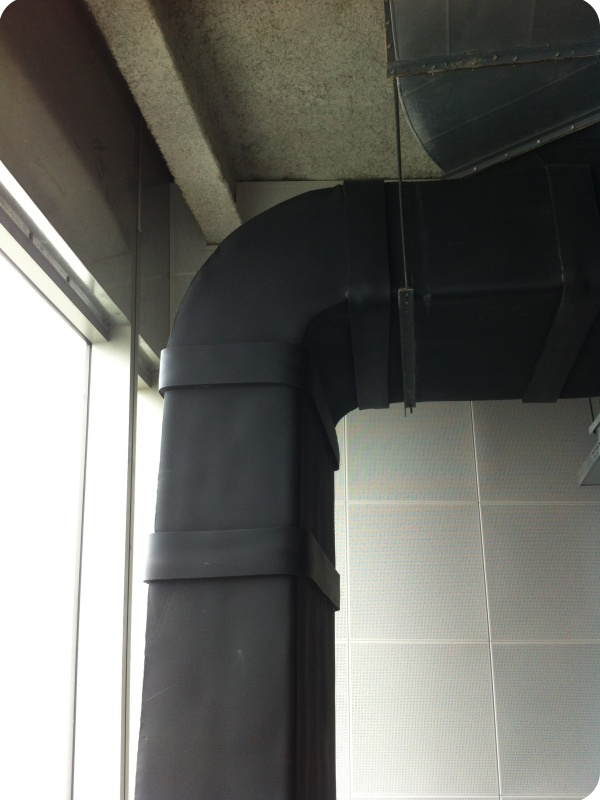


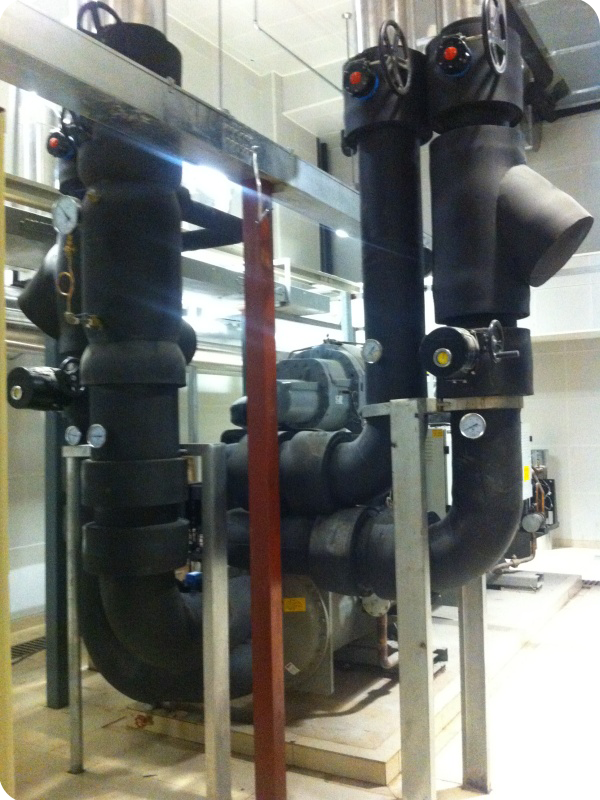
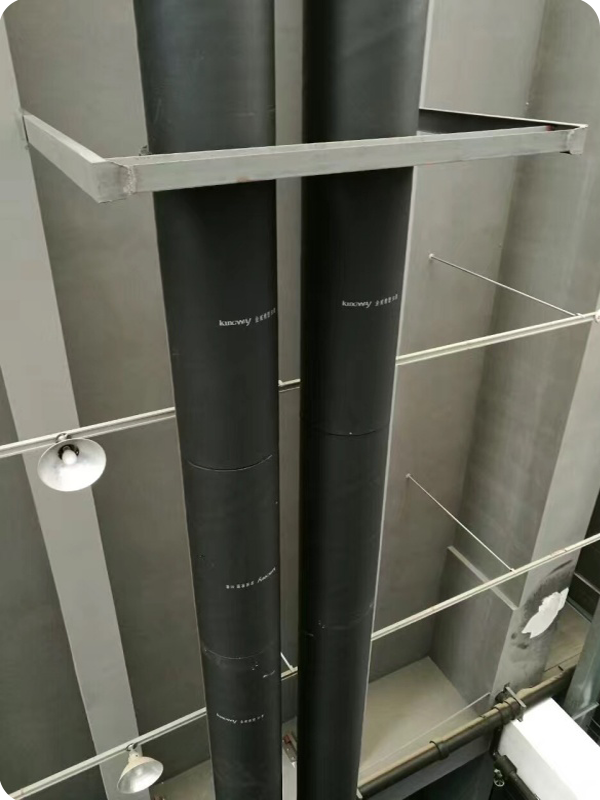
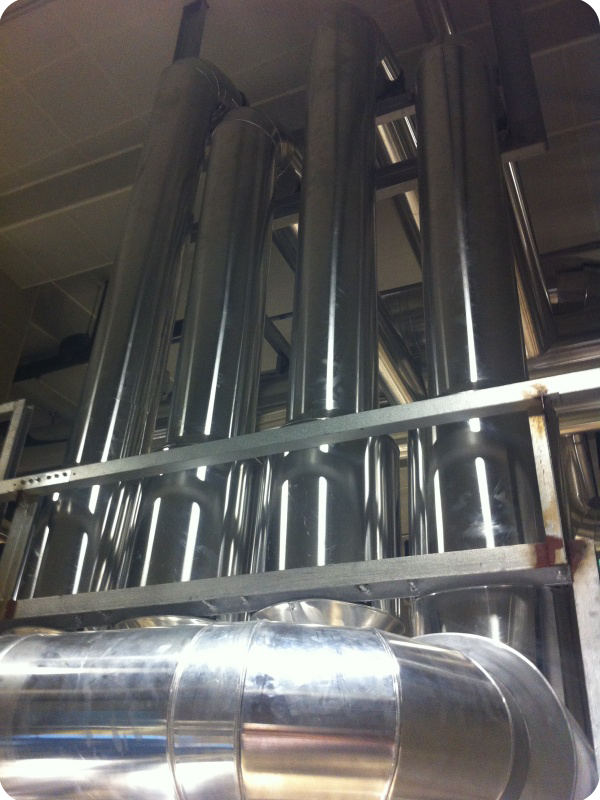
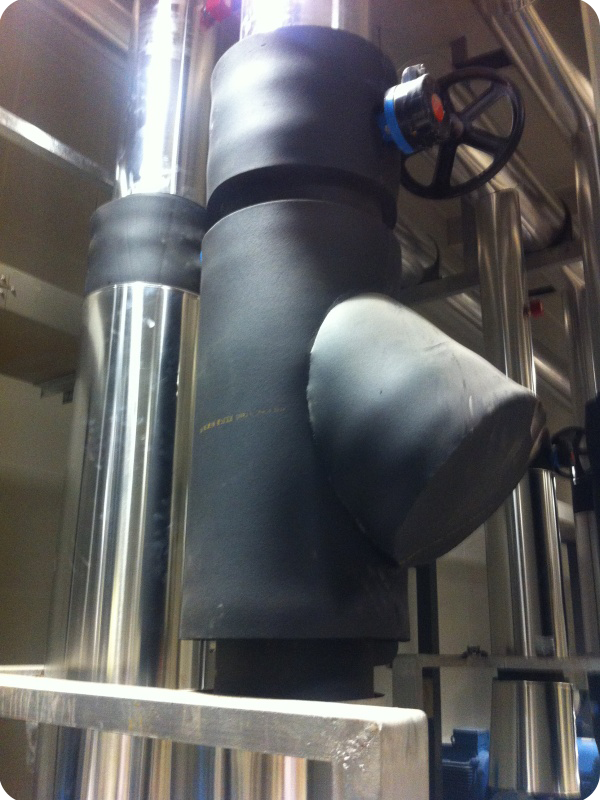
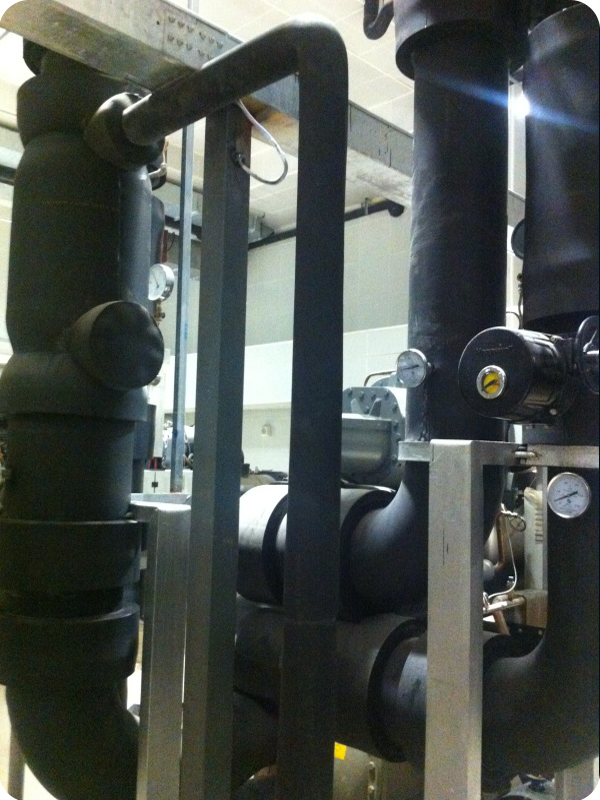
Targeted solutions for specialized industrial damping and mechanical protection under severe environmental exposure.
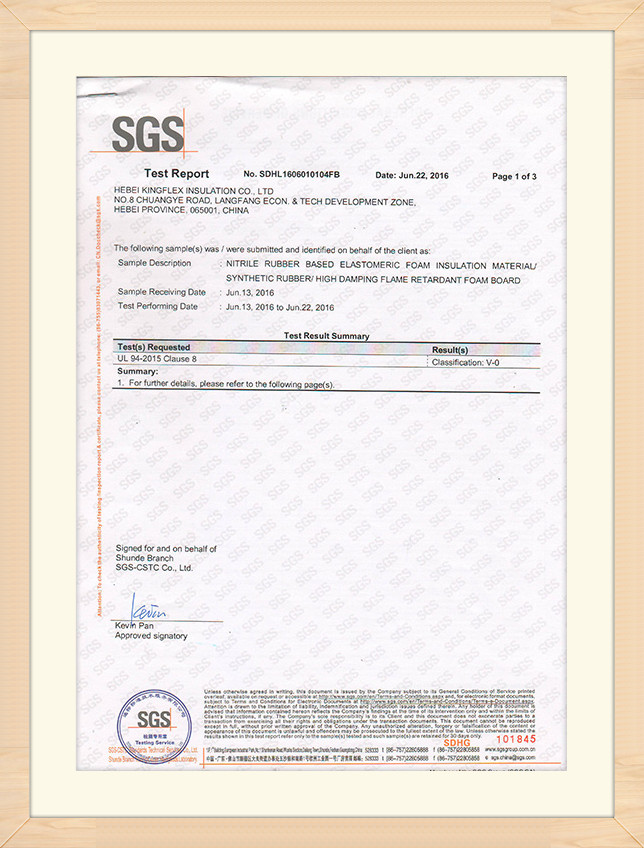
Ensuring compliance with EN, BS, UL, and ASTM standards for the European market.
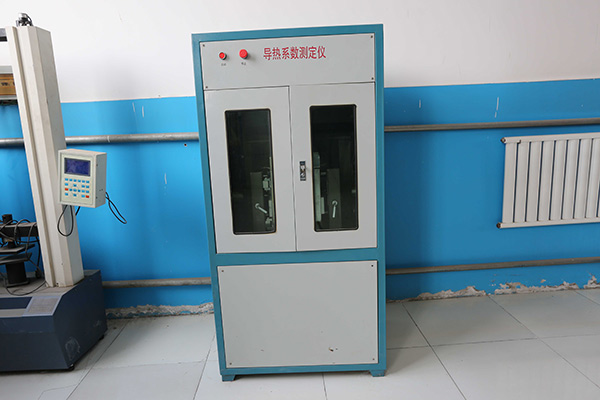
Our research and development facility is equipped to conduct rigorous thermal and acoustic testing. Product batches undergo systematic evaluation to verify parameters such as moisture absorption, density distribution, cell structure regularity, and fire safety classification. Our manufacturing is aligned with international standards to ensure reliability across building and industrial projects.
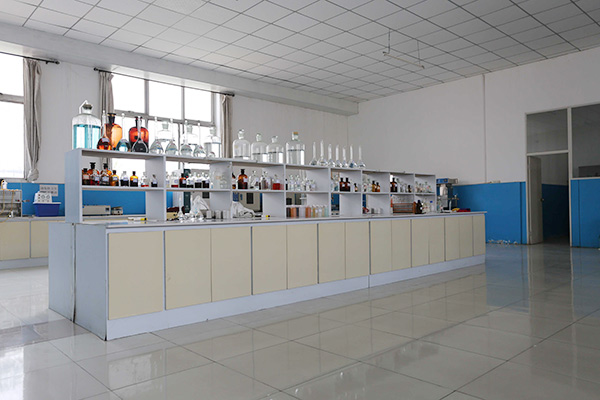
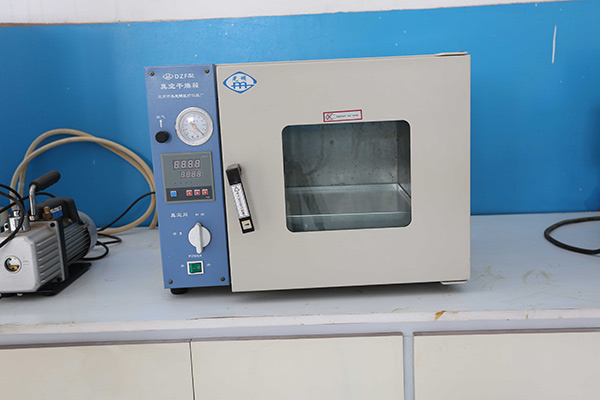
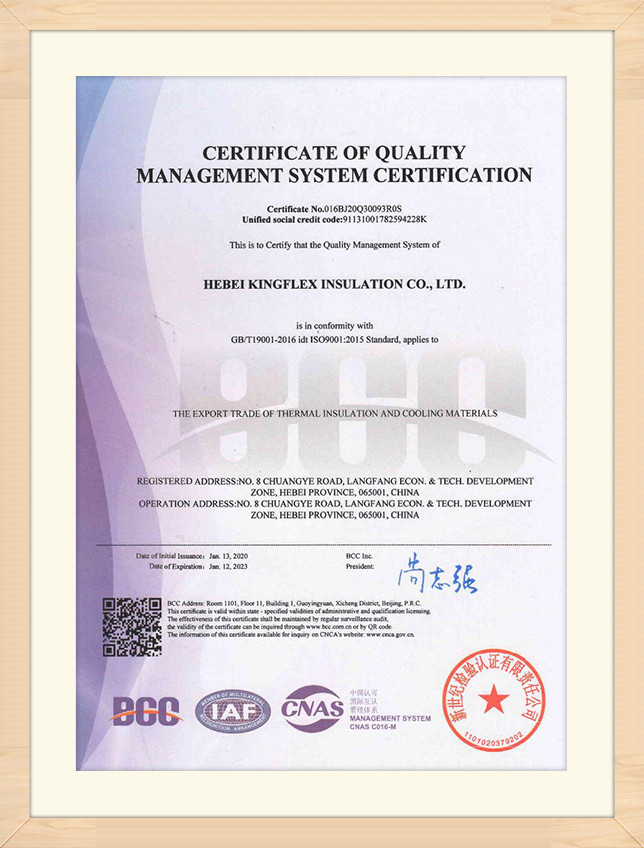
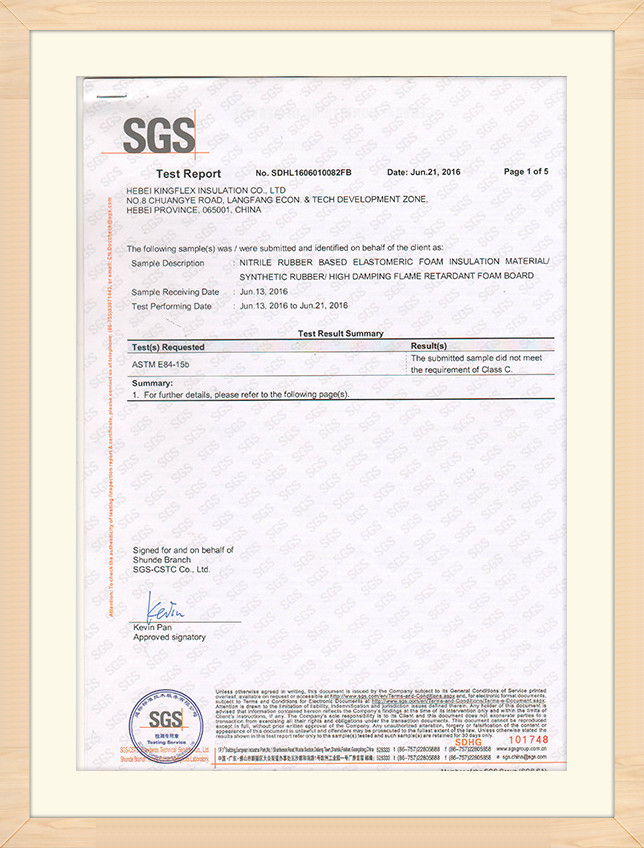
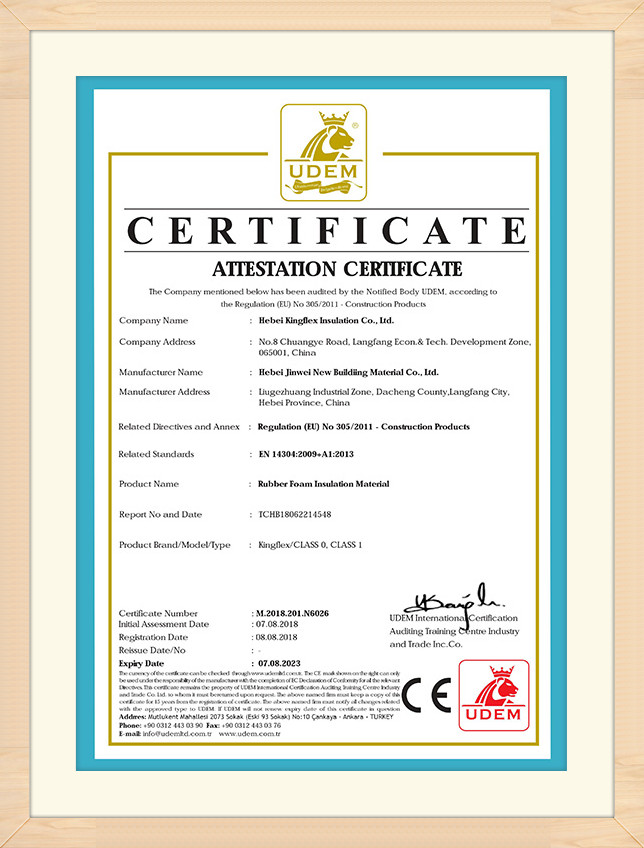

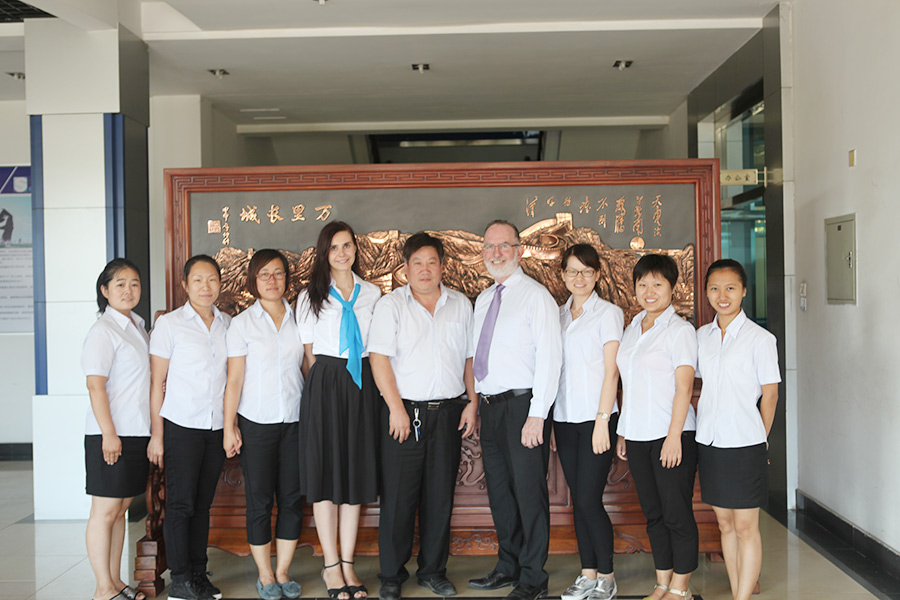
Verifiable feedback from global buyers and distributors highlighting our communication standards and material performance.
Our sales team works directly with engineers and buyers globally to resolve logistics challenges and confirm specification compliance. We supply tracking information, material data sheets, and custom packaging configurations to streamline importing procedures for European ports.





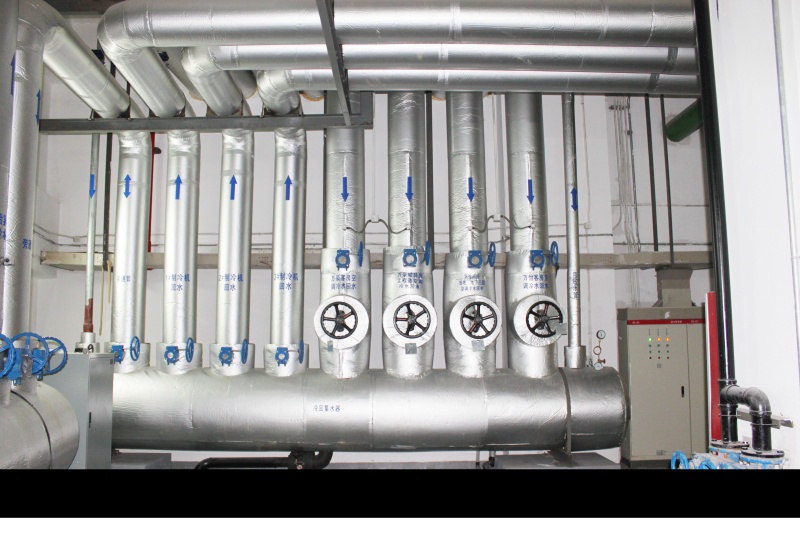
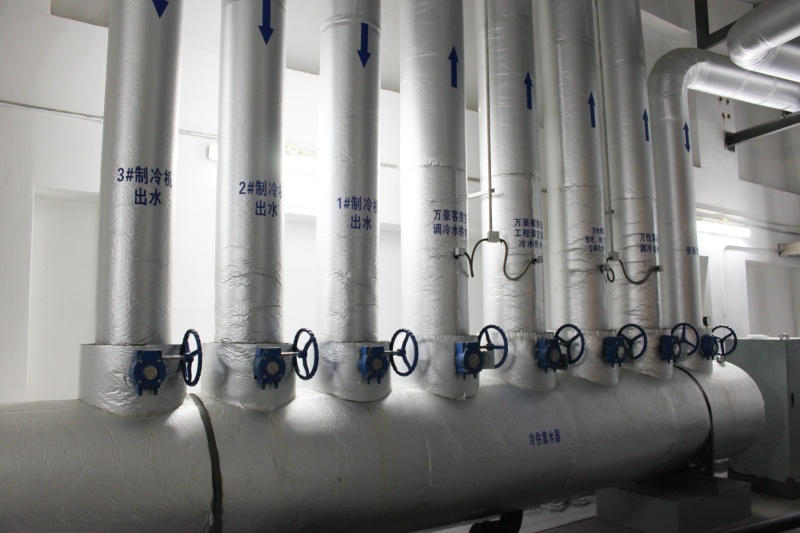
From historic civic buildings to heavy marine applications, how Kingflex meets Italy's environmental demands.
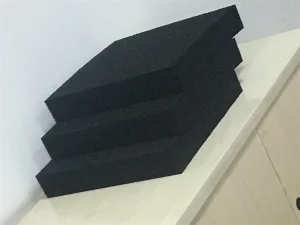
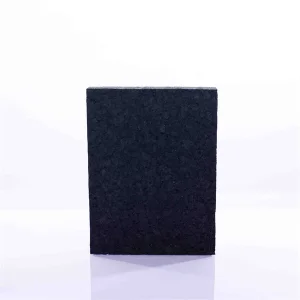
Our NBR/PVC open-cell soundproofing panels are utilized in ventilation shafts and plant rooms within historic urban zones. These panels reduce low-frequency HVAC hum without generating toxic dust or off-gassing, keeping indoor environmental quality within acceptable parameters.
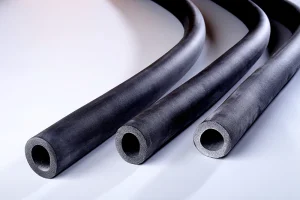
Our cryogenic foam formulations support LNG pipelines and marine processing systems. Capable of handling temperatures down to -200°C, this high-density insulation protects cold lines from extreme thermal transfer while dampening pressure-wave noise.
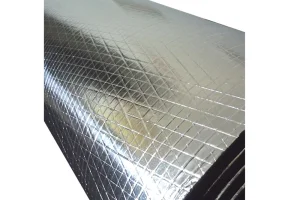
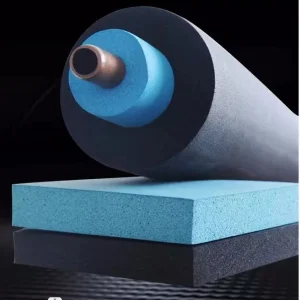
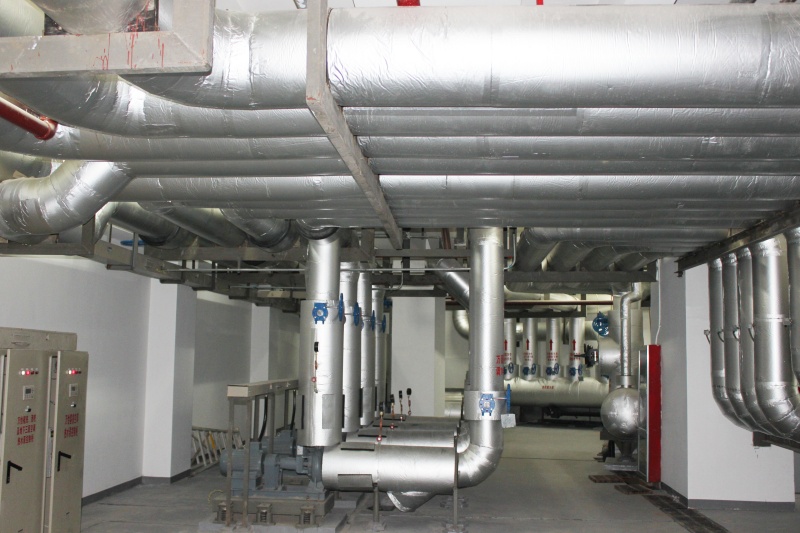
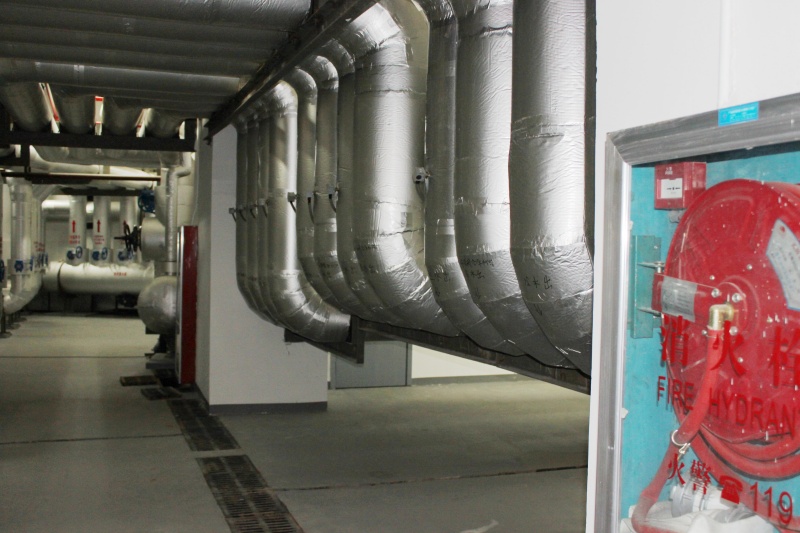
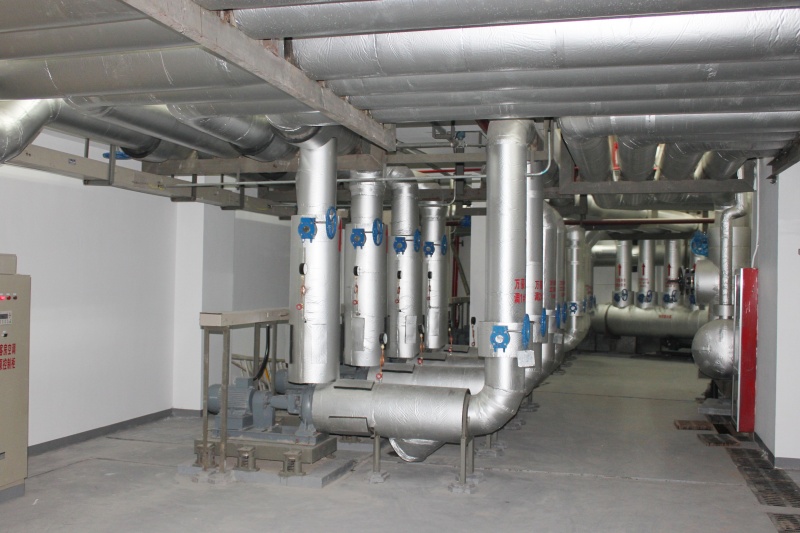
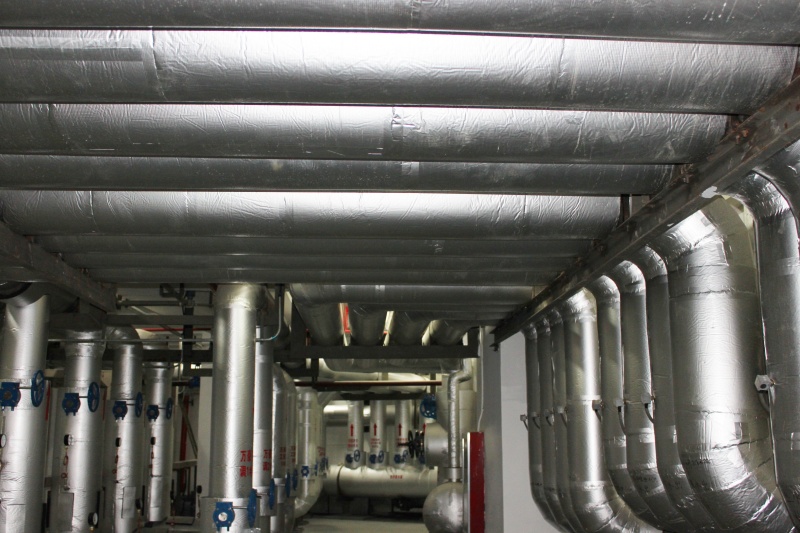
Our aluminum-foil covered rubber foam boards provide protection against grease and oil penetration, making them suitable for high-exposure machine rooms. They deliver acoustic dampening and thermal shielding, extending the service life of nearby components.
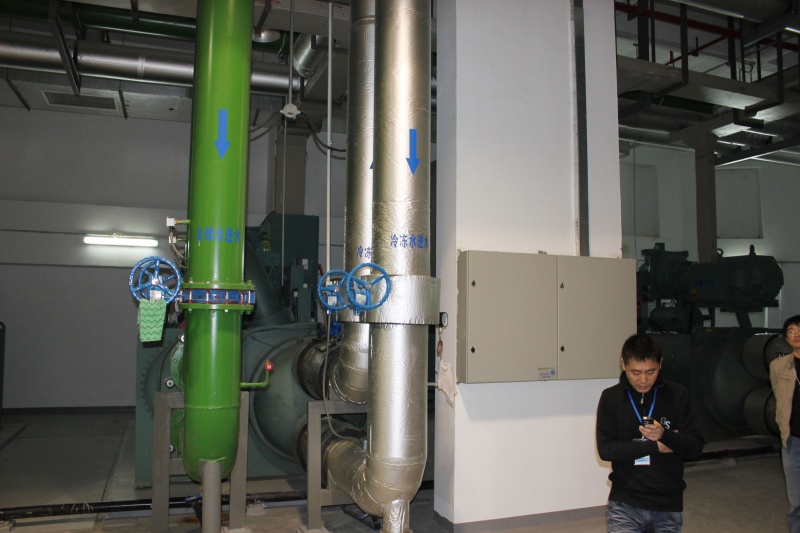
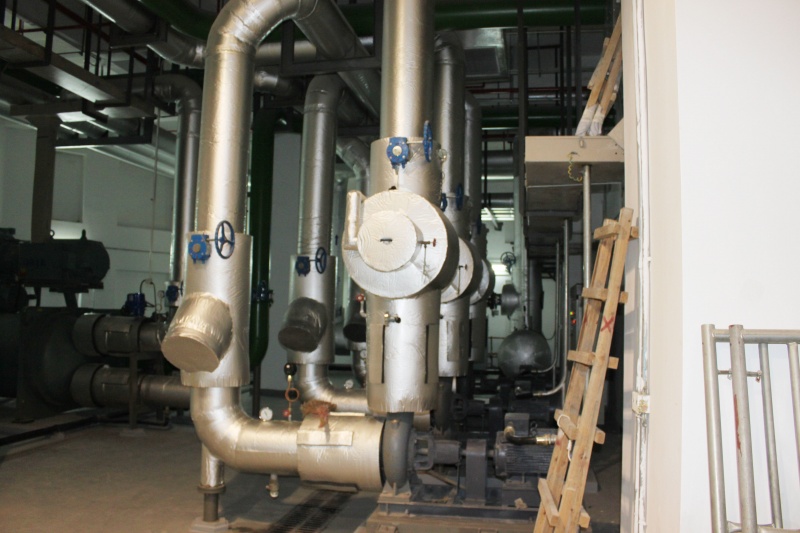
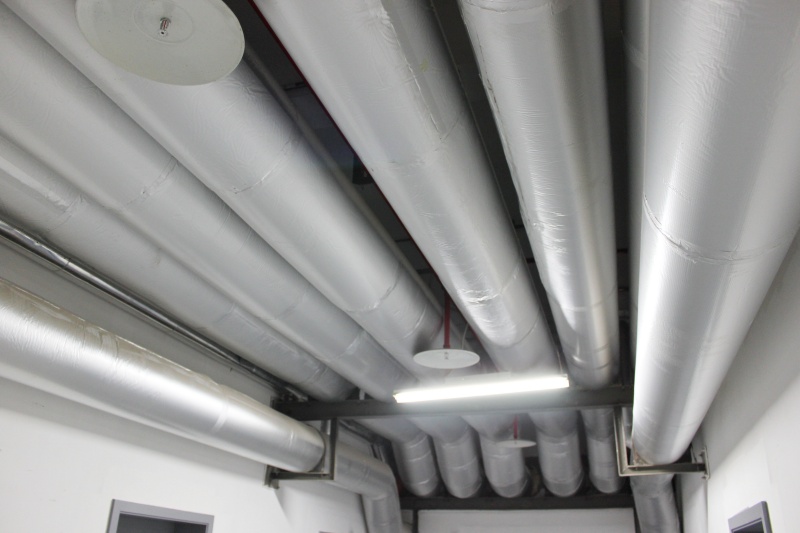

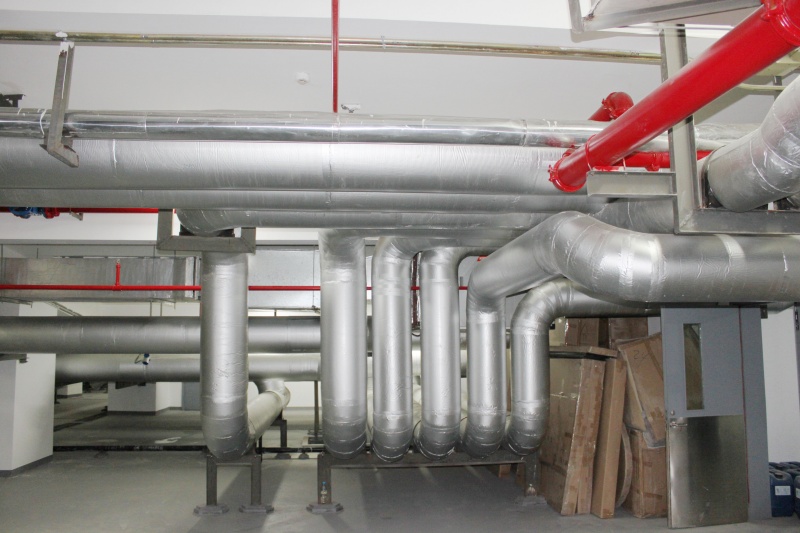

Technical guidance regarding certification, compliance, customization, and logistics when shipping to Italian projects.
Extended inventory of elastomeric, fireproof, and ultra-low temperature products available for volume contract procurement.
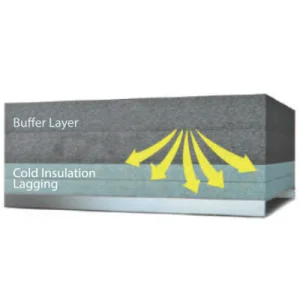
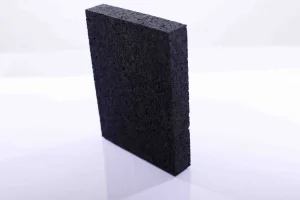
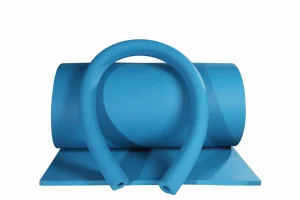
A technical reference highlighting specific material performance profiles.
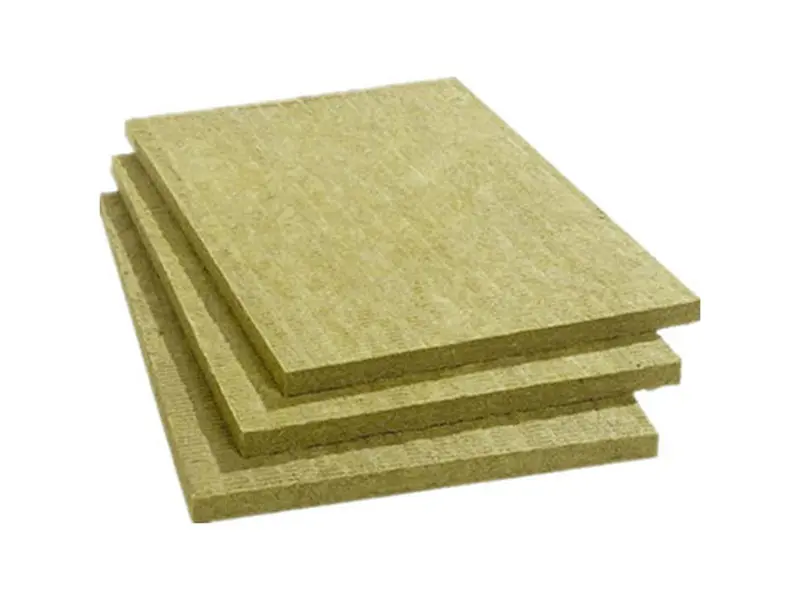
Designed for industrial applications requiring high temperature resistance. It provides physical stability under severe thermal exposure, offering structural thermal barrier protection for heavy process facilities.
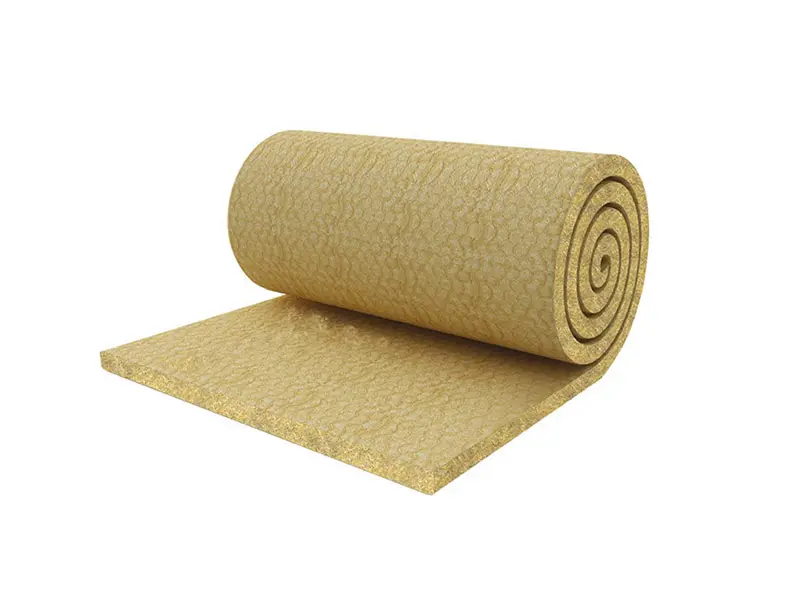
A flexible high-temperature insulation wrap designed for complex pipe runs, storage vessels, and furnace structures. It offers sound absorption and thermal protection for power generation and oil refining systems.
Request a technical consultation, pricing schedule, and customized sample pack to verify compliance with Italian building and safety codes.
Send Inquiry Now Kingflex