Select engineering-grade elastomeric closed-cell structures for complex thermal and acoustic configurations.
Closed-cell Nitrile Butadiene Rubber (NBR) / Polyvinyl Chloride (PVC) flexible elastomeric insulation represents the standard in current thermodynamic management. For HVAC/R, acoustic isolation, marine, and process pipeline setups, NBR provides low thermal conductivity, high moisture vapor resistance, and outstanding structural elasticity. As developers focus on structural decarbonization and long-term asset security, understanding the manufacturing technologies and price points of NBR is critical for procurement strategies.
In this comprehensive whitepaper, we present an in-depth analysis of Kingflex Insulation Co., Ltd., mapping its history, high-volume automated output, R&D processes, and rigorous regulatory compliances. We also analyze the economics of Chinese manufacturing, the evolution of manufacturing technology under Industry 4.0, and practical strategies for international supply chain managers.
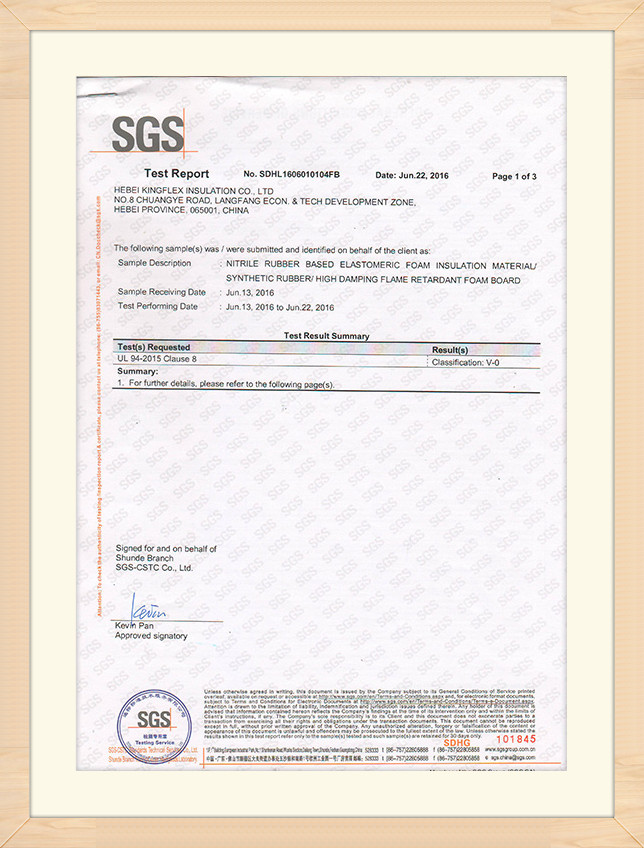
Certified to BS 476 Class 0, CE, REACH, RoHS, UL94 V-0, and ASTM testing parameters.
Kingflex Insulation Co., Ltd. stands as a professional manufacturing and trading combo for high-specification thermal insulation materials. Our core research, product design, and production operations are situated in Dacheng, China—historically recognized as the capital of green-building materials.
We approach building design with a focus on optimization, structural safety, and high-efficiency thermal design. By guiding systems from raw material procurement through manufacturing to installation, we ensure reliable support across global markets.
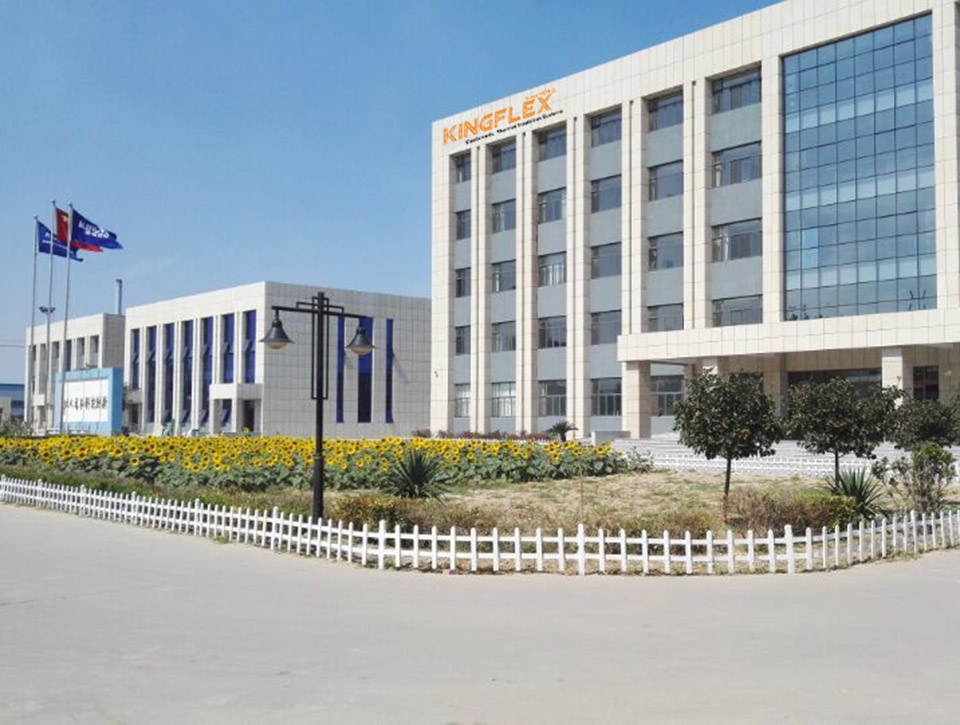
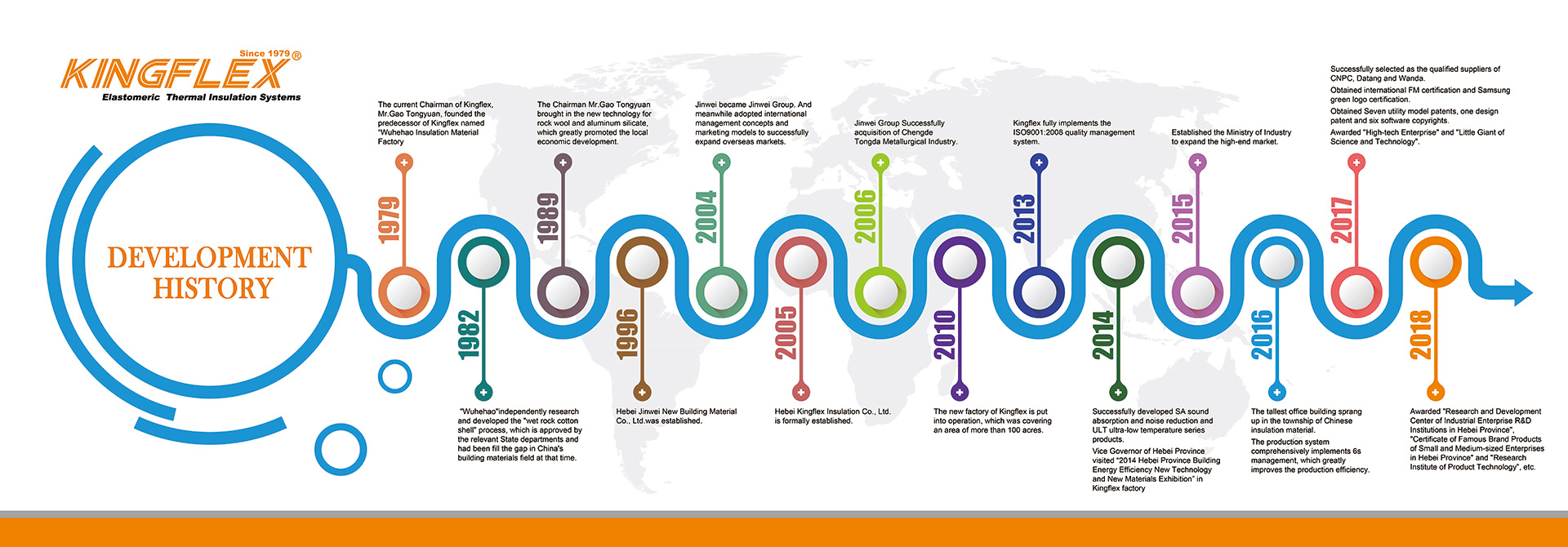
Kingflex was established by the Jinwei Group, an industry leader with over 40 years of market presence. Founded in 1979, Jinwei Group established the first dedicated thermal insulation production plant north of the Yangtze River.
Over the decades, this strong industrial background has enabled Kingflex to build a large-scale manufacturing infrastructure, combining decades of technical experience with automated thermodynamic production processes.
Our collaborative operational structure is supported by dedicated, highly qualified professionals. The company maintains an active team of 8 specialized R&D engineers, 6 international customer support managers, and 230 technicians on the automated production lines.
We work closely with engineering consultants, architectural specifiers, and distribution networks to provide reliable, on-time project support across borders.

Modern thermal demands require continuous optimization of polymers. The integration of high-grade Nitrile Butadiene Rubber (NBR) with modified Polyvinyl Chloride (PVC) improves structural durability and environmental resistance. Current research focuses on developing halogen-free elastomeric foams that reduce smoke density and toxicity during combustion, meeting international building safety standards.
Additionally, optimizing the cellular matrix keeps the water vapor permeability index ($\mu$) high, protecting metal pipes from corrosion under insulation (CUI) in coastal or high-humidity environments.
Standard NBR performs effectively down to -40°C. For industrial cold chain and liquefied gas systems operating at lower temperatures, specialized cryogenic formulations have been developed. These modified elastomeric structures remain flexible at temperatures as low as -200°C, preventing the cracking and shrinkage common in traditional materials under thermal shock.
These advanced compounds combine elastic behavior with low low-temperature thermal conductivity, making them suitable alternatives to polyurethane or cellular glass systems in challenging industrial applications.
Closed-cell elastomeric systems serve as structural thermal barriers across commercial, industrial, and infrastructure projects:
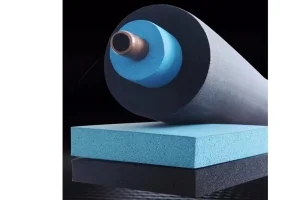
In large-scale commercial HVAC systems, control of condensation is critical. Installing NBR sheets and tubes on chilled water lines, refrigeration piping, and air handling ducts helps prevent water buildup, supporting building structural integrity and indoor air quality.
Industrial systems operating at sub-zero temperatures require specialized thermal management. Our low-temperature NBR formulations offer reliable protection for cold-storage facilities, LNG transfer systems, and petrochemical transport pipelines, minimizing energy loss.
In power generation, chemical processing, and wastewater facilities, pipelines are exposed to high humidity and mechanical stress. Our closed-cell rubber materials protect these assets from corrosion under insulation (CUI) while reducing structural vibration.
| Kingflex Product Line | Material Composition | Standard Thicknesses | Density Metric | Temperature Range | Key Structural Benefit |
|---|---|---|---|---|---|
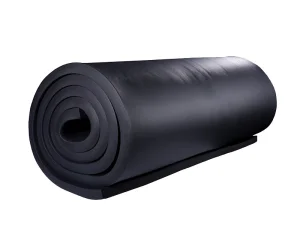
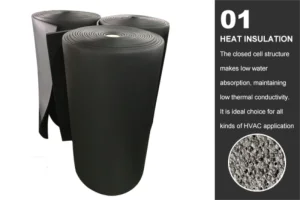
| Black Rubber Insulation Sheet Roll | Premium NBR/PVC Base | 6mm - 50mm | 40 - 55 kg/m³ | -40℃ to 105℃ | Closed cell rate >98%, low moisture absorption |
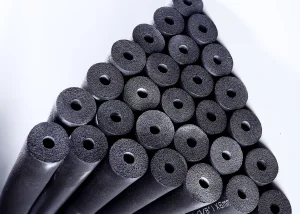
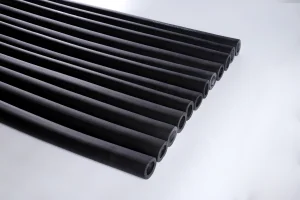
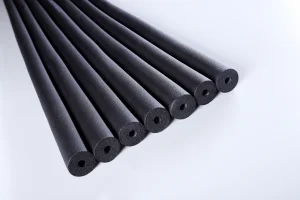
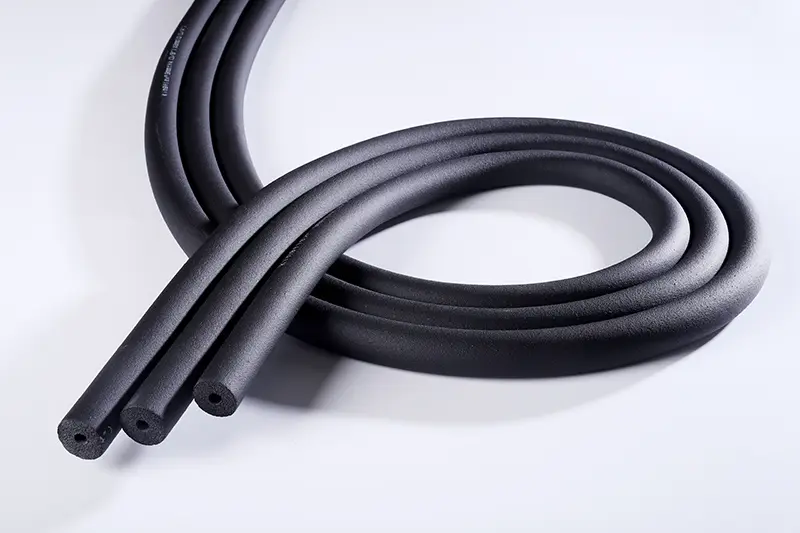
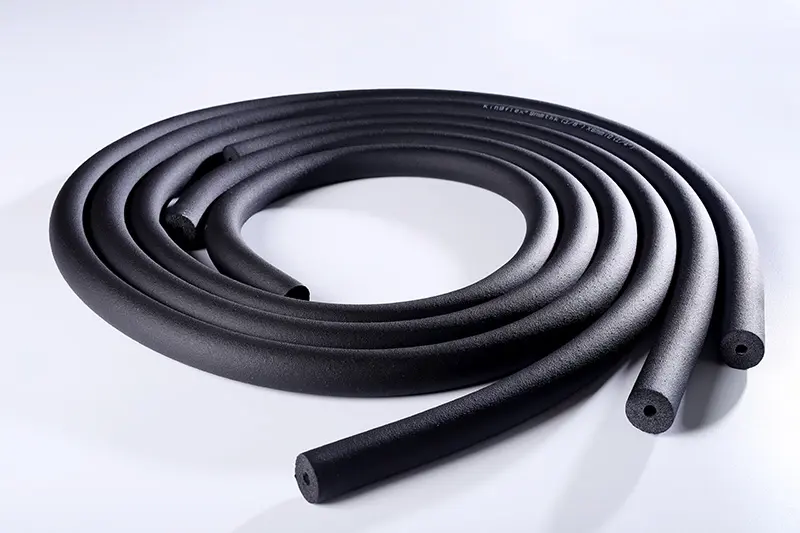
| Black Rubber Insulation Pipe | Coated NBR/PVC | 9mm - 40mm (ID: 6-114mm) | 40 - 55 kg/m³ | -40℃ to 105℃ | Uniform coating, reduces pipe freezing/cracking risk |
| Cryogenic Rubber Foam Systems | Specialized Low-Temp Elastomer | Customized to specification | 45 - 60 kg/m³ | Ultra-low temperatures | Maintains structural flexibility under thermal shock |
| Halogen-Free Elastomeric Tubing | Halogen-Free compounds | Standard Pipe Profiles | 40 - 50 kg/m³ | -40℃ to 105℃ | Reduced smoke toxicity, meets strict safety standards |
Kingflex maintains manufacturing scale through its 5 automated production lines, delivering an annual capacity of over 600,000 cubic meters. By integrating automatic continuous extrusion and precision foaming systems, we achieve consistent density and cellular structure across every batch. This automated process minimizes physical variability, ensuring predictable thermal performance for large-scale installations.
As a manufacturer designated by the Ministry of Energy, the Ministry of Electric Power, and the Ministry of Chemical Industry, our plant complies with rigorous national industrial standards. These manufacturing capabilities translate into consistent supply chains and competitive lead times for major projects worldwide.
Our in-house R&D laboratory runs continuous quality checks on key physical properties, including:
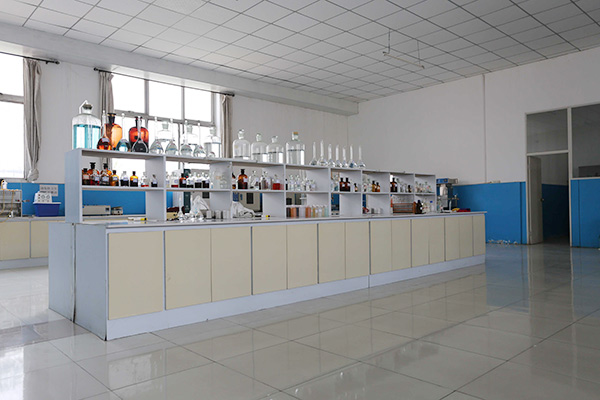
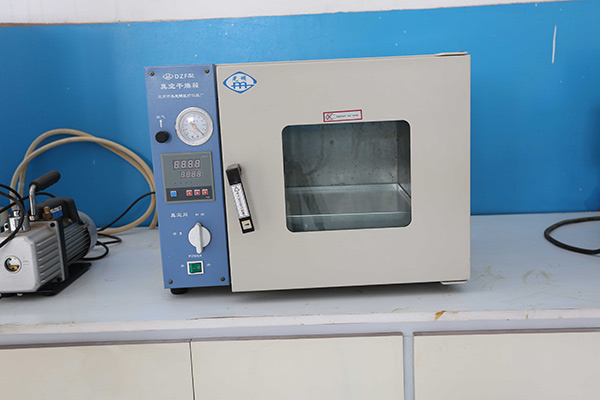
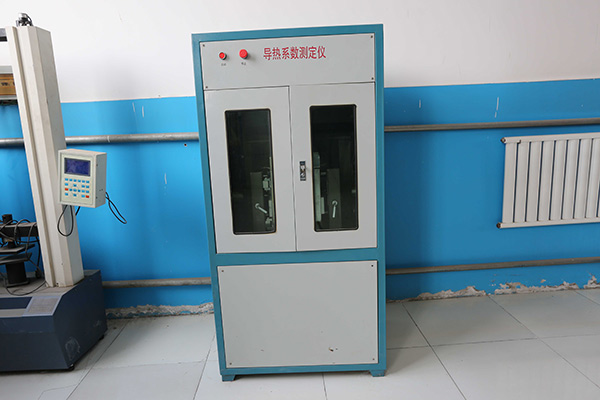
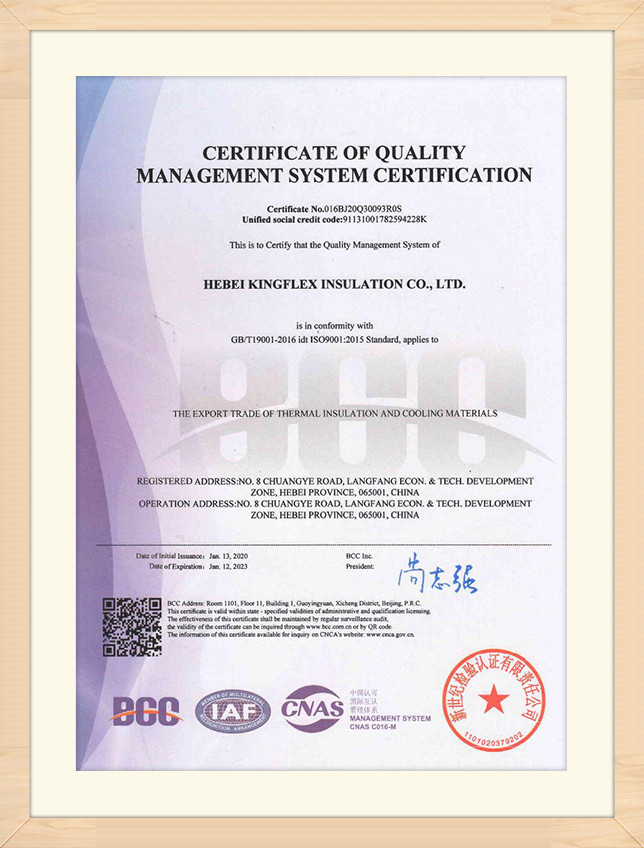
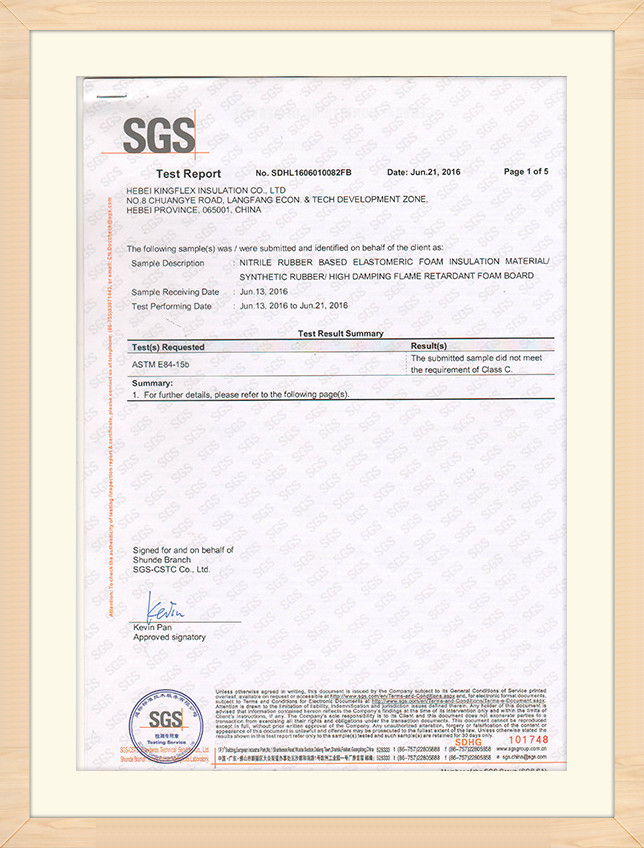
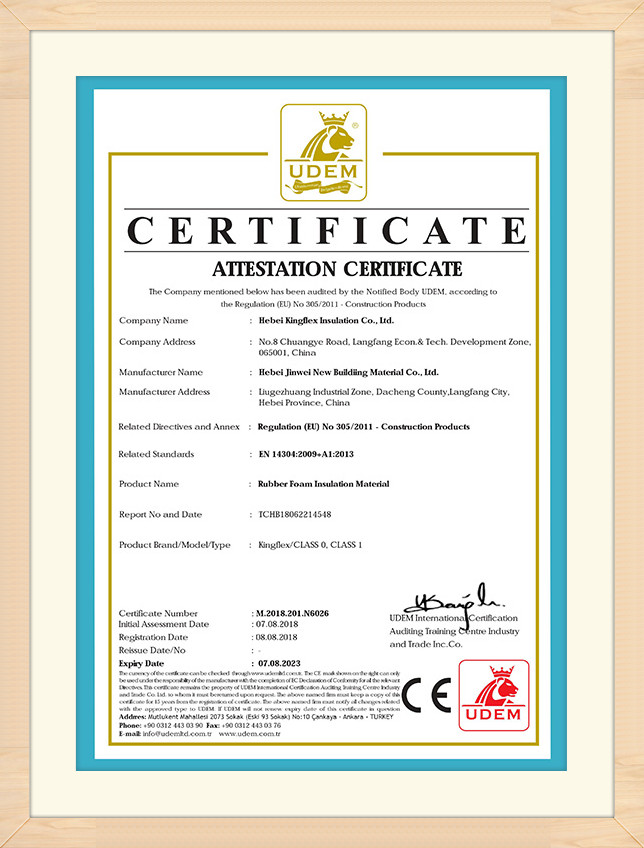
Kingflex materials are designed to meet diverse regional building codes, holding certifications for BS 476 Class 0, CE, REACH, RoHS, UL94, and ASTM standards. This verification helps streamline the engineering approval process during design phases.
We maintain full batch traceability from raw material compounds through extrusion to the finished product. Each production batch is labeled with detailed manufacturing data, providing clear tracking for long-term project support.
Our engineering support team assists consultants and contractors by providing complete submittal documentation. This includes certified test reports, chemical resistance tables, and step-by-step installation instructions.
Procuring industrial-grade elastomeric insulation requires understanding the variables that influence pricing. NBR/PVC insulation is generally quoted on a per-cubic-meter (m³) or per-linear-meter (m) basis, depending on the format (sheets vs. pre-split pipe profiles). Key factors affecting the final cost include:
To receive accurate, comprehensive quotes, procurement teams should specify:
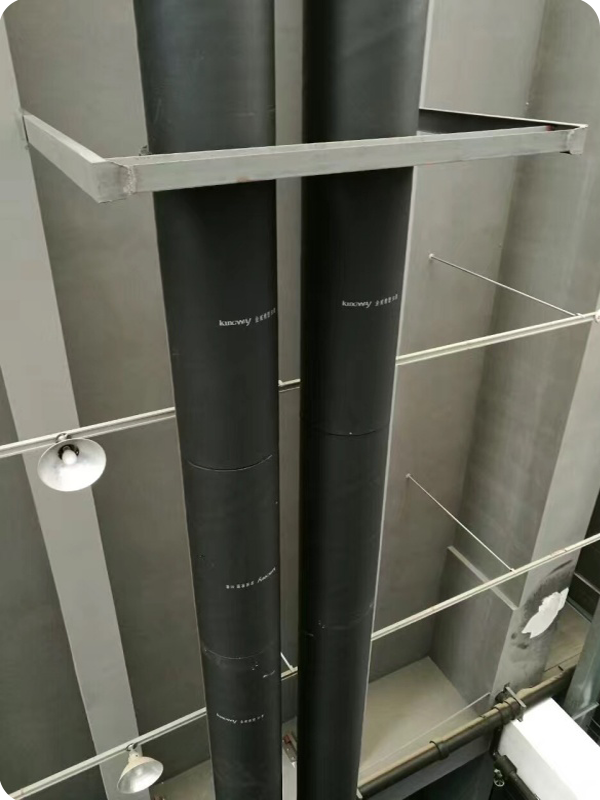
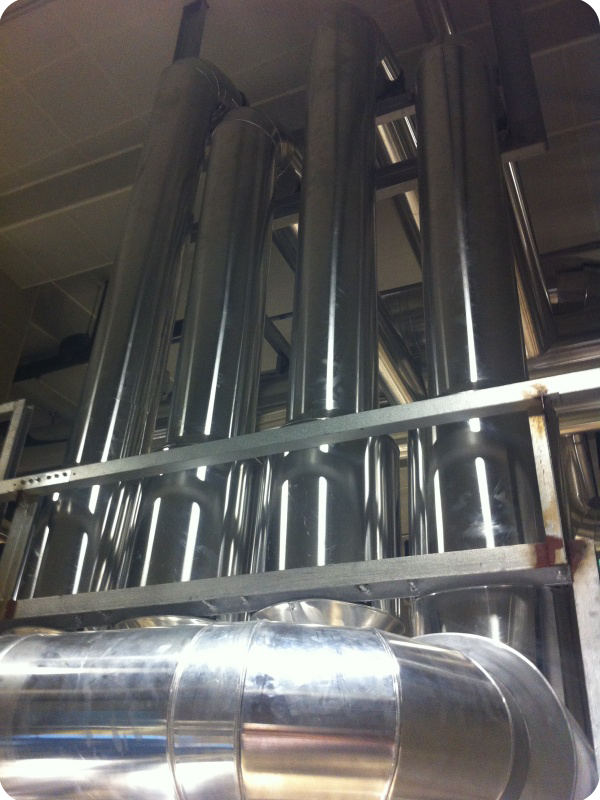
Our elastomeric insulation systems are used in commercial HVAC installations, municipal utility facilities, and high-volume manufacturing sites globally. Below are selected project applications demonstrating our products in use:
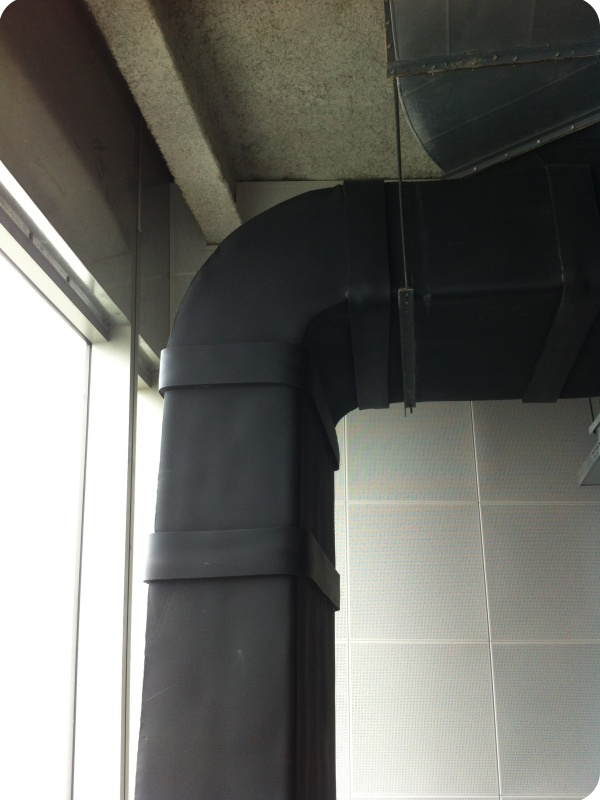

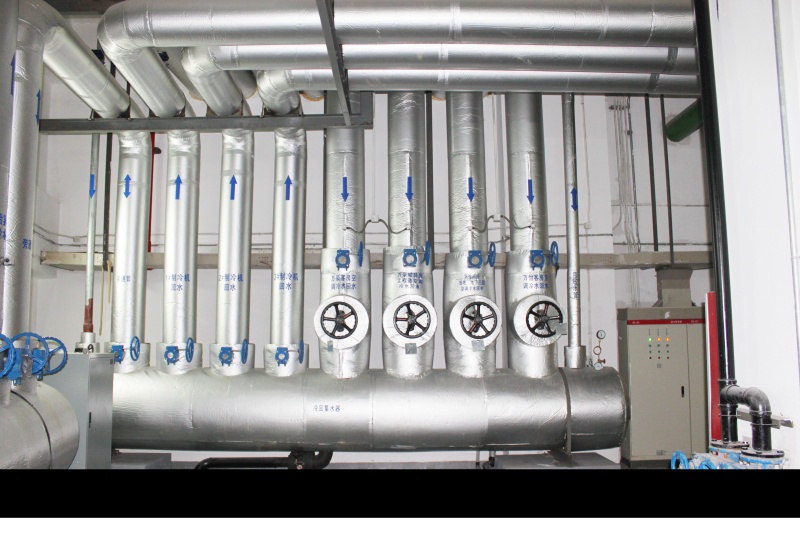
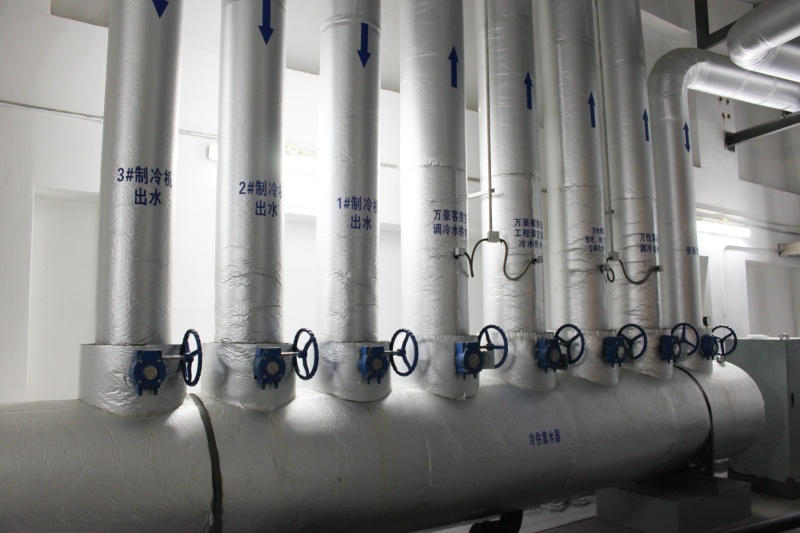
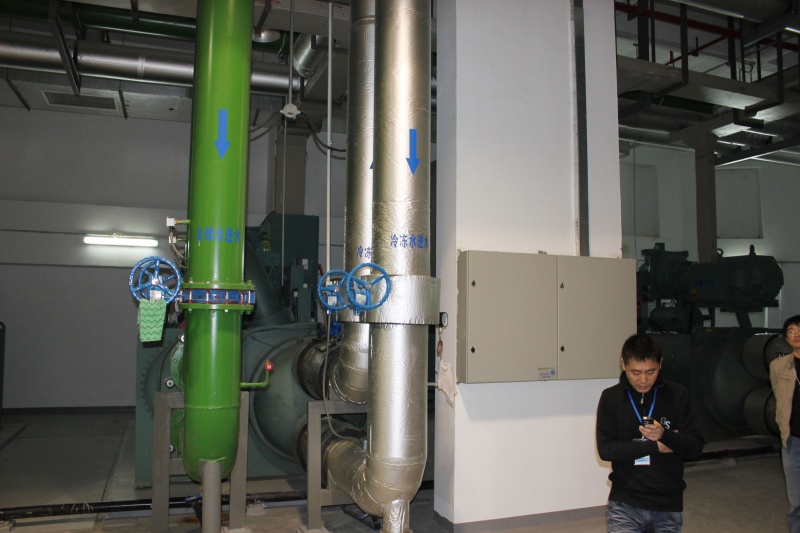
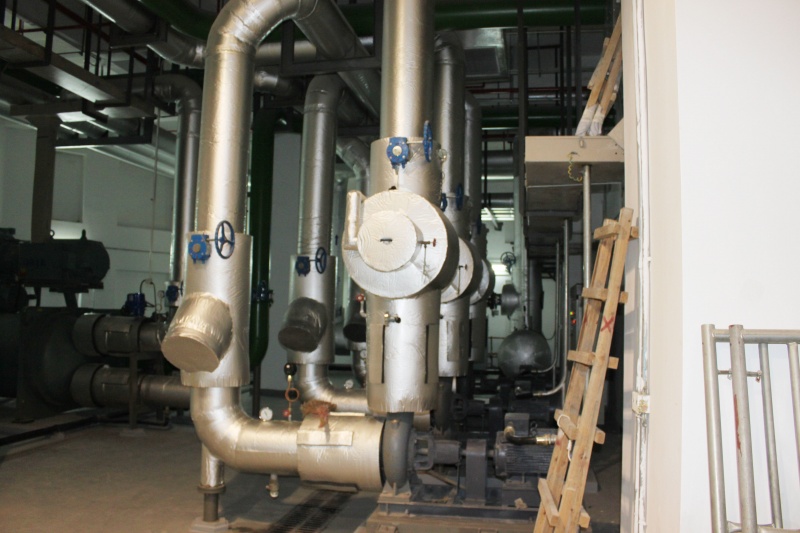
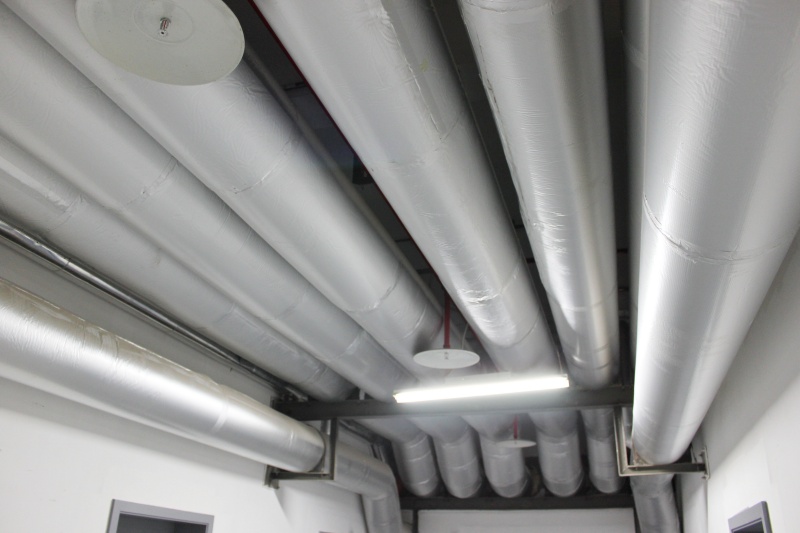

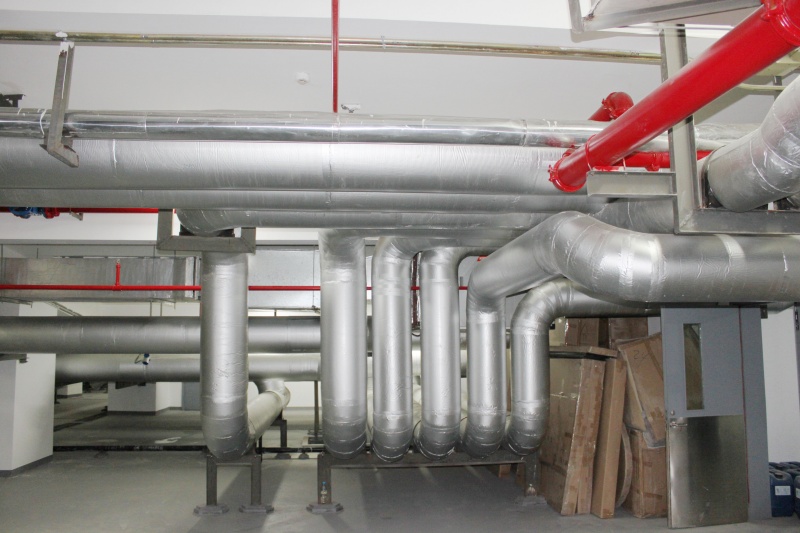

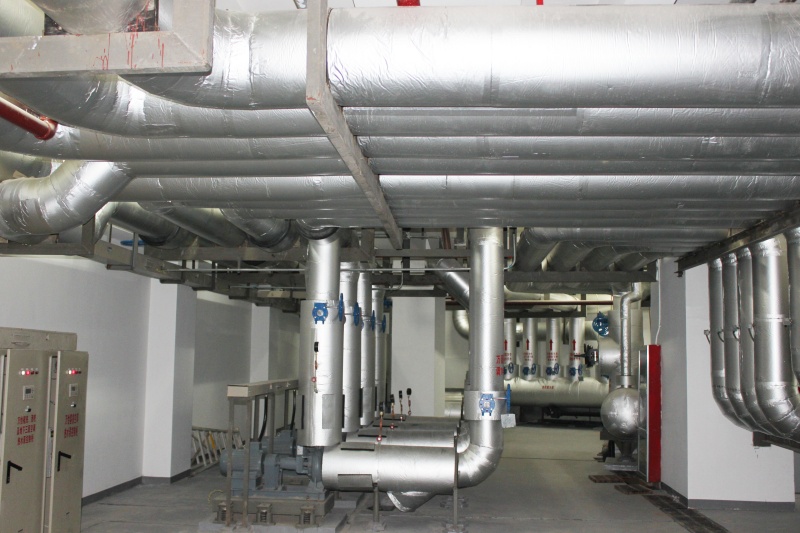
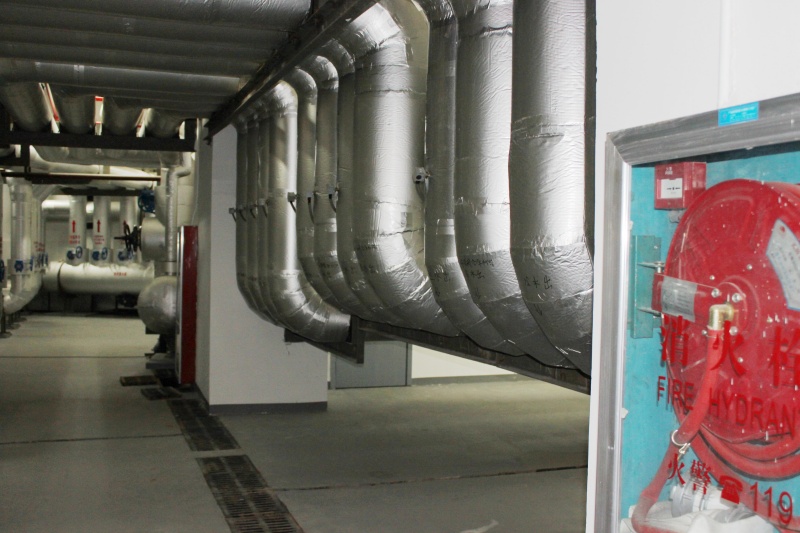
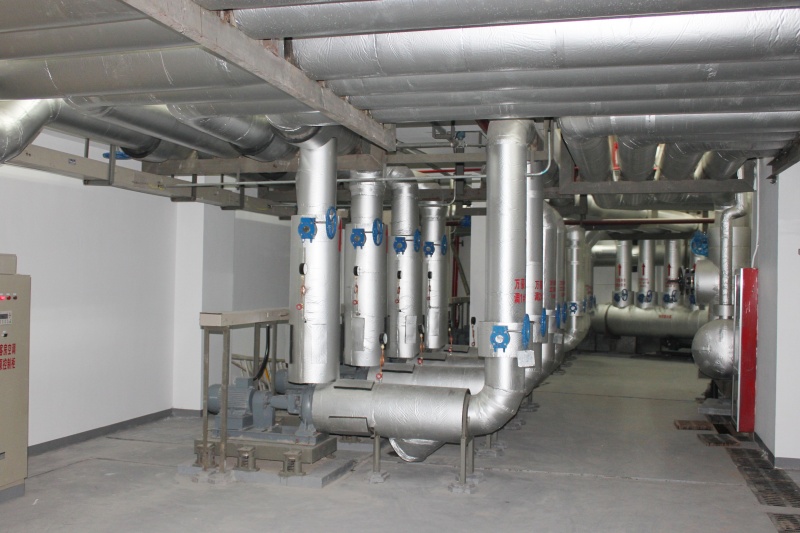
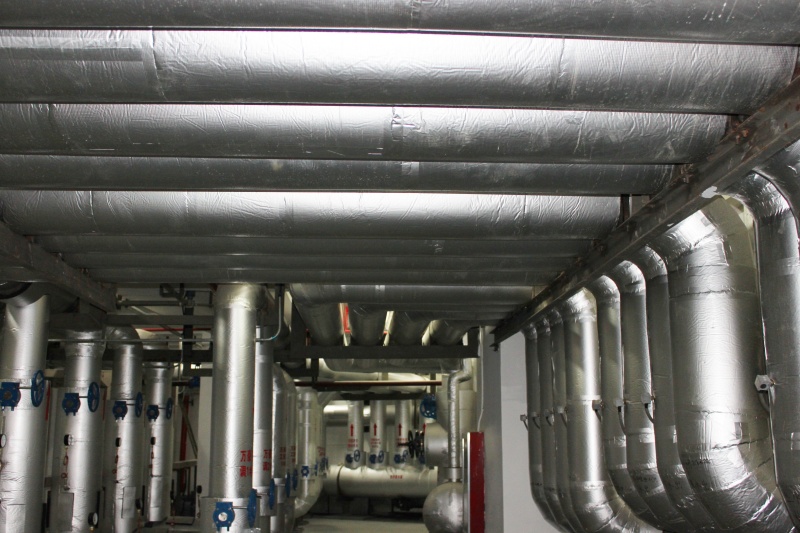
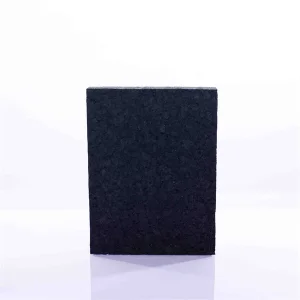
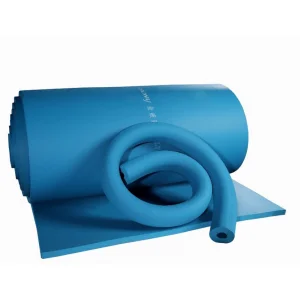
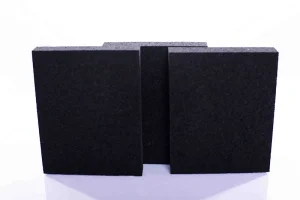
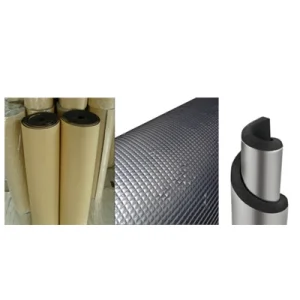
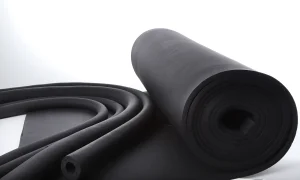
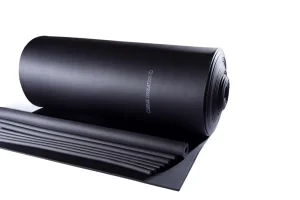
Manufactured under controlled pressure to produce a consistent closed-cell density. Suitable for duct wraps, tanks, and large-diameter piping assemblies.
Large HVAC ducts, wall and roof insulation, process piping in commercial facilities, hotel/hospital mechanical rooms, rail vehicle insulation, and petrochemical storage vessel wrap.
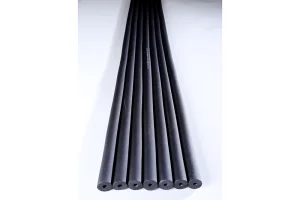
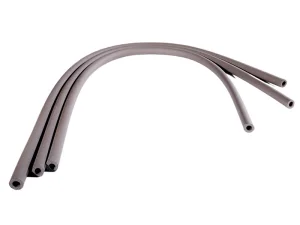
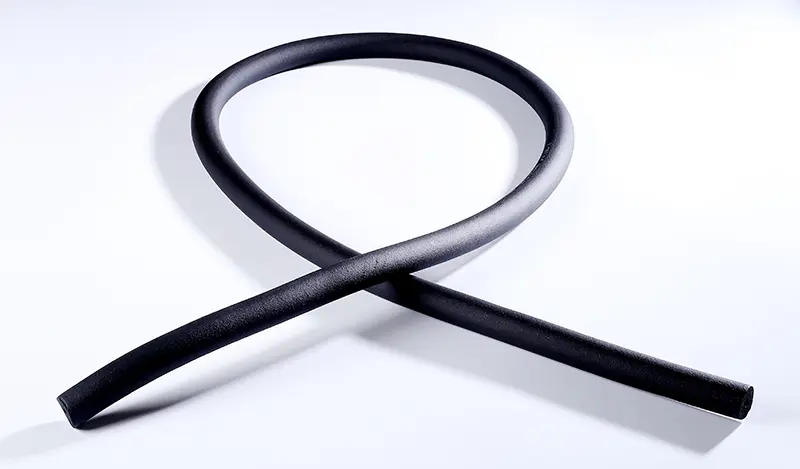
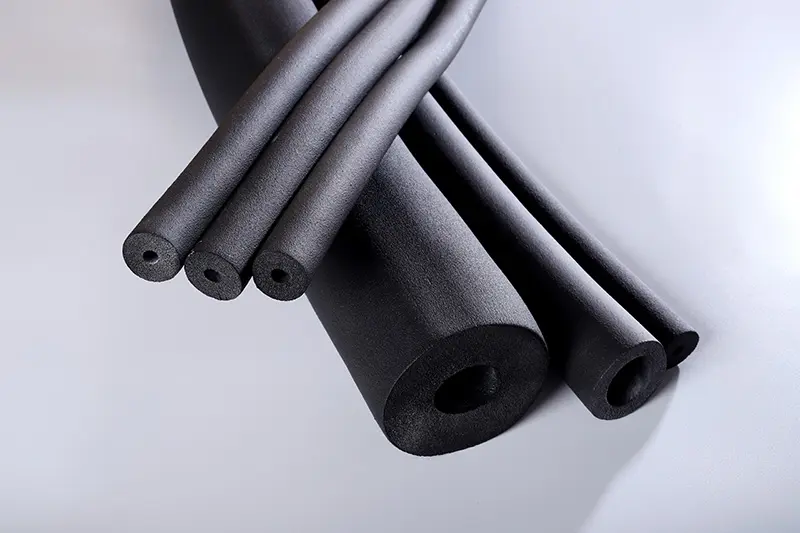
Extruded hollow tubular profiles designed for easy installation over copper, steel, and iron piping systems.
Central AC chilled water lines, condensate lines, building domestic hot/cold water pipes, refrigeration lines, steam process pipes, and solar hot water systems.
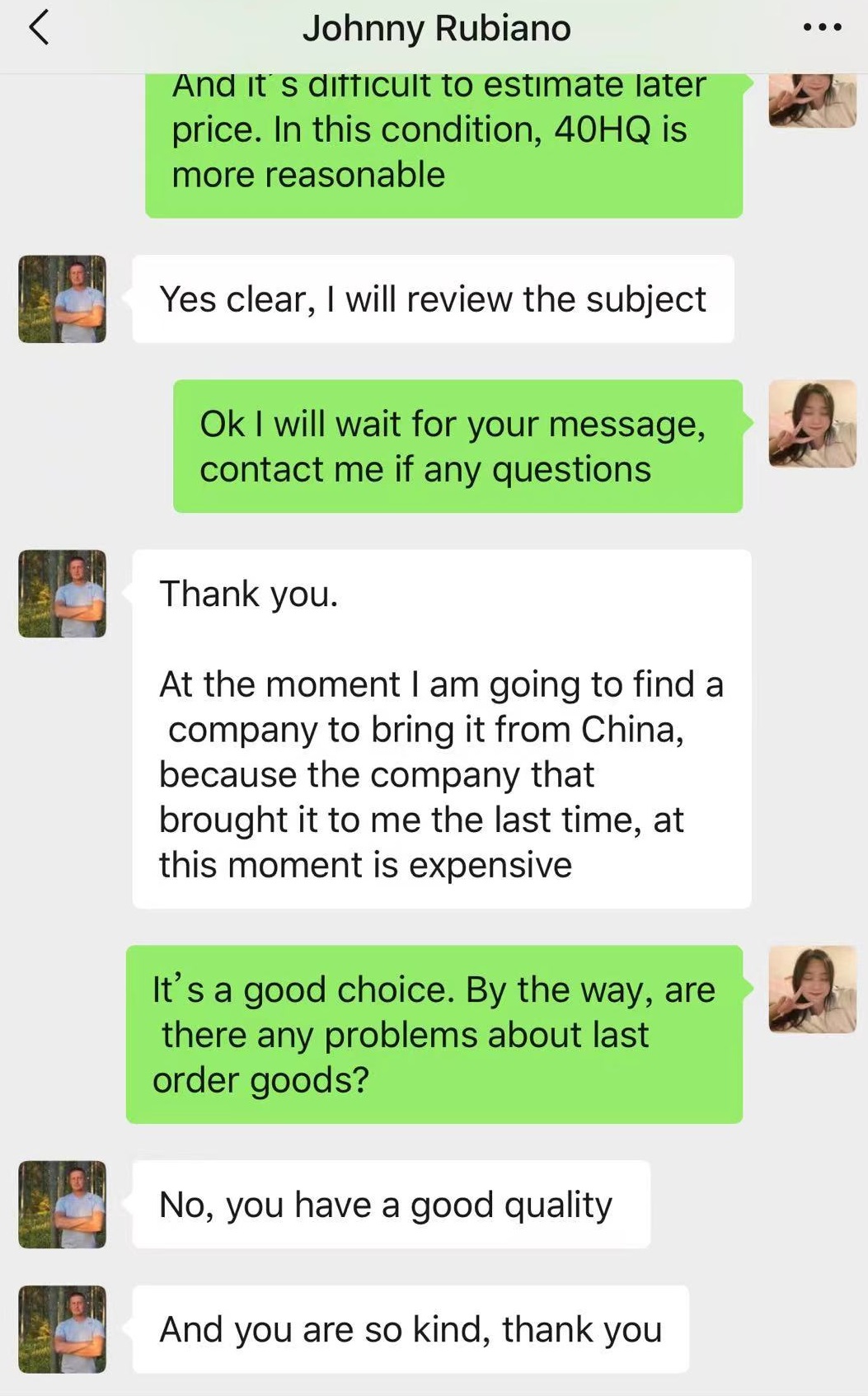
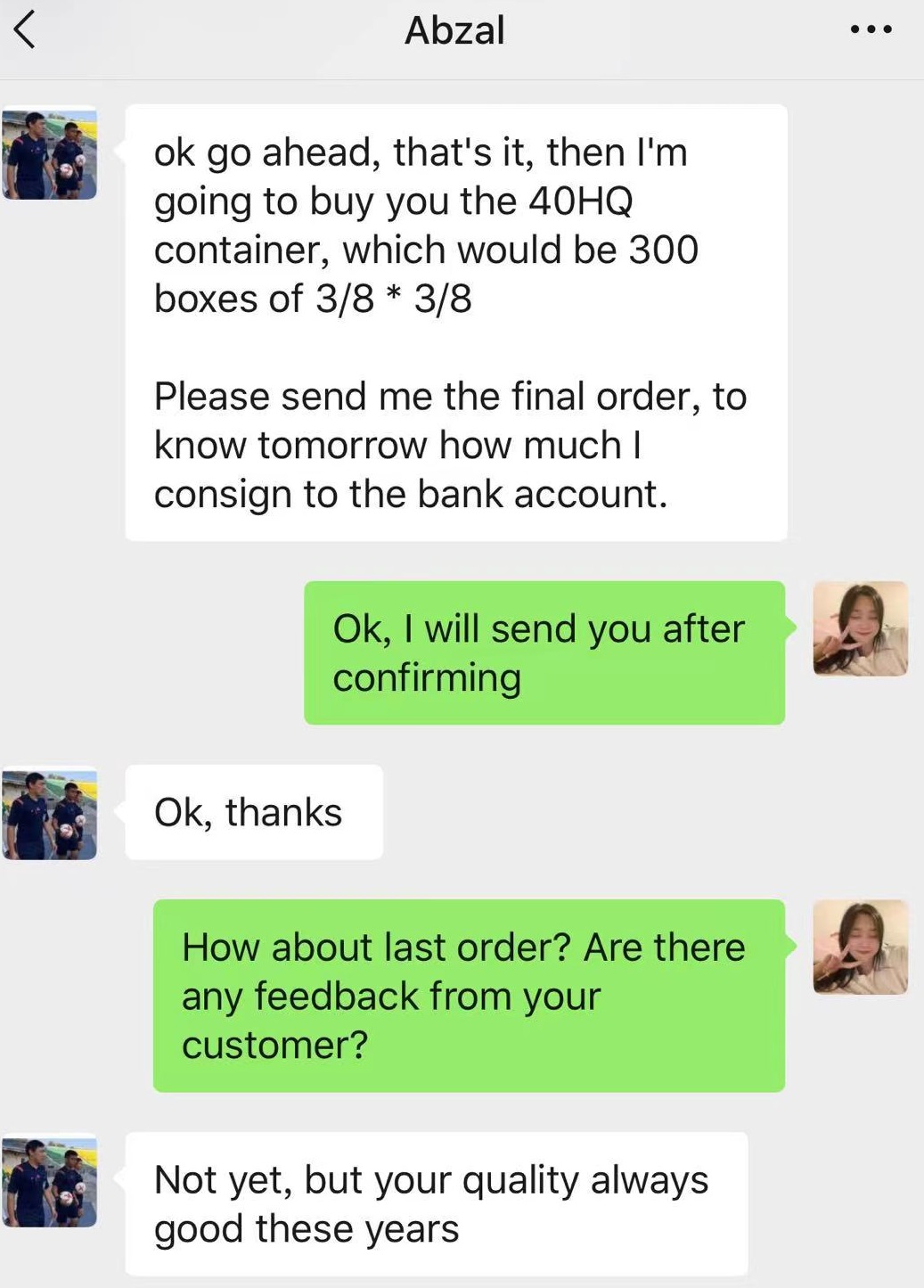
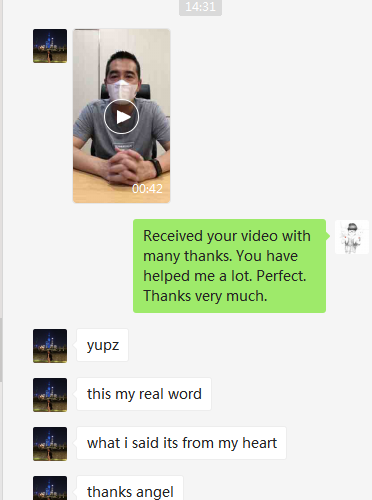
We work closely with our global clients to ensure clear communication and support at every stage of the project. Below are verified feedback documents and communication records illustrating our customer service process:


Find answers to common questions about properties, manufacturing, installation, and procurement of elastomeric closed-cell rubber insulation systems.
Complete pipeline and mechanical equipment insulation solutions.
Our standard manufacturing range includes various profiles and core compositions to meet project specifications:
Our facility operates 5 large automatic assembly lines, delivering an annual production capacity of more than 600,000 cubic meters. Our production is recognized by the Ministry of Energy, the Ministry of Electric Power, and the Ministry of Chemical Industry, providing reliable manufacturing resources to support major domestic and international projects.
We focus on delivering energy-saving insulation solutions to customers worldwide. As an integrated provider of thermal insulation, cold insulation, and noise reduction systems, we support building design efficiency and long-term asset protection across the construction, petrochemical, power generation, and aerospace sectors.



 Kingflex