In modern structural and mechanical systems, fire-rated insulation is no longer just a checkbox for building compliance; it is a critical component of passive fire protection. Rapid global urbanization, coupled with high-density industrial zoning, has forced a massive overhaul of global building standards. Structural designs in critical sectors—ranging from hydrocarbon processing plants and high-rise commercial structures to transportation tunnels and sub-zero storage systems—require materials that provide high thermal resistance while maintaining strict non-combustibility and minimal toxic smoke emission.
Across regions like Europe, North America, and Asia-Pacific, regulatory systems such as the European Classifications (EN 13501-1), British Standards (BS 476), American Society for Testing and Materials (ASTM), and Underwriters Laboratories (UL) dictate the application rules for insulation materials. The focus has shifted from simple fire containment to preventing rapid flame propagation and reducing smoke toxicity. Closed-cell rubber foam structures (NBR/PVC base) and heavy-density mineral rock wool have emerged as leading technologies. They provide low thermal conductivity while meeting class-leading fire safety ratings (Class 0 / Class 1 or Class A/B equivalents).
The insulation industry is moving towards halogen-free, zero-ozone depletion potential (ODP), and global warming potential (GWP) compliant elastomeric structures. Traditionally, fire retardancy was achieved using halogenated compounds. However, during fire events, these compounds release toxic acid gases that pose safety hazards. Modern R&D has successfully transitioned to non-halogenated systems, incorporating advanced eco-friendly flame retardants like metal hydroxides (ATH and MDH) that release water vapor when exposed to heat, cooling the substrate and diluting ambient gases.
Furthermore, manufacturing centers in China are upgrading to meet international standards. These factories are integrating automatic continuous production lines to minimize cellular variance, stabilize thermal conductivity (K-value), and maintain consistent density. By reducing variance in continuous foam runs, leading manufacturers like Kingflex ensure that critical mechanical specifications—such as vapor permeance and flame spread ratings—stay consistent across large industrial sites.
Understanding the distinction between primary insulation configurations is vital for systems design engineers and HVAC contractors. The choice between elastomeric rubber foam and mineral wool often depends on ambient humidity, thermal operating windows, and localized fire containment guidelines.
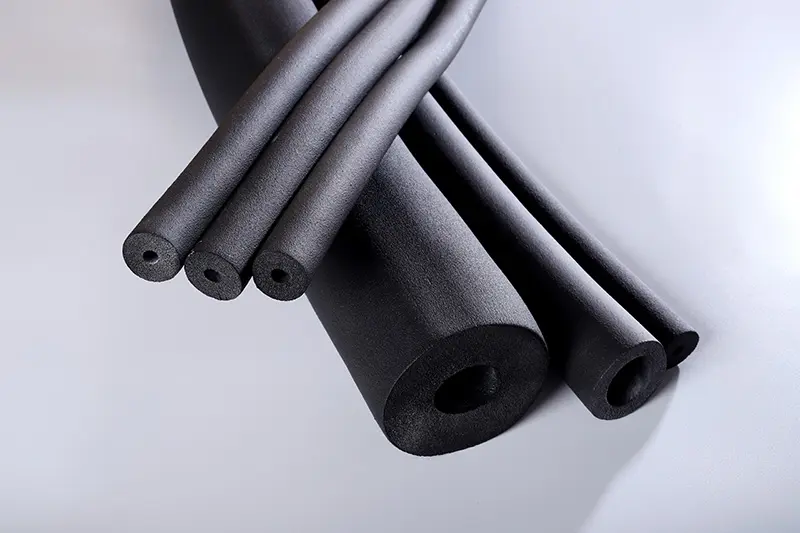
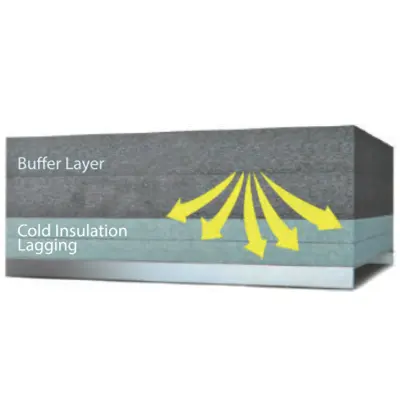
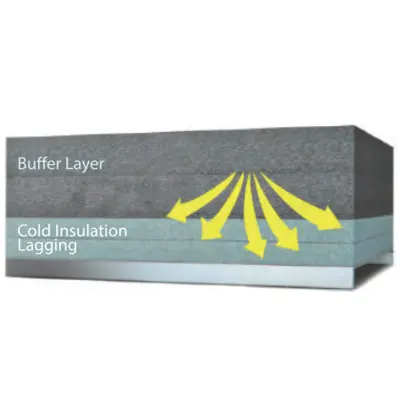
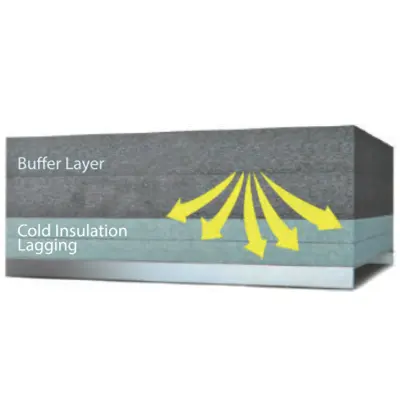
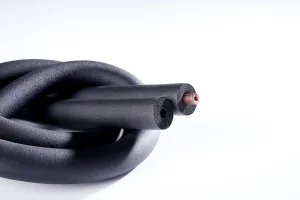
Elastomeric insulation features a high closed-cell concentration (typically >98%). This cell structure acts as an integrated vapor barrier, making it suitable for cold processes, chilled water systems, and HVAC ducts. When optimized for fire protection, it limits flame spread and resists dripping, preventing fire propagation along mechanical lines.
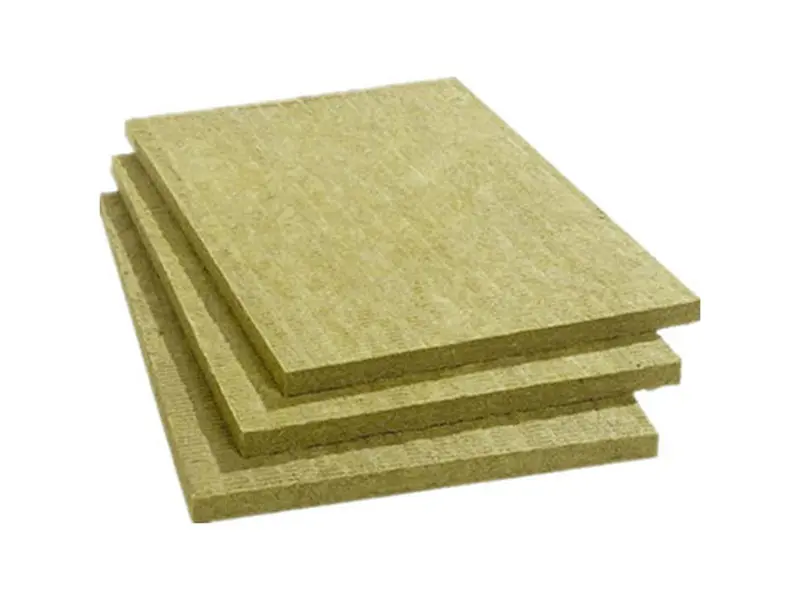
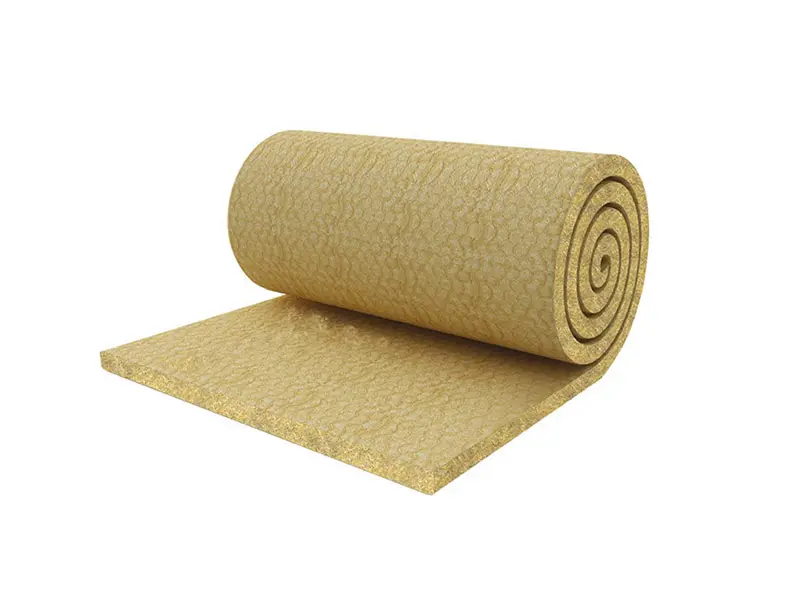
Made from volcanic basalt and slag, mineral rock wool is naturally non-combustible. It operates at high temperatures, making it a standard choice for high-pressure steam pipes, industrial kilns, and structural fire stop barriers.
Modern infrastructure relies on targeted thermal insulation strategies to handle different environmental factors and fire hazards. Key applications include:
Kingflex Insulation Co., Ltd. is an established, specialized manufacturing and trading combination for high-quality thermal insulation products. Headquartered in Dacheng, China—a region known for green building material manufacturing—Kingflex operates as an energy-efficient enterprise. We integrate engineering research, automated production, and customer support to supply high-performance thermal insulation solutions.
By focusing on energy efficiency and product reliability, Kingflex serves as an integrated solution provider. We assist projects from design and thermal calculations to installation guidance and post-sales tracking.
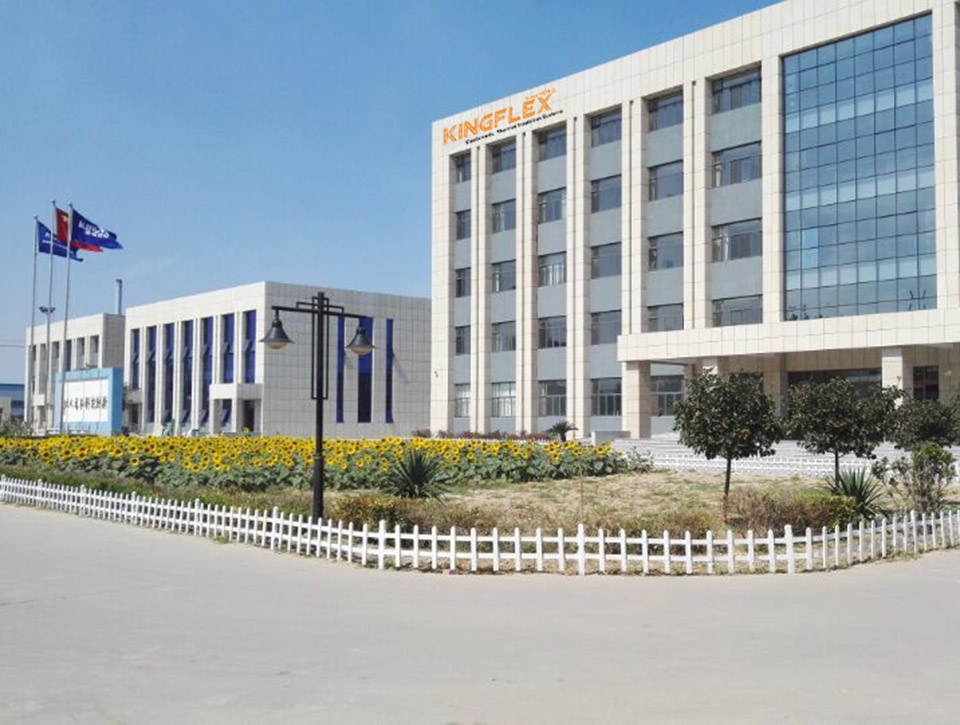
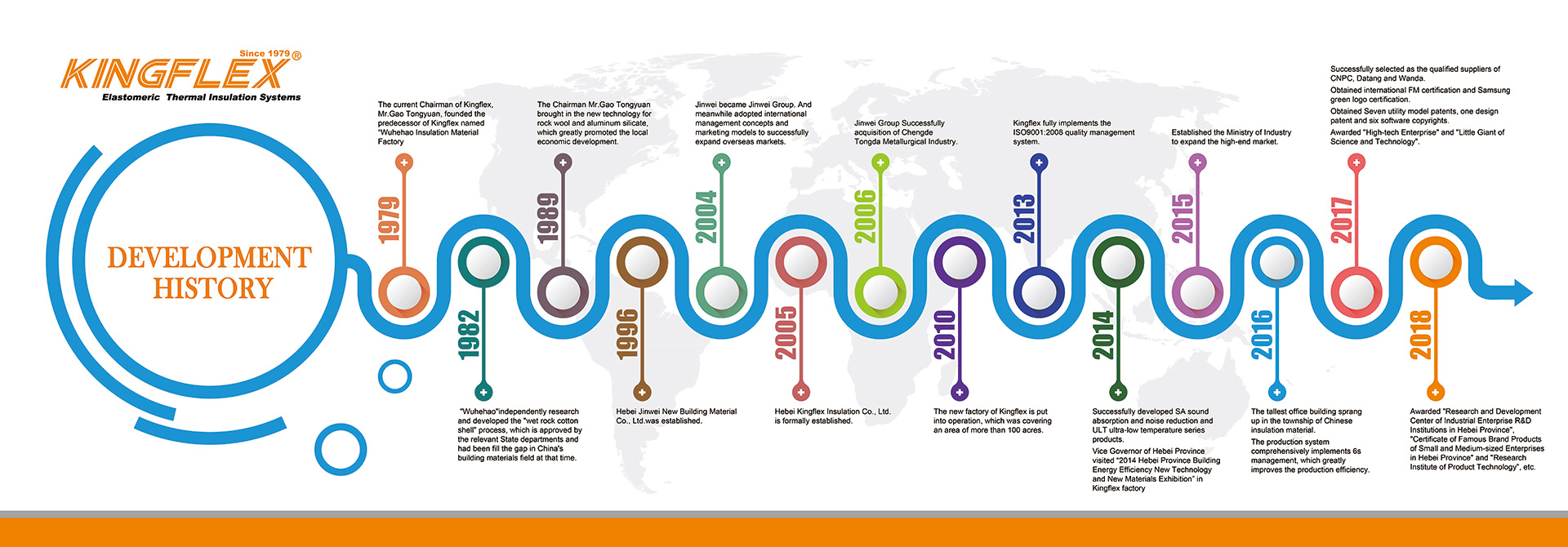
Kingflex was established by the Jinwei Group, which brings over 40 years of manufacturing history to the insulation industry. Founded in 1979, the group was one of the early thermal insulation material manufacturers in northern China. Over the decades, this expertise has guided Kingflex's engineering approach, supporting its transition into automated manufacturing processes.
The Kingflex R&D department features 8 professional materials science engineers dedicated to testing polymer blends, fire-retardant additives, and physical foam profiles. Backed by 6 international sales consultants and 230 production workers, the team delivers custom systems configured to meet global safety standards.

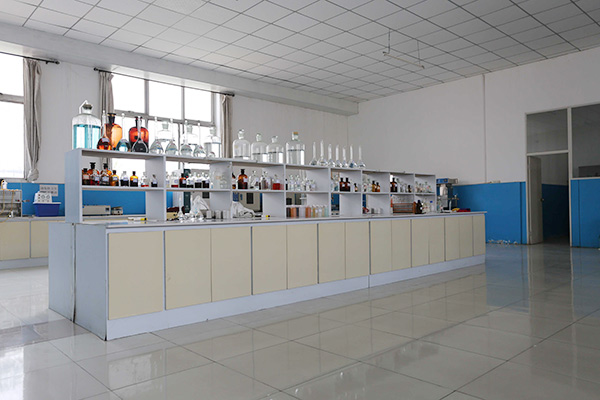
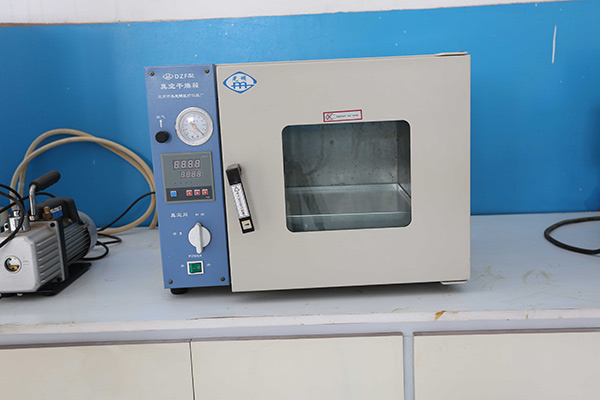
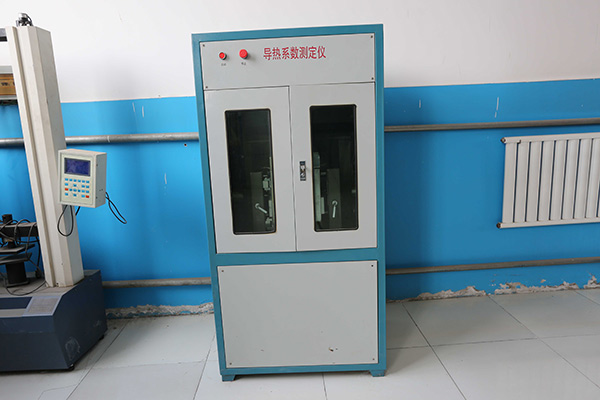
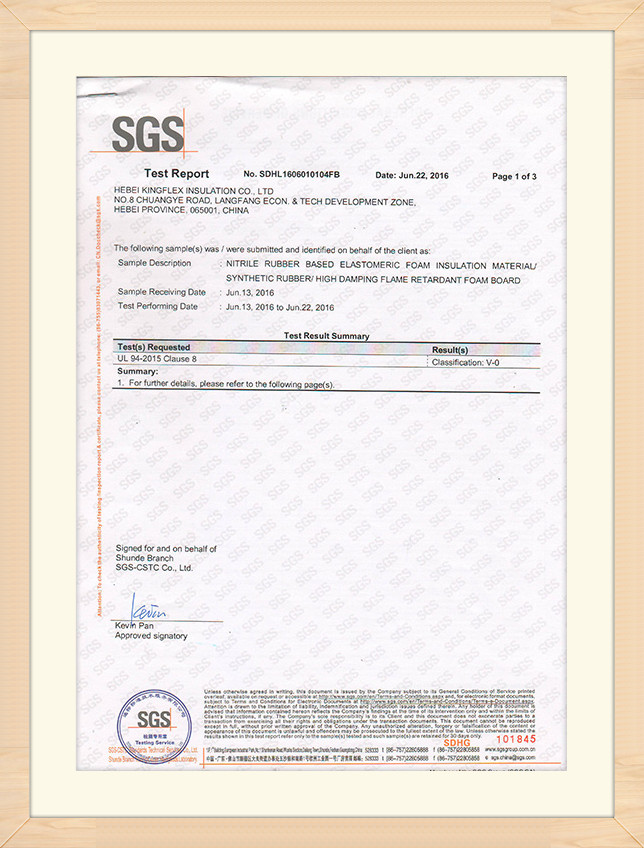
Every batch of Kingflex elastomeric and mineral fiber insulation undergoes strict quality control. Our products are tested to meet international fire standards (such as BS 476 Class 0, UL 94, ASTM E84, and CE), helping to ensure performance and compliance across target export markets.
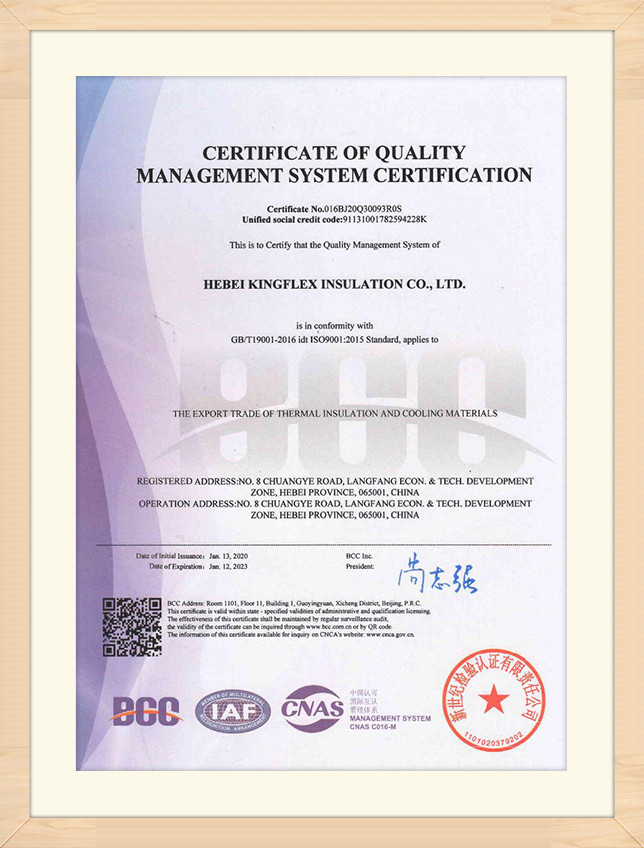
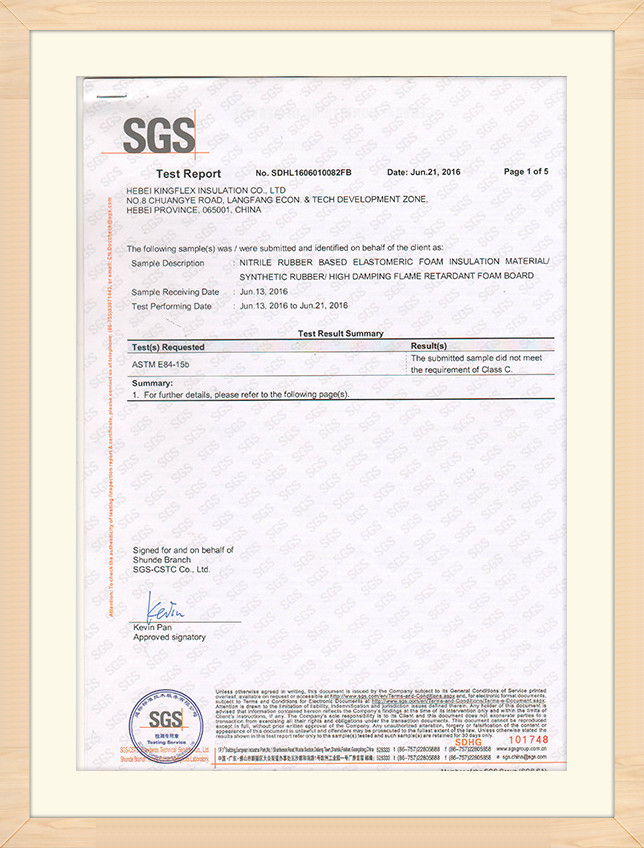
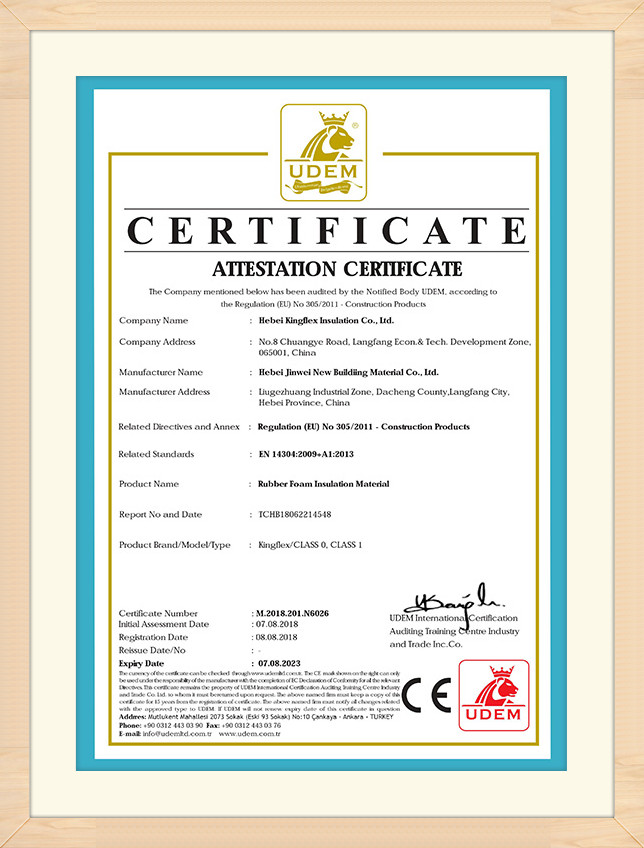

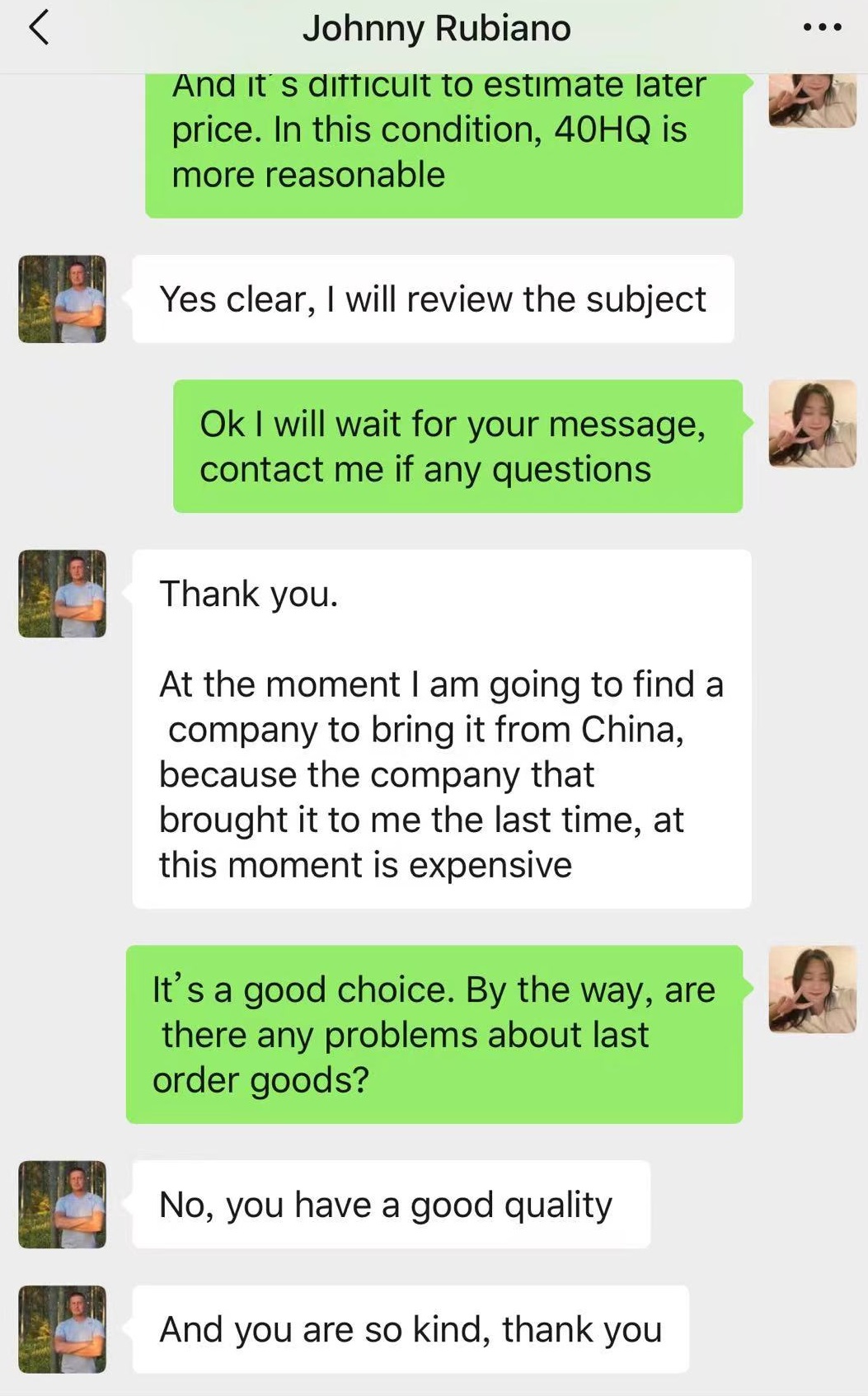
By focusing on consistent cell structure and reliable density limits, Kingflex supports projects across Europe, the Middle East, Southeast Asia, and the Americas. The team maintains active communications with global buyers, verifying specifications, processing OEM packaging requests, and checking delivery schedules to keep projects on track.




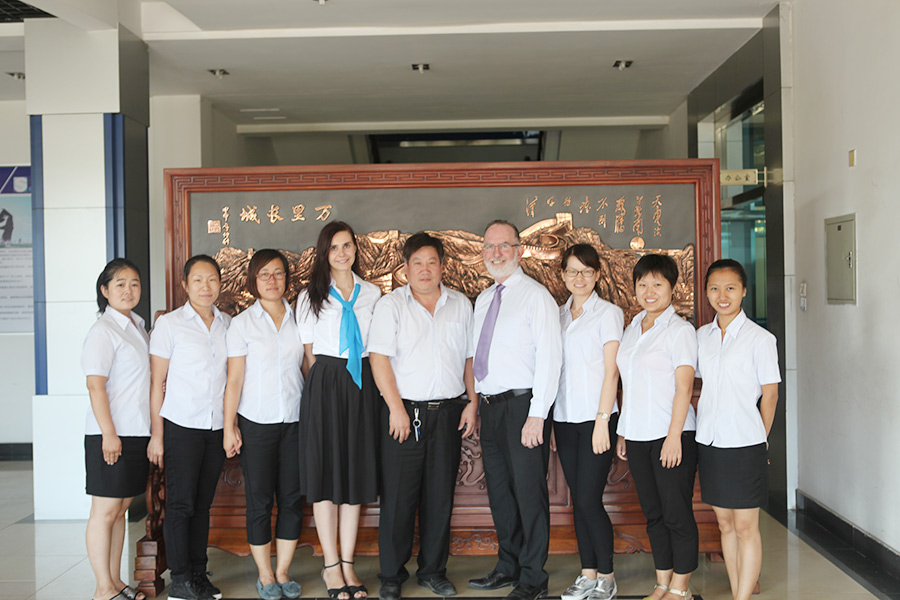
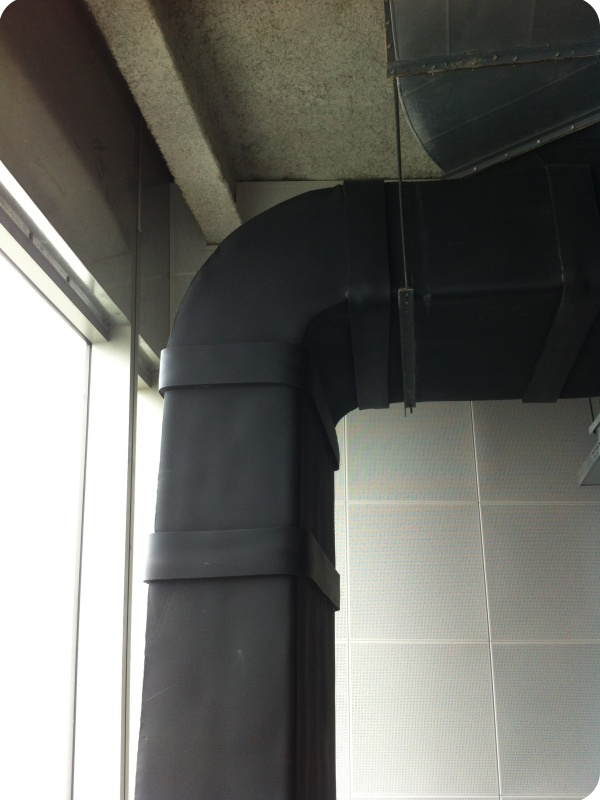
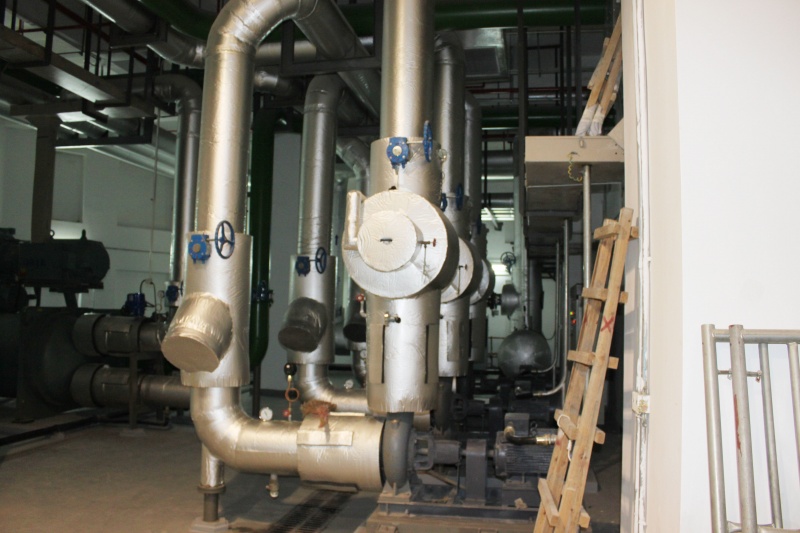
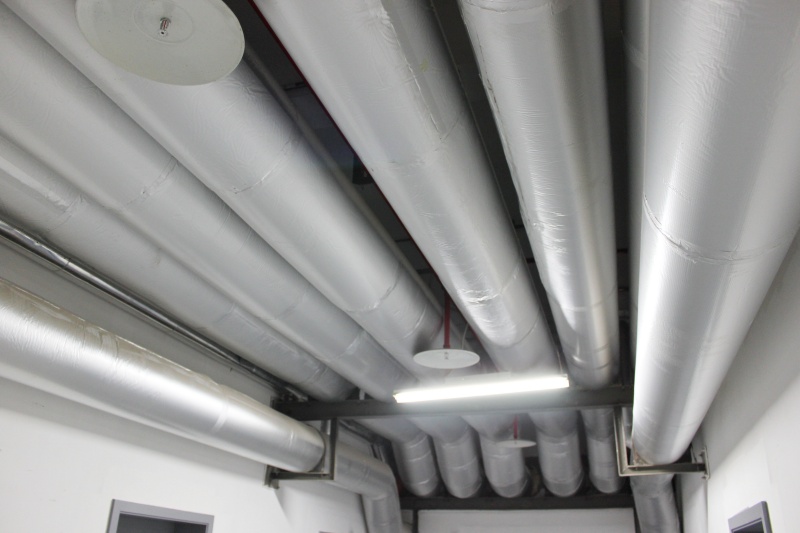
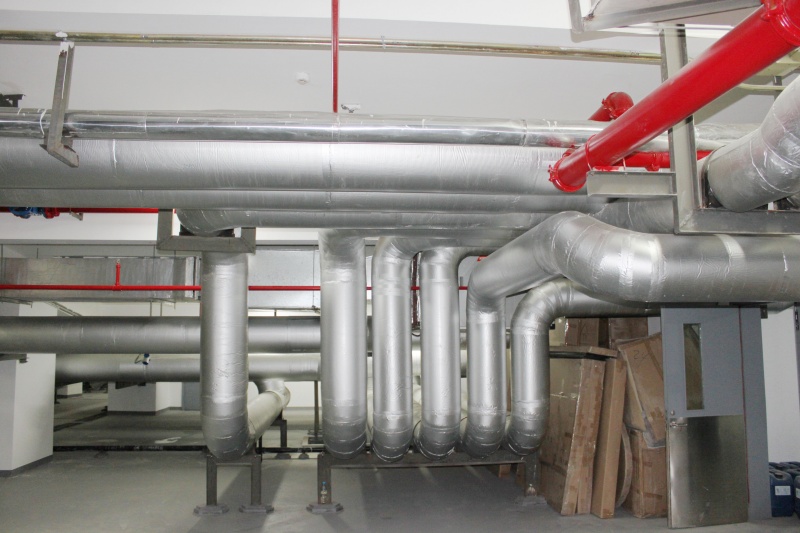
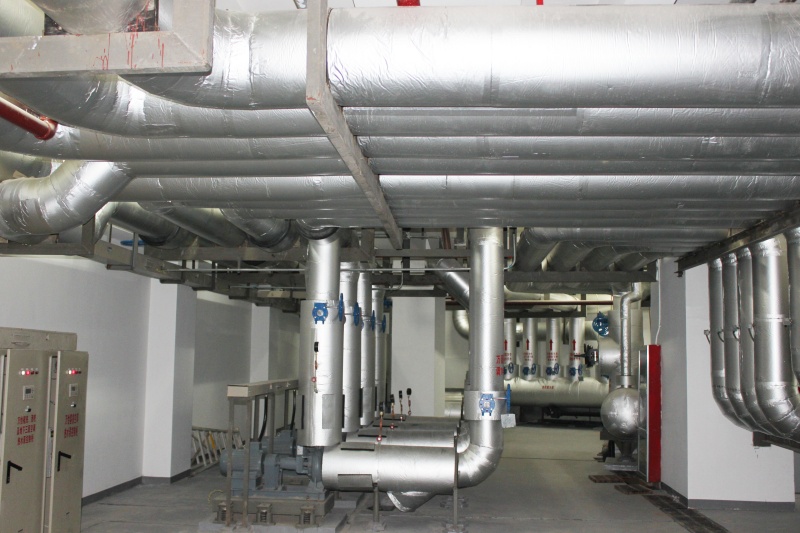
Our insulation materials are used across global commercial developments and industrial process plants. Key project applications include central air conditioning lines in high-rise buildings, process piping at chemical sites, and mechanical spaces in modern transport facilities.

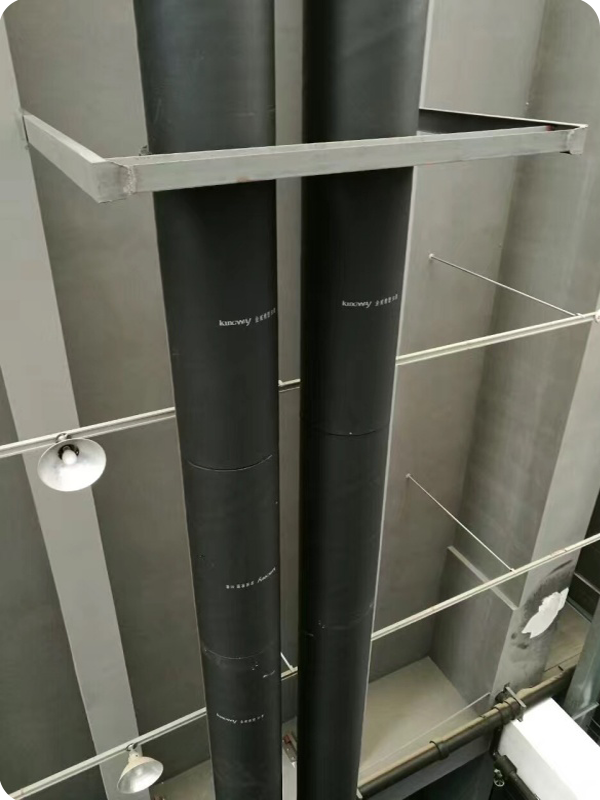
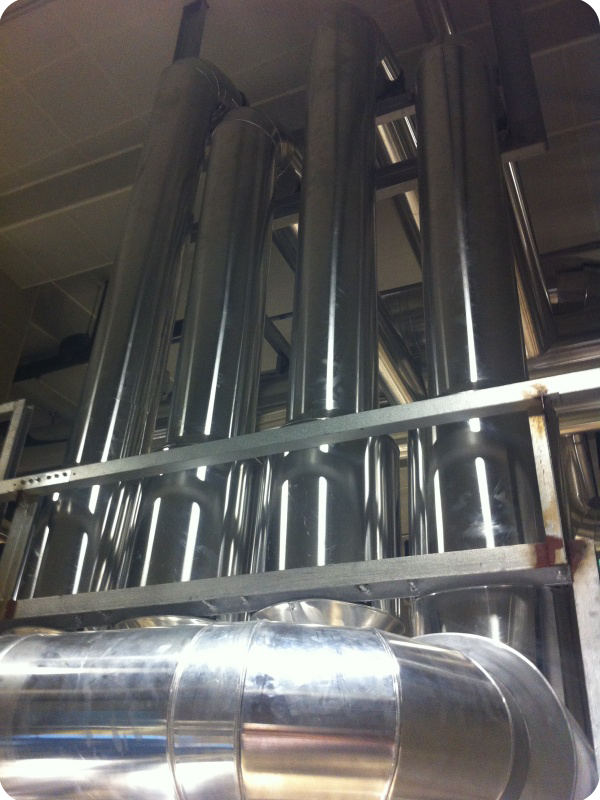
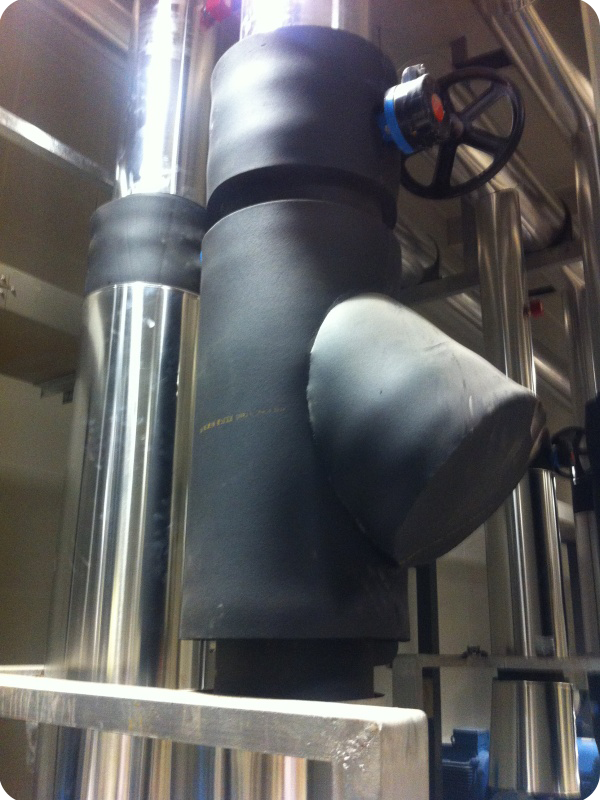
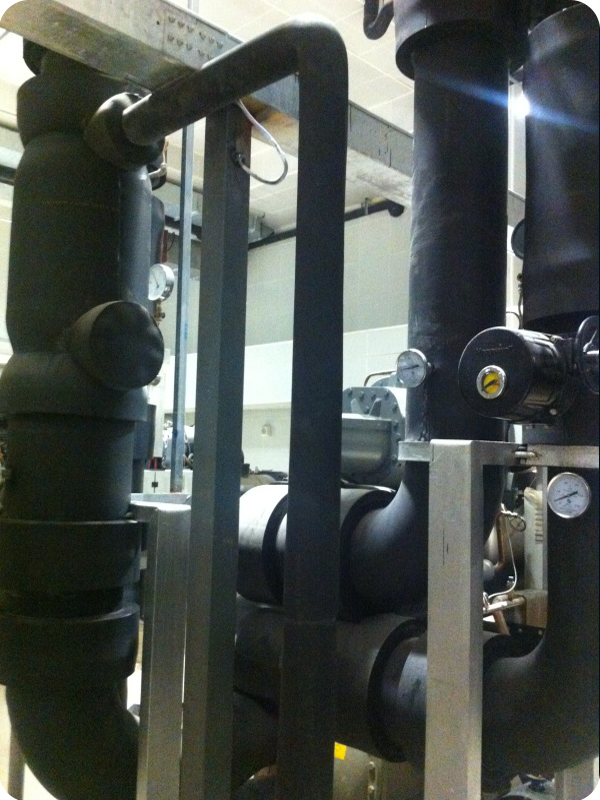

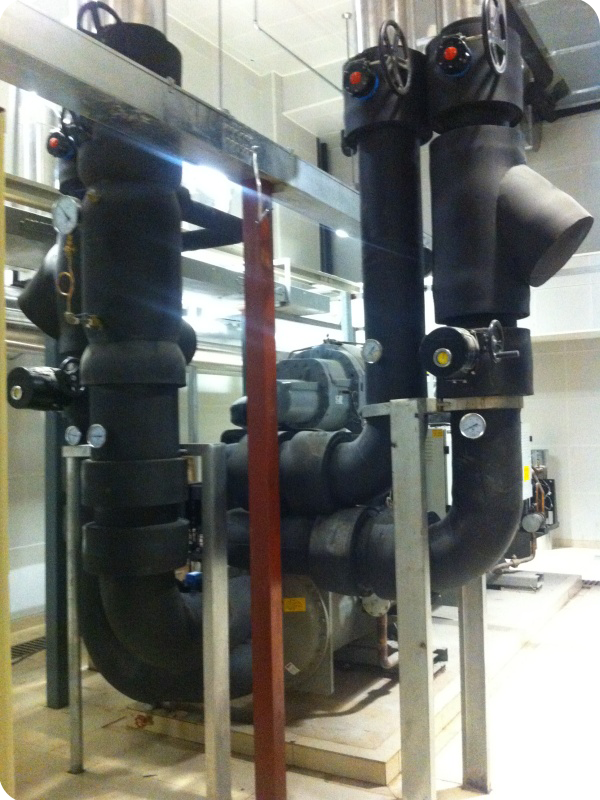
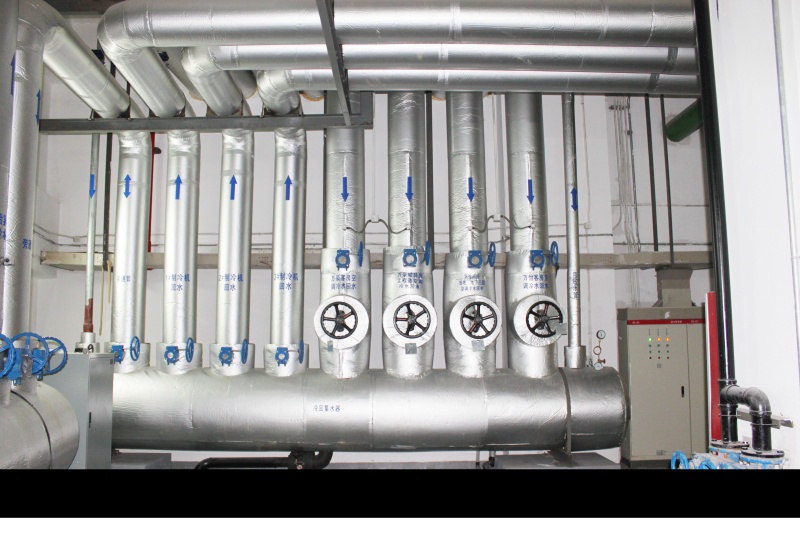
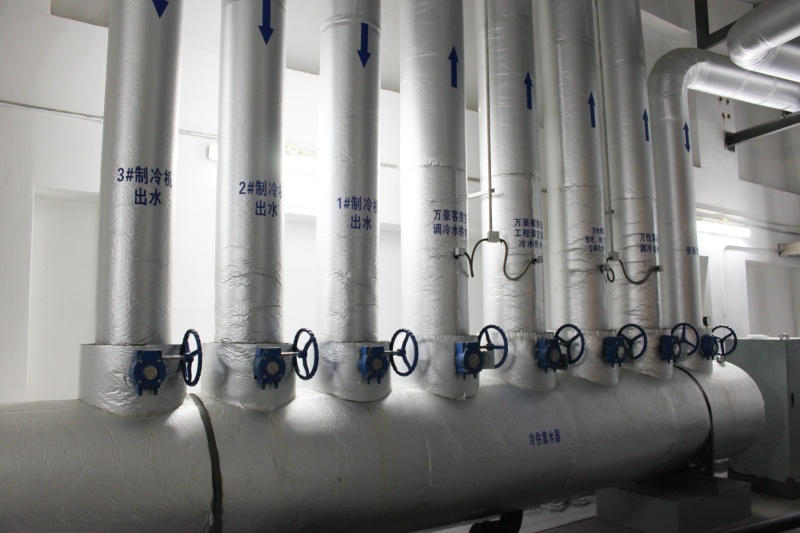
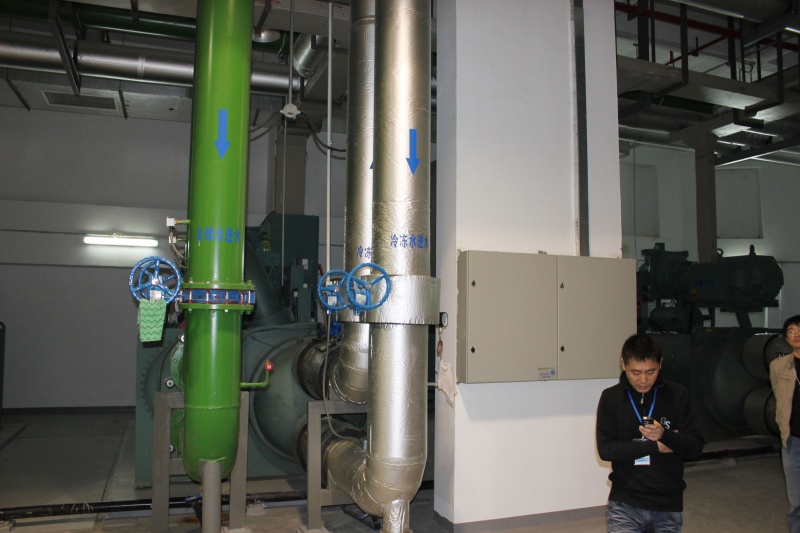


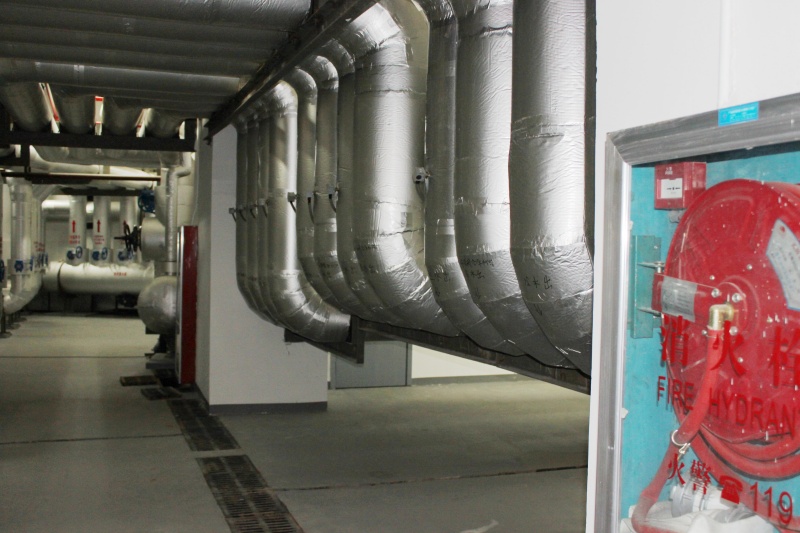
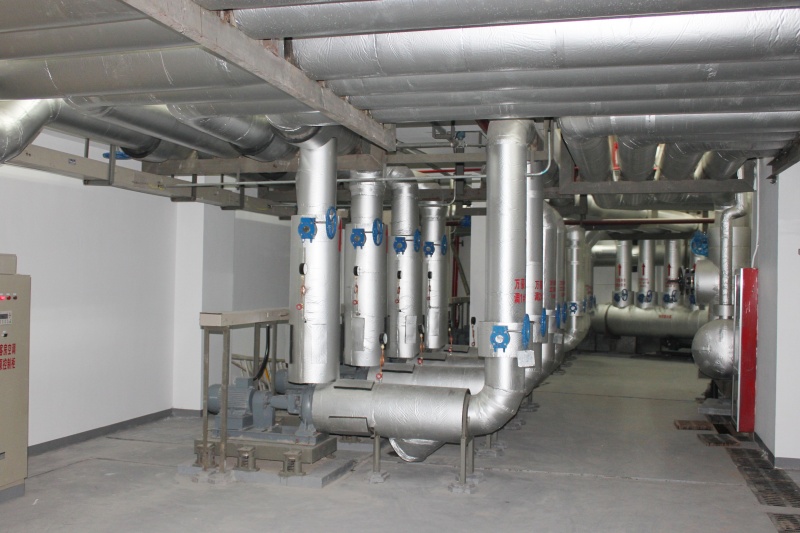
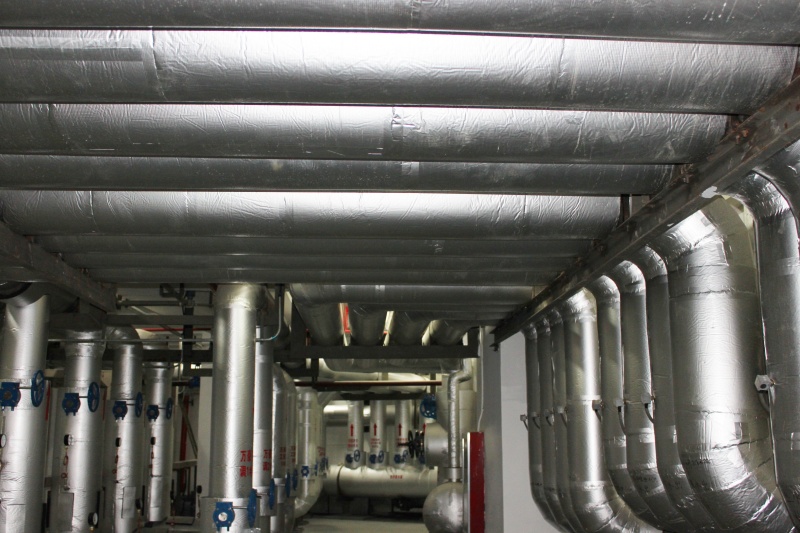
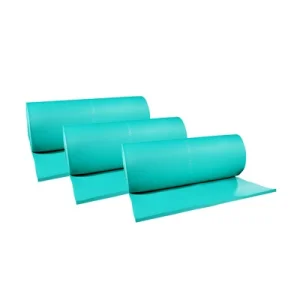
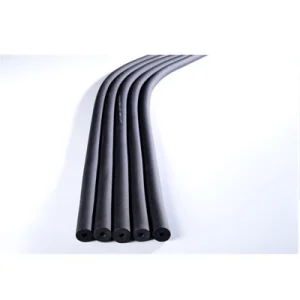
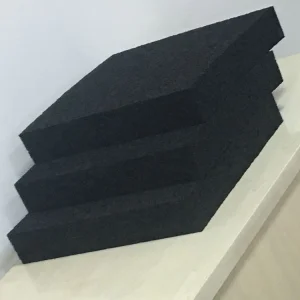
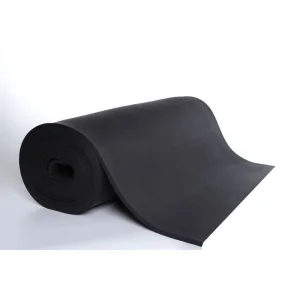
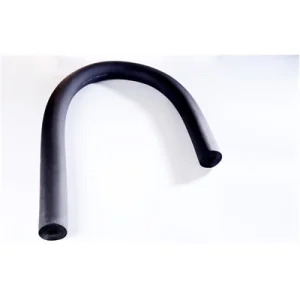
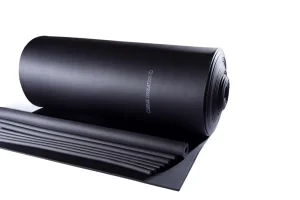
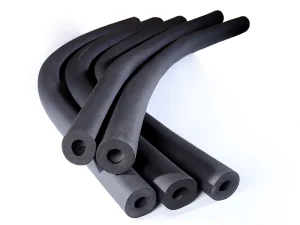
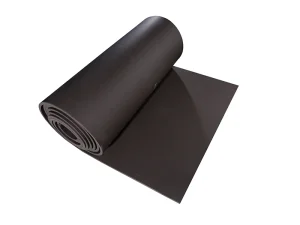
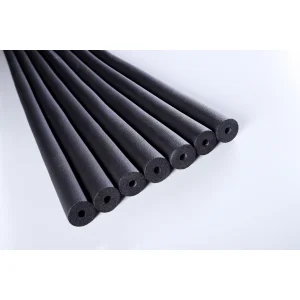
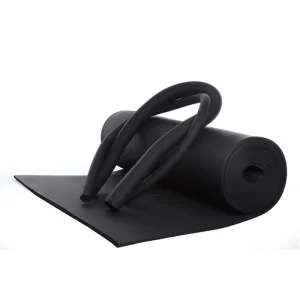
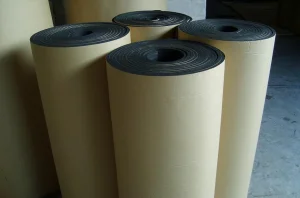
Below are the standard technical specifications for Kingflex black rubber foam sheet rolls and pipes. These metrics outline the mechanical boundaries for system designs.
Material Formulation: Closed-Cell NBR/PVC elastomer
Thickness Dimensions: 6mm to 50mm
Density Range: 40 to 55 kg/m³
Service Temp Window: -40℃ to 105℃
Material Formulation: Closed-Cell NBR/PVC elastomer
Thickness Dimensions: 9mm to 40mm
Inside Diameter Range: 6mm to 114mm
Service Temp Window: -40℃ to 105℃
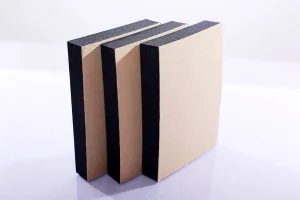
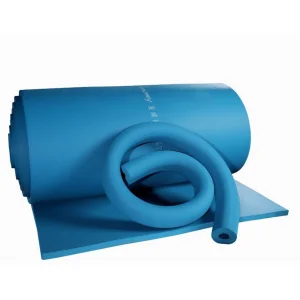
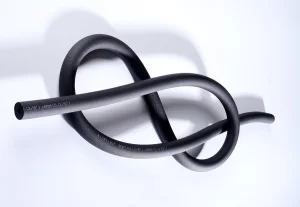
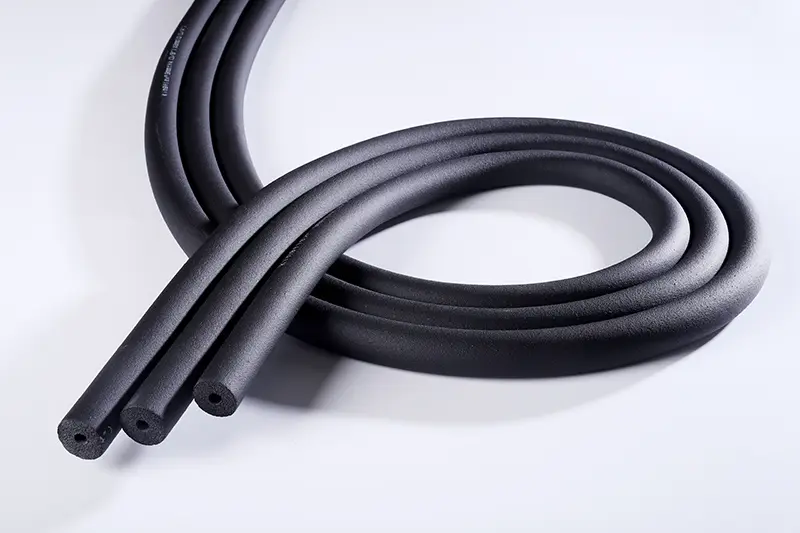
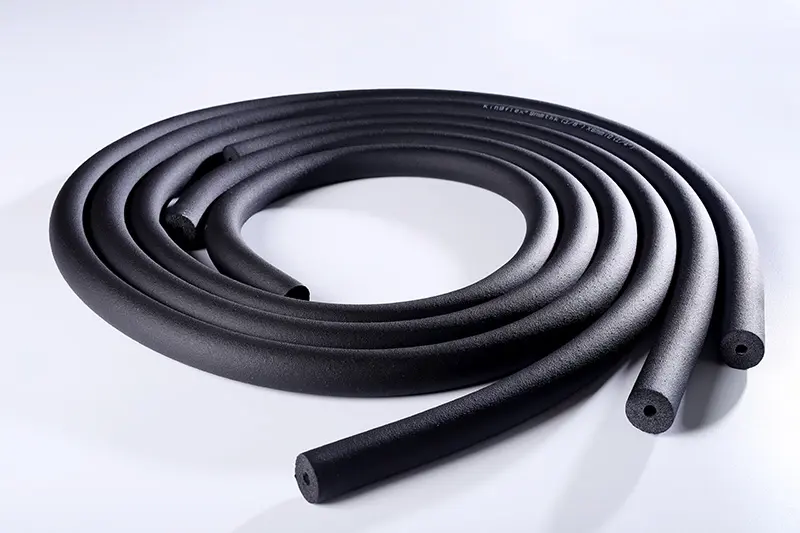
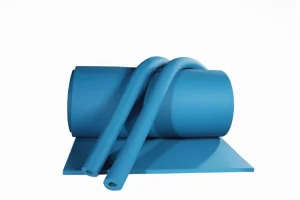
Kingflex manufactures specialized products designed for specific environments. Review our range of elastomeric foams and heavy-duty industrial wools below.
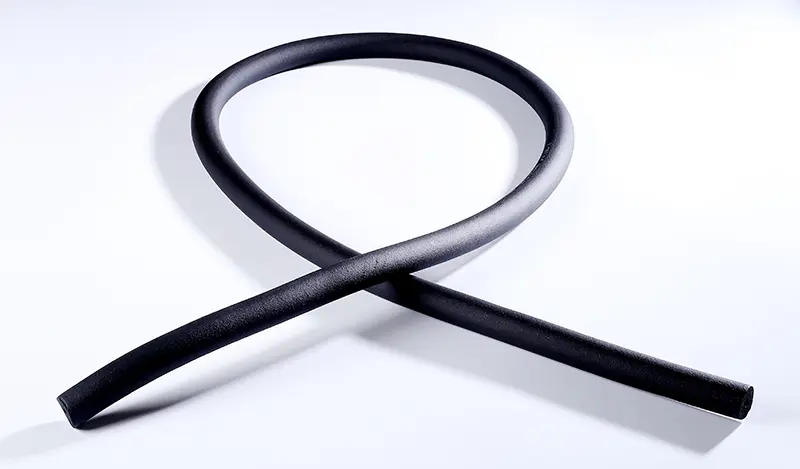





In response to evolving environmental standards, the Kingflex engineering roadmap focuses on reducing halogen content in our elastomeric compounds. Our R&D works to balance strict flame-retardant requirements with low smoke toxicity levels.
By shifting from conventional organic halides to inorganic hydrate additives, our developmental formulations aim to minimize toxic gas emissions during fire events, supporting occupant safety in enclosed spaces like tunnels and high-rises.
Our cryogenic research focuses on developing polymer matrices that maintain flexibility at ultra-low temperatures, helping to reduce the risk of structural stress and cracking in cold-chain and LNG installations.
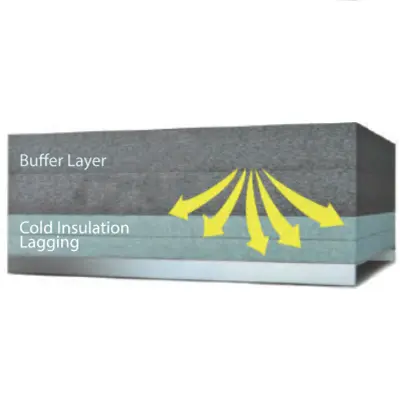
By refining the cell structure of our foams, we aim to maintain low thermal conductivity over the long term, helping to prevent moisture ingress and support stable insulation performance.
 Kingflex