Direct from China's primary high-capacity automated production base. Select a product sector below for configuration protocols and wholesale technical quotes.
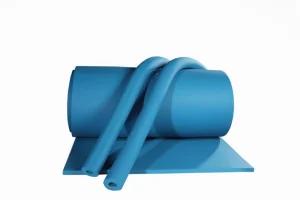
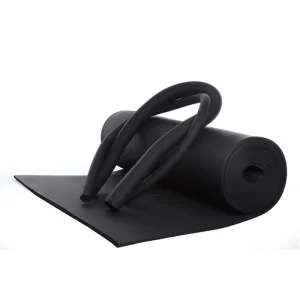
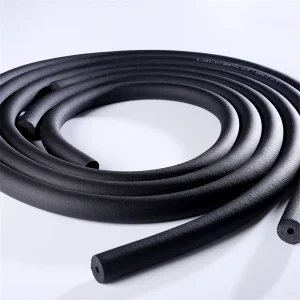
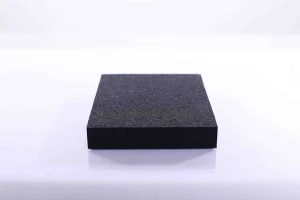
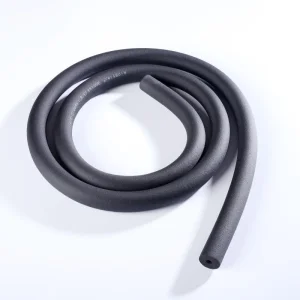
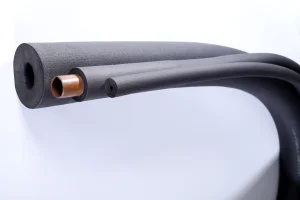
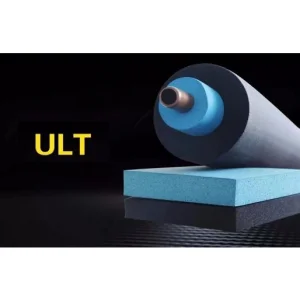
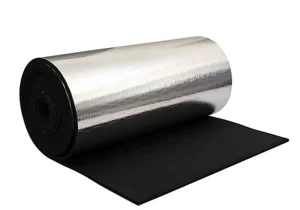
Within contemporary MEP (Mechanical, Electrical, and Plumbing) engineering, thermal insulation wrapped around air distribution systems represents a critical interface for systemic structural energy preservation. Globally, commercial high-velocity HVAC duct networks lose massive cumulative thermal units via radiant thermal transfers and uninhibited air-leakage pathways. By designing high-density closed-cell cross-linked NBR/PVC elastomeric matrices directly onto outer duct configurations, industrial infrastructure projects realize dramatic mechanical efficiencies.
Modern building optimization codes, including ASHRAE Standard 90.1, the International Energy Conservation Code (IECC), and EU energy efficiency directives, mandate rigorous oversight over ductwork thermal configurations. Improperly insulated sheet-metal plenums exhibit immediate external condensation when environmental dew-point levels intersect with supply-air temperatures. This moisture precipitation causes persistent rust, biological particulate colonization inside the building envelope, and critical compromises to acoustic treatments.
Information Gain Directive: Unlike traditional open fibrous glass wraps which degrade when exposed to moisture intrusion, elastomeric closed-cell rubber structures maintain structural K-value consistency across decadal lifespans, eliminating the requirement for secondary moisture barriers.
Analyzing the scale, capital optimization, and automated output capacities of the Dacheng green building materials production cluster.
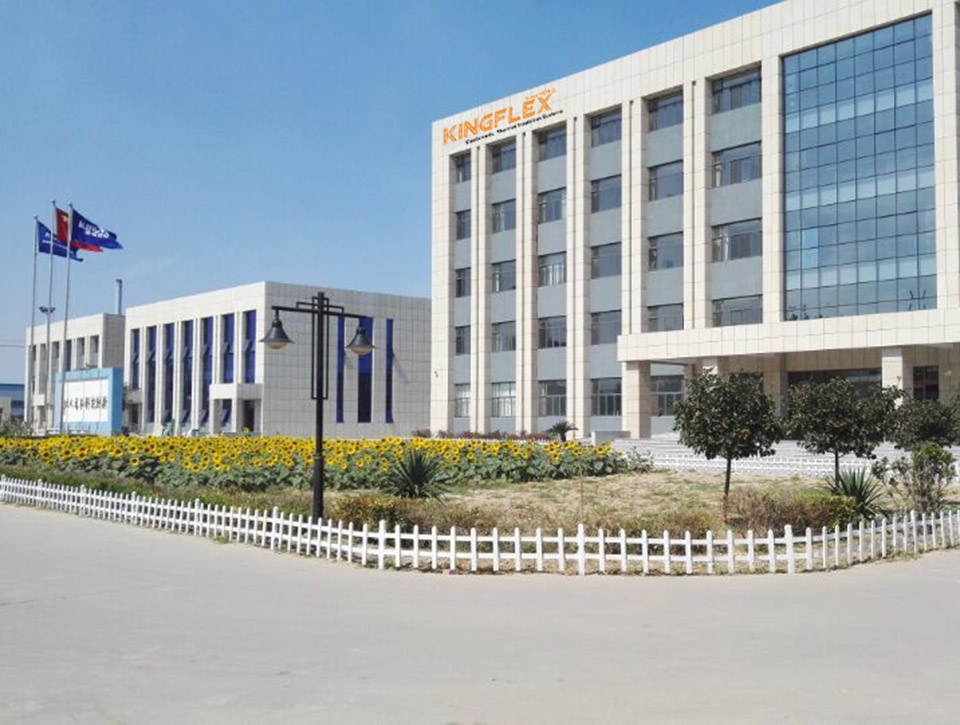
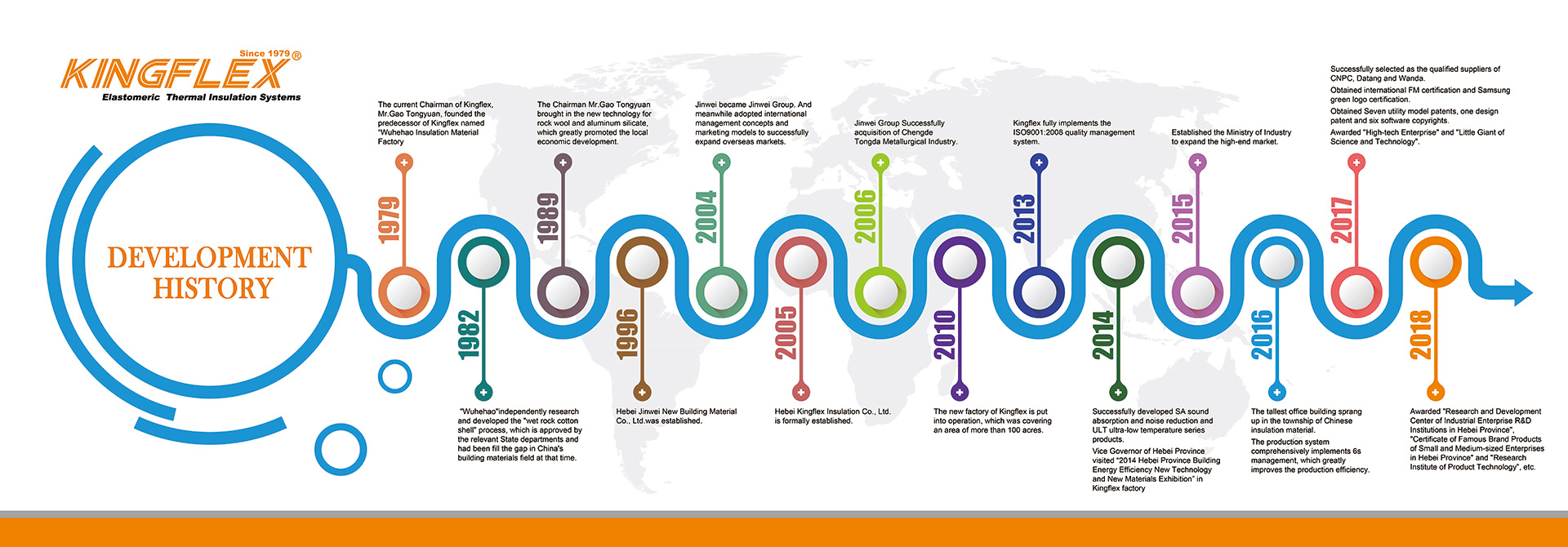
Kingflex Insulation Co., Ltd. operates as a high-tier advanced manufacturing and trade conglomerate focused exclusively on elastomeric energy-saving insulation mediums. Embedded within Dacheng, China—the universally recognized capital cluster for high-efficiency green construction materials—our corporate footprint bridges specialized polymer chemical research with large-scale industrial output. Our foundational structure was created by the Jinwei Group, an enterprise possessing over 40 years of continuous history dating back to its establishment in 1979 as the pioneer thermal insulation production baseline north of the Yangtze River.
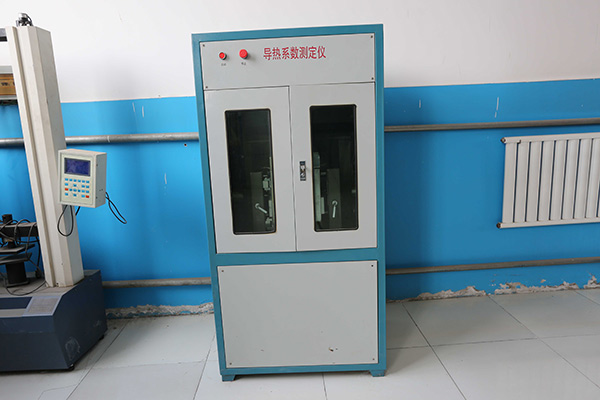
At present, Kingflex runs five high-capacity synchronized continuous vulcanization assembly lines. This hardware footprint guarantees a baseline annual manufacturing yield exceeding 600,000 cubic meters of finished flexible closed-cell material. Because of this output reliability, our operational infrastructure stands as an officially designated production node for the Ministry of Energy, the Ministry of Electric Power, and the Ministry of Chemical Industry within regional heavy development configurations.
Reviewing the micro-cellular parameters of NBR/PVC elastomeric structures optimized for wrap-around duct assemblies.
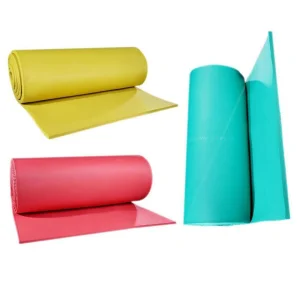
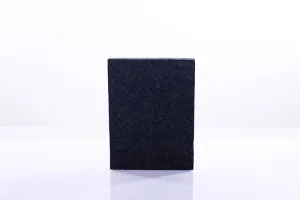
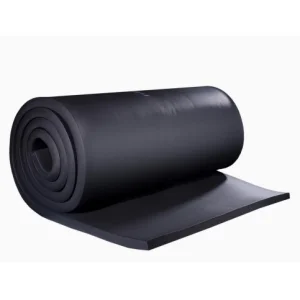
The performance of Kingflex elastomeric sheeting relies directly on its structural composition: an evenly distributed micro-cellular matrix boasting a verified closed-cell ratio exceeding 98%. By combining acrylonitrile-butadiene rubber (NBR) and polyvinyl chloride (PVC) polymers under specific temperatures and pressure parameters during continuous extrusion, the resulting flexible matrix encapsulates high-pressure gas pockets. This layout provides reliable resistance against long-term thermal energy passage.
| Technical Metric Parametrization | NBR/PVC Elastomeric Sheet Configuration | Industrial Closed-Cell Pipe Profile |
|---|---|---|
| Base Matrix Material | Premium Nitrile Rubber / PVC Blend | High-Density NBR / PVC Polymer Blend |
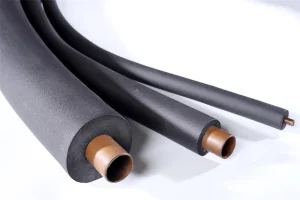
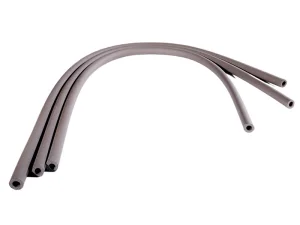
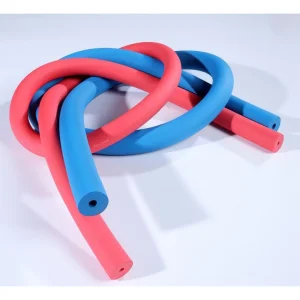
| Commercial Thickness Array | 6mm, 9mm, 13mm, 19mm, 25mm, 32mm, 50mm | 9mm, 13mm, 19mm, 25mm, 32mm, 40mm |
| Internal Volumetric Density | 40 – 55 kg/m³ (Customizable across project tiers) | 40 – 55 kg/m³ (Optimized for anti-crush) |
| Thermal Conductivity (K-Value) | ≤ 0.034 W/(m·k) at median 0°C configuration | ≤ 0.034 W/(m·k) at median 0°C configuration |
| Moisture Vapor Permeability | Resistance Factor (μ) ≥ 10,000 (Built-in Vapor Barrier) | Resistance Factor (μ) ≥ 10,000 (No outer jacket required) |
| Operational Temperature Thresholds | From -40°C up to Peak +105°C continuous limits | From -40°C up to Peak +105°C continuous limits |
| Fire Compliance Standards | BS 476 Class 0, UL94 V-0 Rated, ASTM E84 Compliant | BS 476 Class 1, CE Certified, RoHS Compliant |
How global project directors deploy Kingflex elastomeric profiles across diverse microclimates and specific operational environments.
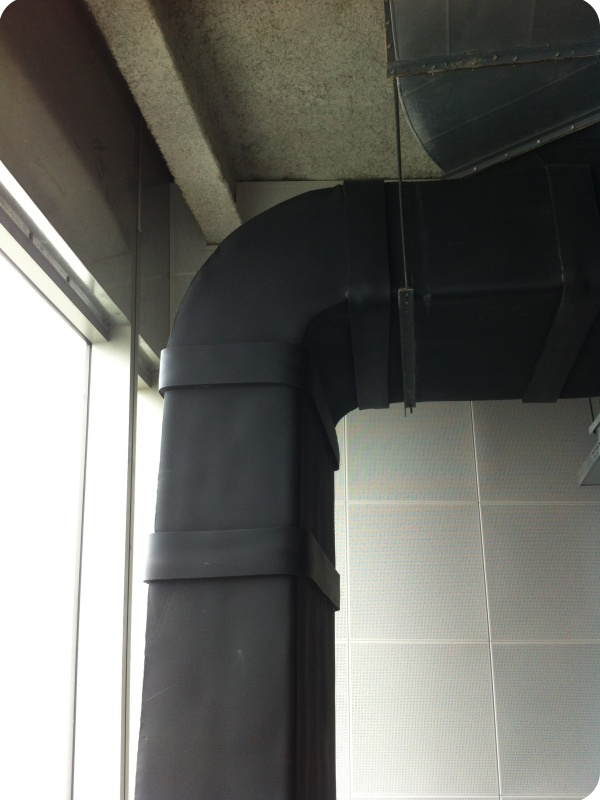
Applied directly around massive rectangular and spiral sheet-metal air delivery runs within modern high-rise office towers, mega-malls, and luxury hospitality centers. Maximizes supply-air thermal preservation while dampening mechanical fan vibrations and low-frequency air noise before it enters tenant spaces.
Hyperscale server architecture demands precise psychrometric control. Kingflex sheets wrap around cold-aisle containment delivery ducts, providing zero fibrous particulate shedding. This protects high-density server electronics from dust accumulation while containing sweat-induced moisture risks near high-voltage busways.
For specialized gas processing, petrochemical complexes, and liquid nitrogen utility systems. Our specialized low-temperature elastomeric formulations resist extreme thermal shock down to deep-freeze parameters, preventing outer air humidity from freezing instantly into heavy ice accumulations on structural hangars.
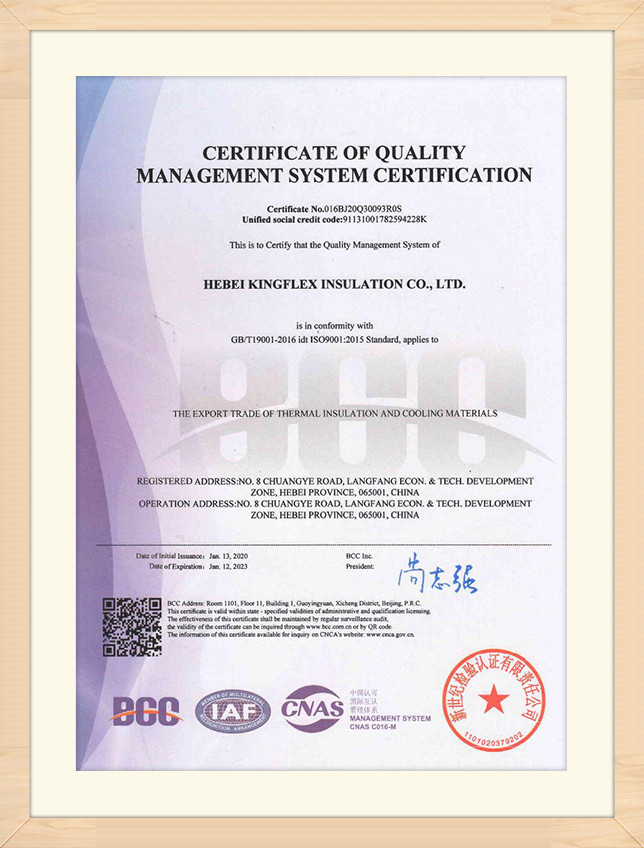
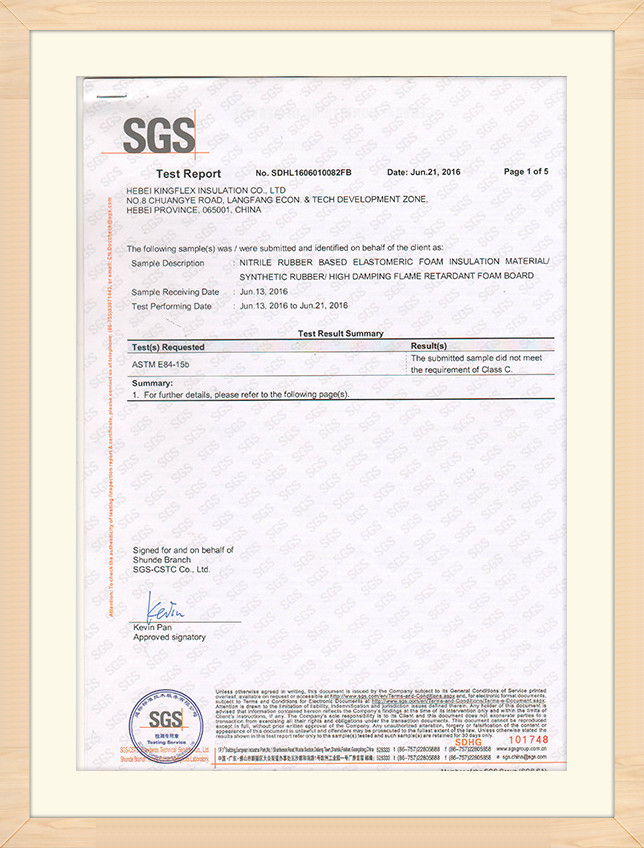
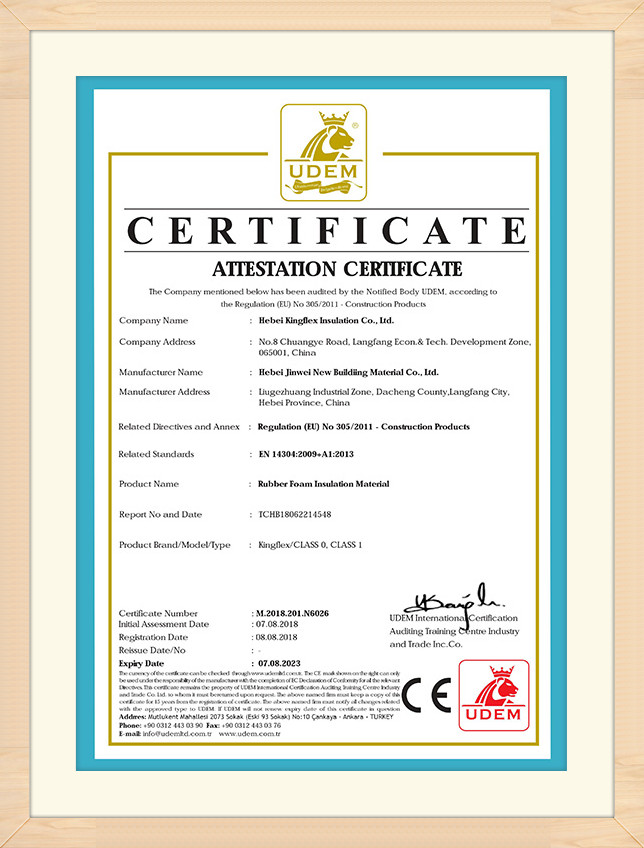
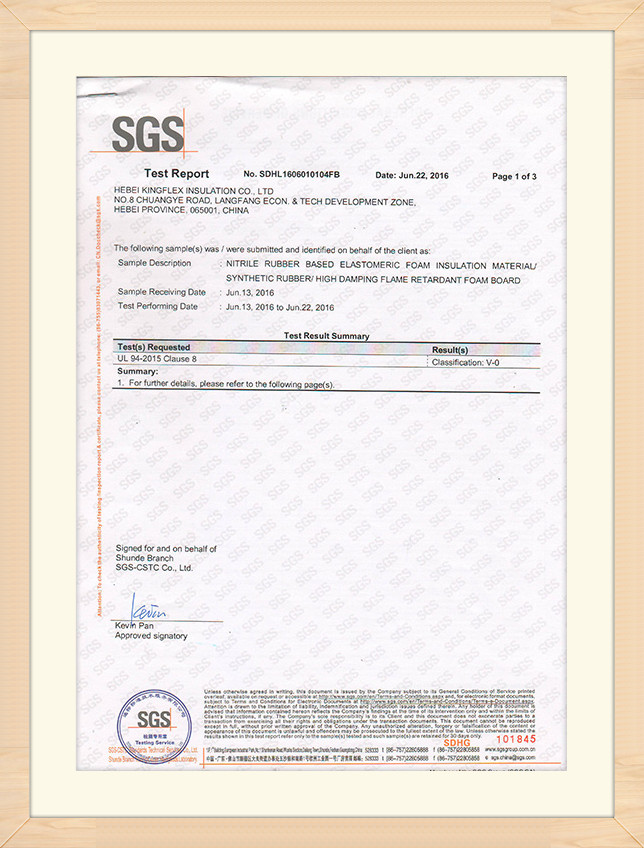
How the evolution of chemical regulations and supply chain management alters long-term material sourcing strategies.
The global construction specification sector is quickly shifting away from traditional additive chemistries that release toxic halogenated compounds during thermal decomposition. When standard elastomers face direct fire vectors, they often release dense smoke containing chemical tracking items like bromine or chlorine. Kingflex is leading this sector transition by engineering advanced halogen-free, low-smoke flexible thermal sheets.
Our updated production setups utilize organic phosphorous-nitrogen flame retardants. These create an intumescent carbon layer when exposed to heat, blocking further oxygen pathing. This allows large commercial operators to safely install thermal wraps in public spaces like underground transit systems, airports, and school environments without compromising regional indoor air quality standards during emergencies.
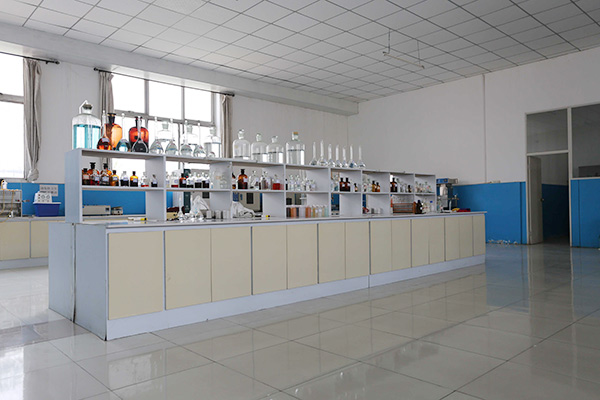
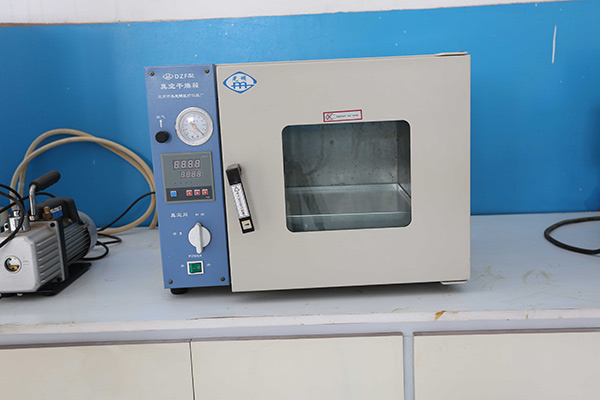
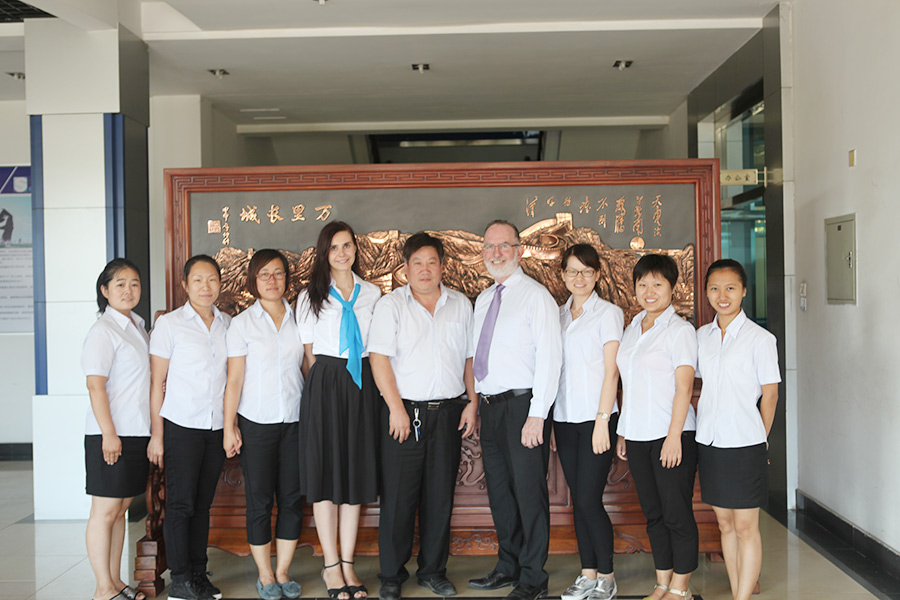
Sourcing large volumes of insulation from our automated facility in China allows procurement teams to streamline their supply chain timelines. With an expansive workforce tracking 230 specialized production personnel and 8 dedicated polymer engineers on site, custom product modifications (such as factory-applied high-adhesion backing or protective aluminum foil cladding) can be engineered rapidly to match specific project designs.



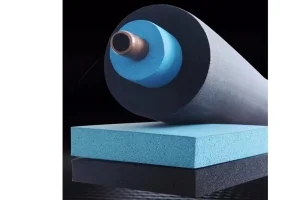
A granular look at the mechanical differences between roll insulation configurations and structural tube systems.



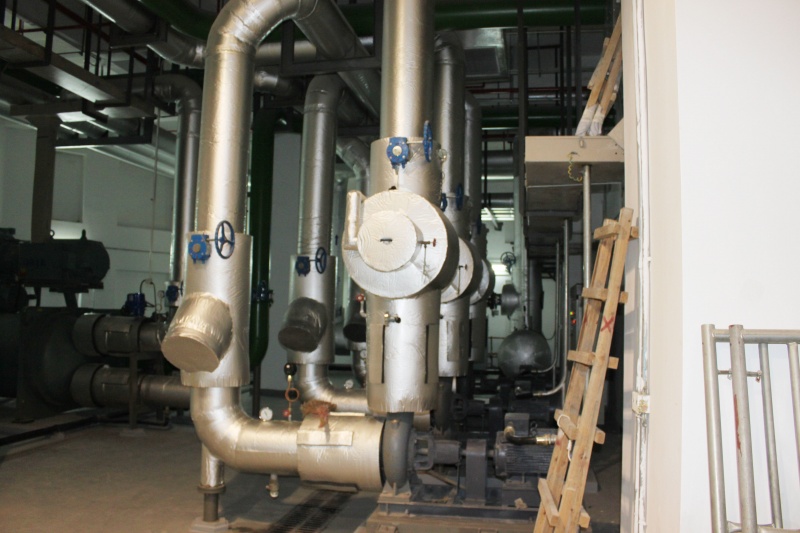
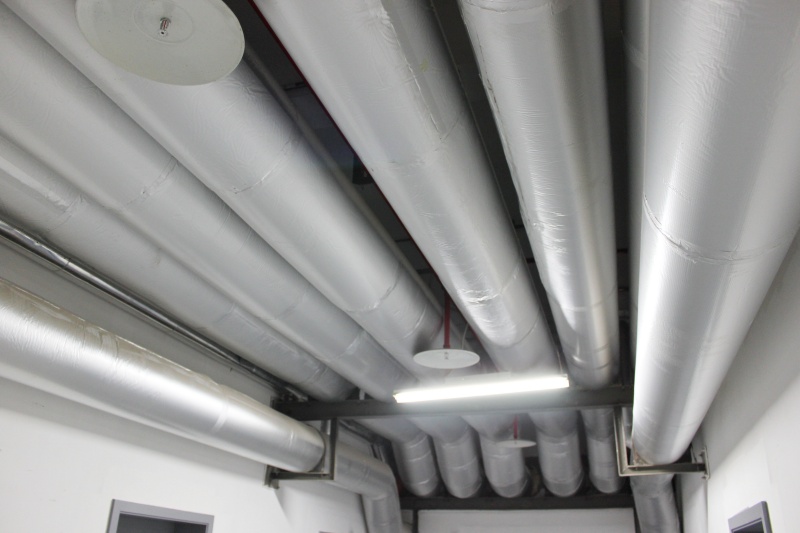
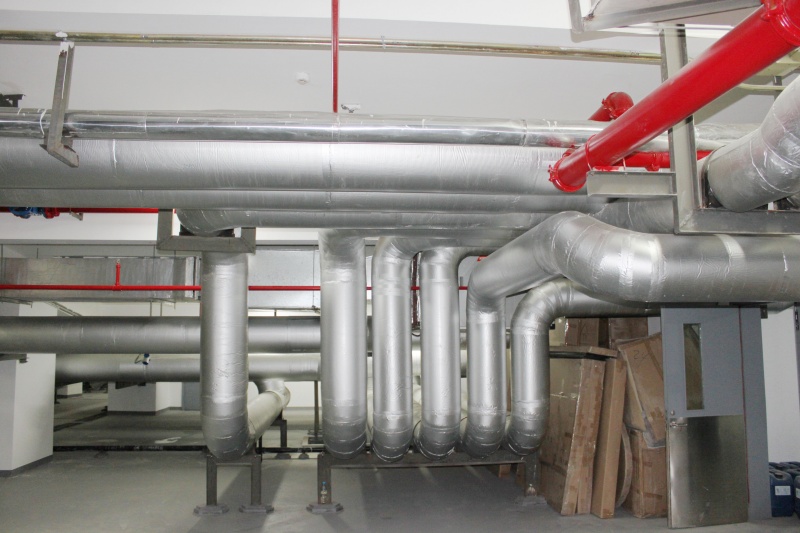
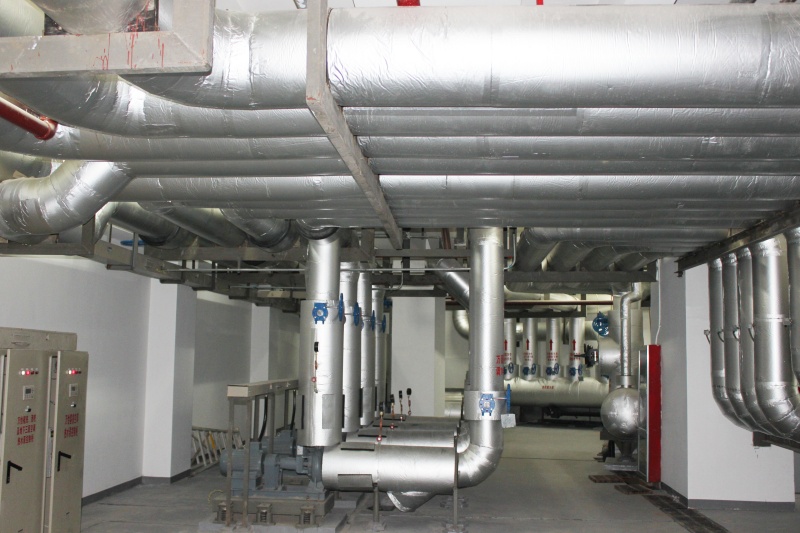
Tracking active structural updates and finished component deliveries across key regional hubs.

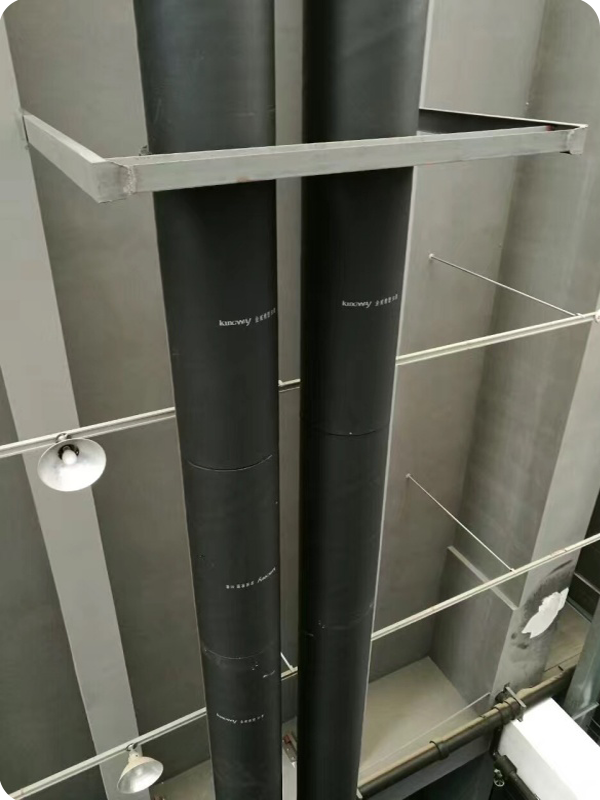


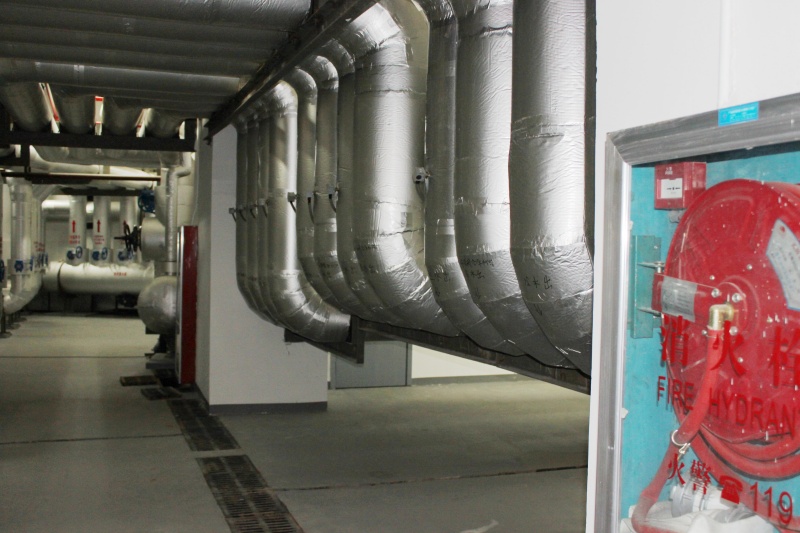
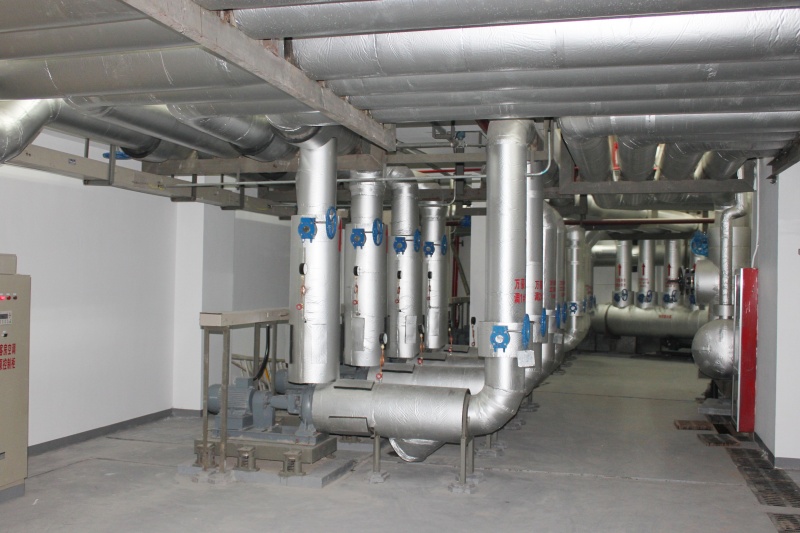
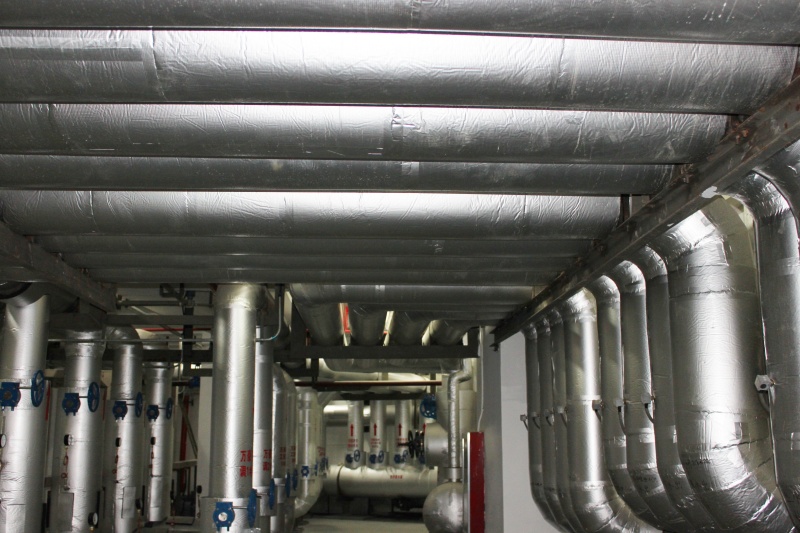
Addressing structural parameters, fire certifications, and installation methodologies for global procurement compliance.
Extended material matrix for specialized architectural configurations and deep mechanical system designs.
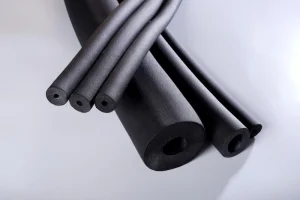
 Kingflex