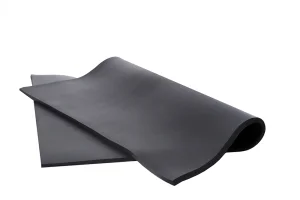
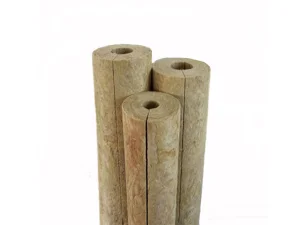
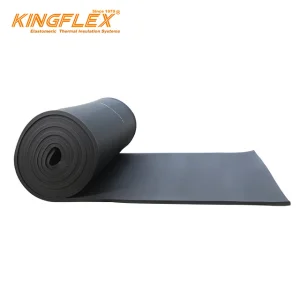
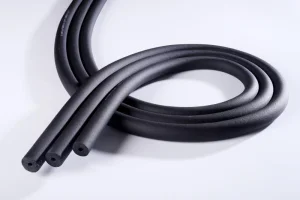
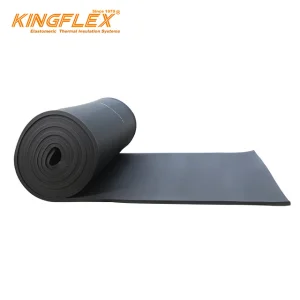
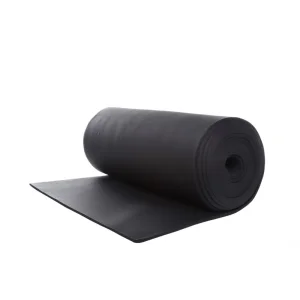
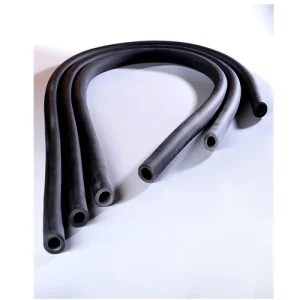
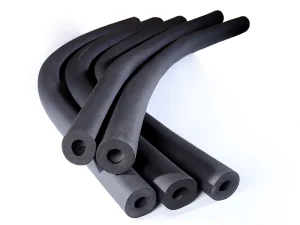
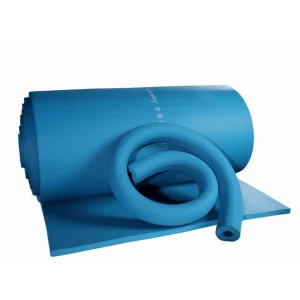
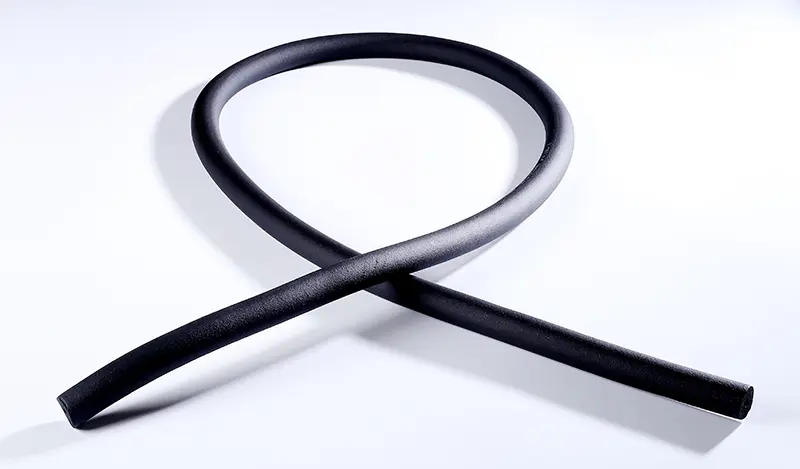
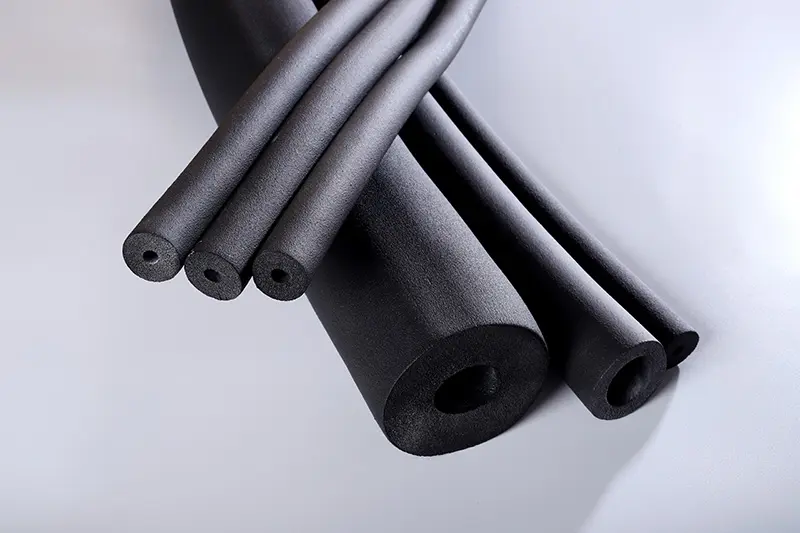
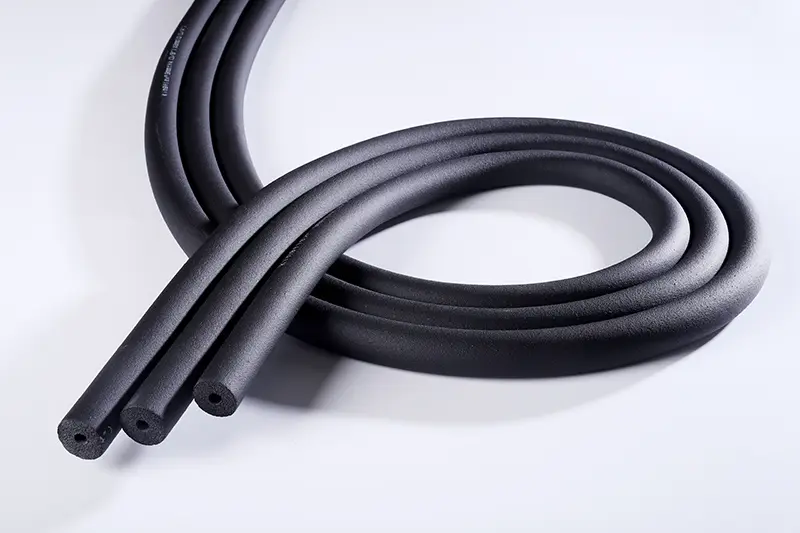
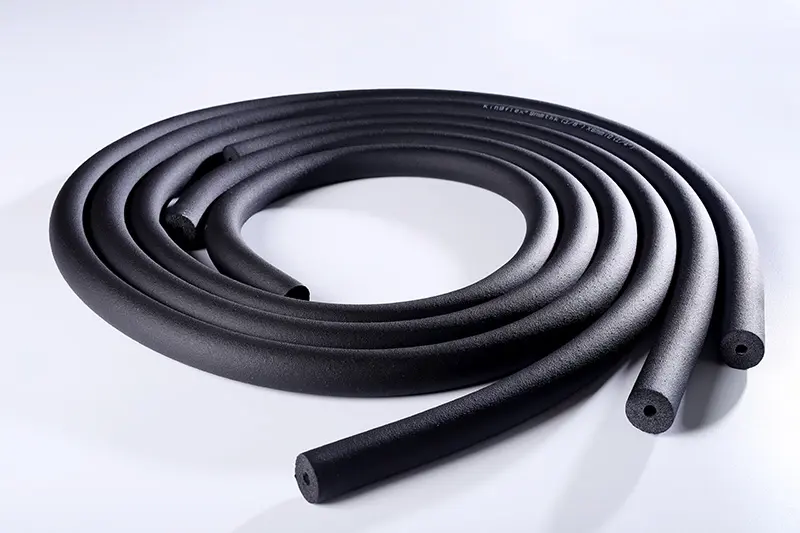
Explore our core product lineup of elastomeric closed-cell foam insulation, engineered rock wool, and cryogenic protection tubes certified to international regulatory codes.
In modern industrial facilities, process piping forms the vascular network that sustains complex thermal operations. Whether transporting superheated steam in power generation plants, managing chilled water loops in commercial HVAC systems, or conveying volatile liquified gases in petrochemical complexes, thermal management is paramount. A properly specified and installed piping insulation procedure prevents uncontrolled energy loss, mitigates surface condensation, controls process temperature variations, and guarantees personnel safety against high-temperature hazards.
Across Europe, the Americas, and the Middle East, commercial infrastructure developers and process plant engineers are facing increasingly stringent regulatory mandates for environmental efficiency and fire safety. The transition toward green building standardizations (such as LEED, BREEAM, and DGNB) has shifted the procurement paradigm. No longer is thermal insulation considered a passive structural element; it is evaluated dynamically as a key performance indicator of a facility’s carbon offset strategy. Closed-cell elastomeric structures, notably NBR (Nitrile Butadiene Rubber) and PVC composites, are dominating low-to-medium temperature specifications due to their high moisture-resistance factor (μ ≥ 10,000) and stable thermal conductivity values.
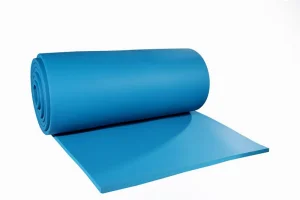
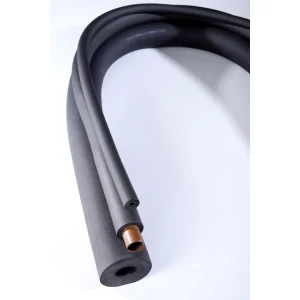
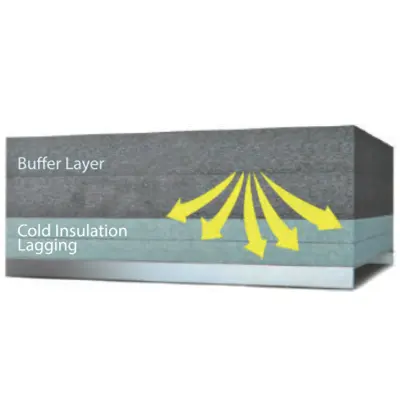
Preventing moisture condensation and freeze-thaw damage on commercial chilled water loops and condensation pipes using durable closed-cell structures.
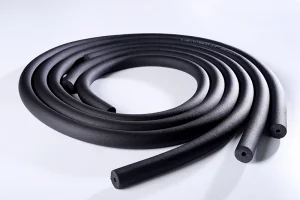
Managing ultra-low temperatures down to -200°C in LNG facilities and gas processing pipelines, requiring multi-layered synthetic rubber structures.
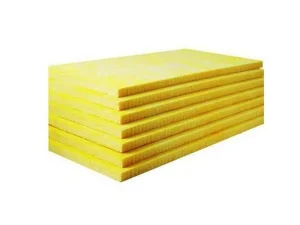
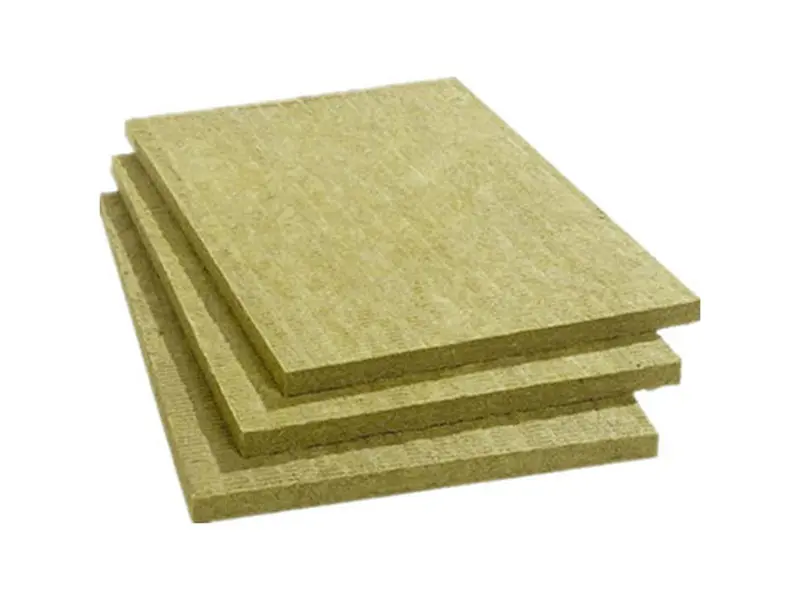
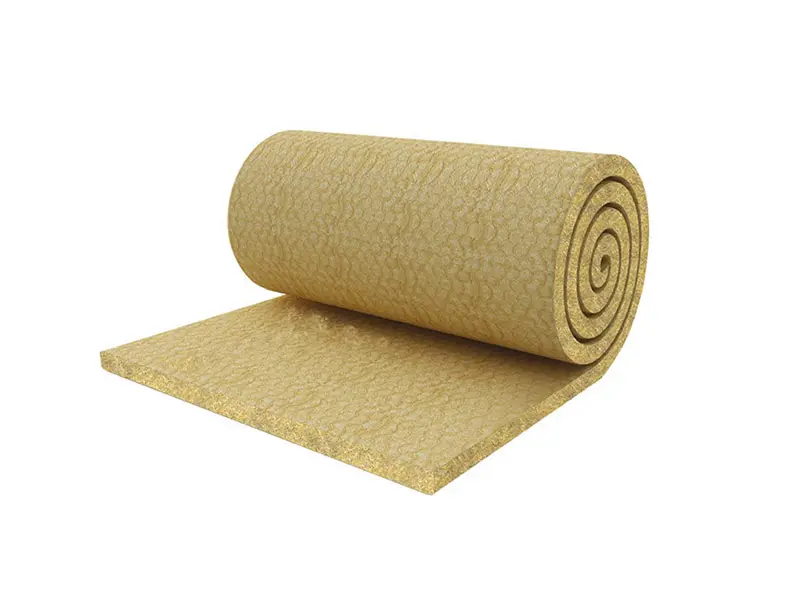
Employing high-density rock wool insulation sections to mitigate thermal transfer and preserve thermodynamic efficiency in power generation.
The systemic execution of piping insulation determines the longevity and thermodynamic efficiency of the system. Below is the technical installation procedure compiled by Kingflex R&D engineers.
Ensure that all metallic piping runs are thoroughly pressure-tested, approved by the quality inspector, and completely free of rust, dust, scale, moisture, or chemical oils. If dealing with carbon steel pipes, a corrosion-resistant primer paint must be fully cured before applying elastomeric adhesive.
For pre-formed pipe sleeves, verify the inner diameter matches the pipe outer diameter precisely to avoid air voids. For flat sheet rolls applied on larger diameter headers, measure the outer circumference of the pipe. Cut the insulation material using sharp knives to prevent jagged edges which cause weak joints.
Apply a thin, uniform coating of Kingflex specialized solvent-based contact adhesive to both cut edges of the insulation sleeve. Allow the adhesive to become dry to the touch (typically 3-10 minutes depending on ambient temperature) before pressing the edges together firmly from the ends toward the center.
In cold and cryogenic systems, vapor barrier continuity is vital. Seal all longitudinal and circumferential butt joints with 50mm wide self-adhesive elastomeric foam tape or specialized vapor barrier jackets to prevent atmospheric moisture from penetrating the system and forming ice underneath.
Kingflex Insulation Co., Ltd. is a professional manufacturing and trading combo for thermal insulation products. The Kingflex research development and production department is located in the well-known capital of green-building materials in Dacheng, China. It is an energy-saving, environmental friendly enterprise concentrating on research, development, production, and sales. In operation, Kingflex takes energy saving and consumption reduction as the core concept. We provide advanced solutions regarding industrial insulation by means of consultation, research and development, production, installation guidance, and comprehensive post-sale services to lead the development of the global building materials industry.
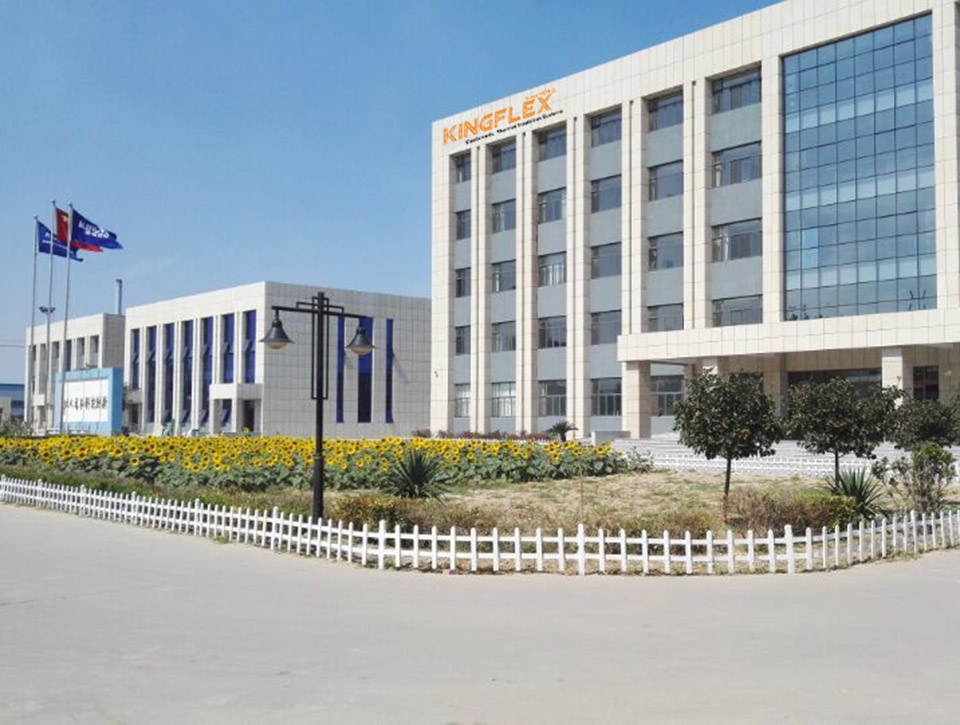
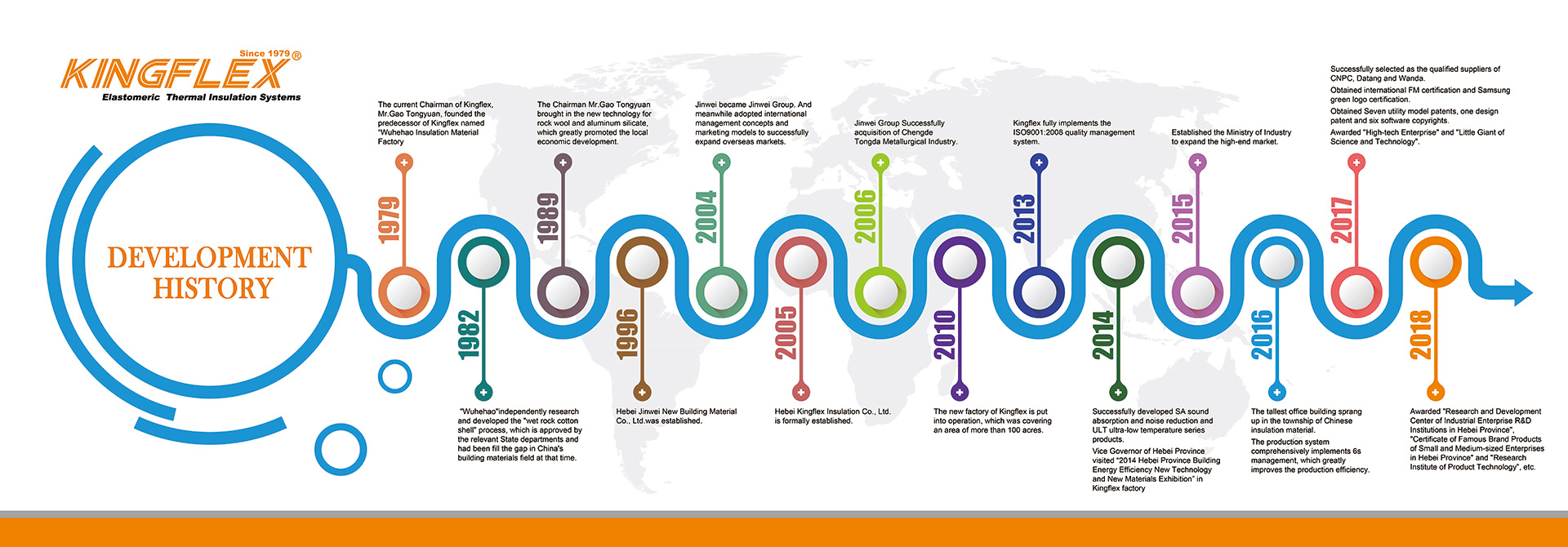


Our History: Kingflex is established by the Jinwei Group, which possesses more than 40 years of industry history. Established in 1979, the group was the very first manufacturer of thermal insulation materials north of the Yangtze River, paving the way for China's modern industrial thermal preservation infrastructure.
Our Team: Our employees are amazing in their own right, but together they are what makes Kingflex such a fun and rewarding place to work. The Kingflex team is a tight-knit, talented group with a shared vision of giving consistently first-class service for our clients. Kingflex has 8 professional engineers in our R&D Department, 6 professional international sales specialists, and 230 dedicated workers in our manufacturing lines.
Years History
M³ Annual Capacity
Export Countries
Auto Assembly Lines
At present, Kingflex has 5 large automatic assembly lines, with an annual production capacity of more than 600,000 cubic meters, and has become a designated production enterprise designated by the Ministry of Energy, the Ministry of Electric Power and the Ministry of Chemical Industry of China. This guarantees both domestic grid infrastructure security and bulk supply scalability for international contractors.
Our thermal insulation products are widely used in construction, petroleum, chemical, national defense, aerospace, and other demanding process industries. Kingflex products have been exported to more than sixty-six foreign countries all over the world in the past 16 years, serving heavy-duty thermal conservation systems on multiple continents.
Our Responsibility: We supply customers all over the world with a full set of energy-saving insulation system solutions, operating as an integrated solution provider of thermal insulation, cold insulation, and noise reduction for buildings and industrial complexes.
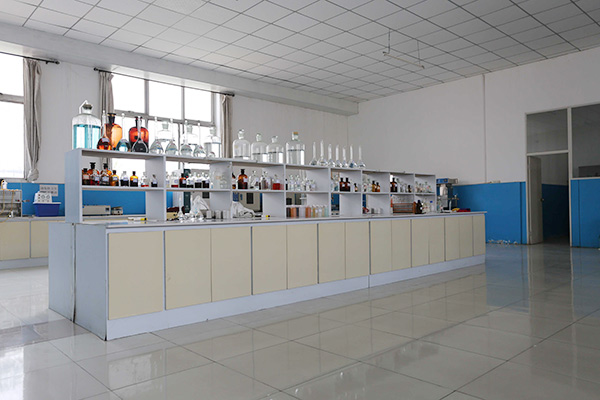
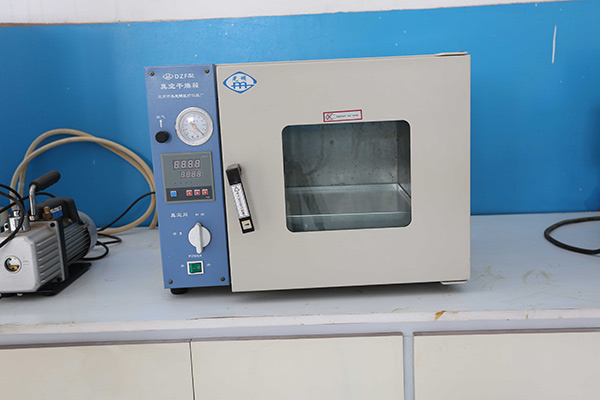
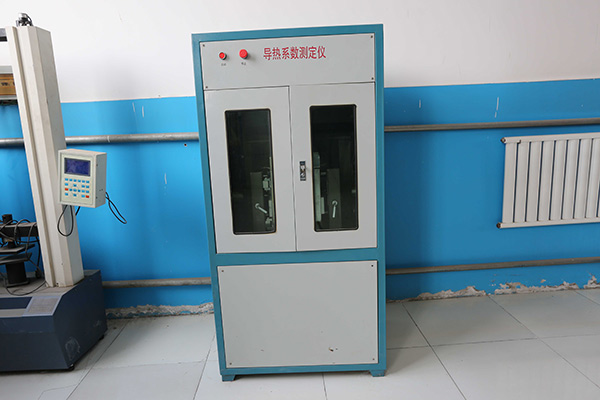
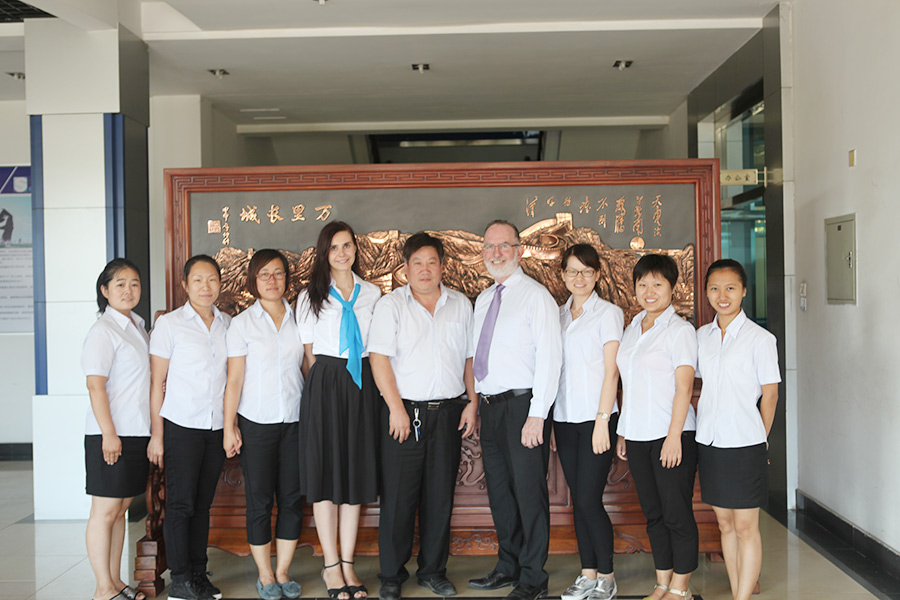
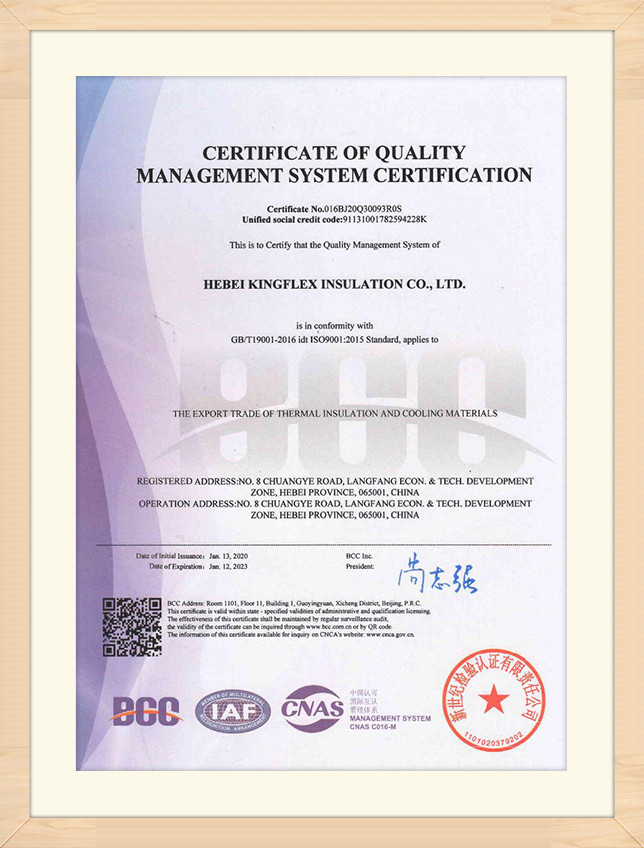
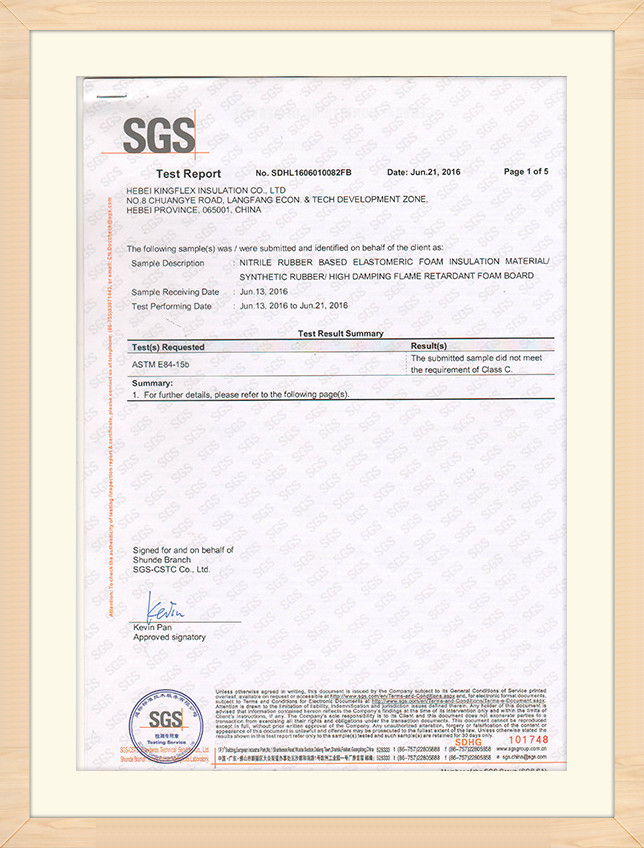
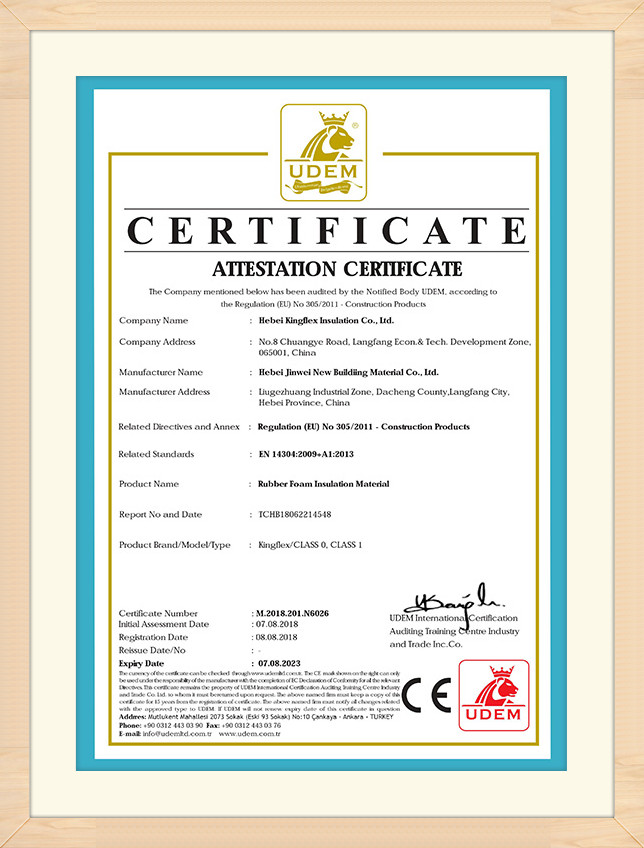
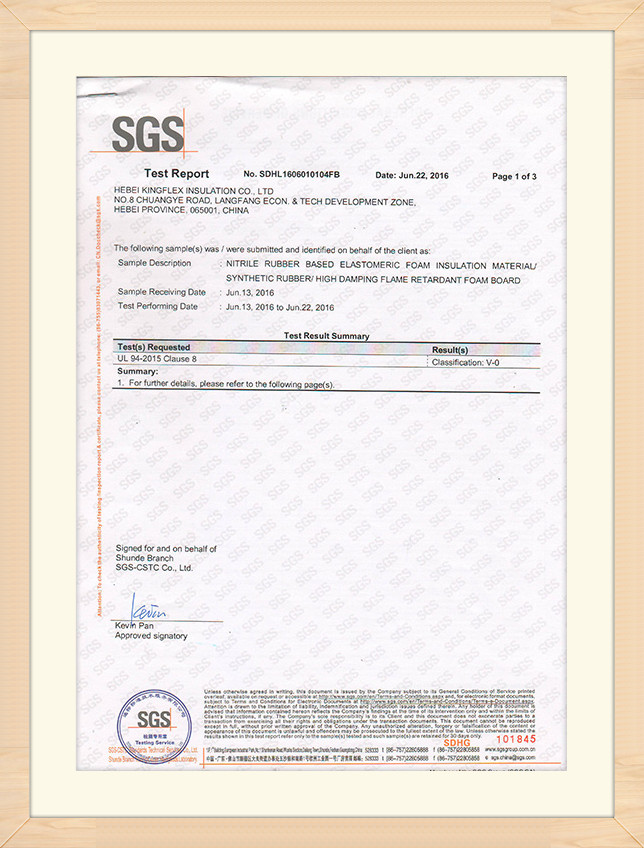
Selecting the optimal insulation material depends on operational service temperatures, moisture exposure, and structural fire ratings.
| Performance Criterion | Kingflex Closed-Cell Rubber Foam | High-Density Rock Wool Sections |
|---|---|---|
| Service Temperature | -40°C to +105°C (Specialized cryogenic grades down to -200°C) | Up to +650°C (Excellent high-temperature stability) |
| Thermal Conductivity (λ) | ≤ 0.035 W/(m·K) at 0°C | ≤ 0.044 W/(m·K) at 70°C |
| Moisture Resistance (μ) | Closed-cell structure, μ ≥ 10,000 (Built-in vapor barrier) | Open-cell fibrous structure, requires external cladding/vapor barrier |
| Fire Behavior | Flame retardant, self-extinguishing (Class 0 / Class 1) | Non-combustible (Class A1) |
| Sound Insulation | Excellent for low-frequency structural vibration dampening | Excellent for high-frequency acoustic absorption |
Our black rubber foam insulation products are manufactured under strict volumetric controls to ensure uniform cell distribution. Below are the standard operational parameters for the Kingflex NBR/PVC product family:
HVAC system air ducts, structural wall and roof insulations, plant machinery rooms, railway carriage thermal linings, and large liquid storage vessels.
Centralized air conditioning chilled water lines, domestic hot water supply systems, oilfield process pipeline insulation, solar heat loops, and industrial refrigeration conduits.
The pricing of rubber foam and rock wool insulation products is fundamentally influenced by raw material index values (specifically NBR monomer, PVC resin, and blowing agent prices) alongside gas and electricity utility metrics during the thermal vulcanization process. Kingflex operates out of Dacheng, China—widely recognized as the epicentre of insulation material science. Our geo-location ensures that chemical supply lines, specialized workforce assets, and bulk logistical transport facilities are localized within a 50km radius. This localized industrial cluster translates directly into significant manufacturing cost reductions, which we pass along to our international distributors.
Furthermore, our continuous extrusion lines and high-throughput baking kilns operate continuously, which minimizes thermal startup loss and stabilizes structural density. Our automatic systems guarantee that sheet thickness stays uniform within a +/-0.5mm margin, minimizing structural scrap rates by over 12% compared to manual batch ovens. Below is an indicative wholesale pricing structure outlining typical FOB Tianjin price ranges for volume import orders:
| Insulation Subcategory | Dimensions Range | Volumetric Density | Indicative Price Basis (FOB Tianjin) |
|---|---|---|---|
| Standard NBR/PVC Rubber Sleeve | ID: 6mm - 114mm | L: 1.8m - 2.0m | 40 - 55 kg/m³ | Contact for Quote (MOQ: 1x20GP container) |
| NBR/PVC Elastomeric Foam Sheet Roll | Thickness: 6mm - 50mm | W: 1.0m / 1.2m / 1.5m | 45 kg/m³ | Volume Discount Applied (Direct Factory Pricing) |
| Cryogenic Low-Temperature Elastomeric Sheet | Thickness: 13mm - 32mm | Specialized Density | 50 - 55 kg/m³ | Project-Specific Quotation (ASTM Compliant) |
| Industrial Rock Wool Sectional Sleeve | Standard Pipe Fitments | Thickness: 30mm - 100mm | 80 - 150 kg/m³ | Per Cubic Meter Standard Tariff structure |
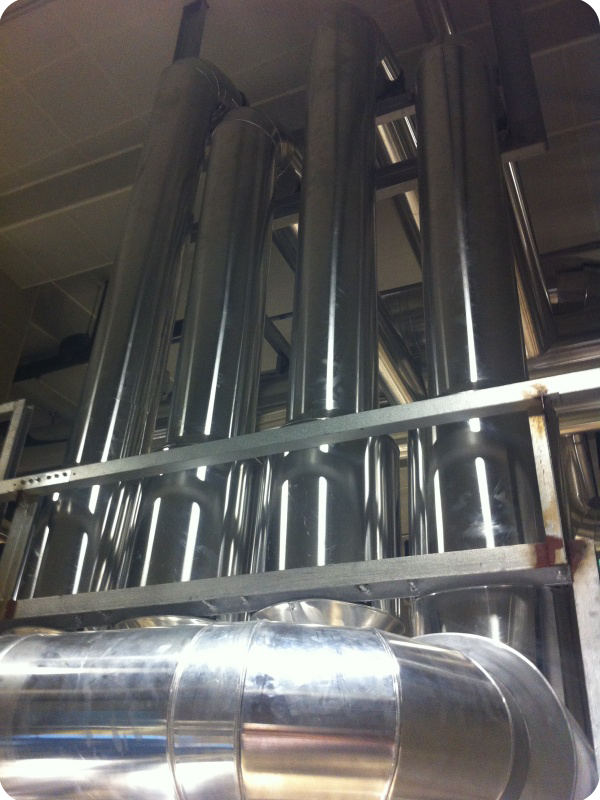
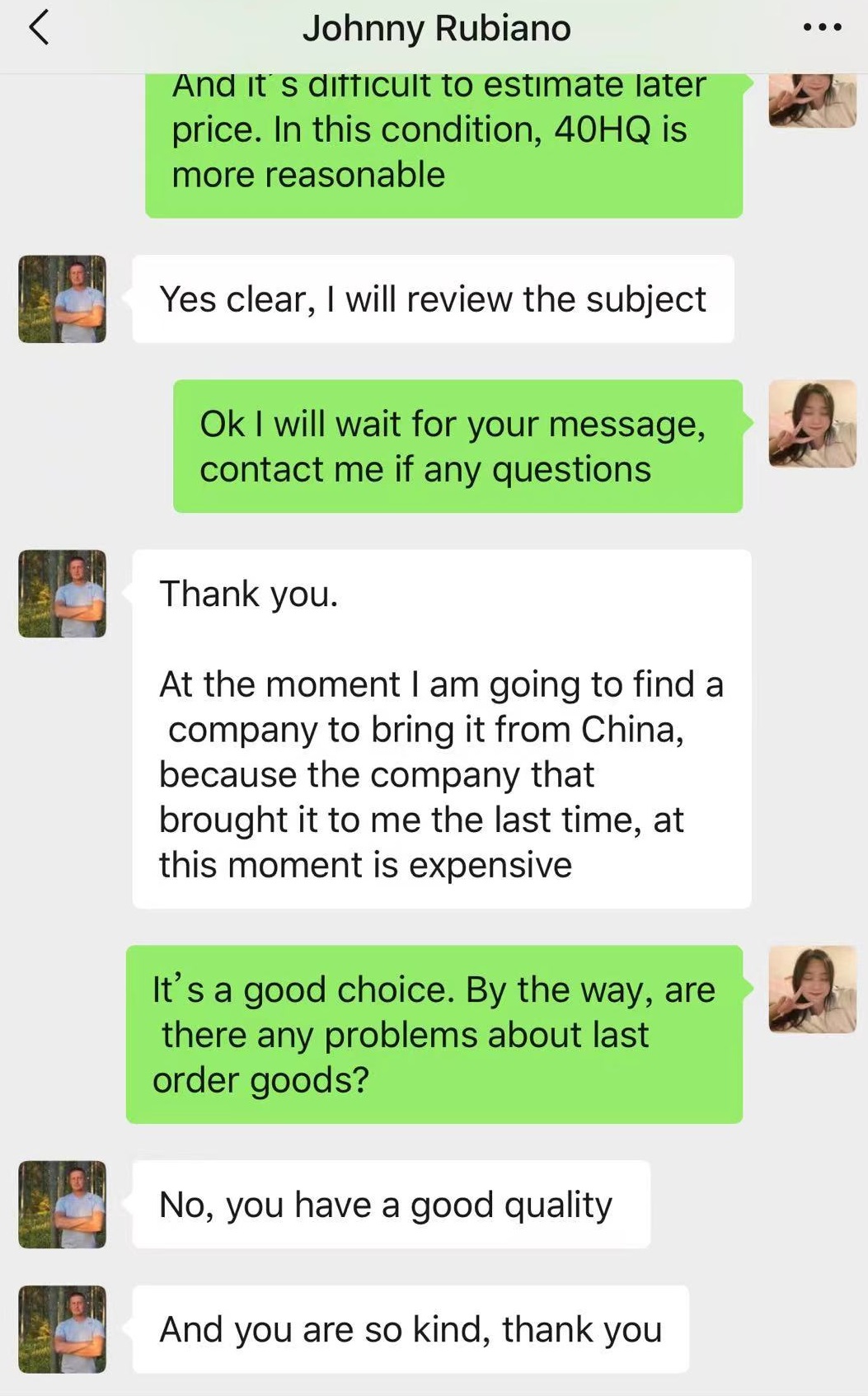
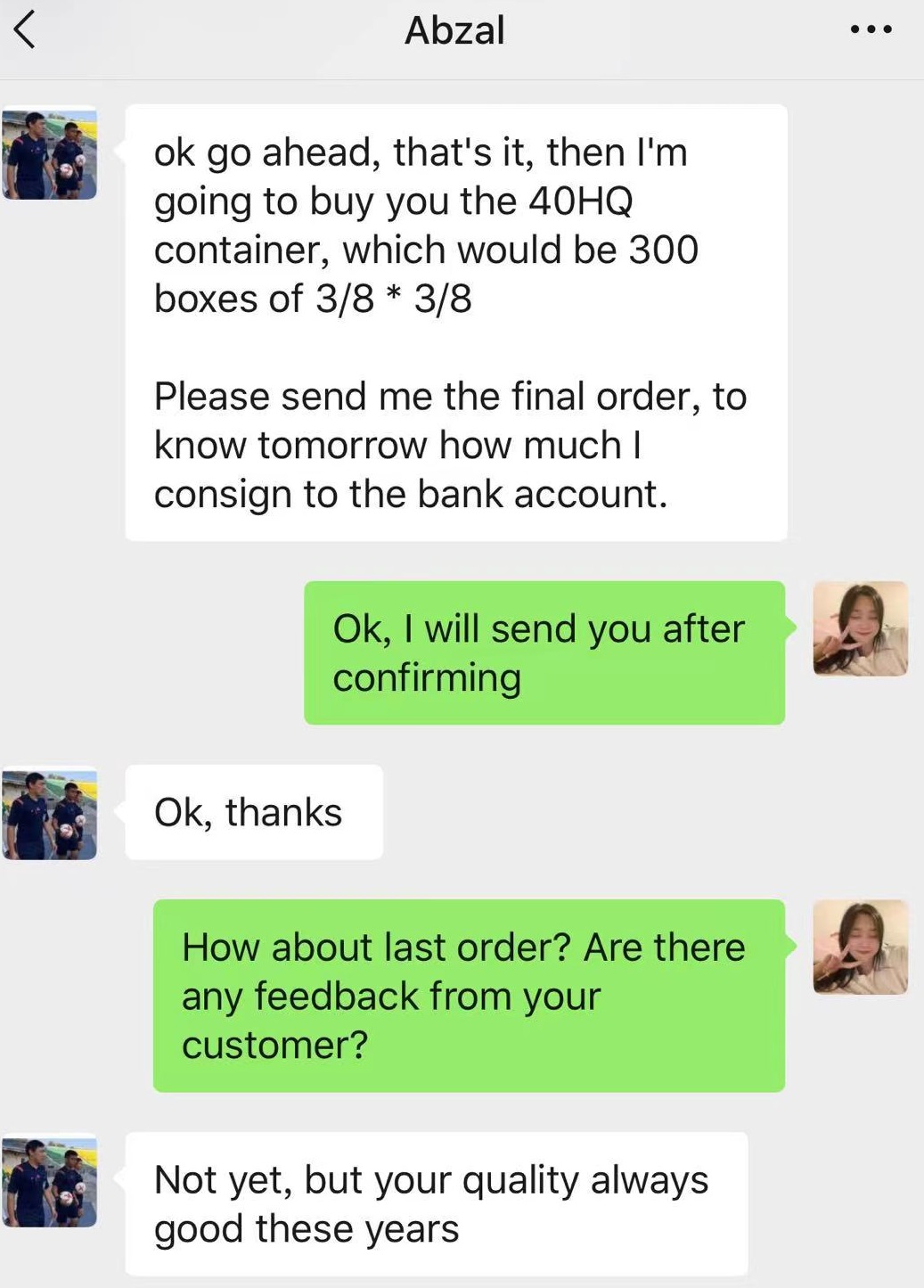
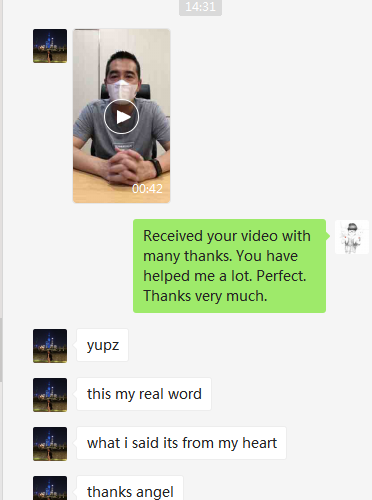
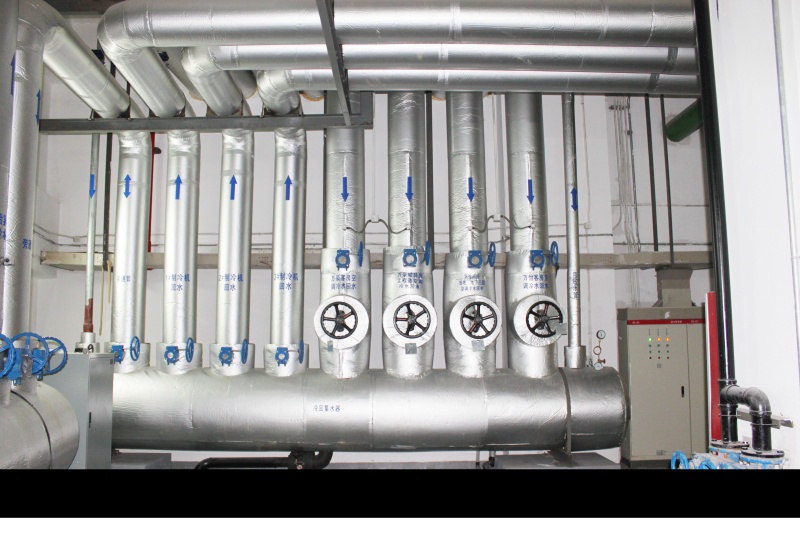
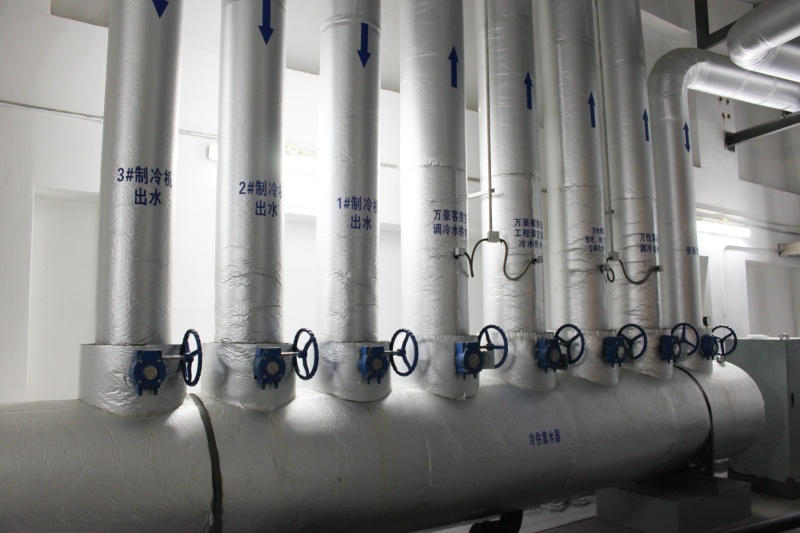
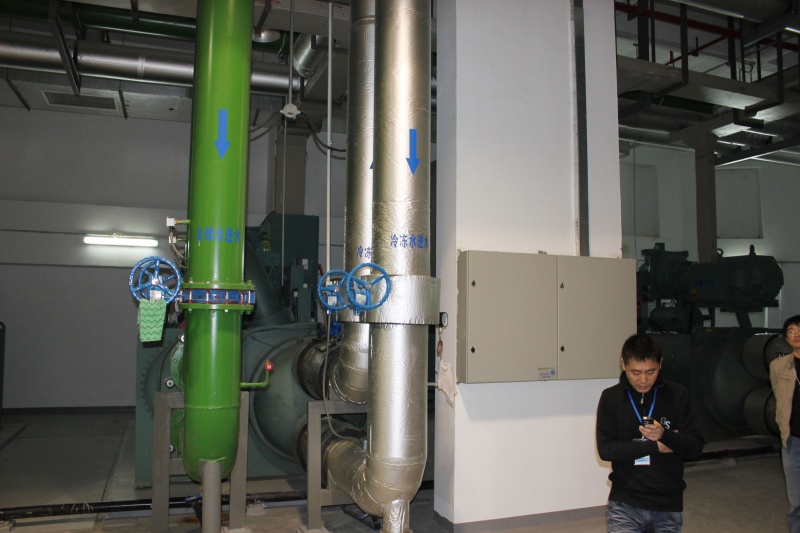
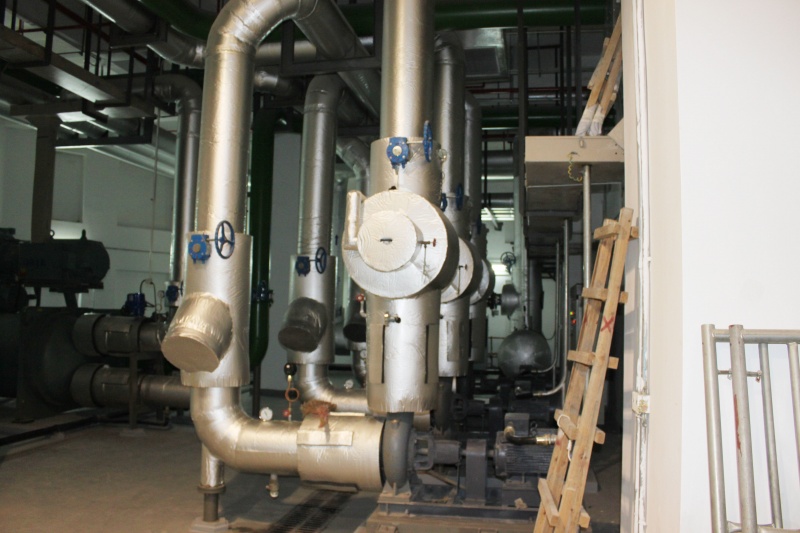
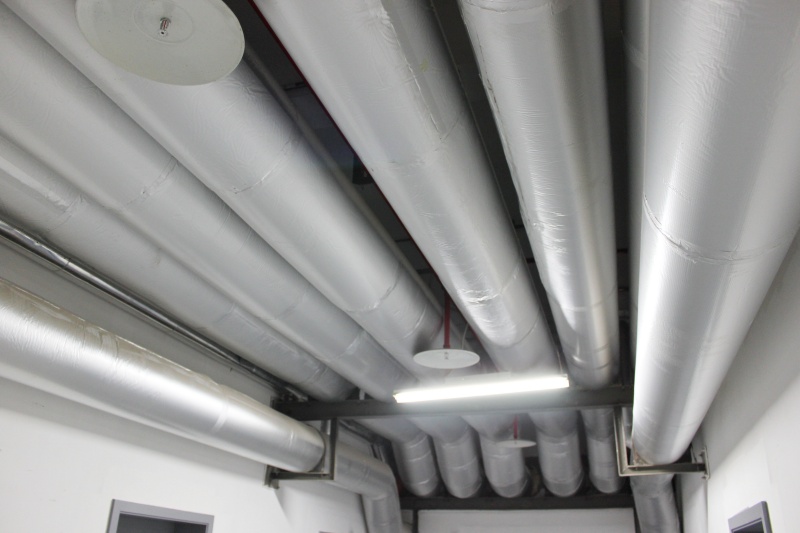
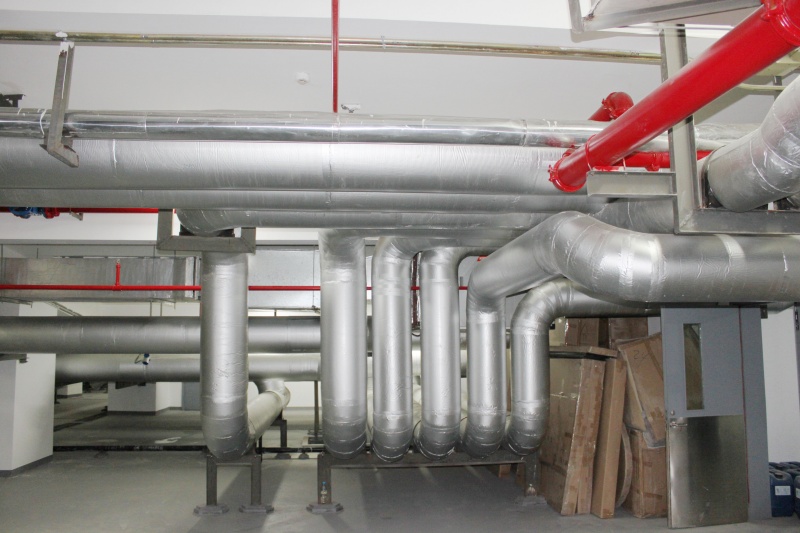
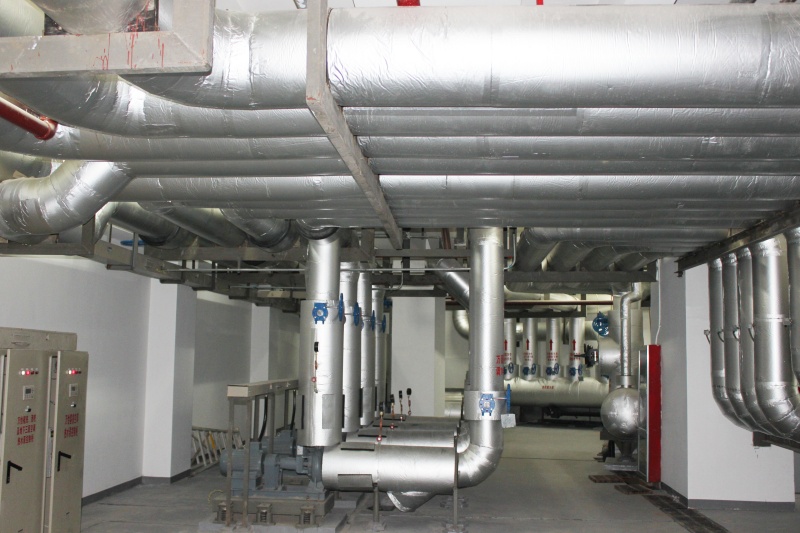
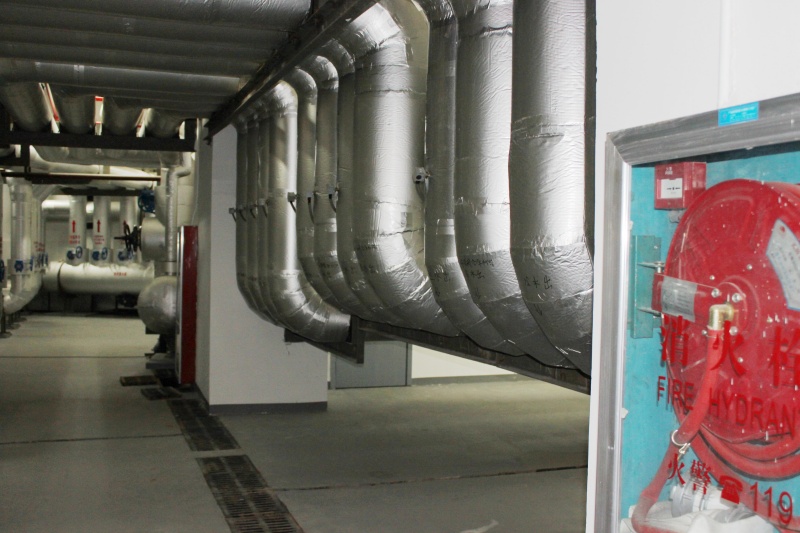
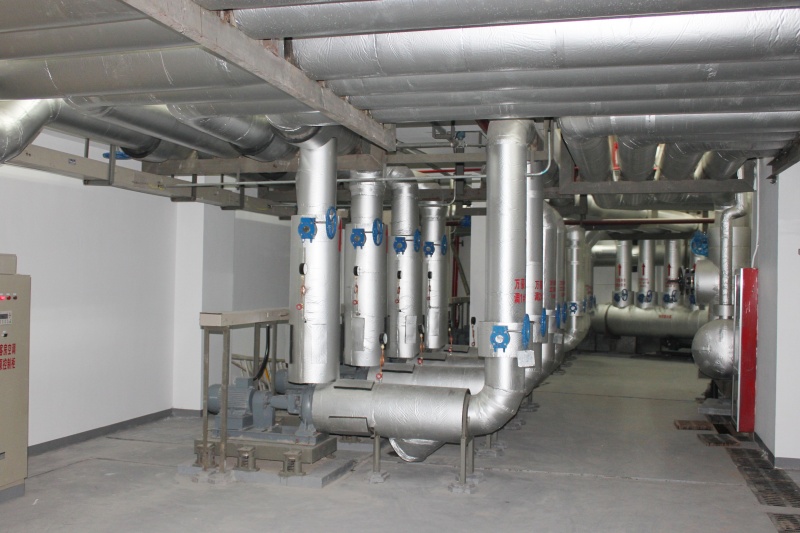
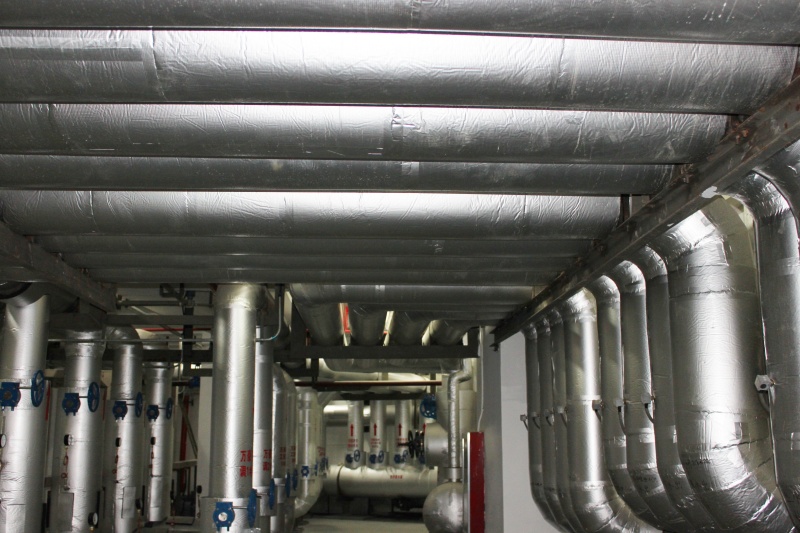
Authentic performance validation. Below are project field captures showing Kingflex installations alongside verified client communication records from our global customer portal.
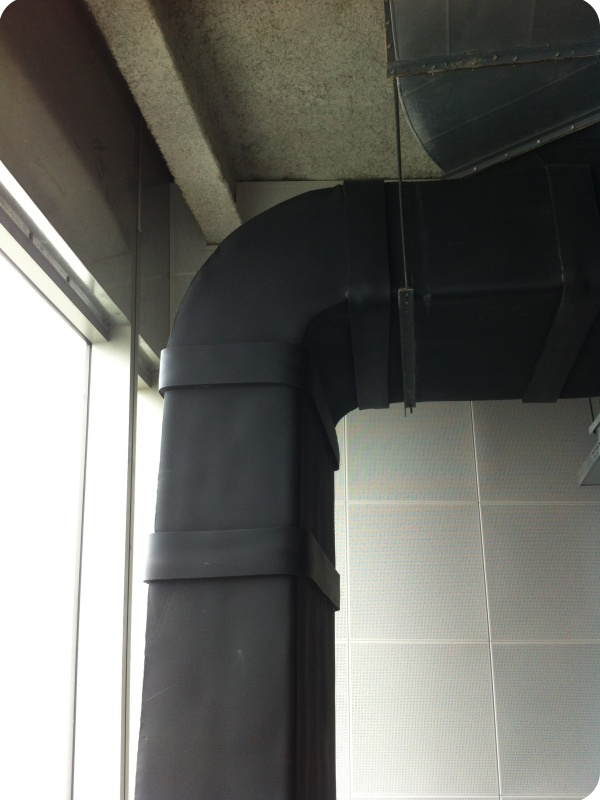

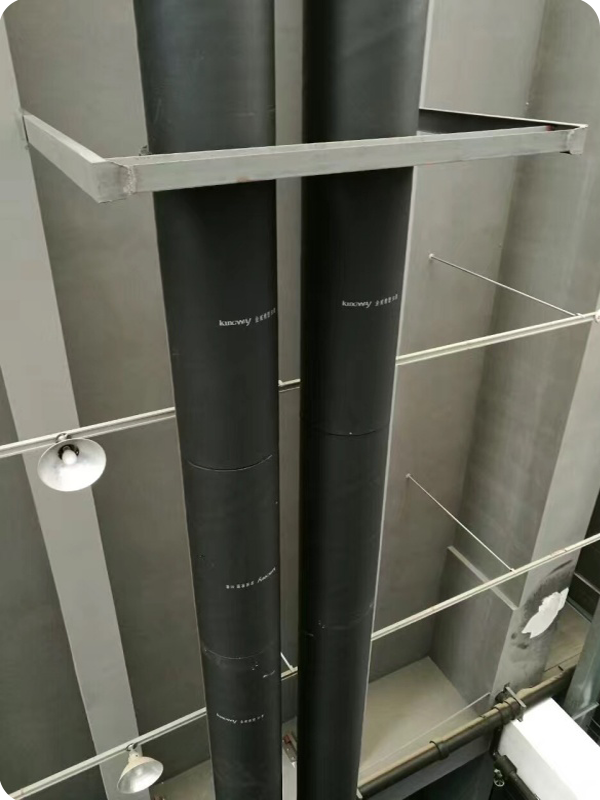




Get authoritative answers to commonly asked questions about closed-cell elastomeric foams, high-temperature rock wool, compliance, and specific installation parameters.




Select from our certified industrial line configurations. All links lead directly to our dedicated product verification departments.
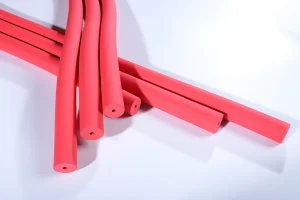
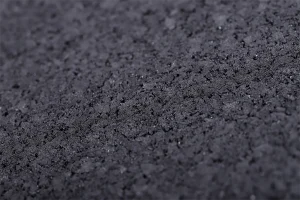
Technical breakdown of direct-supply components manufactured on our 5 automatic assembly lines.
 Kingflex