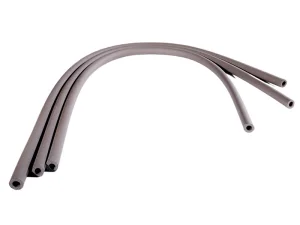
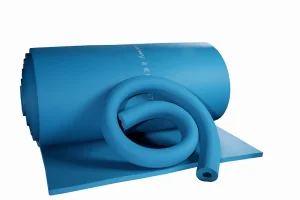
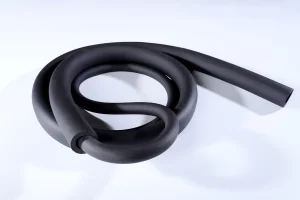
Premium rubber elastomeric foam, mineral rock wool, and sound-absorbing panel series engineered for HVAC, industrial pipelines, and cryogenic facilities.
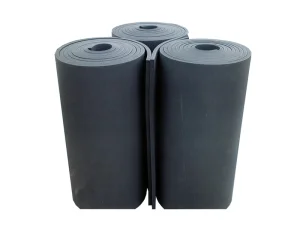
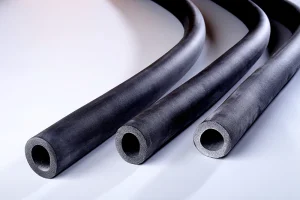
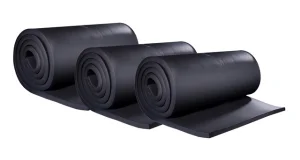
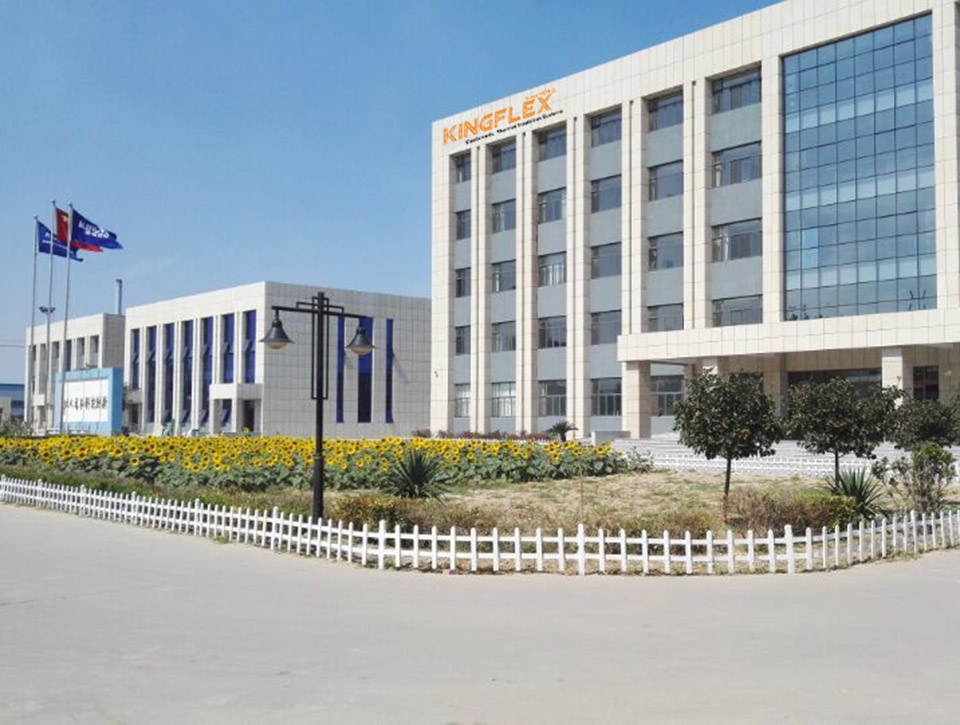
Kingflex Insulation Co., Ltd. stands as a world-class manufacturing and trading integration for high-performance thermal insulation and sound absorption materials. Headquartered in Dacheng, China—widely recognized as the national capital for green building materials development—Kingflex is dedicated to energy-saving and environmentally friendly engineering.
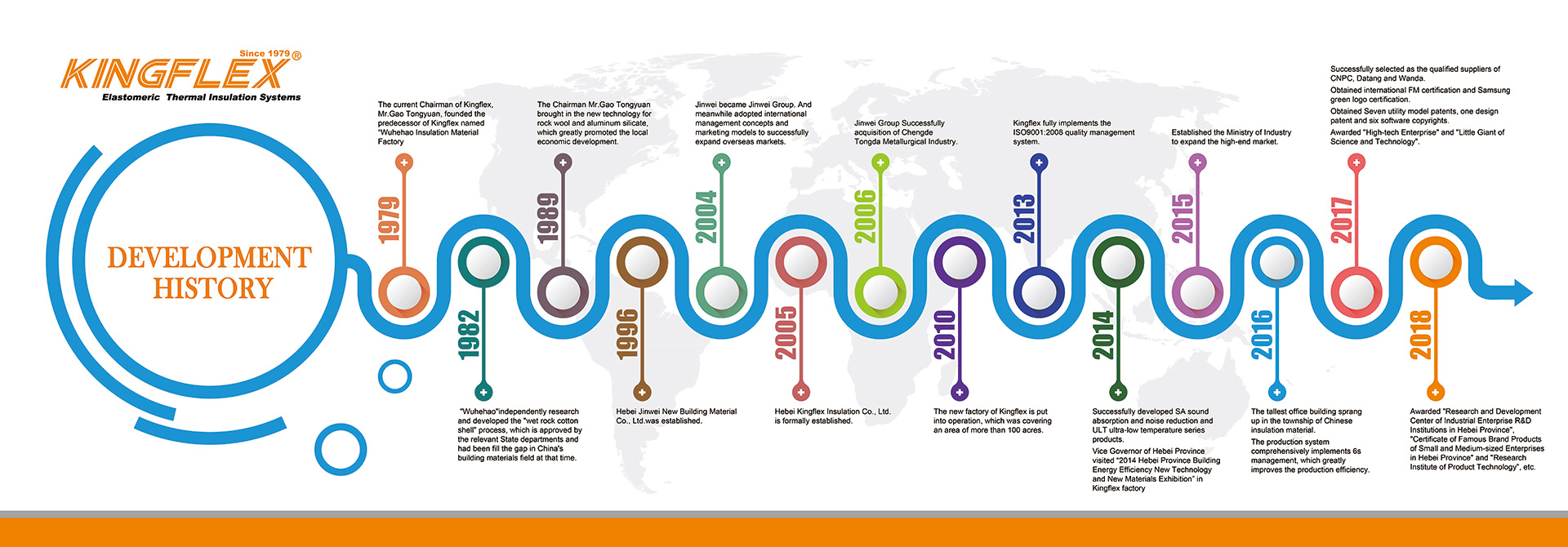
Originally established by the Jinwei Group (which carries a heritage spanning more than 40 years since its founding in 1979), Kingflex has grown from the first manufacturer of thermal insulation materials north of the Yangtze River to a modern global supplier. Today, we focus on providing systemic industrial solutions through advanced consulting, design research, and field installation guidance.
Our commitment: Delivering structural energy-saving systems, acoustic absorption panels, and cryogenic insulation materials designed to withstand extreme thermal variations and mitigate hazardous noise pollution.
Evaluating structural parameters and physical properties to ensure acoustic transmission loss and thermal control in commercial and industrial settings.
Industrial procurement departments prioritizing green building codes, HVAC efficiency, and flame-retardant safety standards require clear technical transparency. Under the ASTM, BS, and CE criteria, mechanical engineers evaluate stone wool (rockwool) and flexible closed-cell structures on their mechanical resistance, fire safety, and acoustic attenuation coefficients.
| Material Category | Standard Thickness Range | Bulk Density | Thermal Conductivity (λ) | Operating Temperature Limits | Acoustic Performance Rating |
|---|---|---|---|---|---|
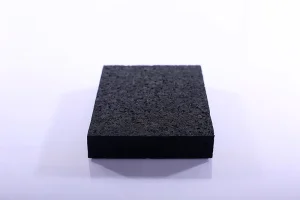
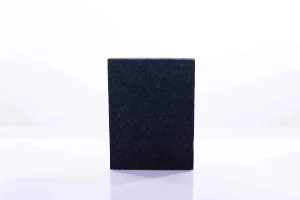
| Rockwool Absorption Panel | 25mm - 100mm | 60 - 150 kg/m³ | ≤ 0.035 W/(m·K) (at 25℃) | -120℃ to 650℃ | NRC ≥ 0.85 - 0.95 (Class A Sound Absorber) |
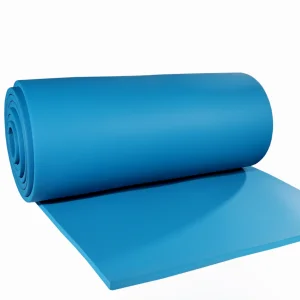
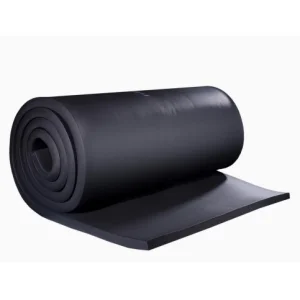
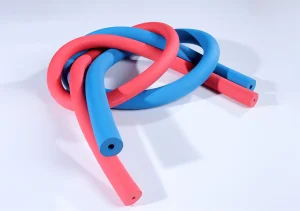
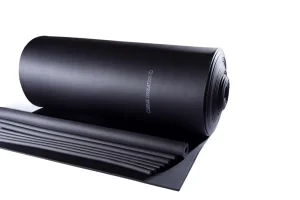
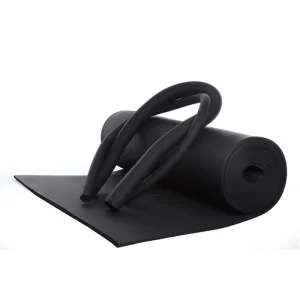
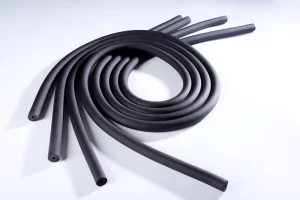
| Elastomeric Rubber Foam Sheet | 6mm - 50mm | 40 - 55 kg/m³ | ≤ 0.034 W/(m·K) (at 0℃) | -40℃ to 105℃ | Good low-frequency acoustic damping |
| Cryogenic Low-Temp Foam | 13mm - 40mm | 45 - 65 kg/m³ | ≤ 0.032 W/(m·K) (at -50℃) | -200℃ to 125℃ | Decoupled acoustic structural barrier |
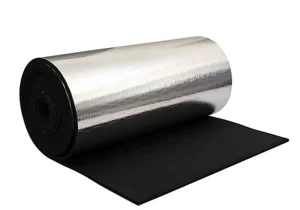
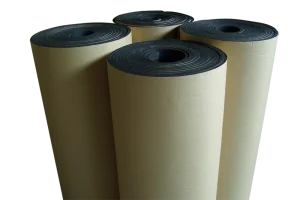
| Alu-Clad Composite Board | 10mm - 50mm | 50 - 60 kg/m³ | ≤ 0.035 W/(m·K) (at 20℃) | -40℃ to 105℃ | Reflective moisture & acoustics barrier |
The open-cell, fibrous nature of rockwool absorption panels allows sound waves to penetrate the matrix effortlessly. Viscous friction converts energy from sound waves into harmless thermal energy, bringing the Noise Reduction Coefficient (NRC) to 0.90+. This makes them suitable for generator enclosures, mechanical duct systems, and marine hulls.
Unlike standard polymer foams, rockwool mineral fibers offer an exceptionally high melting point (above 1000℃). These panels serve as structural fire barriers, releasing no toxic smoke or combustible droplets. They carry certifications under BS 476 Part 4, 6 & 7, alongside Class A1 non-combustibility ratings.
Moisture absorption leads to catastrophic failure in thermal insulation, which degrades the thermal resistance ($R$-value). Engineered rockwool panels undergo structural hydrophobic treatments, maintaining a water repellency rate exceeding 98%. This design resists sag, mold, and industrial bacterial colonization.
Analyzing market shifts toward bio-soluble binders, green-building certifications, and modular composite systems.
Rapid urbanization and strict environmental protection standards have led to strict building acoustics regulations. Modern design codes (such as LEED v4 and BREEAM) require that acoustic systems not only have high sound absorption but also low chemical emissions. This shift is driving acoustic rockwool panel manufacturers to phase out formaldehyde-based binders in favor of plant-derived, bio-soluble alternatives.
Advancements in high-speed spinning technology allow manufacturers to align fibers in precise multi-directional patterns. This improves compressive strength and prevents structural settling under heavy loads. Additionally, composite acoustic panels featuring reinforced glass-mat facings and aluminum foils are gaining traction, providing combined acoustic absorption, vapor protection, and a clean finish in a single installation step.
How global projects leverage customized rockwool and elastomeric insulation systems to solve extreme thermal and noise-control challenges.
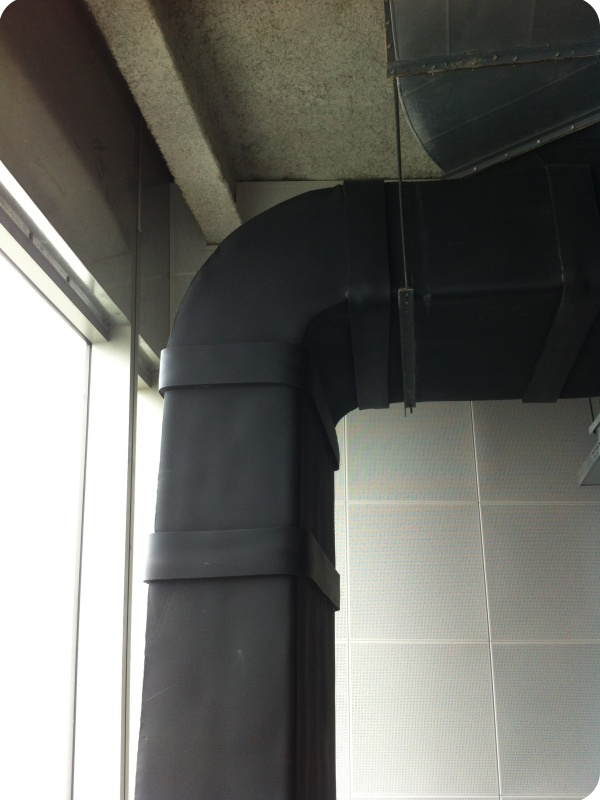
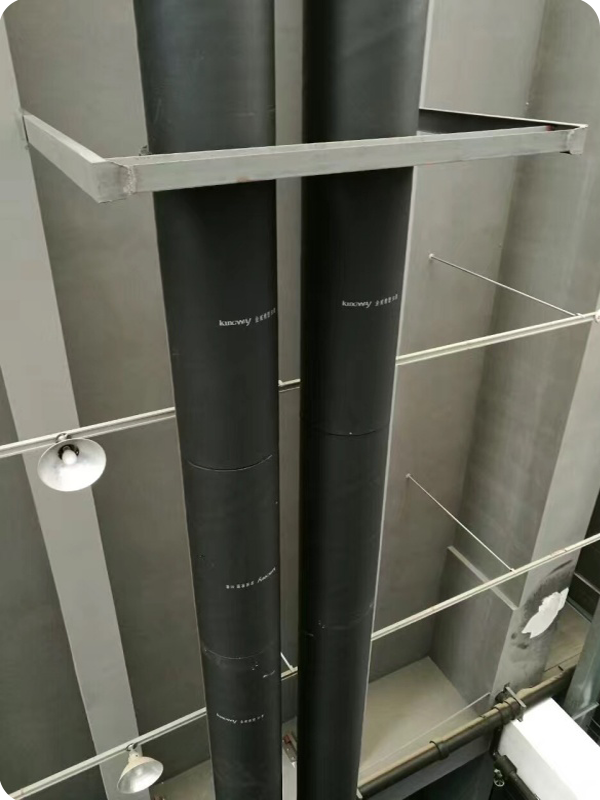
HVAC air handling units (AHUs), ventilation ducts, and chiller pipelines are common sources of structure-borne noise. Kingflex provides systems where high-density rockwool panels line duct interiors to absorb medium-to-high frequency fan noise, while flexible closed-cell rubber insulation prevents condensation on chilled water pipes.
High-pressure steam pipes and refinery columns operate at temperatures exceeding 500℃. In these environments, rockwool insulation blankets wrapped in heavy-gauge wire mesh retain heat energy and protect staff from burns. Their vibration-resistant construction ensures steady performance despite mechanical shocks.
Liquefied Natural Gas (LNG) pipelines operate at cryogenic temperatures down to -162℃. Thermal insulation systems must prevent ice buildup and thermal bridging. Using multi-layered cryogenic rubber foam systems, we protect structural steel from cracking while containing cold energy within the pipelines.
Meeting global compliance requirements through certified test standards and structural trace records.
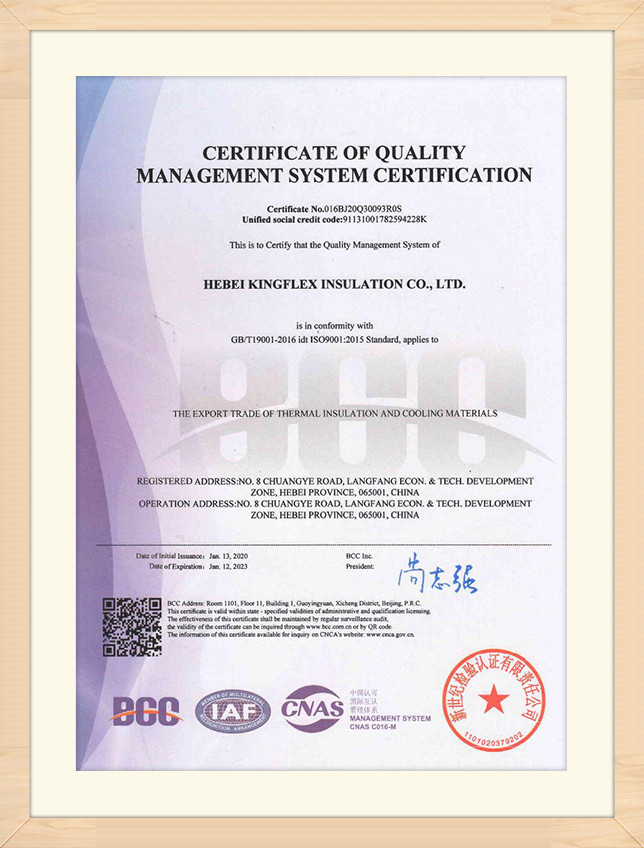
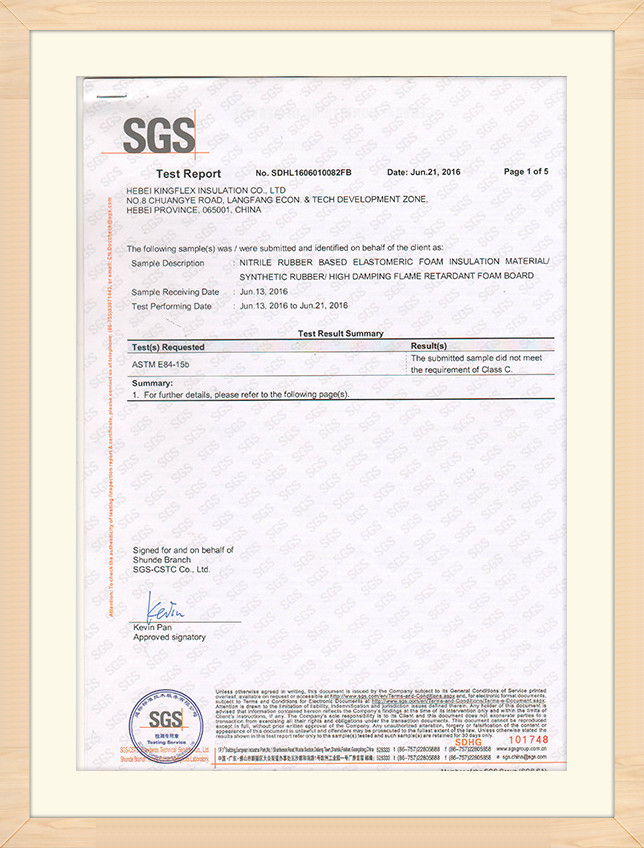
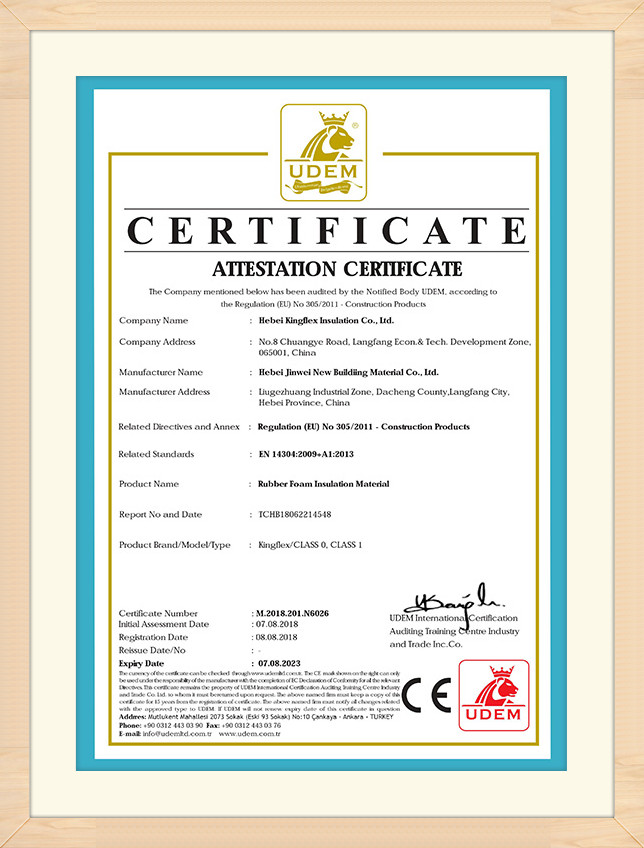
For large construction projects, quality certifications are critical. Kingflex maintains compliance across major global markets through third-party audits and structural laboratories. We utilize continuous trace records from raw basalt melting to finished product packaging.
Our material formulations comply with international green chemistry regulations, minimizing organic compound emissions to ensure indoor air quality in schools, hospitals, and office projects.
How Kingflex continues to innovate through carbon footprint reduction and acoustic modeling.
We are optimizing raw material usage by incorporating up to 40% recycled industrial slag and mineral materials into our production lines. This significantly reduces carbon emissions during extraction while maintaining mechanical durability and thermal insulation values.
By shifting to natural, plant-derived binders, we aim to eliminate volatile organic compounds (VOCs) from our insulation panels. This ensures compliance with strict air quality standards for interior office environments and public spaces.
We are integrating vision inspection sensors along our assembly lines to scan board density and fiber thickness in real time. This ensures consistent thermal conductivity across large production runs, reducing mechanical deviations in bulk commercial shipments.
Answers to common technical, material, and logistical questions from engineering and procurement teams.
We coordinate closely with international buyers, engineering teams, and distributors to ensure timely delivery and proper technical compliance.
Examine our aluminum-clad sheet rolls, high-density acoustic panel ceiling units, and cryogenic pipe isolation components.
 Kingflex