High-specification elastomeric rubber foam tubes, sheets, and low-temperature cryogenic systems for HVAC/R and process piping.
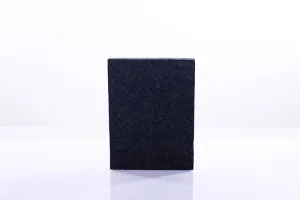
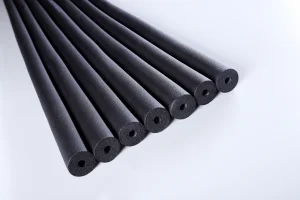
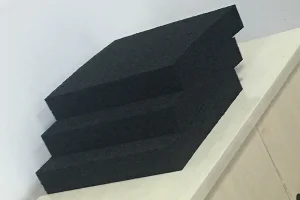
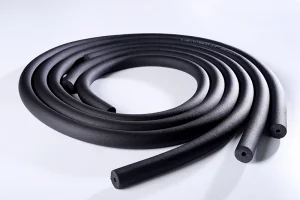
In modern industrial design and civil construction, thermal management efficiency represents a critical metric for operational sustainability and system longevity. Closed-cell elastomeric rubber foam insulation—derived from high-grade Nitrile Butadiene Rubber (NBR) and Polyvinyl Chloride (PVC) compounding—stands as the primary defense against thermal degradation, moisture intrusion, and acoustic propagation in complex fluid dynamics systems. This whitepaper analyzes the engineering performance, global supply dynamics, and economic metrics defining the sourcing landscape for these advanced materials.
Unlike open-cell alternatives, premium NBR/PVC elastomeric rubber foam features a cell matrix with over 98% closed cells. This dense structure functions as a series of microscopic air locks, minimizing heat transfer by restricting molecular movement. Additionally, the micro-cavities prevent vapor penetration, eliminating the risk of Corrosion Under Insulation (CUI) in chilled-water lines and cryogenic piping. The material maintains a stable thermal conductivity coefficient (λ ≤ 0.034 W/m·K at 0°C) throughout its operational lifetime, providing long-term insulation efficiency.
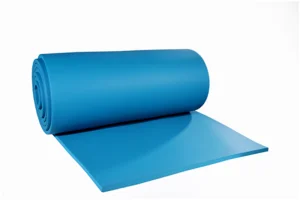
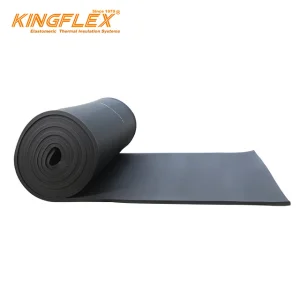
Our standard rubber foam insulation sheet rolls feature a high density of 40-55 kg/m³ and support service temperatures from -40℃ up to 105℃, ensuring reliable performance in both sub-zero refrigeration pipelines and commercial HVAC installations.
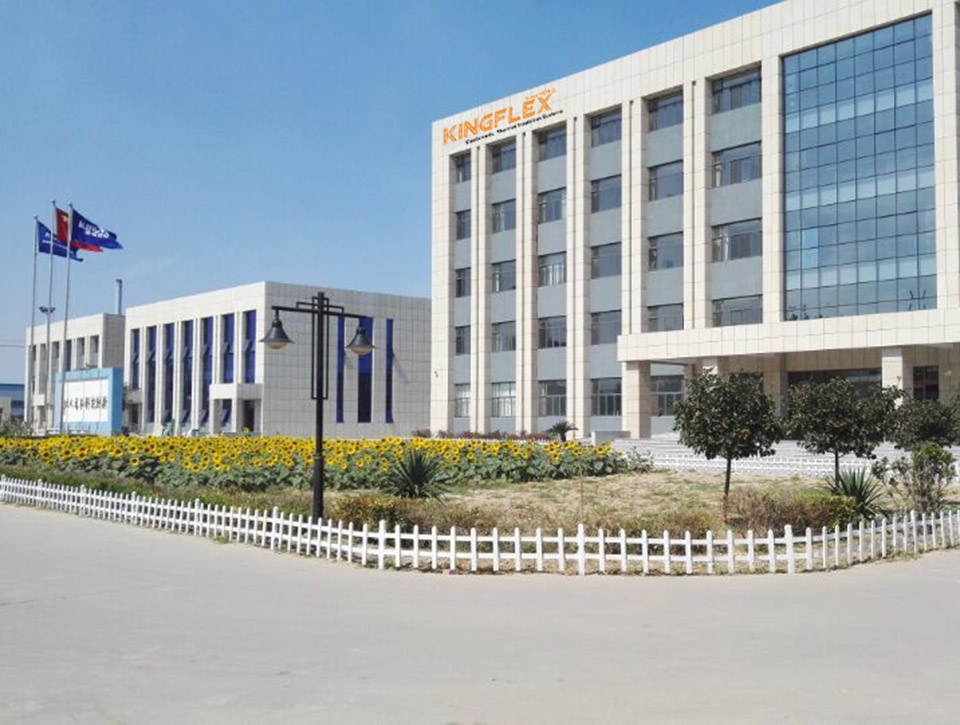
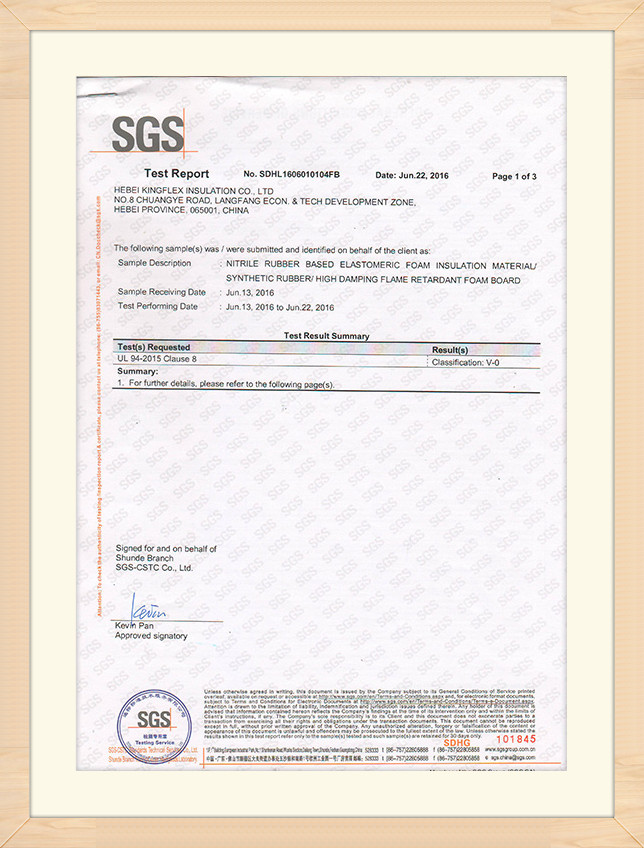
“Operational integrity in thermal insulation requires high water vapor diffusion resistance (μ ≥ 10,000) combined with certified fire safety characteristics. Kingflex thermal insulation delivers long-term thermal stabilization, ensuring compliance with BS 476, UL94, and ASTM testing criteria.”
The global construction industry is undergoing structural optimization driven by carbon neutrality mandates. Insulation systems are no longer assessed solely on initial material costs, but on their contribution to energy conservation and carbon emissions reduction over the building's lifecycle. Elastomeric rubber foam insulation is at the forefront of this shift because of several key factors:
For MEP consultants and design engineers, selecting the correct material properties is essential for mitigating project risks. The table below outlines the core properties of Kingflex NBR/PVC thermal systems:
Formulated with NBR (Nitrile-Butadiene Rubber) and PVC. Density is held within a consistent 40-55 kg/m³ range, balancing structural durability with low thermal conductivity.
Operational range of -40℃ to 105℃. Thermal conductivity remains stable, preventing energy loss in both heating systems and low-temperature chilled lines.
Meets BS 476 (Class 0/1), UL94 (V-0 rating), and ASTM standards. The compound self-extinguishes upon flame removal and prevents dripping, minimizing risk in high-occupancy structures.
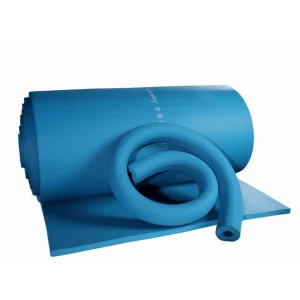
Insulation tube wall thicknesses range from 9mm to 40mm, with internal diameters (ID) from 6mm to 114mm. Sheet rolls are available in thicknesses from 6mm to 50mm, enabling clean installation on flat surfaces and wide pipes.
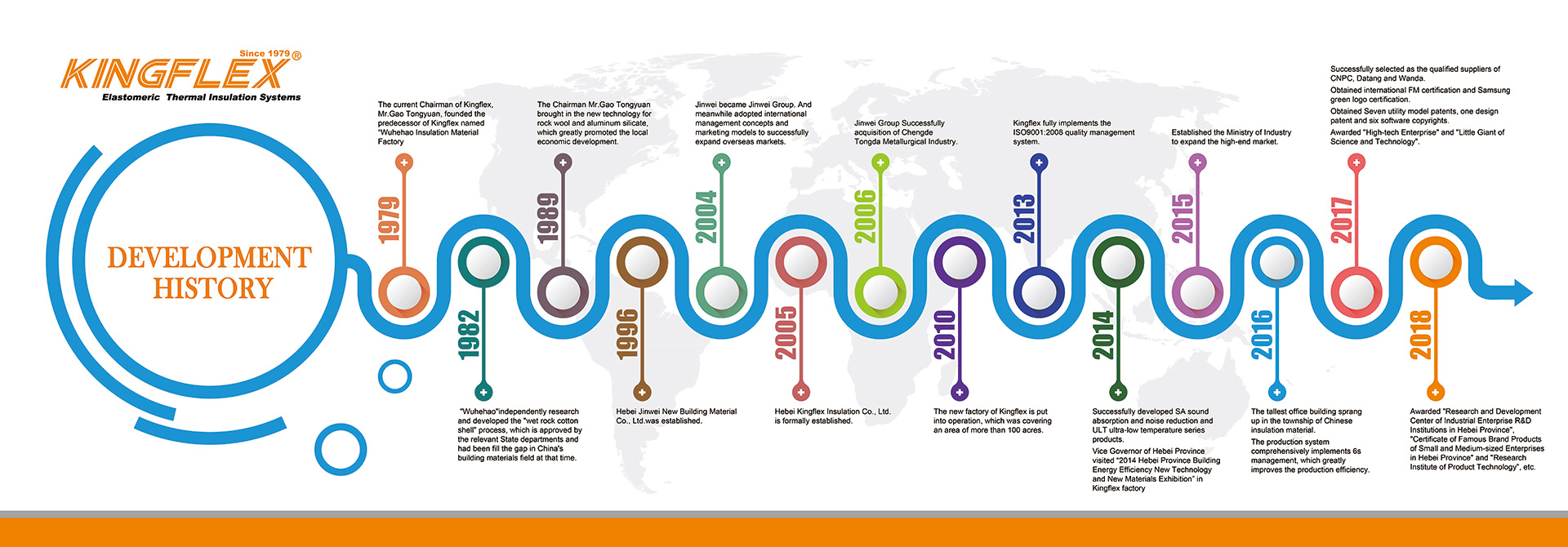
Founded by the Jinwei Group, which has over 40 years of history, Kingflex was established in 1979 as the pioneer of thermal insulation manufacturing north of the Yangtze River. The company operates 5 automated production lines with an annual capacity exceeding 600,000 cubic meters. Kingflex is a recognized partner for national departments including the Ministry of Energy and the Ministry of Chemical Industry, supporting industrial infrastructure projects across sixty-six countries.
Procuring industrial rubber foam insulation requires balancing unit price with quality, compliance, and logistics. Because of raw material integration and high-speed extrusion lines, Chinese manufacturers provide competitive pricing. However, a sound procurement strategy must consider several variables:
High-volume production lines meeting industrial specifications worldwide.
Our commitment to R&D is driven by a specialized engineering team focused on cell morphing and high-performance polymer compounding. Through partnerships with chemical research institutes, Kingflex continuously refines its foaming agents to improve cell density and flexibility.
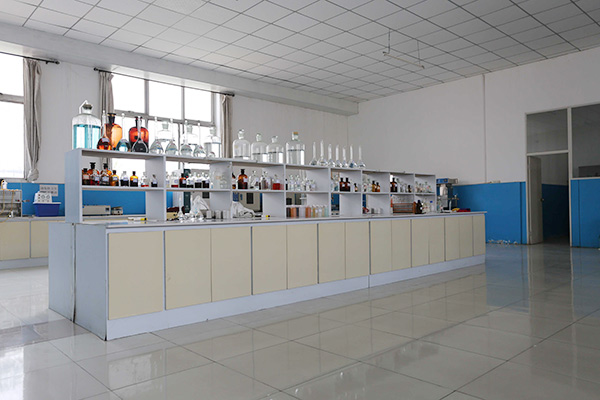
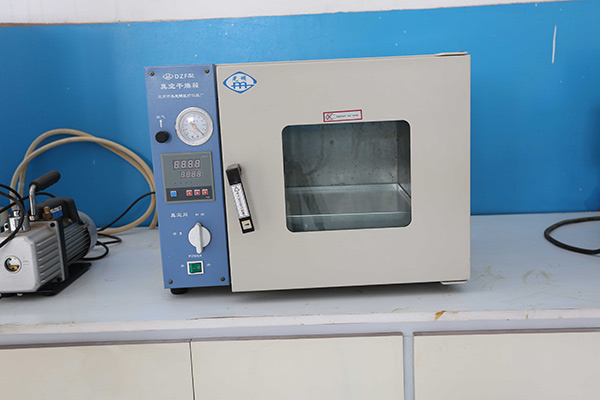
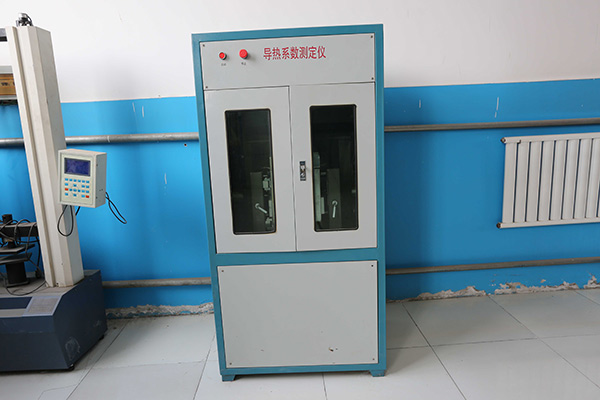

Every product batch undergoes testing in our internal QC labs before being shipped to global projects. These audits ensure consistent density, flame resistance, and moisture resistance across our NBR/PVC products.
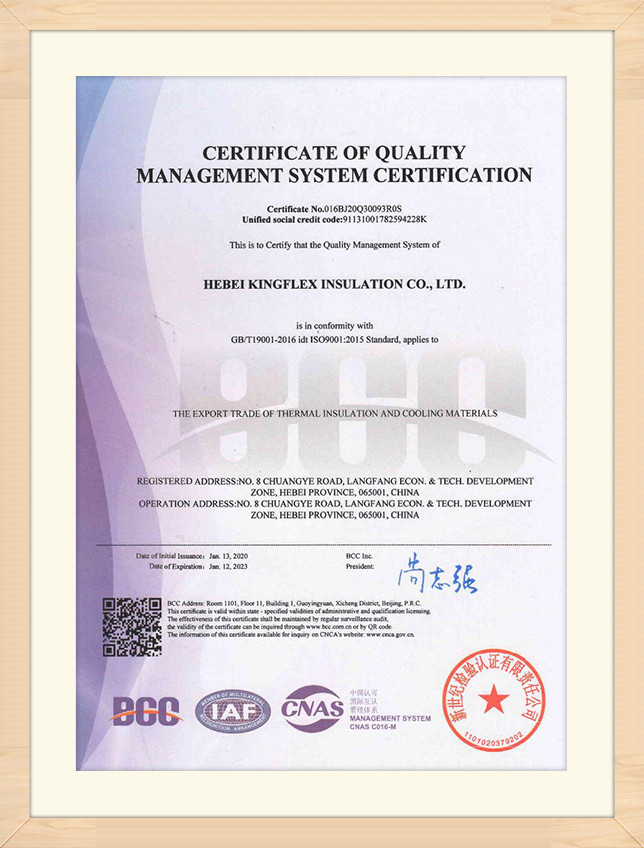
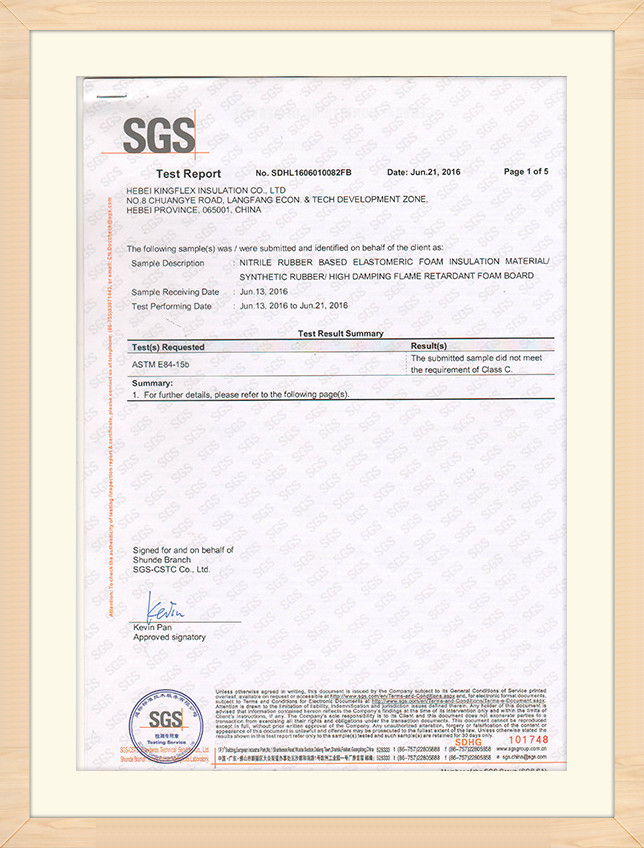
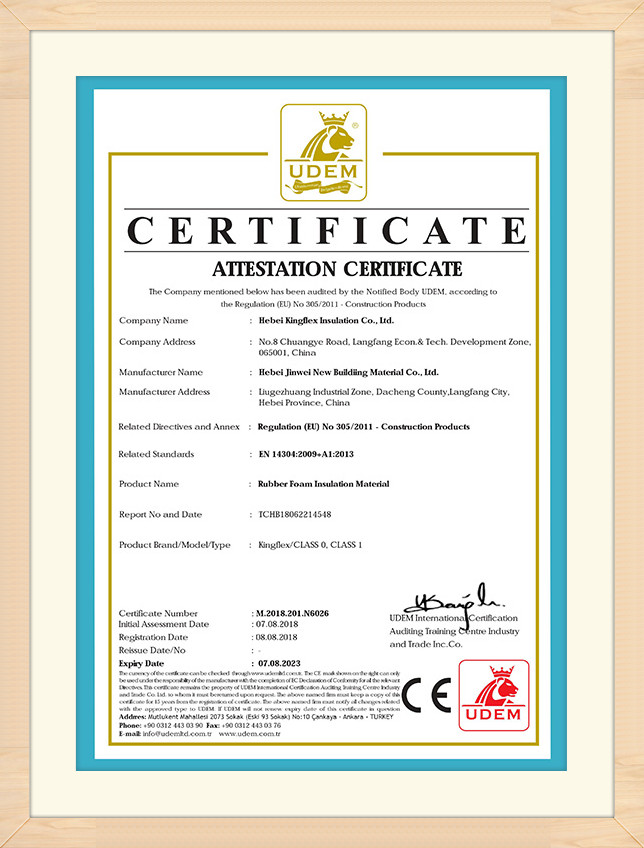
Our elastomeric insulation line includes specialized components designed for specific temperature ranges and environmental exposures.
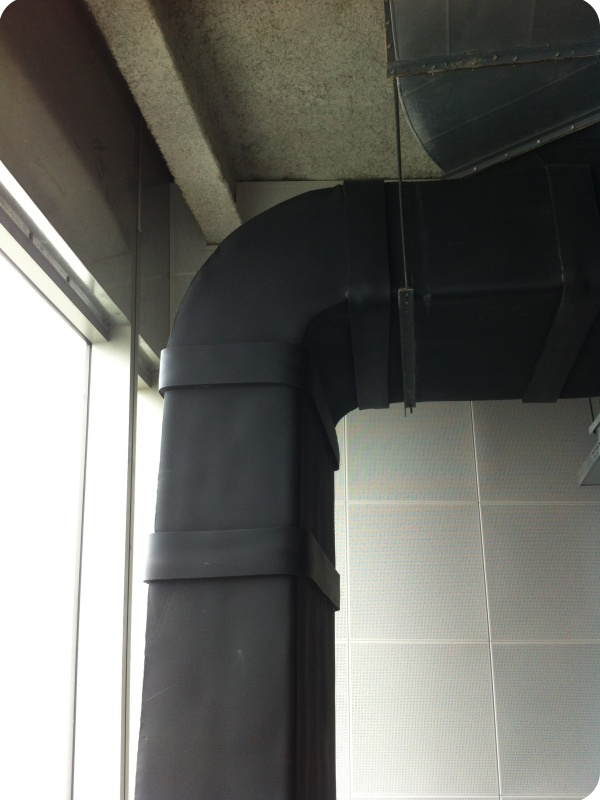
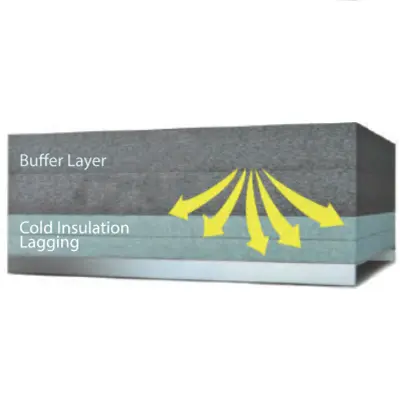
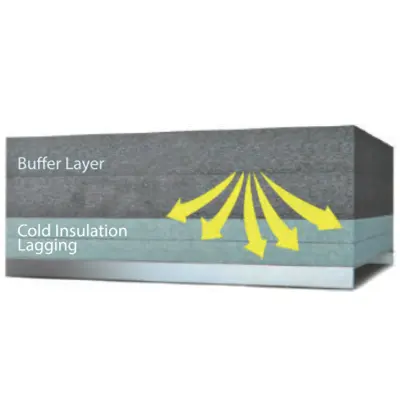
Material Structure: NBR/PVC blend with an integrated vapor barrier.
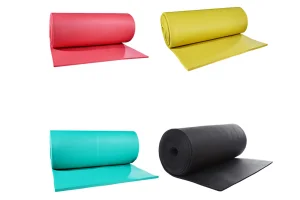
Standard Dimensions: Thicknesses range from 6mm to 50mm, with custom roll widths available to fit various duct sizes and vessel designs.
Physical Performance: Density from 40 to 55kg/m³ with a service range of -40℃ to 105℃. Features a thermal conductivity coefficient of ≤ 0.034 W/(m·k) at 0℃ and a compression resilience rate above 80%.
Recommended Applications: Main air handling units (AHUs), ventilation ducts, large storage tanks, and basement walls requiring both thermal control and acoustic isolation.

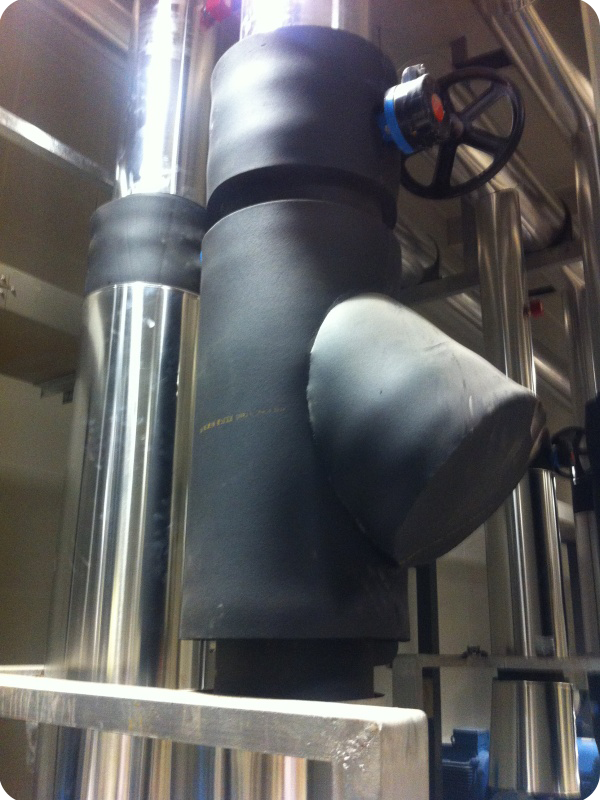
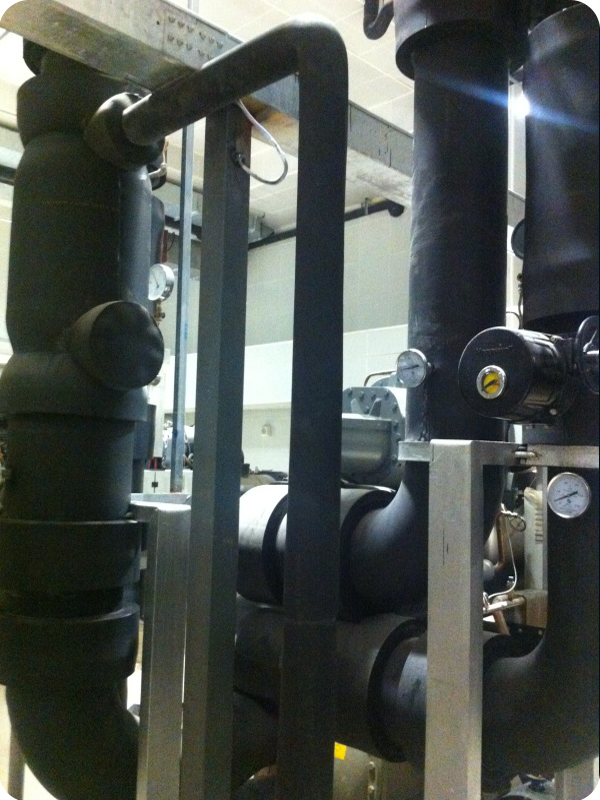
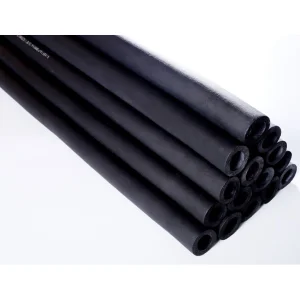
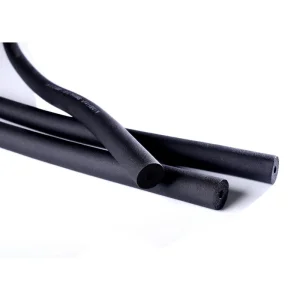
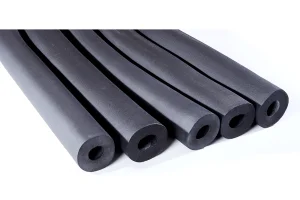
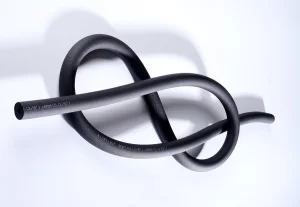
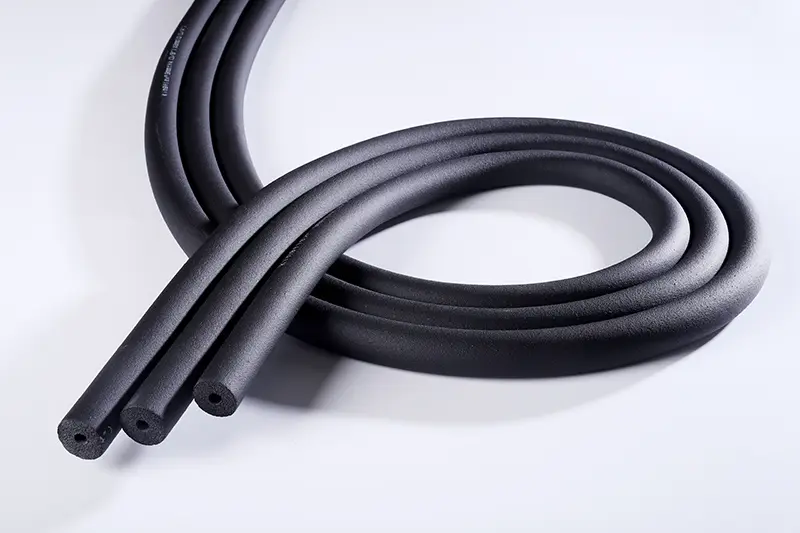
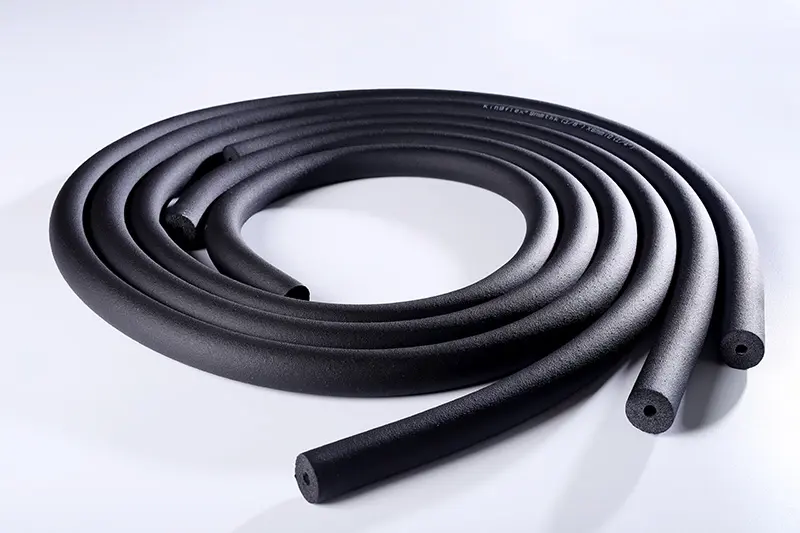
Material Structure: Extruded elastomeric tube designed for quick installation on standard copper and steel pipes.
Standard Dimensions: Wall thicknesses of 9mm to 40mm, matching pipe internal diameters (ID) from 6mm to 114mm.
Physical Performance: Low thermal conductivity, high moisture resistance, and physical flexibility. Designed to minimize vibration noise and prevent pipe cracking in cold climates.
Recommended Applications: Chilled water systems, VRF/VRV air conditioning networks, domestic hot water lines, and chemical process piping.
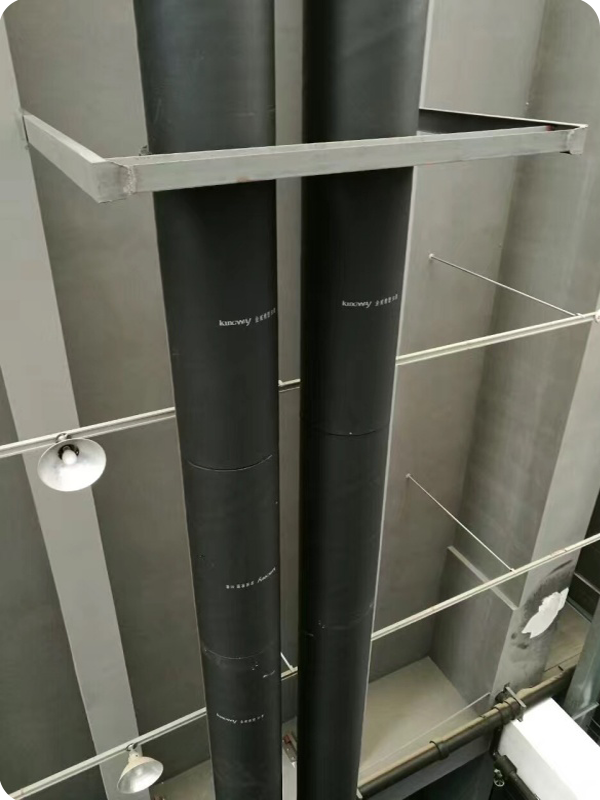
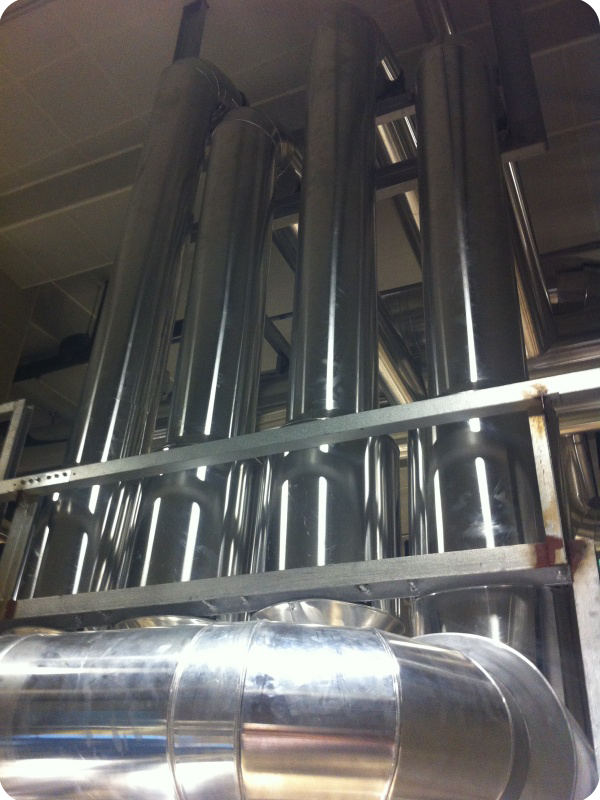

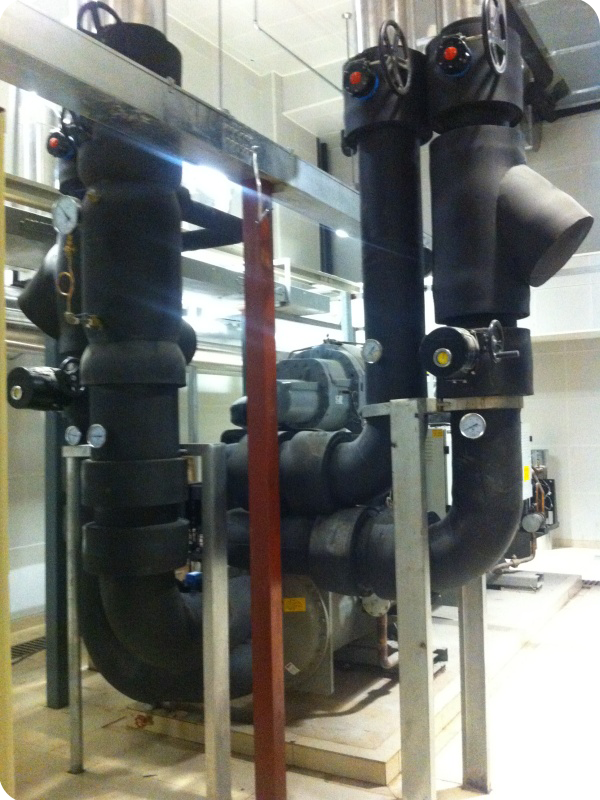
The next generation of insulation systems focuses on chemical and structural innovations designed to improve performance. Our current R&D efforts target three primary areas:
Integrating graphene and carbon nanotubes into the NBR matrix increases mechanical resistance and reduces thermal conductivity, enabling thinner profiles without sacrificing insulation performance.
Replacing a portion of petroleum-derived polymers with bio-polyols helps reduce the material's carbon footprint while maintaining the durability of NBR/PVC systems.
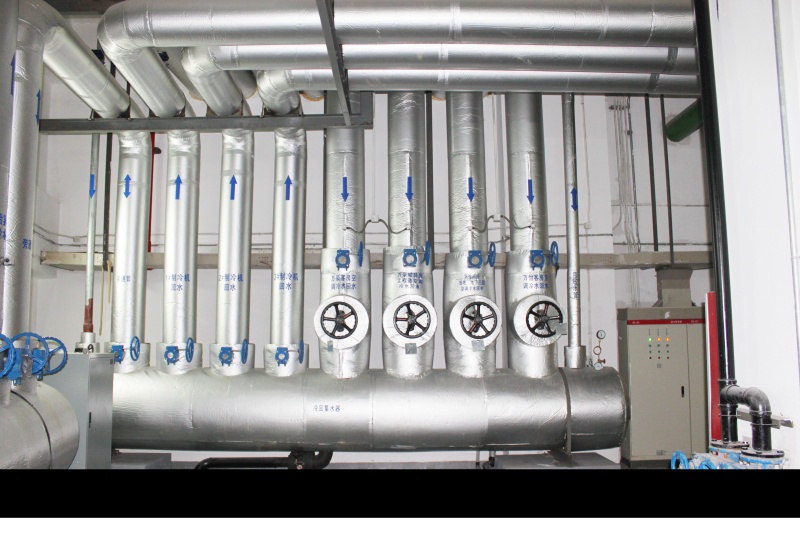
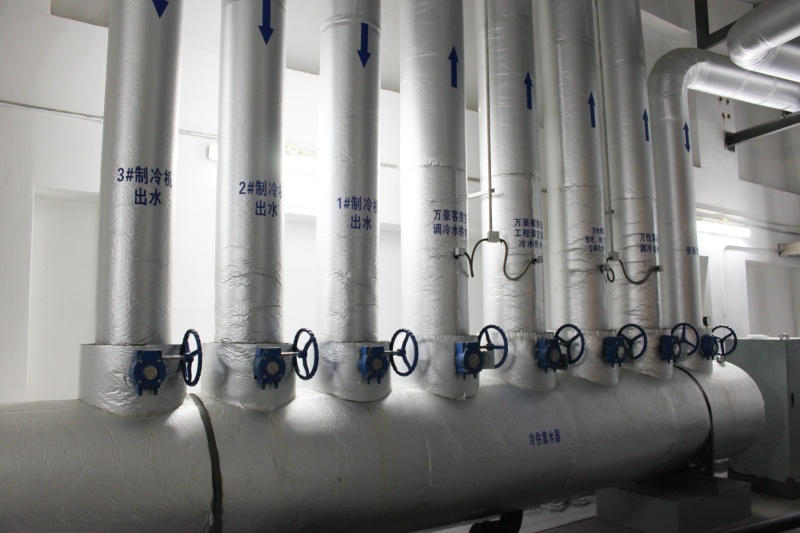
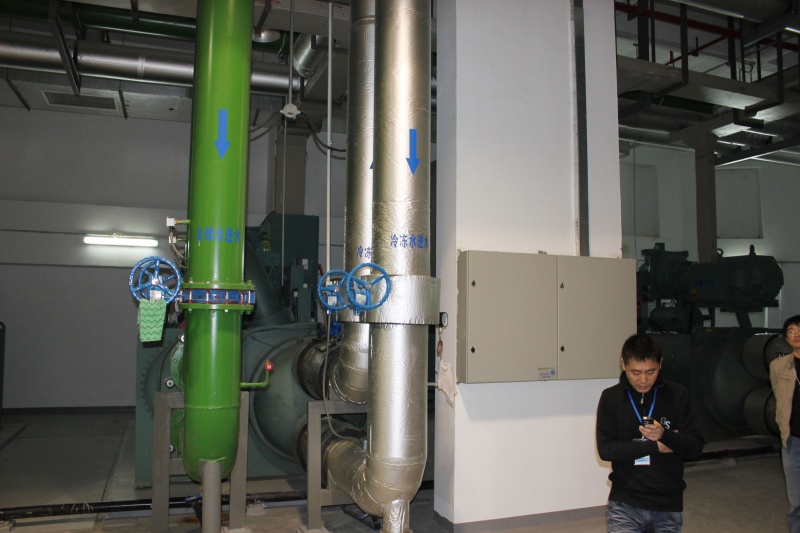
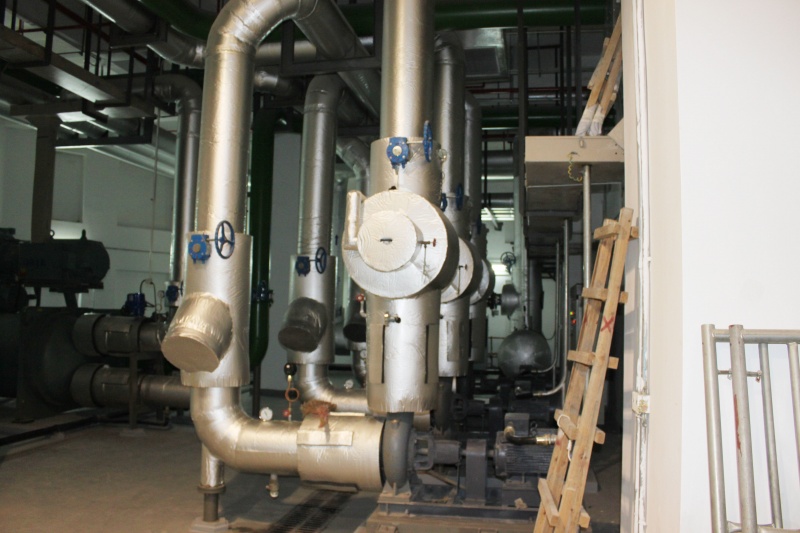
Developing these technical enhancements allows us to expand our product range, supporting extreme low-temperature cryogenic installations and high-temperature industrial fluid systems.
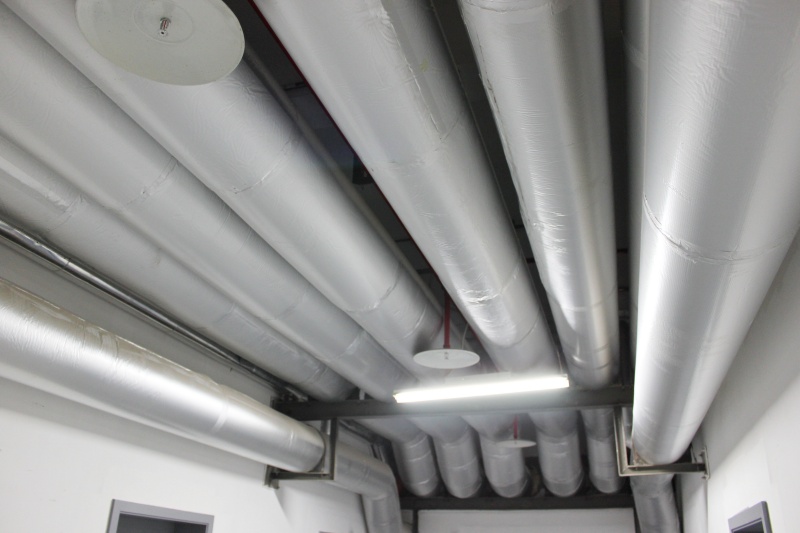

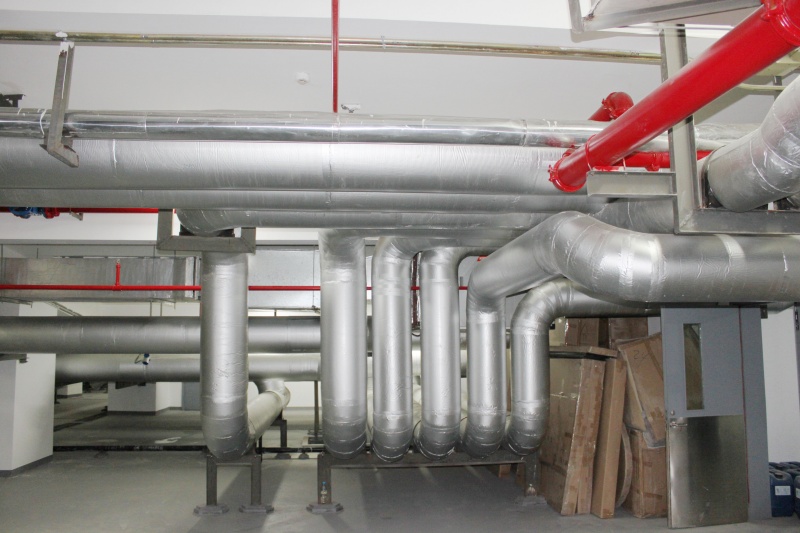

Our sales team works directly with global engineers, providing fast response times and technical support from initial specification review through installation. Our export division manages logistics to ensure timely delivery to jobsites worldwide.
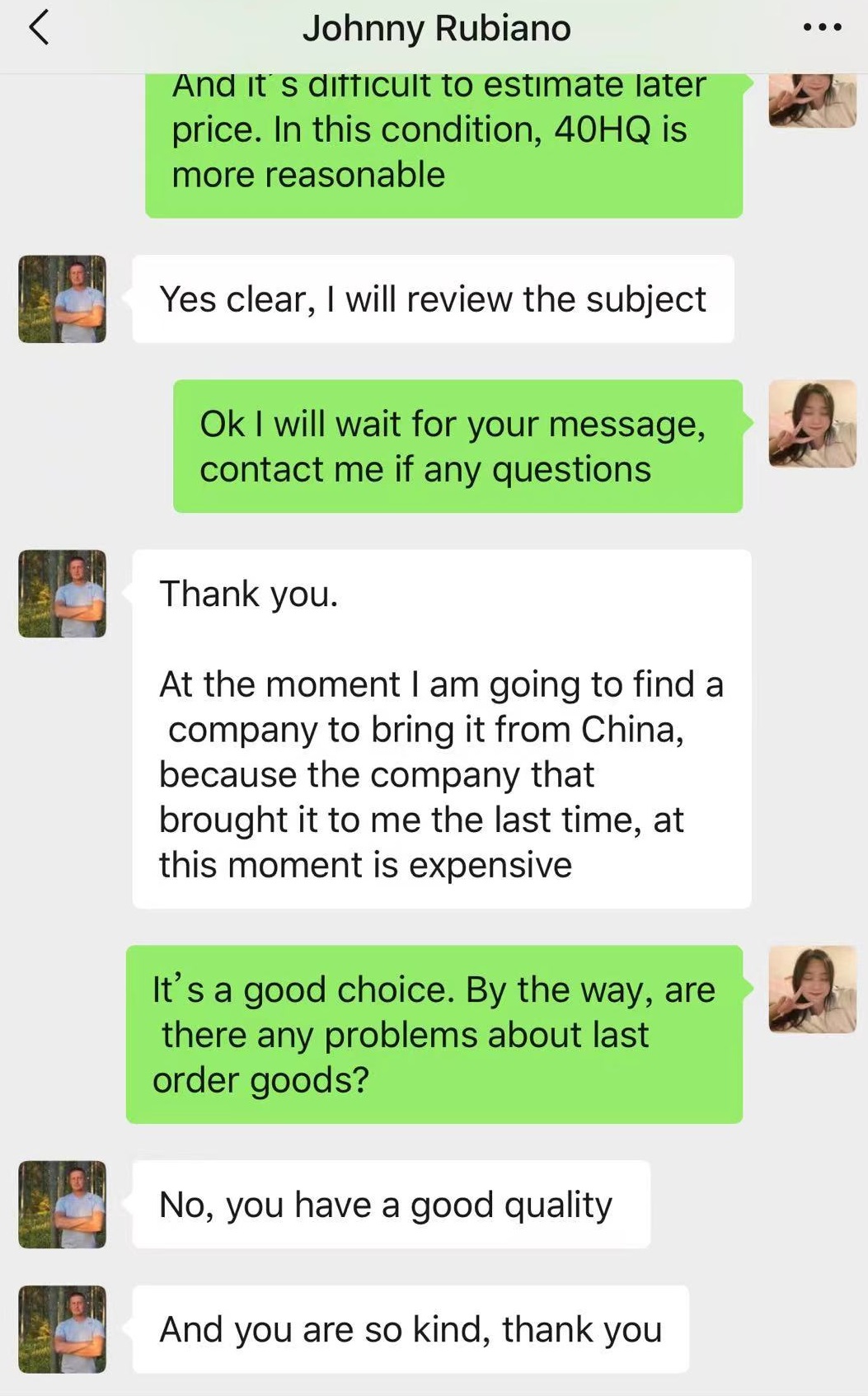
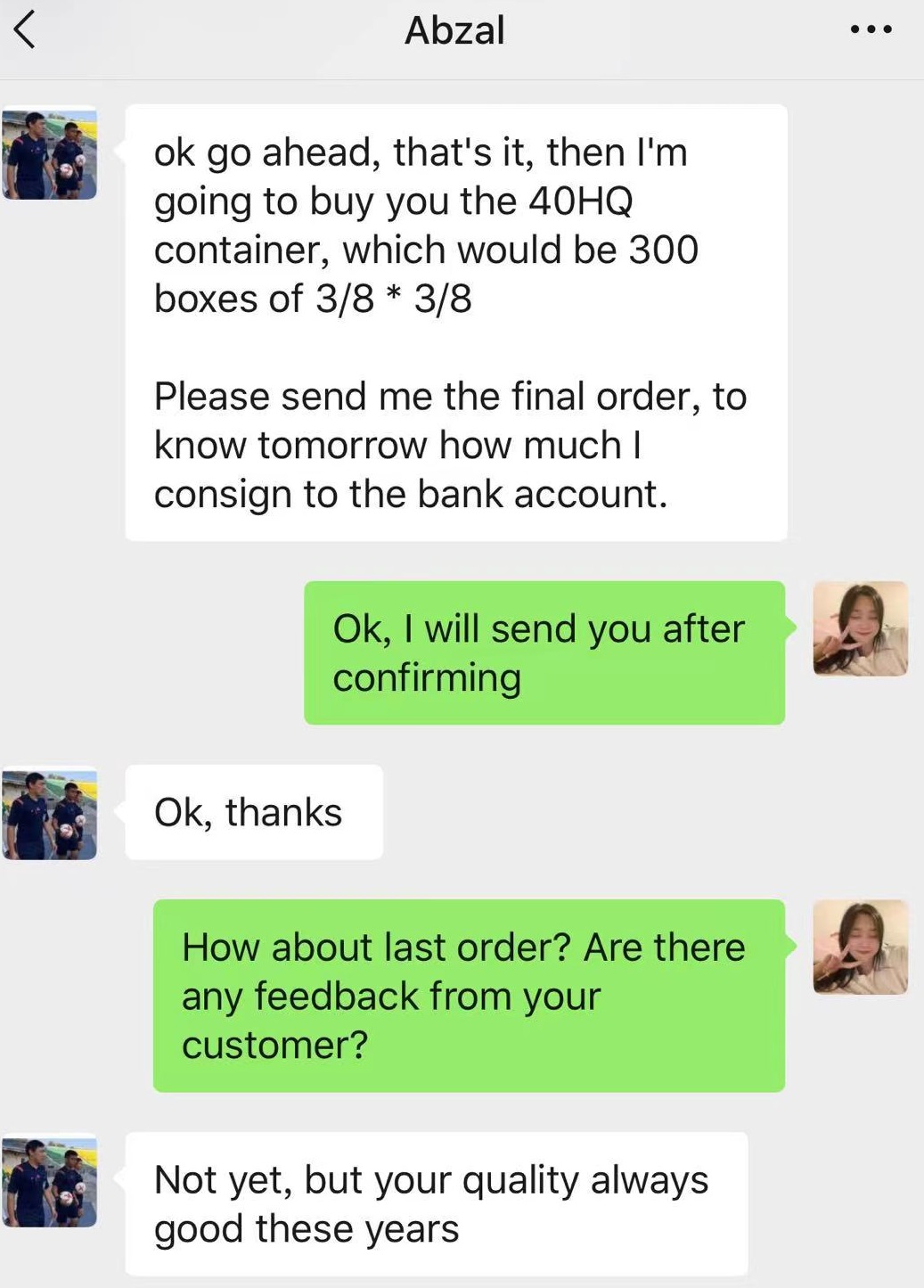



These international partnerships have helped us build long-term supply agreements with distribution networks and engineering departments across North America, Europe, the Middle East, and Asia-Pacific.
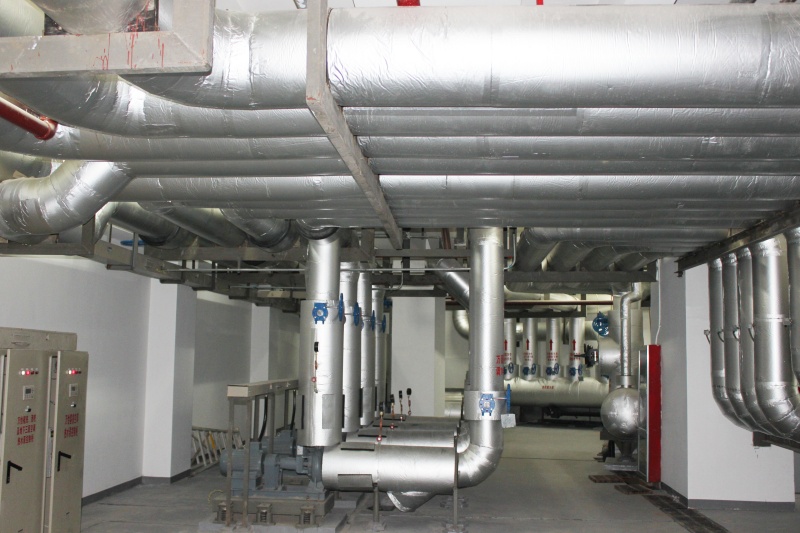
Answers to common technical, regulatory, and sourcing questions about elastomeric rubber foam insulation.
Complete collection of NBR/PVC elastomeric foam products, cryogenic systems, and specialty thermal insulation materials.

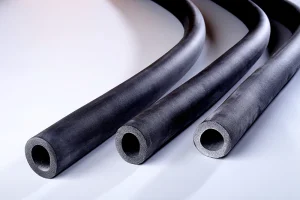
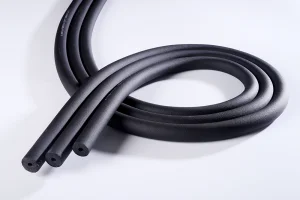
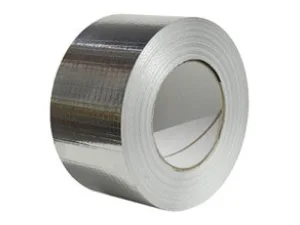
In addition to our core NBR/PVC elastomeric foam lines, we supply specialty rock wool board, thermal insulation blankets, and custom multi-layered insulation jackets to support complex mechanical engineering projects.
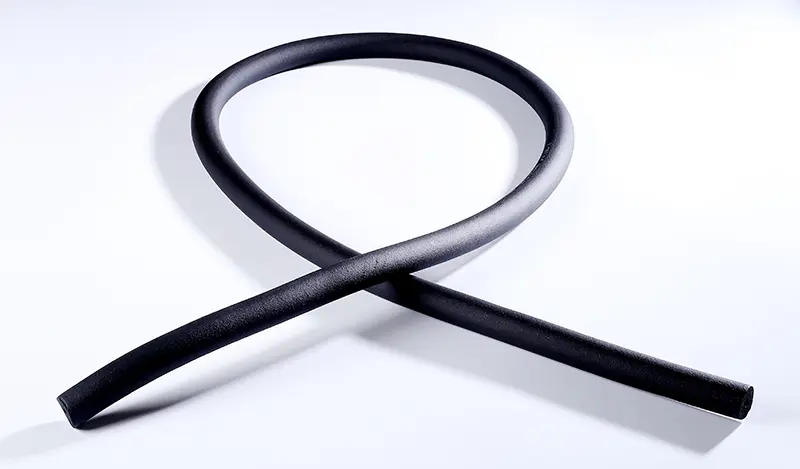
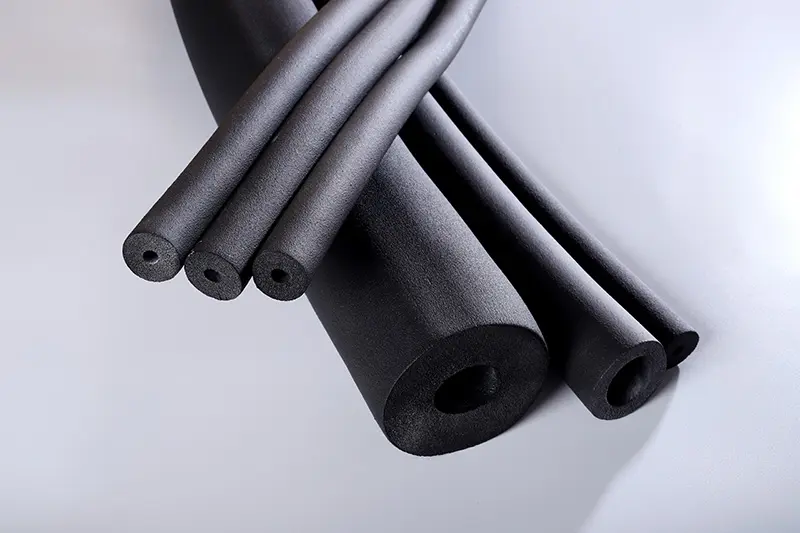


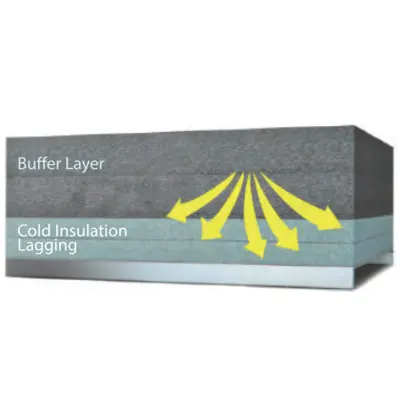
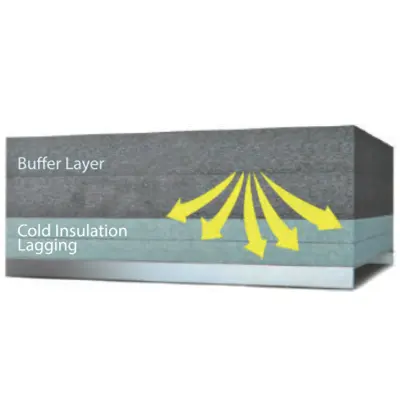
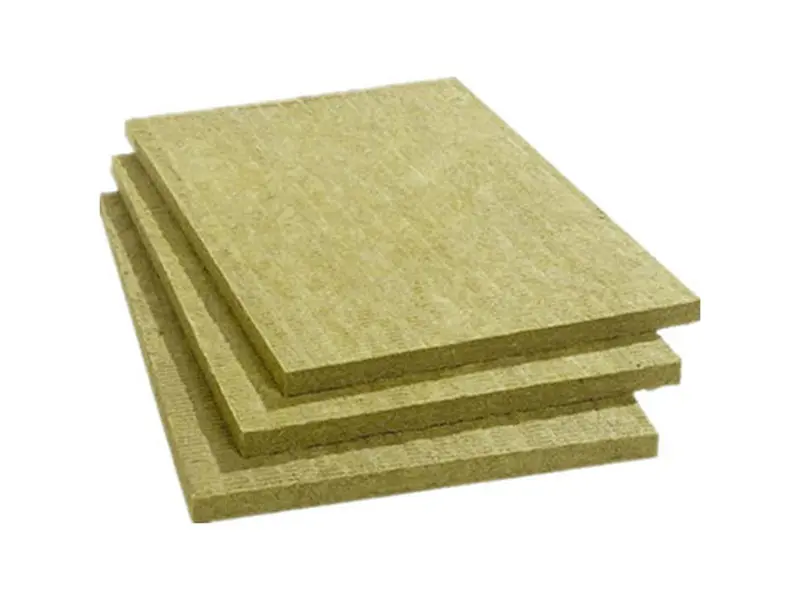
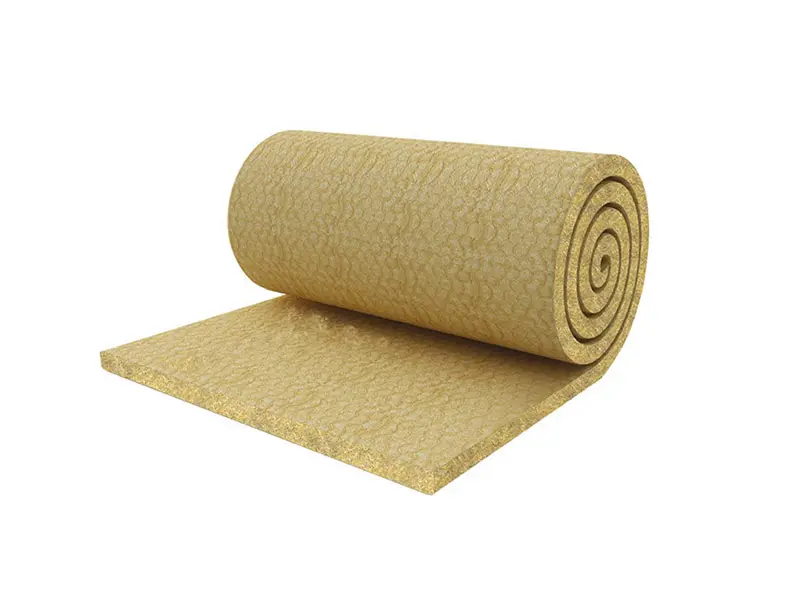
Our processing facility uses automated cutting, adhesive backing, and foil lamination lines, enabling fast processing of customized orders. We maintain stock of standard dimensions (6mm, 9mm, 13mm, 19mm, 25mm, 32mm, 40mm, and 50mm thickness) to support short lead times for international projects.
Kingflex coordinates packing and loading with shipping lines to maximize container volume utilization, helping reduce transport costs and carbon footprint per cubic meter shipped.





Our sales engineering team provides technical support, including thermal calculations, thickness recommendations, and acoustic analysis. Contact us with your project specifications and volume requirements to receive detailed technical datasheets and a project quotation.
 Kingflex