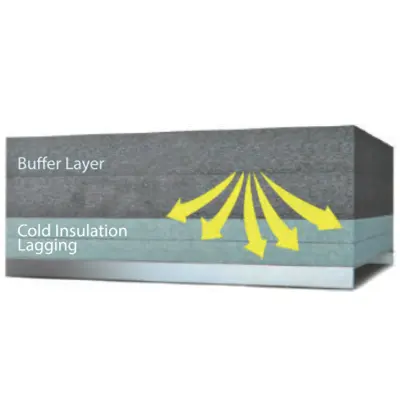
In contemporary commercial architecture, municipal infrastructure, and advanced manufacturing sectors, noise pollution is not merely a matter of occupant comfort—it is a critical mechanical failure pathway and regulatory challenge. Fluids rushing through high-pressure plumbing networks generate significant vibrational energy, which readily propagates through metal and polymer conduits to building structures as airborne or structure-borne noise.
This is where Acoustic Plumbing Insulation plays a vital role. By coupling high-density damping elements with sound-absorbing open-cell or closed-cell structures, engineering teams can suppress localized turbulence, prevent sympathetic structural resonance, and maintain overall mechanical integrity. When designing systems, engineers calculate the insertion loss (expressed in decibels) and analyze the acoustic path to determine the optimal thickness and material profile.
"Controlling mechanical sound paths requires decoupling the transmission medium. A comprehensive solution integrates elastomer dampening barriers with highly precise pipe wrapping strategies to secure maximum noise reduction coefficients."
The global plumbing acoustics market is rapidly shifting toward multi-functional materials that combine thermal efficiency with superior sound isolation. Traditional single-purpose wrap systems are being replaced by advanced polymer blends that exhibit both high mass-law compliance and thermal barrier metrics. Here are the key forces driving evolution in this industry:
Industrial design engineers now demand single-application products that serve a dual purpose. Closed-cell NBR/PVC elastomer foams provide the high moisture-resistance factor (μ) needed to eliminate pipe sweat, whilst absorbing structural vibrations. By eliminating the necessity of separate thermal jackets and secondary mass-loaded vinyl wraps, project operators achieve substantial labor-cost containment.
Green building standards (such as LEED, BREEAM, and DGNB) mandate materials that are not only flame retardant and self-extinguishing (conforming to BS 476, UL94, and ASTM certifications) but also free of harmful volatile organic compounds (VOCs). Kingflex solutions are engineered to ensure low smoke production and zero halogen migration.
Off-site modular construction is growing. Having acoustic insulation pipe sleeves and sheets pre-cut and fitted at the factory accelerates site completion times and reduces waste. With uniform structural densities between 40-55 kg/m³, our products facilitate straightforward manipulation, slicing, and adhesion on modern assembly lines.
For enterprise purchasing directors, managing wholesale acoustic plumbing supplies involves looking beyond initial per-unit costs. True value is measured by product lifespan, storage space optimization, installation speed, and lifetime maintenance requirements.
Kingflex offers a tiered wholesale pricelist designed to accommodate industrial distributors, national mechanical contractors, and direct commercial project developers. Pricing depends on critical manufacturing metrics: material thickness (6mm to 50mm), customized inside diameters for pipe insulation (6mm to 114mm), and integration of reinforced backings (such as high-performance aluminum foil cladding).
| Material Type | Thickness Range | Inside Diameter (ID) | Standard Density | Recommended Applications |
|---|---|---|---|---|
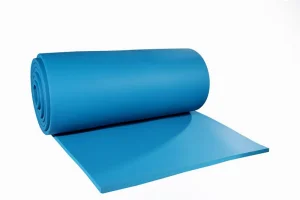
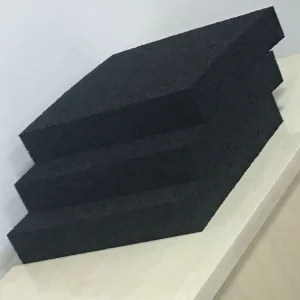
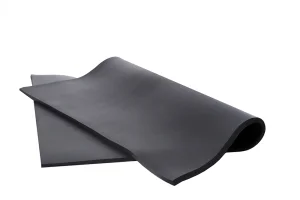
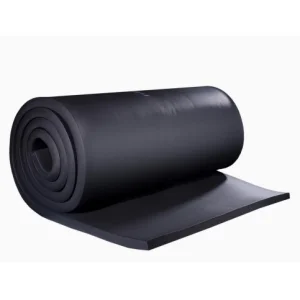
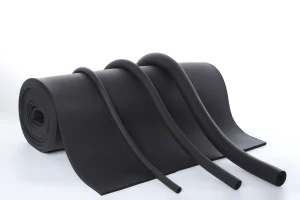
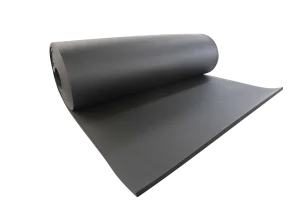
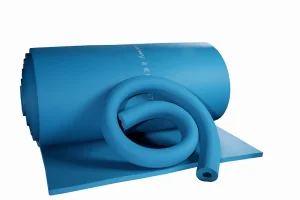
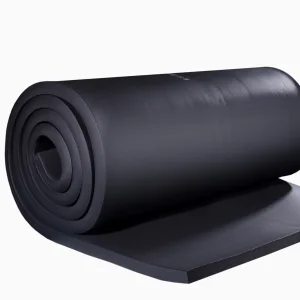
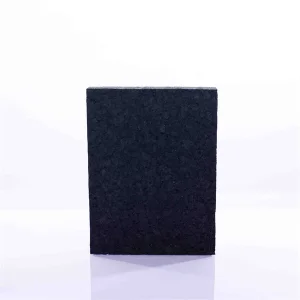
| NBR/PVC Elastomeric Foam Sheet Roll | 6mm - 50mm | Flat Sheets / Rolls | 40 - 55 kg/m³ | HVAC Ducts, Large Tank Enclosures, Wall Noise Attenuation |
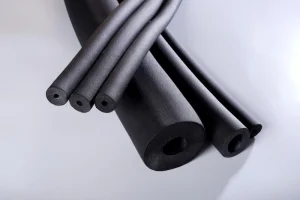
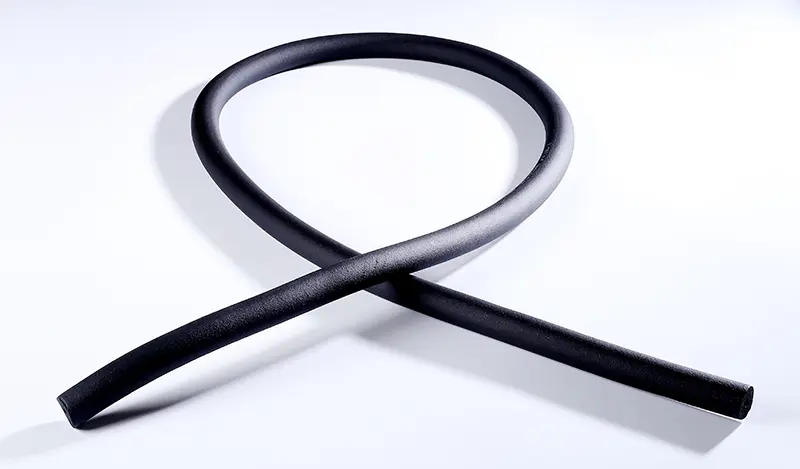
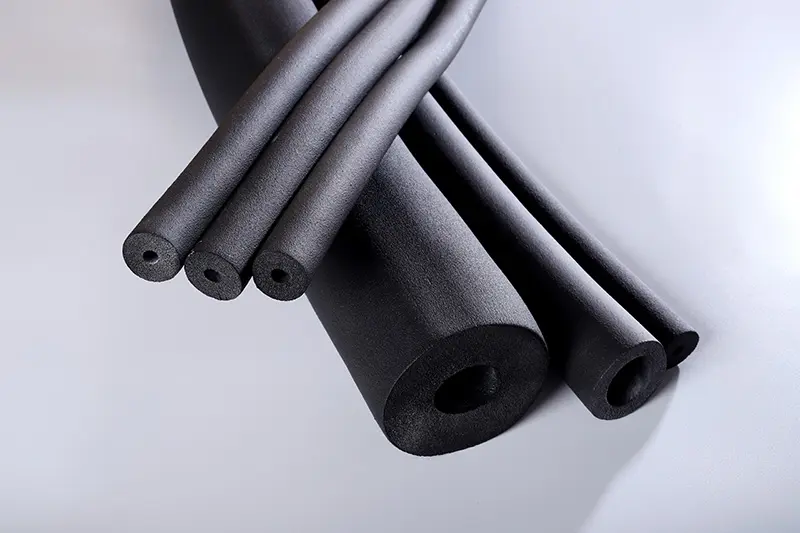
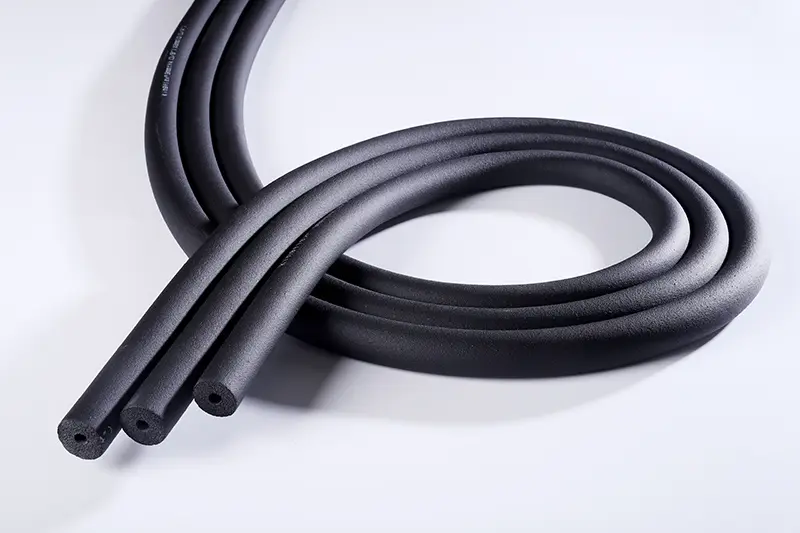
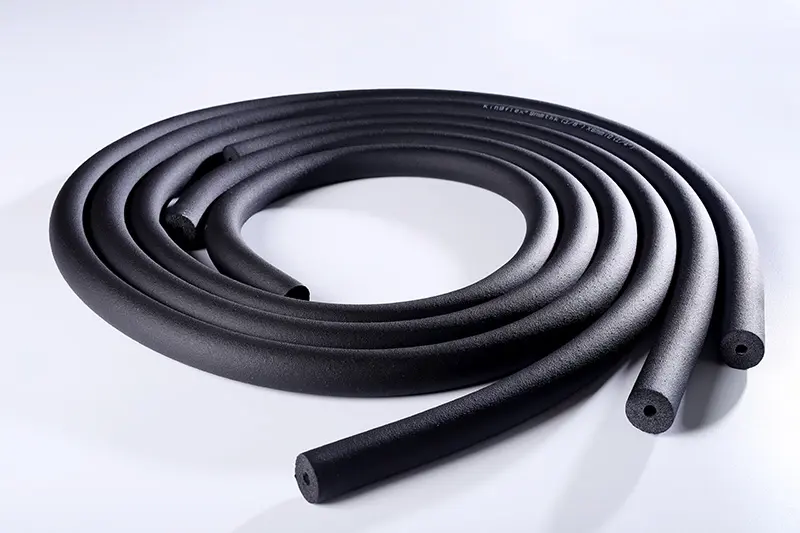
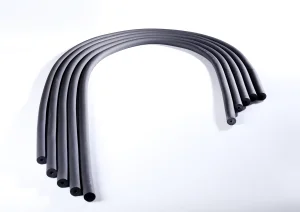
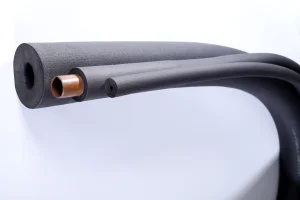
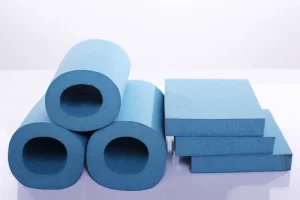
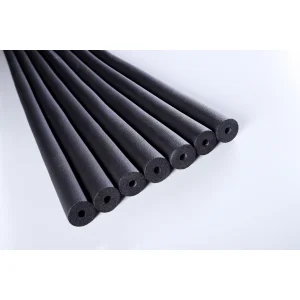
| Elastomeric Flexible Pipe Insulation | 9mm - 40mm | 6mm - 114mm | 40 - 55 kg/m³ | Chilled Water Systems, Hot Water Lines, Air-Conditioning Conduits |
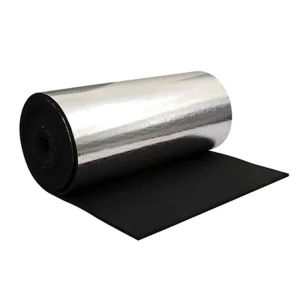
| Aluminum Foil Faced Sheet Roll | 10mm - 50mm | Flat Sheets / Rolls | 45 - 55 kg/m³ | Outdoor Process Pipework, UV-Exposed Plant Systems |
| Cryogenic Low-Temp Insulation System | 19mm - 50mm | Custom Sleeves | 50 - 65 kg/m³ | Ultra-Low Temp LNG Lines, Specialized Chemical Processing |
Our acoustic plumbing materials are specified in major industrial and commercial installations worldwide:
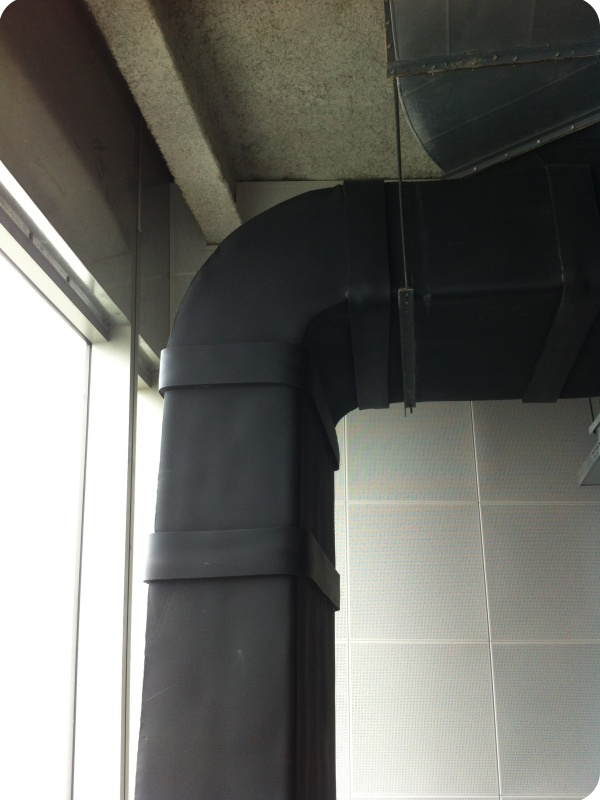
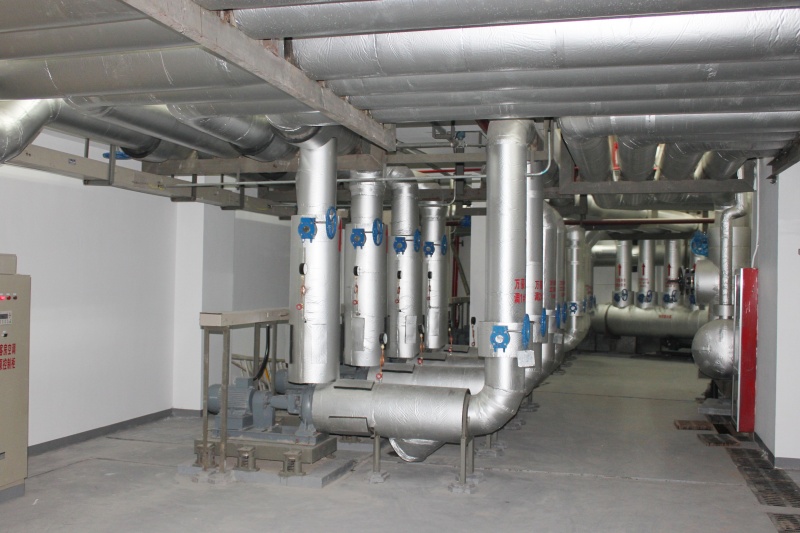
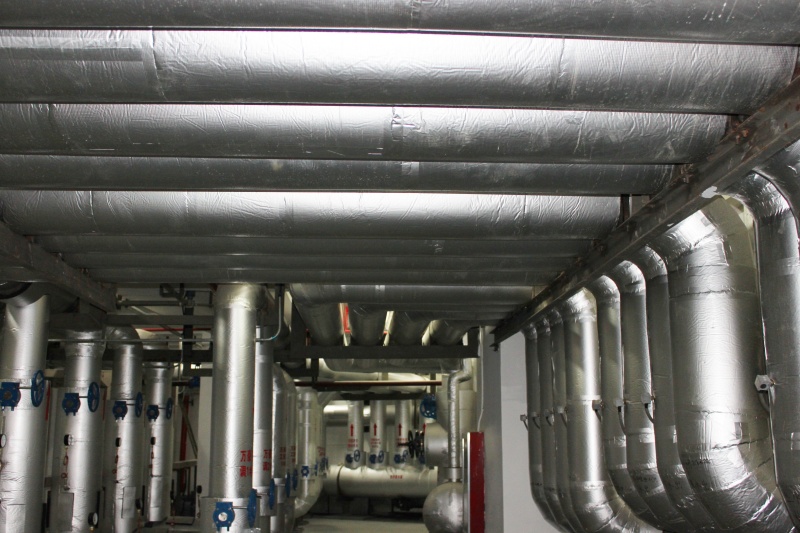
Large HVAC installations act as direct pathways for fan and structural noise. By applying Kingflex open-cell soundproof sheets internally or closed-cell rolls externally, design engineers can dramatically lower acoustic energy transfer.
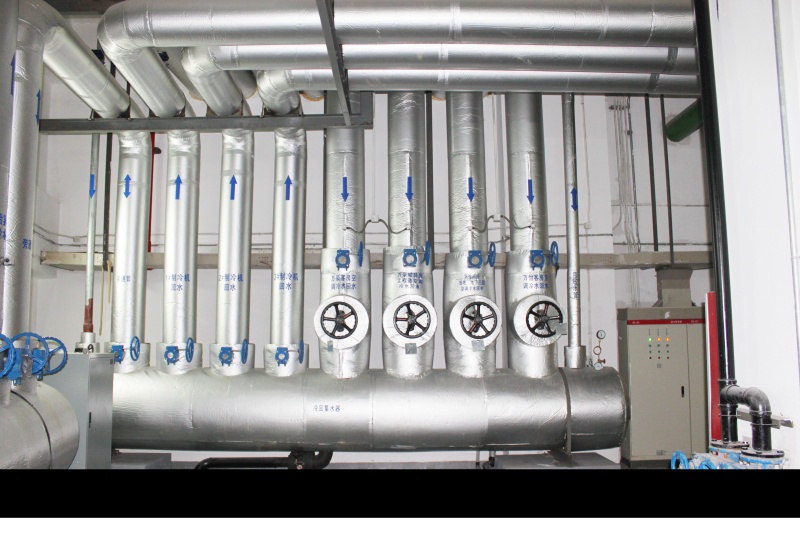
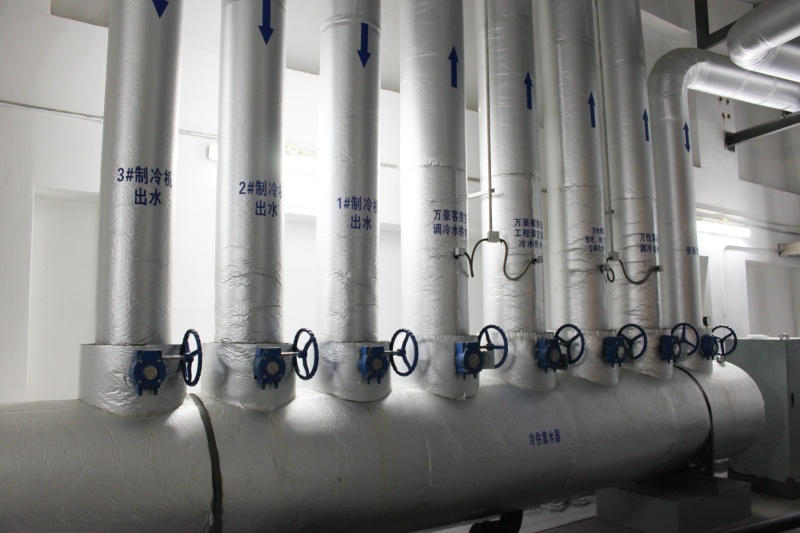
In cold climate systems or chilled water lines, thermal differentials run the risk of creating condensation. The closed-cell matrix prevents moisture penetration, ensuring the pipe remains dry, thereby eliminating the risk of Corrosion Under Insulation (CUI).
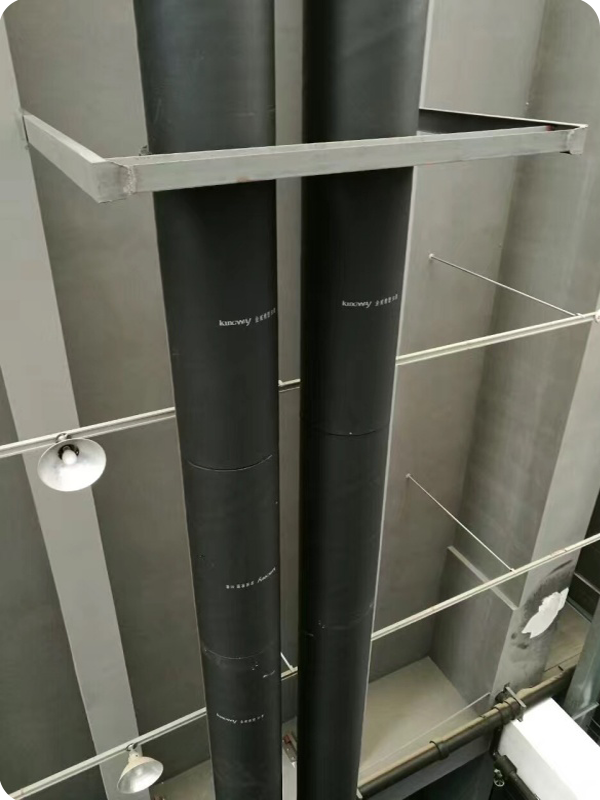
Industrial plants operate under strict environmental noise thresholds. Our rubber foam pipe coverings absorb high-frequency vibration from gas valves and pumps, protecting operators and surrounding communities.
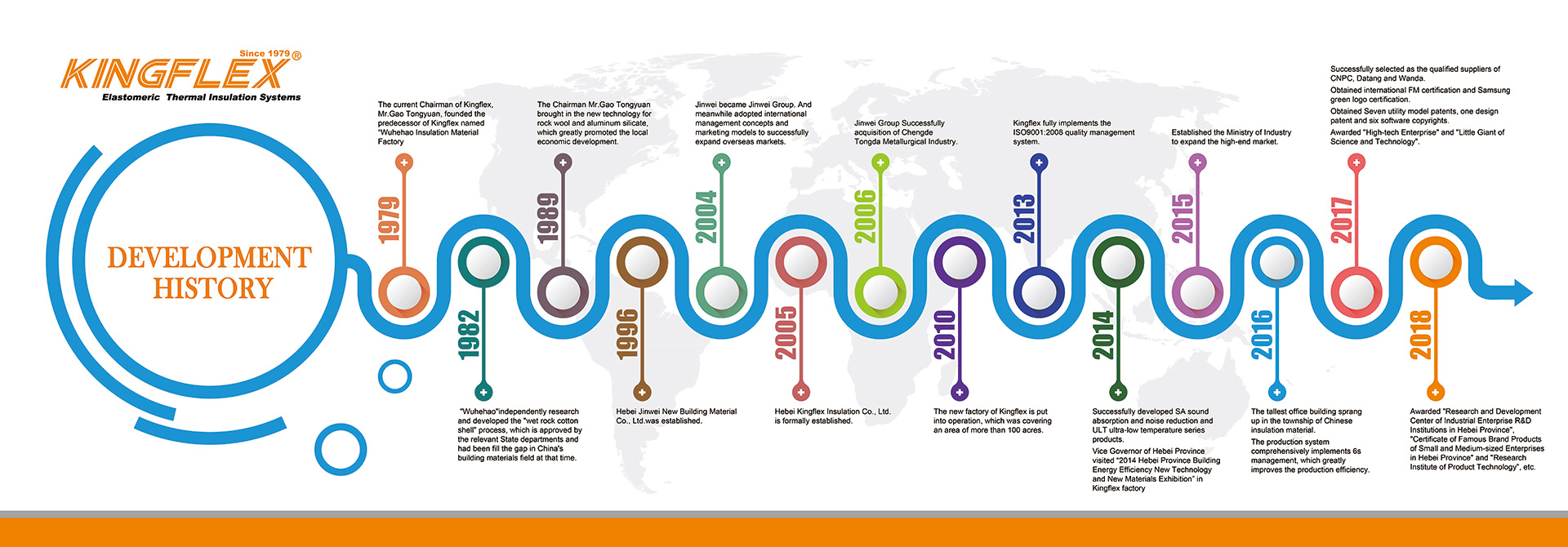
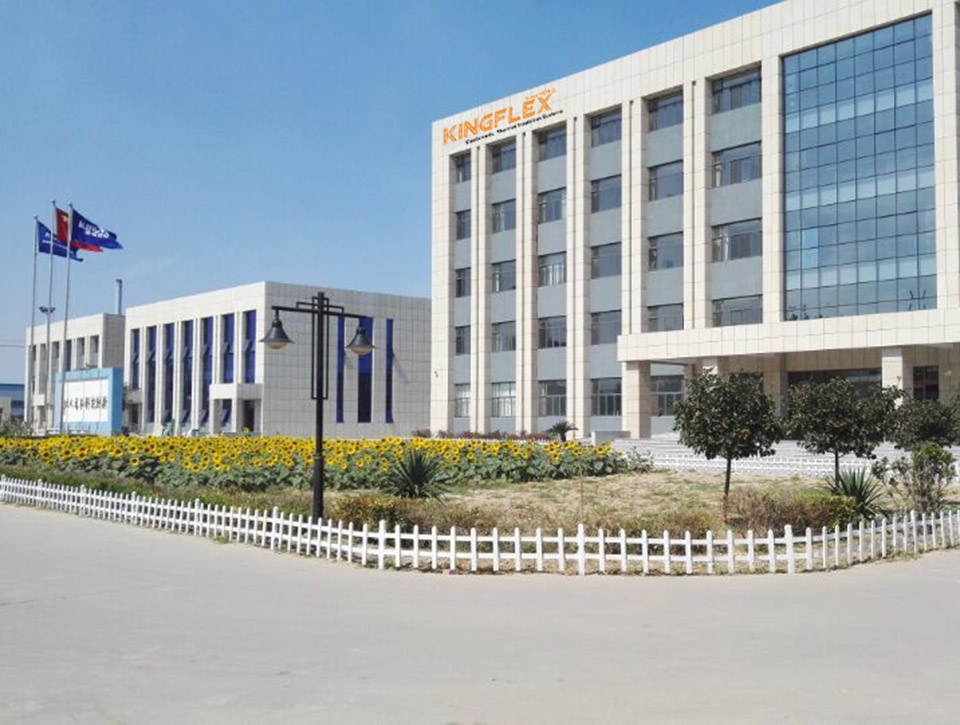
Established by the Jinwei Group, which holds a heritage of over 40 years (founded in 1979 as the pioneer manufacturer of thermal insulation materials north of the Yangtze River), Kingflex Insulation Co., Ltd. has developed into a leading global provider of energy-saving thermal and acoustic insulation solutions.

Based in Dacheng, China—a hub for energy-efficient building materials—Kingflex is a vertically integrated enterprise focused on advanced R&D, manufacturing, and distribution. We support developers, installers, and design engineers through consultation, installation guidance, and post-sale technical support.
Our facility operates 5 automated assembly lines, delivering an annual production capacity of over 600,000 cubic meters. This scale enables us to serve key national energy, electric power, and chemical industry infrastructure projects efficiently.


Kingflex Standard Parameters:
Primary Advantages:

Kingflex Standard Parameters:
Primary Advantages:
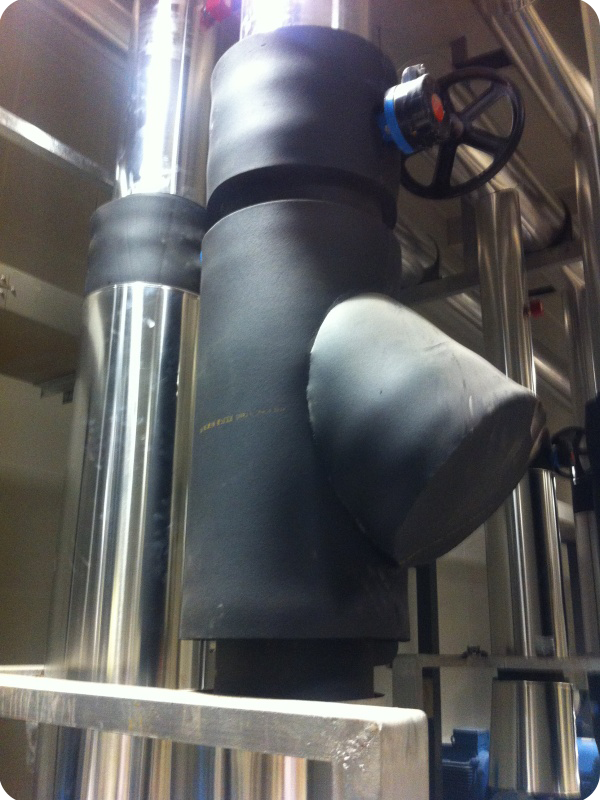
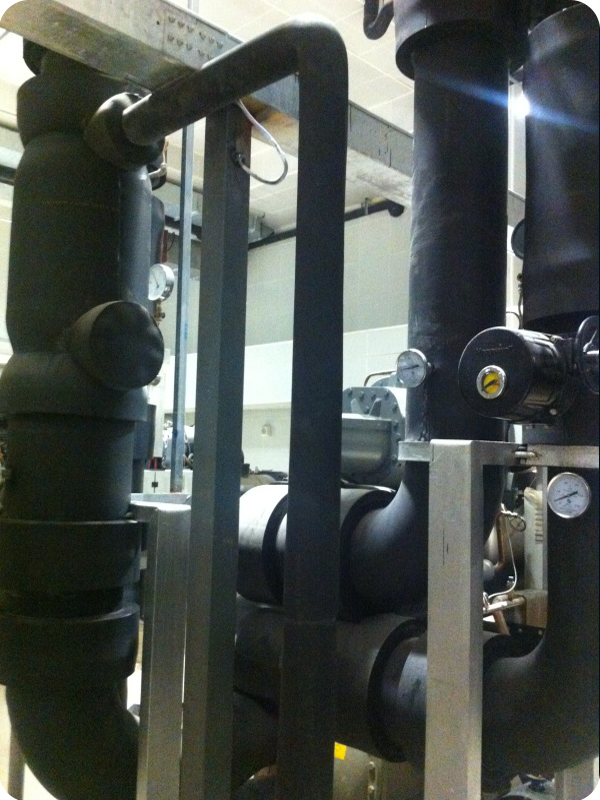

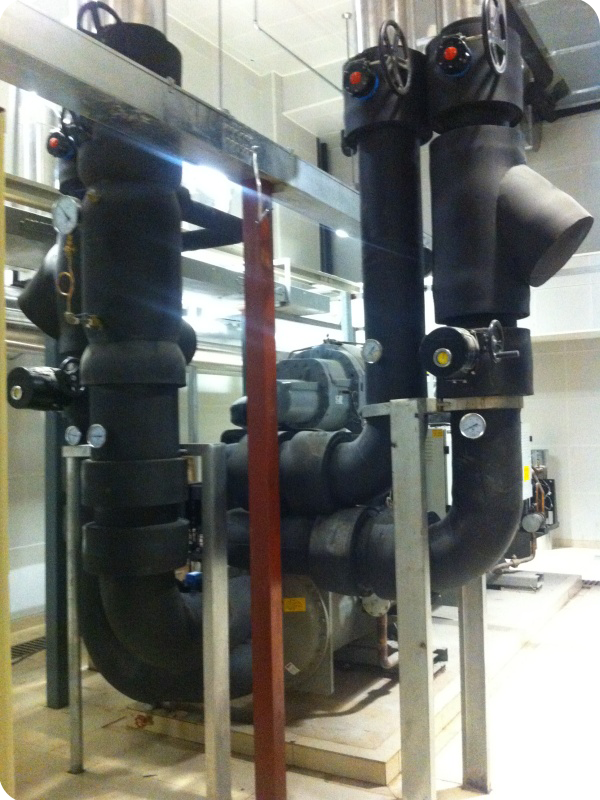
Explore our complete catalog of materials designed for commercial infrastructure, industrial plants, cold-storage networks, and marine vessels.
Industrial insulation must meet strict building codes. Kingflex undergoes systematic laboratory verification to comply with major international certifications:
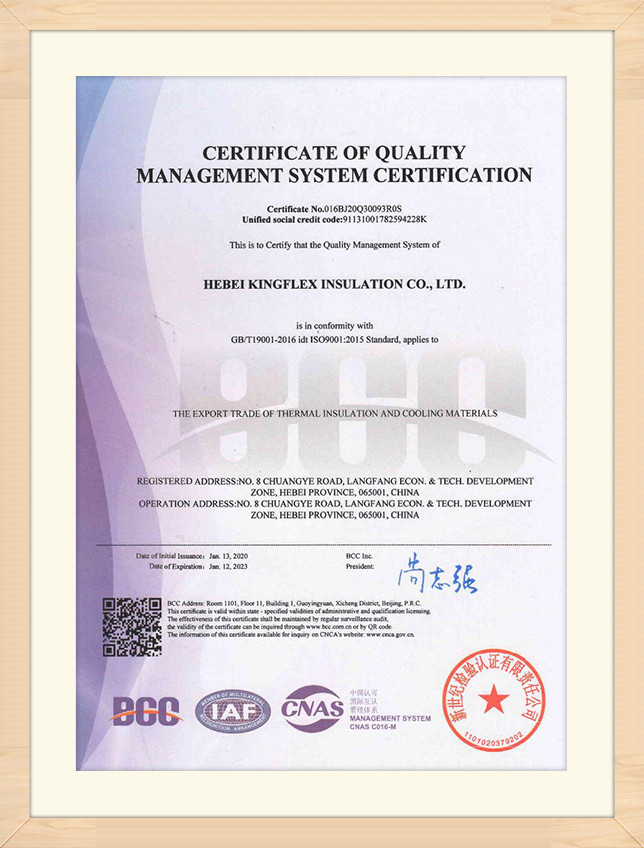
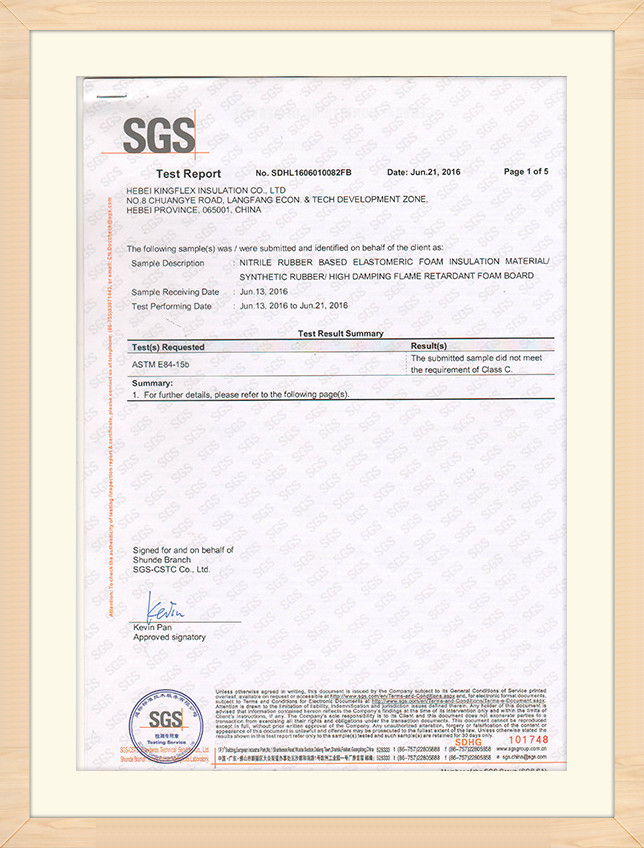
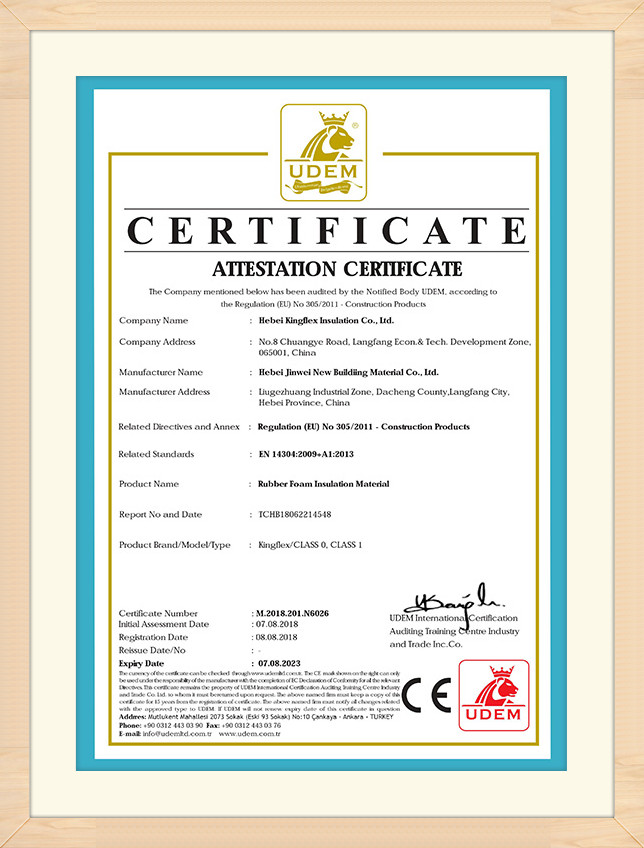
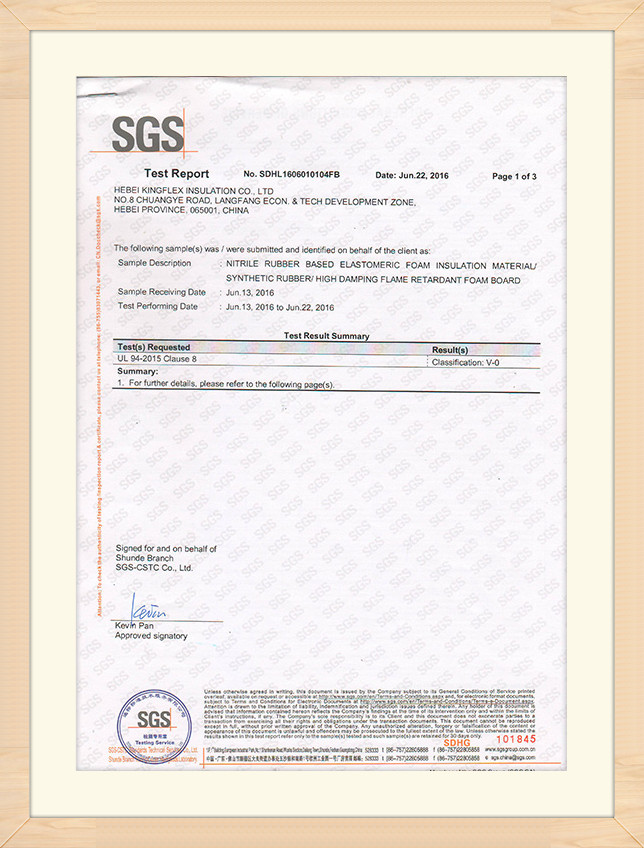
Our acoustic insulation and elastomeric rubber foam lines are tested to conform to the following certifications:
Transparency and open communication form the foundation of our client relationships. Below are verified logs showing our team's alignment with international procurement requirements:





As environmental codes and mechanical designs become more sophisticated, Kingflex continues to invest in next-generation material science. Our R&D efforts focus on three primary goals:
Developing foams derived from renewable sources to lower carbon impact while maintaining thermal performance.
Combining varying material densities to improve sound absorption in high-frequency applications.
Using advanced CAD modeling to produce pre-slit, custom shapes that fit complex plumbing joints and reduce installation labor.
Find answers to frequently asked technical questions regarding modern elastomeric and acoustic insulation systems:
It is primarily used for insulating HVAC ductwork, commercial air conditioning piping, building structural components, and industrial process lines. It delivers two main functions: limiting heat loss or gain, and dampening low-frequency mechanical noise.
Yes. Kingflex rubber foam insulation incorporates flame-retardant chemistry that makes the material self-extinguishing. It is tested to meet international safety certifications such as BS 476, UL94, and ASTM.
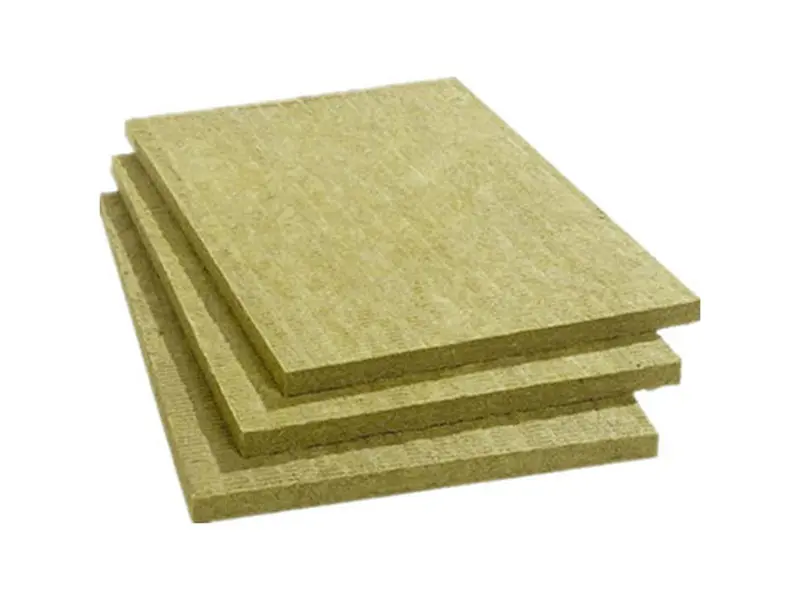
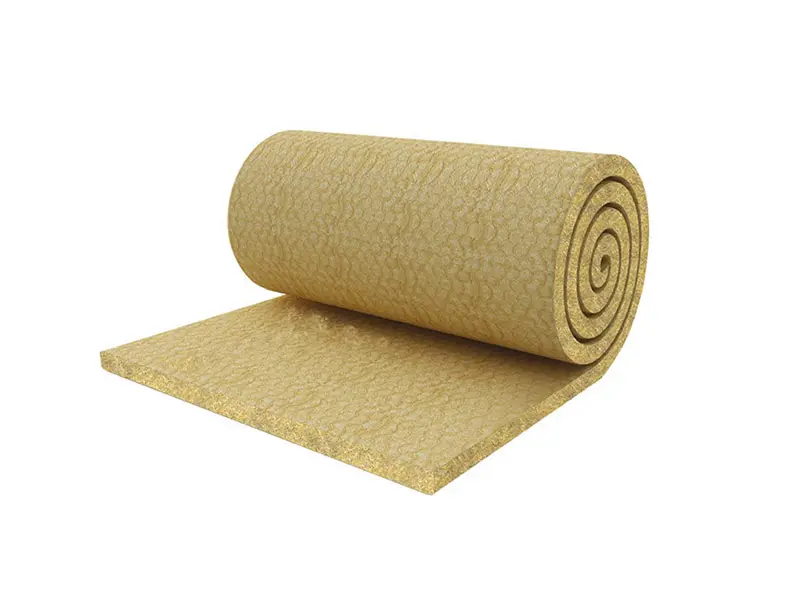
Rubber foam is a flexible, closed-cell, moisture-resistant material well-suited for refrigeration, plumbing, and HVAC systems where condensation control is critical. Rock wool is a high-density, high-temperature fibrous material designed for high-heat process piping and fire-rated walls.
Yes. We offer OEM manufacturing to match custom widths, lengths, densities, and adhesive backings to your project specifications.
Our products undergo regular testing to maintain compliance with international standards, including BS 476, CE, REACH, RoHS, UL94, and ASTM.
Yes. Every production run is marked and documented, ensuring full traceability from raw materials to shipped products.
We manufacture sheet rolls in thicknesses ranging from 6mm up to 50mm, allowing engineers to select the exact dimension required for their thermal and acoustic designs.
When installed correctly and maintained according to guidelines, our closed-cell elastomeric products deliver a typical service life of 10 to 15 years.
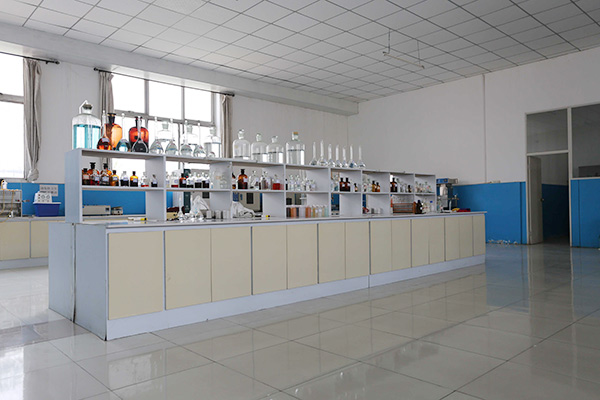
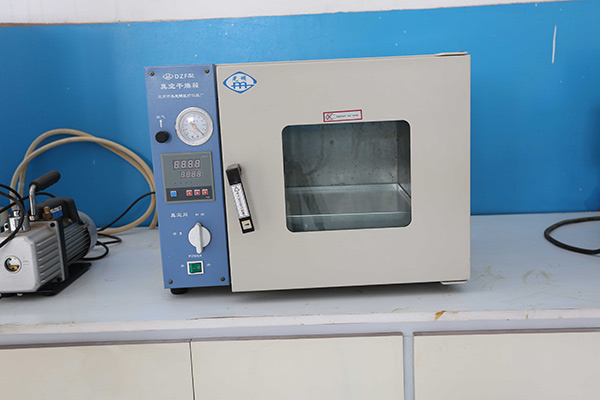
Our factory houses five automated lines that maintain uniform quality control. Below is a look at our daily operations:






 Kingflex