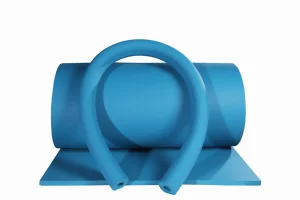
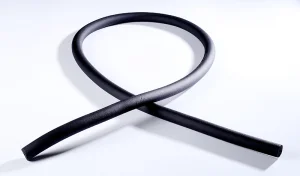
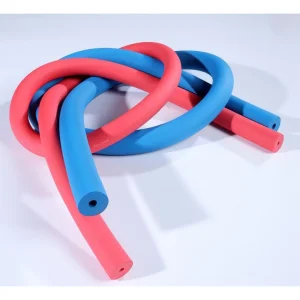
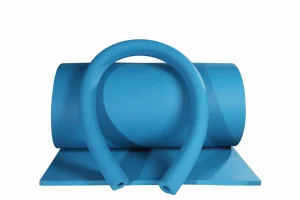
Browse our primary selection of certified rubber foam rolls, insulation tubes, and sound-absorbing products manufactured directly under strict ISO quality control protocols.
Understanding the technical drivers behind modern structural thermal management, vapor resistance, and energy sustainability requirements.
The global demand for high-performance cooling insulation has reached historic levels, driven by the expansion of cold storage logistics, commercial HVAC retrofitting, petrochemical production, and LNG distribution. In cooling applications, maintaining thermodynamic balance requires more than just stopping heat transfer. The principal engineering challenge is preventing moisture ingress. Unlike heating systems, chilled-water pipelines and cryogenic pipes pull moisture out of the surrounding air because the internal temperature of the fluid is lower than the dew point of the environment.
When moisture penetrates an insulation layer, it displaces air pockets with liquid water. Since water has a thermal conductivity ($\lambda$) approximately 25 times higher than static air, even a minor moisture accumulation can destroy the thermal barrier. This leads to condensation drip, structural rot, mold formation, and Under-Insulation Corrosion (UIC). The industry is systematically transitioning to closed-cell elastomeric rubber foam (NBR/PVC based) due to its high water vapor transmission resistance index ($\mu \ge 10,000$), ensuring long-term thermal integrity without separate vapor barriers.
Modern HVAC and cooling pipelines are subject to stringent green building standards (e.g., ASHRAE 90.1, LEED, and BREEAM). Utilizing low-conductivity closed-cell materials directly reduces active cooling system compressor energy demand by up to 18%.
Unlike open-cell materials like fiberglass or mineral wool that demand manual exterior vapor jackets, closed-cell elastomeric materials have integrated cell structures that stop vapor penetration natively, dramatically cutting down labor cost during installation.
Commercial building codes require structural compliance with fire and smoke ratings (e.g., BS 476 Class 0, UL 94 V-0, and ASTM E84 25/50 flame/smoke indices). Achieving clean self-extinguishing formulations is paramount for modern multi-story infrastructure projects.
How regional vertical integration and advanced extrusion technologies deliver unmatched cost-per-performance metrics.
China's dominance in the global thermal and cold insulation market is anchored in raw material availability, engineering specialization, and clustered logistics networks. Our production center in Dacheng, China—historically recognized as the capital of green building materials—operates in an optimized industrial cluster. This physical grouping integrates high-polymer synthesis, natural gas fuel supply lines, automated continuous foaming extrusion plants, and deepwater maritime ports into a cohesive workflow.
By using continuous vulcanization and automated temperature-controlled foaming technology, Chinese factories produce highly uniform cell layouts. This level of uniformity translates to predictable mechanical characteristics. For procurement officers, sourcing directly from Chinese production centers offers key strategic benefits:
Discover the industrial legacy of Kingflex Insulation Co., Ltd. and our technical team's dedication to energy-saving building materials.
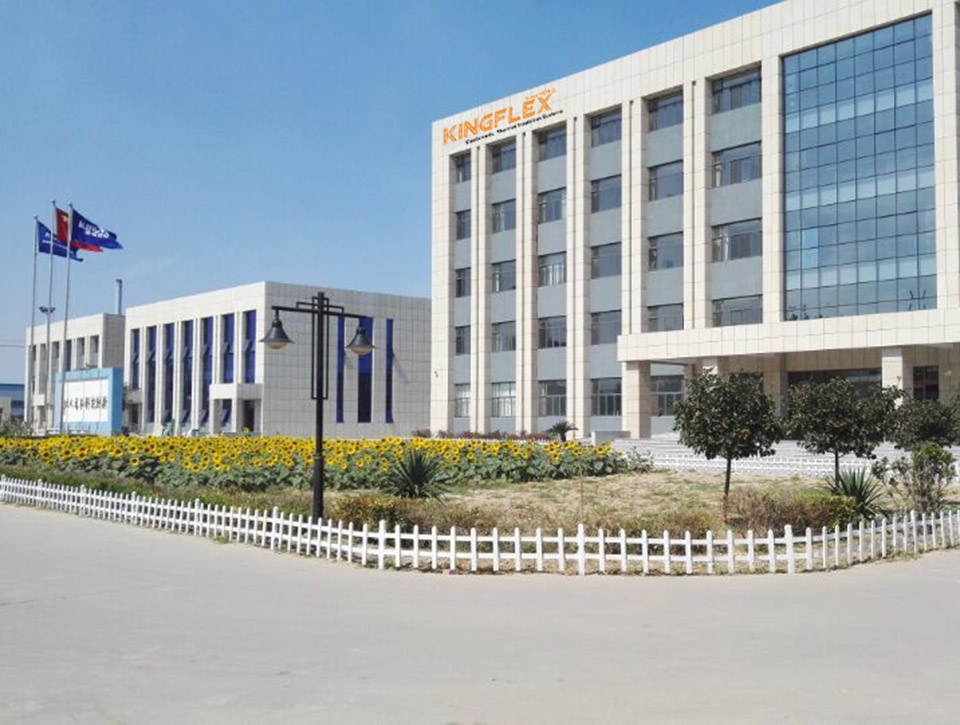
Kingflex Insulation Co., Ltd. is a professional manufacturing and trading combo for thermal insulation products. Our research, development, and manufacturing facility is located in the well-known capital of green building materials in Dacheng, China. As an energy-saving and environmental-friendly enterprise, we concentrate on the integration of research and development, industrial production, and global commercial sales.
In operation, Kingflex takes energy saving and consumption reduction as its core concept. We provide complete thermal insulation solutions via targeted consultation, dedicated research and development, installation guidance, and comprehensive post-sale services. We aim to guide the development of the global building materials industry toward carbon neutrality.
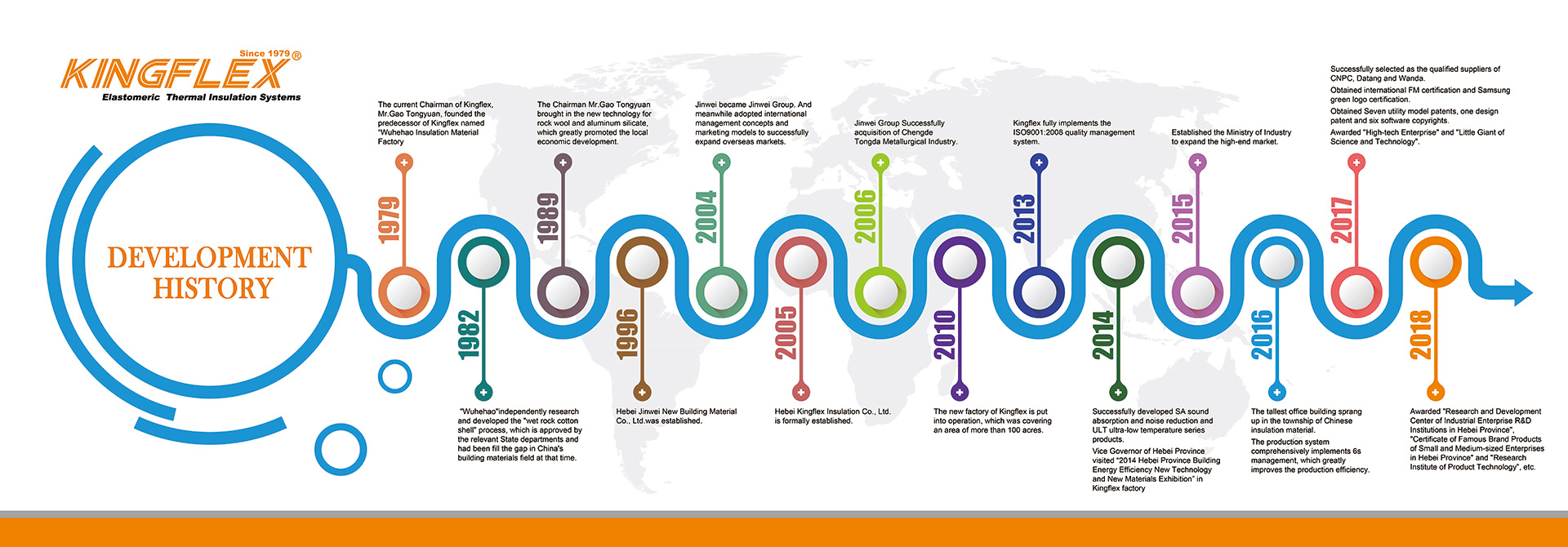
Kingflex was established by the Jinwei Group, which possesses more than 40 years of history. Established in 1979, the group was the very first manufacturer of thermal insulation materials north of the Yangtze River, paving the way for China's modern insulation sector.


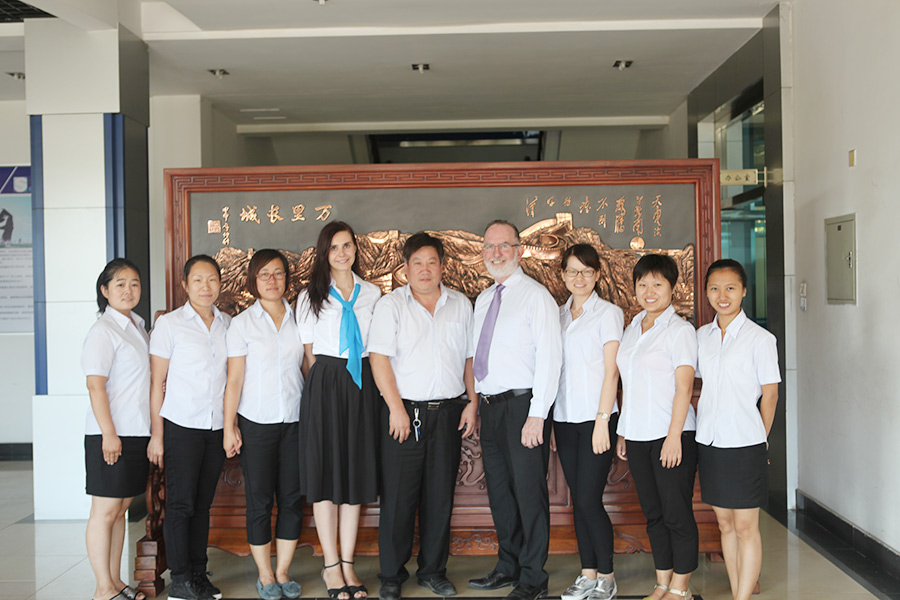
Our employees are amazing in their own right, but together they make Kingflex a rewarding and efficient company. The Kingflex team is a tight-knit, talented group with a shared vision of providing first-class service to our international clients. To maintain technical leadership, Kingflex has built an operational hierarchy staffed by:
As a testament to our production reliability, Kingflex is a designated production enterprise appointed by the Ministry of Energy, the Ministry of Electric Power, and the Ministry of Chemical Industry.
Compare design parameters and mechanical properties to align with your regional structural codes.
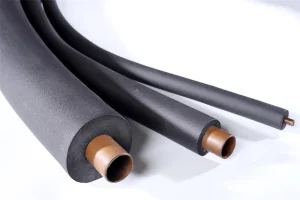
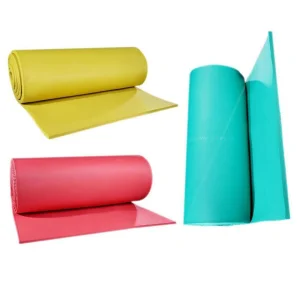
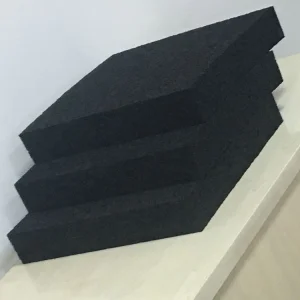
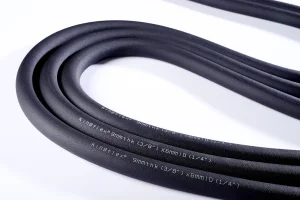
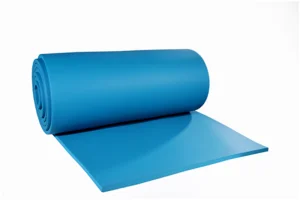
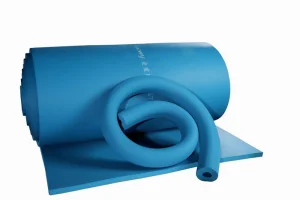
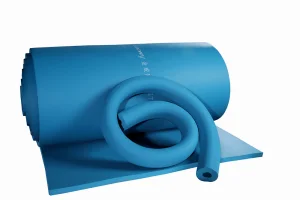
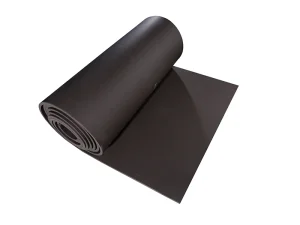
Our two core configurations—Black Rubber Foam Insulation Sheet Rolls and Black Rubber Foam Insulation Pipes—are manufactured using high-performance NBR/PVC compounds. The table below lists the mechanical specifications for standard orders:
| Material Category | Available Thickness | Dimensions / Internal Diameters (ID) | Thermal Conductivity ($\lambda$ at 0°C) | Fire Classification Rating |
|---|---|---|---|---|
| NBR/PVC Rubber Foam Sheets | 6mm - 50mm | 1m / 1.2m / 1.5m Width Roll | ≤ 0.034 W/(m·K) | Class 0 (BS 476), V-0 (UL 94), ASTM E84 |
| NBR/PVC Rubber Foam Pipes | 9mm - 40mm | ID: 6mm - 114mm | ≤ 0.034 W/(m·K) | Class 0 (BS 476), Class 1 (BS 476), UL 94 |
| Cryogenic Insulation Systems | Multi-layer systems | Customized Shells / Sheets | ≤ 0.028 W/(m·K) at low temps | ASTM Flame Spread < 25, Smoke < 50 |
| Halogen-Free Sheets | 10mm - 32mm | Custom Rolls | ≤ 0.036 W/(m·K) | RoHS / REACH Compliant, Zero Halogen |
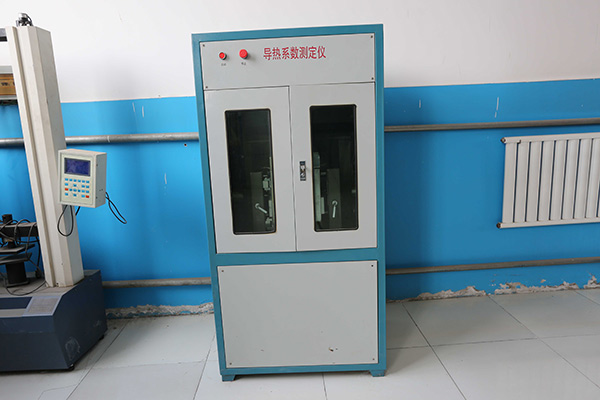
How engineers apply Kingflex insulation materials to prevent energy loss and control condensation across diverse sectors.
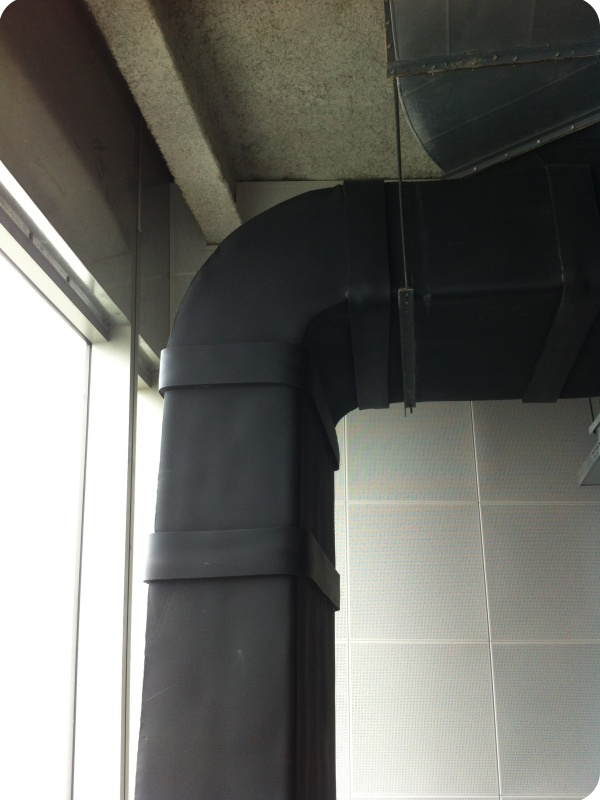
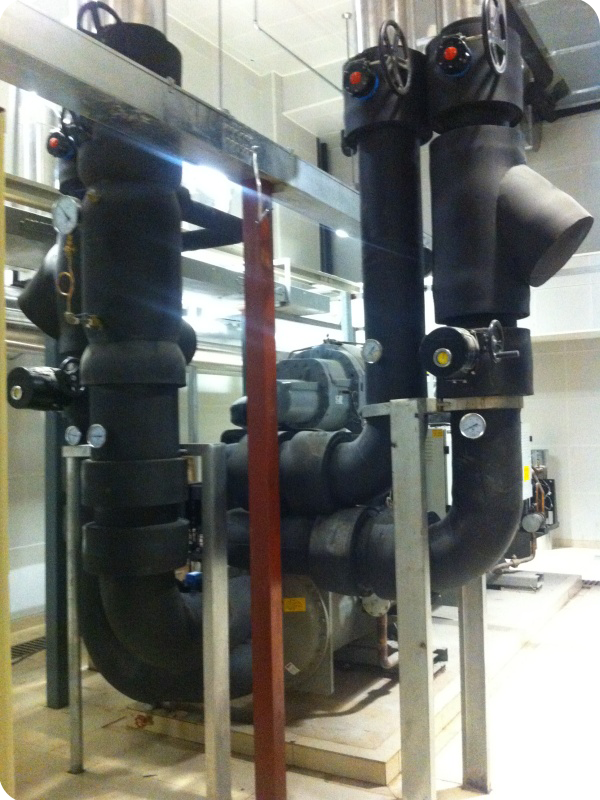
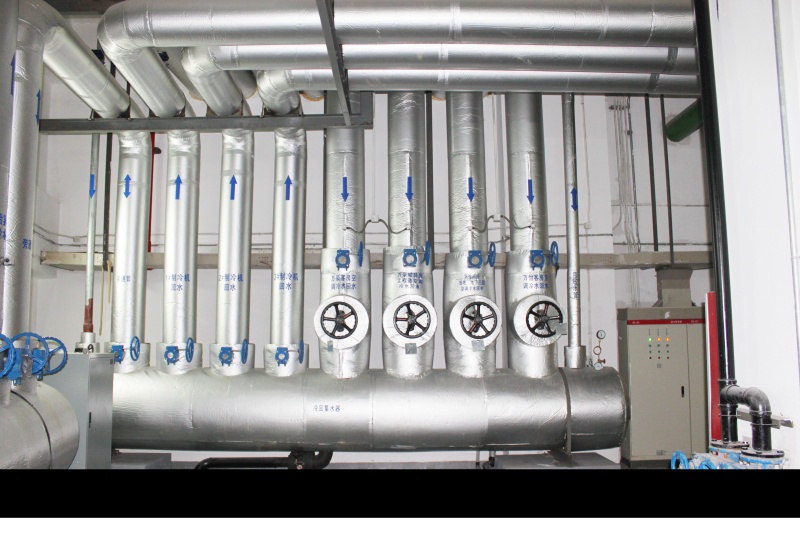
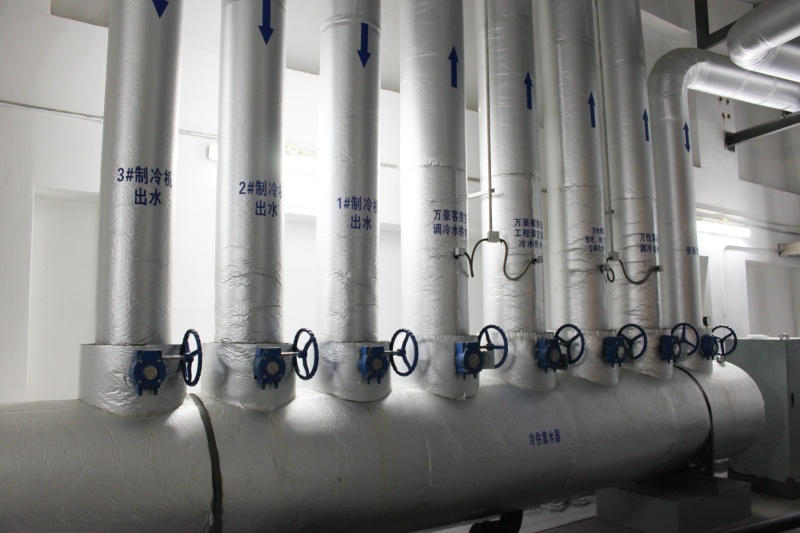
Used in hotels, shopping malls, and hospitals to insulate central air conditioning ducts, fan coil units, and condensate pipes. The closed-cell structure prevents water dripping in high-humidity zones.

Protects pipelines in chemical processing plants from heat gain and corrosion under insulation. Our products resist common chemical vapors, saline humidity, and outdoor weathering.
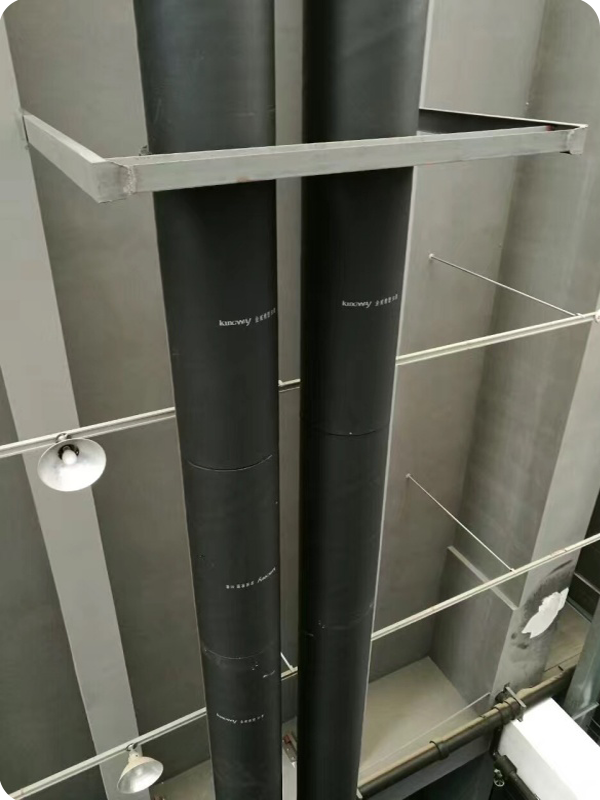
Specially formulated systems designed for LNG storage tanks, cold gas transport systems, and industrial cryo-processing plants where temperatures drop below -150°C to -200°C.
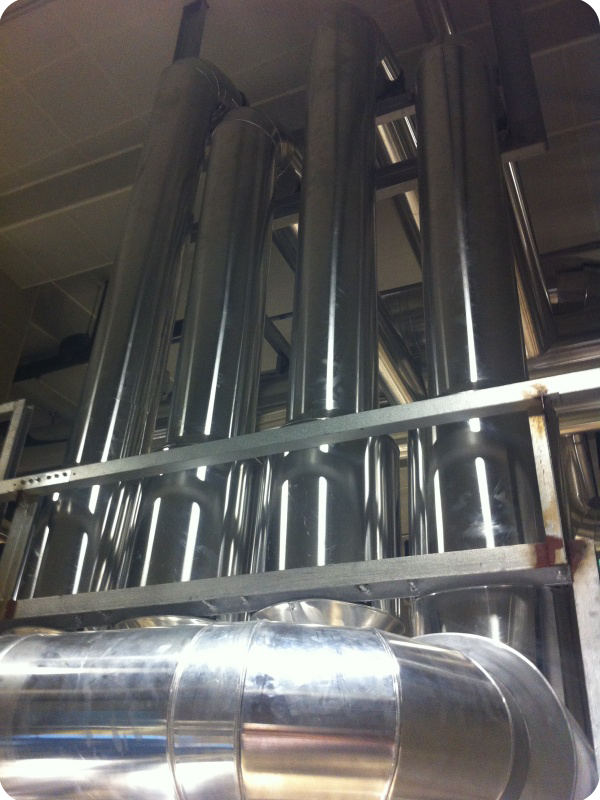
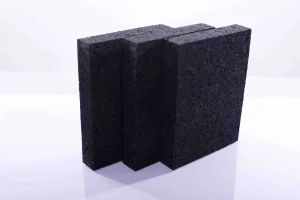
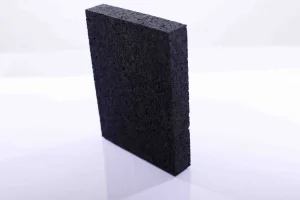
Open-cell elastomeric rubber foam sheets are utilized inside partition walls, generator rooms, and air handler enclosures to absorb sound waves and limit mechanical vibration transmission.
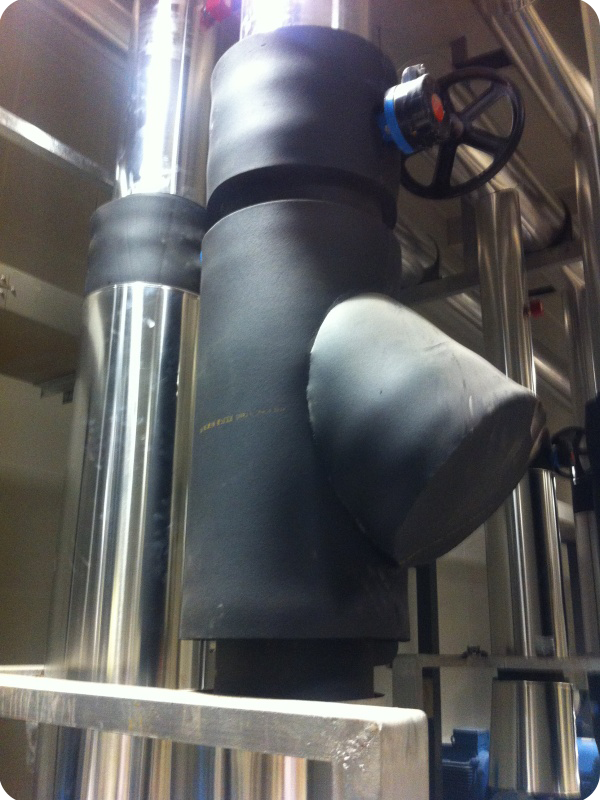
Used in commercial food warehousing and pharmaceutical cold chains to prevent temperature fluctuations, maintaining the integrity of products during transport and storage.
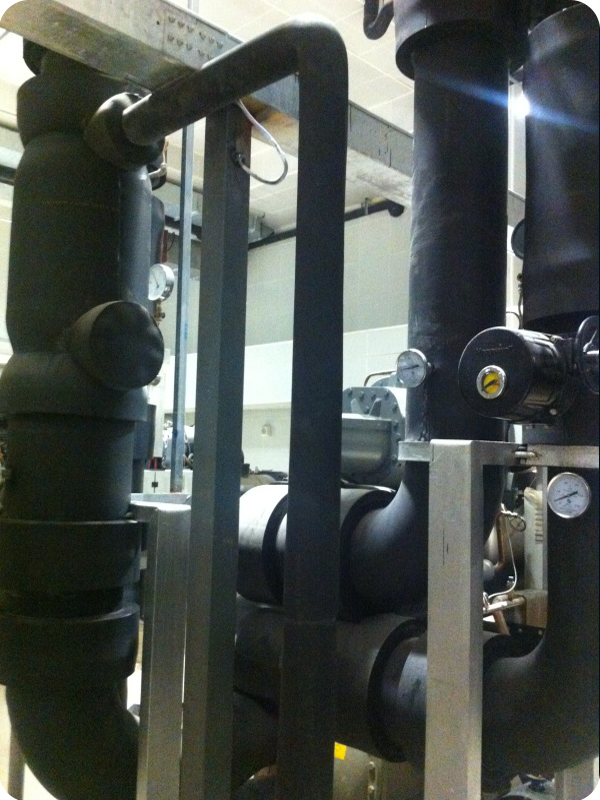
High-temperature resistant formulations are installed on solar hot water systems and outdoor heat pumps to reduce heat loss, maintaining efficiency in extreme weather.

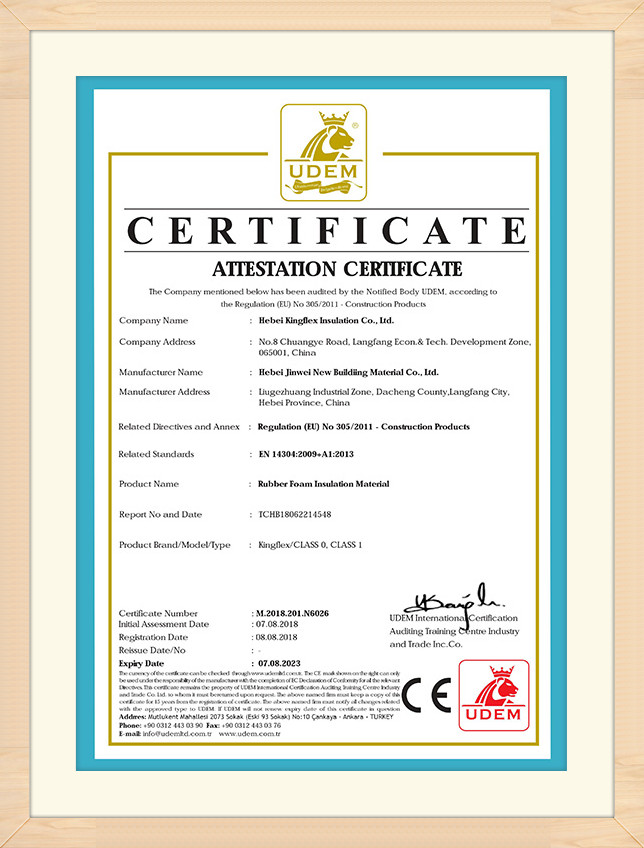
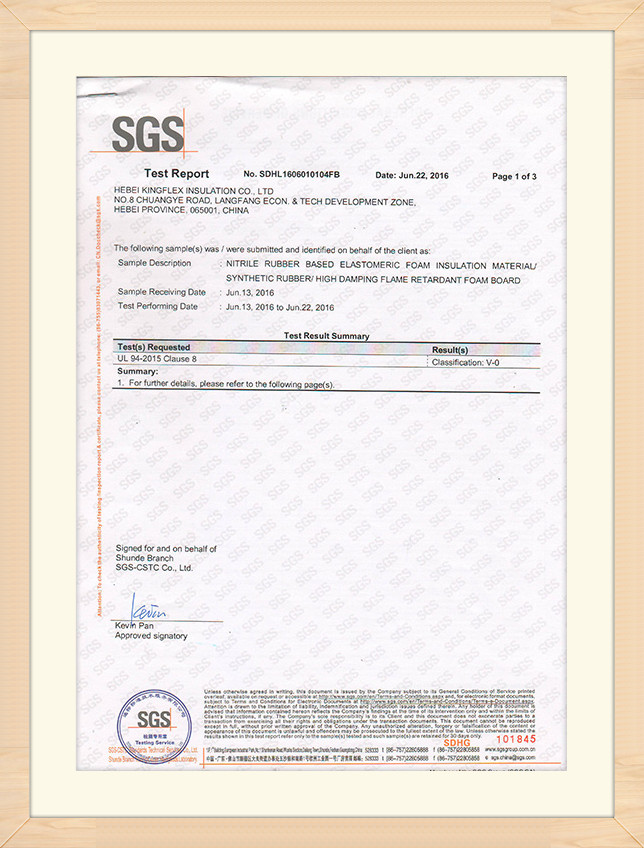
Verified compliance certifications and customer feedback screenshots from our global sales network.
In high-stakes commercial infrastructure projects, tracking the origin of materials is vital. Every production batch of Kingflex rubber foam is stamped with a unique traceability code that traces back to raw material lots, specific extrusion machines, and the QC engineers on duty. This system gives global construction contractors the documentation needed for complex project handovers.
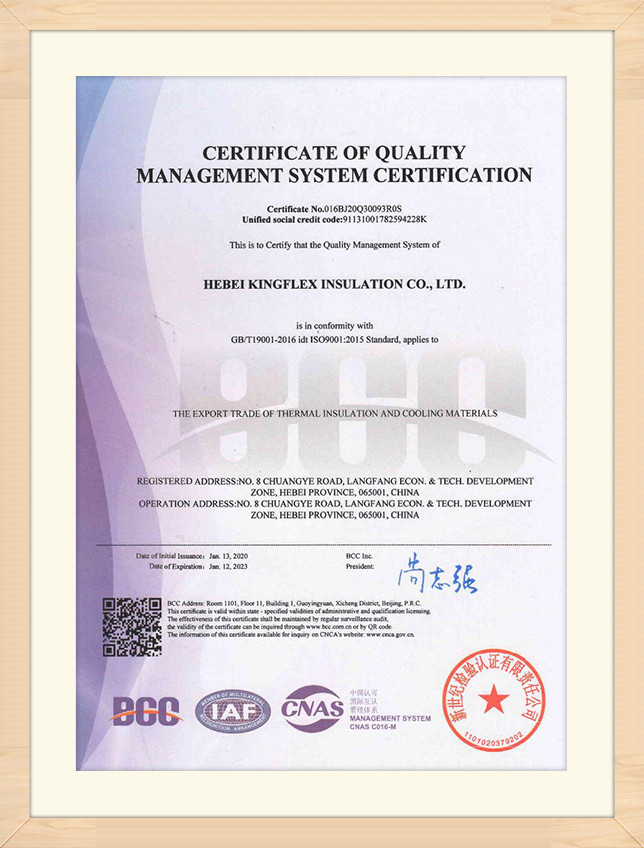
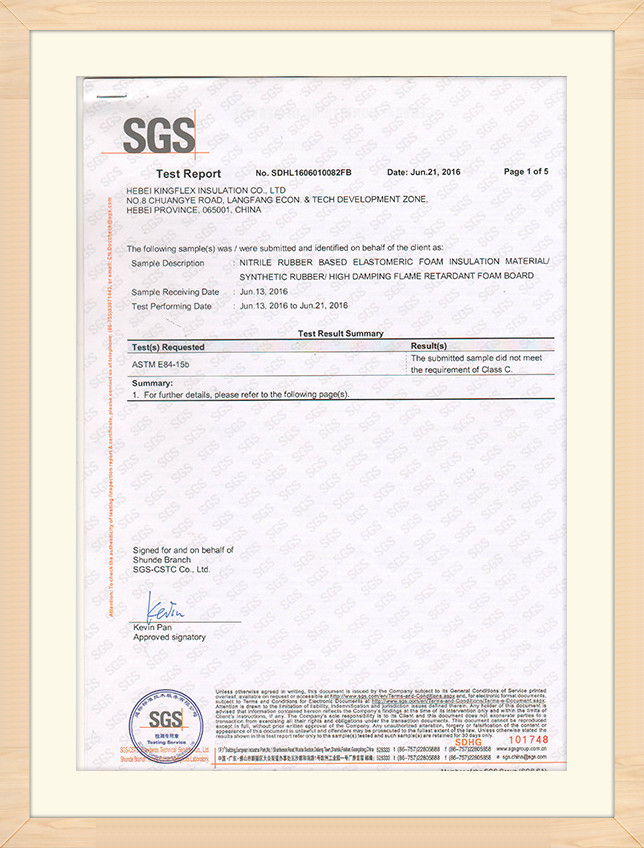
Our quality management systems are certified to ISO 9001 and ISO 14001. We maintain compliance with key international standards:
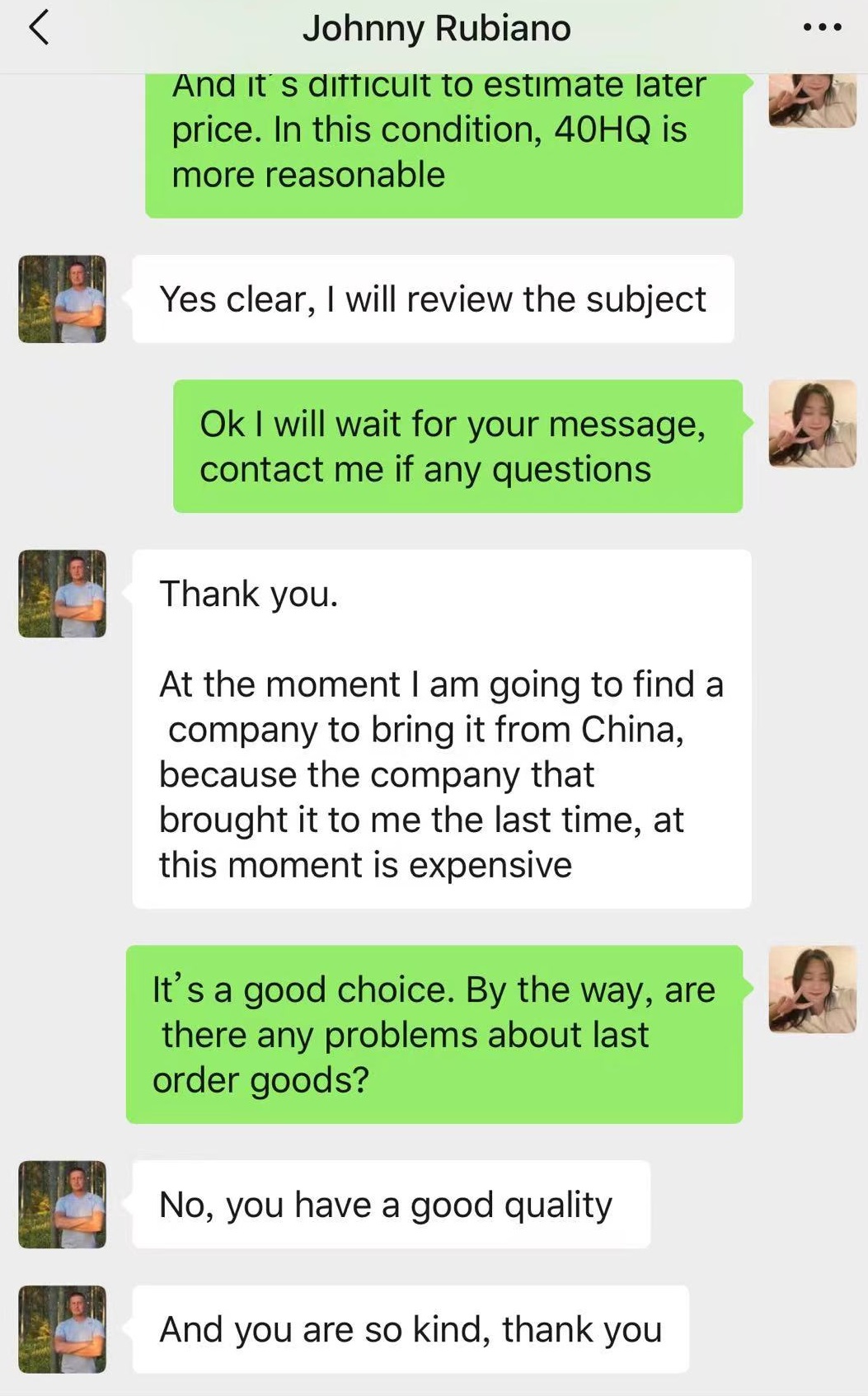
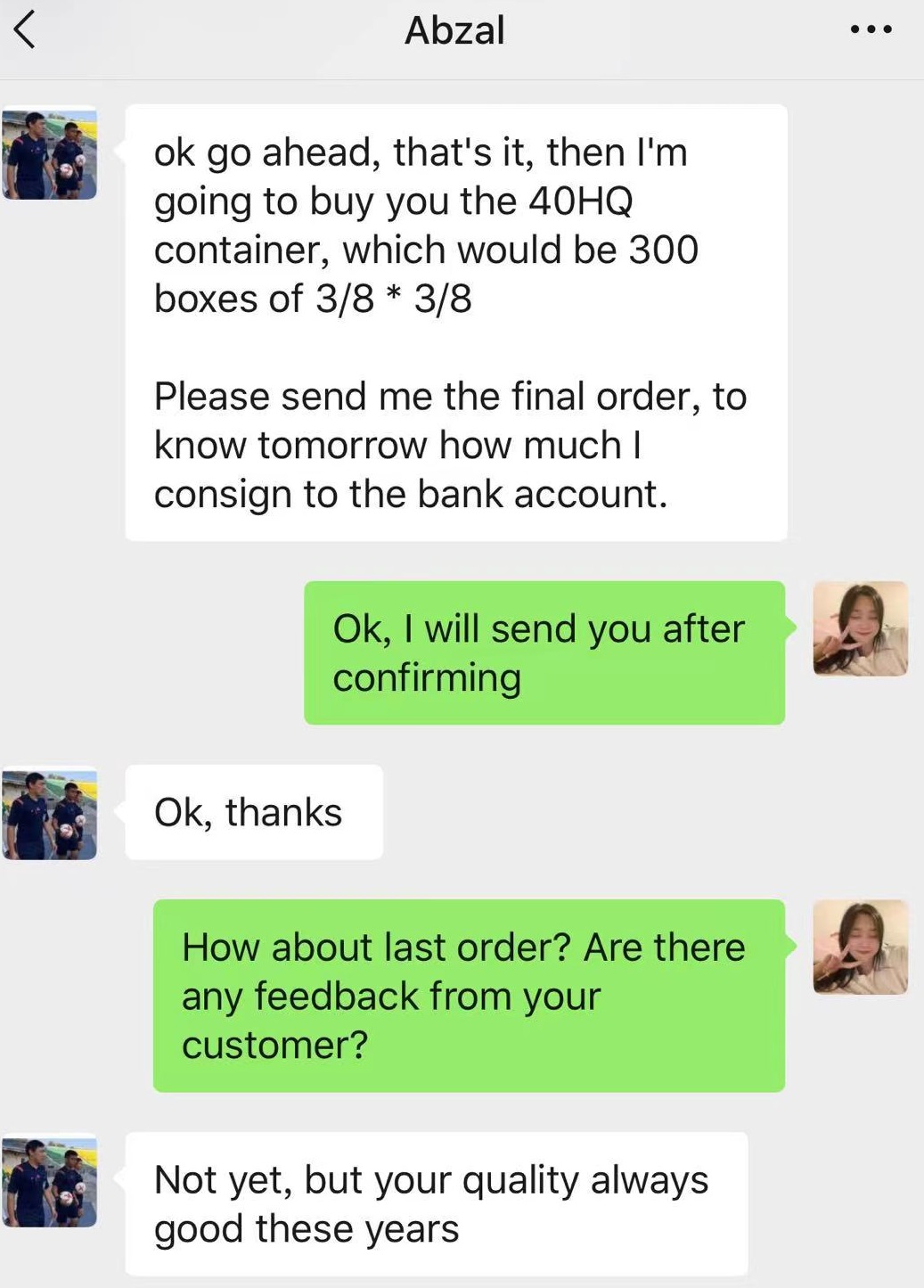
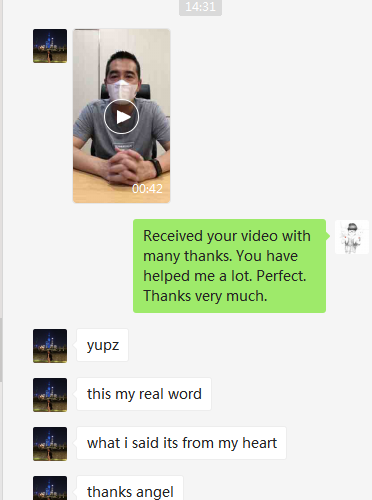
Transparency is a core value at Kingflex. Below are unedited screenshots from our communication history with global buyers, verifying our product quality, delivery performance, and overall reliability.


Our comprehensive range of elastomeric rubber foam products and specialized mineral wool blankets for thermal insulation.
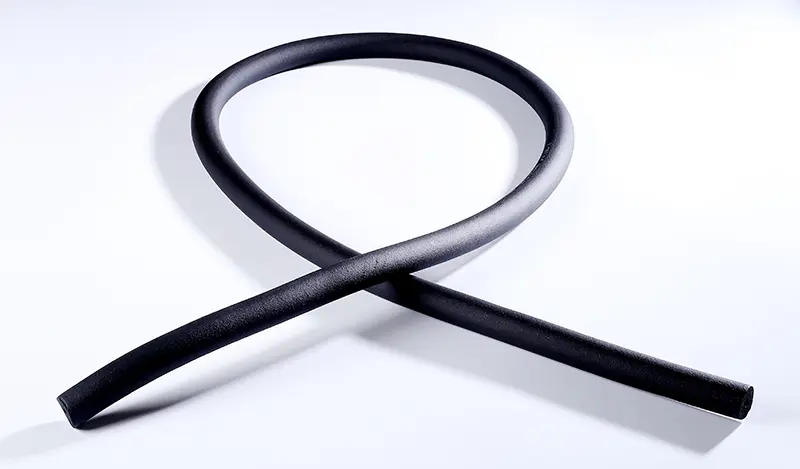
Standard NBR/PVC formulation featuring a high moisture resistance factor. Recommended for chilled water plumbing and commercial refrigeration systems.
Request Material Sample →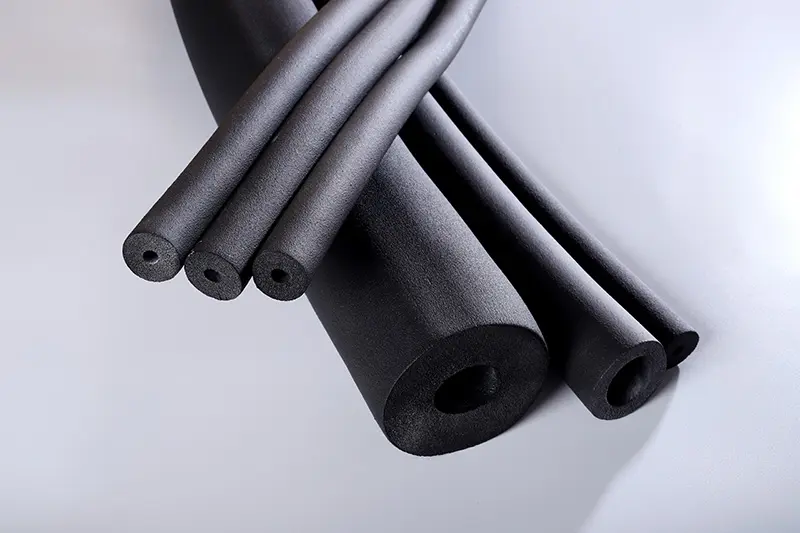
Coated with a protective outer film to block UV light and chemical exposure. Ideal for outdoor process piping in chemical plants.
Request Material Sample →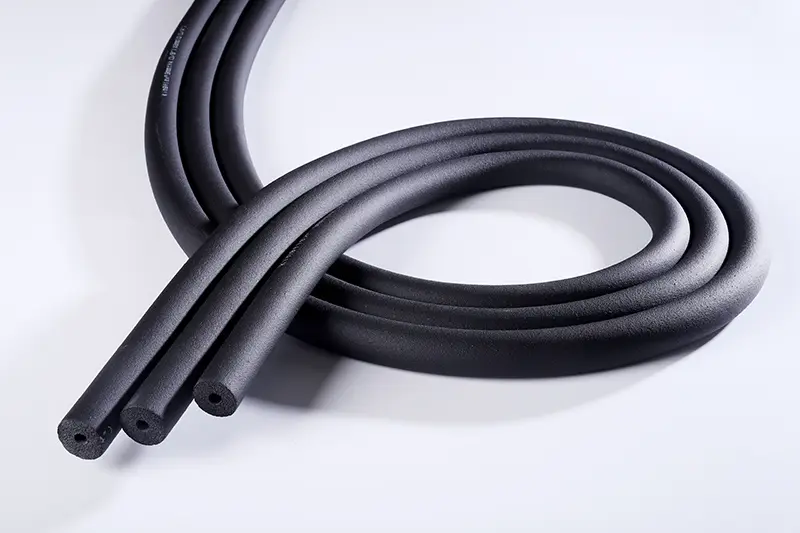
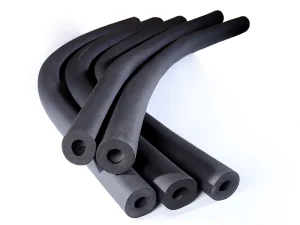
Designed with high physical flexibility for easy routing around tight pipeline bends. Recommended for complex HVAC installations.
Request Material Sample →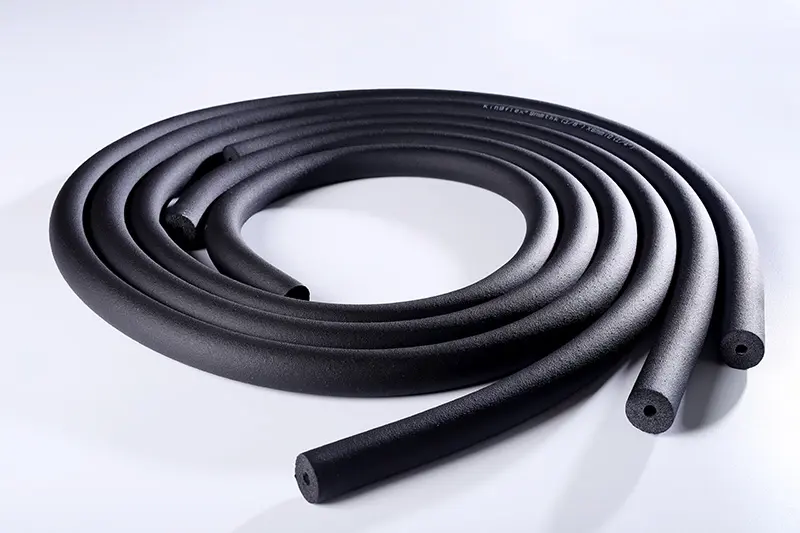
Standard industrial cooling line insulation. Delivers reliable condensation prevention for general cold-water infrastructure.
Request Material Sample →
Features a dual-density structure for sound dampening and thermal efficiency in mechanical equipment spaces.
Request Material Sample →
Pre-cut lengths designed to speed up installation on clean VRF and split system lines. Prevents dew point issues.
Request Material Sample →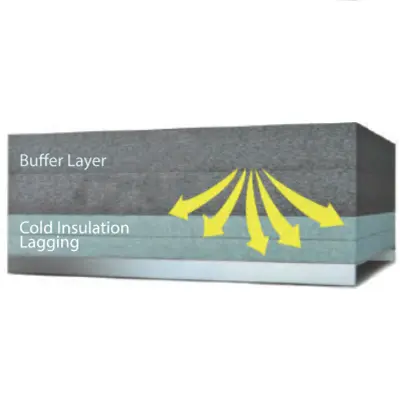
Multi-layered system designed for cryogenic temperatures. Engineered to maintain stability during extreme thermal cycling.
Request Material Sample →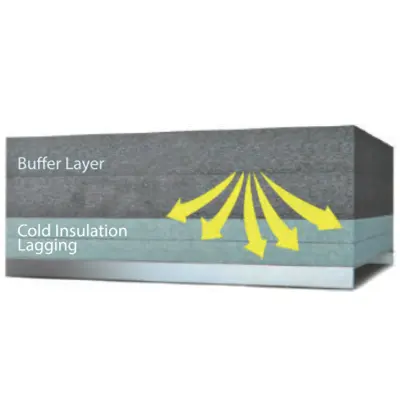
Specialty low-temperature formulation that resists cracking under heavy thermal stress. Rated for LNG service lines.
Request Material Sample →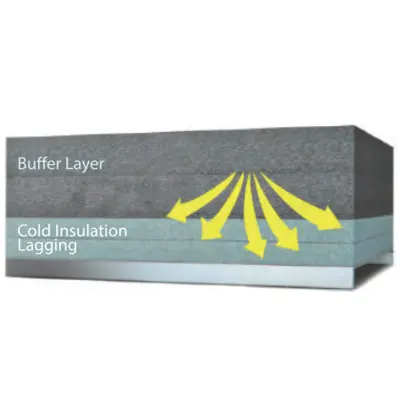
Optimized for dual-temperature cycles. Protects pipelines from corrosion under insulation (CUI) in extreme operating zones.
Request Material Sample →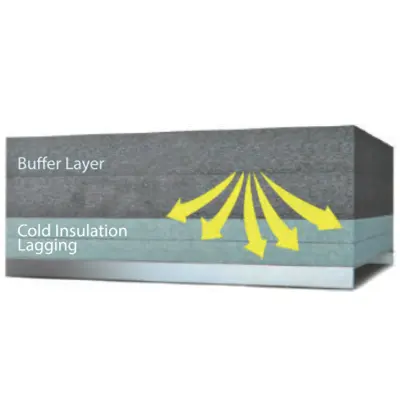
High-performance polymer blend designed for cryogenic processes and high-integrity storage tanks.
Request Material Sample →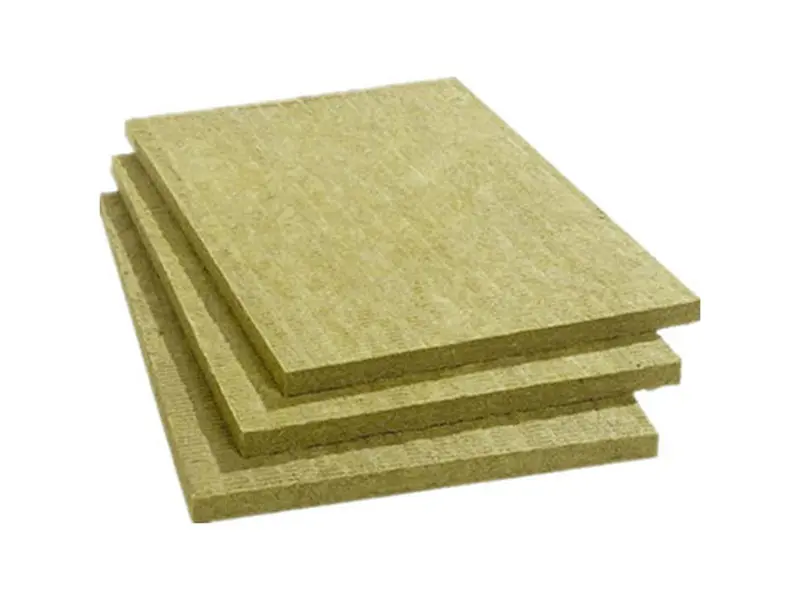
High-density mineral fibers designed to resist intense heat. Offers excellent fire barrier protection for structural walls.
Request Material Sample →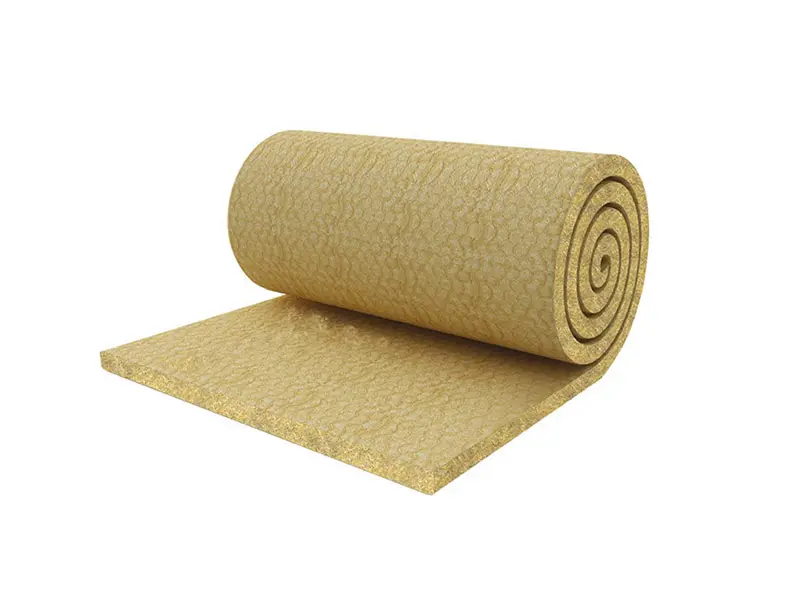
Flexible high-temperature insulation blanket. Suitable for heavy industrial furnaces, exhaust ducts, and high-heat storage tanks.
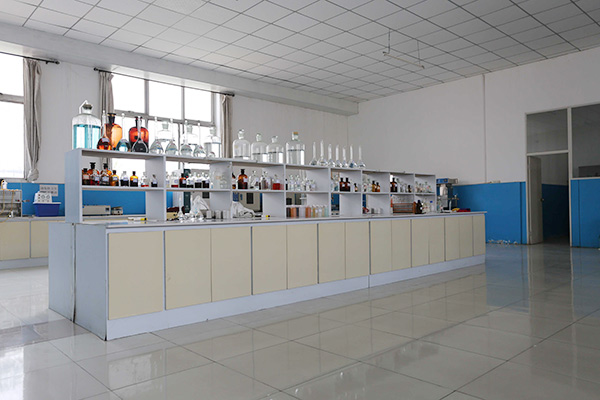
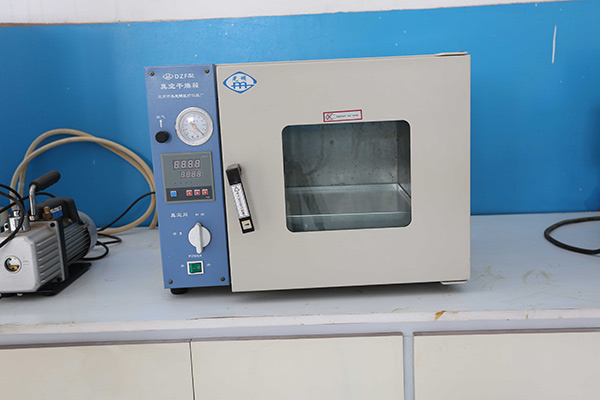
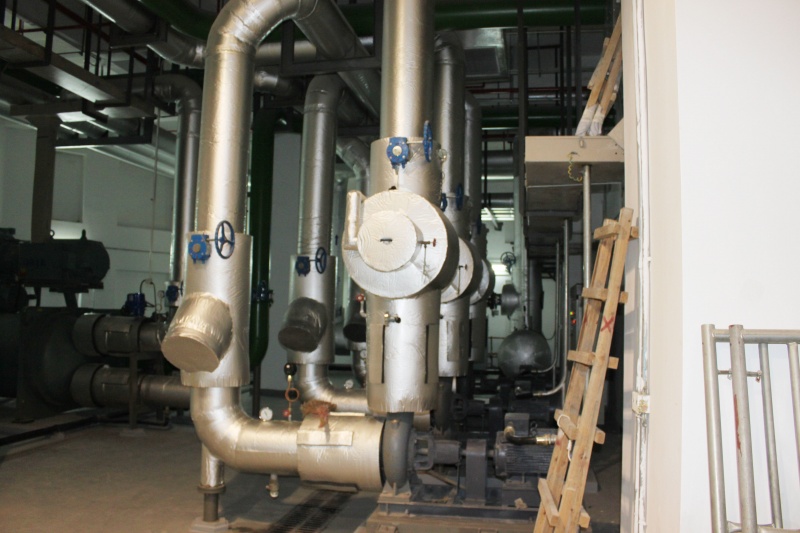
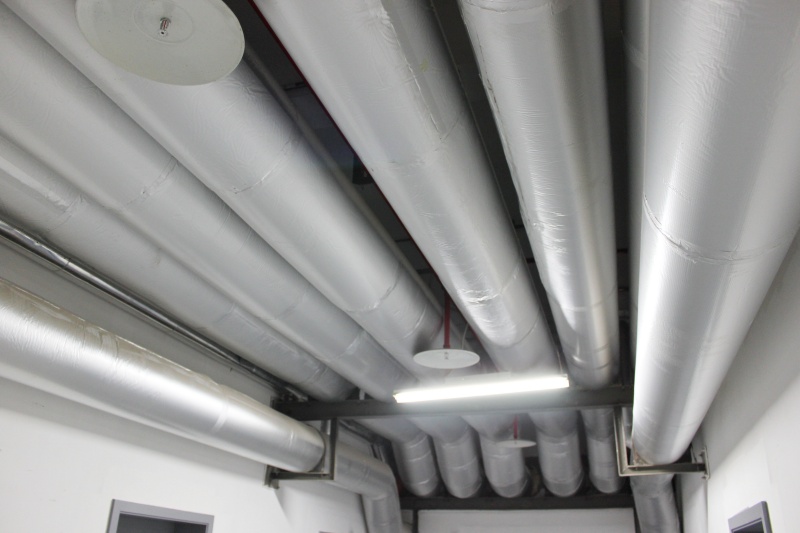
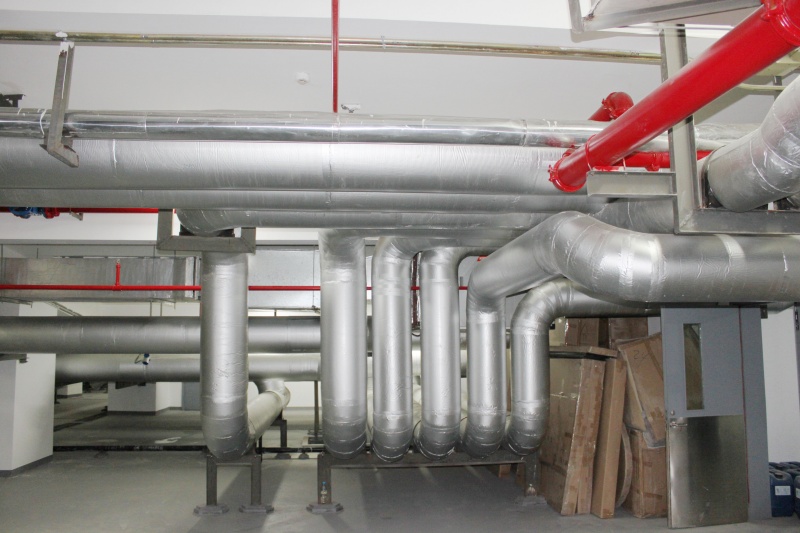
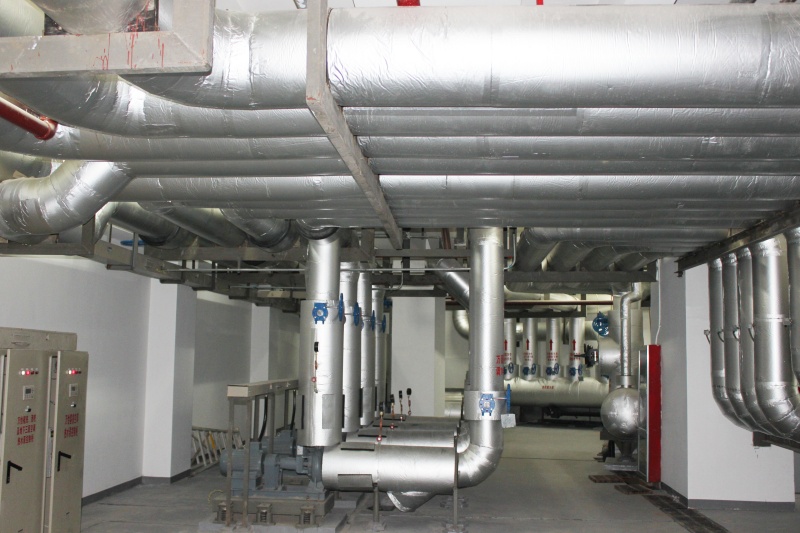
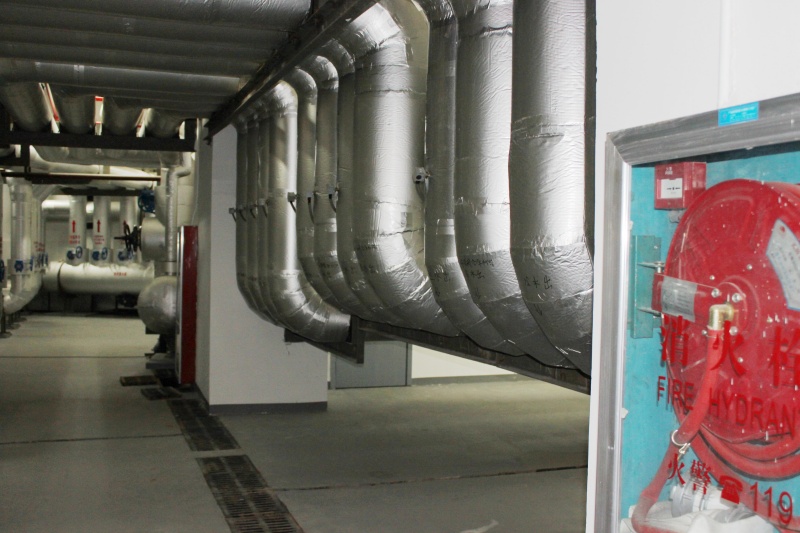
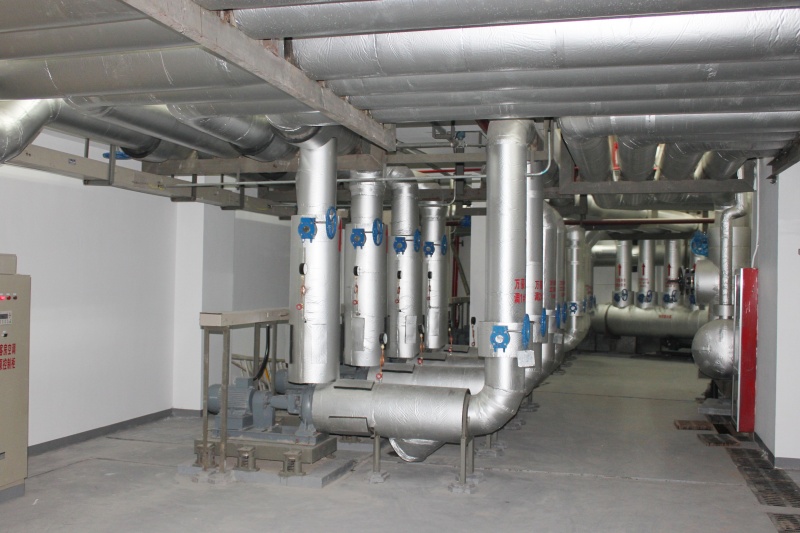
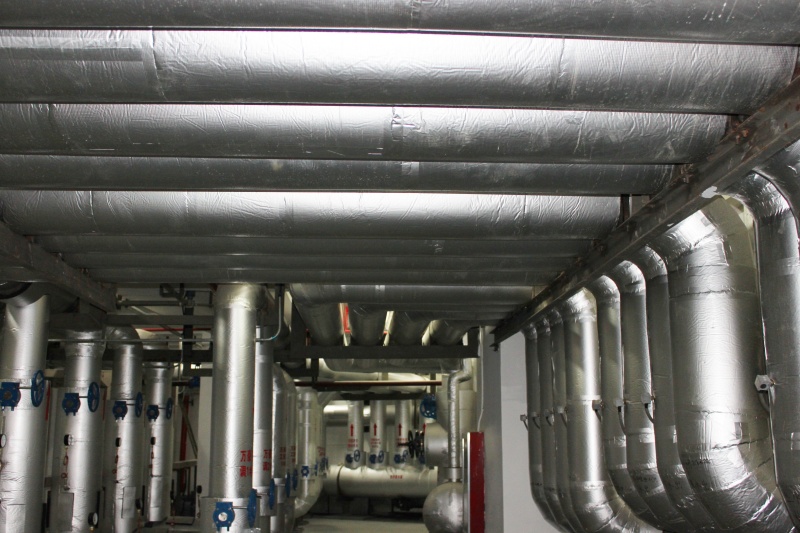
Request Material Sample →Examine our large-scale production setup, testing processes, warehousing facilities, and global shipping operations.






Technical and procurement answers designed for engineering leads and sourcing managers.
It is primarily used for HVAC air ducts, commercial air conditioning pipes, building thermal insulation, industrial process pipeline cold insulation, and acoustic absorption configurations. Its moisture barrier properties make it ideal for cold systems.
Yes. Our rubber foam insulation includes flame-retardant chemistry that meets safety standards. These include BS 476 Part 6 & 7 Class 0/Class 1, UL 94 V-0 ratings, and ASTM E84 flame/smoke requirements.
Rubber foam is a flexible, closed-cell material that prevents moisture migration. This makes it suitable for HVAC cooling systems. Rock wool is a high-density fibrous material with high temperature resistance, making it suitable for high-temperature industrial steam lines.
Yes. We support complete OEM and ODM services. We customize thickness, internal diameters, packaging, self-adhesive backings, and aluminum foil coverings based on project specifications.
Our products are certified to BS 476, CE, REACH, RoHS, UL 94, and ASTM. This ensures compliance with structural codes and environmental regulations across key global markets.
Yes. Every batch has traceability. We print tracking codes on the packaging to trace materials back to their production line, formulation batch, and inspection record.
We produce standard thicknesses from 6mm to 50mm. Specialized configurations can be laminated for unique multi-layered project requirements.
When installed correctly in indoor commercial facilities, our products have a service life of 10 to 15 years. Proper installation prevents condensation and limits material degradation.
Contact our sales engineering office for custom thickness quotes, volume discounts, shipping estimates, and certificate documentation. We respond to wholesale inquiries within 12 business hours.
Discover our specialized line of low-temperature elastomeric products, halogen-free sheets, and heavy-duty insulation tubing.
 Kingflex