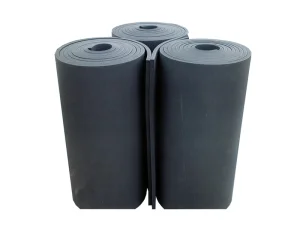
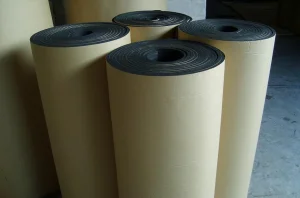
High-performance closed-cell elastomeric rubber foam materials engineered for low-temperature containment, industrial HVAC, and sub-zero process insulation.
Modern industrial processing, liquefied natural gas (LNG) distribution, and cryogenic engineering demand insulation materials that can withstand absolute temperature extremes while maintaining stable thermodynamic properties. Traditionally, mechanical piping systems carrying cryogens like liquid ethylene or ammonia operated using rigid foam glasses or polyurethane panels. However, the rigidity of these materials often leads to joint failure and moisture ingress due to mechanical vibration and thermal contraction.
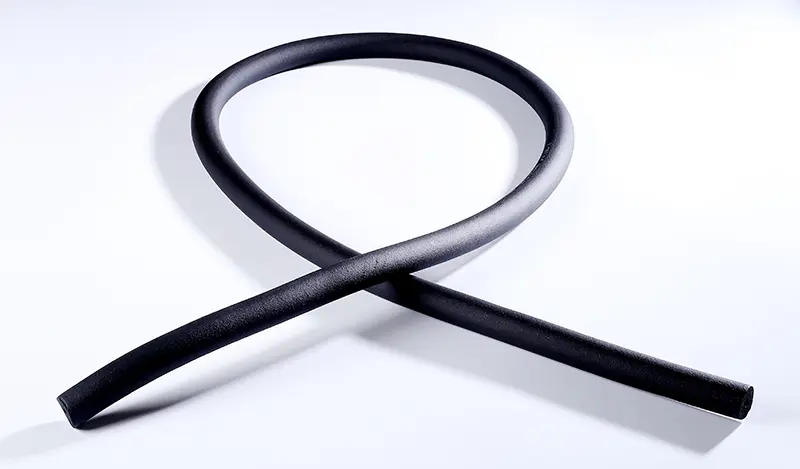
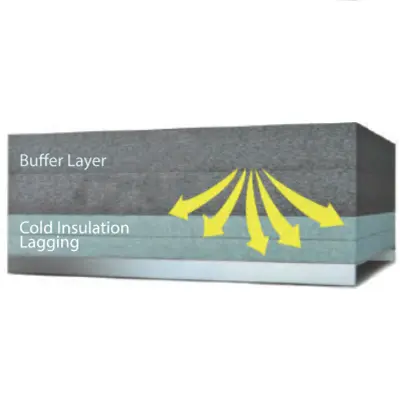
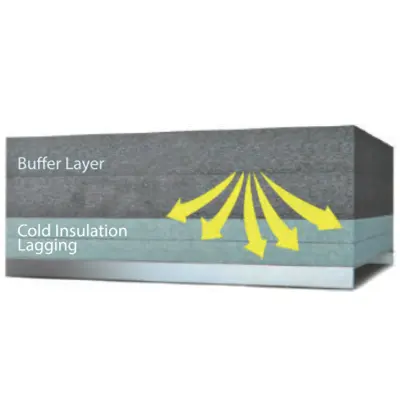
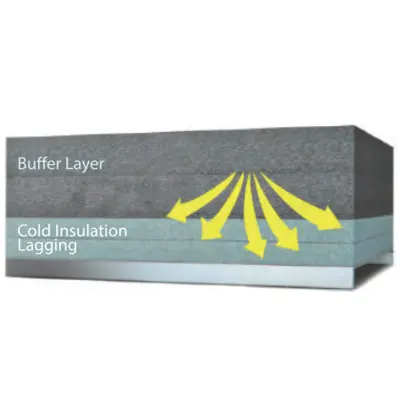
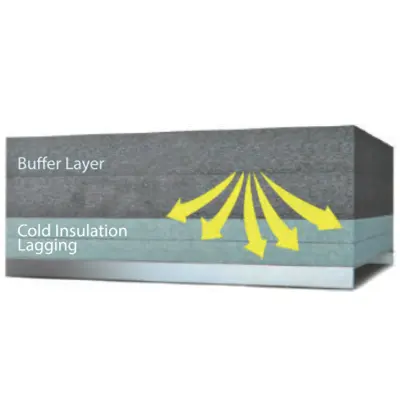
Kingflex elastomeric cryogenic insulation solutions address this engineering challenge through a flexible, closed-cell NBR/PVC matrix. Unlike traditional insulation, our flexible elastomeric material exhibits an elastic recovery rate exceeding 80%, accommodating the extreme thermal expansion and contraction cycles common in sub-zero piping. This resilience dramatically reduces the risk of joint failure, crack propagation, and moisture absorption, providing long-term reliability for critical infrastructure.
Furthermore, because the closed-cell structure operates with a water vapor resistance factor (μ) of over 10,000, it effectively serves as its own built-in vapor barrier. This prevents moisture from penetrating the insulation layer and condensing on cold pipe surfaces, mitigating the risk of Corrosion Under Insulation (CUI)—one of the leading causes of costly industrial piping failures worldwide.
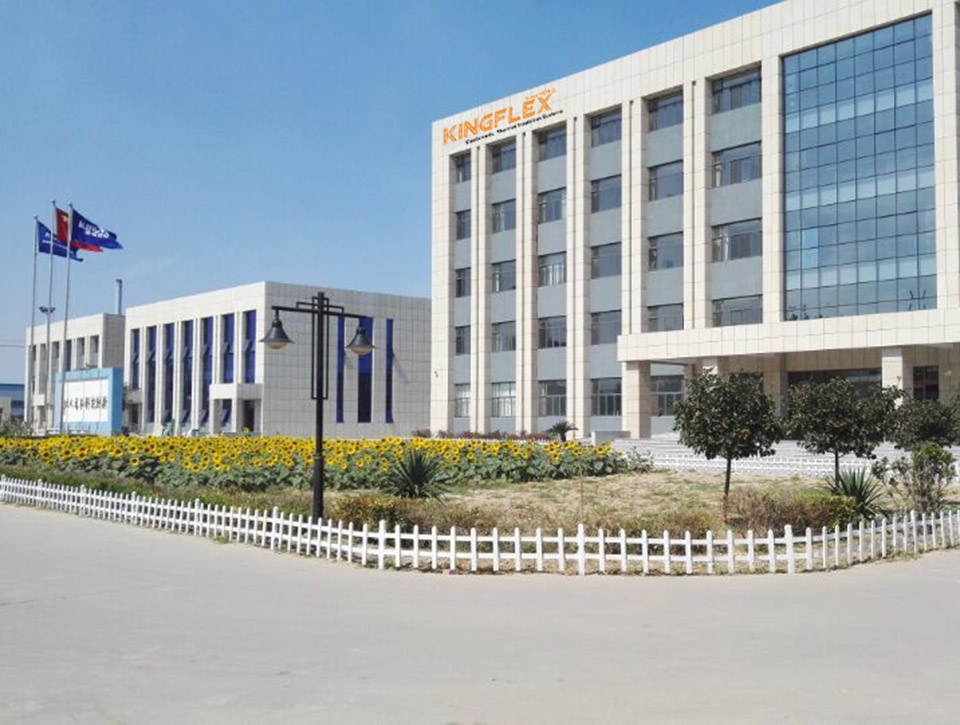
Strategically based in Dacheng, China—the global hub of green building materials—our production facility is optimized for large-scale infrastructure projects worldwide.
Equipped with 5 fully automated continuous extrusion lines, ensuring stable density control and high volume throughput.
Established by Jinwei Group in 1979, pioneering high-performance insulation technologies north of the Yangtze River.
Supplying critical energy, marine, aerospace, and HVAC projects across sixty-six countries over the past 16 years.
Our operation integrates consultation, custom formulation, continuous quality assurance, and on-site engineering installation guidance. Kingflex serves as an approved supplier designated by the Ministry of Energy, the Ministry of Electric Power, and the Ministry of Chemical Industry of China, confirming our standard of reliability. By centralizing raw material sourcing and leveraging automated quality control loops, we manage production variables to deliver consistent density and cell structure across major production runs.
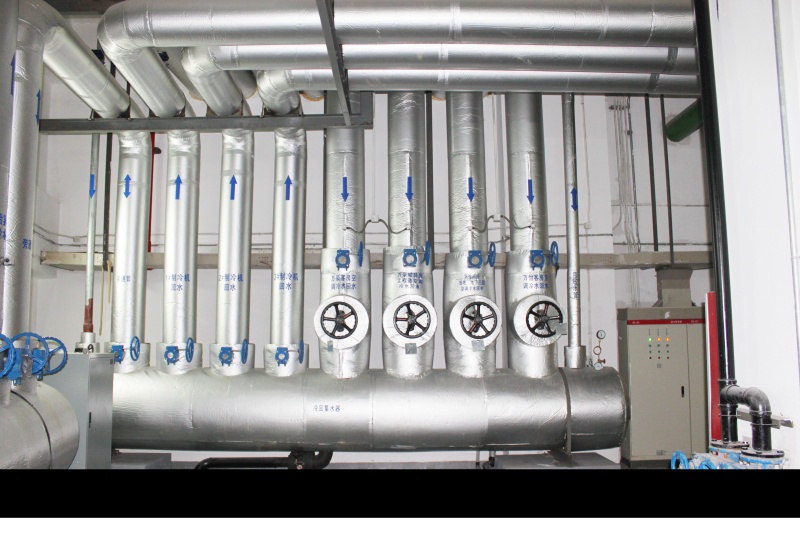
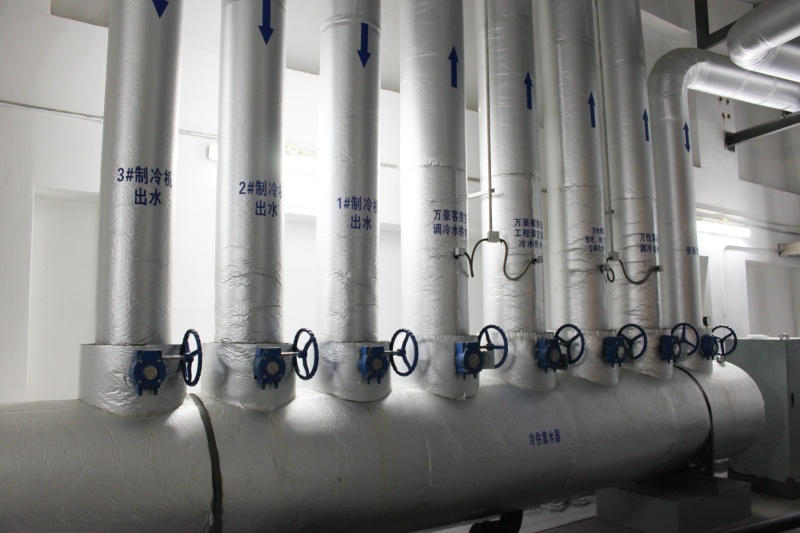
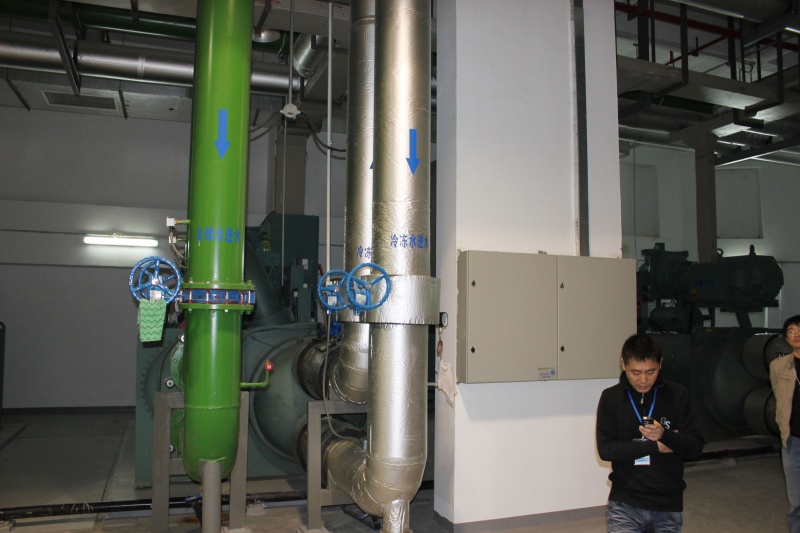
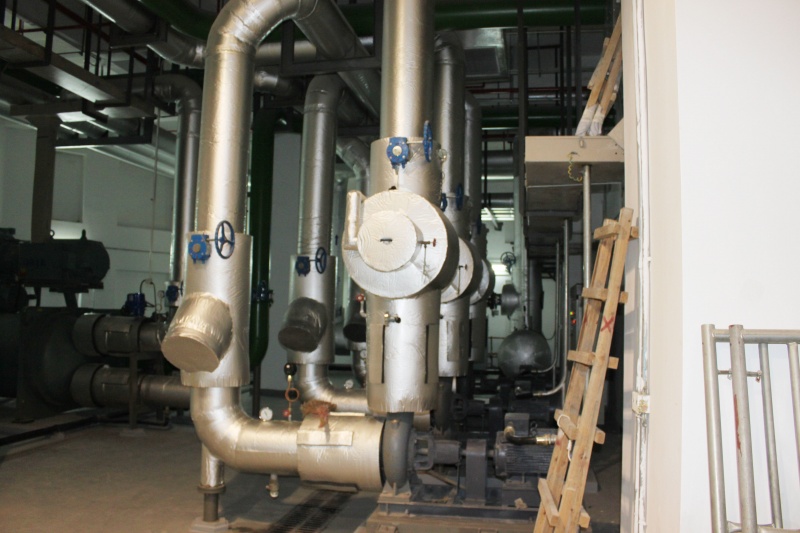
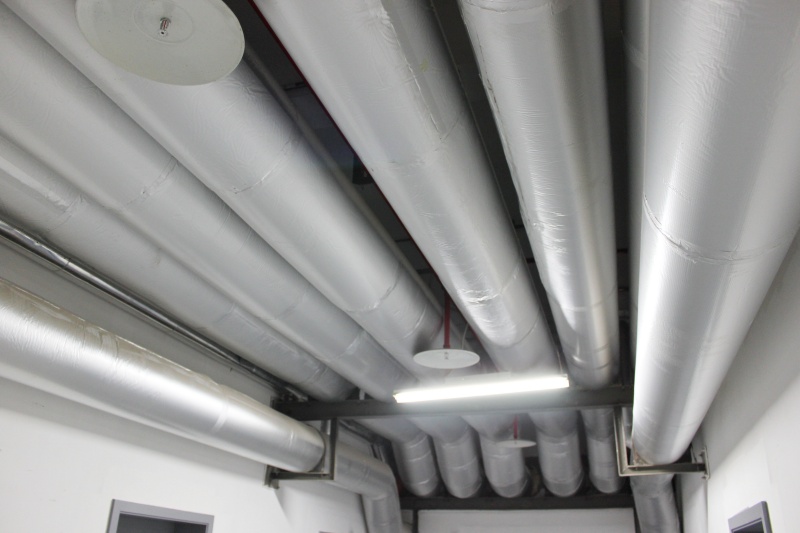

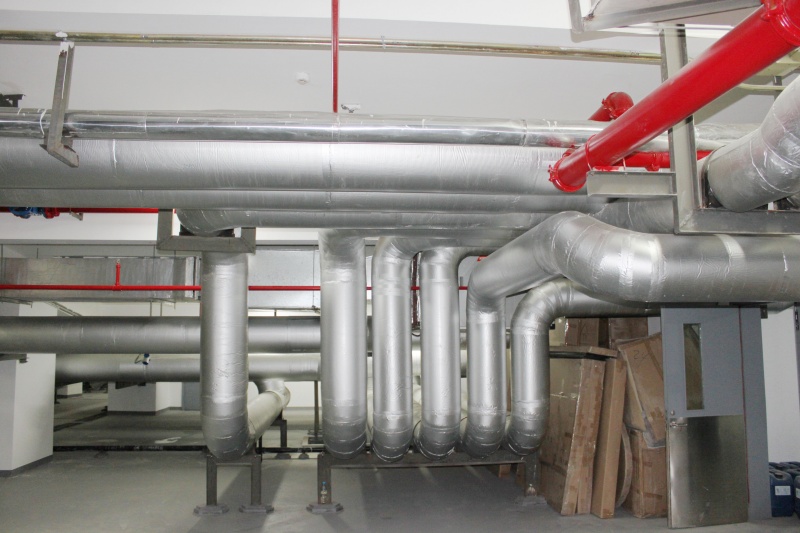

Detailed physical dimensions and thermodynamic parameters for black elastomeric foam insulation materials.
| Product Configuration | Material Core | Thickness Scope | Inside Diameter (ID) | Bulk Density | Temperature Range |
|---|---|---|---|---|---|
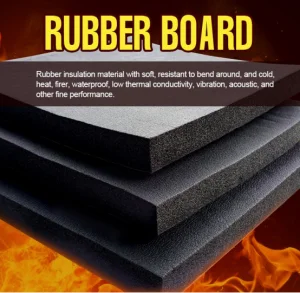
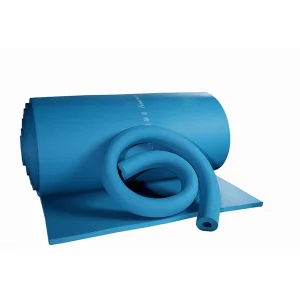
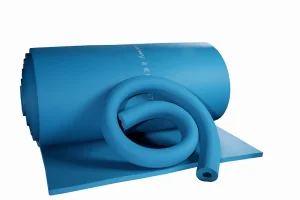
| Black Rubber Foam Sheet Roll | NBR/PVC Elastomeric Matrix | 6mm – 50mm | N/A (Flat sheet/roll form) | 40 – 55 kg/m³ | -40℃ to +105℃ |
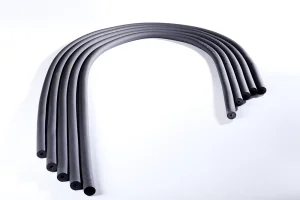
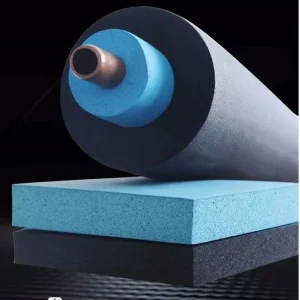
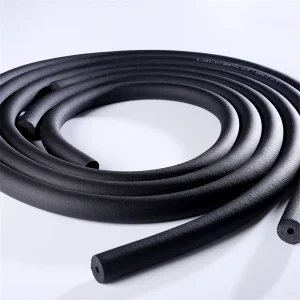
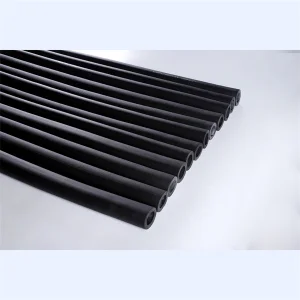
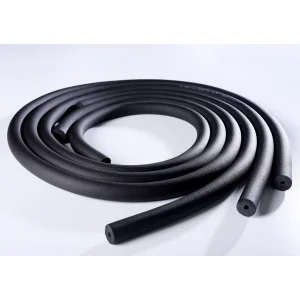
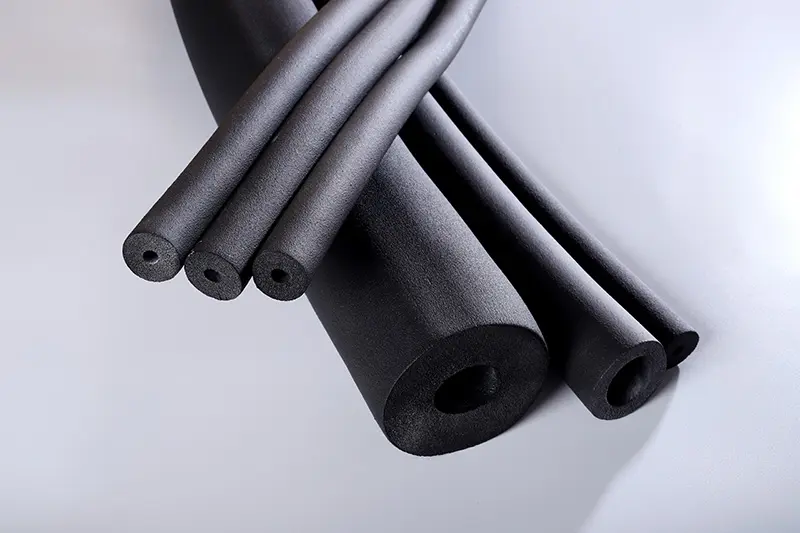
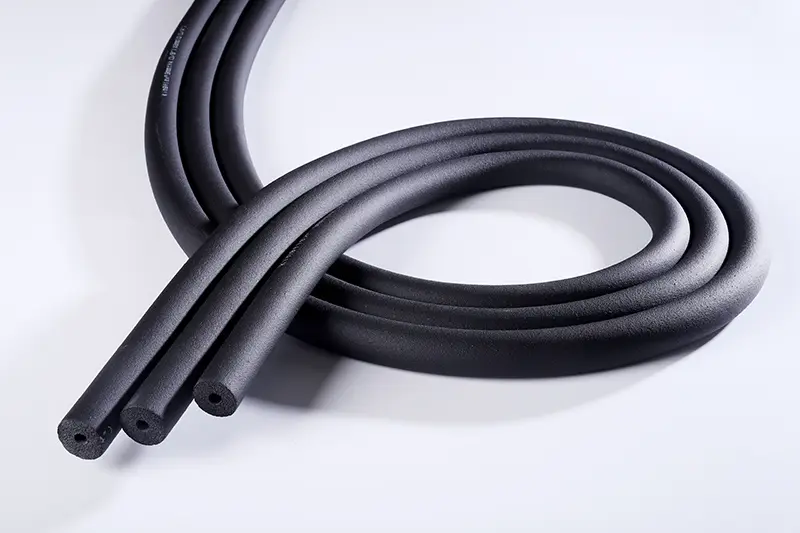
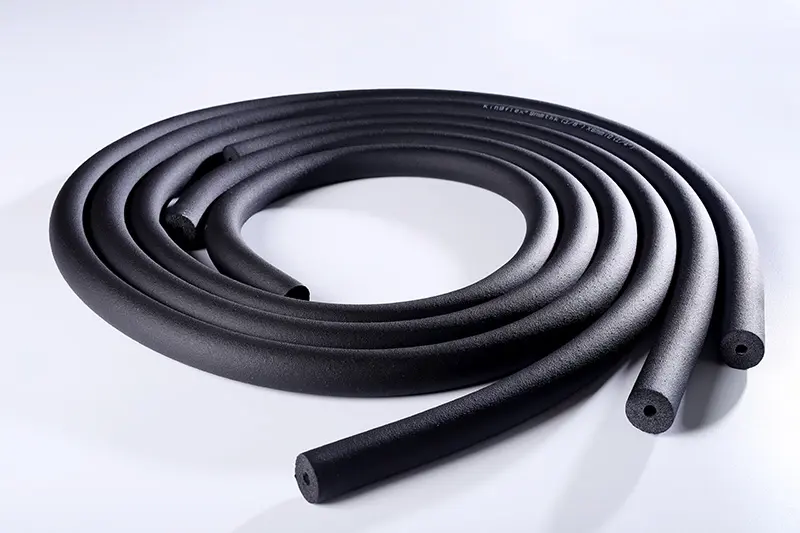
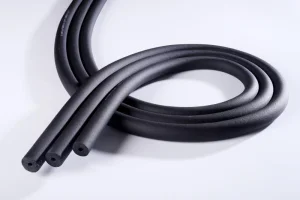
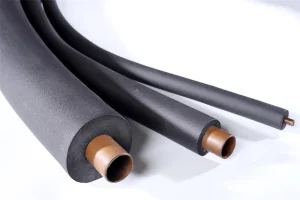
| Black Rubber Foam Pipe / Tube | NBR/PVC Elastomeric Matrix | 9mm – 40mm | 6mm – 114mm | 40 – 55 kg/m³ | -40℃ to +105℃ |
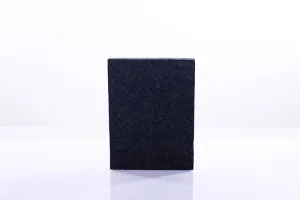
| Cryogenic Specialized Foam Sheet | Modified low-temp elastomer | 6mm – 50mm | N/A (Custom shapes available) | 45 – 60 kg/m³ | -200℃ to +105℃ |
Our microcellular foaming technology achieves a closed-cell rate of over 98%, delivering reliable thermal resistance by trapping inert air inside the microcells.
Certified flame retardant with self-extinguishing behavior, meeting international building standards including BS 476, UL94, and ASTM norms.
An exceptionally high moisture resistance factor (μ) prevents condensation build-up and maintains stable thermal conductivity in high-humidity environments.
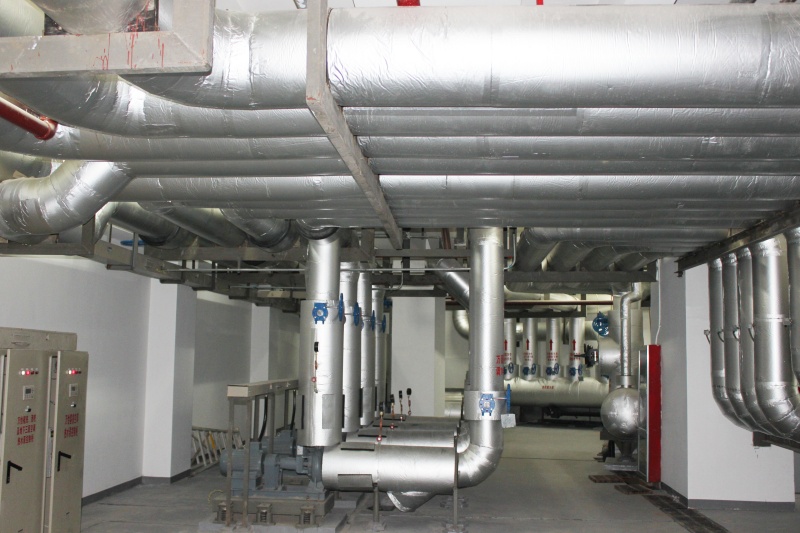
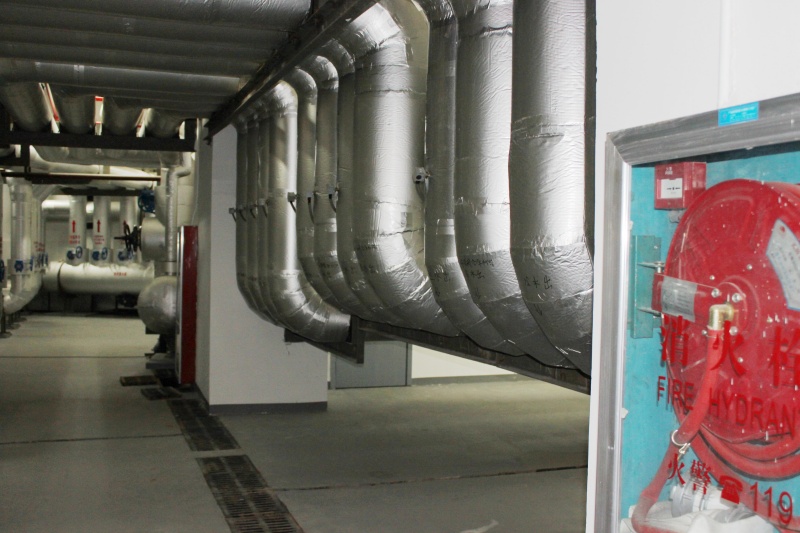
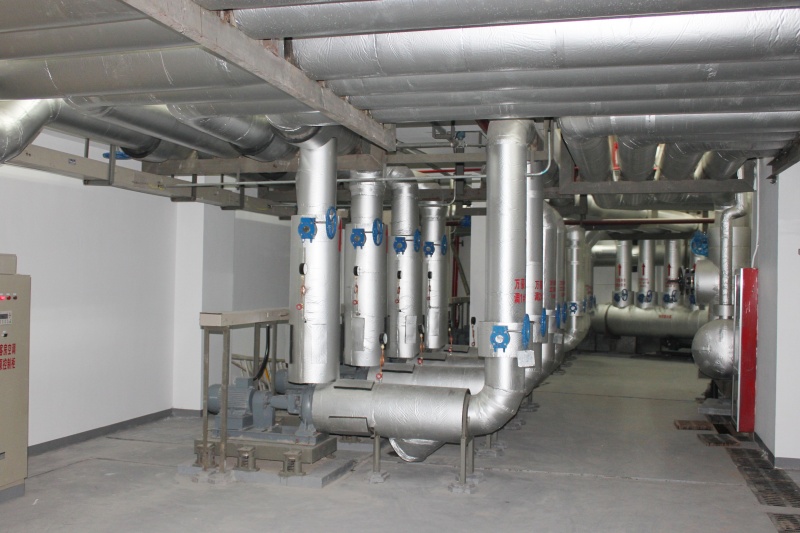
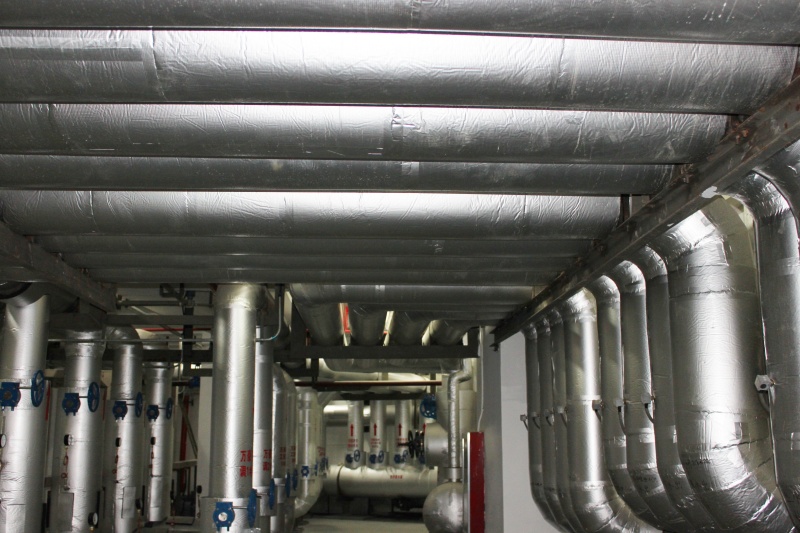
Our elastomeric materials are engineered for demanding sub-zero applications worldwide. These include:
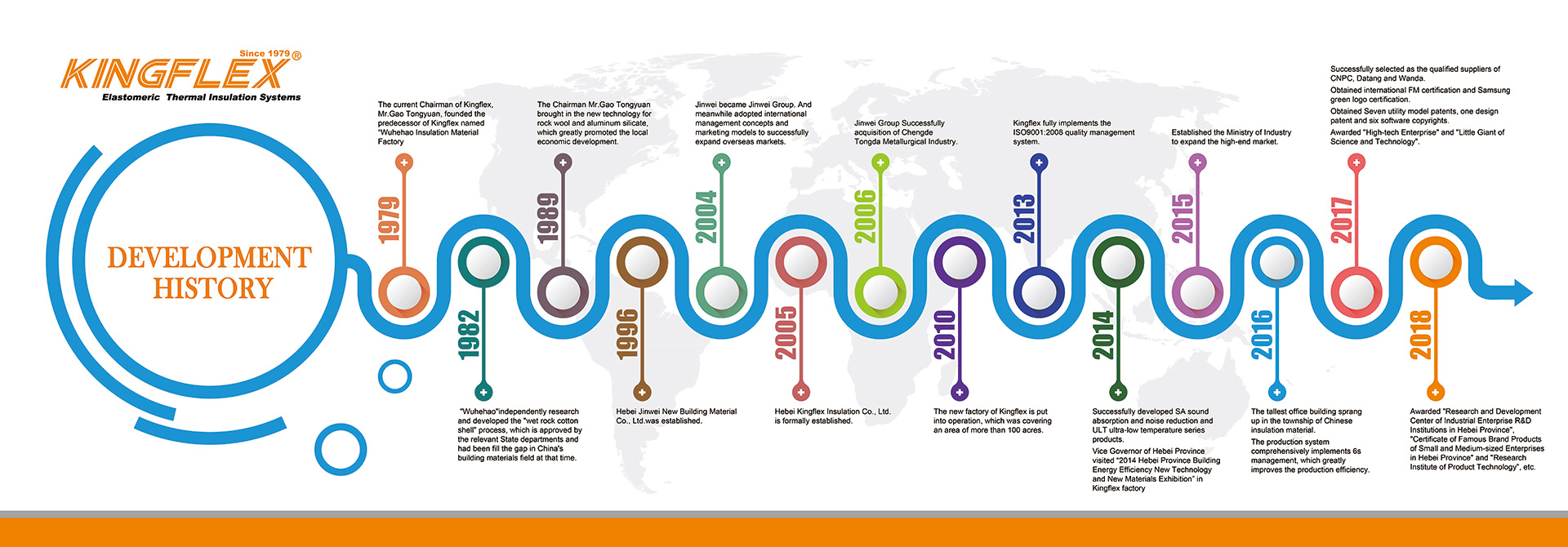
We continuously invest in material science, focusing on low-smoke, halogen-free formulations and nanocomposites that extend the temperature limits of flexible polymers.
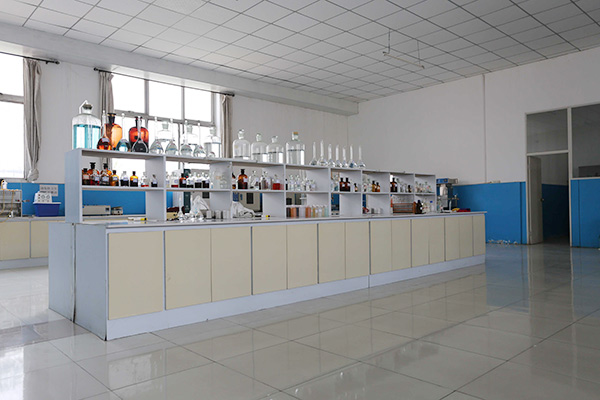
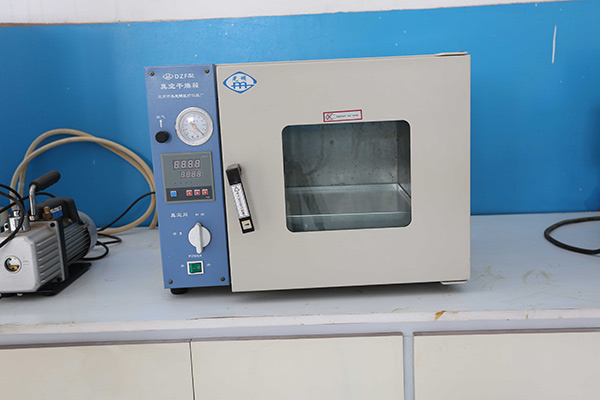
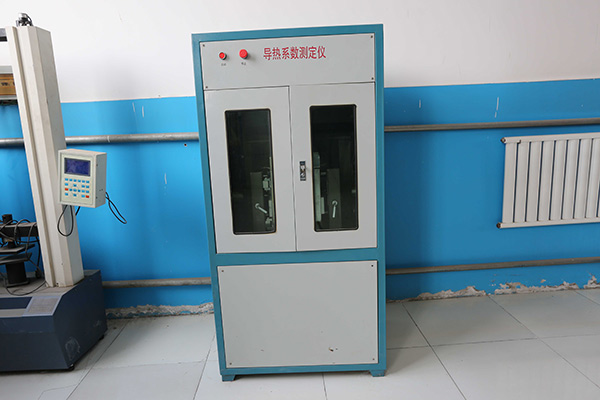
Our dedicated Research and Development department features 8 professional engineers who collaborate with national research institutes to refine material performance. Our current development timeline targets three critical initiatives:
Every batch of Kingflex insulation is fully traceable and manufactured to meet global compliance standards.
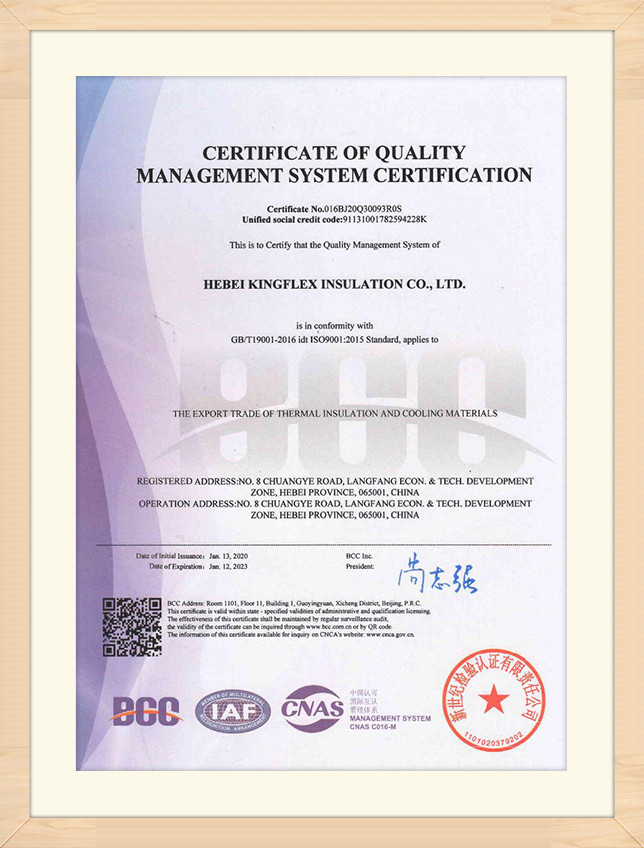
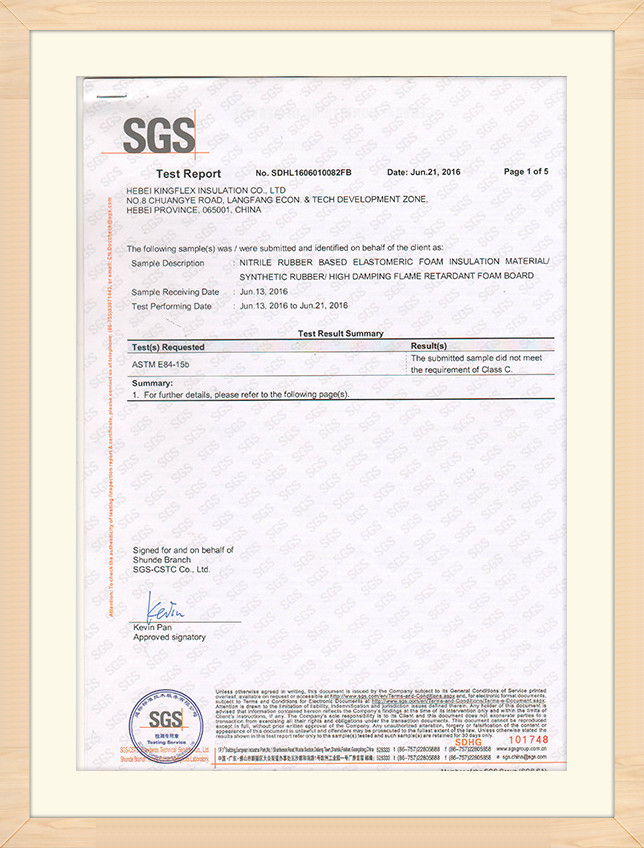
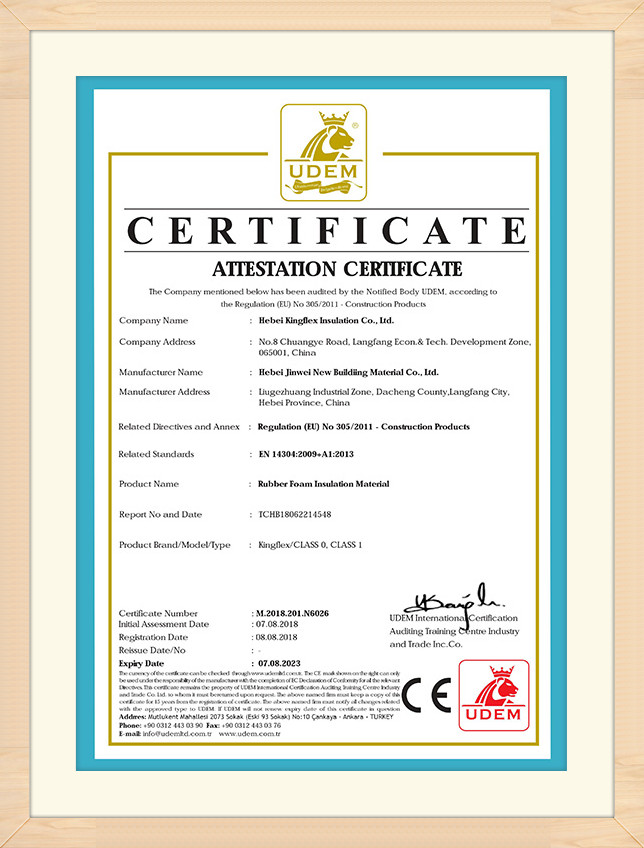
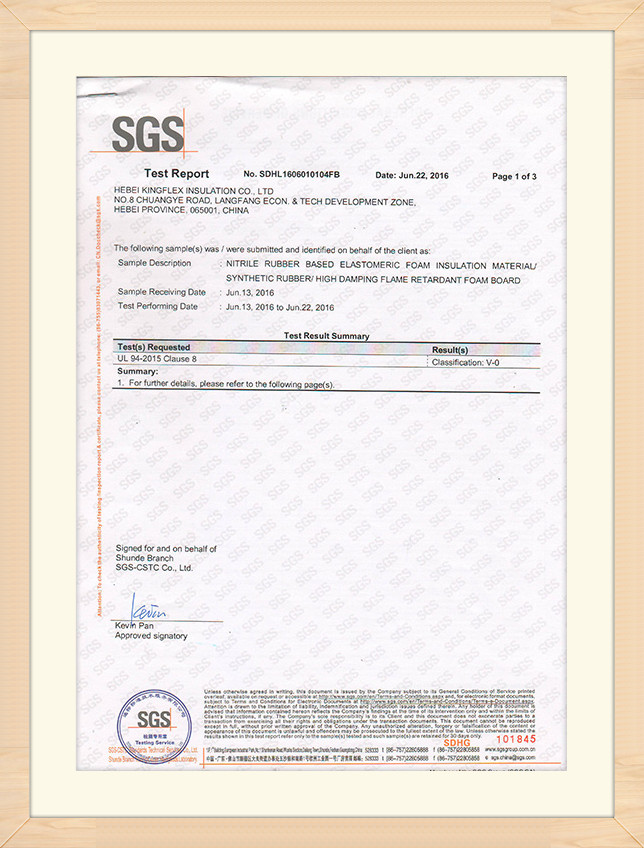
Our manufacturing and quality systems align with ISO 9001 and ISO 14001 guidelines. Key physical properties—such as fire behavior, smoke generation, thermal conductivity, and vapor transmission—are verified by accredited third-party labs including SGS and Intertek. Our products hold certificates for BS 476 Part 6 & 7 (Class 0 & Class 1), CE, REACH, RoHS, UL94, and ASTM. This level of verification simplifies local compliance for engineering contractors and procurement teams globally.
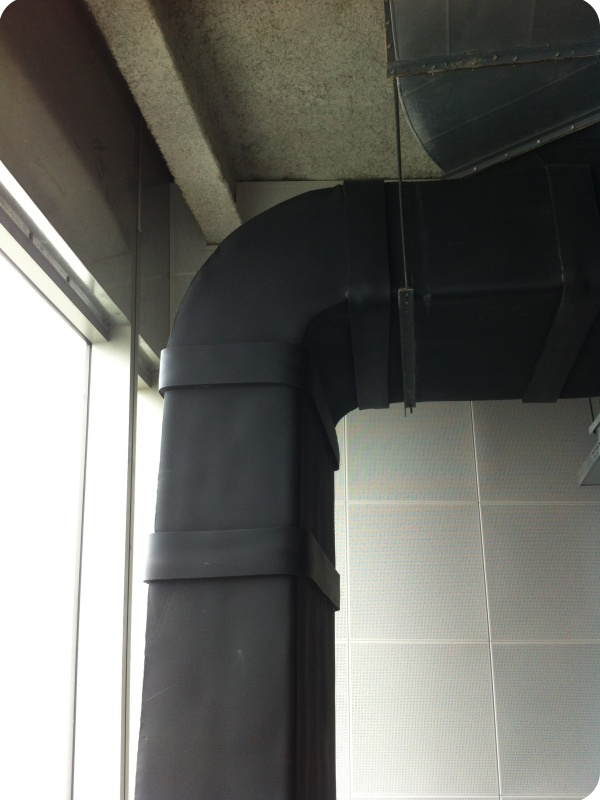
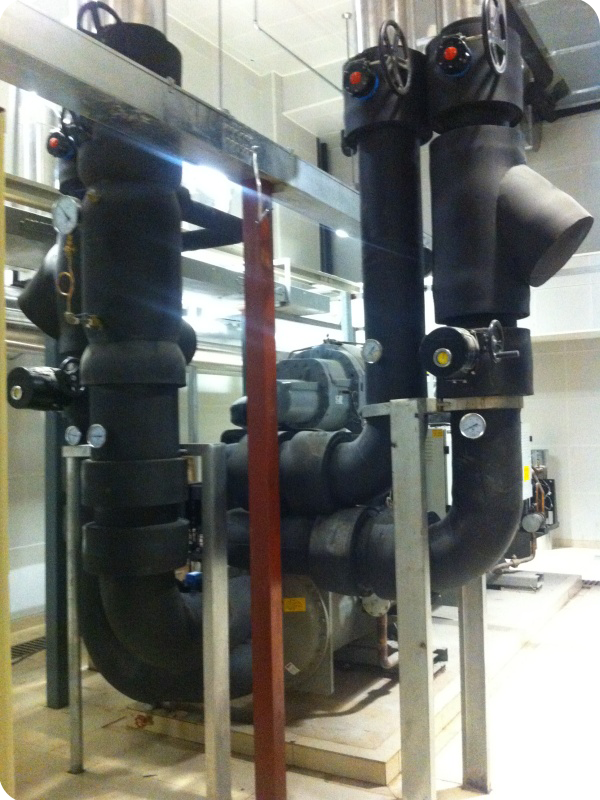
From industrial facilities to commercial developments, Kingflex delivers reliable insulation systems.

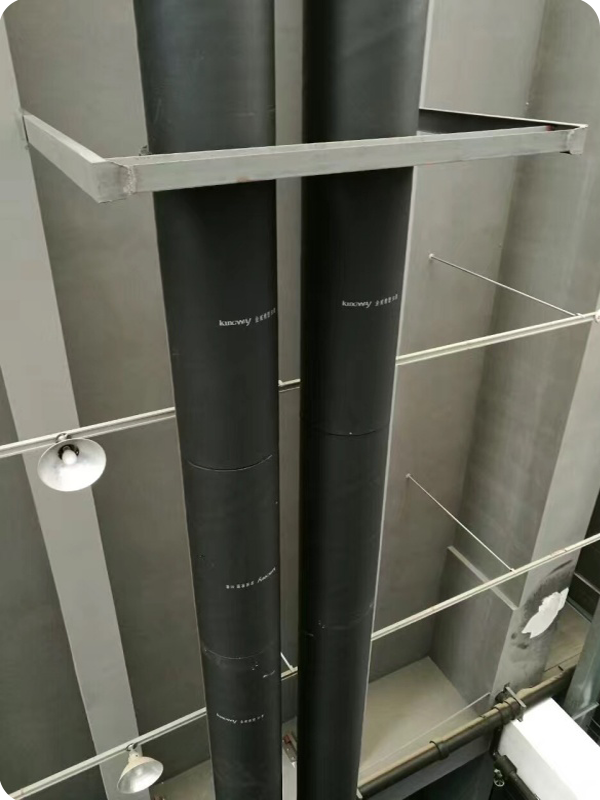
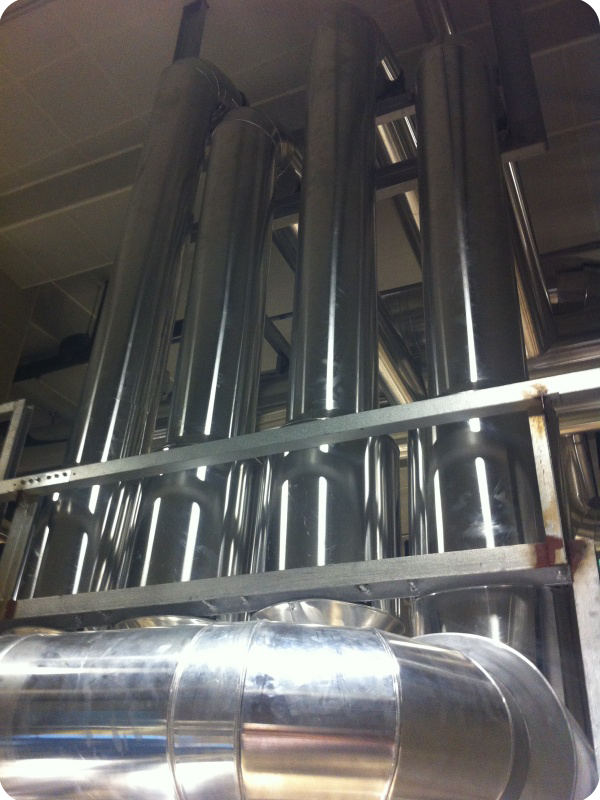
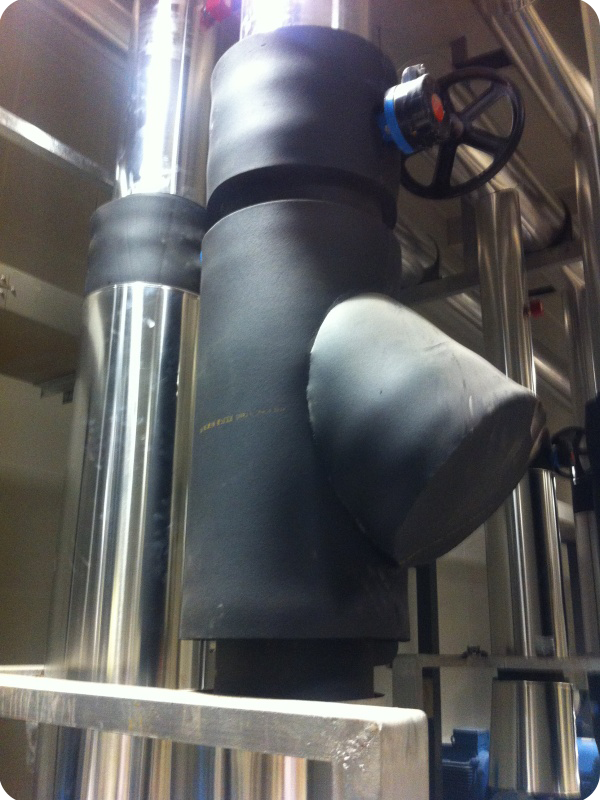
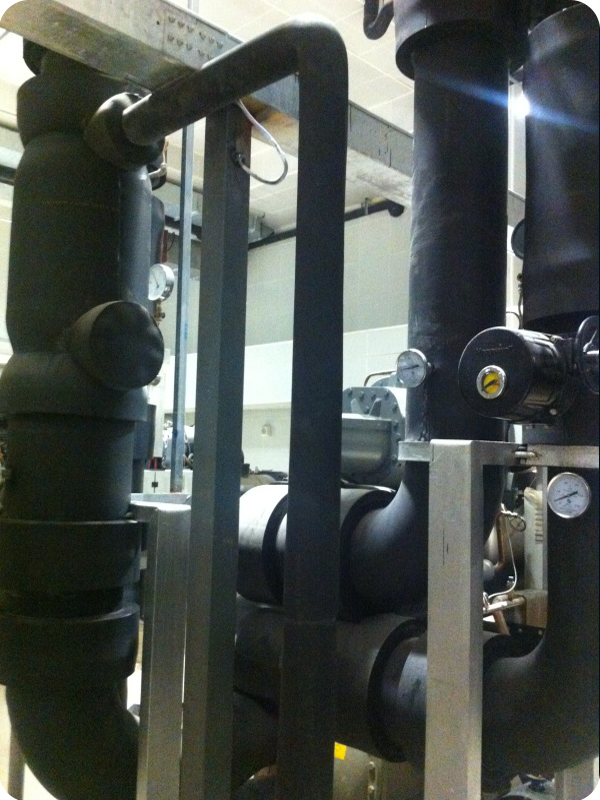

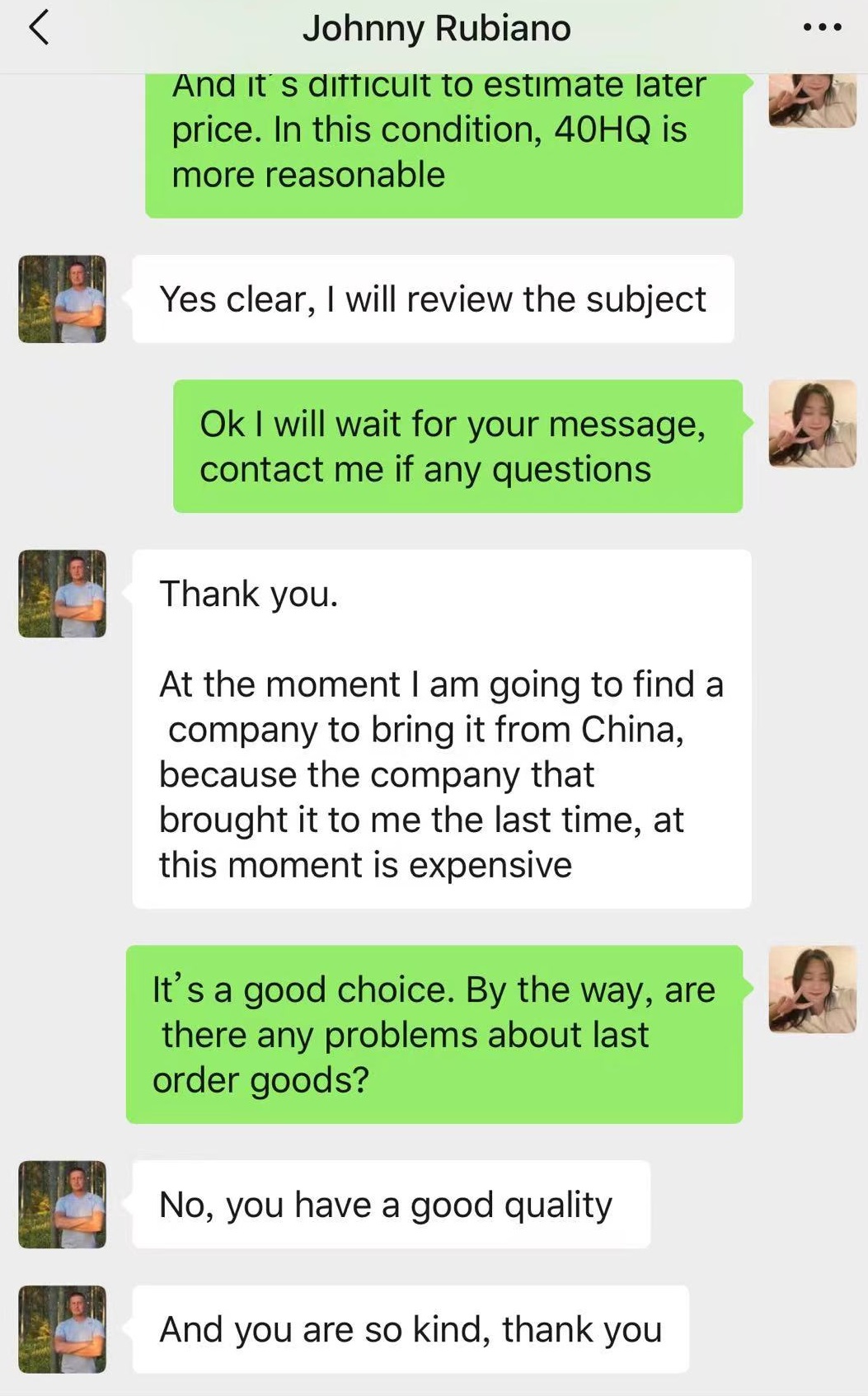
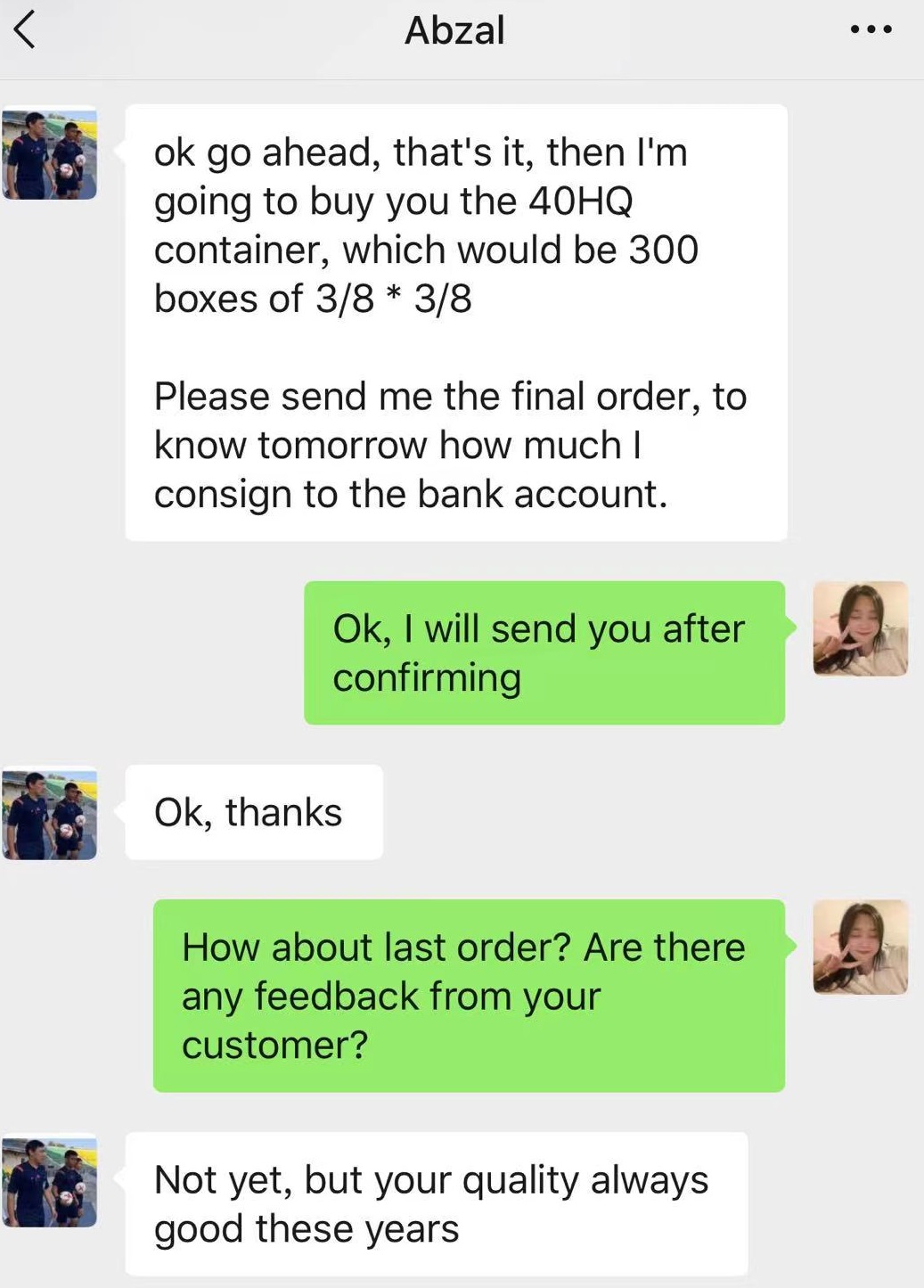
We maintain active, transparent communication with international procurement teams, from initially defining material specifications through to loading and shipping. Below are verified exchanges detailing order fulfillment, technical queries, and shipping coordination.


Technical and logistics answers compiled by our engineering team to support design engineers and purchasing managers.
A1: It is primarily used for HVAC ductwork, commercial air conditioning piping, building thermal envelope insulation, and cold isolation in industrial process piping to prevent condensation.
A2: Yes. Our rubber foam insulation formulations incorporate specialized flame-retardant additives. They meet global fire safety standards for construction and industrial installations, including Class 0/1 ratings under BS 476.
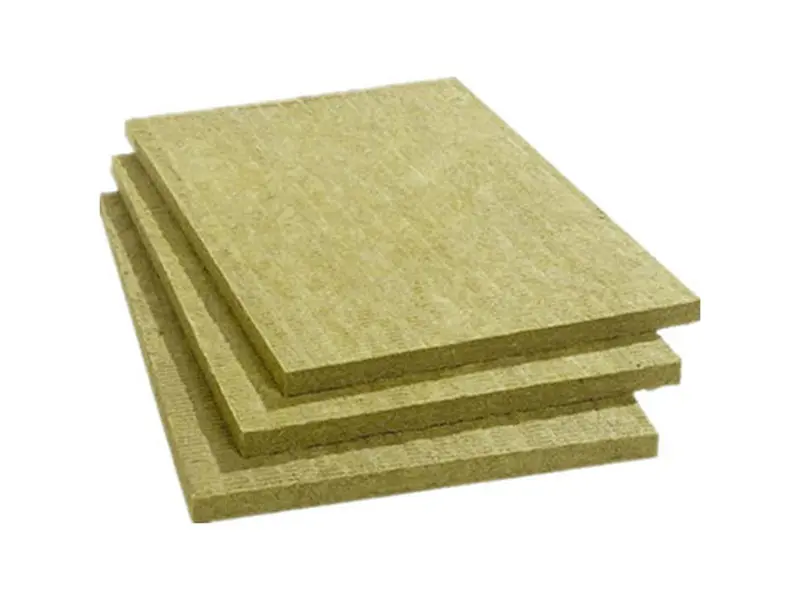
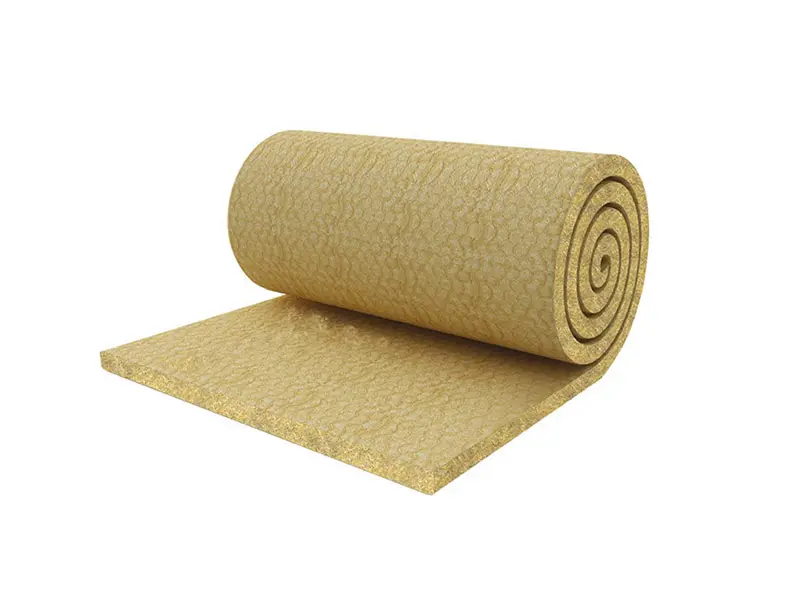
A3: Rubber foam is a flexible, closed-cell, moisture-impermeable material, making it ideal for HVAC, chilled water lines, and cryogenic applications where condensation control is critical. Rock wool is a rigid, fibrous material suited for high-temperature applications (up to 650°C) and fireproofing barriers.
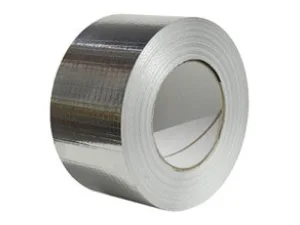
A4: Yes. We provide OEM/ODM services, including customizing wall thicknesses, inside diameters for tubes, sheet widths, and applying dynamic backing options like aluminum foil or self-adhesive backings.
A5: Our products comply with BS 476, CE, REACH, RoHS, UL94, and ASTM testing criteria, ensuring they meet building codes and environmental regulations globally.
A6: Yes. Every production batch is logged with a trace ID that links back to raw material inputs, processing parameters, and quality assurance logs.
A7: We produce sheet rolls in thicknesses ranging from 6mm to 50mm, accommodating a wide range of thermal requirements.
A8: Under standard operational conditions and when installed according to manufacturer guidelines, the typical service life ranges between 10 to 15 years.
Select from our product variations to view details and request quotes.
Select from our globally shipped range of high-performance insulation systems.
 Kingflex