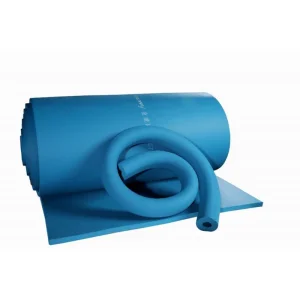
As global industries rapidly shift toward clean energy resources like Liquefied Natural Gas (LNG), liquid hydrogen, and ethylene, managing extreme sub-zero thermodynamic boundaries has become critical. Cryogenic insulation systems function at temperature parameters dipping below -150°C (-238°F) to near absolute zero. Under these punishing conditions, common insulation configurations suffer severe structural contraction, cell rupture, and immediate ice crystal infiltration, leading to catastrophic energy leakage and rapid pipeline corrosion.
Modern engineering relies heavily on advanced closed-cell elastomers (like Kingflex NBR/PVC specialized formulations) to serve as a low-temperature vapor barrier. By maintaining absolute structural integrity under thermal shock, these systems prevent the infiltration of ambient moisture. Moisture infiltration forms ice internally, increasing the thermal conductivity coefficient and destroying the insulation properties of the system.
"Selecting the proper cryogenic insulation is not merely a question of operational efficiency; it is a critical safety safeguard. The prevention of Corrosion Under Insulation (CUI) and structural thermal shock is the difference between safe pipeline distribution and major system failure."
Through robust research and developmental testing, modern NBR-based elastomeric closed-cell structures now provide a reliable option for extreme low-temperature systems, replacing traditional multi-layered configurations with a simplified, flexible system.
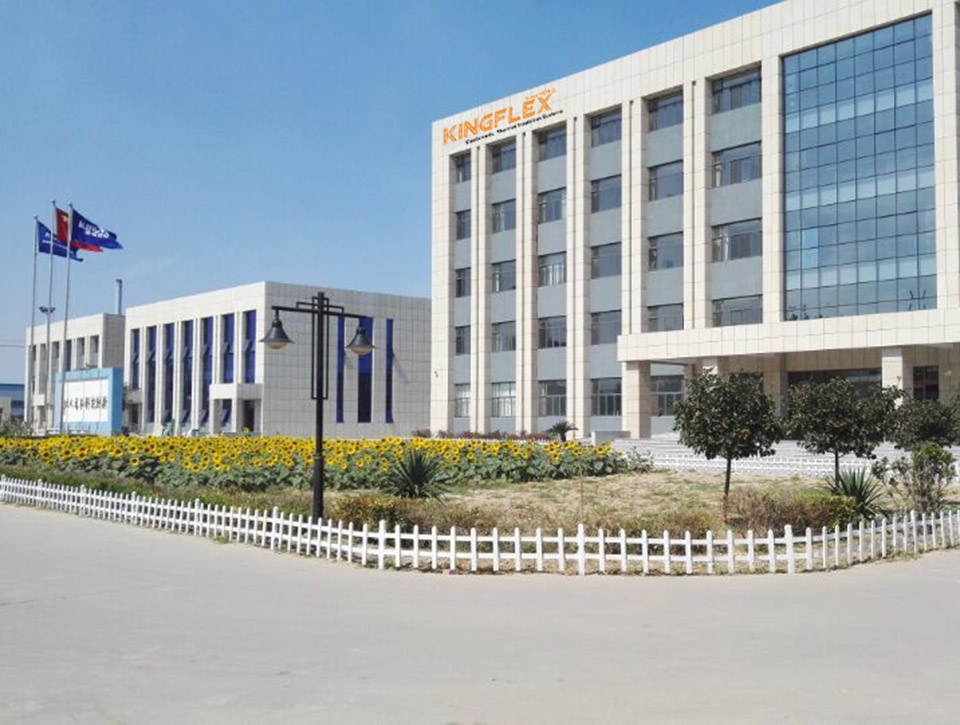
Established by Jinwei Group (with roots dating back to 1979 as the pioneer manufacturer of thermal insulation materials north of the Yangtze River), Kingflex Insulation Co., Ltd. has developed into a leading global manufacturing and trading combination, combining R&D expertise with world-class production capacity.
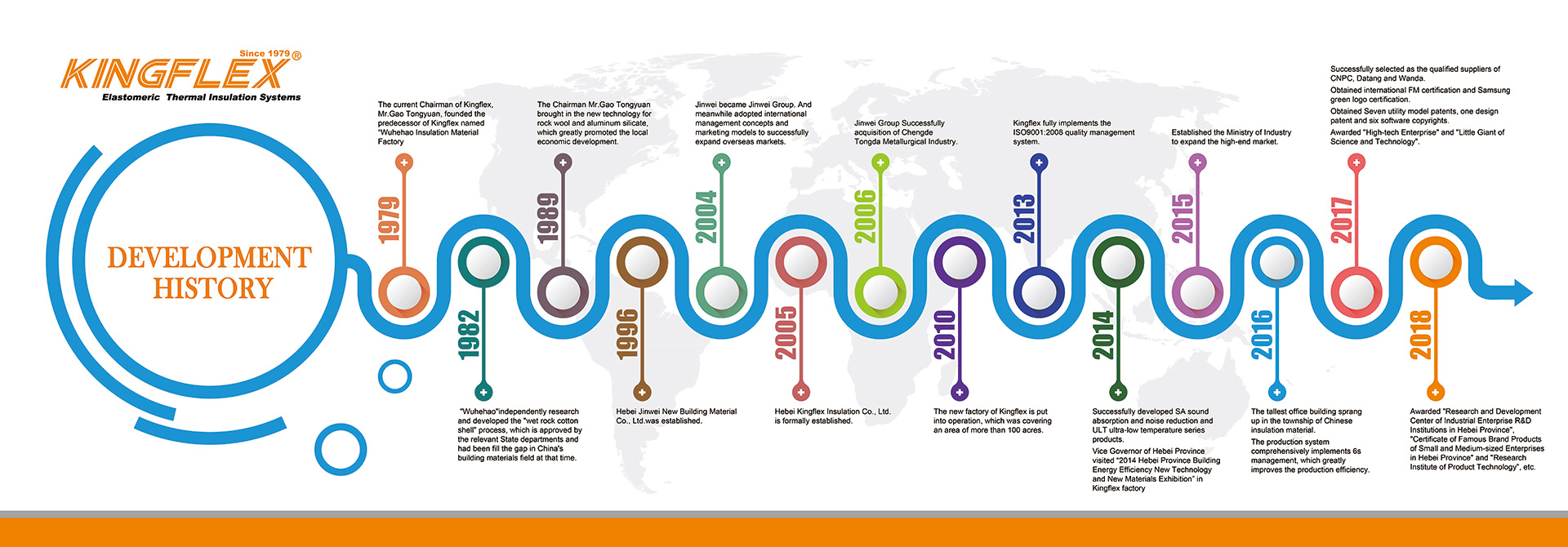
Located in Dacheng, China—the recognized global capital of green building materials—Kingflex leverages a highly efficient local supply chain. This regional concentration enables access to high-grade raw polymers and specialized chemical additives at competitive rates.
Our 5 large-scale automated assembly lines operate under strict continuous extrusion processes. Unlike regional operations relying on batch-wise operations, Kingflex continuous vulcanization yields highly uniform cellular structures with consistent densities ranging between 40-55 kg/m³. This uniform density profile provides predictable mechanical performance under extreme sub-zero thermal expansion and contraction cycles.
This streamlined supply chain enables us to handle large-scale international orders while meeting demanding engineering schedules for major projects.
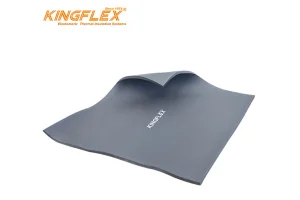
| Core Material Composition | Available Thickness | Material Density Range | Operational Temperature Limits |
|---|---|---|---|
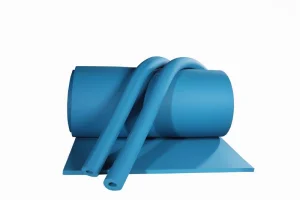
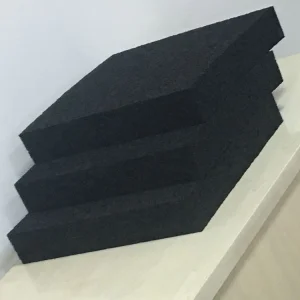
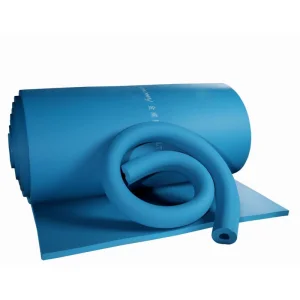
| High-Performance NBR/PVC Rubber Blend | 6mm to 50mm | 40 - 55 kg/m³ | -40°C to +105°C (Up to -200°C with multilayer systems) |
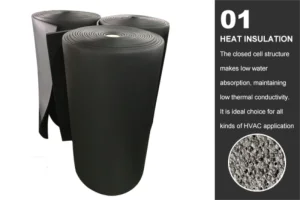
Primary Advantages: Closed-cell structures exceeding 98% prevent ambient moisture permeability, maintaining thermal performance over time. Standard compression resilience exceeds 80% with self-extinguishing flame-retardant properties.
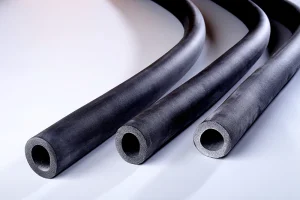
| Core Material Composition | Wall Thickness Range | Inner Diameter (ID) Range | Material Density Range |
|---|---|---|---|
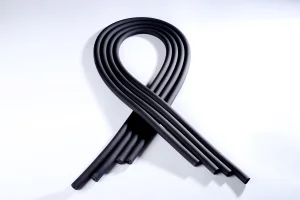
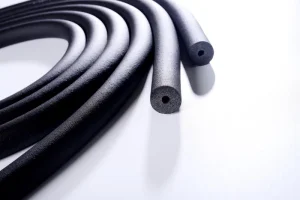
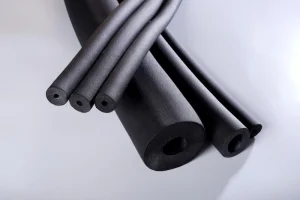
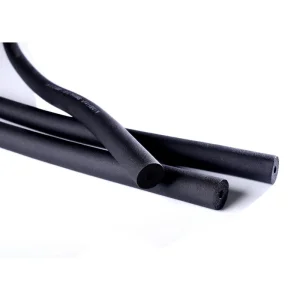
| Specialized Closed-Cell NBR/PVC | 9mm to 40mm | 6mm to 114mm | 40 - 55 kg/m³ |
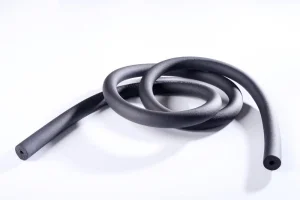
Primary Advantages: Integrated spraying extrusion systems ensure consistent thickness profiles across the entire tube length. Highly flexible design simplifies installation on tight bends and elbows, minimizing the risk of system pipe freezing and surface condensation.
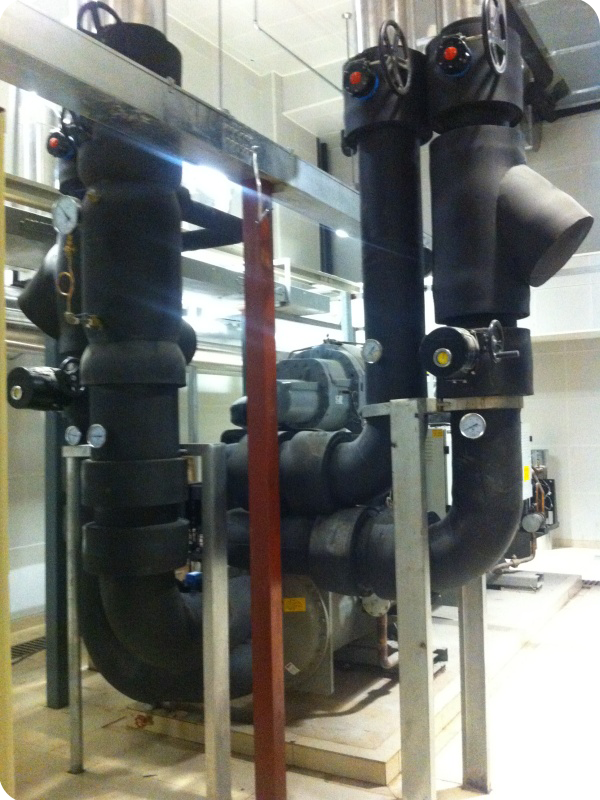
Our closed-cell elastomer insulation prevents condensation on marine LNG transport terminals, pipe manifolds, and storage tanks operating at temperatures near -162°C. The vapor-impermeable matrix prevents ice formation on the piping systems.
Designed for ethylene recovery and chemical separation lines. The NBR/PVC blend withstands ambient chemical exposure, prevents thermal gain from solar radiation, and reduces overall energy footprint in chemical facilities.
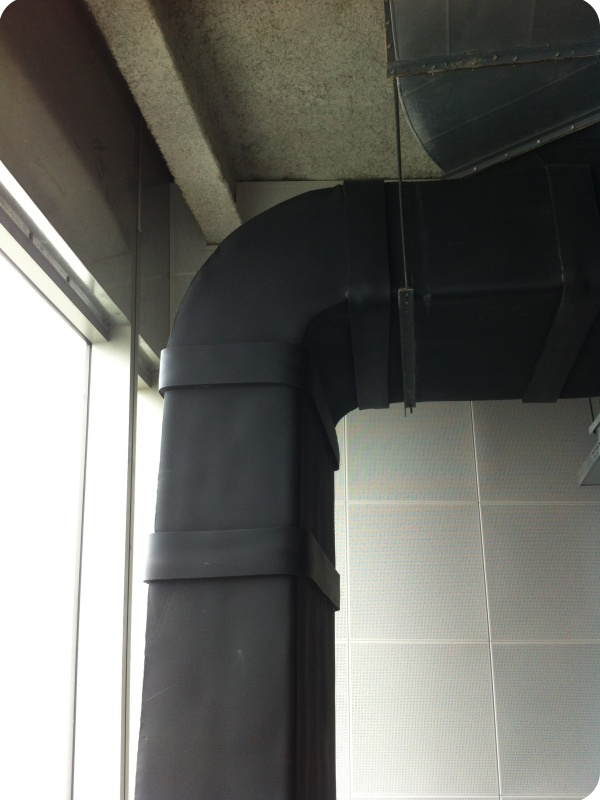
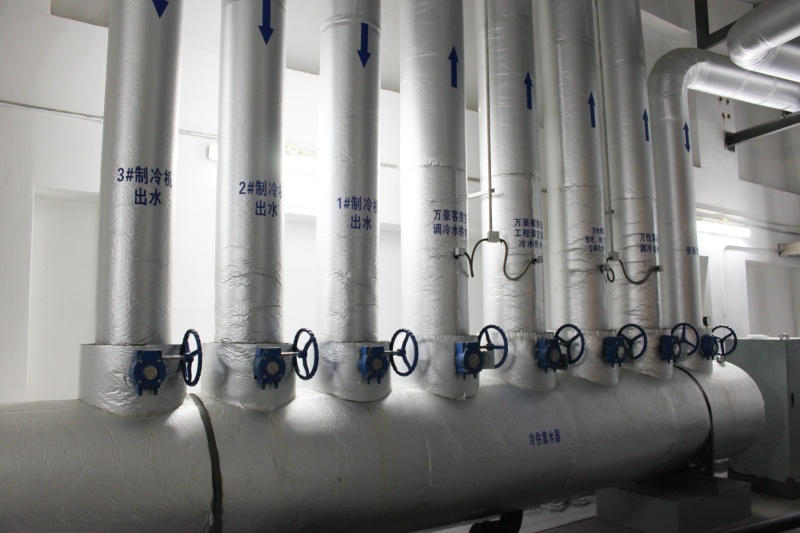
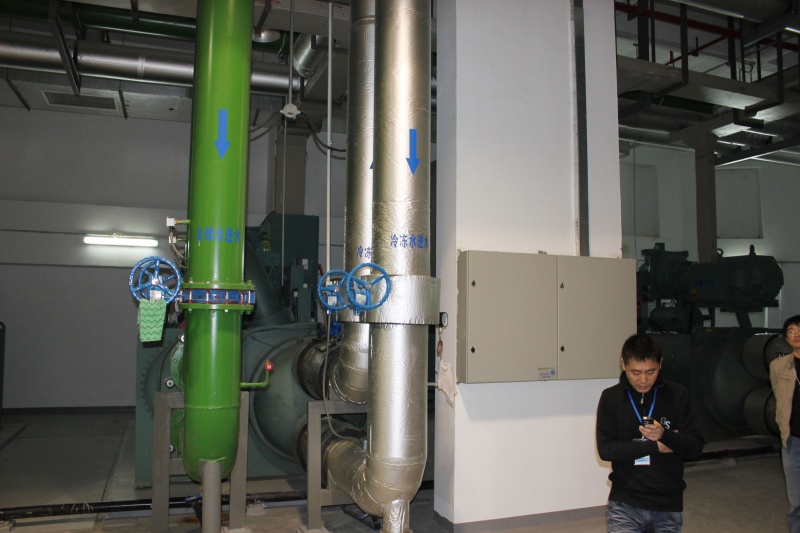
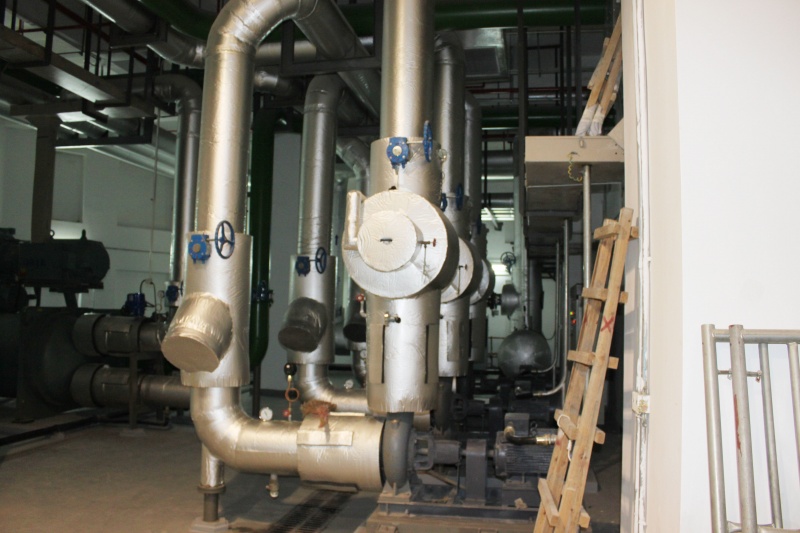
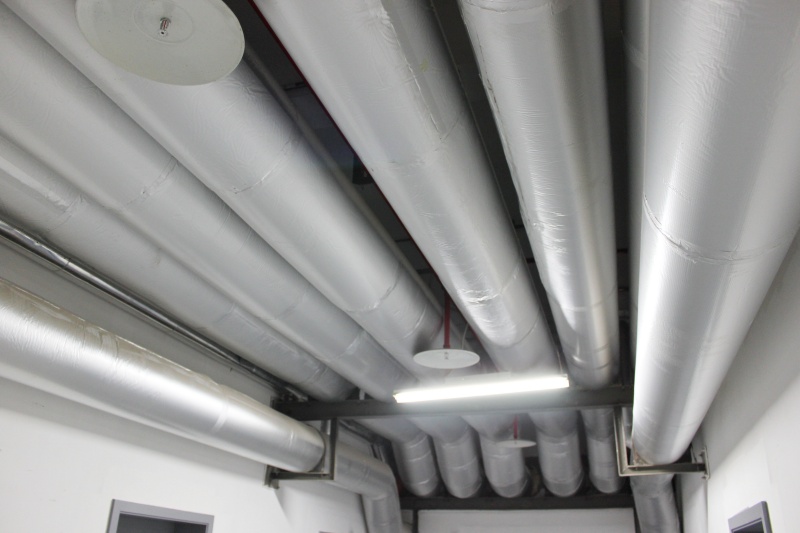
Applied extensively in large-scale malls, modern medical centers, and transport hubs. Provides thermal insulation on chilled water lines and air ducts, preventing condensation while offering acoustic dampening.
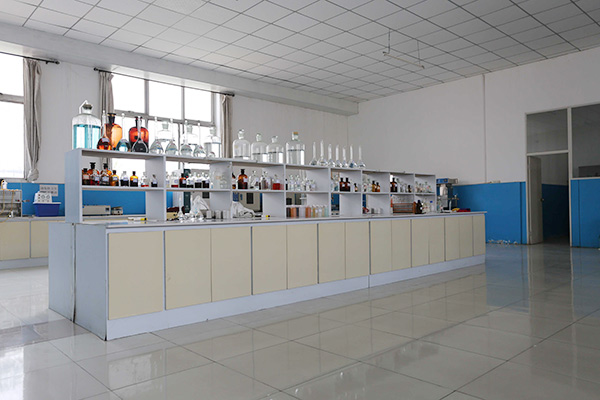
Kingflex maintains a dedicated quality and testing facility. Our engineering team, consisting of 8 professional research engineers, continuously refines the polymer formula to improve its limits under sub-zero thermal stress. They are supported by 230 trained workers in our production department and 6 international sales specialists who handle regulatory compliance and logistics for overseas deliveries.
Our cryogenic insulation products are certified to meet international standards for fire safety, environmental impact, and thermal efficiency. Key certifications include:
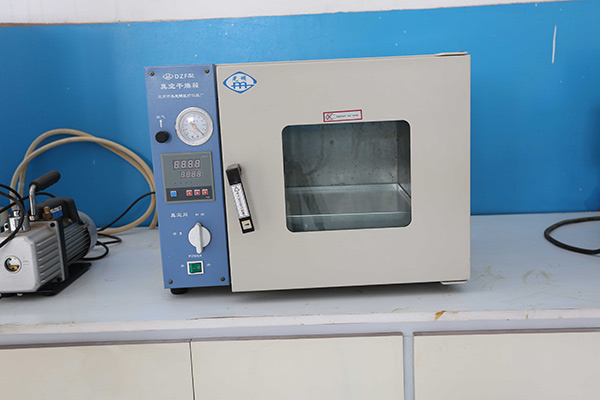
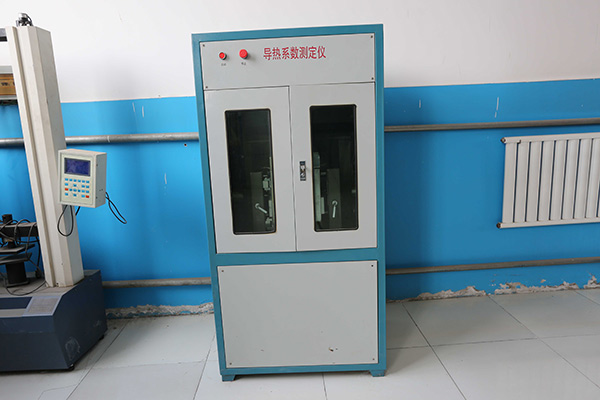
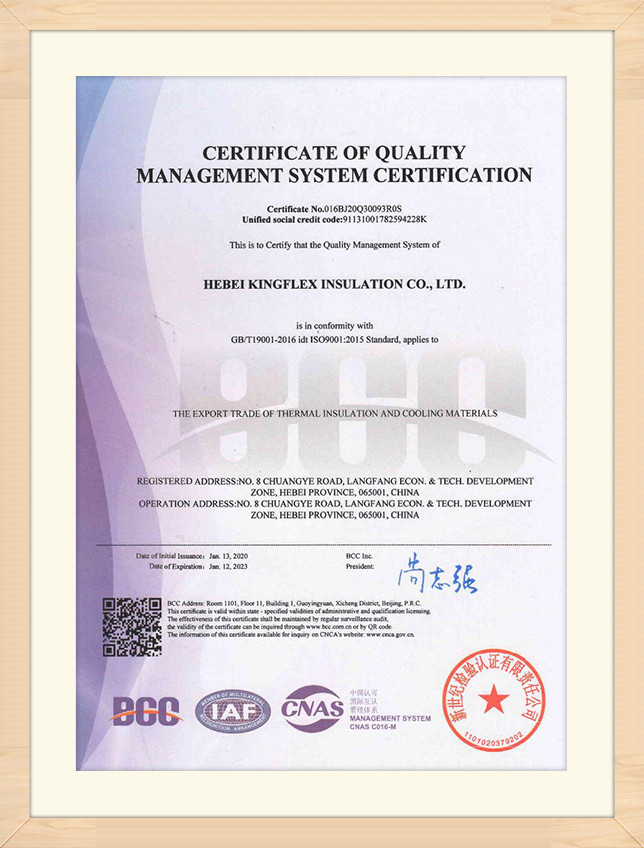
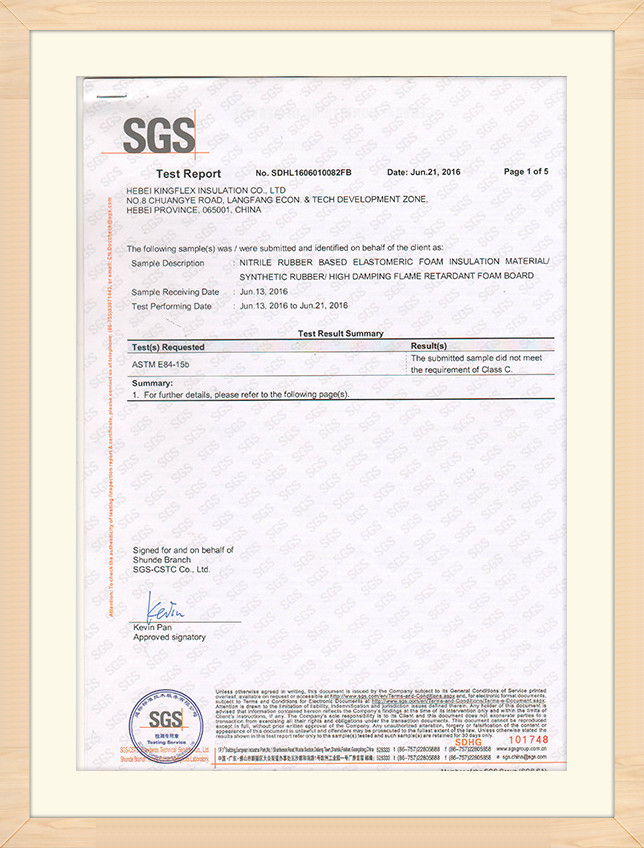
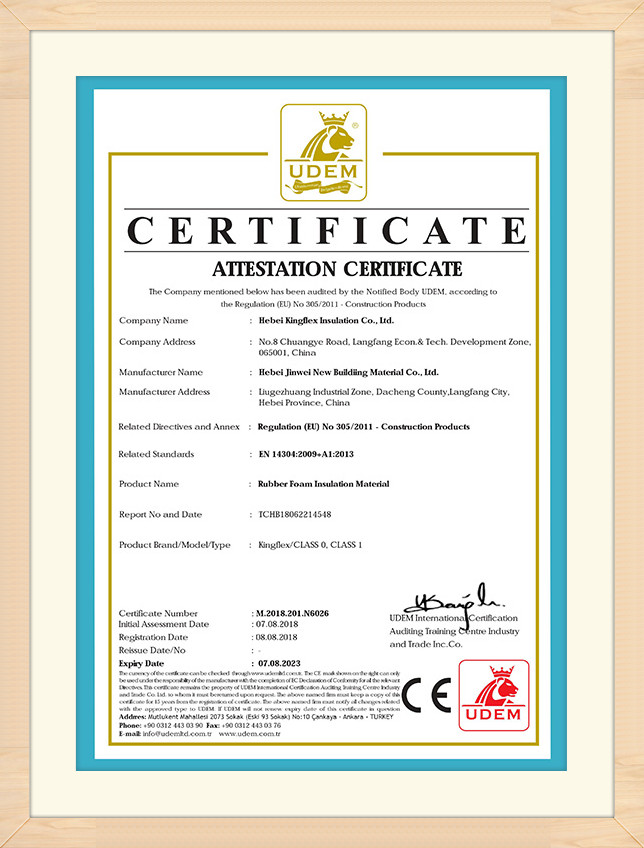
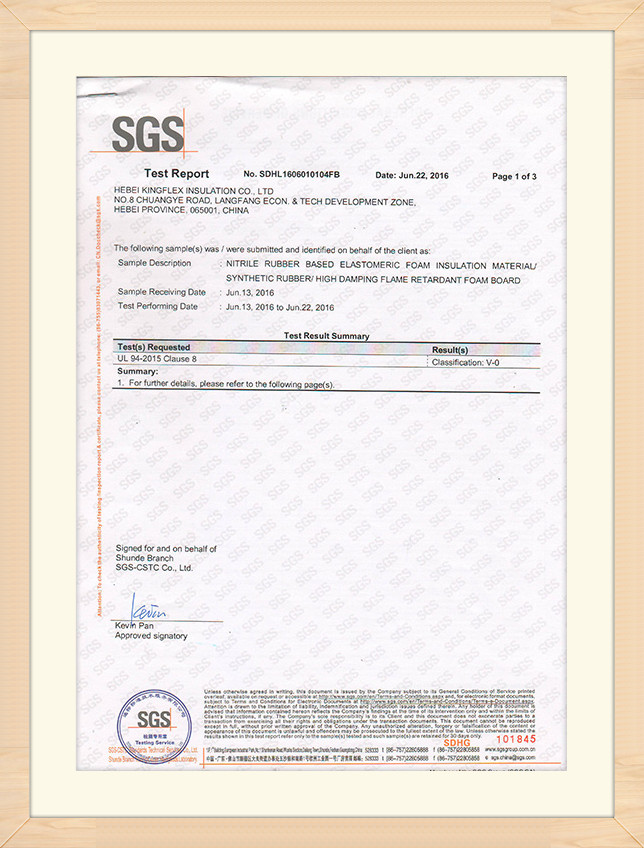


For international procurement departments, coordinating large-scale insulation supplies requires balancing product compliance, delivery times, and packaging reliability. Kingflex provides end-to-end support for global logistics:
OEM and Custom Fabrications: We support custom sheet thicknesses (6mm to 50mm), customized inner diameters for pipes, and specific outer jacket coatings (such as aluminum foil or protective polymers) to match site conditions.
Project Traceability: Every production batch is logged with a trace identification number linked to raw polymer test sheets, curing parameters, and density checks. This level of traceability helps engineering teams ensure compliance with regulatory standards.
Industrial-Grade Packaging: Products are compressed and packed in heavy-duty poly-bags or custom wooden crates to prevent cell damage or moisture contamination during international transport.
Environmental standards restrict the use of ozone-depleting blowing agents. Kingflex uses eco-friendly foaming processes, ensuring all elastomeric products remain compliant with environmental regulations in the EU and North America.
Corrosion Under Insulation (CUI) is a common cause of failure in sub-zero process lines. Modern elastomer chemistry incorporates active corrosion inhibitors within the polymer compound, providing a secondary barrier against moisture and metallic oxidation.
Industrial projects increasingly demand materials that combine thermal performance with fire safety. The development of flame-retardant NBR/PVC blends allows projects to meet fire safety codes without requiring heavy external metal cladding.
We provide technical support and supply products for energy systems, chemical processing plants, and commercial projects globally.

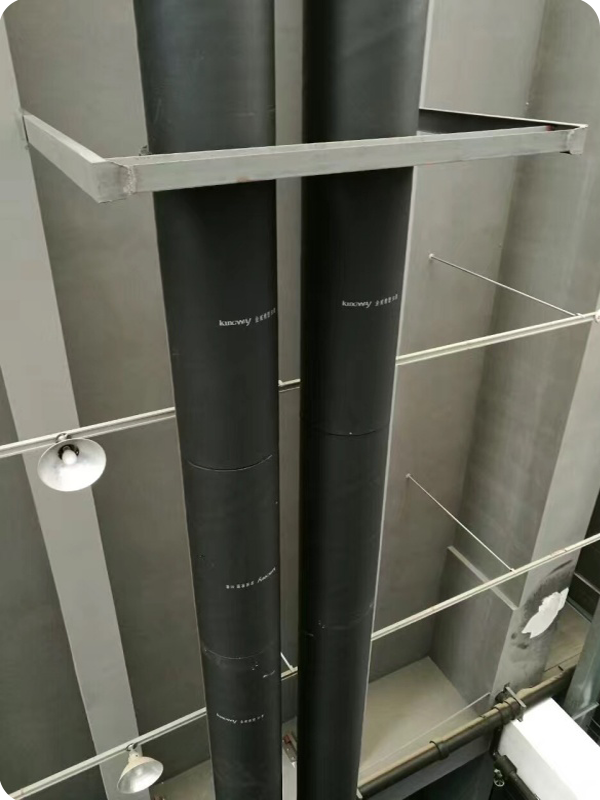
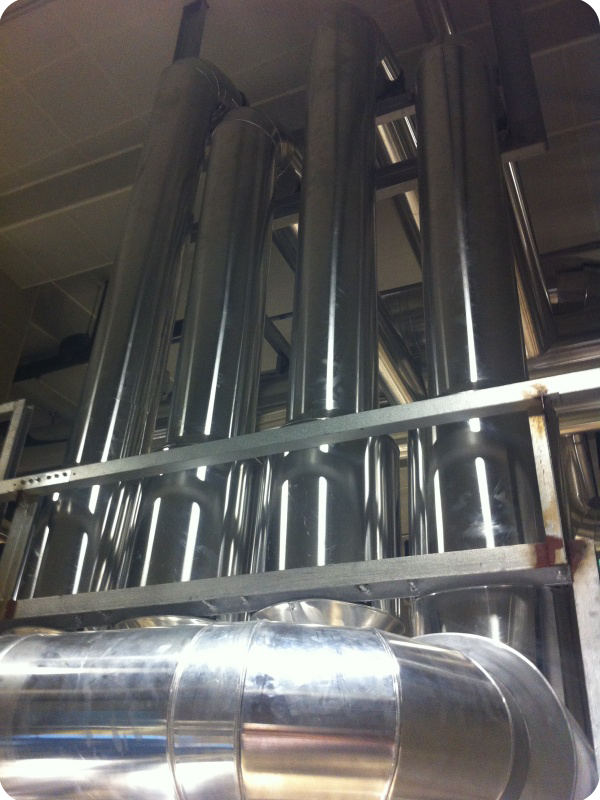
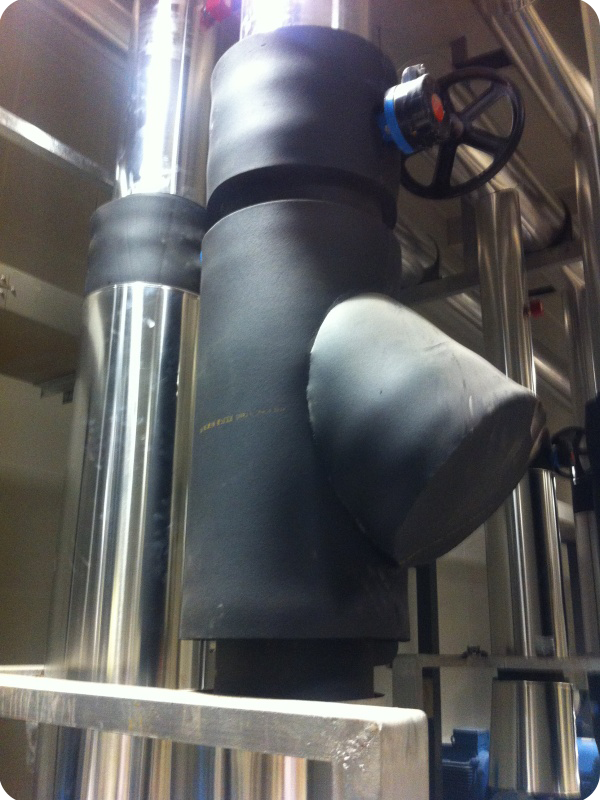
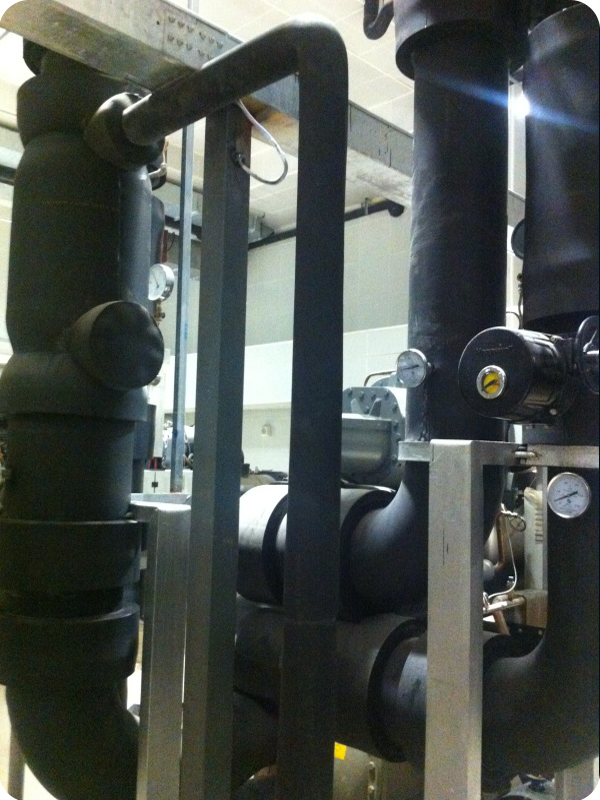

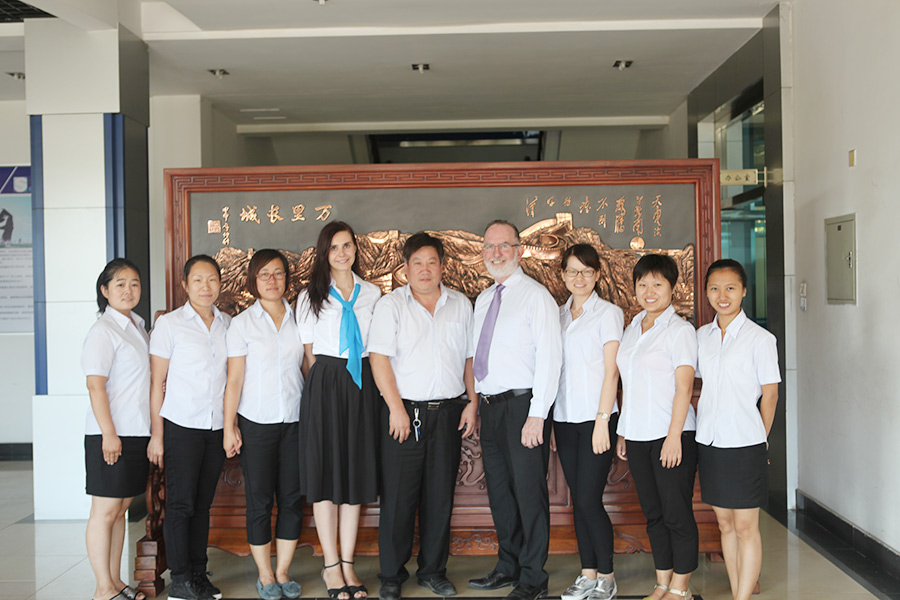
Our communication with engineering consultants, procurement managers, and inspectors ensures transparency from production to site delivery.


A1: It is primarily used for HVAC ducts, refrigeration and air conditioning lines, building thermal insulation, and process cold insulation on sub-zero industrial pipelines to control condensation and minimize heat gain.
A2: Yes, our elastomeric compounds are formulated with active fire-retardant chemicals, meeting international safety specifications such as BS 476 Part 7 Class 1 and UL 94 standards, which are required for industrial construction.
A3: Elastomeric rubber foam is a flexible, closed-cell material that prevents moisture vapor transmission, making it suitable for sub-zero and refrigeration applications. Rock wool is a fibrous material with high temperature resistance, making it suitable for high-temperature steam lines and fire safety systems.
A4: Yes, we provide full OEM support. We can customize sheet thicknesses, pipe inner diameters, packaging methods, and apply external protective foils to meet specific project guidelines.
A5: Our products are certified under BS 476, CE, REACH, ROHS, UL94, and ASTM. This compliance makes our insulation suitable for regulated construction projects globally.
A6: Yes, all product shipments are marked with batch codes linked to raw material records, testing logs, and curing metrics, providing complete traceability for QA/QC inspections.
A7: We can produce roll thicknesses from 6mm up to 50mm, allowing for either single-layer installation or multi-layered configurations on low-temperature systems.
A8: Under standard operational conditions and with proper installation, Kingflex products maintain their insulating properties for 10 to 15 years.
A9: At cryogenic temperatures, standard NBR becomes firm. Kingflex cryogenic systems are formulated to remain flexible under sub-zero thermal contraction, avoiding mechanical cracking and vapor seal failures.
A10: The K-value decreases as temperatures drop, improving insulation performance. However, without a closed-cell vapor barrier, moisture ingress can freeze and reduce this efficiency. Our high closed-cell ratio ensures the K-value remains stable over the long term.
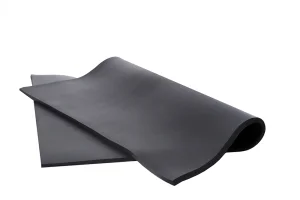
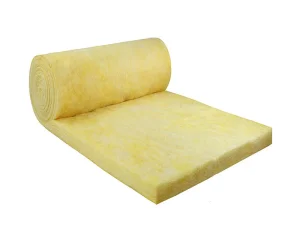
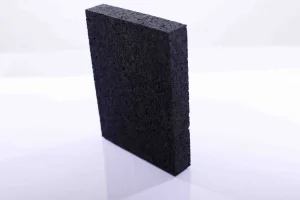
A view of our 600,000 m³ annual capacity manufacturing facilities, including continuous rubber extrusion lines, raw vulcanizing units, and packing areas.
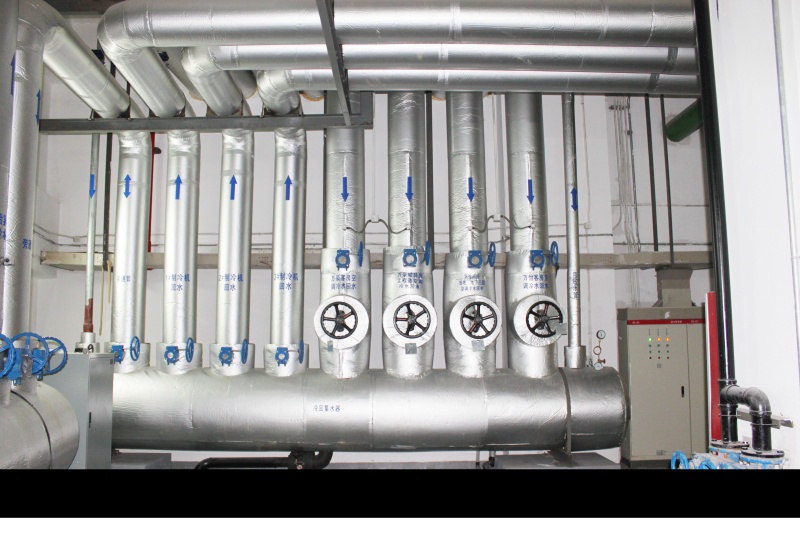

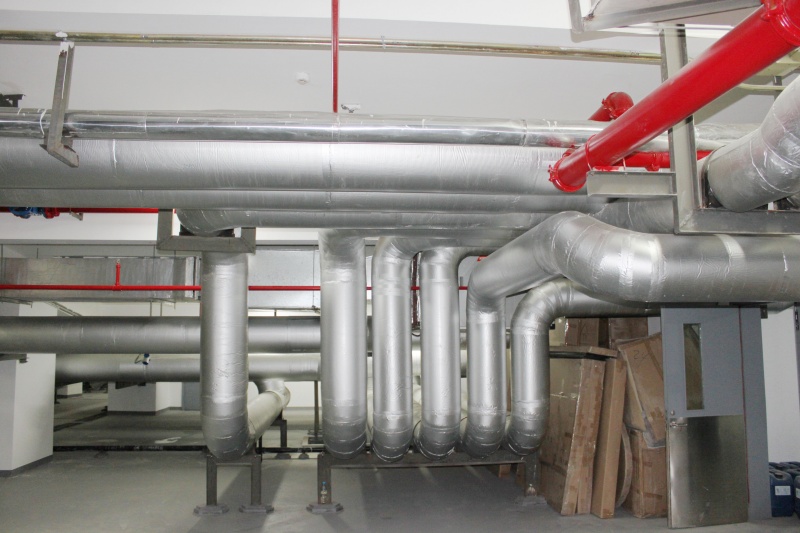

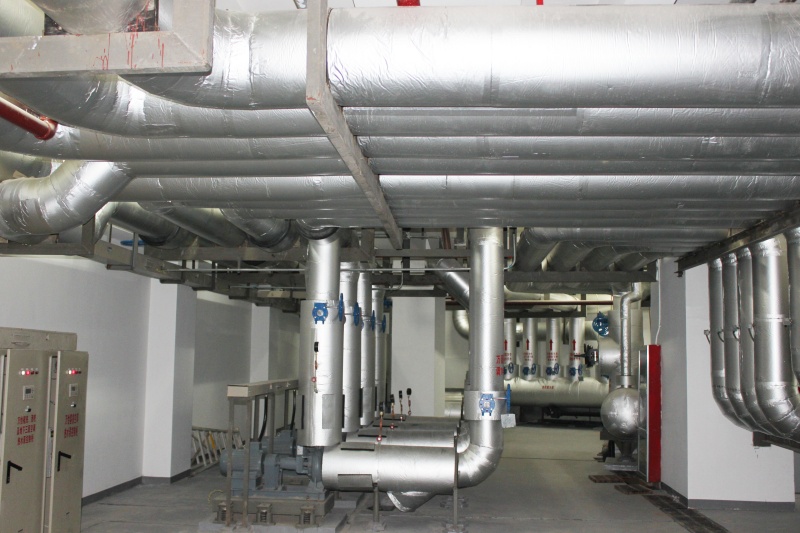
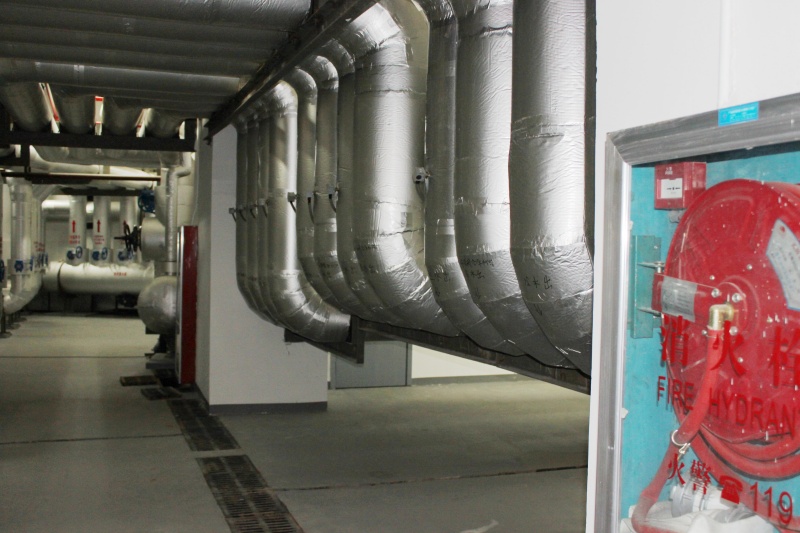
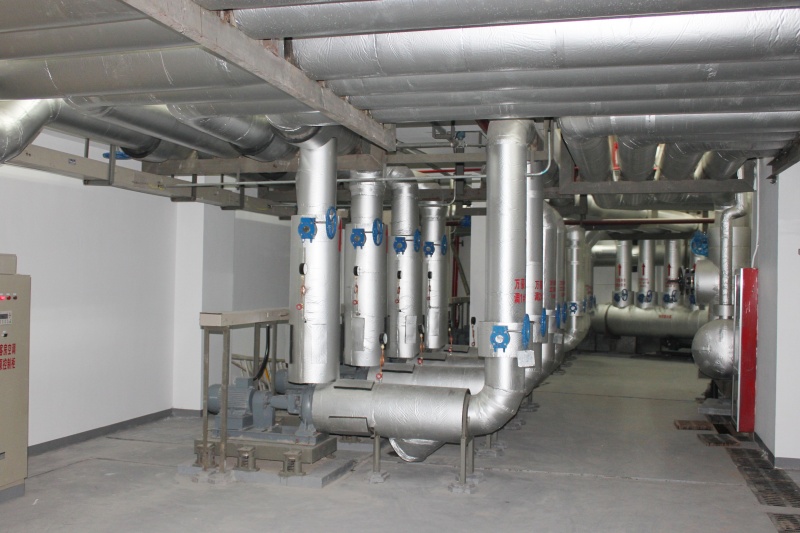
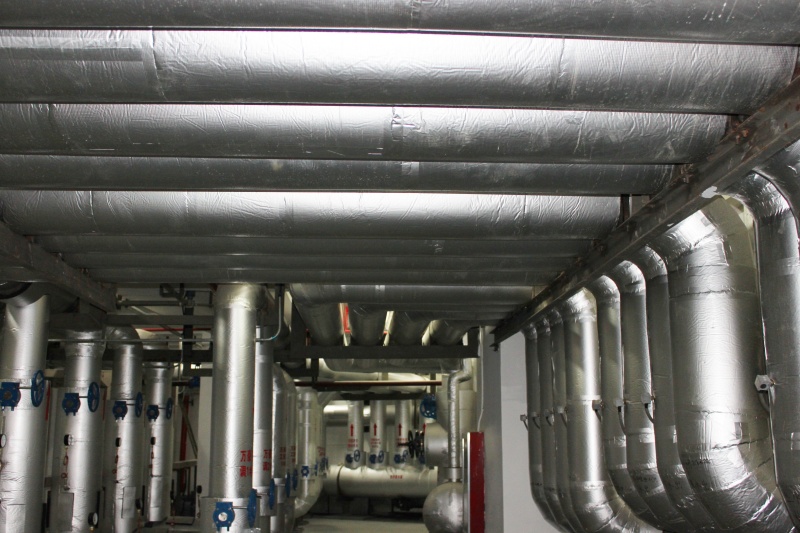
A reference directory of our core product series, featuring elastomeric foam tubing, corrosion-resistant sheets, and industrial rock wool blankets.
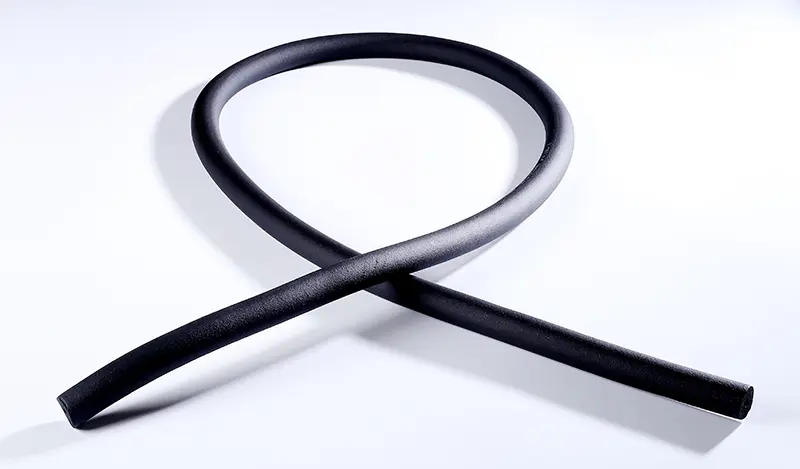
Standard plumbing design, suited for refrigerant systems and chilled water lines.
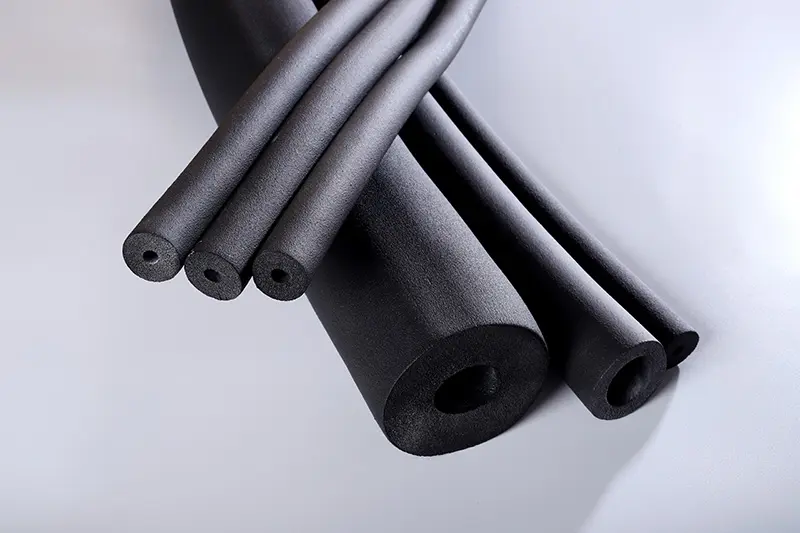
Treated with corrosion-inhibiting polymers to prevent CUI on copper and stainless steel lines.
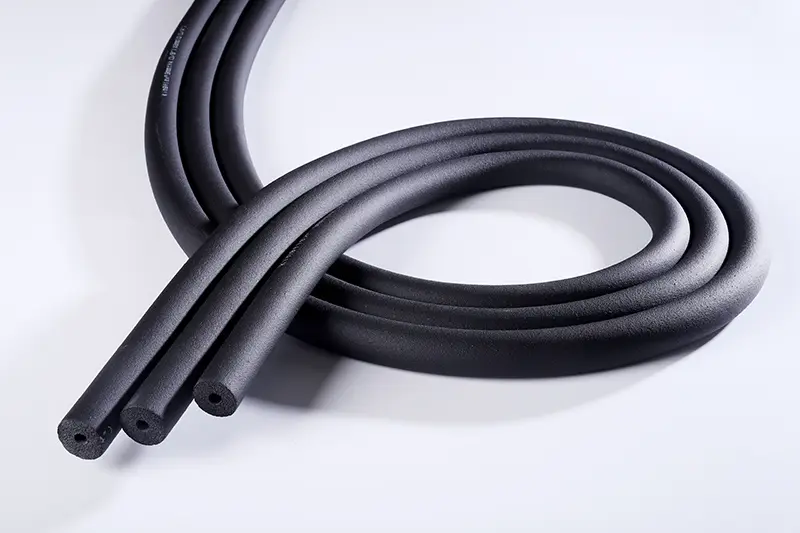
High flexibility configuration designed for routing through narrow spaces and tight bends.
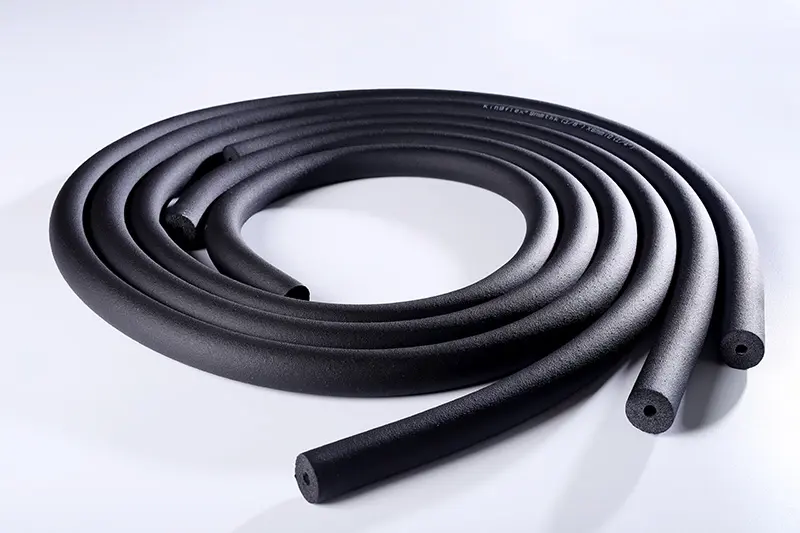
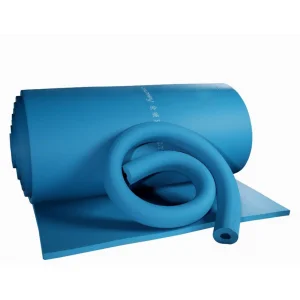
Pre-molded, split or seamless tubing for standard piping runs.

Standard density NBR/PVC blend for commercial mechanical rooms.

Designed for duct systems, with fire-retardant properties.
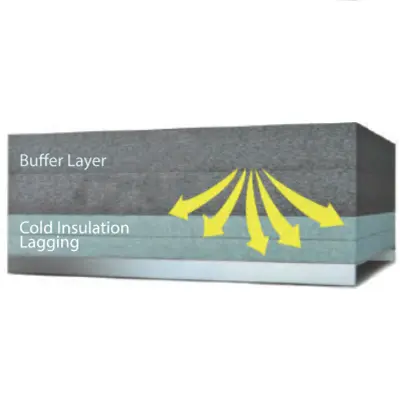
Multi-layered insulation system designed for extreme sub-zero applications.
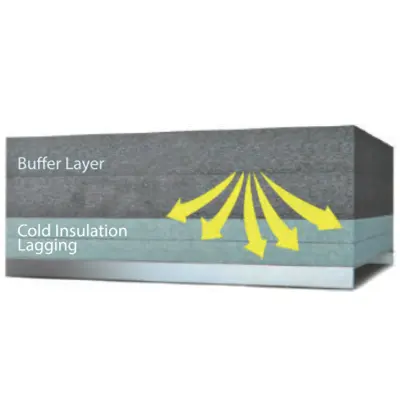
A formulation designed for cryogenic applications, maintaining flexibility under extreme temperatures.
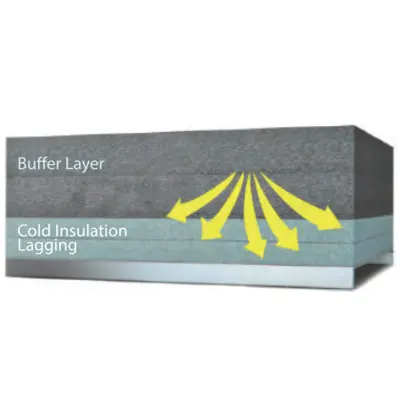
Insulation solution for process control pipelines handling sub-zero liquids.
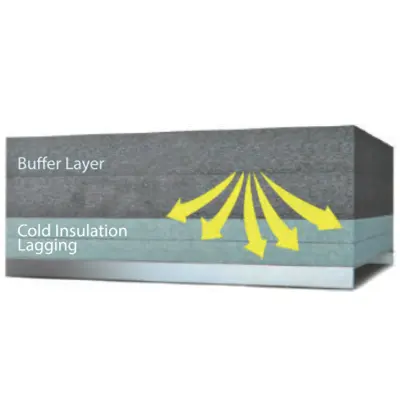
Industrial-grade insulation designed for LNG and ethylene transport networks.
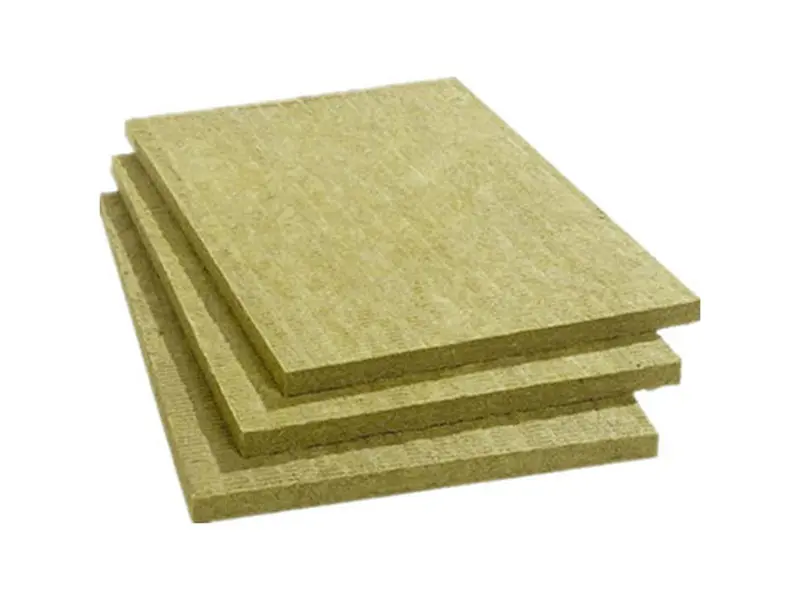
Rigid, high-density mineral wool panels for high-temperature and structural wall insulation.
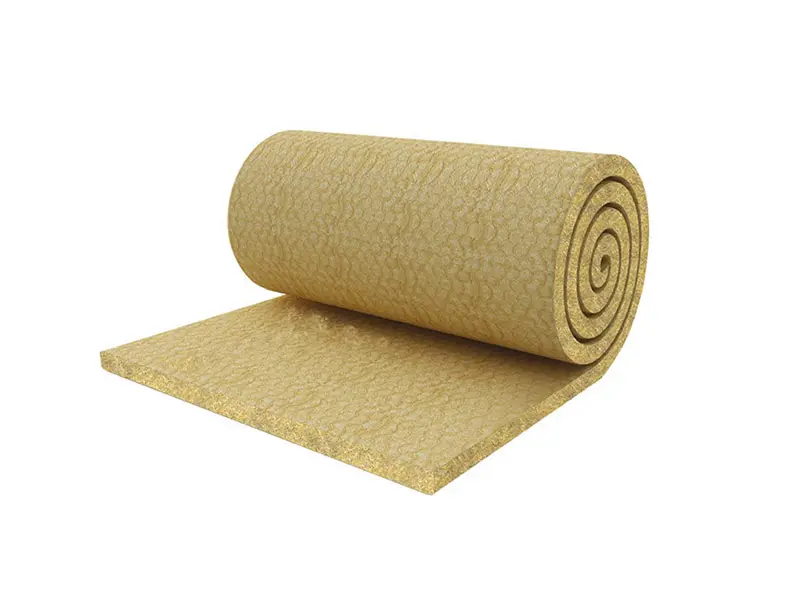
Flexible mineral wool wrap for process pipe runs and high-heat vessels.
Contact Kingflex's Dacheng team for technical inquiries, material specifications, or custom wholesale quotes. Our engineers are available to review your design parameters and help you select the appropriate insulation system.
Request Technical Consultation Kingflex