As global energy transition policies shift heavily toward LNG (Liquefied Natural Gas) distribution, petrochemical purification, and aerospace exploration, demanding thermal efficiency metrics have placed cryogenic pipeline infrastructure in the critical path of operational safety.
Procuring thermal insulation for cryogenic systems (operating from -40°C down to -196°C) presents profound engineering challenges. The core mandate of wholesale cryogenic insulation is the mitigation of heat gain and the prevention of moisture vapor intrusion. Vapor intrusion leading to ice formation causes catastrophic thermal short circuits, mechanical deformation, and Corrosion Under Insulation (CUI). Thus, engineering procurement networks now prioritize closed-cell structures over open-fiber matrices to establish an impervious vapor barrier without relying solely on exterior cladding.
With standard industrial processing units running round-the-clock, operational stability hinges on sourcing cryogenic materials from manufacturers utilizing high-performance elastomers. Sourcing directly from verified Chinese factories guarantees large-scale custom production capacity, continuous supply chain resilience, and compliance with severe global fire-safety and thermodynamic norms.
Selecting the appropriate technical route is essential for pipeline longevity. The matrix below compares the major insulation materials deployed across ultra-low temperature and cold utility processes.
| Insulation Class | Common Materials | Temp. Range | Vapor Resistance (μ-factor) | CUI Prevention Rating | Key Strengths & Drawbacks |
|---|---|---|---|---|---|
| Closed-Cell Elastomeric | NBR/PVC Blends (Kingflex) | -40°C to +105°C | ≥ 10,000 (Built-in) | Excellent (Hydrophobic) | Highly flexible, easy wrap-around joints, lightweight, zero skin irritation. Not suitable for extreme high heat. |
| Cellular Glass | Foamed Quartz Sand | -260°C to +430°C | Infinite (Rigid) | Moderate (Joint failures) | Completely non-combustible, high load capacity. Brittle, prone to cracking under thermal stress, complex install. |
| PIR/PUR Foams | Polyisocyanurate Block | -180°C to +120°C | Requires separate barrier | Moderate | Low thermal conductivity. Highly combustible unless modified, labor-intensive fabrication required. |
| Aerogel Blankets | Silica Aerogel Fiber | -200°C to +650°C | Requires separate barrier | High (Hydrophobic) | Extremely thin profile. Very high initial material capital costs, high particulate shedding during assembly. |
Minimum Elastomeric Operating Temp
Closed-Cell Rate
Annual Production Capacity
Countries Exported Globally
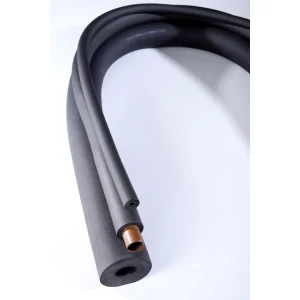
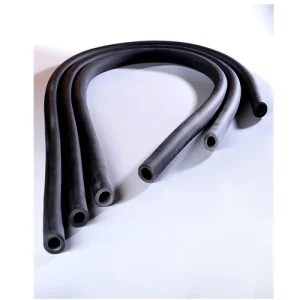
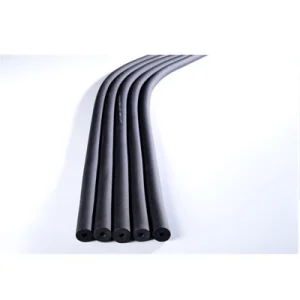
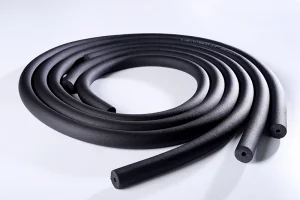
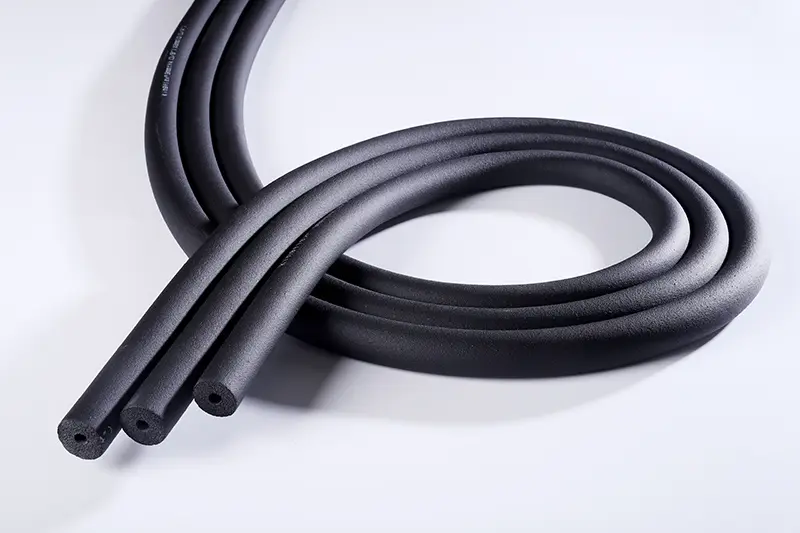
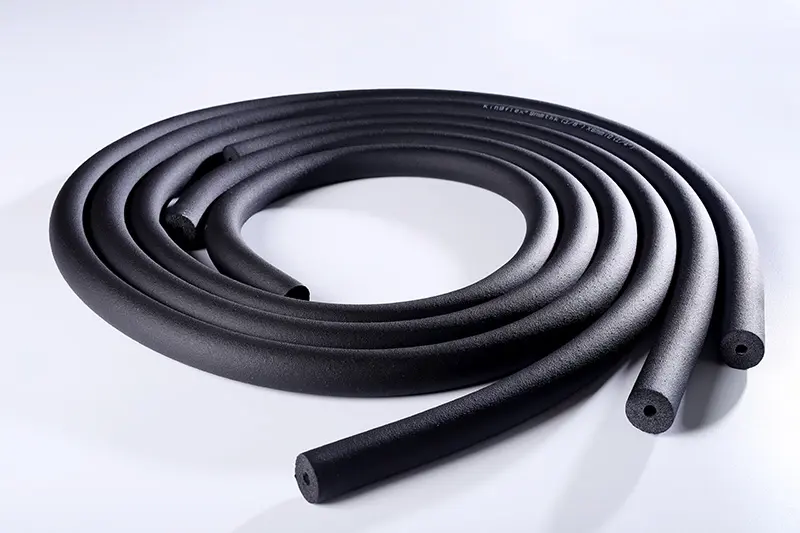
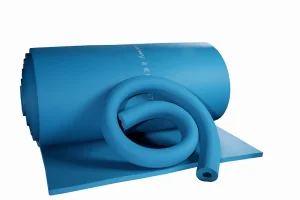
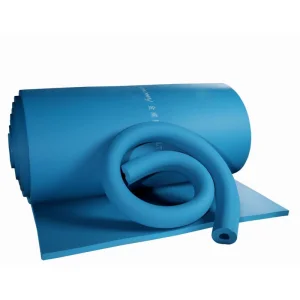
Kingflex elastomeric closed-cell insulation products represent state-of-the-art polymer formulation technology. Utilizing an NBR/PVC matrix, these materials undergo a rigorous pressure-expansion extrusion process resulting in a uniform cell density, low thermal conductivity, and built-in vapor retardance.
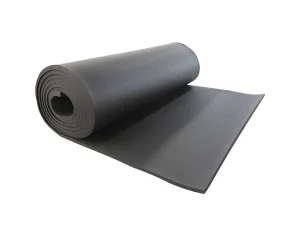
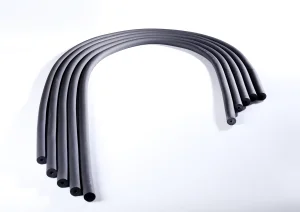
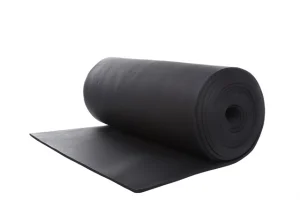
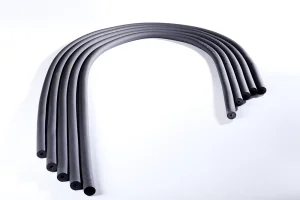
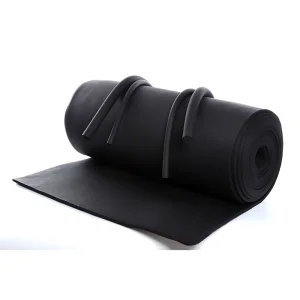
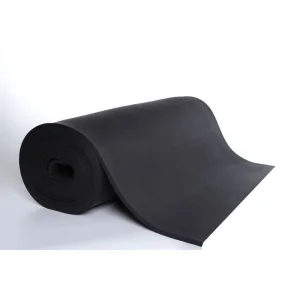
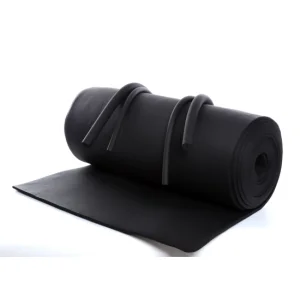
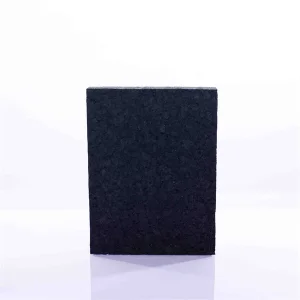
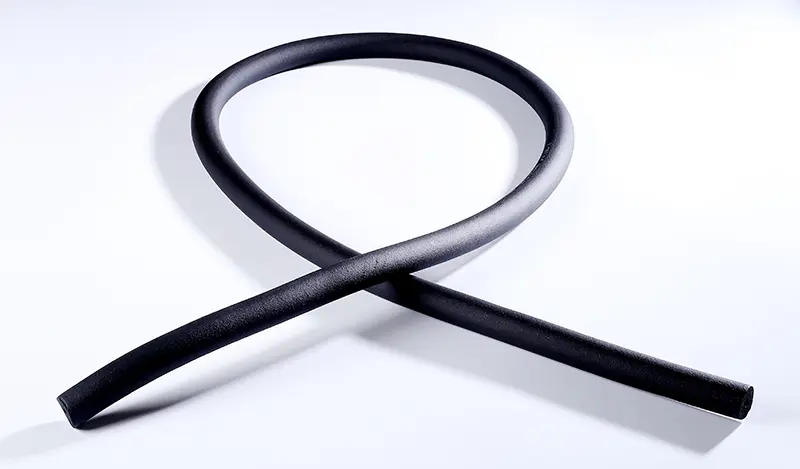
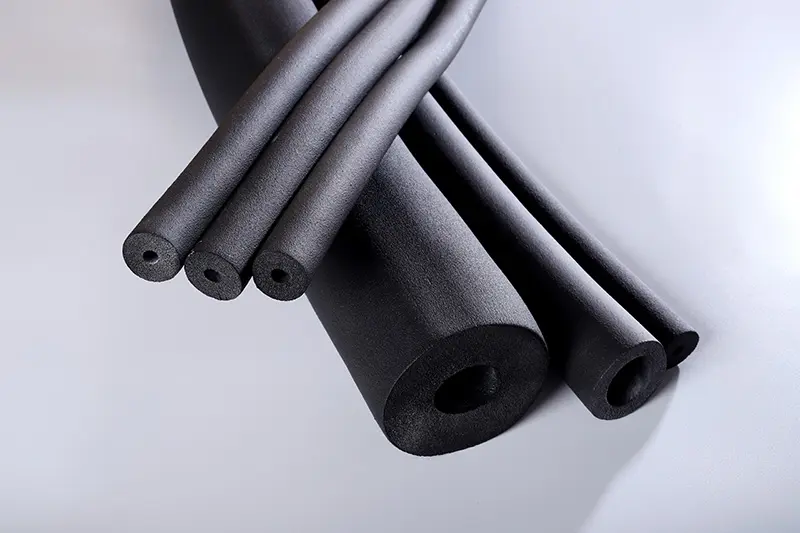
Manufactured in continuous sheet rolls or pre-formed tube geometries. Sheet thicknesses range from 6mm to 50mm with custom configurations available. The homogeneous cellular network maintains a density index of 40-55 kg/m³, allowing for standard-compliant compression recovery, vital for absorption of pipeline expansion and contraction stress cycles.
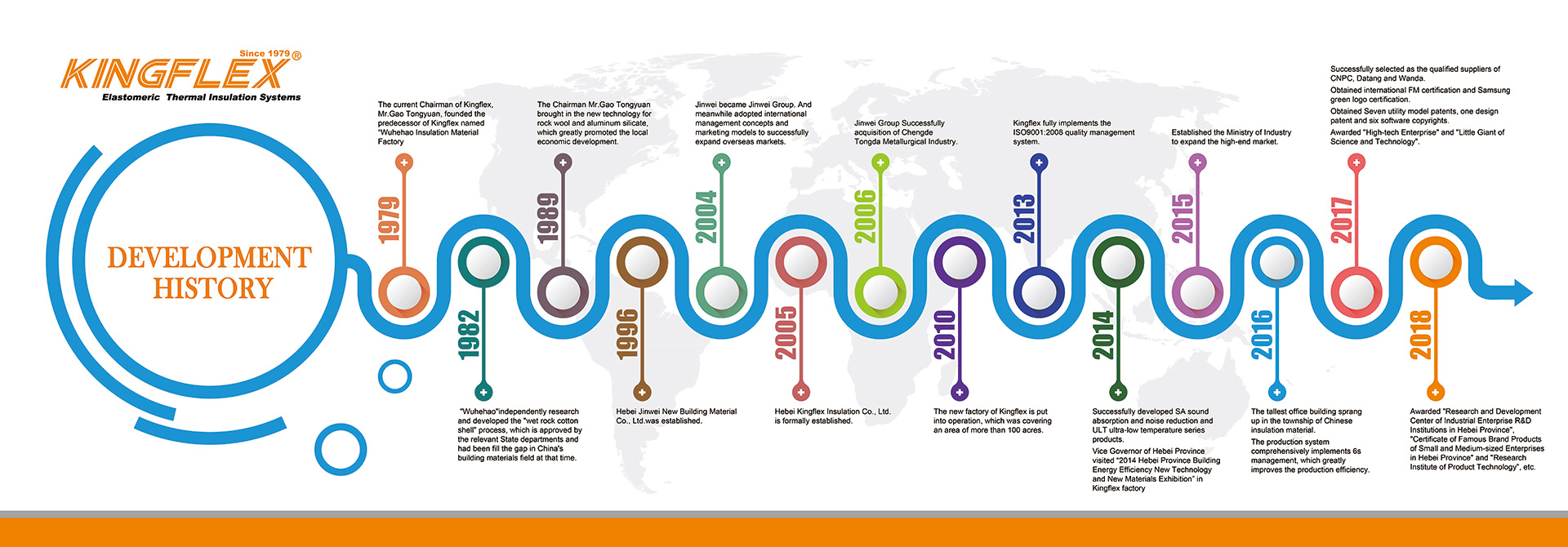


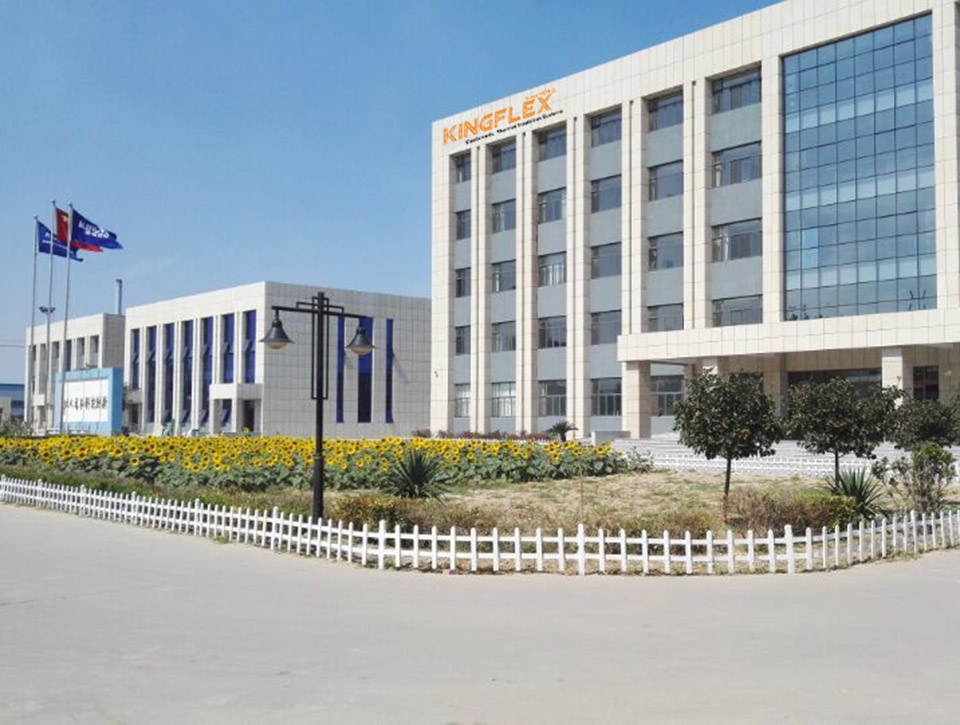
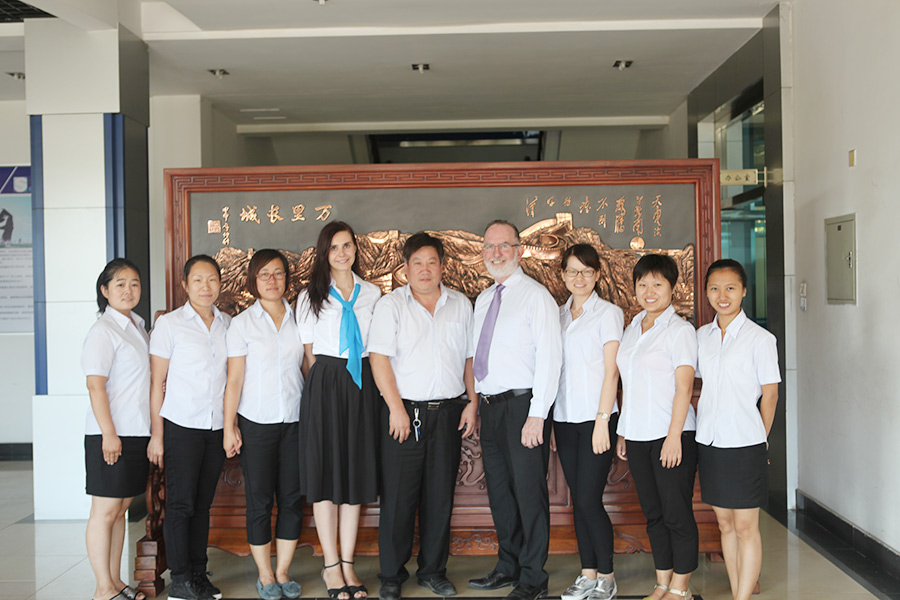
Established under the legacy of the Jinwei Group—which holds more than 40 years of market presence in high-efficiency thermal insulation materials—Kingflex is situated at the epicenter of green-building materials in Dacheng, China.
With 5 massive fully automated extrusion and foaming lines, Kingflex outputs in excess of 600,000 cubic meters annually. This production strength has positioned the firm as a premier designated supplier for national energy divisions, chemical processing authorities, and electrical power boards.
Our operational philosophy centers on ecological sustainability and process efficiency. Over our 16-year dedicated international trade window, our specialized team—consisting of 8 senior research engineers and 6 dedicated international sales managers—has delivered customized cold insulation materials to complex commercial setups globally.
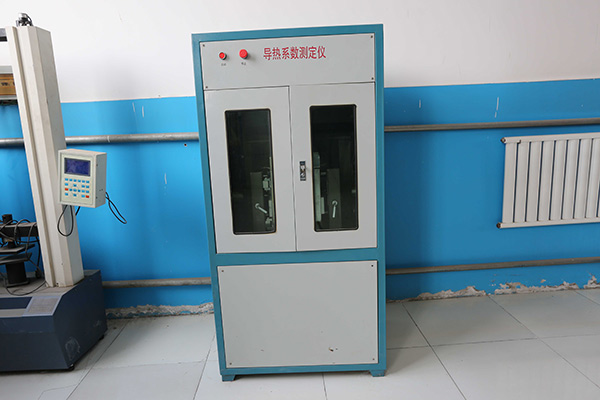

To sustain peak performance under evolving thermal criteria, Kingflex executes a technology optimization strategy targeted at increasing structural molecular durability.
Integrating nanoscale reinforcement additives into the elastomer slurry. This yields a dense cellular grid that prevents cell wall collapse even under repeated low-temperature thermal shock. This engineering breakthrough optimizes long-term structural integrity at cryogenic levels.
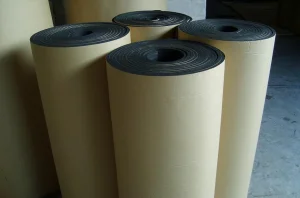
Designing solvent-free, self-adhesive backing sheets that eliminate dangerous outgassing during high-humidity containment processes. The factory pre-applied backing ensures uniform adhesion and speeds up field installation by up to 40%.
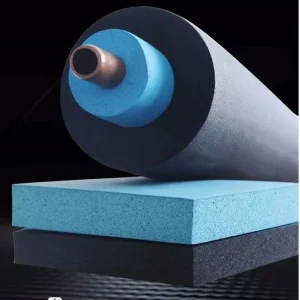
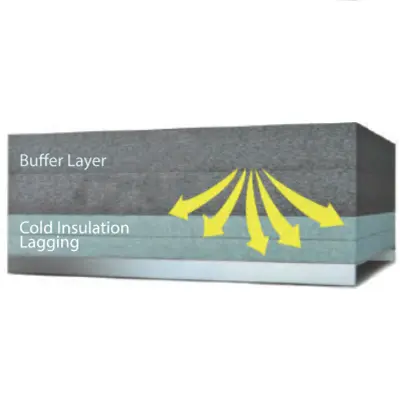
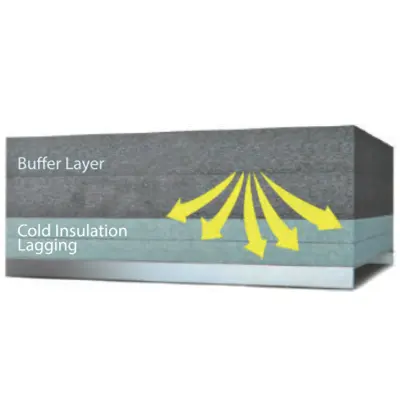
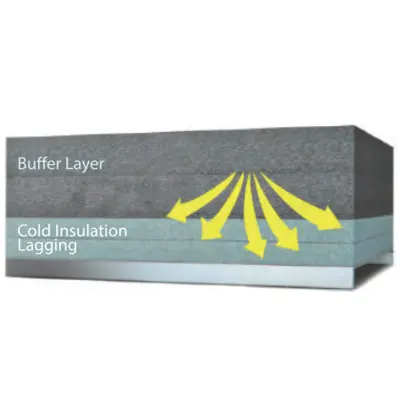
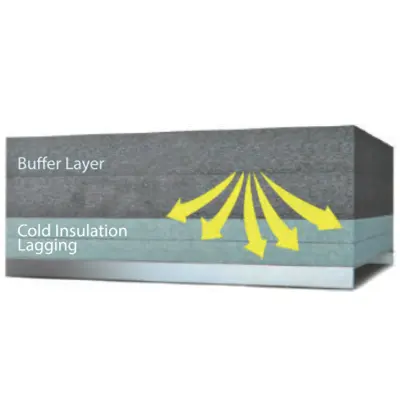
Currently in development, these sandwich systems integrate a layer of thin silica aerogel within a flexible closed-cell elastomeric rubber foam wrapper, achieving thermal conductivities (λ) as low as 0.019 W/(m·k) at cryogenic temperatures.
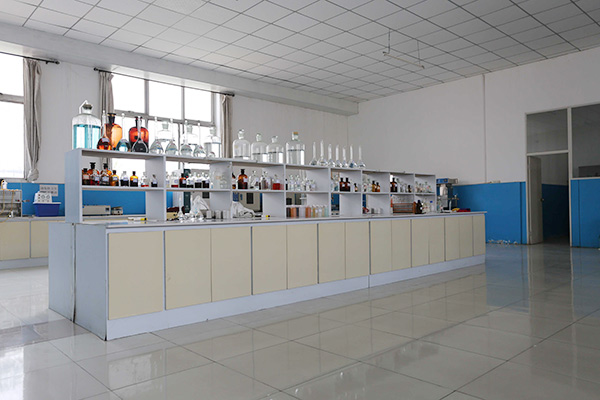
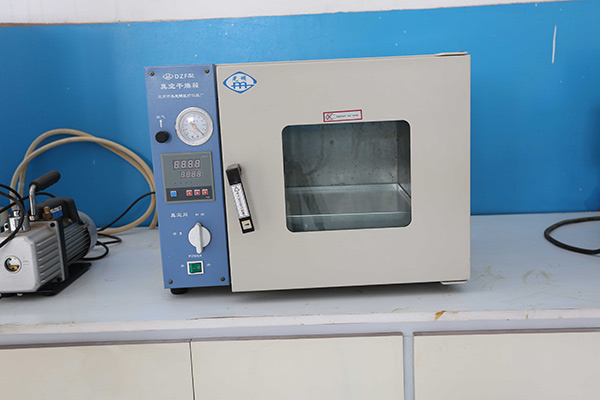
For industrial and commercial project managers, deploying non-certified insulation materials carries massive financial and safety risks. Our manufacturing lines implement strict statistical quality control (SQC) systems, ensuring total batch traceability from feedstock inputs to finished product rolls.
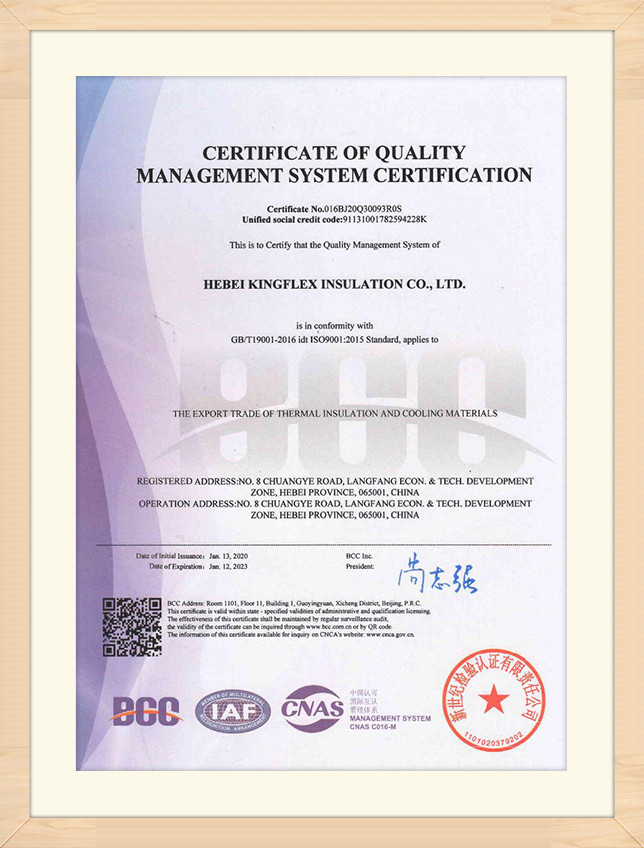
Our product catalogs are backed by major global certification bodies. These performance benchmarks satisfy international safety, building code, and environmental protocols:
Class 1 surface spread of flame resistance rating.
V-0 fire retardancy and standard low thermal conductivity testing.
Total absence of heavy metals, polybrominated biphenyls, or hazardous VOCs.
Full regulatory compliance for mechanical services in EEA territories.
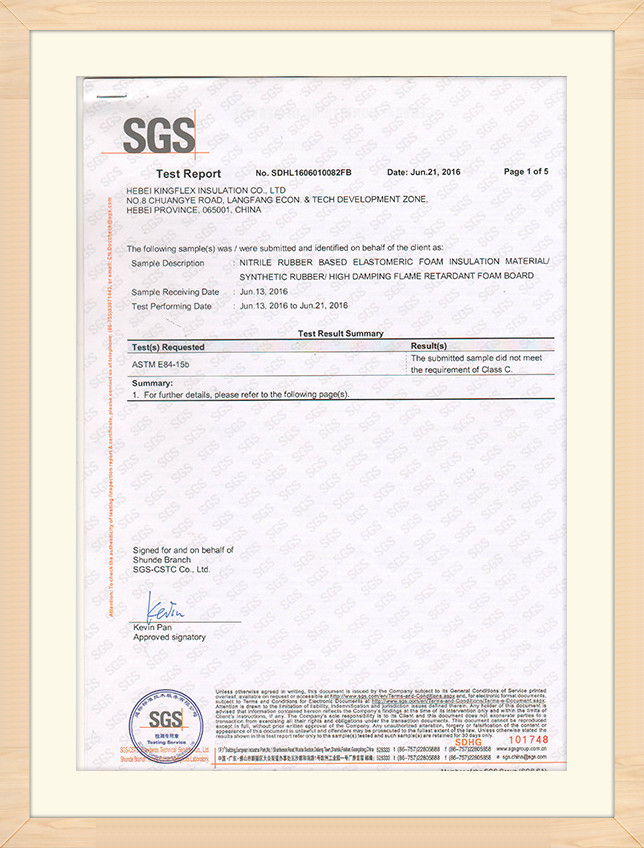
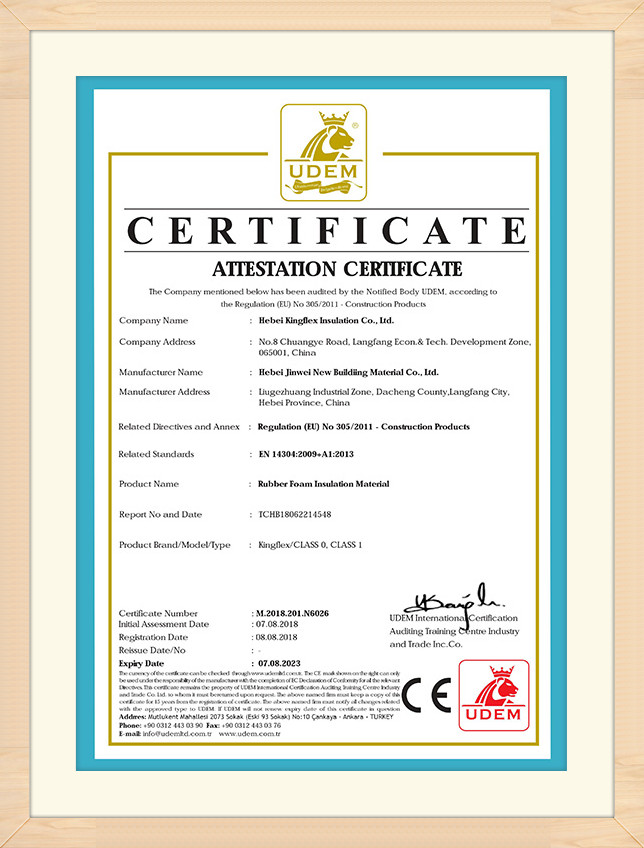
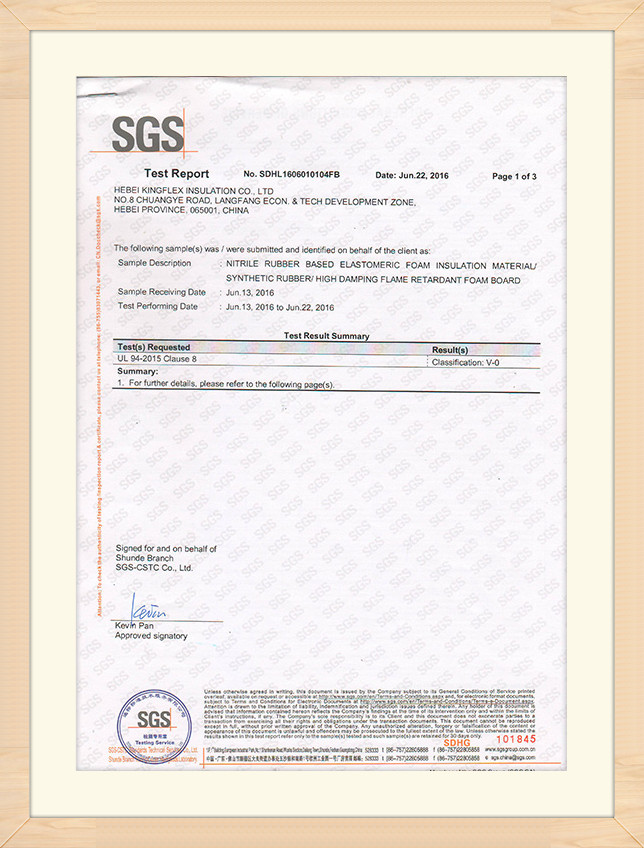
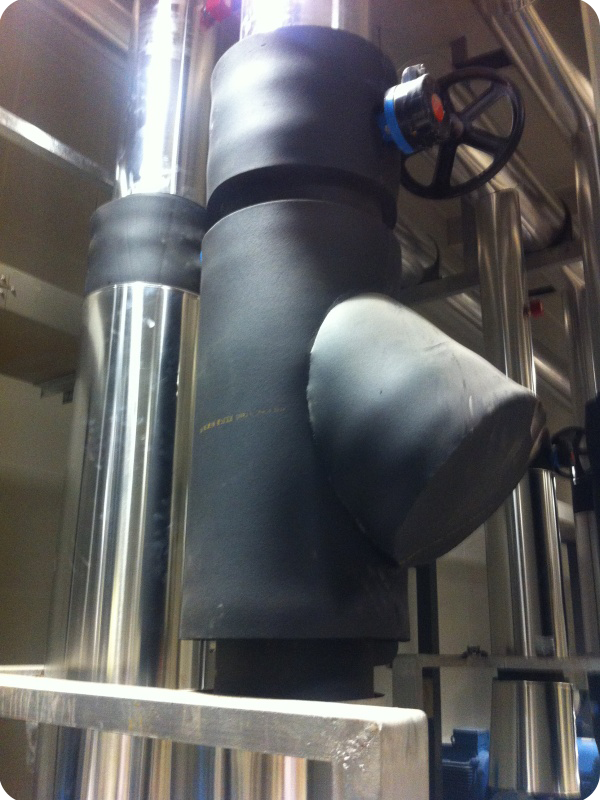
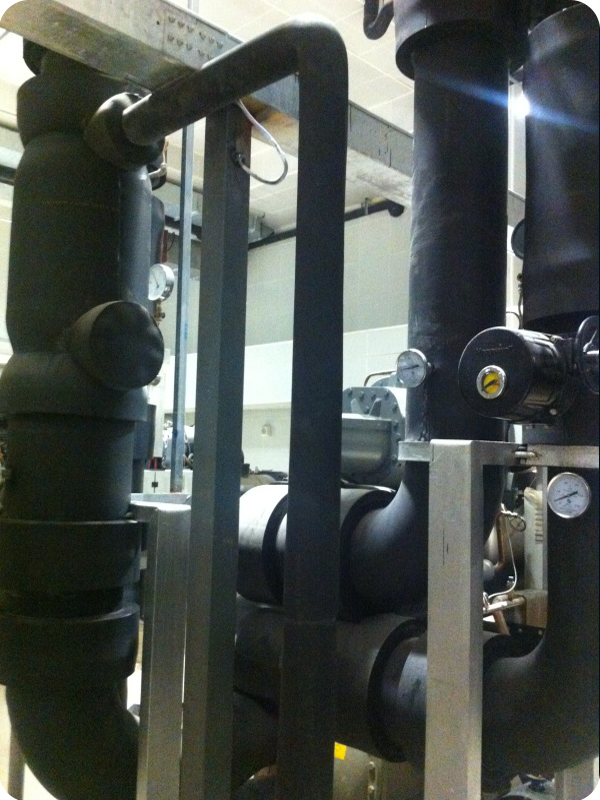
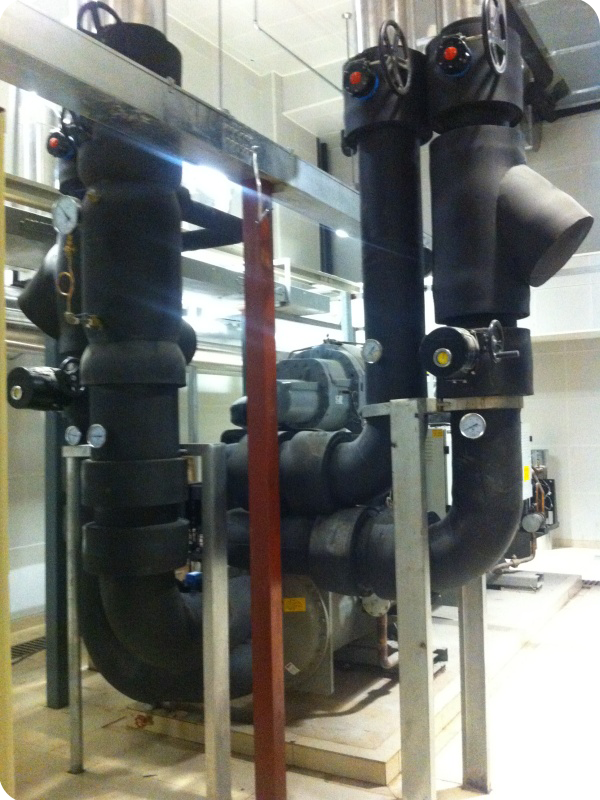
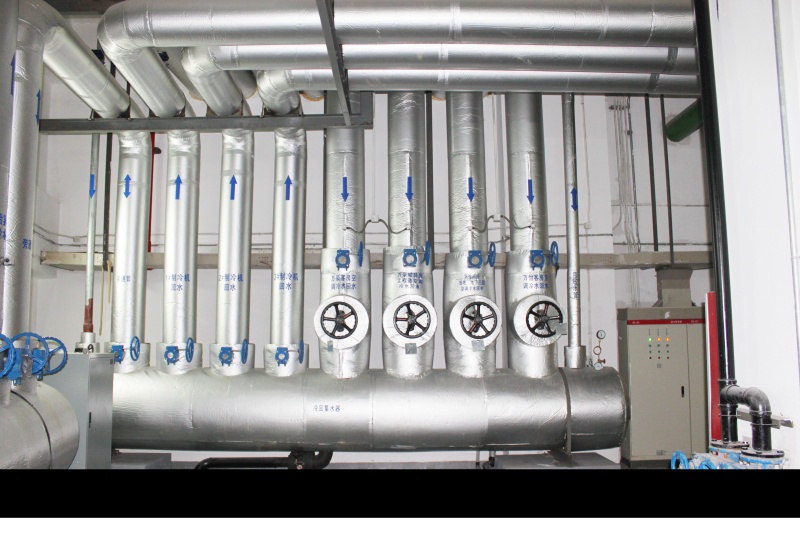
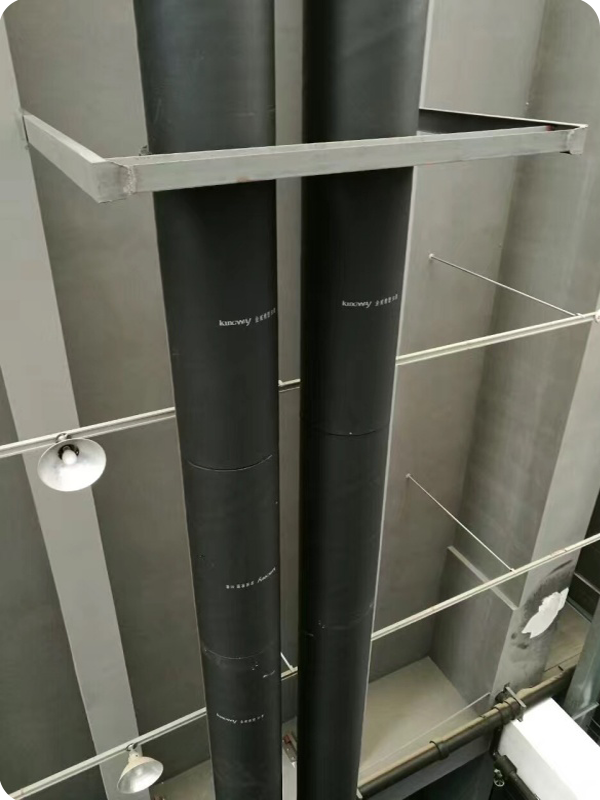
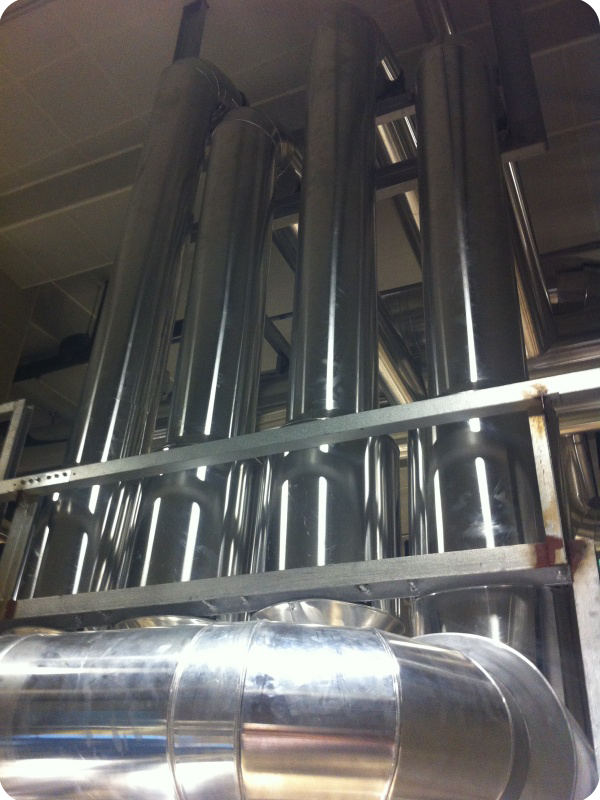
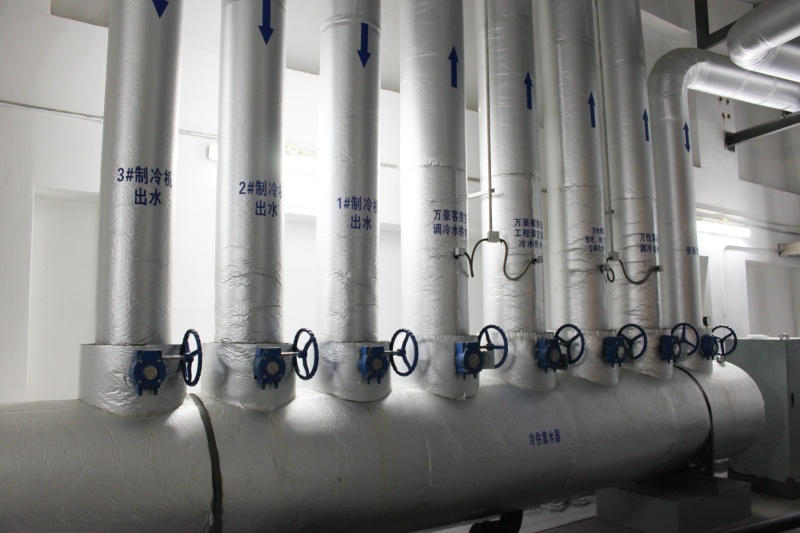
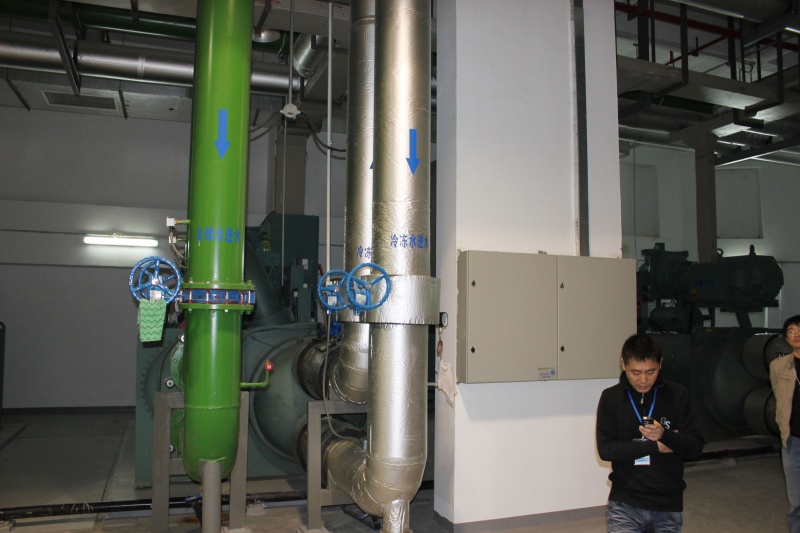
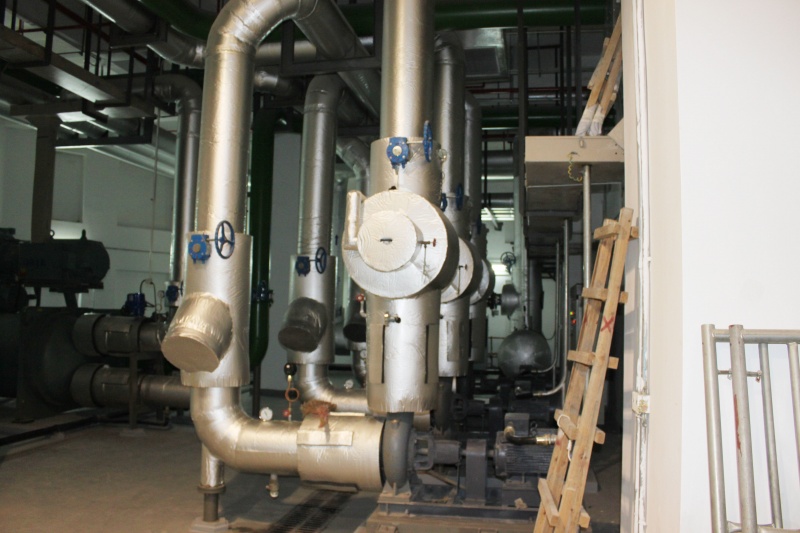
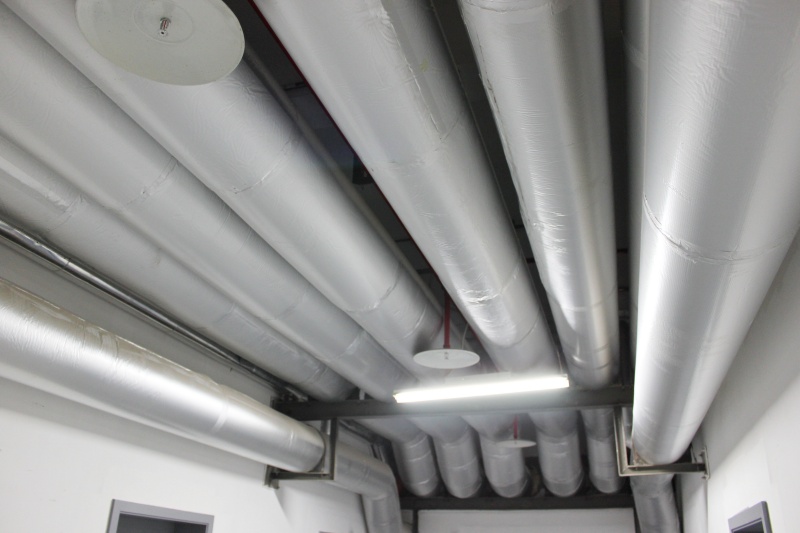
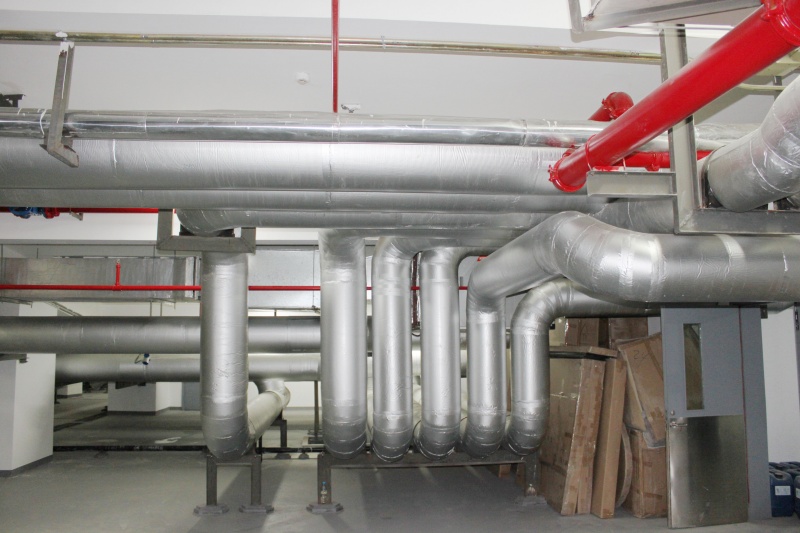
Below are project sites where Kingflex industrial insulation systems were deployed, demonstrating high resistance to condensation, thermal leakage, and weathering.
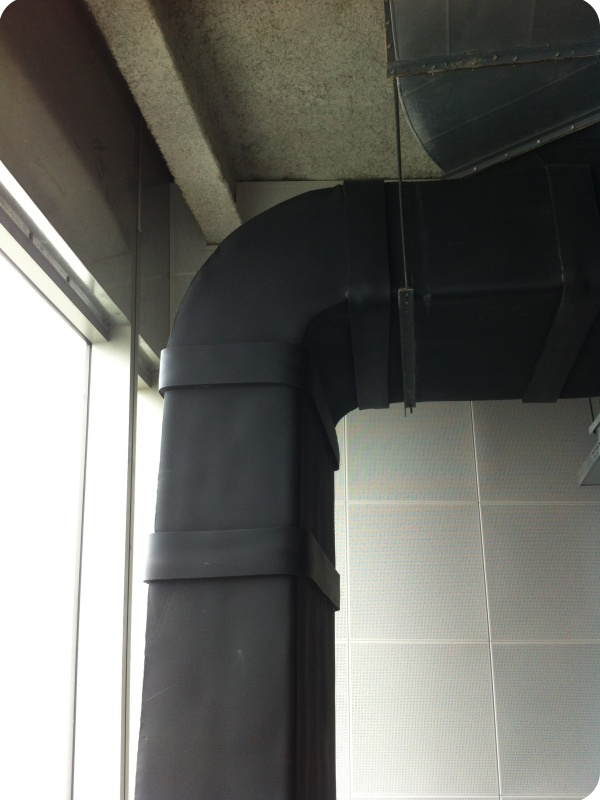


Access answers to the most common engineering and procurement questions regarding closed-cell rubber foam and ultra-low temperature applications.
Elastomeric rubber foam is preferred for high-condensation and cold utility pipelines. It is deployed in HVAC ductwork, commercial air conditioning pipes, green building envelope insulation, sound attenuation panels, and cold preservation pipelines in industrial plants. The closed-cell structure blocks ambient moisture from reaching cold pipe surfaces, preventing ice buildup and structural corrosion.
Yes, Kingflex rubber foam insulation features built-in flame retardants. Our products achieve BS 476 Part 7 Class 1 certifications and satisfy ASTM and UL94 class V-0 criteria. It is self-extinguishing when exposed to open flame and produces low smoke toxicity, meeting international building code regulations for commercial and residential applications.
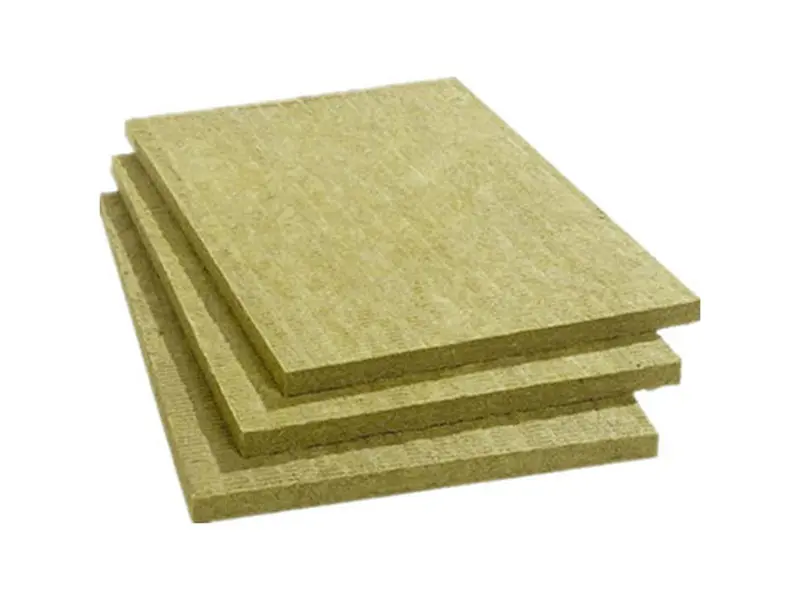
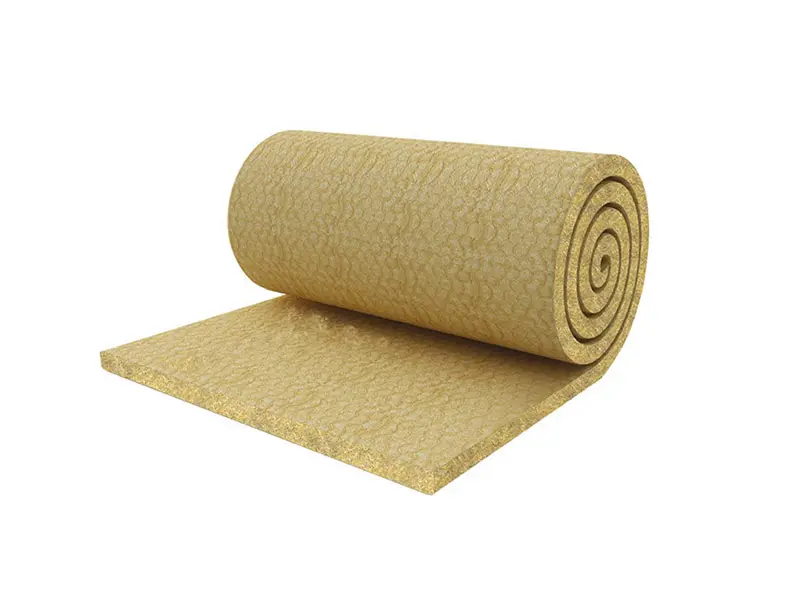
Rubber foam is flexible, hydrophobic, and has a closed-cell structures that naturally blocks moisture. This makes it ideal for cold systems like chilled water lines, refrigeration systems, and HVAC ducts. Rock wool, while highly fire-resistant and suitable for high-temperature steam lines (up to 650°C), has an open-fiber structure that easily absorbs water vapor. Consequently, rock wool requires secondary vapor jackets when deployed in cold systems to prevent condensation and CUI.
Yes. We offer full OEM customization to meet specific project guidelines. Customers can specify thickness (6mm to 50mm), pipe inner diameter (6mm to 114mm), custom outer coatings (such as aluminum foil or tough protective jackets), and pre-applied adhesive backings to simplify installation.
Our manufacturing facility and products comply with ISO 9001 quality management, CE, REACH, RoHS, UL94, and ASTM. This guarantees that our sheets and pipes are free from asbestos, CFCs, and harmful VOCs, ensuring compliance with global environmental guidelines.
Yes. Every production batch is logged from raw polymer compounding to packaging. Individual shipments carry unique batch numbers linked to quality control checklists. This detailed traceability ensures consistent performance across large commercial orders.
Our standard production capabilities range from 6mm to 50mm in sheet thickness. For specialized ultra-low temperature applications requiring double-layer setups, custom thicknesses can be manufactured to match specific thermodynamic calculations.
Under normal operating conditions and standard installation, our NBR/PVC closed-cell insulation maintains its performance for 10 to 15 years. Outdoor applications require protective UV coatings or metallic cladding to shield the elastomer from solar degradation and mechanical wear.








 Kingflex