Engineered elastomeric, rock wool, and performance foam insulation solutions for global commercial and industrial applications.
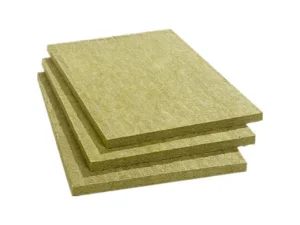
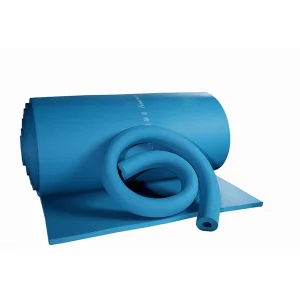
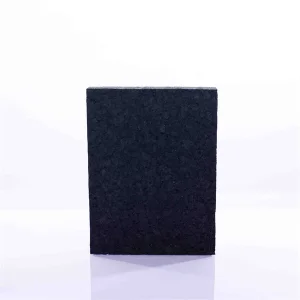
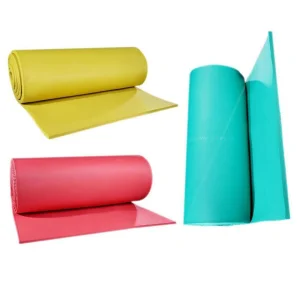
Modern industrial operations, heavy commercial facilities, and complex HVAC system infrastructures face unprecedented thermal management challenges. The demand for highly efficient thermal envelope solutions, such as fiberglass shell insulation and advanced closed-cell systems, is surging globally. Driven by stringent international energy conservation frameworks, thermal barriers are no longer mere utility options—they are critical elements for process stability, emission mitigation, and structural lifespan integrity.
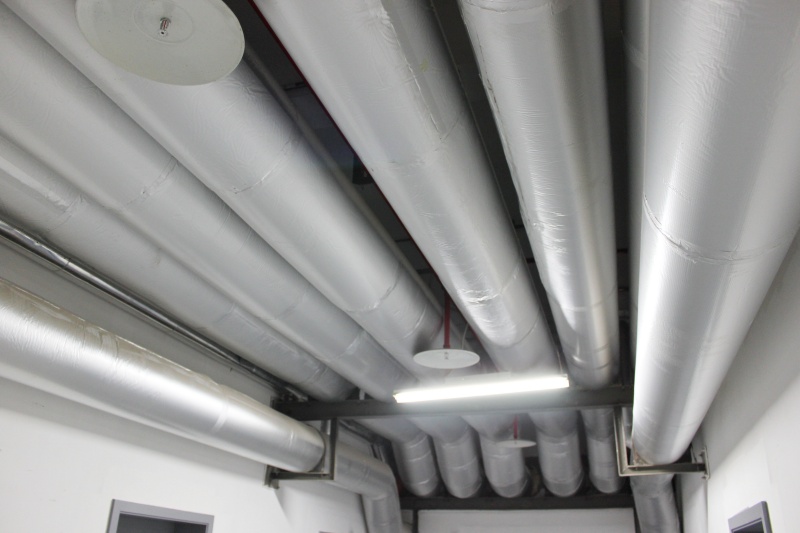
Fiberglass shell pipe insulation stands out as a foundational pillar in this sector, particularly for high-temperature and commercial distribution loops. The rigid structure of pre-formed sections ensures consistent wall thickness and thermal resistance along the entire pipe run. This system prevents sagging and mechanical deformation, which are common failure modes in softer blanket alternatives.
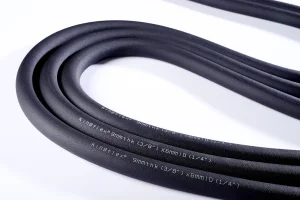
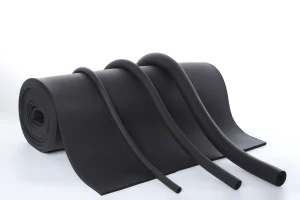
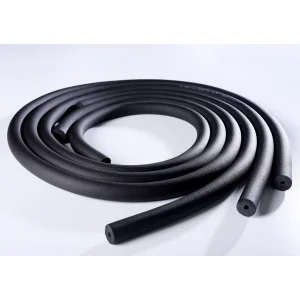
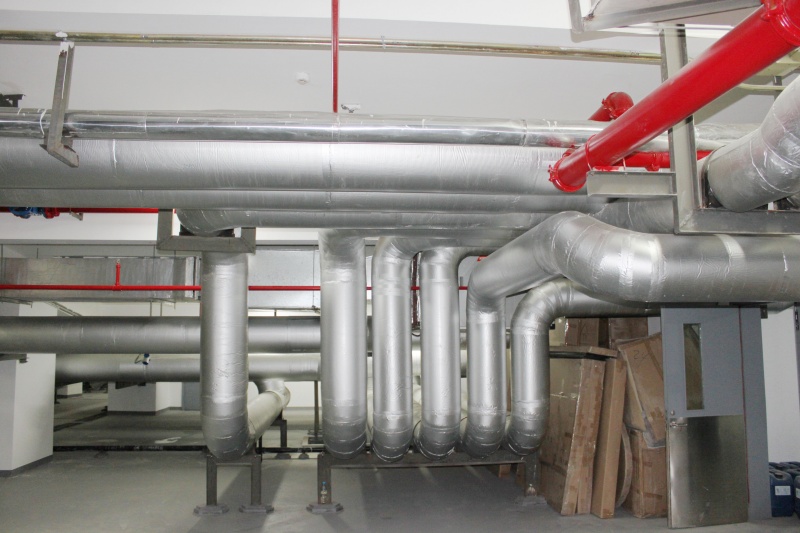
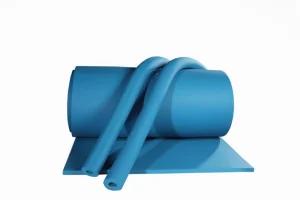
At the same time, specialized elastomeric rubber foam solutions cover the lower and cryogenic ends of the temperature spectrum. They prevent condensation, mitigate the risk of corrosion under insulation (CUI), and provide outstanding sound dampening. These properties make them highly suitable for modern HVAC infrastructures, mechanical rooms, and process cooling loops.
A comparative overview mapping physical performance metrics of rigid fiberglass, rock wool, and elastomeric closed-cell insulation materials.
| Performance Metric | Fiberglass Rigid Shells | Closed-Cell Rubber Foam | Industrial Rock Wool |
|---|---|---|---|
| Service Temp. Range | 0°F to 850°F (-18°C to 454°C) | -40°F to 220°F (-40°C to 105°C) | Up to 1200°F (Up to 650°C) |
| Thermal Conductivity (λ) | Low (0.23 - 0.28 BTU·in/hr·ft²·°F) | Very Low (0.034 - 0.038 W/m·K) | Low-Medium (0.035 - 0.045 W/m·K) |
| Water Vapor Resistance | Requires Vapor Barrier Jacket (ASJ/FSK) | Excellent (μ ≥ 10,000 built-in barrier) | Low, requires comprehensive cladding |
| Fire Safety Rating | Class A / Class 0 (BS 476) | Class 1 / Class 0 Self-extinguishing | Non-combustible (Euroclass A1) |
| Structural Rigidity | High structural strength, compressive | Flexible, compressible | High density, rigid |
| Primary Applications | Hot water/steam pipes, commercial HVAC | Chilled lines, cryogenic systems, acoustic | High-temp industrial process lines |
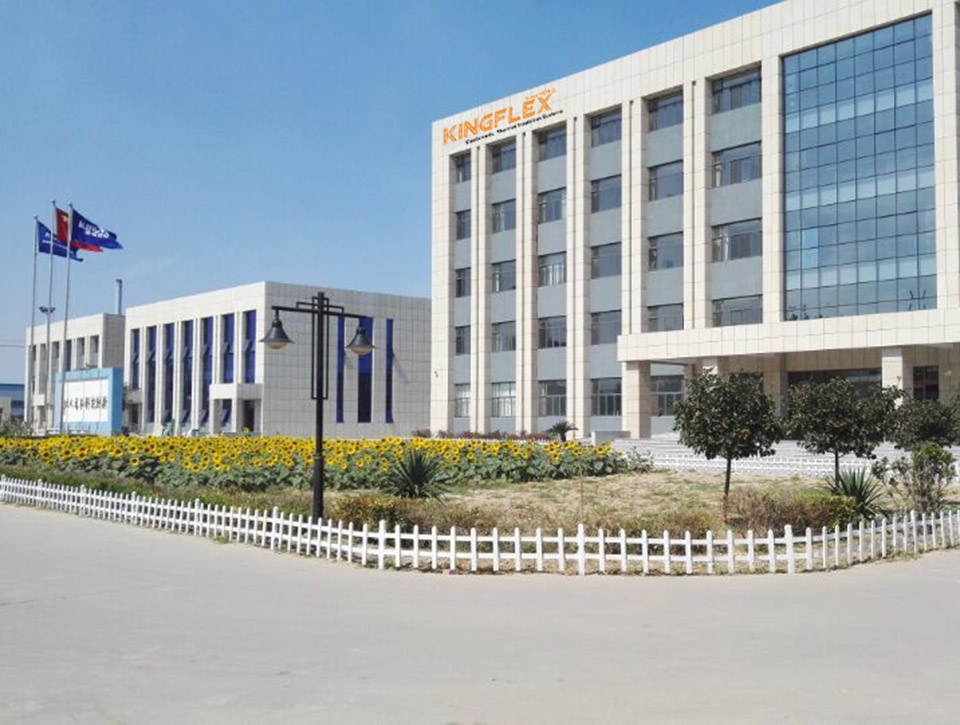
The structural, financial, and logistical advantages of Kingflex's massive manufacturing cluster in the green building capital of China.
Operating 5 state-of-the-art automatic extrusion and curing assembly lines, Kingflex produces over 600,000 cubic meters of high-grade thermal insulation annually. This massive capacity ensures that large-scale global orders are fulfilled rapidly, mitigating lead-time risks for complex EPC (Engineering, Procurement, and Construction) programs.
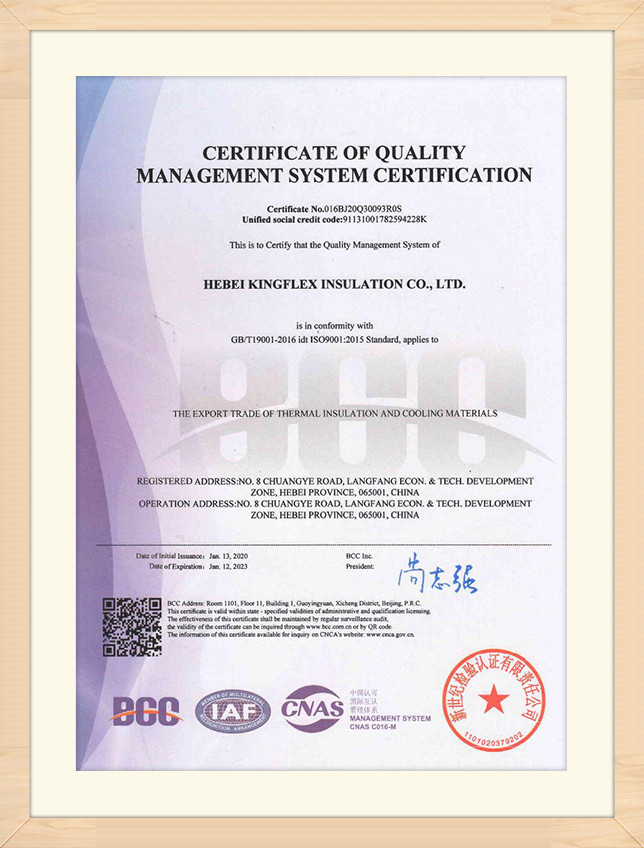
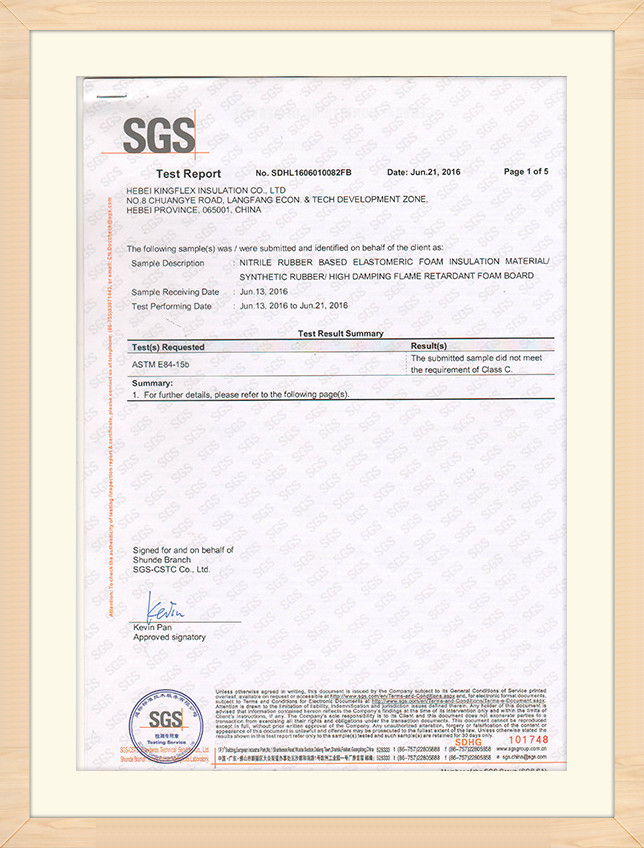
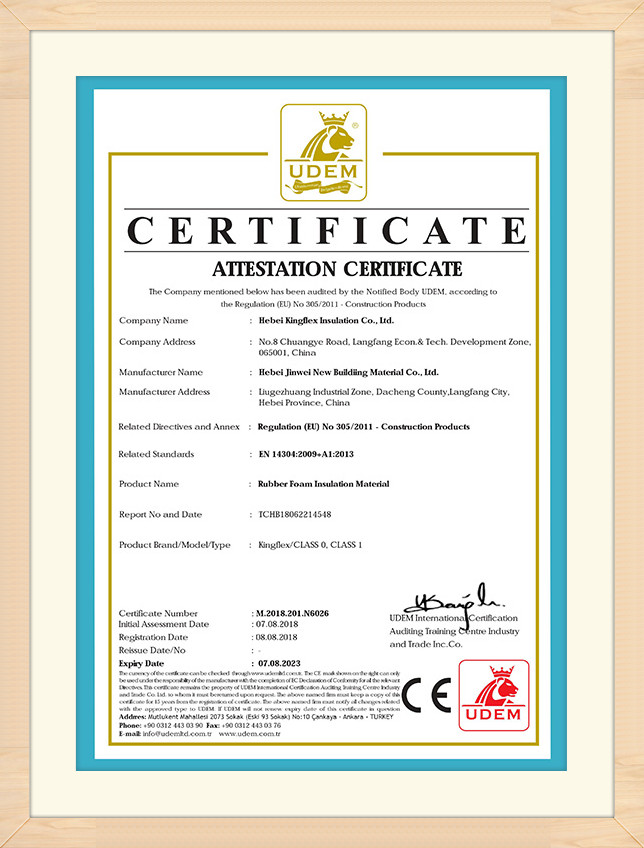
Our thermal systems carry international certifications, including BS 476, CE, REACH, ROHS, UL94, and ASTM. Officially designated by the Chinese Ministry of Energy, Ministry of Electric Power, and Ministry of Chemical Industry, our products deliver consistent, certified quality.
With active raw material tracking and manufacturing batch validation, Kingflex products are fully traceable. This systematic approach guarantees quality control across every run, providing peace of mind for critical infrastructure projects.
How our thermal insulation systems perform in harsh conditions across diverse geographic regions.
In region-wide district cooling schemes, such as those in East Asia and the Middle East, massive chilled-water loops require vapor-tight insulation. The high relative humidity in these environments often leads to condensation on pipe surfaces. Using closed-cell rubber foam prevents surface sweating and prevents moisture from compromising the insulation value.
In oil refineries, heavy chemical processing plants, and district heating loops, process fluids must be kept at elevated temperatures. Rigid fiberglass and rock wool shells withstand temperatures up to 850°F and 1200°F respectively. This high performance minimizes radiant heat loss and ensures personnel safety by lowering outer pipe surface temperatures.
Operating under extreme low temperatures down to -200°C, cryogenic networks demand specialised elastomeric cryogenic systems. Standard materials crystallize and fail at these extremes. Kingflex flexible cryogenic foam is specially formulated to retain its structural resilience and prevent vapor ingress under deep-freeze conditions.
Explore the exact engineering dimensions and physical capabilities of Kingflex insulation solutions.

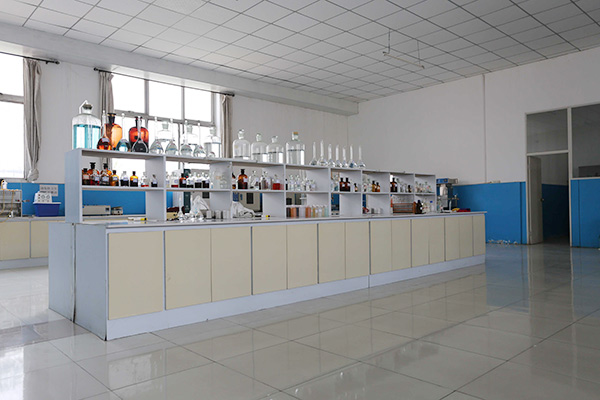
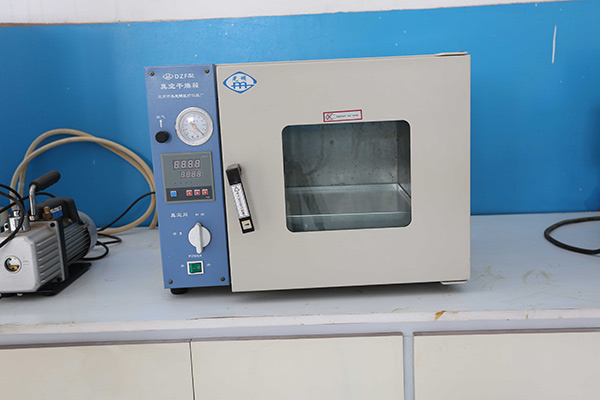
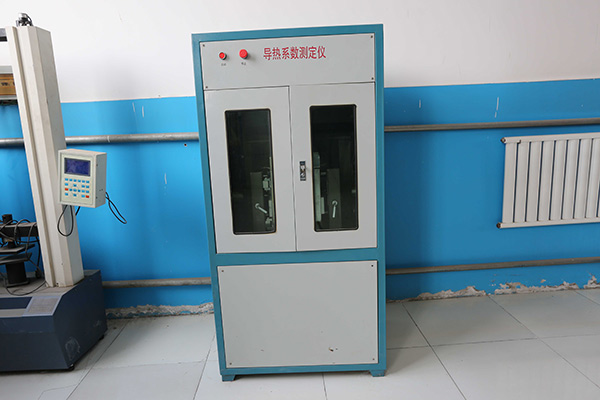
Kingflex Insulation Co., Ltd. is a leading manufacturer and trader specializing in thermal insulation products. Our R&D and production departments are located in Dacheng, China—a renowned hub for eco-friendly building materials. At Kingflex, we focus on energy conservation and emission reduction, integrating research, manufacturing, and distribution to deliver high-performance insulation systems.
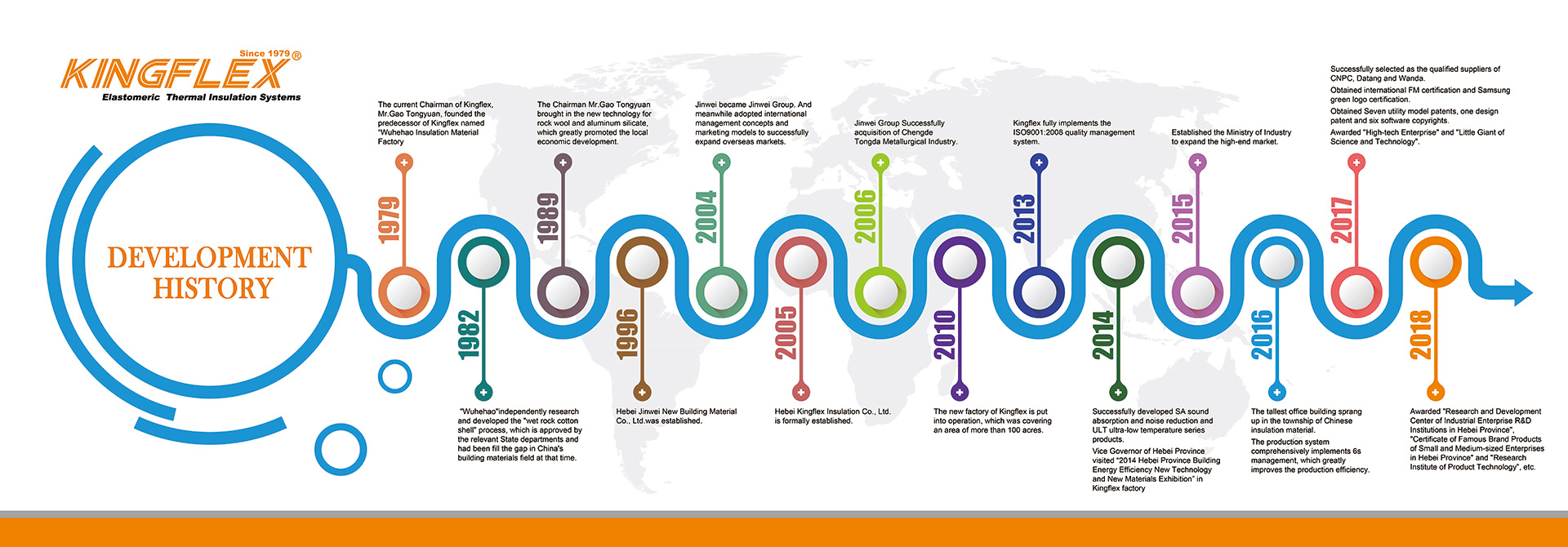
We provide end-to-end insulation support, offering site consulting, customized product design, installation guidance, and dedicated after-sales service. Our history traces back to 1979, when we were established by the Jinwei Group (now also known as the Kingway Group). We were the first thermal insulation manufacturer to operate north of the Yangtze River, paving the way for advanced energy-saving materials in the region.
Our skilled team is central to this mission. While each employee brings unique strengths, it is our shared focus that allows us to deliver consistent quality and service. The Kingflex team includes 8 professional R&D engineers, 6 experienced international sales coordinators, and 230 production workers.
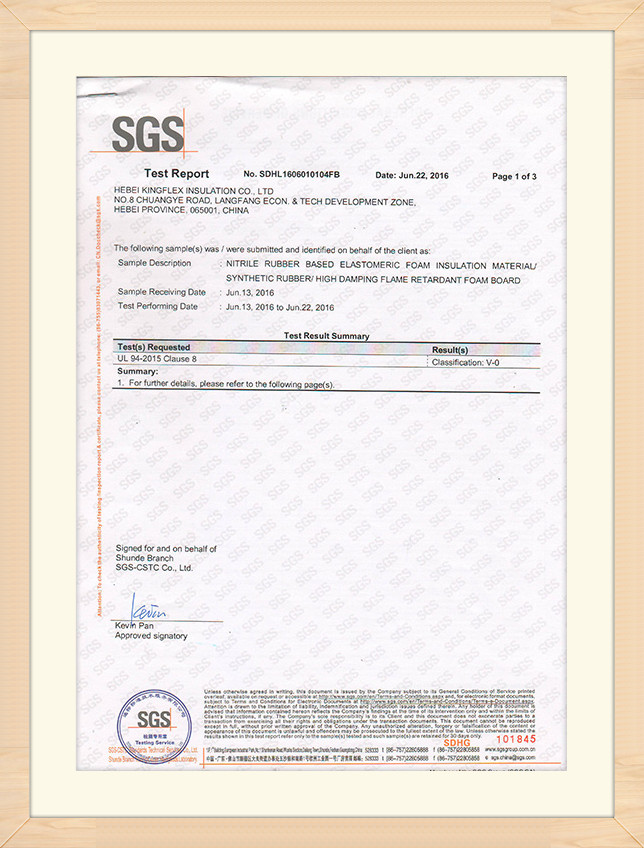
Kingflex insulation materials are trusted in commercial centers, manufacturing facilities, and heavy industrial plants globally.
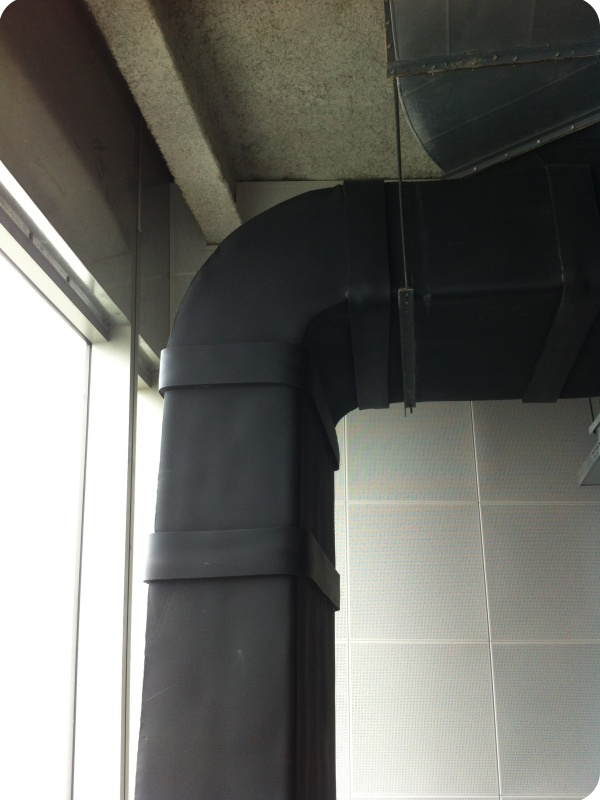

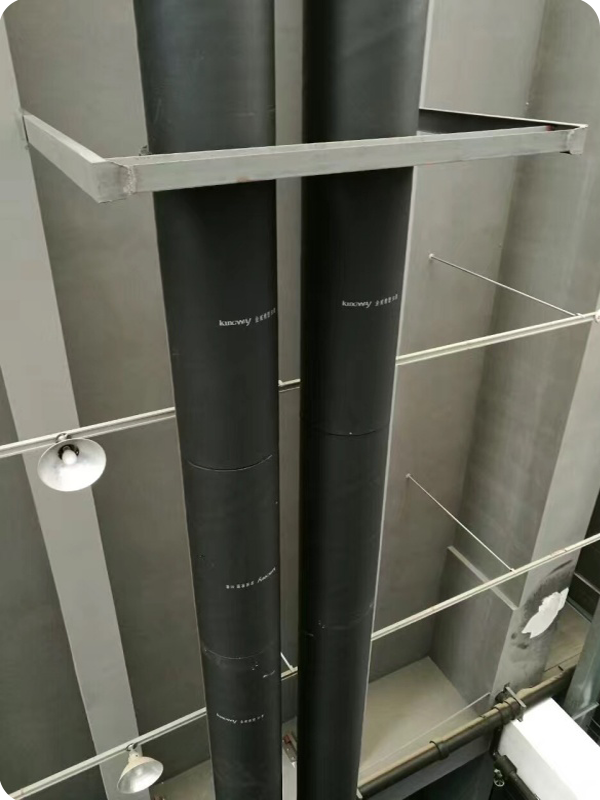
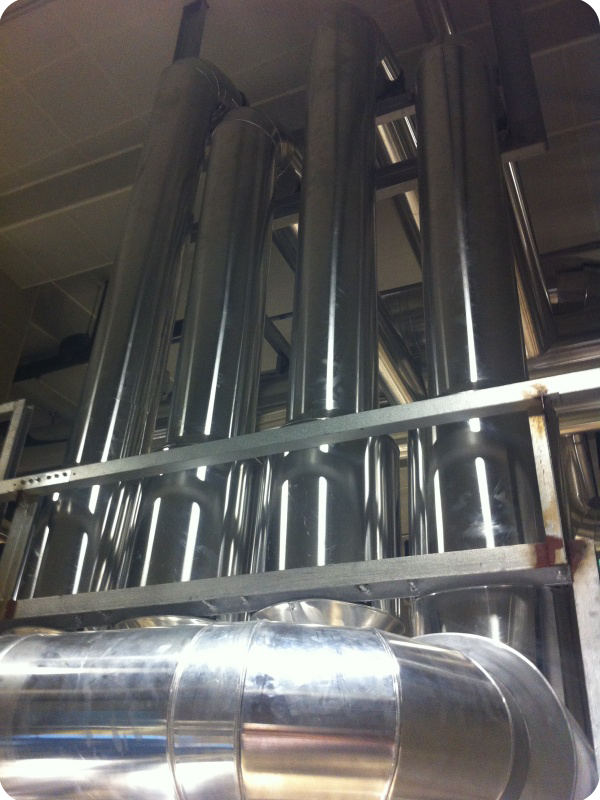
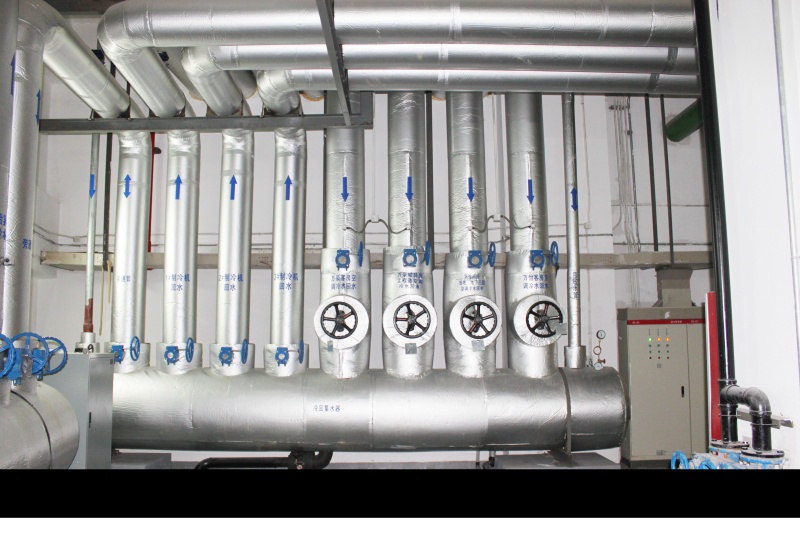
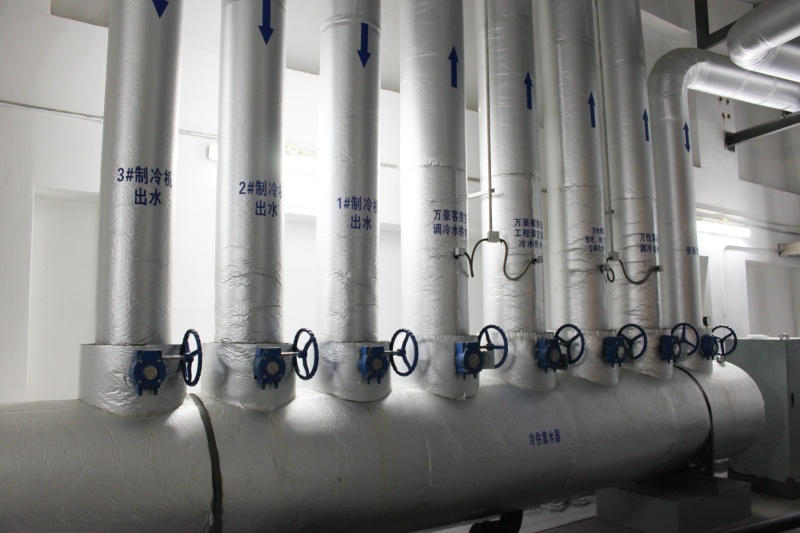
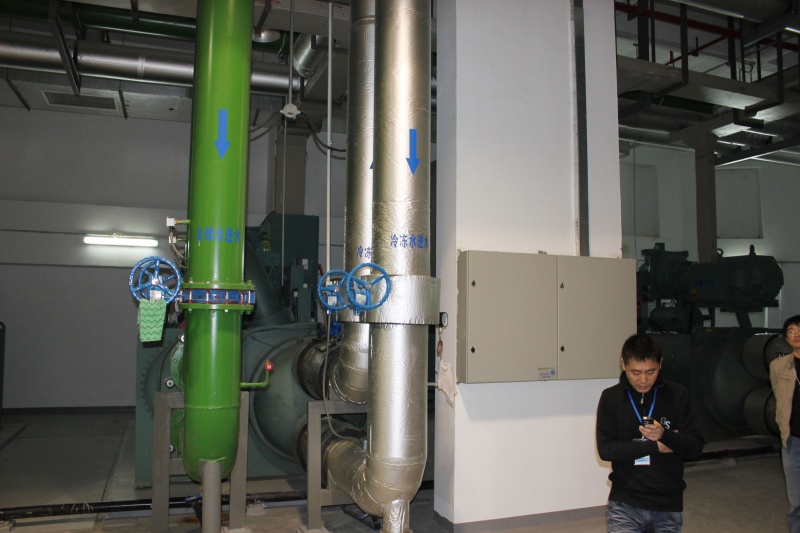
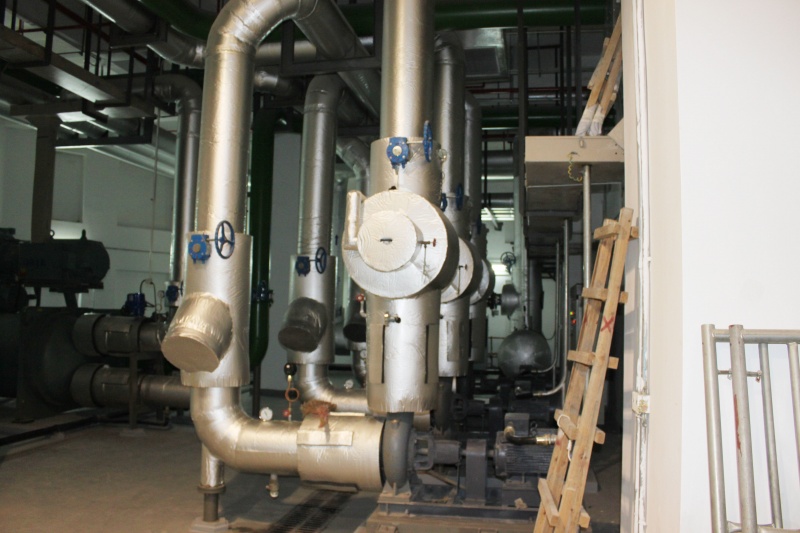


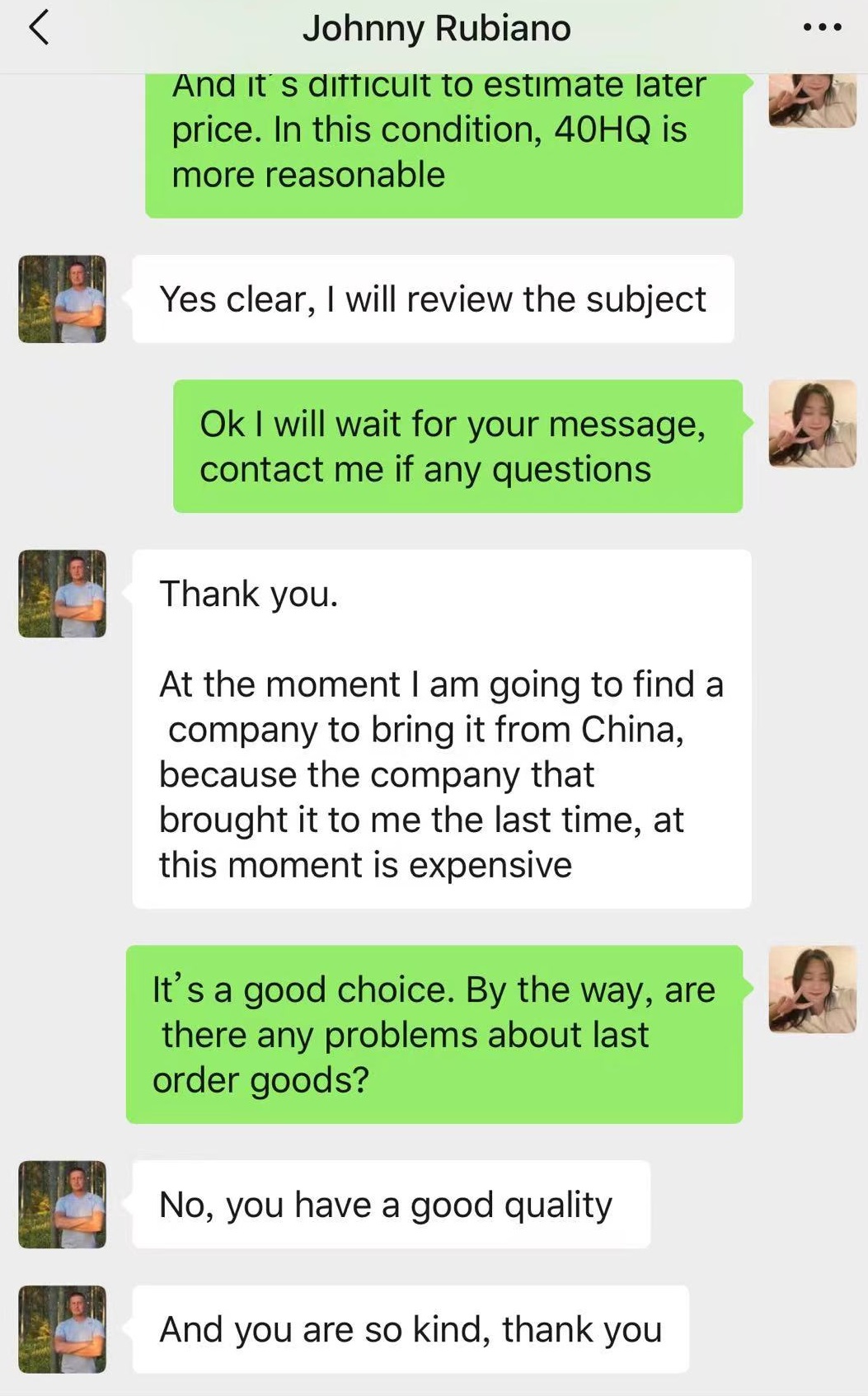
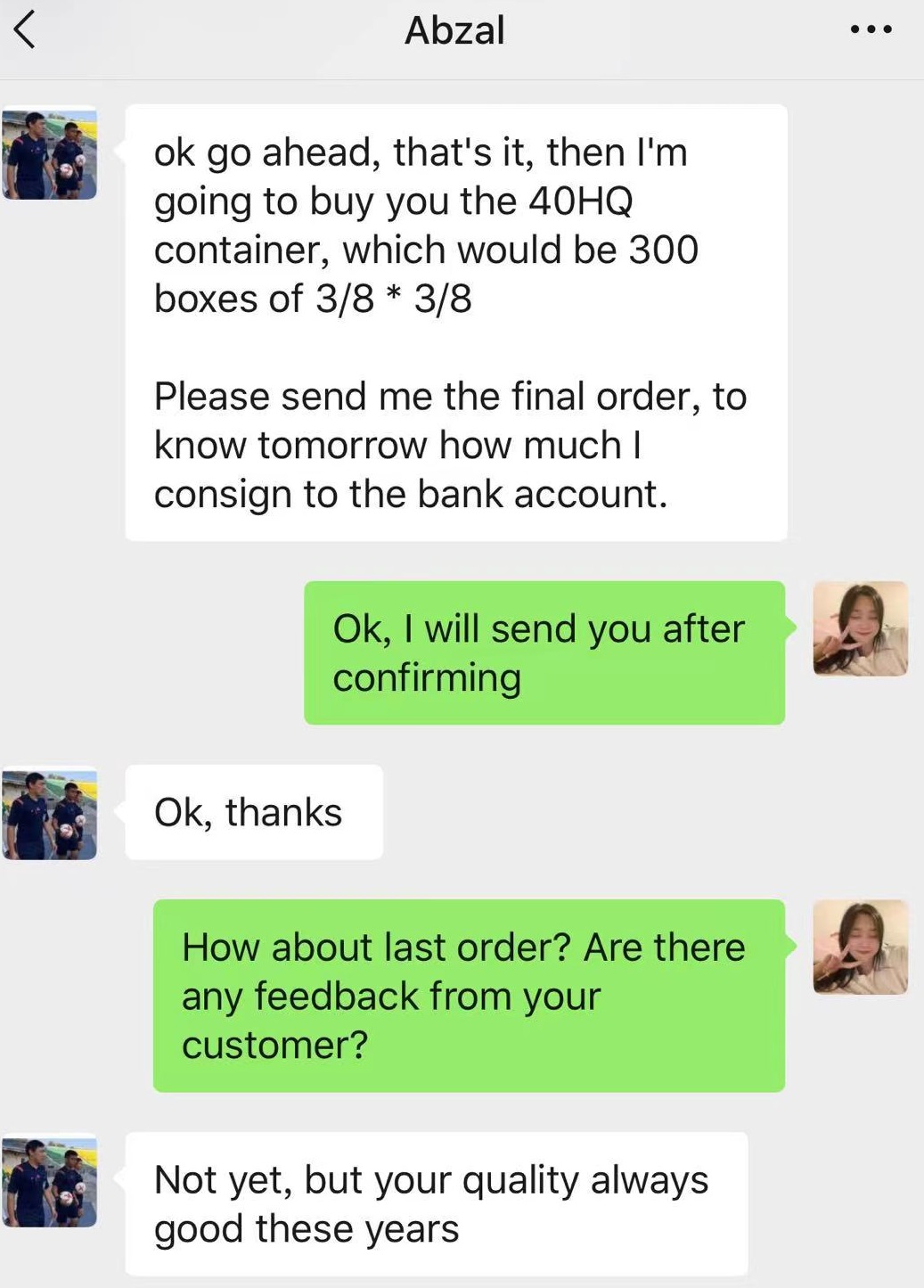
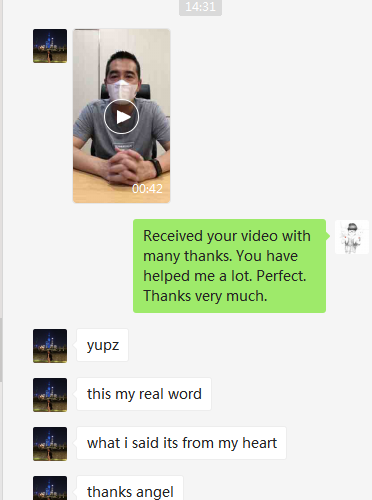
Direct feedback from our distribution network, confirming our commitment to reliability and quality control.


Key design developments and regulatory changes shaping the thermal insulation landscape over the next decade.
Global environmental frameworks are driving manufacturers to replace traditional binders with bio-derived alternatives. This shift significantly reduces volatile organic compound (VOC) emissions during hot commissioning phases.
Integrating smart sensors within insulated pipe systems allows operators to monitor humidity and temperature levels in real-time. This tech-driven approach detects leaks and prevents corrosion under insulation (CUI) before structural damage occurs.
To reduce on-site labor and ensure installation quality, manufacturers are increasingly producing pre-clad insulation shells. These units combine the thermal core, protective vapor barrier, and outer cladding into a single piece.
Expert answers to common engineering, logistics, and material selection questions.
It is mainly used for HVAC ducts, air conditioning pipes, building thermal insulation, and industrial pipeline cold/sound insulation. Its closed-cell structure is highly effective at preventing condensation on cold lines.
Yes, our rubber foam insulation products are fire retardant, meeting BS 476 (Class 0 and Class 1), UL94, and other international building safety and fire standards.
Rubber foam is flexible, closed-cell, and highly moisture-proof, making it ideal for HVAC and cold-service systems. Rock wool is a rigid, non-combustible material that withstands very high temperatures, making it suitable for industrial steam pipelines.
Yes, we offer comprehensive OEM and ODM services. We customize dimensions, inner diameters, jacket materials (such as foil coverings), and packaging to meet specific project needs.
Our products are fully compliant with global standards, carrying certifications including BS 476, CE, REACH, ROHS, UL94, and ASTM.
Yes, we maintain traceability records from raw material sourcing through production to dispatch, ensuring consistent quality control.
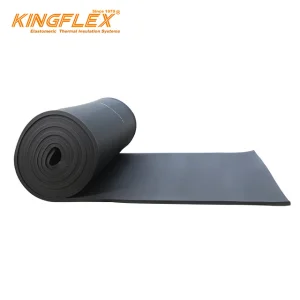
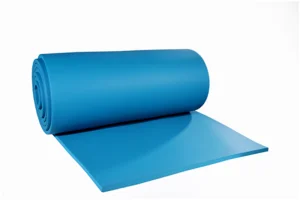
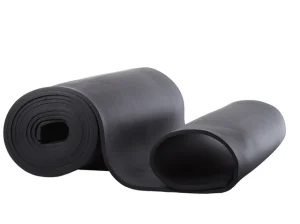
We produce rubber foam sheet rolls in thicknesses ranging from 6mm up to 50mm to suit various thermal requirements.
When installed and maintained correctly in recommended environments, our materials have an expected service life of 10 to 15 years.
The rigid, pre-formed sections fit closely around the pipe, and their interlocking joints minimize gaps. Using an outer vapor barrier jacket further seals these joints, preventing local thermal bridging.
Standard production lead times range from 7 to 15 days, depending on order volume. Thanks to our location near major ports, we can quickly arrange efficient ocean transport globally.
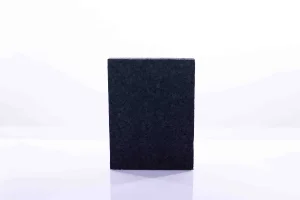
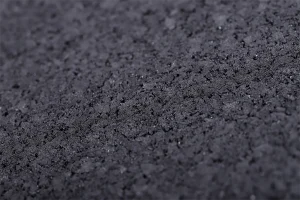
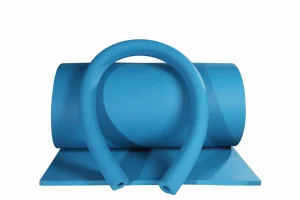
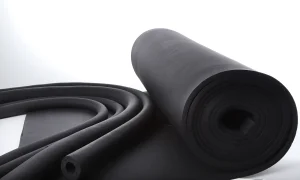
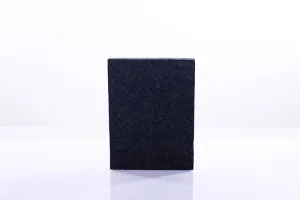
Discover our specialized line of soundproofing, hot-water pipeline protection, and extreme cryogenic insulation rolls.
 Kingflex