Engineered high-performance elastomeric and fiber-glass products for industrial, HVAC, and building systems.
Analyzing global market needs for highly efficient, fire-rated, and moisture-controlled thermal insulation.
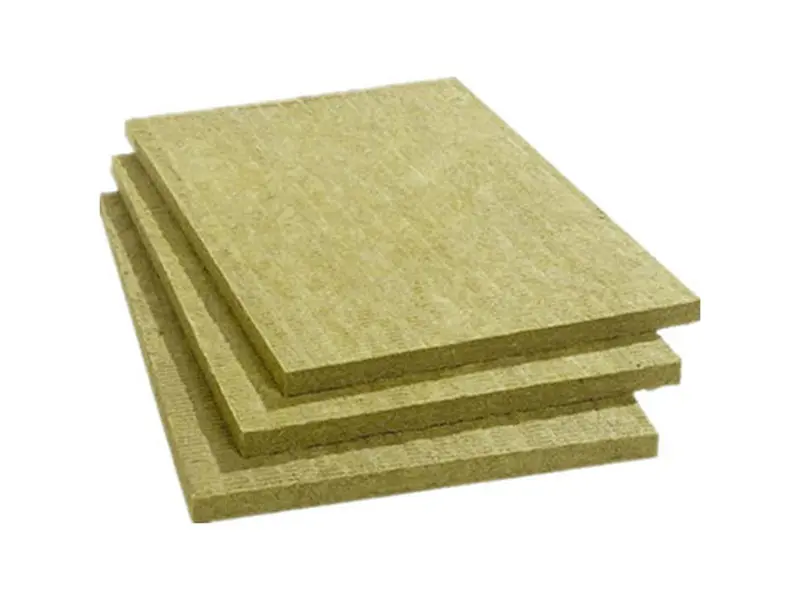
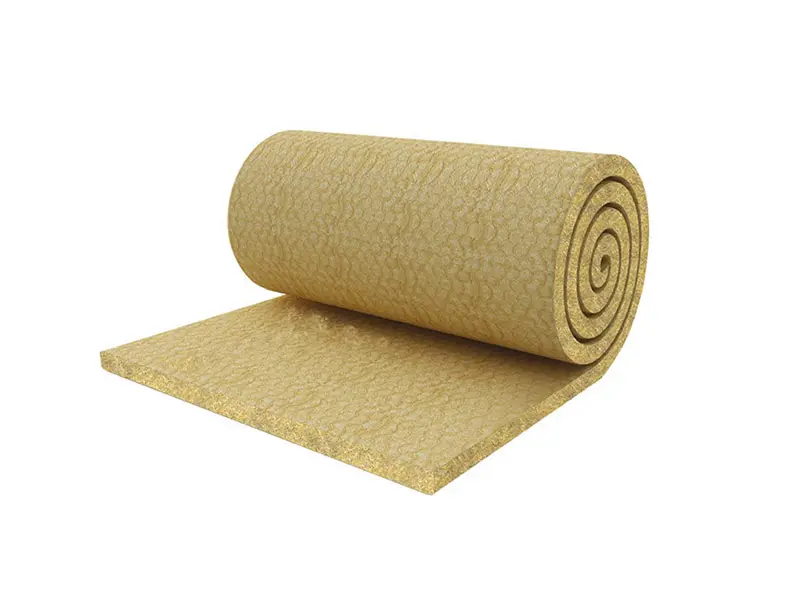
As the global construction sector marches toward carbon neutrality, the design of thermal envelopes has shifted from a secondary consideration to a primary engineering directive. Glass Wool Insulation Blanket with FSK (Foil-Scrim-Kraft) facing represents a cornerstone technology in achieving low-carbon building operation. By combining the natural thermal resistance of glass silica fibers with a high-tensile, low-permeability vapor barrier, manufacturers can deliver solutions that control heat transfer, sound propagation, and moisture infiltration simultaneously.
Globally, commercial and industrial facility managers face challenging climatic variations. In high-humidity areas, bare insulation fails due to condensation and interstitial moisture retention. FSK-jacketed glass wool overcomes this vulnerability. The laminated outer surface provides a vapor-tight shield that prevents mold development and structural corrosion, making it the preferred choice for massive commercial complexes, district cooling network rooms, and high-velocity HVAC ducts.
Understanding the physics of silica glass microfibers laminated with Foil-Scrim-Kraft vapor barrier.
Glass wool insulation consists of long, inorganic glass fibers bonded together with a thermosetting resin. The glass fibers trap millions of microscopic pockets of air, resulting in a low density and low thermal conductivity matrix. The introduction of the FSK facing changes this matrix from a simple thermal resistor into a robust, comprehensive containment envelope.
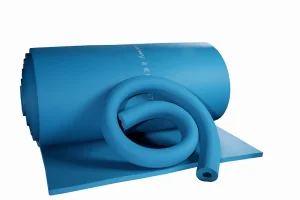
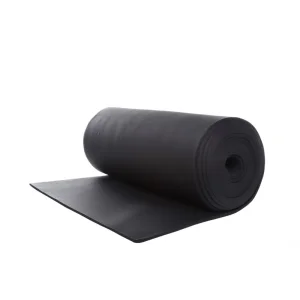
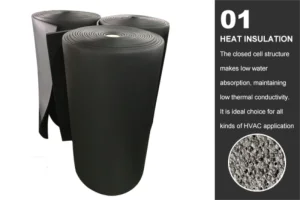
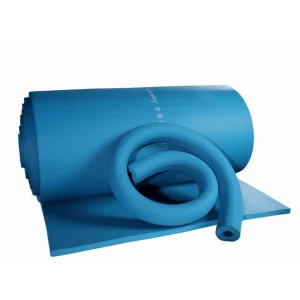
Comparing these values to closed-cell elastomeric rubber foam reveals distinct niches. While rubber foam (e.g., Kingflex NBR/PVC sheets) excels in low-temperature cold-line applications due to its built-in moisture resistance, Glass Wool with FSK is highly cost-effective and performs exceptionally well in large-scale air ducts, steel structures, and ceiling insulation systems where high heat loads and fire safety are major requirements.
| Performance Parameter | Glass Wool with FSK Value | Elastomeric NBR/PVC Value | Test Standard Reference |
|---|---|---|---|
| Thermal Conductivity (at 24°C) | 0.033 to 0.038 W/m·K | 0.032 to 0.035 W/m·K | ASTM C518 / ASTM C177 |
| Service Temperature Range | -120°C to +400°C (Base fiber limit) | -40°C to +105°C | ASTM C411 / ASTM C533 |
| Fire Safety Rating | Class 0 (Non-combustible core) | Class 1 / Class V-0 | BS 476 Part 6 & 7 / UL 94 |
| Water Vapor Permeability | < 0.02 perms (Via FSK facing) | > 1.0 x 10¹⁰ g/(Pa·s·m) | ASTM E96 Procedure A |
| Acoustic Insertion Loss | Excellent (NRC up to 0.90) | Moderate (NRC 0.35 - 0.45) | ASTM C423 / ISO 354 |
From desert air duct cooling to high-latitude structural warmth, how FSK glass wool excels across climates.
In regions with high humidity like Southeast Asia or coastal Middle East, HVAC ducts carry chilled air through hot, humid service shafts. Without an FSK barrier, moisture from ambient air condenses on the cold insulation surface. Glass Wool wrapped with sealed FSK joints prevents ambient humidity from hitting the cold duct walls, stopping water damage and structural decay.
Industrial warehouses and manufacturing plants rely on metal roofs that absorb significant radiant heat. FSK-faced glass wool blankets suspended below the purlins block radiant heat transfer, keeping the building interior cooler and reducing energy usage for cooling. The reflective aluminum surface also acts as a bright interior ceiling finish, improving lighting efficiency.
Large spaces like transport hubs, hospitals, and schools require careful noise management. The sound-absorbing properties of glass wool make it an excellent choice for ceiling spaces and wall cavities. When faced with micro-perforated FSK, it blocks sound waves from traveling through walls and air ducts while keeping its vapor barrier performance intact.
Exploring eco-friendly binders, high-density fiber matrices, and the future of smart insulation systems.
The insulation industry is shifting toward materials with lower environmental impact and higher thermal performance. Kingflex is actively researching green chemistry to replace phenol-formaldehyde binders with plant-based starches. This change eliminates formaldehyde emissions, improving indoor air quality (IAQ) during installation and building use.
Our technical roadmap also focuses on thinner, high-performance vapor barriers. Traditional FSK foils can buckle or puncture if handled roughly. We are developing polymer-encapsulated aluminum foils that maintain low vapor permeance while offering high puncture resistance, helping to prevent moisture intrusion even during tough on-site handling.
Additionally, we are exploring the integration of phase-change materials (PCMs) within the fiberglass matrix. This enables the blanket to store and release thermal energy dynamically, helping to stabilize room temperatures in places with high day-night temperature swings.

How Kingflex Insulation leverages advanced manufacturing hubs to provide reliable global supply lines.
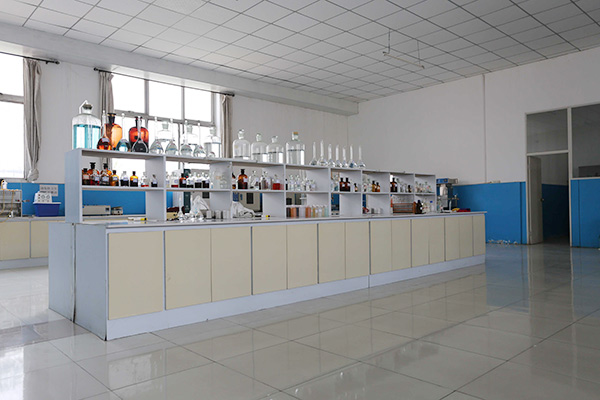
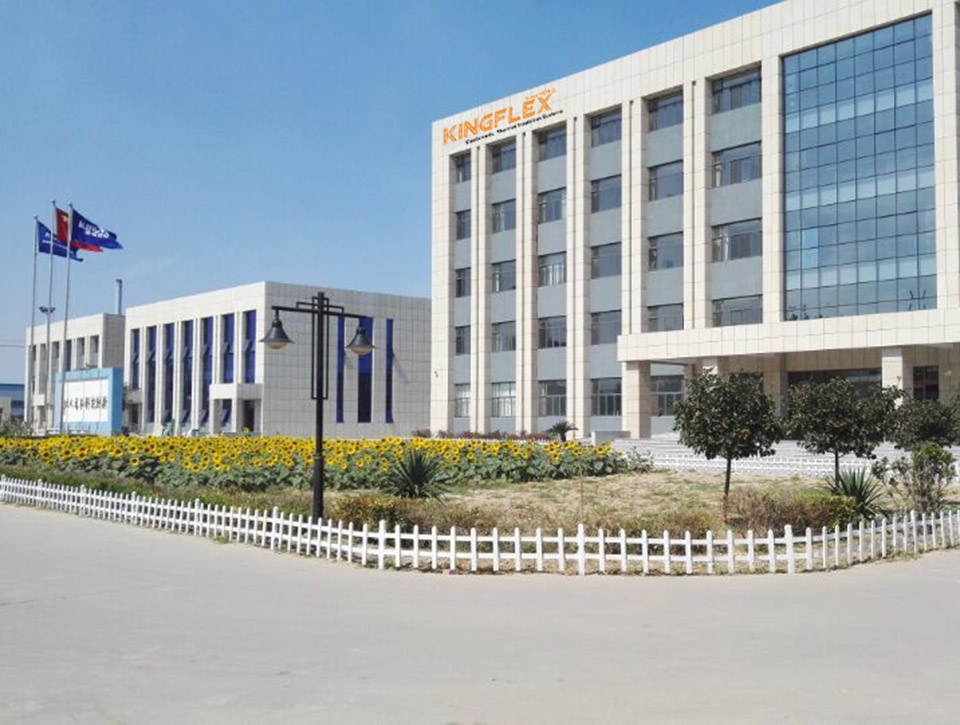
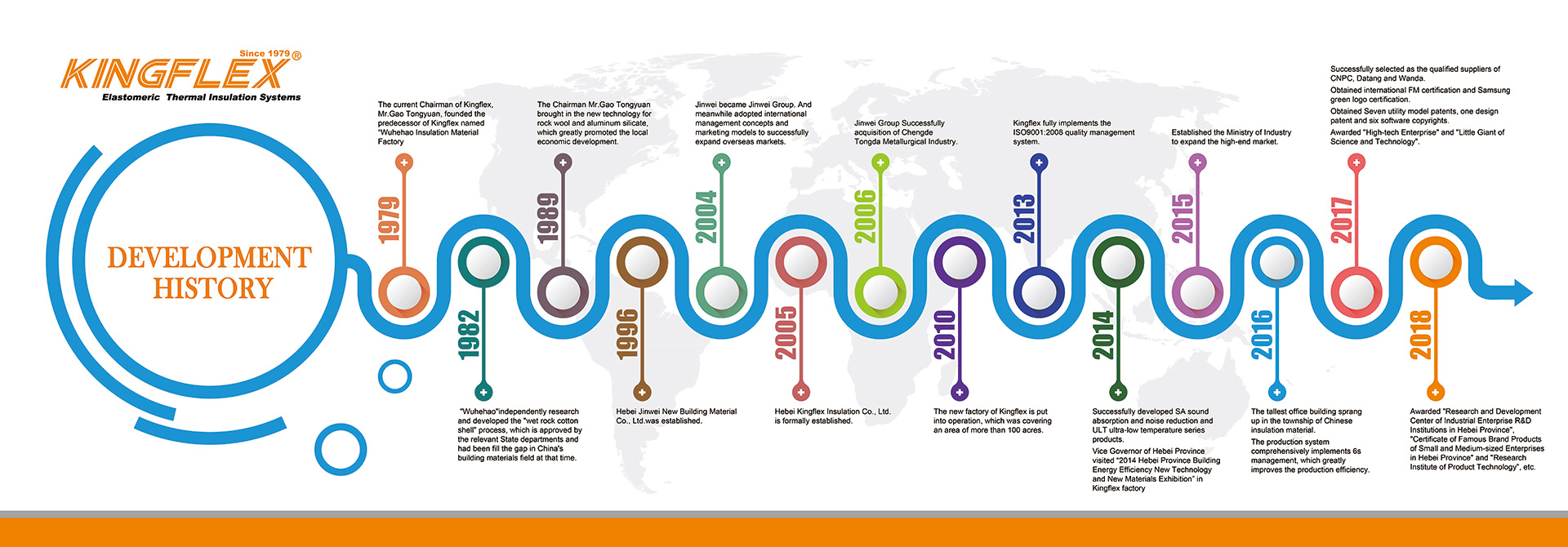
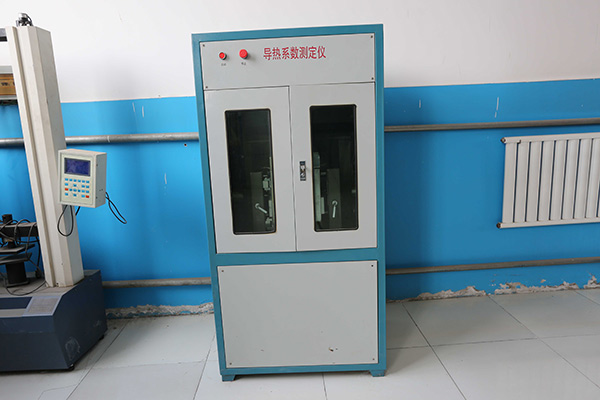
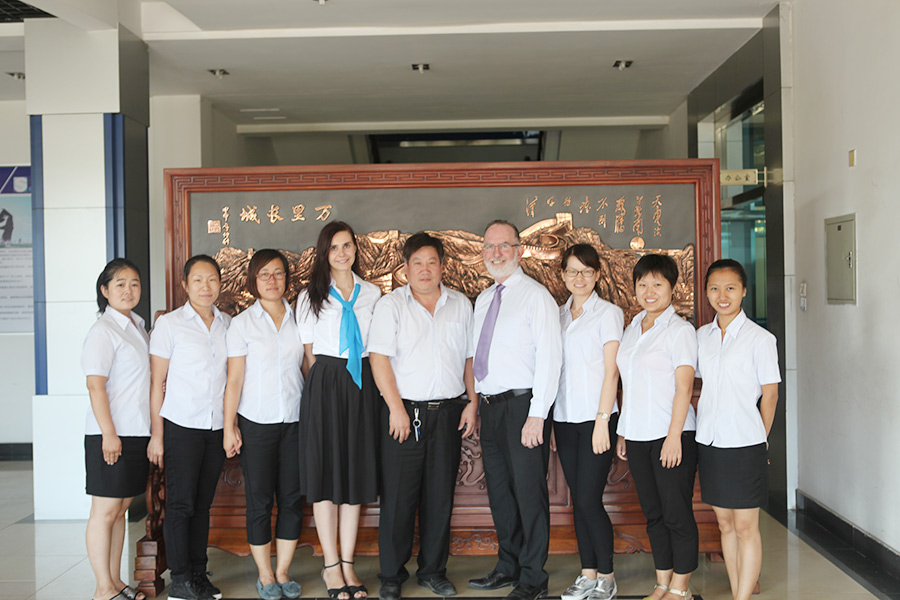
Kingflex Insulation Co., Ltd. operates in Dacheng, China—a major hub for energy-saving, green building materials. This industrial concentration allows us to run a highly efficient operation, from raw materials to final shipping. With 5 large automatic assembly lines and an annual output capacity of over 600,000 cubic meters, we maintain short production lead times even for large global projects.
Our production advantage is built on several key factors:
Delivering certified products to international markets with full technical backing.
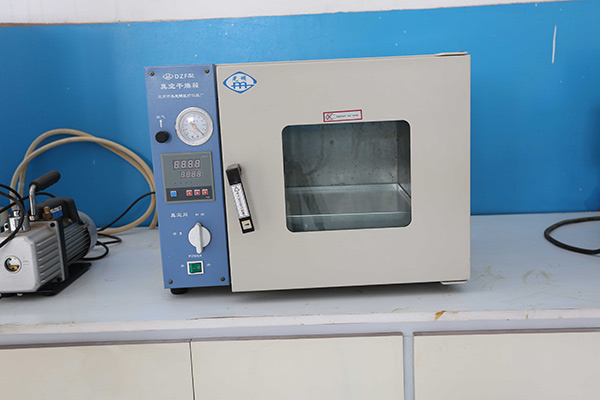
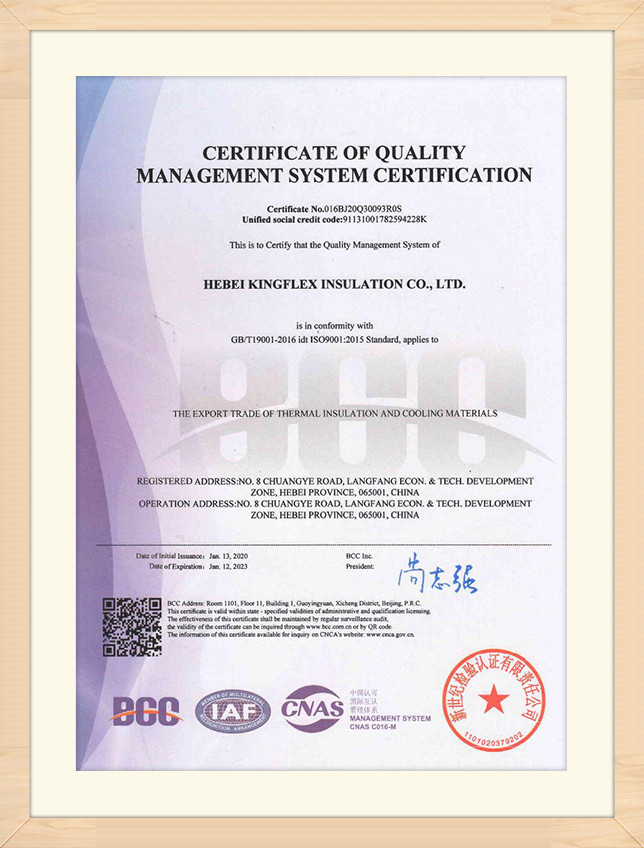
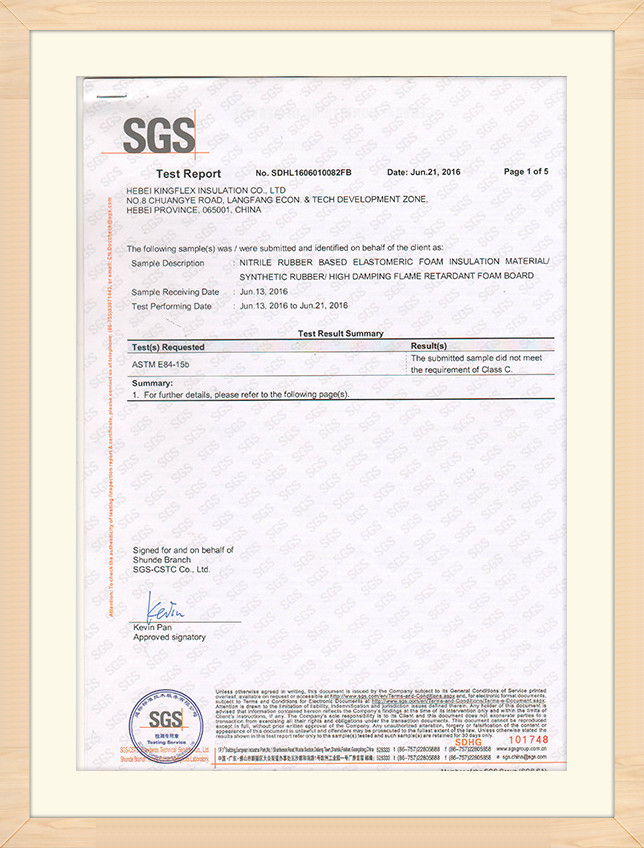
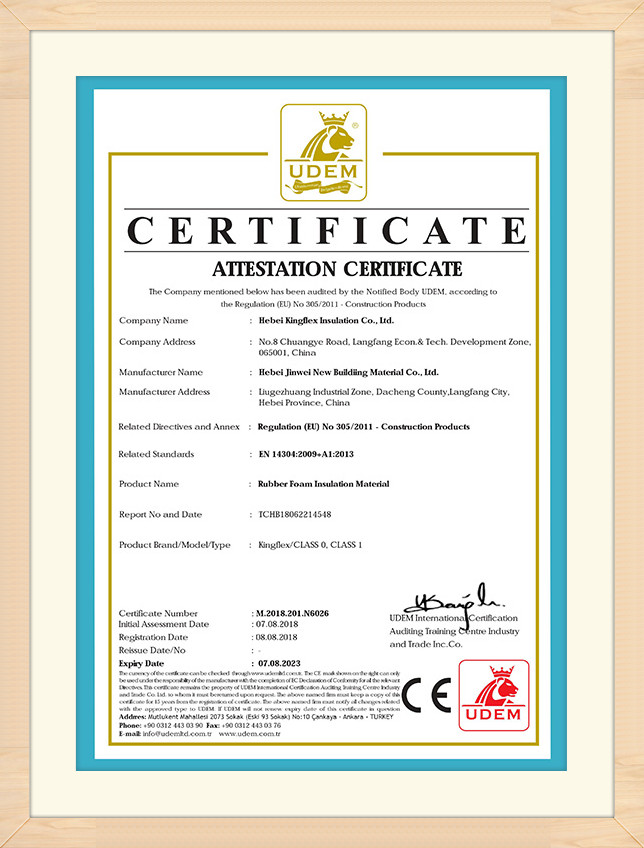
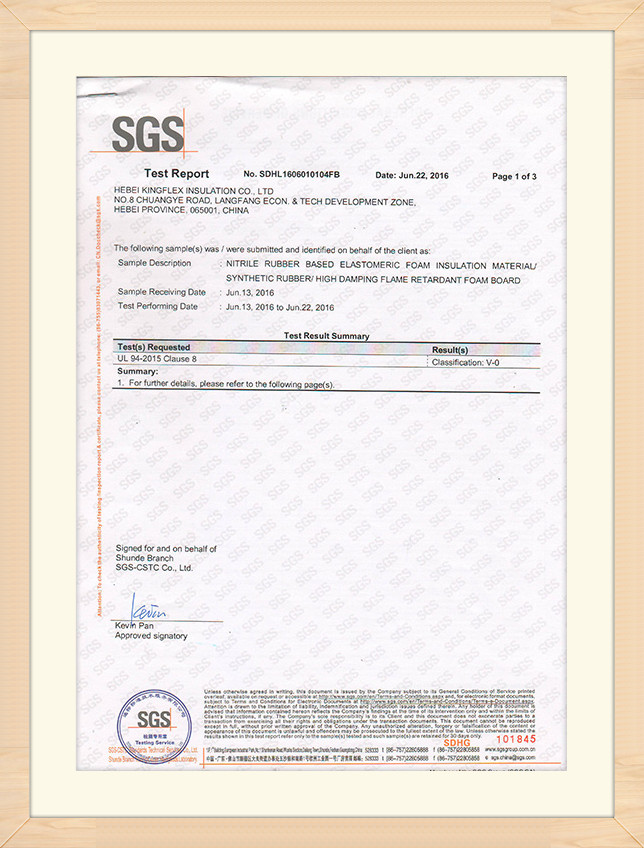
Navigating global building codes requires strict adherence to international standards. Kingflex products are tested and certified to comply with various regional requirements, ensuring smooth approvals from local authorities and engineers.
Our certification portfolio includes:
Our international sales and engineering teams offer on-site support, design guidance, and detailed material estimations. By providing customized product lengths, widths, and densities, we help minimize installation waste on the job site.
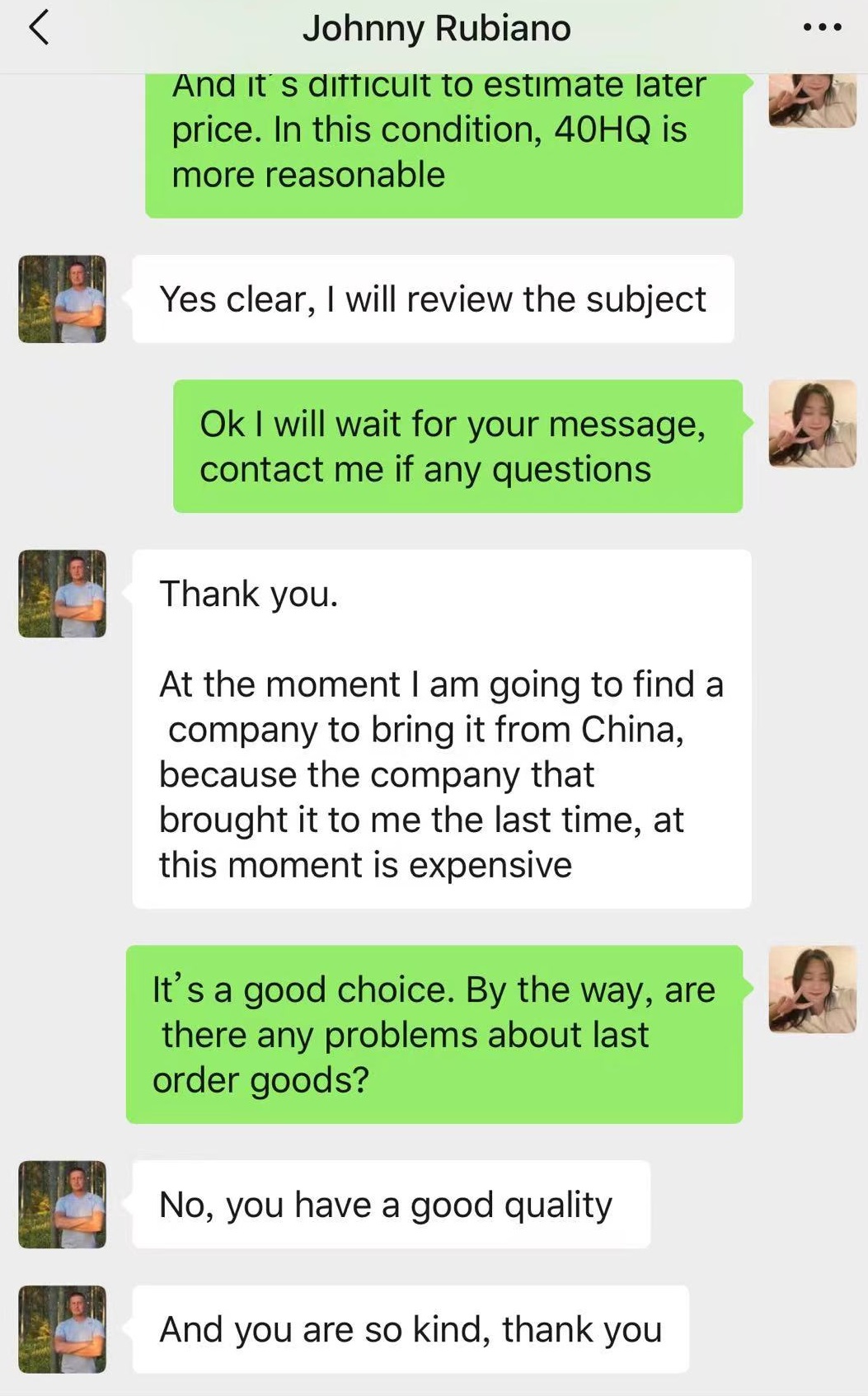
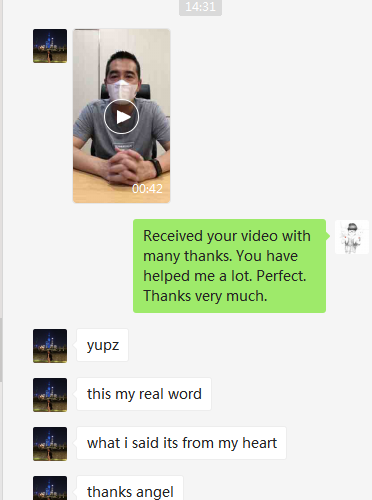
Real feedback from procurement managers and project engineers worldwide.




Expert answers on thermal insulation engineering, fire codes, lamination, and project logistics.
It is mainly used for HVAC ducts, metal roof structures, commercial building walls, partition walls, and industrial pipelines. The FSK (Foil-Scrim-Kraft) facing acts as a strong vapor barrier, making it ideal for HVAC systems and areas with high humidity where moisture control is critical.
Glass wool is naturally non-combustible (Class 0) as it is made of melted silica glass, allowing it to withstand temperatures up to 400°C. Elastomeric rubber foam is self-extinguishing and typically achieves Class 1 or Class V-0 ratings, with a temperature limit of 105°C. For high-temperature industrial steam lines or large fire-rated building envelopes, glass wool is the preferred material.
Glass wool has an open-fiber structure that can absorb airborne moisture. If water vapor gets inside the fibers, the material's thermal resistance drops significantly. The FSK facing acts as an airtight, vapor-resistant seal, keeping the fibers dry and maintaining long-term thermal performance.
Yes. We offer customizable density ranges (from 10 kg/m³ to 48 kg/m³), thicknesses (from 25mm to 100mm+), and lengths. We can also customize the lamination properties to meet specific project guidelines.
Our materials are certified under BS 476, CE, REACH, RoHS, UL94, and ASTM standards. This ensures they meet key safety, environmental, and thermal requirements globally.
When properly installed and protected from physical damage and water leaks, FSK glass wool blankets can perform effectively for 15 to 20 years or more.
Our compression system reduces package volumes for more efficient shipping. Once unpacked, the glass wool fibers recover to their specified thickness quickly. For optimal recovery, store the rolls in a dry, ventilated area before installation.
It is mainly used for HVAC ducts, air conditioning pipes, building thermal insulation, industrial pipeline cold insulation, and sound insulation.
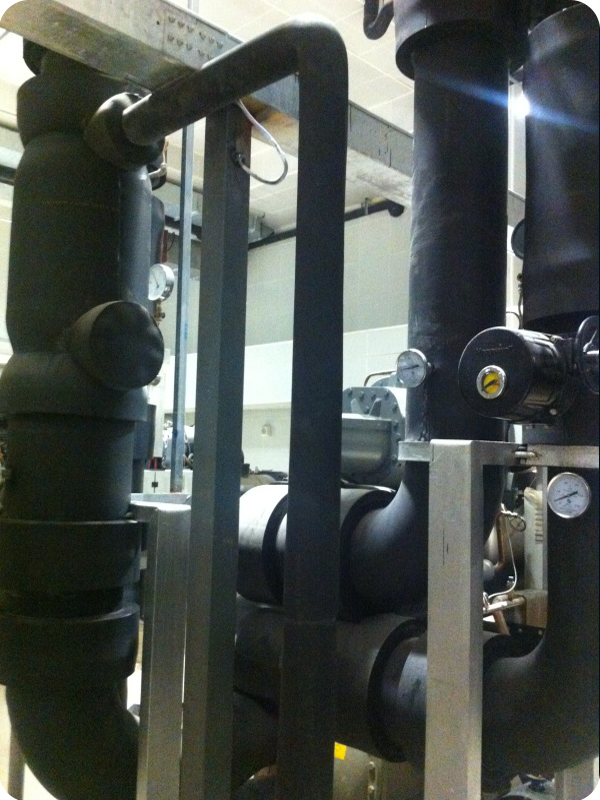
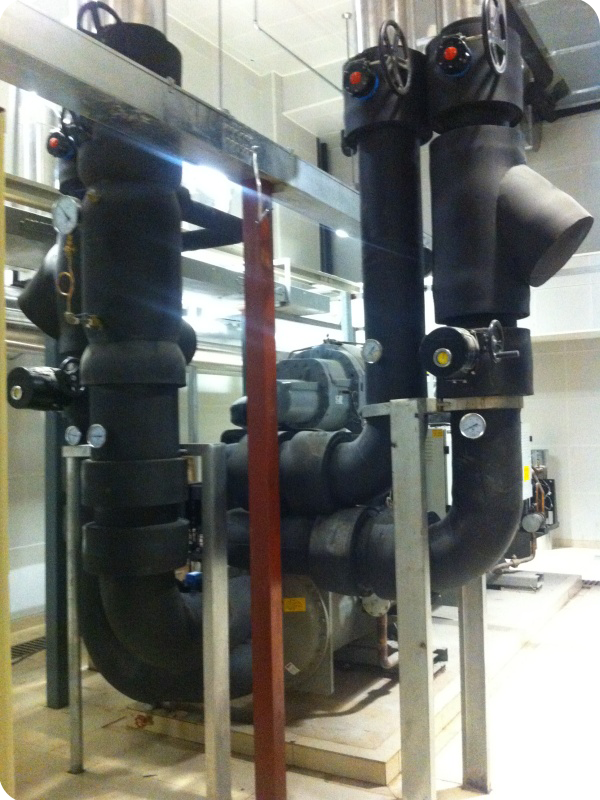
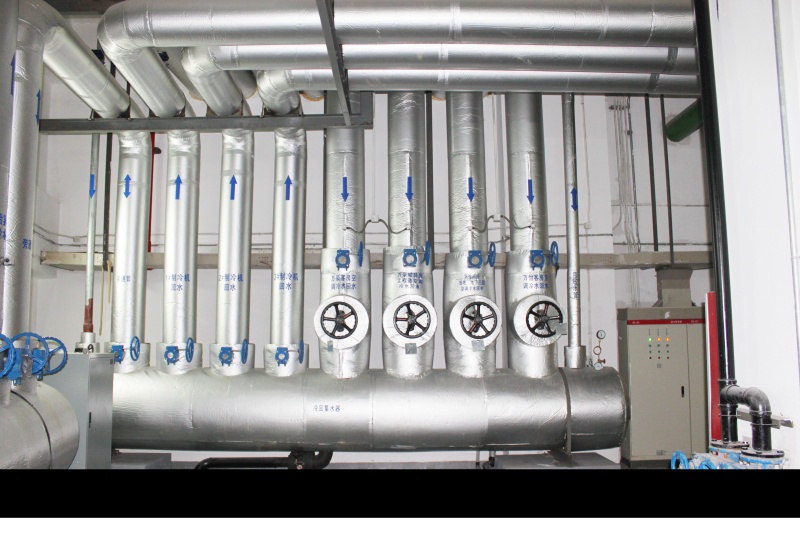
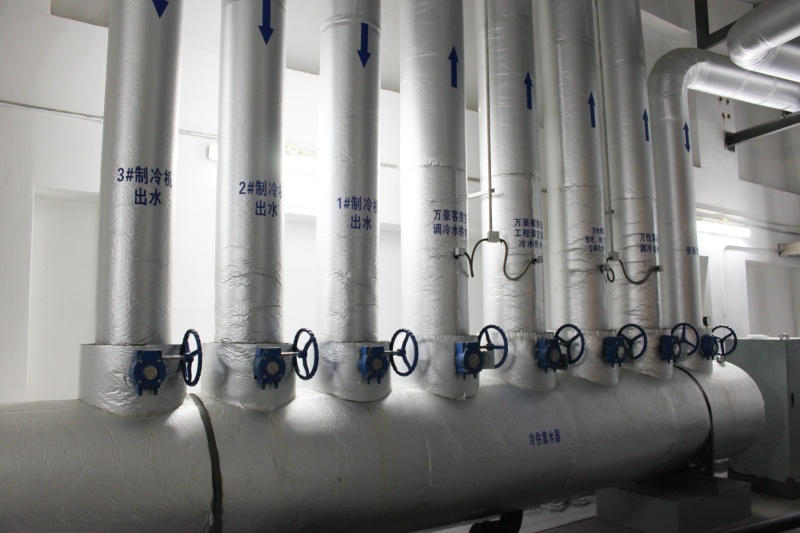
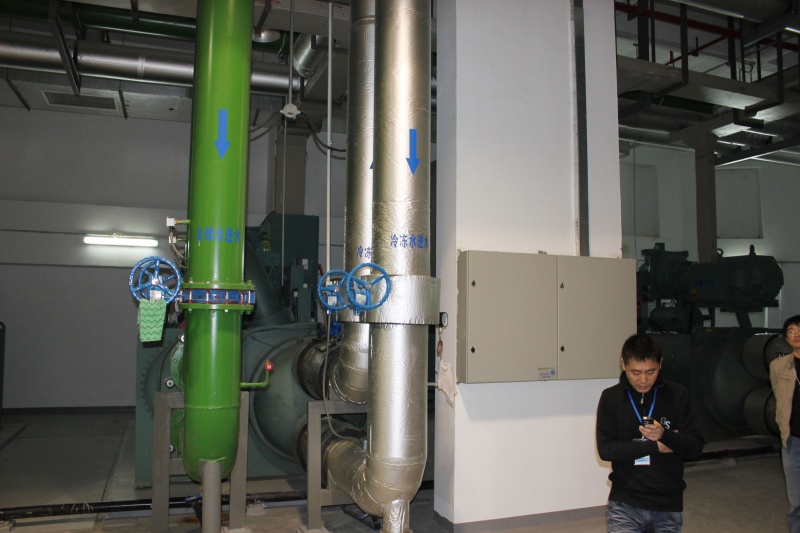
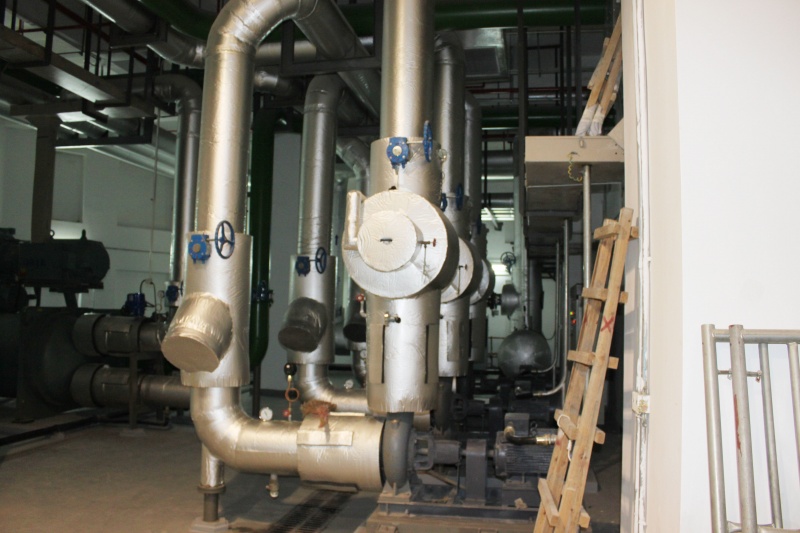
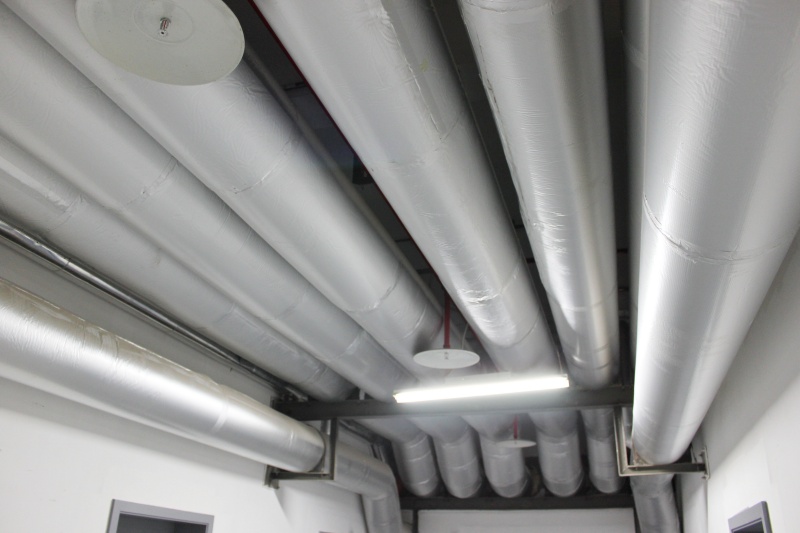
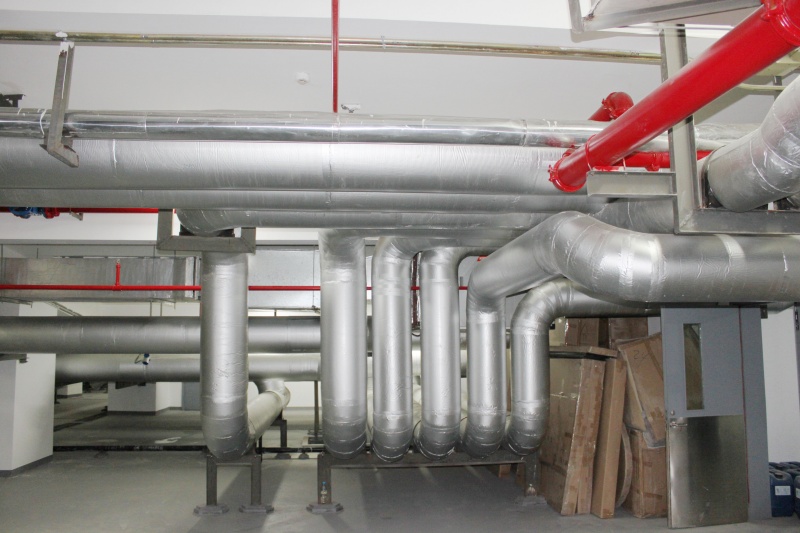
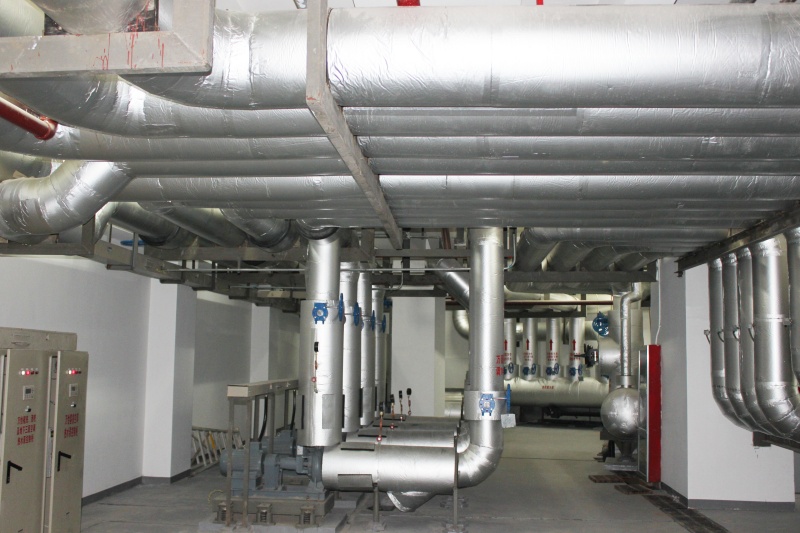
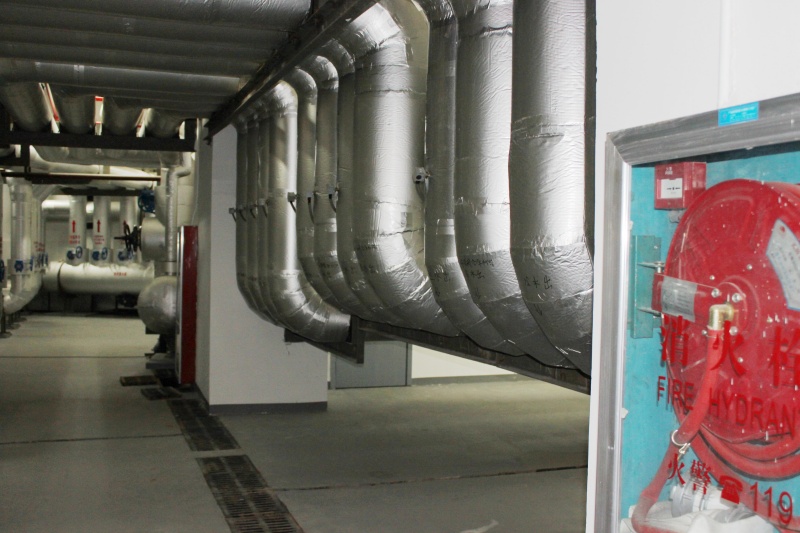
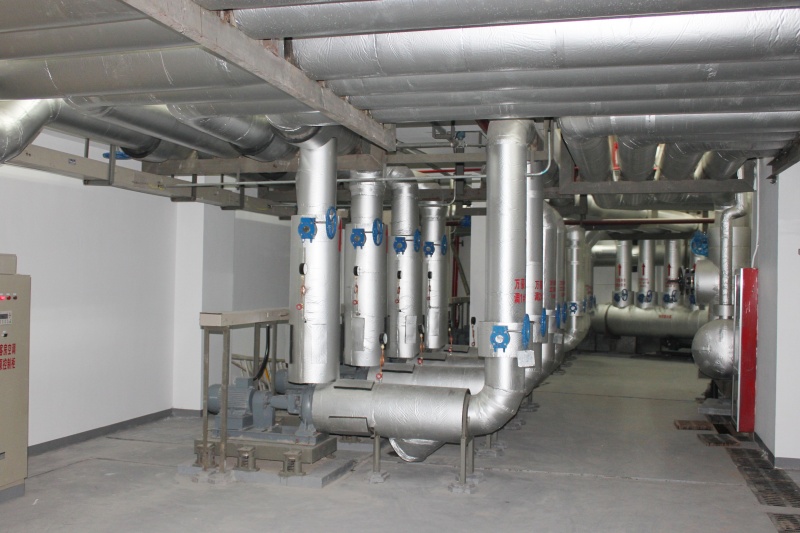
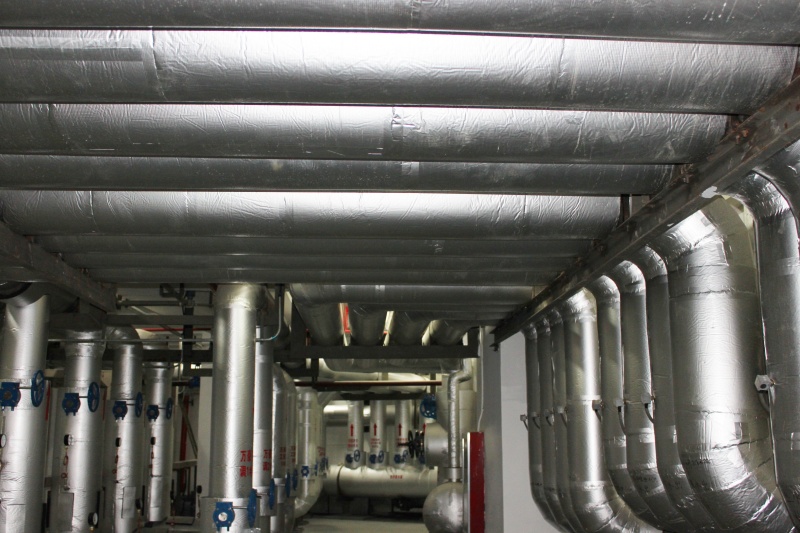
Real-world applications of Kingflex insulation solutions across industrial zones and commercial sites.
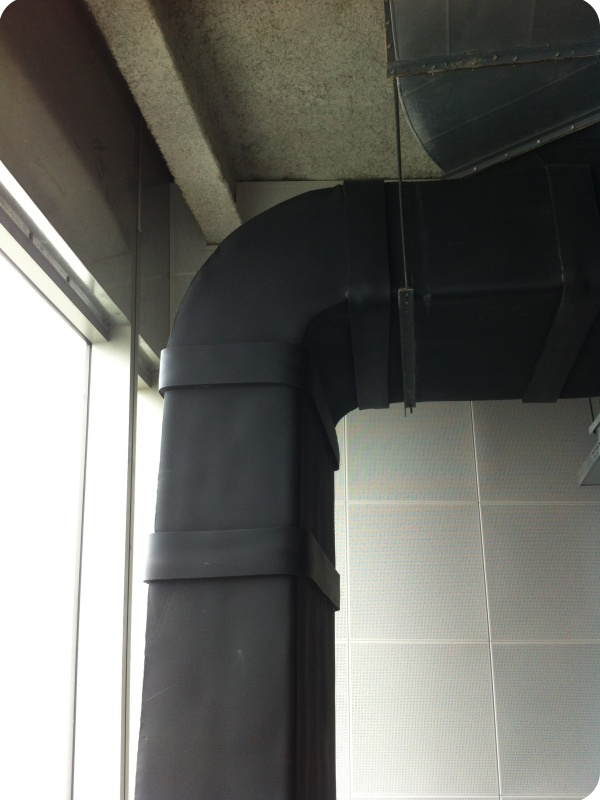

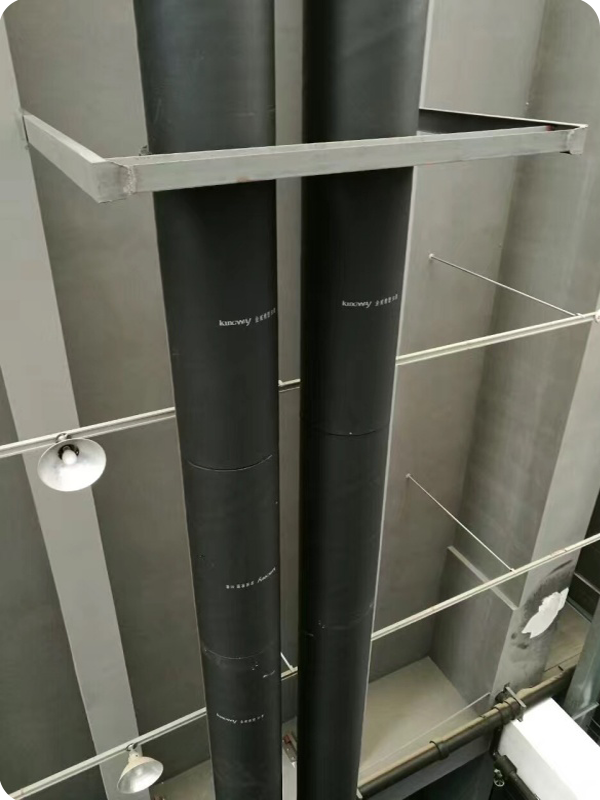
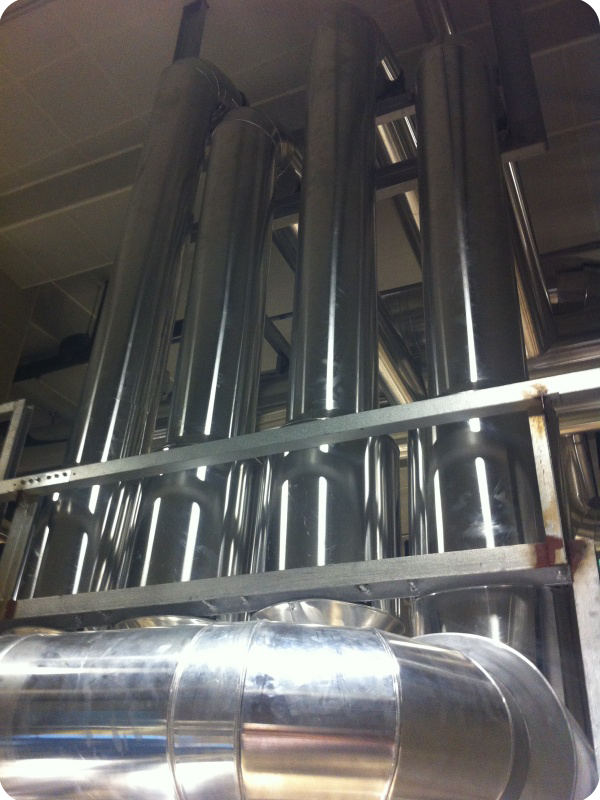
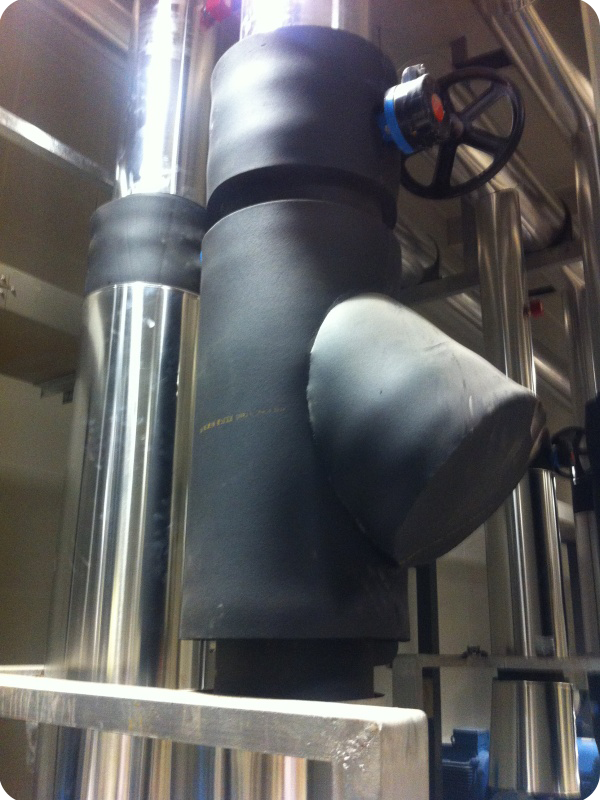



Selecting the right material for your application requirements.
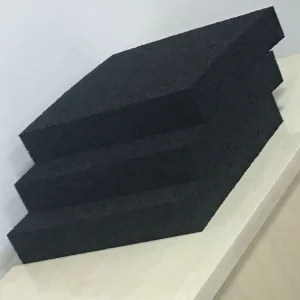
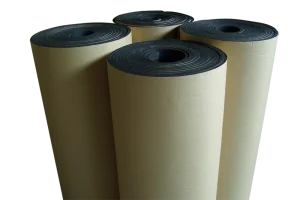
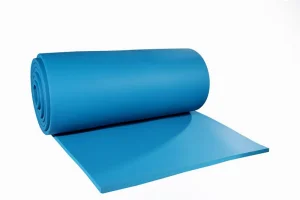
Material: NBR/PVC | Thickness: 6mm-50mm | Density: 40-55kg/m³ | Service Temperature Range: -40℃ to 105℃
Key Advantages:
Typical Applications: Air ducts and pipes in central air conditioning systems, walls, roofs, basement thermal insulation, acoustic dampening, and process piping in the chemical industry.
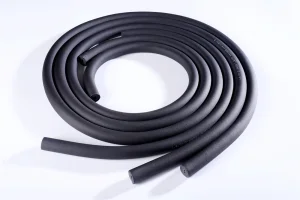
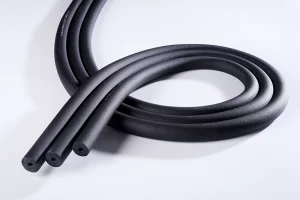
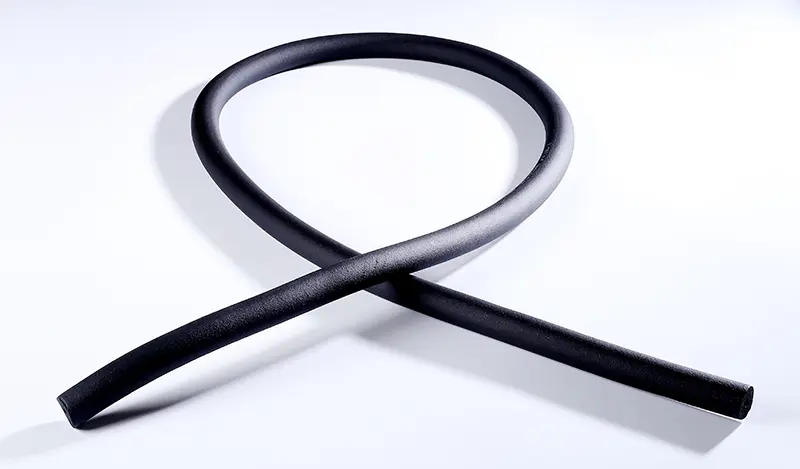
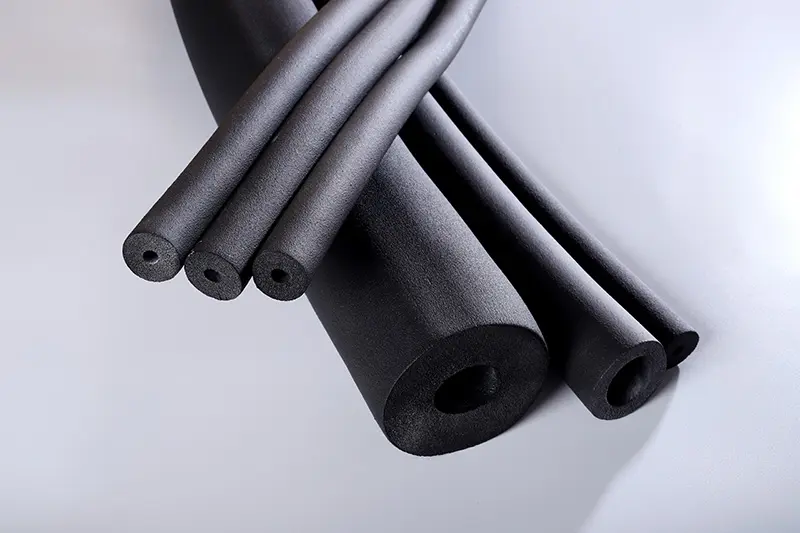
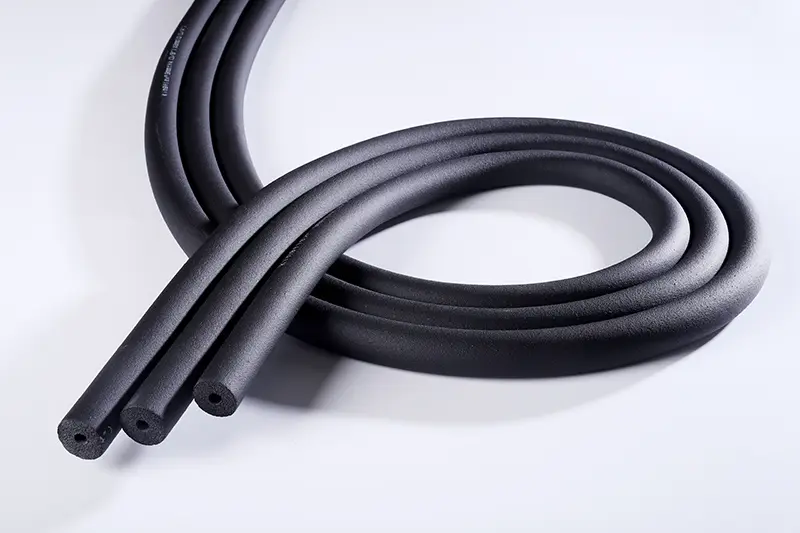
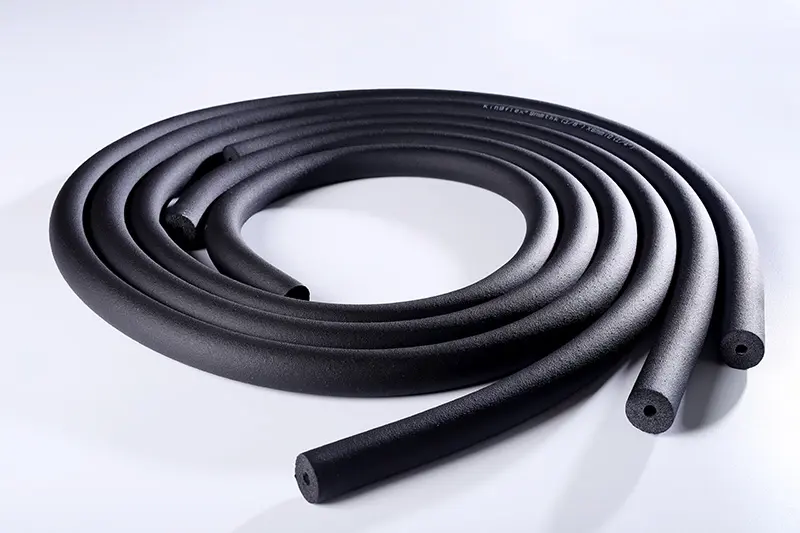
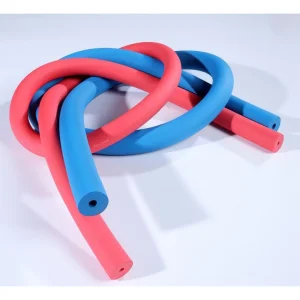
Material: NBR/PVC | Thickness: 9mm-40mm | Inner Diameter: 6mm-114mm | Density: 40-55kg/m³ | Service Temperature Range: -40℃ to 105℃
Key Advantages:
Typical Applications: Central air conditioning chilled water pipes, hot water systems, solar piping, commercial HVAC networks, and industrial cold-chain pipeline insulation.
Delivering high-performance insulation rolls, sheets, and pipes to global supply networks.





Secure direct quotes from verified production runs for industrial and commercial projects.
 Kingflex