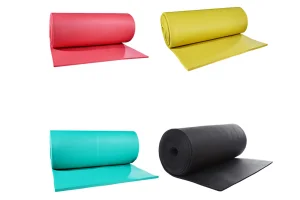
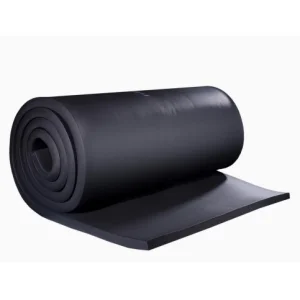
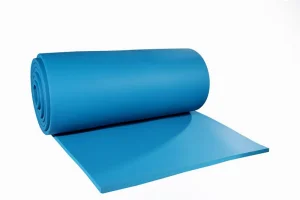
Engineered for low thermal conductivity, high moisture resistance, and extreme temperature stability. Review our core product lines below.
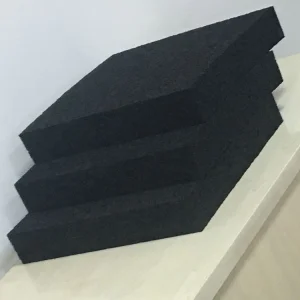
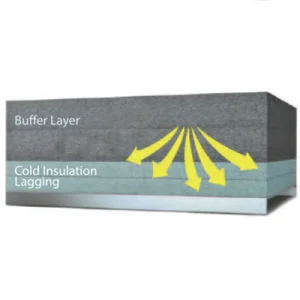
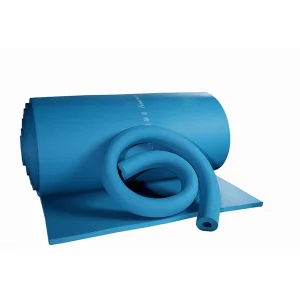
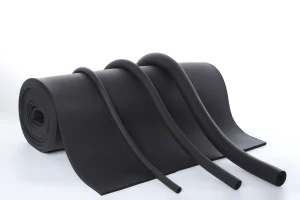
Thermal design is shifting from rule-of-thumb specifications to exact physics. Below is a comprehensive breakdown of thermal conductivity and its real-world industrial impact.
In thermal dynamics, the K-Value (thermal conductivity, denoted as λ) measures a material's capacity to conduct heat. Specifically, it represents the amount of heat energy (measured in Watts) that transfers through one square meter of a material of one-meter thickness per Kelvin temperature difference (W/m·K). In commercial HVAC&R, petrochemical, and cryogenic systems, the K-value is the baseline metric that determines energy efficiency, condensation prevention, and overall operational safety.
For high-end elastomeric rubber foam insulation like Kingflex, standardizing a low and consistent K-value is essential. For instance, at a mean temperature of 0°C, Kingflex closed-cell elastomeric systems maintain a thermal conductivity rating typically around 0.034 W/m·K. As mean system temperatures fluctuate, the molecular structure changes, requiring precise thermal mapping profiles across wide temperature envelopes (e.g., -40°C to +105°C for HVAC and -200°C for cryogenic installations).
Unlike open-cell alternatives, closed-cell structures (>98% closed cells) provide an inherent vapor barrier. Water conductivity is 0.6 W/m·K—nearly 18 times higher than elastomeric foam. If moisture penetrates, the system's K-value increases rapidly, causing thermal failure.
Under heavy mechanical compression, insulating structures tend to lose thickness, decreasing thermal performance. Kingflex features a compression resilience rating of over 80%, maintaining nominal design thickness and consistent insulation value.
Engineered to meet BS 476, Class 0, and Class 1 standards, our elastomeric compounds restrict flame spread and minimize smoke density, ensuring critical protection for high-density public and industrial spaces.
Understanding how macro-environmental policy and micro-engineering constraints drive insulation procurement on a global scale.
Globally, the demand for highly efficient thermal insulation is driven by strict building codes (e.g., European Union's EPBD, ASHRAE 90.1 in North America) and carbon-reduction targets. Industries are moving away from traditional mineral wools for low-temperature HVAC and process piping due to issues with moisture retention and corrosion under insulation (CUI).
Wholesale procurement managers focus on balance sheets that reflect long-term lifecycle savings. High-efficiency insulation prevents energy waste and allows engineers to specify smaller chillers and air-handling systems. This reduces initial capital expenditure (CAPEX) while securing continuous operational savings (OPEX).
Additionally, regional climate variations demand specific product specifications. In humid tropical environments like Southeast Asia, condensation control is critical, requiring materials with high water vapor transmission resistance (represented by μ values ≥ 10,000). In contrast, extreme northern climates prioritize freeze protection and thermal retention for district heating systems.
Detailed physical attributes, sizing grids, and performance advantages of our elastomeric foam series.
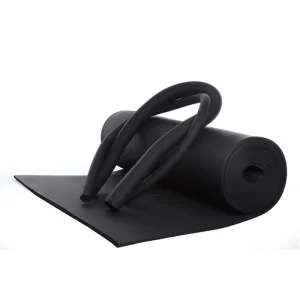
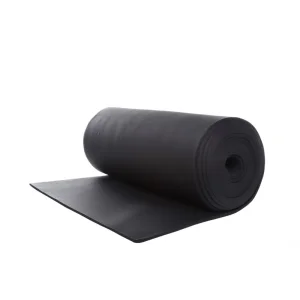
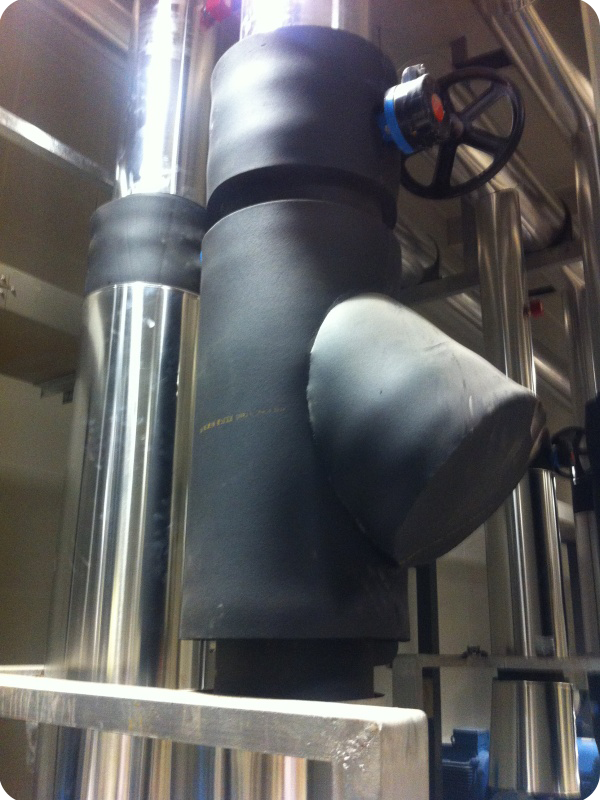
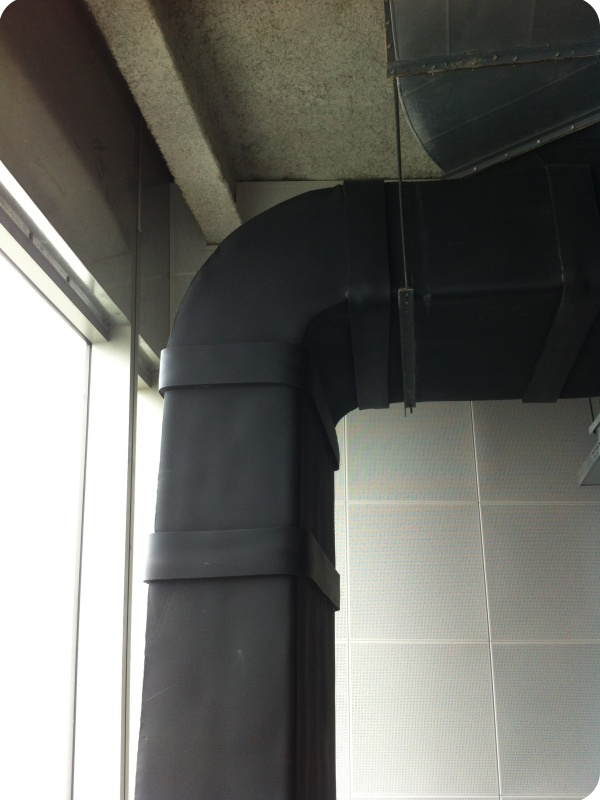
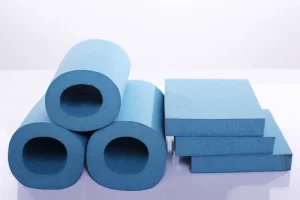
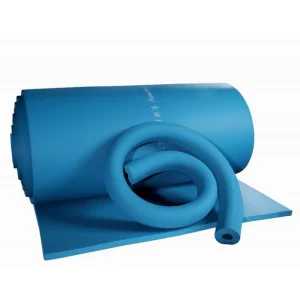
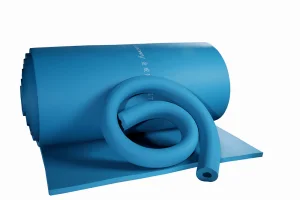
Our sheet rolls are optimized for large-diameter pipelines, ventilation ducts, and complex mechanical equipment. The NBR/PVC matrix offers high flexibility and easy installation, reducing labor costs on-site.
1. Homogeneous Cell Density: Uniform micro-cell structure ensures stable thermal resistance across the entire surface.
2. Integrated Vapor Barrier: High moisture resistance factor (μ ≥ 10,000) prevents degradation over time.
3. Anti-Vibration & Sound Absorption: Excellent acoustic dampening for HVAC ducts and plant rooms.
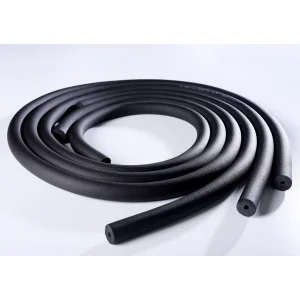
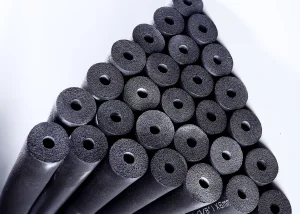
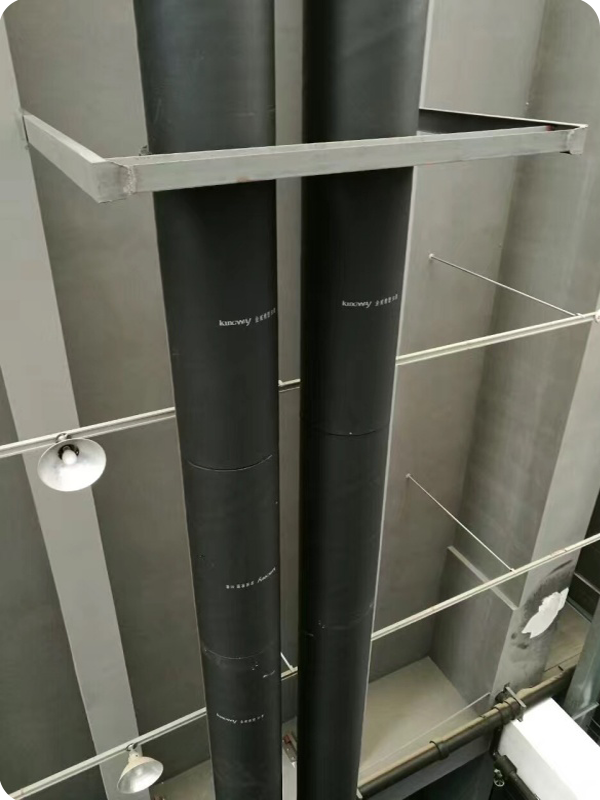
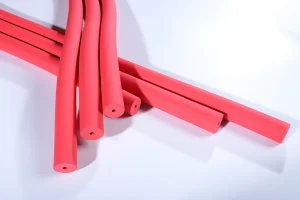
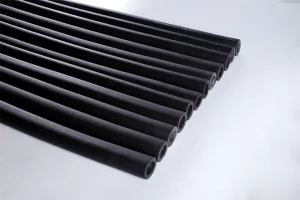
Extruded with precision, these pipe sleeves offer seamless protection for copper, steel, and iron piping systems, preventing thermal bridging and surface condensation.
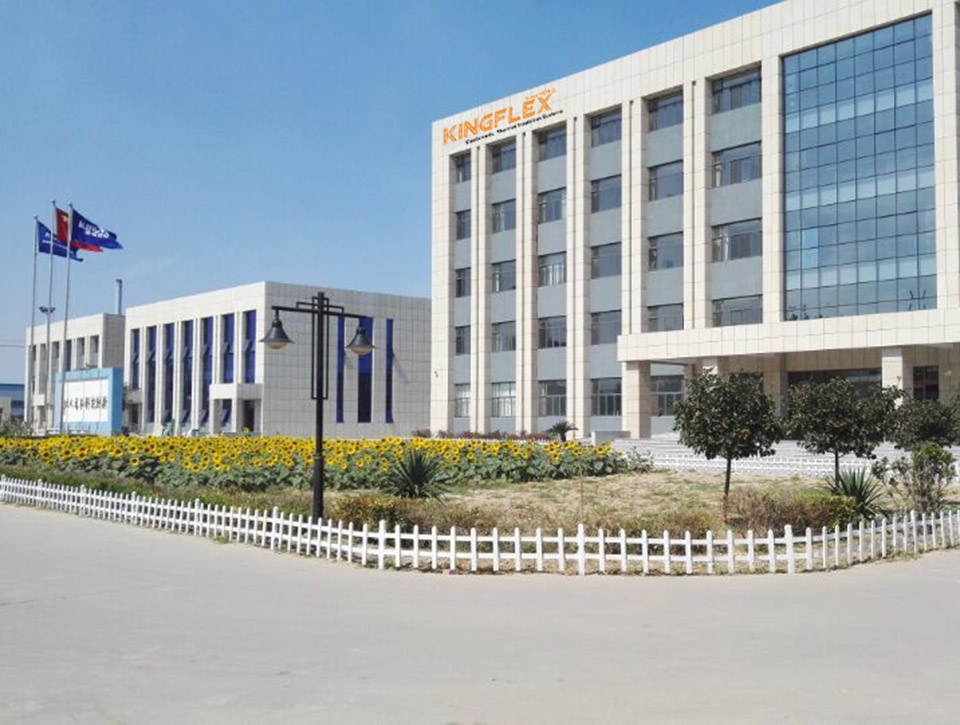
A look at the manufacturing expertise and testing protocols behind Kingflex Insulation.
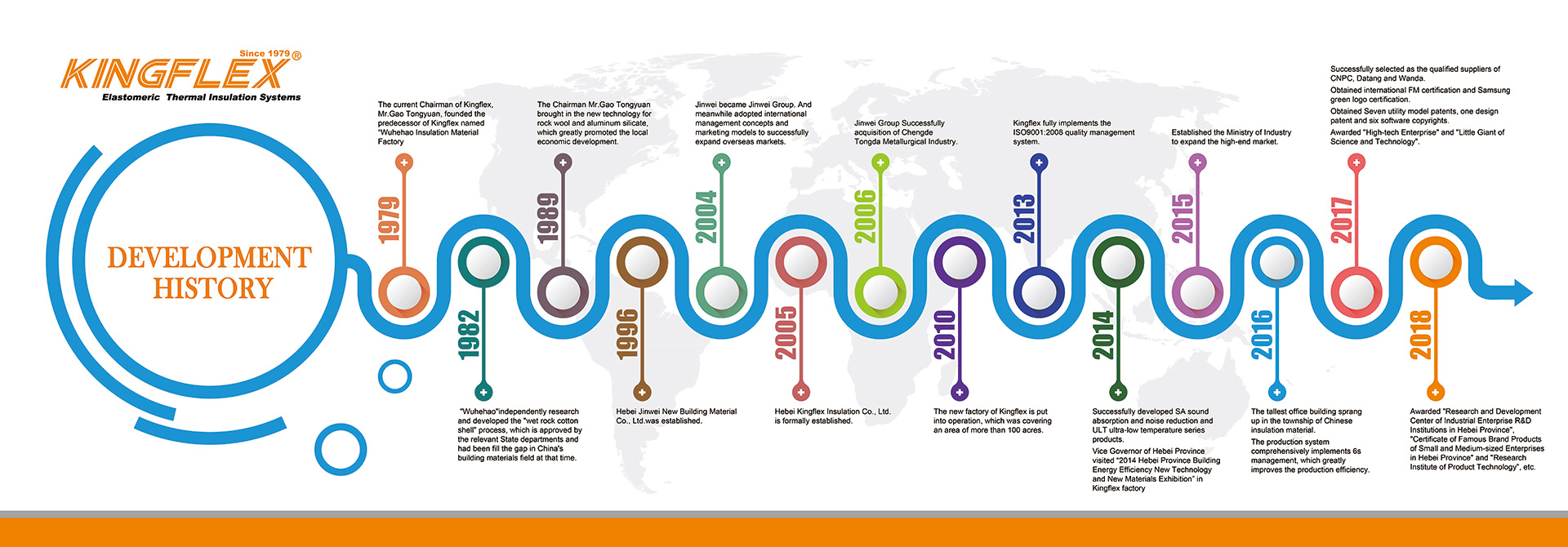
Established under the Jinwei Group (founded in 1979 as the pioneer of insulation materials north of the Yangtze River), Kingflex Insulation Co., Ltd. has grown into an integrated research, production, and distribution enterprise. Based in Dacheng, China—the capital of green building materials—our operations prioritize energy-efficient manufacturing processes.
Our facility runs 5 fully automated, continuous extrusion assembly lines, delivering an annual production capacity of over 600,000 cubic meters. This high production volume allows us to supply large-scale global infrastructure projects while maintaining consistent quality standards.
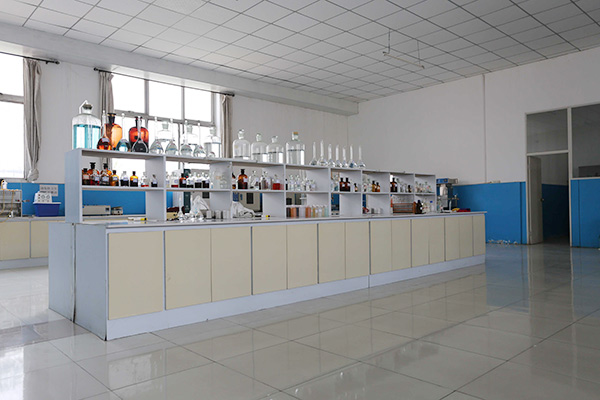
Our dedicated team of 8 specialist engineers continuously refines the thermal and fire-safety properties of our NBR/PVC compounds.
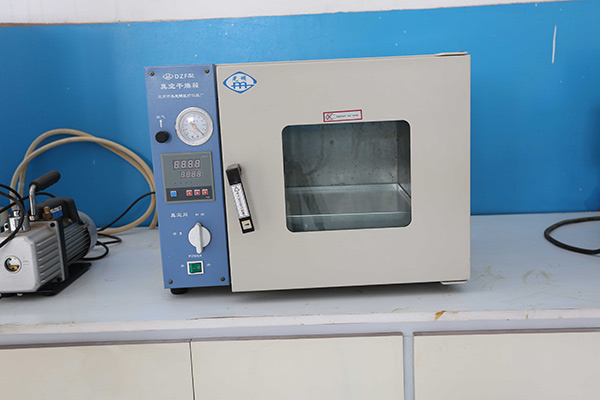
Online thickness gauges and density checks monitor products in real-time, ensuring uniform thickness and structure.
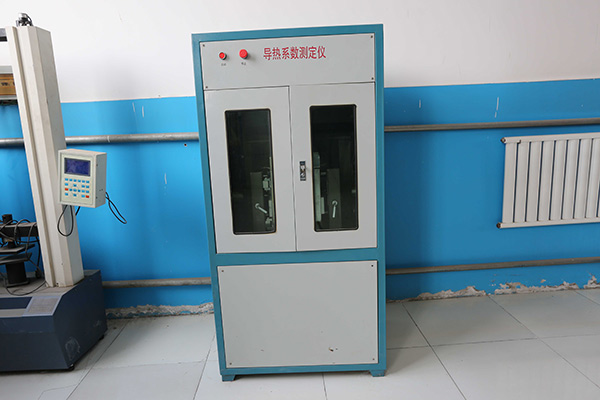
Our NBR/PVC blend is engineered to optimize cell structure and ensure consistent K-value performance.
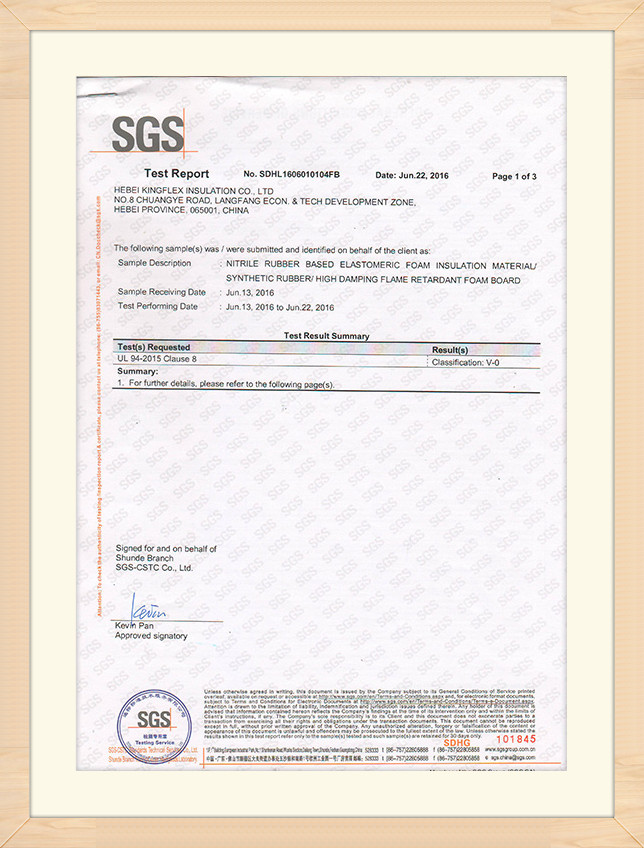
Our products undergo third-party testing to comply with international regulations, including BS 476, CE, REACH, RoHS, UL94, and ASTM. This ensures our materials meet building and environmental safety standards worldwide.
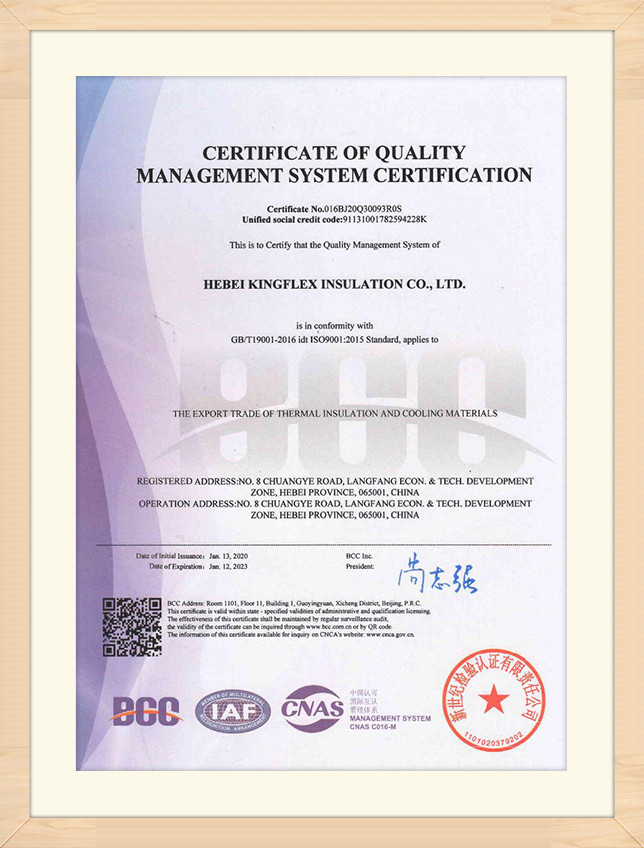
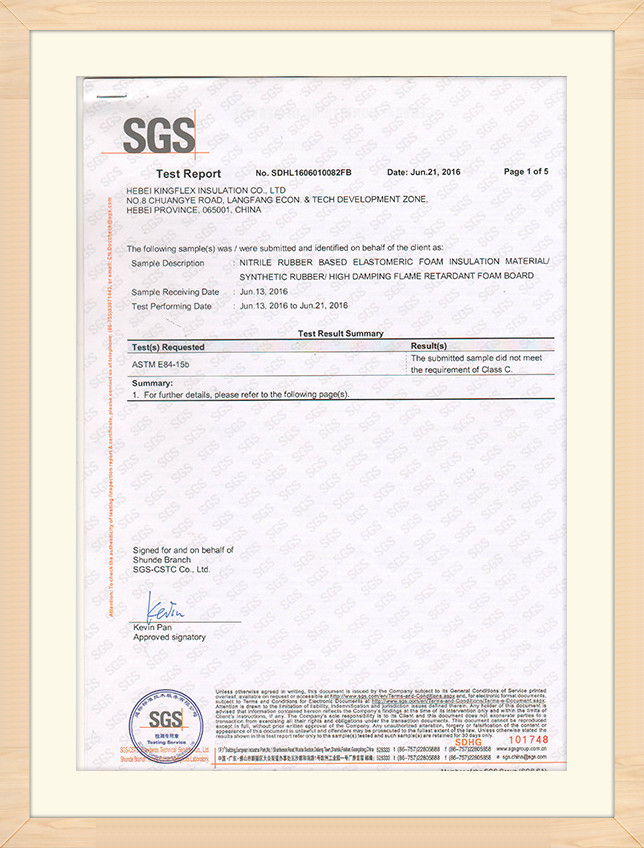
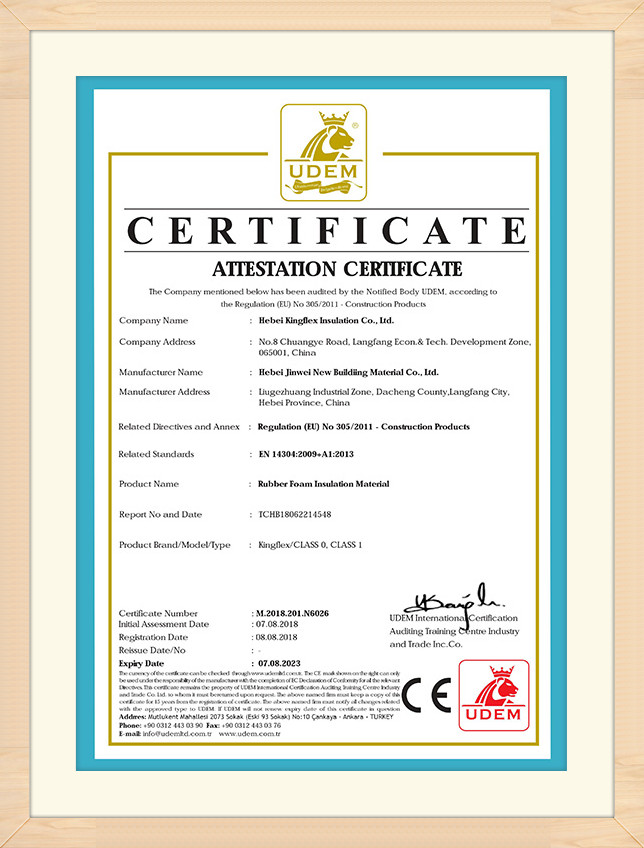
Addressing next-generation system demands in LNG, cryogenic storage, and cold chain distribution.
Traditional elastomeric foams typically service temperatures down to -40°C. However, as the global energy market transitions to Liquefied Natural Gas (LNG) and liquid hydrogen storage, cryogenic performance is critical. Operating at temperatures from -160°C to -196°C, steel piping becomes brittle, and moisture in the air will instantly freeze, expanding and destroying standard open-cell materials.
To address this, Kingflex has engineered specialized multi-layer cryogenic elastomeric insulation systems. These systems maintain high elasticity at sub-zero temperatures, accommodating the expansion and contraction of pipes without cracking.
Our development pipeline includes incorporating aerogel composite layers into standard elastomeric structures. This hybrid design achieves thermal conductivity levels as low as 0.015 - 0.020 W/m·K, allowing for thinner insulation profiles without compromising performance.

From specification approvals to custom manufacturing, we support projects in over 66 countries.
For large-scale projects, communication and traceability are essential. Our team of 6 dedicated international sales managers and 8 R&D engineers coordinate with project designers from product selection to installation guidance. This helps ensure compliance with local building standards and specifications.


Kingflex insulation systems are utilized in central commercial districts, industrial processing plants, and marine shipping pipelines. Our materials provide consistent thermal protection, preventing condensation on chilled water pipes and reducing heat loss in industrial piping.

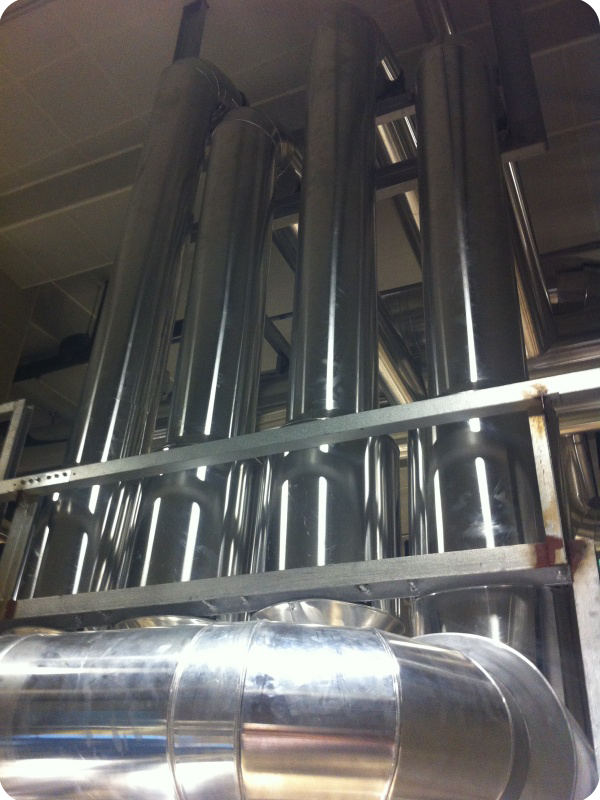
Answers to common engineering questions regarding elastomeric foam applications, physical properties, and installation.
From high-performance elastomeric sheets to specialized cryogenic pipe wraps and premium rock wool options.
 Kingflex