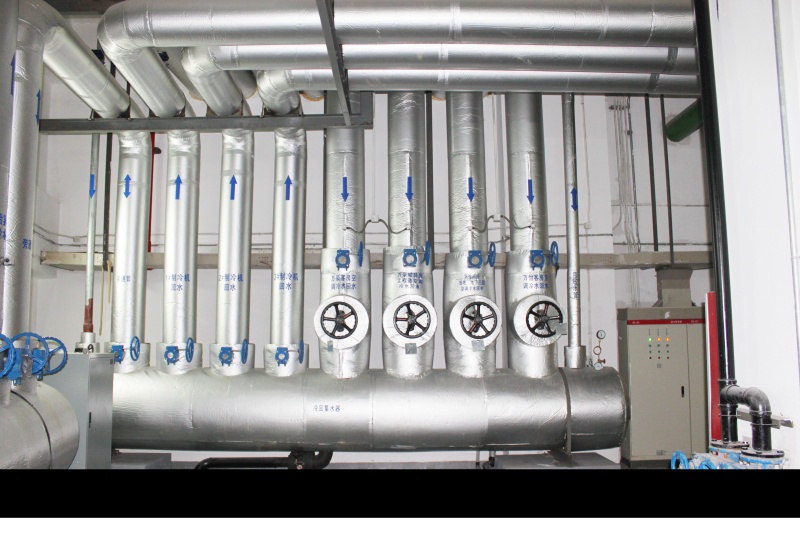
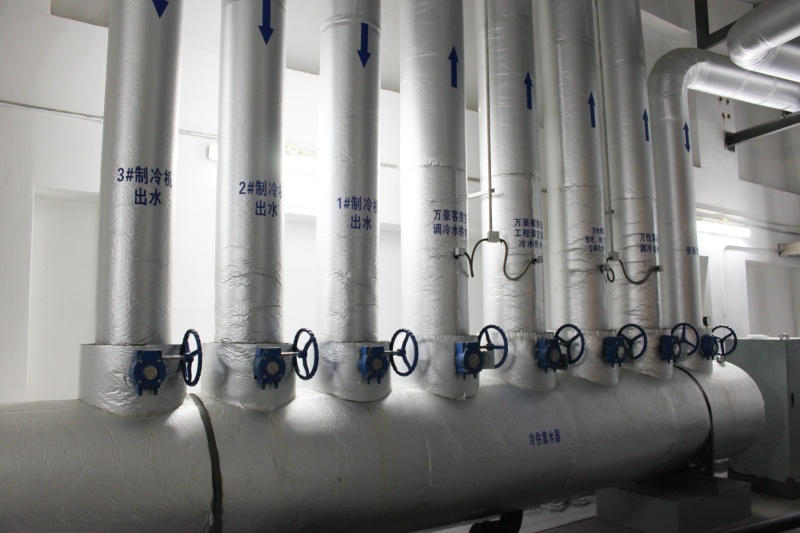
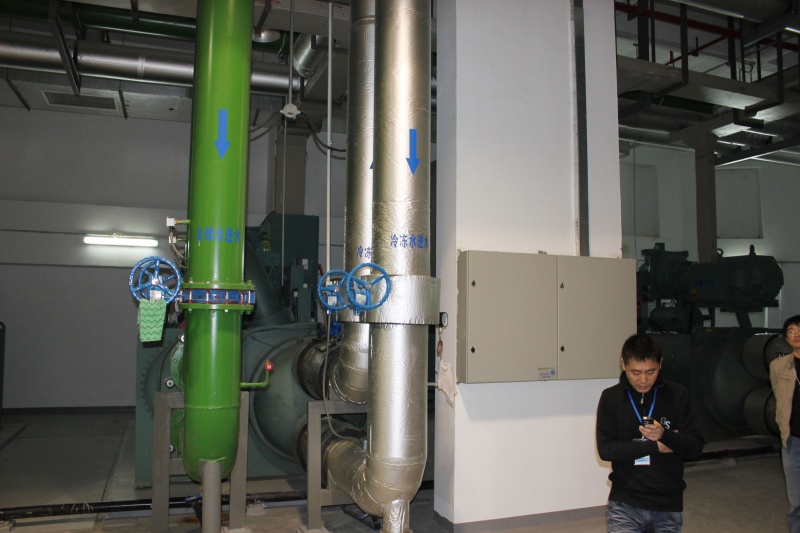
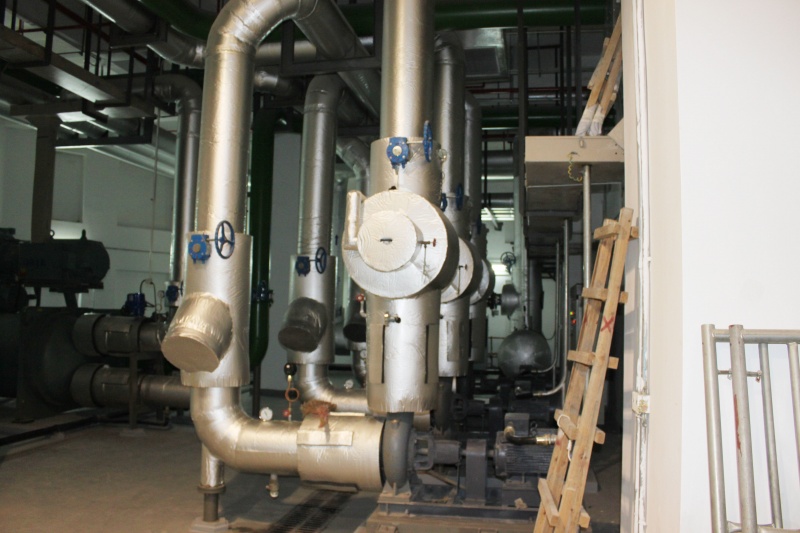
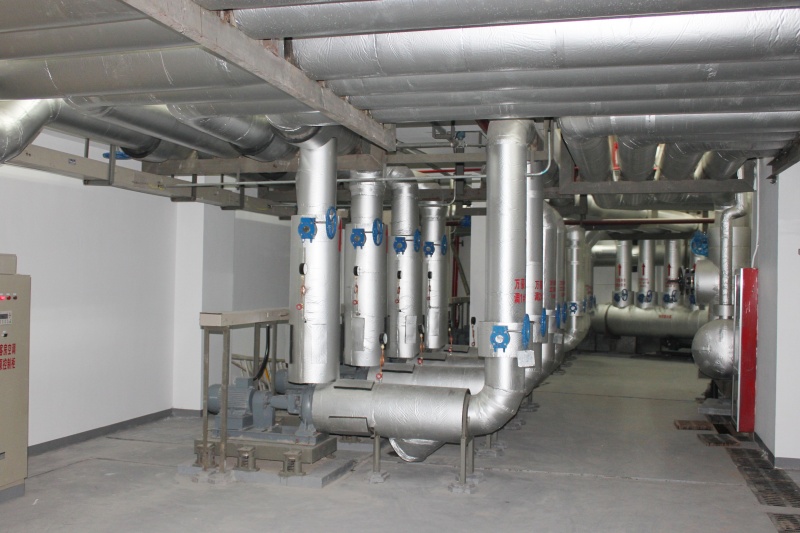
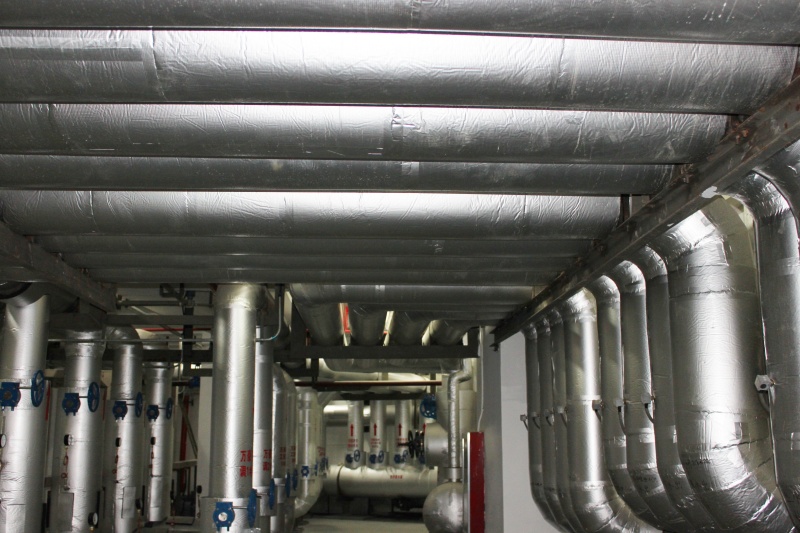
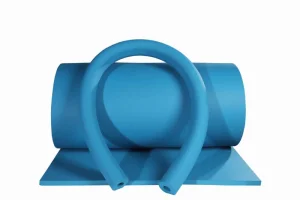
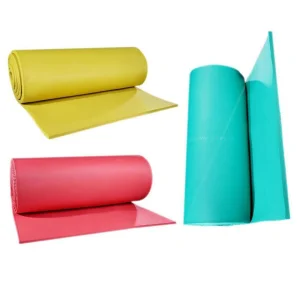
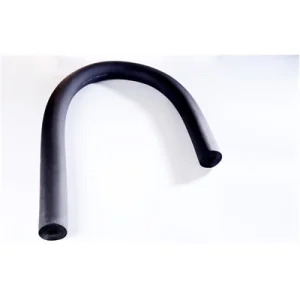
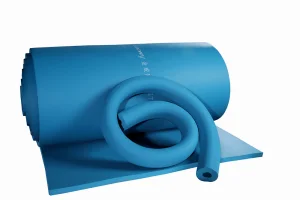
Explore our premium grade elastomeric foam sheets, tubes, rolls, and low-density mechanical thermal barriers.
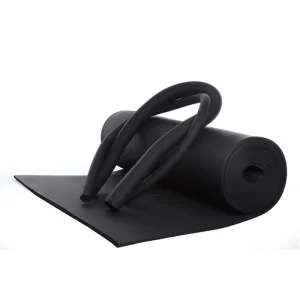
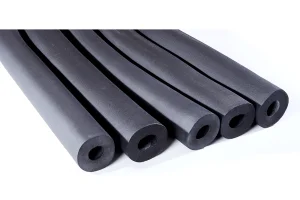
In the modern era of industrialization and architectural sophistication, mechanical systems serve as the critical vascular networks of commercial buildings, chemical refineries, data centers, and cryogenic processing facilities. Operating over extreme temperature differentials ranging from -200°C (-328°F) in liquefied natural gas (LNG) lines up to +105°C (+221°F) in low-pressure steam and hydronic heating grids, these systems present severe thermodynamic challenges. Without appropriate thermal encapsulation, energy dissipation occurs rapidly, leading to extensive system inefficiencies, high operational costs, and structural risks.
The global push towards net-zero carbon emissions, paired with increasingly strict building regulations like ASHRAE Standard 90.1, the International Energy Conservation Code (IECC), and European EN standards, has elevated mechanical insulation from a minor building consideration to a critical element of energy management. Beyond energy conservation, proper insulation provides vital safety benefits, including condensation control, personnel protection, structural fire containment, acoustics management, and mitigation of Corrosion Under Insulation (CUI).
Elastomeric rubber foam insulation is engineered with millions of micro-cells. Unlike open-cell fibers, these closed cells lock in dry air, blocking heat transfer and sealing out moisture. This dual barrier keeps thermal conductivity (λ) stable even in high-humidity settings.
The mechanical insulation market is undergoing a rapid transition driven by advancements in polymer science and process engineering. Key trends reshaping the industry include:
For global enterprise buyers—including EPC contractors, mechanical engineers, and wholesale distributors—procuring insulation involves complex regulatory hurdles. Mechanical systems cross national borders, and product compliance is crucial for project approvals.
Key procurement demands focus on fire behavior and material emissions. Compliance with BS 476 Part 6 & 7 (Class 0 and Class 1), UL 94 (V-0 rating), CE Markings, REACH, and RoHS directives ensures that insulation products do not support flame propagation or release toxic halogens during a fire. Kingflex products meet these strict international requirements, guaranteeing safe application worldwide.
Additionally, logistics management is a major factor. Standard foam products are prone to volume loss and crushing during ocean transit. Our packaging uses protective vacuum scaling and high-tensile wraps to ensure that elastomeric rolls and tubes arrive with their structural cell matrix fully intact.
How Kingflex integrates manufacturing, decades of industrial history, and research to secure global projects.
Kingflex Insulation Co., Ltd. represents a professional manufacturing and trading combination for high-performance thermal insulation products. Our research, development, and advanced production facility is located in Dacheng, China—widely recognized as the capital of energy-saving green building materials.
At present, Kingflex operates 5 large automatic assembly lines, delivering an annual production capacity exceeding 600,000 cubic meters. This scale has earned Kingflex designation as a trusted production enterprise for major government ministries, including the Ministry of Energy, the Ministry of Electric Power, and the Ministry of Chemical Industry.
Established by the Jinwei Group, which boasts a rich legacy spanning more than 40 years since its founding in 1979, Kingflex benefits from deep industry experience. Jinwei was the first manufacturer of thermal insulation materials north of the Yangtze River, paving the way for our modern advancements.
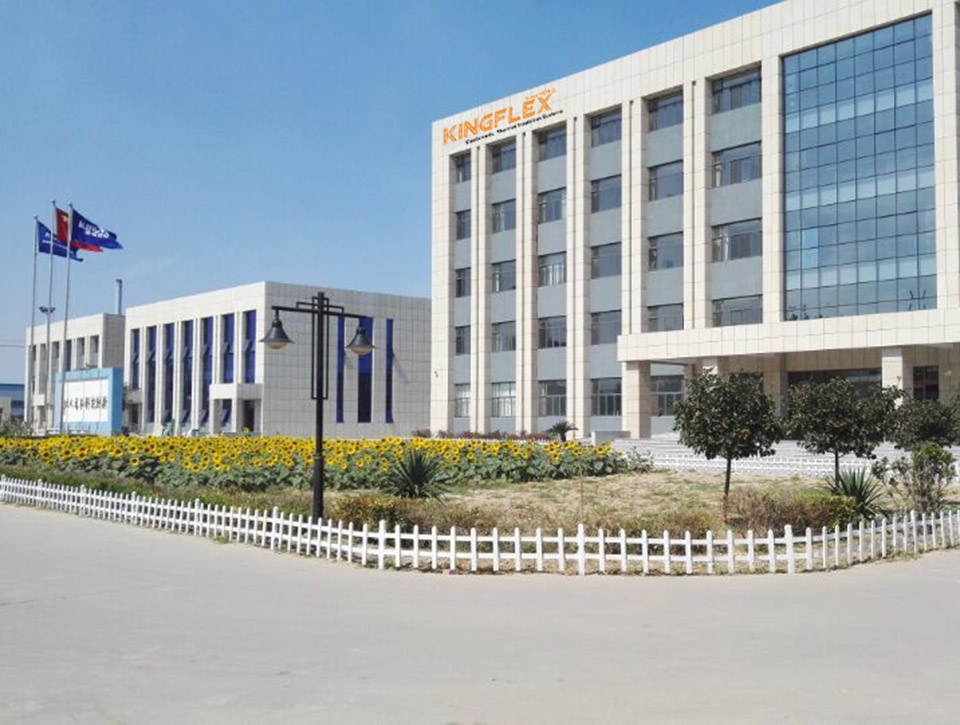
Our employees are exceptional in their own right, but together they form the cohesive force that makes Kingflex a leading workplace and partner. The Kingflex team is a tight-knit, talented group with a shared vision of providing consistently first-class service to our clients.
Our operational structure features a highly focused R&D division with 8 professional engineers dedicated to advancing thermal materials, 6 professional international sales specialists to handle global accounts, and over 230 skilled production professionals running our automated manufacturing floor.

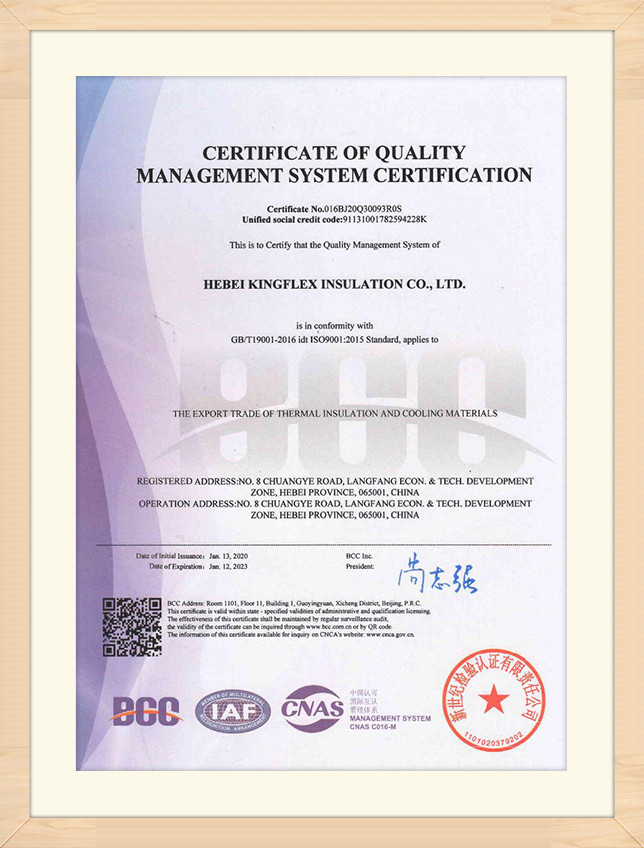
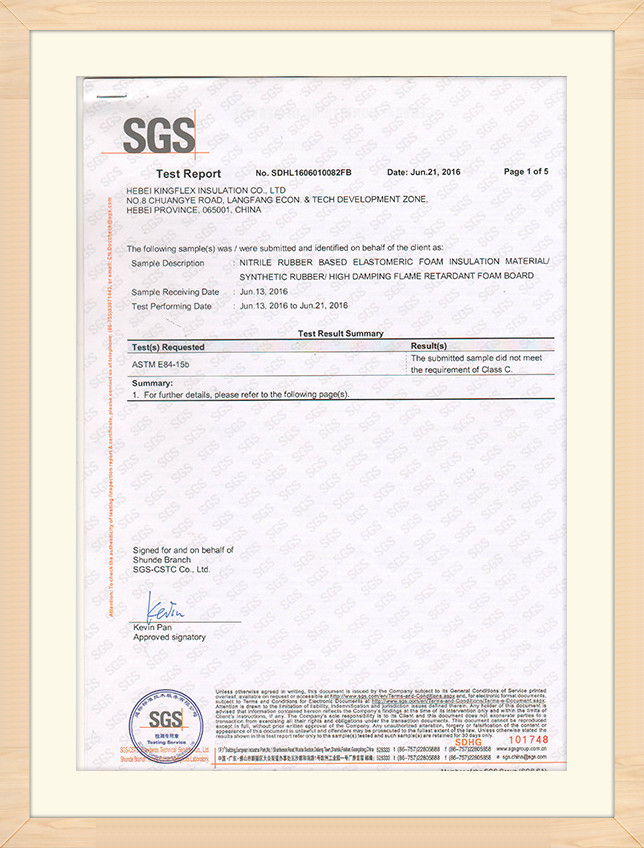
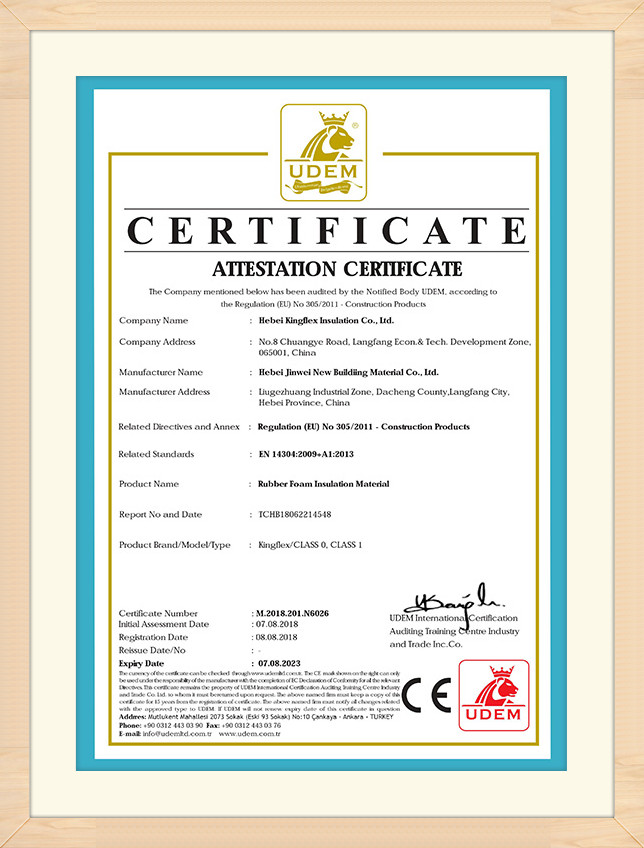
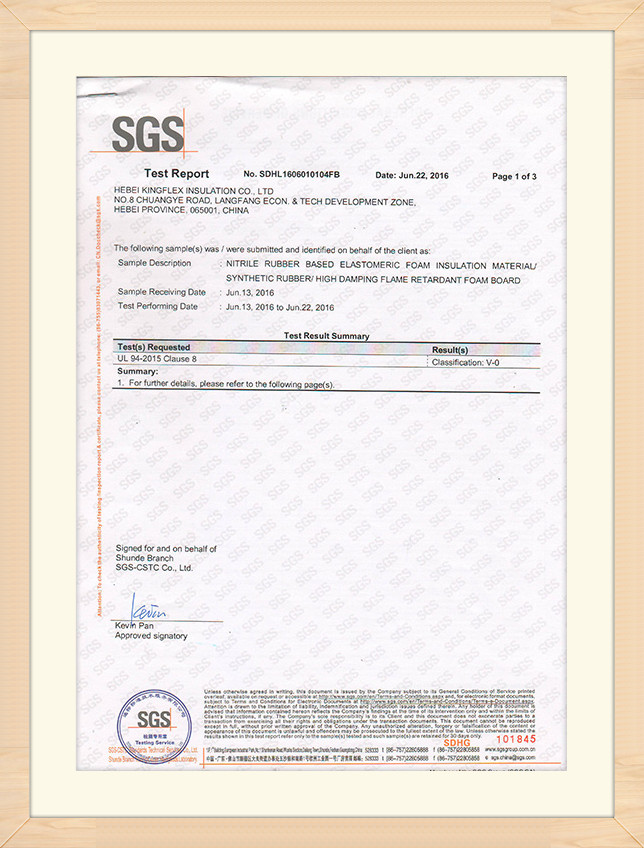
Direct thermodynamic and physical engineering values for Kingflex systems.
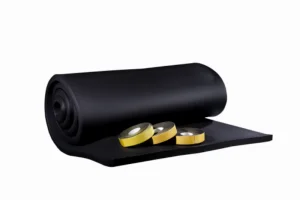
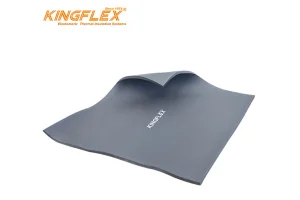
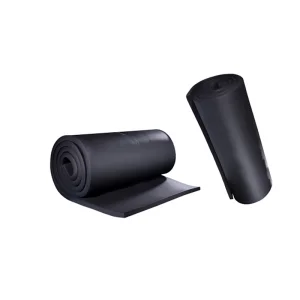
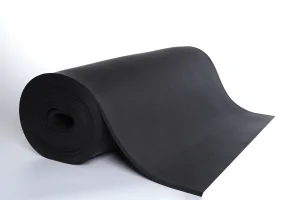
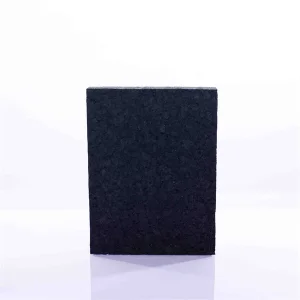
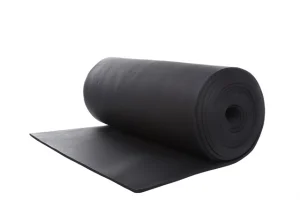
Ideal for flat surfaces, rectangular HVAC ductwork, large-diameter tanks, and building envelopes.
| Parameter | Value |
|---|---|
| Material Base | NBR/PVC Synthetic Blend |
| Available Thicknesses | 6mm to 50mm |
| Core Density | 40 to 55 kg/m³ |
| Service Temperature | -40℃ to +105℃ |
| Closed-Cell Ratio | >98% |
| Flame Spread Rating | Class 0 / Class 1 (BS 476) |
Uniform cell structure provides low moisture absorption and stable, long-term thermal conductivity. Compression resilience exceeds 80% with self-extinguishing safety performance.
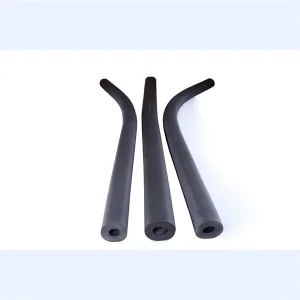
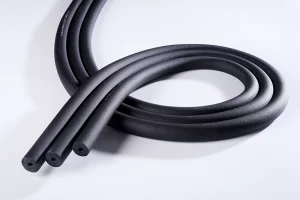
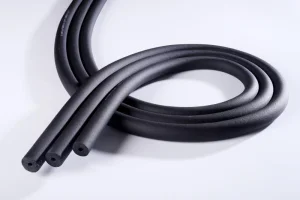
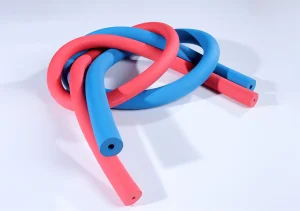
Optimized tubular format for copper refrigeration lines, hydronic piping, and chemical process networks.
| Parameter | Value |
|---|---|
| Material Base | NBR/PVC Synthetic Blend |
| Thickness Range | 9mm to 40mm |
| Inner Diameter (ID) | 6mm to 114mm |
| Core Density | 40 to 55 kg/m³ |
| Service Temperature | -40℃ to +105℃ |
| Moisture Resistance | High Resistance Factor (μ) |
Inner lining coordinates with pipe surfaces to prevent condensation-induced corrosion (CUI) and eliminate freezing risks in outdoor exposure.
Actual feedback screenshots documenting our professional order processing and customer relationships.
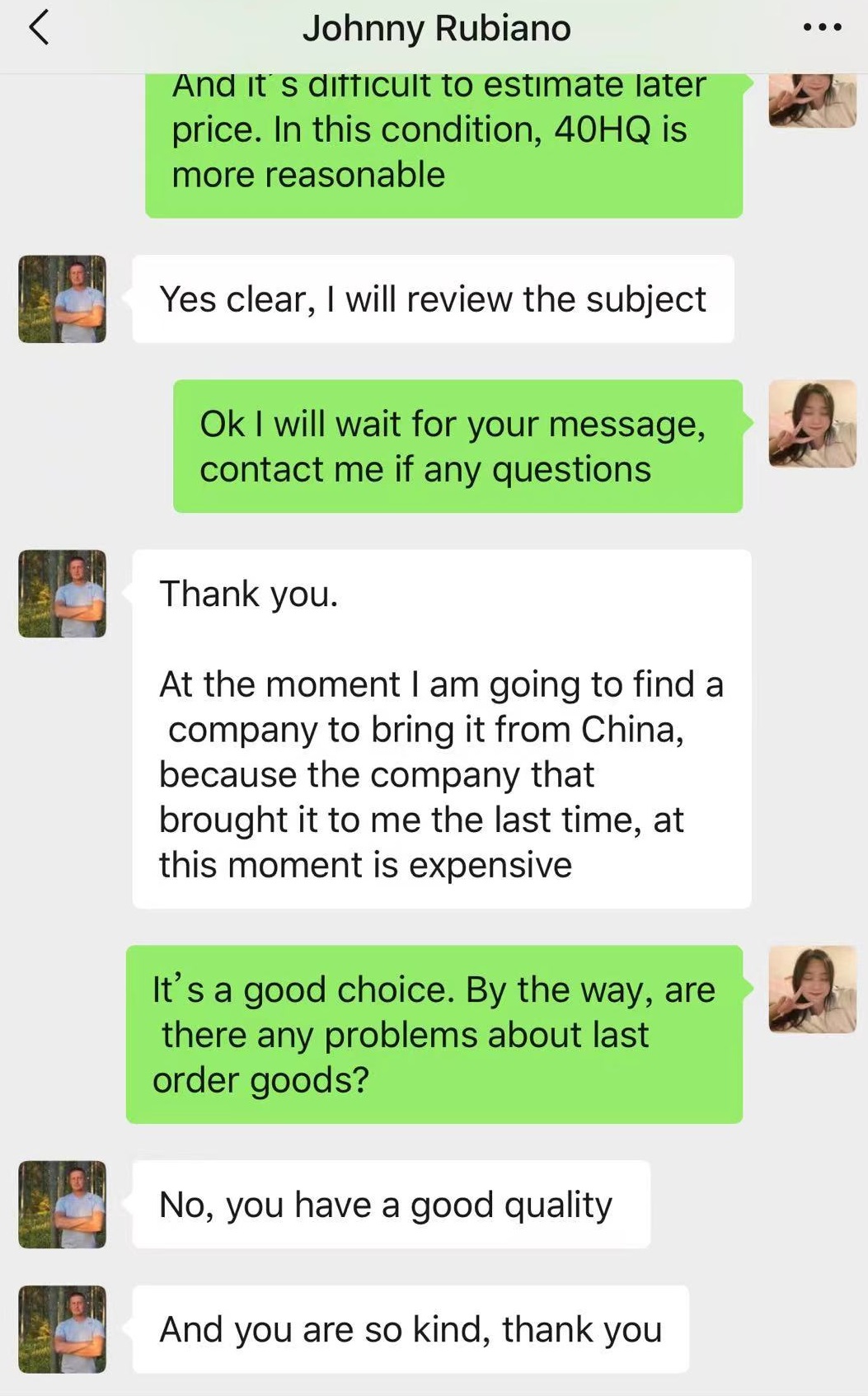




In-depth responses from our technical support team regarding material characteristics, safety ratings, and custom setups.
Explore our low-density formulations, open-cell soundproof boards, and high-temp rock wool materials.
 Kingflex