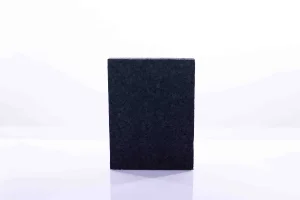
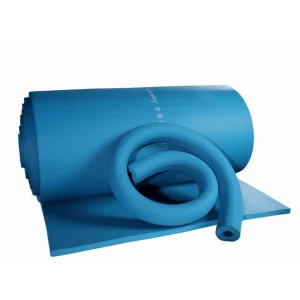
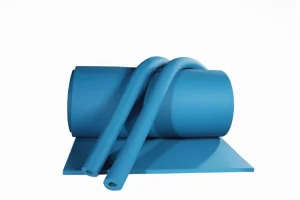
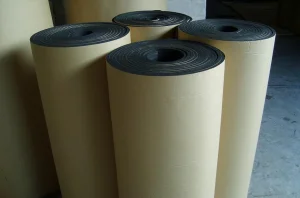
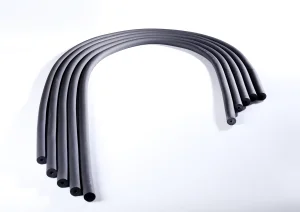
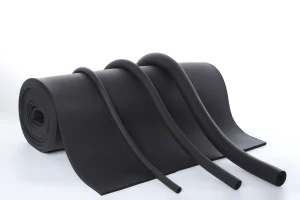
Premium solutions engineered for high performance HVAC, cryogenic processes, and industrial pipeline projects.
Metal pipelines, whether conveying steam in petrochemical plants or carrying chilled water in commercial HVAC systems, operate under demanding thermodynamic stresses. The physical properties of steel, copper, and alloy pipes make them highly susceptible to rapid heat transfer and surface moisture condensation. This condensation leads to a critical industry challenge: Corrosion Under Insulation (CUI), which accounts for up to 40% of industrial piping maintenance expenses globally.
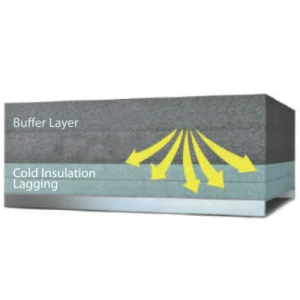
Modern elastomeric rubber foam insulation solves this problem by providing a continuous, closed-cell moisture barrier. With a closed-cell content exceeding 98%, our NBR/PVC formulations prevent water vapor from migrating to the cold metal surface. By maintaining a low thermal conductivity ($\lambda \le 0.034 \text{ W/m}\cdot\text{K}$ at 0°C), this insulation isolates the pipe's temperature, prevents condensation, and protects the system's structural integrity.
Integrating elastomeric material into metal piping systems also delivers significant soundproofing benefits. The elastomer's viscoelastic matrix dampens high-frequency mechanical vibration and controls fluid transport noise, ensuring compliance with strict industrial acoustic standards.
Our commitment to research and development helps us advance thermal efficiency and structural durability for modern infrastructure.
Using co-extruded NBR/PVC matrices with high vapor diffusion resistance (μ ≥ 10,000). This technology replaces older open-fiber insulations, offering reliable protection against moisture ingress on chilled metal pipe systems.
Developing specialized diolefin and nitrile rubber foam systems for ultra-low temperature environments (down to -200°C). These multi-layered cryogenic systems maintain flexibility and prevent thermal shock in LNG and liquid nitrogen piping.
Integrating silica aerogel structures into elastomeric sheets to reduce thermal conductivity to ≤ 0.028 W/m·K. We are also researching bio-based raw materials to minimize carbon emissions in manufacturing.
Different industries face unique environmental challenges. We engineer tailor-made piping systems to address these specific needs:
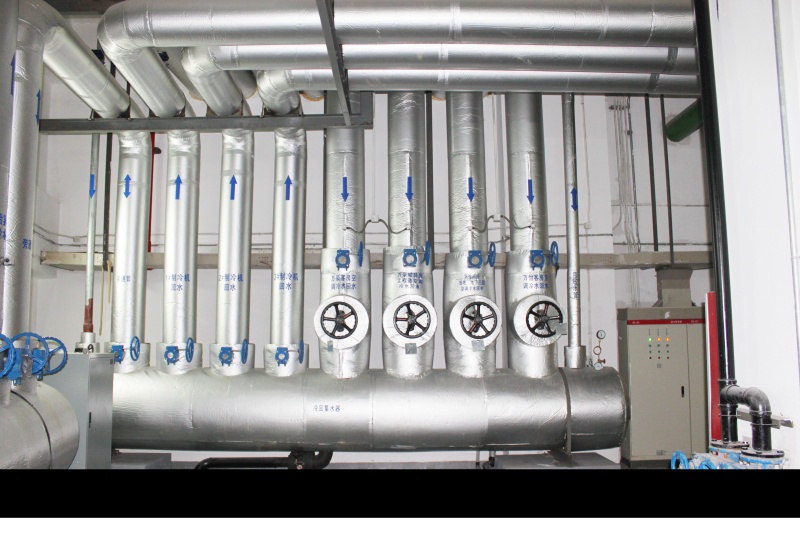
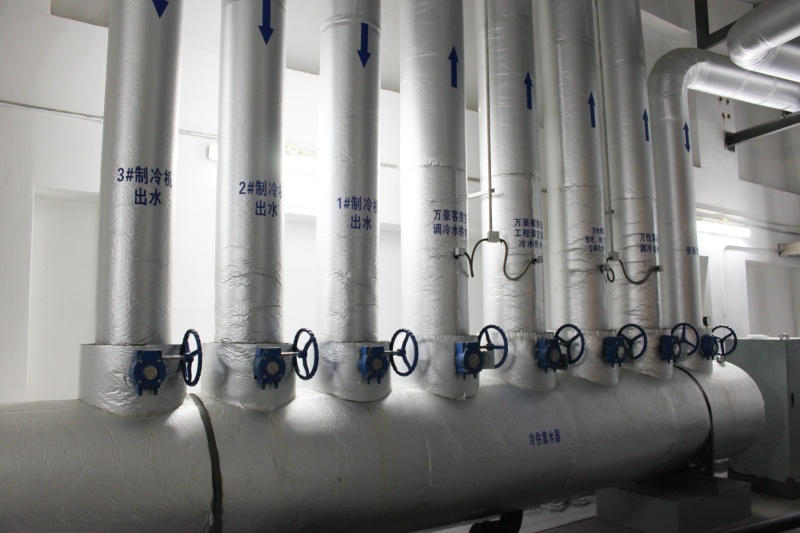
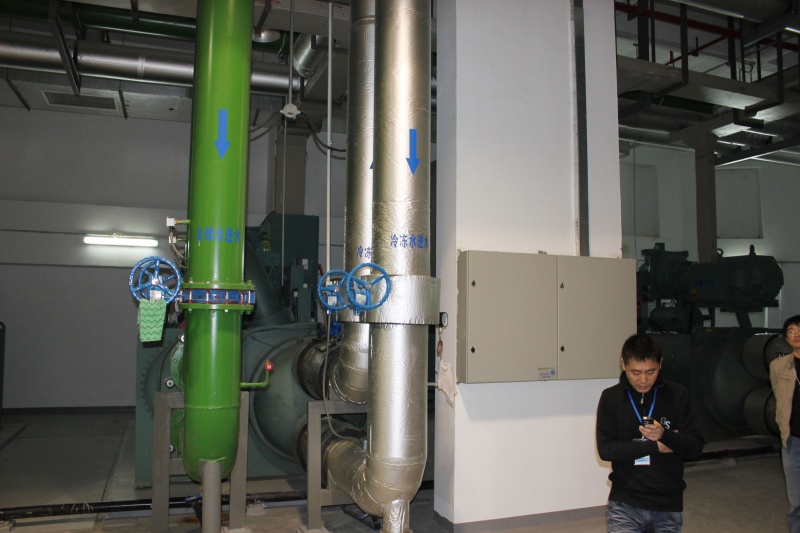
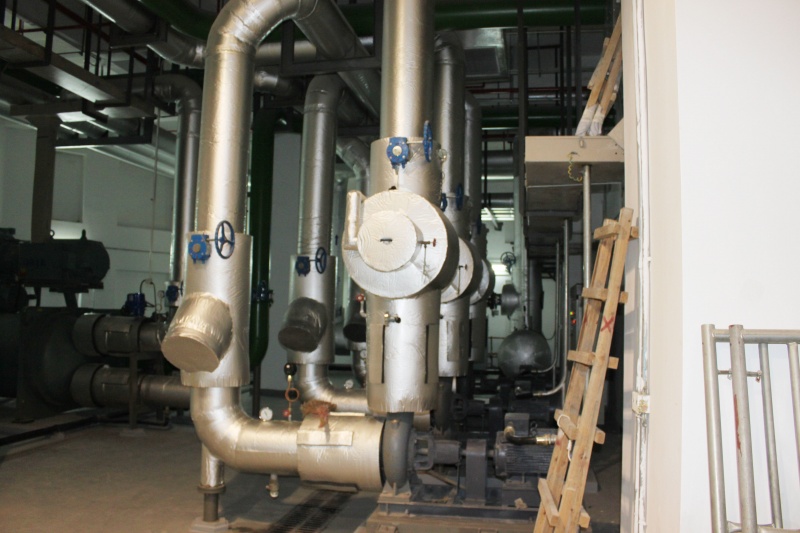
Condensation control on chilled water pipes and ductwork. Our NBR/PVC sheets and tubes prevent moisture dripping, protecting ceilings, wall structures, and indoor air quality.
Insulation solutions for ultra-low temperature applications (down to -200°C). Our multi-layered rubber foam systems prevent cracking and maintain mechanical flexibility under extreme thermal stress.
Thermal regulation for high-temperature and reactive fluids. Our closed-cell rubber protects carbon steel and stainless steel lines from CUI, maintaining stable chemical reactions.
Salt spray and corrosion-resistant insulation with tough cladding options. These solutions are built to withstand offshore environments and meet international maritime fire safety standards.
High-temperature EPDM-based pipe insulation that resists continuous UV radiation, ozone, and temperatures up to 150°C, ensuring long-term thermal efficiency.
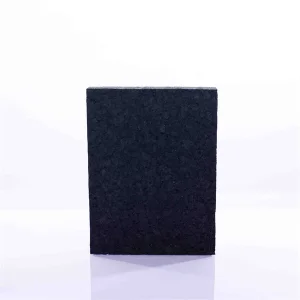
Industrial rock wool blankets and high-density elastomeric systems for high-pressure steam pipes. These materials help minimize heat loss and provide vital protection for personnel.
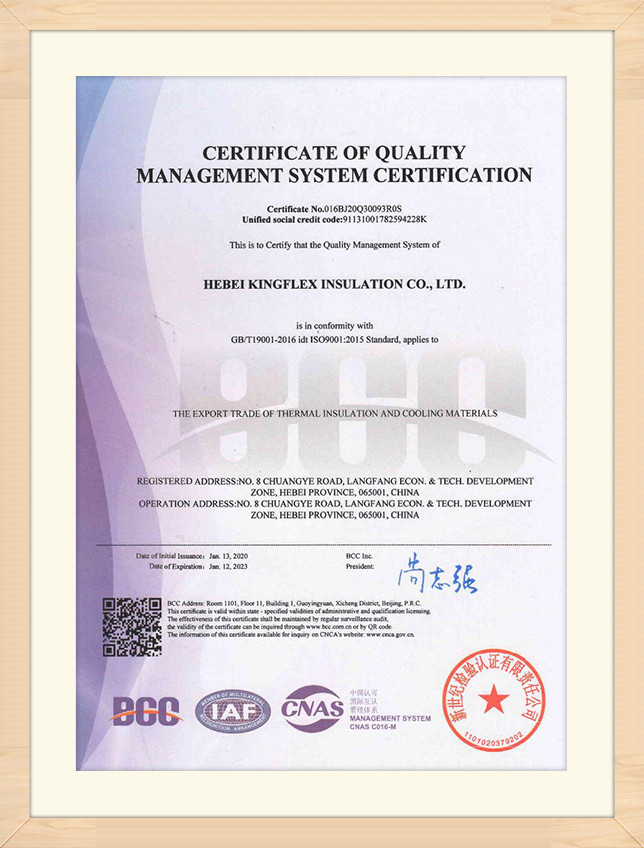
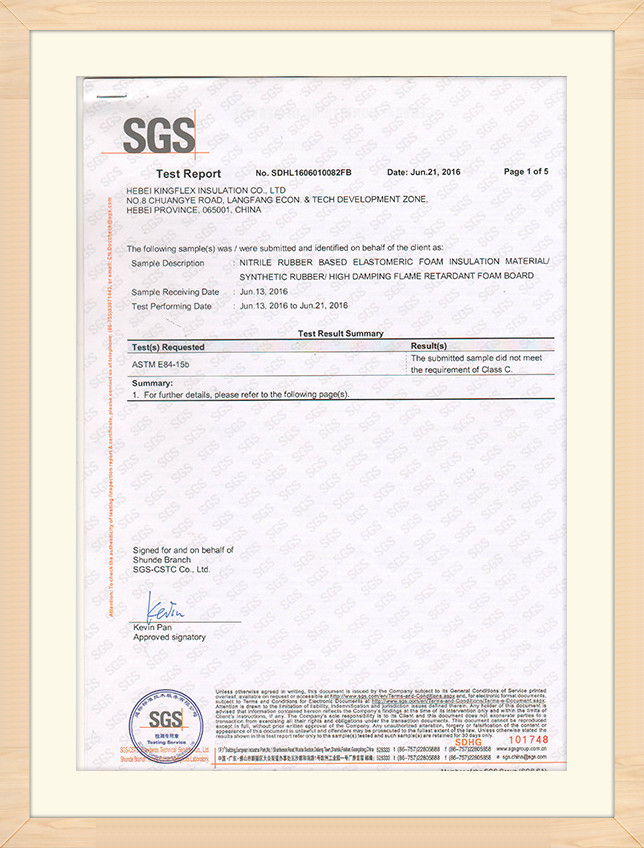
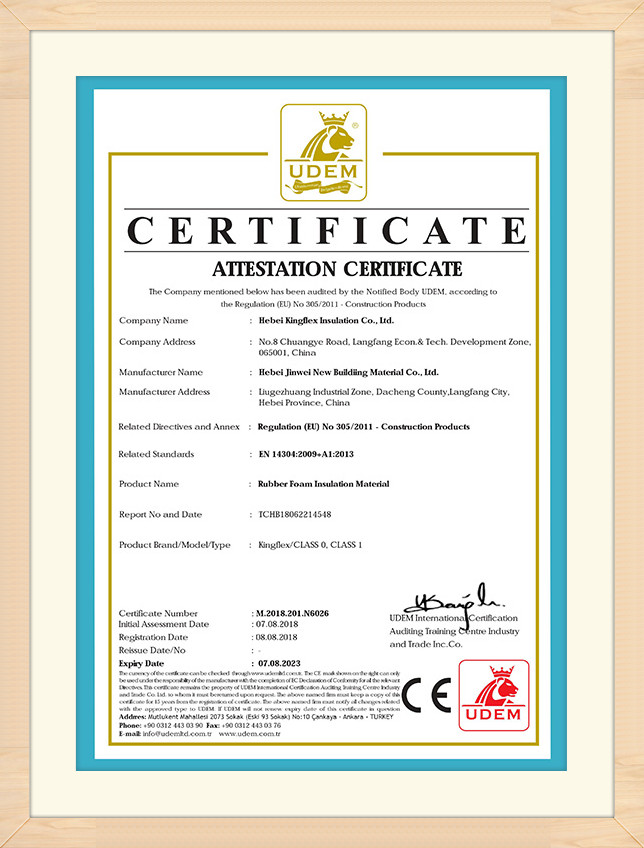
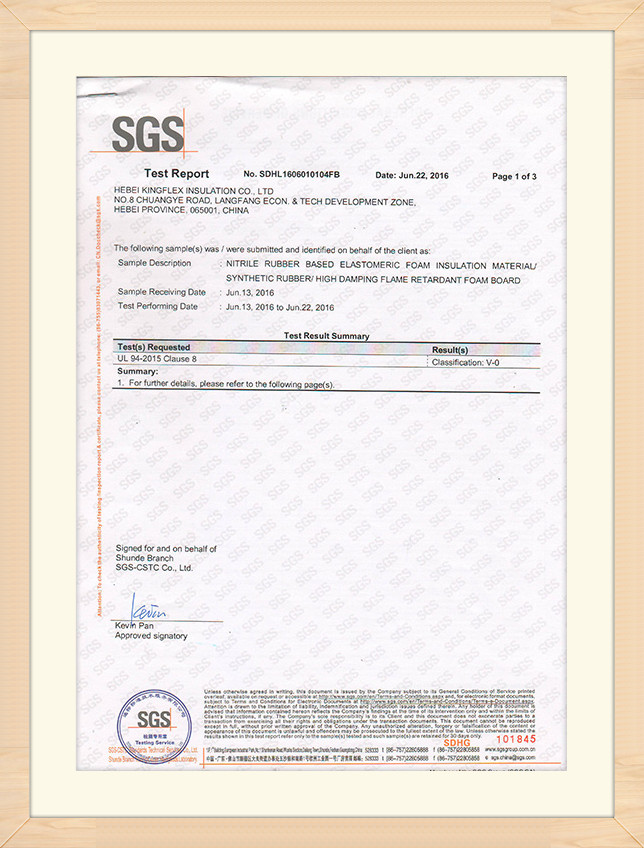

Exporting to more than 66 countries requires strict adherence to international building codes, environmental directives, and performance standards. Kingflex products are engineered, tested, and certified to meet the world’s most demanding compliance regimes.
Our solutions comply with the following standards:
We provide localized technical assistance, engineering consultations, and installation guides. These resources help ensure that your projects remain compliant with regional energy conservation codes, such as ASHRAE 90.1 and EN 12828.
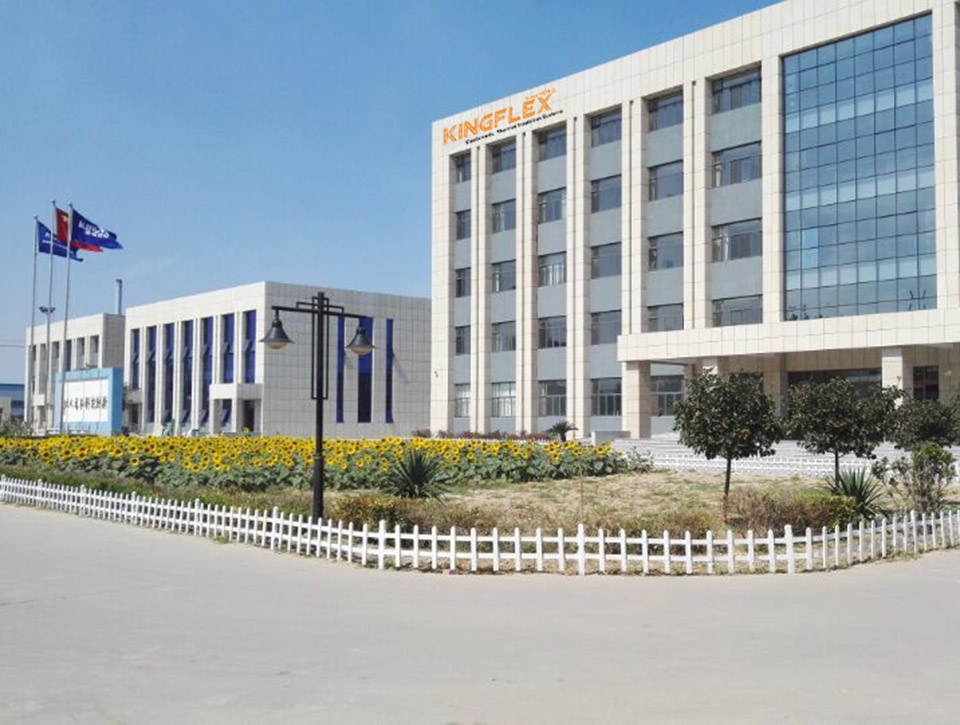
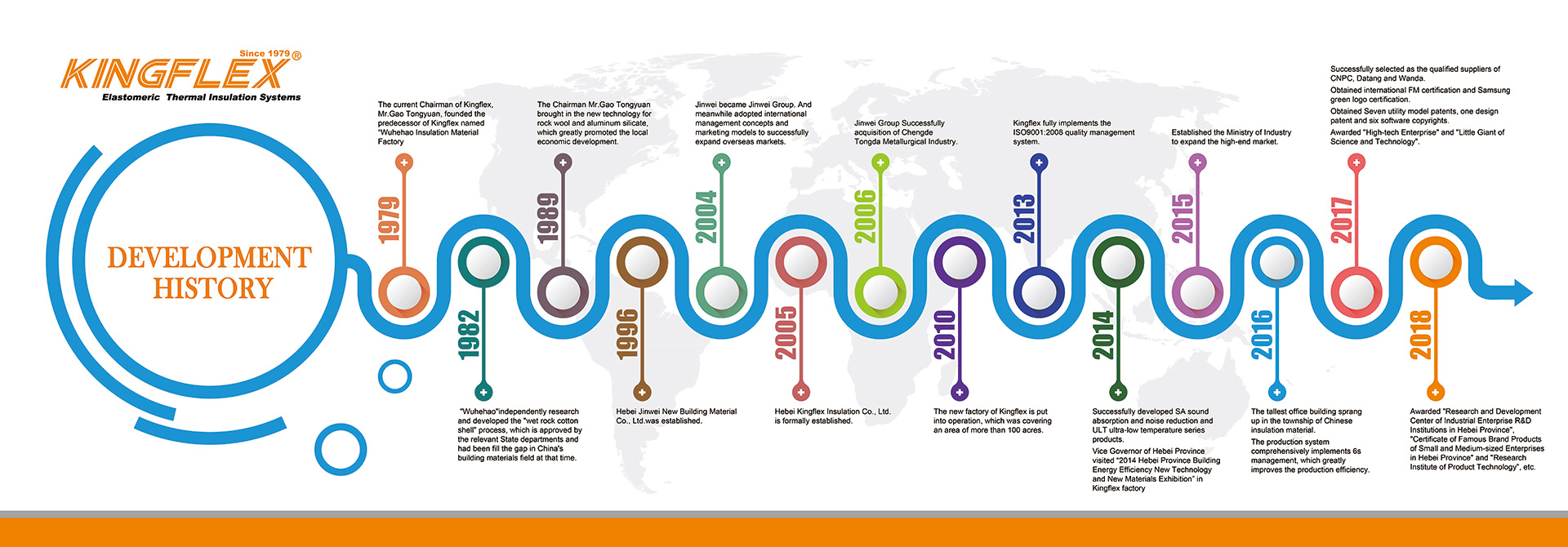
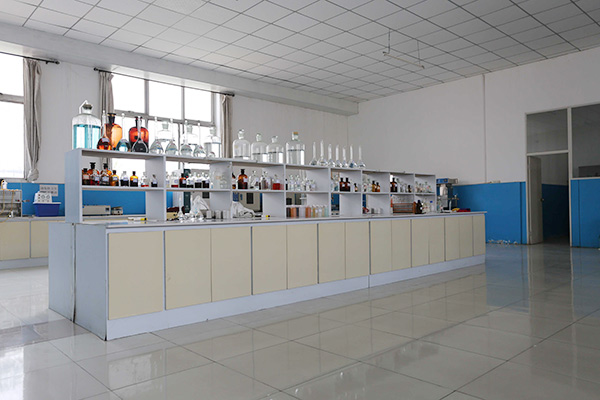
Our automated production facilities in Dacheng, China, leverage advanced manufacturing technology to deliver consistent product quality at scale.
Kingflex Insulation Co., Ltd. operates five high-capacity automated extrusion and foaming lines. With an annual production capacity exceeding 600,000 cubic meters, we are a designated manufacturer for major engineering departments, including the Ministry of Energy and the Ministry of Chemical Industry.
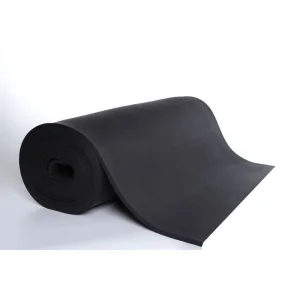
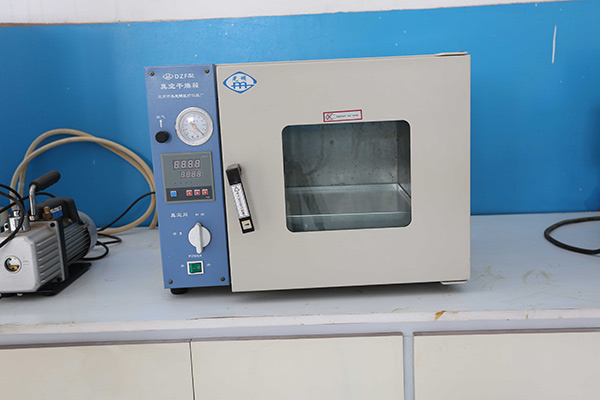
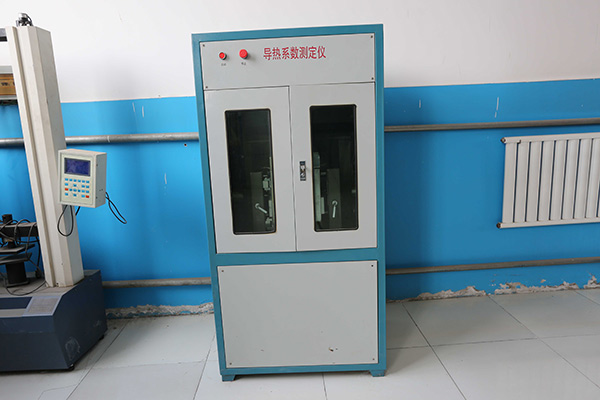
Our Factory 4.0 infrastructure integrates real-time temperature control, precise chemical dosing, and automated online quality testing. This ensures that every roll, sheet, and pipe insulation tube exhibits uniform cell size, consistent density, and stable thermal performance.
By handling raw material sourcing, compounding, vulcanization, and logistics management in-house, we maintain complete control over the production timeline and product quality.

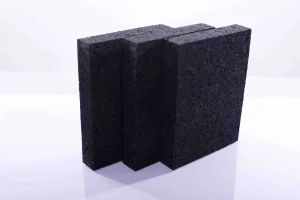
We supply wholesale clients, distributors, and engineering contractors with flexible customization options. Below are the key specifications for our standard elastomeric product lines:
| Parameter | Value / Standard |
|---|---|
| Material Composition | Nitrile Rubber (NBR) & Polyvinyl Chloride (PVC) Blend |
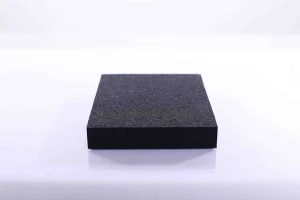
| Thickness Range | 6mm to 50mm |
| Density range | 40 kg/m³ to 55 kg/m³ |
| Service Temperature | -40℃ to 105℃ (ULT systems down to -200℃) |
| Closed Cell Rate | > 98% |
| Elastic Resilience | Compression recovery rate > 80% |
| Parameter | Value / Standard |
|---|---|
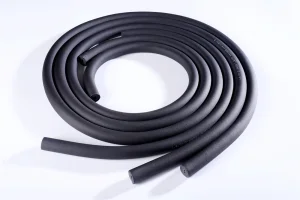
| Internal Diameter (ID) | 6mm to 114mm (Accommodates standard metal pipes) |
| Wall Thickness | 9mm to 40mm |
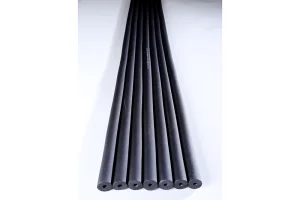
| Physical Form | Pre-formed tubes / Split tubes with self-adhesive options |
| Coating Quality | Precision spray-coated exterior with UV resistance options |
| Moisture Permeability | Low water vapor transmission rate |
| Standard Color | Industrial Black (custom colors available on request) |
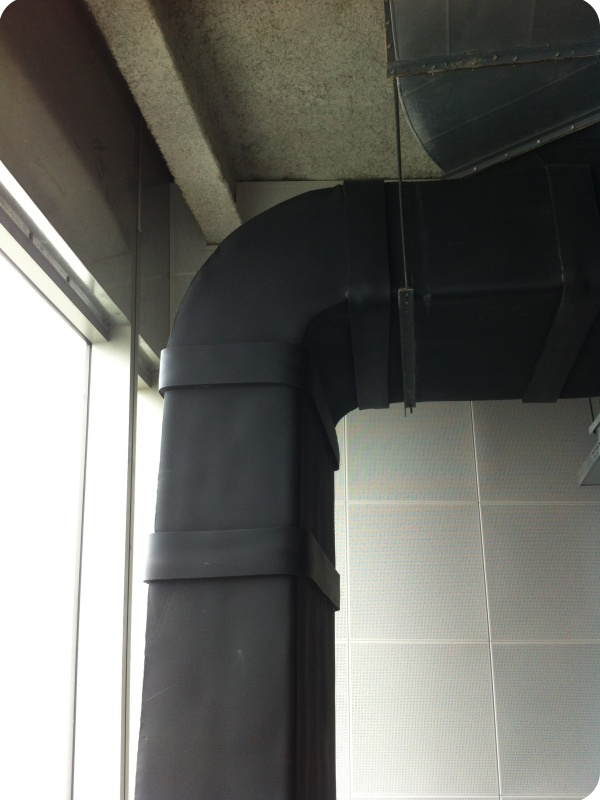
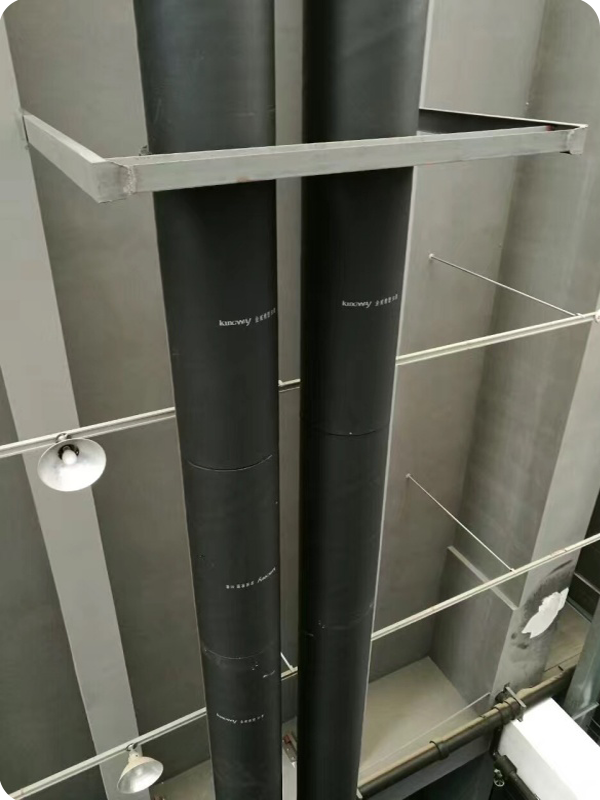
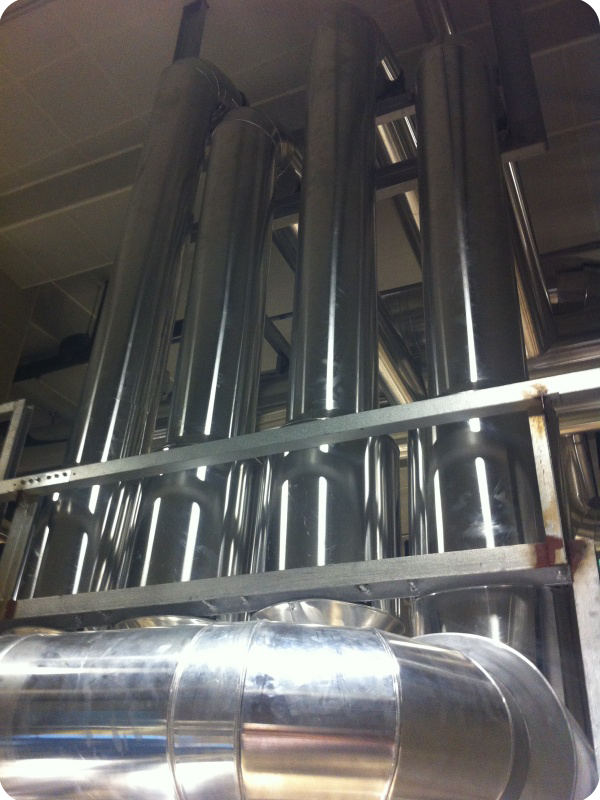
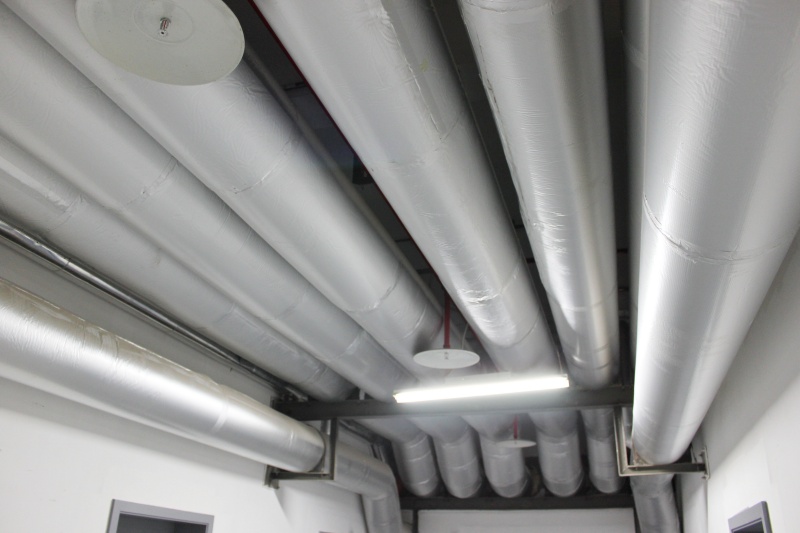
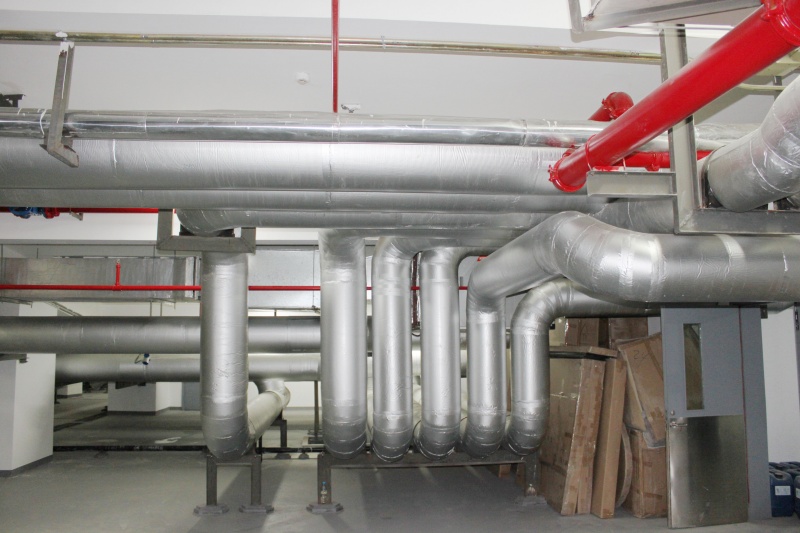
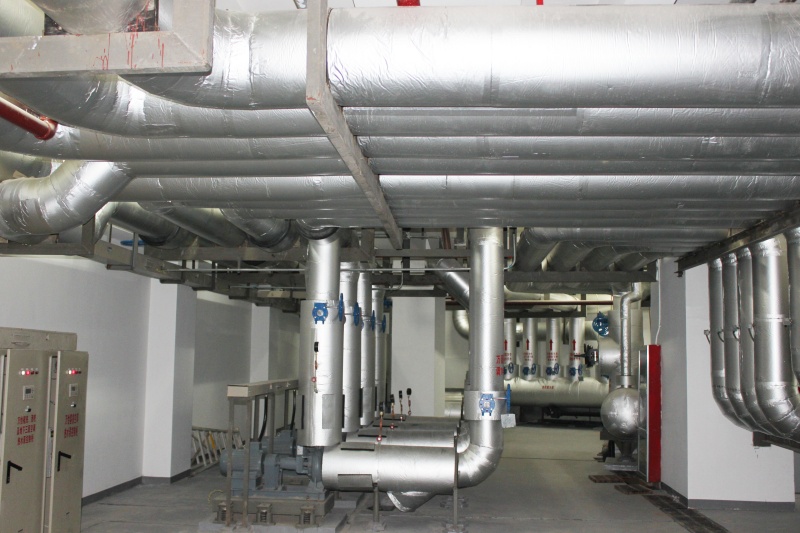
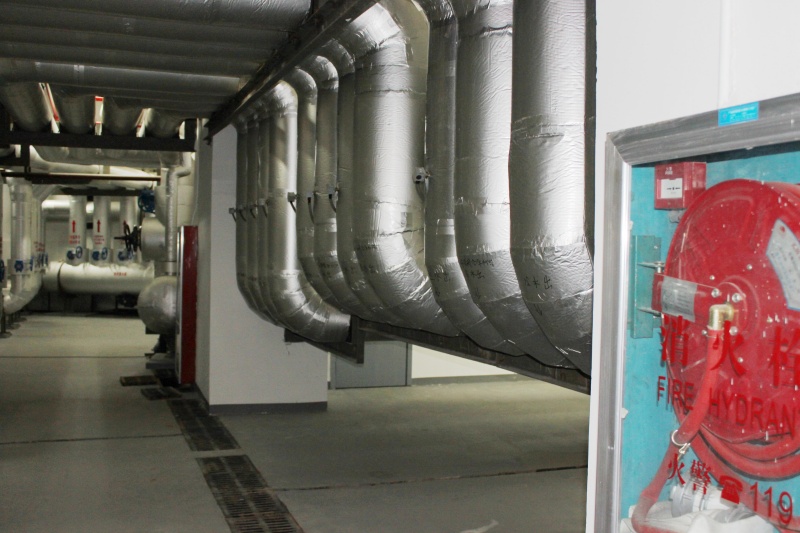
Our solutions have been field-tested in large-scale commercial and industrial applications. This includes thermal insulation for central air conditioning ducts, process pipeline protection in chemical refineries, and condensation control in cold storage rooms.

Explore answers to common questions about thermal performance, physical specifications, and installation requirements.
A1: It is primarily used for insulating HVAC ducts, air conditioning lines, hot and cold water pipes, and industrial processes. It helps prevent condensation, reduce thermal transfer, and control acoustic vibration across a wide range of temperatures.
A2: Yes. Our products are formulated with flame retardants to meet BS 476 Class 0, UL 94 V-0, and ASTM E84 safety standards, ensuring low flame spread and minimal smoke emission.
A3: Rubber foam features a flexible, closed-cell structure with built-in moisture resistance, making it ideal for HVAC and chilled water systems. Rock wool is a high-density, fiber-based material that provides high temperature tolerance and fireproofing, typically used in heavy industrial steam systems.
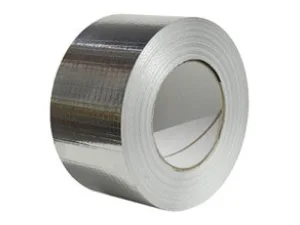
A4: Yes. We offer comprehensive OEM services, including custom tube inner diameters, wall thicknesses, specialized face claddings (such as aluminum foil), and self-adhesive backings.
A5: Our materials are certified to BS 476, CE, REACH, RoHS, UL94, and ASTM standards, ensuring broad compliance for international construction and engineering projects.
A6: Yes. Each batch is assigned a unique tracking number linked to its raw material report, production line parameters, and quality inspection files for full supply chain transparency.
A7: We manufacture insulation rolls in thicknesses ranging from 6mm to 50mm, allowing you to select the appropriate thickness for your specific thermal and condensation requirements.
A8: Properly installed in indoor or weather-protected environments, our elastomeric systems offer an operational service life of 10 to 15 years, during which they maintain stable thermal conductivity.
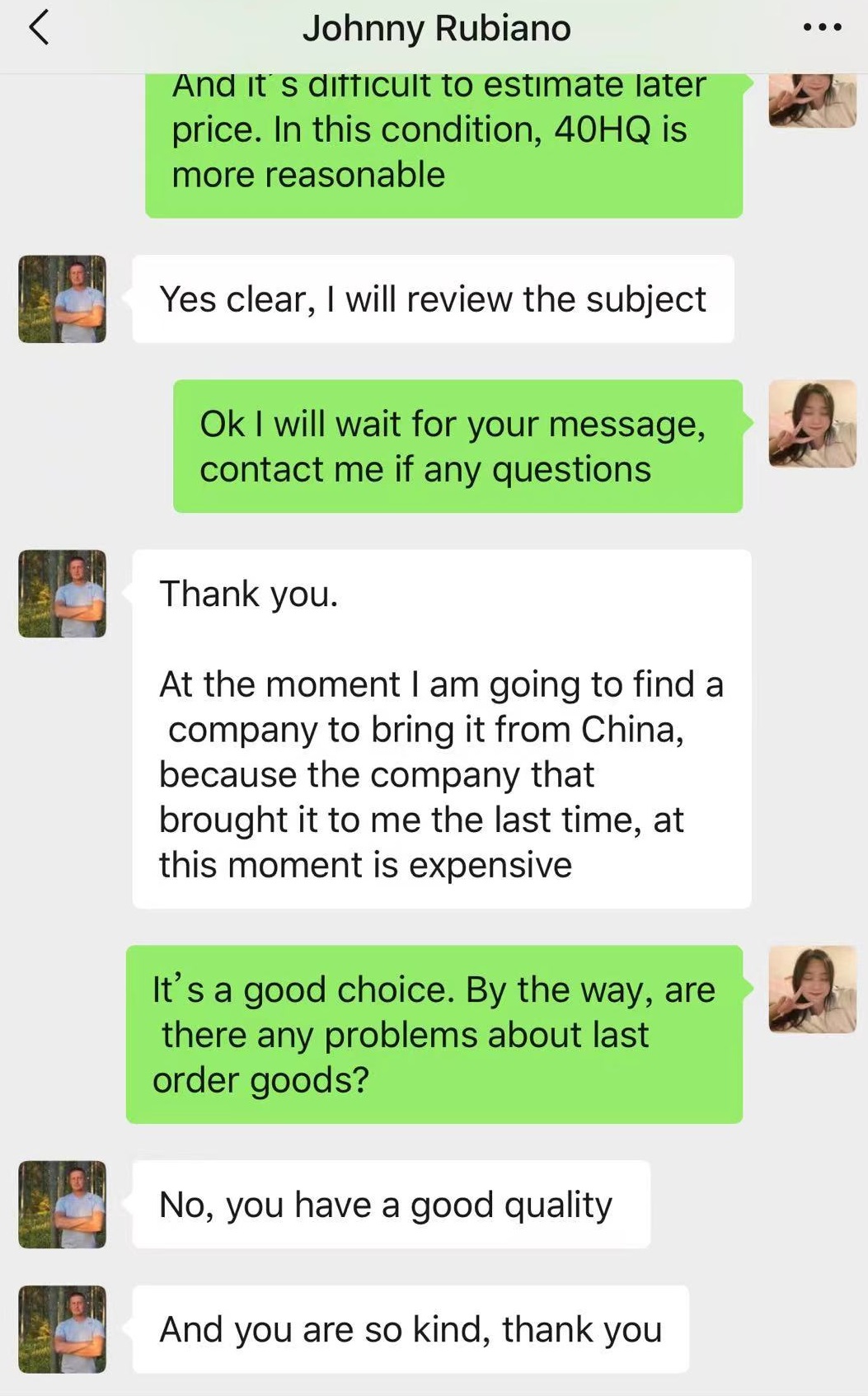
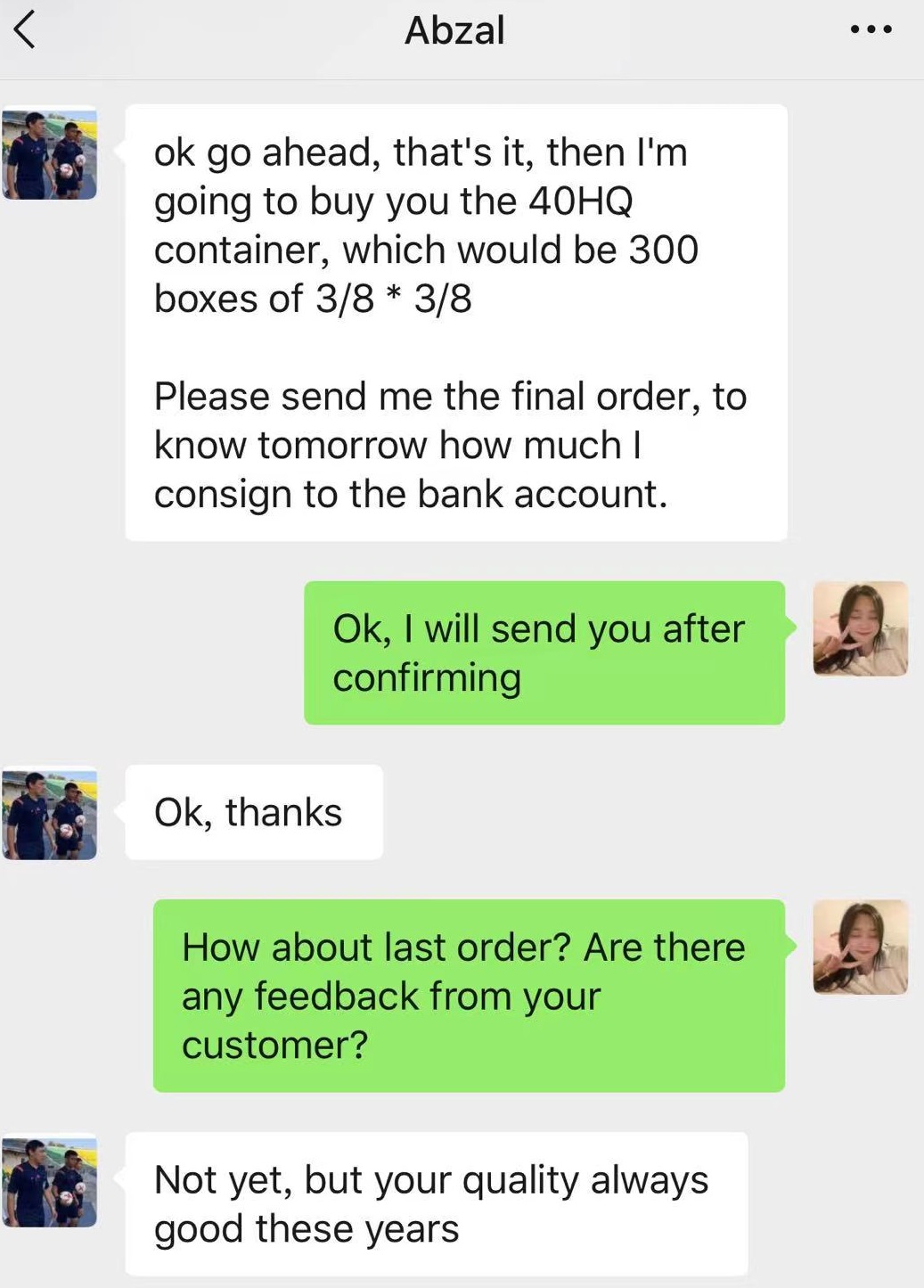


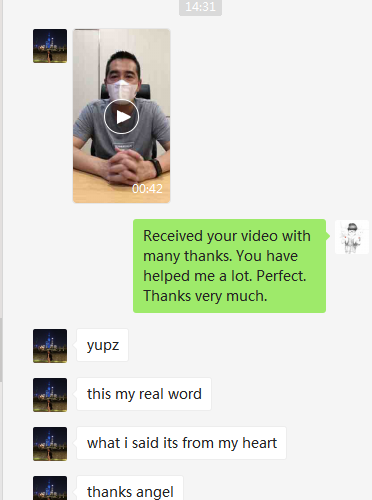
Above: Verified transaction records and project communications with our international engineering partners.
Premium solutions designed to prevent corrosion and maintain thermal efficiency in demanding fluid transfer applications.
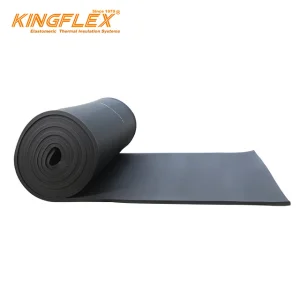
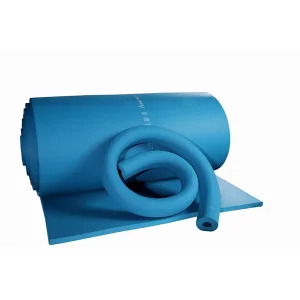
With decades of experience, we provide energy-saving insulation systems and solutions for global infrastructure projects.
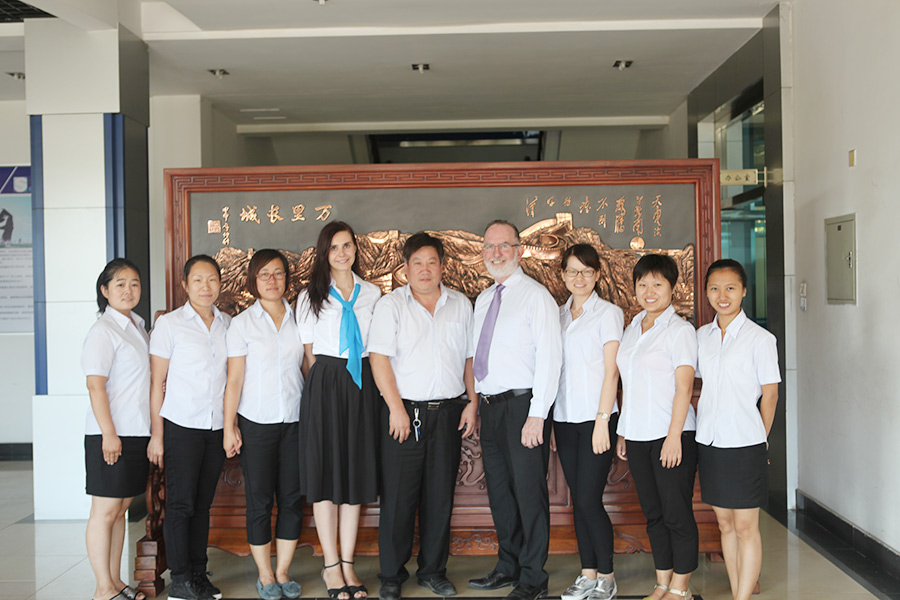


 Kingflex