Engineered rubber foam structures designed for maximum thermal resistance, condensation prevention, and certified fire safety.
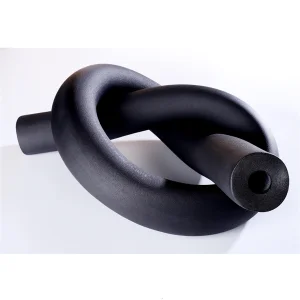
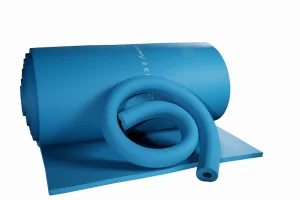
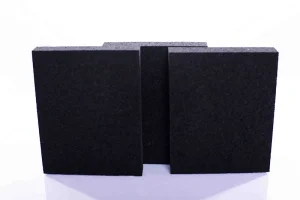
Understanding regional specifications is critical to engineering energy-efficient, legal, and highly operational piping systems.
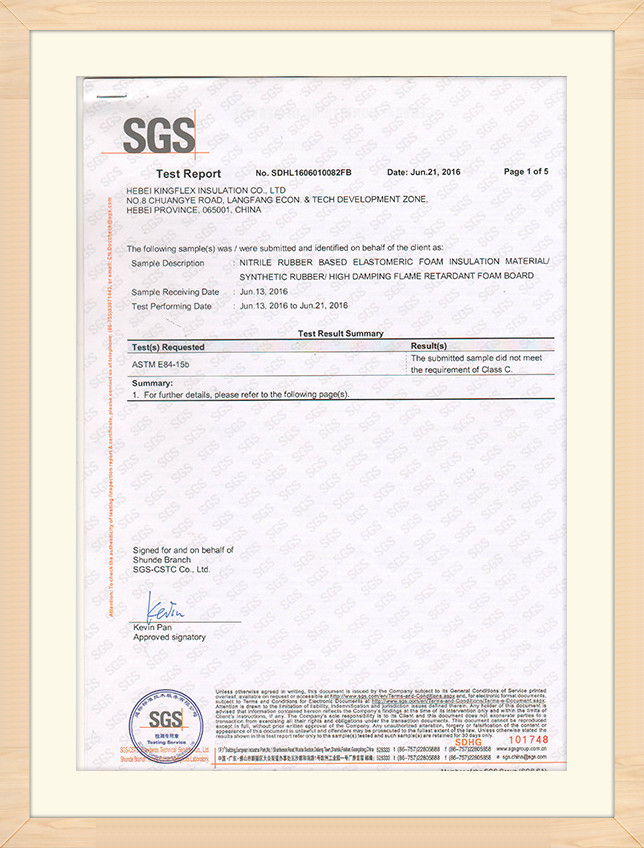
In North America, building envelopes and HVAC assemblies must conform to ASHRAE Standard 90.1 and the International Energy Conservation Code (IECC). Pipe insulation must exhibit precise thermal conductivity (K-factors) and thickness tolerances designed to minimize ambient heat loss while ensuring flame propagation values (ASTM E84) do not exceed 25/50 flame/smoke indices.
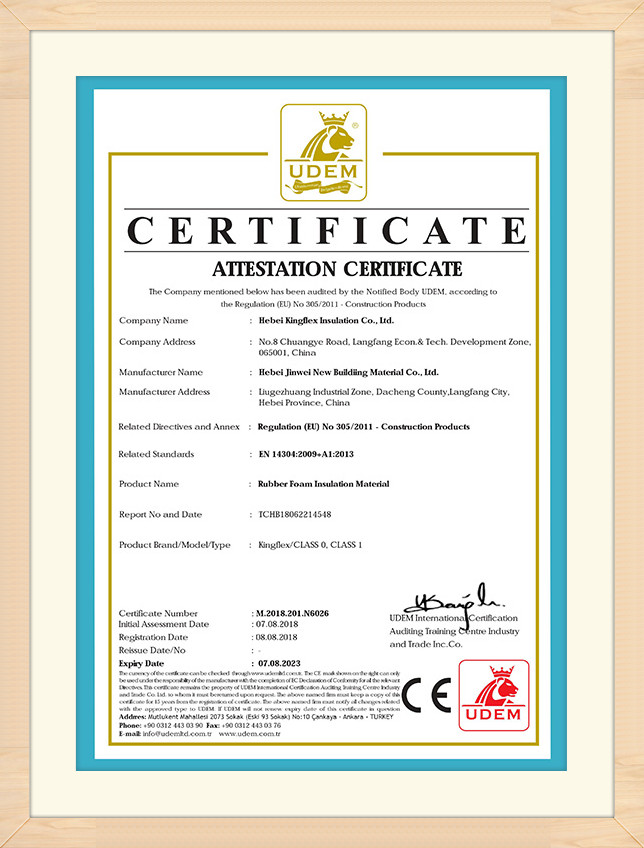
Within the EU, CE Marking is mandatory for flexible elastomeric foams (FEF). EN 14304 defines fire reaction properties, water vapor resistance characteristics (typically μ ≥ 10,000), and specific dimensional stability metrics. Conformity prevents structural condensation and guarantees systemic protection over standard design lifespans.
BS 5422 governs thermal insulation values for domestic and commercial water distribution circuits. Fire resistance requires compliance with BS 476 Parts 6 (Fire Propagation) and 7 (Surface Spread of Flame), ensuring materials achieve Class 0 status. These regulations safeguard public buildings, minimizing toxic outgassing during fire scenarios.
Preventing external condensation on chilled water pipes requires maintaining the outer surface temperature of the insulation sleeve above the dew point of the ambient air. In highly humid commercial environments, calculating the required thickness of NBR/PVC elastomeric rubber foam requires addressing variables such as operating fluid temperature, ambient air temperature, relative humidity, and the outer surface heat transfer coefficient.
Using Kingflex's closed-cell structural engineering—with a closed-cell ratio exceeding 98%—engineers can implement reduced insulation wall thicknesses while meeting international thermal conductivity targets (λ ≤ 0.034 W/m·K at 0°C). This structural integrity ensures the material acts as its own water vapor barrier, maintaining system efficiency without needing additional vapor barriers.
Established under the parent umbrella of the Jinwei Group (which has stood at the forefront of insulation manufacturing since 1979), Kingflex is a premier industrial combination specializing in advanced thermal conservation materials. Located in Dacheng, the recognized green-building materials center of China, our operations integrate design, advanced chemical R&D, and large-scale manufacturing under strict quality management systems.
We approach pipeline conservation systems comprehensively, offering consultation services, custom formulation, system design validation, installation support, and responsive post-sale care. Our core objective is simple: to supply custom-engineered, energy-saving insulation setups that advance structural conservation globally.
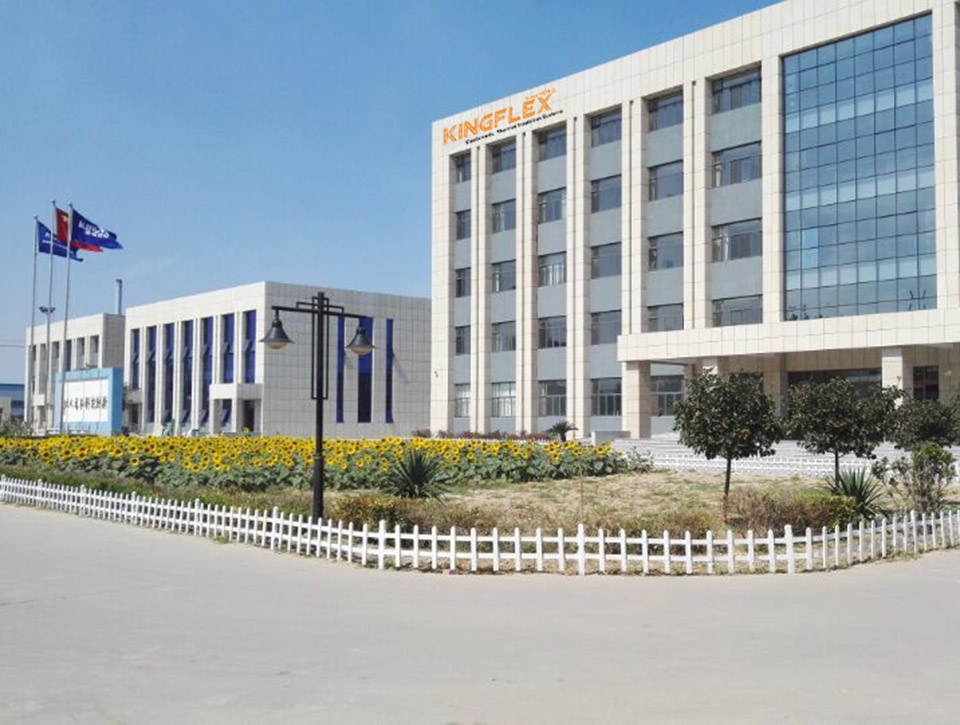
Kingflex was established by the Jinwei Group (which was founded in 1979). Jinwei Group represents over 40 years of market presence and was the pioneer manufacturer of thermal insulation systems north of the Yangtze River. This deep heritage forms the foundation of our engineering expertise, enabling us to adapt quickly to evolving international construction codes and quality assurance requirements.
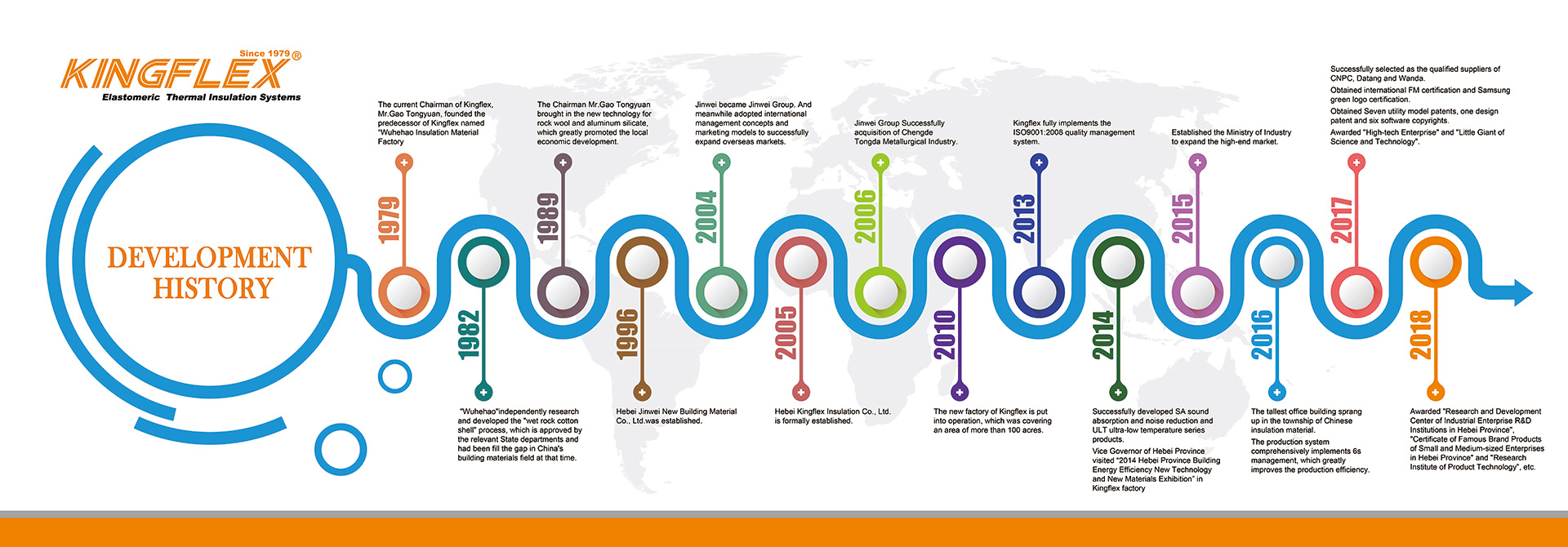
Authorized manufacturer for major industrial sectors, delivering high-volume compliance products worldwide.
Kingflex is a designated production enterprise authorized by the Ministry of Energy, the Ministry of Electric Power, and the Ministry of Chemical Industry of the PRC. Our modern operations are designed to execute large-scale OEM orders, ensuring consistent cell structure and dimensional accuracy across high-volume production runs.
Proven physical parameters and operational parameters for structural elastomeric products.
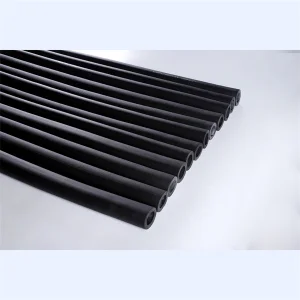
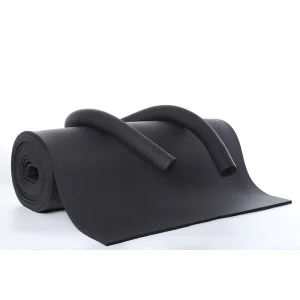
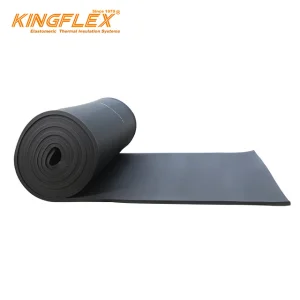
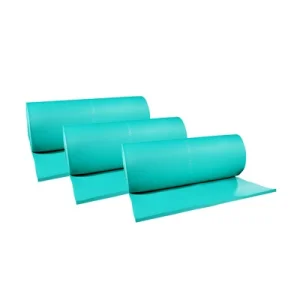
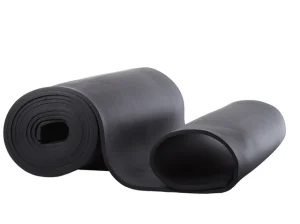
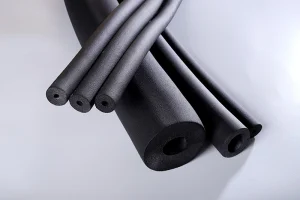
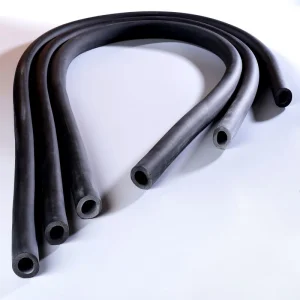
| Parameter | Elastomeric Sheet Roll Specs | Elastomeric Pipe Tube Specs |
|---|---|---|
| Material Base | Nitrile Rubber / Polyvinyl Chloride (NBR/PVC) Blend | Nitrile Rubber / Polyvinyl Chloride (NBR/PVC) Blend |
| Standard Thickness | 6mm to 50mm | 9mm to 40mm |
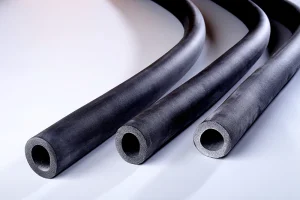
| Internal Diameter (ID) | N/A (Sheet/Roll form) | 6mm to 114mm |
| Density | 40 to 55 kg/m³ | 40 to 55 kg/m³ |
| Thermal Conductivity (λ) | ≤ 0.034 W/(m·K) at 0°C | ≤ 0.035 W/(m·K) at 0°C |
| Service Temperature Range | -40°C to +105°C | -40°C to +105°C |
| Closed Cell Ratio | ≥ 98% | ≥ 98% |
| Compression Resilience | ≥ 80% | ≥ 80% |
| Fire Certification | BS 476 Class 0, UL94 V-0, ASTM E84 Class A | BS 476 Class 0, UL94 V-0, ASTM E84 Class A |
Our dedicated R&D department, led by 8 professional insulation design engineers, focuses on optimizing fire performance and low-temperature durability. By incorporating fine-cell nucleating agents, Kingflex has produced elastomeric foam rolls capable of withstanding cryogenic temperatures without structural micro-cracking, addressing demanding applications in chemical processing and LNG facilities.
How our scale, localized manufacturing clusters, and logistic management lower global project CAPEX.
Dacheng, China is a major hub for green building materials. This close proximity to primary raw material suppliers reduces transit costs and ensures a steady supply of high-grade NBR and PVC polymers. This localization allows Kingflex to maintain competitive bulk pricing even during global market fluctuations.
Automating chemical dosing, continuous extrusion, and high-temperature vulcanization allows us to manufacture with tight dimensional tolerances. This automated process minimizes physical variation, ensuring consistent insulation thickness across large-scale procurement orders.
Located near major commercial ports, Kingflex handles export procedures efficiently. In the past 16 years, we have exported to 66 countries, demonstrating our ability to manage maritime freight, custom declarations, and import compliance requirements.
Kingflex insulation solutions are fully tested and certified by recognized global regulatory bodies.
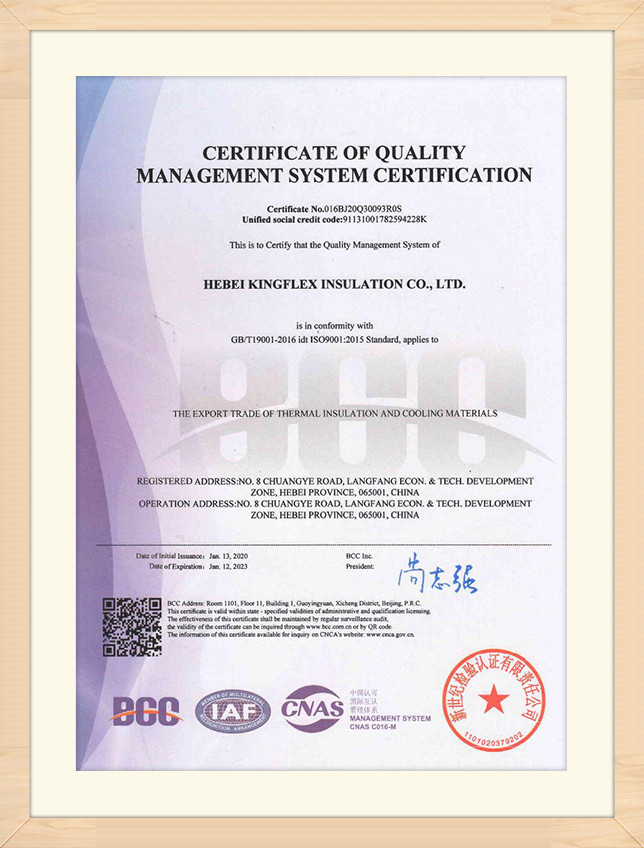
CE Compliance
ISO Management
ASTM Testing Standards
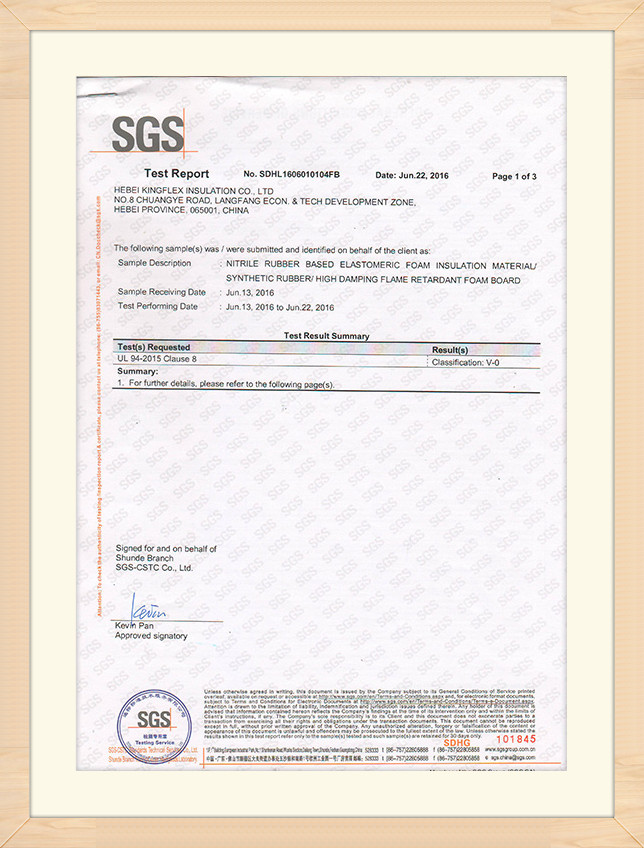
BS 476 Fire Class 0
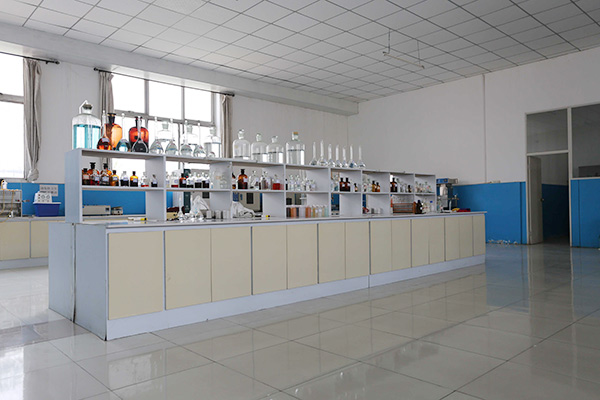
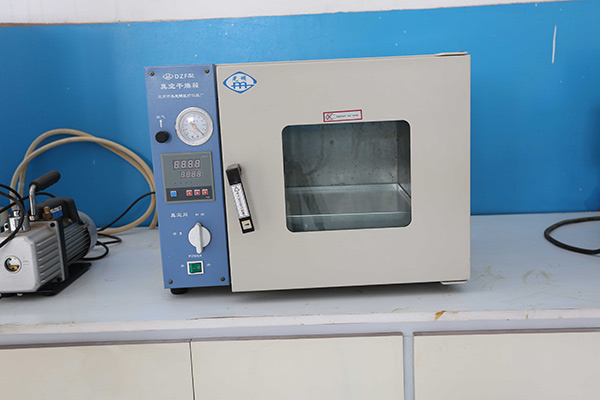
Every shipment of Kingflex insulation receives a unique batch code, providing complete traceability from raw materials to final packaging. Our on-site quality assurance lab verifies foam density, cell structure, tensile strength, and dimensions prior to shipment. This detailed testing ensures all materials meet spec requirements before leaving the factory.
Tailored solutions matching physical insulation configurations to specific site conditions.
Condensation control is essential in humid climates. Kingflex closed-cell insulation prevents moisture intrusion, protecting building interiors from condensation damage and limiting mold growth in ceiling voids and commercial duct networks.
Designed for chemical processing and refrigeration systems, our ultra-low temperature insulation withstands temperatures down to -40°C. It maintains flexibility and prevents thermal bridging, ensuring reliable performance in demanding cold applications.
High-density NBR foam boards absorb airflow and fan noise within HVAC ductwork. Combining acoustic and thermal insulation reduces installation steps and simplifies project labor coordination.
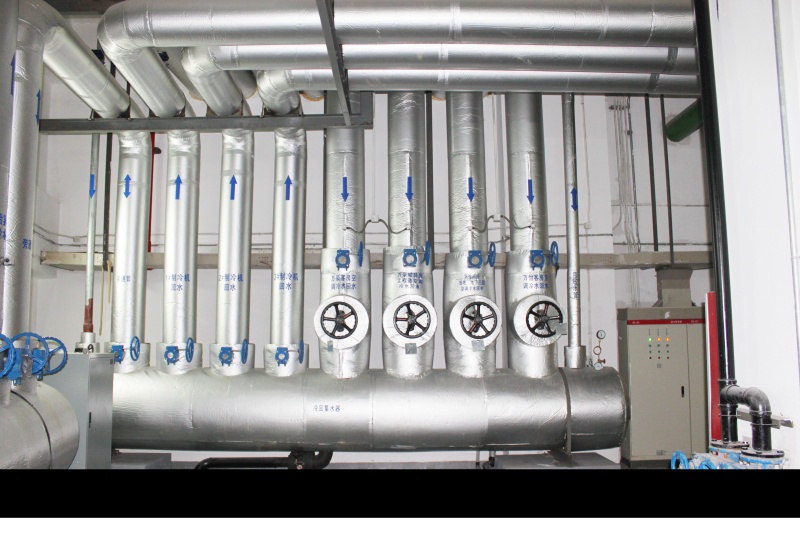
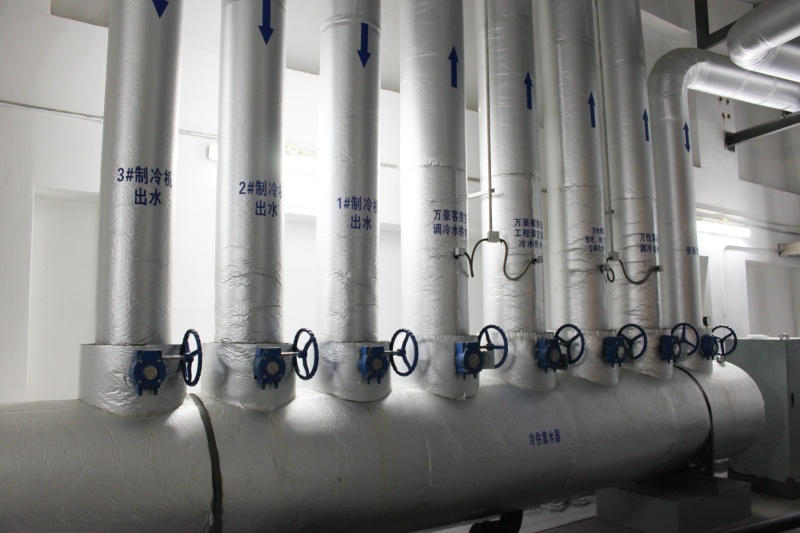
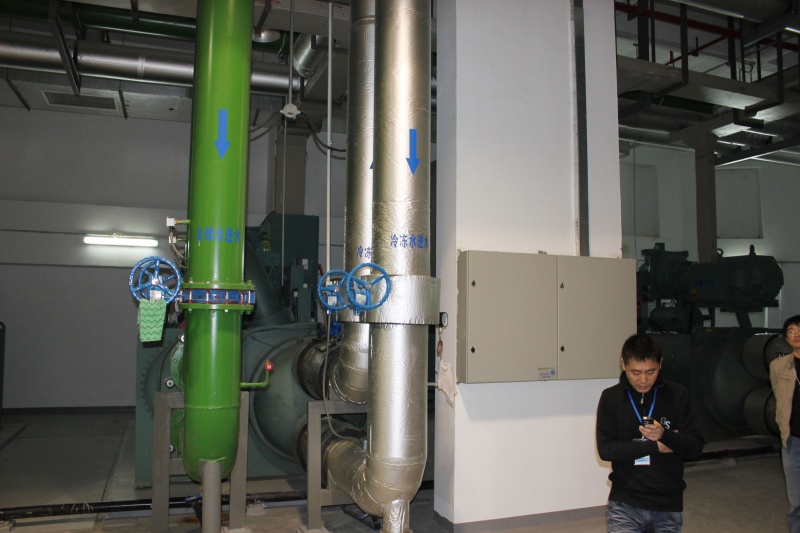
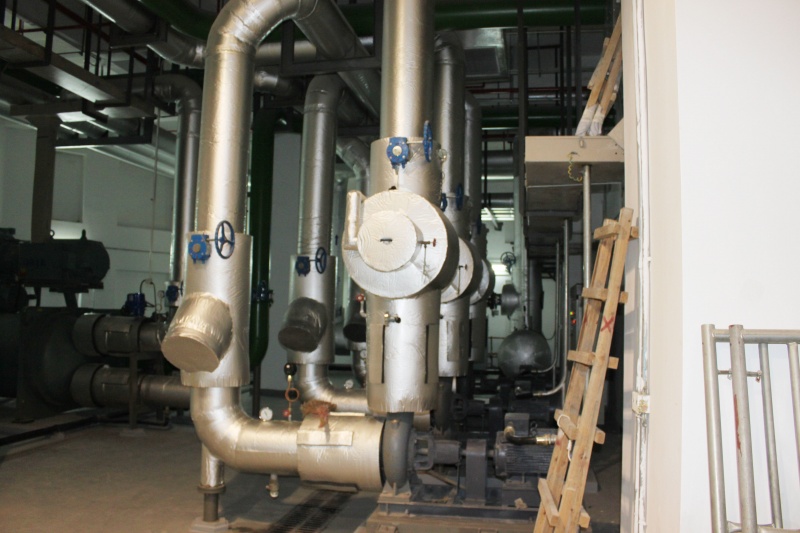
How we work with procurement managers and design engineers to deliver practical project outcomes.
Our dedicated sales and engineering teams work directly with clients to resolve design challenges, confirm dimensional compatibility, and coordinate shipping logistics. Whether validating insulation specifications or arranging container load plans, we focus on clear and timely updates.
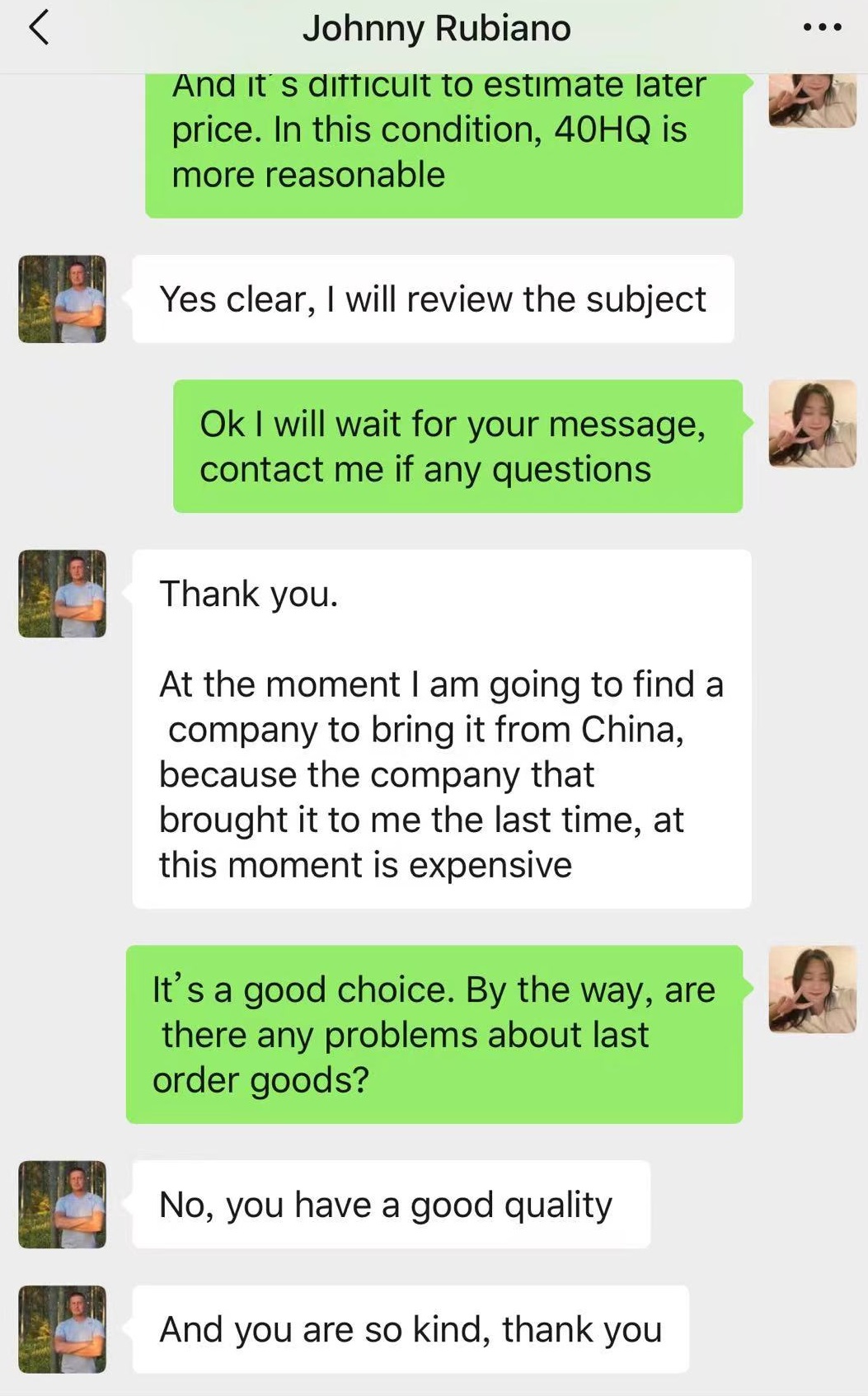
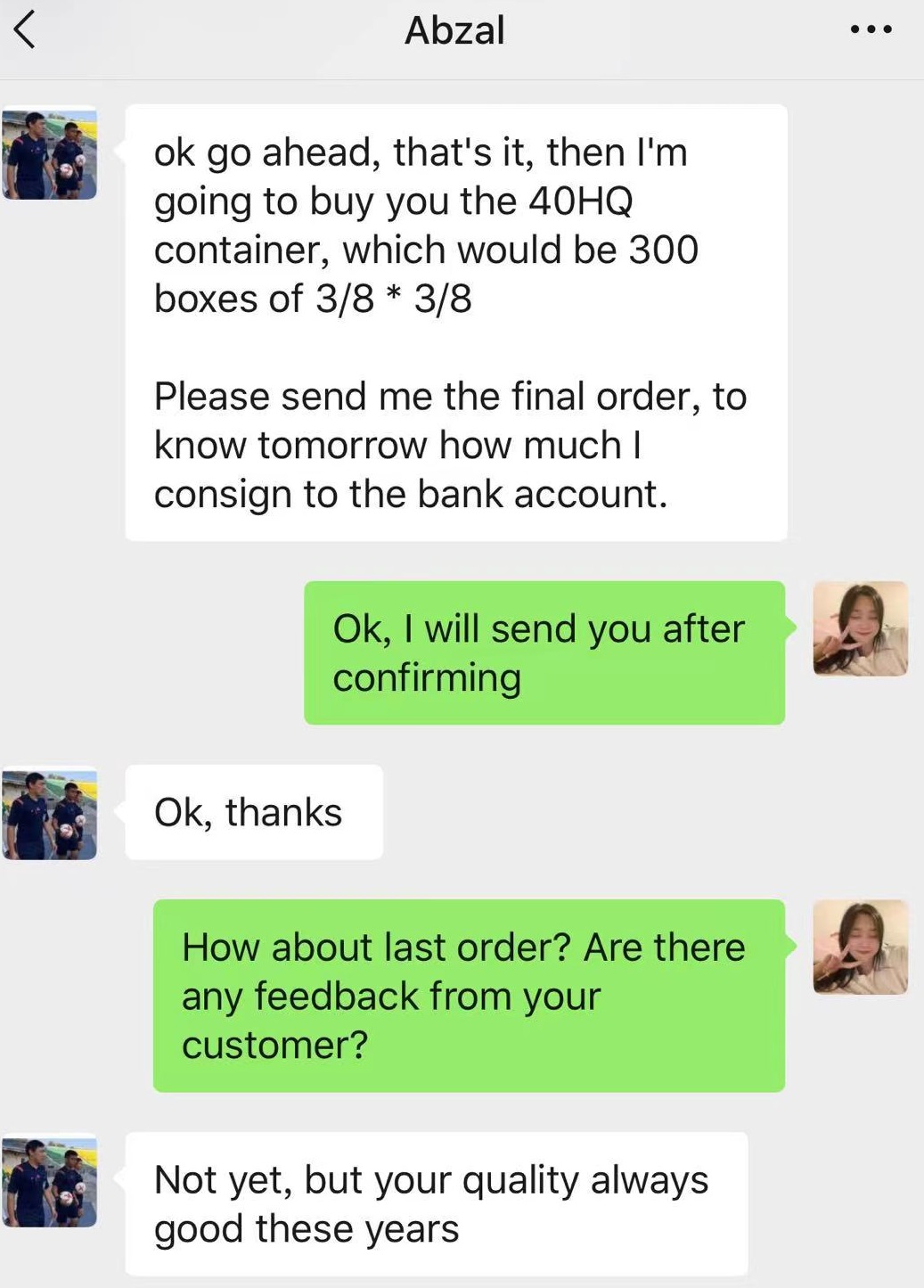
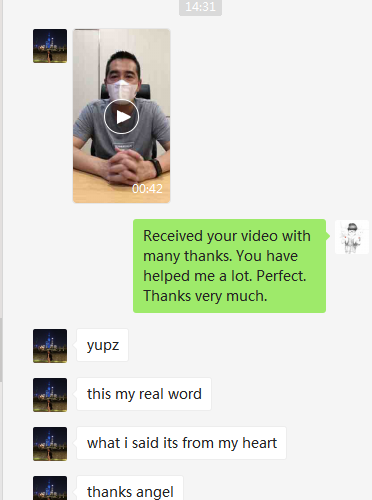
Our project track record is supported by direct feedback from international procurement managers who value Kingflex's product performance and reliable delivery schedules.


Answers to common questions regarding elastomeric rubber foam insulation and regulatory requirements.
A1: It is mainly used for HVAC ducts, air conditioning pipes, building thermal insulation, industrial pipeline cold insulation, and sound insulation.
A2: Yes, our rubber foam insulation products are fire retardant, meeting global safety standards for commercial and industrial projects (including BS 476 Class 0, UL94 V-0, and ASTM E84 Class A).
A3: Rubber foam is flexible, features a closed-cell structure, and resists moisture, making it ideal for HVAC, chilled water systems, and general building insulation. Rock wool is high-temperature resistant and fireproof, suited for high-temperature industrial steam lines.
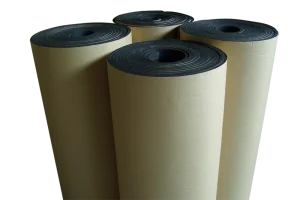
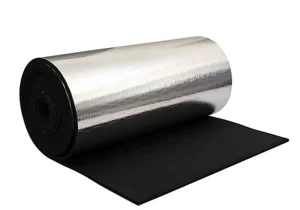
A4: Yes, we provide OEM services, allowing customization of density, colors, wall thicknesses, interior diameters, and adhesive backings to meet specific project guidelines.
A5: Our products have passed BS 476, CE, REACH, ROHS, UL94, ASTM, and other international certifications, ensuring compliance with global building and safety regulations.
A6: Yes, all products carry a batch trace-code, linking raw material input, manufacturing dates, and quality assurance logs for project compliance audits.
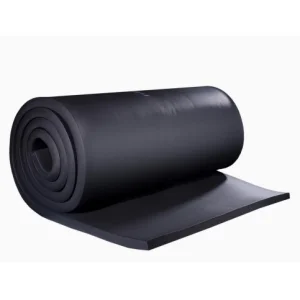
A7: We produce elastomeric sheet rolls in thicknesses ranging from 6mm to 50mm, with options for customized sheet lengths and widths.
A8: In standard applications with proper installation, Kingflex products provide an operational lifespan of 10 to 15 years.
A9: By preventing water vapor ingress, the closed-cell structure keeps moisture away from the metal pipe surface, reducing the risk of Corrosion Under Insulation (CUI) without needing extra coatings.
A10: Pricing is based on order volume, raw material costs, special certifications, adhesive requirements, and shipping destinations. Volume pricing is available for large-scale projects.
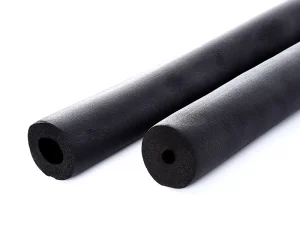
High-density rolls, sheets, and specialized pipe wraps designed for demanding commercial applications.
 Kingflex