Premium solutions engineered to combat extreme thermal transfer, thermal contraction, and moisture ingress in demanding New Zealand environments.
New Zealand’s distinct industrial sector spans from large-scale dairy processing hubs in Waikato and Canterbury to commercial marine LNG projects in Auckland and Wellington. These industries require reliable, highly-engineered low-temperature insulation systems to prevent extreme energy loss and condensation damage.
In low-temperature and cryogenic piping (-40°C down to -200°C), thermal shock and moisture ingress are constant risks. With New Zealand's coastal environments presenting high relative humidity, standard insulation fails rapidly due to water vapor permeability. Liquid moisture instantly freezes, expanding and destroying the cellular structure of the material. This thermal bridge causes icing, energy loss, and structural corrosion (Corrosion Under Insulation, or CUI).
To meet the rigorous compliance standards under the New Zealand Building Code (NZBC Clause H1 Energy Efficiency) and AS/NZS standards, industrial systems must deploy low-temperature elastomeric foam materials with a closed-cell rate above 98% and exceptional resistance to water vapor diffusion.
Global logistics and supply chains require manufacturers who can promise both high capacity and fast turnaround times. Operating from Dacheng—China's green building materials capital—Kingflex operates five fully automated, state-of-the-art production lines to deliver consistent cellular structure and uniform thermal properties across large production runs.
For New Zealand procurement officers, importing directly from a Chinese Industry 4.0 manufacturer offers clear advantages:
A professional manufacturing and trading combo driving innovation in the global building and industrial insulation sectors.
Our research, development, and production base is located in Dacheng, China. Kingflex is focused on developing energy-saving, environmentally friendly insulation materials. Led by a team of 8 professional R&D engineers, 6 international sales consultants, and 230 skilled production workers, we ensure seamless global distribution and custom technical support.

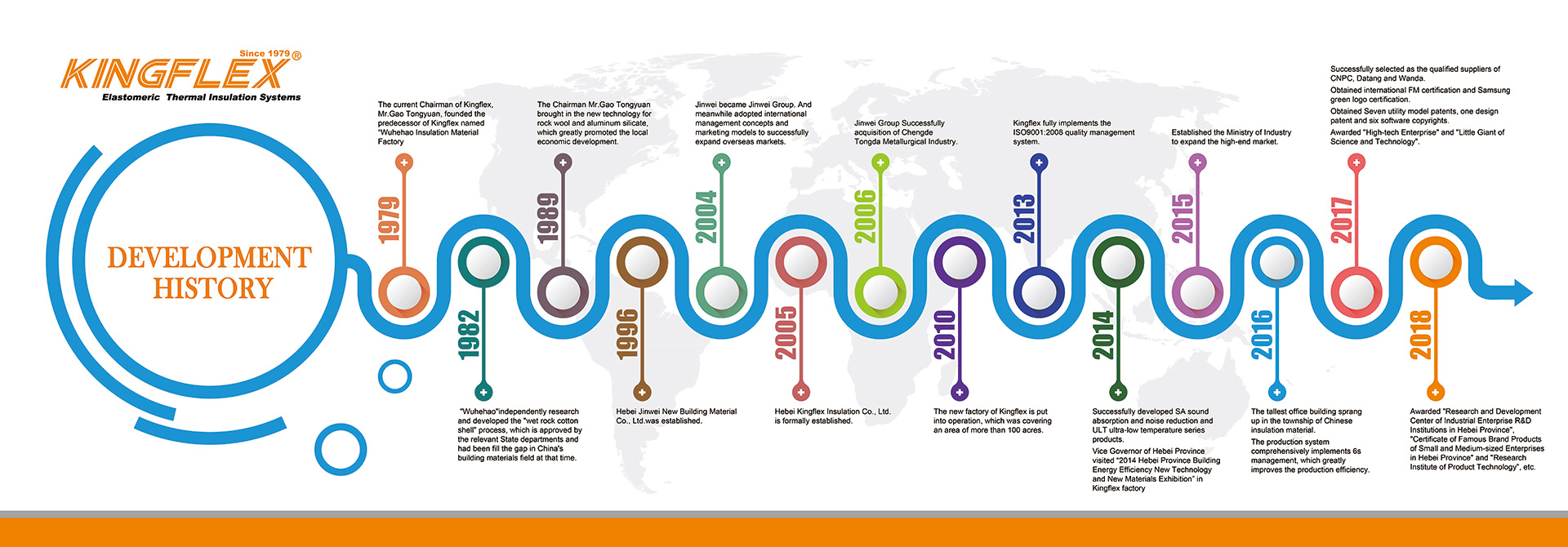
Established by the Jinwei Group, which holds a heritage of over 40 years dating back to 1979, Kingflex was built on a foundation of industrial pioneering. As the first manufacturer of thermal insulation materials north of the Yangtze River, we have built a long-term reputation for reliability in low-temperature and building envelope systems.
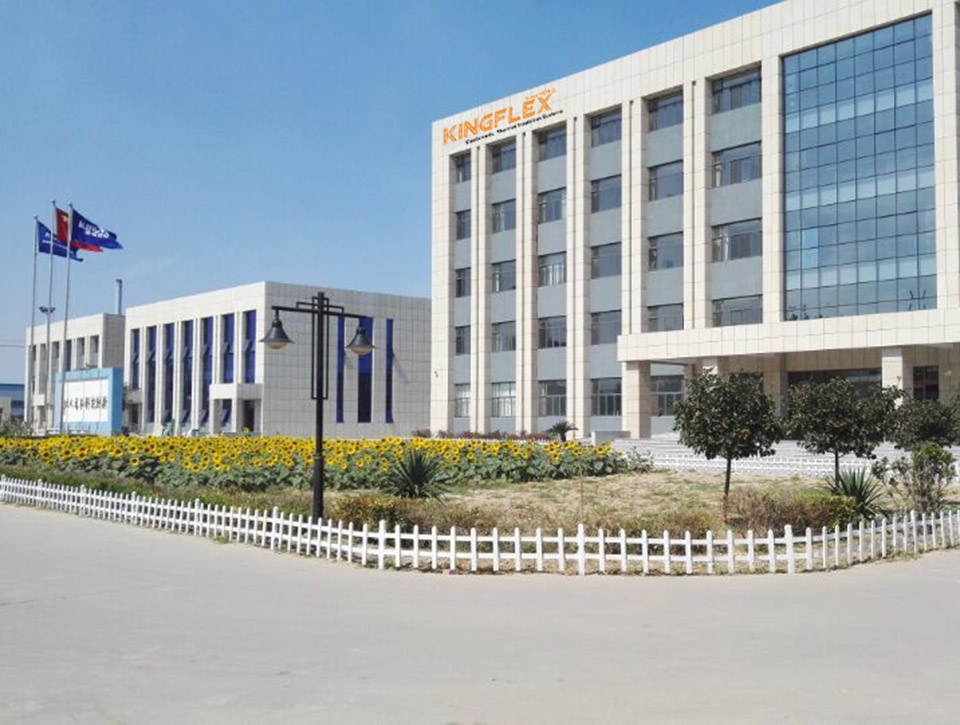
Our designated manufacturing center produces certified insulation systems widely utilized in building, petroleum, chemical, national defense, and aerospace fields. Supported by ISO-certified processing, we offer complete cold-preservation solutions tailored to demanding sub-zero environments.
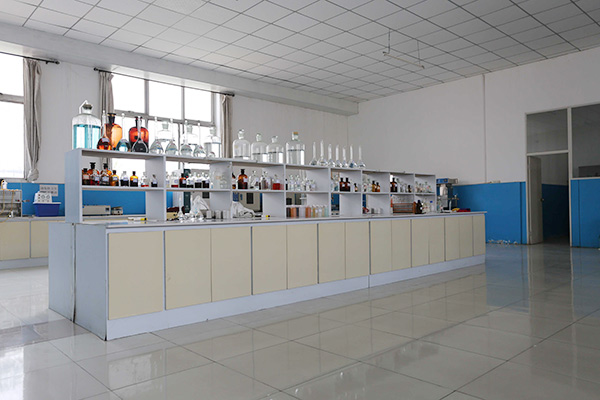
Kingflex insulation materials are rigorously tested to meet global commercial building and heavy industrial standards.
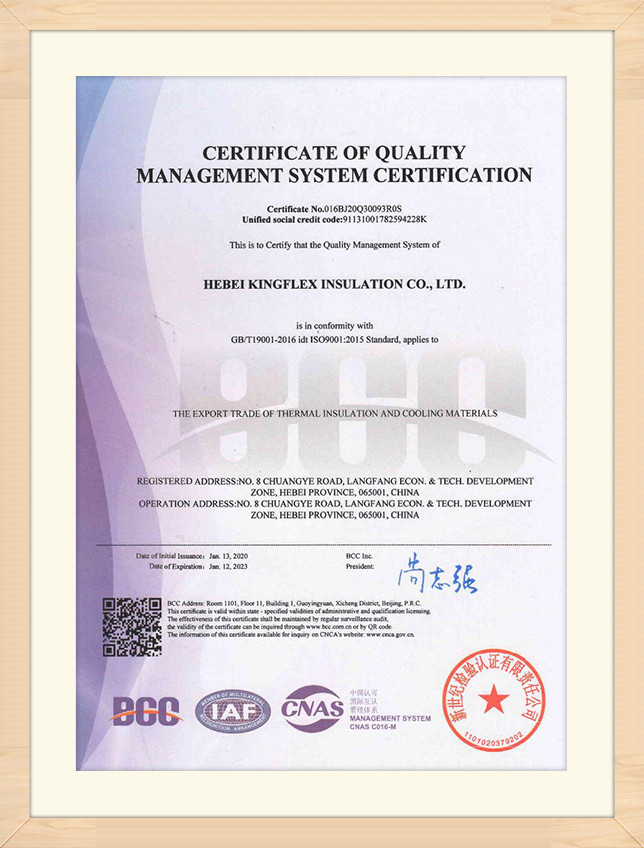
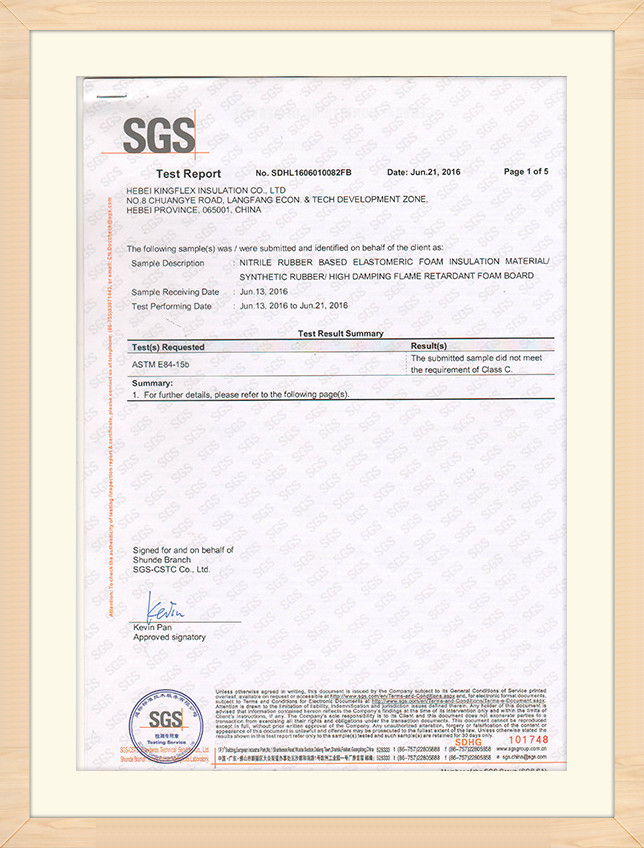
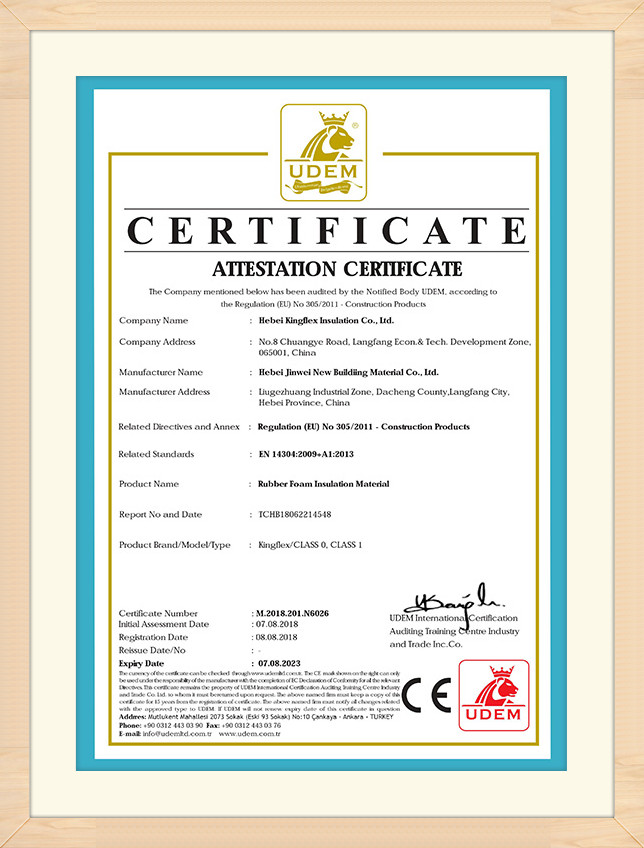
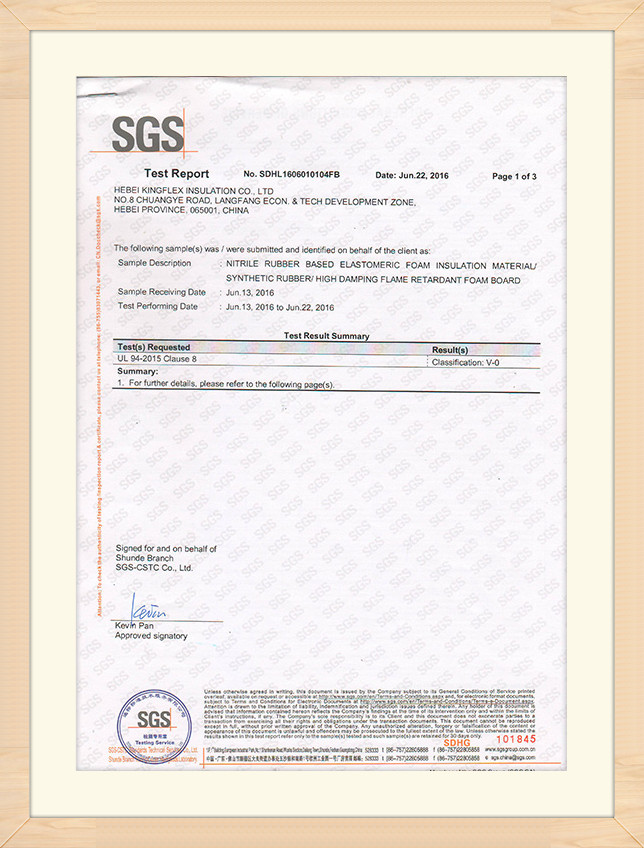
We hold full compliance certificates including BS 476, CE, REACH, ROHS, UL94, and ASTM. Traceability reports are available for every production run to ensure compliance with NZ local council consents.
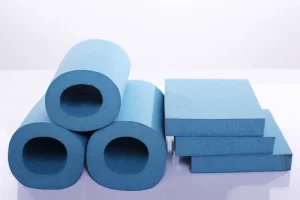
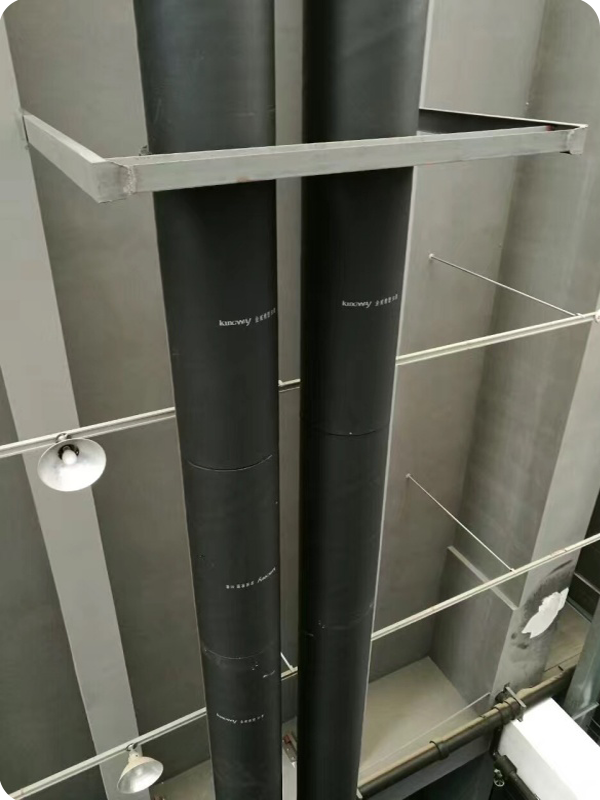
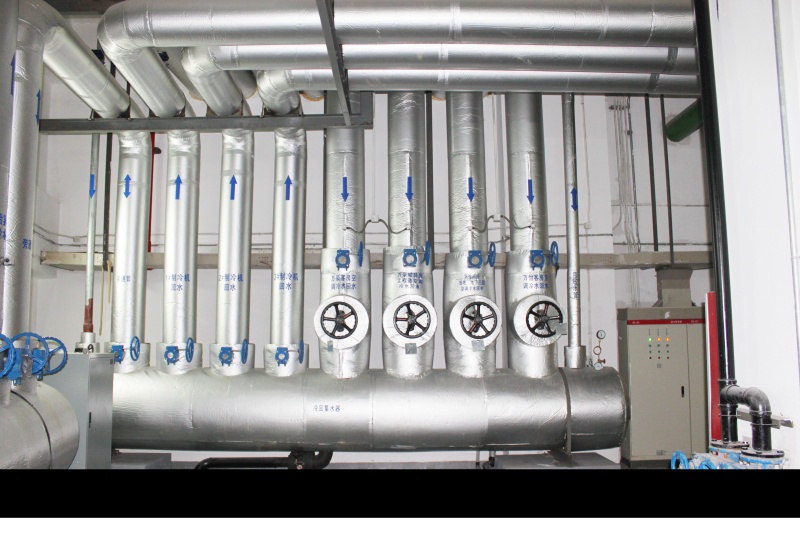
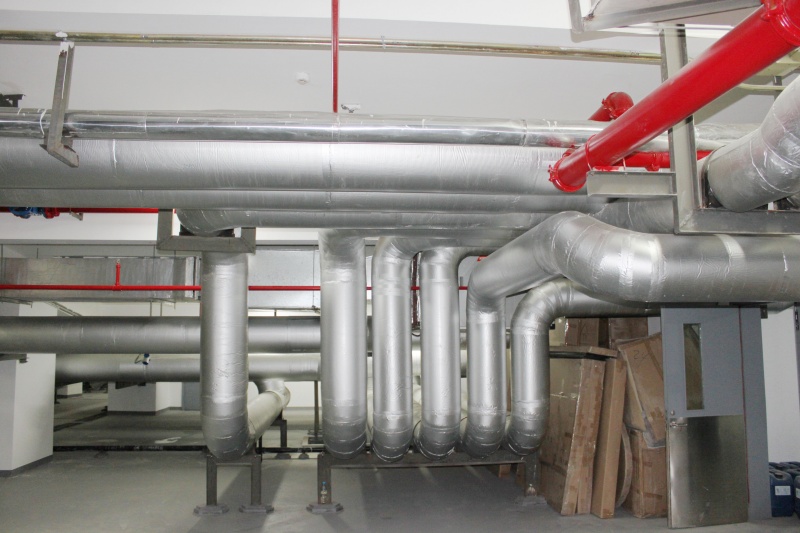
Request Compliance DocumentsOur projects include large cold-storage complexes, industrial HVAC pipe networks, and chemical processing plants. Our flexible closed-cell material conforms easily to complex pipeline geometries, valves, and headers, significantly reducing installation time on-site.

We maintain transparent, responsive communications with engineers and procurement agents worldwide. Our technical support covers pipeline thermal analysis, material dimension planning, and delivery coordination.

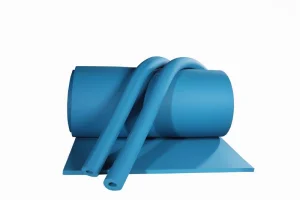
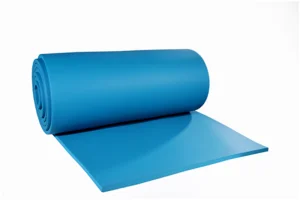
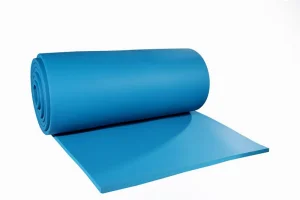
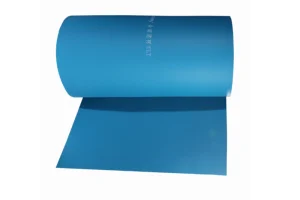
Engineered rubber foam dimensions and critical values for standard industrial systems.
| Material | Premium NBR/PVC Blend |
|---|---|
| Thickness Range | 6mm to 50mm |
| Density | 40 - 55 kg/m³ |
| Service Temp. Range | -40 °C to 105 °C (Up to -200 °C with multi-layer systems) |
| Closed Cell Rate | > 98% |
| Flame Retardancy | Self-extinguishing, Class 0 / Class 1 compliant |
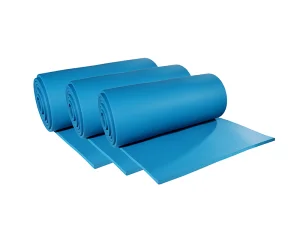
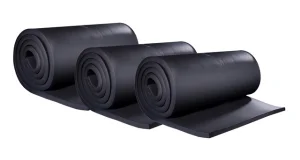
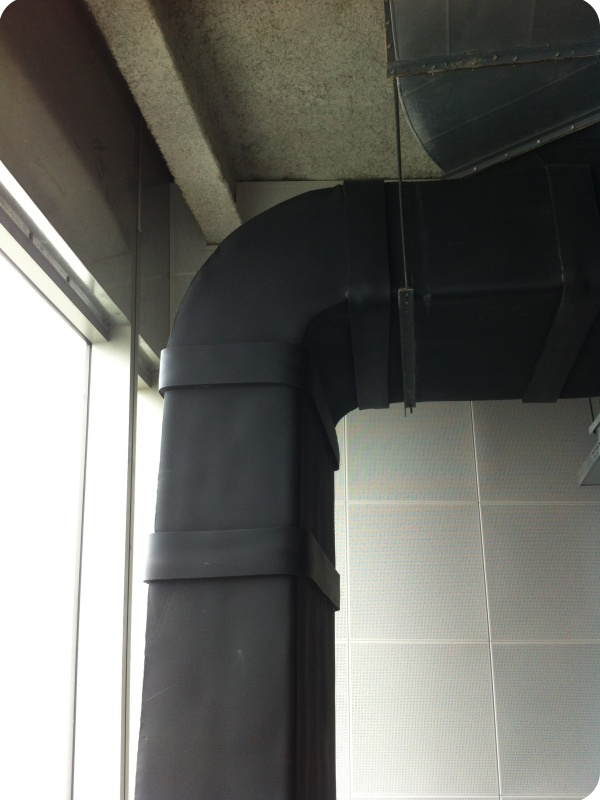
Applications: Central HVAC air ducts, building wall and roof insulation, and sound attenuation systems inside mechanical rooms.
| Material | Flexible Elastomeric Foam |
|---|---|
| Thickness Range | 9mm to 40mm |
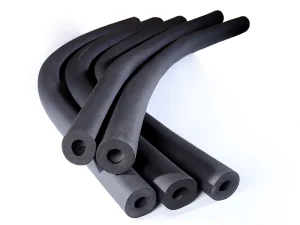
| Inner Diameter (ID) | 6mm to 114mm (Custom dimensions available) |
| Thermal Conductivity | ≤ 0.034 W/(m·K) at 0 °C |
| Moisture Resistance | High resistance to water vapor transmission |
| Anti-Vibration | Excellent dampening performance |
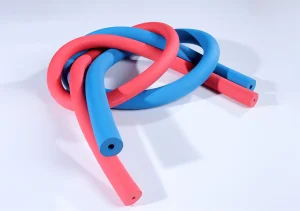
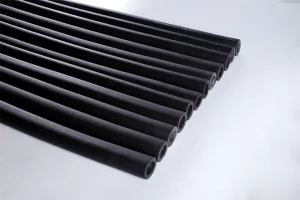
Applications: Condensate lines, commercial hot/chilled water pipelines, cryogenic fluid transfer lines, and outdoor solar hot water networks.
Continuous automated vulcanization and foaming technology ensuring dimensional accuracy and reliable density control.
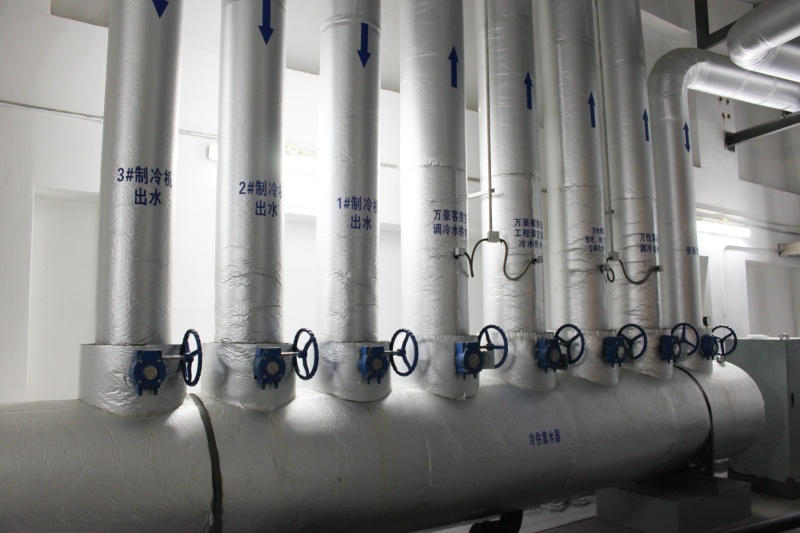
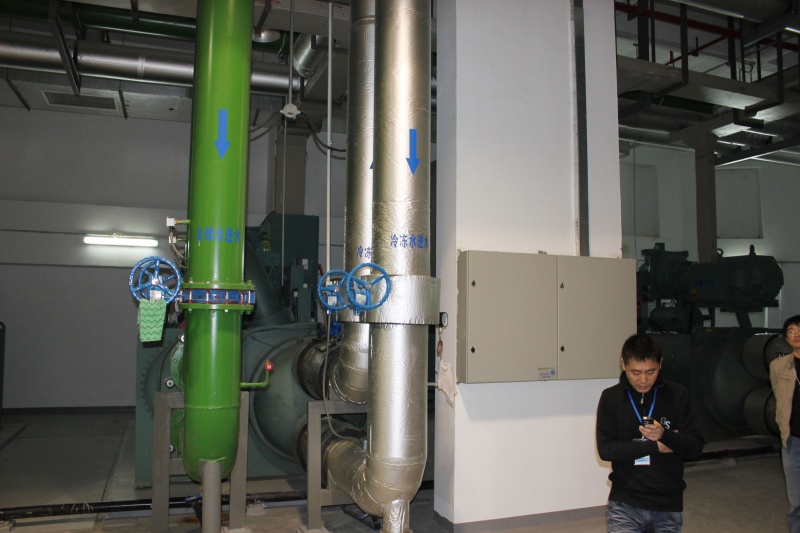
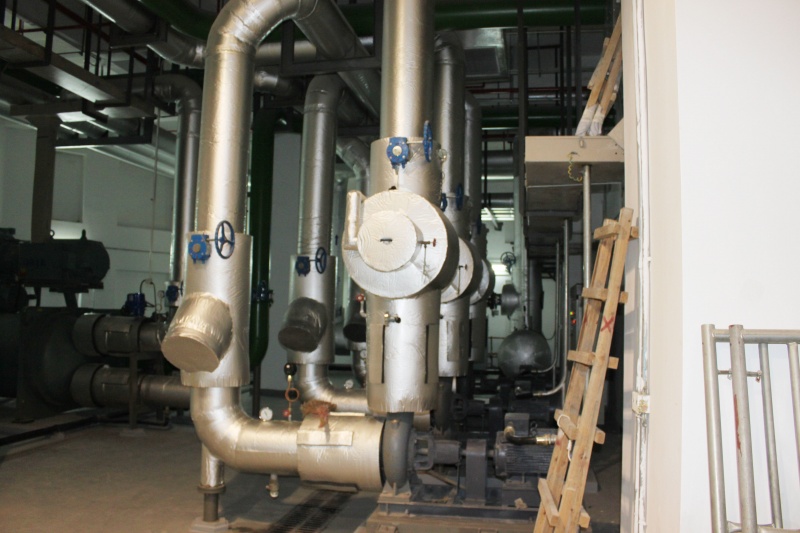
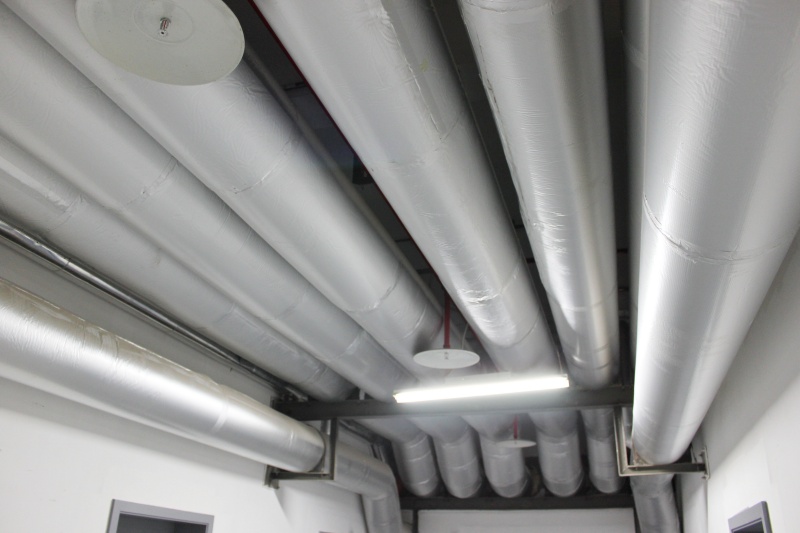


Explore our complete range of low-temperature and cryogenic thermal insulation systems. Secure custom quotes for project deliveries.
Technical guidance on selecting, implementing, and deploying Kingflex cryogenic insulation systems.
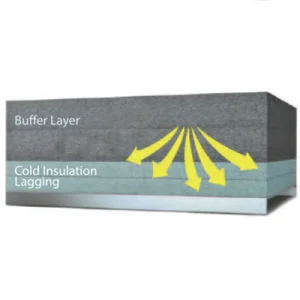
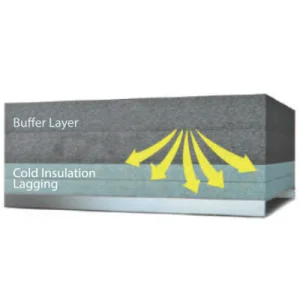
Cryogenic insulation is designed for systems operating below -40 °C, down to -200 °C (such as liquid nitrogen, oxygen, and liquefied natural gas pipelines). Standard insulation materials crack and fail due to thermal contraction and moisture infiltration at these extremes. Kingflex elastomeric cryogenic systems feature a multi-layer design with high flexibility to absorb seismic and thermal expansion movements, while keeping a closed-cell rate above 98% to prevent liquid moisture infiltration.
Condensation occurs when the temperature of a pipe surface drops below the ambient dew point. In humid regions like Auckland and Christchurch, moisture can rapidly bypass poor vapor barriers. Kingflex's NBR/PVC cell structure features built-in water vapor resistance (high μ-factor), meaning the material itself functions as a continuous vapor barrier throughout its entire thickness. This structure protects the pipe from Corrosion Under Insulation (CUI).
Our materials conform to international fire retardancy standards including BS 476 (Class 0 and Class 1), CE, UL94, and ASTM. These certifications verify that the material does not easily ignite, exhibits self-extinguishing behavior off the fire, and limits smoke density, aligning with the safety requirements of commercial buildings and industrial installations across New Zealand.
Rock wool is a fibrous material that is ideal for high-temperature applications (such as steam lines) due to its high fire resistance. However, it lacks built-in resistance to vapor permeation and will absorb ambient moisture if the outer jacket is compromised, leading to immediate energy loss on cold systems. Elastomeric rubber foam is flexible, closed-celled, and moisture-proof, making it the preferred solution for cold-chain, HVAC, and sub-zero process piping.
Yes. We offer fully integrated OEM services to match your design files. We produce sheets and rolls from 6mm to 50mm thickness, and pipes with inner diameters (ID) from 6mm up to 114mm. We can also customize densities, colors, and outer protective jackets (such as UV-resistant and mechanical foil laminates) for outdoor processing plants.
Every shipment of Kingflex insulation is trace-coded back to its production run. We conduct routine tests for density, thermal conductivity, and thickness tolerances at our facility before dispatching containers. Traceability documents, certificate copies, and standard test reports are provided directly to project managers for local council building approvals.
Under recommended operating conditions and professional installation practices, Kingflex rubber foam insulation delivers a service life of 10 to 15 years. Using outdoor protective cladding or weather-resistant coatings to shield the material from direct ultraviolet (UV) degradation will prolong the system's service life.
We manage direct shipping routes to major New Zealand ports (Auckland, Tauranga, Napier, Lyttelton). Our export team prepares all customs clearance documents, packing lists, and origin certificates to ensure a smooth import process. For large-scale projects, we offer container optimization services to minimize shipping costs per cubic meter.
Partner with a trusted manufacturer possessing over 40 years of insulation expertise. Send us your pipeline specifications, operating temperatures, and dimensions to receive an engineered thermal calculation and bulk wholesale pricing.
Send Inquiry Now Kingflex