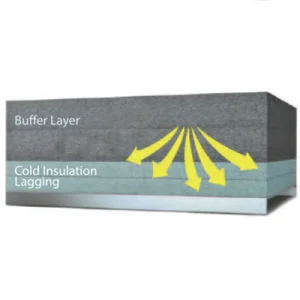
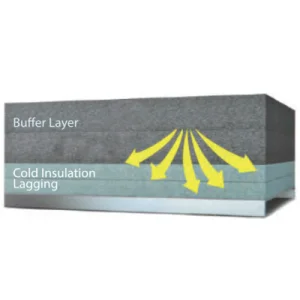
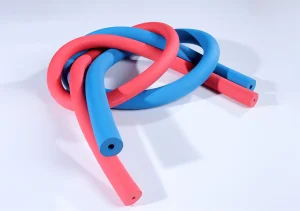
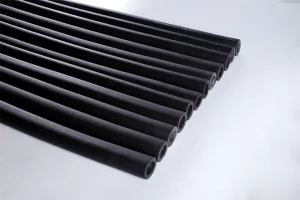
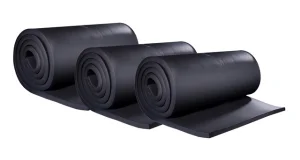
Engineered to withstand extreme sub-zero dynamics in Baltic maritime and industrial applications.
As the European Union intensifies its transition to low-carbon fuels and reliable gas supplies, Finland has positioned itself as a critical northern hub for Liquified Natural Gas (LNG), liquified biogas (LBG), and future clean hydrogen storage. Finland’s sub-zero climate demands exceptionally robust insulation solutions. In Finnish industrial terminals—ranging from the shipping terminals of Hamina and Tornio to the petrochemical complexes in Porvoo—cryogenic piping and storage operate at temperatures descending to -162°C (for LNG) and below. Operating in these severe, damp coastal regions demands systems that completely prevent water ingress and stress corrosion cracking (SCC).
Under-performing thermal insulation results in ice formation, surface degradation, and high vapor permeability. To maintain stable operational conditions, Finnish heavy industry relies on high-grade elastomeric closed-cell structures that provide continuous thermal resistance without compromising mechanical flexibility. Local compliance requires adherence to strict building codes (e.g., SFS EN standards) and fire safety regulations, prioritizing systems that minimize volatile organic compounds (VOCs) and exhibit high flame-retardant properties.
Standard open-cell or fibrous insulation materials fail in ultra-low temperature regimes because the atmospheric moisture is pulled towards the cold pipe. Once inside, this moisture condenses, freezes, and expands, destroying the material structure and accelerating Corrosion Under Insulation (CUI). Elastomeric cryogenic insulation blocks this cycle with a high-density, closed-cell matrix (with closed-cell rates exceeding 98%). The high moisture resistance factor ($\mu \ge 10,000$) guarantees a long, maintenance-free service life.
| Material Parameter | Kingflex Standard Spec | Test Standard Reference | |
|---|---|---|---|
| Density | 40 - 55 kg/m³ | ASTM D1622 / EN 1602 | Excellent balance of flexibility & strength |
| Thermal Conductivity | ≤ 0.034 W/(m·K) at 0°C | ASTM C518 / EN 12667 | Stable over lifetime |
| Service Temperature Limit | -200°C to +105°C | ASTM C411 / EN 14706 | Tested for deep-freeze storage |
| Closed-Cell Ratio | ≥ 98% | Internal R&D Inspection | Stops moisture penetration entirely |
| Flame Spread / Smoke Index | Class 1 / Class V-0 | BS 476 Part 7 / UL 94 | Compliance for commercial structures |
By preventing thermal bridging and moisture ingress, Kingflex cryogenic rubber foam keeps thermal conductivity consistently low. This minimizes power requirements for refrigeration units and boil-off gas (BOG) losses in storage facilities. In Finland, where energy pricing directly affects chemical processing margins, these properties result in measurable operational cost savings.
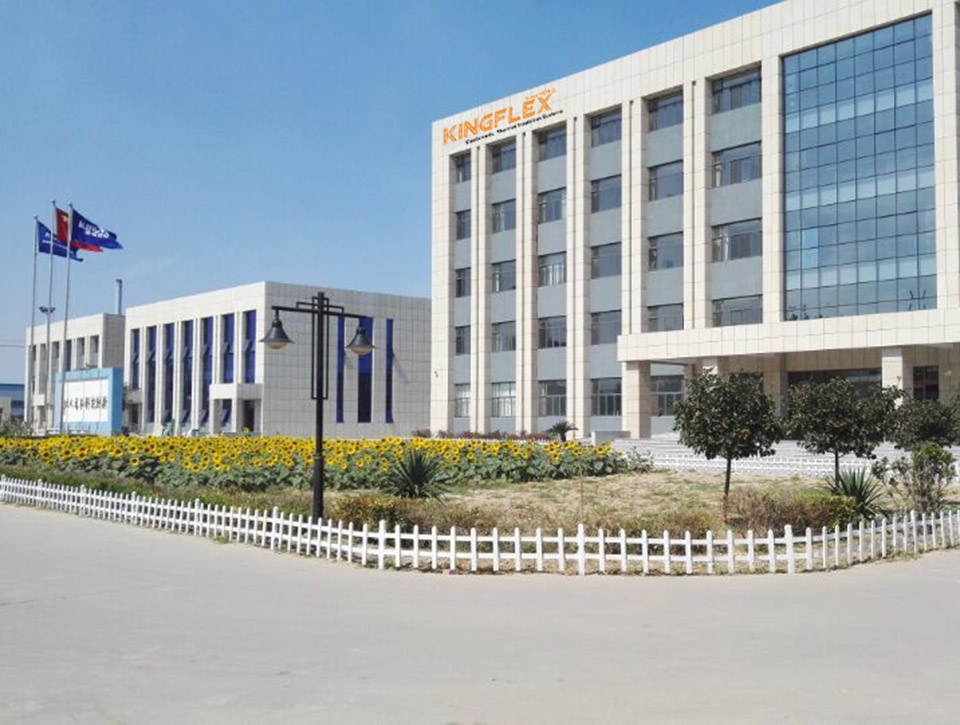
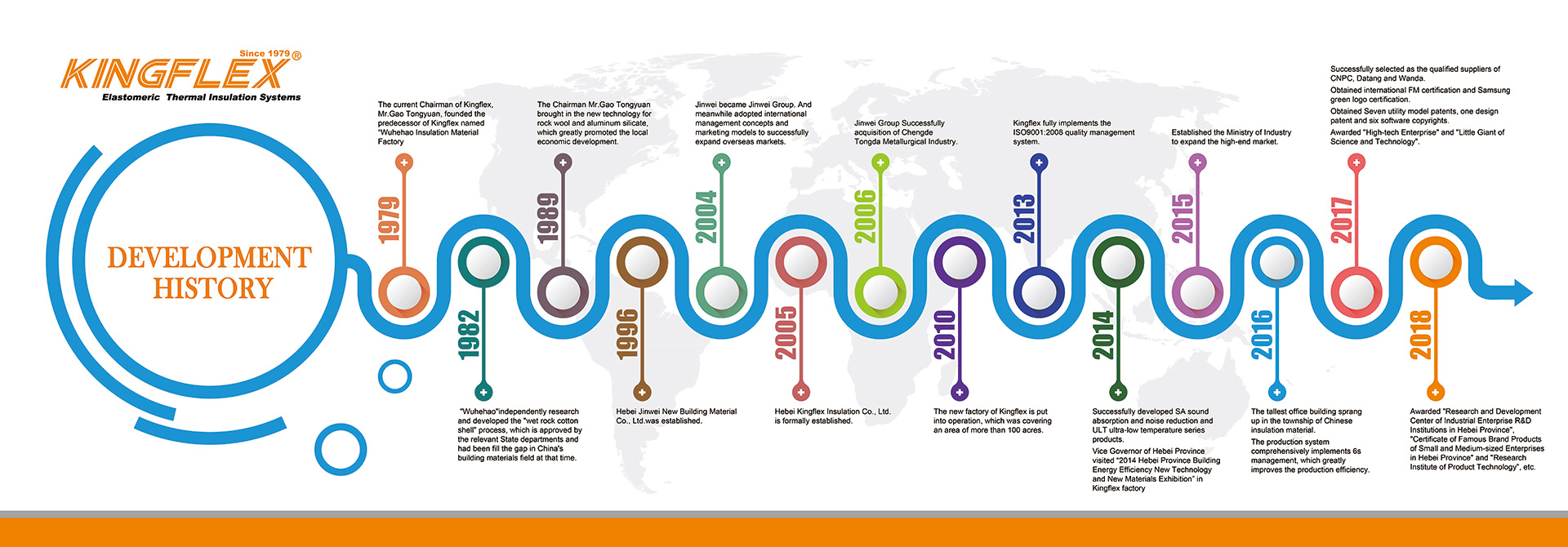
Established under the Jinwei Group, which holds a heritage dating back to 1979 as a pioneer of thermal insulation north of the Yangtze River, Kingflex Insulation Co., Ltd. has developed into a leading global manufacturer. We integrate research, development, production, and sales under one roof in Dacheng, China, the capital of green building materials.
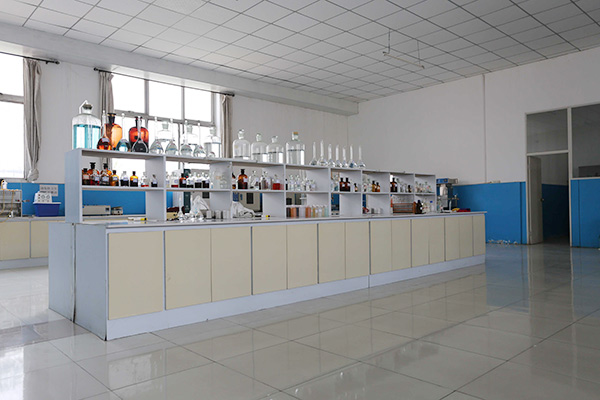
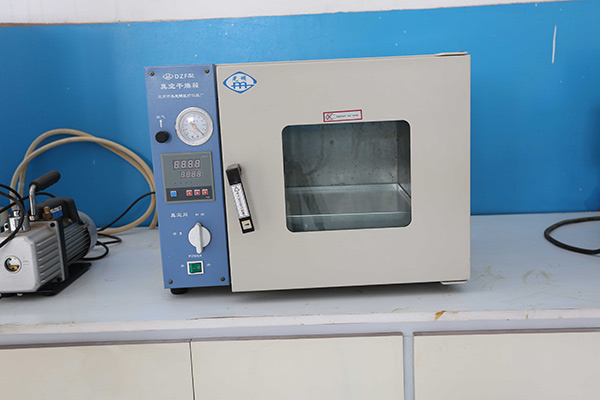
With 5 automated assembly lines producing over 600,000 cubic meters annually, we are a designated supplier for major energy and chemical ministries. Our products are exported to more than 66 countries. We control the formulation, extrusion, and curing stages to ensure consistent cell structures. Our dedicated R&D department, staffed by 8 professional engineers, continuously tests raw material formulations to enhance physical performance under extreme thermal shock.

Different industrial processes in Finland place specific demands on cryogenic thermal systems. Selecting the correct insulation material prevents line freezing, ice buildup, and mechanical stress failures on pipe runs.
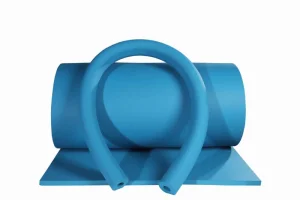
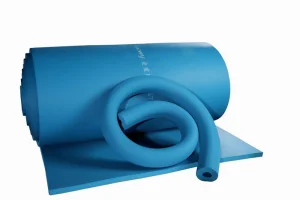
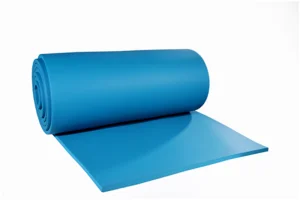
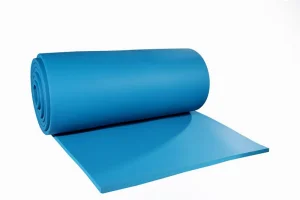
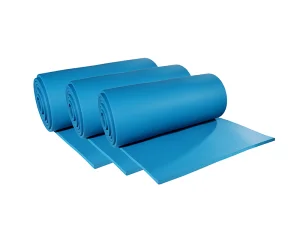
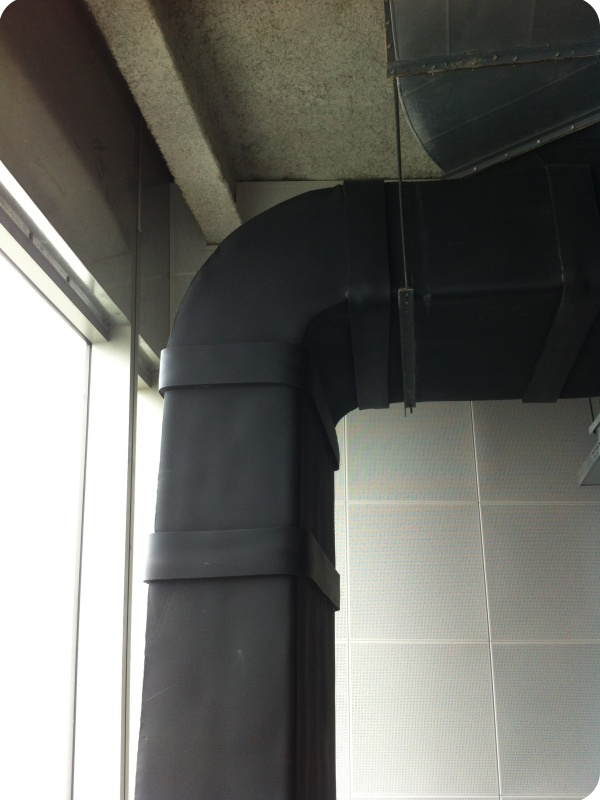
Ideal for large-diameter storage tanks, chemical reactors, and rectangular ducting systems.

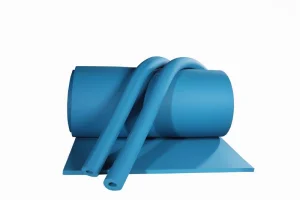
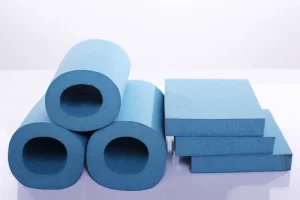
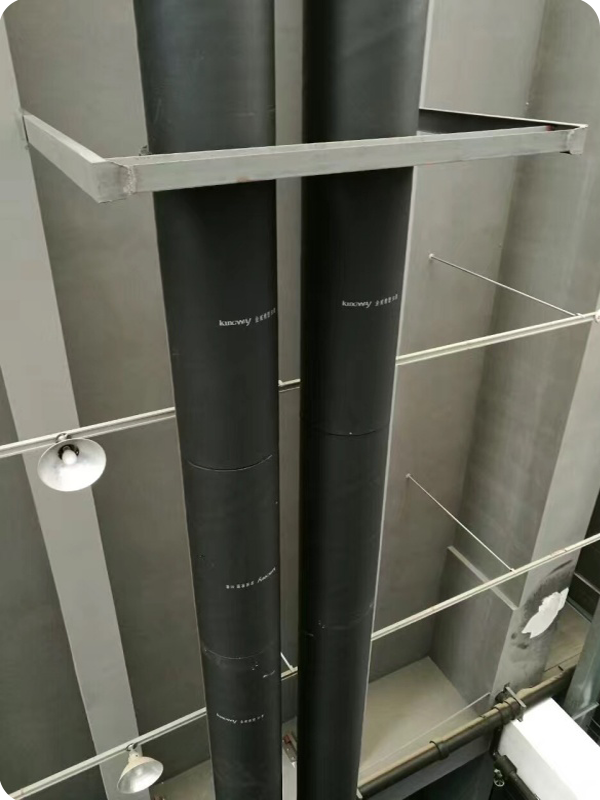
Designed for fast installation on piping systems, valves, and manifold systems.
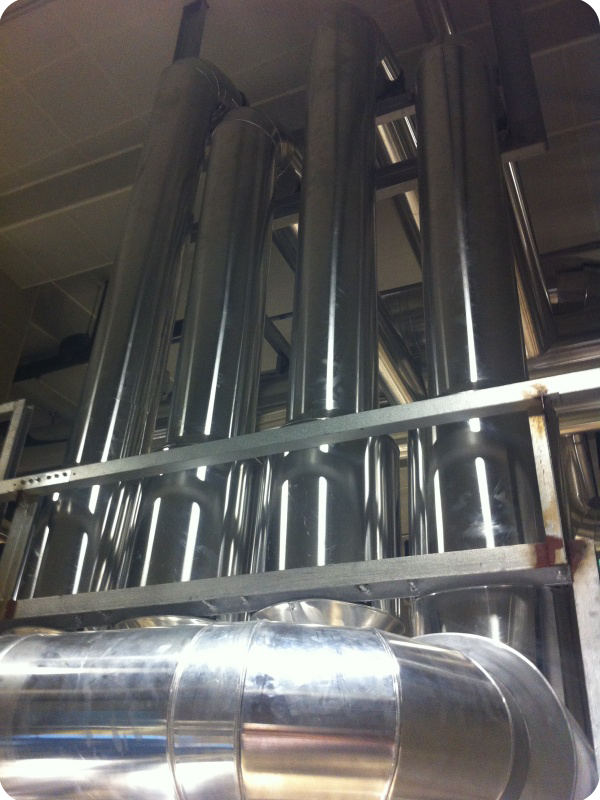
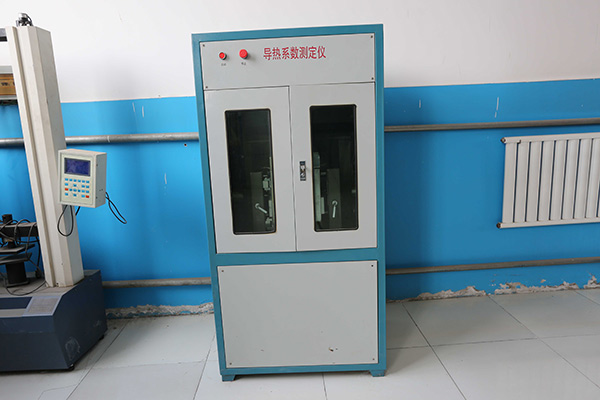
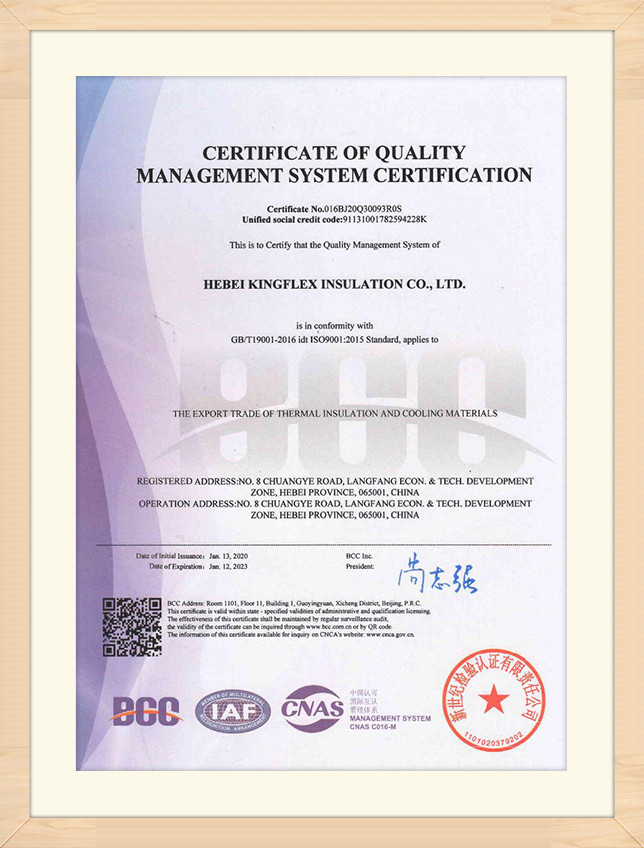
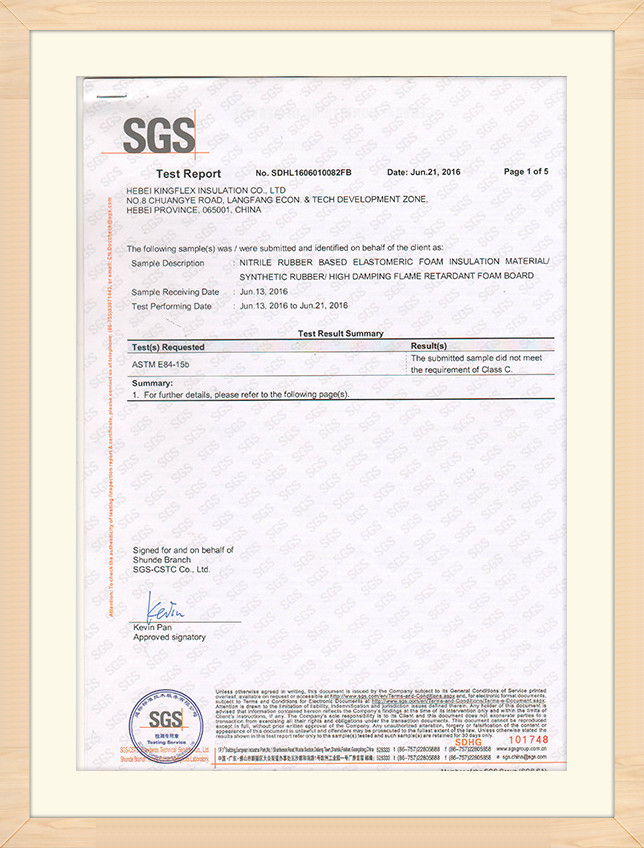
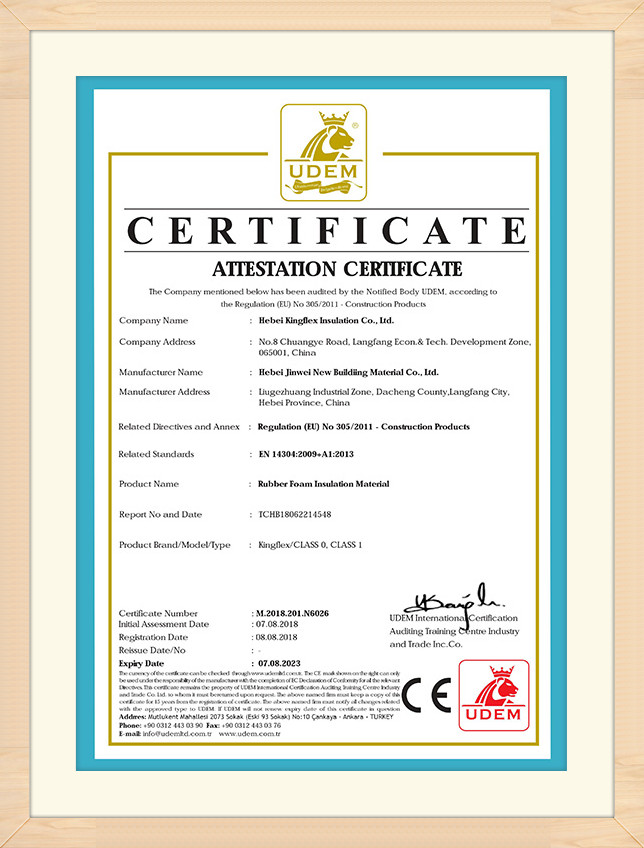
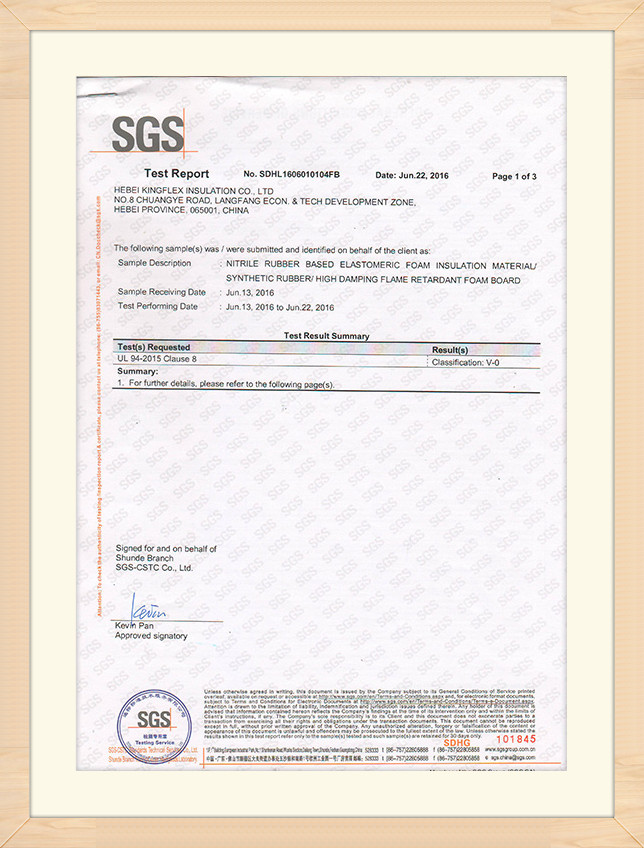
Kingflex products are manufactured to meet international standards. We maintain continuous material traceability protocols, enabling engineers in Europe to verify batch records from compounding to dispatch.
Our material complies with global environmental standards, including RoHS, REACH, CE, and ASTM specifications. To address fire safety requirements in Finland, our products are engineered to suppress flame spread and smoke development, meeting building standard certifications.
Our technology roadmap focuses on developing nanocomposite-infused elastomer matrices. These materials aim to lower thermal conductivity at liquid nitrogen temperatures while maintaining the flexibility of elastomeric foam, reducing the overall thickness required for multi-layer installations.
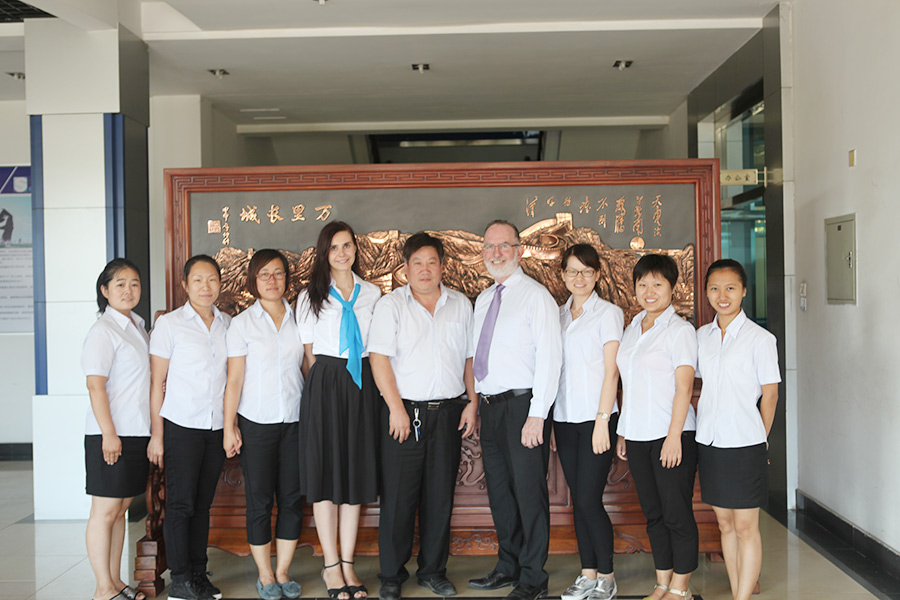
Our products are backed by verified performance records, client feedback, and global project installations.



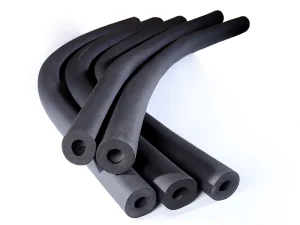
A comprehensive range of NBR/PVC elastomeric foams, insulation tubing, and high-temp resistant components for modern cryogenic plant designs.
A verification of design specifications, manufacturing dimensions, and production runs.
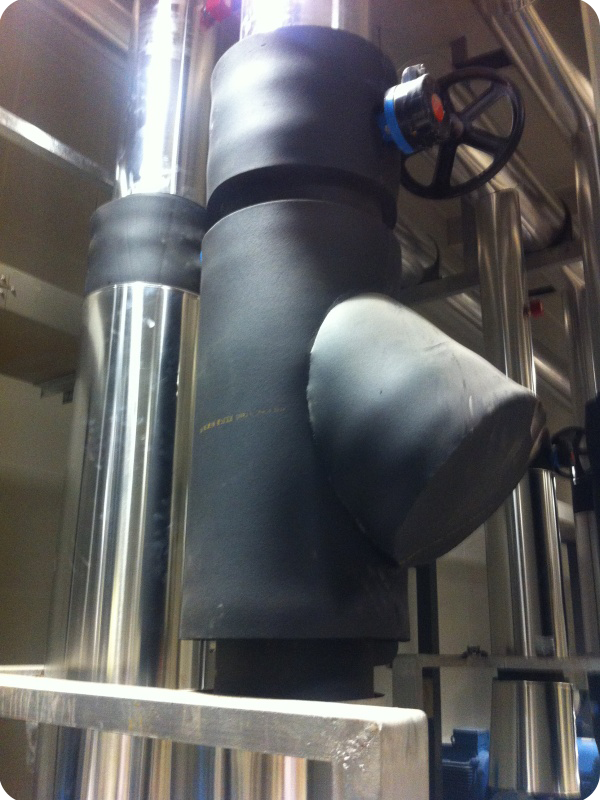
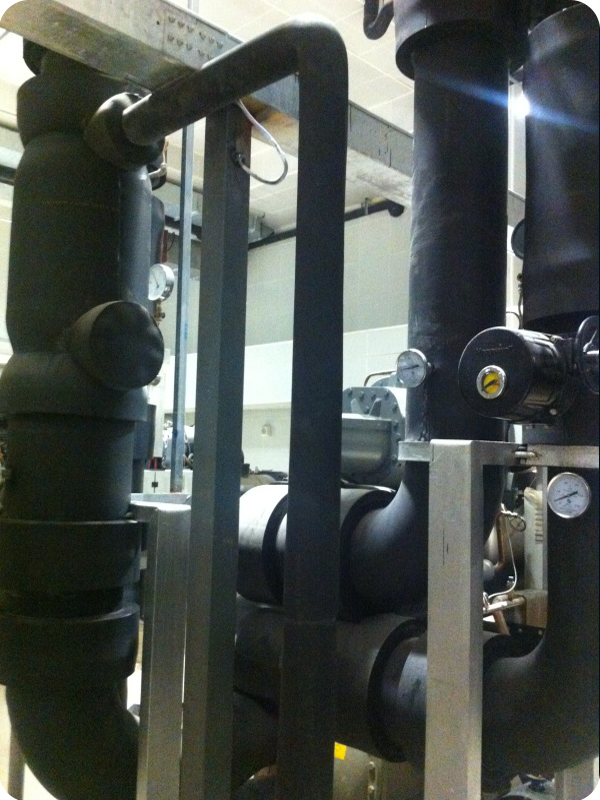

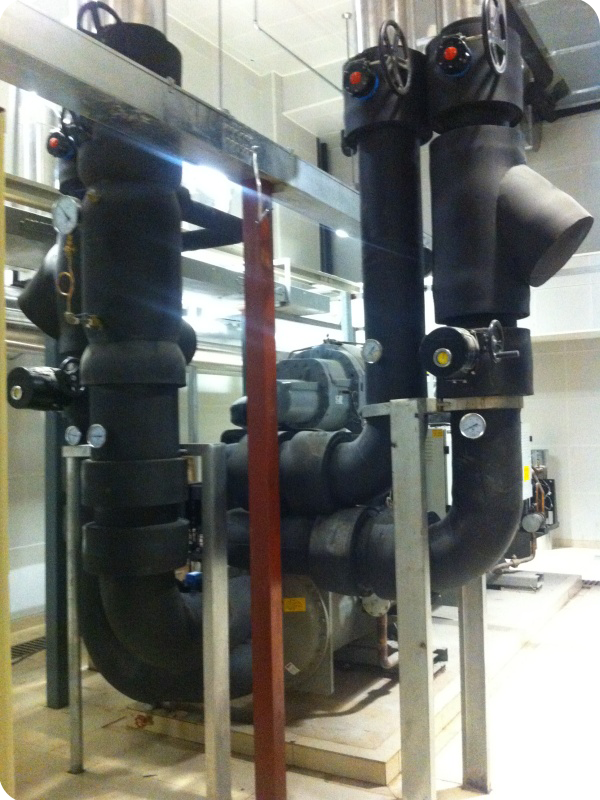
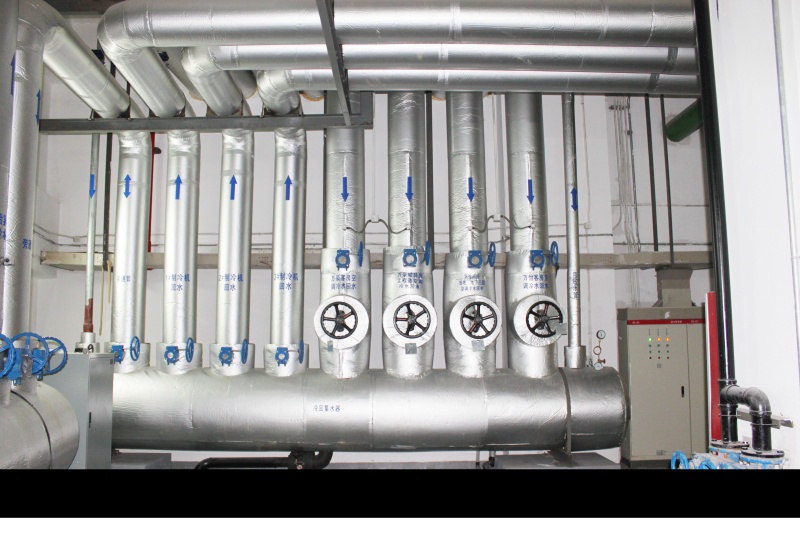
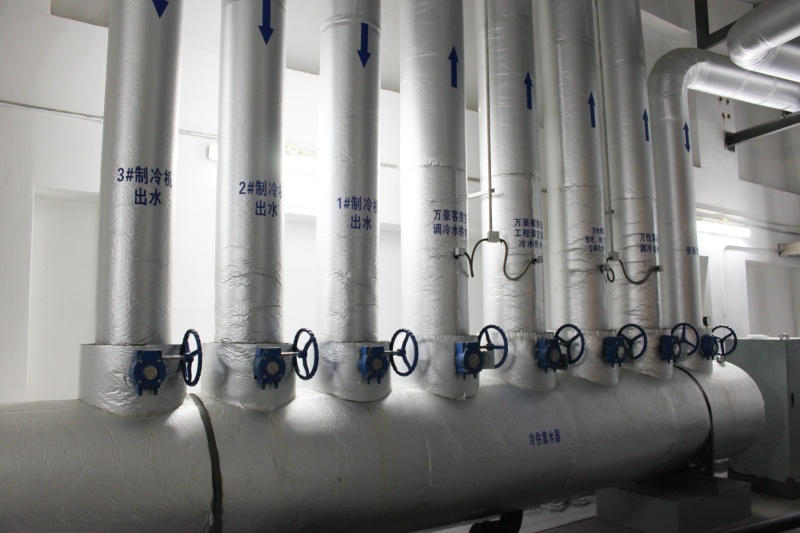
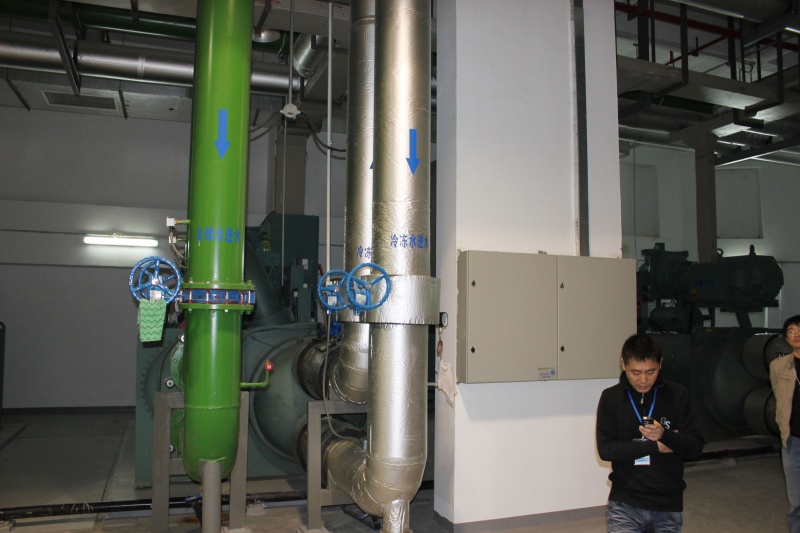
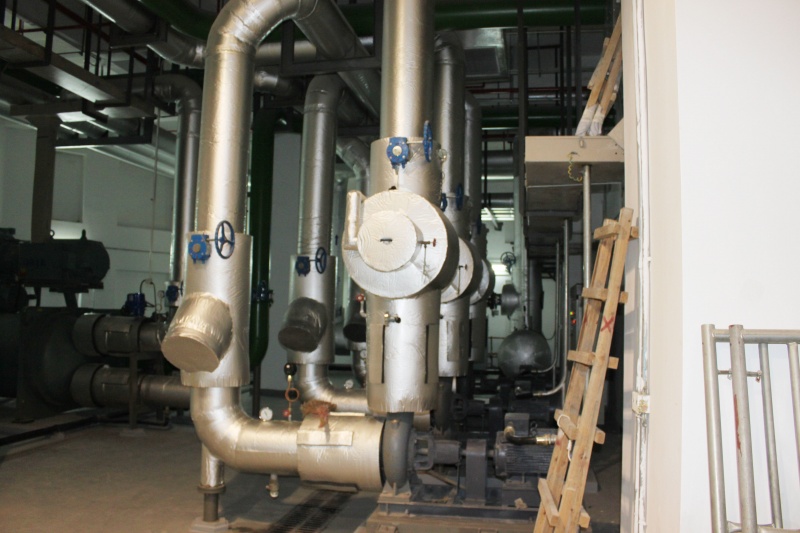
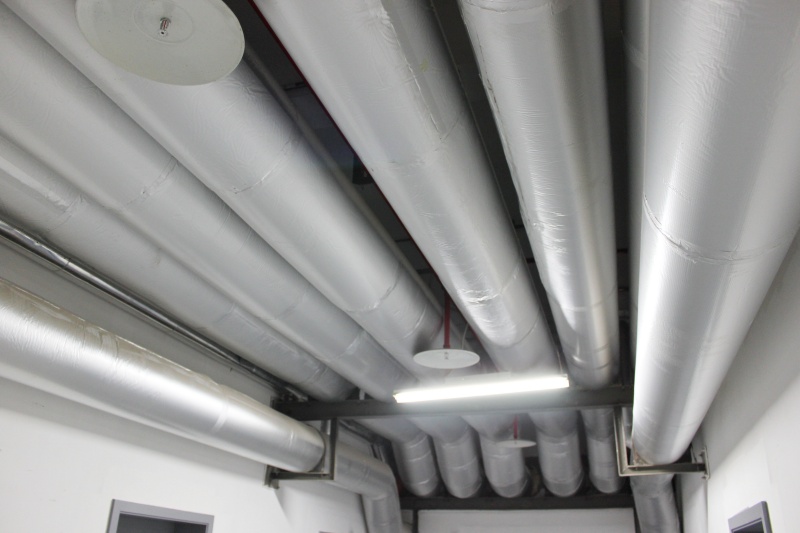

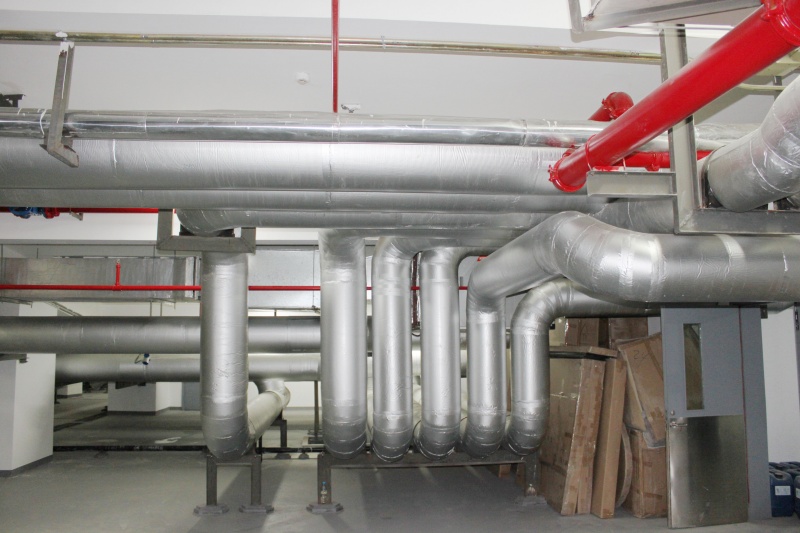

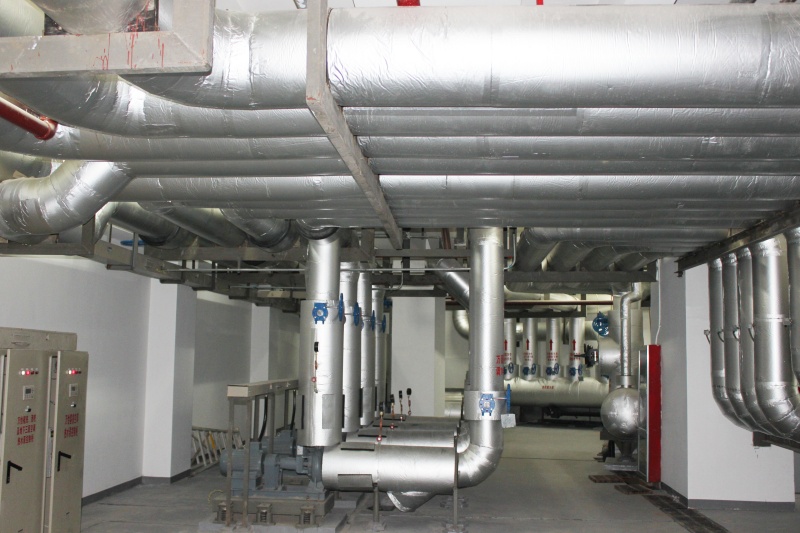
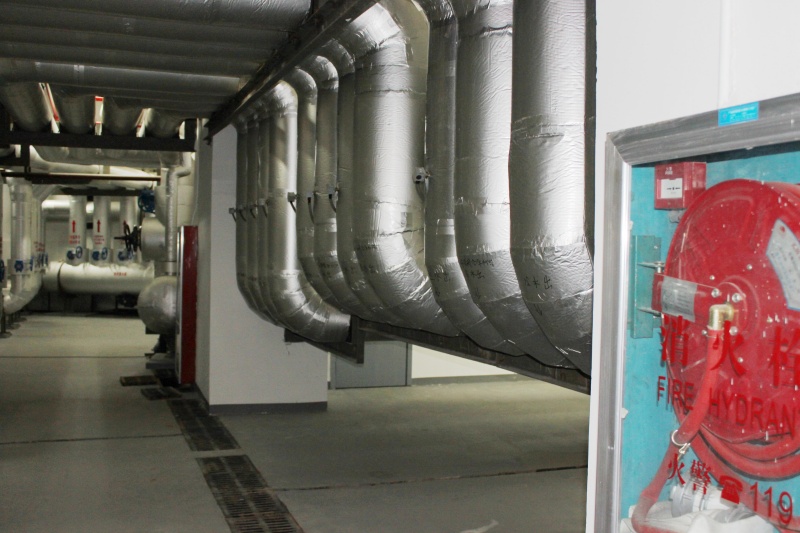
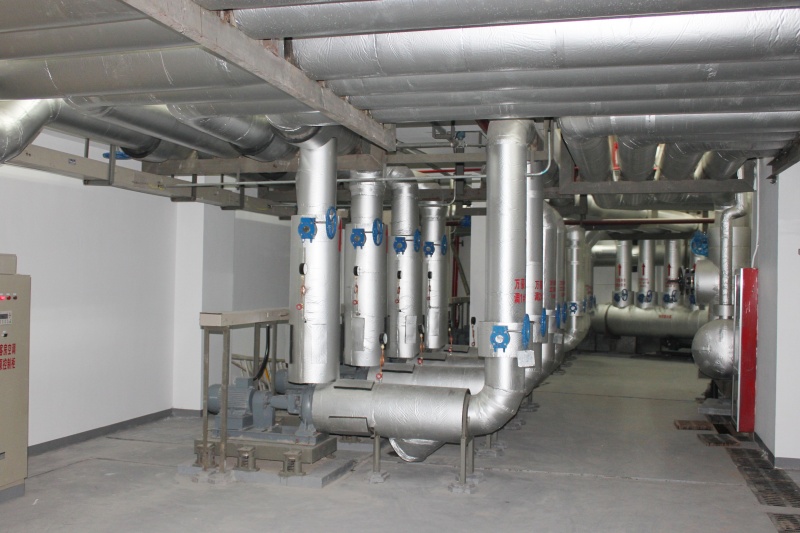
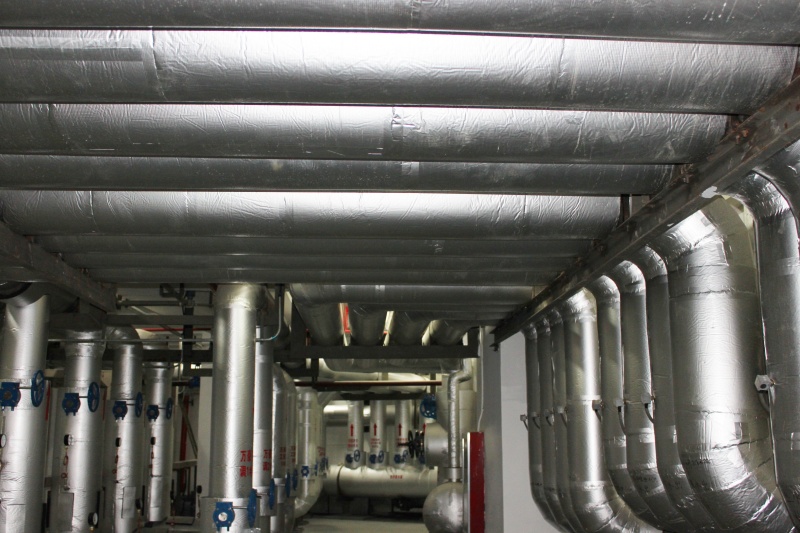
In addition to flexible elastomeric foams, we produce auxiliary rock wool blankets and boards to facilitate hybrid configuration systems.
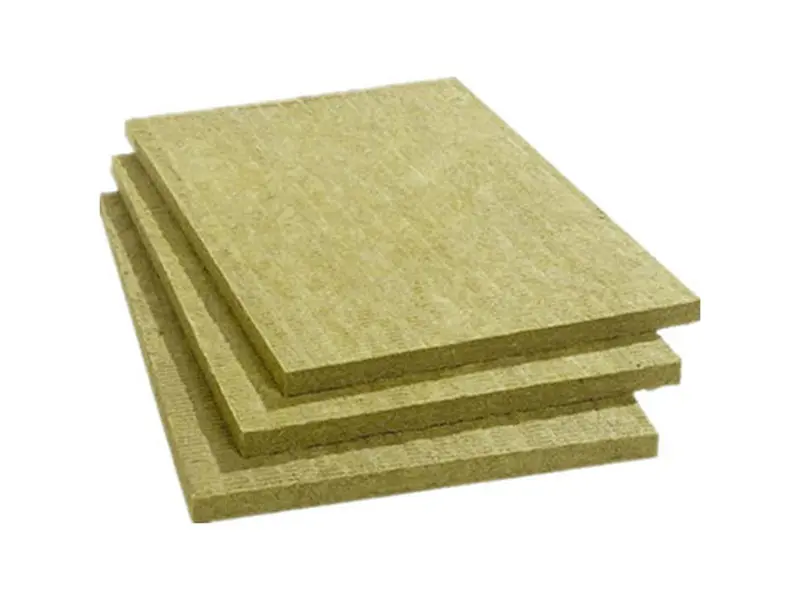
High-temperature resistant thermal board suitable for hybrid configurations and industrial fire wall applications.
Get Board Quote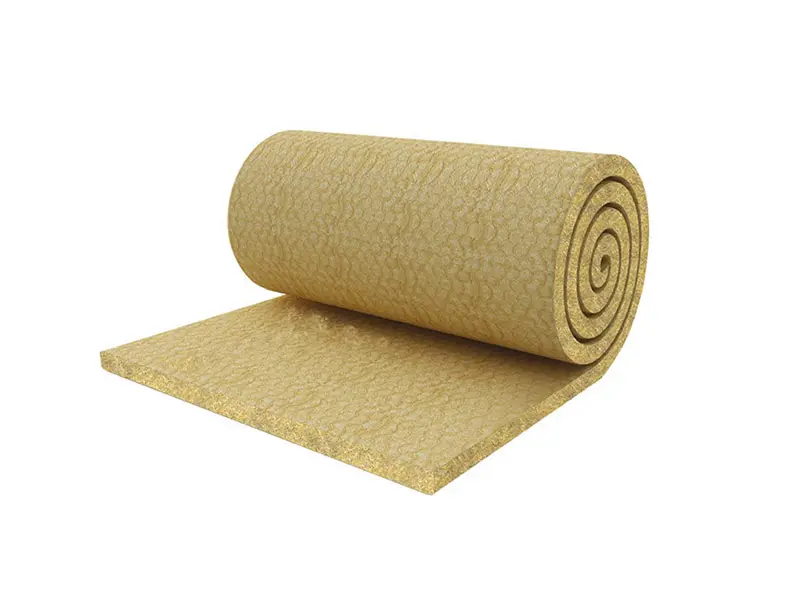
Flexible high-temp mineral fiber blanket for complex geometry vessels and boiler line installations.
Get Blanket QuoteIn-depth technical answers from our engineering team regarding design, performance, and logistics for European projects.
It is mainly used for HVAC ducts, air conditioning pipes, building thermal insulation, industrial pipeline cold insulation, and sound insulation. Its closed-cell structure prevents vapor condensation and maintains thermal stability in refrigeration and cryogenic cycles.
Yes, our rubber foam insulation products are fire retardant. They meet international safety standards (such as BS 476 Part 7 Class 1, UL 94 V-0, and ASTM fire indexes), making them suitable for commercial buildings and industrial complexes.
Rubber foam is flexible, closed-cell, and moisture-proof, making it suitable for HVAC, chilled water lines, and cryogenic applications. Rock wool is high-temperature resistant and fireproof, making it suitable for industrial high-temperature pipelines and exhaust systems.
Yes, we support OEM/ODM services to meet specific project needs. We can adjust the thickness, inner diameter, density, and backing (such as self-adhesive layers or aluminum foil facings) to meet your engineering specifications.
Our products have passed BS 476, CE, REACH, RoHS, UL94, ASTM, and other international certifications. This ensures compliance with European quality, health, safety, and environmental standards.
Yes, every production batch at Kingflex is logged and traceable. From raw material inspection to formulation mixing, extrusion, foaming, curing, and shipping, each batch is assigned a unique tracking code to ensure quality control.
We produce insulation sheets in standard thicknesses ranging from 6mm to 50mm. For ultra-low temperature cryogenic applications, sheets can be layered to meet specific design thickness requirements.
Under standard indoor operating conditions, the expected service life is 10 to 15 years. For harsh outdoor or marine environments, applying a protective cladding or UV-resistant coating will help maintain the system's performance over its operational lifespan.
In cold climates like Finland, solvent-based adhesives require dry, warm conditions during application to cure properly. We recommend installing the insulation in controlled temperatures or using specialized low-temperature adhesives to prevent joint separation.
Standard container orders take approximately 2 to 3 weeks to manufacture. Shipping from our facilities to the Port of Helsinki or Port of Hamina-Kotka typically takes 30 to 40 days, depending on shipping lines and route availability.
Get a comprehensive engineering assessment and direct factory quotation tailored to your project requirements in Finland.
 Kingflex