Halogen-Free Insulation Products Suppliers & Factories for the Nagoya Market

Premium Closed-Cell Elastomeric Solutions Engineered for Japan's Industrial & Green Building Standards

Send Inquiry Now

Nagoya Premier Halogen-Free Solutions

Flagship energy-saving and fire-safe insulation materials optimized for localized applications

Strategic Industrial Alignment within the Greater Nagoya Market

The Greater Nagoya region, comprising Aichi Prefecture and parts of Gifu and Mie, stands as Japan’s absolute manufacturing powerhouse, leading in automotive (the global headquarters of Toyota Group), aerospace, machine tools, and semiconductor manufacturing. As Nagoya accelerates its commitment to Carbon Neutrality by 2050 and enforces stringent environmental actions across its industrial zones, there is a paradigm shift in building materials. Traditional insulation solutions containing chlorine or bromine are rapidly being replaced by advanced Halogen-Free (HF) elastomeric foam materials.

In highly automated manufacturing environments and public infrastructure projects (such as the Chubu Centrair International Airport upgrades and the Nagoya Municipal Subway expansions), safety standards dictate zero tolerance for toxic smoke. When caught in a fire, standard halogenated insulation materials release corrosive hydrogen halides (such as HCl and HBr) which form highly toxic gases and acid rain, devastating expensive electronics, structural metals, and human respiratory systems. Our Halogen-Free thermal insulation materials mitigate this risk, offering a safe alternative that meets both JIS standards and global environmental compliance.
“Transitioning to Halogen-Free insulation is not merely a compliance upgrade; it is a critical strategy to preserve precision manufacturing assets and guarantee human safety in high-density industrial clusters.”

  • Non-Toxic Smoke Formulation

    Formulated without chlorine, bromine, or fluorine, preventing corrosive acid gas emissions in the event of combustion.

  • JIS & F☆☆☆☆ Certified Compliance

    Engineered to align with Japanese building standards, ensuring low volatile organic compound (VOC) emissions for indoor environments.

  • Excellent Low Thermal Conductivity

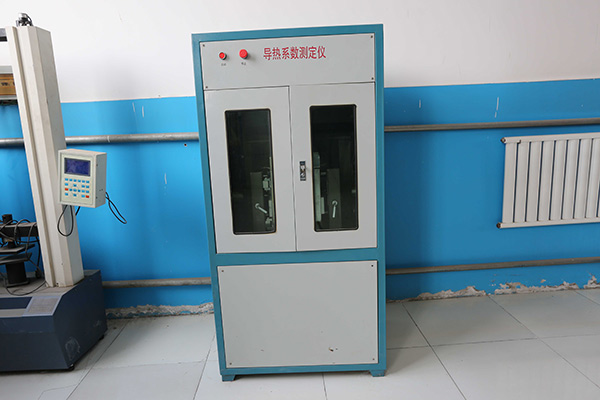
    Boasts a stable thermal conductivity coefficient to minimize energy loss across industrial HVAC and refrigeration systems.

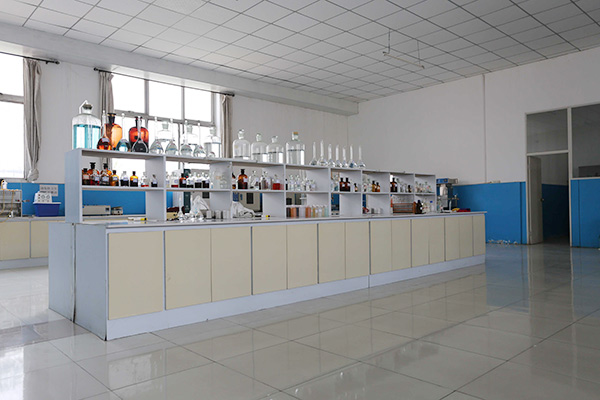
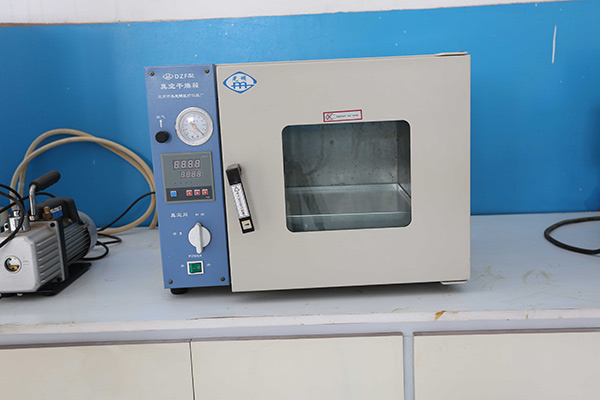
Advanced R&D Testing Facility

Material Science: The Closed-Cell Formulation Advantage

At the core of the Kingflex Halogen-Free insulation system is our custom-engineered nitrile-butadiene rubber (NBR) and polyvinyl chloride (PVC) composite matrix. Unlike conventional rubber foam, which relies on brominated flame retardants to achieve fire safety ratings, our specialized formulation integrates non-toxic phosphorus-nitrogen synergistic flame retardants and metal hydroxides (such as Aluminum Trihydrate - ATH). In a fire, ATH endothermically decomposes, releasing water vapor that cools the substrate and dilutes oxygen near the flame zone, forming a robust char layer that suppresses further smoke generation.

This structural innovation does not compromise thermal insulation capacity. The closed-cell rate exceeds 98%, creating millions of microscopic, independent air pockets that impede convective heat transfer. Furthermore, this tight cell geometry results in a high water vapor diffusion resistance factor (μ value ≥ 10,000), eliminating the need for separate vapor barriers. In cold-insulation applications, moisture ingress is the leading cause of insulation degradation and corrosion under insulation (CUI); our closed-cell technology prevents this, ensuring a service life of 10 to 15 years in even the most humid maritime conditions near Nagoya Port.

600K+
Annual Capacity (m³)
40+
Years Group History
66+
Global Export Markets
>98%
Closed-Cell Rate

Comparative Performance Evaluation Matrix

How our Halogen-Free elastomeric solutions stand up to traditional market alternatives

Performance Characteristic Kingflex Halogen-Free Foam Standard Elastomeric Foam Rock Wool / Mineral Wool Expanded Polystyrene (EPS)
Halogen Content (Cl, Br) 0% (Zero Halogen) Typically >10% (Chlorinated/Brominated) Trace levels May contain brominated FRs
Thermal Conductivity (λ at 0°C) ≤ 0.034 W/(m·K) ≤ 0.035 W/(m·K) ≤ 0.038 W/(m·K) ≤ 0.036 W/(m·K)
Water Vapor Resistance (μ) ≥ 10,000 (Built-in Vapor Barrier) ≥ 7,000 1 (Requires external barrier) 30 - 70
Smoke Toxicity (Fire Event) Extremely Low (Non-corrosive, non-toxic) High (Releases HCl/HBr gas) Low Moderate to High
Working Temp. Range -50 °C to +105 °C -40 °C to +105 °C Up to +650 °C -50 °C to +75 °C
Flexibility & Installation Ease Excellent, highly elastic Excellent Poor (Fiber shedding, rigid) Poor (Rigid board)

Localized Application Scenarios in Nagoya

Addressing specific industrial demands across the Chubu region

1. Precision Electronics & Semiconductor Cleanrooms

In Nagoya and neighboring industrial hubs, cleanroom environment control is absolute. Traditional plastics outgas halogenated trace elements over time, which can settle on silicon wafers and induce micro-corrosion. Our halogen-free elastomeric sheets are designed to prevent outgassing, satisfying cleanroom particle and chemical emission limits. The dust-free and fiber-free construction guarantees that the air filtration systems remain uncompromised.

2. Automotive Paint Shops & Battery Labs

Halogen substances are paint-wetting impairment substances (PWIS). In Nagoya’s automotive assembly lines, insulation materials containing silicone, chlorine, or fluorine are strictly forbidden due to their tendency to ruin paint finishes. Kingflex Halogen-Free insulation is certified PWIS-free, making it the top choice for insulating hot water and chilled water piping within state-of-the-art automotive paint lines.

3. Cryogenic Systems & LNG Terminals

Near the port of Nagoya, energy infrastructure requires massive liquid natural gas (LNG) transport and storage systems. Operating at temperatures below -160°C demands highly specialized insulation. We provide advanced multi-layered cryogenic rubber foam insulation designed to resist thermal shock, moisture penetration, and stress cracking, maintaining structural integrity down to -200°C.

Industrial Pipeline Insulation Project Insulation Sheets in Factory Warehouse

Upgrade Your Insulation Infrastructure Today

Get tailored technical support and factory-direct pricing for the Nagoya and Chubu regional markets. We offer full OEM customizations and comprehensive certification data packages.

Send Inquiry Now
Quality Control Testing
Production Monitoring Advanced Extrusion Equipment

Rigorous Compliance & International Testing Standards

Our commitment to professional engineering standards is backed by strict compliance protocols. Kingflex Halogen-Free insulation products are tested under strict global and local metrics to guarantee reliable long-term performance.

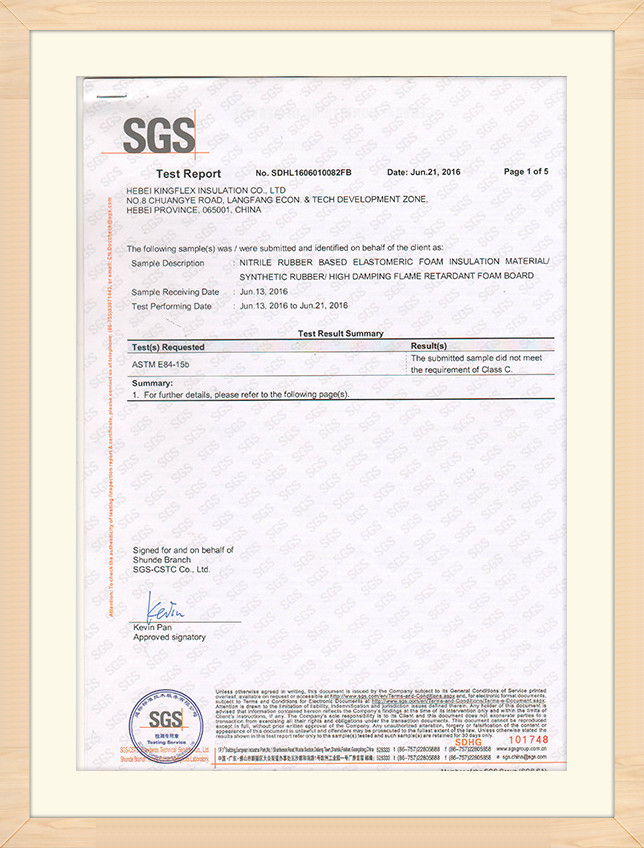
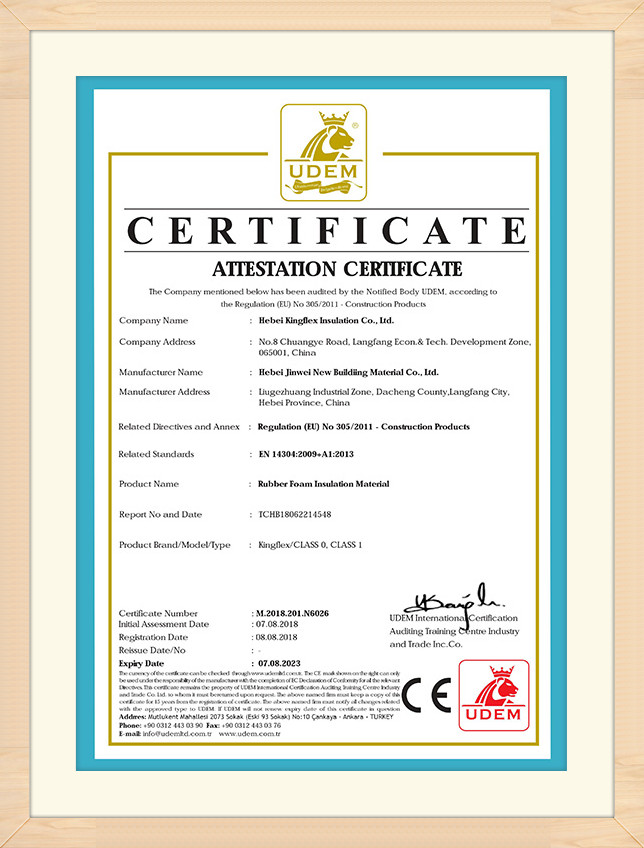
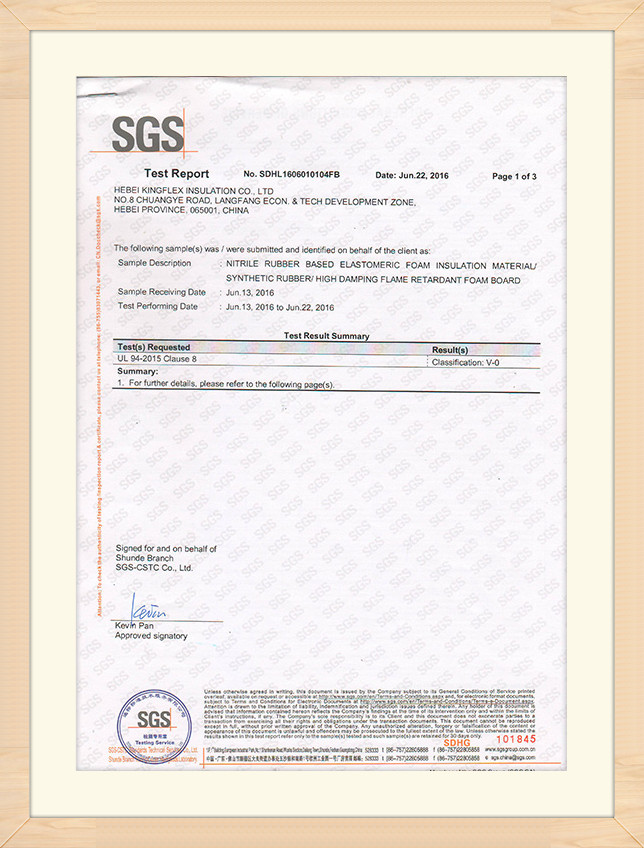
Our products comply with the European Union RoHS Directive (Restriction of Hazardous Substances) and REACH regulations, confirming the absence of heavy metals, polybrominated biphenyls (PBB), and polybrominated diphenyl ethers (PBDE). For fire protection, our materials achieve fire-retardant classifications under BS 476 Part 6 & Part 7 (Class 0 and Class 1), UL 94 V-0 flame rating, and corresponding JIS standards for preformed cellular plastics.

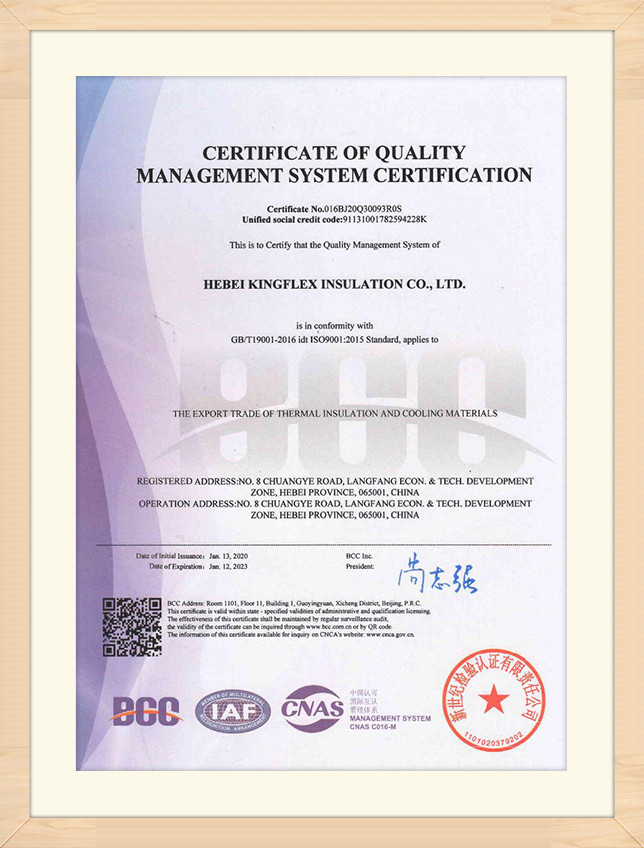
In terms of quality control, Kingflex operates under a certified ISO 9001:2015 Quality Management System and ISO 14001:2015 Environmental Management System. From raw material intake, polymer compound mixing, expansion, to vulcanization, every step is traceably logged, ensuring consistent mechanical strength and thermal performance for commercial installations.

Comprehensive Product Catalog for Nagoya

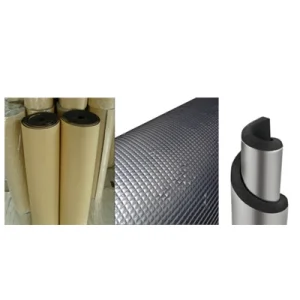
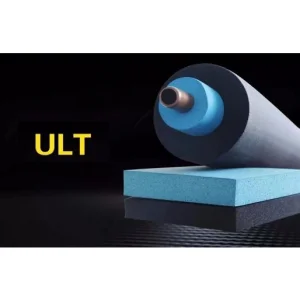
High-grade elastomeric insulation, cryogenic systems, and foil-faced composites

The R&D Roadmap: Shaping the Next Generation of Green Buildings

As the international industrial community targets carbon neutrality, the next decade will focus on circular economy adaptation and environmental impact optimization. Our R&D center is developing and testing next-generation bio-based elastomers. By substituting a portion of fossil-fuel derived raw materials with plant-derived polyols and organic fillers, we aim to decrease the carbon footprint of production by an additional 25% while maintaining all structural, physical, and fire-resistant parameters.

We are also researching nano-reinforcements in cellular structures. By introducing modified nanoclay and carbon nanotubes into the nitrile matrix, we can increase bubble wall strength. This allows for thinner insulation layouts without compromising the water vapor resistance factor (μ value) or physical impact strength. This thin-profile technology is ideal for space-constrained applications like urban high-rises in downtown Nagoya and automotive engine cavities.

Material Testing Laboratory Production Line Output
Certificate of Compliance Material Quality Certification

About Kingflex Insulation Co., Ltd.

Decades of manufacturing expertise, advanced capacities, and customer trust

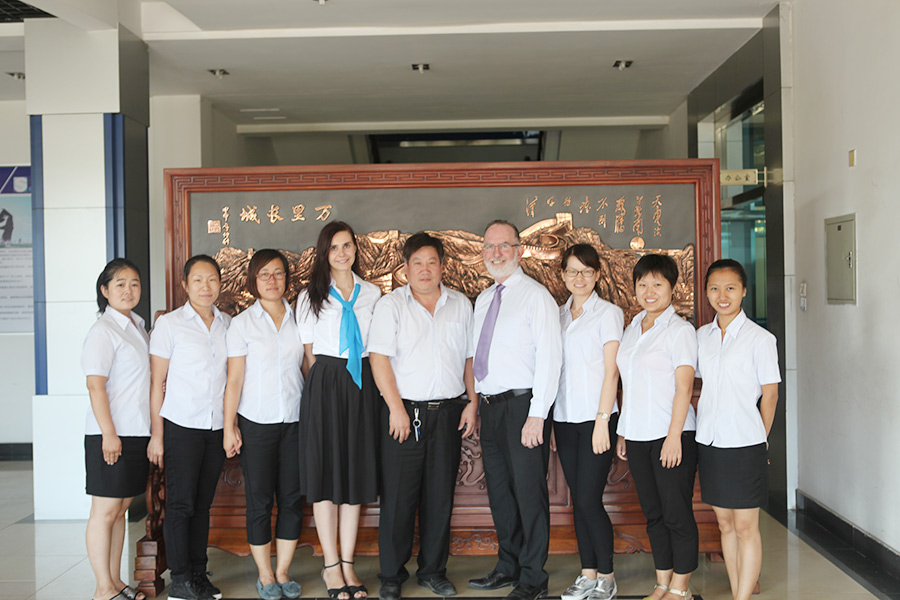
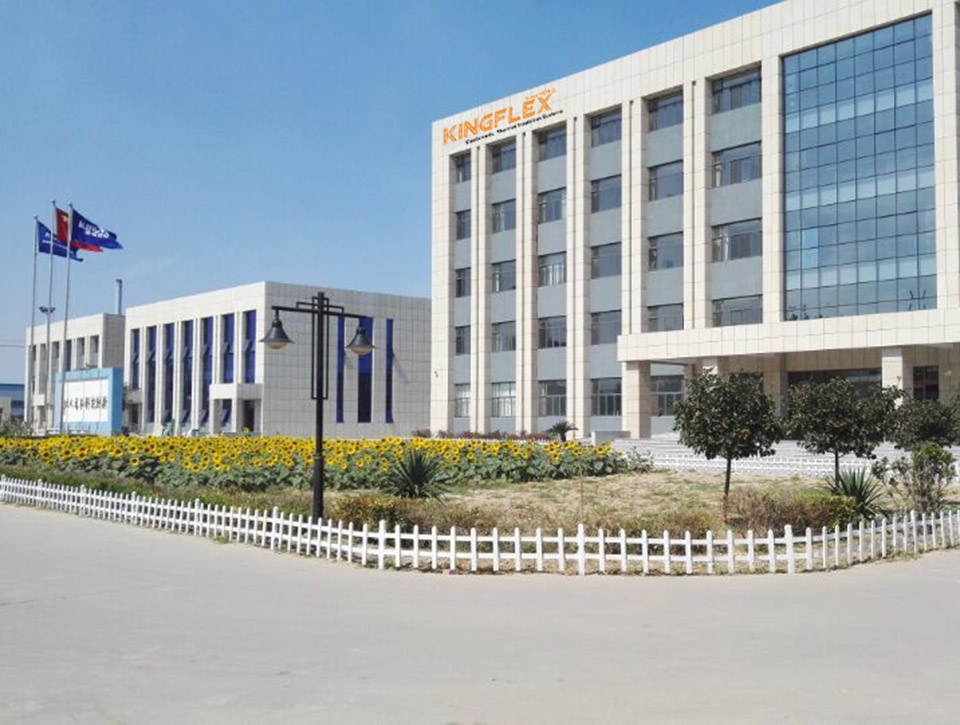
Kingflex Manufacturing Facility Overview
Client Communication Screenshot 1 Client Communication Screenshot 2 Client Communication Screenshot 3

Kingflex Insulation Co., Ltd. is a professional manufacturing and trading combo for thermal insulation products. Our R&D and production facilities are located in Dacheng, China—a well-known capital of green building materials. As an energy-saving, environmentally friendly enterprise, we concentrate on the research, development, production, and sales of high-performance elastomeric foam systems.

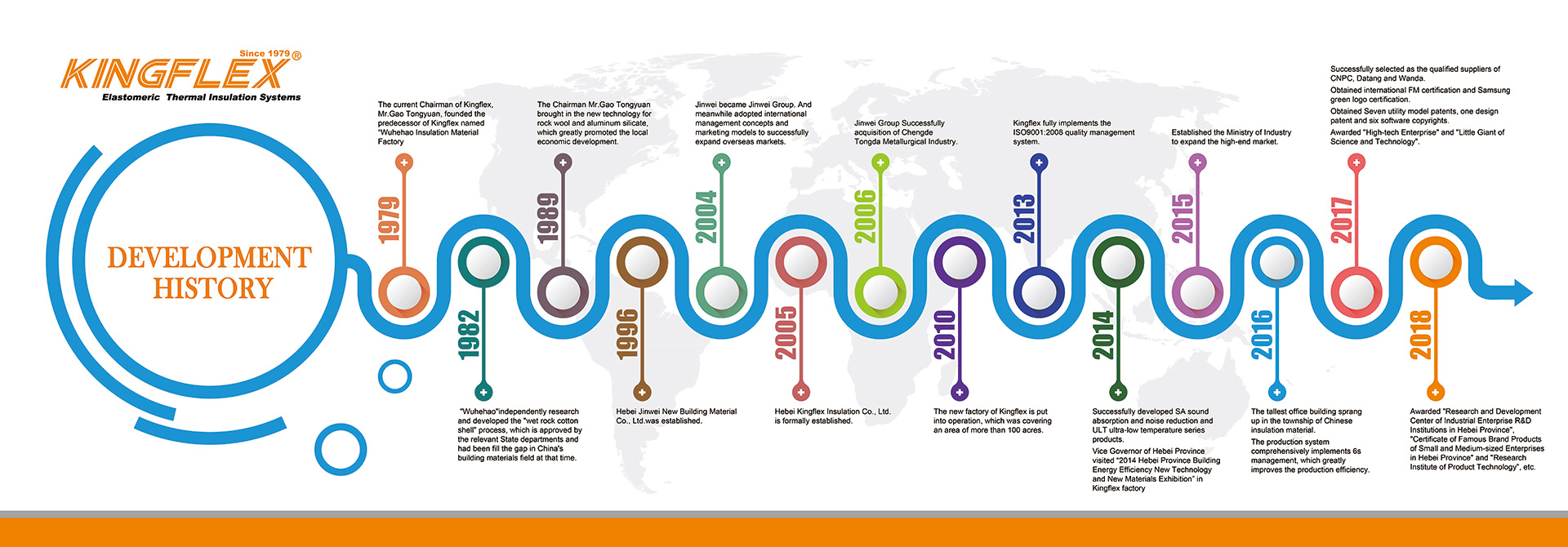
In operation, Kingflex takes energy saving and emission reduction as its core concept. We provide comprehensive insulation solutions through consultation, research, development, production, installation guidance, and post-sale service. We are established by the Jinwei Group, which carries a heritage of over 40 years. Founded in 1979, the group was one of the pioneer manufacturers of thermal insulation materials north of the Yangtze River.

Today, Kingflex operates five large automatic assembly lines, with an annual production capacity exceeding 600,000 cubic meters. Our product catalog is widely utilized across construction, petroleum, chemical, national defense, aerospace, and HVAC installations globally. In the past 16 years, our products have been exported to over 66 foreign countries and regions.

Global Reference Projects

Real-world performance in challenging HVAC, industrial, and cryogenic environments

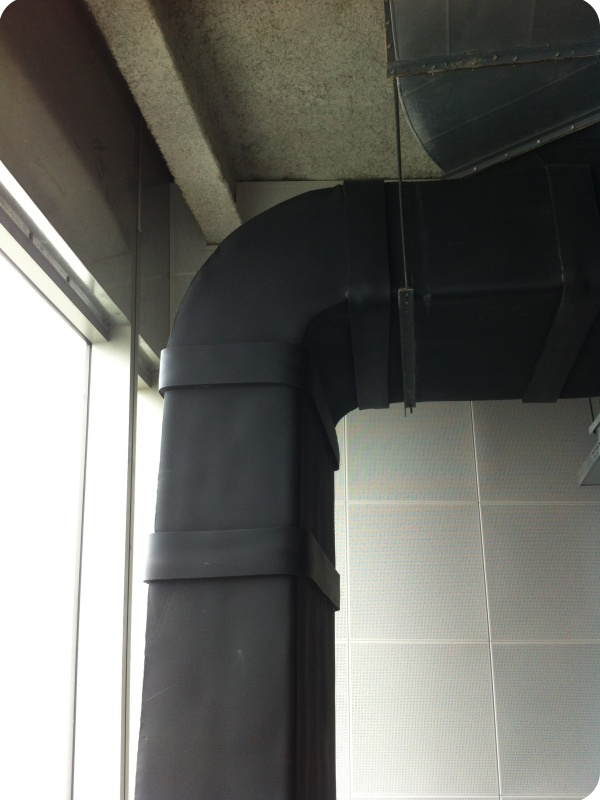
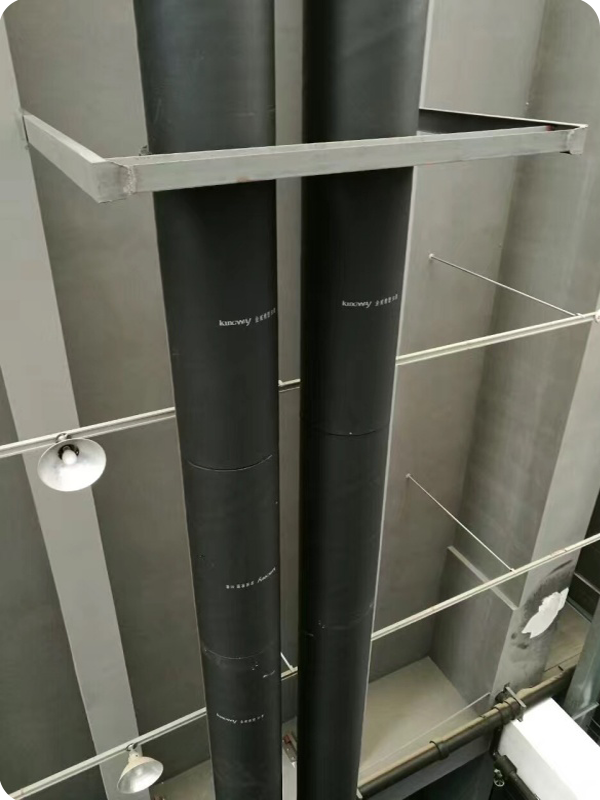
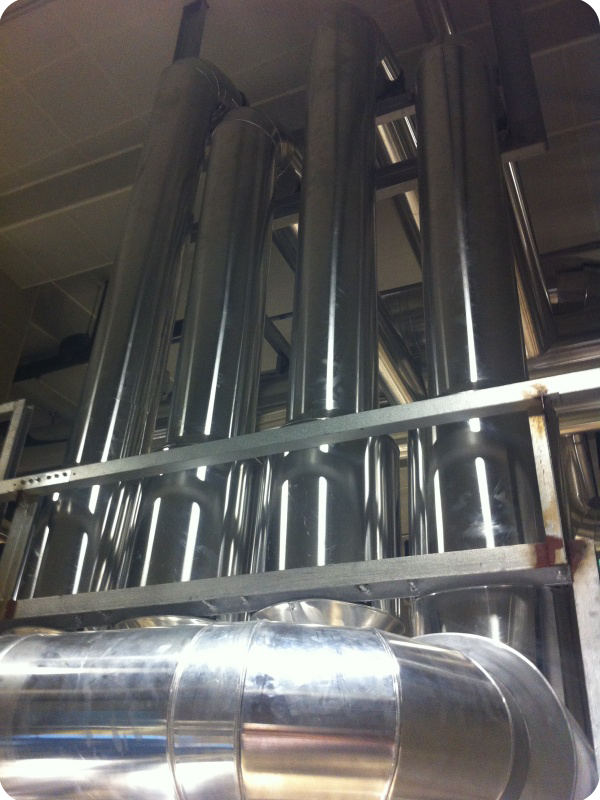
HVAC Chilled Water System Installation Large Plant Industrial Pipe Insulation Refrigeration Pipeline Complex Cleanroom Ventilation Ductwork

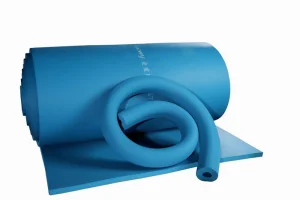
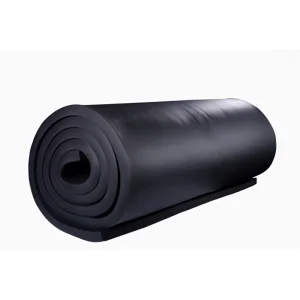
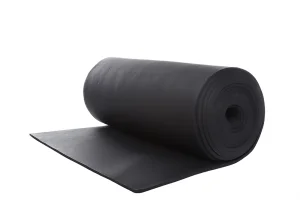
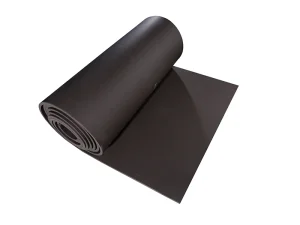
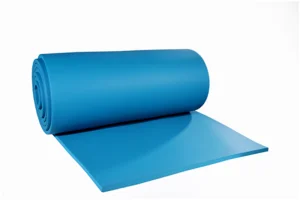
Black Rubber Foam Insulation Sheet Rolls

Material: NBR/PVC Composite Matrix
Thickness: 6mm to 50mm
Density: 40 to 55 kg/m³
Service Temperature: -40℃ to 105℃

Primary Advantages: Offers even expansion and a closed-cell rate exceeding 98%. Features low moisture absorption and stable long-term thermal conductivity. Compression resilience is rated at over 80%. It is flame retardant, self-extinguishing upon flame removal, and has a high moisture resistance factor.

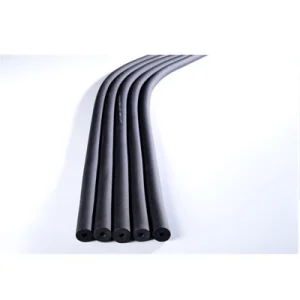
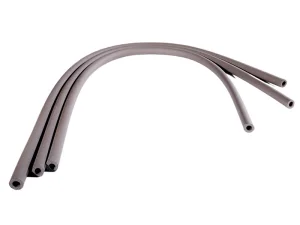
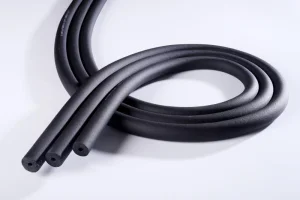
Black Rubber Foam Insulation Pipes

Material: NBR/PVC Composite Matrix
Thickness: 9mm to 40mm
Inner Diameter: 6mm to 114mm
Density: 40 to 55 kg/m³
Service Temperature: -40℃ to 105℃

Primary Advantages: Our advanced extrusion line ensures even thickness and consistency across the inner diameter. Prevents condensation and freezing on HVAC systems and industrial process piping, and helps reduce pipe freezing and cracking risks.

Frequently Asked Questions (FAQ)

Find expert answers to common technical, commercial, and application queries

Q1: What are the main benefits of using Halogen-Free insulation in Nagoya's industrial projects?
A1: Halogen-free insulation is essential for preserving high-value manufacturing assets (like robotics, cleanrooms, and electronic systems) in Nagoya. In the event of a fire, standard rubber insulation containing halogens releases corrosive acidic gases (such as hydrogen chloride) that corrode metals and threaten human health. Our halogen-free formulation is safe, non-toxic, and meets strict environmental criteria.
Q2: Does your Halogen-Free insulation meet Japanese fire safety and environmental standards?
A2: Yes. Our insulation products are engineered in compliance with international and local standards, including BS 476, CE, REACH, ROHS, UL94, and ASTM. They also meet low-VOC requirements, aligning with the intent of Japanese F☆☆☆☆ emission regulations.
Q3: What is the differences between closed-cell rubber foam and rock wool insulation?
A3: Rubber foam is highly flexible, closed-cell, and moisture-proof, making it ideal for HVAC, refrigeration, and cold pipeline systems where vapor barriers are required. Rock wool is rigid, open-cell, and handles much higher temperatures, making it suitable for industrial high-temperature exhaust and fireproofing walls.
Q4: Do you offer custom dimensions, thicknesses, and OEM branding?
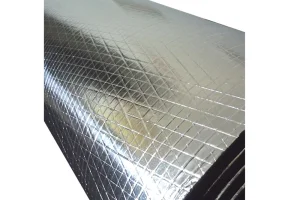
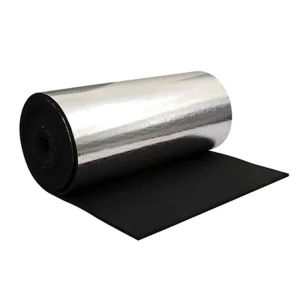
A4: Yes. We support full OEM and customization services. We can customize tube inner diameters, wall thicknesses (ranging from 6mm up to 50mm), and produce custom laminations, including self-adhesive backings and aluminum foil protective layers.
Q5: What is the typical service life of Kingflex rubber foam insulation?
A5: When properly installed according to our guidelines, the typical service life ranges between 10 to 15 years. This durability is supported by the material's closed-cell structure and resistance to moisture ingress.

Connect with an Expert Engineer

Get raw material samples, structural data sheets, and custom pricing configurations delivered directly to your project office in Nagoya.

Send Inquiry Now