High-performance insulation products engineered to address the unique atmospheric and building parameters of Valle de México.
Mexico City sits at an altitude of approximately 2,240 meters above sea level, presenting a unique thermal dynamic characterized by significant diurnal temperature swings. During dry winter months, temperatures drop sharply overnight, only to rise rapidly under direct, high-altitude solar radiation by midday. This specific microclimatic profile imposes heavy structural loads on commercial and industrial infrastructure.
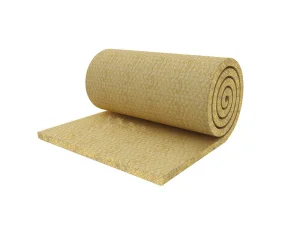
In addition to atmospheric variables, Mexico City's high seismic classification mandates the integration of building materials that combine structural flexibility with exceptional lightweight insulation capabilities. Conventional, heavy concrete structures must utilize thermal barriers that do not contribute unnecessary static dead-loads. Rock wool (also known as mineral wool) has emerged as the premier material class capable of addressing these multi-layered design requirements.
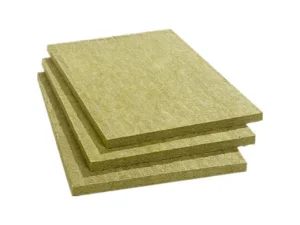
By implementing rock wool board insulation with high thermal density, architects can calculate and engineer a precise thermal lag (thermal inertia). This delays the transmission of high afternoon heat into the building's core until the cooler night hours, significantly reducing HVAC energy usage. In high-density office hubs like Paseo de la Reforma and Santa Fe, this design approach yields up to 32% savings in seasonal cooling expenditure.
In the globalized industrial landscape, thermal insulation products must meet international standards to guarantee consistency, ecological safety, and predictable technical output. In the United Mexican States, commercial and industrial designs are governed by the Federal Commission for Standardization, which mandates strict adherence to official Mexican standards (Normas Oficiales Mexicanas, or NOM).
Specifying rock wool solutions requires aligning materials with key energy efficiency and safety regulations:
| Insulation Type | Max Operating Temp | Fire Rating | Primary Application Scenario | Moisture Resistance |
|---|---|---|---|---|
| Rock Wool Insulation | 1,000°C | Non-Combustible (Class A1) | High-Temperature Industrial Pipes, Structural Fire Stop, Acoustic Wall Cavities | Medium (Hydrophobic additives optional) |
| Elastomeric Rubber Foam | 105°C | Flame Retardant (UL94 V-0 / Class 1) | Chilled Water Systems, Condensation Control, HVAC Duct Wrapping | Excellent (Closed-cell structure) |
| Fiberglass Blanket | 250°C - 350°C | Class A | General Residential Walls, Low-Temp Commercial HVAC Systems | Low (Prone to sagging when wet) |
Understanding the micro-economical layout of Mexico City dictates the deployment of specialized insulation classes. Different commercial and industrial corridors demand tailored product variants:
In high-density office zones (such as Santa Fe and Interlomas), modern drywall partitions require high-density rock wool boards to achieve optimal Sound Transmission Class (STC) ratings. Mineral wool's dense, fibrous network absorbs airborne sound energy, mitigating inter-office noise pollution and meeting strict acoustic parameters required by premium tenants.
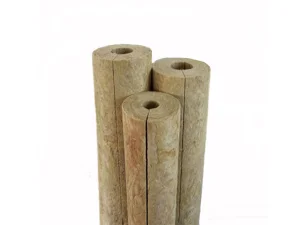
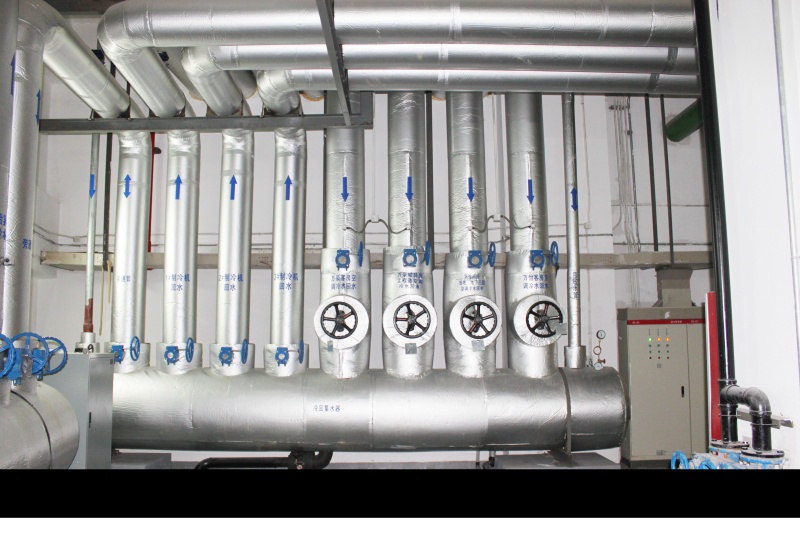
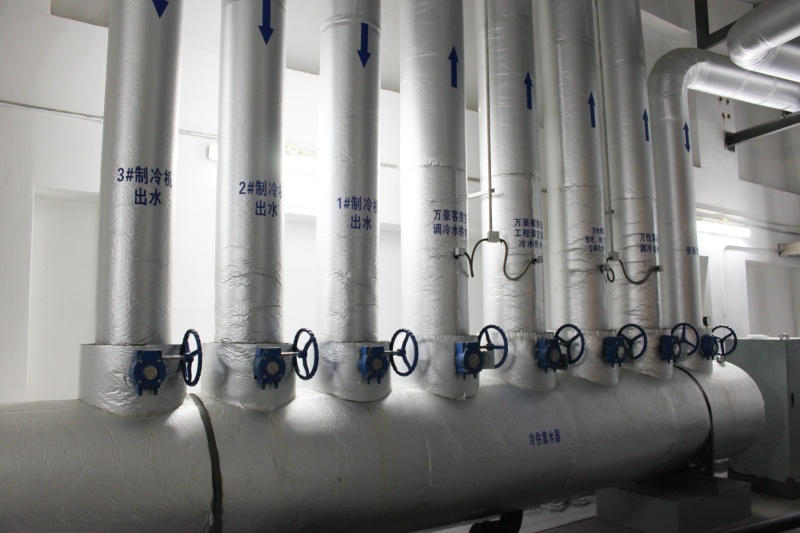
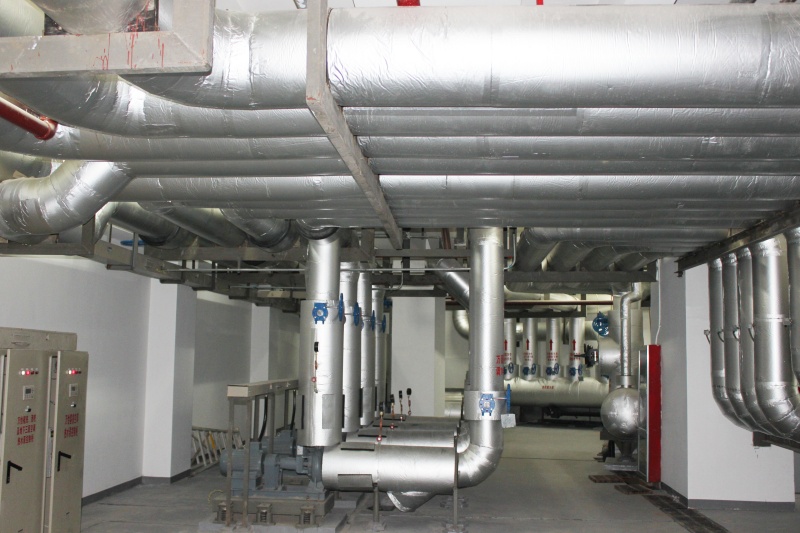
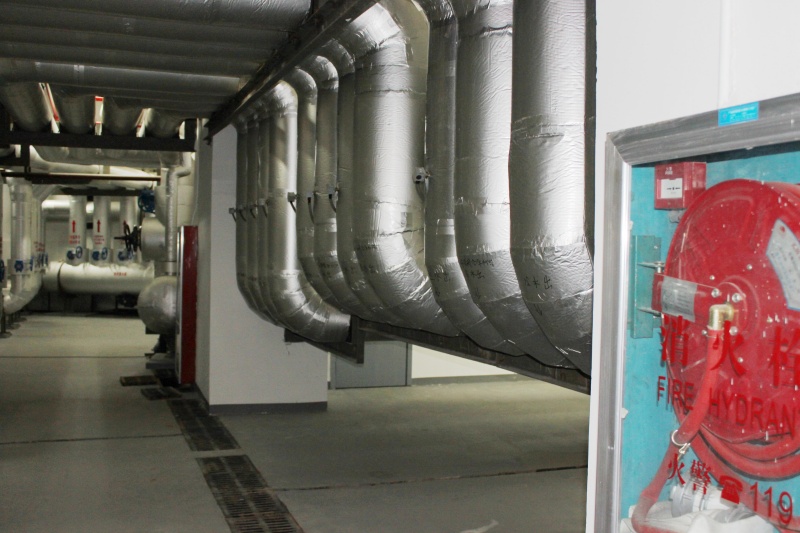
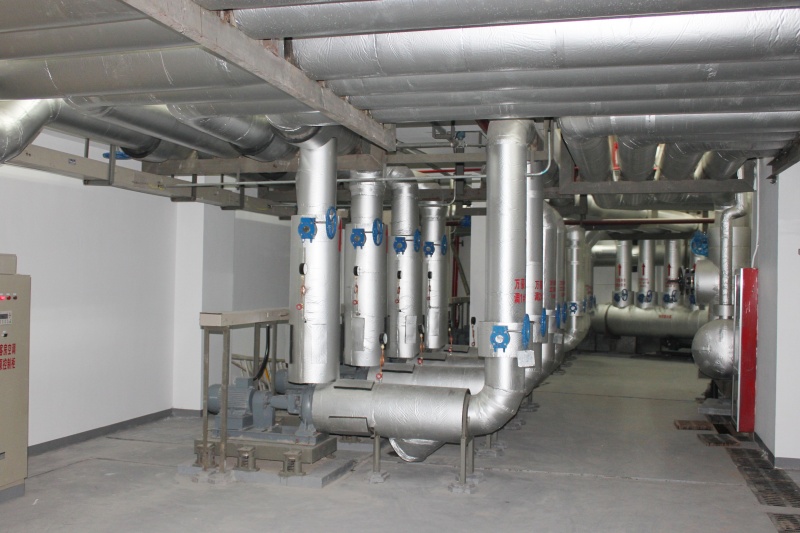
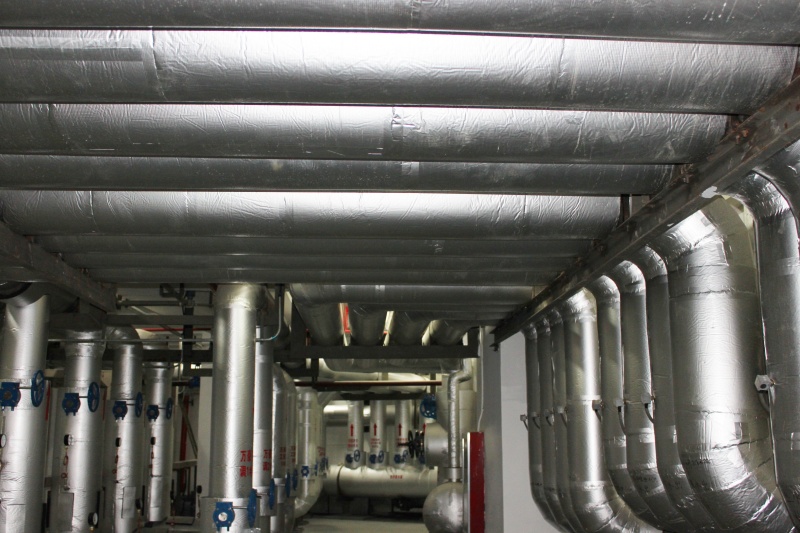
For processing facilities in the historic industrial districts of Vallejo and Tlalnepantla, maintaining high-temperature steam lines is critical to production efficiency. Pre-formed rock wool insulation pipes with aluminum foil facings prevent heat loss, stabilize production temperatures, and ensure personnel safety by lowering pipe outer jacket temperatures below the touch-hazard threshold.
As the regional digital hub expands, data center complexes require rigorous hot-aisle containment and acoustic sound barriers. Rock wool board solutions provide non-combustible cable tray path linings and room perimeter insulation, safeguarding multimillion-dollar server infrastructures against localized electrical fire spread.
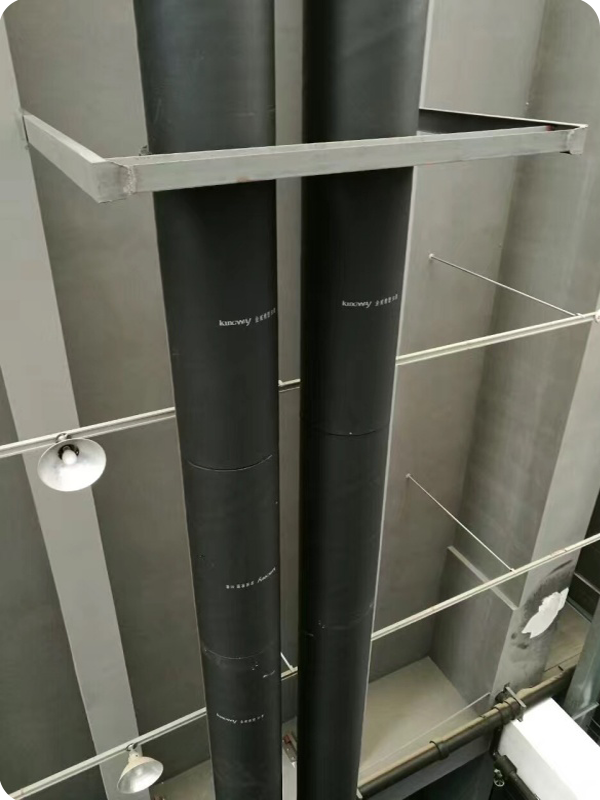
For cryogenic and refrigeration supply chains, standard rock wool is paired with Kingflex low-temperature cryogenic elastomeric foam insulation. This hybrid design prevents surface condensation on cold pipelines while leveraging rock wool's fire-stopping characteristics in surrounding transit ducts.
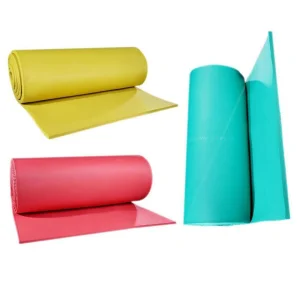
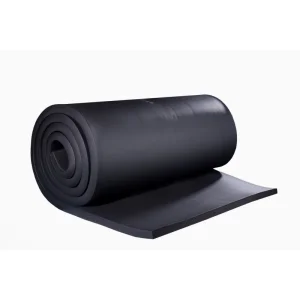
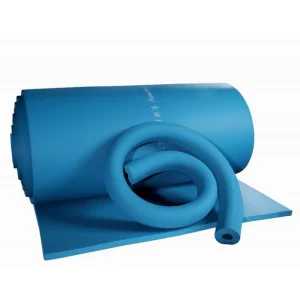
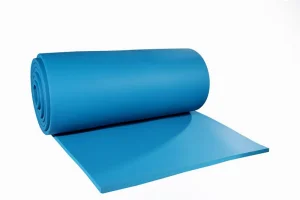
Detailed physical and operational parameter matrices for standard elastomeric foam sheets and pipe profiles.
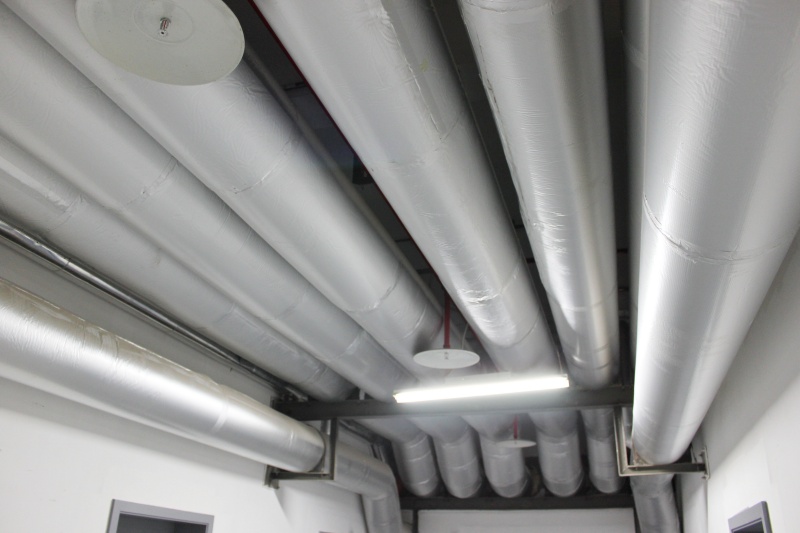
Designed for central air conditioning duct systems, wall, roof, and basement thermal and sound insulation.
Foams evenly and fully, providing low long-term thermal conductivity and high moisture resistance. Flame retardant, self-extinguishing upon removal of external fire source.
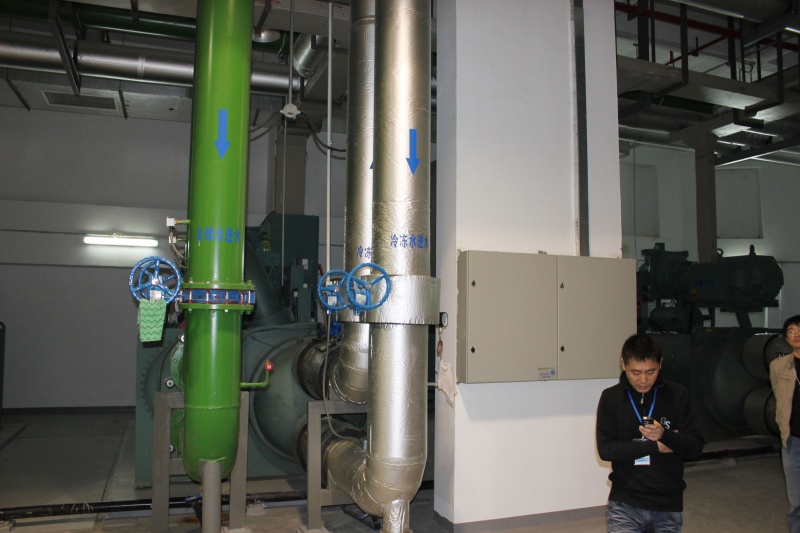
Engineered for central air conditioning chilled/hot water, condensate, and domestic plumbing lines.
Manufactured utilizing specialized pipe extrusion equipment ensuring uniform wall thickness. Reduces risk of pipe freezing, corrosion under insulation (CUI), and thermodynamic energy leaks.
A professional manufacturing and trading combo for thermal insulation products, driving global energy conservation.
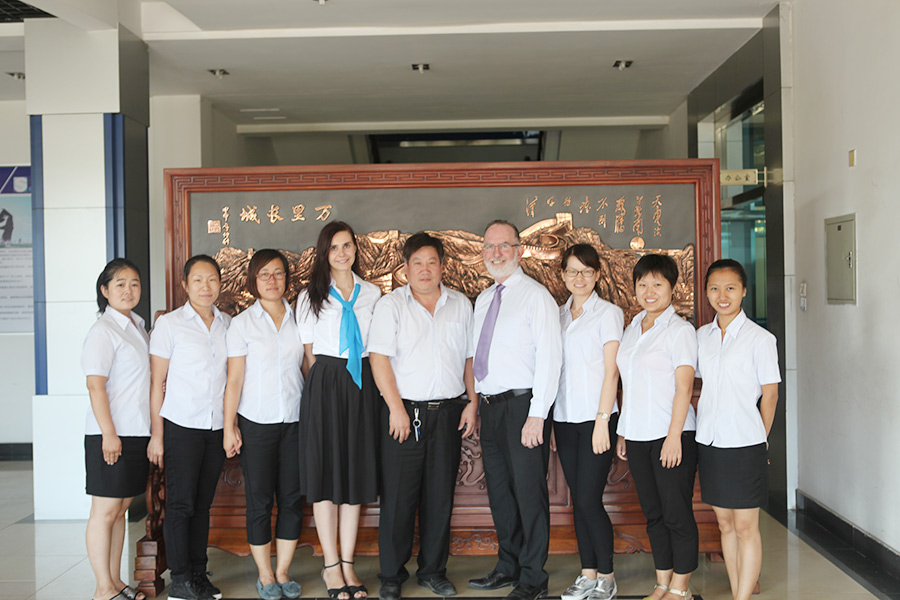
Kingflex Research Development and Production department is situated in Dacheng, China—widely recognized as the capital of green-building materials. As an energy-saving, environmentally friendly enterprise, we concentrate on the development, production, and worldwide sales of advanced insulation solutions. Taking energy-saving and consumption reduction as our core concept, we guide client projects from consultation through installation guidance and post-sale technical support.
Kingflex was established by the Jinwei Group, which boasts more than 40 years of industrial history. Founded in 1979, Jinwei Group was the first manufacturer of thermal insulation materials north of the Yangtze River, paving the way for decades of thermal performance innovation.
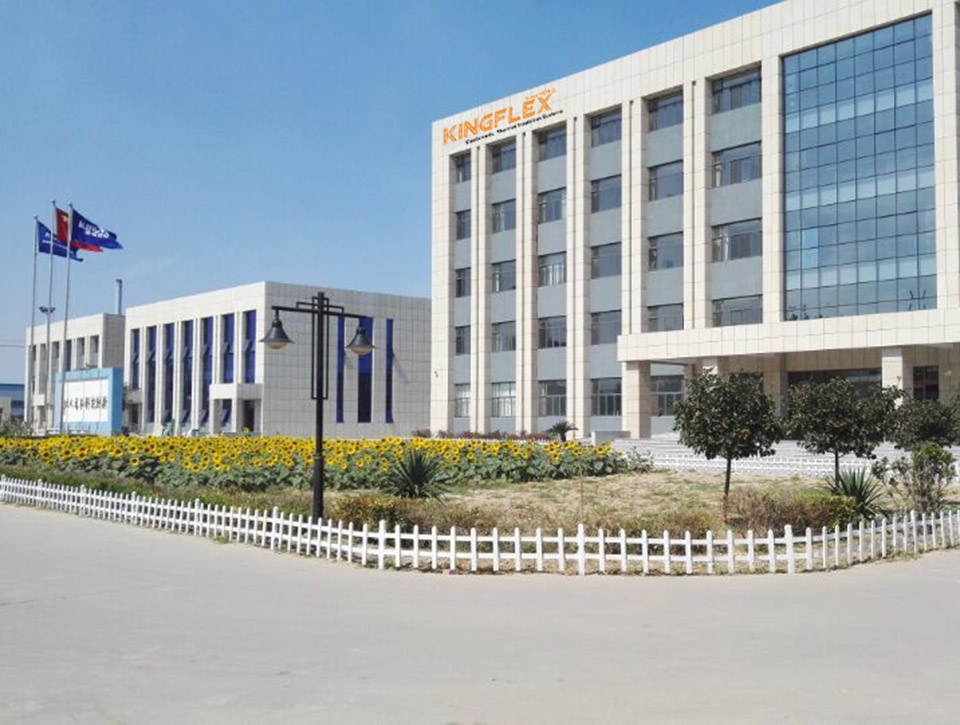
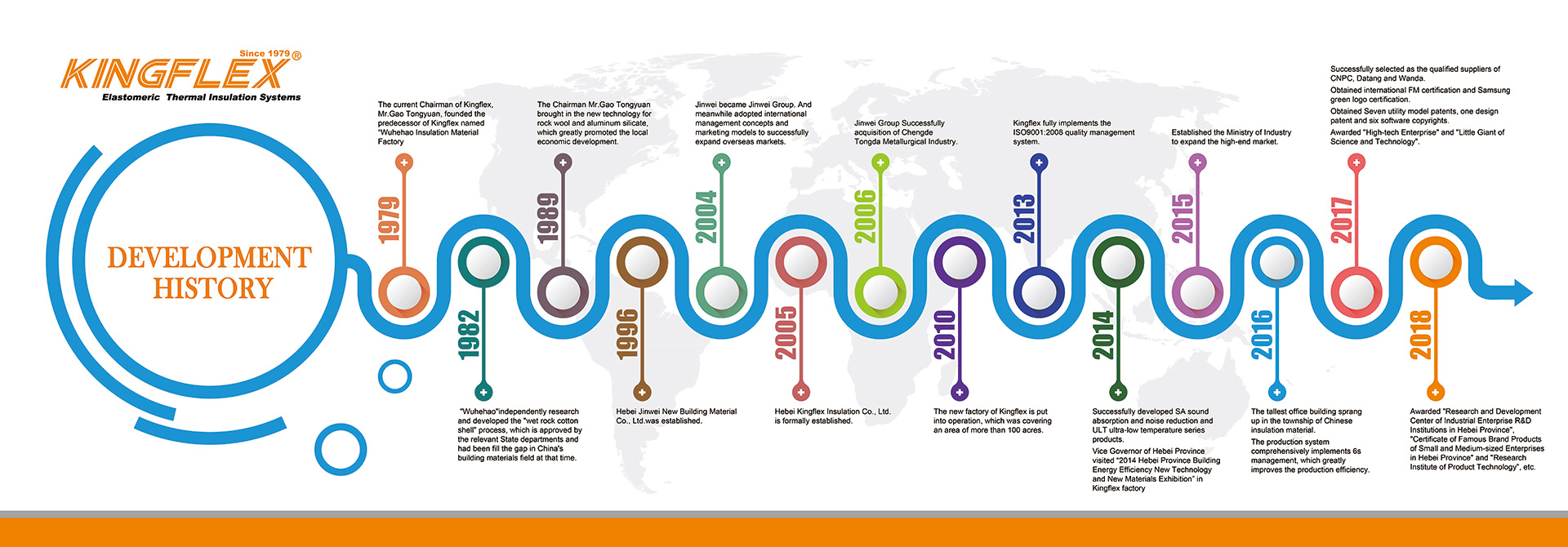

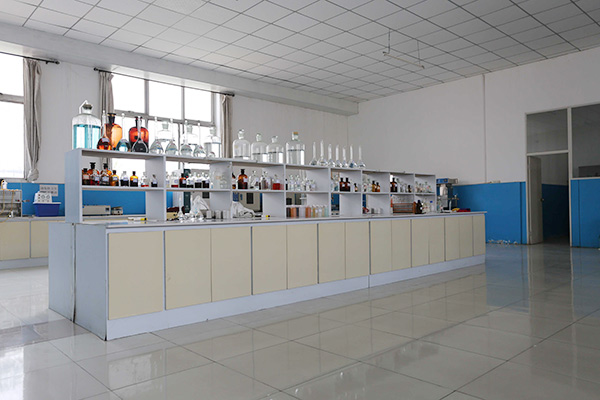
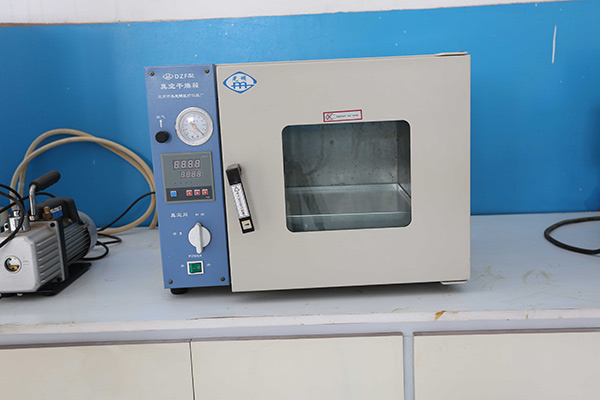
Our global footprint relies on a shared vision of first-class client service. Currently, our operations feature:
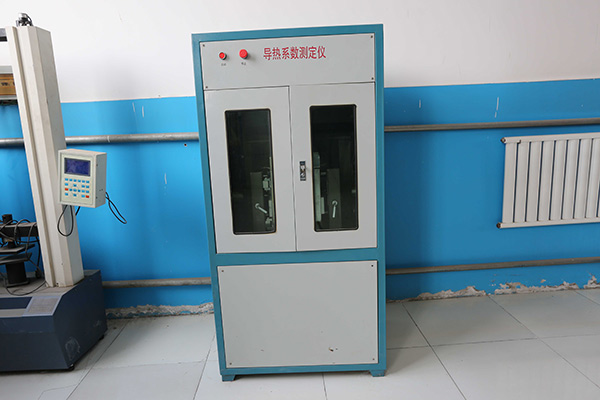
Continuous investment in testing facilities ensures all shipments maintain dimensional stability, low thermal drift, and strict fire performance.
Explore our specialized thermal and cryogenic product solutions, engineered to lower thermodynamic loss across building applications.
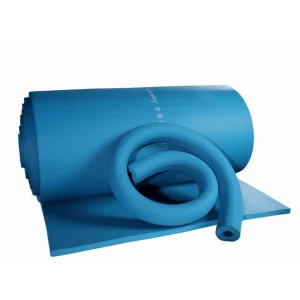
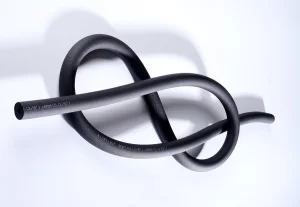
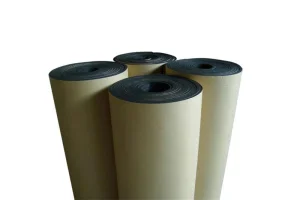
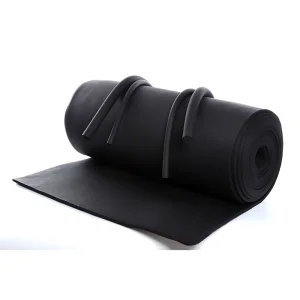
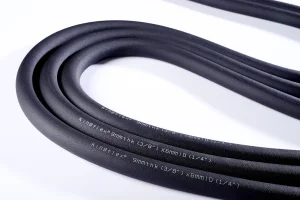
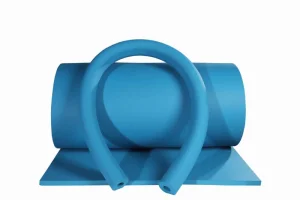
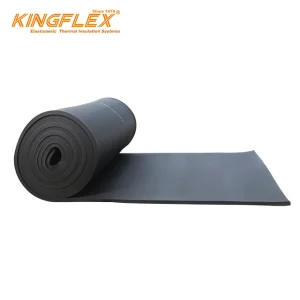
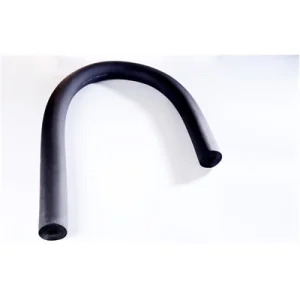
Additional insulation systems designed for complex high-temperature and deep cryogenic piping specifications.
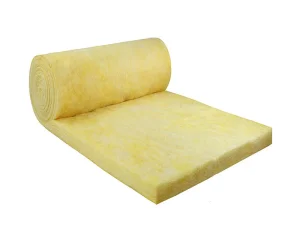
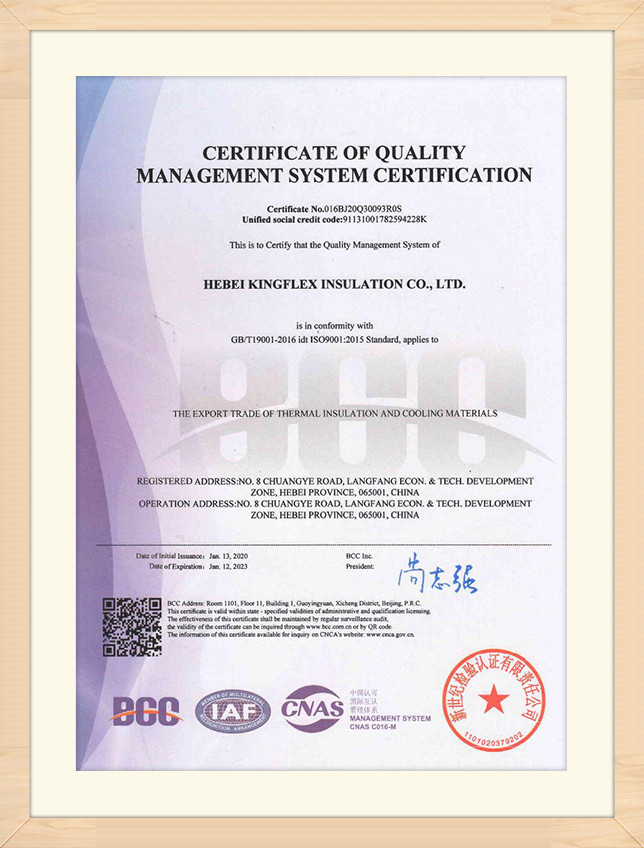
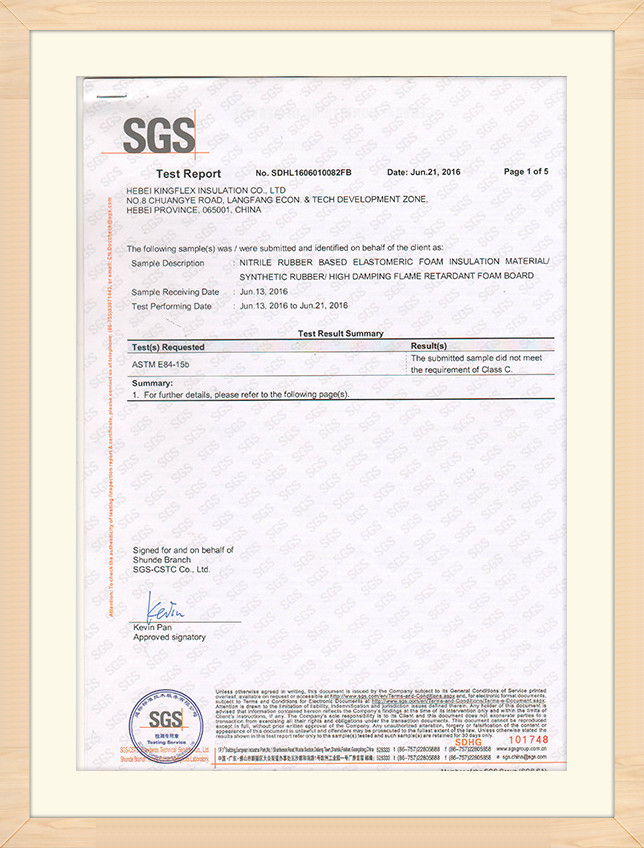
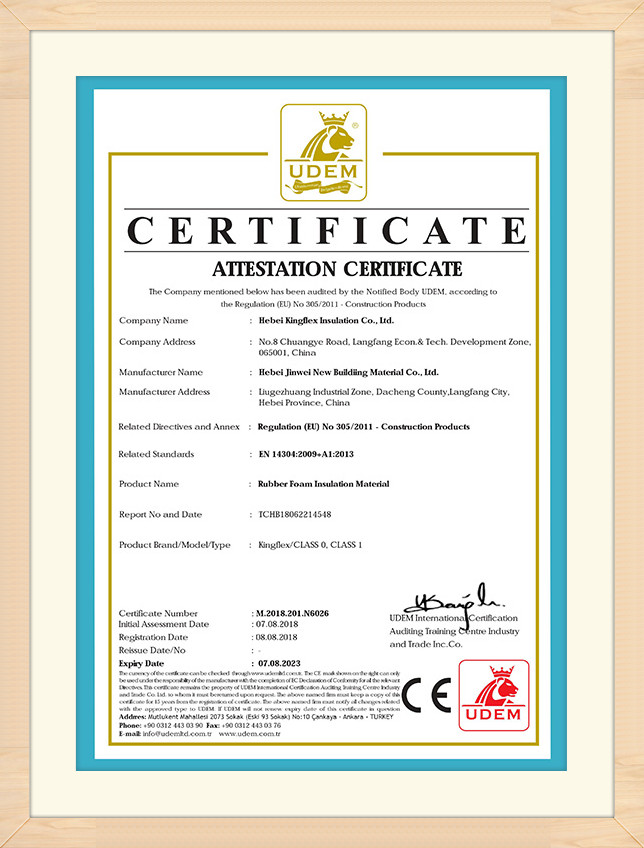
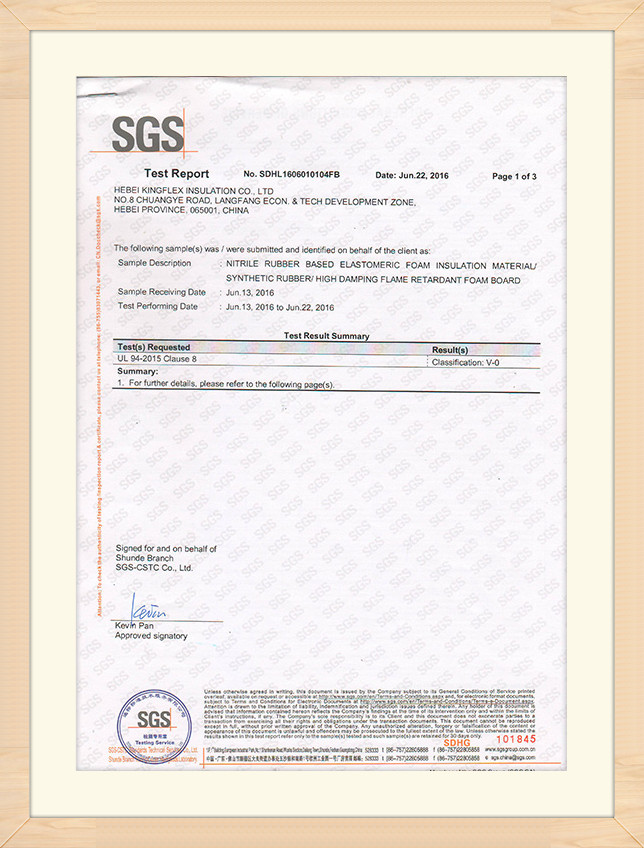
Transparent quality documentation and communications demonstrating our commitment to client satisfaction.
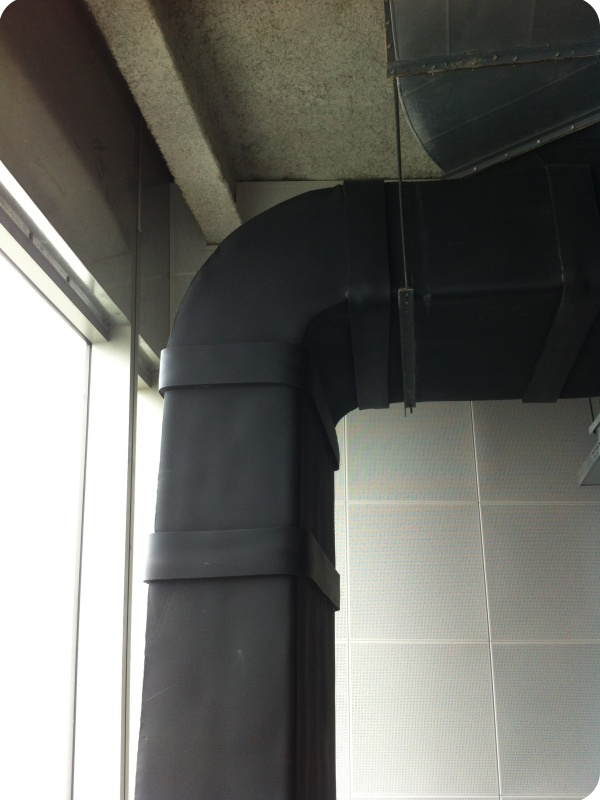

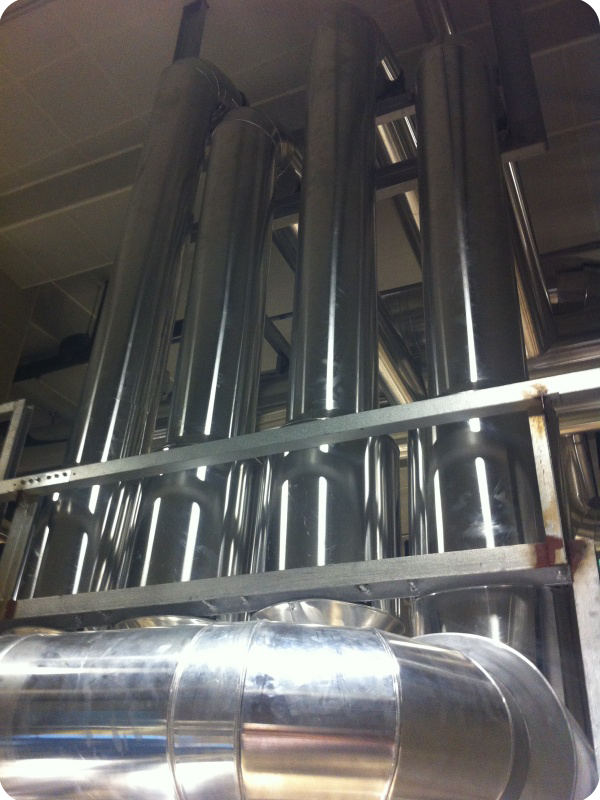





As green building protocols such as LEED (Leadership in Energy and Environmental Design) and EDGE (Excellence in Design for Greater Efficiencies) gain prominence within Mexico's metropolitan developments, the technical roadmap of mineral wool systems is transitioning toward organic-based, bio-soluble binder agents.
Traditional binders, which rely on phenol-formaldehyde formulations, are being phased out in favor of natural starch-based binders. This innovation drastically reduces VOC emissions during high-temperature exposure, ensuring excellent indoor air quality (IAQ) profiles within high-rise buildings. In addition, the integration of hydrophobic silicones into the mineral fibers prevents moisture accumulation, safeguarding thermal conductivity ratings even in humid conditions.
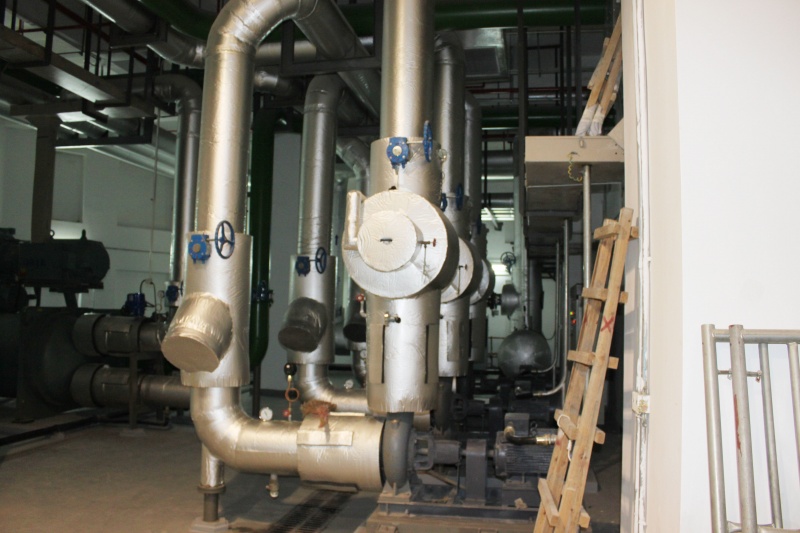
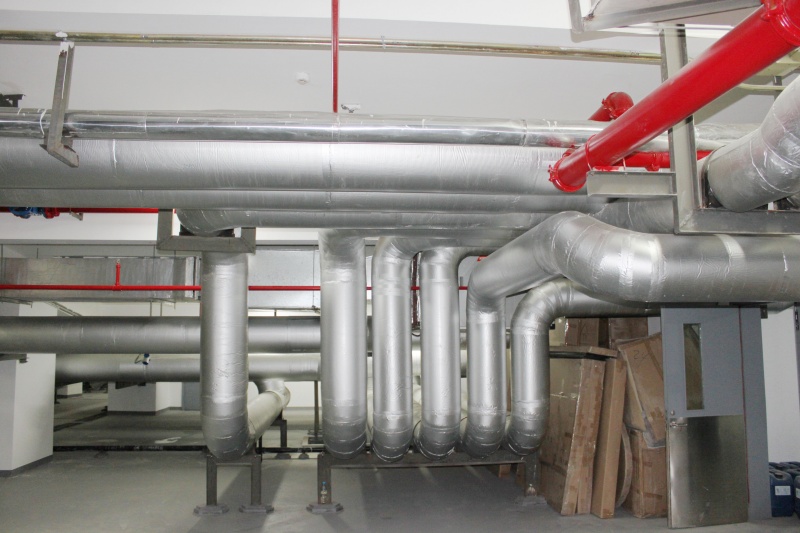
Industrial facility engineering is increasingly adopting a hybrid insulation methodology. In applications with variable temperatures, systems apply a base layer of closed-cell elastomeric rubber foam (which acts as a seamless vapor barrier) covered by an outer protection layer of high-density rock wool. This combination prevents condensation on cold cycles and ensures fire protection during extreme high-temperature events.
Technical answers regarding material properties, logistics, local codes, and structural application of mineral insulation.
Elastomeric rubber foam is mainly used for HVAC ducts, air conditioning piping systems, commercial building insulation, industrial chilled water lines, and acoustic isolation where vapor-barrier performance and condensation prevention are required.
Yes, Kingflex elastomeric foam insulation is engineered to be fire retardant, meeting strict safety certifications such as UL94 V-0, Class 1 flame spread indexes, and BS 476 fire resistance ratings, ensuring compliance with local commercial building codes.
Elastomeric rubber foam is flexible, closed-cell, and highly resistant to moisture, making it suitable for HVAC condensation prevention. Rock wool (mineral wool) is open-cell, non-combustible, and rated for temperatures up to 1000°C, making it suitable for high-temperature industrial piping, structural fireproofing, and acoustic partitions.
Yes, we offer comprehensive OEM services, fabricating custom densities, thicknesses, facings (such as ALU foil or glass cloth), and dimensions to match the physical requirements of your projects.
Our products hold international certifications including BS 476, CE, REACH, RoHS, UL94, and ASTM. This ensures our materials meet structural requirements under local guidelines like NOM-018-ENER-2011.
Yes, all production runs are batch-coded and tracked from raw materials through processing to dispatch, ensuring traceability for structural quality control.
We manufacture elastomeric foam rolls in standard and custom thicknesses ranging from 6mm up to 50mm to meet various insulation requirements.
When installed correctly and maintained, our high-durability elastomeric sheets and pipe insulation solutions have an operational life of 10 to 15 years.
Get in touch with our engineering estimators for custom pricing, container configuration options, and certification packets for projects in the Mexico City metropolitan area.





 Kingflex