Explore our range of premium rubber foam insulation solutions, certified for maximum thermal resistance, condensation prevention, and sound attenuation.
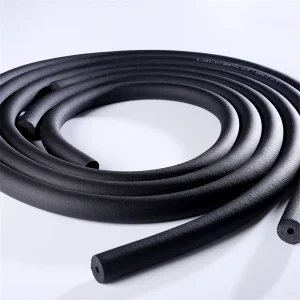
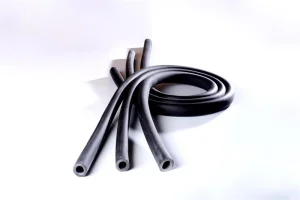
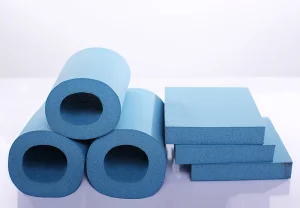
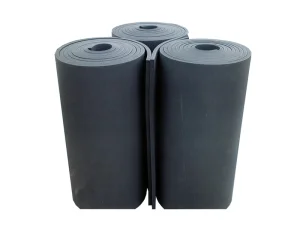
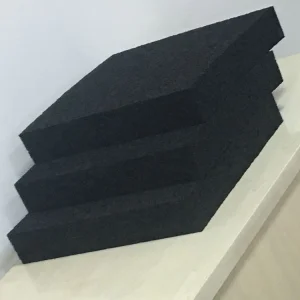
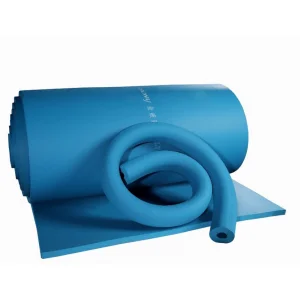
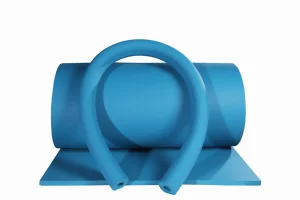
In modern HVAC/R systems, petrochemical piping networks, and liquefied gas infrastructure, maintaining strict temperature boundaries is critical. The specification of 40mm thickness in closed-cell elastomeric insulation represents an engineering threshold that is globally recognized for handling intense temperature differentials.
At a thickness of 40mm, elastomeric nitrile-butadiene rubber (NBR) and polyvinyl chloride (PVC) co-polymer systems provide the necessary thermal impedance to prevent water vapor condensation in highly humid ambient environments. When pipes carry low-temperature media (such as chilled water lines at 4°C to 7°C, or cryogenic liquids at -200°C), they generate a massive vapor pressure differential. Standard thin-wall insulations often fail, leading to moisture intrusion, structural corrosion under insulation (CUI), and rapid energy loss.
As global energy prices climb and carbon emission regulations tighten (such as the EU's Energy Performance of Buildings Directive and US ASHRAE 90.1 standards), large-scale commercial facilities are migrating to thicker, more reliable insulation barriers. Chinese manufacturers have optimized the continuous extrusion vulcanization processes required to yield homogenous, consistent cell diameters across thick-walled structures, meeting this exact global commercial and industrial demand.
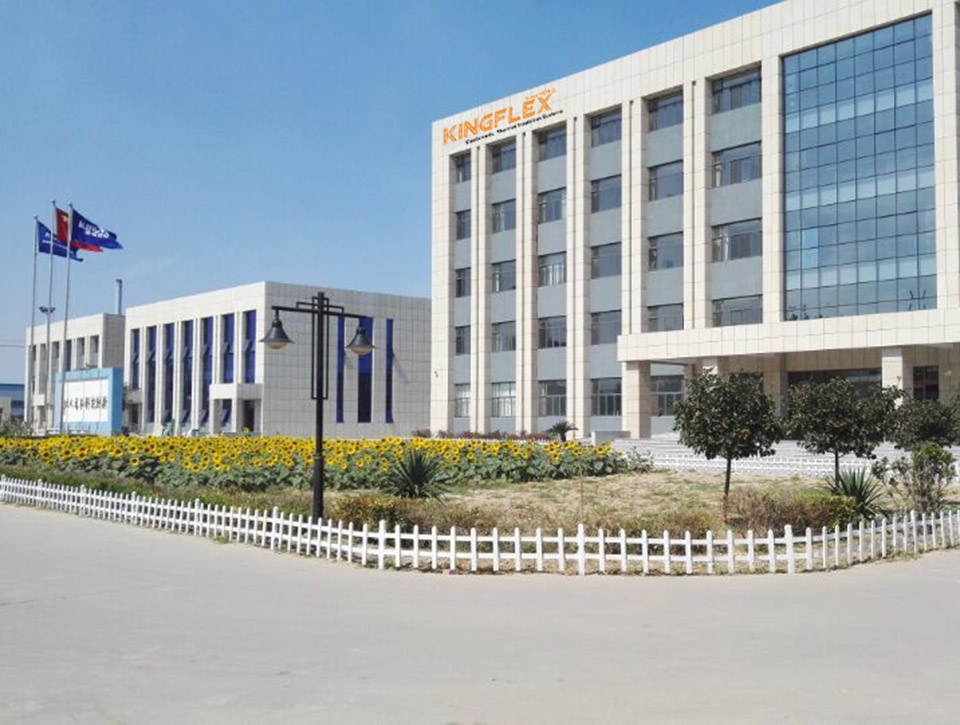
The production of thick-walled elastomeric materials (such as 40mm thick tubes and sheets) presents major technical challenges. Standard lines struggle with uneven vulcanization, where the outer layers over-cure while the inner core remains under-cured, causing premature material degradation.
Chinese industrial clusters, specifically in Dacheng, have addressed this constraint through vertical supply chain integration and investment in high-automation continuous extrusion lines. Dacheng is widely recognized as China's "Capital of Green Building Materials." Over decades, this region has built a robust ecosystem encompassing raw polymer suppliers, chemical compounding research teams, and advanced machine builders.
By integrating automated nitrogen foaming systems and multi-zone temperature-controlled microwave curing ovens, factories in Dacheng ensure that a 40mm thick profile achieves uniform density (ranging from 40 to 55 kg/m³) from its innermost layer to its outer skin. This structural uniformity guarantees a stable closed-cell ratio exceeding 98%, low thermal conductivity, and high compression resilience.
Compare the physical and mechanical properties of our premium NBR/PVC elastomeric rubber foam insulation series.
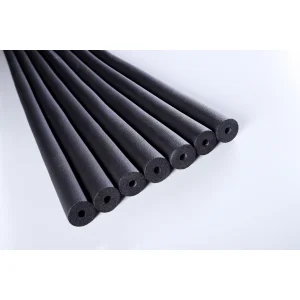
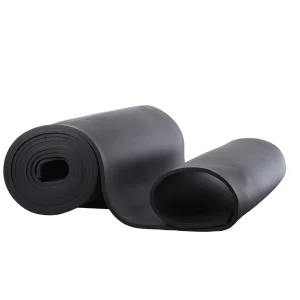
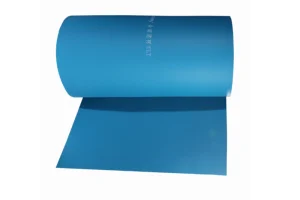
| Property | Black Rubber Foam Sheet Roll | Black Rubber Foam Insulation Pipe |
|---|---|---|
| Base Material | Nitrile Butadiene Rubber / Polyvinyl Chloride (NBR/PVC) | Nitrile Butadiene Rubber / Polyvinyl Chloride (NBR/PVC) |
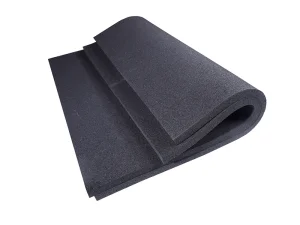
| Thickness Range | 6mm - 50mm (Includes 40mm Heavy Sheet) | 9mm - 40mm (Includes 40mm Heavy Wall Pipe) |
| Inner Diameter (ID) | N/A | 6mm - 114mm |
| Apparent Density | 40 - 55 kg/m³ | 40 - 55 kg/m³ |
| Service Temperature | -40℃ to 105℃ (Cryogenic lines down to -200℃ optional) | -40℃ to 105℃ (Specialized systems for extreme cold) |
| Thermal Conductivity (λ) | ≤ 0.034 W/(m·K) at 0℃ | ≤ 0.034 W/(m·K) at 0℃ |
| Moisture Resistance Factor (μ) | ≥ 10,000 (ASTM E96 compliant) | ≥ 10,000 (Provides continuous barrier) |
| Compression Resilience | ≥ 80% recovery after load release | ≥ 80% recovery after deformation |
| Fire Safety Rating | Flame retardant, self-extinguishing (Class 0 / Class 1) | Flame retardant, low smoke toxicity (BS 476, UL94) |
Our 40mm elastomeric systems are deployed in demanding engineering contexts globally to manage thermal dynamics, prevent energy losses, and secure process stability.
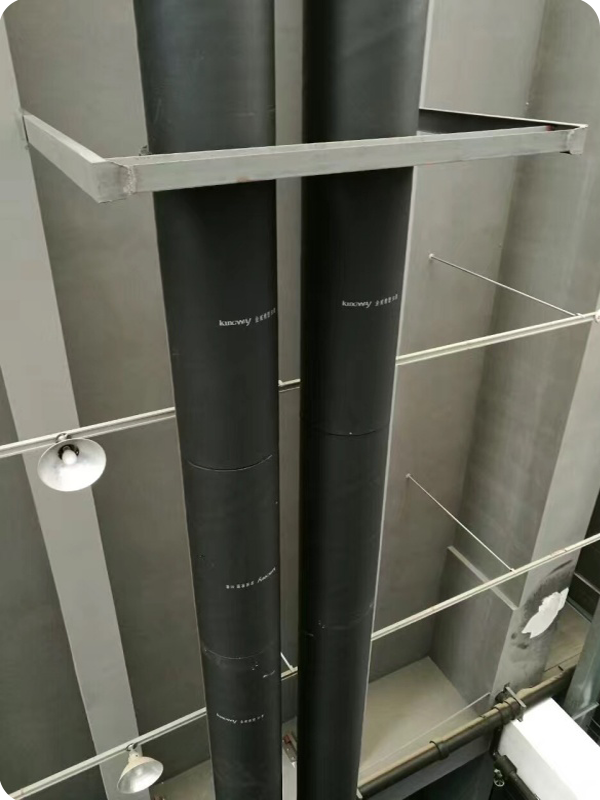
In hot and humid climates (such as Southeast Asia, Middle East, and coastal regions), chilled water systems are highly susceptible to sweating. Using a 40mm insulation barrier prevents condensation on large supply headers, protecting ceiling zones and mechanical pathways from water damage.
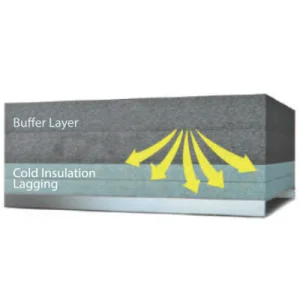
For sub-zero industrial systems, liquefied gases, and chemical process piping operating down to -200°C, our multi-layered flexible systems mitigate extreme thermal shock. The 40mm thickness prevents the outer layer from dropping below the ambient dew point, eliminating ice formation.
In food processing, pharmaceutical cleanrooms, and chemical processing facilities, pipelines carry steam or process water. The 40mm NBR/PVC foam acts as a reliable heat shield, preventing energy dissipation and protecting workers from accidental contact burns.

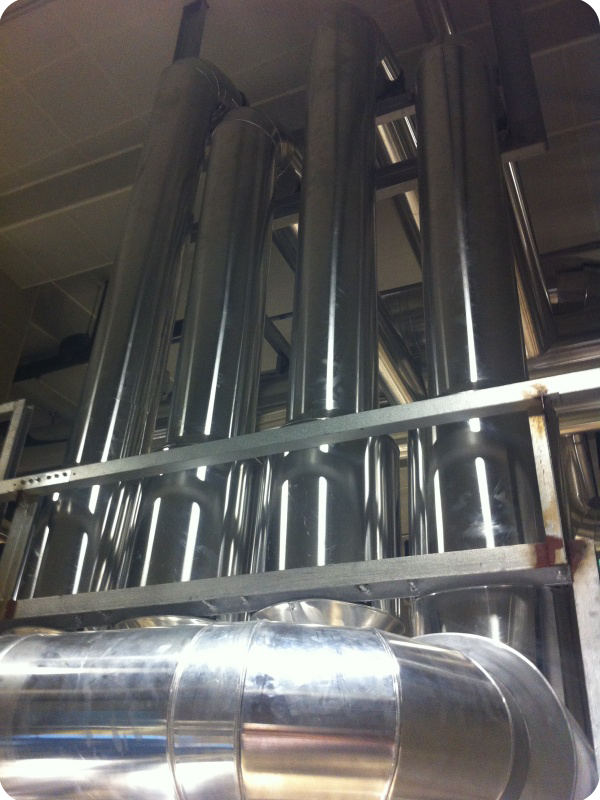
At Kingflex, technical capability is core to our operations. Our R&D department features a dedicated team of eight professional engineers specialized in polymer chemistry, thermodynamics, and material science. We continuously innovate to improve cell structure uniformity and density limits, ensuring our 40mm thick structures perform reliably in complex thermal scenarios.
Our raw materials are selected based on strict criteria, and every manufacturing batch undergoes laboratory verification before dispatch. Testing protocols are aligned with major global certification systems, including:
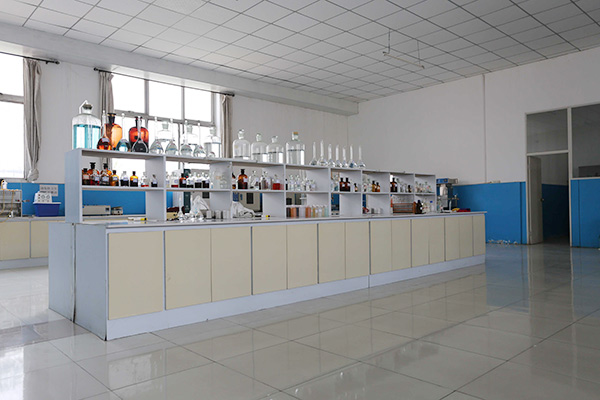
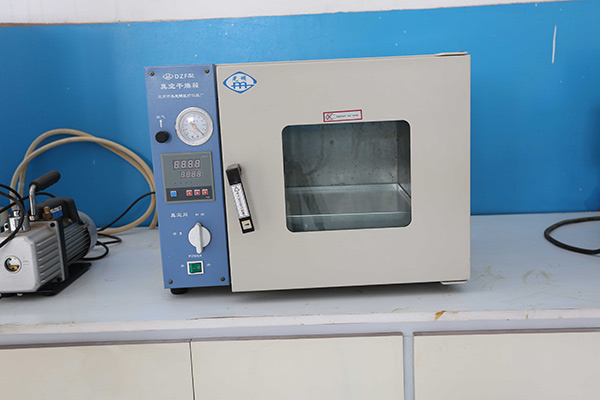
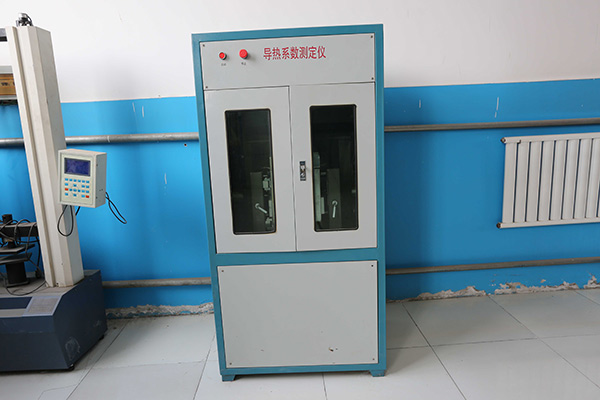
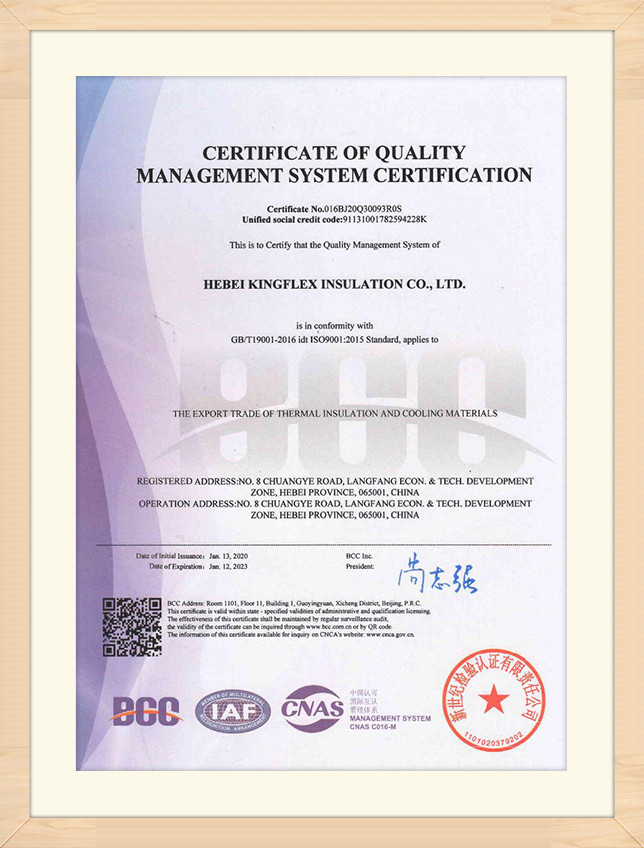
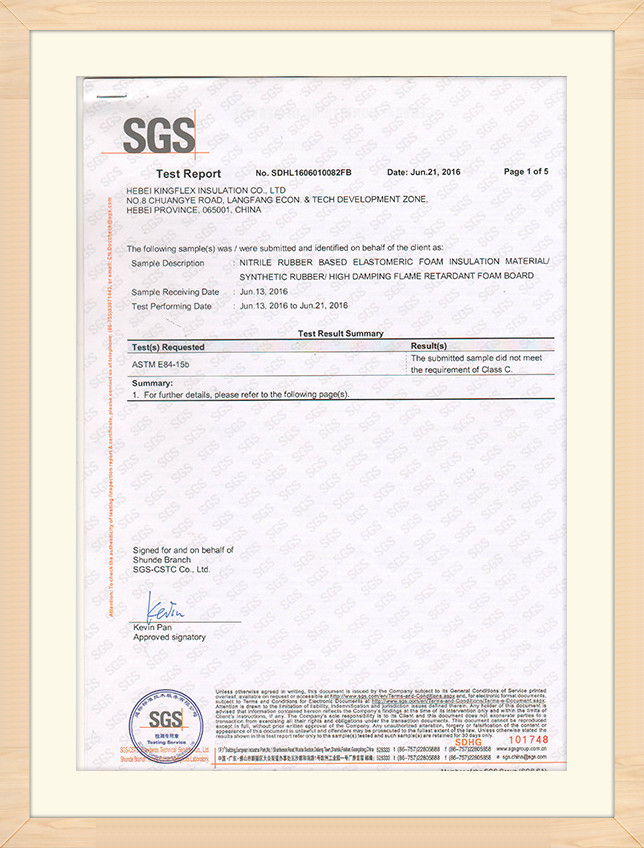
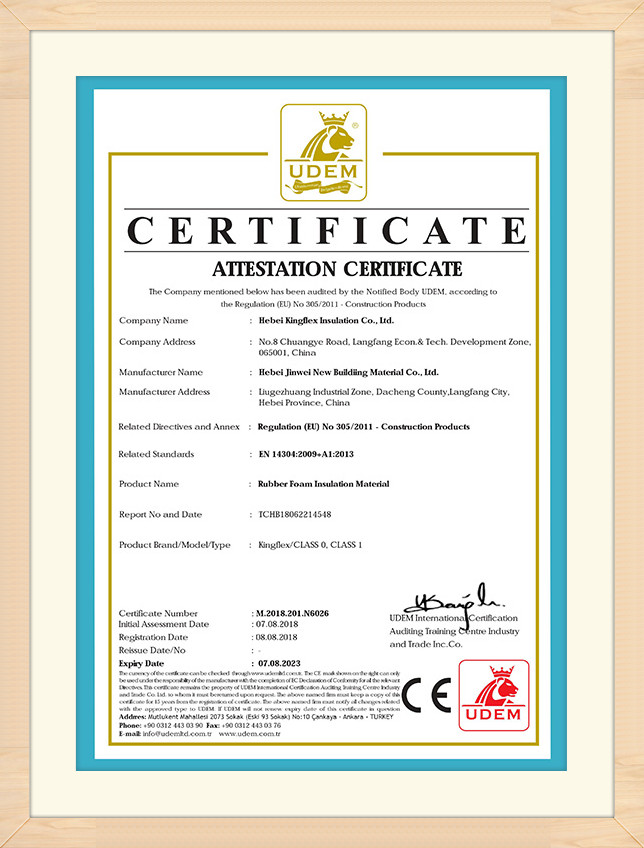
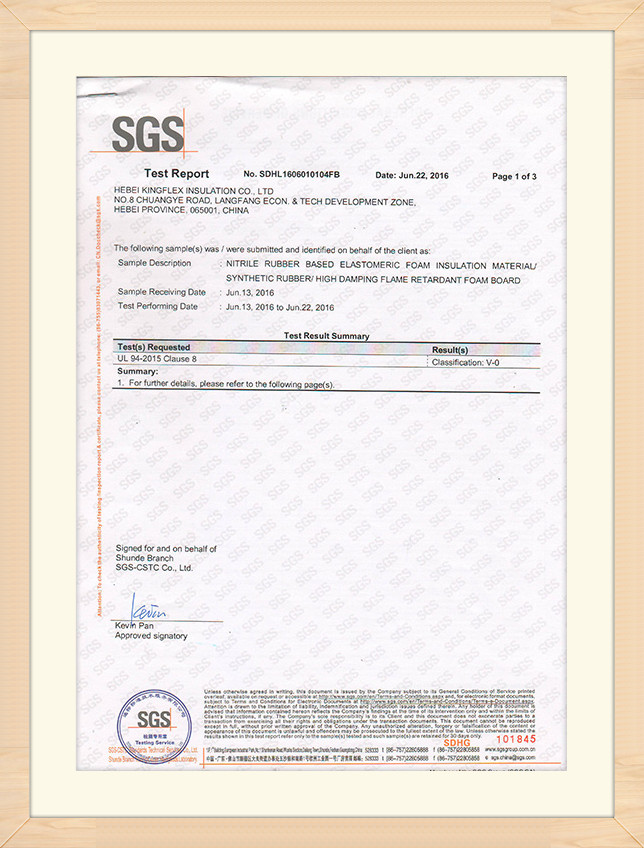
The global thermal insulation landscape is changing rapidly. As modern building specifications lean towards low-emission structures and carbon neutrality, thermal insulation is no longer just about thermal management—it is about long-term sustainability.
1. Eco-friendly Curing and Foaming Agents: Historically, manufacturers relied on halogenated compound additives to achieve fire-retardant properties. Today, advanced NBR/PVC co-polymer matrices use halogen-free, mineral-based flame retardants to prevent toxic smoke emissions during fire events. Kingflex continues to invest in green foaming agents, ensuring zero ozone depletion potential (ODP) and global warming potential (GWP) values.
2. Integration of Smart CUI Detection: Corrosion Under Insulation (CUI) remains a persistent issue in industrial facilities. Modern multi-layer 40mm systems are designed with high moisture barrier factors (μ ≥ 10,000) to keep piping dry. We are also testing combinations of elastomeric bases with smart sensor-embedded wraps to detect moisture buildup in real-time.
For global contractors, product traceability is a key procurement requirement. Every shipment from our Dacheng facility is batch-coded, providing full transparency on raw materials, production line conditions, laboratory testing, and shipping details.

We support project managers, contractors, and wholesale buyers worldwide by providing transparent technical data and maintaining open communication lines.





Detailed answers to common engineering, procurement, and installation questions regarding our elastomeric insulation systems.
It is primarily used for HVAC ducts, air conditioning piping networks, commercial building thermal barrier envelopes, industrial process lines, and sound isolation. Its high vapor resistance and flexible closed-cell structure prevent condensation and energy loss.
Yes, our rubber foam products are formulated with flame retardants. They are certified class-compliant (BS 476 Part 6 Class 0, Part 7 Class 1), meaning they resist flame spread and self-extinguish during fire exposure, meeting strict industrial building codes.
Rubber foam has a flexible, closed-cell structure that prevents moisture absorption, making it suitable for HVAC condensation control and cold piping systems. Rock wool has an open fibrous structure with high temperature resistance, making it suitable for high-temperature industrial steam pipes and firewalls but susceptible to moisture absorption if not properly jacketed.
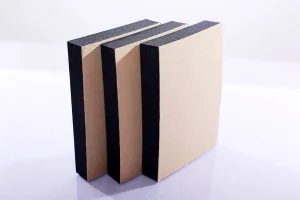
Yes. We offer OEM/ODM services, allowing customization of thicknesses (6mm to 50mm), pipe inner diameters, density configurations, and laminated finishes (such as self-adhesive backings and aluminum foil protective jackets).
Our products are tested and certified to BS 476, CE, REACH, RoHS, UL94, and ASTM standards. We provide complete laboratory testing reports to support project compliance requirements.
Yes. Every production run has a traceable batch code printed on the packaging and the insulation backing. This links the product to raw material batches, quality control records, and curing profiles.
We manufacture sheets in thicknesses ranging from 6mm to 50mm, including standard sizes like 9mm, 13mm, 19mm, 25mm, 32mm, 40mm, and 50mm, to meet various thermal requirements.
Under standard operating temperatures and when installed according to guidelines, our elastomeric insulation materials have an expected service life of 10 to 15 years.
Cryogenic applications (operating down to -200°C) experience severe vapor pressure differentials. A 40mm thickness provides the necessary thermal impedance to prevent the outer surface temperature from falling below the ambient dew point, preventing external ice formulation and structural corrosion under insulation (CUI).
A visual tour of our continuous extrusion, automated vulcanization, and quality testing facility in Dacheng, China.
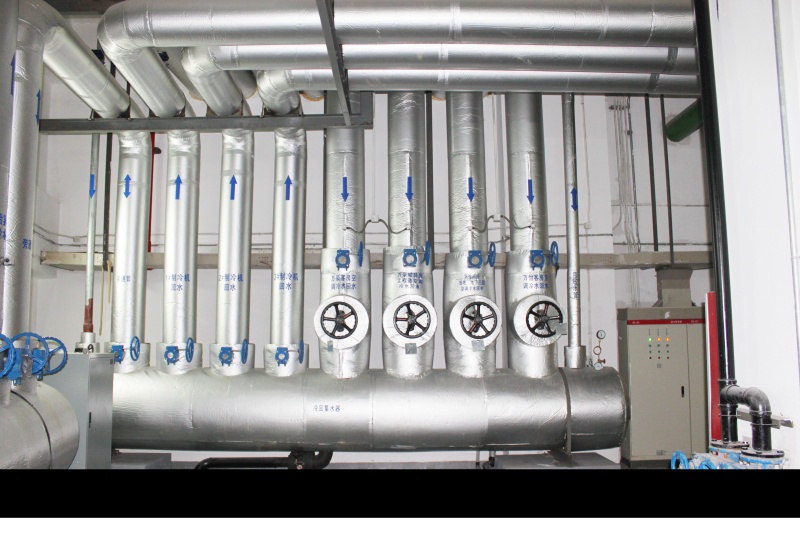
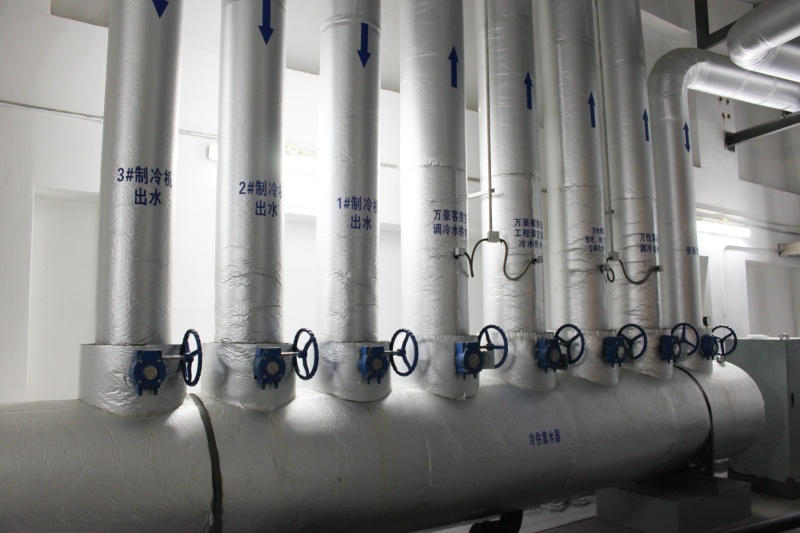
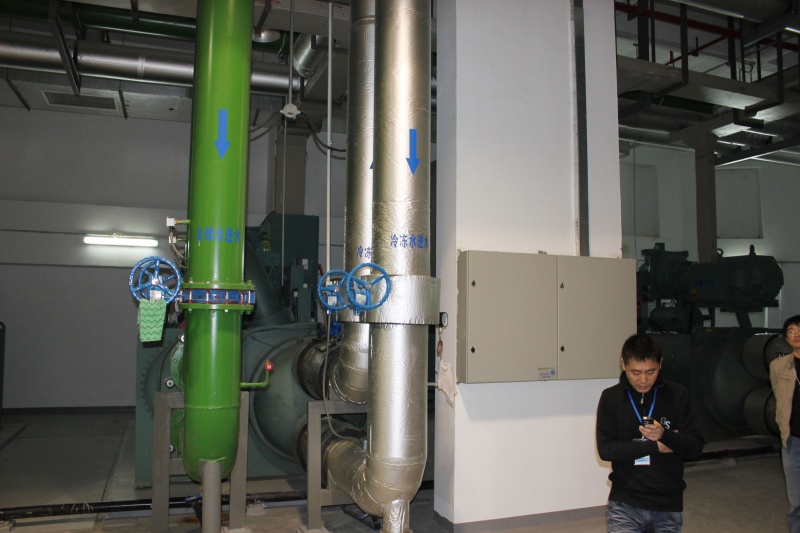
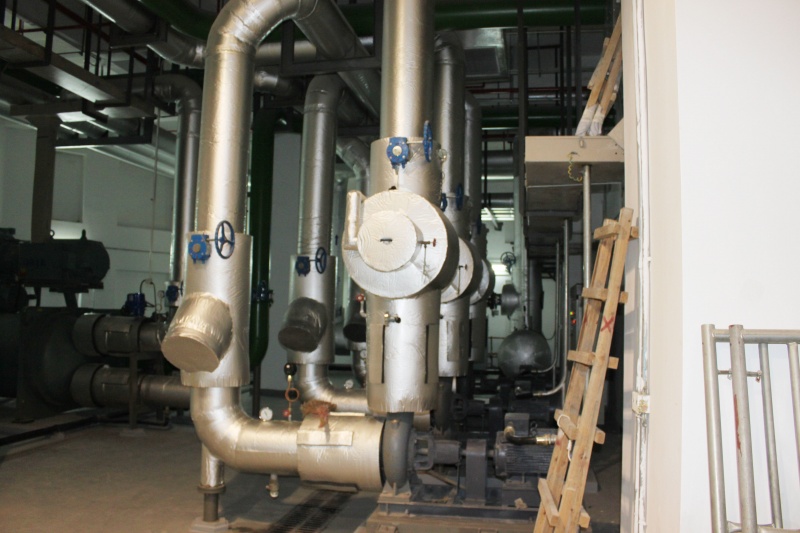
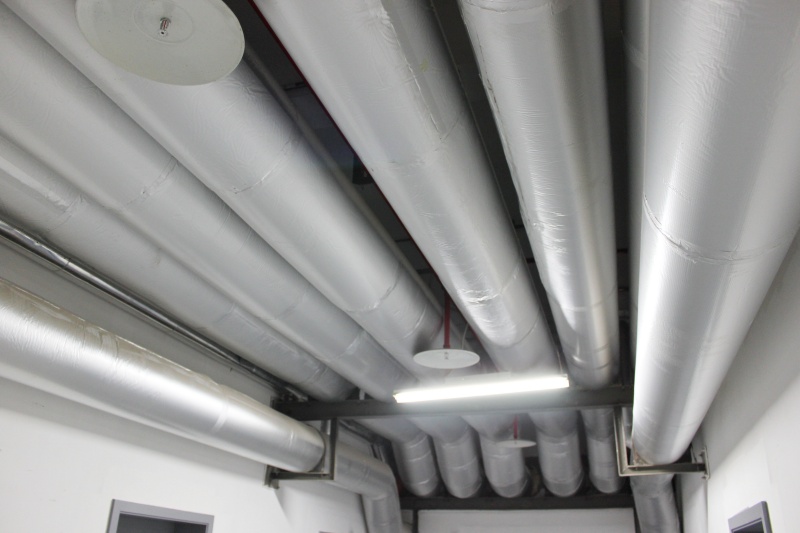

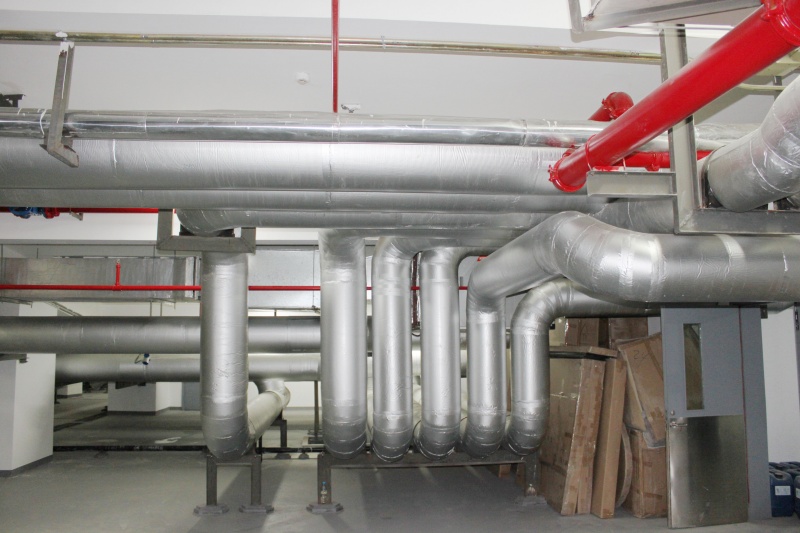

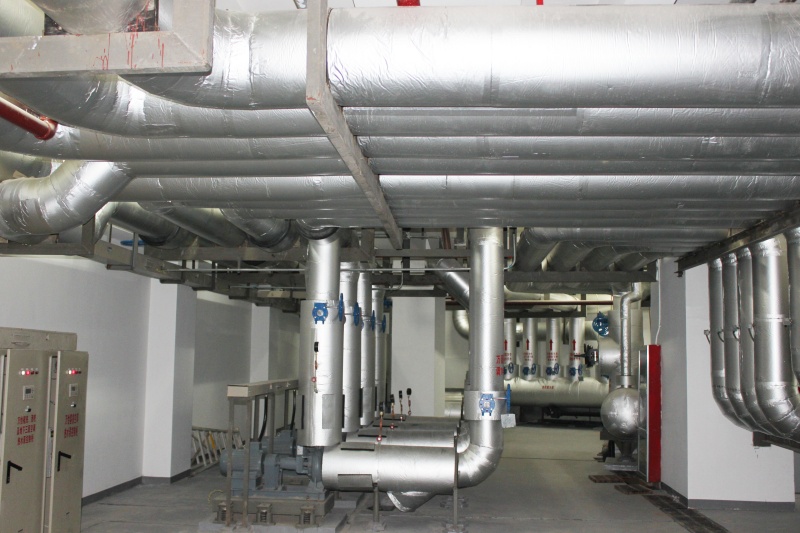
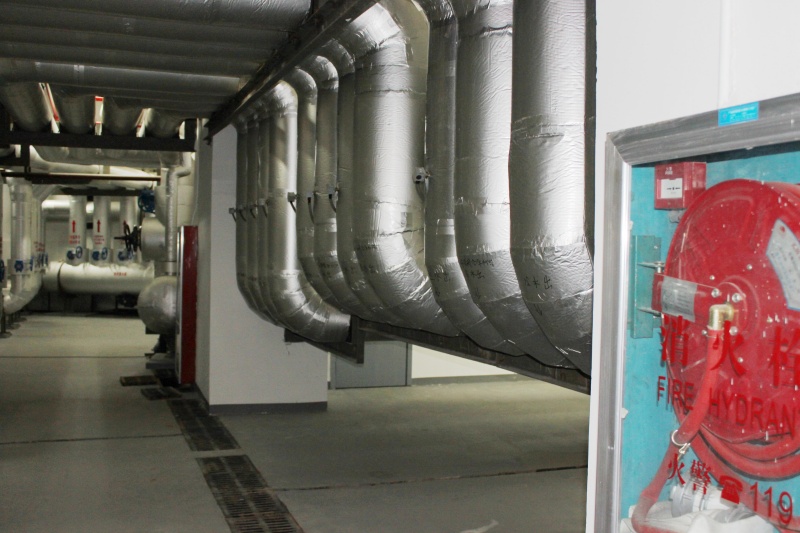
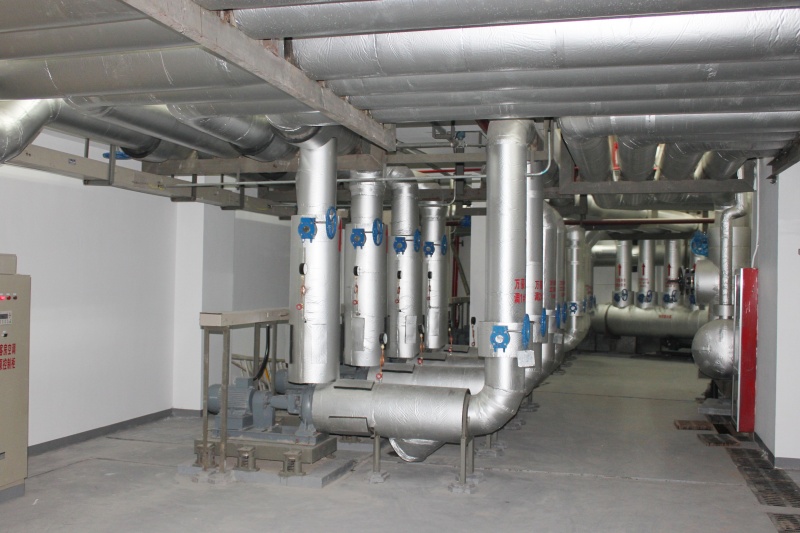
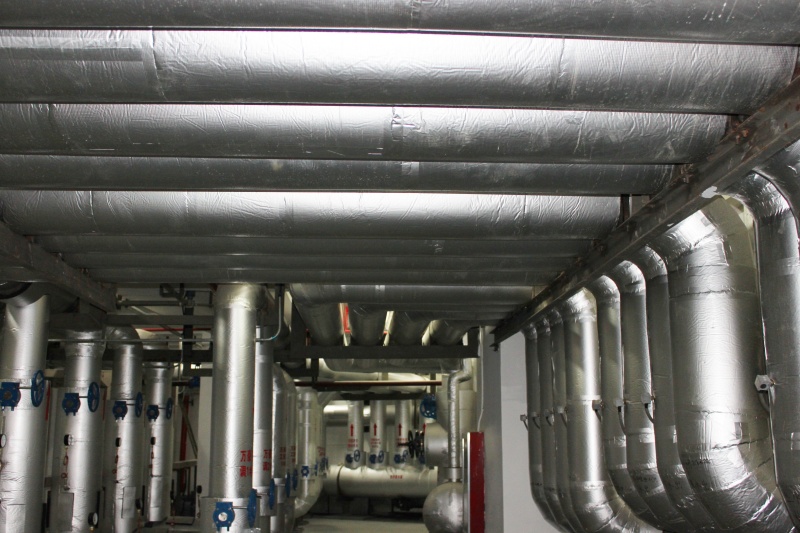
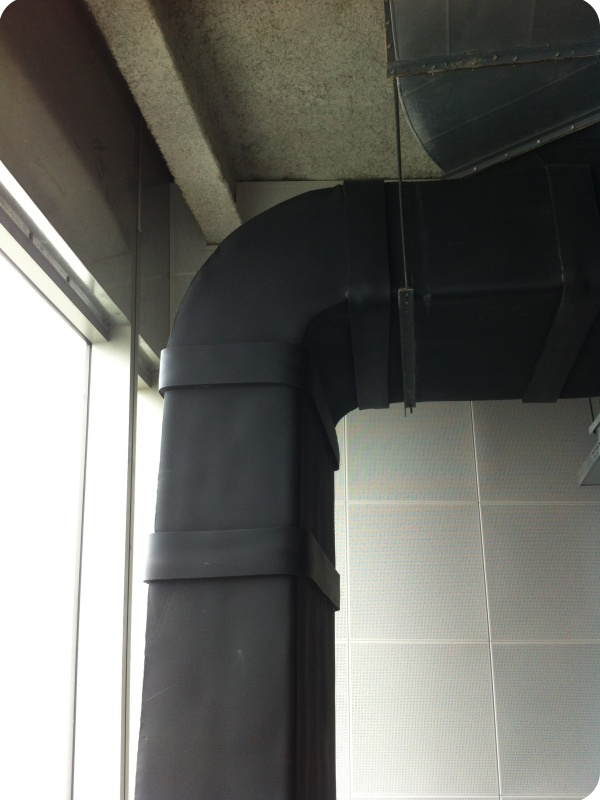
In addition to thermal insulation, 40mm thick elastomeric materials provide acoustic absorption. HVAC duct systems and industrial fluid transport piping generate noise from vibration and turbulent flow.
The closed-cell configuration, combined with our NBR/PVC matrix density, attenuates sound waves across medium-to-high frequency bands. This makes it suitable for application in environments with strict noise limits, such as hospitals, commercial office towers, and engine rooms.
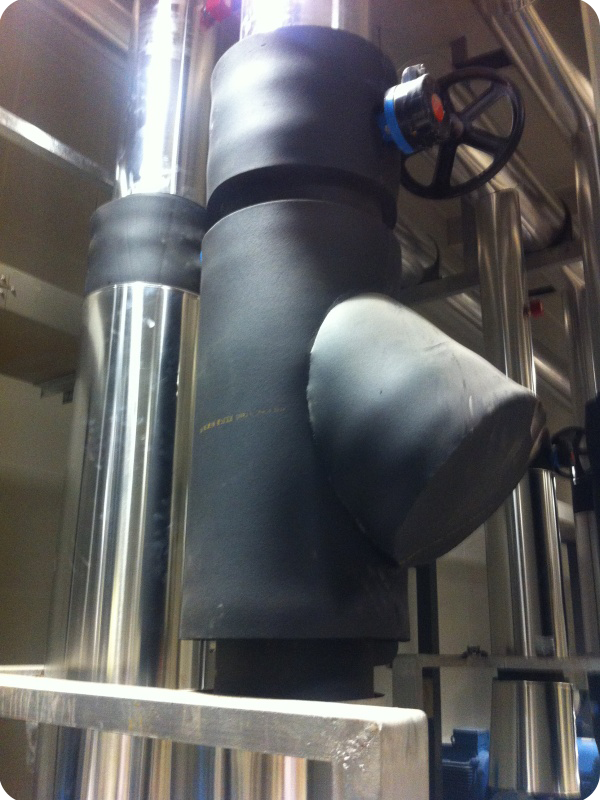
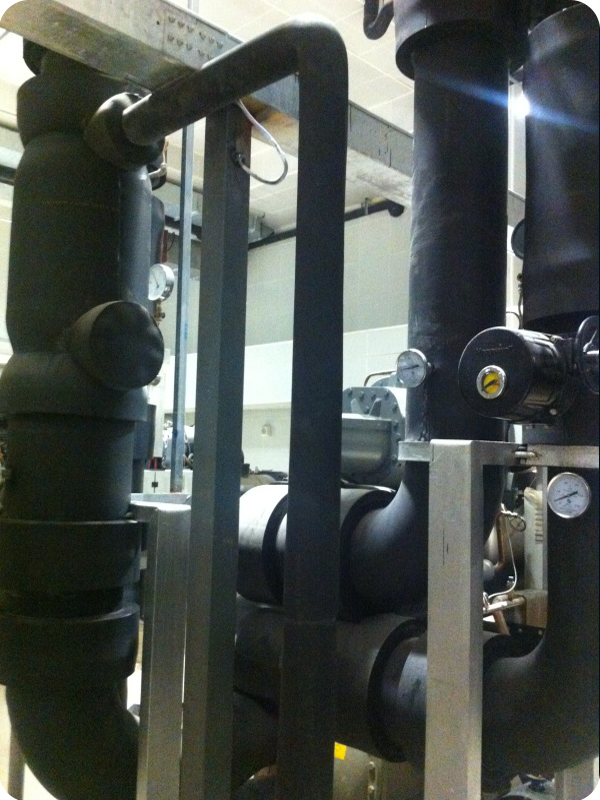

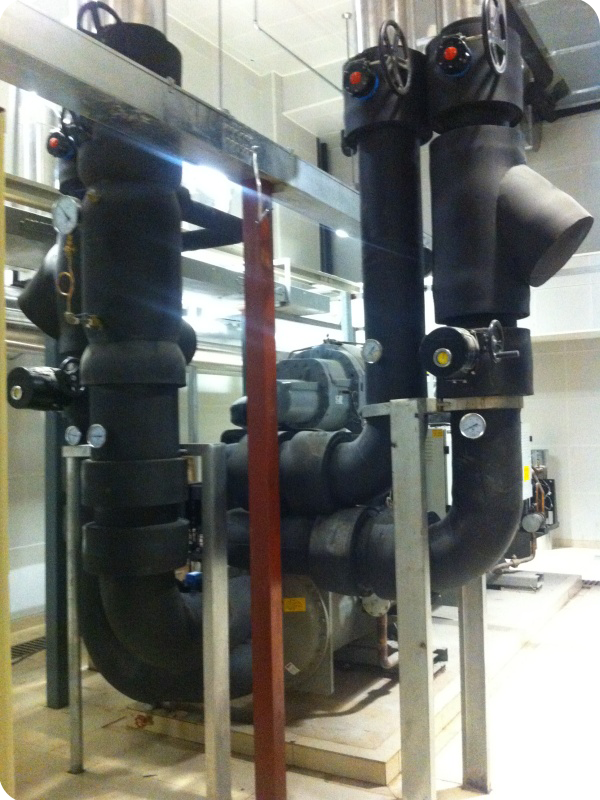
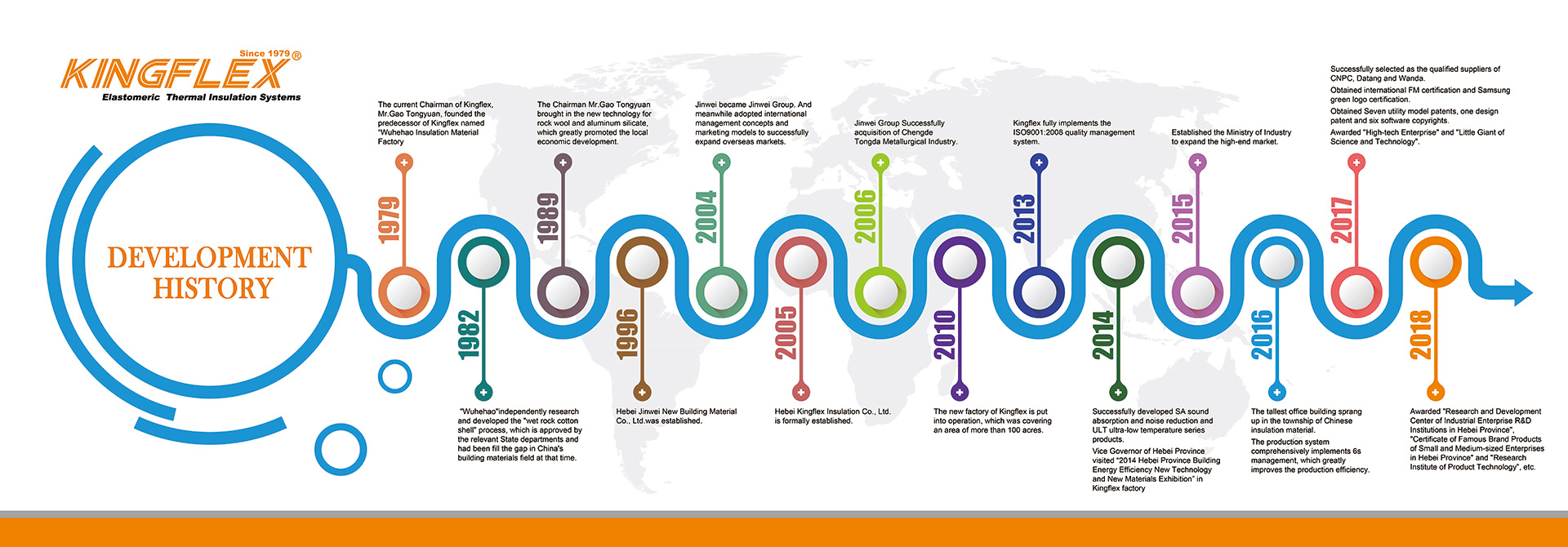
Kingflex was established by the Jinwei Group, which has a manufacturing history dating back to 1979 as a pioneer in thermal insulation north of the Yangtze River. Today, Kingflex employs a team of 230 production workers, 8 R&D engineers, and 6 international sales representatives to support global distribution.

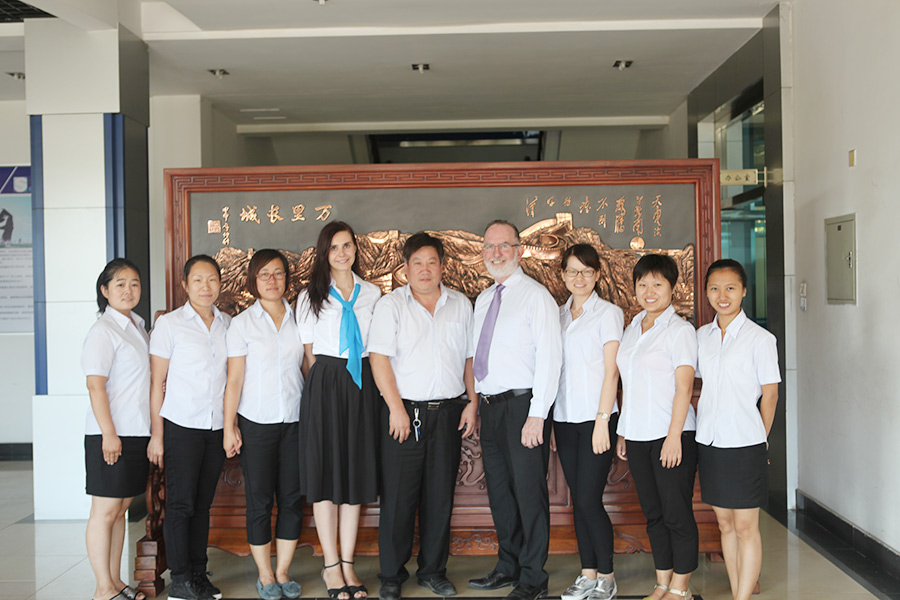
Our products are regularly dispatched to global construction, industrial, and petrochemical projects.





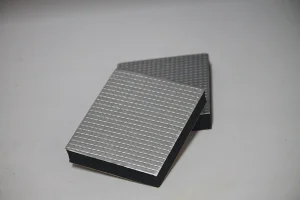
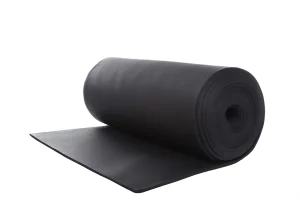
View our specialized product variations below, including aluminum-foil faced sheets and cryogenic elastomeric materials.

 Kingflex