Engineered to exceed standards in HVAC systems, acoustic damping, and critical thermal barrier applications.
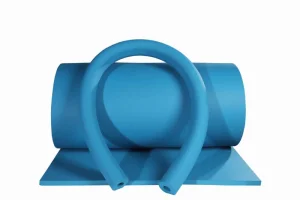
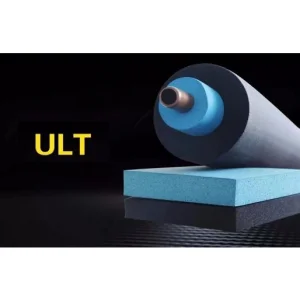
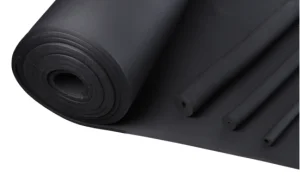
Properly calculating the thickness of elastomeric rubber foam insulation for HVAC ducts is a critical phase in modern engineering design. The primary objectives are to prevent moisture condensation, minimize heat transmission loss, and maintain absolute acoustic damping. The required insulation thickness depends on thermodynamic interactions between ambient relative humidity, wind speed, operating system temperatures, and material properties.
To prevent condensation, the outer surface temperature of the insulated duct ($T_s$) must be kept above the ambient air dew point ($T_{dp}$). Condensation occurs when relative humidity causes ambient air to reach saturation at the duct's boundary layer. The calculation utilizes the heat balance equation under steady-state conditions:
t = λ × (T_amb - T_s) / (h_c × (T_s - T_fluid))
Where:
• t = Minimum insulation thickness (m)
• λ = Thermal conductivity of the material (W/m·K)
• T_amb = Dry bulb ambient temperature (°C)
• T_s = Target surface temperature (usually set ≥ T_dp + 1°C)
• T_fluid = Fluid temperature inside the duct (°C)
• h_c = External surface heat transfer coefficient (W/m²·K), affected by wind speed and surface emissivity.
At Kingflex Insulation Co., Ltd., our engineering team uses thermodynamic modeling software to compute complex matrices for multi-climate engineering. Key parameters include:
| Relative Humidity (%) | Ambient Temp (°C) | Fluid Temp (°C) | Recommended Thickness |
|---|---|---|---|
| 70% RH | 30°C | 12°C | 9 mm - 13 mm |
| 80% RH | 30°C | 12°C | 19 mm - 25 mm |
| 85% RH | 32°C | 10°C | 25 mm - 32 mm |
| 90% RH (Tropical) | 35°C | 7°C | 38 mm - 50 mm |
Failing to calculate insulation thickness accurately leads to severe operational risks: pipe sweating, compromised structural integrity of ceilings, microbial mold development, and energy loss that decreases HVAC efficiency.
Kingflex NBR/PVC systems conform to strict global standards, ensuring safety, flame retardance, and environmental sustainability.
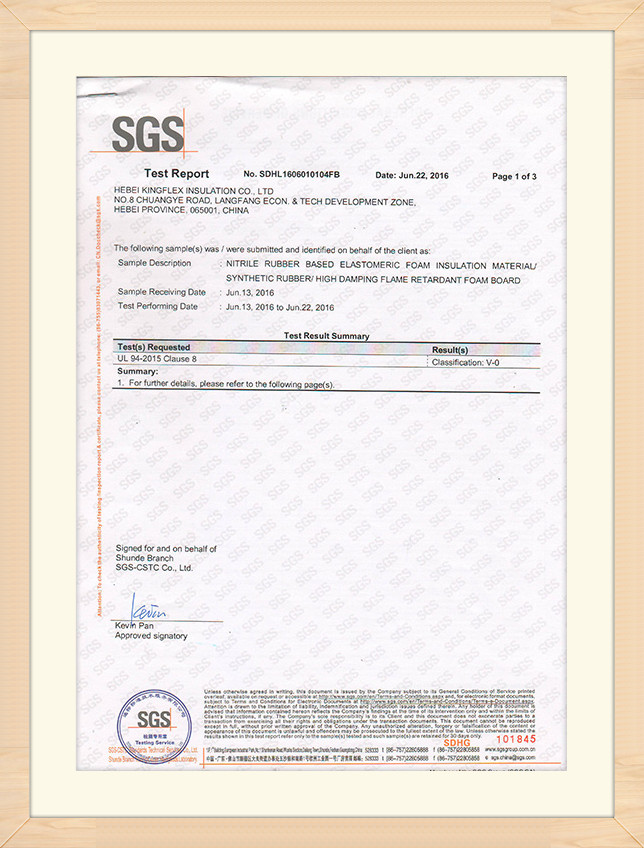
HVAC systems act as potential pathways for smoke and fire transmission in buildings. Our rubber foam insulation has undergone rigorous laboratory validation, achieving BS 476 Part 6 & 7 (Class 0 / Class 1), and UL 94 classification. It prevents flame propagation and features self-extinguishing properties.
We restrict hazardous chemicals. Kingflex materials are free from halogens, CFCs, HCFCs, and asbestos. Our compliance with REACH and RoHS directives ensures low VOC emissions, protecting indoor air quality in green building projects.
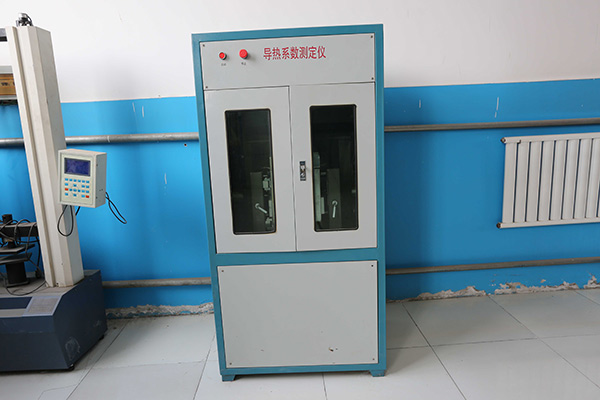
Tested in accordance with ASTM C534 and ISO 9001 standards, our closed-cell elastomer maintains a stable thermal conductivity coefficient of ≤ 0.034 W/(m·K) at 0°C. Its dense cell structure offers acoustic attenuation by absorbing air-duct turbulence.
Sourcing duct insulation materials from China offers distinct supply chain advantages. As a primary manufacturer based in Dacheng, China—the capital of green-building materials—Kingflex Insulation Co., Ltd. integrates raw material sourcing, automated processing, and quality validation at a single site.
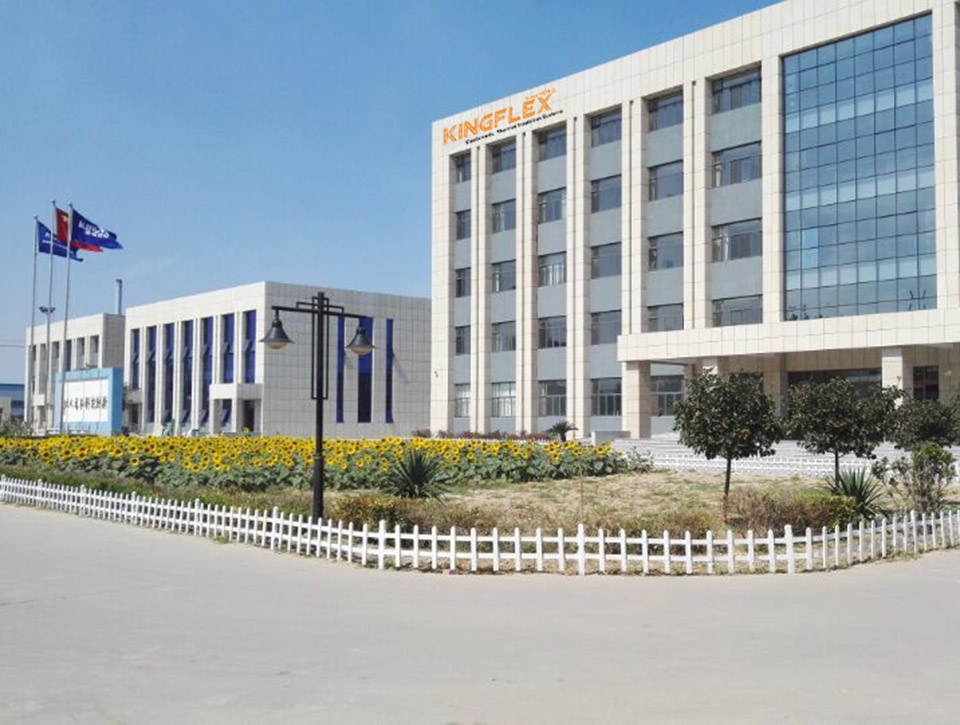
Deep-rooted industry expertise combined with a drive for next-generation thermal innovation.
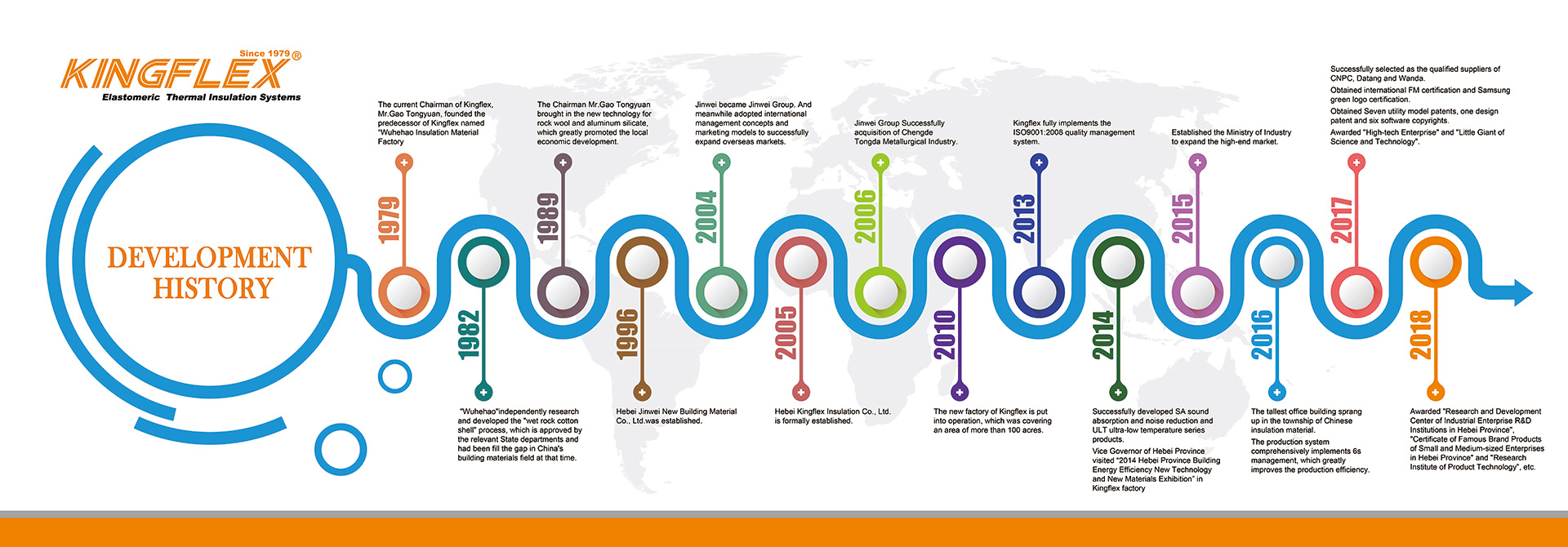
Kingflex Insulation Co., Ltd. was established by the Jinwei Group (also known as Kingway Group), which has a rich history spanning more than 40 years. Founded in 1979, the group was the pioneer thermal insulation manufacturer north of the Yangtze River. Over the decades, we have evolved from a regional pioneer into an energy-saving, environmentally friendly enterprise focusing on R&D, manufacturing, and global distribution of elastomeric closed-cell foam solutions.

Our workforce forms the backbone of our quality assurance systems. Kingflex employs an experienced team consisting of:
Empirical research and continuous verification from international certification bodies.
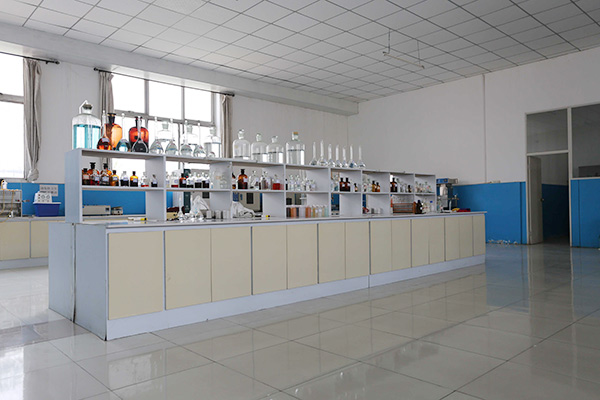
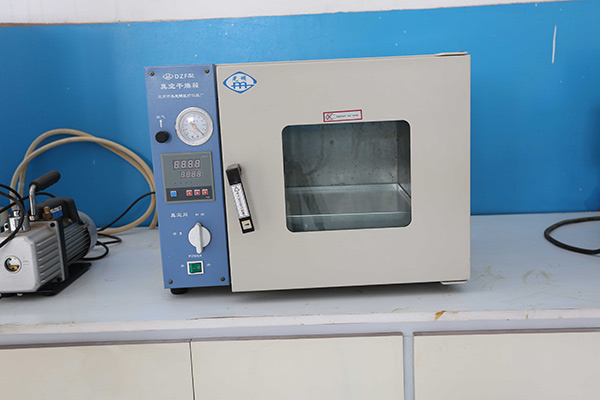

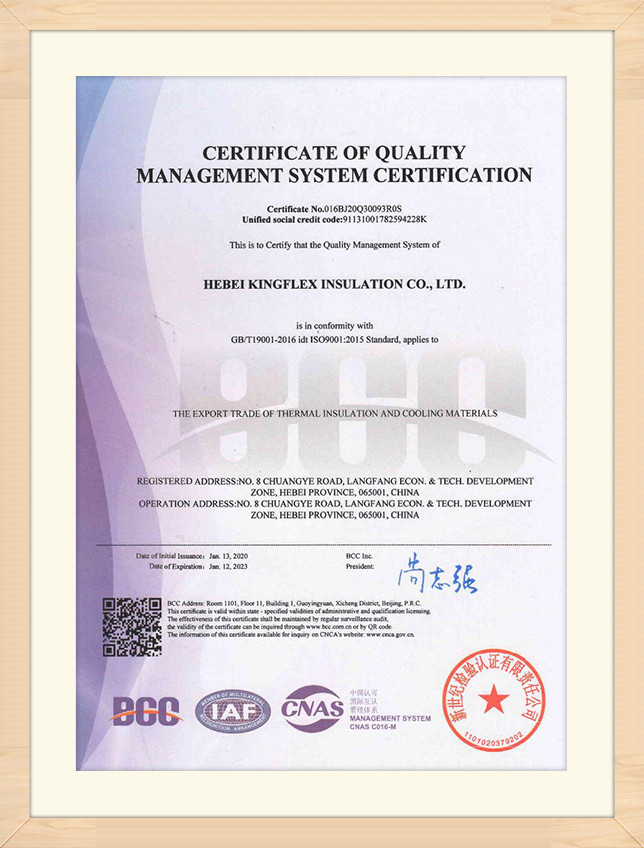
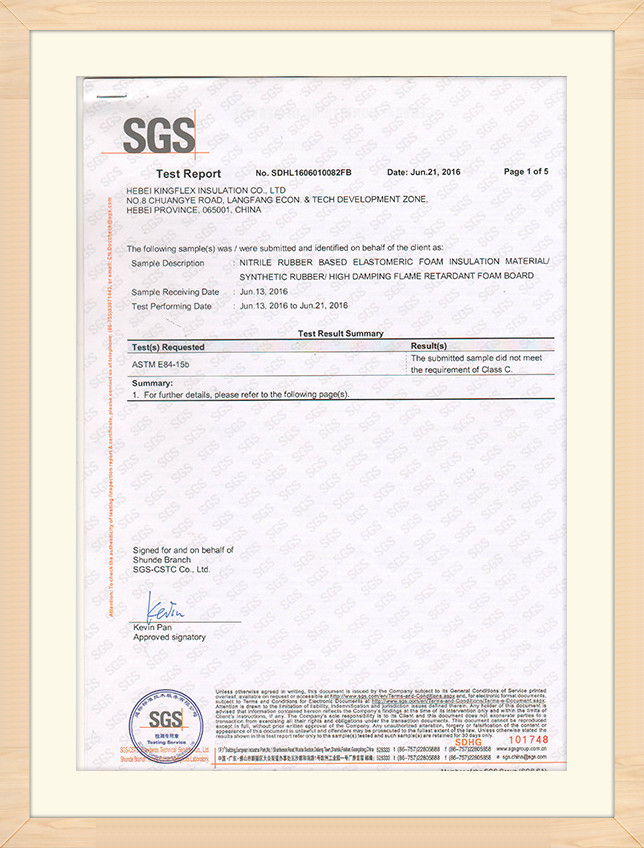
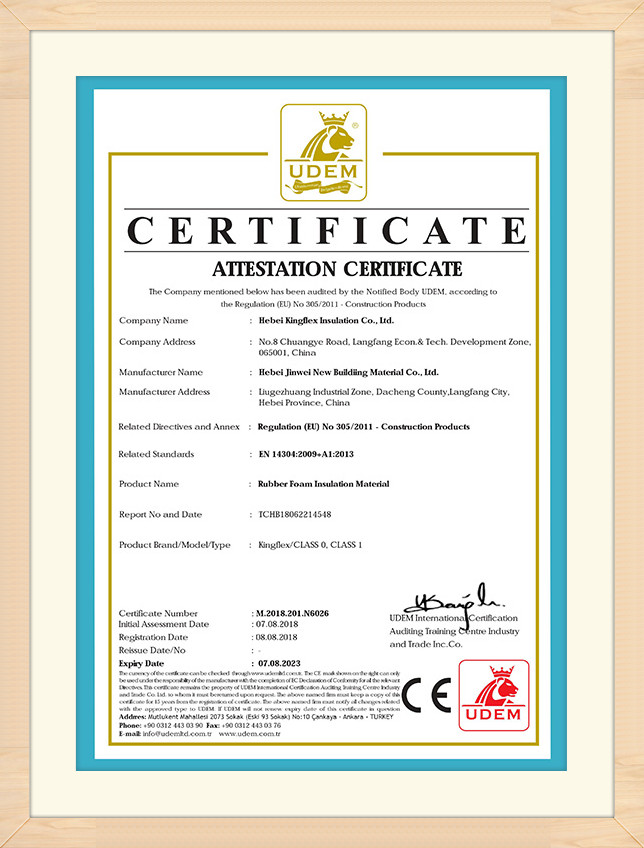
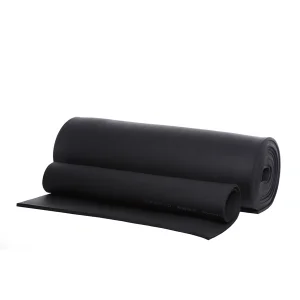
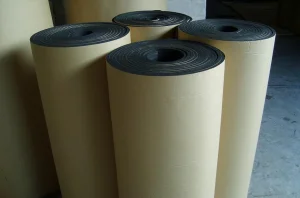
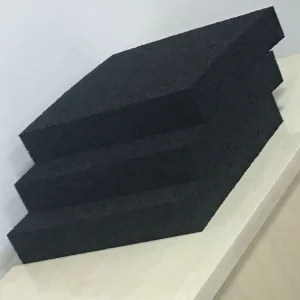
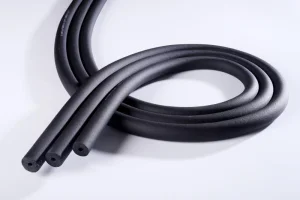
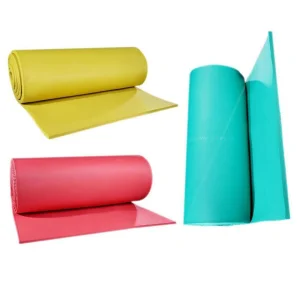
Comprehensive engineering specifications for Kingflex elastomeric sheet rolls and pipe profiles.

Material: Premium NBR/PVC blend
Thickness Range: 6mm to 50mm
Density Range: 40 to 55 kg/m³
Service Temperature limits: -40℃ to 105℃
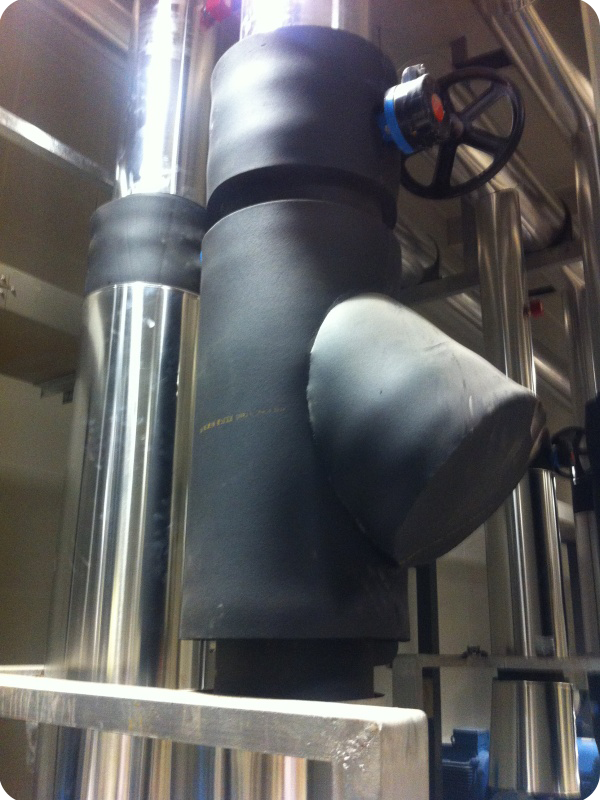
Material: Premium NBR/PVC blend
Thickness Range: 9mm to 40mm
Inner Diameter (ID): 6mm to 114mm
Density Range: 40 to 55 kg/m³
Service Temperature limits: -40℃ to 105℃
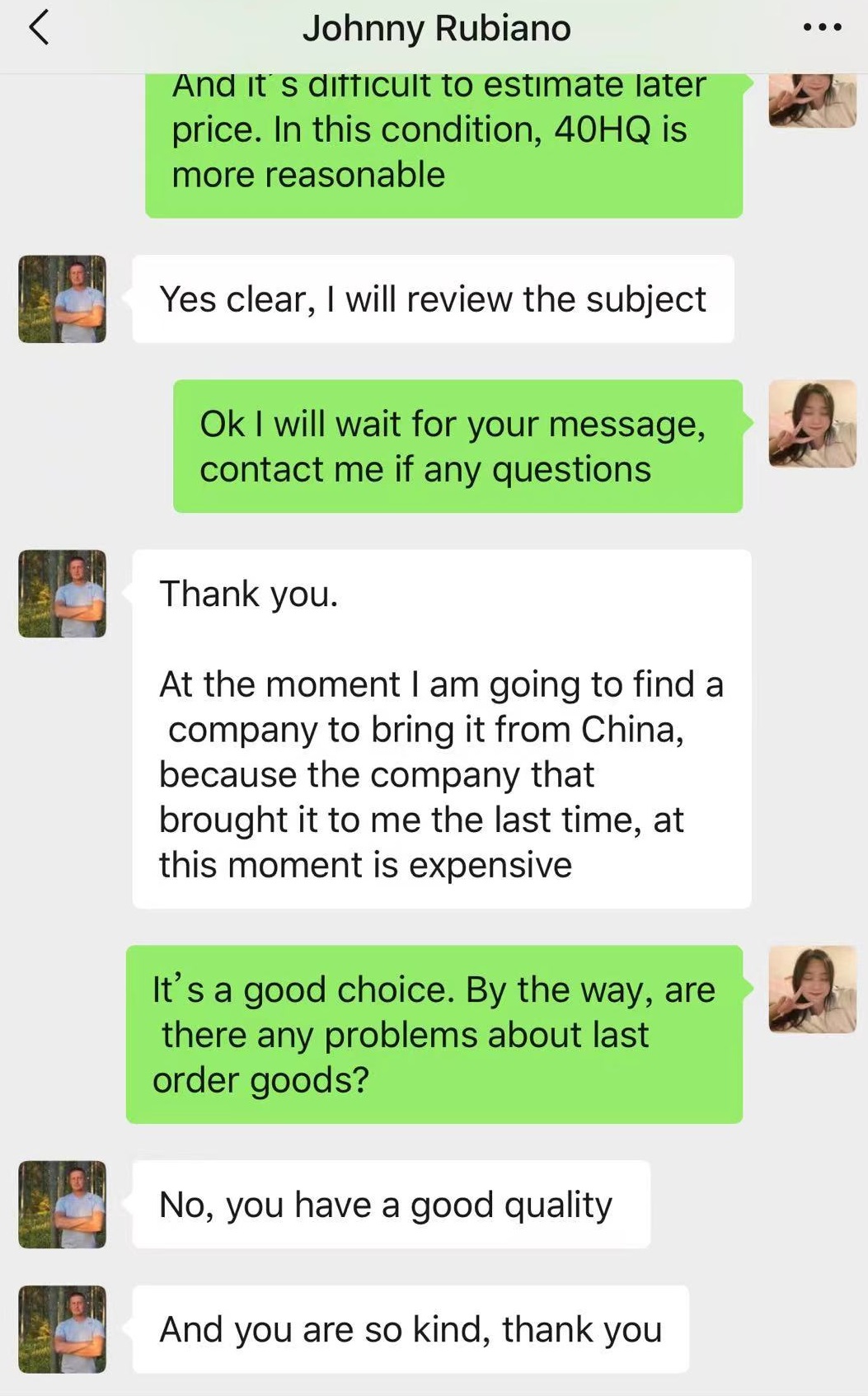
Transparent communication, structural design guidance, and verified QA screenshots from our client base.




We maintain a complete, digital traceability system for every batch produced. Customers can trace batches back to raw material inputs and thermal validation metrics.
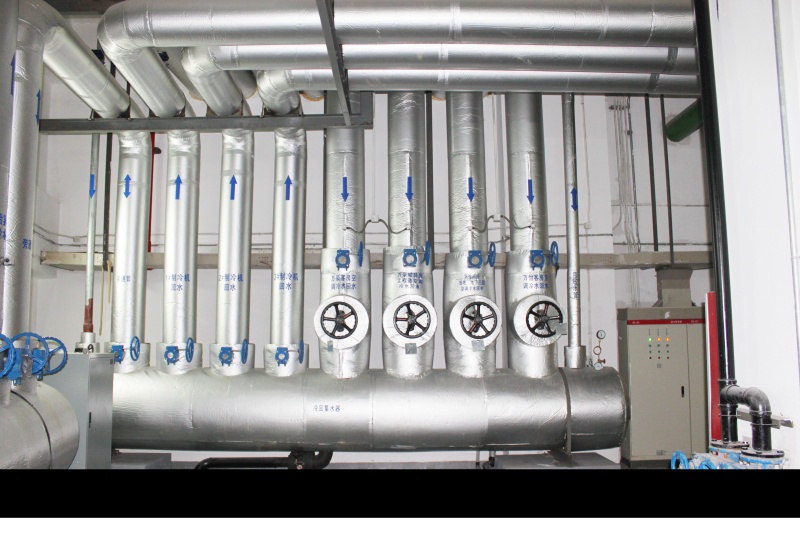
Kingflex systems installed in commercial, chemical, power, and low-temperature projects globally.
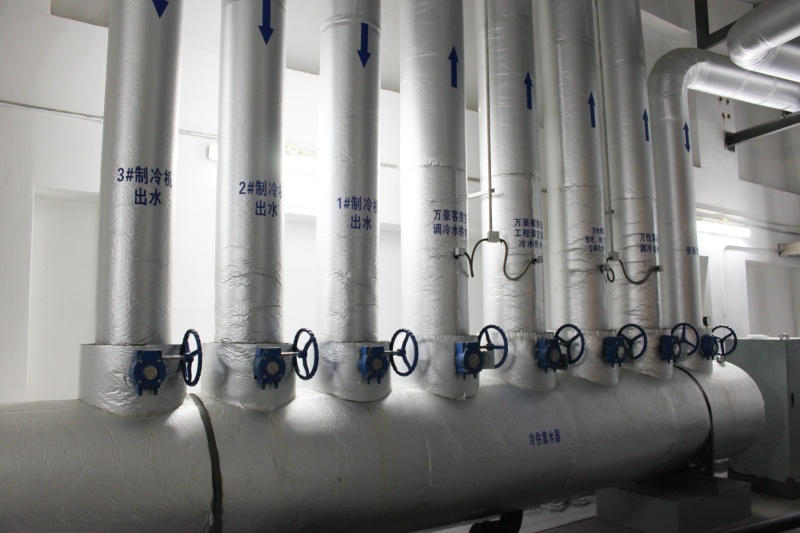
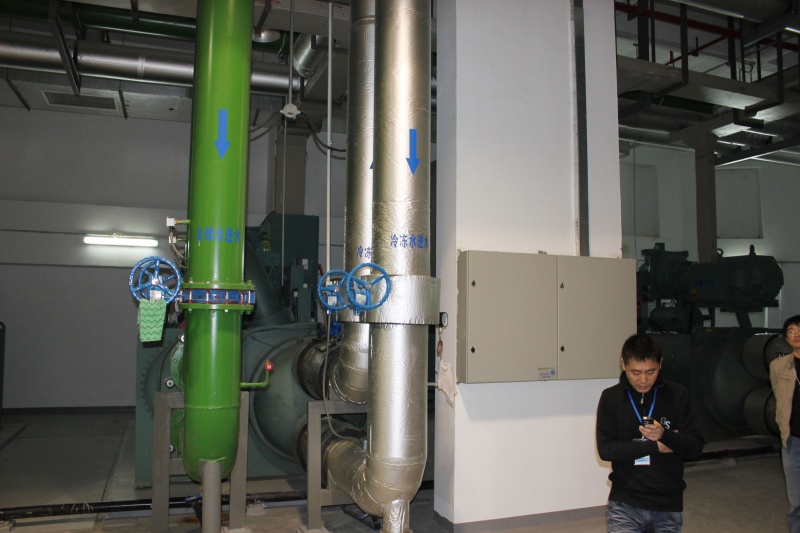
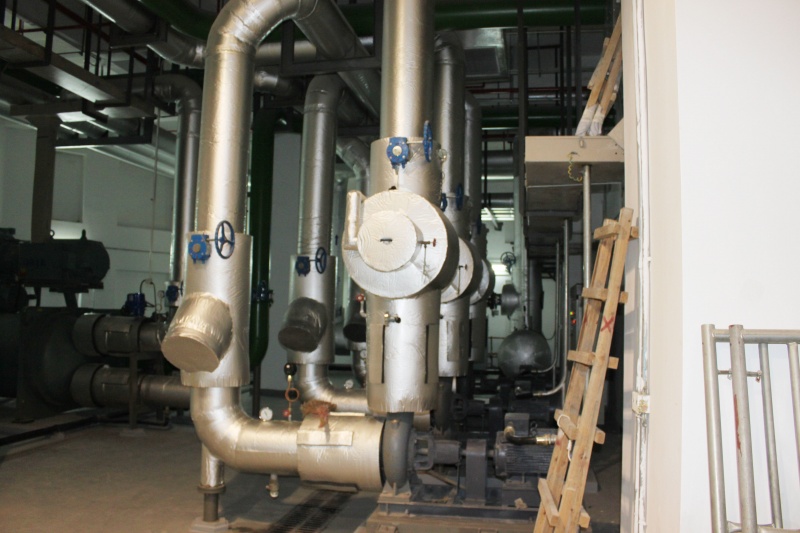
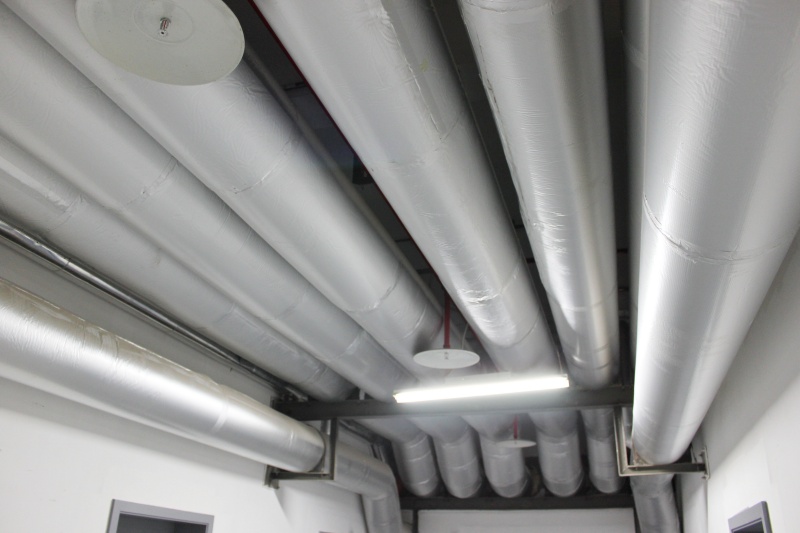

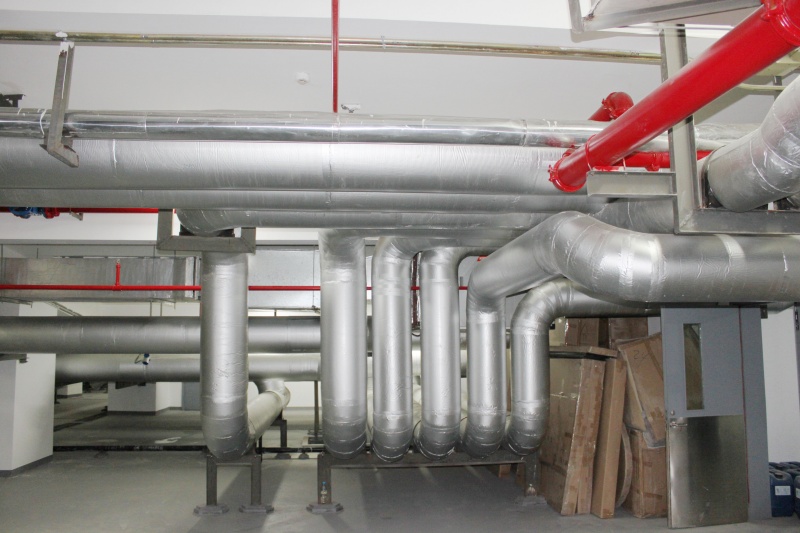

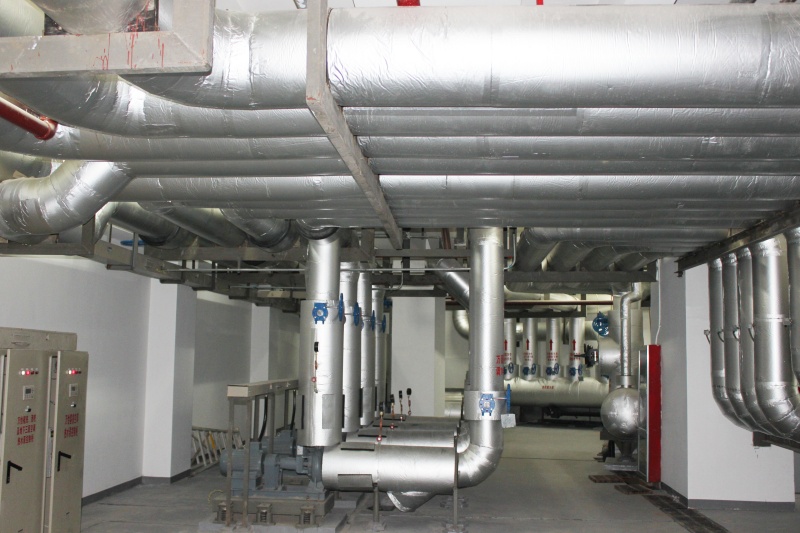
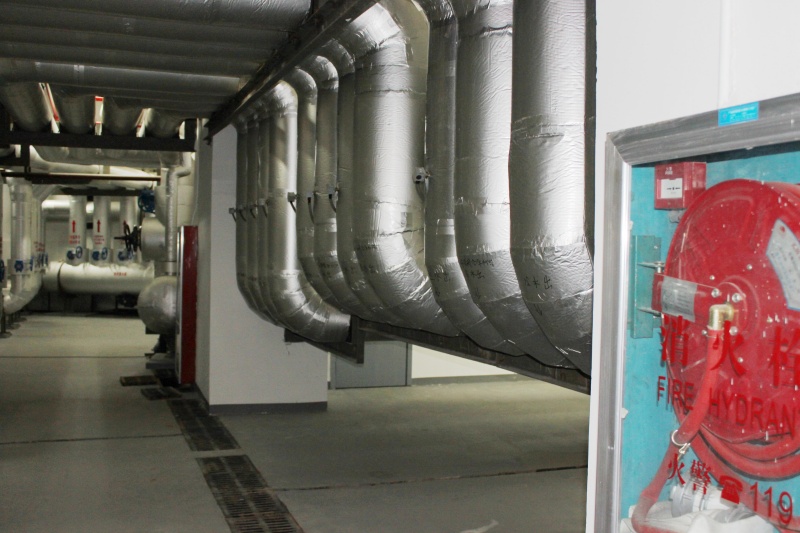
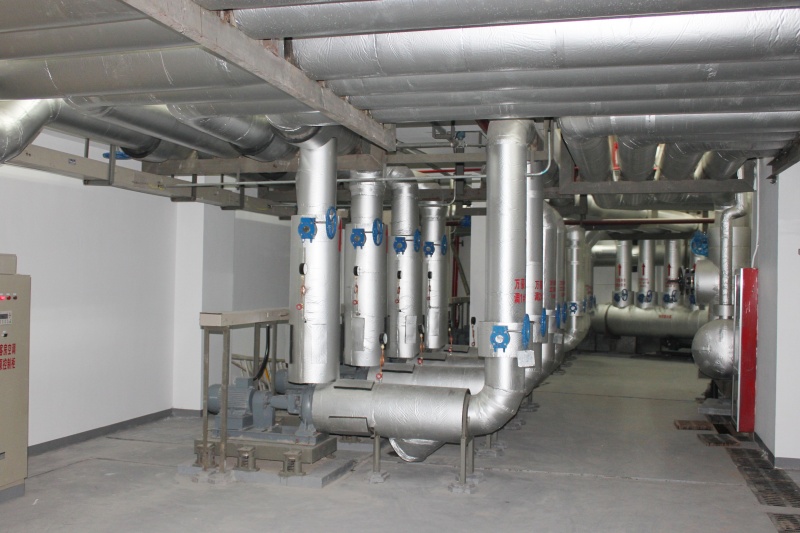
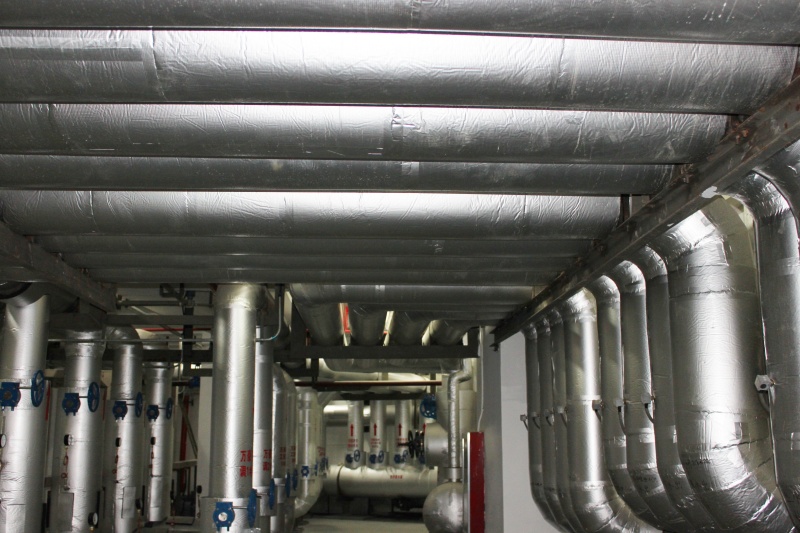
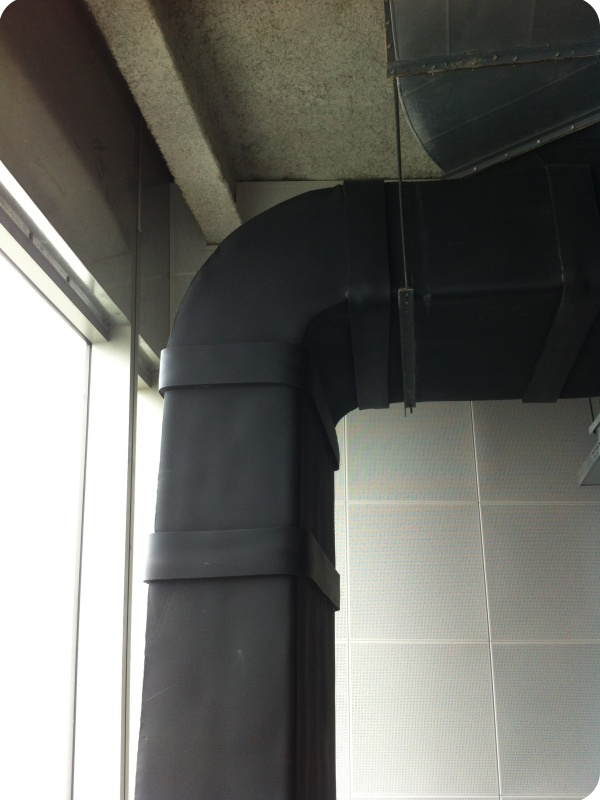

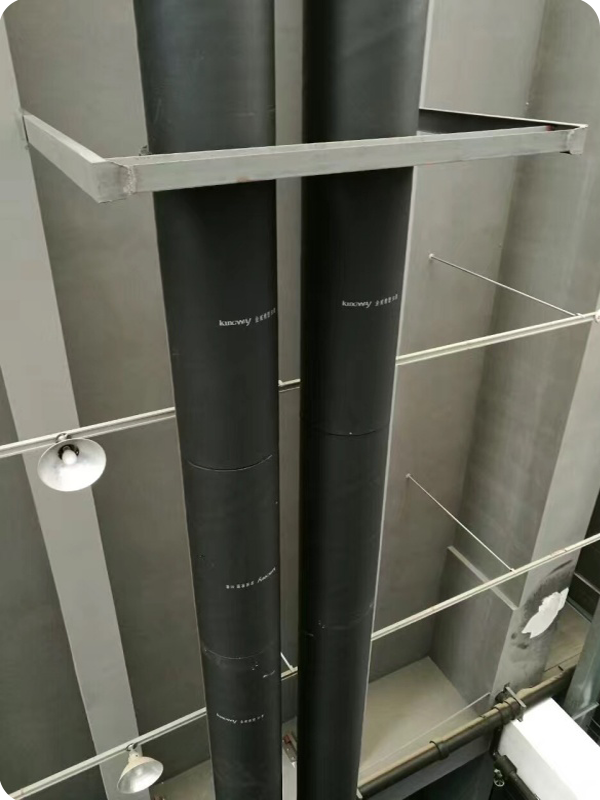
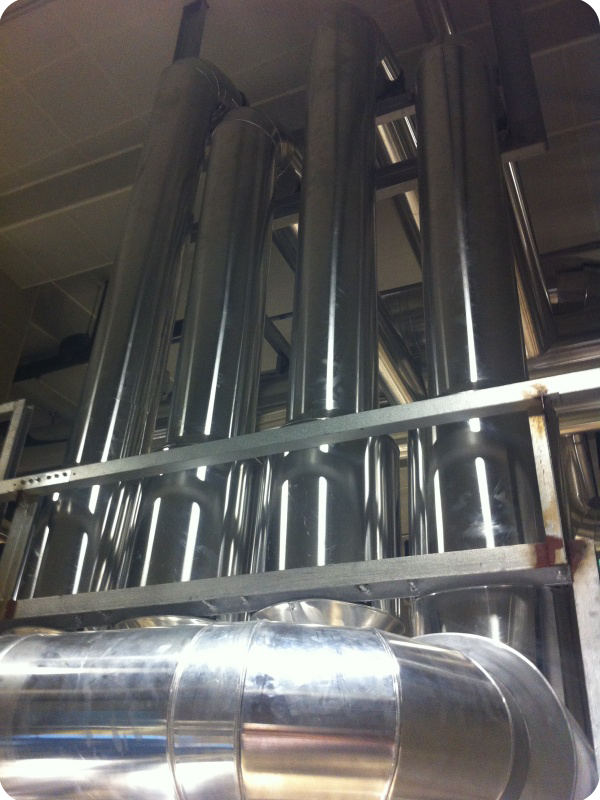
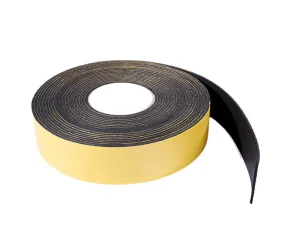
We provide calculation services for engineering companies, consultants, and contractors. We customize variables such as fire rating (Class 0, Class 1, Class A), density profiles (40kg/m³ to 60kg/m³), color, and thickness limits (6mm to 50mm). We can also customize factory-integrated self-adhesive backings and protective foil facings (Alu Clad systems) to optimize on-site installation processes.
Our operations in the Dacheng green manufacturing hub enable direct access to major northern China container ports (Tianjin/Xingang). This ensures efficient supply logistics for large global shipments. We compress sheet rolls and package them in double-layer bags to maximize container loading capacity, which helps lower ocean freight costs for international buyers.
With an integrated water vapor permeability resistance factor (μ-value) ≥ 10,000, our insulation does not rely on fragile external vapor barriers. Even if the surface suffers physical damage during installation, the uniform closed-cell structure prevents moisture ingress, maintaining a stable thermal conductivity coefficient over its 10 to 15-year service life.
Answers to common engineering questions regarding calculations, standards, and factory ordering.
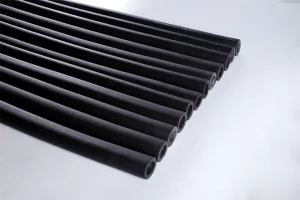
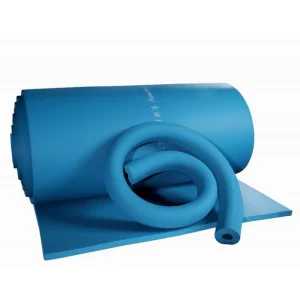
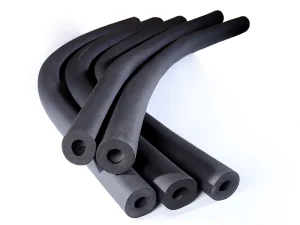
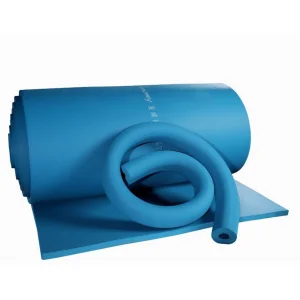
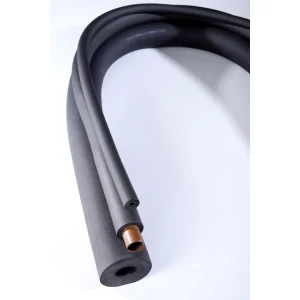
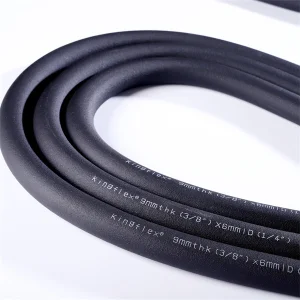
Browse our flexible insulation tubes, sheets, and cryogenic systems designed for various HVAC and industrial piping requirements.
 Kingflex