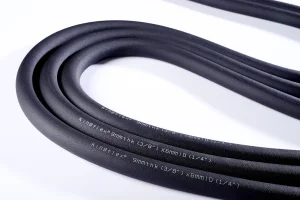
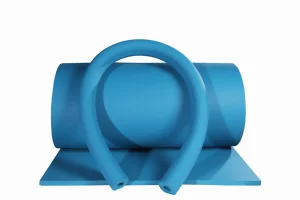
Explore our core engineering-grade product suite designed to satisfy extreme temperature ranges, structural durability limits, and rigorous fire-safety certifications.
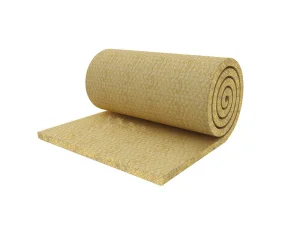
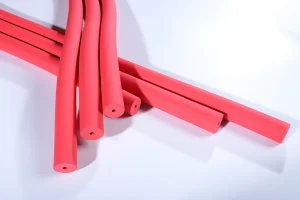
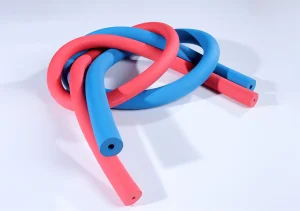
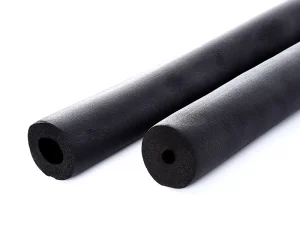
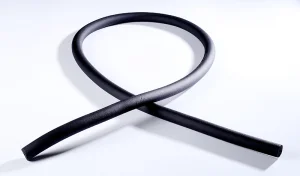
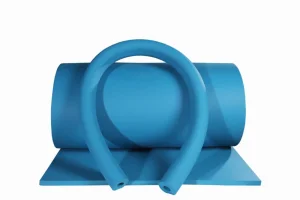
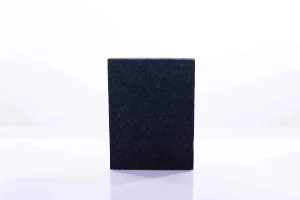
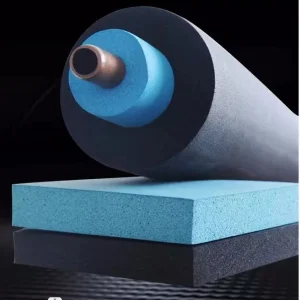
As the world intensifies its focus on carbon neutrality and building energy efficiency, high-performance thermal insulation material has evolved from a passive engineering component to a critical structural asset. Globally, commercial HVAC operations, cryogenic fluid storage, and manufacturing pipelines account for nearly 40% of building energy use. Uninsulated or poorly insulated pipelines lead to massive convection losses, pipe sweating, structural mildew, and system corrosion under insulation (CUI).
Modern structural codes—such as ASHRAE 90.1, the EU Energy Performance of Buildings Directive (EPBD), and China’s GB50189 standards—mandate strict maximum limits for thermal conductivity ($\lambda$) and vapor transmission. Our closed-cell rubber-plastic foamed structures stand at the forefront of this industrial transformation. By blocking thermal bridges and exhibiting high moisture resistance ($\mu \ge 10,000$), our product range ensures building operations achieve peak COP (Coefficient of Performance), resulting in direct, measurable energy cost savings.
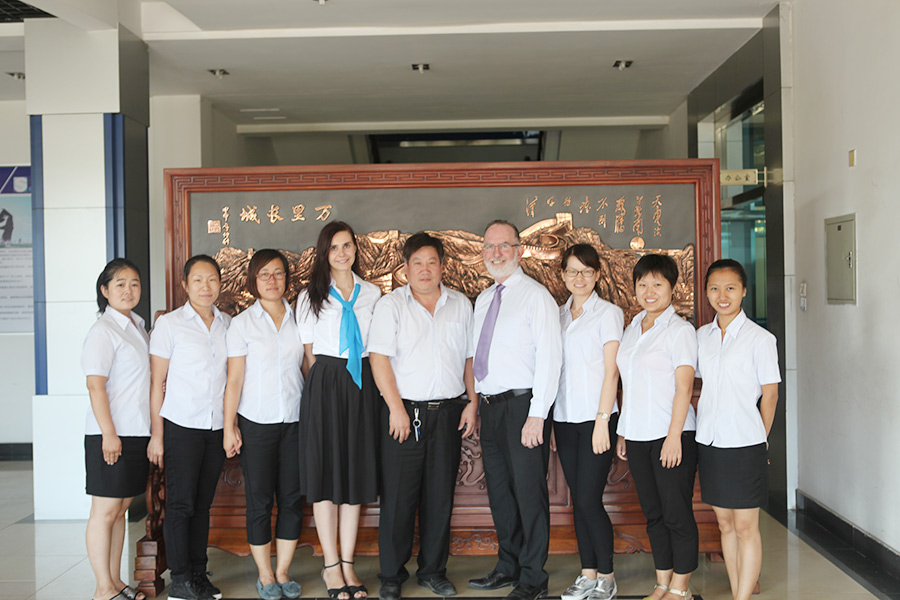
Kingflex Insulation Co., Ltd. is a globally recognized manufacturing and trading combination specializing in premium thermal insulation products. Our core research, development, and advanced manufacturing complex is located in Dacheng, China—historically recognized as the green-building materials capital. As a designated energy-saving and environmentally friendly enterprise, Kingflex integrates localized polymer research, automation, global distribution, and post-sale field engineering guidance.
Our operational mission prioritizes high resource yield and system consumption reduction. By analyzing engineering requirements from initial consultation through material design to installation supervision, we secure long-term thermal reliability for building services and industrial sectors globally.
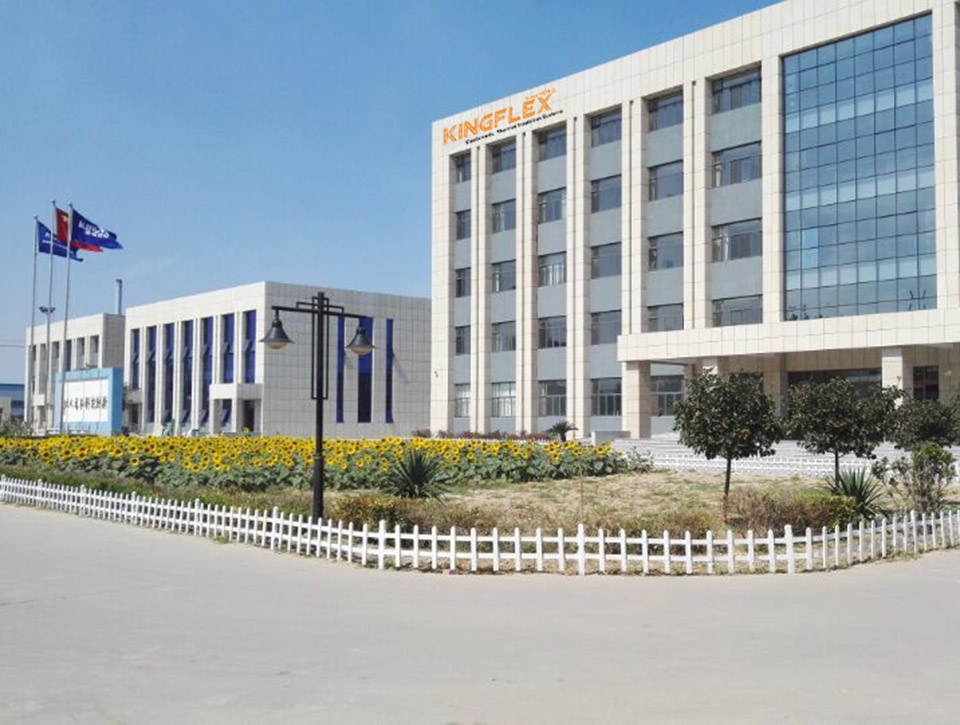
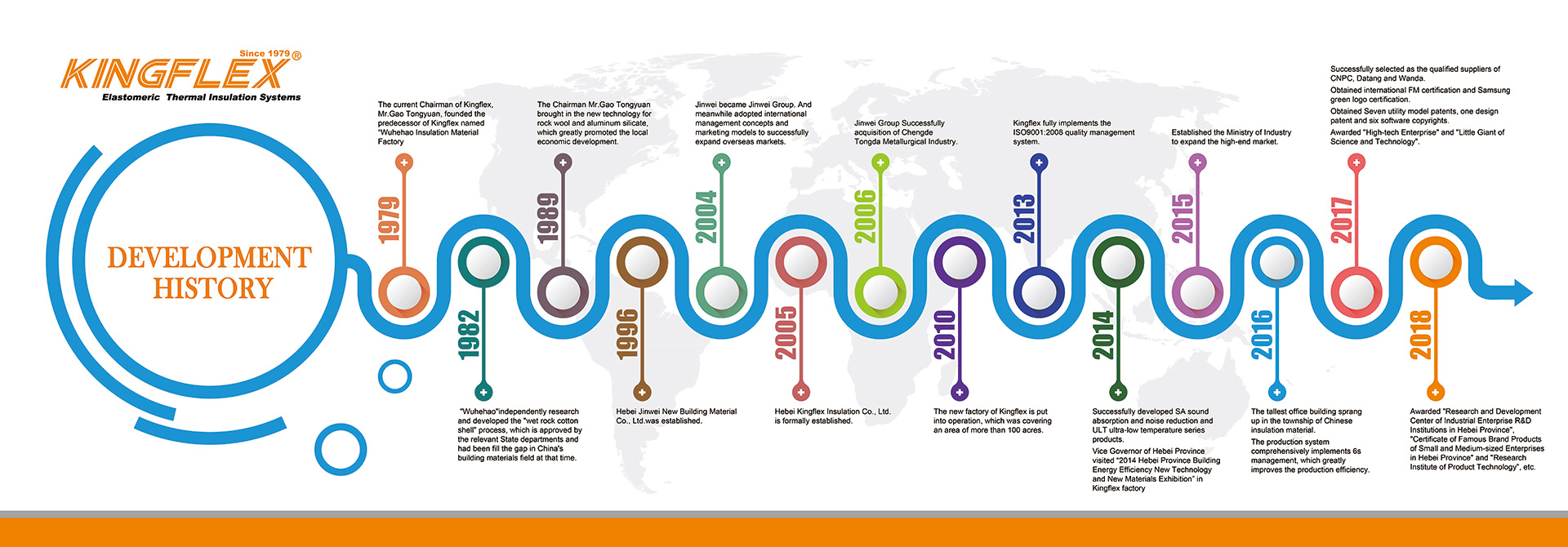
Kingflex was established by the Kingway Group (historically referred to as the Jinwei Group), an industry pioneer with more than 40 years of manufacturing history. Established in 1979, the Kingway Group was the first major manufacturer of thermal insulation materials north of the Yangtze River. This rich operational heritage provides us with unmatched process knowledge, raw material security, and stability in formulation development.
A high-performance product requires precise engineering coordination. Our R&D division consists of 8 senior materials engineers focused on polymeric density, mechanical rebound performance, and eco-friendly blowing agents. Supporting them are 6 international sales consultants managing operations across time zones and language barriers, backed by a production staff of 230 dedicated workers.
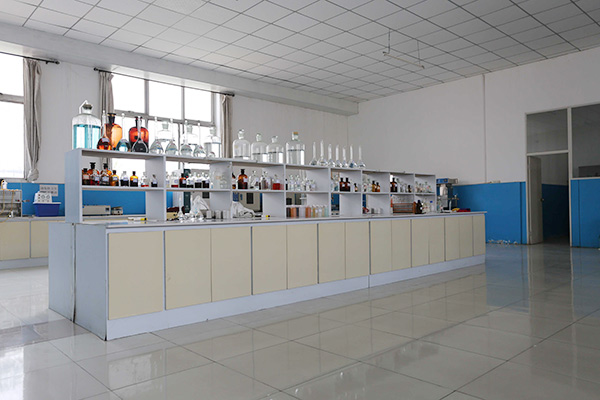
Kingflex operates 5 large-scale automated lines capable of generating over 600,000 cubic meters annually. We are a designated production enterprise certified by the Ministry of Energy, the Ministry of Electric Power, and the Ministry of Chemical Industry.


Analyzing specific environmental demands and physical application requirements across diverse vertical industries.
Condensation control is the primary challenge in chilled water piping and duct systems. If air temperature drops below the dew point, liquid water forms on outer pipe walls, accelerating structural damage.
Our Solution: Kingflex Class 0 and Class 1 Elastomeric rubber-plastic materials block convective pathways, preventing pipe condensation.
Under extreme sub-zero conditions down to -196°C, normal insulation materials shrink, embrittle, and fracture. Vapor seals easily breach, allowing ice buildup that compromises pipeline support.
Our Solution: Multi-layered NBR-based Cryogenic Systems maintain mechanical flexibility at low temperatures, ensuring continuous insulation performance.
Petrochemical pipelines transport steam and high-temperature organic liquids. They require physical durability, thermal stability, resistance to environmental chemical exposures, and fire protection.
Our Solution: High-density NBR/PVC sheets combined with Rock Wool blankets shield pipelines up to 650°C.
Design engineers depend on empirical data to calculate thermal load calculations. The table below represents the standardized baseline physical metrics for our principal material families, measured in compliance with ISO and ASTM protocols.
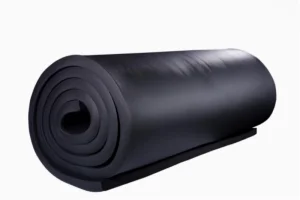
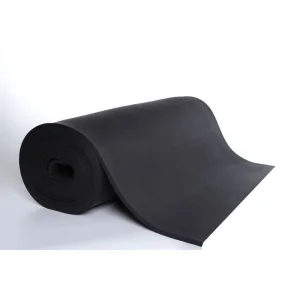
| Performance Parameters | Black Rubber Foam Sheet Roll | Black Rubber Foam Pipe | Rock Wool Blanket |
|---|---|---|---|
| Base Raw Material | Acrylonitrile Butadiene / PVC blend | Nitrile Butadiene Rubber / PVC | Basalt Fibers / Slag composite |
| Material Thickness | 6mm - 50mm | 9mm - 40mm (ID: 6mm - 114mm) | 30mm - 100mm |
| Bulk Density | 40 - 55 kg/m³ | 40 - 55 kg/m³ | 60 - 150 kg/m³ |
| Thermal Conductivity ($\lambda$) | ≤ 0.034 W/m·K at 0°C | ≤ 0.035 W/m·K at 0°C | ≤ 0.038 W/m·K at 25°C |
| Operating Temp. Range | -40°C to +105°C | -40°C to +105°C | -120°C to +650°C |
| Closed-Cell Rate | ≥ 98% | ≥ 98% | N/A (Fibrous structure) |
| Flame Spread Index | Class 0 / Class 1 (BS 476 Part 6/7) | Class 0 / Class 1 | Non-combustible Class A1 (GB 8624) |
| Vapor Permeability ($\mu$) | ≥ 10,000 | ≥ 8,000 | N/A |
Building codes globally restrict material usage based on fire behavior and chemical outgassing. All Kingflex manufacturing outputs are subjected to ongoing certification testing to satisfy global import criteria, environmental safety controls, and fire safety ratings.
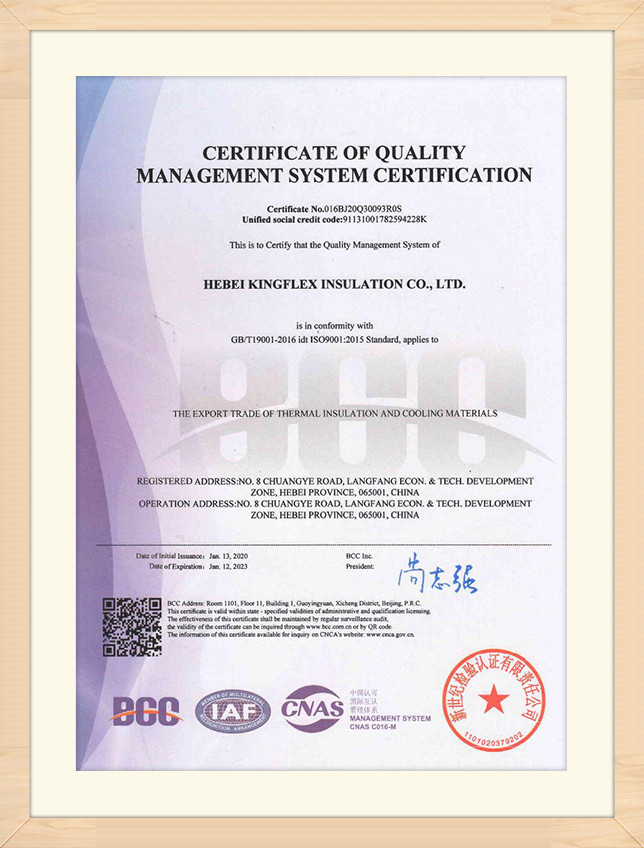
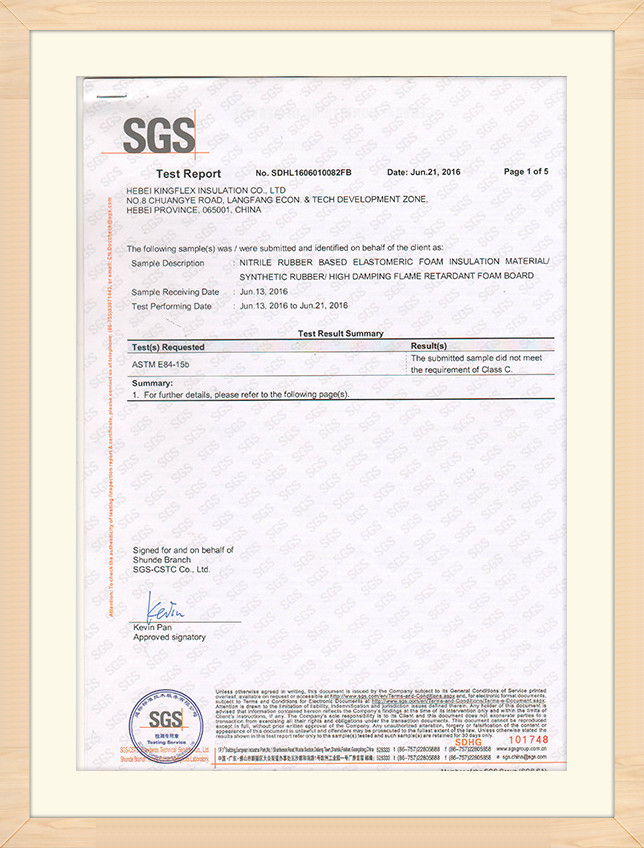
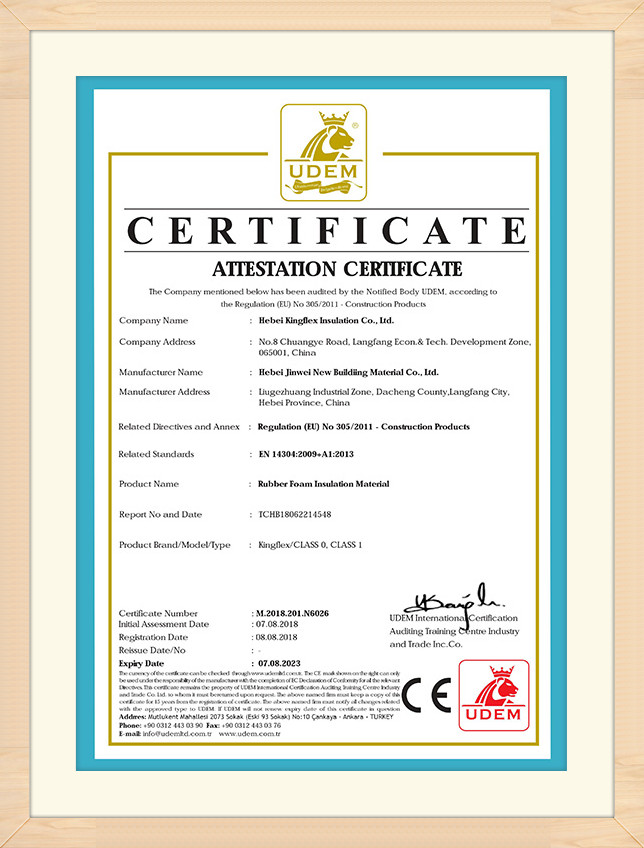
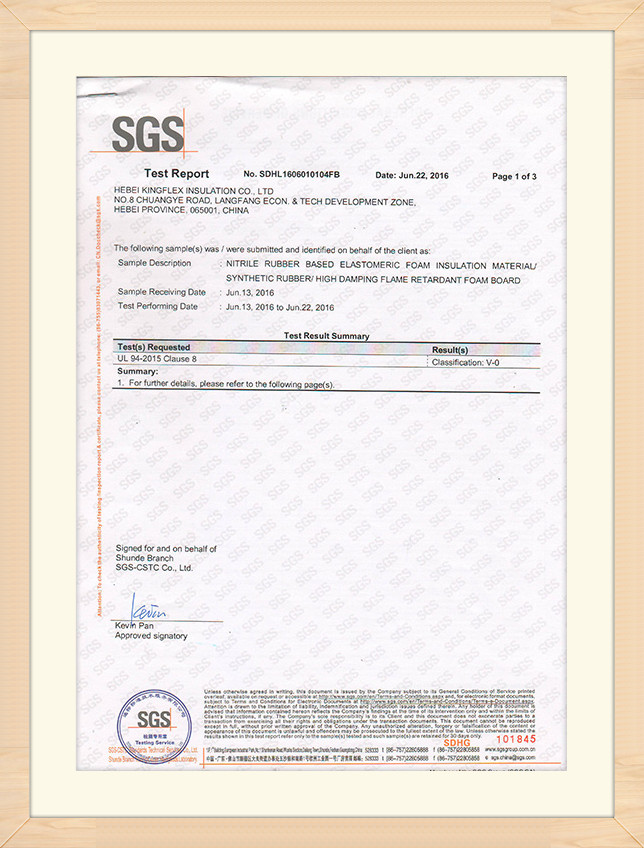
Every batch of Kingflex rubber foam insulation is assigned a unique batch identification code. This allows full verification of material formulations, raw component lots, manufacturing date, line metrics, and lab QC reports, ensuring complete quality traceability.
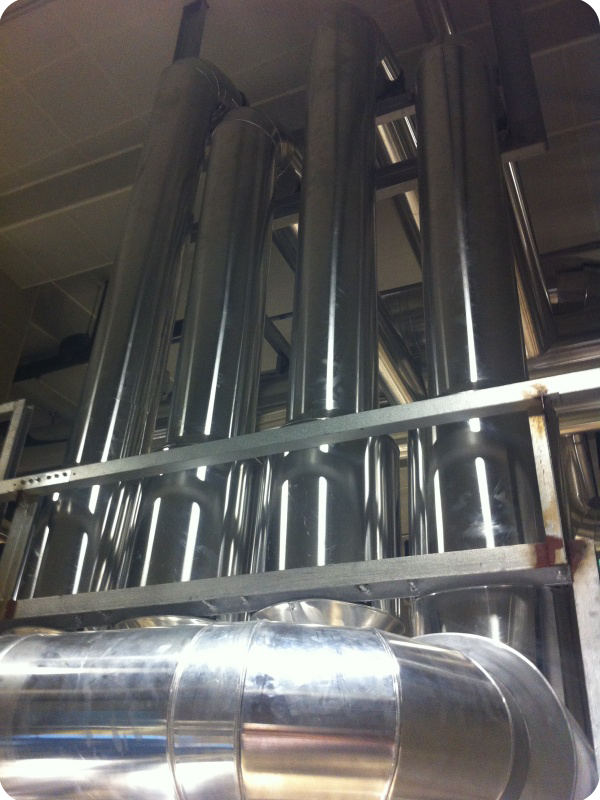
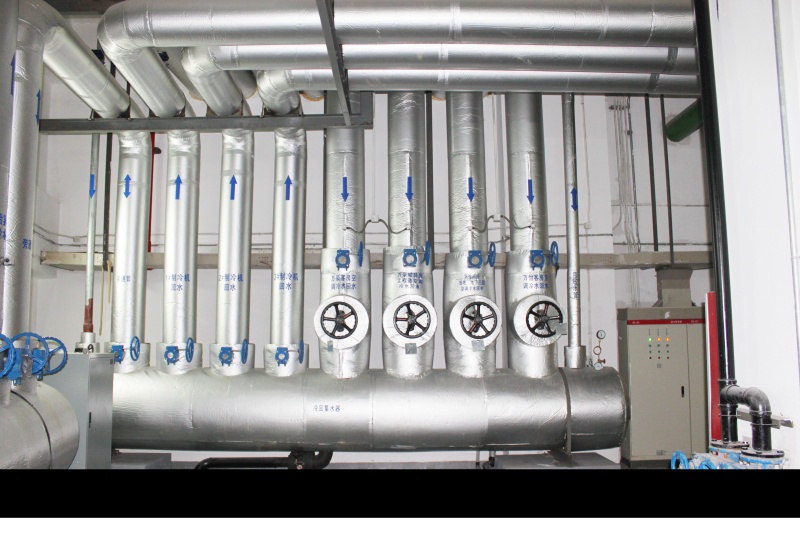
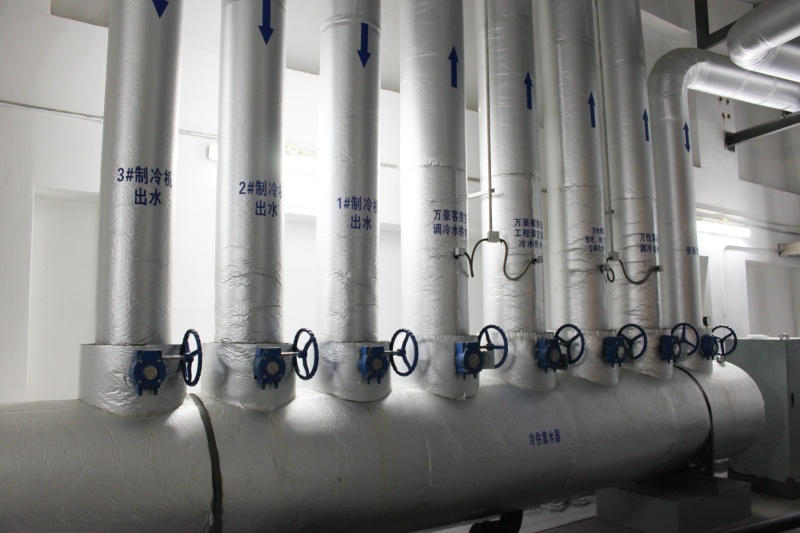
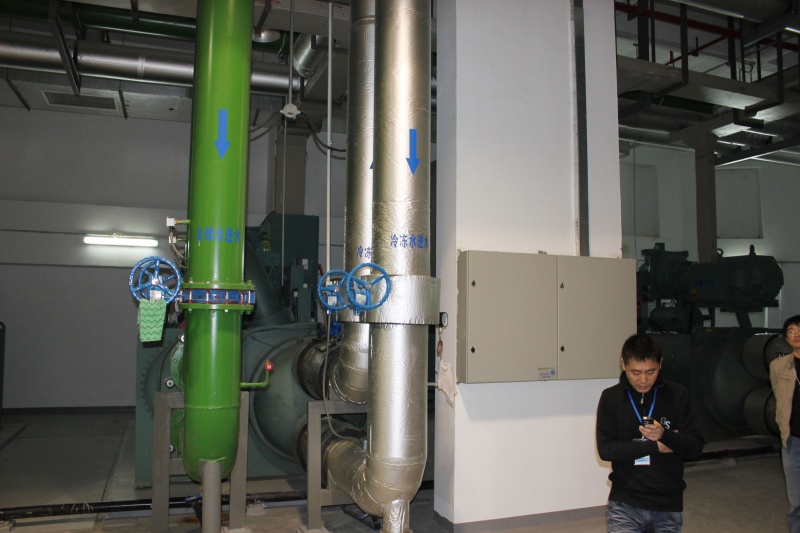
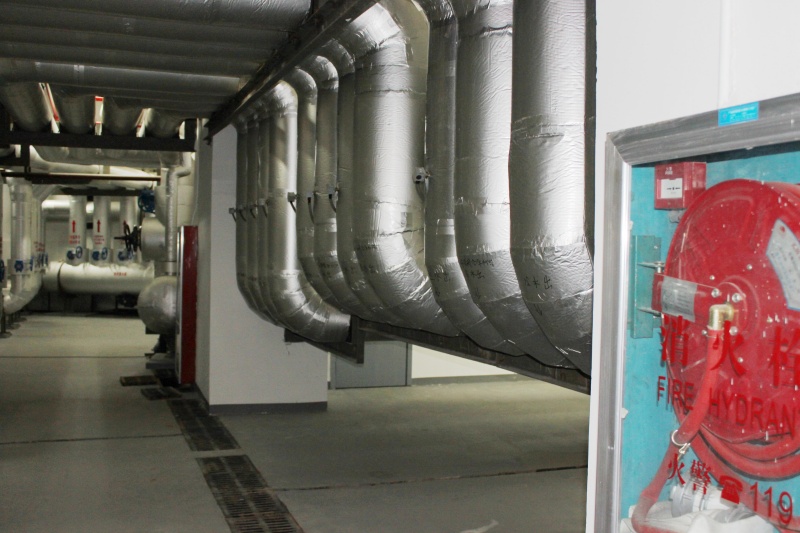
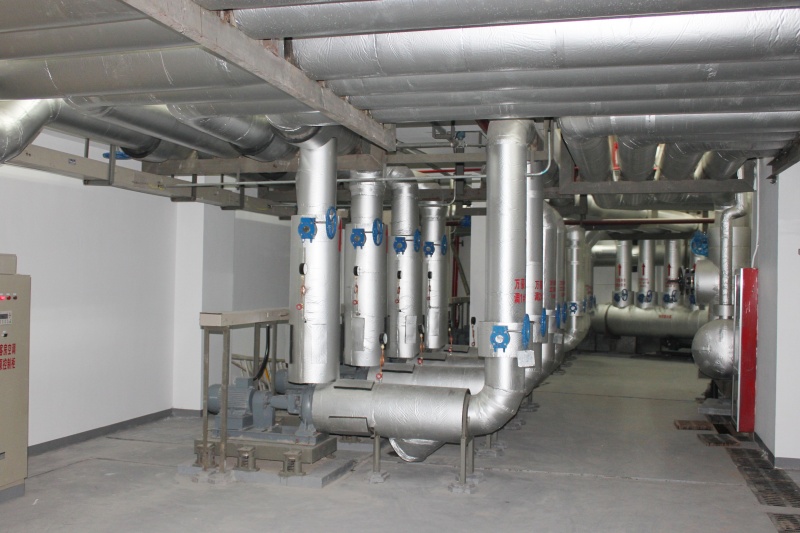
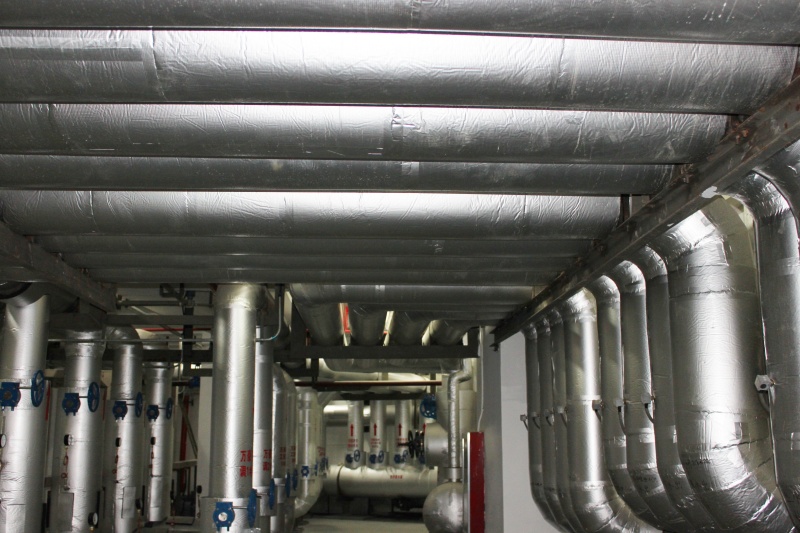
Delivering insulation projects for high-rise commercial structures, chemical plants, and heavy industrial facilities.
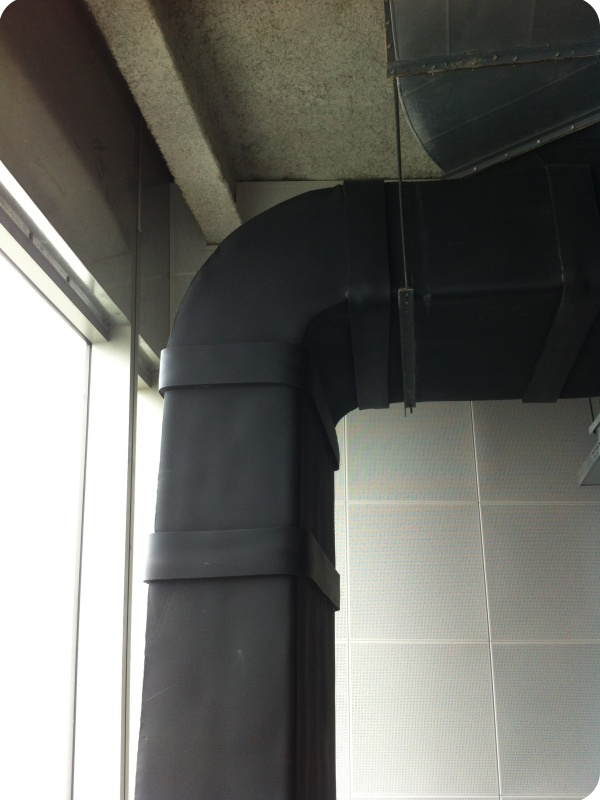

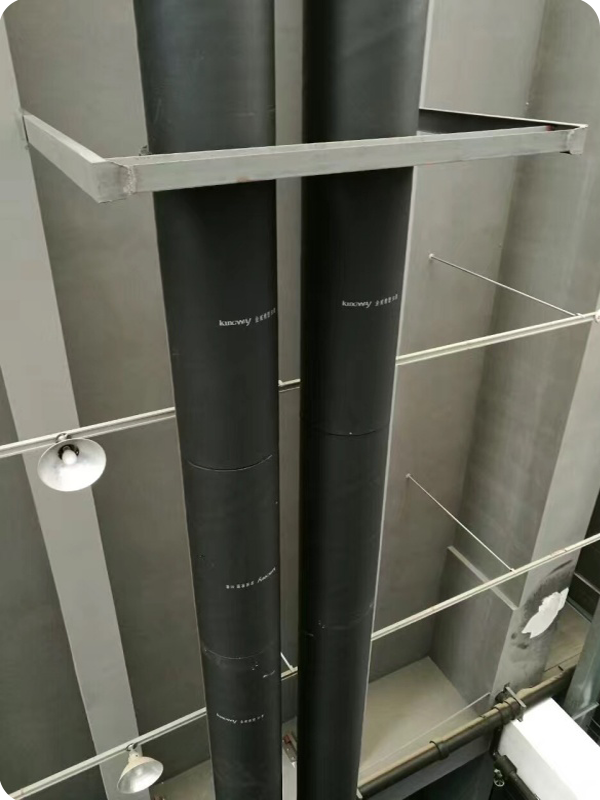
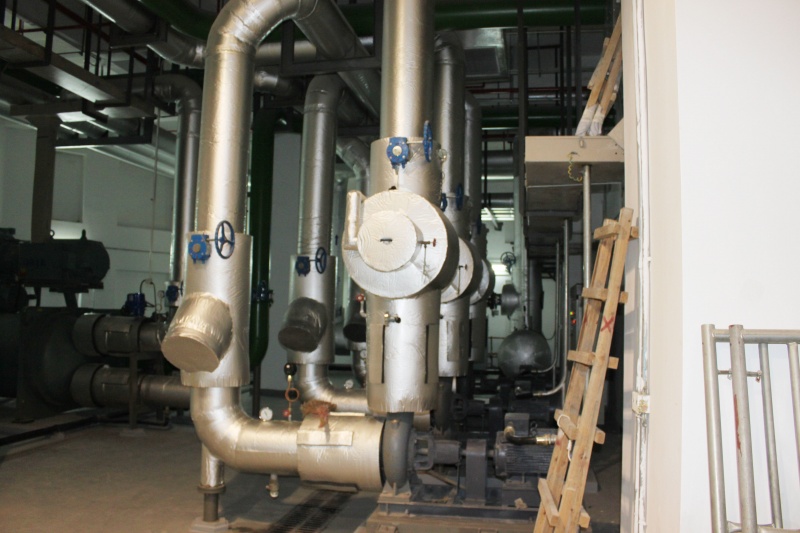
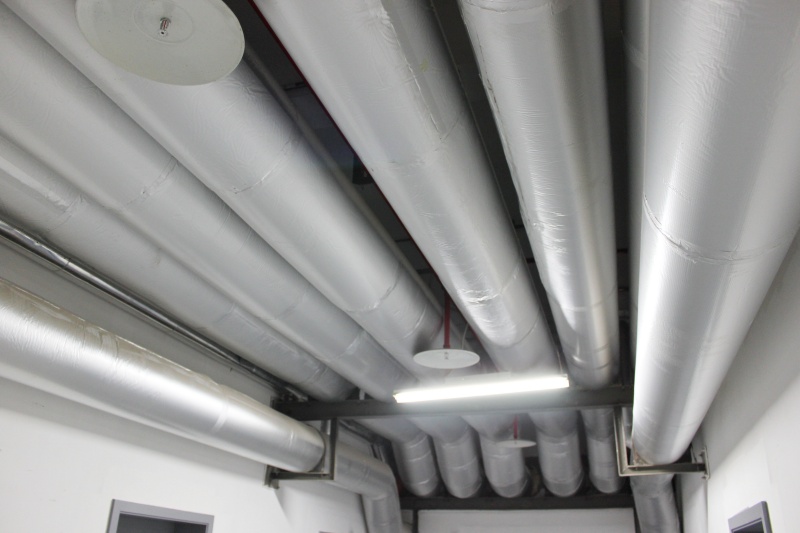

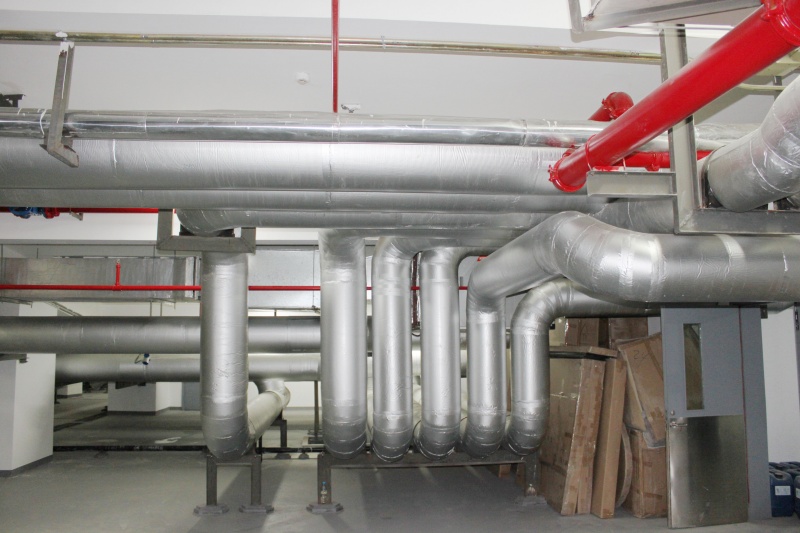

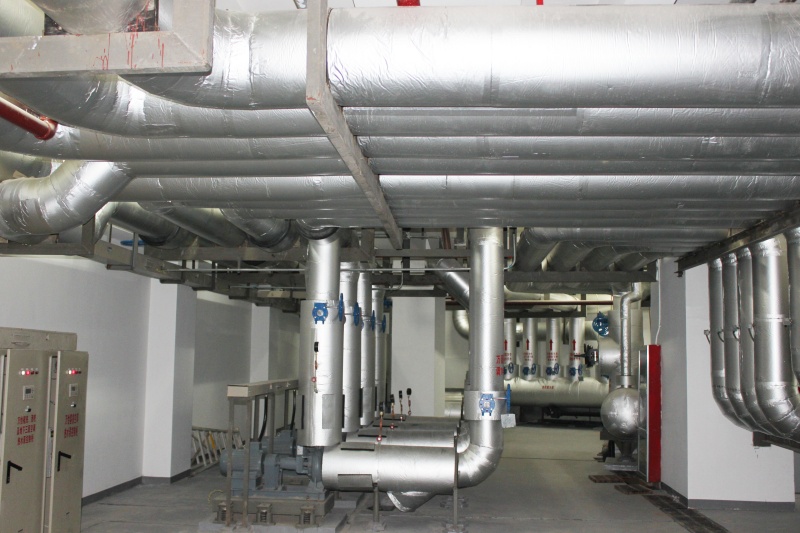



The insulation industry is transitioning toward green chemistry and smart systems. Kingflex’s ongoing research and development focuses on the following key areas:
Replacing traditional fluorocarbon expansion systems with organic, water-based, and CO2 blowing processes to eliminate ozone depletion potential (ODP) and global warming potential (GWP).
Integrating micro-sensors directly within pipeline insulation sleeves. These sensors detect early-stage moisture penetration, notifying plant operators before corrosion under insulation (CUI) occurs.
Optimizing production line machinery and utilizing solar energy micro-grids to reduce carbon emissions during manufacturing, aligning with ESG requirements.
Solving complex installation, chemical resistance, and standard compliance questions.
Direct access to our specialized polymer insulation product range.
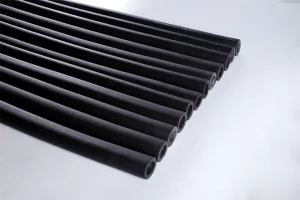
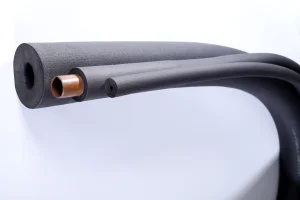
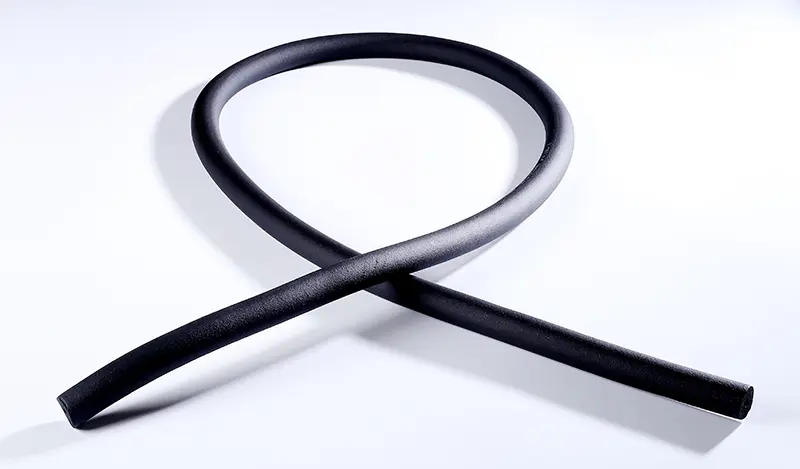
Closed-cell elastomeric tubing designed for commercial chilled and hot water applications.
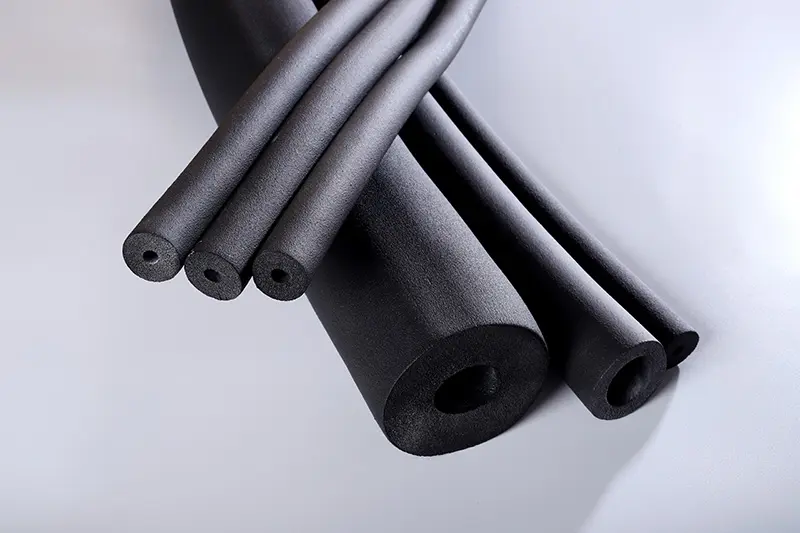
Chemically formulated to resist oxidation, acids, and bases in heavy chemical processing pipelines.
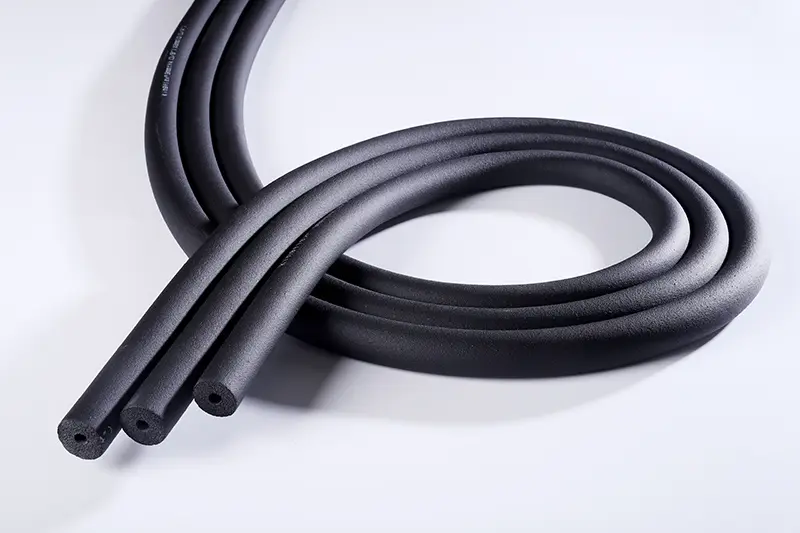
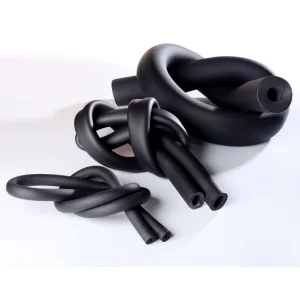
Highly flexible NBR-based pipe insulation suitable for complex mechanical routing layouts.
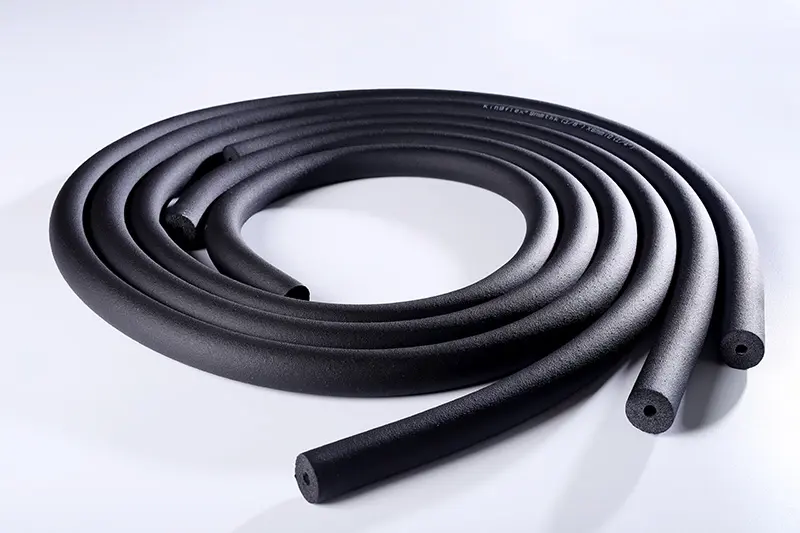
Industrial-standard black NBR/PVC pipeline jacket offering high thermal barrier resistance.

Flexible elastomeric sleeves featuring a smooth outer skin for dust-free applications.

Designed to match residential and commercial VRV and VRF refrigerant line installations.
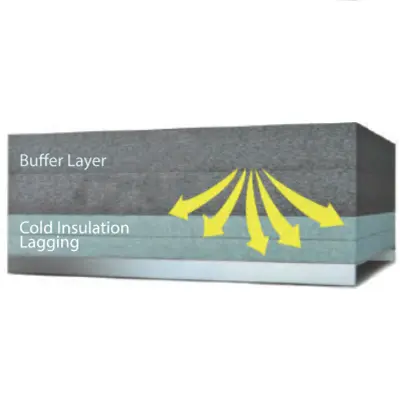
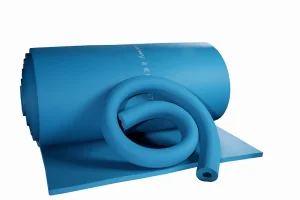
Integrated thermal management system including sheets, pre-cut pipe profiles, and adhesives.
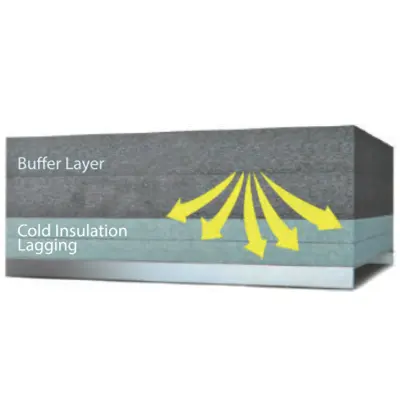
Specially formulated for liquefied gas storage applications, retaining flexibility down to -196°C.
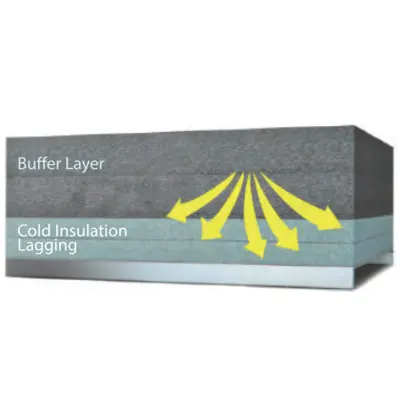
Optimized to limit contraction and prevent cracking under rapid thermal cycles.
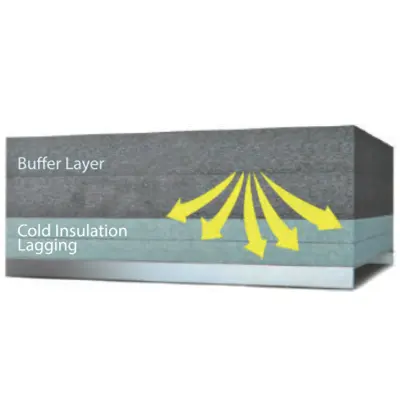
Multi-layer system designed for industrial gas processing facilities.
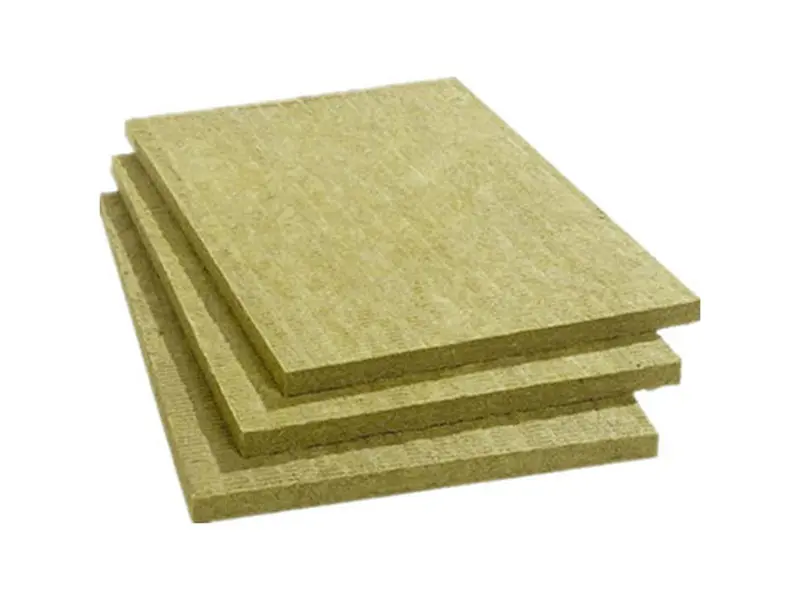
High-density stone wool boards for partition walls, mechanical rooms, and fire barriers.
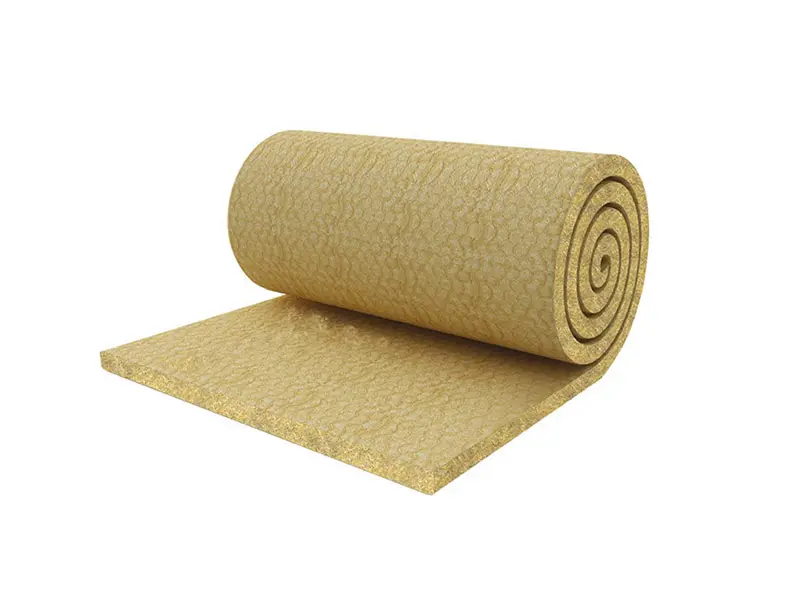
Non-combustible stone wool wrap providing thermal stability for high-temperature ducts.
 Kingflex