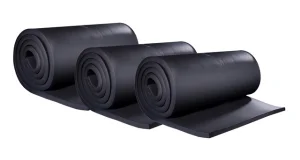
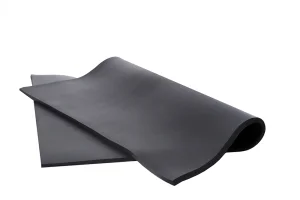
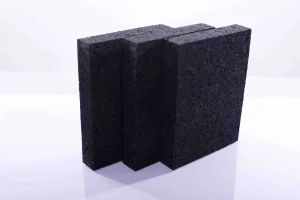
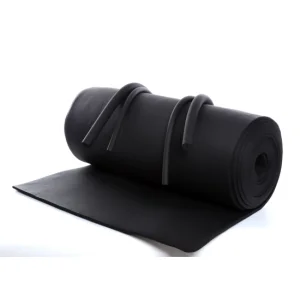
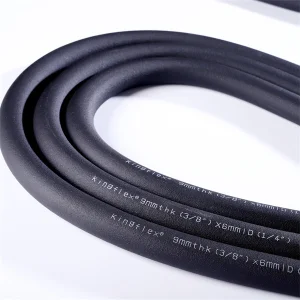
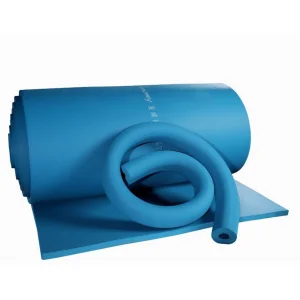
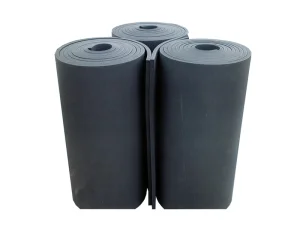
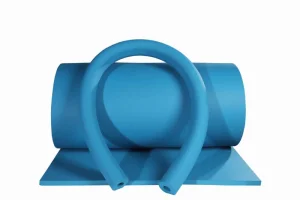
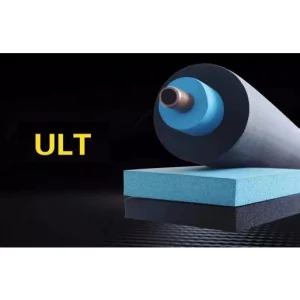
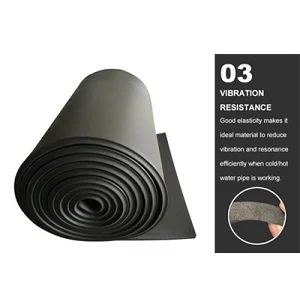
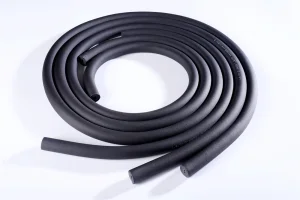
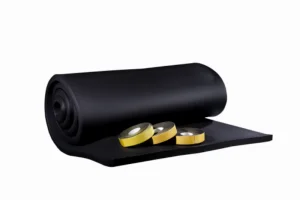
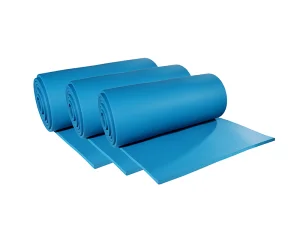
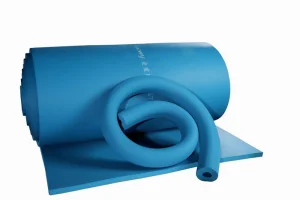
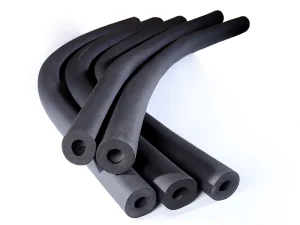
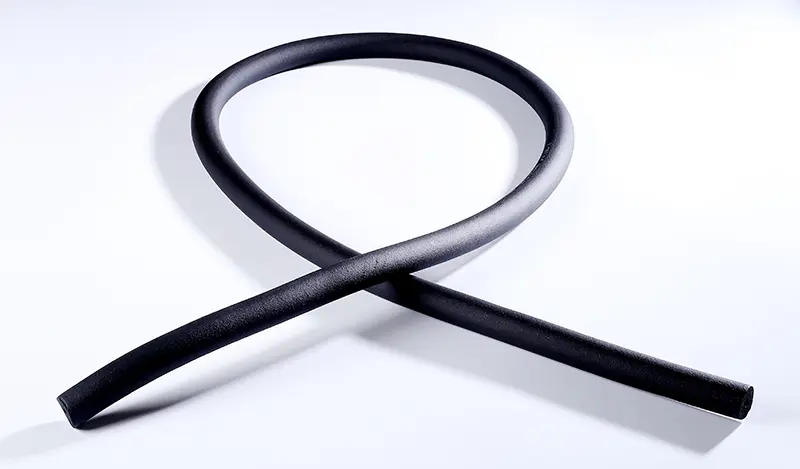
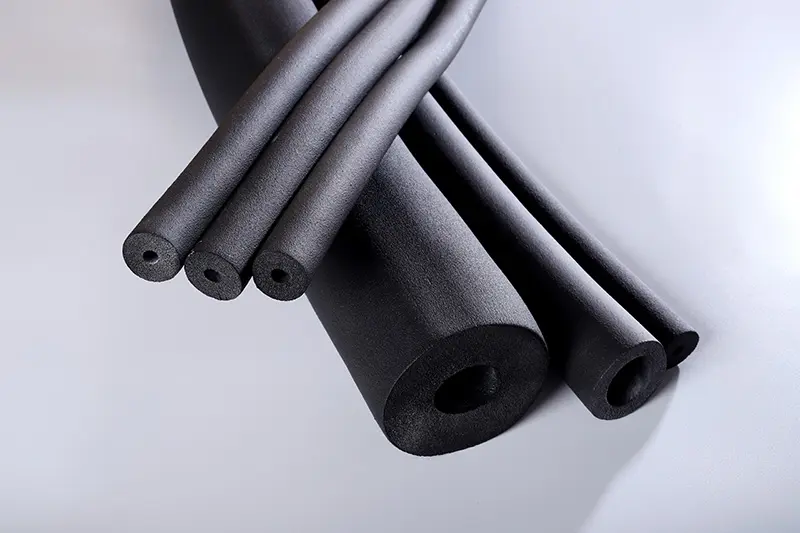
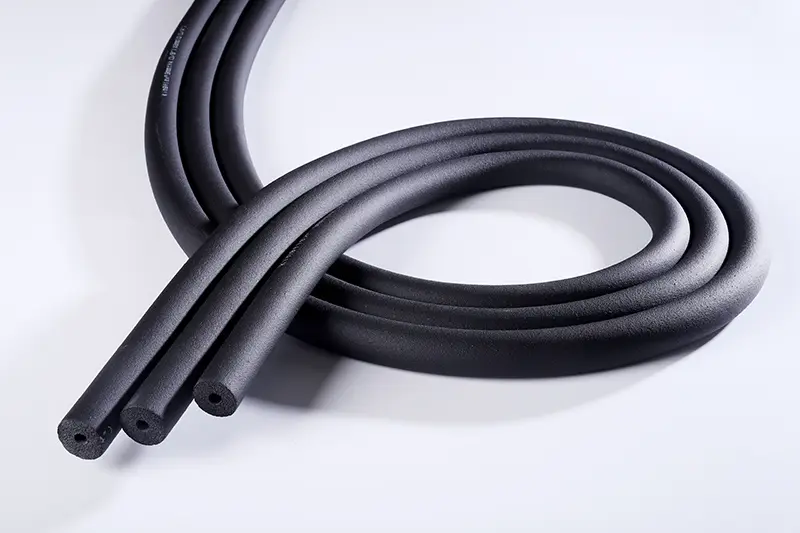
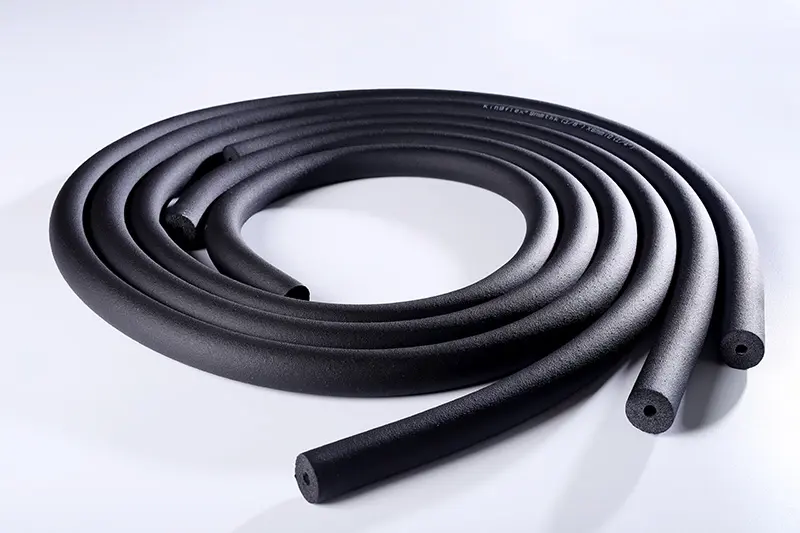
Premium class closed-cell elastomeric rubber foam sheets, rolls, and pipes configured for low thermal conductivity and high moisture resistance.
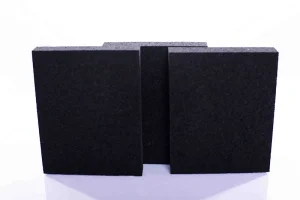
Globally, green building certifications have shifted from optional marketing tools to mandatory regulatory frameworks. Architectural standards such as LEED (Leadership in Energy and Environmental Design) in the United States, BREEAM (Building Research Establishment Environmental Assessment Method) in the United Kingdom, DGNB in Germany, and the China Green Building Evaluation Standard (Three-Star System) are redefining the selection metrics of envelope materials and mechanical services (HVAC/R).
Thermal insulation serves as the first line of defense in achieving building decarbonization. Low-performing thermal systems account for over 40% of building energy waste due to heat leakage and condensation issues. As a leading China Green Building Scheme Manufacturer, Kingflex Insulation is at the intersection of thermal science and environmental protection, delivering solutions with high thermal efficiency, low-VOC emission profiles, and optimized lifecycle assessments (LCA).
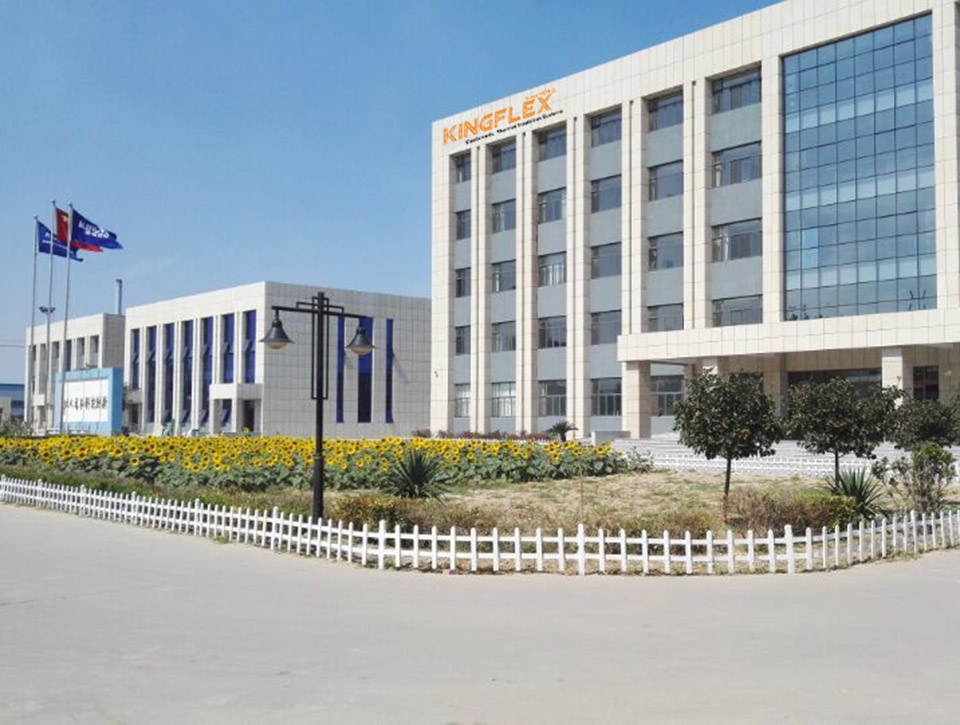
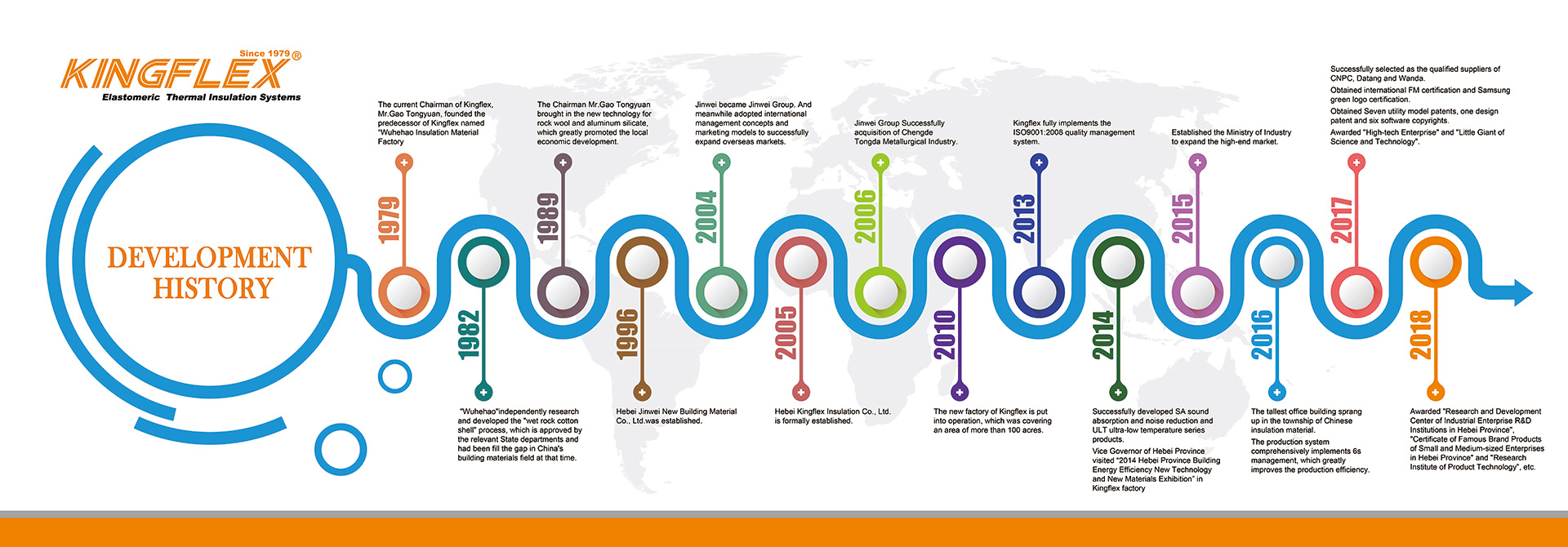
Established by the Jinwei Group, which boasts a rich history of more than 40 years since its founding in 1979, Kingflex has grown to be the pioneering manufacturer of thermal insulation materials north of the Yangtze River. Headquartered in Dacheng, China—historically recognized as the capital of green building materials—our production footprint is engineered for energy efficiency and minimal environmental footprint.
Our company operates a 230-person production department, backed by 6 professional international sales specialists and 8 dedicated R&D engineers. Our facility houses 5 fully automated assembly lines, supporting the manufacturing of elastomers, acoustic boards, and low-temperature thermal solutions. This technical layout positions us as a designated supplier recognized by the Ministry of Energy, the Ministry of Electric Power, and the Ministry of Chemical Industry in China.
Our core product line conforms to strict green building metrics, prioritizing physical stability, thermal limits, and fire safety ratings.

Kingflex products are tailored for global green building standards, supporting structural and HVAC configurations:
Our commitment to quality is validated by third-party certifications testing fire safety, chemical limits, and thermal conductivity.
To satisfy the diverse requirements of green building rating systems globally, Kingflex materials are routinely tested against global standards. Our formulations are free of CFCs, HCFCs, and formaldehyde, ensuring zero ozone depletion potential (ODP) and negligible global warming potential (GWP).
Our fire safety certifications include the British Standard BS 476 Part 6 & Part 7 (Class 0 and Class 1), European CE marking, and environmental compliance certifications such as REACH and RoHS. We also maintain compliance with UL94 flammability ratings and ASTM testing protocols for thermal transmission.
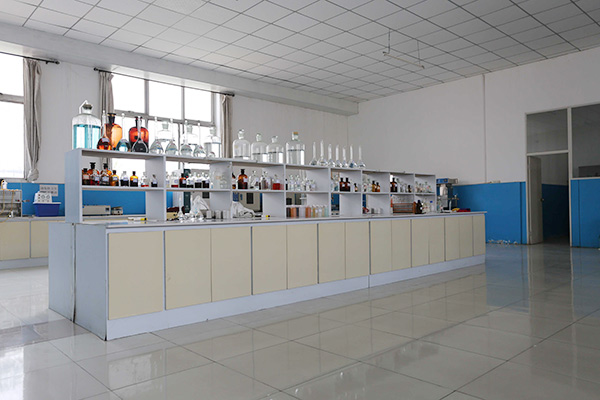
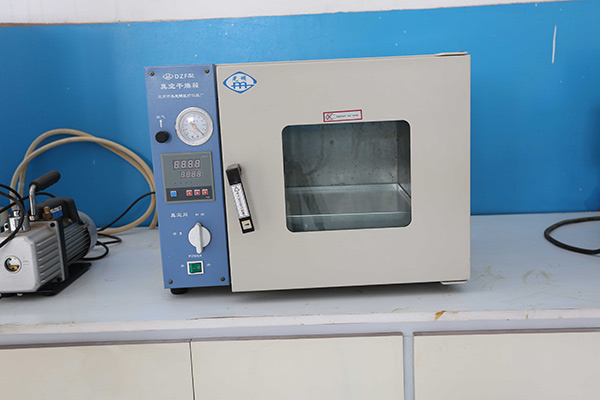
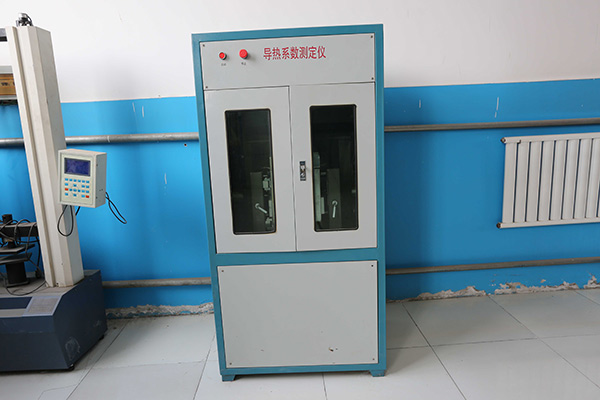
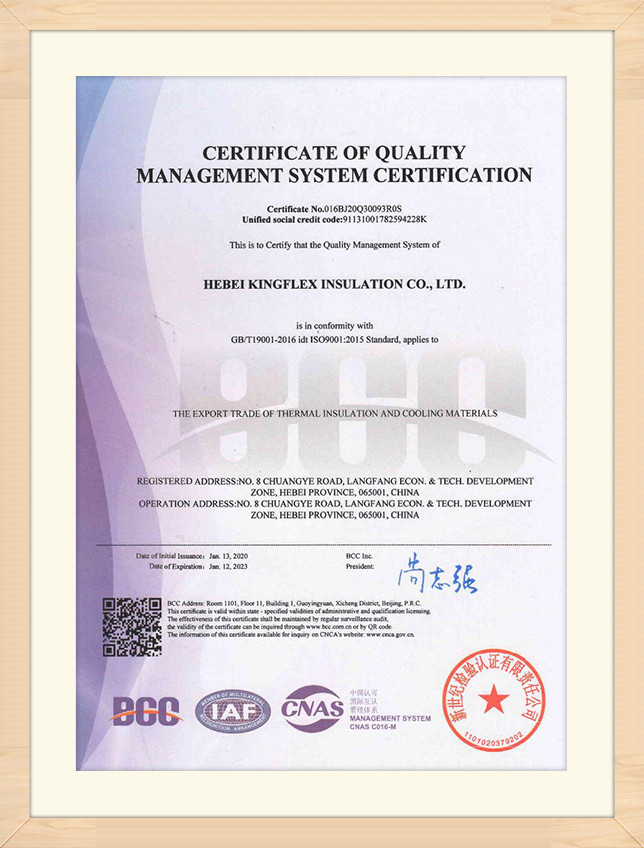
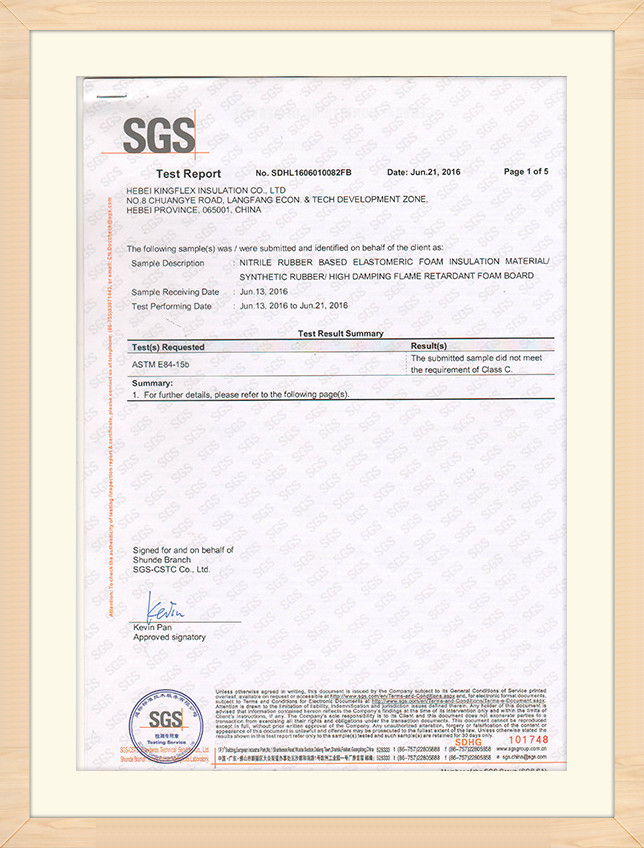
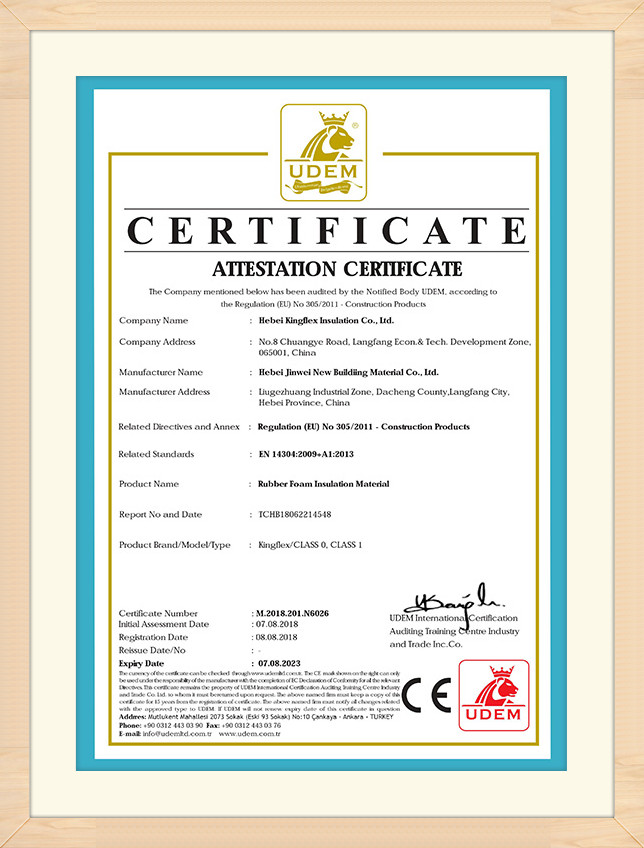
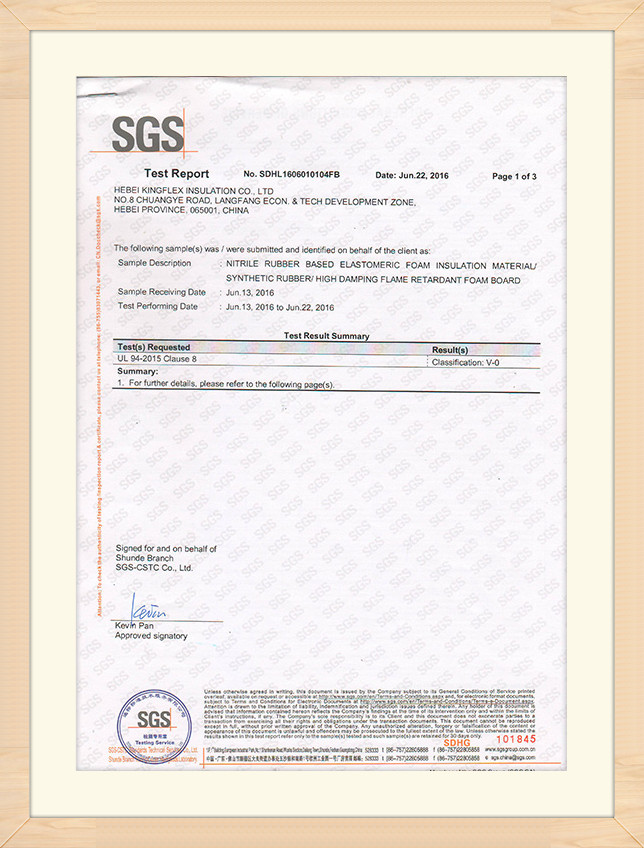
Innovation highlights driving low environmental impact and improved thermal performance.
Our R&D department is currently working to integrate renewable, bio-based polyols into our standard NBR/PVC matrix. By substituting petroleum-derived chemical bases with plant-based alternatives, we aim to reduce the embodied carbon of our insulation products. This aligns with BREEAM's life cycle assessment standards, which award points for materials that demonstrate low net carbon footprints.
Conventional open-cell fibrous products can experience rising thermal conductivity (K-value) when exposed to moisture. By refining our high-pressure nitrogen gas foaming process, we have achieved a closed-cell rate exceeding 98%. This structure acts as a continuous water vapor barrier, preserving thermal efficiency over a 15-year service life.

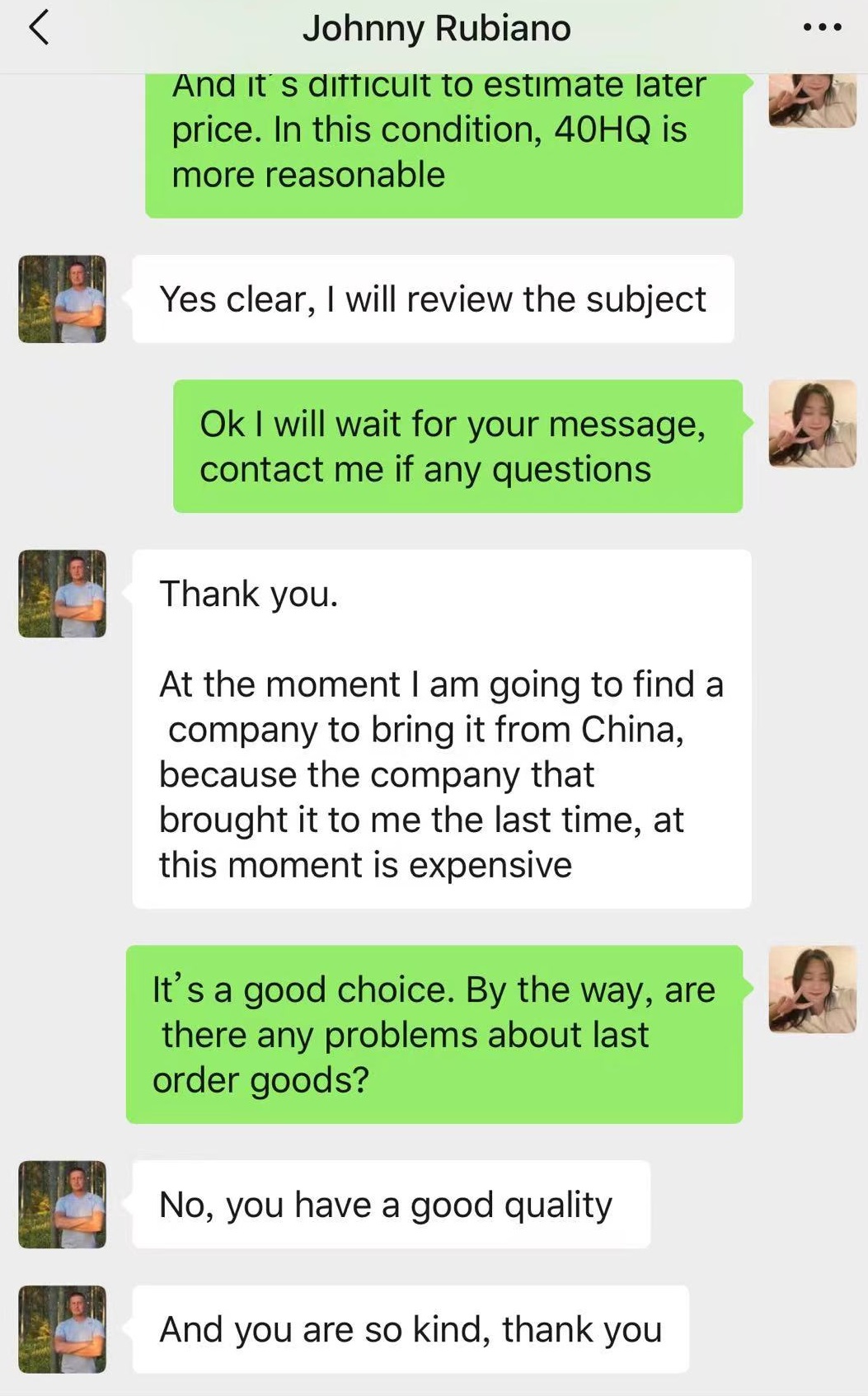
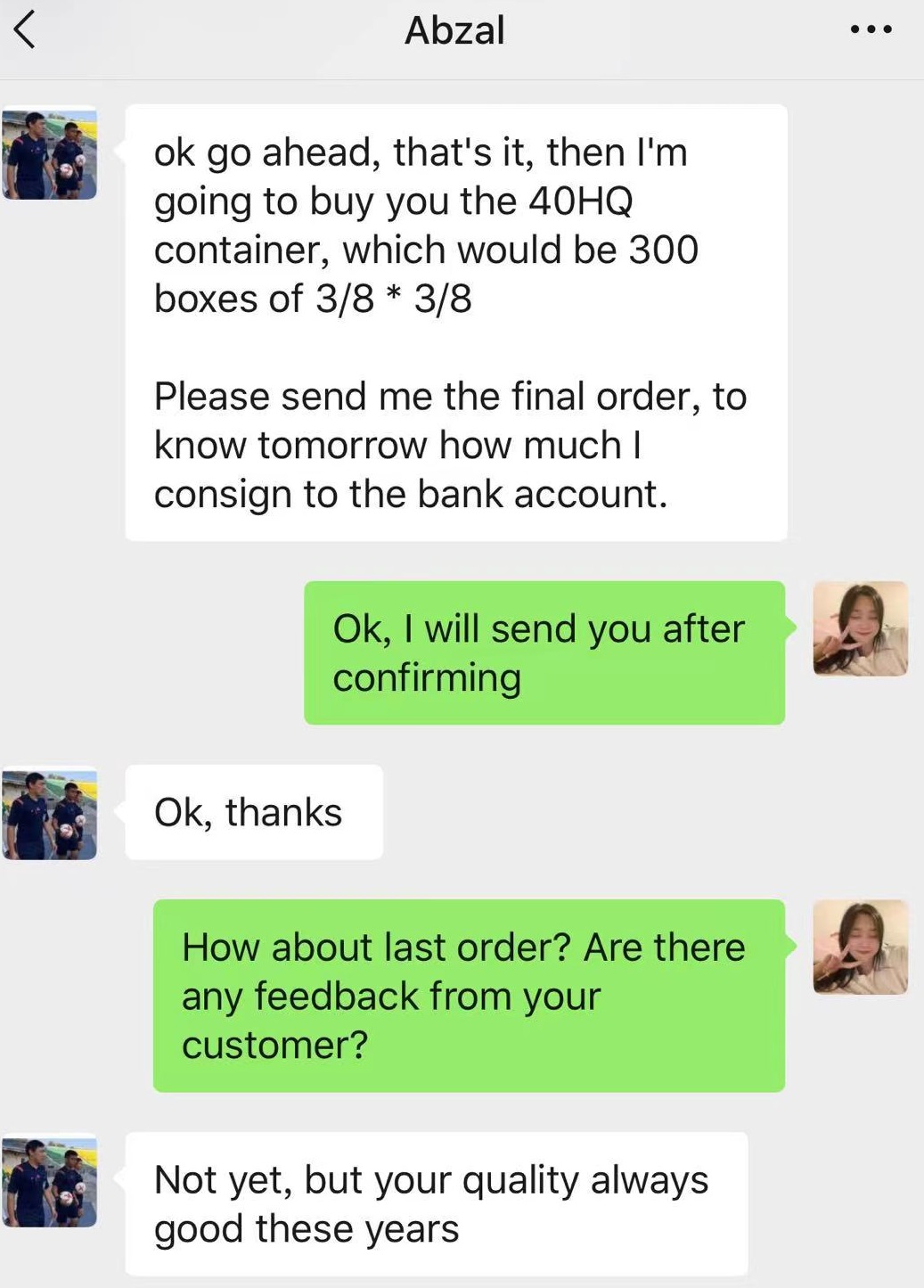
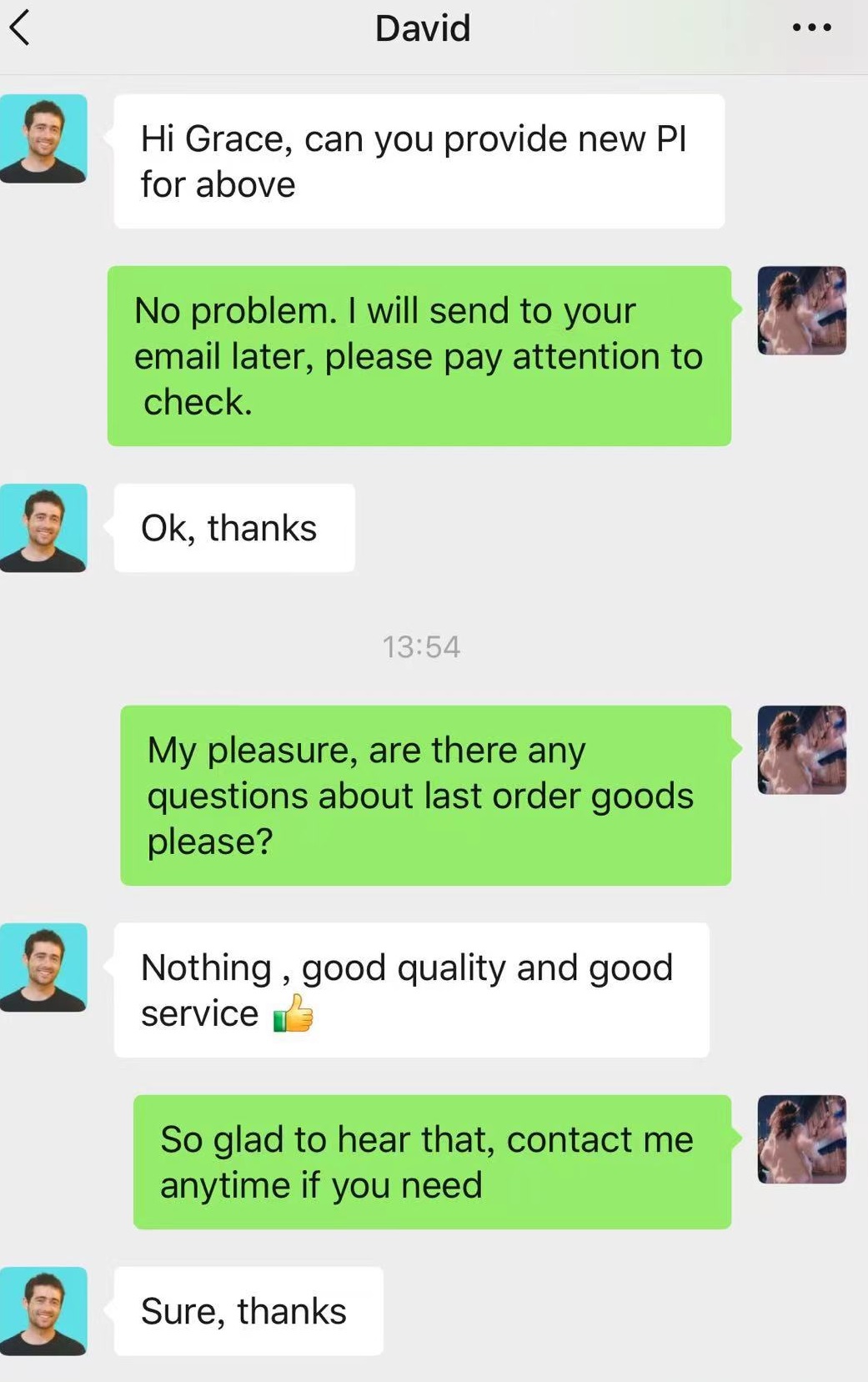
Verified communication records and customer service screenshots highlighting our transparency and service standards.

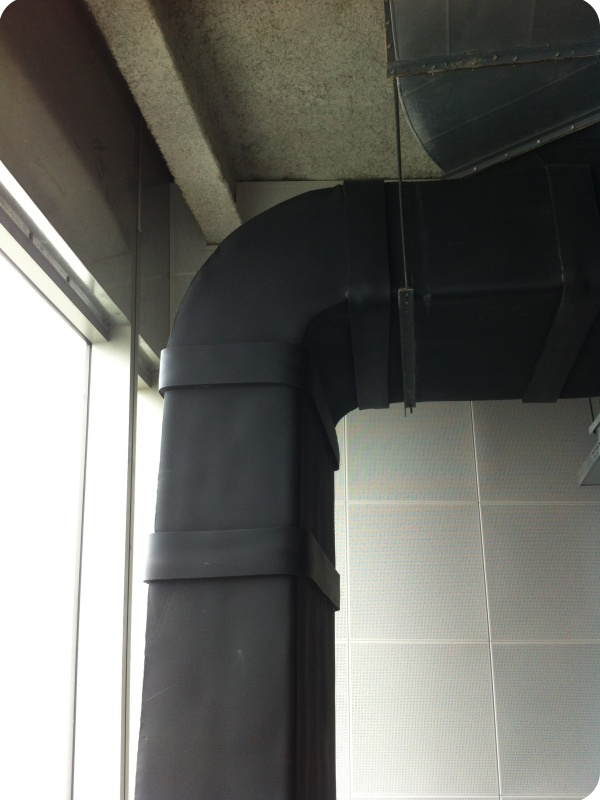

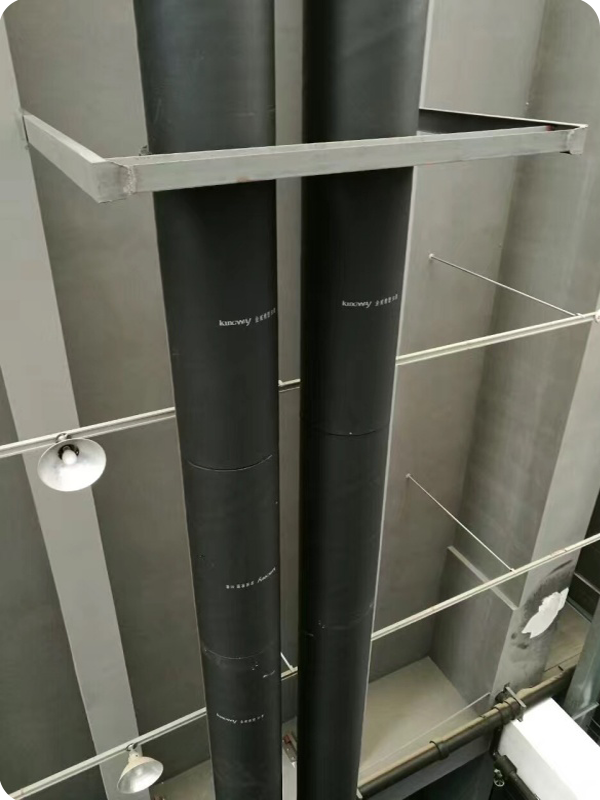
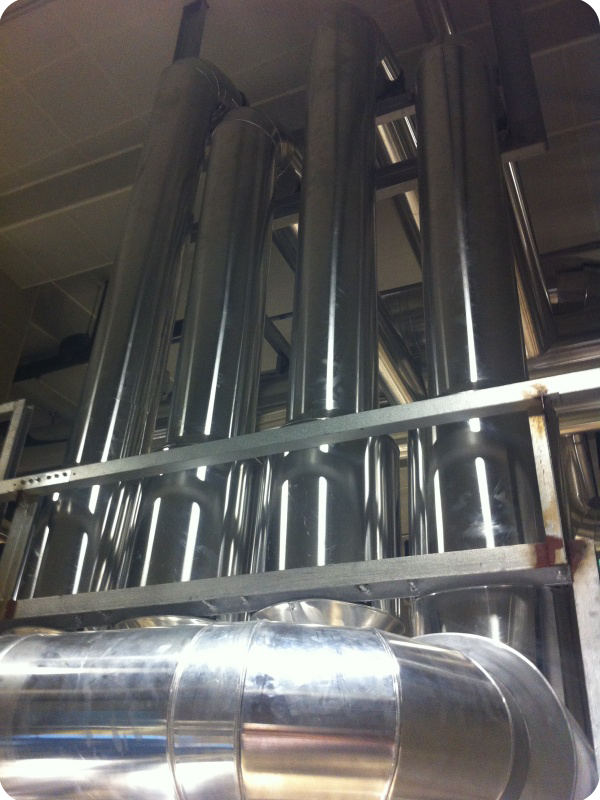
Expert answers addressing the selection, installation, and certification of elastomeric foam insulation in green building systems.
Our materials assist in securing LEED credits in two main areas: Energy and Atmosphere (EA), by optimizing building energy performance with low thermal conductivity (λ ≤ 0.032 W/m·K at 0°C), and Indoor Environmental Quality (EQ), by maintaining low VOC emission levels. Additionally, our REACH and RoHS compliance document the chemical safety of our raw materials, supporting Circular Economy and Material Ingredients credits.
It is primarily used for chilled and hot water pipelines, HVAC duct systems, municipal process piping, and industrial cold conservation. Its closed-cell structure and high vapor resistance also make it suitable for preventing condensation on cold surfaces.
Yes, Kingflex insulation is formulated with halogen-free flame retardants, allowing it to meet safety standards such as BS 476 (Class 0 and Class 1), UL94 (V-0 rating), and ASTM E84 (25/50 flame and smoke index). This reduces flame propagation and smoke production in multi-story buildings.
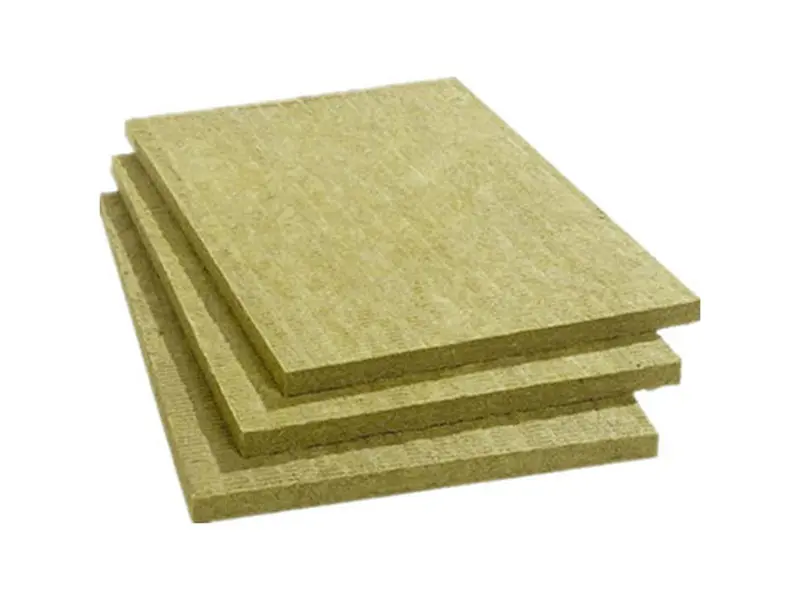
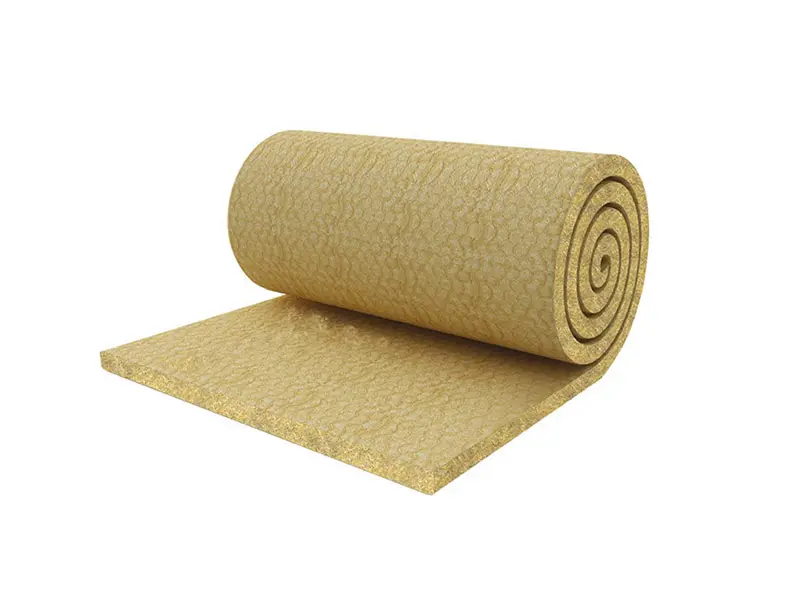
Elastomeric rubber foam is a flexible, closed-cell material that provides inherent water vapor resistance, making it suitable for cold systems and condensation control. Rock wool is a fibrous material that can absorb moisture if installed without a vapor barrier. However, rock wool offers higher temperature limits (up to 650°C), making it suitable for high-temperature steam pipelines.
Yes, we provide OEM and ODM manufacturing services to meet specific project demands. This includes custom densities, wall thicknesses (6mm to 50mm), internal diameters, and laminated finishes (such as aluminum foil or protective glass-cloth jackets) for outdoor environments.
Our products have passed BS 476, CE, REACH, RoHS, UL94, and ASTM testing. These certifications verify product safety and performance, supporting compliance with local building codes.
Yes, our plant uses a digital batch coding system. Each production lot is documented from the raw compound mixing stage to packaging. This traceability supports green building projects that require verified supply chain documentation.
When installed correctly and protected from UV exposure, our elastomeric materials have an expected service life of 10 to 15 years. Their resistance to moisture degradation helps maintain constant thermal performance over this period.
Our 5 automated assembly lines operate continuously to maintain supply capacity for global distribution networks.
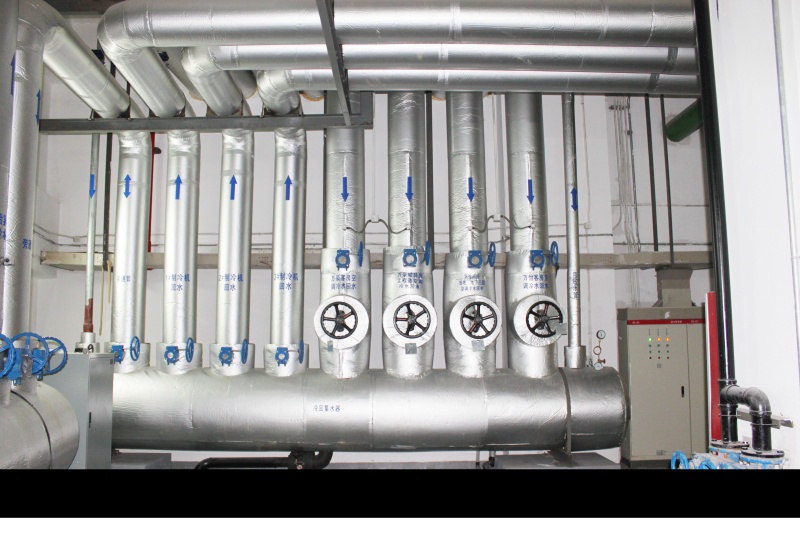
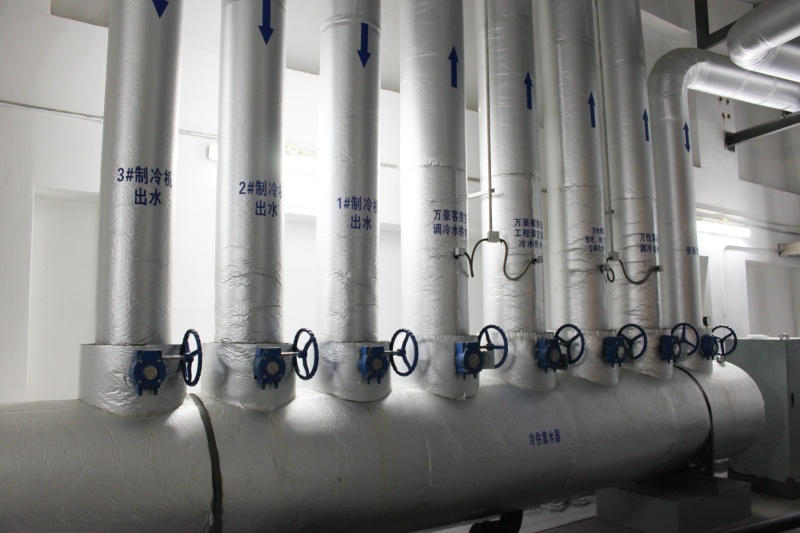
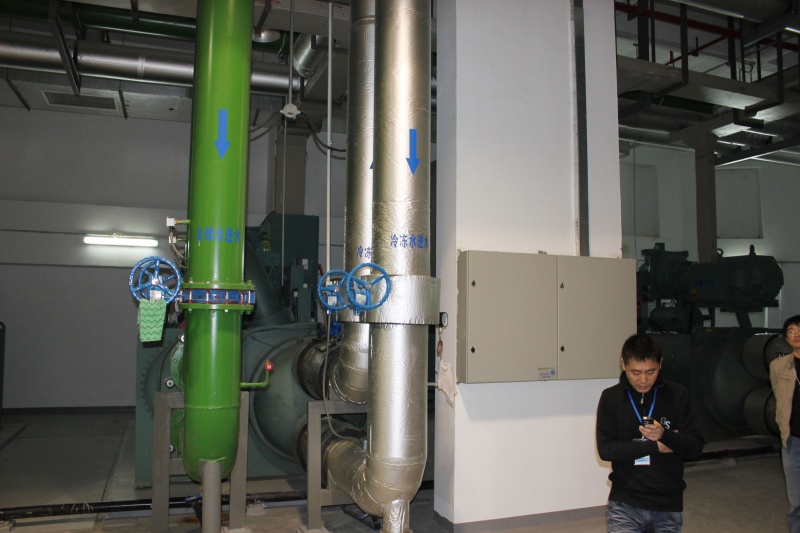
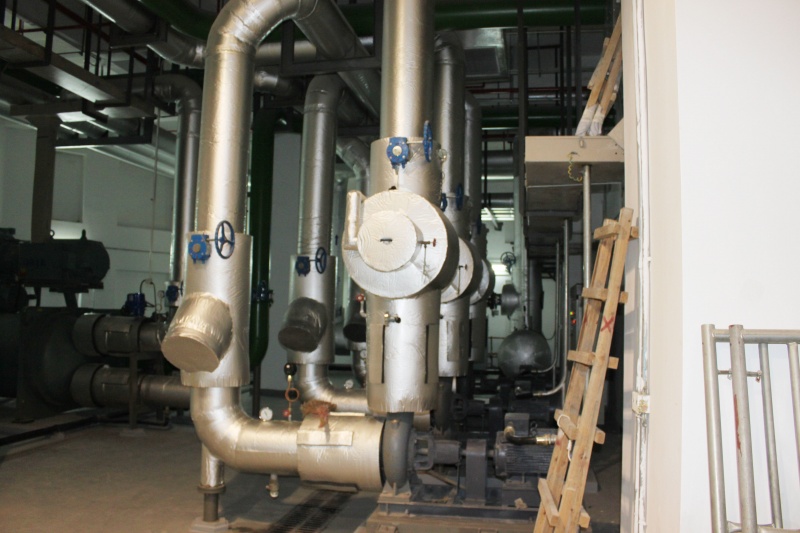
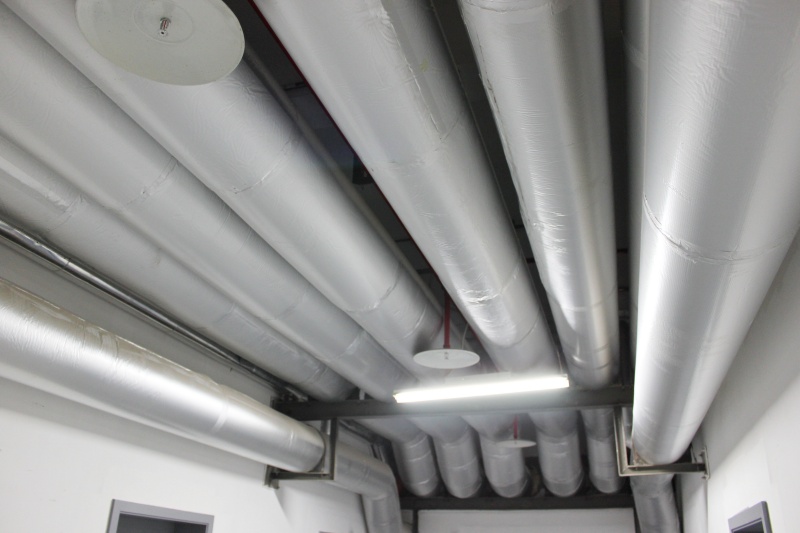

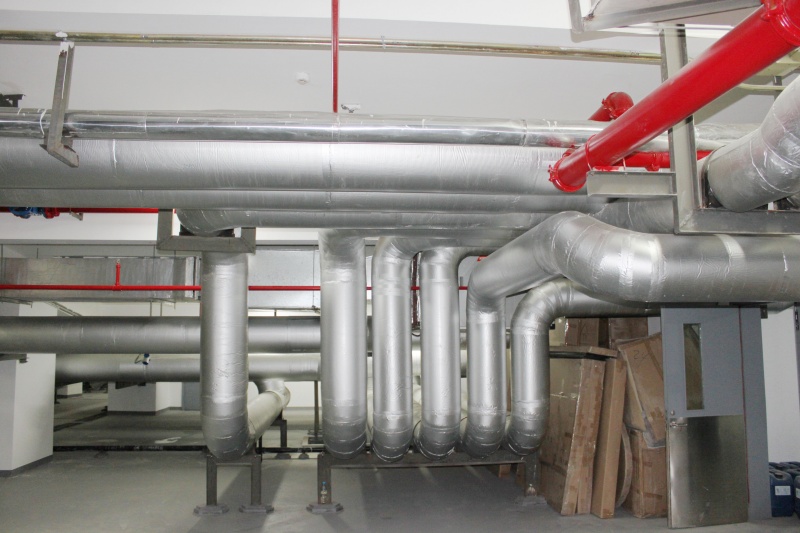

Additional material configurations, including self-adhesive, cryogenic, and high-temperature systems.
Specialty elastomeric, rock wool, and chemical-resistant insulation products manufactured for complex building requirements.


 Kingflex