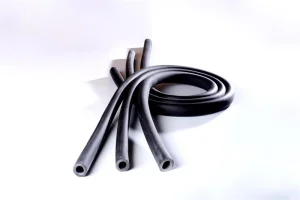
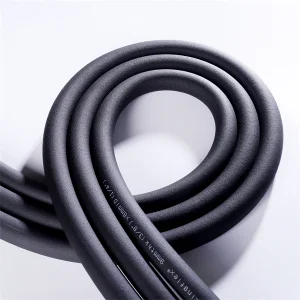
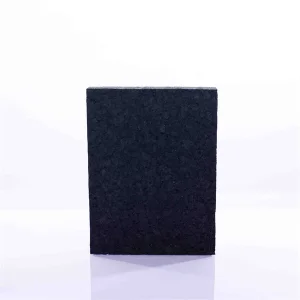
Engineered for Commercial HVAC systems, Industrial Piping, and Structural Envelope Optimization.
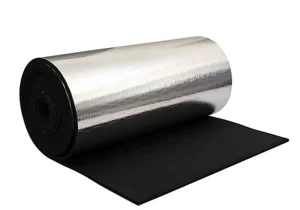
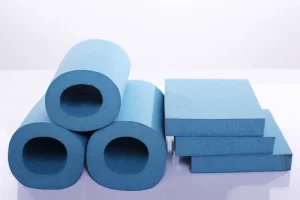
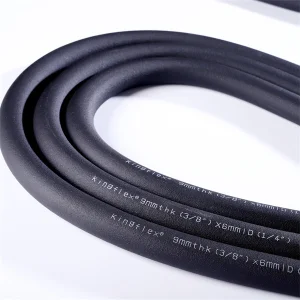
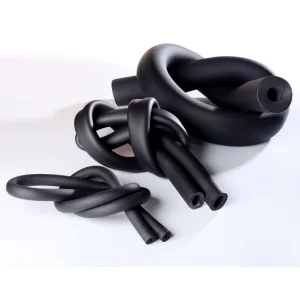
Understanding the economics of wholesale insulation: Cost models, operational efficiencies, and asset longevity.
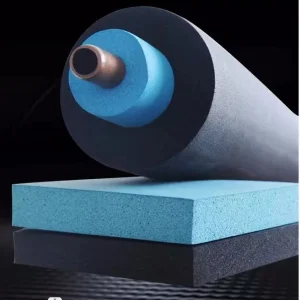
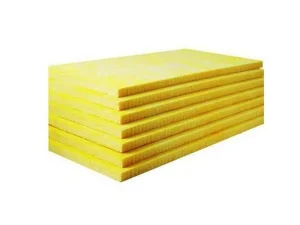
When computing China home insulation costs at an enterprise scale, advanced procurement officers prioritize the product's thermal performance decay curve. Compared to traditional glass wool, closed-cell NBR/PVC elastomeric foam features an integrated vapor barrier. This eliminates the necessity of separate protective jackets, thereby saving up to 40% on localized labor expenditures.
From massive regional chilled-water distribution schemes to high-density cleanroom facilities, Kingflex supplies customized solutions. Engineered insulation systems act as critical infrastructure layers that maintain low-temperature thermal boundaries. They reduce systemic heat gain or loss, preventing moisture condensation and structural corrosion under insulation (CUI).
Our solutions directly target modern global environmental goals. Under regulations like the European Energy Performance of Buildings Directive (EPBD) and ASHRAE 90.1, insulation performance acts as a core metric for building certifications. Selecting FM-approved, low-toxicity materials ensures rapid legal compliance across diverse regional jurisdictions.
Established as an elite joint enterprise combining cutting-edge R&D with multi-scale global trading, Kingflex Insulation Co., Ltd. stands as a premier supplier in the green-building materials hub of Dacheng, China. Our manufacturing practices prioritize environmental stewardship and energy efficiency.
Rooted in a legacy going back to our parent entity, the Jinwei Group (founded in 1979, with over 40 years of manufacturing experience), we represent the first major thermal insulation factory established north of the Yangtze River. We provide a complete insulation suite: from engineering consulting and product formulation to onsite assembly guidance and specialized post-sale service.
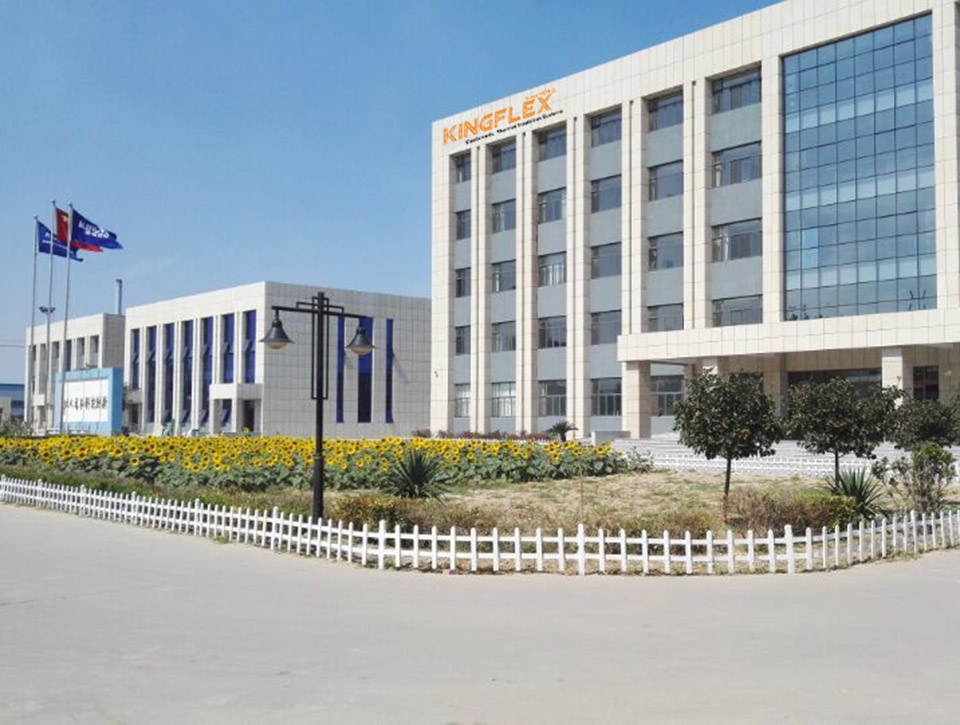
At the center of our operational efficiency are our people. By combining state-of-the-art automation with experienced technicians, we ensure consistent product quality. Our team consists of:
This operational framework enables Kingflex to be a designated supplier for major entities, including the Ministry of Energy, the Ministry of Electric Power, and the Ministry of Chemical Industry.

A data-backed look at the physical properties of our premium NBR/PVC elastomer systems.
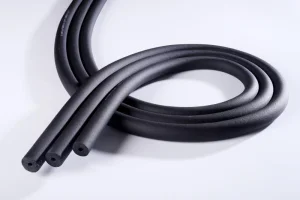
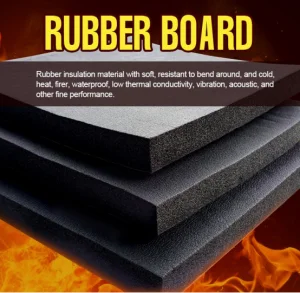
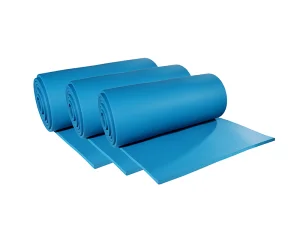
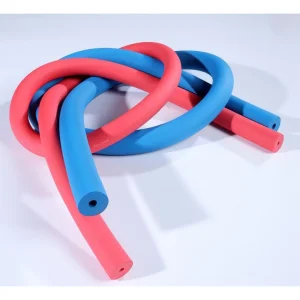
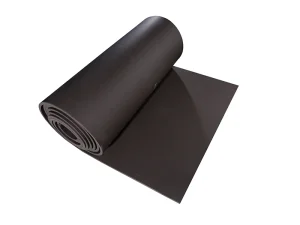
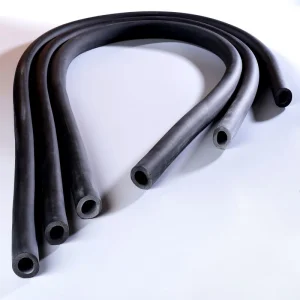
| Physical Property Description | Black Rubber Foam Sheet Roll Details | Black Rubber Foam Pipe Details |
|---|---|---|
| Base Material Composition | Premium Nitrile-Butadiene Rubber (NBR) / PVC Blend | Premium Nitrile-Butadiene Rubber (NBR) / PVC Blend |
| Production Thickness Range | 6mm up to 50mm | 9mm up to 40mm |
| Inner Diameter (ID) Range | N/A (Flat Sheet/Roll format) | 6mm to 114mm (Accommodates standard pipes) |
| Bulk Density Tolerance | 40 to 55 kg/m³ | 40 to 55 kg/m³ |
| Thermal Conductivity (λ) | ≤ 0.034 W/(m·k) at 0°C | ≤ 0.034 W/(m·k) at 0°C |
| Water Vapor Permeability (μ) | Closed-cell structure >98%, μ ≥ 10,000 | Closed-cell structure >98%, μ ≥ 10,000 |
| Continuous Service Temperature | -40℃ to +105℃ | -40℃ to +105℃ |
| Fire Protection Classifications | BS 476, CE, REACH, RoHS, UL94, ASTM Compliant | BS 476, CE, REACH, RoHS, UL94, ASTM Compliant |
Our research department is developing halogen-free elastomeric foam systems. By eliminating chlorine and bromine additives, these compounds emit minimal smoke and zero acidic gases in fire scenarios. This makes them ideal for marine vessels, deep-underground rail transit, and high-occupancy commercial projects.
The next generation of Kingflex products features composite skins engineered with sensor arrays. These layers monitor humidity and moisture buildup along high-value industrial pipe systems, allowing predictive maintenance and mitigating the risk of Corrosion Under Insulation (CUI).
Proof of reliability from real-world installations and international certification testing.
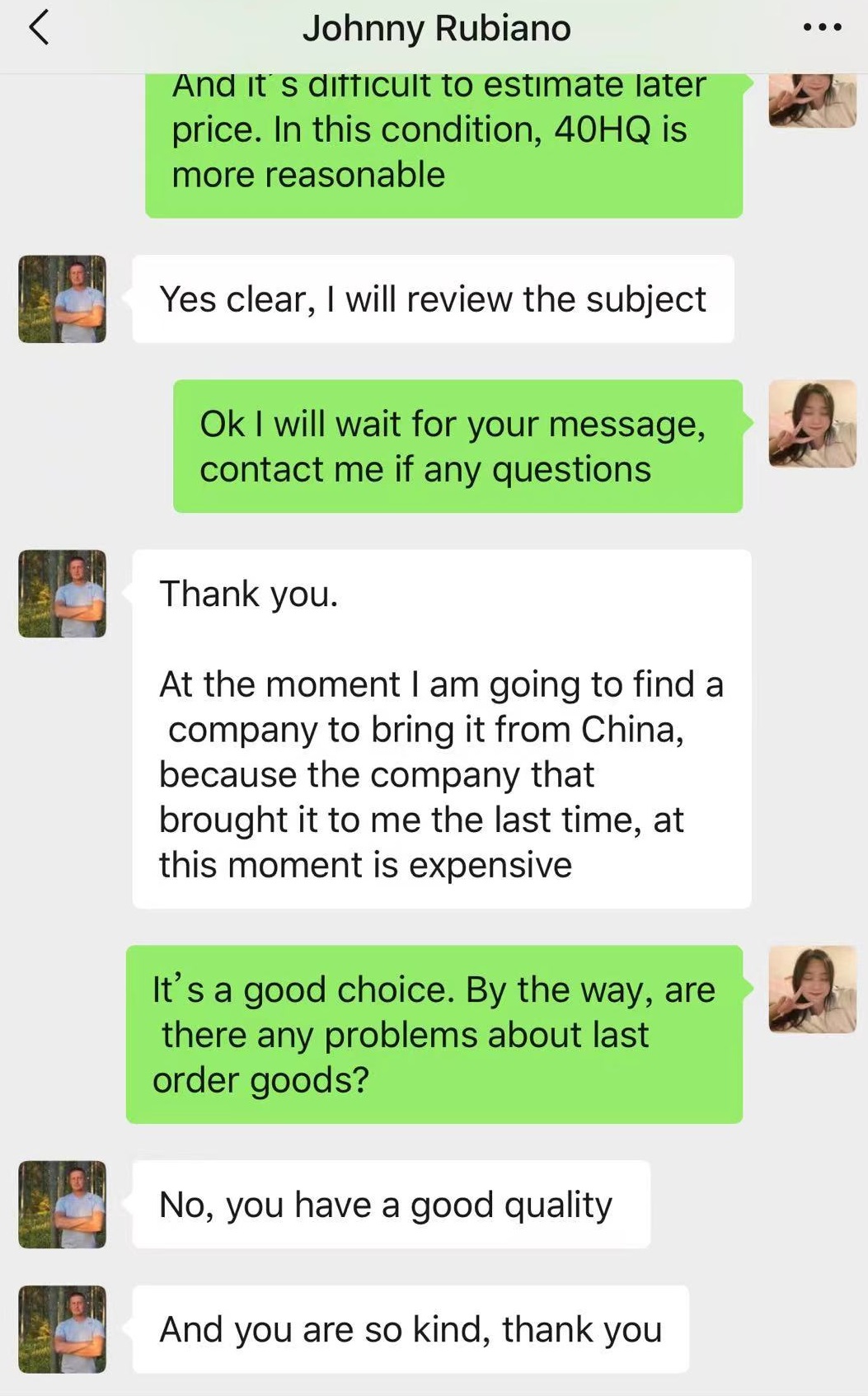
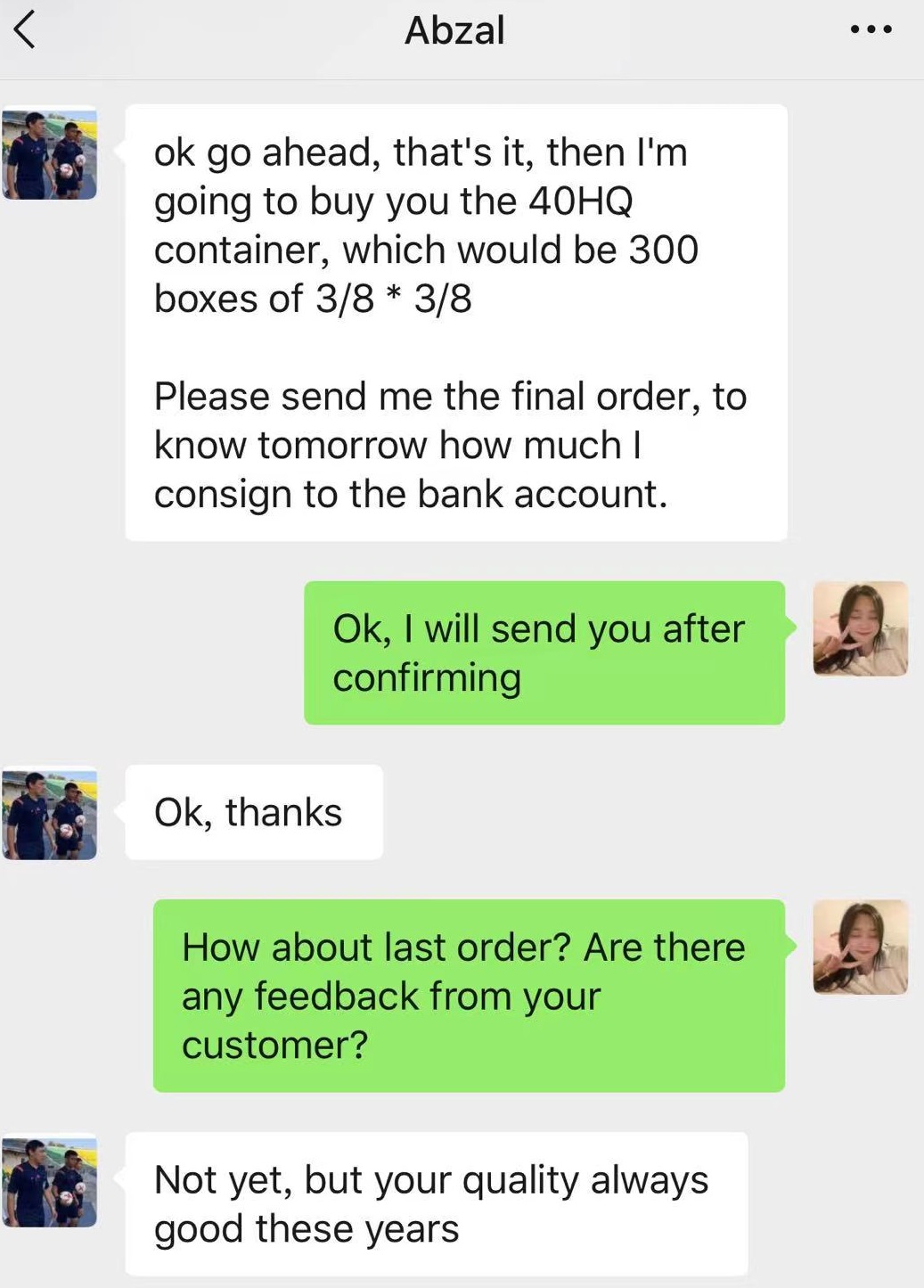
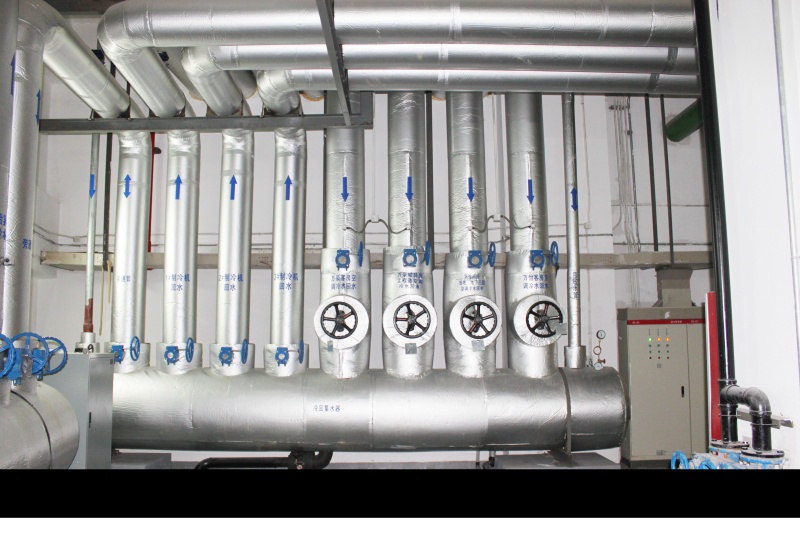
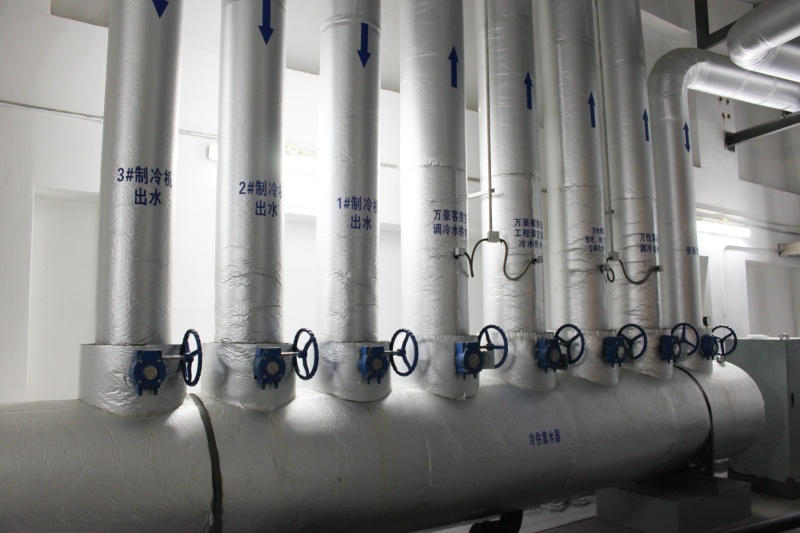
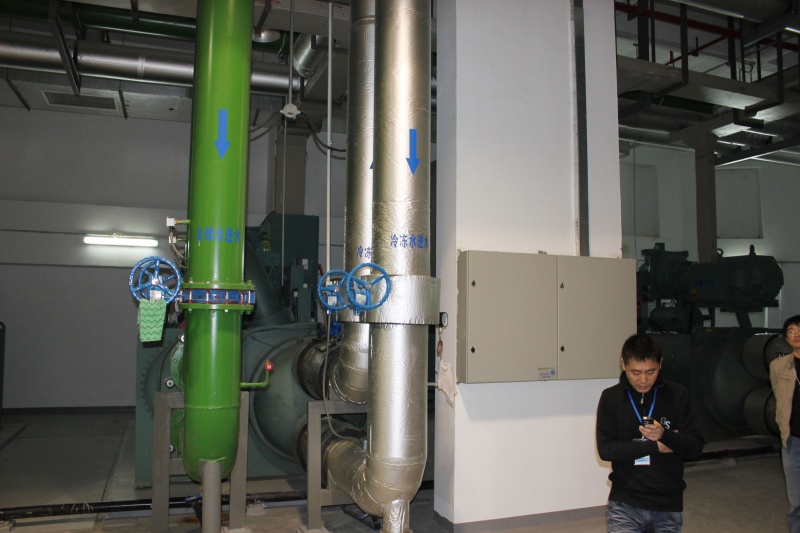
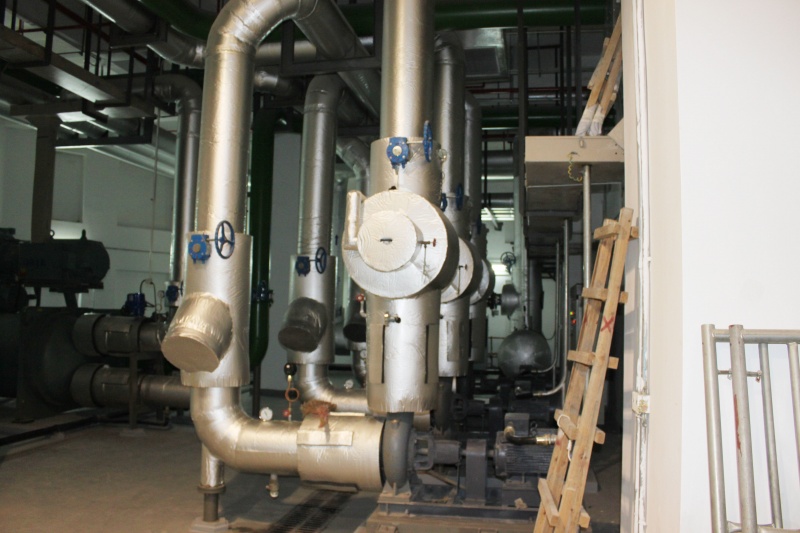
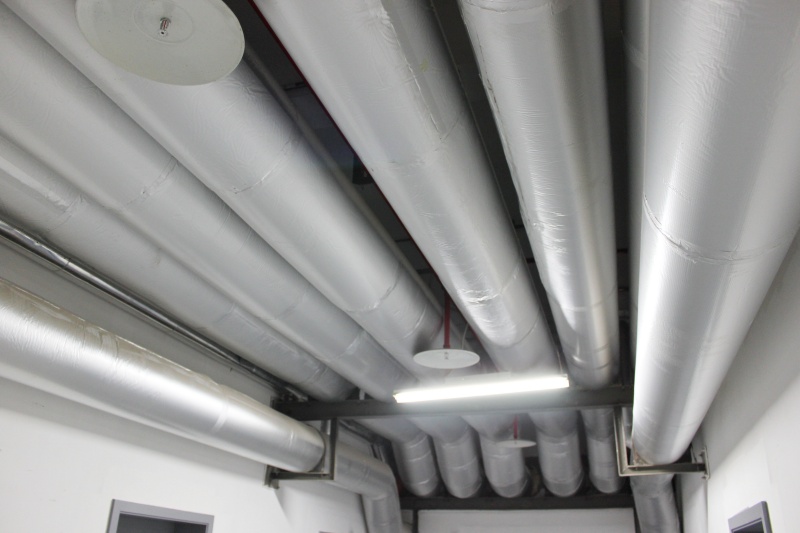
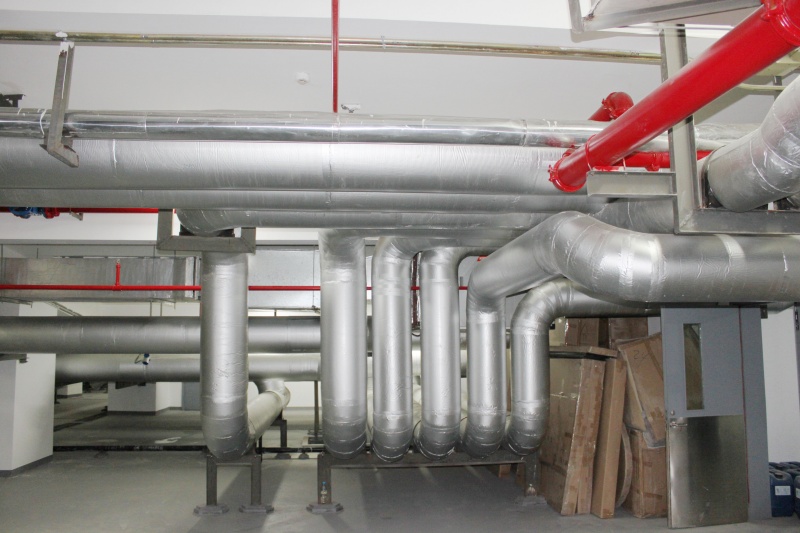
Maintaining clear client communication is a core principle at Kingflex. Below are verified records of client collaboration, quality inspections, and logistical shipments for projects across the Americas, the EU, and East Asia.
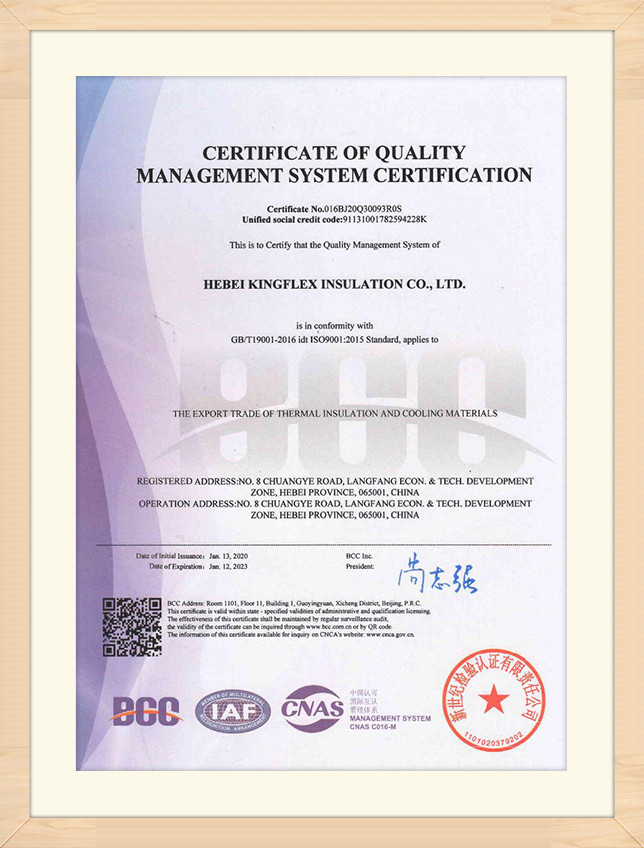
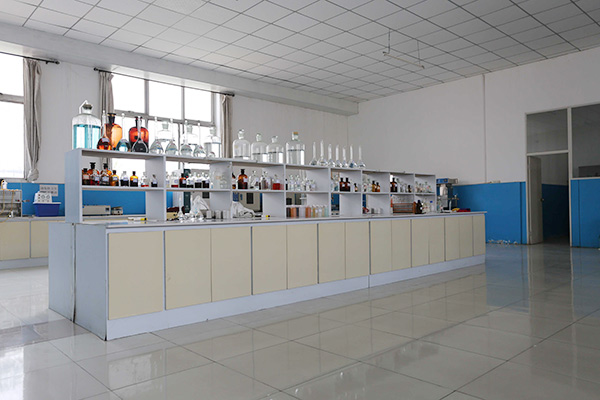
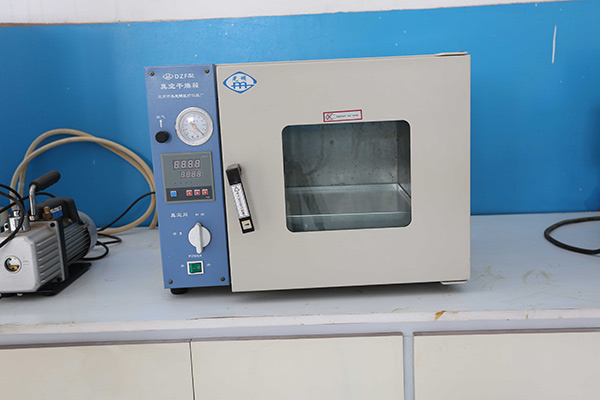
Our NBR/PVC elastomeric materials undergo third-party assessments to verify key metrics, including fire safety, ozone resistance, aging behavior, and density consistency.
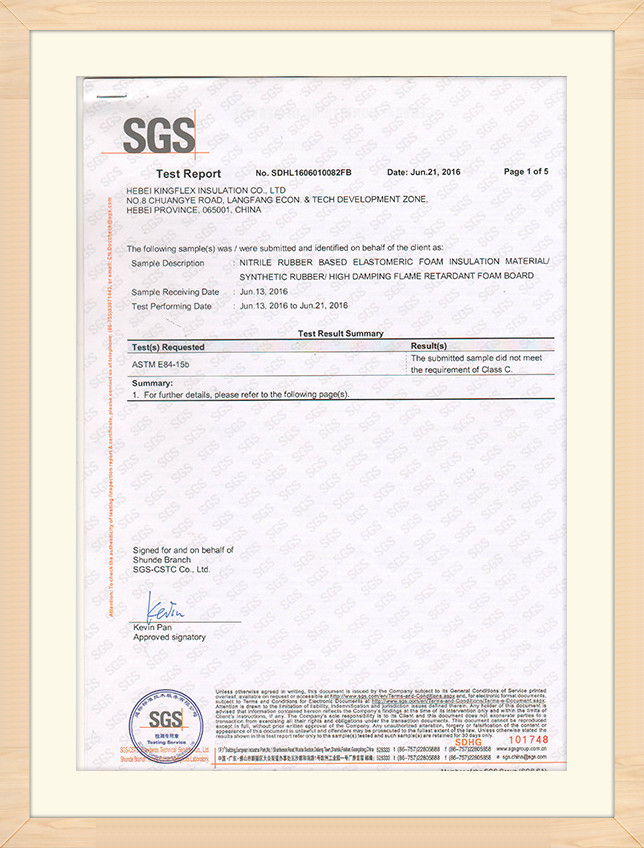
Every batch of Kingflex elastomeric foam undergoes testing before shipment. Key parameters checked include thermal conductivity coefficients and density variance.


Navigating international technical requirements, logistics barriers, and quality certifications.
For US and Canadian commercial projects, materials must meet strict smoke-developed and flame-spread ratings. Kingflex elastomeric materials are engineered to comply with ASTM E84 25/50 flame and smoke limits. This makes them suitable for installation within return-air plenums in multi-story buildings.
Exports to EU member nations undergo conformity testing in line with the EN 14304 standard for factory-made flexible elastomeric foam (FEF) products. Our team manages declarations of performance, ensuring smooth customs entry and compliance for EU commercial projects.
Sustainability is key to our manufacturing. Kingflex products are manufactured free of heavy metals, polybrominated biphenyls, and ozone-depleting substances, ensuring compliance with EU REACH and RoHS directives.
In-depth responses to key engineering and pricing questions regarding Kingflex Elastomeric Foam Systems.
Premium solutions designed for complex mechanical engineering, petrochemical lines, and HVAC ductwork.
 Kingflex