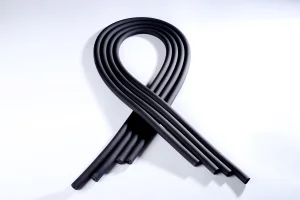
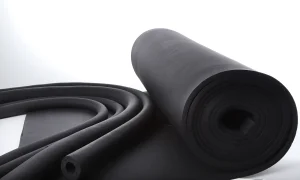
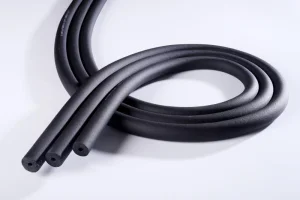
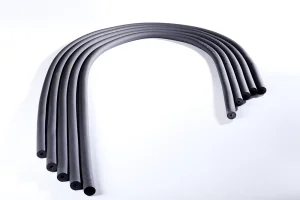
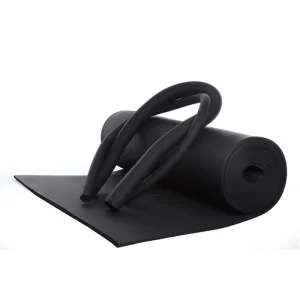
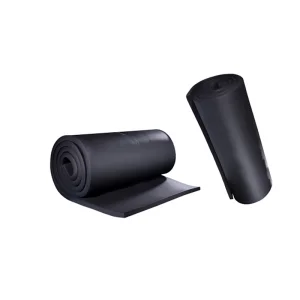
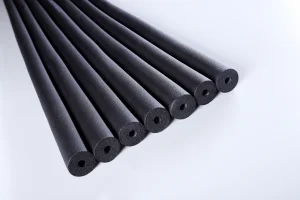
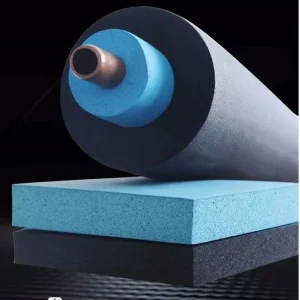
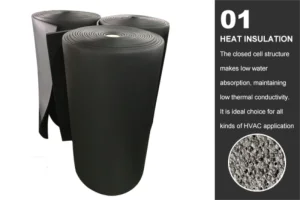
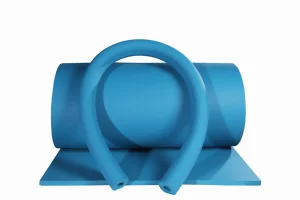
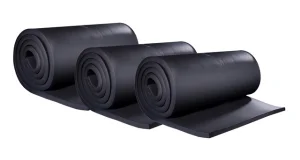
Engineered to prevent heat loss, control condensation, and maximize energy conservation across HVAC, commercial, and extreme low-temperature industrial piping environments.
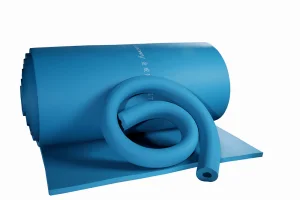
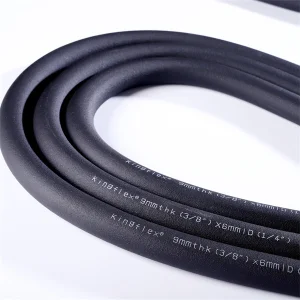
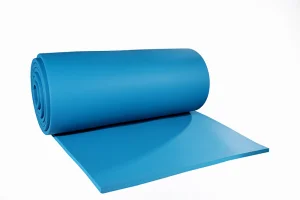
A comprehensive thermodynamic whitepaper detailing the physical science, standards, and calculations required to achieve high-performance thermal boundary control.
In modern industrial process engineering and commercial building services, the correct specification of insulation thickness is critical. Under-insulated systems lead to catastrophic energy loss and condensation failures. Conversely, over-insulating yields diminishing economic returns and raises material overheads. Resolving this engineering challenge requires precise thermodynamic formulas based on internationally recognized standards such as ASTM C680 (Standard Practice for Estimate of the Heat Gain or Loss and the Surface Temperatures of Insulated Pipe and Equipment Systems) and BS EN ISO 12241 (Thermal insulation for building equipment and industrial installations — Calculation rules).
For cold systems, such as chilled water pipelines or cryogenic processes, the primary driving force behind insulation design is condensation prevention. When the external surface temperature of the insulation falls below the dew point of the surrounding ambient air, water vapor condenses. This compromises insulation performance and risks Corrosion Under Insulation (CUI).
To avoid this, the minimum insulation thickness is calculated such that the surface temperature of the insulation cladding ($T_s$) remains safely above the ambient dew point ($T_d$).
For cylindrical geometries, the heat transfer area changes logarithmically with the radius of the insulation layers. Therefore, pipe insulation calculations require the logarithmic mean thickness. The formula for the outer diameter of the insulation layer ($D_o$) relative to the inner diameter ($D_i$) is expressed as follows:
Once $D_o$ is solved iteratively, the actual design insulation thickness ($e$) is determined by:
Thermal conductivity is not a static constant; it varies dynamically depending on the mean operating temperature ($T_m$). As an expert manufacturer, Kingflex characterizes our premium NBR/PVC closed-cell foam through the following temperature dependence equation:
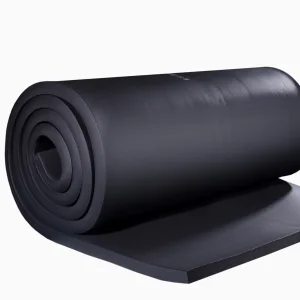
Where $\lambda_0$ is the base thermal conductivity at 0°C, and $a$ is the temperature coefficient. For Kingflex elastomeric foam, $\lambda$ remains exceptionally low, measured at $\le 0.034$ W/(m·K) at a mean temperature of 0°C, ensuring optimal performance at minimal thicknesses.
| Insulation Application Type | Medium Temp (°C) | Ambient Temp (°C) | Relative Humidity (%) | Required Min Thickness (mm) | Resulting Surface Heat Flux (W/m²) |
|---|---|---|---|---|---|
| HVAC Chilled Water System | +5 °C | +30 °C | 75% | 19 mm | 8.2 W/m² |
| Industrial Cold Storage Pipe | -18 °C | +32 °C | 80% | 32 mm | 11.5 W/m² |
| Ultra-low Temp Cryogenic System | -100 °C | +25 °C | 70% | 50 mm | 15.1 W/m² |
| LNG Industrial Tank Insulation | -165 °C | +30 °C | 65% | 75 mm (Multi-layered) | 18.4 W/m² |
Kingflex Insulation Co., Ltd. combines advanced manufacturing technology with vertical supply chain integration to deliver high-quality thermal insulation solutions worldwide.
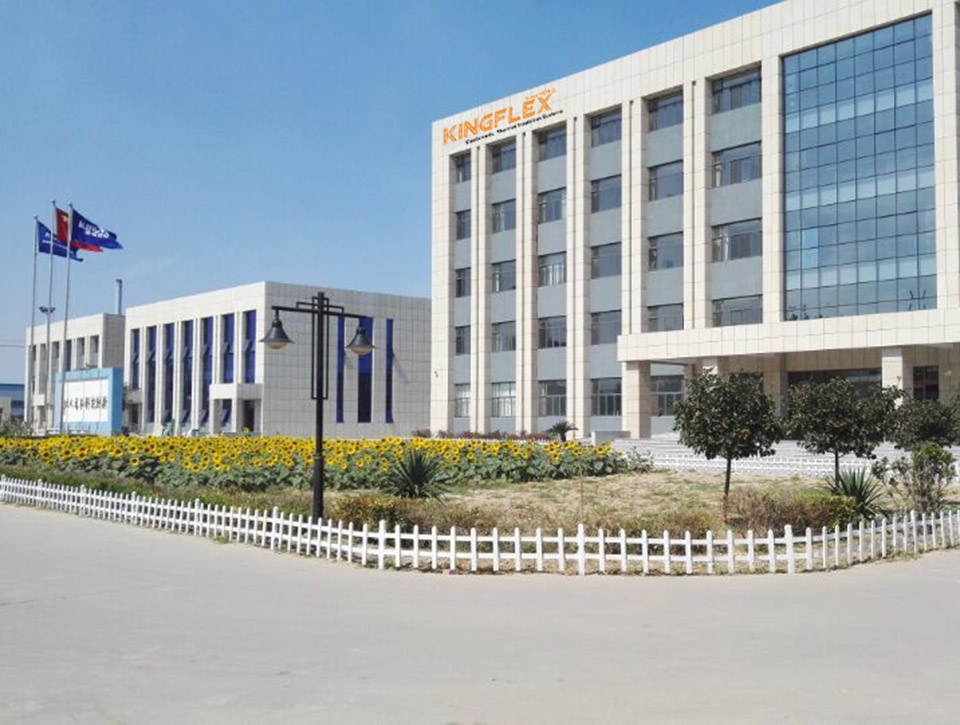
Kingflex's research, development, and primary production divisions are located in Dacheng, China—the recognized capital of green building materials. Operating with a focus on energy conservation, Kingflex manages the entire product lifecycle: from material selection and formulation development to production, installation guidance, and post-sale technical service.
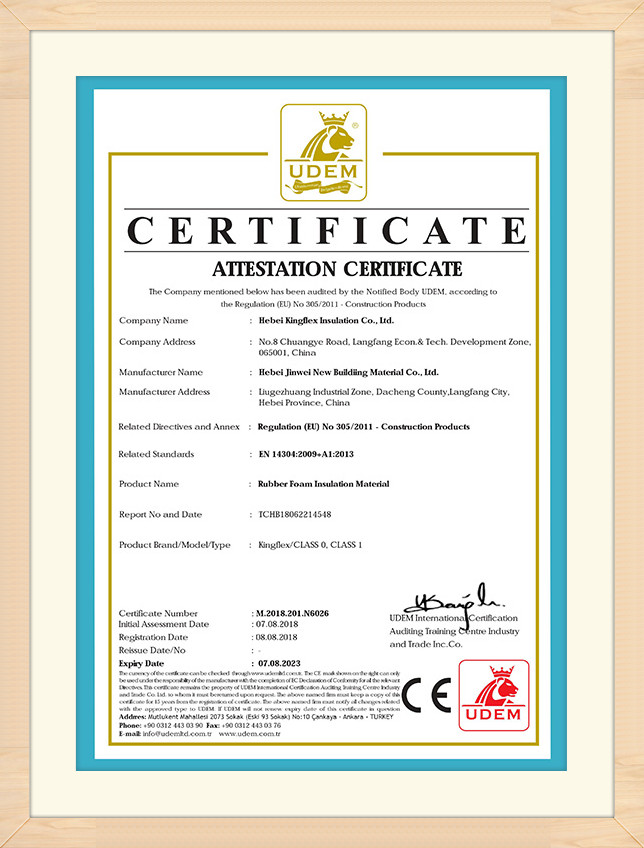
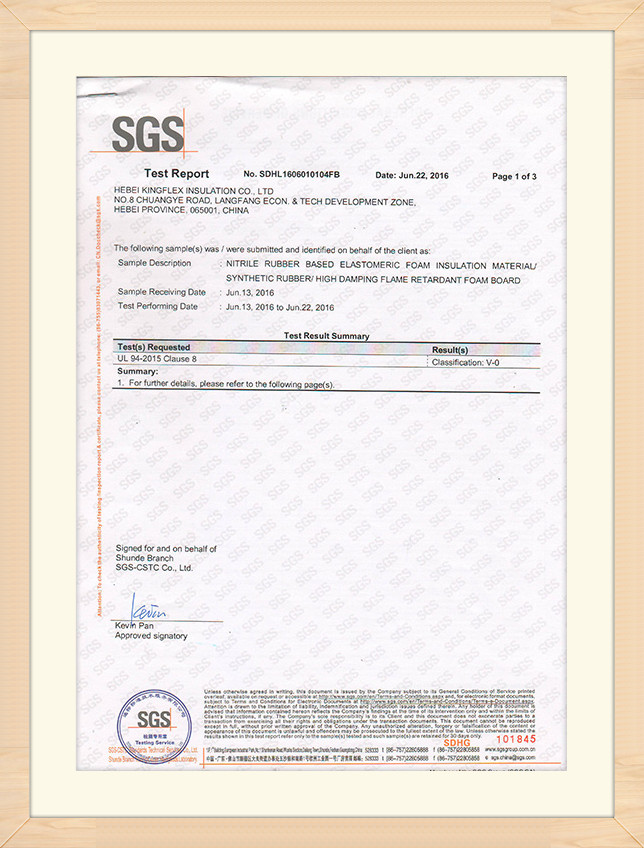
Our commitment to compliance, performance testing, and safety certifications ensures our materials meet strict international requirements.
Led by 8 dedicated research engineers, Kingflex develops flame-retardant, closed-cell NBR/PVC structures with high resistance to water vapor transmission ($\mu \ge 10,000$).
Kingflex materials meet strict fire safety requirements. Our rubber foam products are flame retardant, meeting fire rating standards like BS 476 Part 7 and UL94 Class V-0.
All materials are certified under RoHS, REACH, and CE, verifying they are free from harmful substances, heavy metals, and ozone-depleting gases.
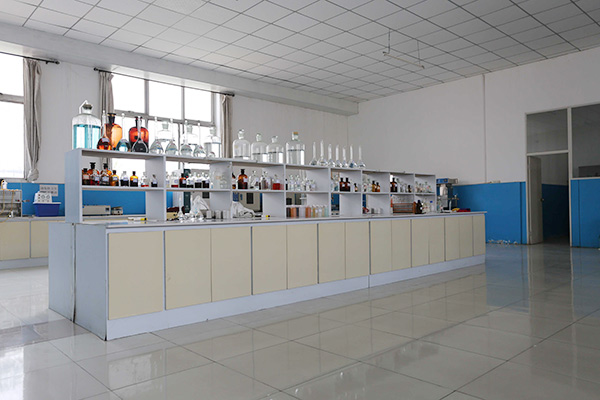
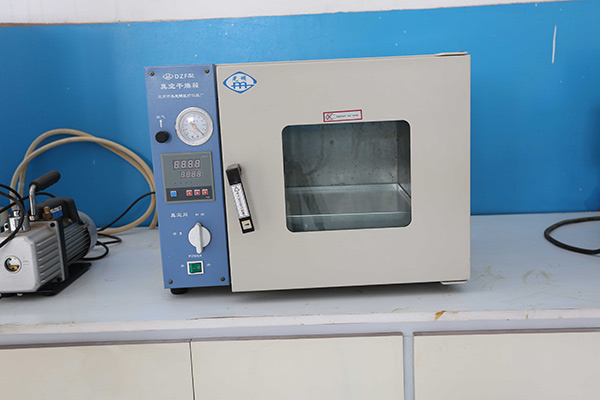
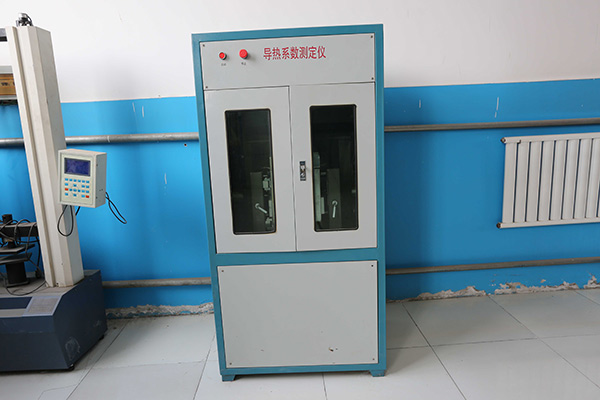
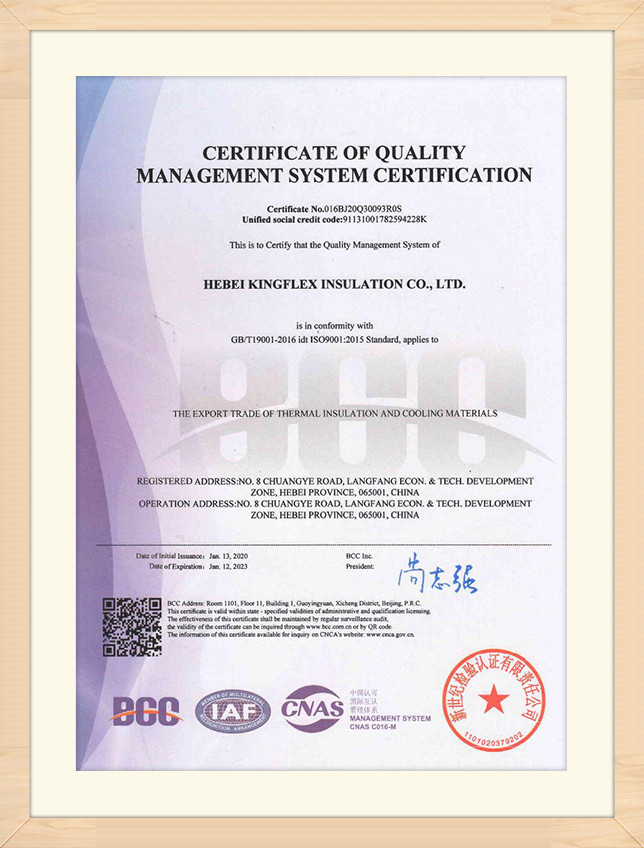
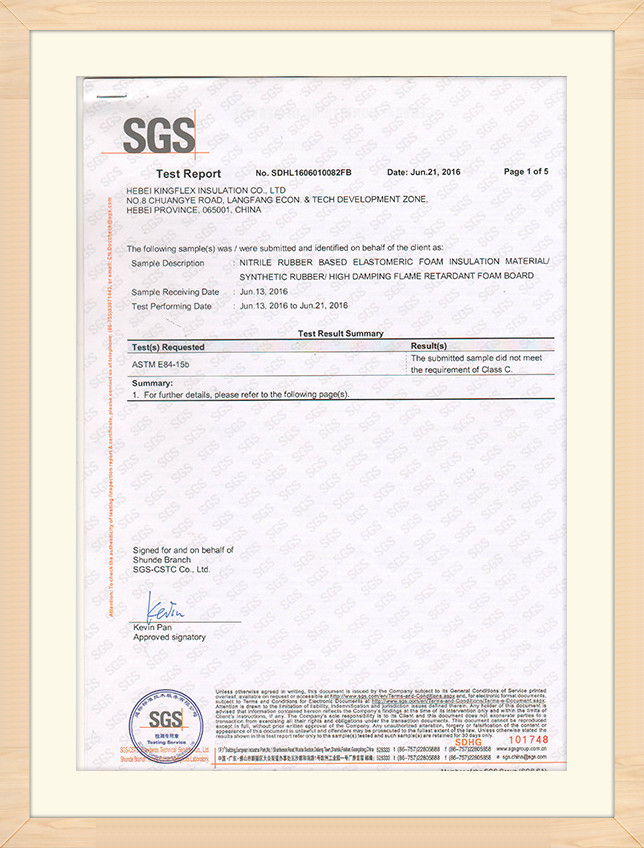
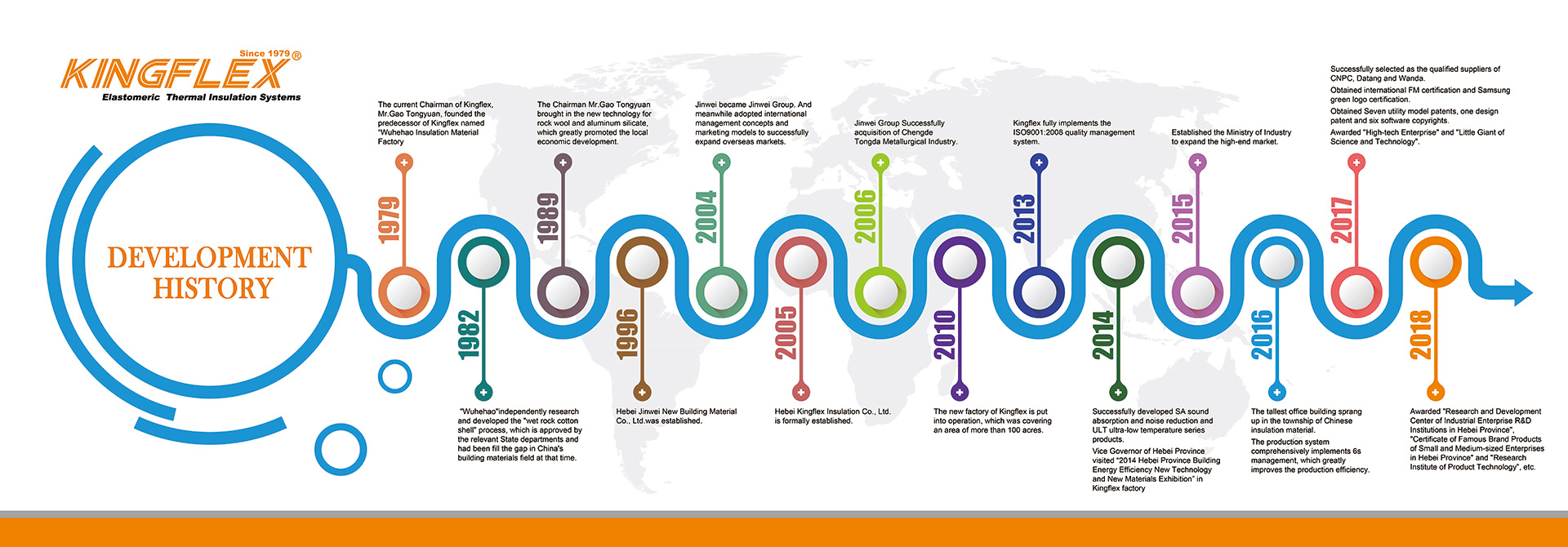
Our company’s foundation began with Jinwei Group, established in 1979 as the first manufacturer of thermal insulation materials north of the Yangtze River.
Jinwei Group is established, pioneering early industrial thermal insulation manufacturing in Northern China.
Kingflex Insulation Co., Ltd. launches, focusing on specialized, automated production of closed-cell elastomeric rubber foam sheets and tubes.
Operation capacity expands to 5 continuous automatic assembly lines, serving large-scale infrastructure, LNG cryogenic plants, and global HVAC projects.

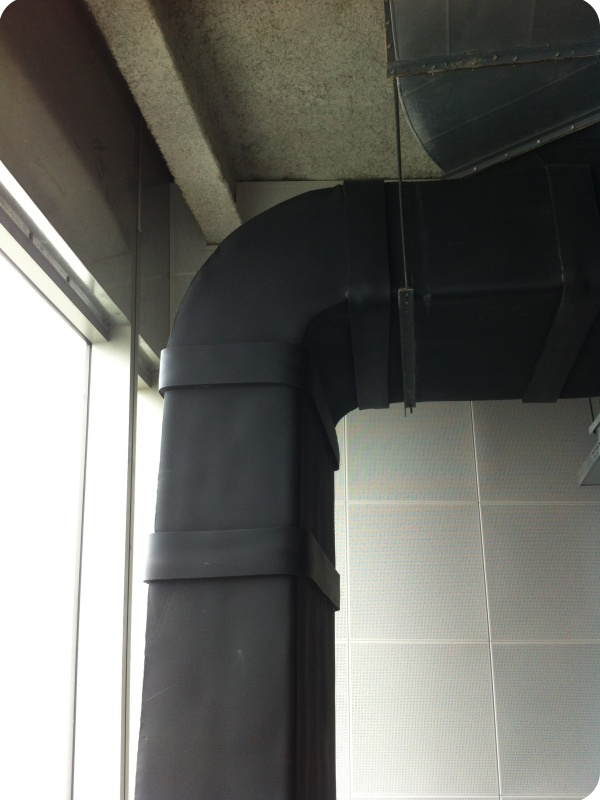
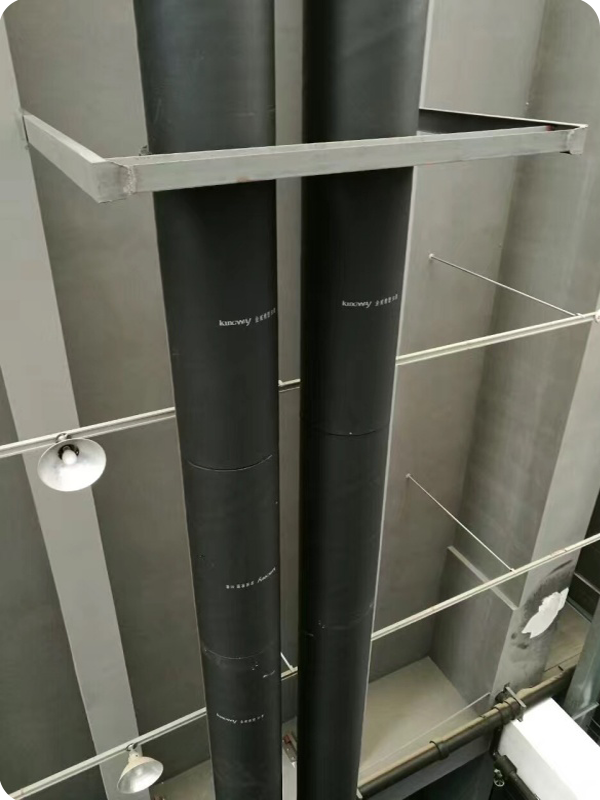
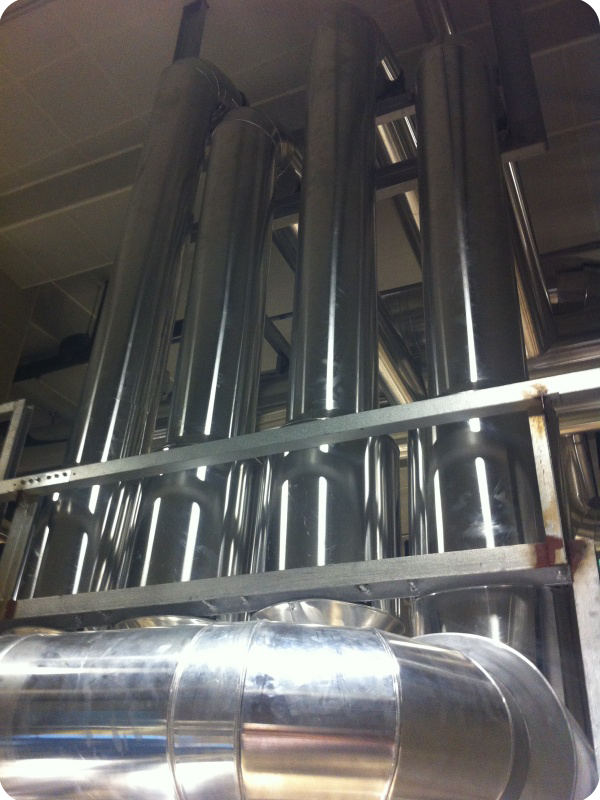
Our products are used in municipal HVAC networks, commercial construction, shipping yards, and low-temperature process piping.
Key Applications: Air conditioning ventilation ducts, roofing insulation, heat shield panels, and noise-damping machine rooms.
Key Applications: Chilled water pipelines, condensation prevention for HVAC lines, process steam pipes, and solar hot water systems.

Transparency, consistency, and traceability are key to our project execution and international client partnerships.
We work closely with clients to address high humidity and extreme ambient temperatures in tropical regions, designing custom thicknesses to prevent pipe condensation.
With an export team of 6 international specialists, we provide fast quote feedback and detailed engineering drawings. Product batches are fully traceable from raw materials through processing to dispatch, ensuring reliability for high-stakes projects.


Technical answers to common questions about elastomeric foam insulation, thickness calculations, and safety standards.
Continuous extrusion foaming lines and inventory management support consistent product availability and prompt order fulfillment.
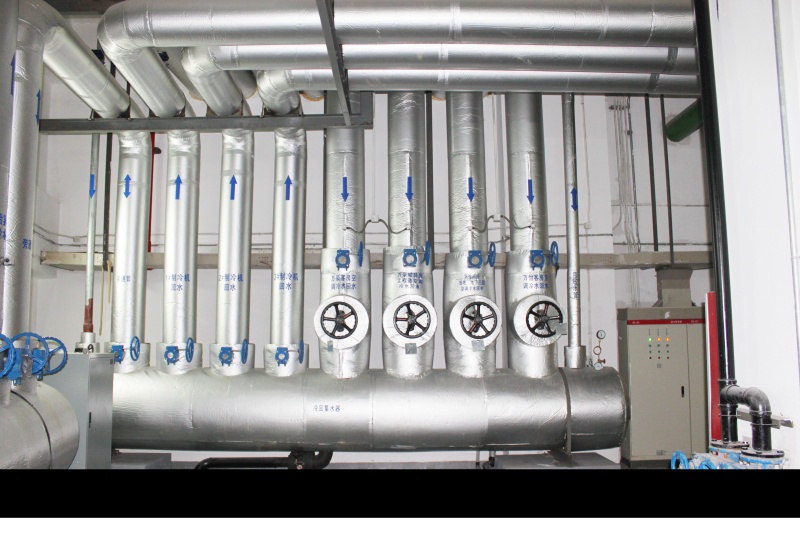
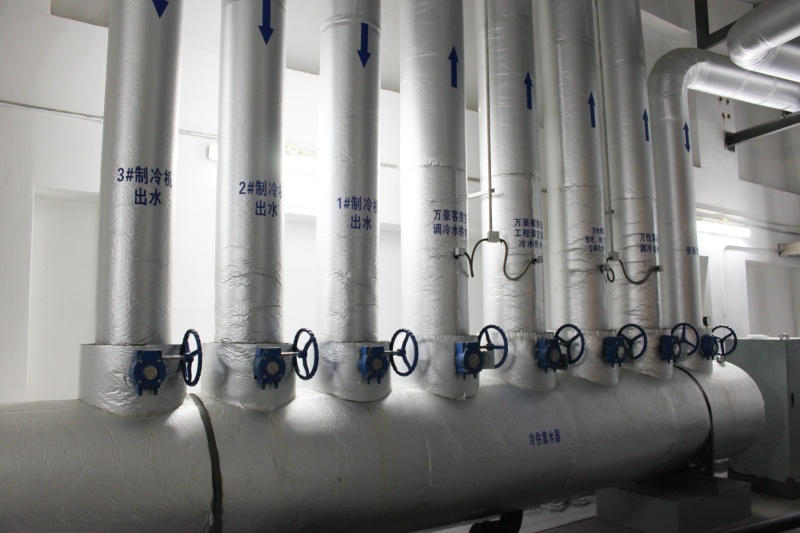
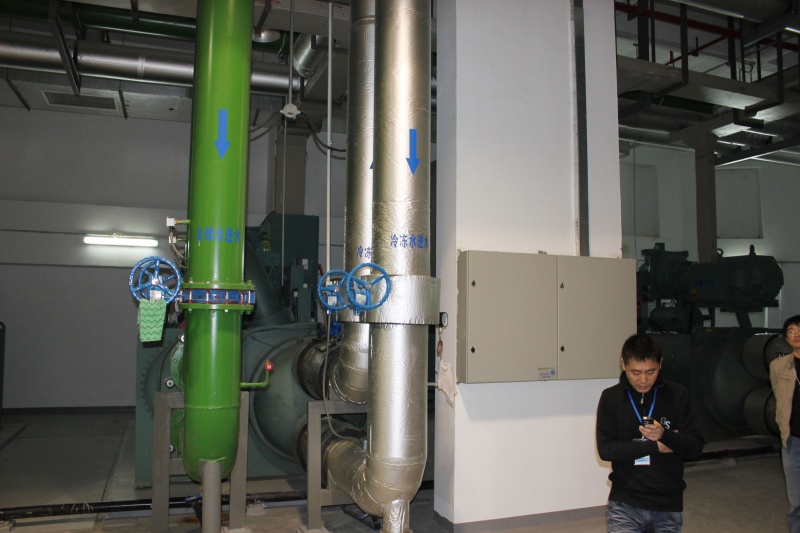
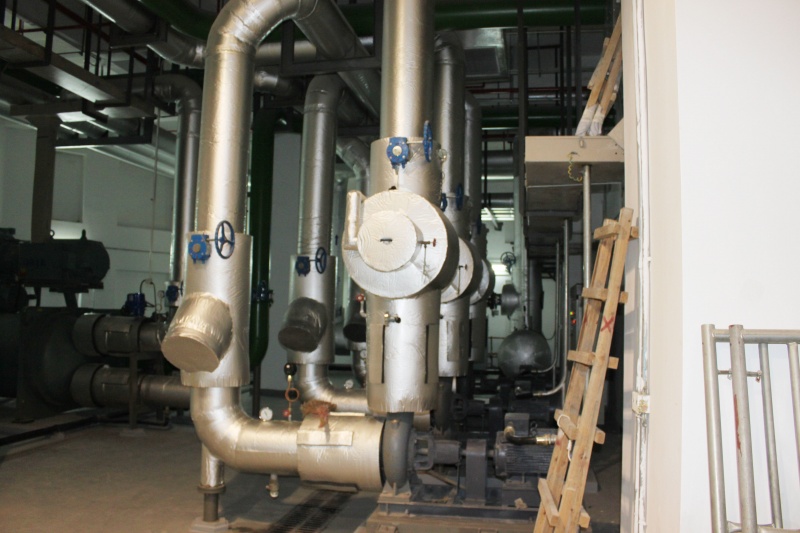
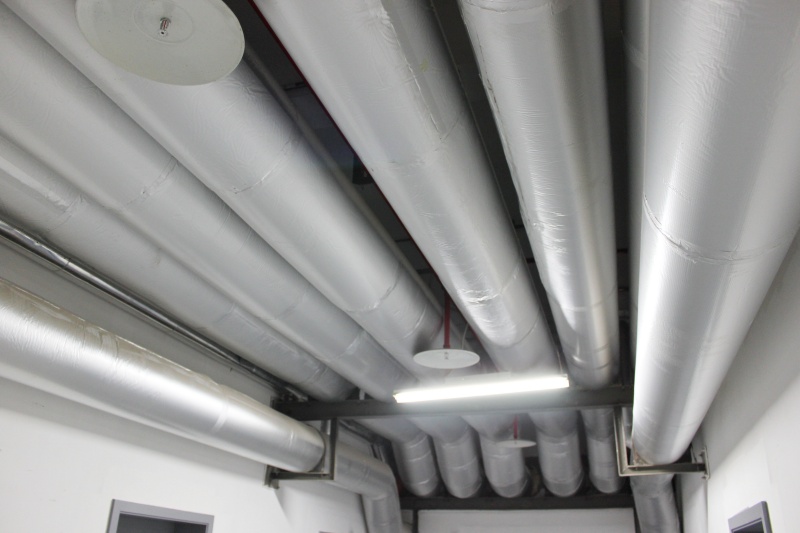

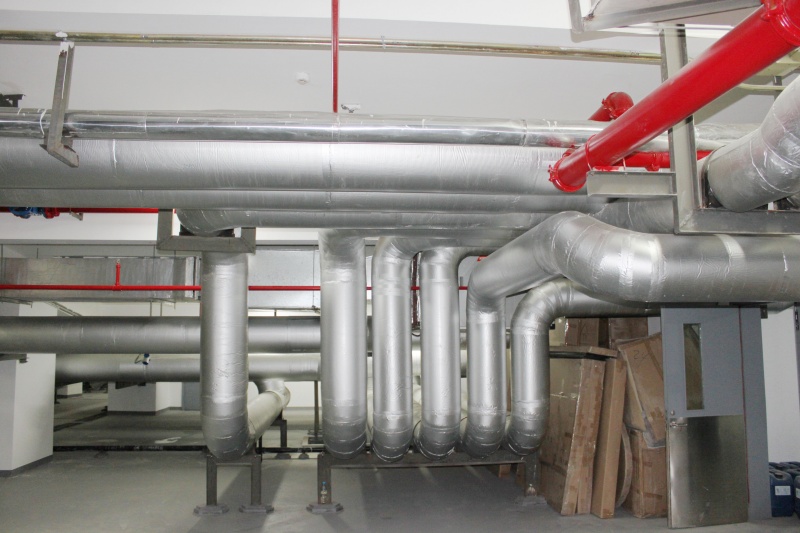

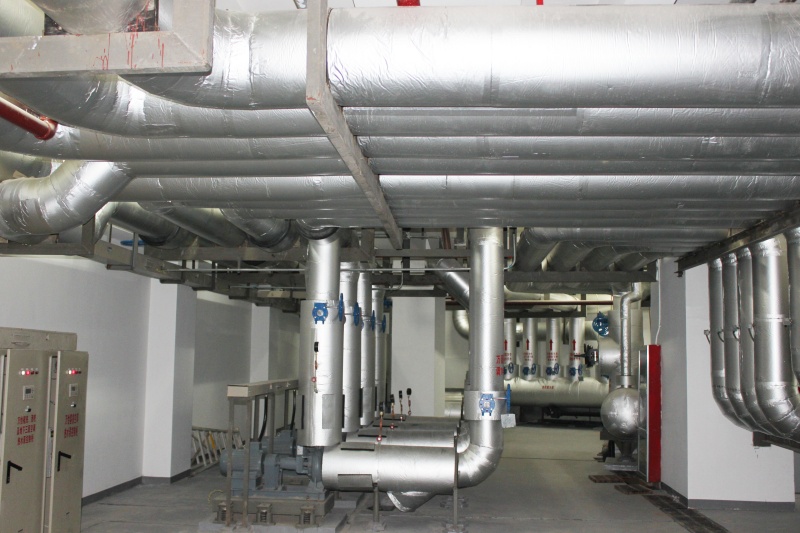
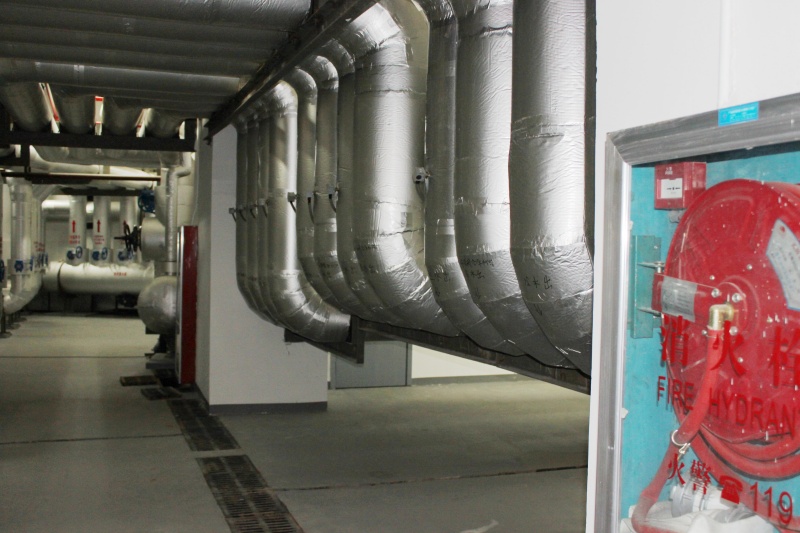
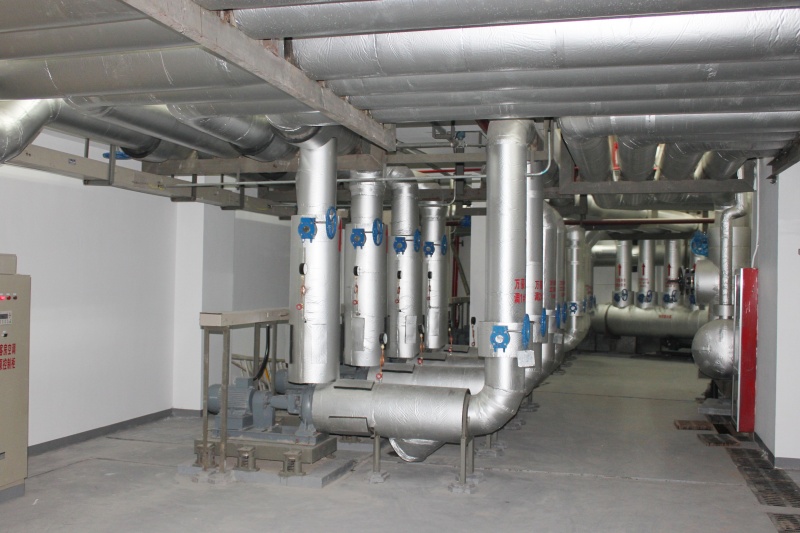
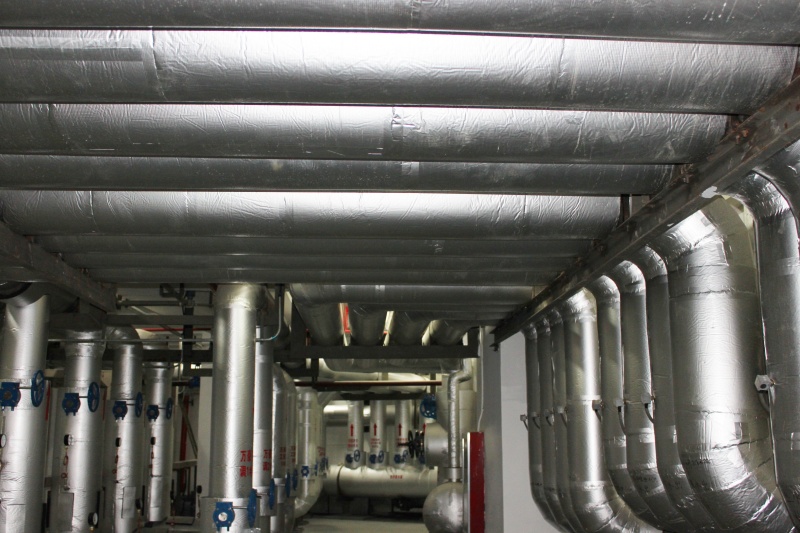
Explore our range of heavy-duty rock wool solutions, low-temperature systems, and specialized pipeline insulation.
 Kingflex