Premium elastomeric materials, cryogenic systems, and acoustic absorption products verified to global engineering standards.
Proper insulation thickness selection is not a matter of guesswork; it is governed by thermodynamic principles designed to prevent condensation, mitigate heat flux, and conserve energy. Industrial calculations depend heavily on international standards, specifically ASTM C680 (Standard Practice for Estimate of the Heat Gain or Loss and the Surface Temperatures of Insulated Pipe and Equipment Systems) and ISO 12241 (Thermal insulation for building equipment and industrial installations).
To accurately calculate the thickness of closed-cell elastomeric foam (such as NBR/PVC blends), engineers must model heat transfer via conduction, convection, and radiation. The key objective in cold process piping is preventing surface condensation by ensuring the outer surface temperature of the insulation remains above the ambient dew point.
Understanding calculated configurations, material differences, and compliance frameworks.
High-capacity processing complexes, district cooling grids, pharmaceutical facilities, and cryogenic processing sites worldwide are placing increasing demands on elastomeric insulation technologies. Procurement groups can no longer rely on standardized product catalogs. Project dynamics require custom insulation thickness calculation engines to establish precise project criteria before placing wholesale orders.
By defining design parameters—such as ambient temperature, relative humidity, medium temperature, pipe size, and external wind velocity—purchasing teams can prevent material waste. Accurate planning reduces overall structural load and avoids over-designing insulation layouts, resulting in direct material savings of up to 25% on massive pipeline projects.
When engineering an insulation system, selection often centers on elastomeric rubber foam versus mineral wool or glass fibers. Kingflex closed-cell elastomeric rubber foam utilizes a precise blend of Nitrile Butadiene Rubber (NBR) and Polyvinyl Chloride (PVC) to form a dense matrix. This matrix prevents moisture migration and maintains low thermal conductivity over a service life of 10 to 15 years.
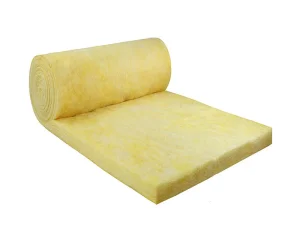
Unlike open-cell or fibrous materials (such as glass wool), closed-cell elastomer serves as an integrated vapor barrier. Its cell structure remains dry even when cold processes run through high-humidity environments. This makes it ideal for chilled water lines, refrigeration piping, and HVAC duct systems.
| Insulation Material | Cell Structure | k-Value (W/m·K at 0°C) | Water Vapor Resistance (μ) | Temperature Range | Primary Industrial Use |
|---|---|---|---|---|---|
| Kingflex NBR/PVC | Closed-Cell (≥98%) | ≤ 0.034 | ≥ 10,000 | -40°C to +105°C | HVAC, Chilled Water, Industrial Process Pipes |
| Flexible Cryogenic | Specialized Elastomeric | ≤ 0.032 | ≥ 20,000 | -200°C to +125°C | LNG Piping, Cryogenic Processing Plants |
| Fiberglass Wool | Fibrous (Open) | ≤ 0.036 | ~ 1 (Requires jacket) | Up to +350°C | High-Temp Steam Pipes, Boiler Enclosures |
| Rock Wool | Fibrous (Open) | ≤ 0.040 | ~ 1 (Requires jacket) | Up to +650°C | Power Stations, Fireproof Wall Cavities |
A. Liquefied Natural Gas (LNG) and Cryogenics: Low-temperature piping runs under extreme thermal gradients (-160°C to ambient). In these systems, multi-layered flexible cryogenic elastomeric systems are required to prevent pipe freezing and manage contraction stresses. Standard NBR foams will freeze and crack under these conditions; specialized cryogenic formulations are required to maintain elasticity.
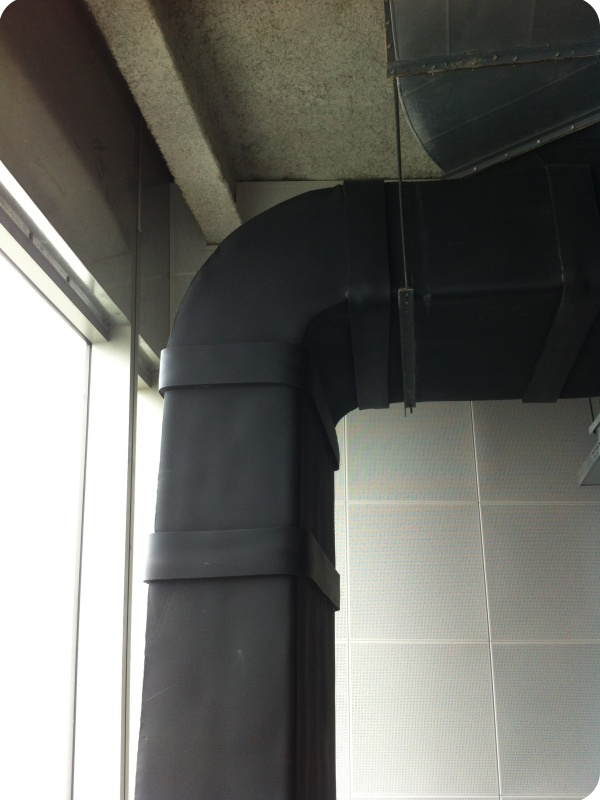
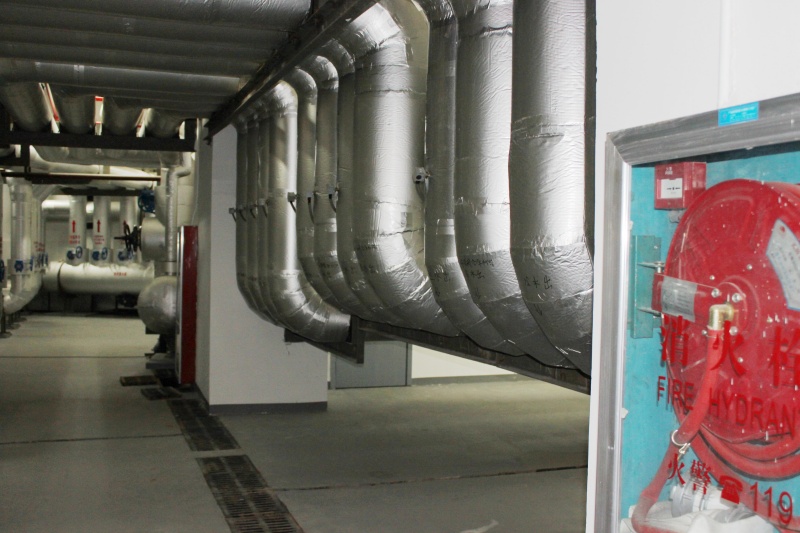
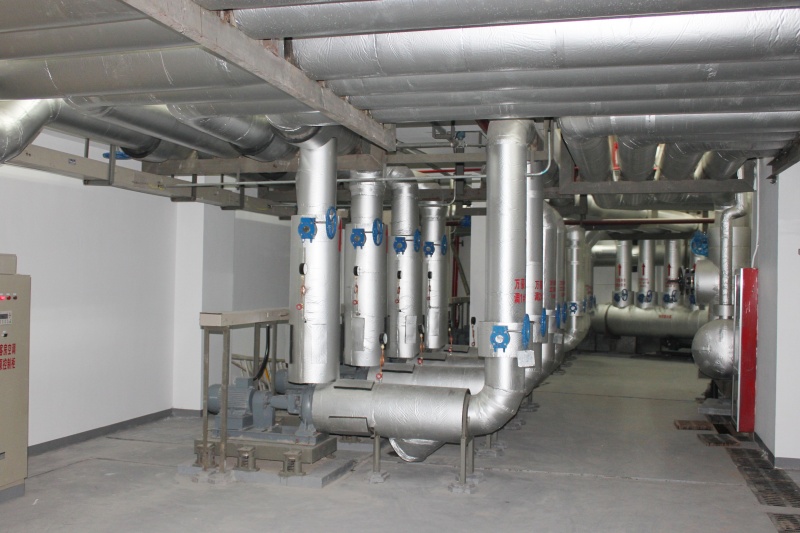
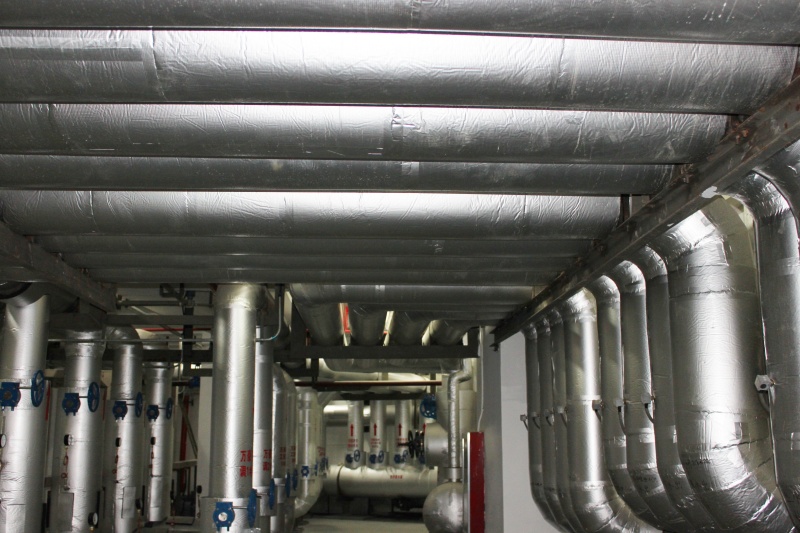
B. Commercial HVAC and District Cooling: In large commercial projects, moisture condensation can ruin indoor ceiling structures. High-quality elastomeric sheet rolls with a 6mm to 50mm thickness range prevent surface condensation. They also assist with noise reduction across long air-handling duct installations.
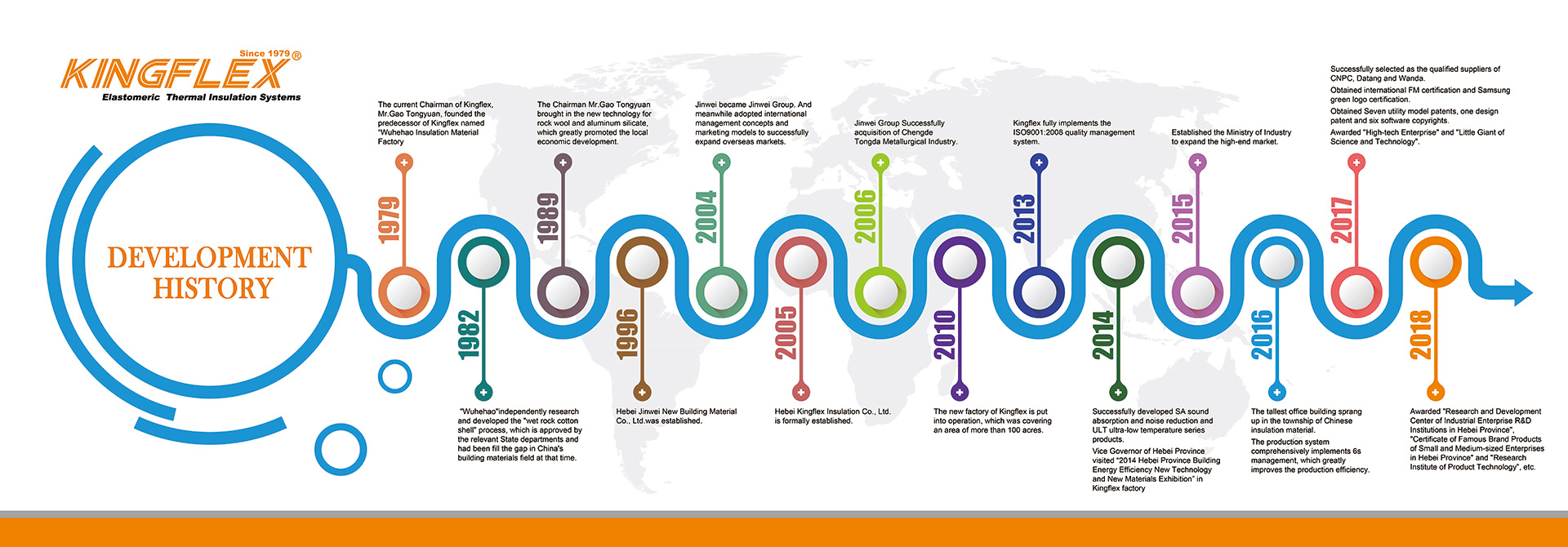
Decades of manufacturing leadership, large-scale production assets, and dedicated engineering development teams.
Years Industry Heritage
Annual Capacity (m³)
Exporting Destination Countries
Dedicated R&D Specialists
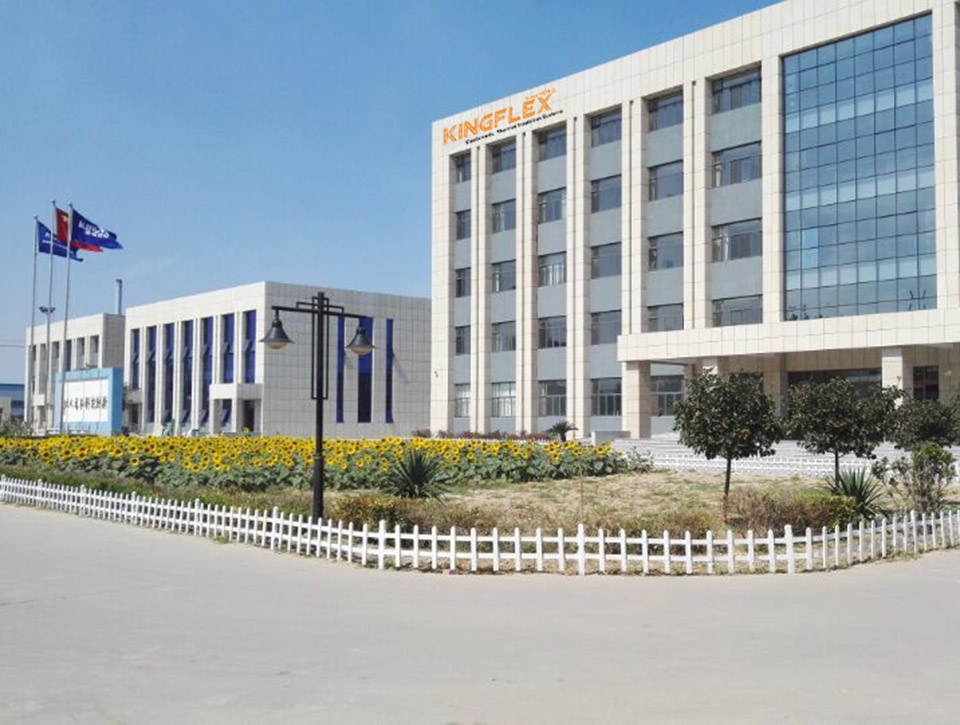
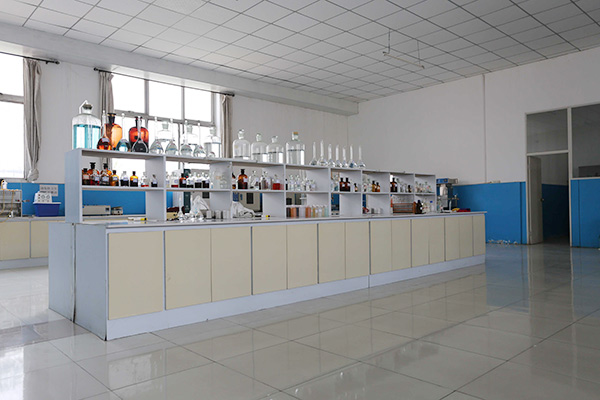
A visual overview of our advanced facilities, from automated production runs to laboratory-grade testing procedures.

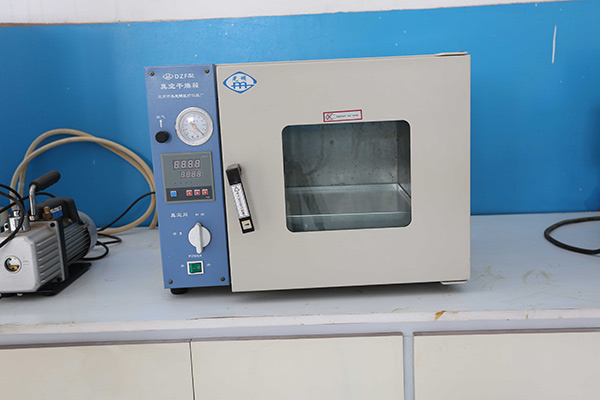
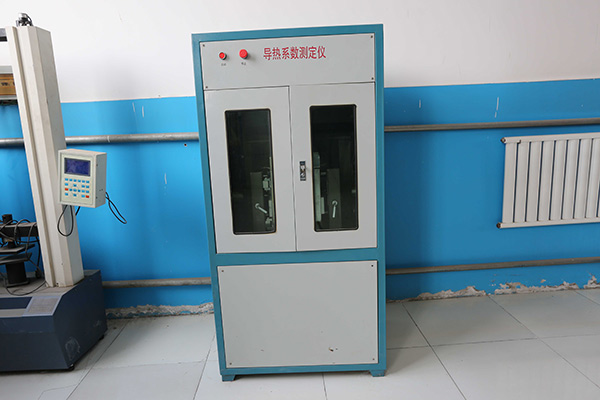
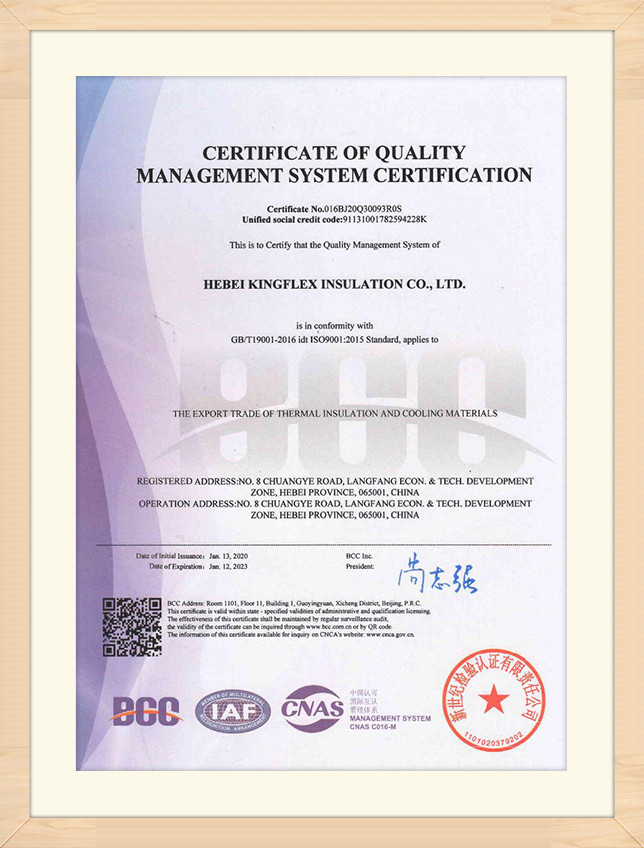
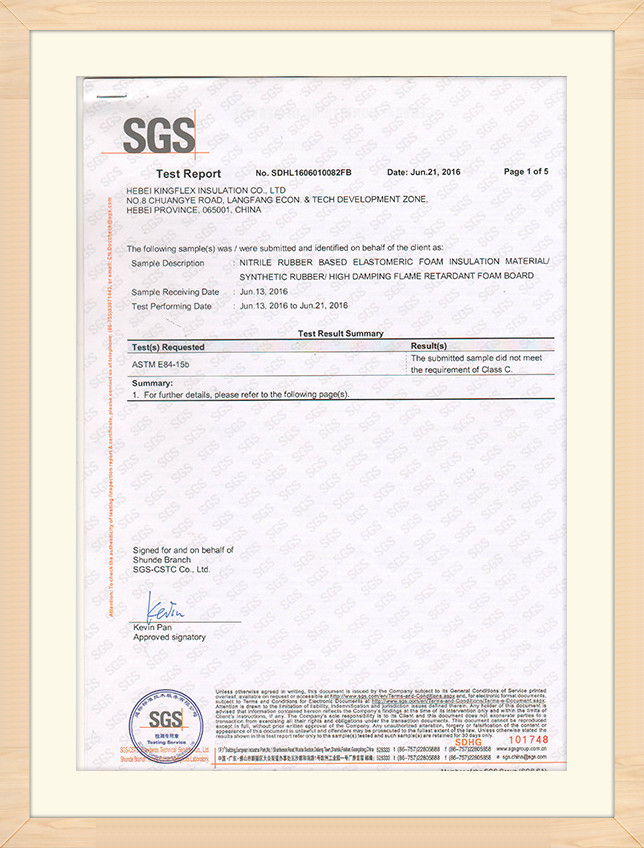







Detailed performance parameters for sheet rolls, pipe insulation, and auxiliary acoustic layers.
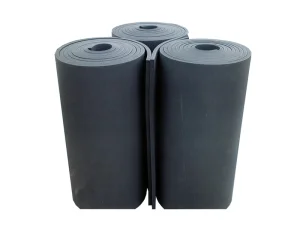
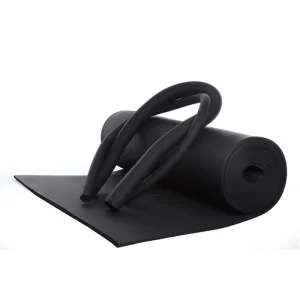
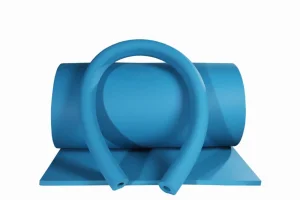
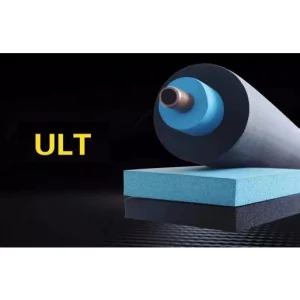
These specialized rolls are designed for insulating large-diameter pipelines, ventilation ductwork, irregular valves, and large cylindrical vessels. The uniform cell size ensures consistent thermal barrier properties across the entire surface.
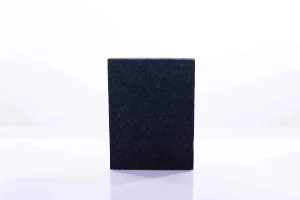
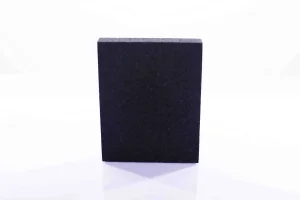
These sheets are applied in commercial buildings, railway transit systems, cold storage rooms, and chemical process piping where thermal efficiency and noise control are simultaneously required.
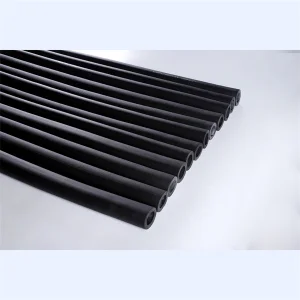
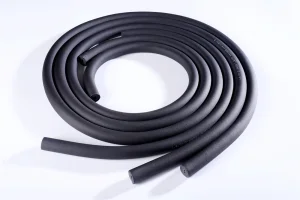
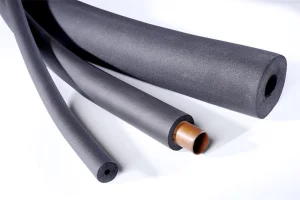
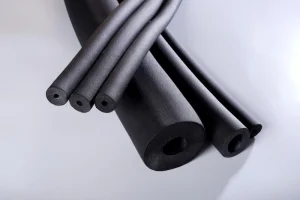
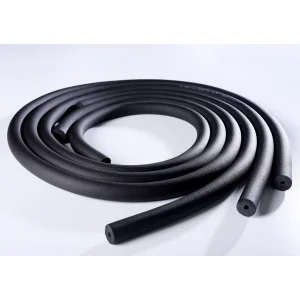
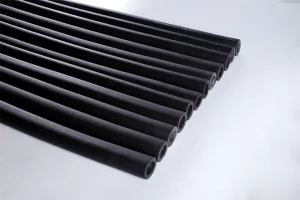
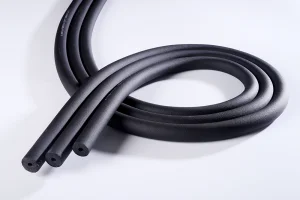
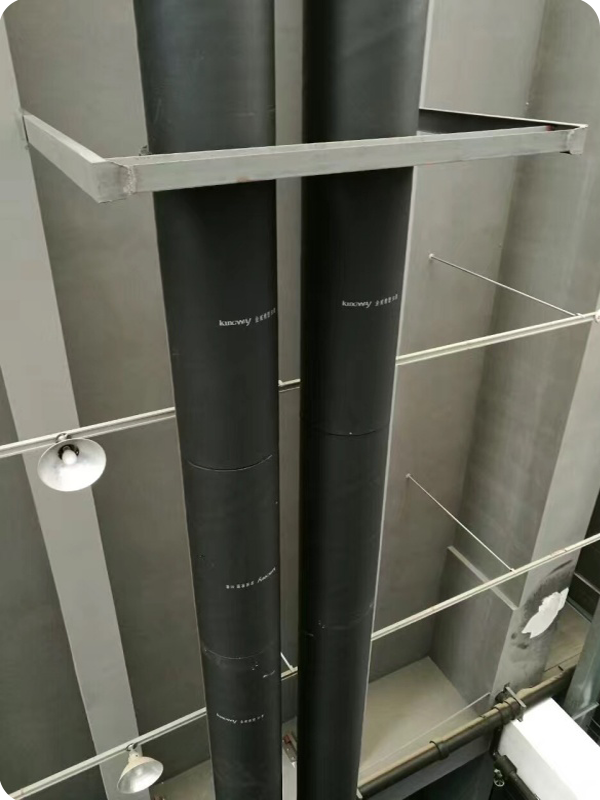
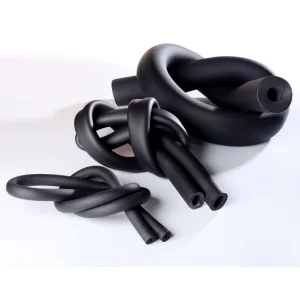
Pre-formed elastomeric pipe profiles streamline installation on standard copper, steel, and iron process pipelines. Precision extrusion ensures a snug fit, reducing the risk of internal air gaps where condensation could form.
These pipes are primarily used in central HVAC systems, refrigeration loops, domestic water distribution, and chemical processing facilities to prevent pipe freezing and heat loss.

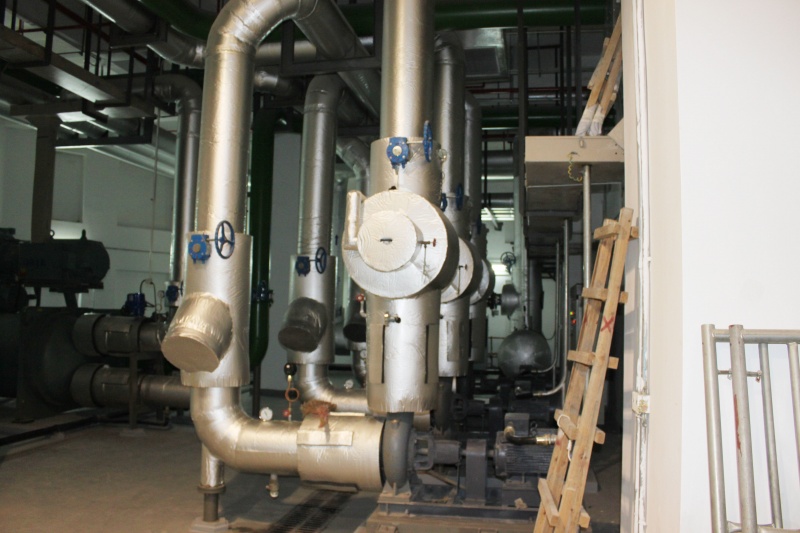
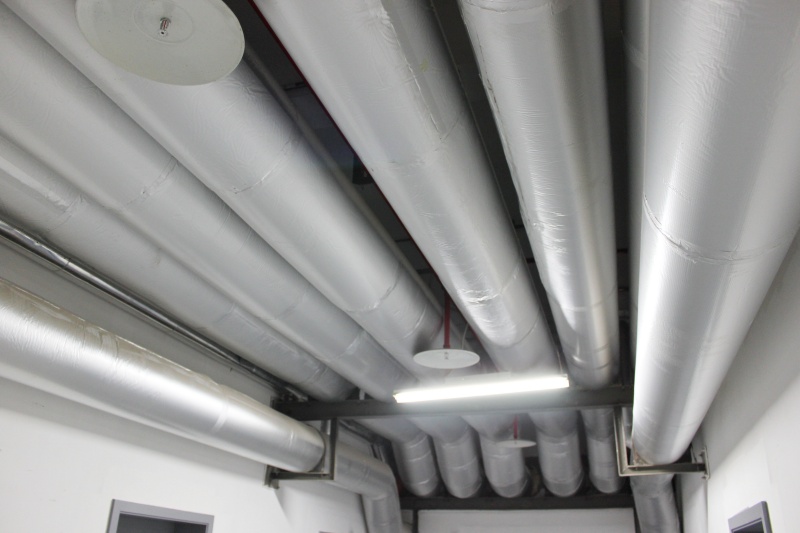

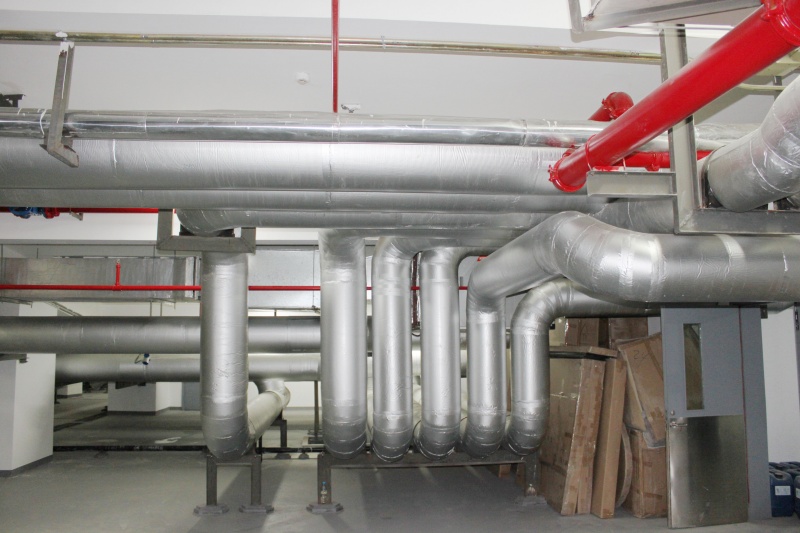

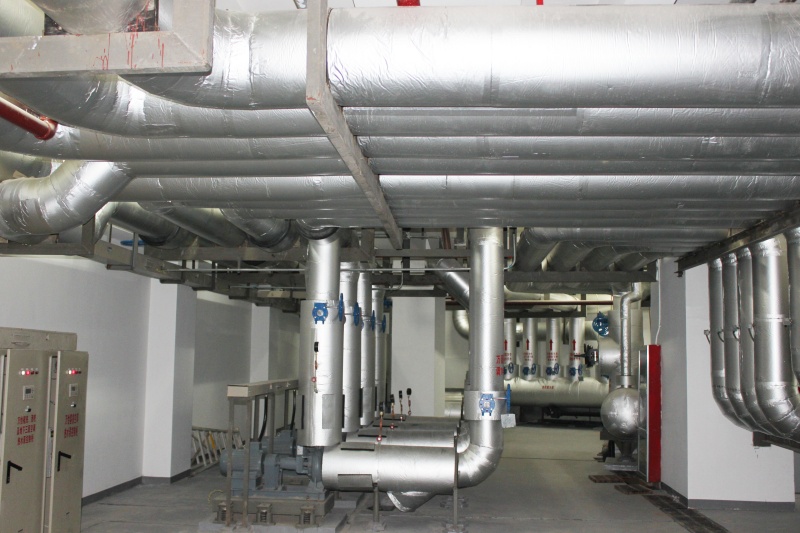
Adapting to smart systems, digital twin modeling, and sustainability frameworks.
As the construction and process industries move toward digitalization, calculating thermal insulation thickness is shifting from static spreadsheets to dynamic models. Advanced engineering processes now utilize multi-physics simulations to predict insulation performance under variable ambient conditions. Let's explore the key innovations shaping this field:
Modern engineering calculations are being integrated directly into Building Information Modeling (BIM) programs. This allows design engines to automatically determine the required thickness of NBR/PVC pipe insulation for each pipeline segment. By analyzing localized humidity data from building sensors, the system adjusts thickness recommendations to balance material costs with condensation control.
By pairing flow meters with infrared thermal cameras, AI diagnostics can continuously assess insulation performance in active piping networks. These systems monitor real-time heat loss and compare it against the original design parameters. This helps identify areas of wet insulation or mechanical degradation before systemic failures occur.
Future development is focused on lowering the embodied carbon of elastomeric foams. Manufacturers are working to replace traditional petroleum-derived processing oils with renewable, bio-based alternatives. These new formulations aim to match the flame retardancy, water vapor resistance, and long-term thermal efficiency of standard closed-cell NBR/PVC foams.
Expert engineering answers to common technical, design, and regulatory questions.
Explore our full range of elastomeric tubes, shock-absorbing pads, and high-performance insulation systems.
 Kingflex