In modern structural engineering, high-performance building envelopes rely on a delicate equilibrium between heat containment, acoustic attenuation, and controlled ventilation pathways. The term China Insulation Vent Chutes Supplier represents more than simple manufacturing; it describes a complete system designed to prevent thermal bridging and ensure structural ventilation. As global energy standards (such as ASHRAE 90.1, Title 24, and Eurocode structural parameters) become more strict, the integration of premium elastomeric insulation with structural vent chutes has become essential.
Kingflex Insulation Co., Ltd., drawing on over 40 years of manufacturing experience, leads this integration. We provide advanced elastomeric closed-cell materials designed to work together with structural ventilation systems. This setup prevents attic moisture buildup, controls condensation on HVAC ducts, and maintains high thermal performance in challenging environmental conditions.
While vent chutes maintain essential airflow from the eave to the ridge in attic spaces, they must interface seamlessly with the thermal insulation boundary. If condensation forms where cold ventilation air meets warm conditioned spaces, it can cause structural damage and mold growth. Our specialized closed-cell NBR/PVC structures provide excellent moisture barrier protection (with a high resistance factor), ensuring that the structural pathways kept open by vent chutes remain dry and functional.
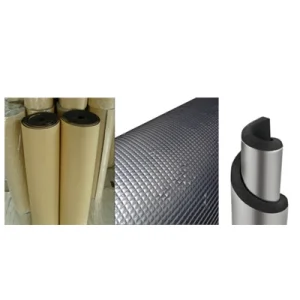
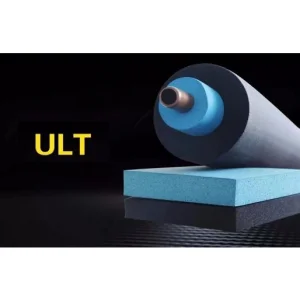
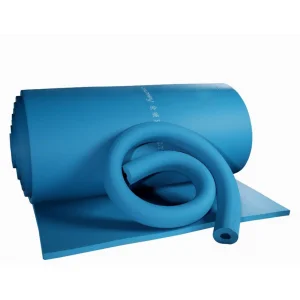
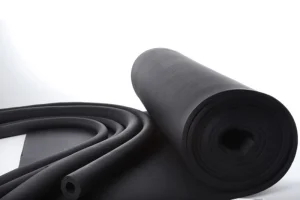
Kingflex's elastomeric insulation materials are formulated to provide high thermal efficiency and physical durability. The polymer matrix combines Nitrile Butadiene Rubber (NBR) and Polyvinyl Chloride (PVC), producing a flexible material that offers high thermal resistance and excellent flame retardancy.
| Technical Parameters | Standard Reference / Testing Values |
|---|---|
| Material Composition | Premium Nitrile Butadiene Rubber & Polyvinyl Chloride (NBR/PVC) Hybrid Alloy |
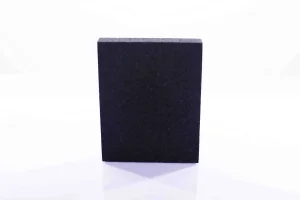
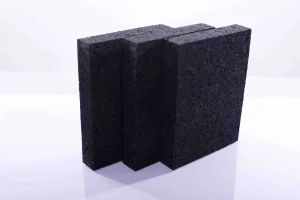
| Standard Thickness Ranges | 6mm to 50mm (Customized variations supported via advanced extruders) |
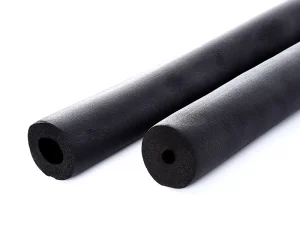
| Inner Diameter (ID) for Tubes | 6mm to 114mm (Tailored for global pipeline architectures) |
| Density Range | 40 kg/m³ to 55 kg/m³ (Optimized for cell stability and elasticity) |
| Operational Temperature Limits | -40℃ to +105℃ (Maintains flexibility at extreme temperature ranges) |
| Closed-Cell Content | ≥ 98% (Minimizes air convection and moisture ingress) |
| Mechanical Compression Resilience | Over 80% (Maintains thickness under structural stress) |
| Fire Safety Classification | Class 0 / Class 1 (Under BS 476 Part 6/7), UL94, and ASTM standards |
Advanced foaming technology ensures even cell size distribution, keeping the thermal conductivity (K-value) stable throughout the material's service life.
The closed-cell structure prevents moisture absorption. This eliminates the need for additional vapor barriers in standard interior commercial installations.
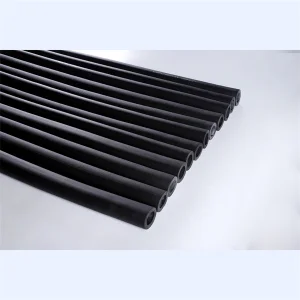
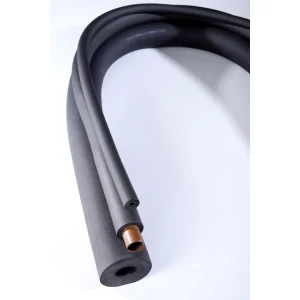
Excellent flexibility makes the material easy to install around complex pipe geometries, valves, and tight bends, reducing labor costs and installation time.
Global supply chain managers, EPC (Engineering, Procurement, and Construction) contractors, and industrial distributors face several key challenges when sourcing thermal and ventilation equipment:
Kingflex addresses these issues through centralized production in Dacheng, China—a major green-building materials manufacturing hub. With 5 automated assembly lines, we maintain production capacity to fulfill large orders quickly while keeping prices competitive. Our integrated sales-to-installation support ensures clear technical coordination at every stage of the project.
For chemical processing plants and cold storage facilities, pipe condensation can lead to corrosion under insulation (CUI). Kingflex's closed-cell rubber foam provides a continuous moisture barrier, protecting industrial pipelines from moisture damage.
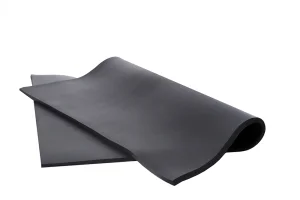
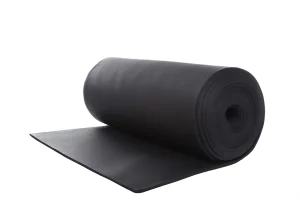
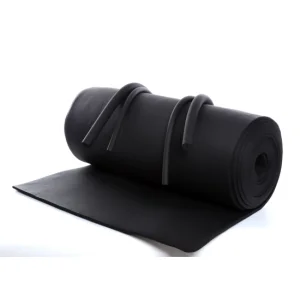
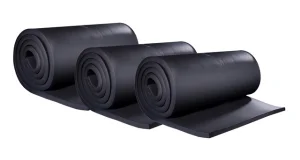
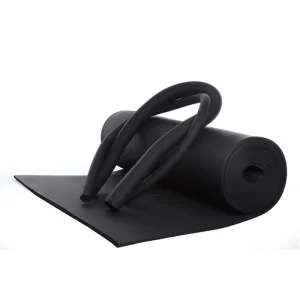
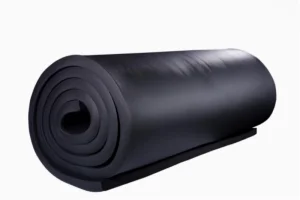
In commercial buildings, our high-density rubber sheets line duct systems to minimize heat loss and dampen acoustic noise. Combining this with high-performance vent chutes keeps air moving freely in attics and roofs, preventing structural moisture issues.
Kingflex maintains strict quality control throughout our manufacturing processes, from raw material selection to final inspection. Our products are fully traceable to ensure consistent performance for international applications.
Our R&D department employs 8 dedicated engineers who continuously test thermal performance, fire resistance, and aging characteristics. Using specialized pipe coating and foaming machinery, we ensure that every batch of material meets international standards.
As the construction industry moves toward zero-energy buildings and sustainable materials, Kingflex is adapting its product roadmap:
By developing these technologies, Kingflex aims to support global construction initiatives with reliable, energy-efficient insulation systems.
 Kingflex