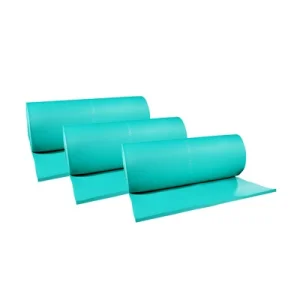
Engineered to mitigate thermal transfer and eliminate fire propagation across commercial HVAC and heavy industrial systems.
Analyzing thermal dynamics, flame-retardant chemistry, and system longevity in industrial and civil facilities.
Worldwide infrastructure demands non-negotiable fire safety parameters. Advanced thermal management requires materials that maintain incredibly low thermal conductivity (λ) while presenting high resistance to fire. As a premier China Non Flammable Insulation Supplier, Kingflex Insulation addresses this intersection with elastomeric rubber foam and rock wool engineering.
In high-density commercial developments and industrial complexes, fire safety starts with HVAC ducting and water piping networks. A fire spreading through ventilation shafts or process pipelines can compromise structural integrity. Selecting certified fire-retardant materials prevents the flame paths from propagating, buying valuable time for localized suppression systems to activate.
Modern building construction and manufacturing operate within complex safety rules. Below is a detailed mapping of how non-flammable insulation is integrated into global workflows:
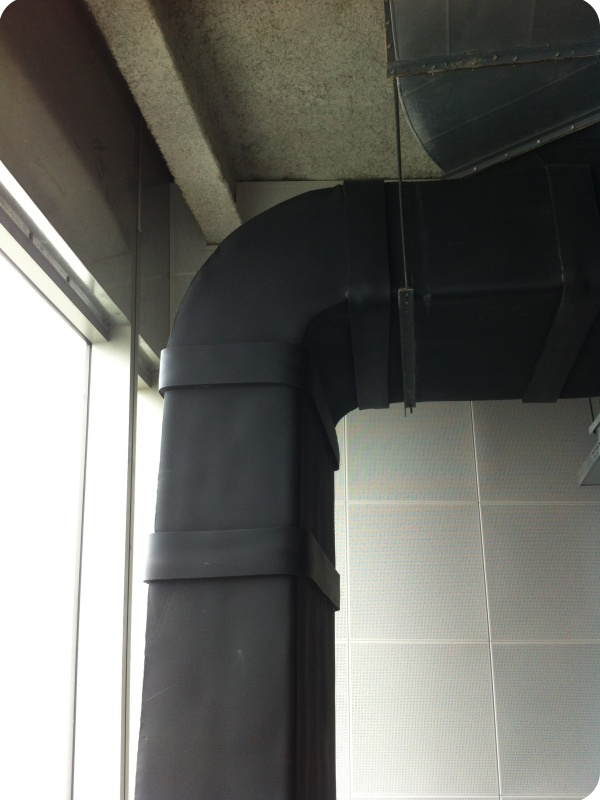
Condensation control on chilled water pipes and duct systems. NBR/PVC closed-cell structures block ambient humidity and prevent condensation, keeping thermal conductivity stable for 10 to 15 years.
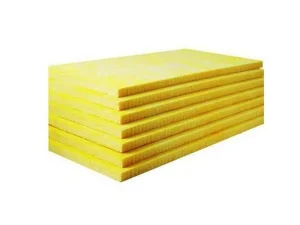
High-temperature steam lines and hot chemical conduits require robust barriers. Combining flexible rubber foam with high-density rock wool boards creates hybrid solutions that resist extreme thermal stress and limit flame spread.
Managing temperatures down to cryogenic levels requires advanced vapour barriers. Without proper insulation, ambient air moisture can freeze, creating ice dams that crack pipes. Special elastomers keep cold energy contained, preventing ice formation.
Modern elastomeric foaming relies on modifying Nitrile Butadiene Rubber (NBR) and Polyvinyl Chloride (PVC). Incorporating hydrated alumina, halogen-free flame retardants, and processing aids creates a structured matrix that carbonizes to form a protective char barrier when exposed to fire.
With a closed-cell rate exceeding 98%, this material features excellent water vapor resistance (high μ-factor). This eliminates the need for external vapor wraps, simplifying installations on cold systems and lowering lifecycle maintenance costs.
Verified physical properties for elastomeric rubber foam sheets and pipeline systems.
| Property Parameter | NBR/PVC Elastomeric Rubber Foam | Industrial Rock Wool Board / Blanket | Testing Reference Standard |
|---|---|---|---|
| Density Range | 40 - 55 kg/m³ | 60 - 150 kg/m³ | ASTM D1622 / GB/T 5480 |
| Operating Temperature Limits | -40℃ to 105℃ (Cryogenic special lines down to -200℃) | Up to 650℃ | ASTM C411 / DIN EN 14706 |
| Thermal Conductivity (at 0℃) | ≤ 0.034 W/(m·k) | ≤ 0.038 W/(m·k) | ASTM C177 / ISO 8302 |
| Fire Safety Rating | Class 0 / Class 1 / V-0 | Non-combustible (Class A1) | BS 476 Part 6 & 7 / UL 94 / EN 13501 |
| Closed-Cell Ratio | ≥ 98% | Open porous fibrous matrix | ASTM D2856 |
| Water Vapor Permeability | μ ≥ 10,000 | High transmission (requires vapor barrier) | BS EN 12086 / ASTM E96 |
Decades of industrial scaling, advanced automation, and certified testing frameworks.
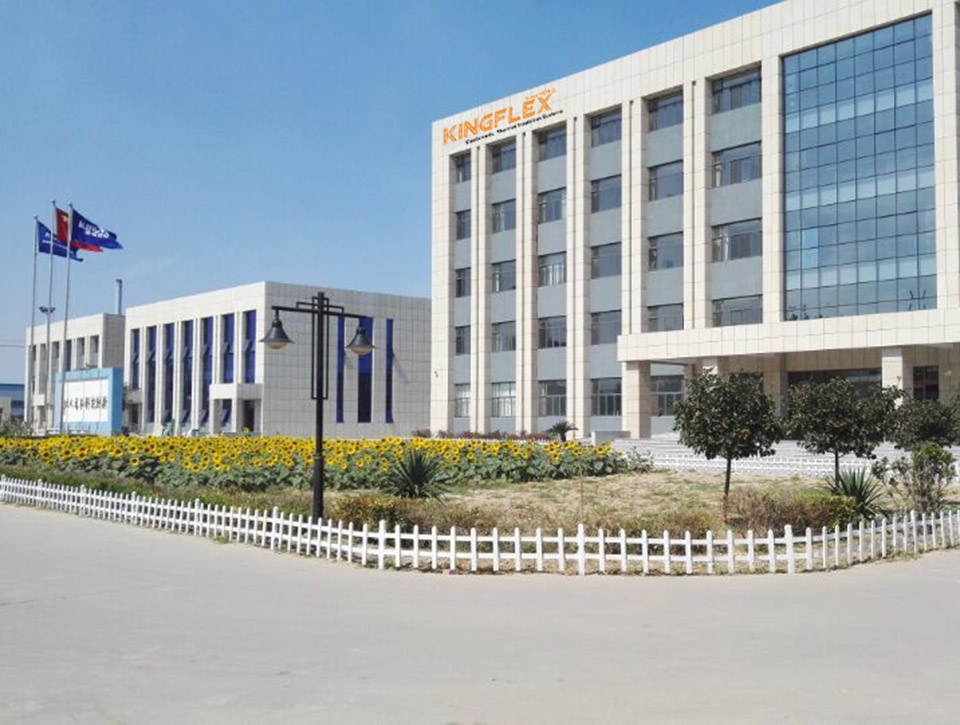
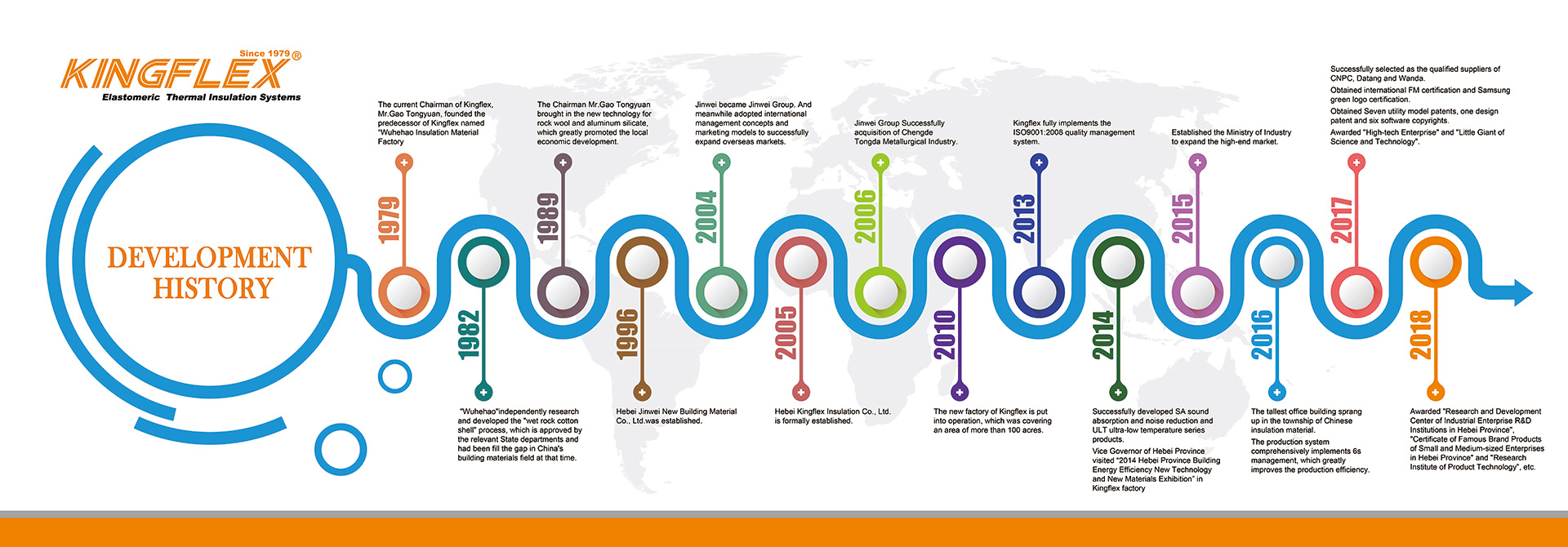
Kingflex operates with a heritage built over 40 years. Founded by the Jinwei Group in 1979, the enterprise stood as the first manufacturer of thermal insulation materials north of the Yangtze River. The company's main R&D and production facility is located in Dacheng, China—a hub for energy-saving, green building materials.
Today, our facility runs 5 large automatic assembly lines, producing over 600,000 cubic meters annually. Kingflex is designated as a production enterprise by China's Ministry of Energy, Ministry of Electric Power, and Ministry of Chemical Industry.
Our team includes 8 professional R&D engineers, 6 international sales consultants, and 230 factory workers focused on manufacturing high-performance insulation systems.

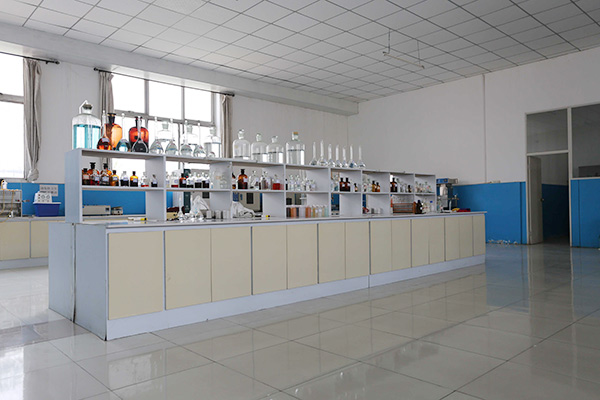
Kingflex insulation materials are tested to comply with international standards. Products carry BS 476, CE, REACH, RoHS, UL94, and ASTM certifications, ensuring they meet the safety codes of major import markets worldwide.
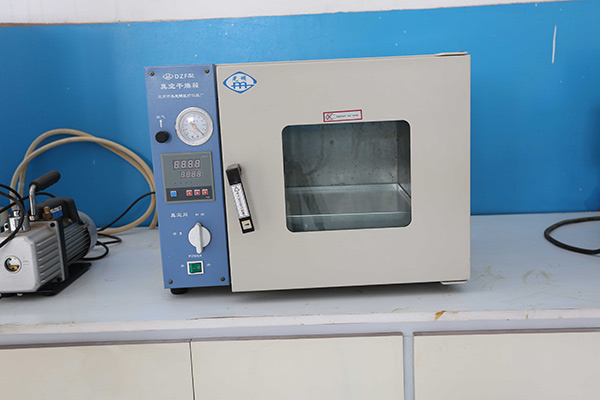
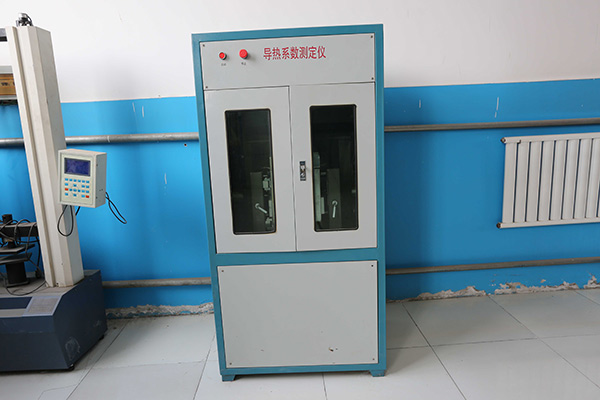
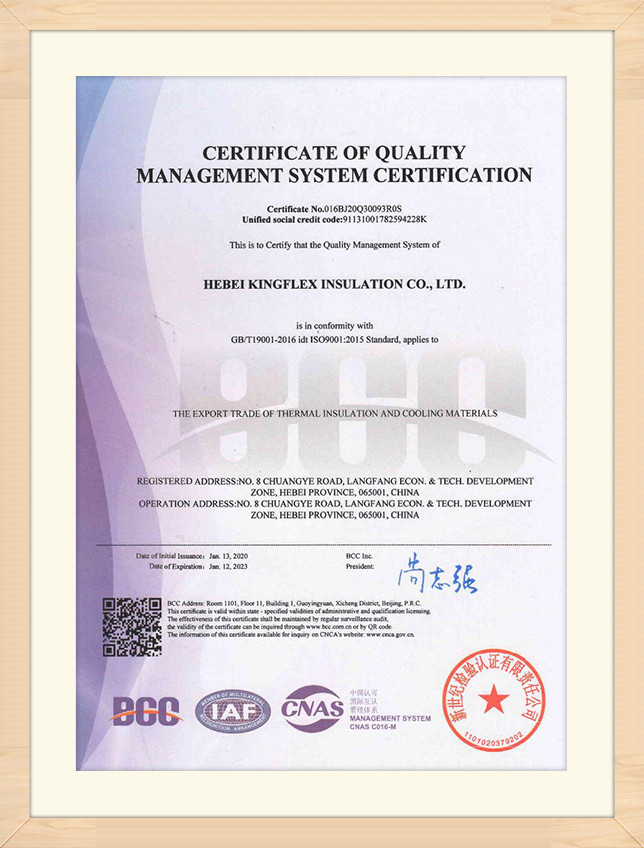
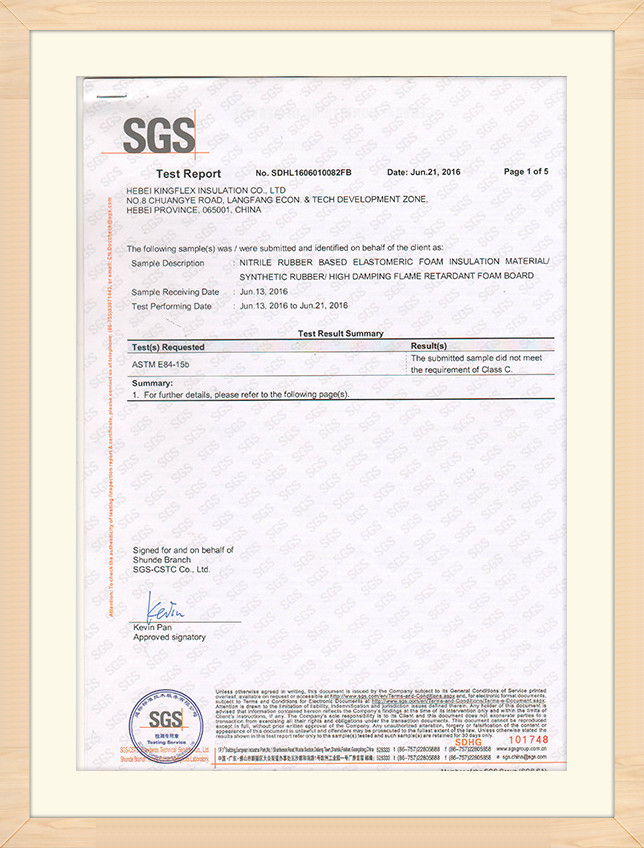
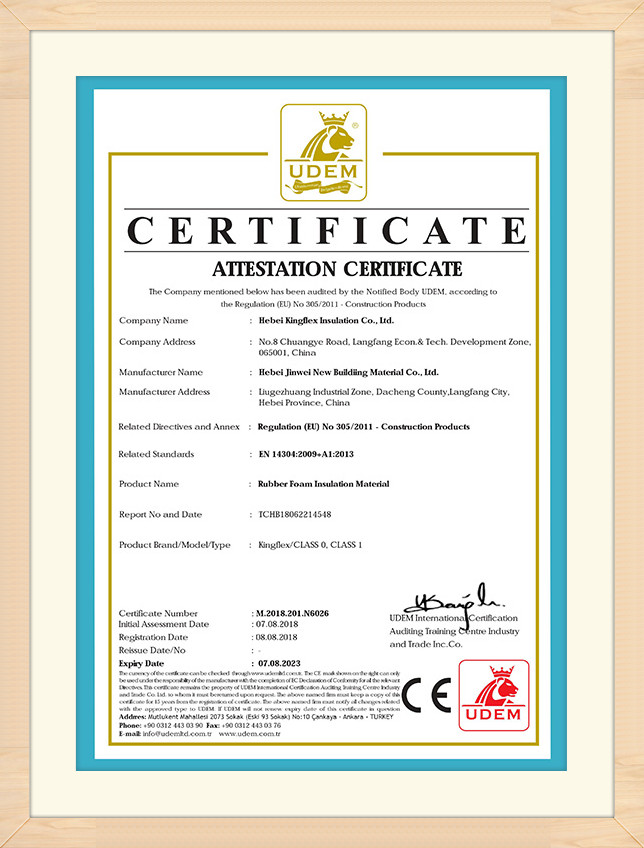
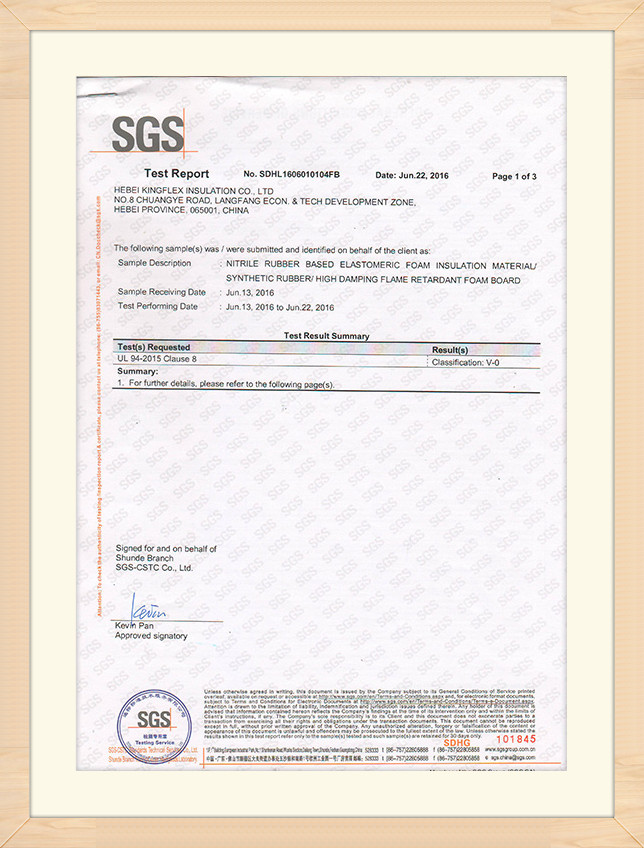
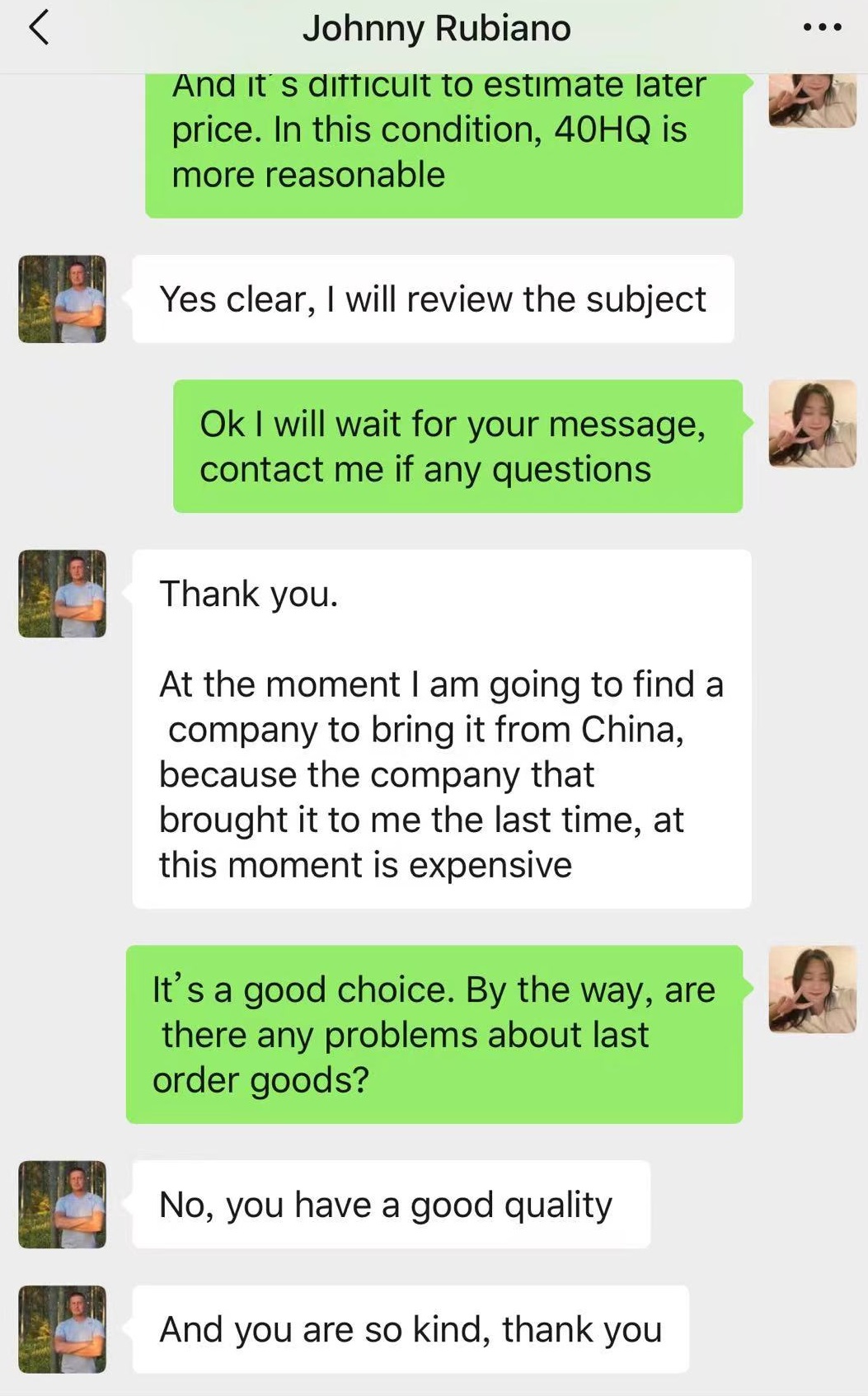
A look at customer feedback, project sites, and material configurations used across construction developments.




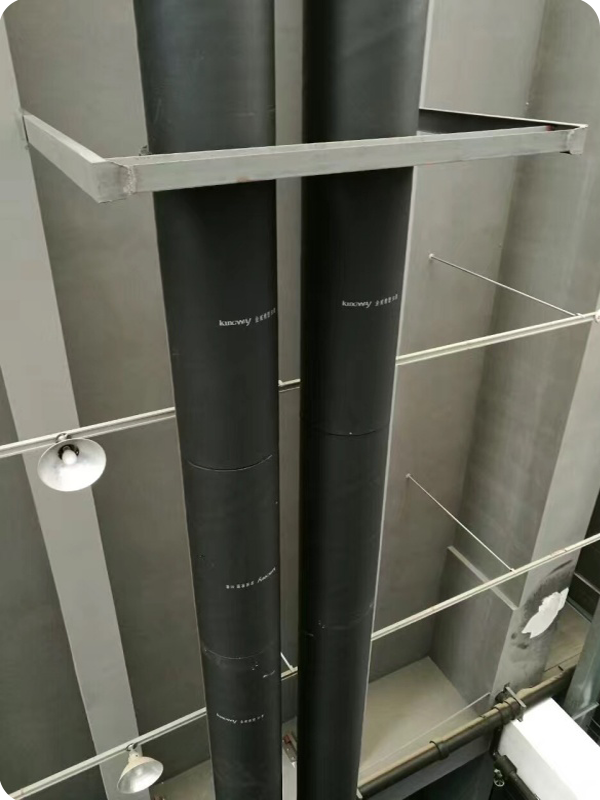
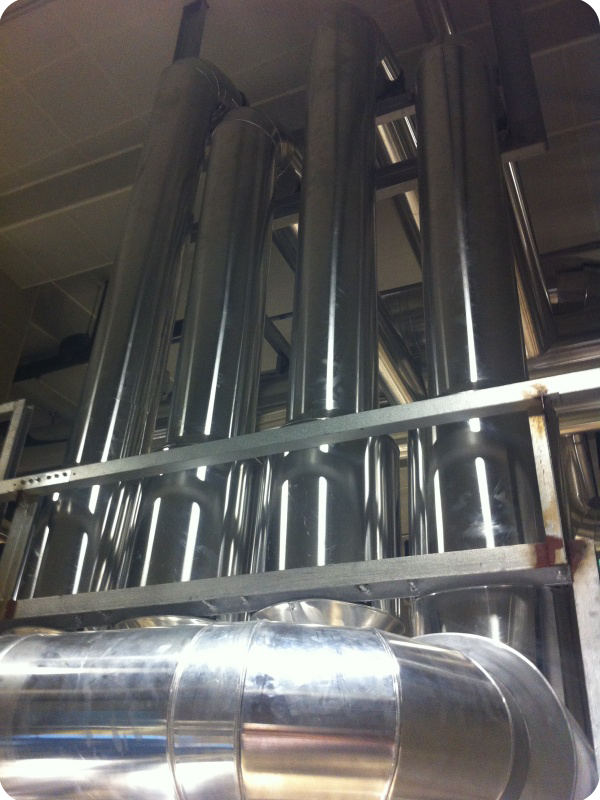
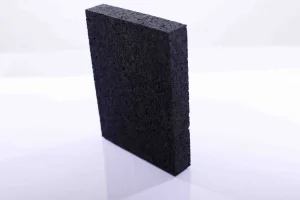
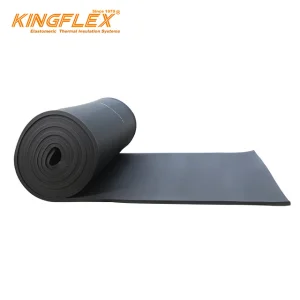
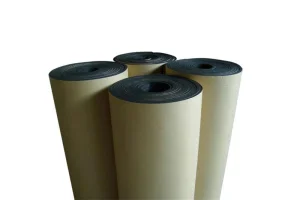
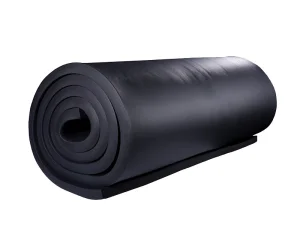
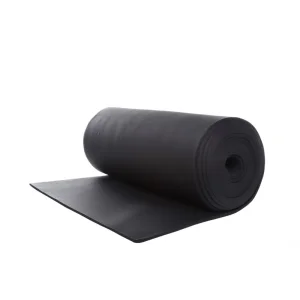
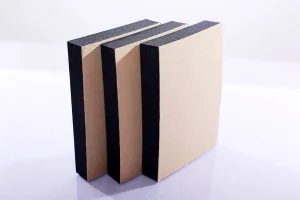
Material: Premium NBR/PVC elastomer matrix
Thickness Options: 6mm to 50mm
Density Range: 40 to 55 kg/m³
Service Temperature: -40℃ to 105℃
Key Advantages: Formulated for uniform cell distributions (closed-cell rate >98%). Offers thermal protection, compression resilience >80%, and self-extinguishes upon fire exposure.
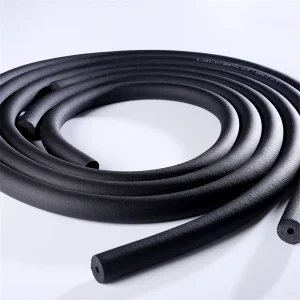
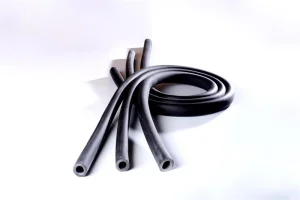
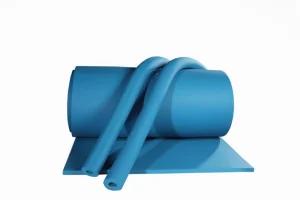
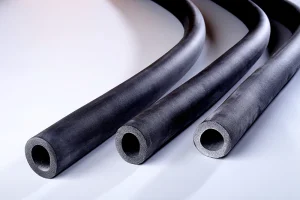
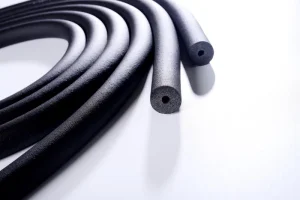
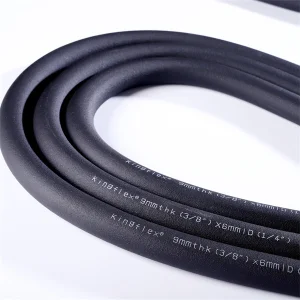
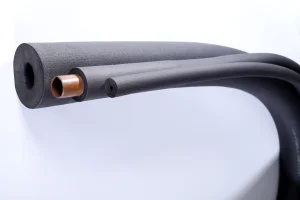
Material: Industrial NBR/PVC blend
Wall Thickness: 9mm to 40mm
Inner Diameter (ID): 6mm to 114mm
Density Range: 40 to 55 kg/m³
Service Temperature: -40℃ to 105℃
Key Advantages: Clean internal spray-molding guarantees consistent fitment over metal lines. Blocks humidity ingress to prevent pipe corrosion under insulation (CUI) and limit freezing risks.
Common questions on certifications, thermal performance, and deployment safety.
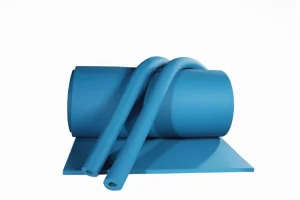
A broad range of closed-cell elastomeric panels, pipes, and extreme cryogenic insulation lines.
Get custom project estimations, certified safety logs, and tailored product quotes for your insulation projects.
Request Engineering Proposal Kingflex