Engineered to prevent condensation, minimize thermal loss, and isolate structure-borne acoustic vibration.
In modern industrial facilities, district HVAC systems, and commercial high-rises, pipeline infrastructure behaves like the circulatory system of a building. Keeping fluids flowing at precise temperatures without condensation or thermal leaks is a key concern. This is where pipe insulation lagging tape serves as a critical barrier.
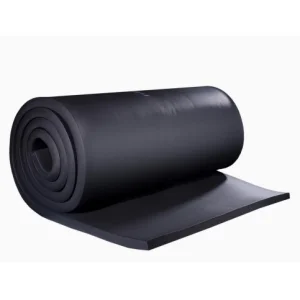
Designed primarily from elastomeric rubber blends like Nitrile Butadiene Rubber (NBR) and Polyvinyl Chloride (PVC), high-quality lagging tape seals joints, fittings, valves, and complex pipe geometries. This prevents energy loss, controls condensation, and reduces the risk of Corrosion Under Insulation (CUI), which can degrade piping systems over time.
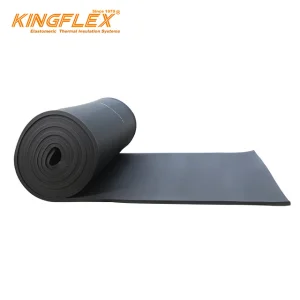
Kingflex elastomeric tape has a closed-cell rate exceeding 98%. This high ratio blocks water vapor from reaching cold pipes, maintaining a low thermal conductivity ($\lambda \le 0.034$ W/m·K at 0°C) and ensuring long-lasting insulation performance even in high-humidity environments.
The global demand for high-performance lagging tape is driven by infrastructure upgrades, energy efficiency standards, and cold-chain expansions. Regionally, the market presents distinct engineering needs:
Kingflex Insulation Co., Ltd. is a manufacturing and trading combo specializing in thermal insulation products. Our R&D and production facilities are based in Dacheng, China—a hub for energy-efficient building materials.
We focus on energy saving and consumption reduction as core principles. Kingflex provides complete insulation solutions, supporting clients through technical consultation, custom manufacturing, installation guidance, and post-sale service.
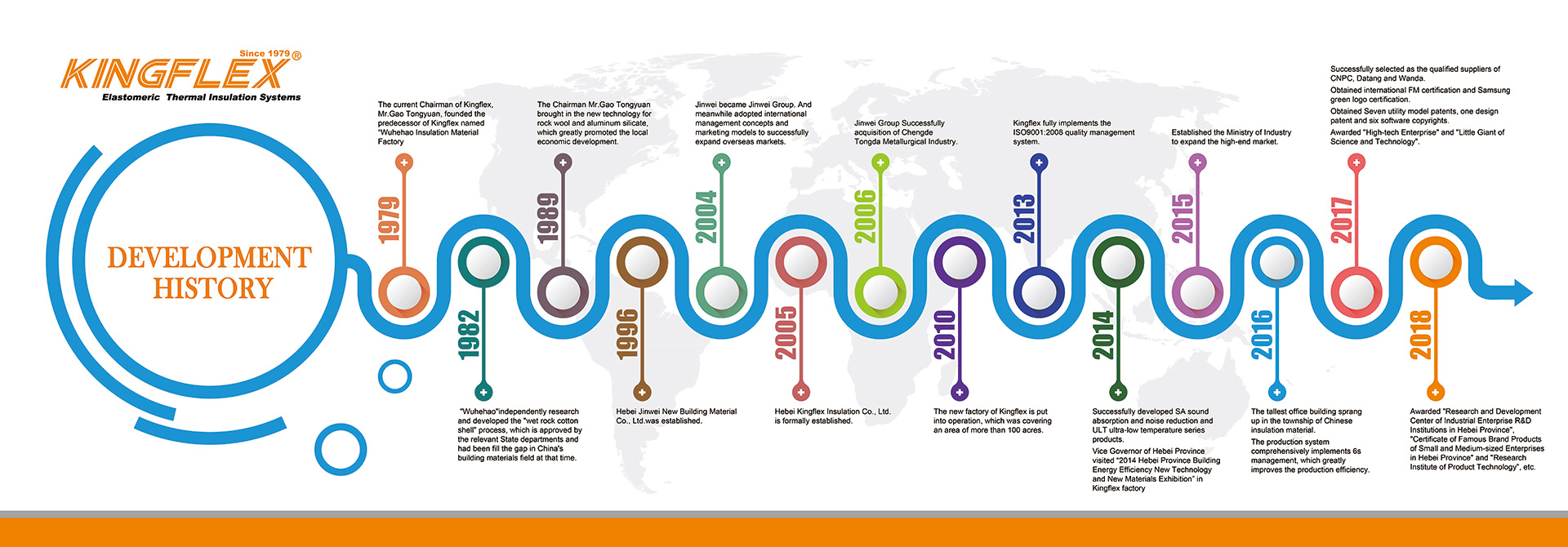
Established under the Jinwei Group, which has a manufacturing history dating back to 1979, Kingflex carries forward a legacy as the first thermal insulation manufacturer north of the Yangtze River. Today, we stand as a trusted partner for industrial plants and energy conservation initiatives worldwide.
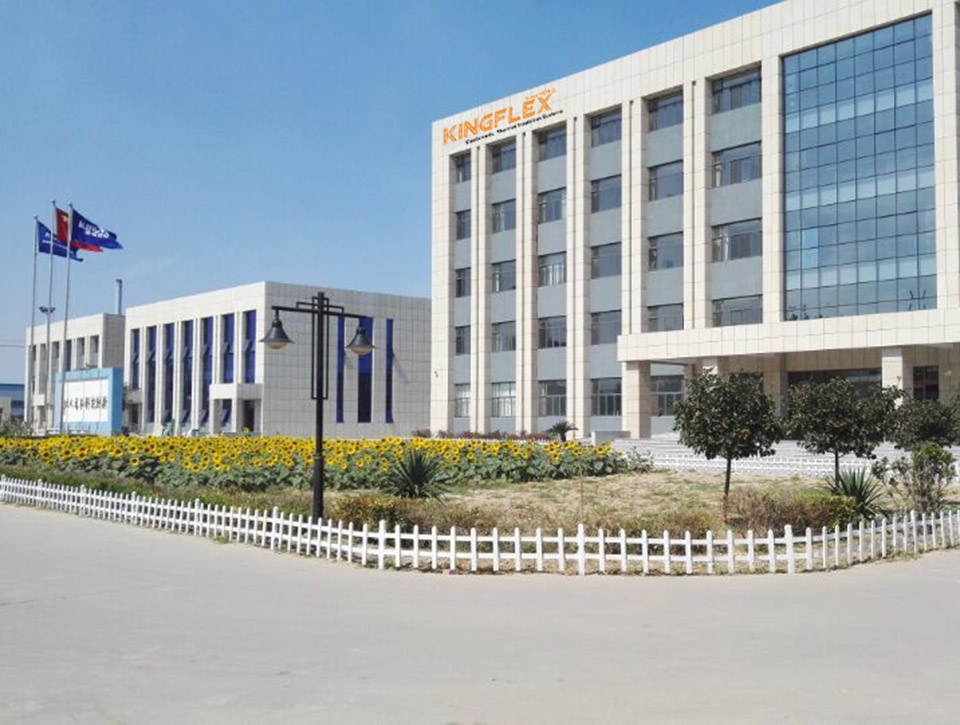
Kingflex maintains advanced production standards to ensure reliable product quality and stable output:
| Feature | Capacity / Specification |
|---|---|
| Production Lines | 5 Large Automatic Assembly Lines |
| Annual Capacity | Over 600,000 cubic meters |
| Designated Supplier | Ministry of Energy & Chemical Industry (China) |
| R&D Strength | 8 Professional Engineers, 230 Dedicated Workers |
| Global Footprint | Exporting to over 66 countries for 16+ years |
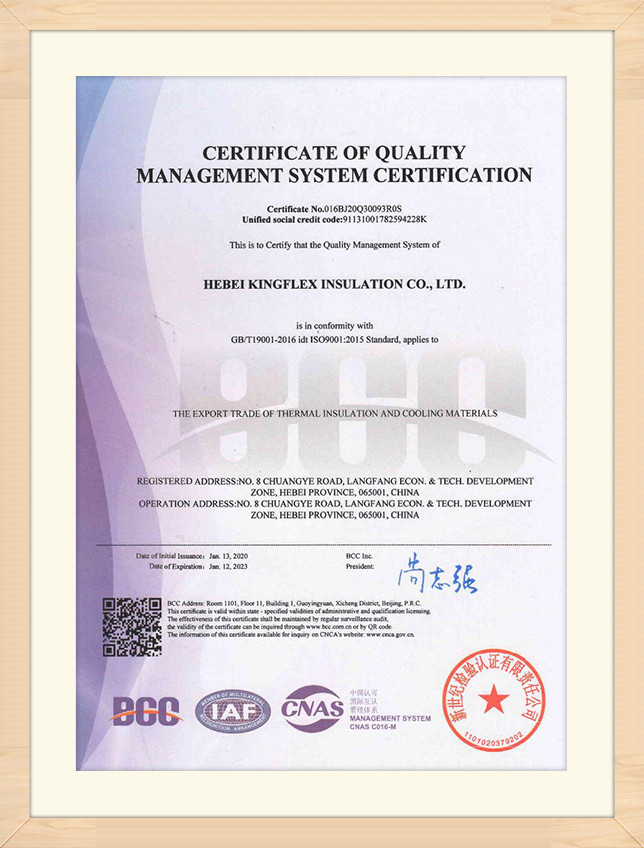
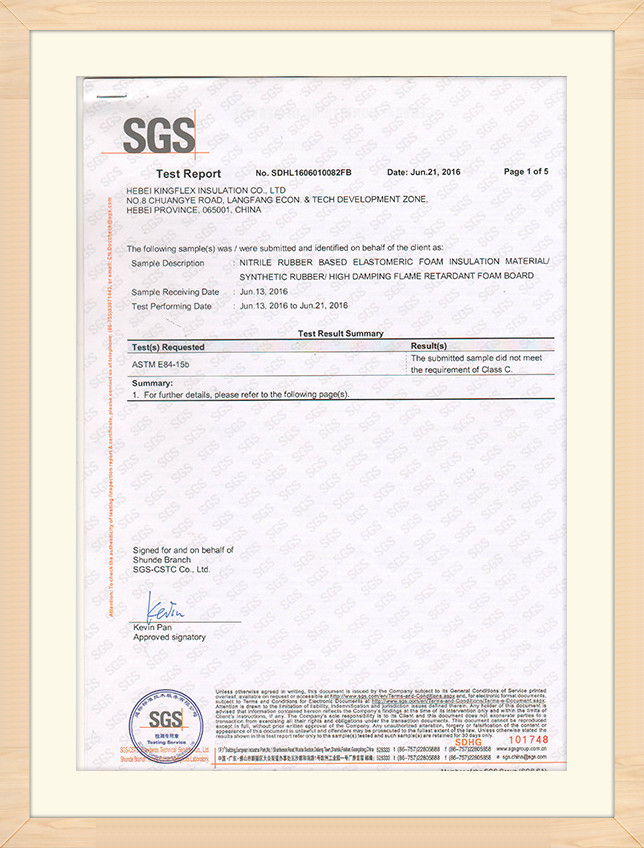
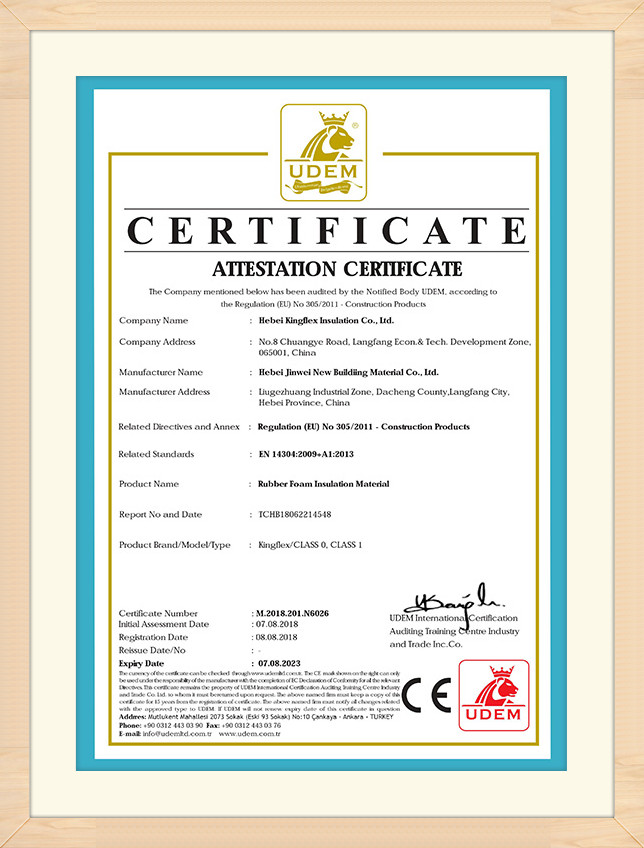
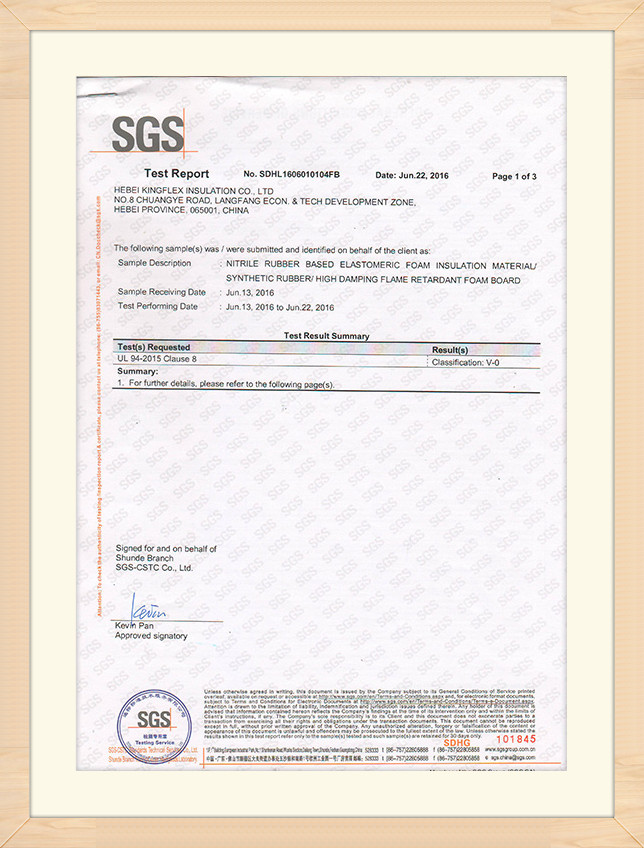
Our materials undergo regular testing and meet international standards, including: BS 476, CE, REACH, RoHS, UL94, and ASTM. This ensures compliance with local building codes and fire safety regulations.
Standardized metrics for our core NBR/PVC elastomeric rubber insulation boards and pipes.
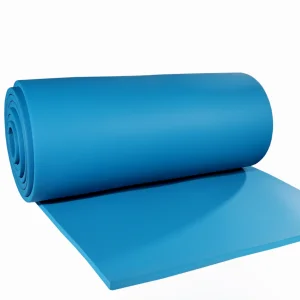
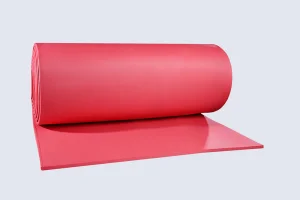
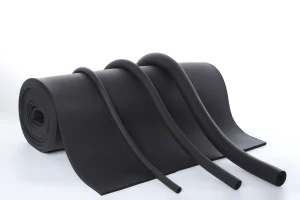
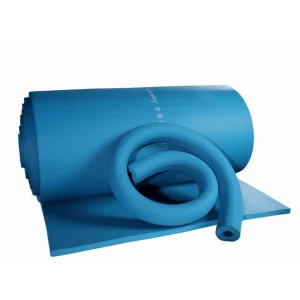
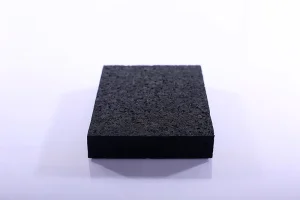
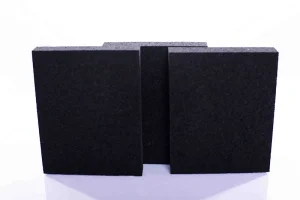
Ideal for flat surfaces, large-diameter ducts, and irregular fittings. Offers thermal retention and dampens structural acoustics.
| Material Blend | NBR/PVC (Nitrile Butadiene Rubber/Polyvinyl Chloride) |
| Thickness Range | 6mm to 50mm |
| Material Density | 40 - 55 kg/m³ |
| Service Temperature | -40℃ to 105℃ |
| Closed-Cell Rate | Over 98% for consistent water vapor resistance |
| Compression Resilience | Over 80% recovery after deformation |
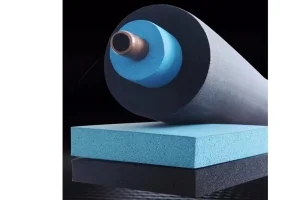
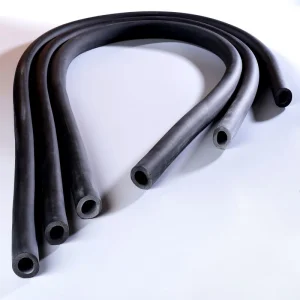
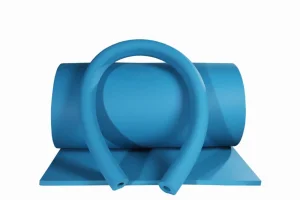
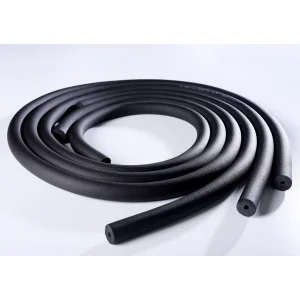
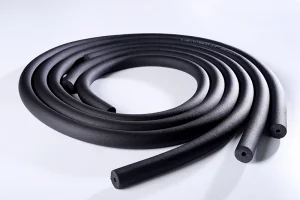
Designed for easy slip-on or slit-and-seal installation over copper, steel, or plastic pipelines.
| Material Blend | NBR/PVC |
| Wall Thickness | 9mm to 40mm |
| Inner Diameter (ID) | 6mm to 114mm (Standard piping sizes) |
| Material Density | 40 - 55 kg/m³ |
| Service Temperature | -40℃ to 105℃ |
| Core Advantages | Even coating, low thermal conductivity, high moisture resistance |
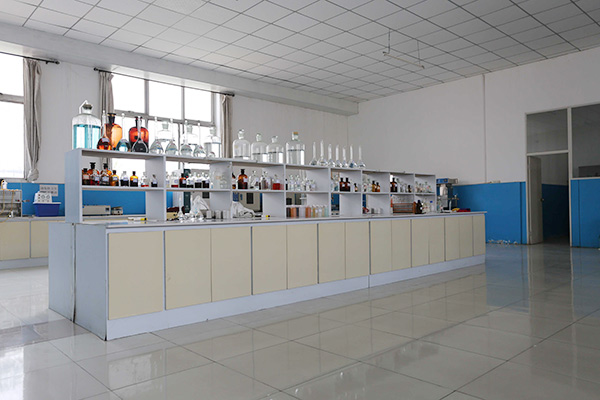
Our team includes 8 professional engineers in our R&D Department, 6 international sales consultants, and 230 production workers. By keeping development and manufacturing in-house, we can maintain close quality control from raw materials to final packaging.
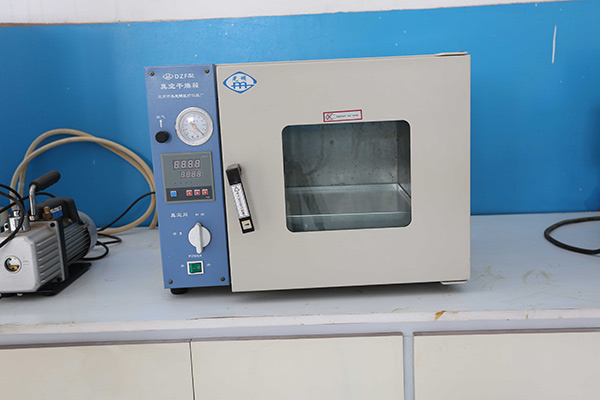
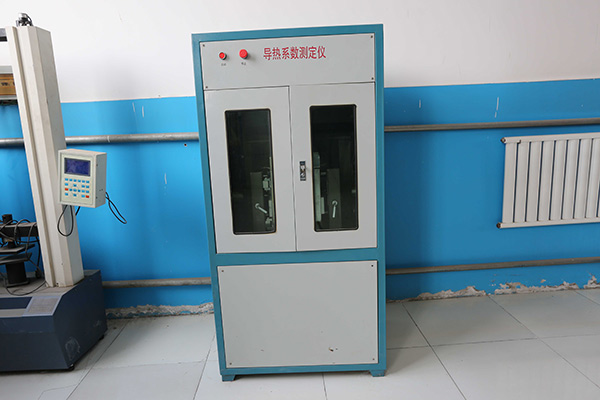
This teamwork is supported by manufacturing resources that allow us to meet tight deadlines on large global infrastructure orders.

How we apply our insulation systems to meet requirements across diverse industrial sectors.
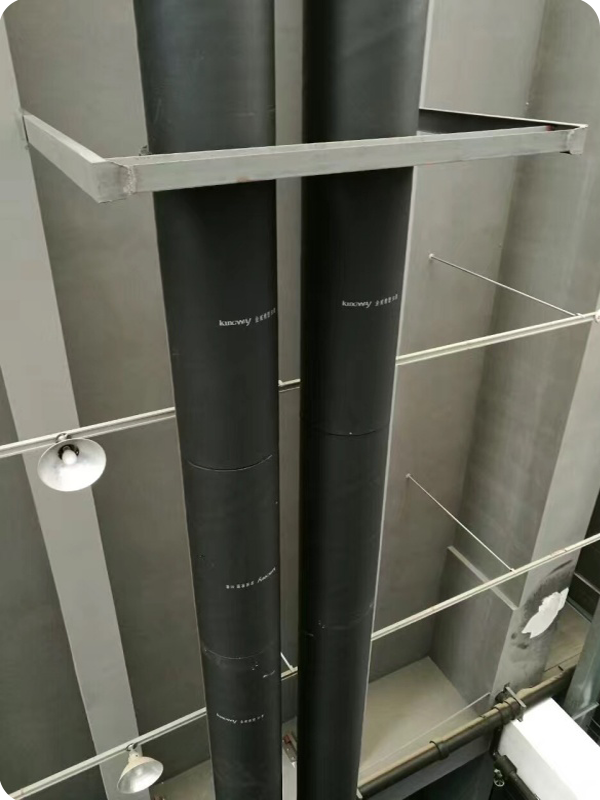
Prevents condensation on chilled water pipes and limits heat loss in hot water lines. Our NBR/PVC sheets and tapes maintain energy efficiency and prevent moisture damage in commercial buildings, hospitals, and hotels.
Designed for ultra-low temperature projects, including chemical facilities and cold-chain logistics. Our closed-cell rubber insulation maintains structural integrity down to -40℃, preventing ice buildup and system failure.
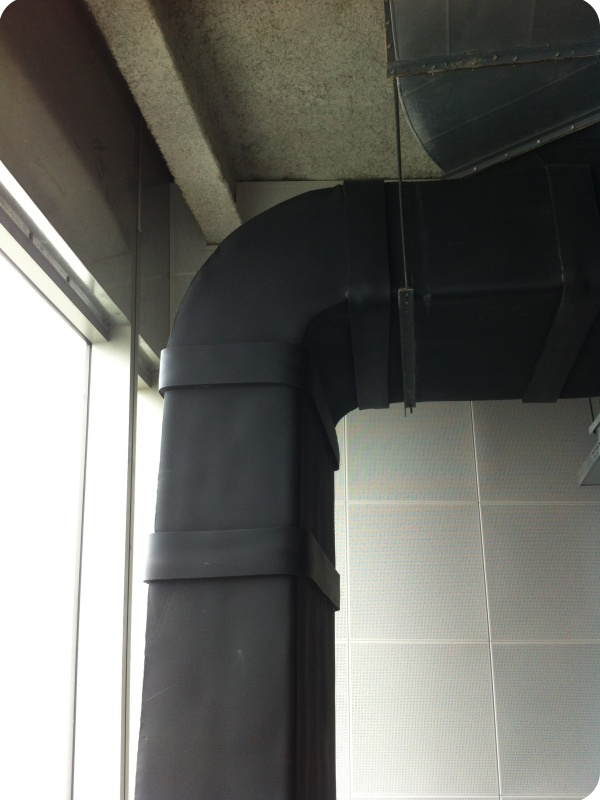
High-density NBR structures help absorb vibration and isolate noise in air handling systems, generator rooms, and marine vessels. This reduces airborne sound transmission through metallic pipelines.

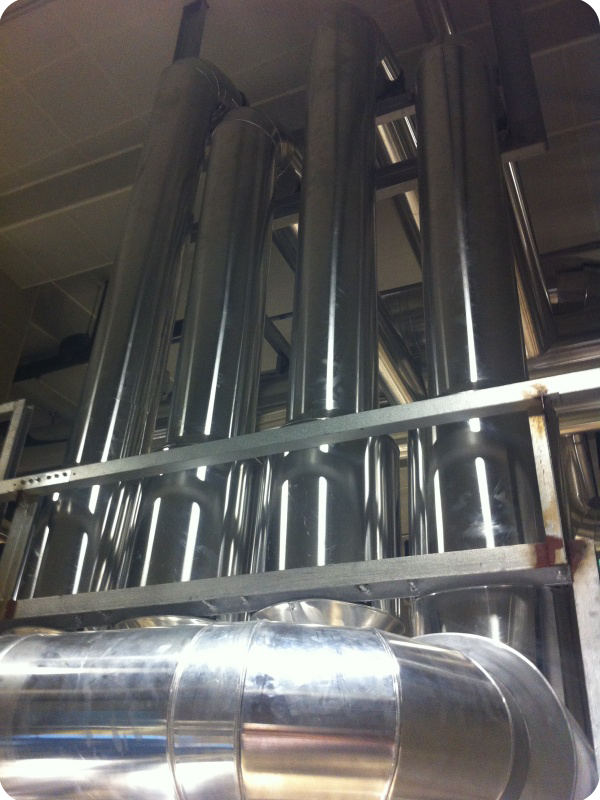
As fire protection regulations and energy efficiency codes become more stringent, Kingflex updates its manufacturing processes to improve product performance. Our R&D priorities include:
We work to improve fire safety ratings to meet international standards like BS 476 Part 6/7 Class 0 and UL94 V-0. This includes reducing smoke density and toxicity during combustion.
We are developing halogen-free elastomeric foams for high-specification areas like data centers, cleanrooms, and passenger ships. This reduces toxic gas generation during fire events.
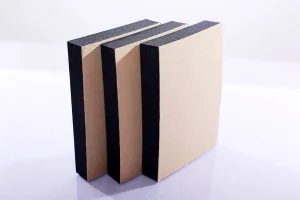
Our newer self-adhesive backing sheets feature high shear strength and fiberglass mesh reinforcement, simplifying installation on complex fittings and reducing site prep time.
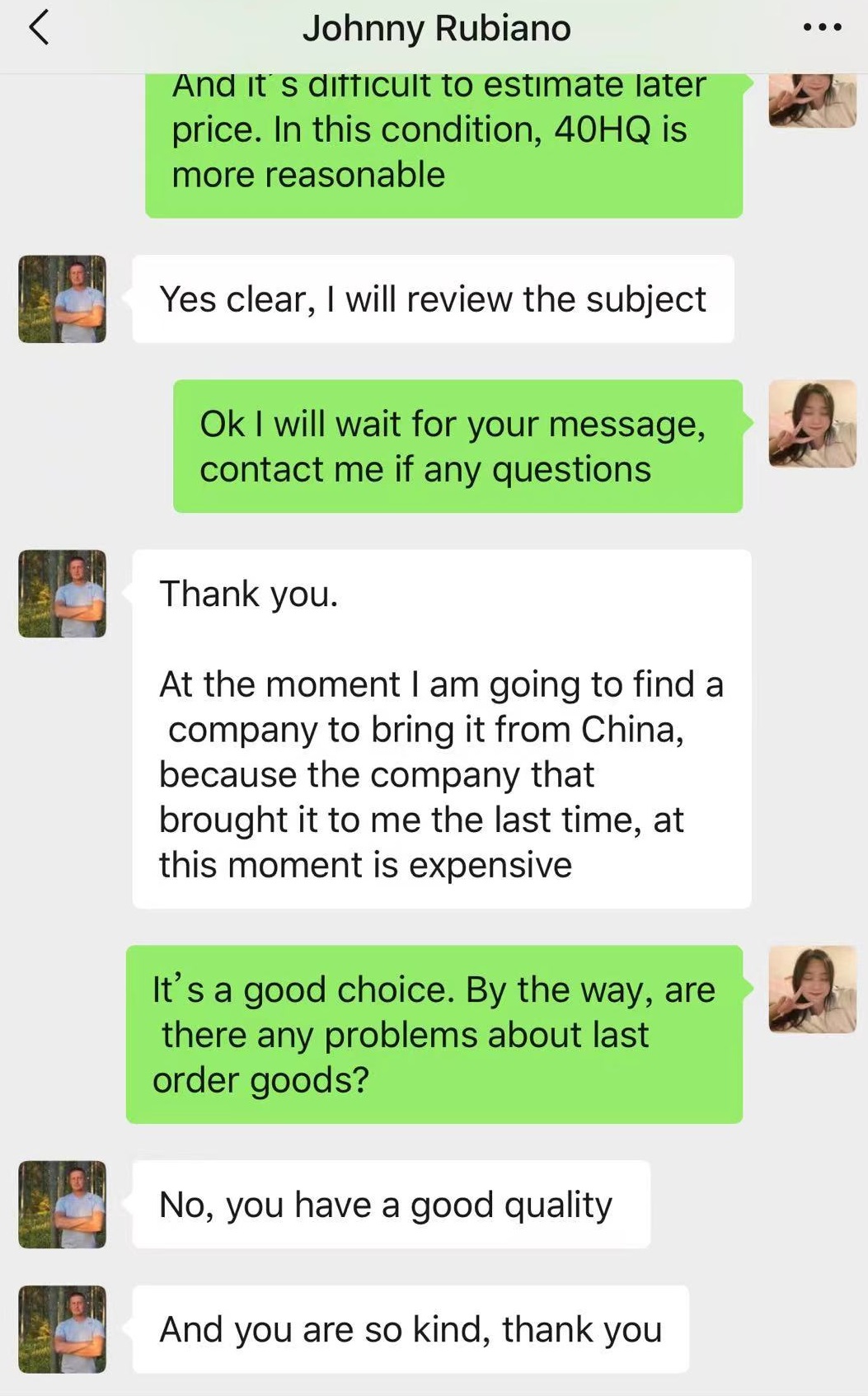
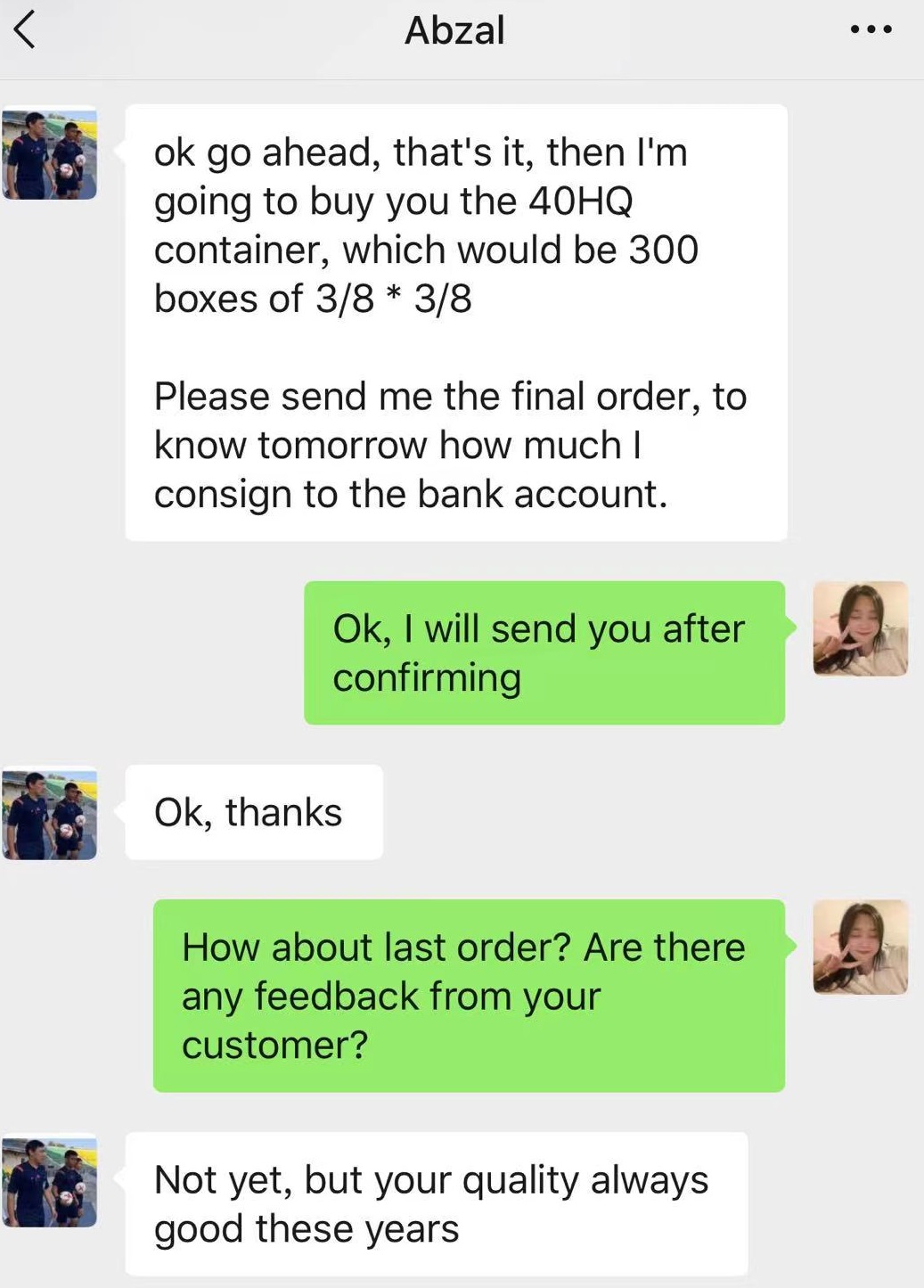
We work closely with B2B clients, project engineers, and thermal contractors to meet specific project guidelines. Below are screenshots of direct communications showing our team coordinate orders and verify shipping schedules.
From initial design consultations to site installation support, we aim to provide prompt feedback, complete testing documentation, and clear order updates.


Technical guidance for architects, procurement managers, and insulation installers.
It is mainly used for HVAC ducts, air conditioning pipes, building thermal insulation, industrial pipeline cold insulation, and sound insulation. Its closed-cell structure makes it effective at preventing condensation on chilled water pipes.
Yes, our rubber foam insulation is fire retardant. It meets safety standards for both building and industrial projects, conforming to fire classifications like BS 476 and UL94.
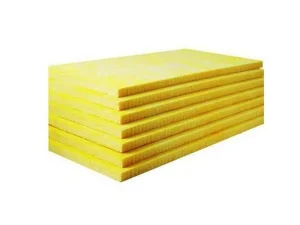
Rubber foam is flexible, closed-cell, and moisture-proof, making it suitable for HVAC, chilled water lines, and general building insulation. Rock wool is a fibrous material with high temperature resistance, making it suitable for high-heat industrial steam piping and fire-stop applications.
Yes, we offer OEM services to customize thickness, inner diameter, density, and adhesive backings based on specific project requirements.
Our products comply with BS 476, CE, REACH, RoHS, UL94, and ASTM standards. This verification helps simplify the local building approval process for international projects.
Yes, we trace each batch of raw materials through production and packaging to maintain consistent quality across large manufacturing orders.
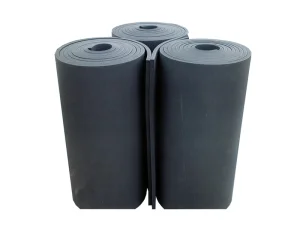
We produce sheet rolls in thicknesses ranging from 6mm to 50mm, allowing for different levels of thermal resistance.
Under normal operating conditions and with proper installation, our materials typically have a service life of 10 to 15 years.
Thermal insulation is only as strong as its weakest seam. Lagging tape seals joints and fittings, preventing ambient moisture from bypassing the insulation and causing localized condensation or corrosion.
Our NBR/PVC elastomeric foam is rated for service temperatures between -40℃ and 105℃, covering chilled water, dual-temperature, and low-pressure steam applications.
Our standard density of 40-55 kg/m³ provides a balance between structural strength and thermal performance. Lower densities can be fragile, while higher densities may reduce the proportion of insulating air cells.
Our closed-cell foam prevents liquid water from reaching the pipe surface. Sealing all joints with high-performance lagging tape prevents moisture entry, reducing the risk of corrosion on steel and copper lines.
Specialized options for sound dampening, ultra-low temperature cryogenic systems, and high-specification building ducts.
 Kingflex