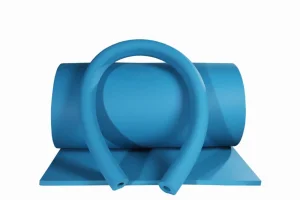
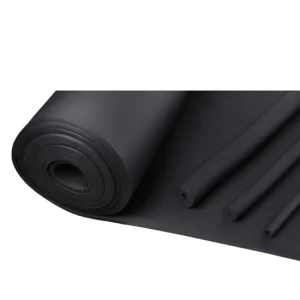
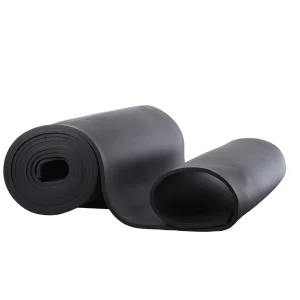
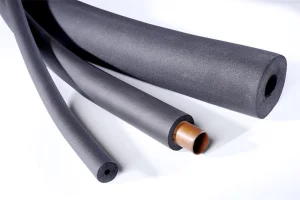
Explore our advanced closed-cell flexible NBR/PVC elastomeric thermal insulation materials, engineered to optimize energy conservation and prevent moisture intrusion across massive industrial utilities.
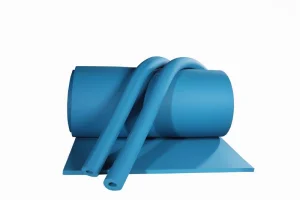
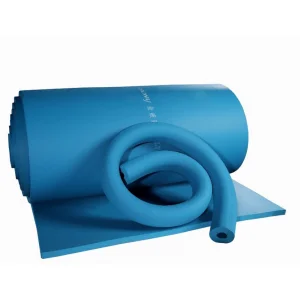
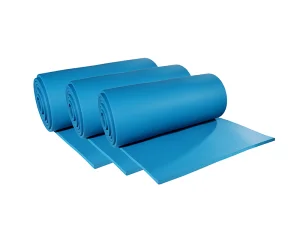
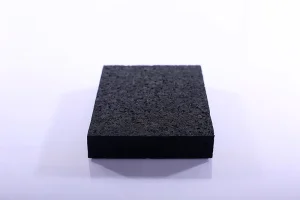
In the contemporary industrial and building services landscape, energy optimization is no longer just an environmental goal; it is a critical operational parameter. Continuous advancements in HVAC, industrial piping, refrigeration, and ultra-low temperature cryogenic environments (such as LNG supply chains) demand materials that offer uncompromising thermal control. Flexible elastomeric foam (FEF), specifically constructed from Nitrile Butadiene Rubber (NBR) and Polyvinyl Chloride (PVC) blends, has emerged as the premier choice worldwide.
Traditional open-cell insulation products like glasswool or rockwool, while effective in high-temperature scenarios, suffer drastically when moisture is introduced. Water possesses a thermal conductivity factor ($k \approx 0.6 \text{ W/m}\cdot\text{K}$) that is roughly 24 times higher than that of dry air. Therefore, even a minor moisture intrusion (1% by volume) can degrade an insulation material's efficiency by up to 85%. Elastomeric rubber foam mitigates this issue natively via its closed-cell microstructure, blocking moisture absorption without requiring external vapor barriers.
Kingflex Insulation Co., Ltd. is a professional manufacturing and trading combo for thermal insulation products. Kingflex research development and production department is located in the well-known capital of green-building materials in Dacheng, China. It is an energy-saving, environmentally friendly enterprise concentrating on research, development, production, and sales.
In operation, Kingflex takes energy saving and consumption reduction as its core concept. We provide insulation solutions by means of consultation, research and development, production, installation guidance, and post-sale service to lead the development of the global building materials industry.
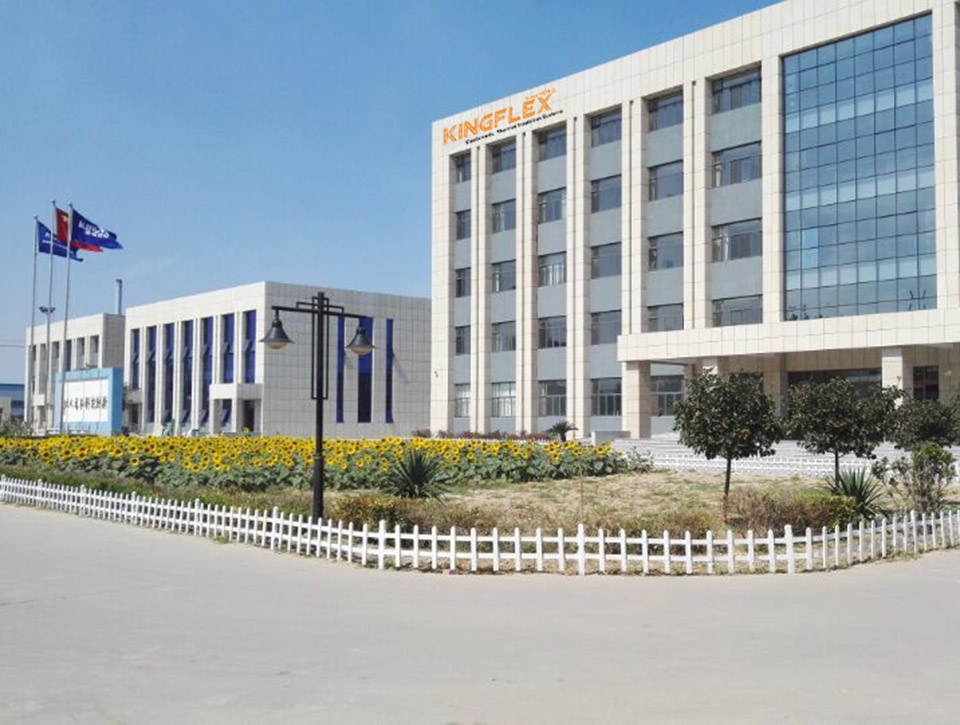
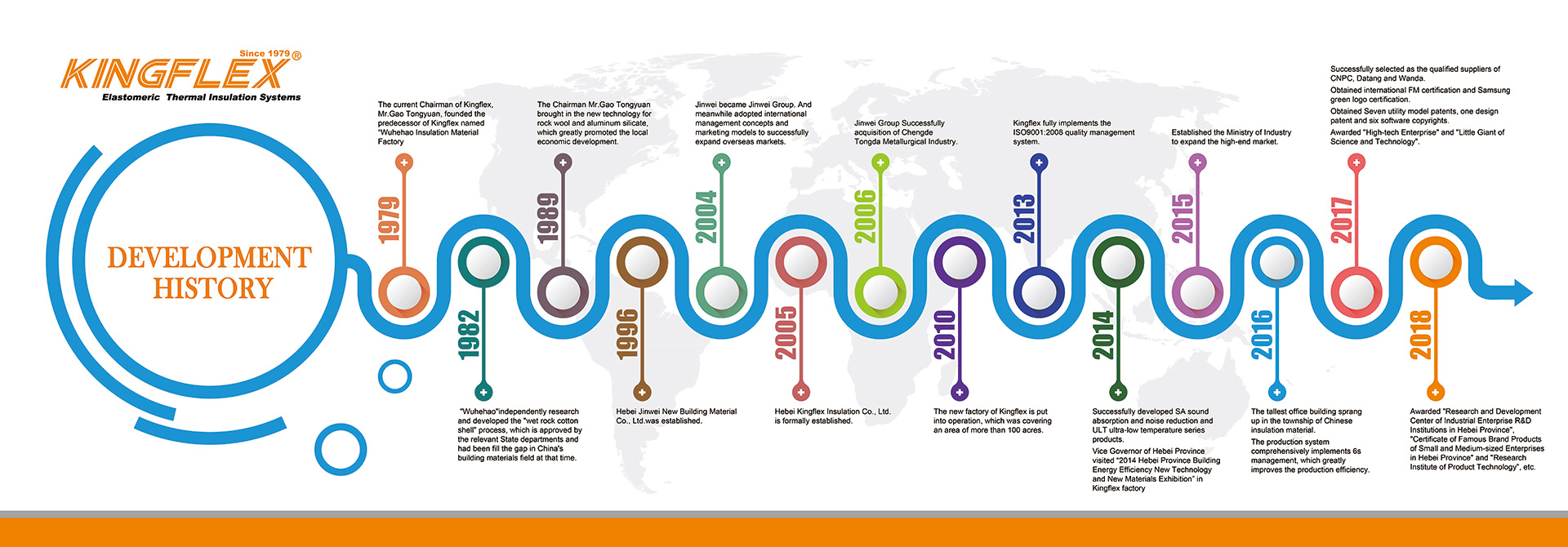
Kingflex is established by the Jinwei Group (also known as Kingway Group) which carries more than 40 years of history. Kingway Group was established in 1979. It proudly holds the milestone of being the very first manufacturer of high-caliber thermal insulation materials north of the Yangtze River.
Our decades of manufacturing experience have given us deep institutional expertise. We have lived through the evolution of global building insulation, allowing us to adapt formulations and scale production lines to meet the strict regulatory frameworks of Europe, North America, and Southeast Asia.
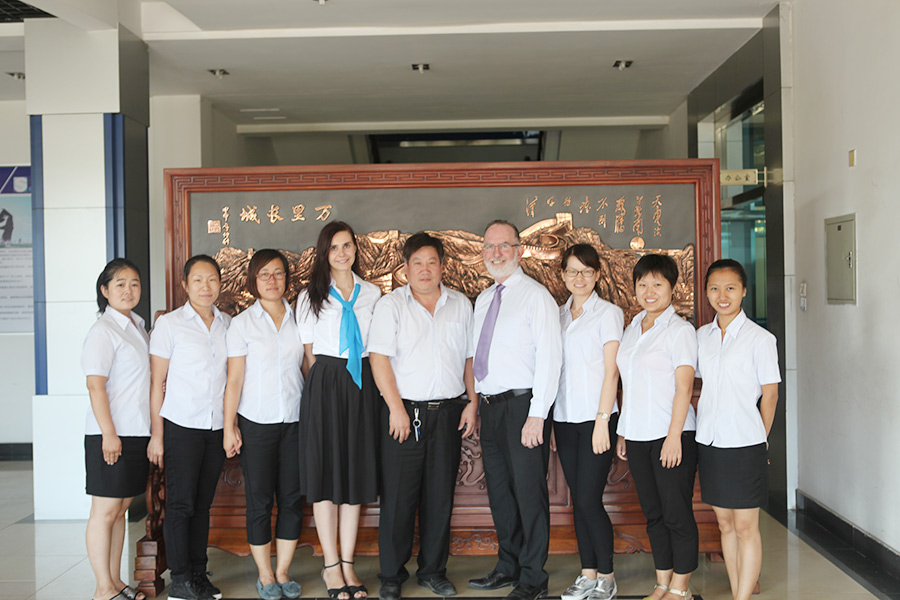
Our employees are amazing in their own right, but together they are what makes Kingflex such a fun and rewarding place to work. The Kingflex team is a tight-knit, talented group with a shared vision of giving consistently first-class service to our global clients.
Currently, Kingflex supports:

At present, Kingflex operates 5 large automatic assembly lines, yielding an annual production capacity of more than 600,000 cubic meters. Our strict adherence to state standards and technical superiority has allowed us to become a designated production enterprise certified and trusted by:

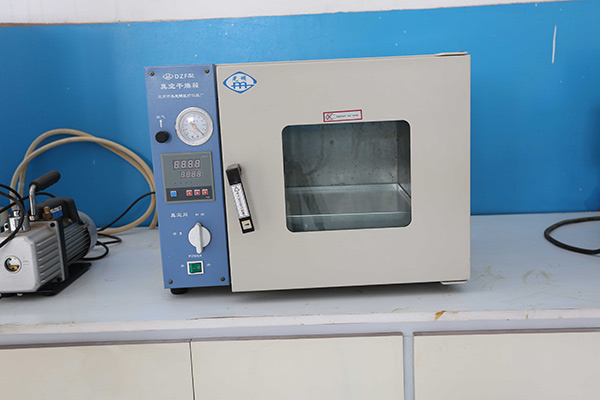
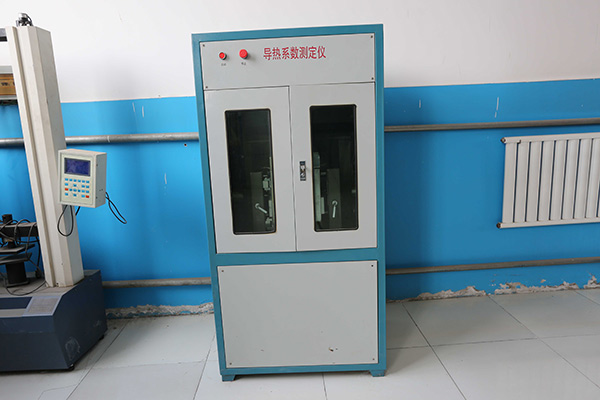
The manufacturing process at Kingflex utilizes an advanced NBR/PVC blend. The addition of PVC (Polyvinyl Chloride) to the NBR (Nitrile Butadiene Rubber) base enhances the material's structural ozone resistance, chemical stability, and flame retardancy. Standard rubber foaming relies on a vulcanization process coupled with physical or chemical blowing agents to generate millions of micro-cells. In Kingflex products, the closed-cell rate exceeds 98%, meaning almost every individual bubble is completely sealed from neighboring cells.
Why is this microscopic design so crucial for HVAC and chilled water pipelines? In sub-ambient applications (such as chilled water lines at 4°C to 10°C, or cryogenic pipes operating down to -196°C), the water vapor pressure in the surrounding air is substantially higher than the vapor pressure at the pipe surface. This pressure gradient acts as a relentless force driving moisture inward. An open-cell material acts as a sponge, filling with water and rendering the insulation useless. In contrast, the micro-closed cells of Kingflex form a series of physical bulkheads that resist the transmission of water vapor.
To maintain strict adherence to international building codes, Kingflex products undergo continuous third-party evaluations. We hold multiple approvals that verify our low smoke toxicity, fire spread limits, and overall insulation integrity.
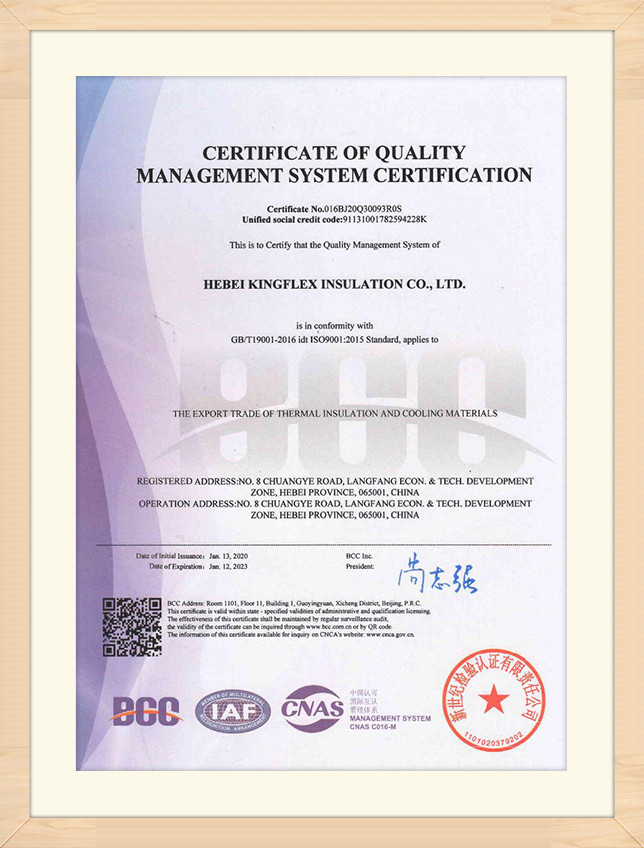
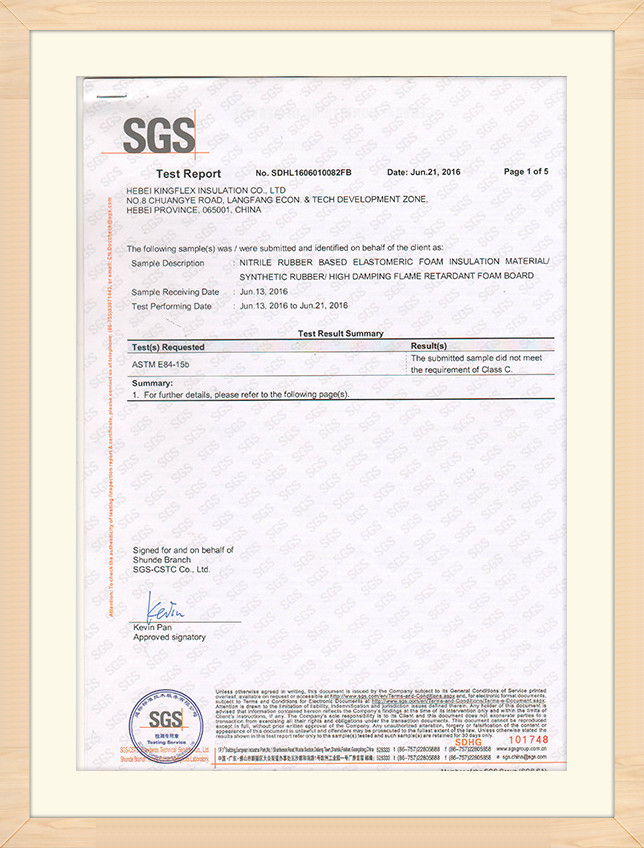
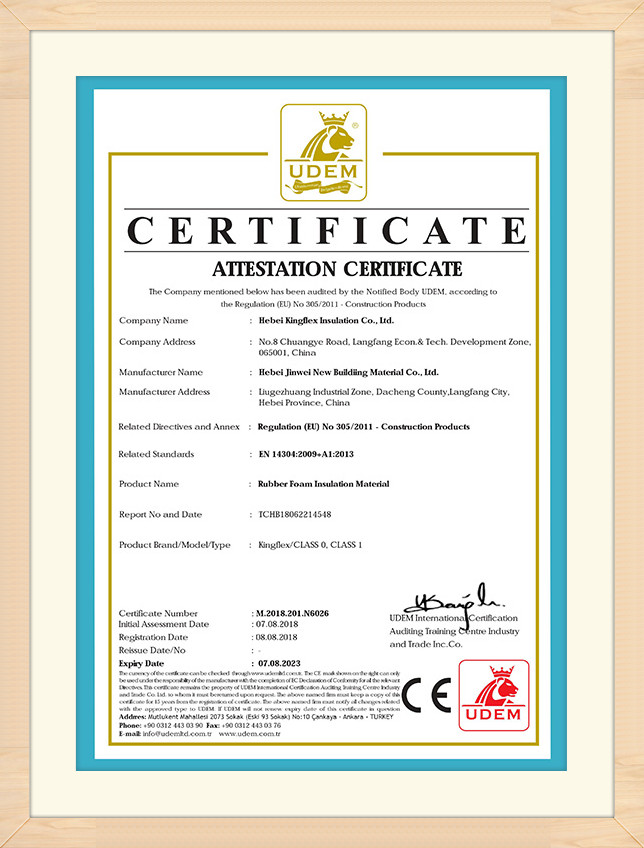
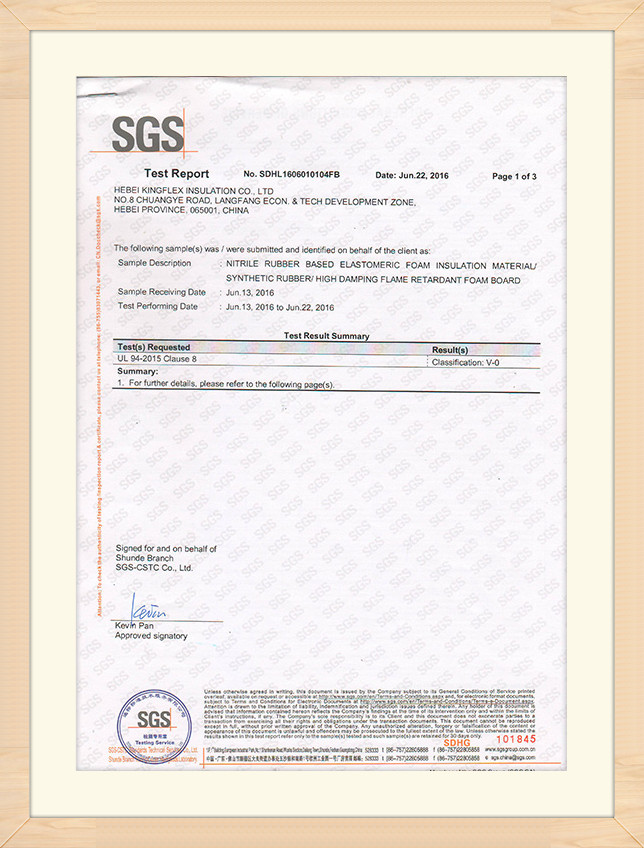
Every batch of Kingflex elastomeric insulation has full traceability. From raw synthetic rubbers to formulation blends, and curing temperatures to physical cutting, each roll or tube is assigned a unique batch identifier. This transparent tracking ensures that should any pipeline project experience variance, complete technical diagnostics can be provided immediately.
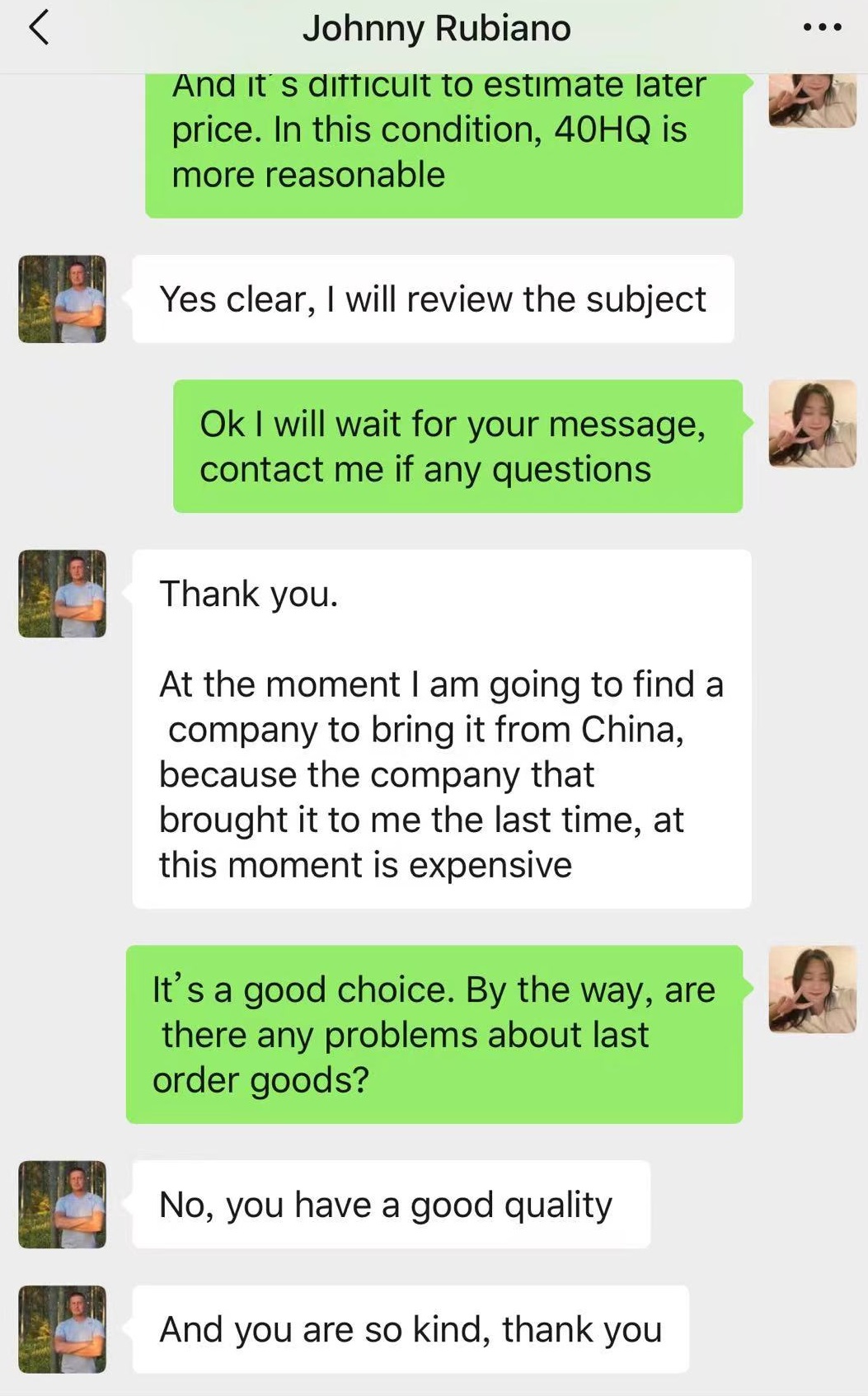
Trust is built on transparency. Below are verified chat transcripts and screenshots from our international accounts, detailing successful orders, customs approvals, quality validations, and long-term project partnerships across the globe.


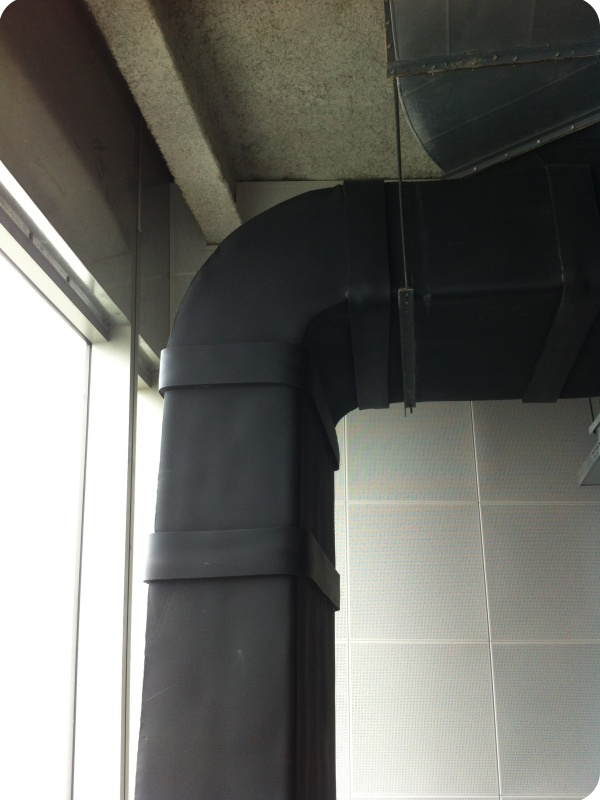
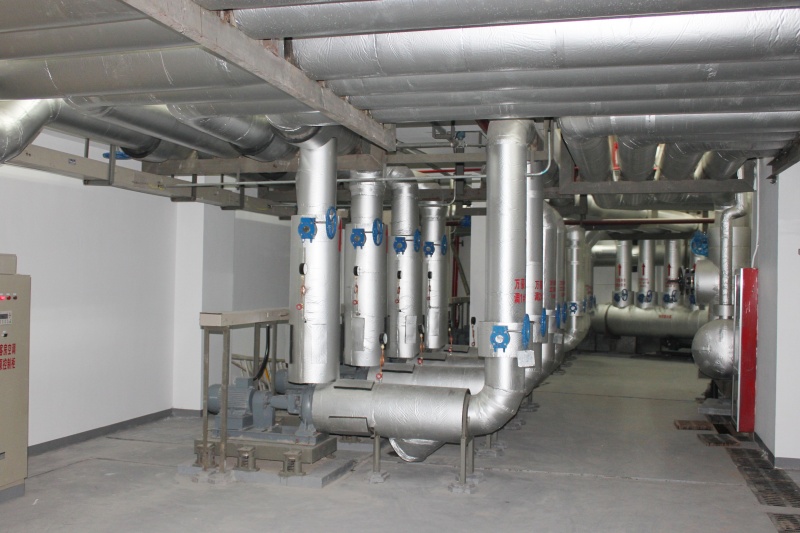
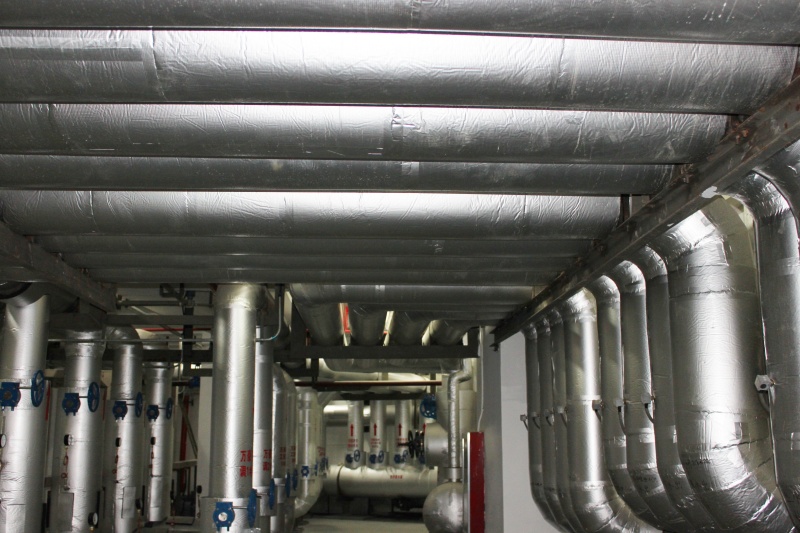
For central AC systems in high-occupancy spaces (hospitals, shopping malls, airports), maintaining system equilibrium is critical. Condensation drop-off can damage ceilings and promote toxic mold. Our NBR/PVC sheets offer low vapor transmittance, keeping duct systems dry, clean, and structurally sound.
At temperatures below -150°C, regular insulation suffers severe thermal shock cracking. Kingflex Cryogenic elastomeric configurations feature low-temperature flexibility that accommodates mechanical movement and structural shifts without thermal bridge formation.

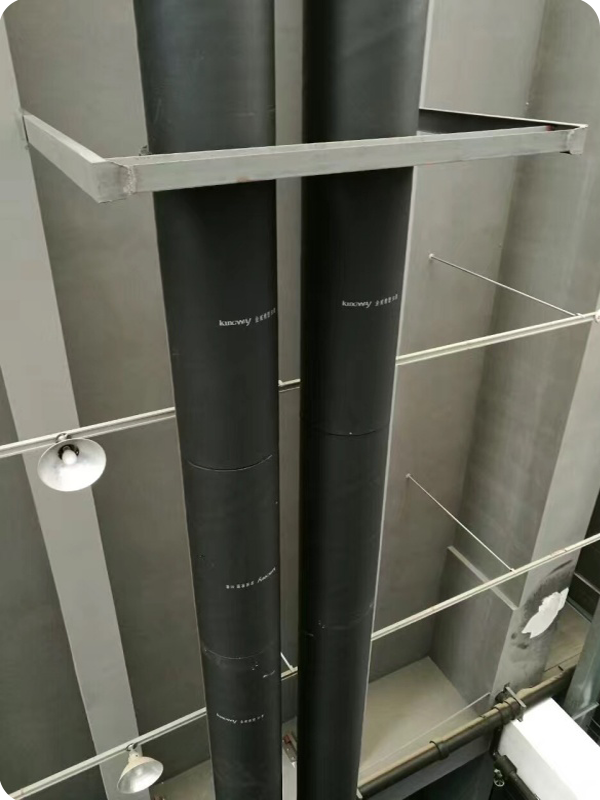
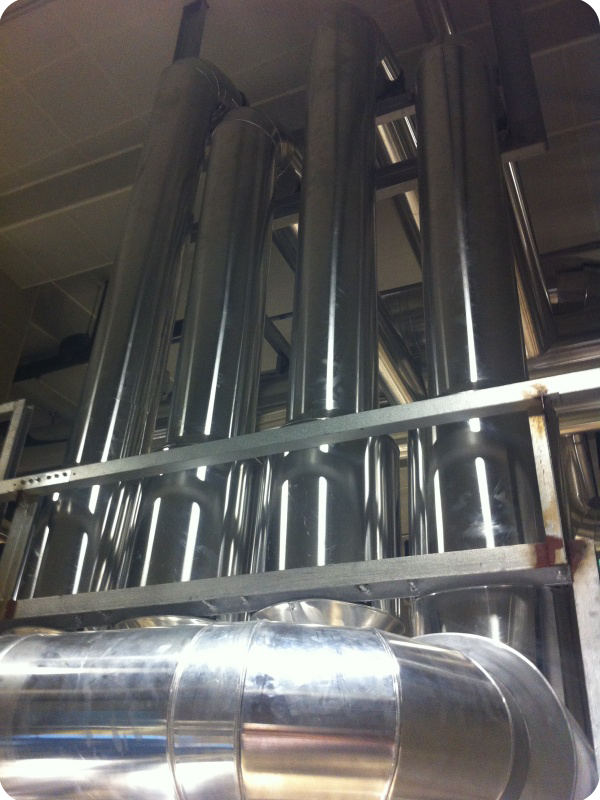
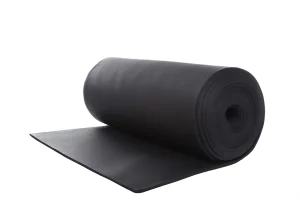
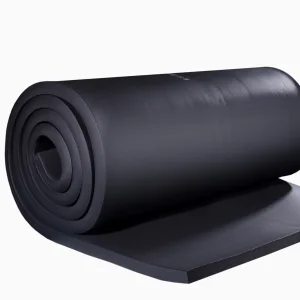
Every pipeline system features complex geometry, including T-joints, valves, flange boxes, and elbows. Rigid insulation requires manual carving, which causes significant site waste. Kingflex flexible elastomeric rolls can be cut using basic templates and adhered with high-tack neoprene adhesives to form a continuous seal.
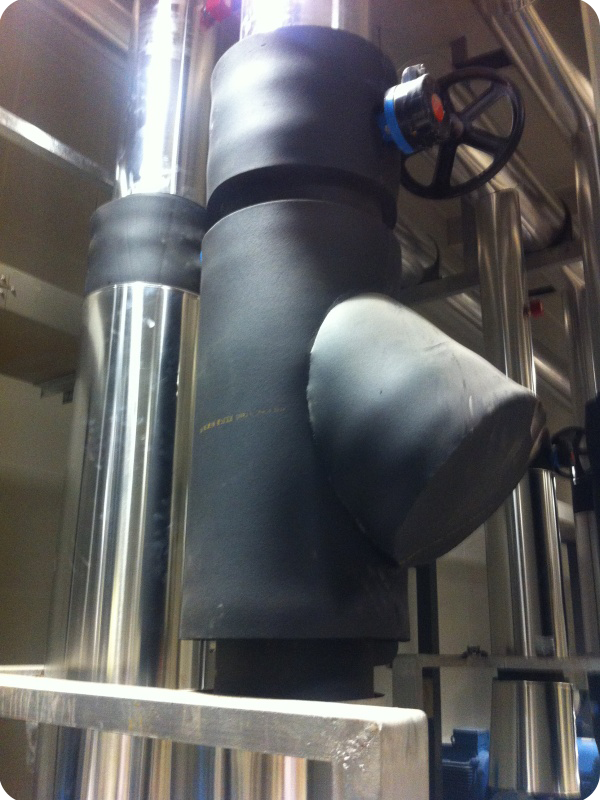
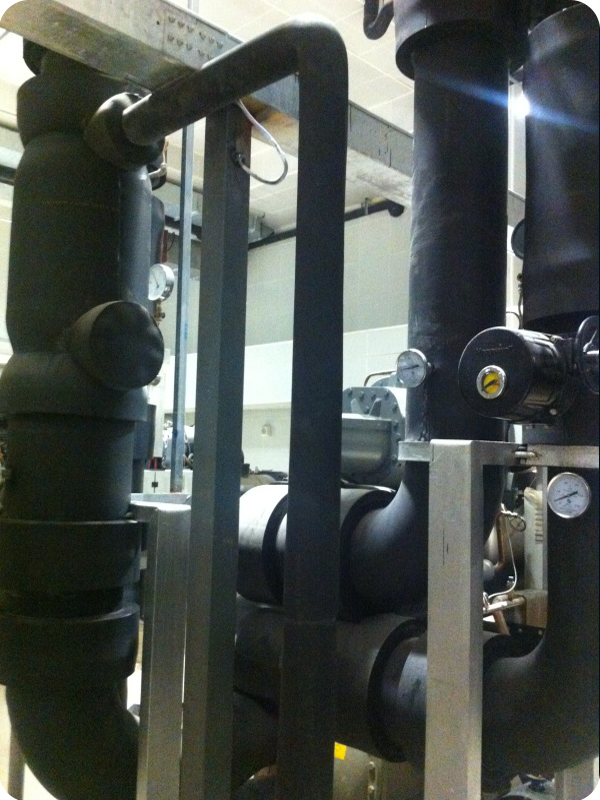

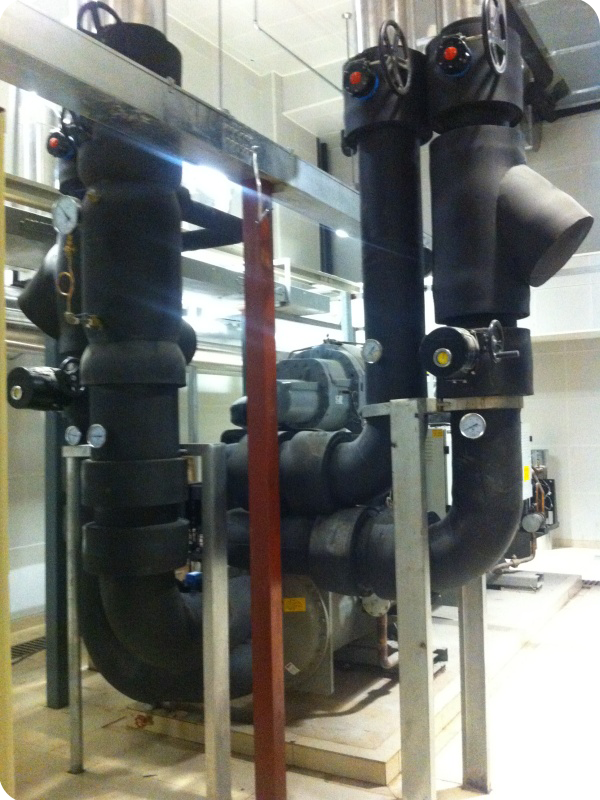
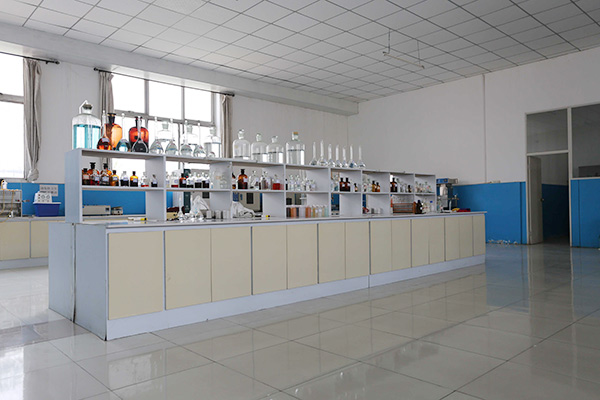
Our state-of-the-art Dacheng manufacturing complex operates continuous vulcanization lines. Automatic computer controls regulate the dosing of synthetic rubber compounds, blowing agents, and flame retardants to guarantee consistent cell size and density throughout the production run.
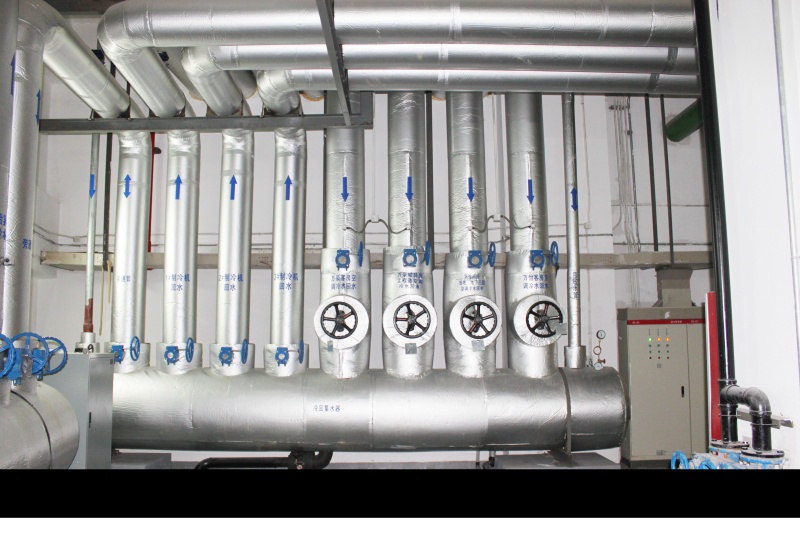
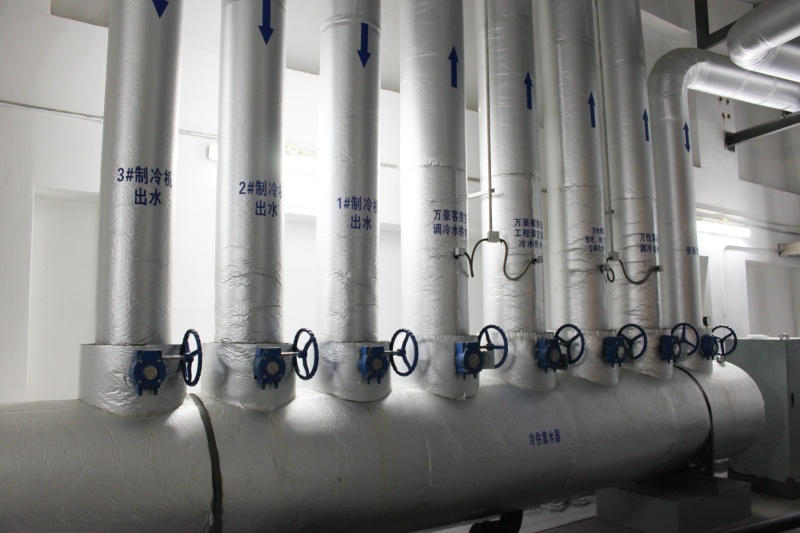
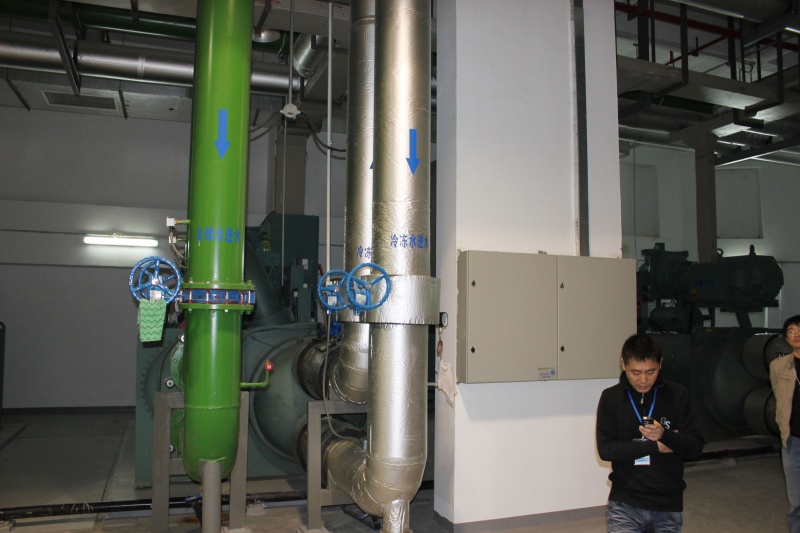
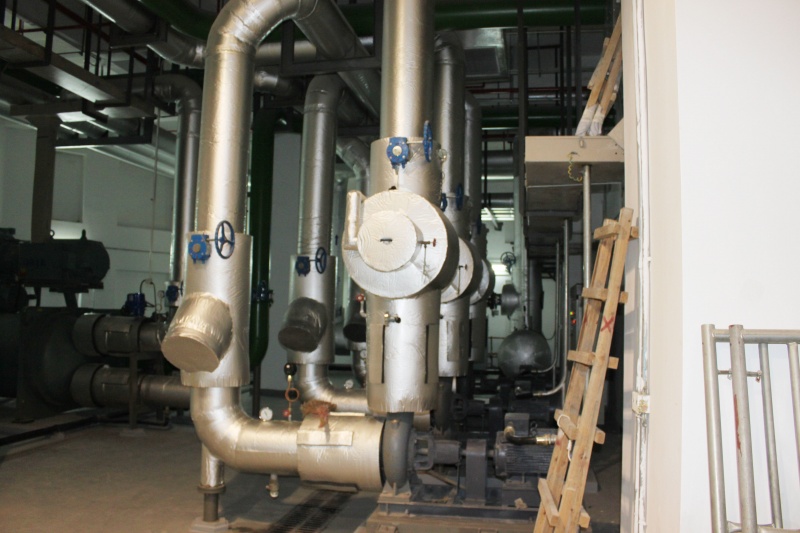
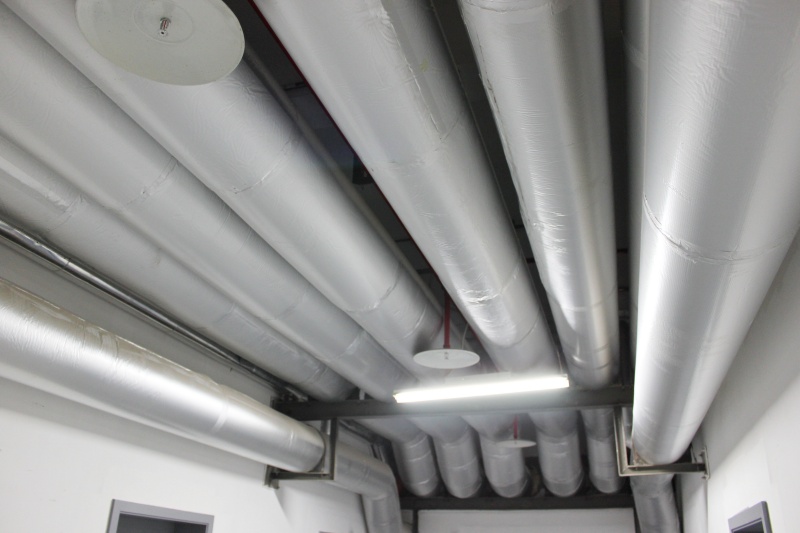

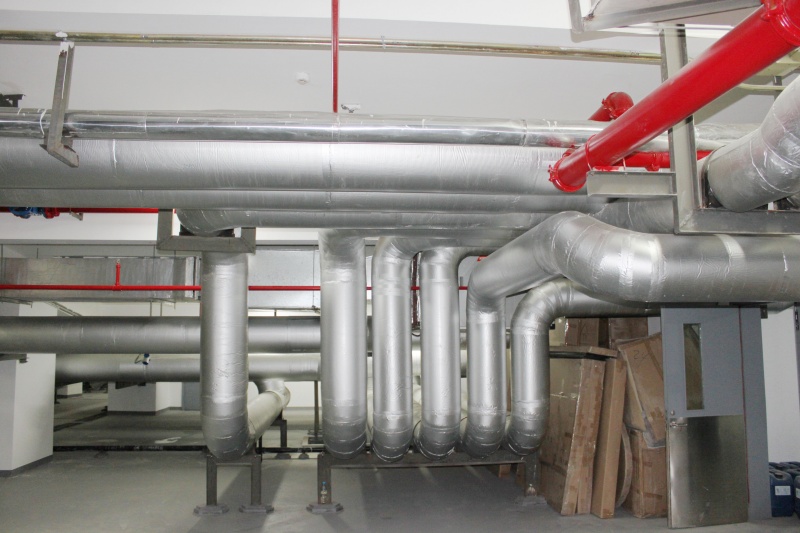

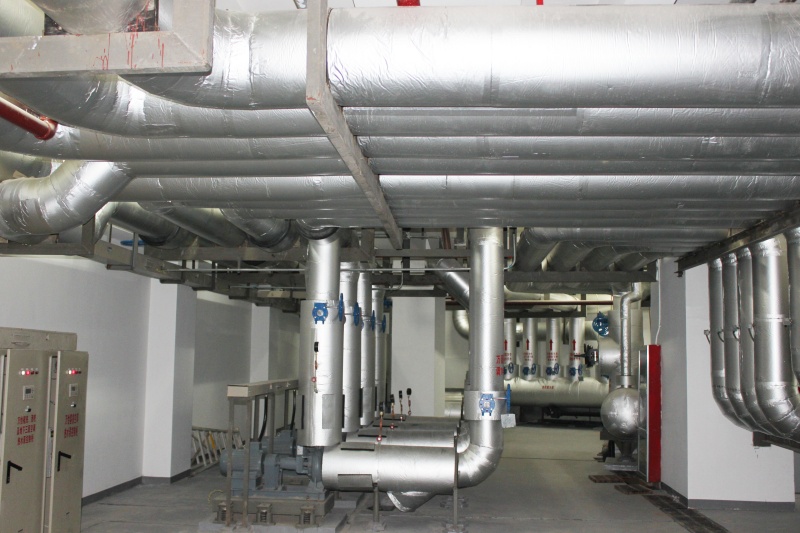
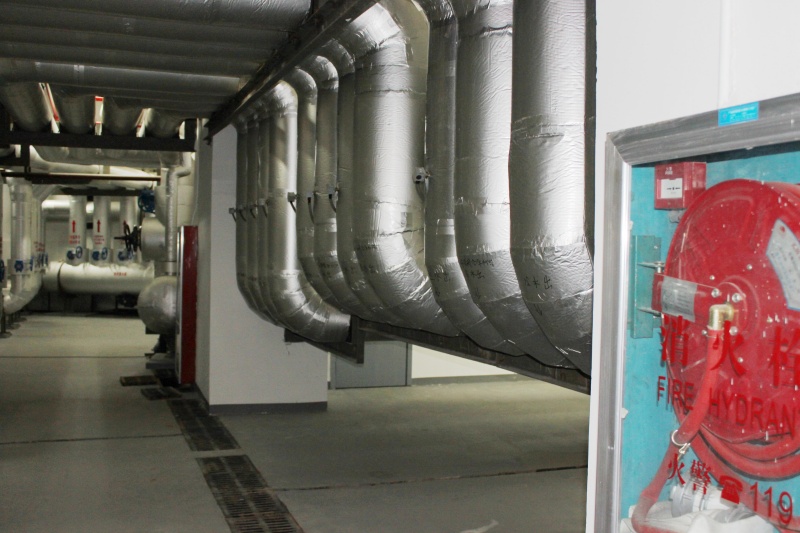
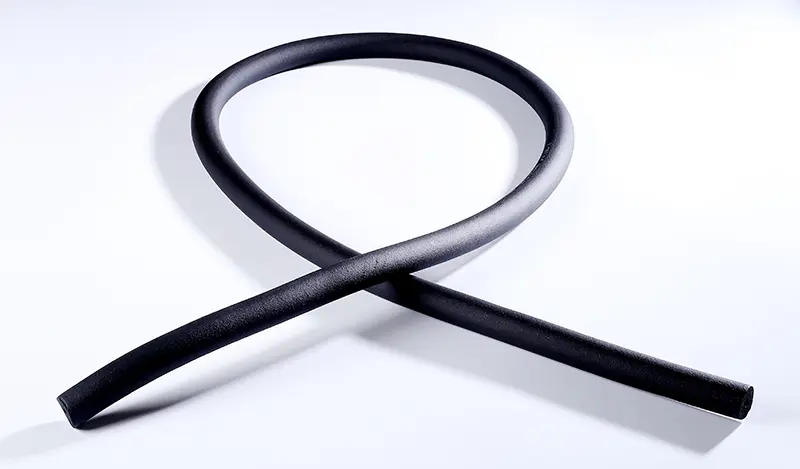
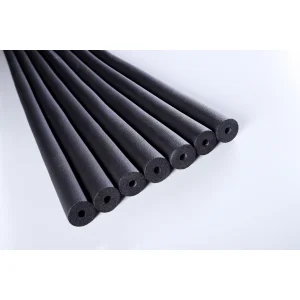
Fully vulcanized and extruded closed-cell NBR tubing for cold/hot water distribution lines.
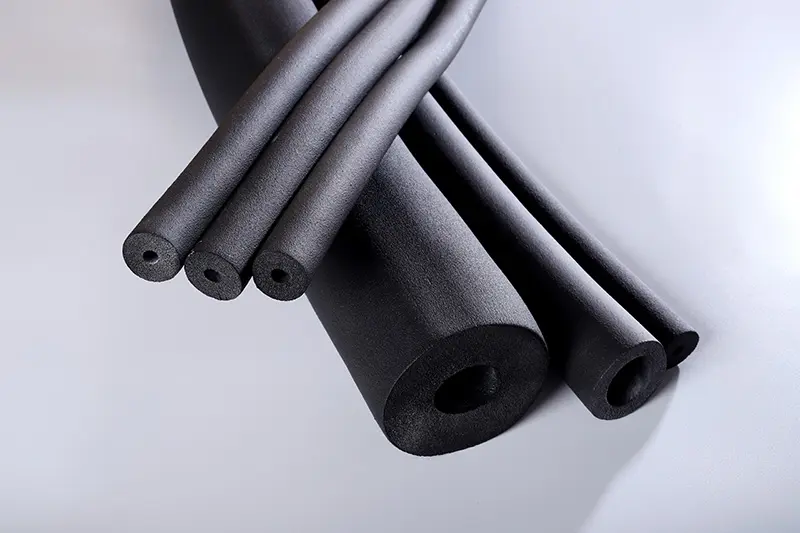
Chemically inert formulation engineered to resist acids, alkalis, and oils in industrial plants.
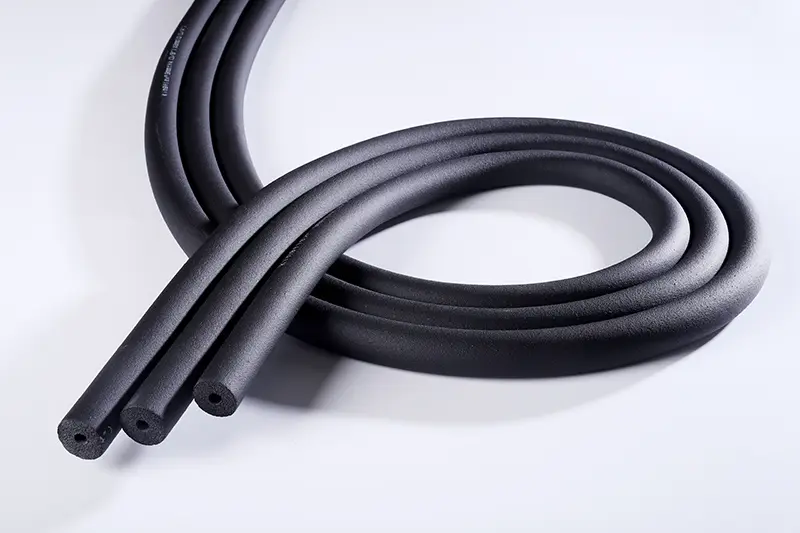
High-elasticity composition allowing tight bends and complex routing without material fatigue.
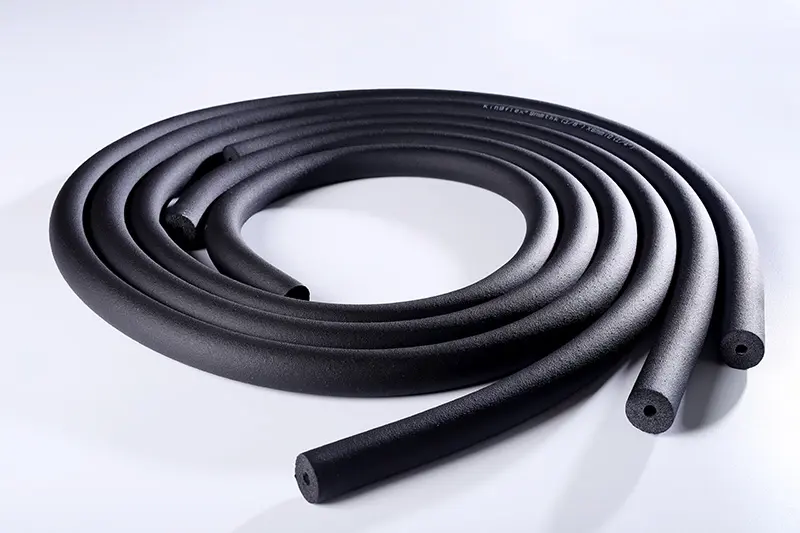
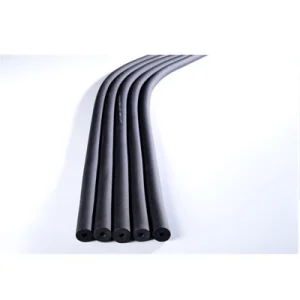
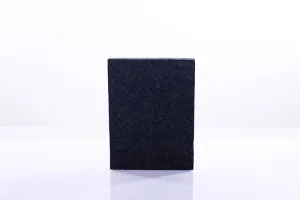
Standard industrial-grade black piping insulation designed for plumbing, AC, and HVAC protection.

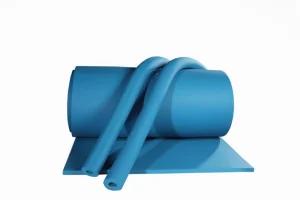
Highly flexible elastomeric thermal tube offering superior noise dampening and thermal barrier.

Nitrile-based foam optimized for environmental duct protection and temperature-controlled air cycles.
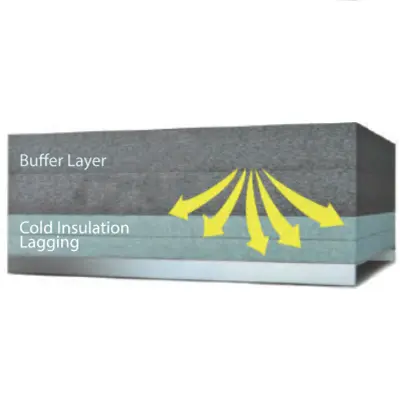
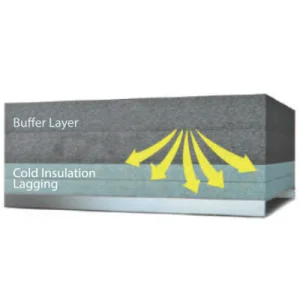
Premium cryogenic insulation multi-layer wrap system for low-temperature industrial lines.
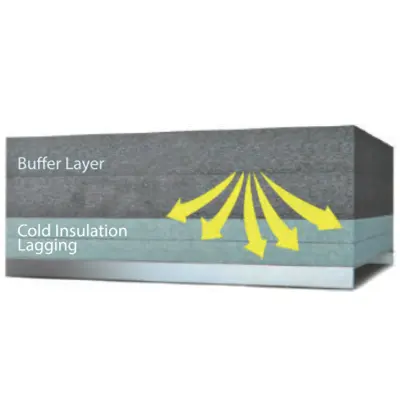
Ultra-low temperature flexible elastomer sheeting to prevent structural pipe cracking.
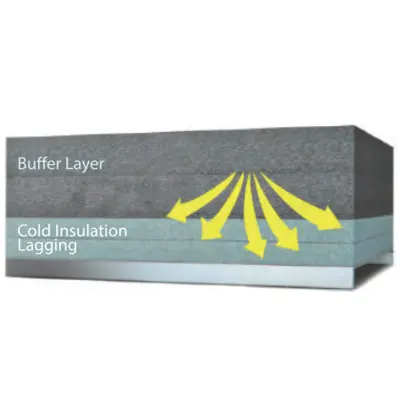
High-durability NBR foam system providing dual condensation control and thermal safety.
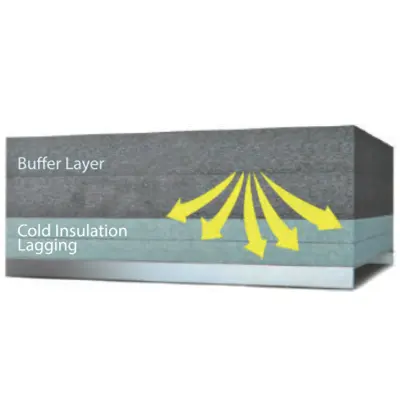
Engineered for heavy processing installations, preventing energy loss at extreme low temps.
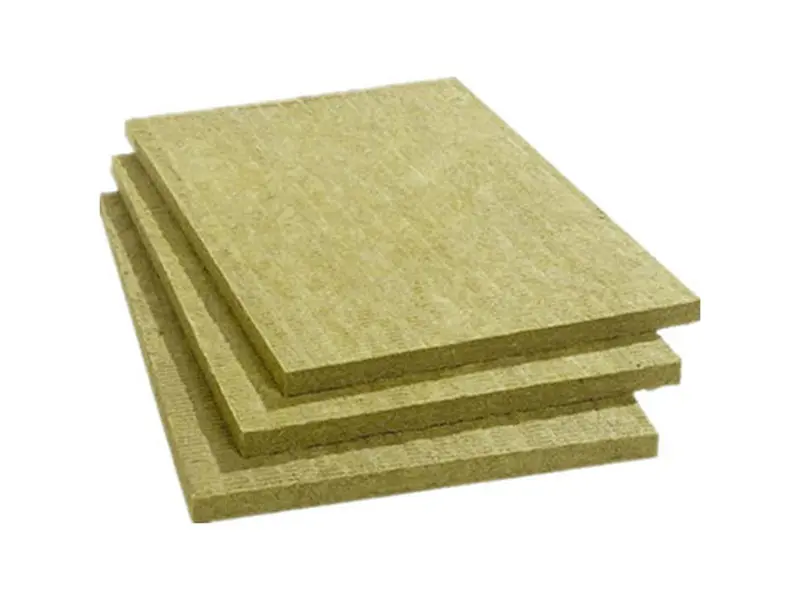
High-temperature resistant fiber boards designed for furnace walls and boiler insulation.
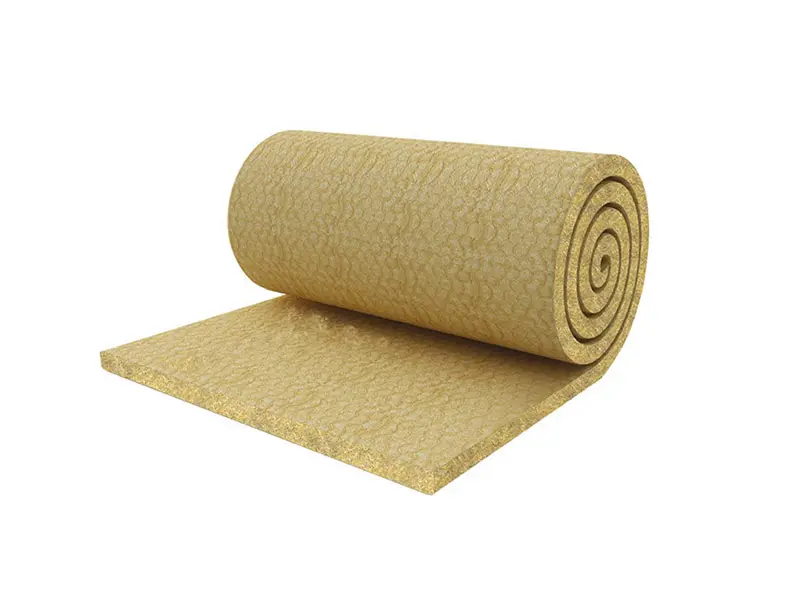
Highly fireproof flexible rock wool blankets for heavy duty thermal applications.
Gain deep technical clarity about our rubber foam performance benchmarks, customization support, and quality metrics.
It is mainly used for HVAC ducts, air conditioning pipes, building thermal insulation, industrial pipeline cold insulation, and sound insulation.
Yes, our rubber foam insulation products are fire retardant, meeting strict safety standards (e.g., BS 476 Class 0, UL 94, ASTM) for building and industrial projects.
Rubber foam is flexible, closed-cell, and moisture-proof, making it ideal for sub-ambient systems, HVAC, and condensation control. Rock wool is high-temperature resistant and fireproof, making it suitable for industrial high-temperature heat pipes and ovens.
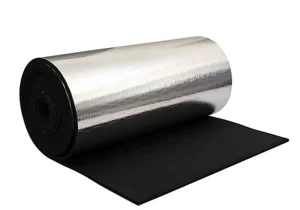
Yes, we support OEM/ODM services, including customization of thickness, sheet widths, roll lengths, color coding, and foil laminations to meet project specifications.
Our products have passed BS 476, CE, REACH, ROHS, UL94, ASTM, and other international certifications, ensuring product quality and compliance with global standards.
Yes, Kingflex enforces full digital and printed batch traceability across our production cycle. Every production batch of foam is stamped, tracked, and stored in our QC log databases.
We can produce from 6mm to 50mm thickness sheet rolls. Custom thickness requests are assessed by our technical department.
With professional installation and operation within designed limits (-40℃ to +105℃), the service life is typically 10 to 15 years.




 Kingflex