Explore our elite NBR/PVC elastomeric rubber foam sheets, cryogenic pipelines, and high-density acoustic board arrays designed to meet BS 476, CE, and ASTM global standards.
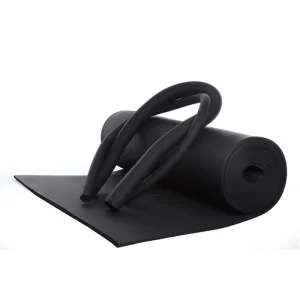
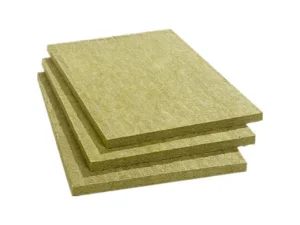
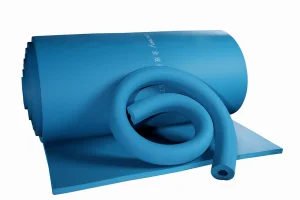
The global demand for high-performance sound absorbing and thermal insulation has witnessed dramatic acceleration over the past decade. Rapid urbanization, combined with stringent international building codes (such as ASHRAE 90.1, EU Energy Performance of Buildings Directive, and ASTM standards), has forced engineering, procurement, and construction (EPC) firms to prioritize systems that mitigate structural noise while preventing thermal energy loss.
From massive LNG (Liquefied Natural Gas) processing plants in the North Sea to sprawling HVAC configurations in skyscraper complexes in Singapore, thermal and acoustic insulation acts as the critical barrier against mechanical vibration, sound transmission, and thermal bridging. Nitrile butadiene rubber (NBR) and polyvinyl chloride (PVC) elastomeric closed-cell foams have emerged as the industry's material of choice due to their unique balance of structural flexibility, low thermal conductivity, and inherent sound dampening qualities.
Understanding sound transmission loss (STL) and thermal transfer values to optimize material selection for structural applications.
Acoustic performance in structural design is quantified by two core metrics: the Noise Reduction Coefficient (NRC) and the Sound Transmission Class (STC). Sourcing agents must recognize that different materials solve different acoustic problems:
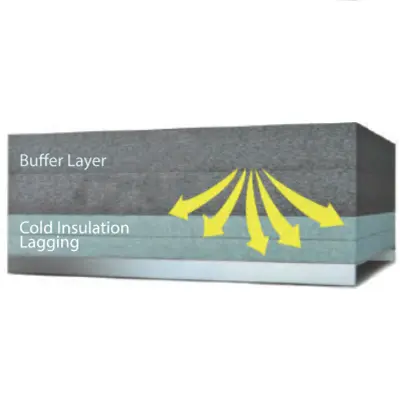
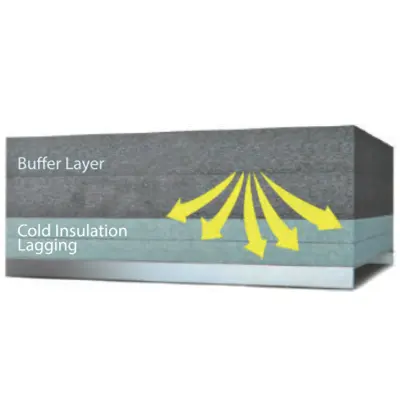
For applications where humidity or water ingress is present (e.g., chilled water pipes, maritime hulls, air handling units), open-fibrous structures like rock wool will absorb moisture, leading to a complete loss of thermal resistivity (K-value inflation) and facilitating Corrosion Under Insulation (CUI). In contrast, Kingflex NBR/PVC has an integrated water vapor barrier (μ-factor ≥ 10,000) that prevents thermal bridging while maintaining acoustic attenuation properties over 15+ years of continuous service.
| Insulation Material | Standard Density | Thermal Conductivity (λ at 0℃) | Service Temp. Range | Key Testing Certifications |
|---|---|---|---|---|
| NBR/PVC Elastomeric Foam | 40 - 55 kg/m³ | ≤ 0.034 W/(m·K) | -40℃ to 105℃ | BS 476, CE, REACH, RoHS, UL94, ASTM |
| Cryogenic Insulation Systems | 50 - 65 kg/m³ | ≤ 0.031 W/(m·K) | -200℃ to 125℃ | ASTM C534, Cryogenic Liquid Ingress Proof |
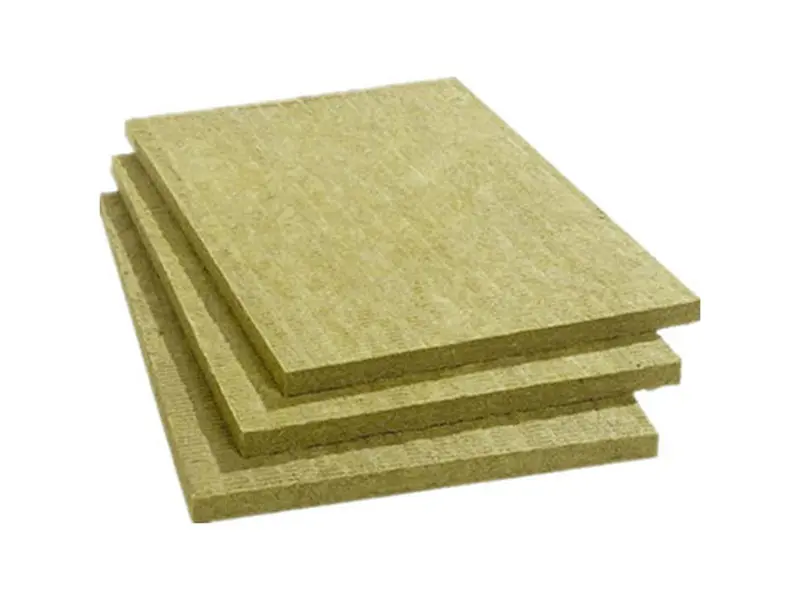
| Industrial Rock Wool Board | 60 - 150 kg/m³ | ≤ 0.038 W/(m·K) | -260℃ to 650℃ | Class A1 Non-combustible, ASTM C612 |
| Glass Wool Board | 24 - 48 kg/m³ | ≤ 0.036 W/(m·K) | -120℃ to 400℃ | ISO 14001, CE, ASTM C592 |
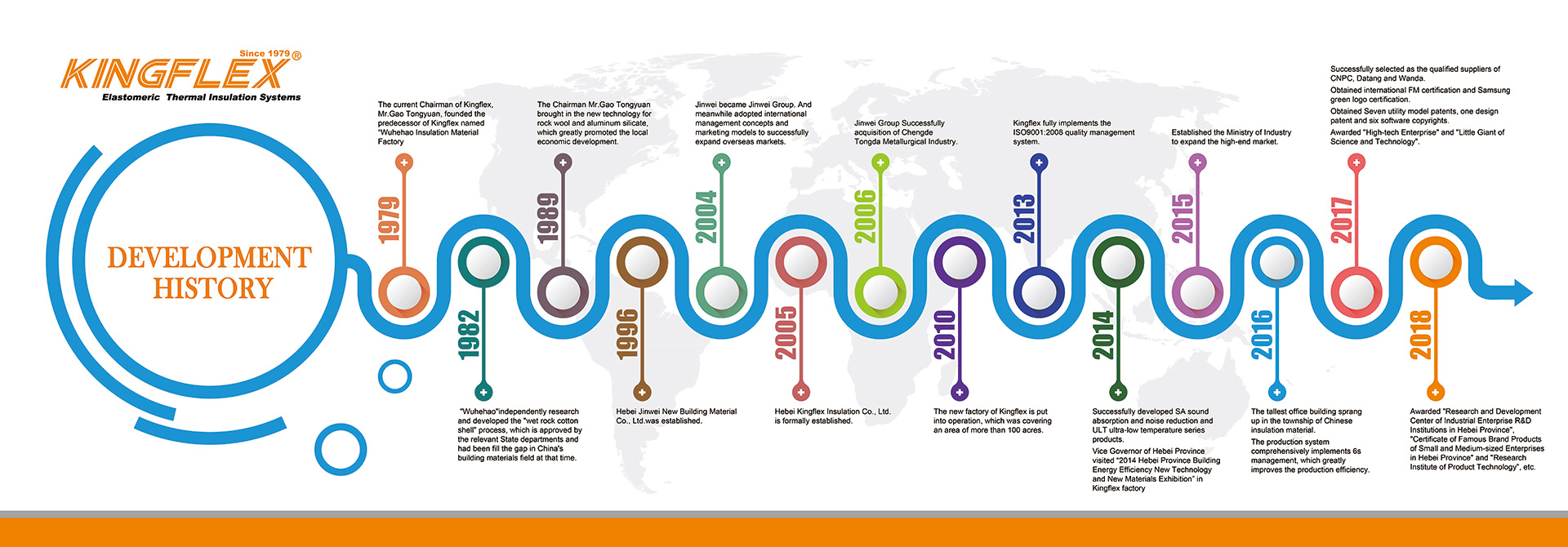
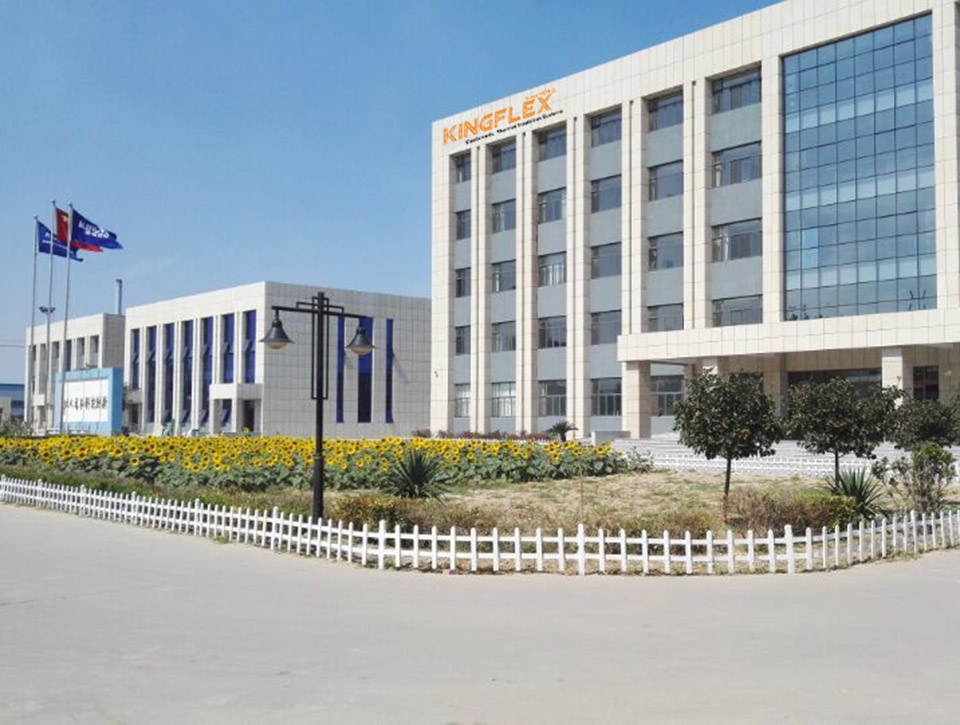
Our core production is centered in Dacheng, China—historically and globally recognized as the capital cluster for green-building and industrial insulation materials. This centralized geographic concentration yields unique industrial cluster efficiencies, allowing raw materials like high-grade nitrile rubber, PVC resins, and chemical foaming agents to be sourced locally at lower costs.
Furthermore, Kingflex Insulation operates five ultra-modern, high-speed automated extrusion and expansion assembly lines. This level of process automation ensures uniform cell distribution and density control across large-volume production runs. Because of these advanced lines, we can scale our capacity to meet massive commercial requirements while keeping pricing highly competitive relative to Western manufacturers. For global procurement officers, this translates to stable quality assurance coupled with optimized shipping and customs preparation times.
Discover how Kingflex sound absorbing and thermal insulation systems are deployed across leading global sectors.
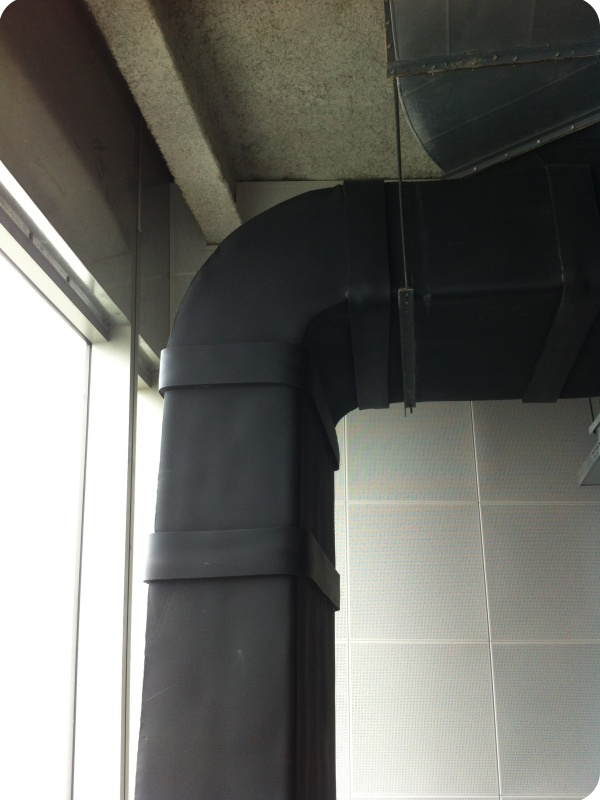
Mitigates fan rumble, air-rush turbulence, and crossover sound transmission inside ventilation networks. Our fiber-free NBR closed-cell sheets ensure IAQ (Indoor Air Quality) remains clean for clinics, classrooms, and offices.
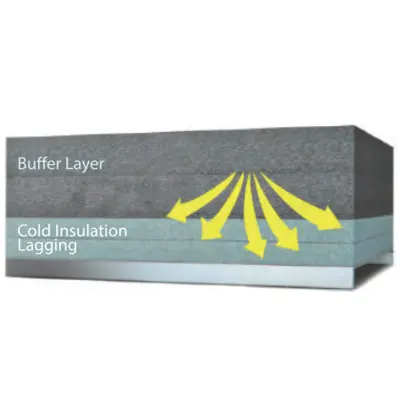
Engineered for temperatures down to -200℃. Prevents localized pipeline icing, controls thermodynamic expansion, and dampens massive mechanical compression vibration in heavy industrial settings.
Delivers robust sound insulation on bypass steam pipes, distillation columns, and chemical feeds. Helps operators comply with strict OSHA environmental noise regulations while preventing structural thermal transfer.
Real factory testing and product processing setups ensuring verified insulation density, flexibility, and longevity.
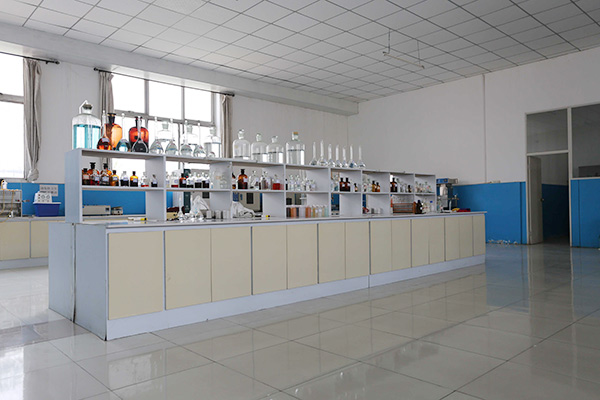
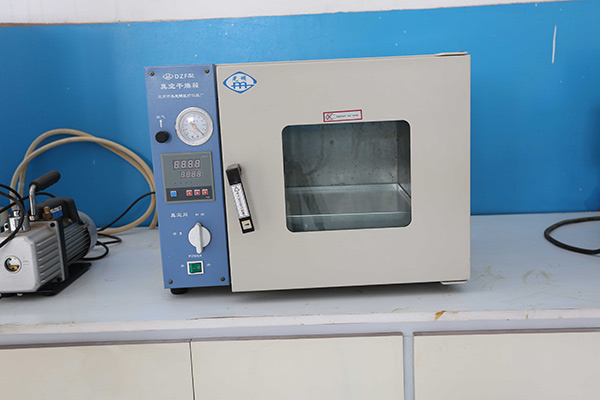
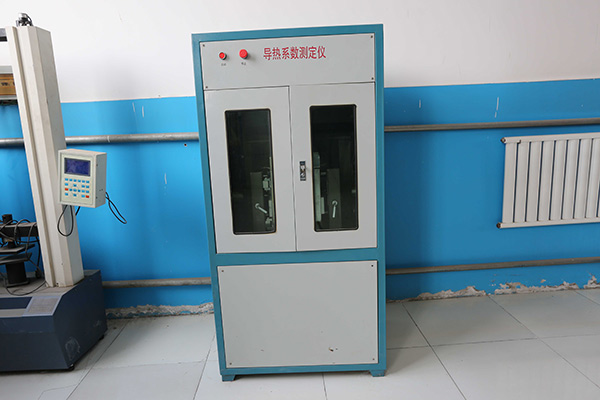

Sourcing managers can optimize procurement costs by evaluating key technical factors that affect final manufacturer quotes.
When requesting quotes for Sound Absorbing Insulation from China, base costs are determined by several key manufacturing parameters. Understanding these variables can help buyers optimize their total cost of ownership (TCO):
Every batch of Kingflex NBR/PVC and rock wool insulation undergoes thorough laboratory testing for density, fire resistance, compression recovery, and thermal conductivity prior to export. This ensures full compliance with local regulatory codes at the delivery destination.
Our production facilities and products are certified by leading global classification societies.
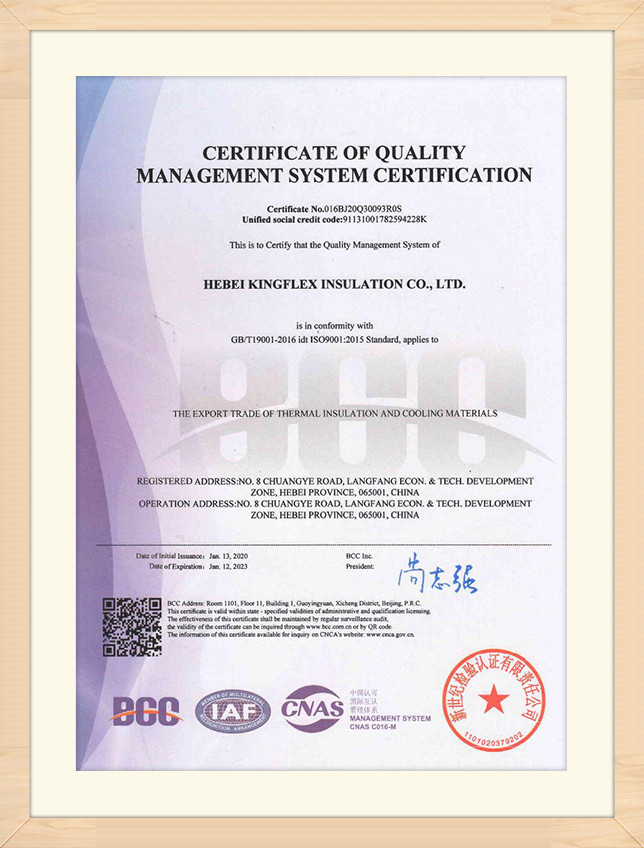
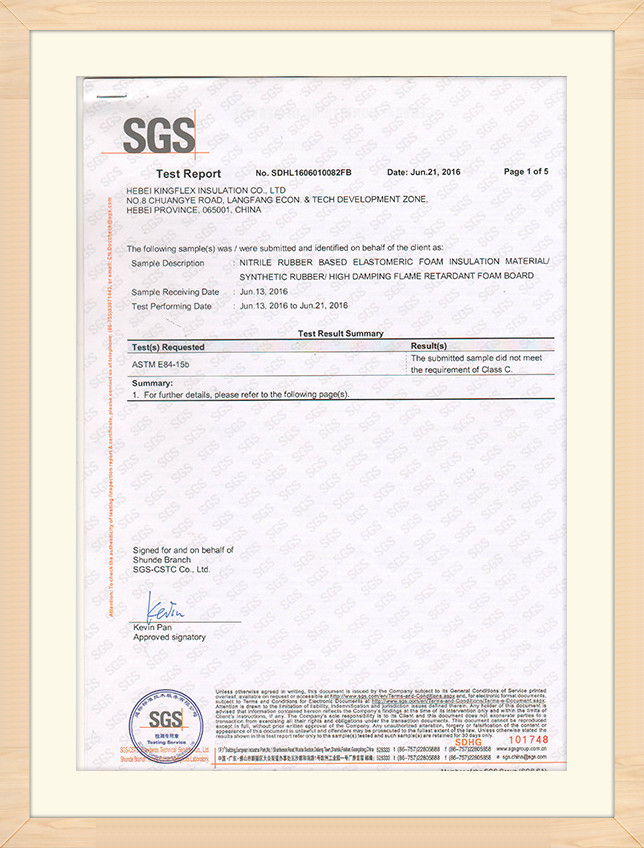
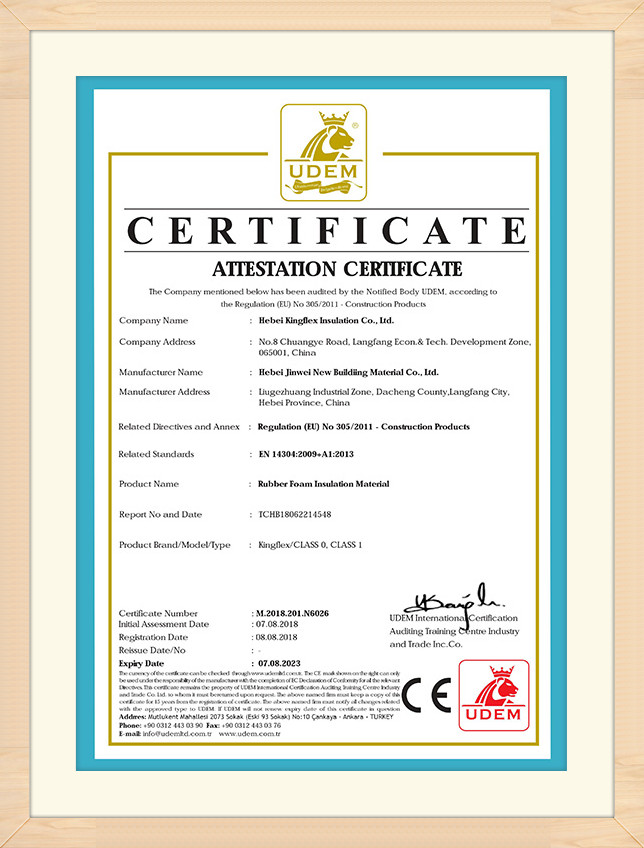
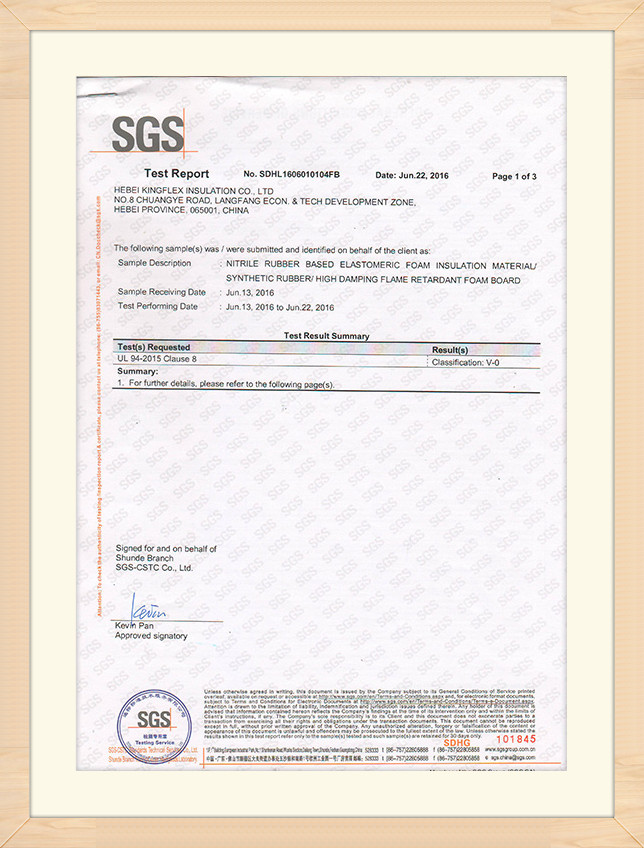
We work closely with global buyers from the initial product inquiry through to final site installation. Clear technical communication helps ensure order accuracy, correct dimensioning, and on-time shipping schedules.


Kingflex materials are routinely specified for projects ranging from HVAC infrastructure in high-rise buildings to pipeline insulation in petrochemical processing plants.


Technical answers to help buyers evaluate acoustic properties, fire performance, and global compliance standards.
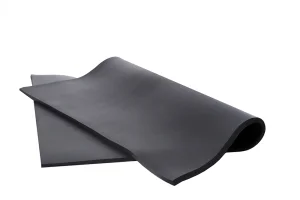
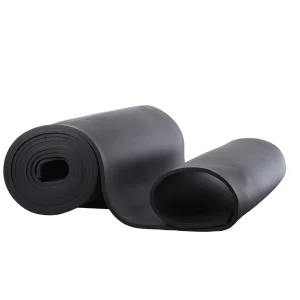
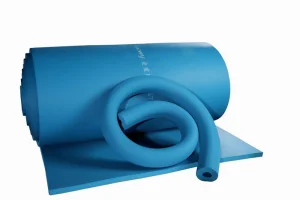
Our elastomeric nitrile rubber foam sheets are manufactured to precise dimensional tolerances, ensuring reliable thermal resistance and acoustic damping across architectural and industrial projects.
| Parameter | Standard Value |
|---|---|
| Material Composition | NBR (Nitrile Butadiene Rubber) & PVC (Polyvinyl Chloride) |
| Available Thicknesses | 6mm, 9mm, 13mm, 15mm, 19mm, 25mm, 32mm, 40mm, 50mm |
| Density Range | 40 - 55 kg/m³ |
| Service Temperature | -40℃ to 105℃ |
| Closed Cell Rate | Over 98% |
| Compression Resilience | Over 80% |
| Thermal Conductivity | ≤ 0.034 W/(m·K) at 0℃ |
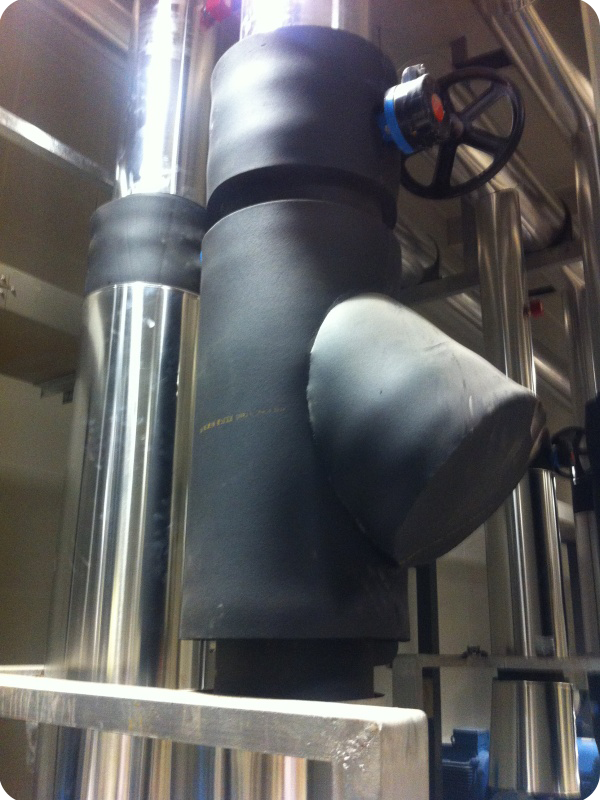
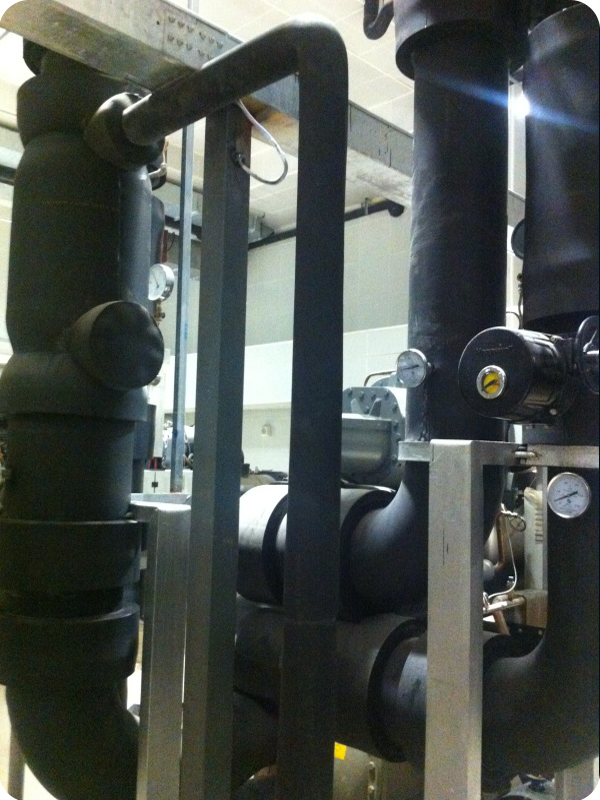
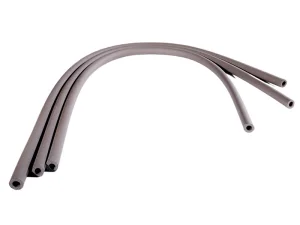
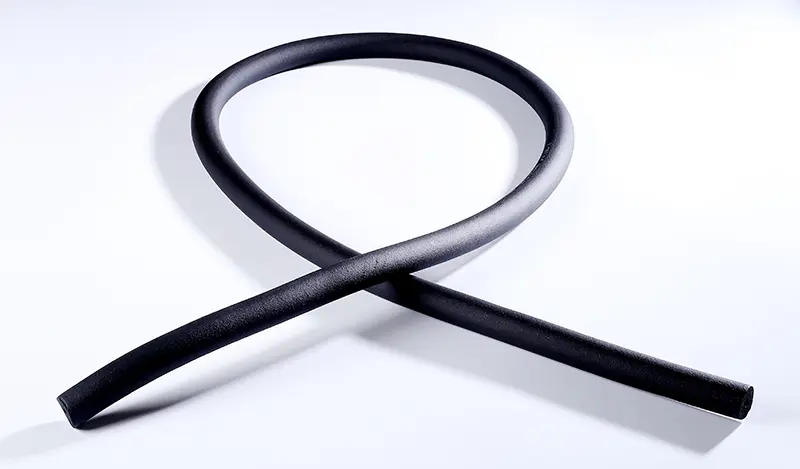
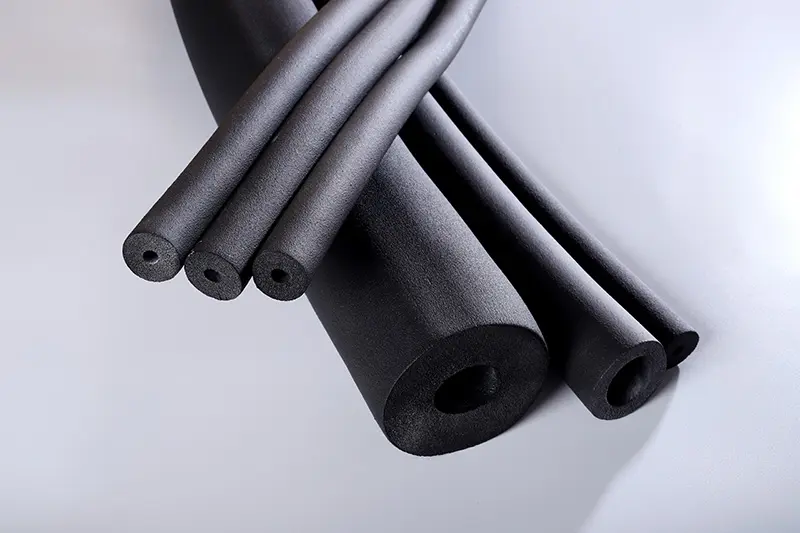
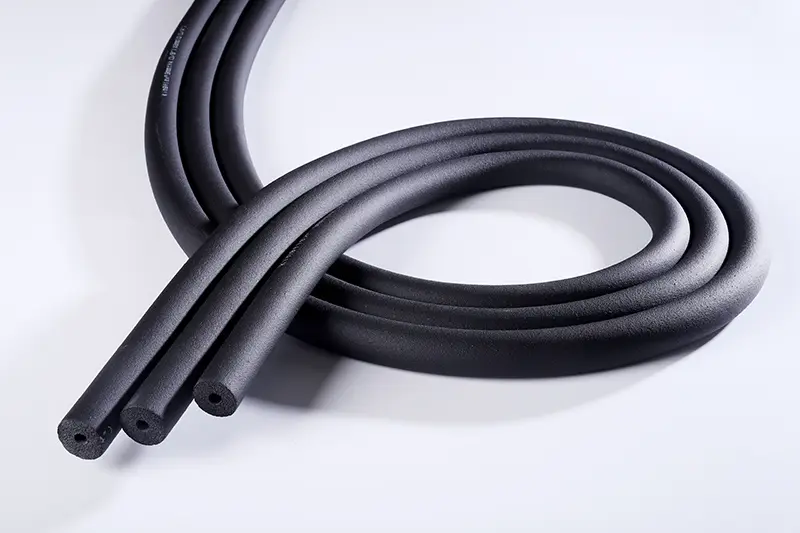
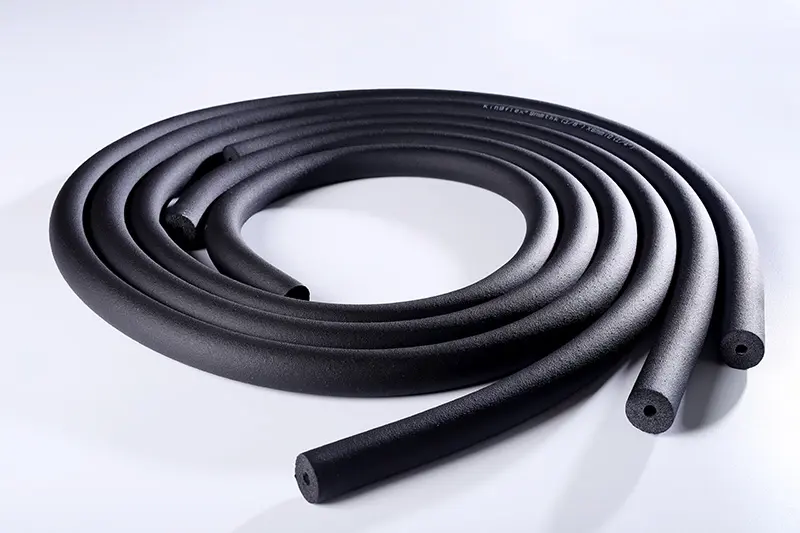
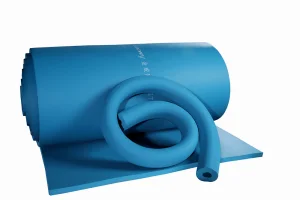
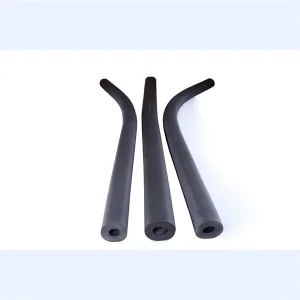
Pre-slit or continuous pipe insulation is designed for easy installation over copper, steel, and plastic lines, helping control thermal loss and structure-borne sound transmission.
| Parameter | Standard Value |
|---|---|
| Material Composition | NBR/PVC Closed-Cell Elastomer |
| Available Thicknesses | 9mm, 13mm, 15mm, 19mm, 25mm, 32mm, 40mm |
| Internal Diameter (ID) | 6mm to 114mm |
| Density Range | 40 - 55 kg/m³ |
| Thermal Conductivity | ≤ 0.034 W/(m·K) |
| Moisture Resistance Factor | μ ≥ 10,000 |
Connect with our technical sales team for wholesale pricing, custom dimension configurations, or detailed product specifications for your projects.
Send Sourcing Inquiry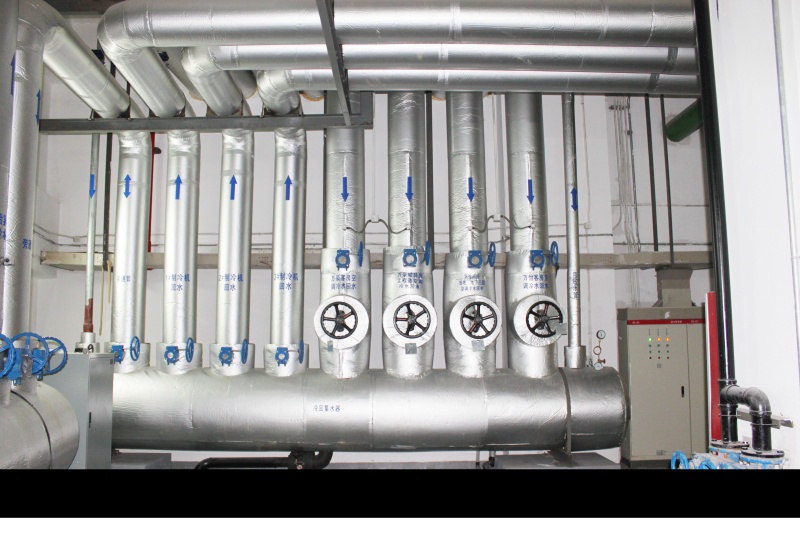
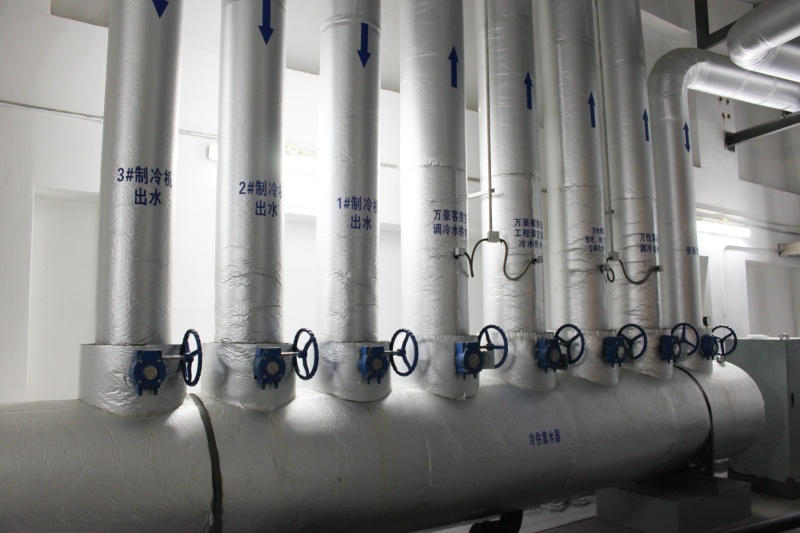
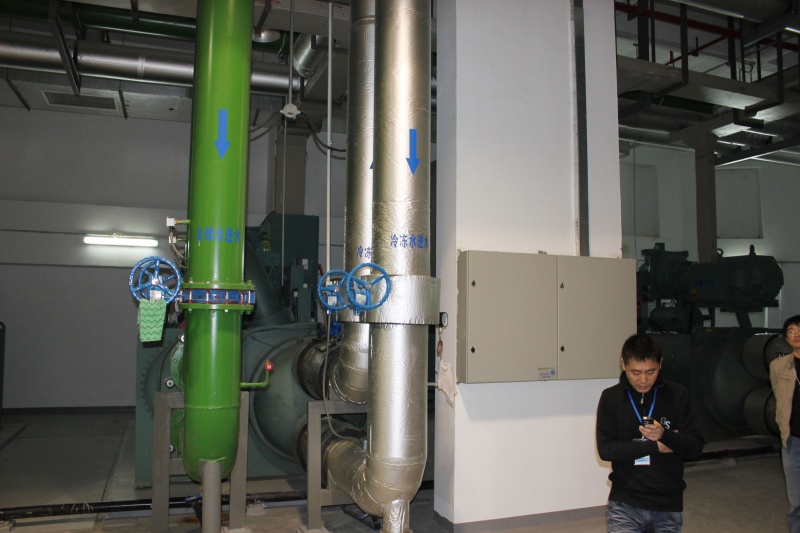
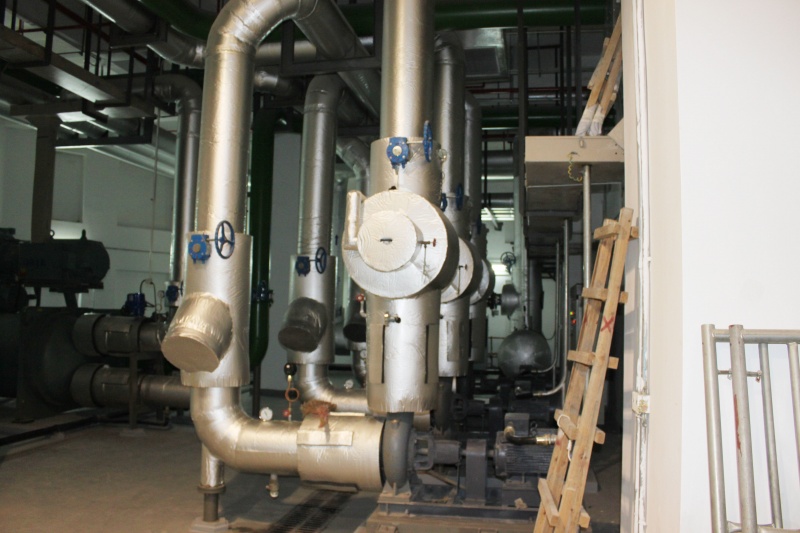
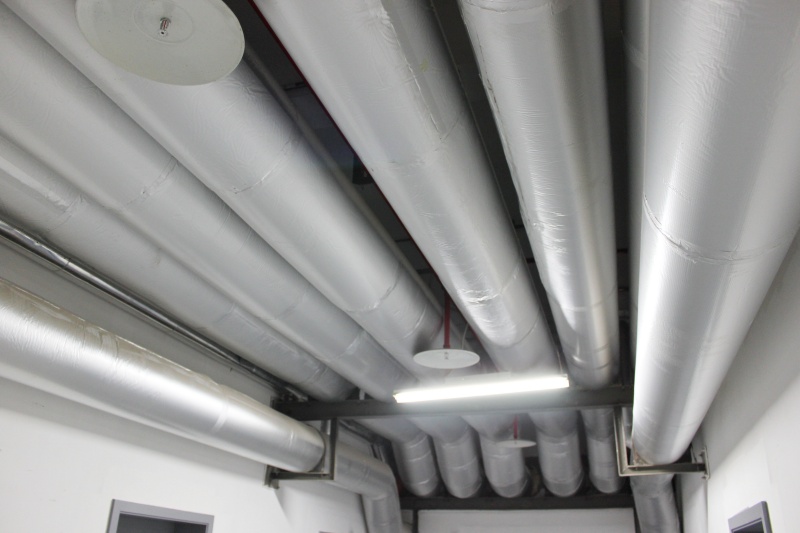

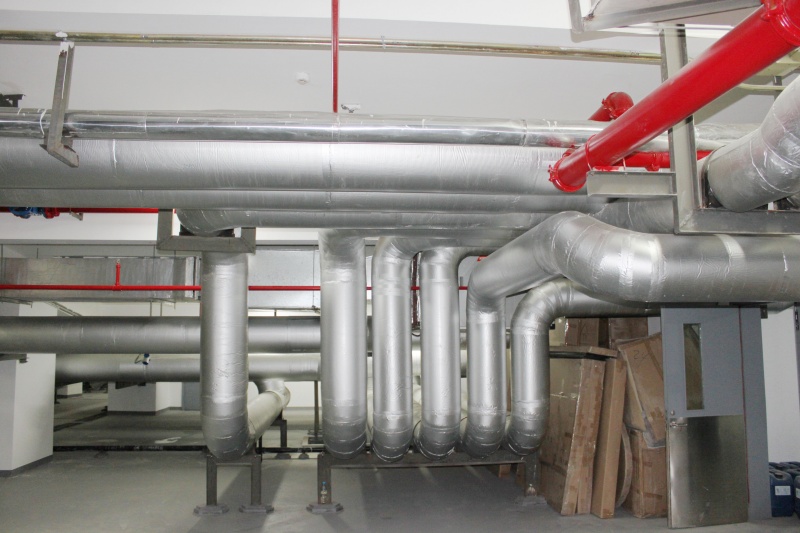

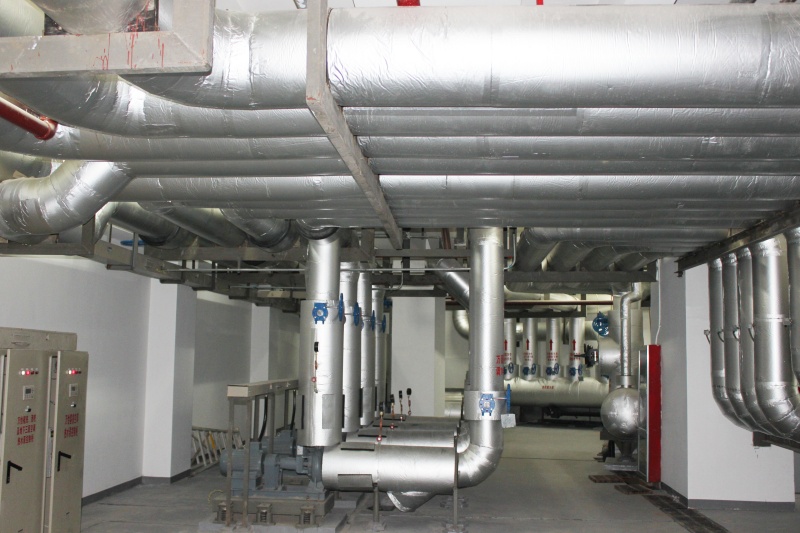
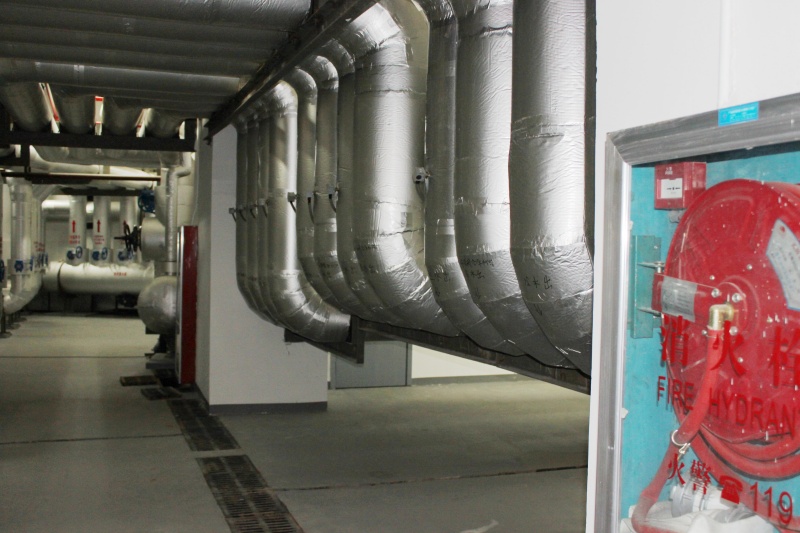
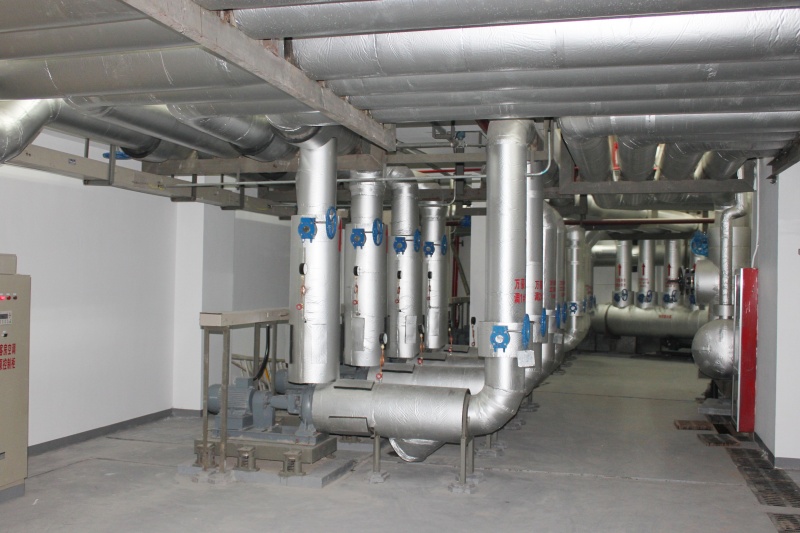
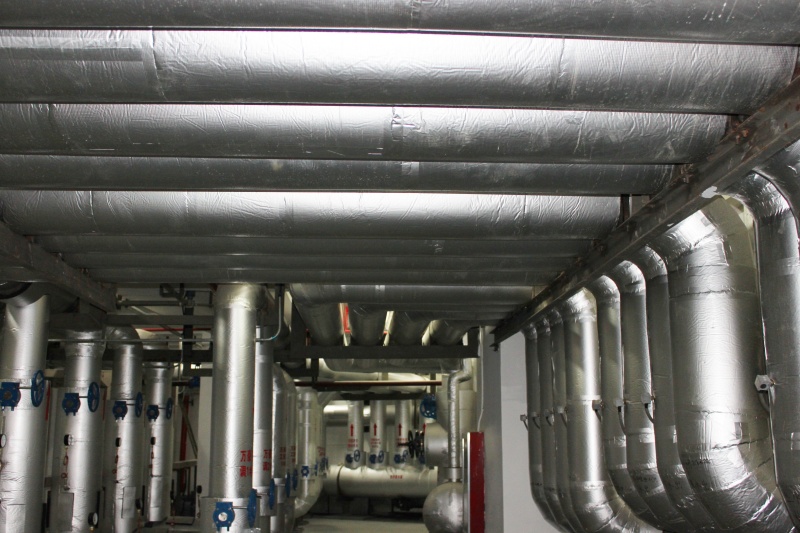
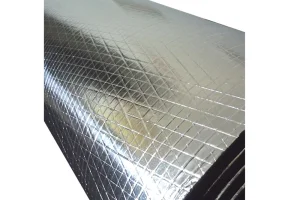
Browse specialized rubber foam pipes, protective aluminum foil surfaces, and cryogenic insulation systems designed for harsh industrial environments.
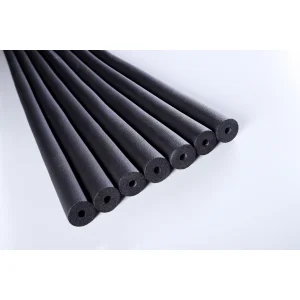
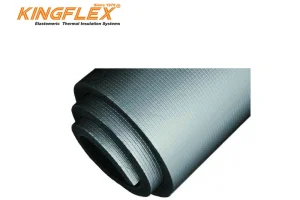
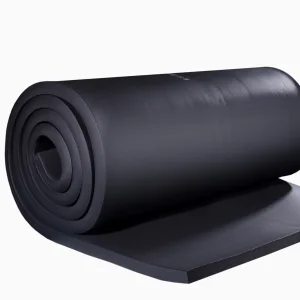
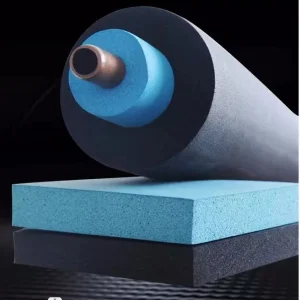
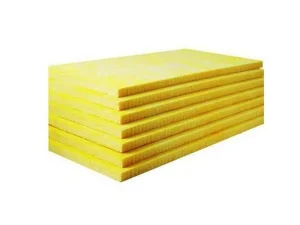
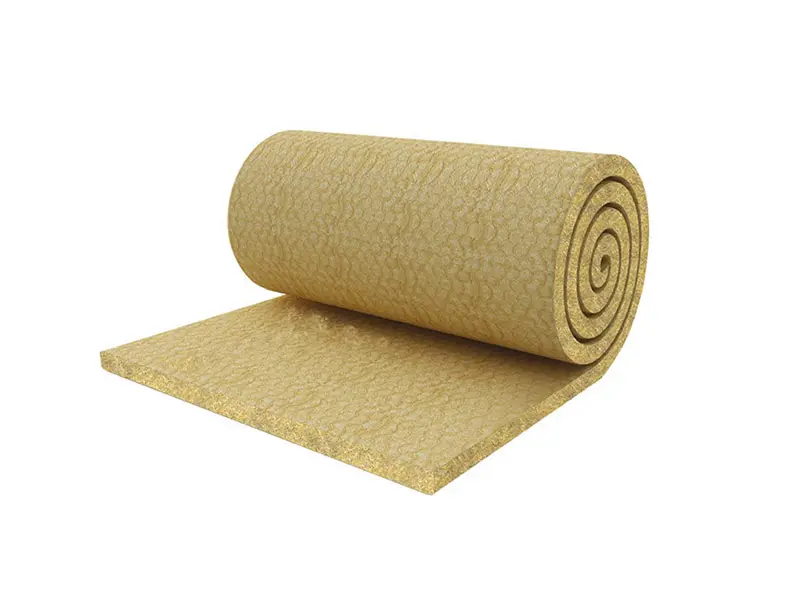
We manufacture a broad selection of standard-density, corrosion-resistant, and high-temperature mineral wool insulation systems.




 Kingflex