High-density, low-thermal-conductivity solutions engineered for residential attics and high-performance industrial environments.
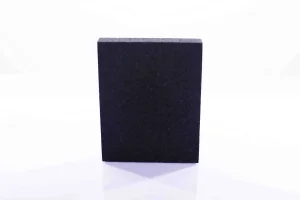
Analyzing thermal performance, moisture barrier mechanics, and systemic energy conservation in critical zones.
Attics are arguably the most thermodynamically hostile environments within residential and commercial buildings. During summer peaks, radiant solar heat transfer raises attic ambient temperatures up to 70°C (158°F). Conversely, in winter, unconditioned spaces plunge near freezing. Uninsulated or poorly insulated HVAC air ducts running through these spaces face severe temperature differentials. This yields rapid conductive thermal loss (reducing system efficiency by up to 35%) and causes extensive condensation, which leads to structural wood rot and toxic mold growth.
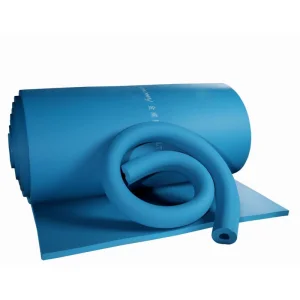
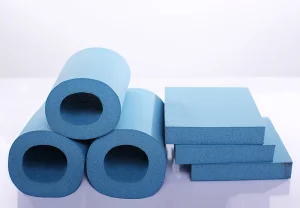
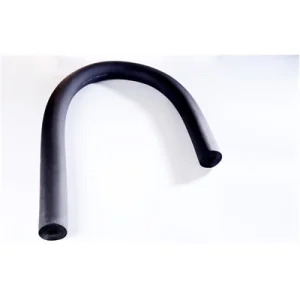
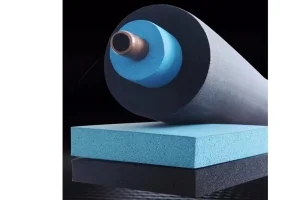
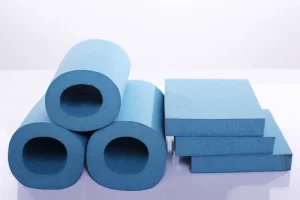
Deploying advanced NBR/PVC elastomeric rubber foam insulation rolls and sleeves solves this systemic threat. The closed-cell configuration features high gas-tight density and inherent water vapor barrier resistance (μ ≥ 10,000), eliminating the need for separate vapor barriers that are vulnerable to pinhole failure.
Market requirements, international building codes, and regional performance trends in modern architecture.
ASHRAE 90.1 and the International Energy Conservation Code (IECC) mandate minimum R-values (typically R-6 or R-8) for ducts situated in unconditioned attics. Standard fiberglass wraps degrade under moisture penetration, whereas elastomeric NBR sheets maintain stable thermal resistance over decades, providing structural durability alongside code compliance.
Under the European Green Deal and EPBD guidelines, building envelopes and service systems must reduce thermal waste. The market is shifting from traditional mineral wool toward flexible, halogen-free, and low-smoke emission elastomeric foam pipes to minimize health risks during attic retrofit projects.
Rapid urbanization in tropical and subtropical regions highlights the issue of humidity-driven duct condensation. Leading manufacturers leverage high-performance closed-cell systems to secure stable thermal control for massive commercial developments, hospitals, and high-tech cleanrooms.
A premier global manufacturer with a 40+ year legacy of engineering state-of-the-art thermal and acoustic insulation systems.
Kingflex Insulation Co., Ltd. operates as a specialized manufacturing and trading combo for thermal insulation products. Our core research, development, and state-of-the-art production complex is situated in Dacheng, China—historically recognized as the capital of green-building materials. We focus on energy conservation and environmental safety through sustainable material science.
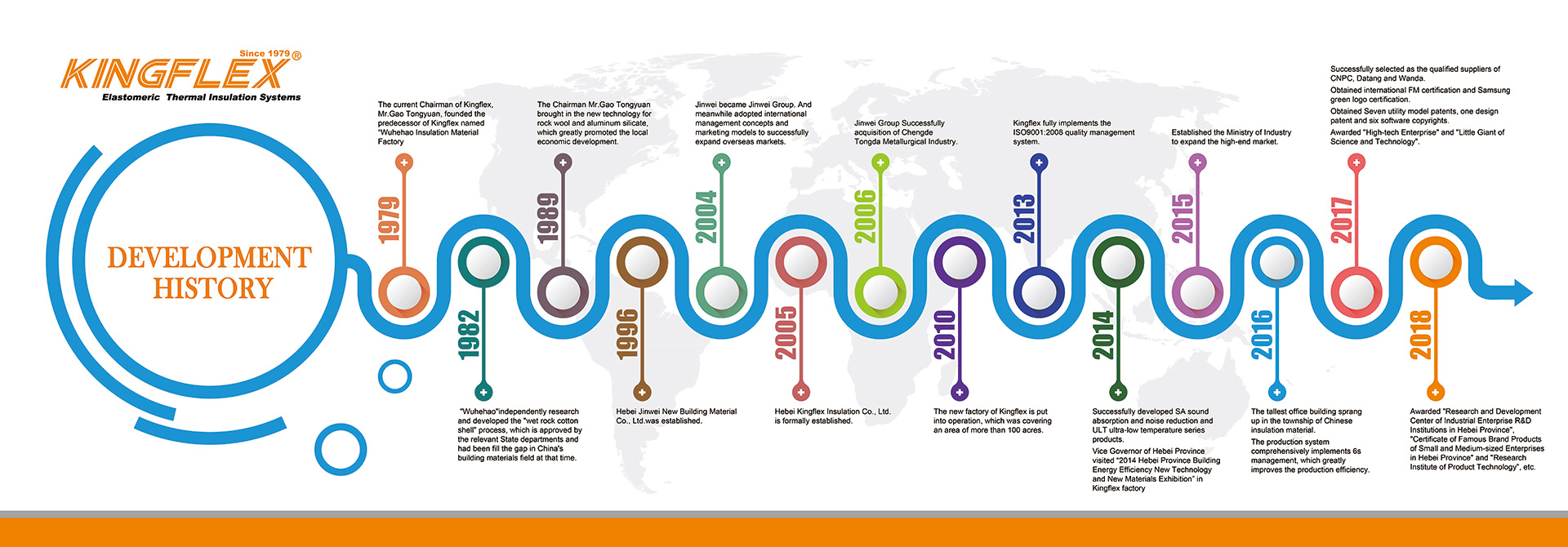
Established by the Jinwei Group, which possesses a rich history of over 40 years since its inception in 1979, Kingflex leverages multi-decade engineering expertise. Jinwei Group was the pioneer manufacturer of thermal insulation materials north of the Yangtze River. Today, Kingflex leads by delivering comprehensive solutions, including initial technical consultations, custom R&D production, precise site installation guidance, and dedicated post-sale support.
Scientific benchmarks showing why Kingflex closed-cell elastomeric rubber foam outperforms alternative insulation media in attics.
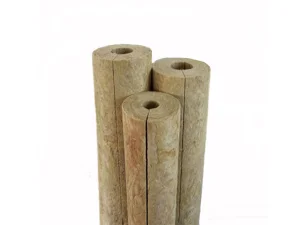
While Rock Wool is optimal for high-temperature industrial piping, it is highly vulnerable to moisture absorption in unconditioned attic environments. Once damp, rock wool loses its thermal insulating efficiency and can degrade. Kingflex NBR/PVC elastomeric rubber foam features a 98% closed-cell structure. It requires no secondary vapor barrier cladding, maintains consistent thermal conductivity ($\le$ 0.034 W/m·K at 0°C), and limits condensation risks.
| Physical Property | Elastomeric Rubber Foam (NBR/PVC) | Rock Wool Insulation |
|---|---|---|
| Cellular Structure | Closed-Cell (Over 98% rating) | Open fibrous matrix |
| Moisture Absorption | Negligible (Inherent Vapor Barrier) | High (Demands external jacketing) |
| Thermal Conductivity (λ) | ≤ 0.034 W/(m·K) at 0°C | ≤ 0.040 W/(m·K) at 25°C |
| Working Temp. Range | -40°C to +105°C | Up to +650°C (Industrial focus) |
| Acoustic Attenuation | Excellent sound absorption & dampening | Good sound barrier (no vibration dampening) |
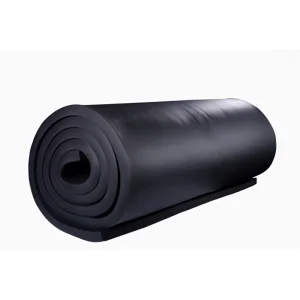
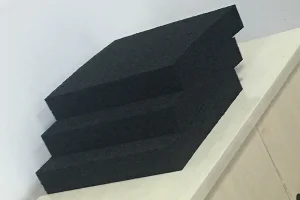
Material: NBR/PVC elastomeric foam
Thickness Range: 6mm to 50mm
Density: 40 to 55 kg/m³
Service Temperature Limits: -40℃ to 105℃
Performance Advantages: Uniform micro-cell foaming, compression resilience over 80%, flame-retardant self-extinguishing chemistry, low thermal conductivity, and high moisture resistance factor.
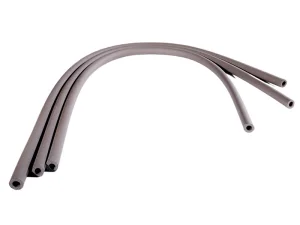
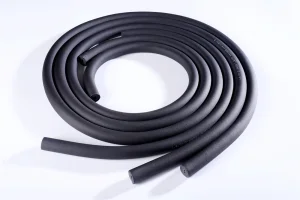
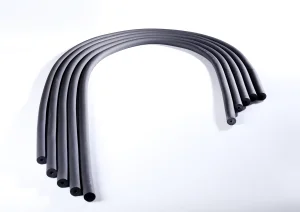
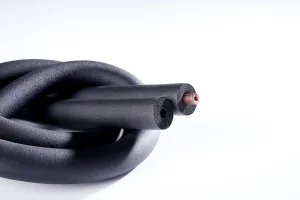
Material: NBR/PVC co-extrusion
Thickness Range: 9mm to 40mm
Inner Diameter (ID): 6mm to 114mm
Density: 40 to 55 kg/m³
Process Tech: Advanced inner-tube spraying for uniform adhesive coating, ensuring seamless joints and structural resilience against pipe freezing and cracking.
Targeted insulation configurations designed for complex residential and heavy industrial projects.
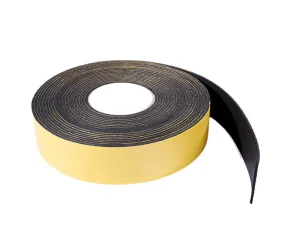
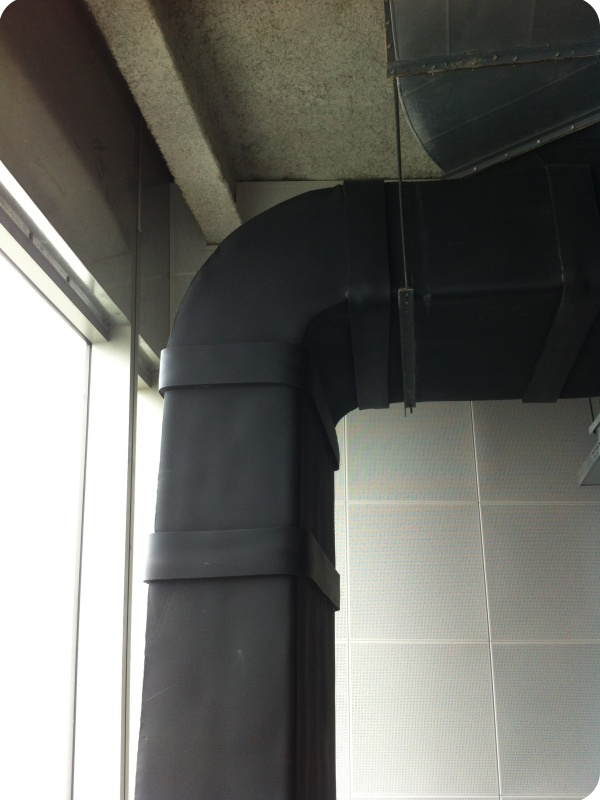
In hot climates, attic spaces trap convective heat. By utilizing Kingflex Black Rubber Foam Insulation Sheet Rolls (with optional self-adhesive backing), installers wrap rectangular and round sheet metal ducts. This creates an airtight seal that helps prevent cool supply air from heating up, maximizing energy efficiency.
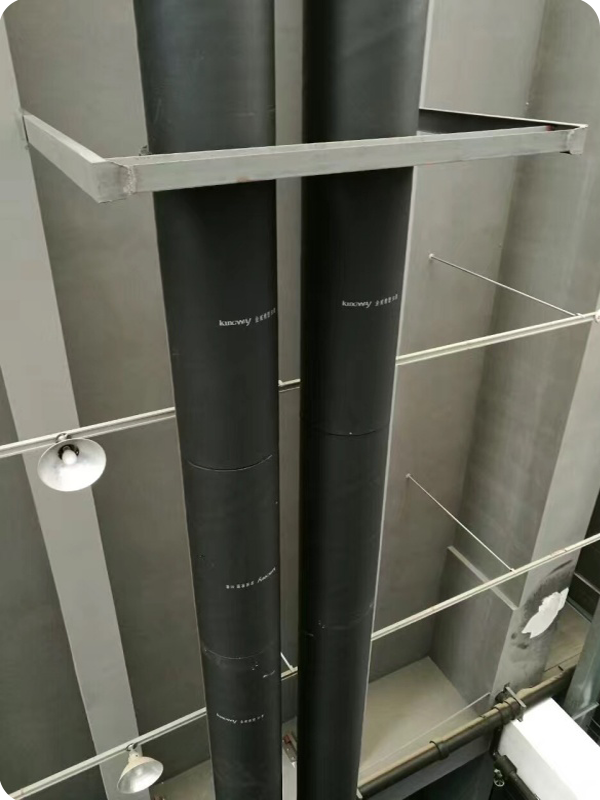
Condensate lines in attic HVAC zones frequently drip, causing ceiling stains. Standard Kingflex Elastomeric Insulation Pipes (NBR/PVC) eliminate condensation by keeping the surface temperature of the insulation sleeve above the dew point of the surrounding unconditioned attic air.
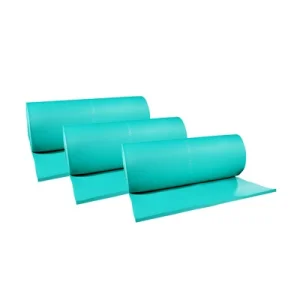
For industrial cold storage facilities and chemical processing plants, Kingflex provides advanced Cryogenic Rubber Foam Insulation. These multi-layered systems are engineered to withstand extreme sub-zero conditions, preventing moisture ingress and subsequent ice buildup.

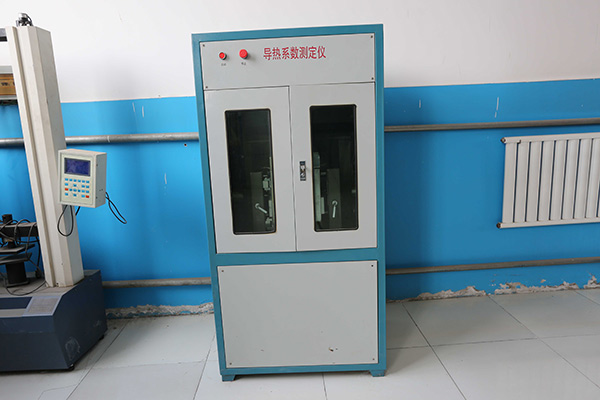
Fully certified quality control processes audited by international safety and materials testing agencies.
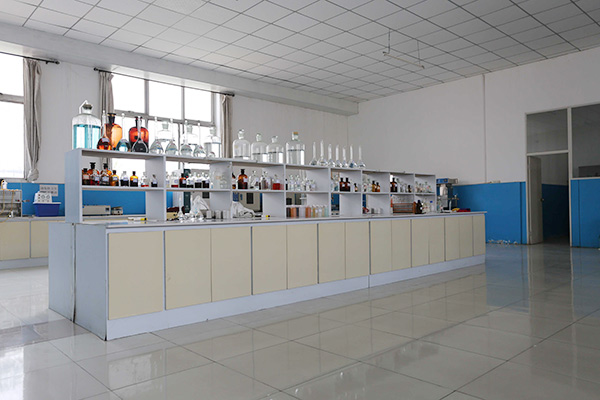
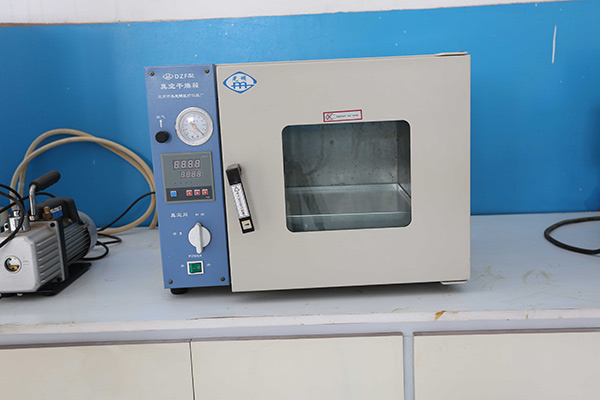
Kingflex Insulation operates five large-scale automated assembly lines, achieving an annual production capacity exceeding 600,000 cubic meters. Our R&D department features a dedicated testing lab staffed by eight professional materials engineers. As a result, our products are certified for major chemical, petroleum, and construction applications worldwide.
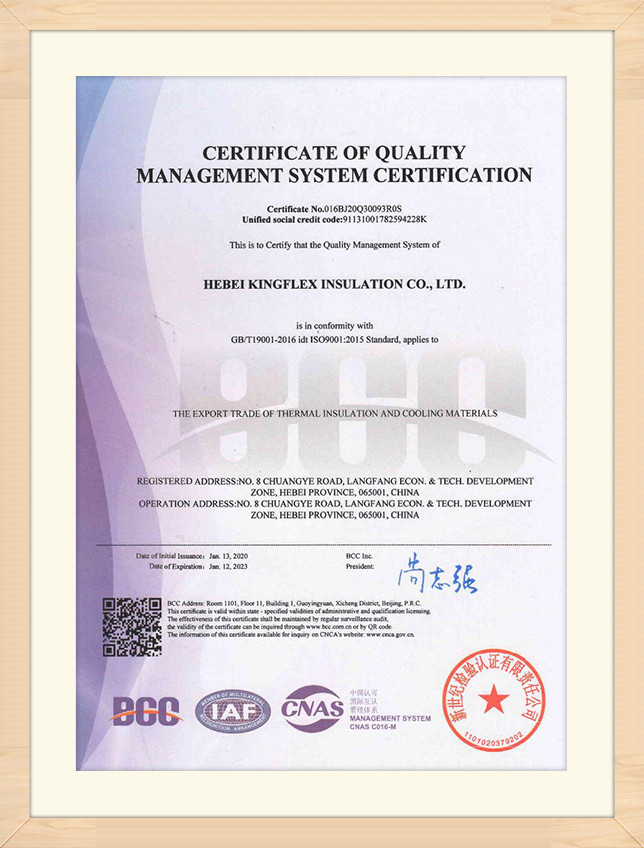
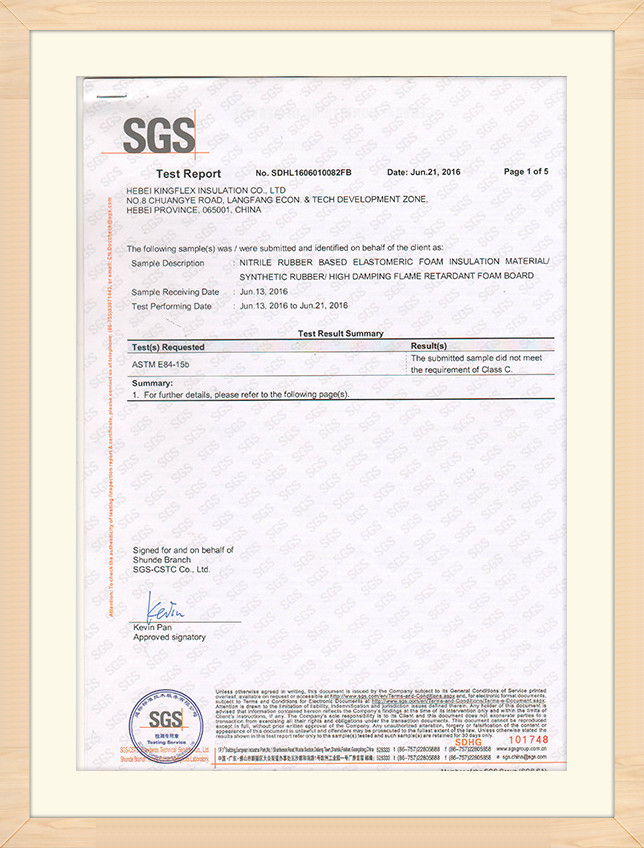
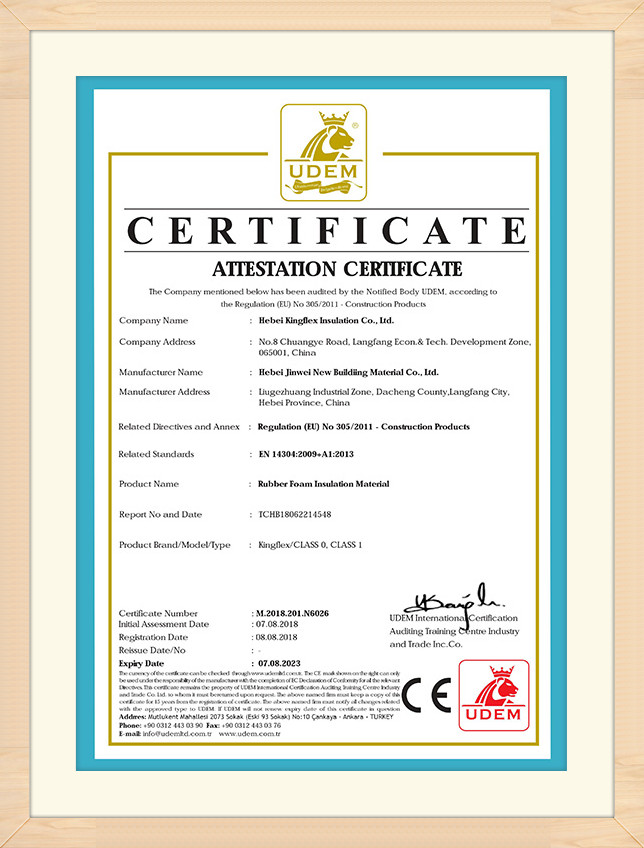
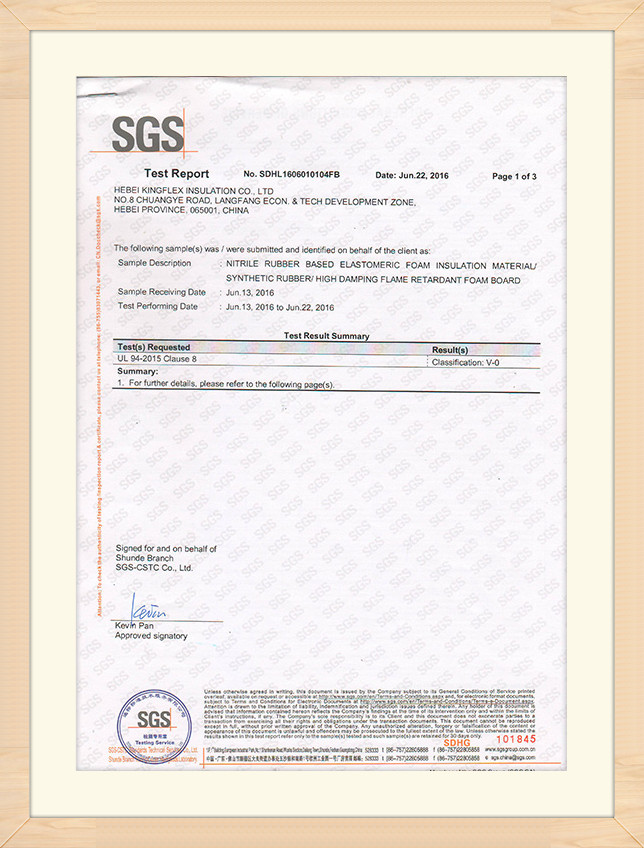
Our core products hold international certifications, including BS 476 (Class 0 and Class 1), CE, REACH, RoHS, UL94, and ASTM. This guarantees compliance with flame spread and smoke development ratings, which are critical for attic building installations.
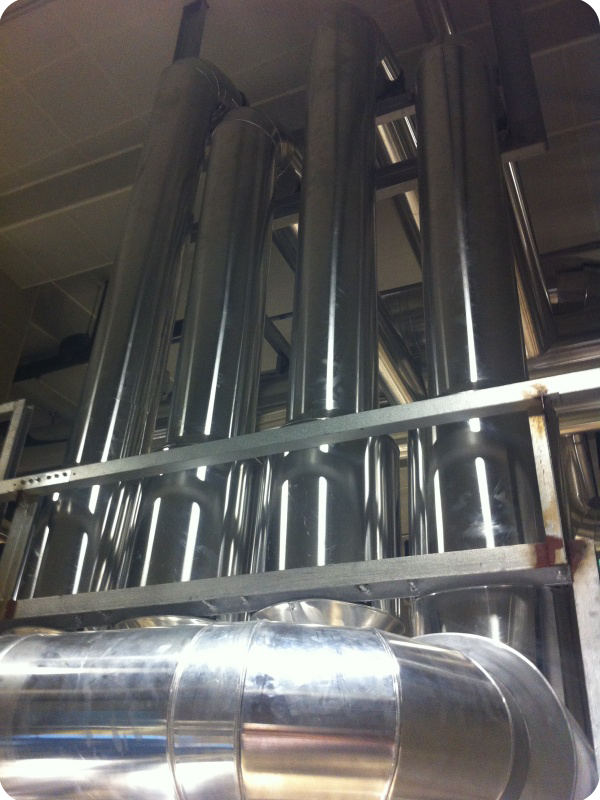
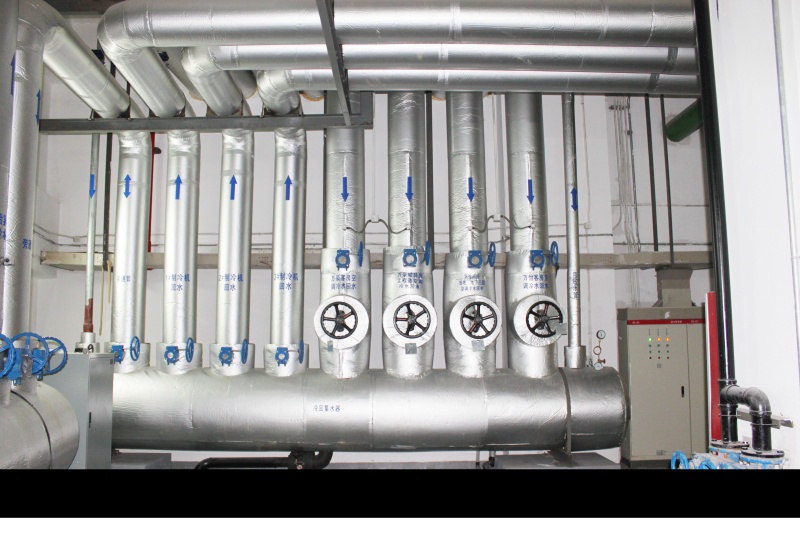
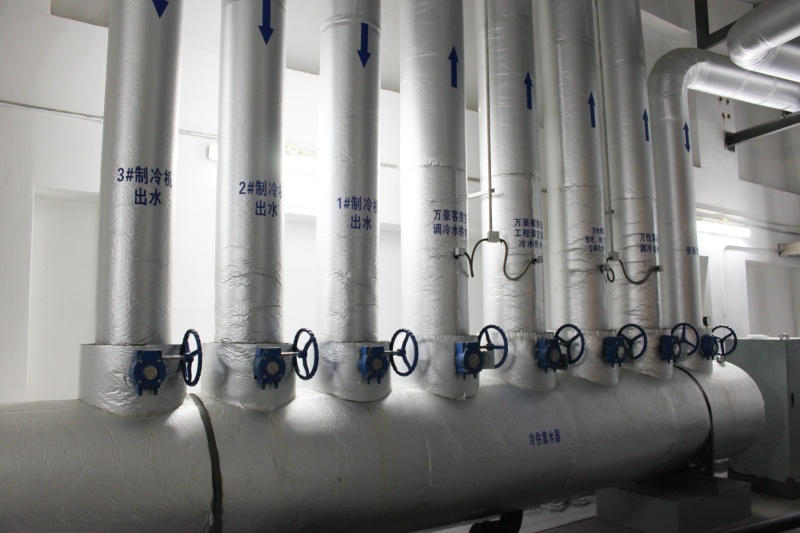
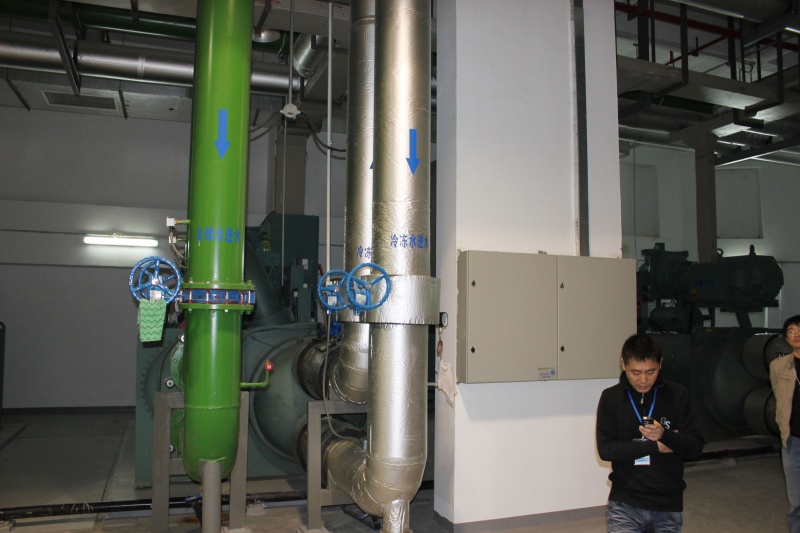
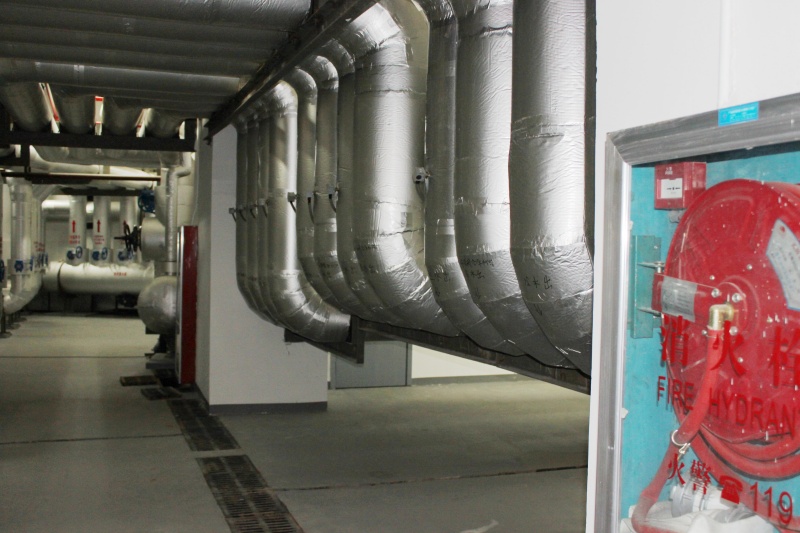
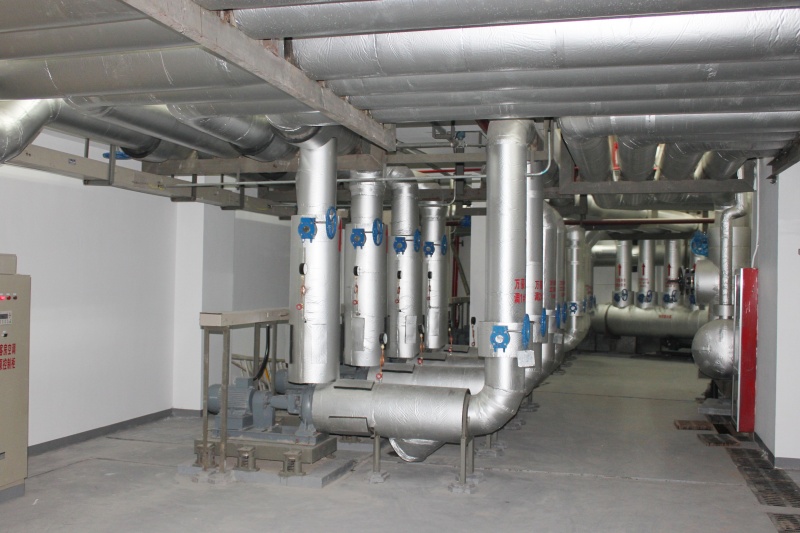
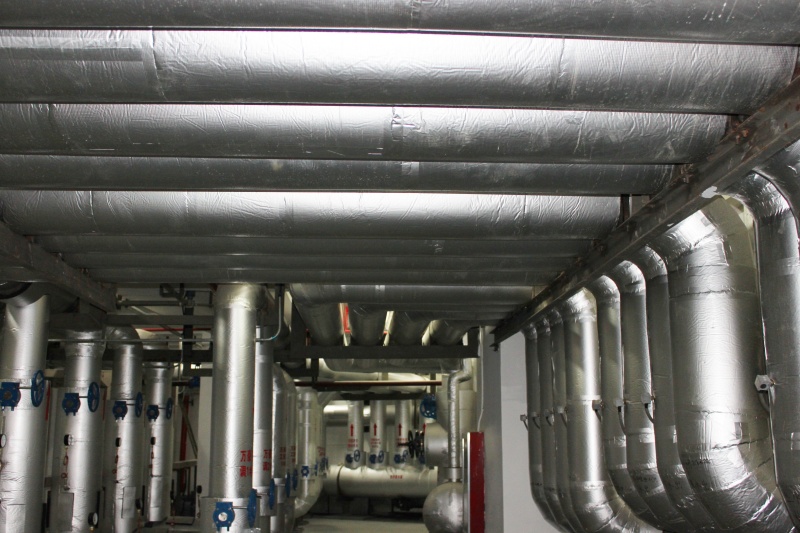
A visual overview of our industrial manufacturing capacity and worldwide project footprint.



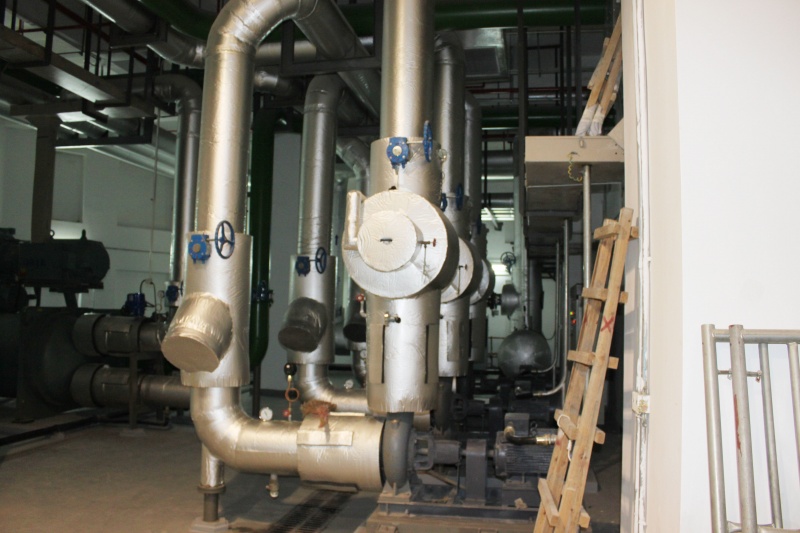
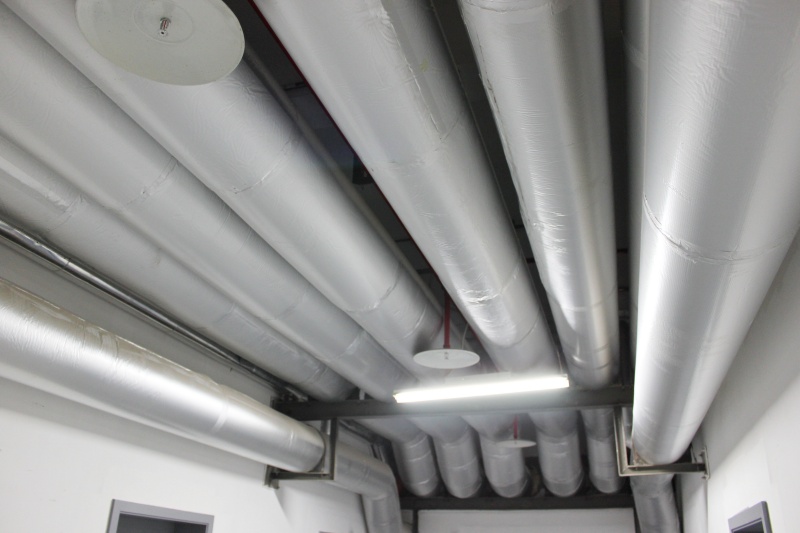

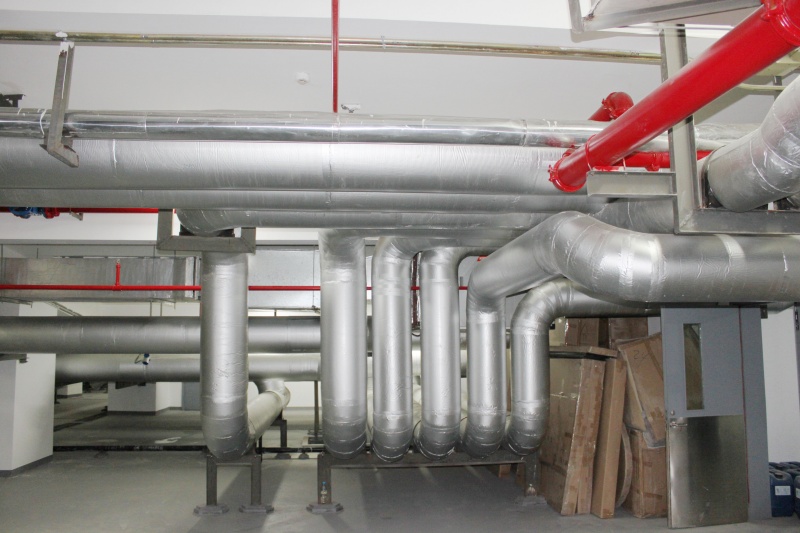

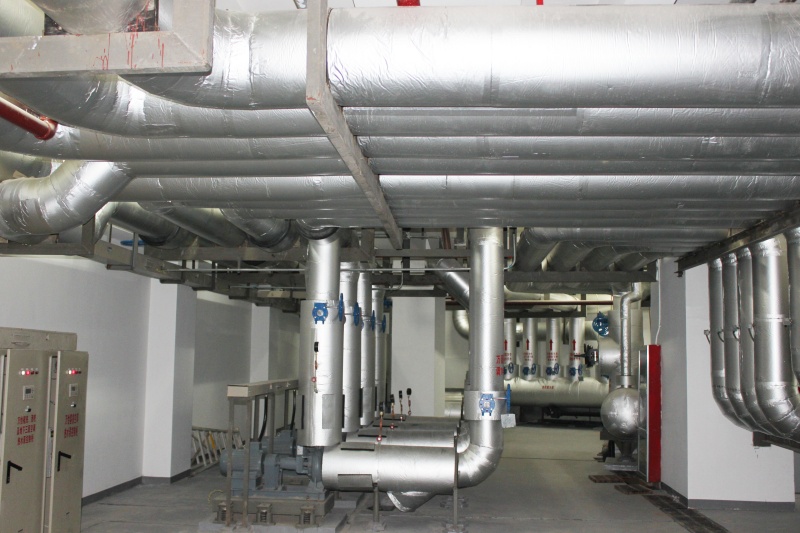
Documented customer conversations validating our responsiveness, lead times, and global shipping capabilities.





Comprehensive technical answers to common queries regarding HVAC attic ductwork design, thermal performance, and compliance.
Explore our full selection of NBR/PVC elastomeric foam sheets, rolls, and self-adhesive tapes.
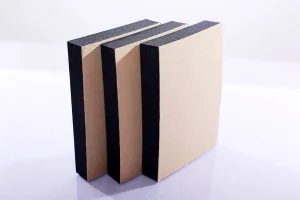
Contact our engineering and sales team for detailed technical layouts, sample kits, and wholesale factory pricing.
Request Factory Quote Kingflex