Explore our premium selection of cold system thermal barriers, engineered to minimize boil-off rates and prevent moisture ingress in sub-zero applications.
Cryogenic processes operate at temperatures below -150°C (-238°F), extending down to absolute zero. In these extreme conditions, typical engineering materials behave unpredictably; gases condense into liquids, and structural steels risk brittle fractures. Effectively containing these sub-zero fluids—such as Liquefied Natural Gas (LNG), liquid nitrogen, oxygen, and helium—demands highly specialized insulation.
For cryogenic pipelines and containment vessels, a reliable barrier must provide an exceptional thermal block (low K-value), complete vapor resistance, and mechanical compliance to accommodate thermal contractions without cracking.
Choosing the right material is critical to balancing system lifetime, thermal efficiency, and overall installation cost. The table below highlights the performance metrics of the industry's primary insulation classes.
| Insulation Material | Optimal Temp Range | Thermal Cond. (W/m·K) | Vapor Permeability | Key Strengths & Target Use |
|---|---|---|---|---|
| Flexible Elastomeric Foam (FEF / Dolefin) | -200°C to +105°C | 0.034 (at 0°C) | Excellent (Closed-Cell) | Vibration damping, flexible, resists CUI. Ideal for process piping & LNG. |
| Cellular Glass (Foam Glass) | -260°C to +430°C | 0.040 (at 0°C) | Zero Permeability | Rigid, high load resistance. Heavy duty pipe supports & tank bases. |
| Polyisocyanurate (PIR) / Polyurethane (PU) | -180°C to +120°C | 0.022 (at 10°C) | Moderate (Needs vapor barrier) | Rigid construction, low weight, high thermal value. General refinery pipes. |
| Aerogel Blankets | -200°C to +650°C | 0.015 to 0.020 | High (Requires jacket) | Ultra-thin profile, hydrophobic. Compact offshore platforms & aerospace. |
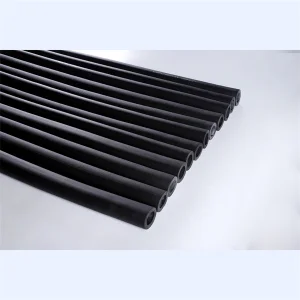
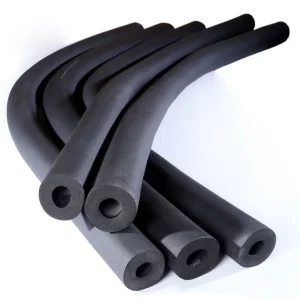
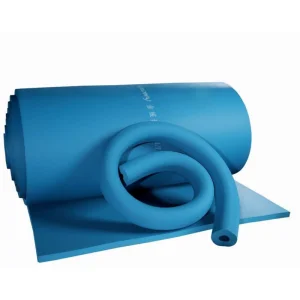
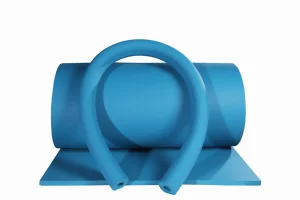
Closed-cell elastomeric foams, like our specialized Dolefin and rubber foam lines, offer built-in vapor barriers, excellent resilience under cyclic loading, and direct application to cold pipes without complex expansion joints.
Rigid foam systems are the industry standard for pipe support sections, providing structural strength to bear pipeline weight while keeping thermal bridges to a minimum.
Aerogels offer the lowest thermal conductivity of any solid material. They reduce the required insulation thickness, making them ideal for spaces with tight clearance requirements.
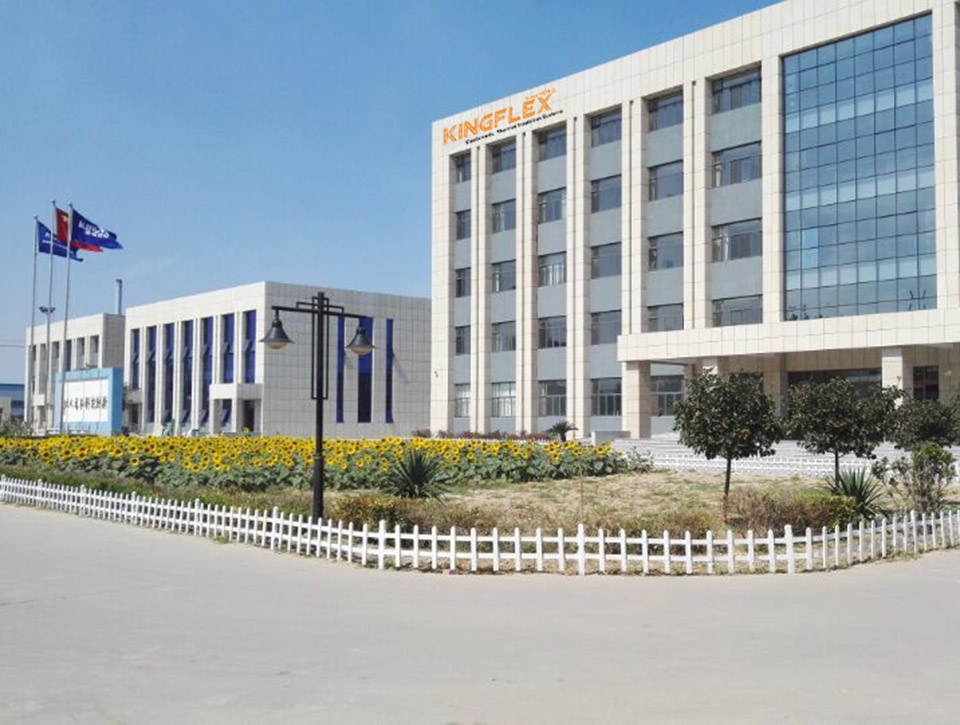
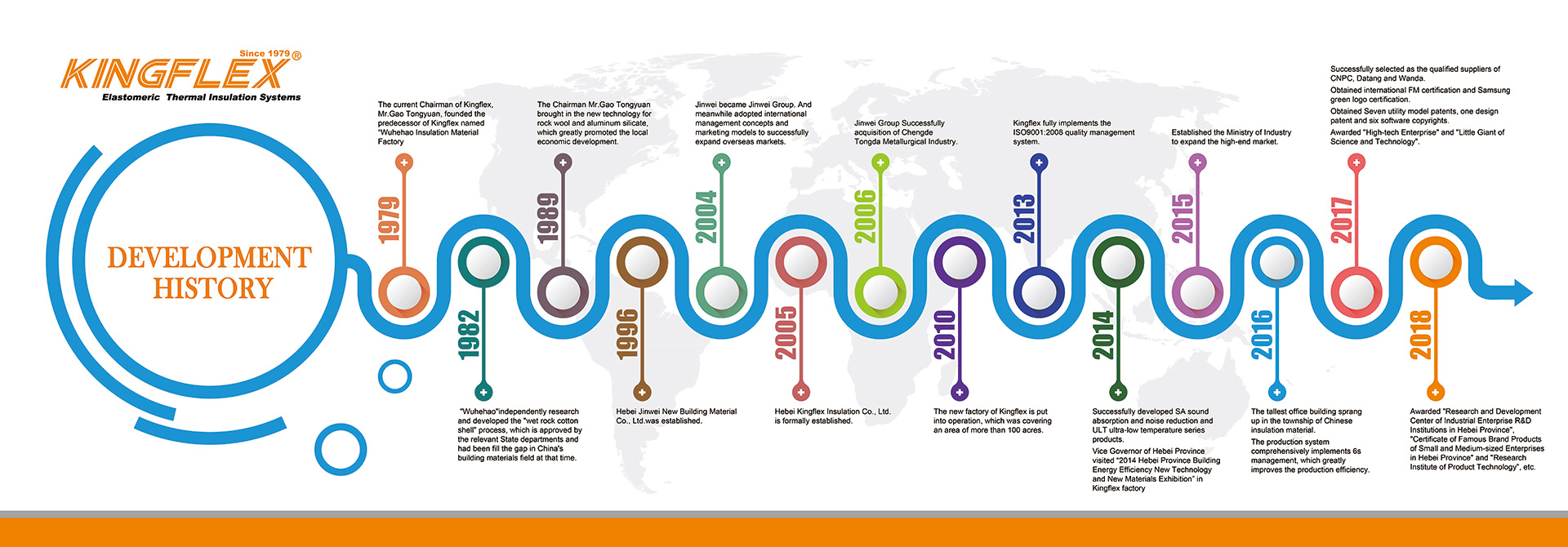
Kingflex Insulation Co., Ltd. is a professional manufacturing and trading combo for thermal insulation products. Our research, development, and production facility is located in Dacheng, China—the well-known capital of green building materials. As an energy-saving, environmentally friendly enterprise, we specialize in the R&D, production, and sale of advanced insulation materials.
We take energy saving and consumption reduction as our core concept. We provide complete solutions through consultation, R&D, manufacturing, installation guidance, and post-sale service, driving development across the global building materials industry.
Global engineering firms and procurement managers require strict compliance with international standards to ensure reliability. Because cryogenic systems operate near absolute zero, sub-par insulation can cause line freeze-ups, costly boil-off gas losses, and compromised plant safety.
Our manufacturing processes conform to recognized global metrics, ensuring our products integrate smoothly into industrial specifications:
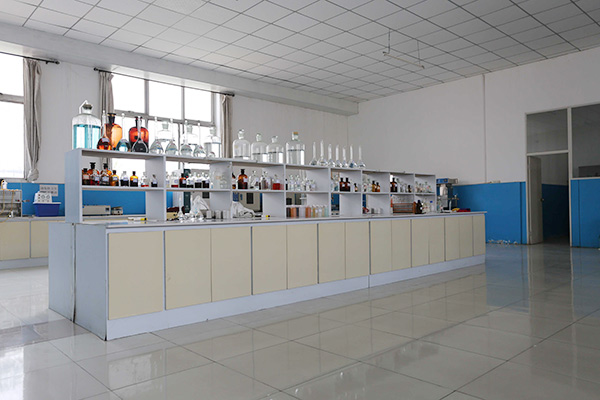
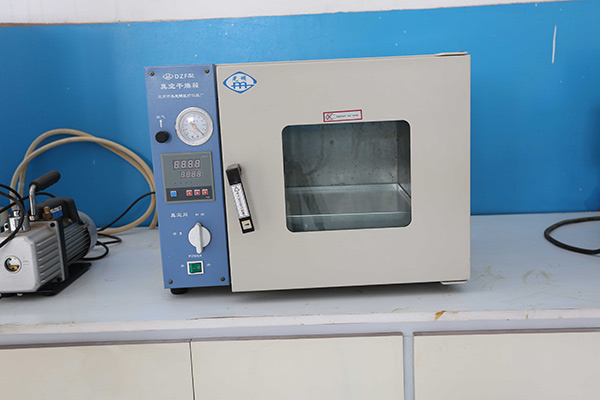
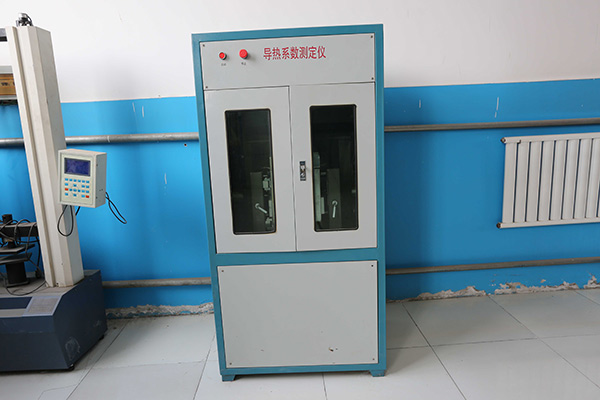
At Kingflex, innovation is supported by a dedicated technical team. We operate modern laboratories where engineers test thermal conductivity, closed-cell ratios, and mechanical performance under extreme sub-zero conditions.
Our team consists of 8 professional engineers in our R&D Department, 6 international sales specialists, and 230 workers in our production department. This dedicated workforce ensures that our custom formulations meet the demanding requirements of global projects.
By maintaining 5 automated production lines, we ensure quality control and lead times that meet the schedules of large-scale international projects.


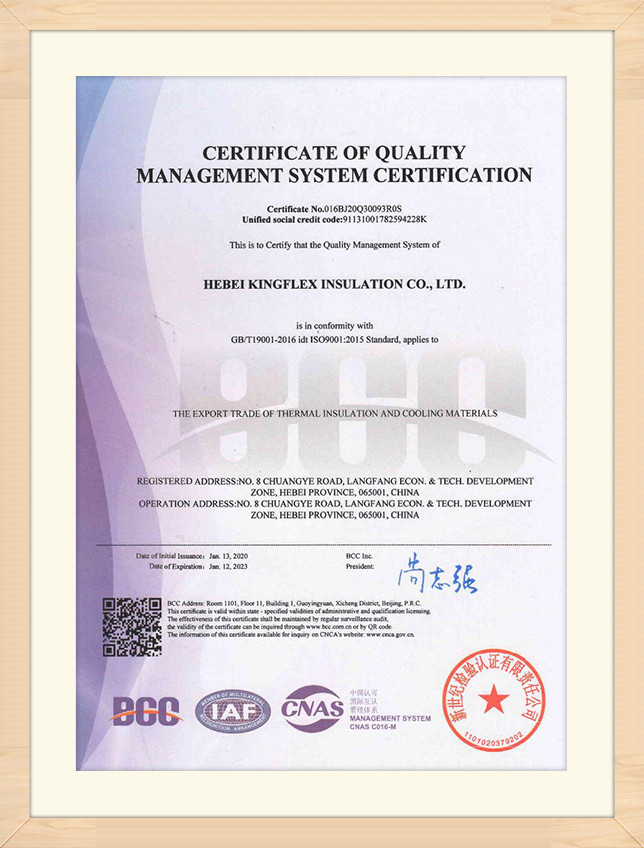
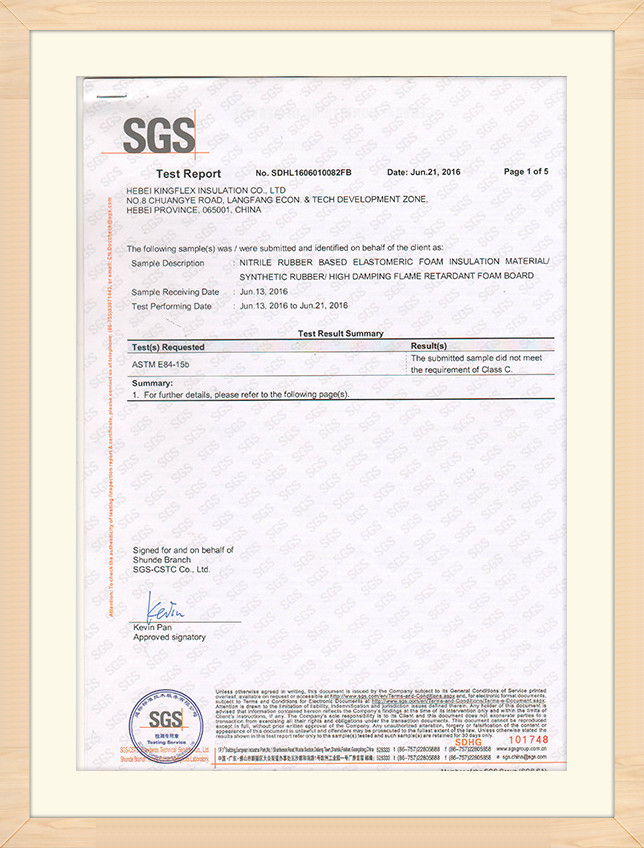
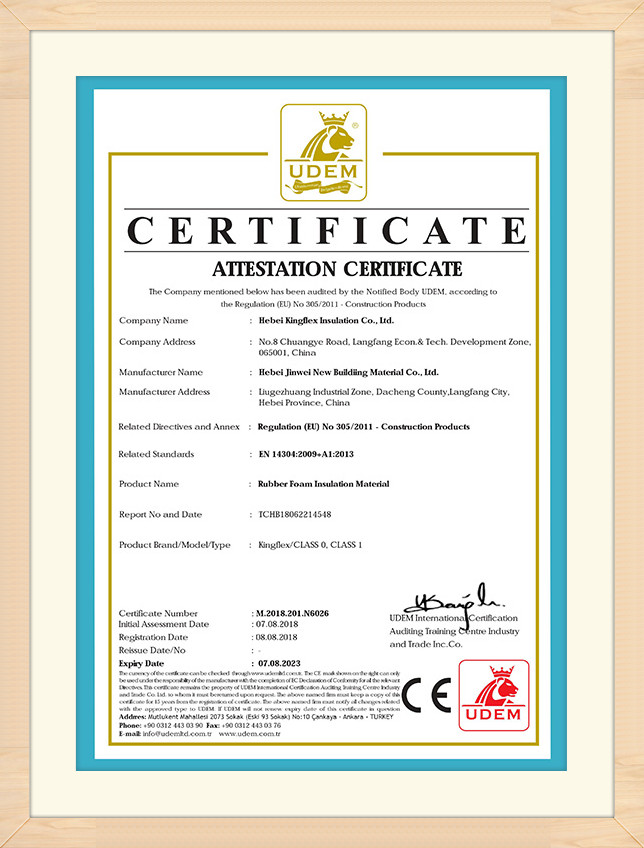
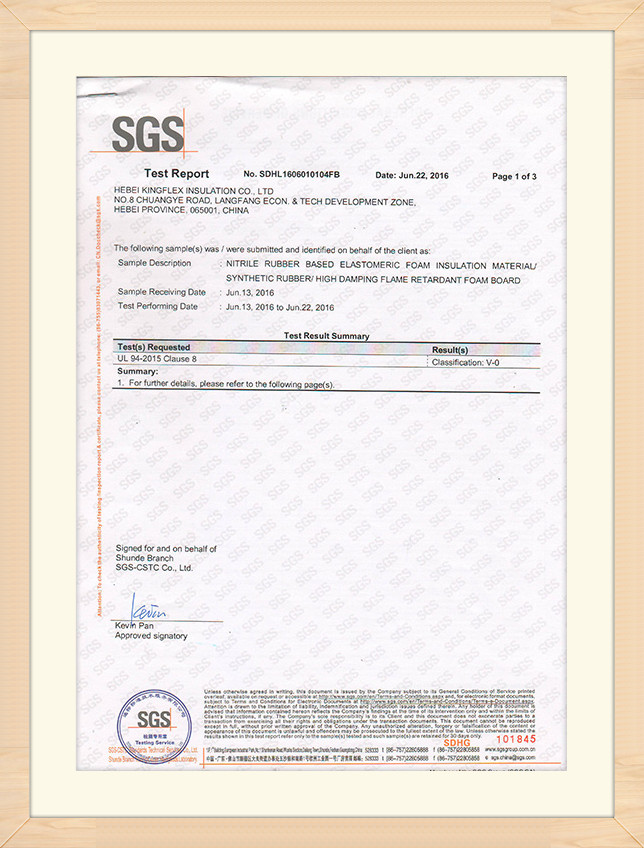
Our insulation systems undergo regular testing by independent laboratories to verify fire safety, physical stability, and environmental safety.
Sourcing cryogenic insulation from Dacheng, China—a hub for energy-saving materials—provides procurement benefits. This clustering enables efficient raw material sourcing, direct access to processing equipment, and scaled automated production.
Located near major ports like Tianjin and Qingdao, we coordinate shipping logistics to LNG terminals, petrochemical plants, and industrial construction sites worldwide.
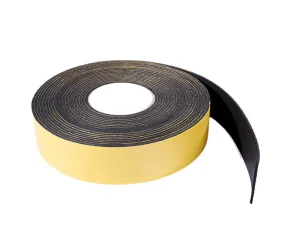
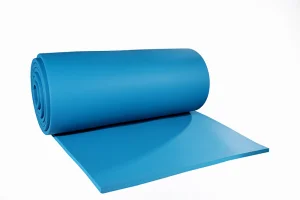
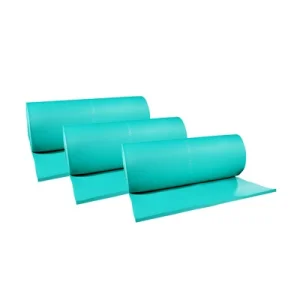
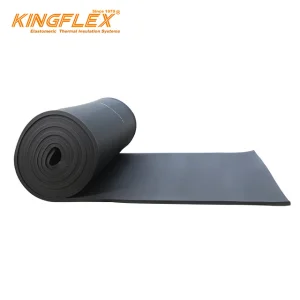
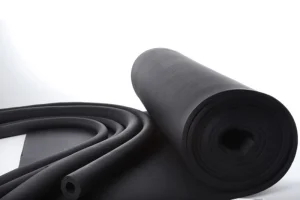
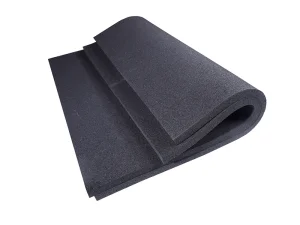
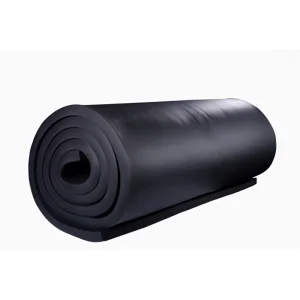
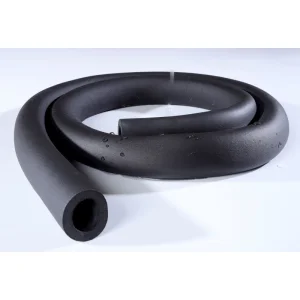
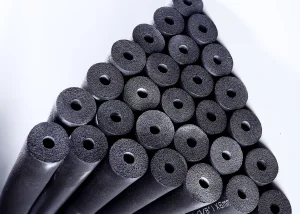
We supply insulation in sheets, pipe profiles, and rolls with custom thicknesses (6mm to 50mm) and densities (40-55 kg/m³) tailored to specific project requirements.
Our engineers work directly with industrial clients to adjust density, flexibility, and outer vapor barrier jackets based on feedback from operating environments.
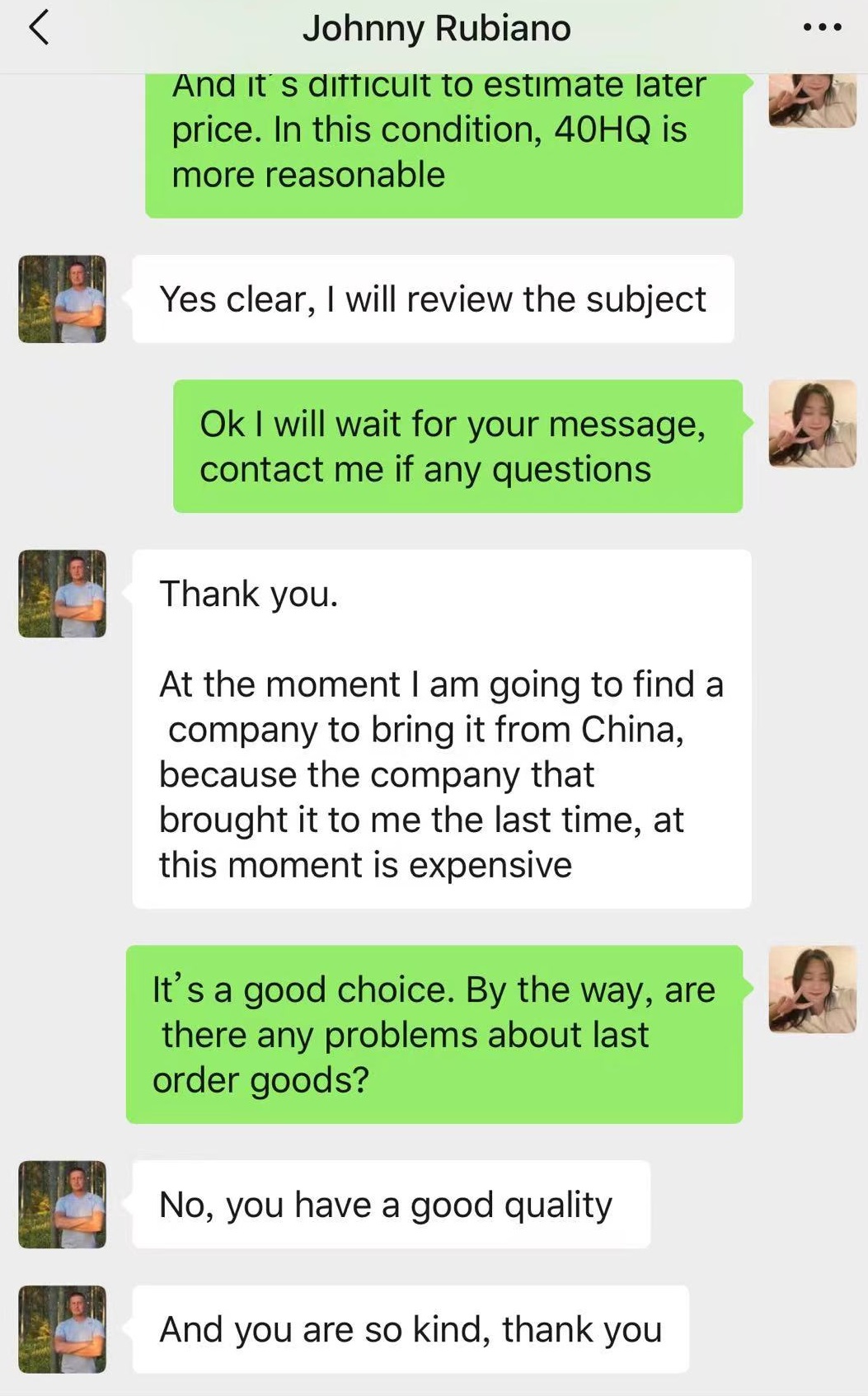
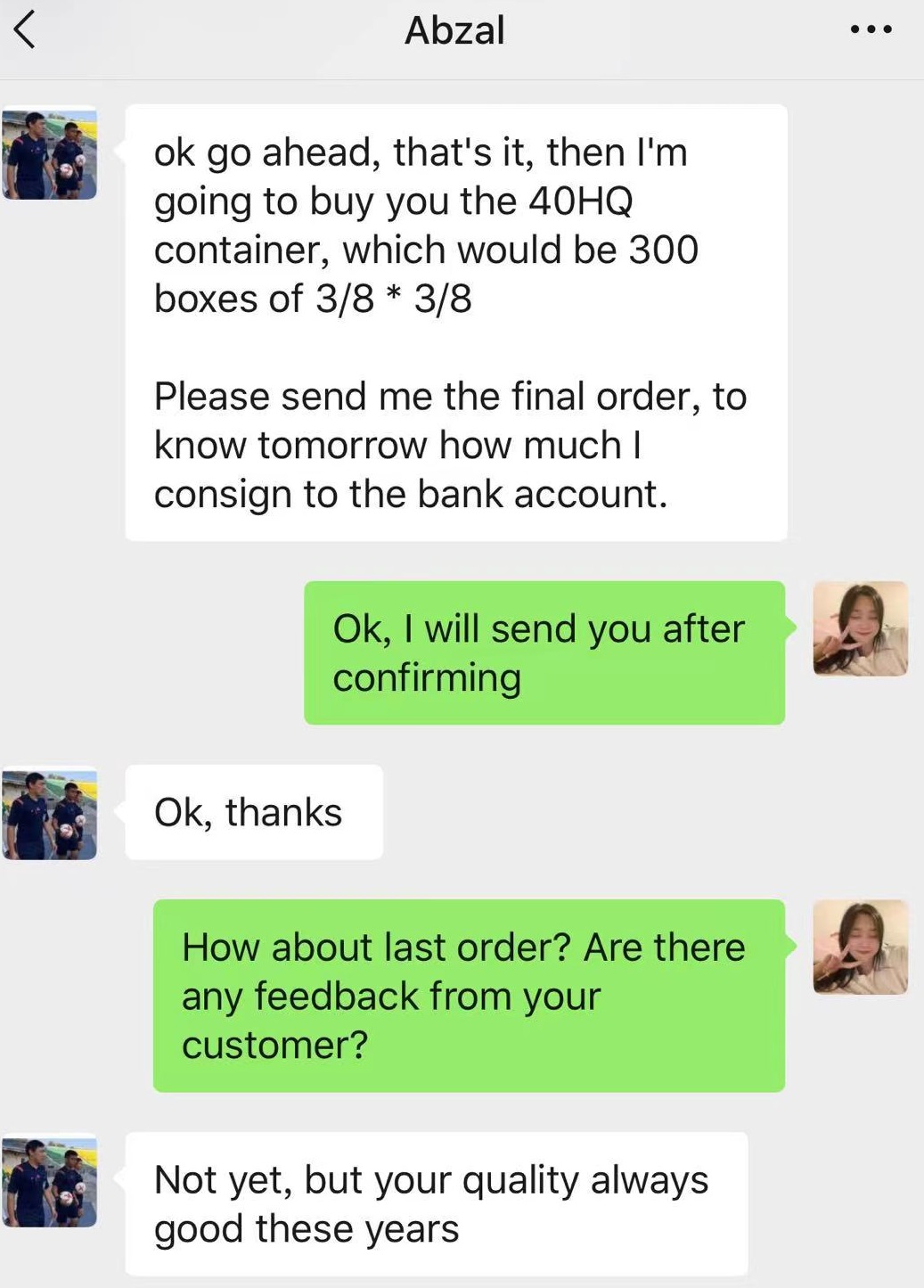
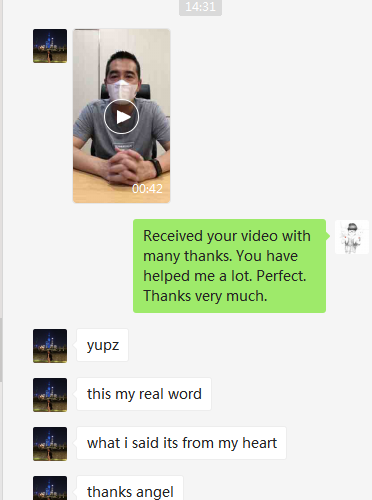
We build long-term relationships with global procurement teams. Transparent communication, technical support, and documentation are standard components of our delivery process.


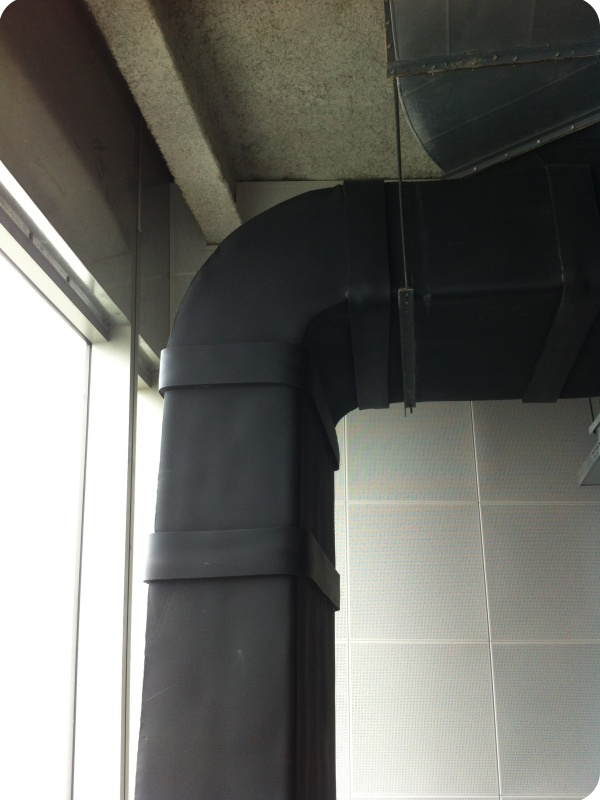

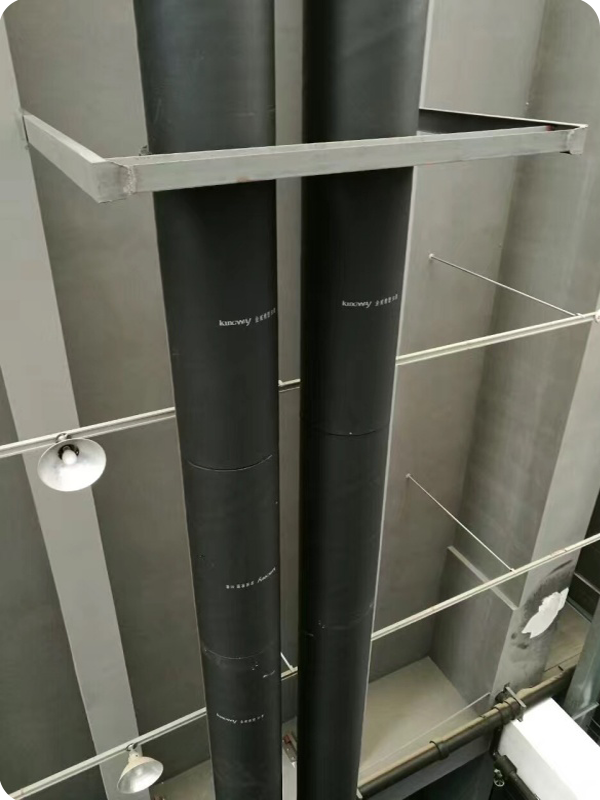
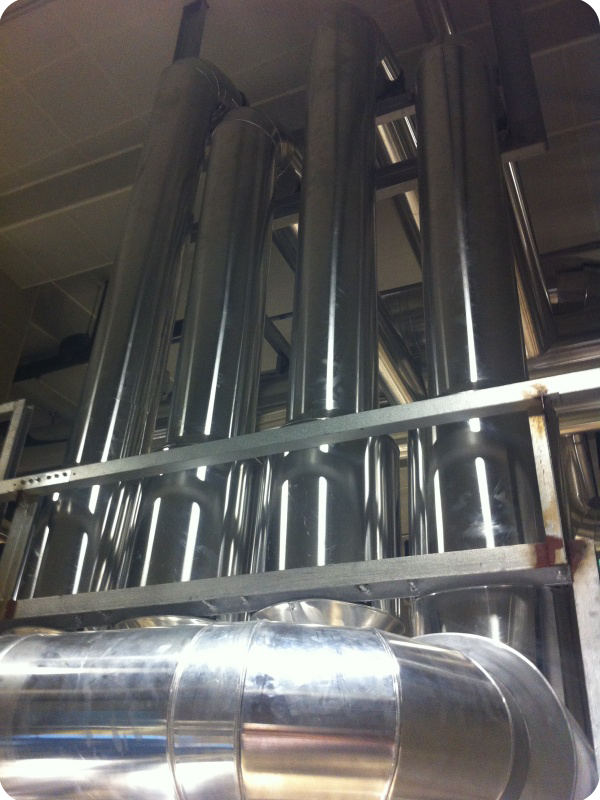
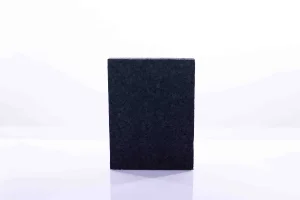
Material: NBR/PVC blend with elastomeric stabilizers.
Ideal for large-diameter vessels, storage tanks, ventilation ducts, and custom insulation jackets in mechanical rooms.
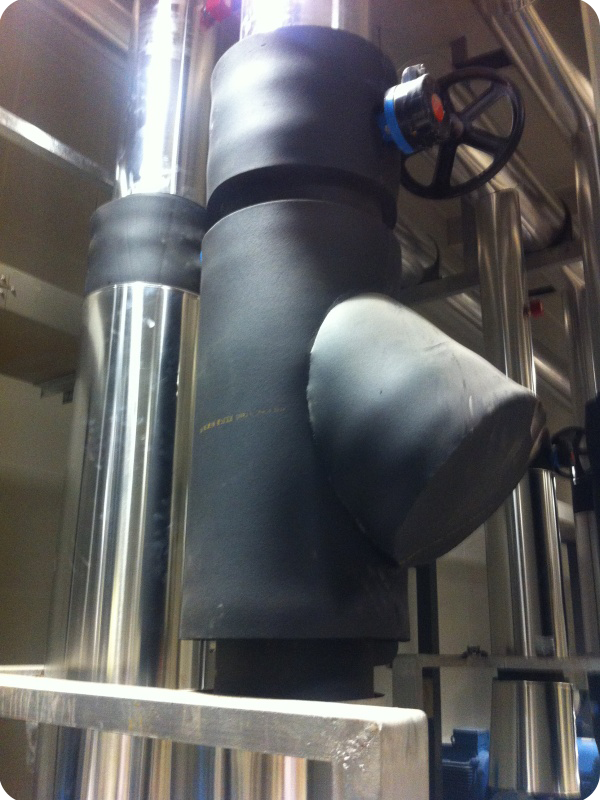
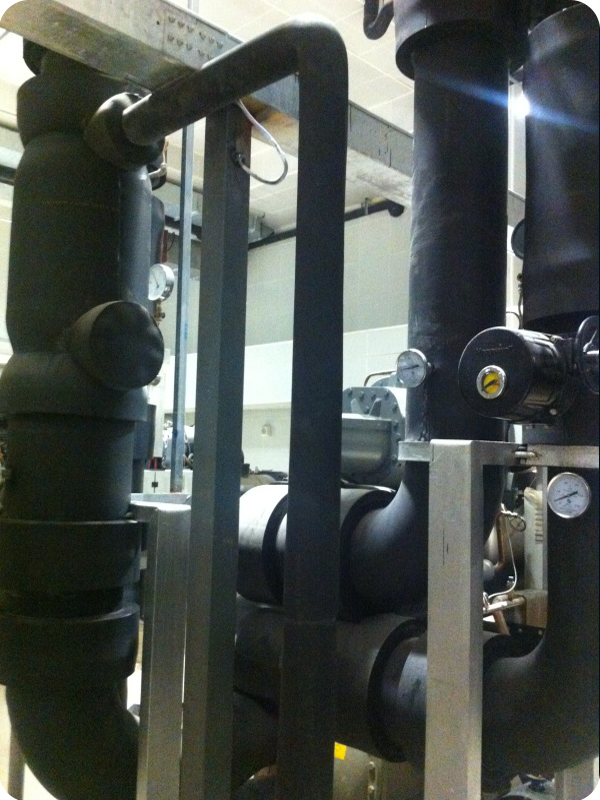
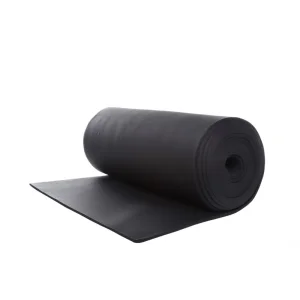
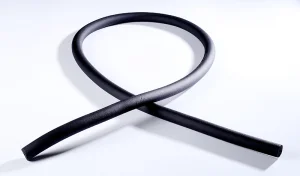
Material: NBR/PVC elastomeric structure.
Engineered for quick installation on hot/chilled water lines, chemical process pipes, and HVAC systems.

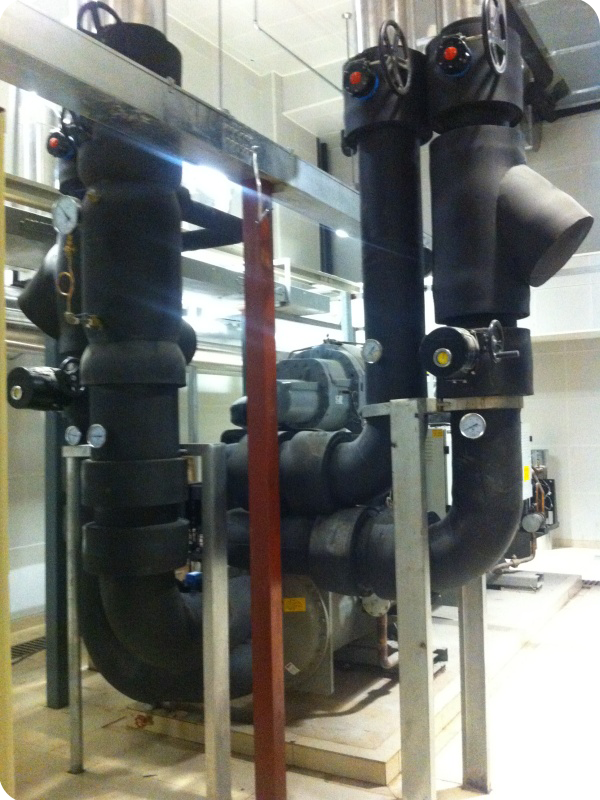
We run 5 automatic production lines, enabling consistent thickness, uniform cell structure, and a smooth exterior skin that resists vapor transmission.
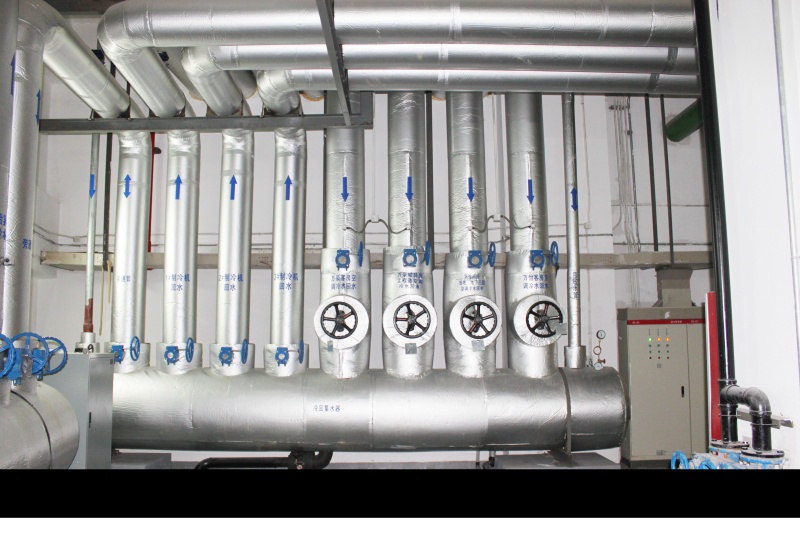
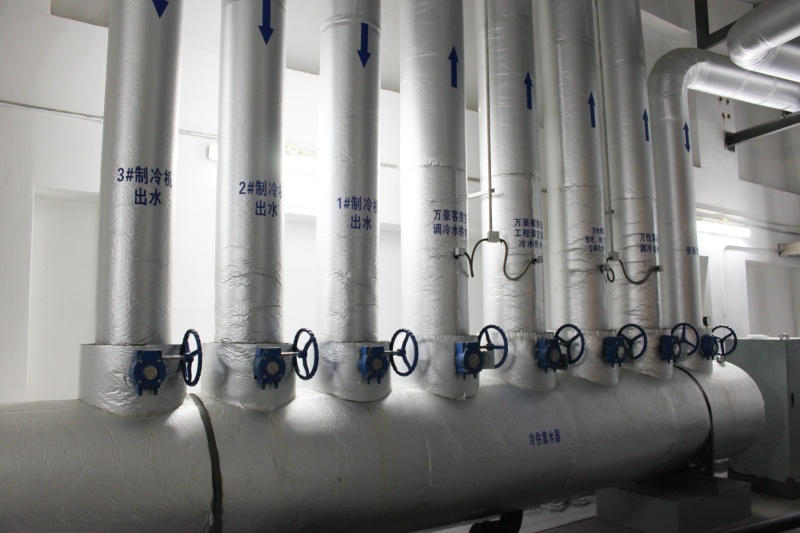
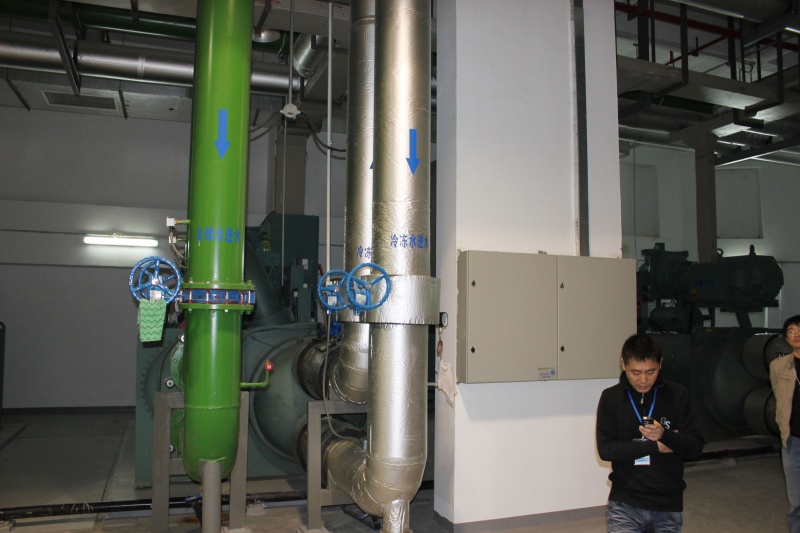
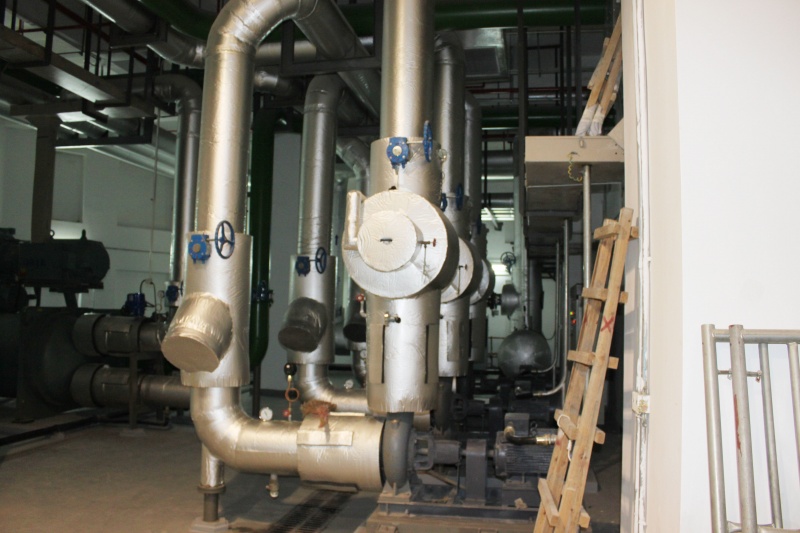
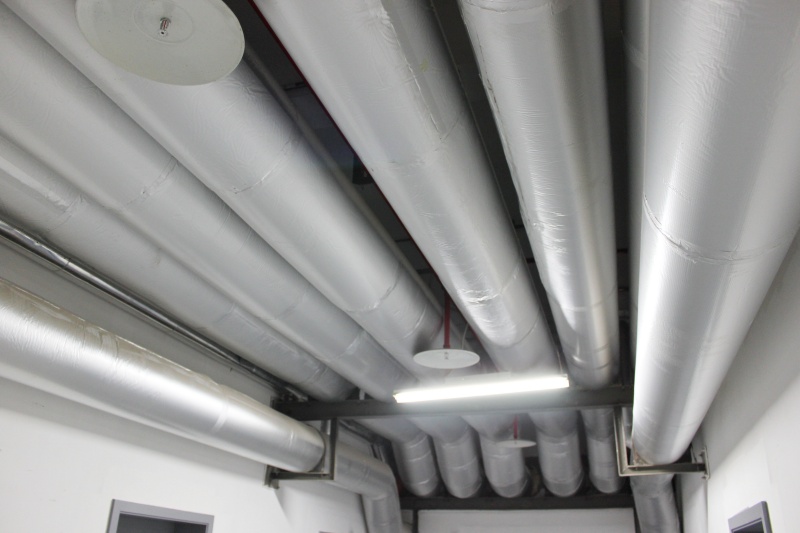

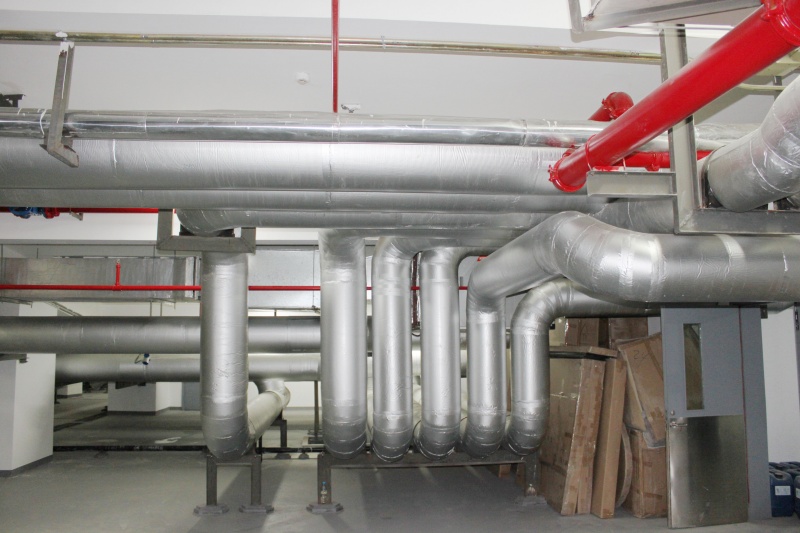

Find detailed answers to common questions about industrial cold system insulation, engineering properties, and procurement.
It is mainly used for HVAC ducts, air conditioning pipes, building thermal insulation, industrial pipeline cold insulation, and sound insulation. Its closed-cell structure makes it particularly effective in environments with high humidity where vapor transmission must be prevented.
Yes, our rubber foam insulation is fire retardant. It meets safety standards for building and industrial projects, including BS 476 (Class 0) and UL94 flammability ratings, which ensures low flame spread and minimal smoke development.
Rubber foam is flexible, closed-cell, and moisture-resistant, making it suitable for HVAC and chilled systems where condensation is a concern. Rock wool is high-temperature resistant and fireproof, making it suitable for industrial high-temperature steam lines and hot applications.
Yes, we support OEM/ODM services. We can adjust the thickness, inner diameter, density, color, and adhesive backing of our insulation materials to meet specific engineering criteria.
Our products have passed BS 476, CE, REACH, ROHS, UL94, and ASTM testing. These certifications ensure quality compliance for projects in Europe, the Americas, and APAC.
Yes, we maintain batch-traceability records. Each production run is documented from raw materials through curing and cutting, allowing us to trace quality metrics back to the manufacturing date and line.
We manufacture sheet rolls in thicknesses ranging from 6mm to 50mm. For thicker specifications, multiple layers can be applied using specialized adhesives.
Under normal operating conditions and with proper installation, our rubber foam systems have a service life of 10 to 15 years. Using protective outer cladding or coatings can further extend this life in outdoor or marine environments.
The glass transition temperature (Tg) is the point at which an elastomer changes from a flexible state to a rigid, glassy state. Standard elastomeric systems become brittle at cryogenic temperatures. Specialized products, like our Dolefin series, are formulated with structural additives to maintain flexibility and resist cracking during thermal cycles down to -200°C.
CUI occurs when moisture and oxygen reach the surface of carbon steel pipes. Our closed-cell rubber foam insulation acts as a continuous vapor barrier, preventing moisture migration. Sealing joints with specialized adhesives helps ensure a dry pipe environment and reduces the risk of corrosion.
Browse our complete range of specialized thermal, acoustic, and low-temperature elastomeric materials.
 Kingflex