Select from our globally certified industrial insulation systems tailored for maximum thermal efficiency and safety.
The critical role of high-integrity elastomeric insulation systems in modern energy infrastructure.
"Uninsulated and poorly insulated dryer ducts and HVAC conduits represent one of the primary vectors of thermal degradation and structural hazard in commercial real estate. Closed-cell technology is no longer an optional upgrade; it is the baseline requirement for structural sustainability."
In modern industrial and commercial facilities, HVAC performance directly correlates with operational overhead and fire safety profiles. Exhaust systems, specifically commercial dryer ducts and specialized manufacturing ventilation pipelines, convey high-temperature, moisture-saturated air. When these channels traverse unconditioned structural spaces, a sharp thermal gradient occurs. Without high-efficiency insulation, the hot vapor quickly condenses inside the duct, causing systemic issues: moisture pooling, premature pipe corrosion, mold development, and lint accumulation, which presents a significant fire hazard.
Globally, strict building codes such as ASHRAE 90.1 and the International Energy Conservation Code (IECC) dictate the minimum thermal resistance value ($R$-value) for service ducts. Specifiers and engineering consultants face pressure to select materials that combine high thermal resistance, Class 0 fire ratings, and long-term durability in extreme environments.
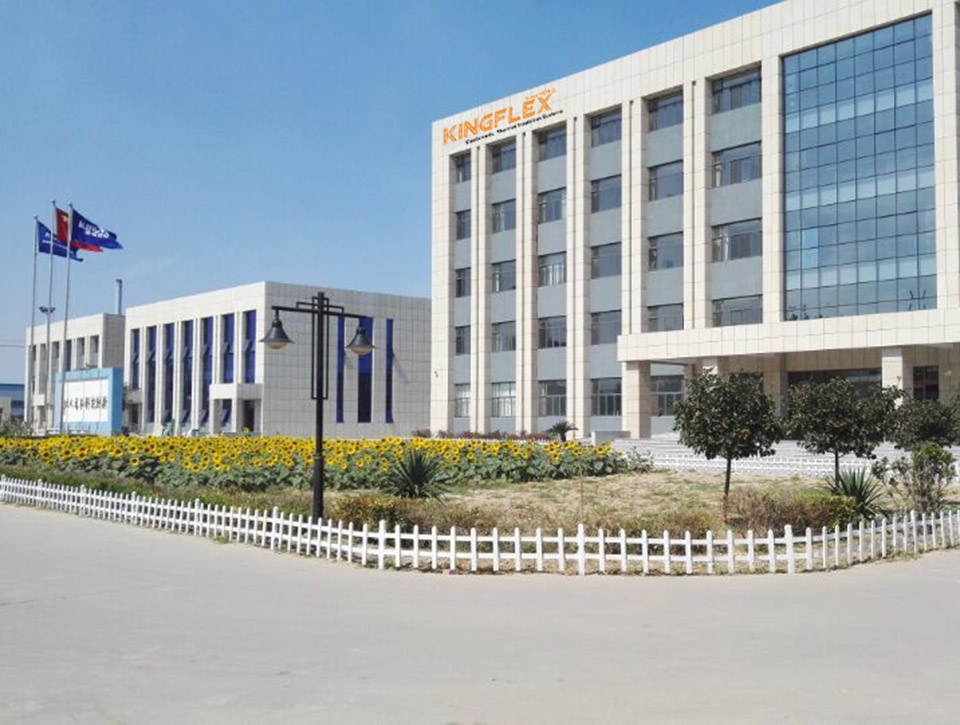
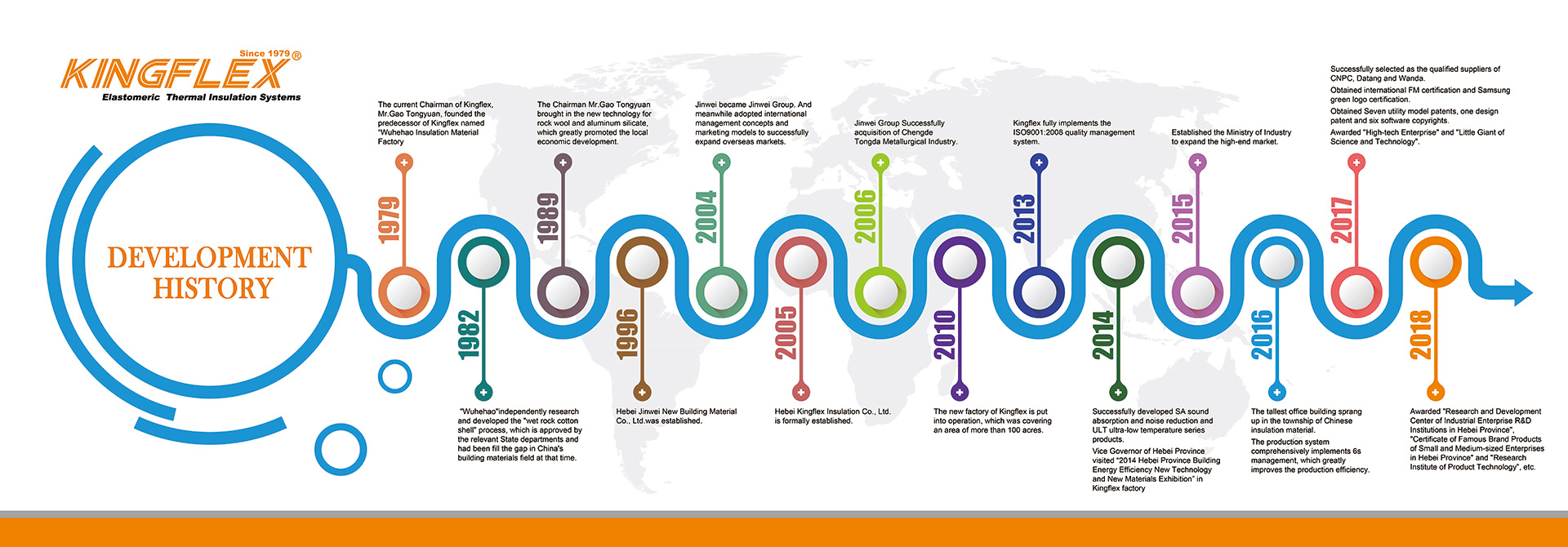
Tracing our origins from the foundation of the Jinwei Group to the automated production arrays of Kingflex.
Established under the prominent Jinwei Group, which has a legacy spanning over 40 years since its inception in 1979, Kingflex stands as a pioneer. We were the first thermal insulation manufacturer established north of the Yangtze River, laying the groundwork for insulation production in Dacheng, China.
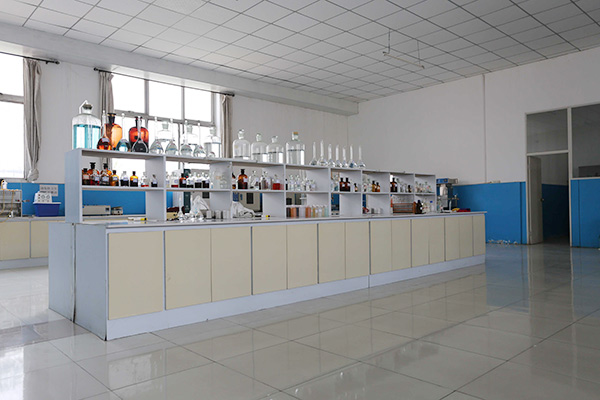
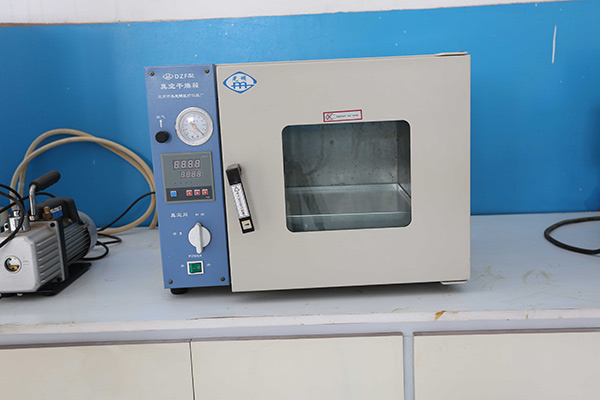
At present, Kingflex operates 5 large automatic assembly lines, yielding an annual capacity exceeding 600,000 cubic meters. We are a designated production enterprise recognized by the Ministry of Energy, the Ministry of Electric Power, and the Ministry of Chemical Industry.
Our infrastructure allows us to consistently serve large-scale global orders while maintaining precise mechanical and dimensional tolerances across sheet rolls and pipe matrices.
Our development capacity relies on a dedicated, highly skilled team. Kingflex maintains 8 professional engineers in our R&D Department, 6 international sales specialists, and a production workforce of 230 technicians. This talent pool enables us to innovate, troubleshoot complex specifications, and deliver reliable technical support.

Closed-cell NBR/PVC elastomer molecular structure and its thermal behavior.
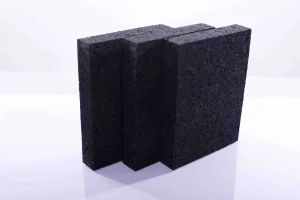
Our standard thermal insulation sheets and pipe tubes are manufactured from a high-grade nitrile-butadiene rubber (NBR/PVC) composite. The molecular architecture features an evenly foamed structure with a closed-cell rate exceeding 98%. This high concentration of microscopic, dead-air spaces acts as a barrier to heat transfer, ensuring low, stable thermal conductivity over decades of use.
Unlike open-cell alternatives like rock wool or glass fiber, elastomeric rubber foam does not rely on mechanical air containment within fiber matrices. If fiber insulation gets wet, its thermal resistance collapses. Elastomeric NBR/PVC has high water vapor resistance, functioning as a built-in vapor barrier to protect ducts from corrosion and moisture.
| Insulation Class / Type | Material Composition | Available Thickness | Density Range | Service Temp Range | Flame Spread Rating |
|---|---|---|---|---|---|
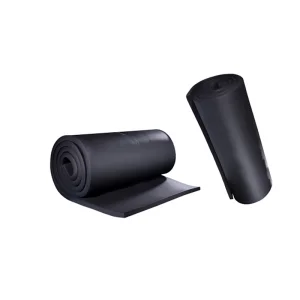
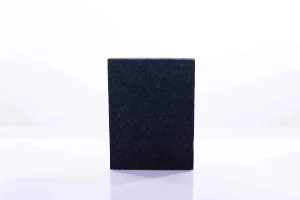
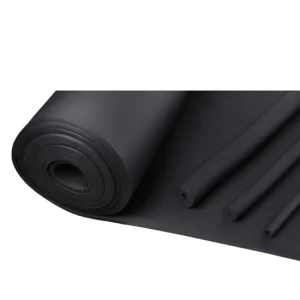
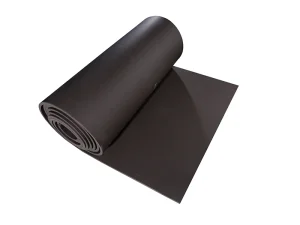
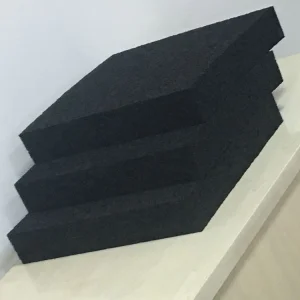
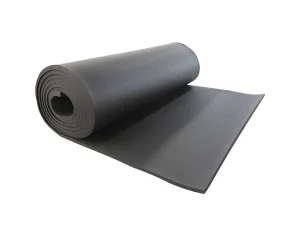
| Black Rubber Foam Sheet Roll | Premium NBR/PVC Elastic Compound | 6mm to 50mm | 40 - 55 kg/m³ | -40℃ to 105℃ | Class 0 / Class 1 (BS 476) |
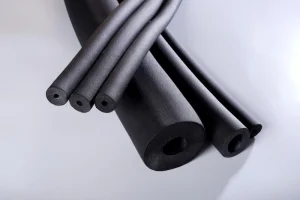
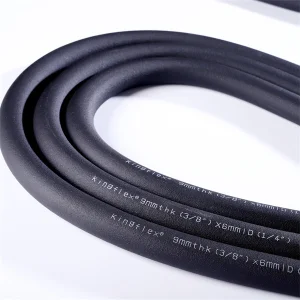
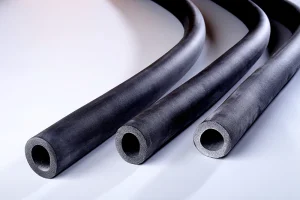
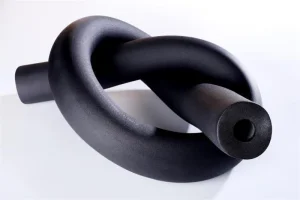
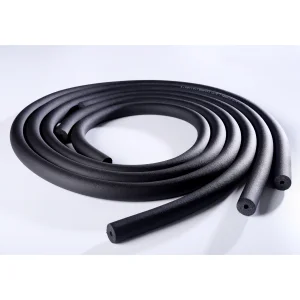
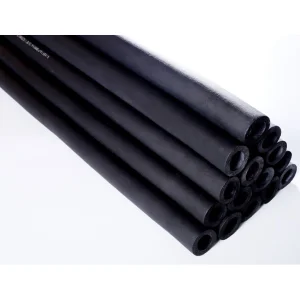
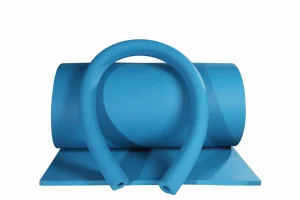
| Black Rubber Foam Tube / Pipe | Closed-cell Nitrile Elastomer | 9mm to 40mm (ID: 6mm - 114mm) | 40 - 55 kg/m³ | -40℃ to 105℃ | Self-extinguishing (UL94) |
| Cryogenic Insulation Grade | Modified Elastomeric Matrix | Custom Dual-Layer Specification | 55 - 65 kg/m³ | -200℃ to 105℃ | Compliant with ASTM C177 |

Where Kingflex rubber insulation is deployed for maximum protection and efficiency.
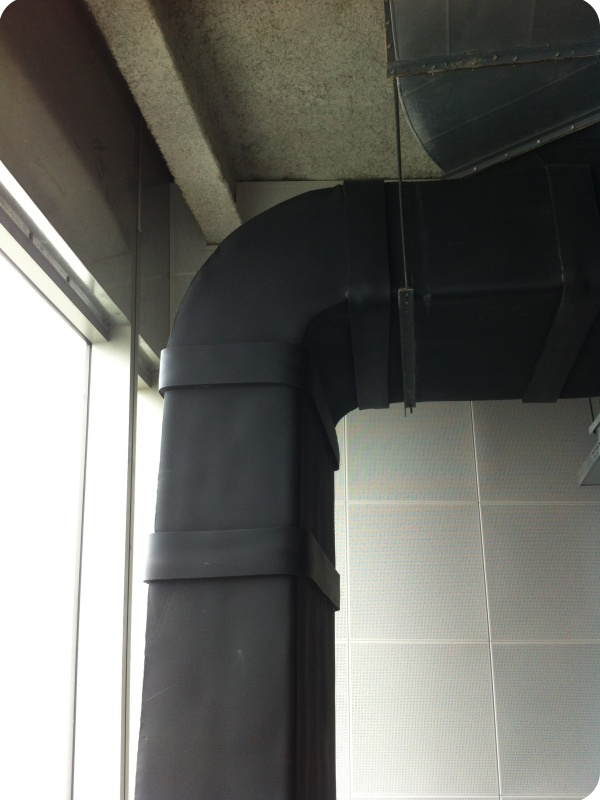
Widely installed on air supply/exhaust ducts, fresh air intakes, and chilled water pipes. Our insulation prevents condensation in high-humidity zones, reducing cooling energy losses by up to 35% and preventing biological mold growth on metal ducts.
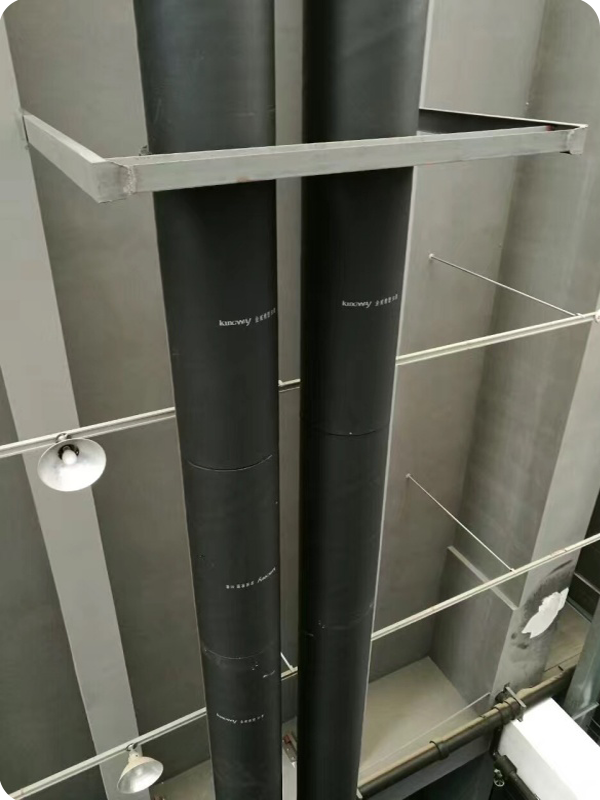
Designed to insulate complex steam pipes, high-temperature storage tanks, chemical pipelines, and heat exchangers. Resists acid and alkaline exposure, preventing corrosion under insulation (CUI) on carbon and stainless steel structures.
Specially engineered for ultra-low temperature liquid natural gas (LNG) transport lines, cryogenic processes, and industrial cold rooms. The material retains its flexibility down to -200°C without micro-fracturing or losing seal integrity.
Dryer ducts operate with high humidity levels and cycle between hot and cold temperatures, which makes proper insulation critical. If uninsulated, the moist air inside the duct condenses quickly upon hitting colder, unconditioned attic spaces. This leads to moisture pooling, lint accumulation, and eventual duct blockages.
Kingflex elastomeric sleeves wrap around round ducts to stabilize the internal wall temperature. By keeping the exhaust temperature above the dew point, our insulation helps ensure lint is carried out of the building rather than settling on wet interior duct walls, lowering maintenance costs and reducing fire risks.
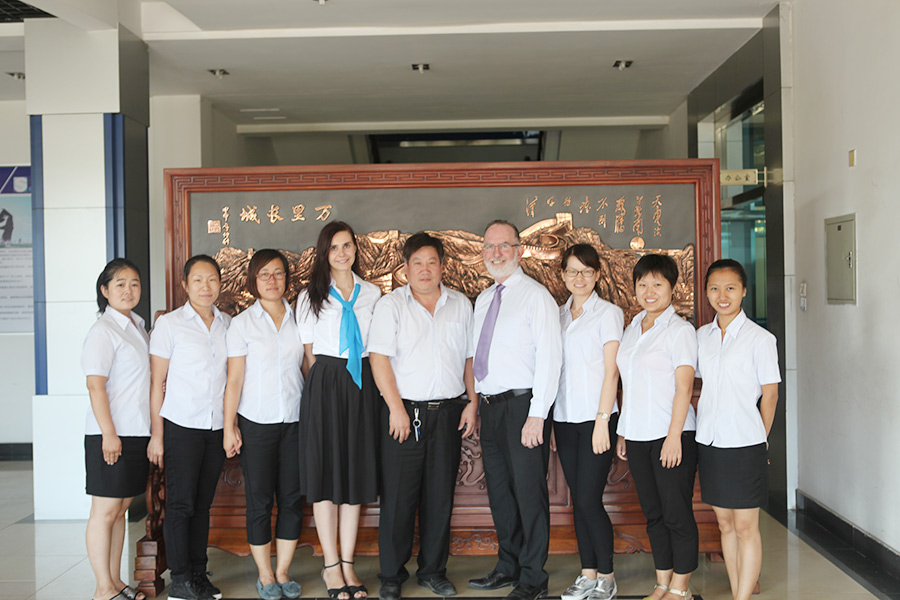
Globally validated compliance with international safety, fire resistance, and quality metrics.
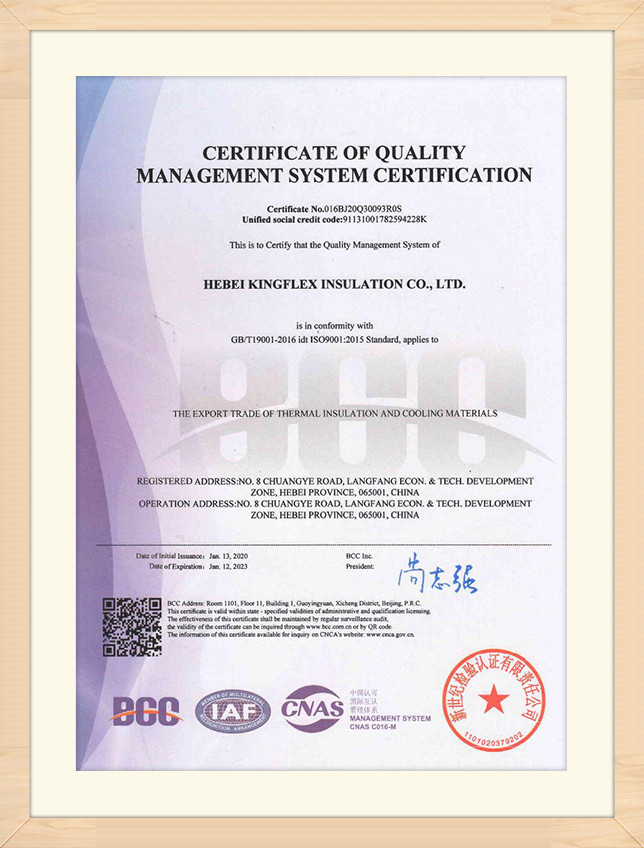
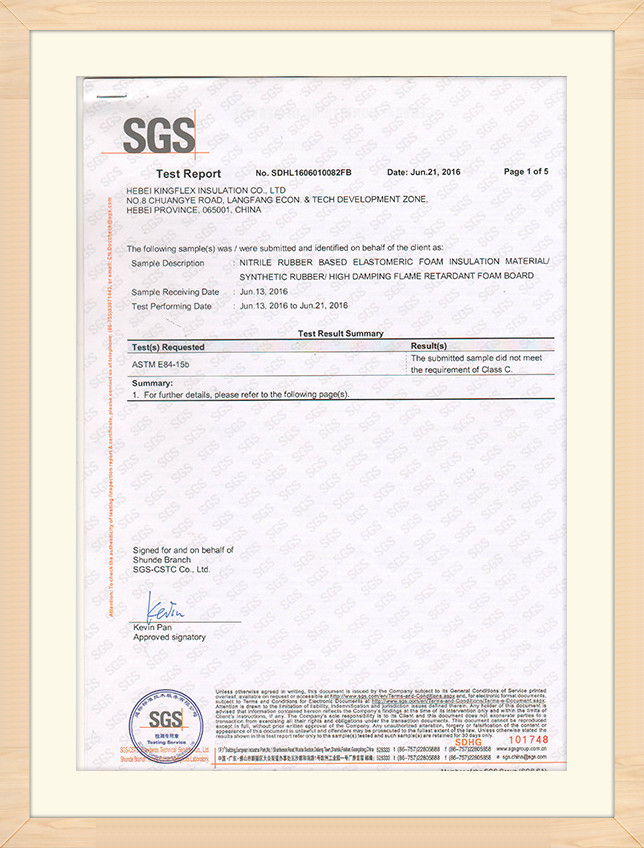
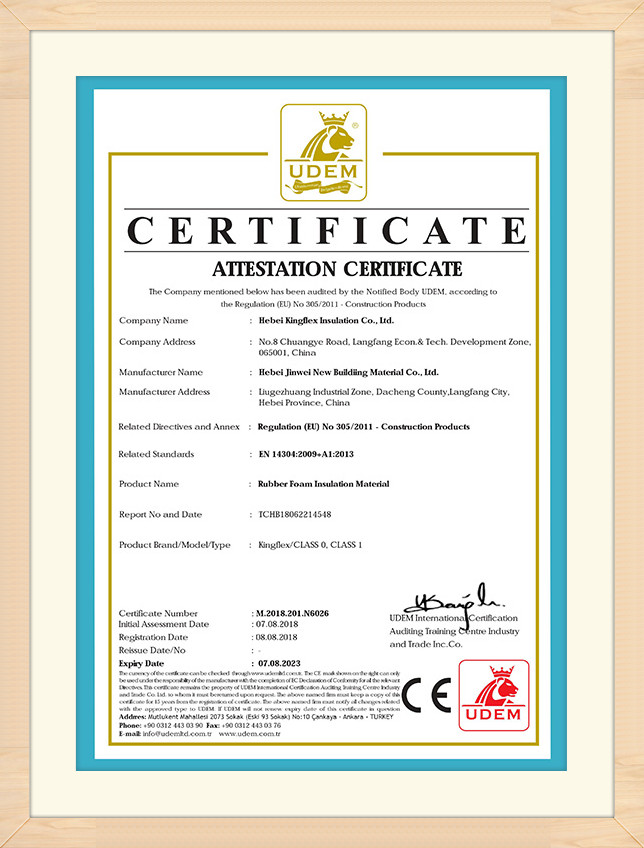
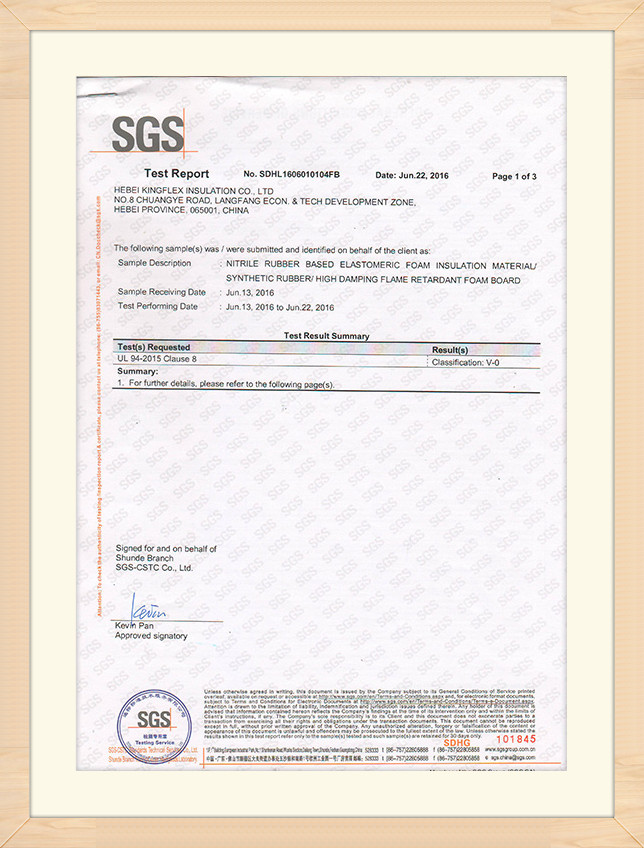
We supply energy-saving insulation solutions to international buyers in over 66 countries. Our materials undergo testing to ensure they comply with standards like REACH, ROHS, UL94, and ASTM. This guarantees compliance for commercial building projects in North America, Europe, and the Asia-Pacific region.



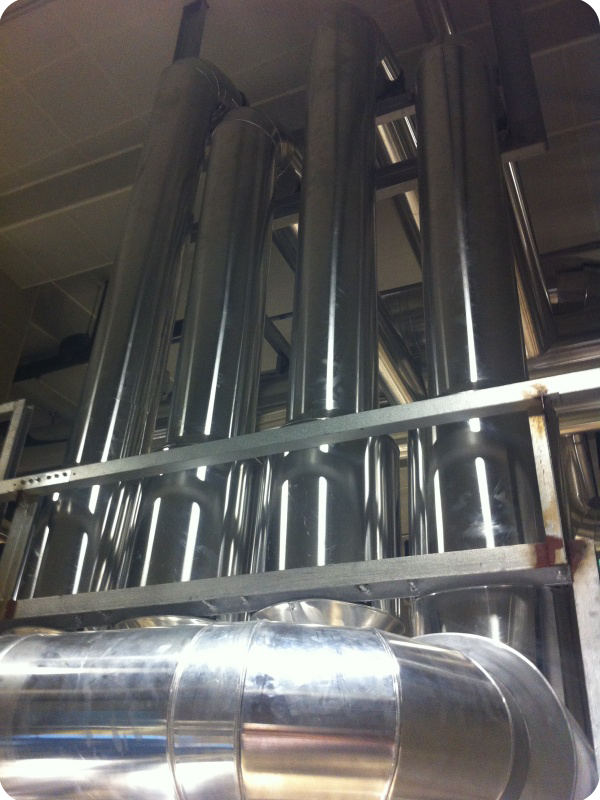
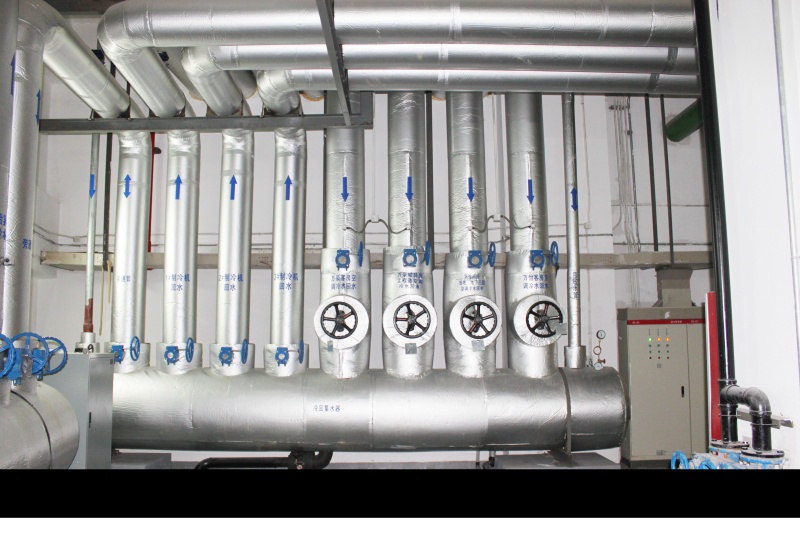
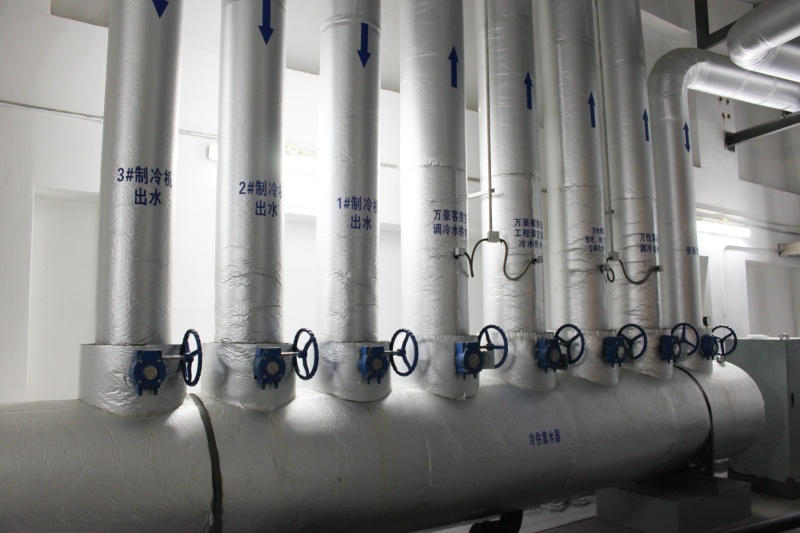
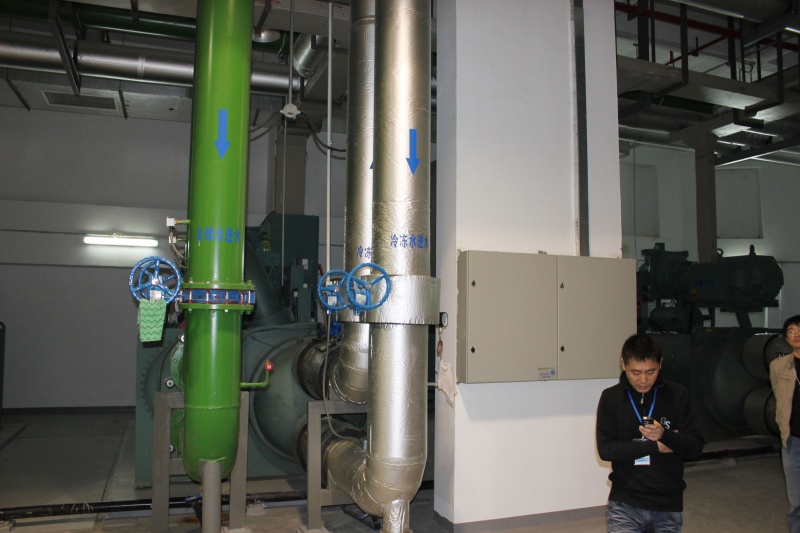
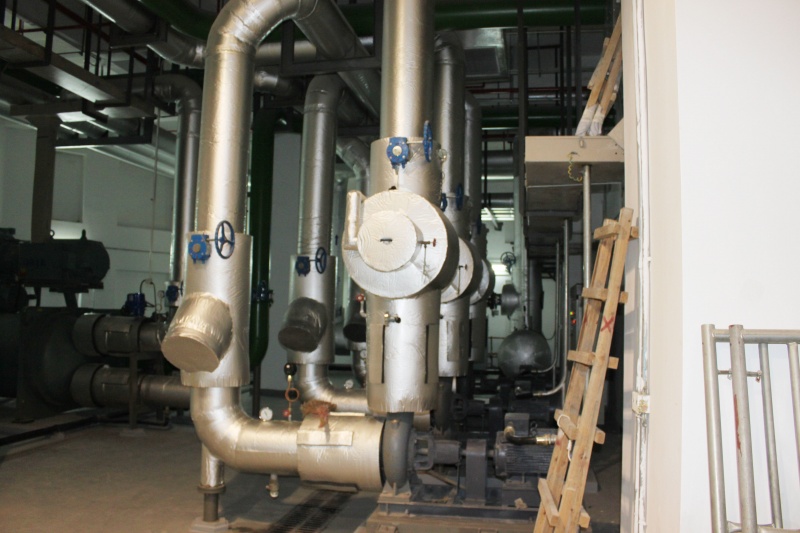
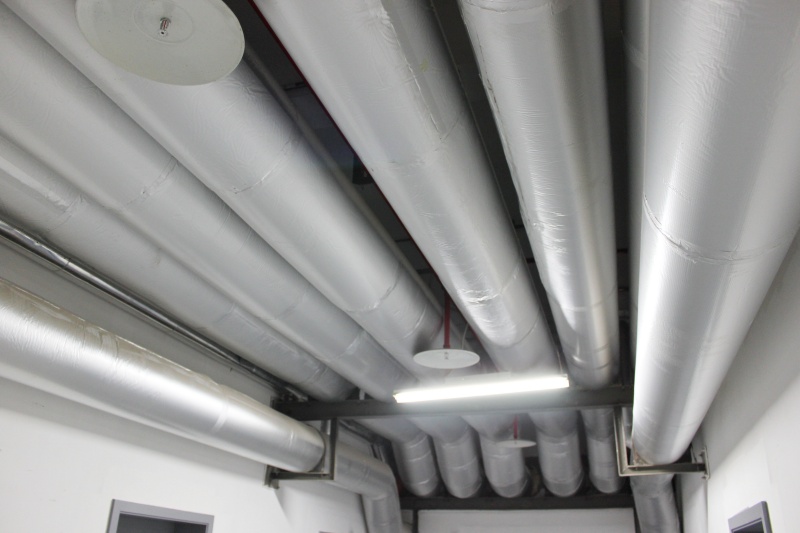
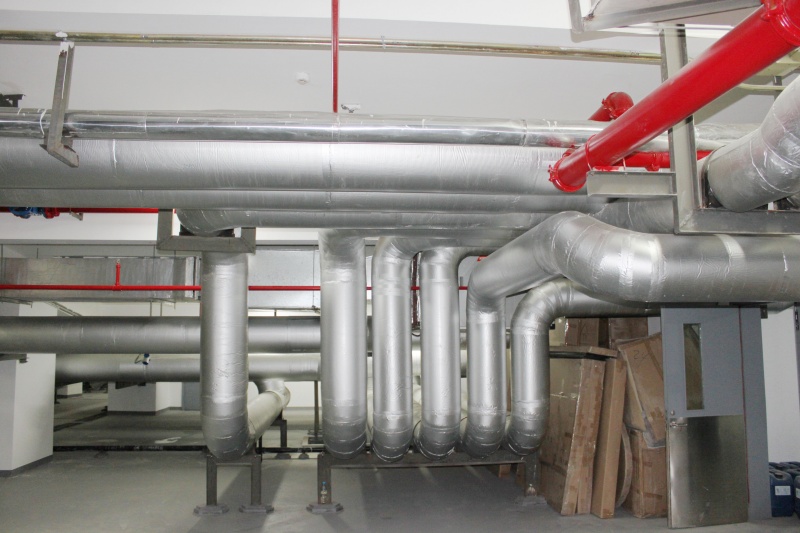
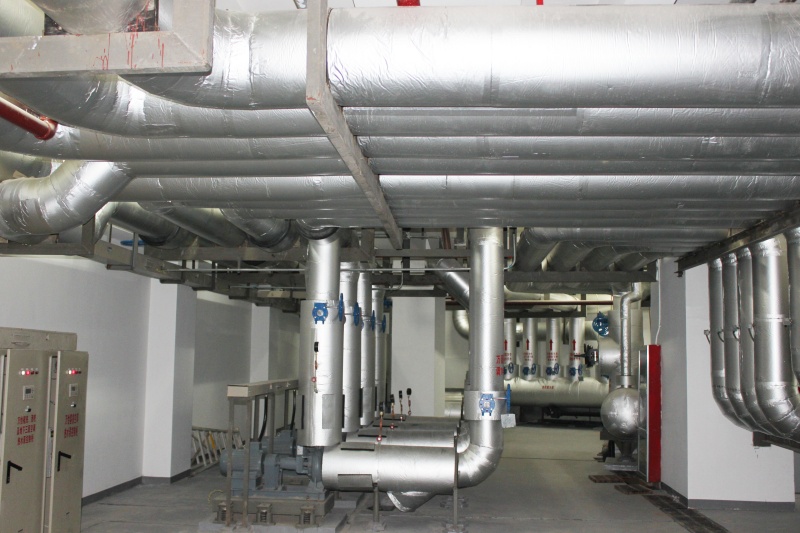
A visual showcase of our materials installed on various high-specification industrial pipelines and HVAC systems.



Decarbonization, reduced smoke generation, and the next generation of insulation materials.
As the construction and HVAC manufacturing industries align with global net-zero emissions targets, the demand for sustainable raw materials is rising. Traditional elastomeric formulas rely on halogenated flame retardants, which are effective in fires but can release corrosive gases when burned. Kingflex is currently directing R&D efforts toward halogen-free, bio-derived elastomer options that limit smoke generation and toxicity without reducing fire resistance.
Additionally, we are focused on optimizing energy efficiency across our production footprint. By upgrading our Dacheng manufacturing site with closed-loop waste heat recovery systems and solar arrays, we aim to lower the carbon footprint of our NBR/PVC sheet and pipe insulation products. This aligns with modern building certifications like LEED v4 and BREEAM, helping developers achieve higher sustainability ratings.
Expert technical answers to common queries regarding elastomeric duct insulation and installation.
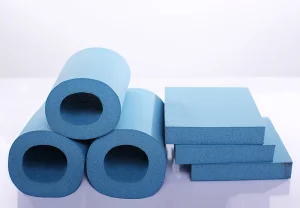
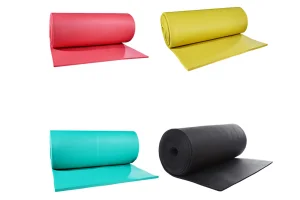
High-quality elastomeric sheet rolls, pre-slit tubes, and cryogenic barriers ready for delivery.
 Kingflex