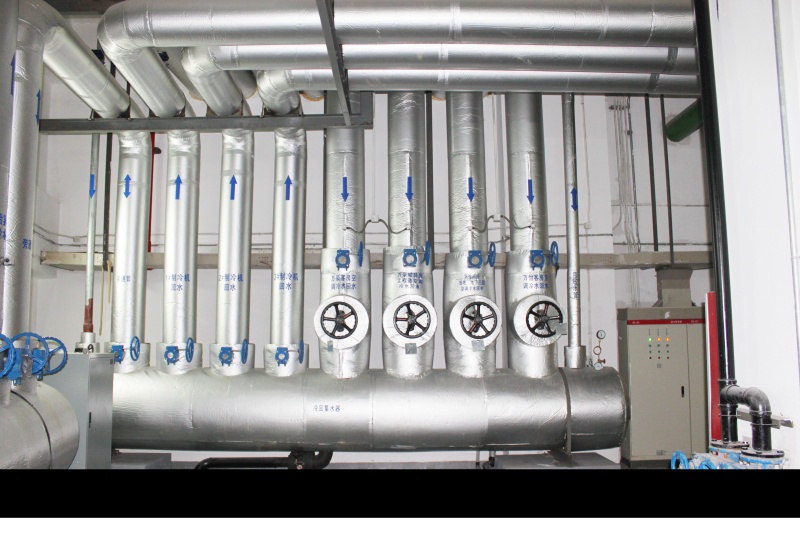
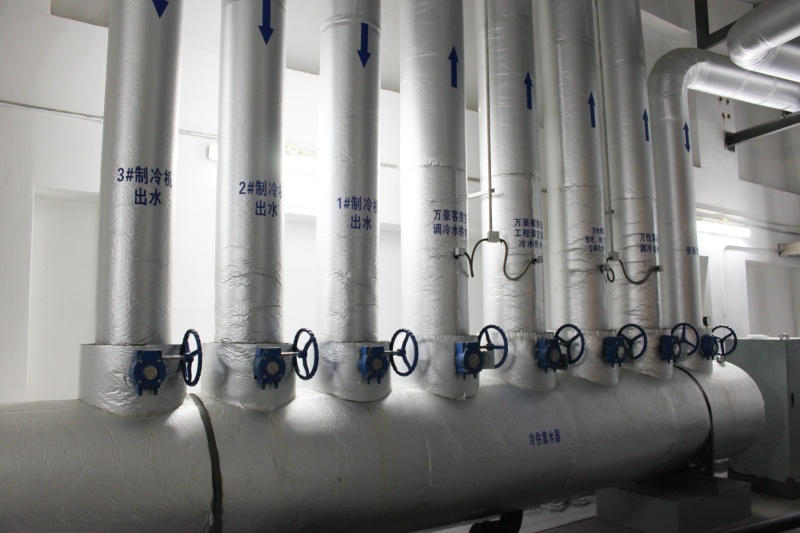
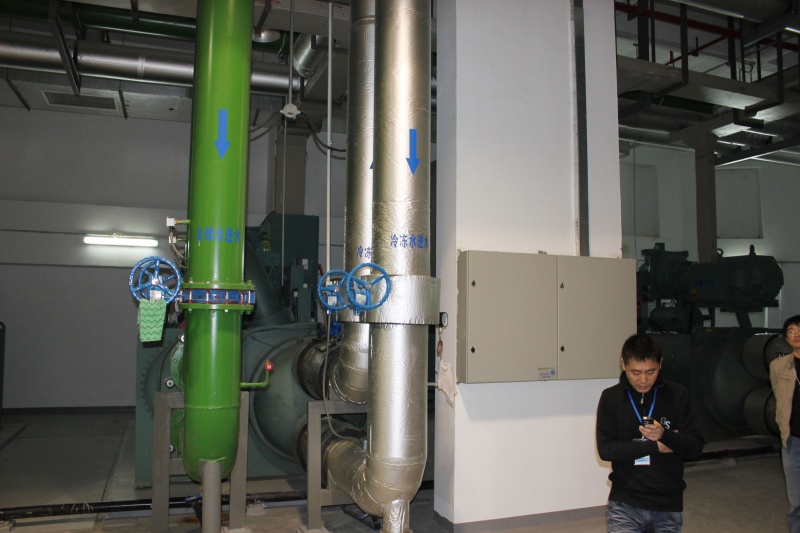
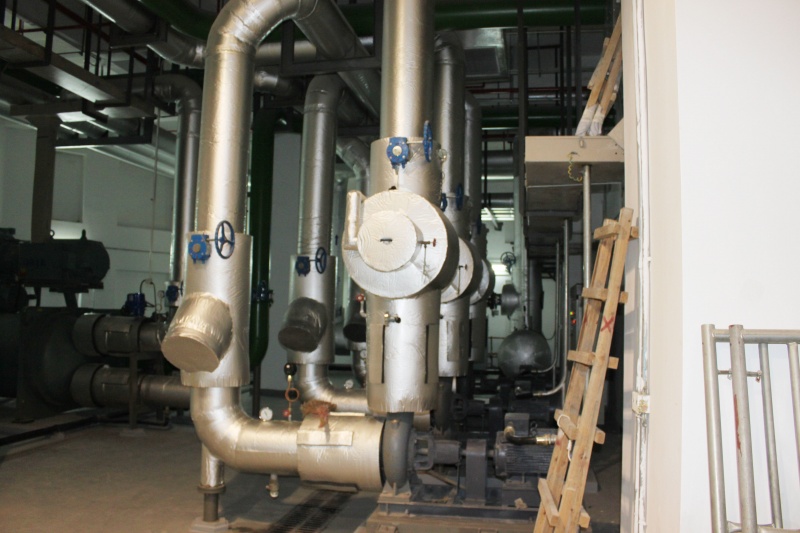
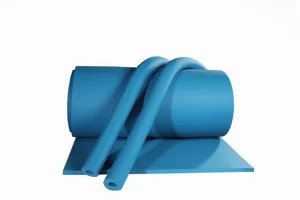
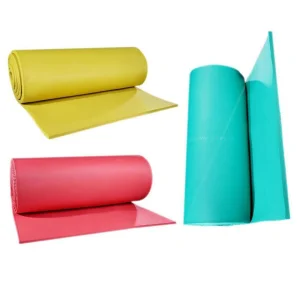
High-performance thermal, acoustic, and cryogenic insulation materials certified for global deployment.
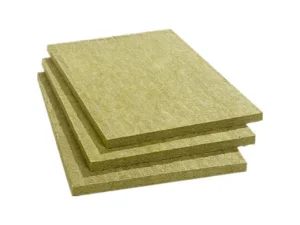
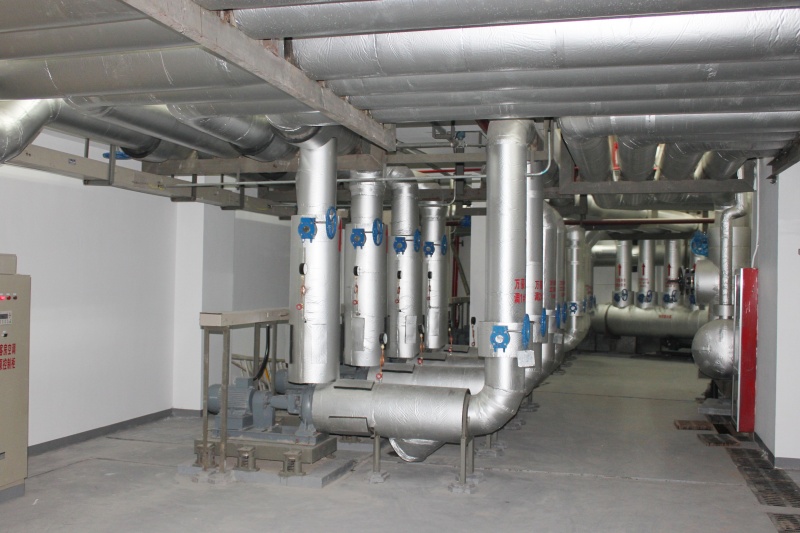
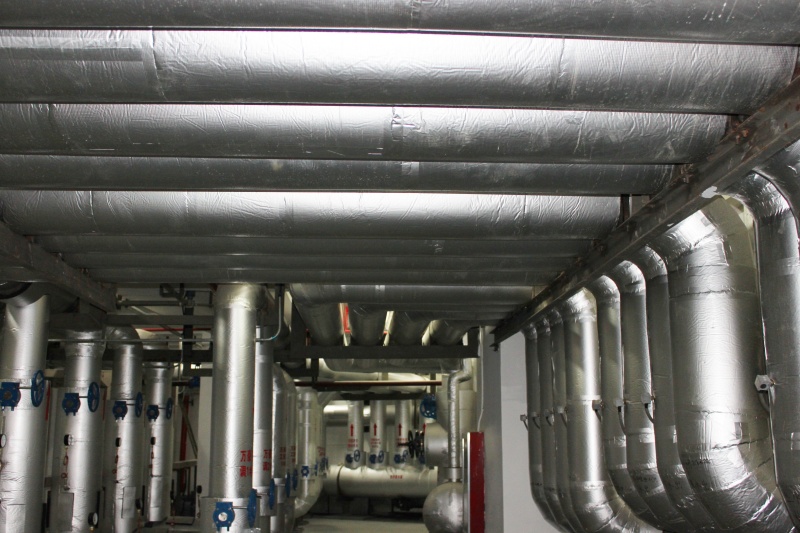
In modern industrial and commercial construction applications, controlling thermal transfer dynamics represents only half the challenge. High-performing building envelopes require comprehensive vapor transmission prevention alongside dynamic radiant heat deflection. Single-sided aluminum foil glass wool felt integrates a structured microfiber glass matrix with a heat-reflective aluminum foil facing (commonly known as Foil-Scrim-Kraft, or FSK facing).
The primary glass wool core consists of high-purity inorganic silica fibers bonded through advanced thermosetting resins. This configuration traps millions of microscopic air pockets, driving thermal conductivity coefficients down to a nominal range of 0.032 to 0.044 W/(m·K). Laminated directly to this substrate, the single-sided aluminum foil acts as an impervious vapor barrier, blocking exterior moisture permeation while reflecting up to 97% of radiant energy back away from the structural envelope.
Engineered FSK foil facing lowers surface thermal emissivity, reflecting direct infrared radiation and preventing condensation in high-humidity HVAC environments.
Highly porous internal structure achieves a high Noise Reduction Coefficient (NRC), suppressing reverberation inside metal buildings and HVAC ducts.
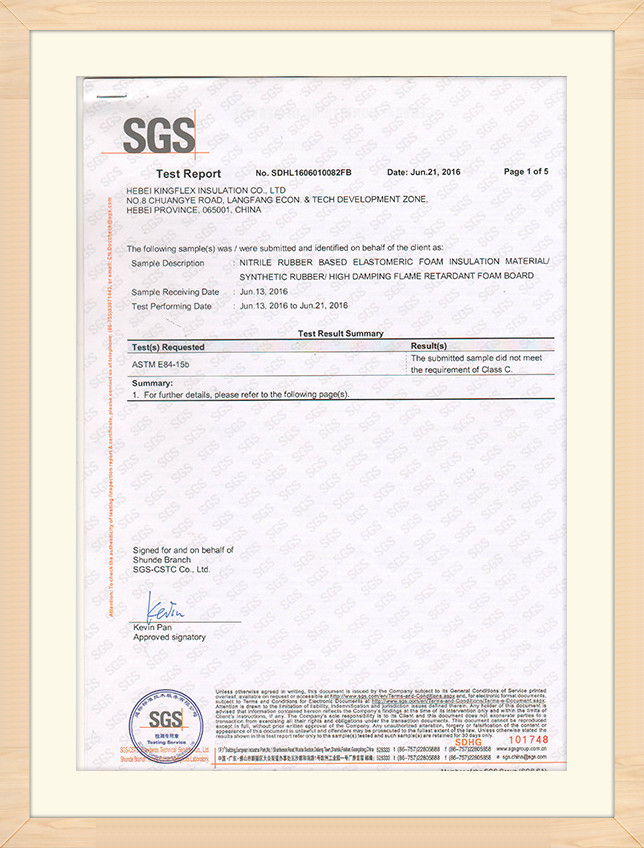
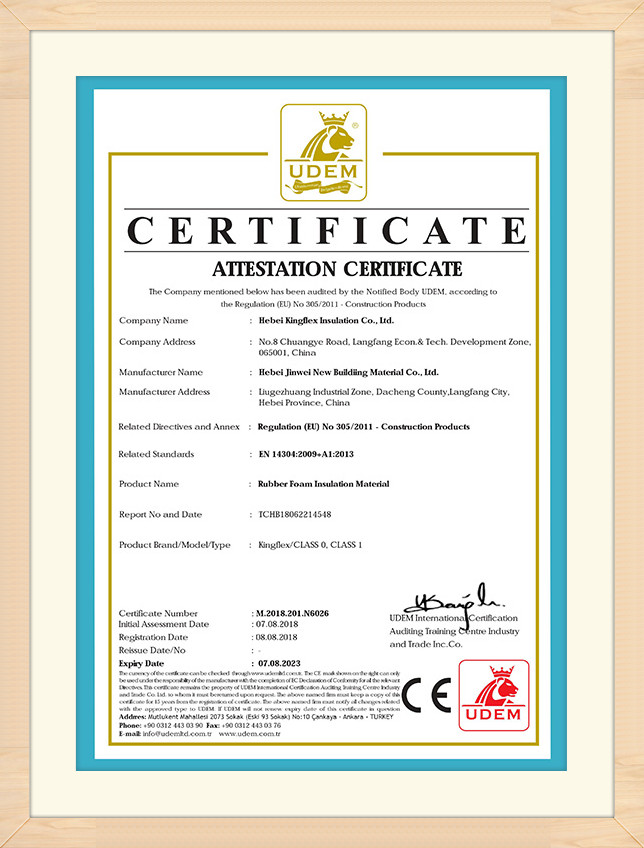
Composed of naturally non-combustible silica fibers, satisfying global fire safety requirements such as Class 0 (BS 476) and ASTM E84 certifications.
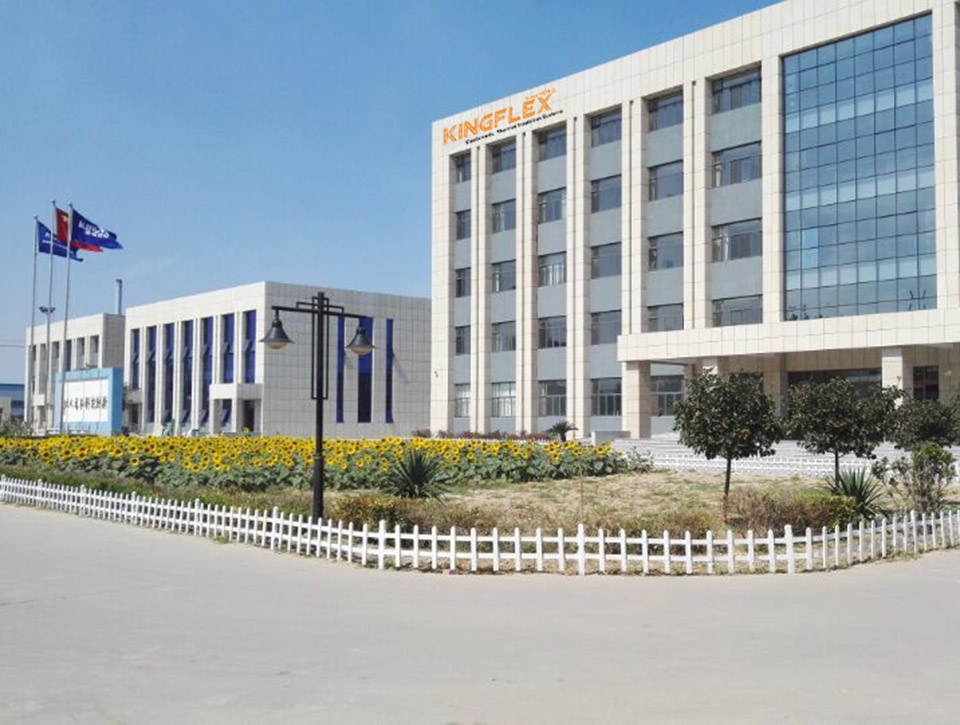
Kingflex Insulation Co., Ltd. is a professional manufacturing and trading combo specializing in premium-tier thermal insulation systems. Our research, development, and manufacturing units are centrally located in Dacheng, China—widely recognized as the leading capital of green building materials. As an energy-saving, environmentally friendly enterprise, we run integrated operations spanning advanced engineering, high-efficiency manufacturing, international distribution, and post-sale technical consulting.
At present, Kingflex operates five large-scale, automated production lines with an annual capacity exceeding 600,000 cubic meters. We have been designated as a trusted supply partner by regional authorities, including the Ministry of Energy and the Ministry of Chemical Industry, supporting large-scale global projects across civil construction, petrochemical refining, aerospace, and HVAC engineering.
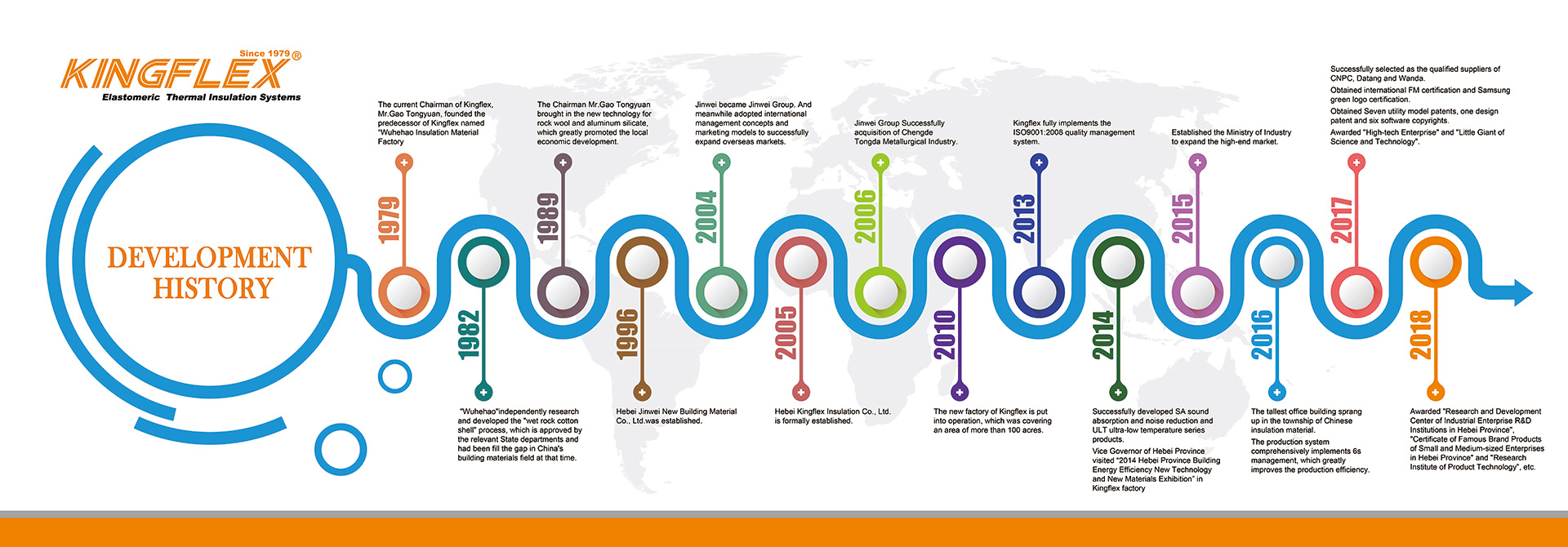
Established by the Jinwei Group (later forming the Kingway Group), laying down the first production infrastructure for thermal insulation materials north of the Yangtze River.
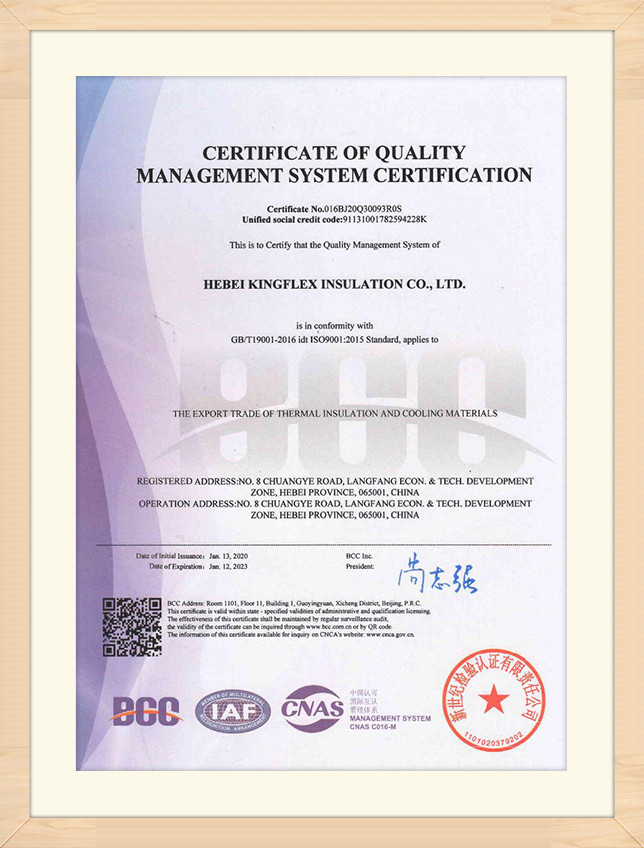
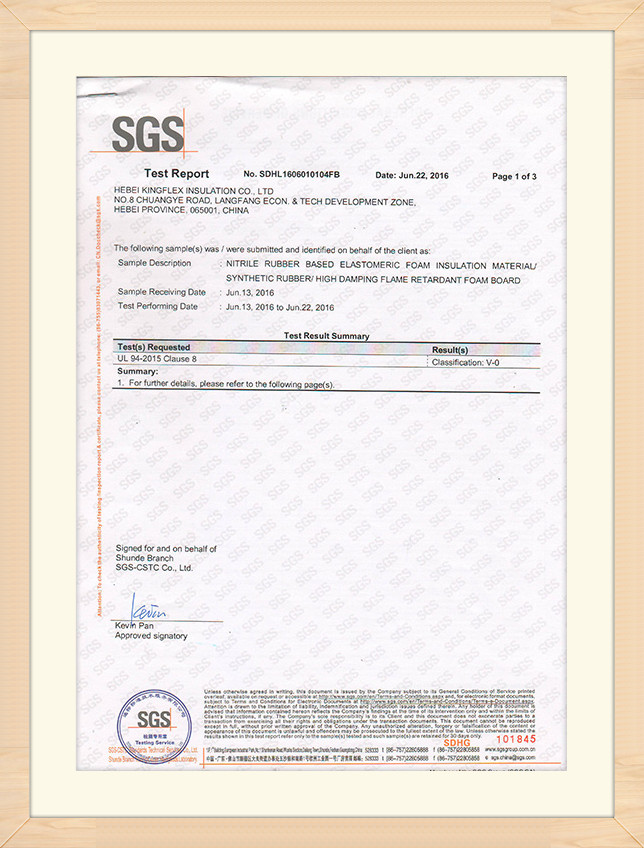
Expanded export lines to over 66 countries globally, setting up international standards compliance protocols including CE, BS 476, and UL certifications.
Integrated automated green manufacturing technology and energy-efficient, low-carbon emission binders to align with international decarbonization regulations.
The global insulation procurement market is undergoing a significant transition toward sustainable, carbon-neutral building envelopes. As national building codes implement stringent energy consumption targets (such as European EPBD directives and ASHRAE 90.1 standards in North America), procurement executives demand materials that contribute to regional environmental certifications including LEED, BREEAM, and DGNB.
Procurement teams prioritize glass wool insulation with high recycled content (cullet) and bio-based, formaldehyde-free binders. This reduction in embodied carbon optimizes project eligibility for green building credits.
Single-sided aluminum foil lamination serves as a durable vapor barrier. This layer prevents ambient humidity from entering the fibrous glass wool matrix, protecting the material's thermal properties over its service life.
Large infrastructure developers require raw material traceability. Kingflex addresses this with comprehensive compliance tracking from raw glass cullet processing to international delivery container shipping.
| Parameter | Glass Wool Core Specification | Laminated Foil Facing (FSK) Specification | Test Standard Reference |
|---|---|---|---|
| Thermal Conductivity | 0.034 - 0.040 W/(m·K) (at 25°C) | N/A | ASTM C518 / EN 12667 |
| Density Range | 12 - 48 kg/m³ | N/A | ASTM C167 |
| Combustibility | Non-combustible (Class A1) | Flame Spread < 25, Smoke Developed < 50 | BS 476 Part 6 & 7 / ASTM E84 |
| Vapor Permeability | High Permeability | < 0.02 Perms (0.011 g/N·s) | ASTM E96 (Procedure A) |
| Service Temperature | -120°C to 400°C | Max Exposure 80°C | ASTM C411 |
Our operational capabilities are backed by a dedicated workforce and strict research protocols. Our facility houses specialized testing laboratories for thermal conductivity, humidity resistance, and fire safety performance.

The Kingflex team relies on cooperative innovation to maintain product quality. Our organizational structure includes:
This combined expertise helps Kingflex deliver solutions tailored to the technical requirements of industrial projects, HVAC duct routing, and commercial building designs.
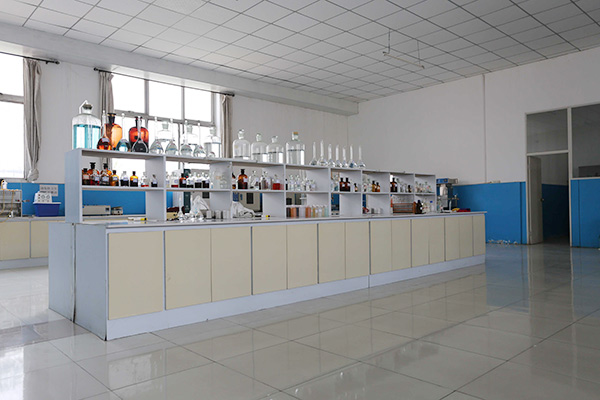
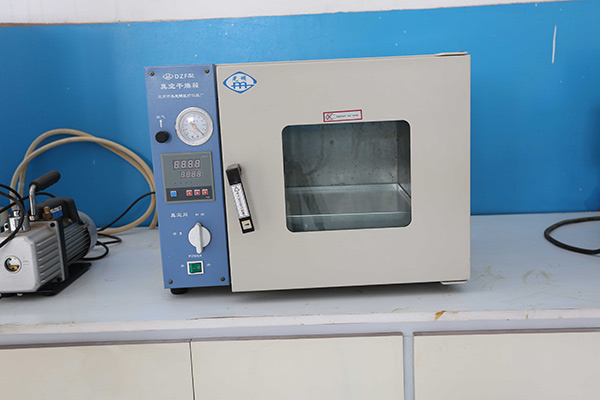
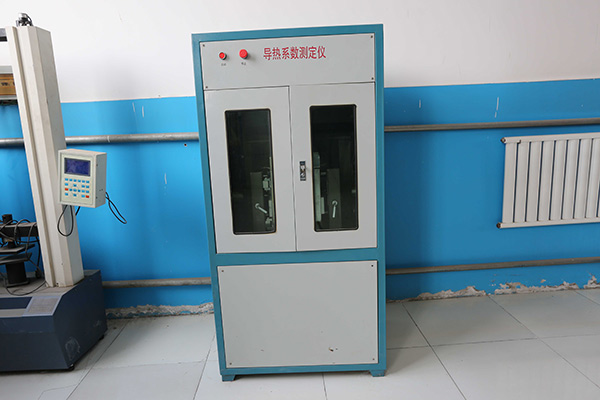
Kingflex maintains international quality control standards. Each production batch undergoes testing for fiber diameter consistency, density deviation, and foil adhesion strength.
Our manufacturing and distribution processes comply with global fire safety and environmental regulations:
We maintain full batch traceability. This allows us to track production history, from raw material inspection through packaging and shipping, using unique barcode identifiers.
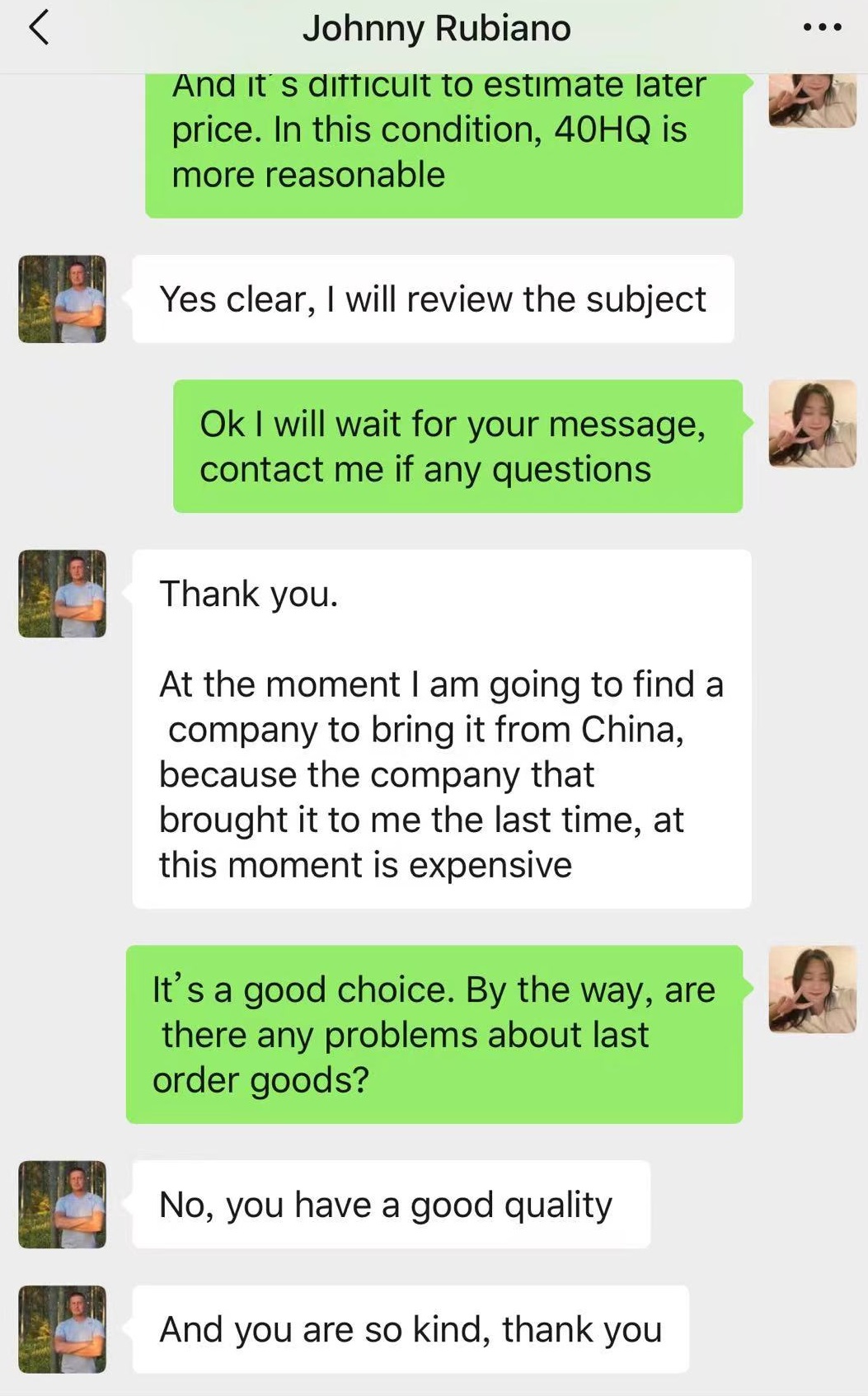
Real-time feedback and orders from procurement managers, engineering firms, and distributors worldwide.



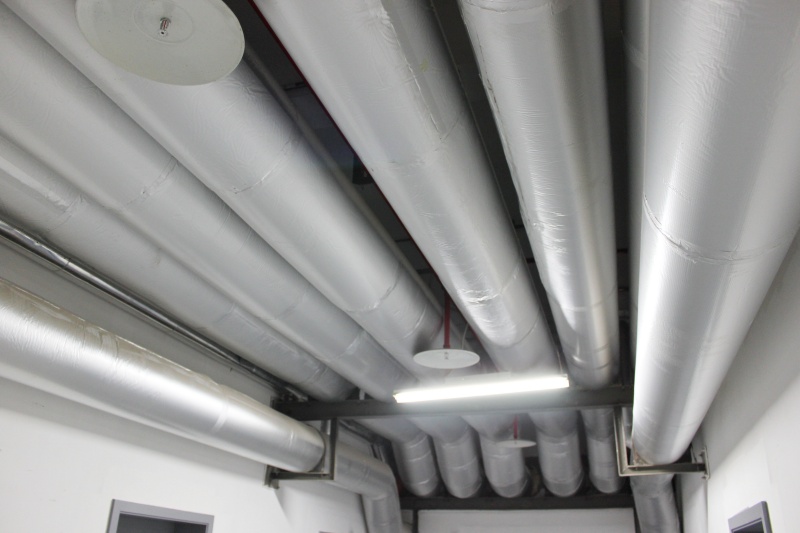
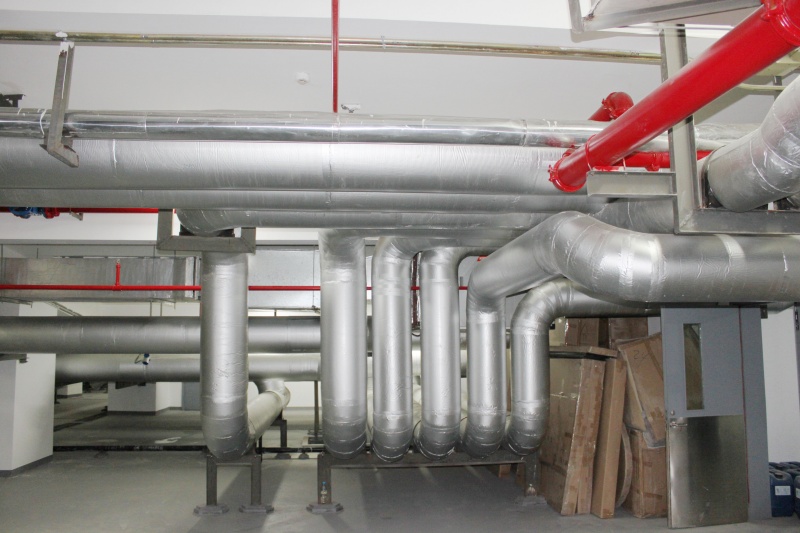
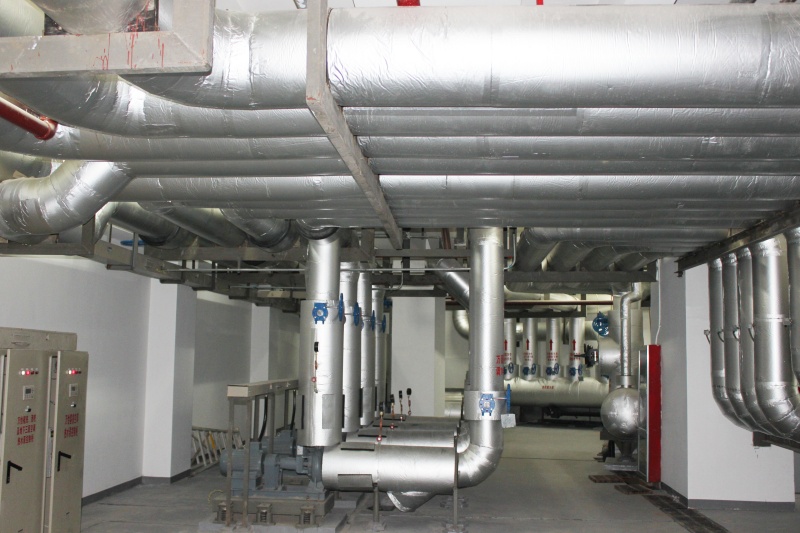
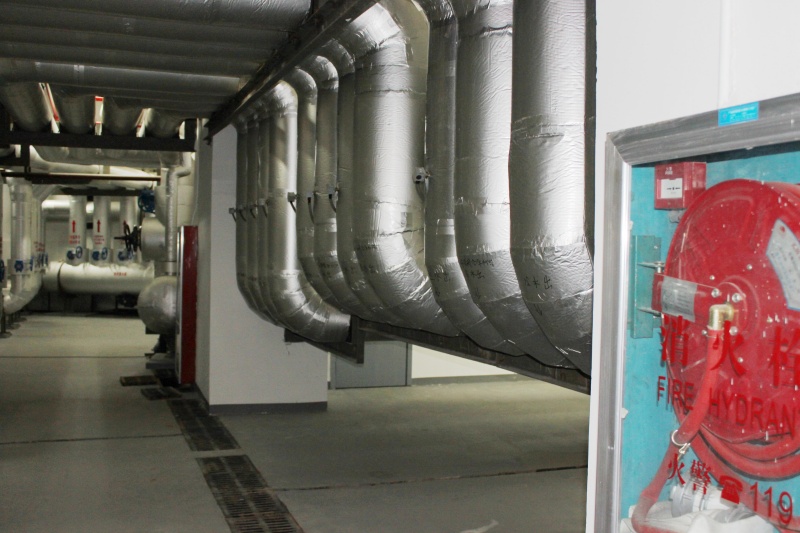
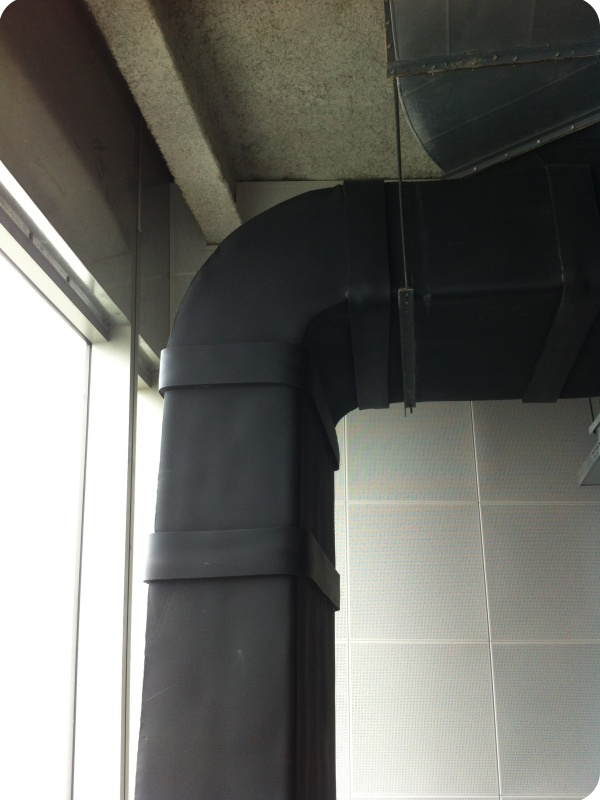
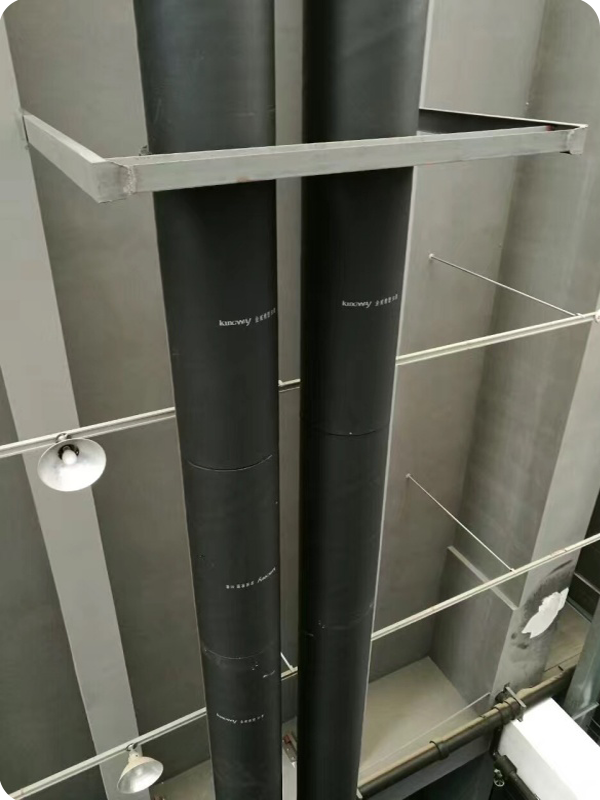
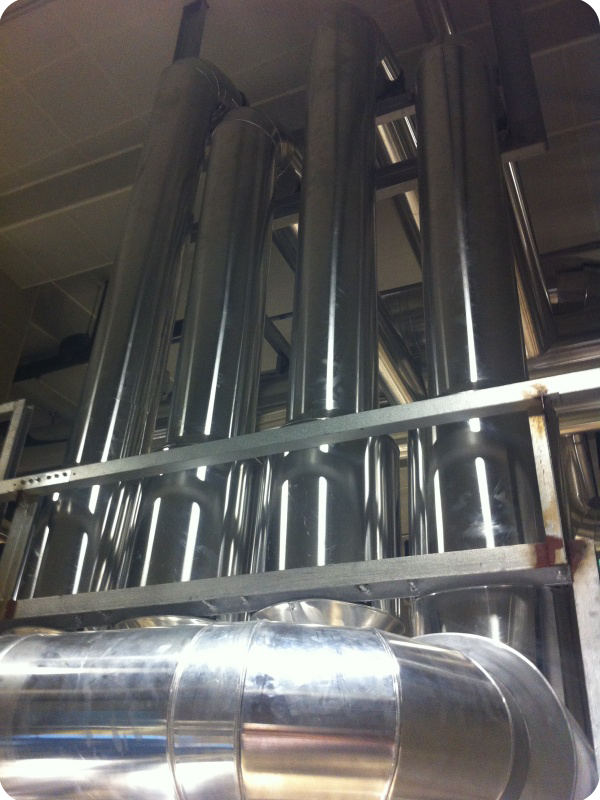
Our insulation materials are used across commercial, industrial, and infrastructure projects:

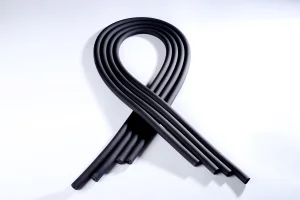
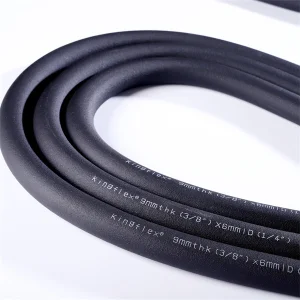
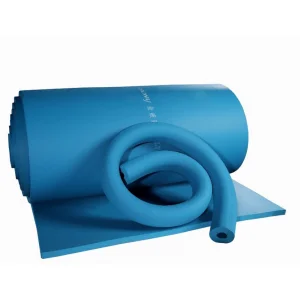
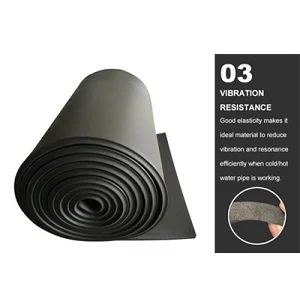
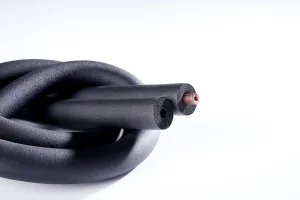
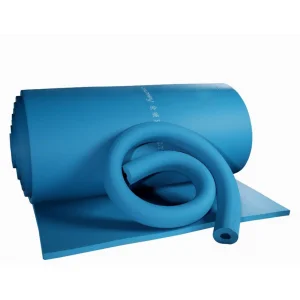
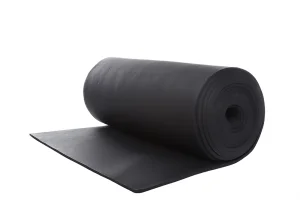
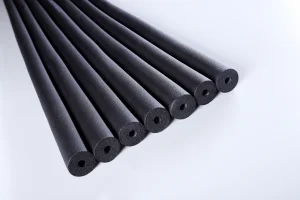
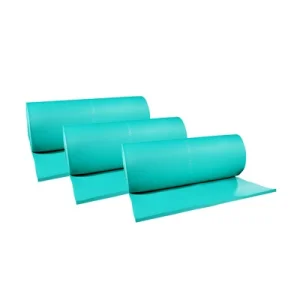
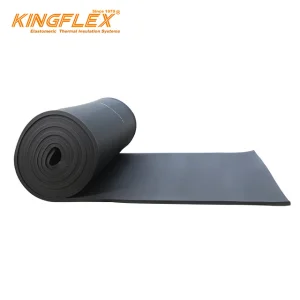
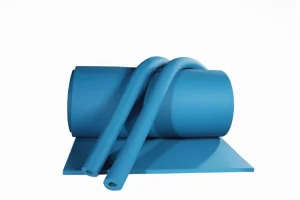
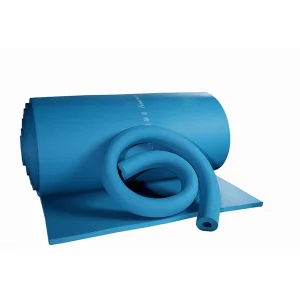
In addition to glass wool felt, Kingflex offers elastomeric closed-cell rubber insulation systems. Standard dimensions and parameters for these systems include:
An overview of our production warehouse and logistics loading bays, showing our capacity to handle high-volume wholesale requirements.
Our long-term development targets focus on environmental performance, material durability, and thermal efficiency:
Transitioning our core fiberglass curing lines from traditional resins to bio-based alternatives to support VOC reduction targets in commercial interiors.
Developing multilayer foil laminates that combine mechanical tear resistance with high corrosion protection in offshore and marine environments.
Deploying inline laser measurement systems to control thickness and fiber distribution, minimizing density variation across our glass wool felt range.
Direct answers to common questions about selecting, specifying, and installing Kingflex insulation systems.
Browse our full range of thermal, acoustic, and low-temperature elastomeric products for global industrial supply.
 Kingflex