High-performance elastomeric rolls, sheets, tapes, and pre-formed tubes engineered for severe operating environments
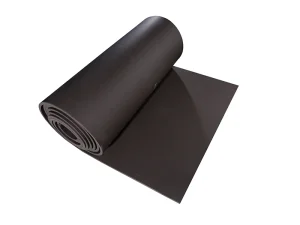
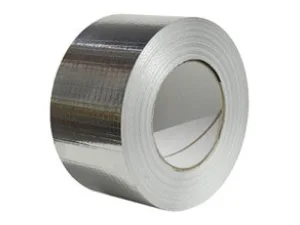
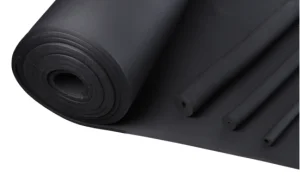
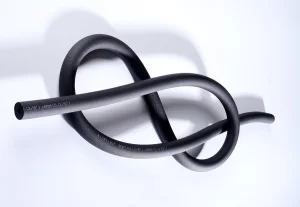
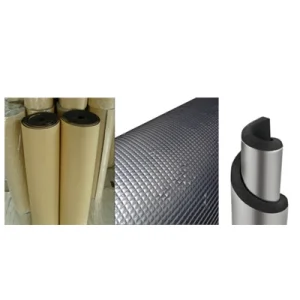
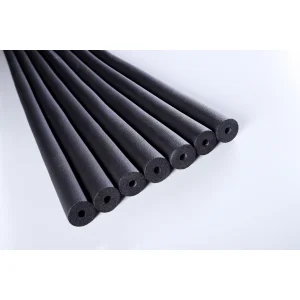
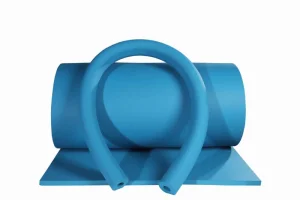
In modern industrial plants, commercial edifices, and processing complexes, thermal systems constitute the largest consumer of energy resources. According to global energy consumption audits, heat losses or thermal dissipation through poorly insulated or bare piping networks account for up to 30% to 45% of total energy budget excesses. Standardizing the usage of elastomeric closed-cell mechanical insulation is no longer merely a system specification, but a mandatory pathway for regional carbon neutrality targets, meeting codes like ASHRAE 90.1, IECC, and the European EN 12828 parameters.
Choosing the correct pipe insulation is crucial to control heat flux, prevent structural condensation, and maintain fluid dynamic properties in process piping. Factors like vapor diffusion, thermal conductivity decay, and fire performance dictate material specification. In large-scale infrastructure projects, procurement teams seek manufacturers that deliver high-volume batches with verified compliance standards, eliminating system failures at design-critical connections.
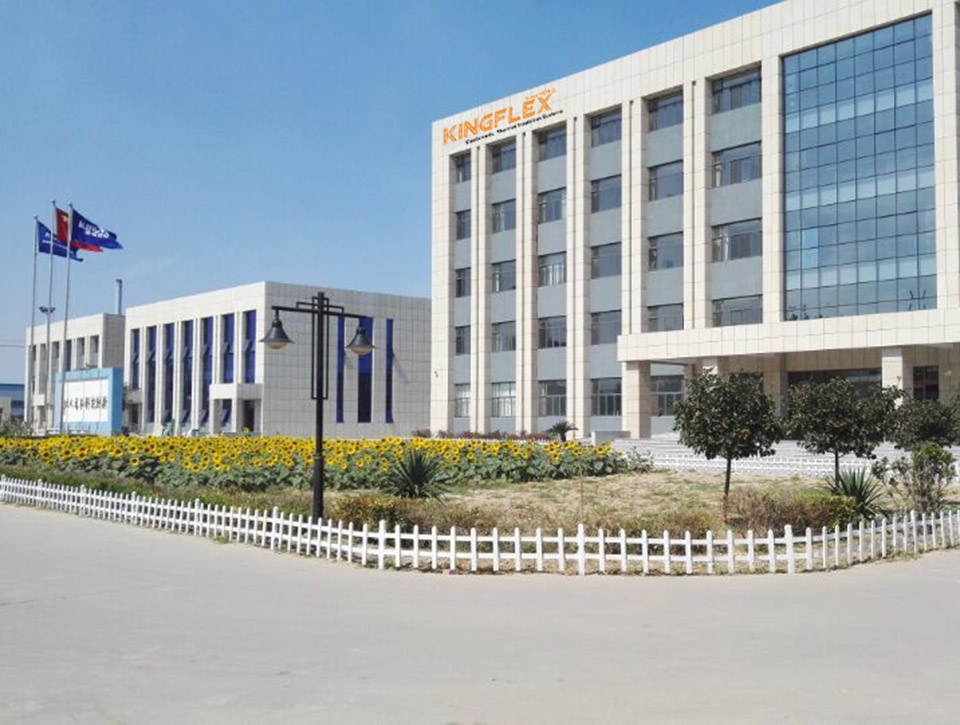
Backed by decades of expertise in green-building materials, supplying globally certified energy-saving insulation products
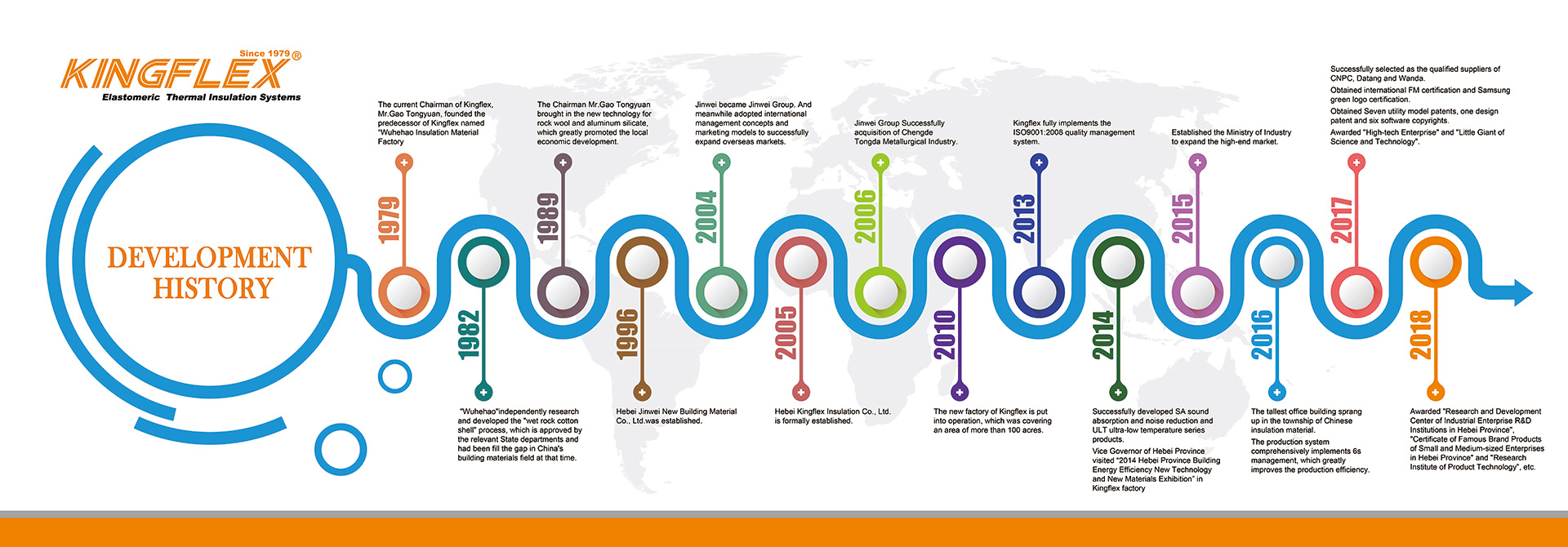
Kingflex Insulation Co., Ltd. is a professional manufacturing and trading combo for thermal insulation products. Our research, development, and production departments are located in Dacheng, China, a well-known hub of green-building materials. As an energy-saving, environmentally friendly enterprise, we concentrate on research and development, production, and sales. We take energy saving and consumption reduction as our core concept, providing solutions via consulting, R&D, manufacturing, installation guidance, and post-sale services to lead the global building materials industry.
Kingflex was established by the Jinwei Group, which has a history of more than 40 years. Established in 1979, the group was the first manufacturer of thermal insulation materials north of the Yangtze River. Today, we maintain 5 large automatic assembly lines with an annual capacity of over 600,000 cubic meters, serving as a designated enterprise for energy, power, and chemical industry sectors.
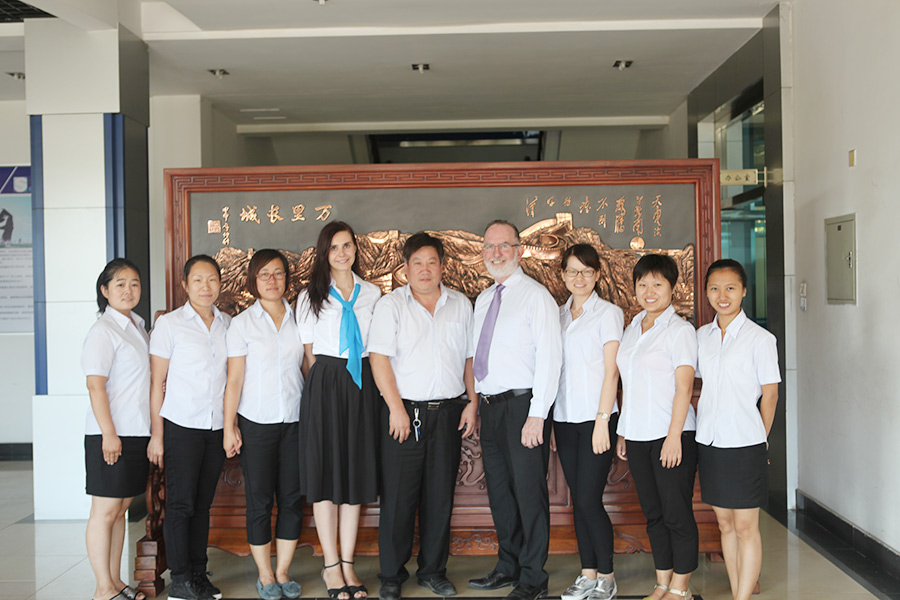
Our employees excel in their individual roles, and together they make Kingflex a rewarding place to work. Our team is a tight-knit, talented group with a shared vision of giving consistently first-class service to our clients. Currently, Kingflex employs 8 professional engineers in our R&D Department, 6 professional international sales, and 230 workers in the production department.
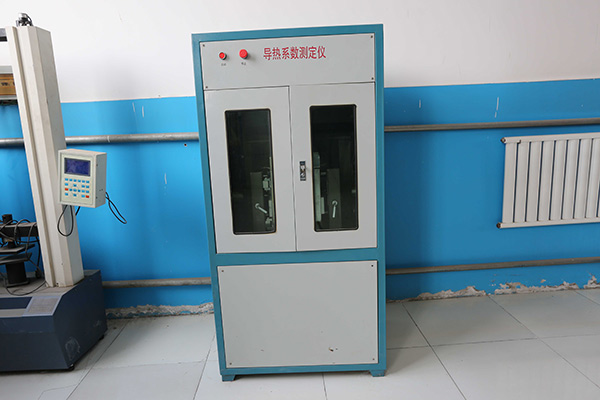
Our ongoing investments in technical equipment allow us to run comprehensive test protocols, keeping our products aligned with modern construction standards. We supply integrated thermal, cold, and noise insulation solutions for a wide range of buildings and industries worldwide.

Technical breakdown of thermal conductivity, moisture vapor permeability, and fire retardancy in closed-cell foams
Kingflex closed-cell rubber foam products are formulated to meet high fire safety requirements. Our materials comply with BS 476 (Class 0 and Class 1), UL94, and ASTM flame spread and smoke development ratings, ensuring they extinguish immediately when the flame source is removed.
With a closed-cell rate exceeding 98%, the material features a built-in water vapor barrier. It has a high water vapor resistance factor (μ-factor ≥ 10,000), reducing the risk of moisture penetration and preventing under-insulation corrosion (CUI) in chilled water lines.
The material provides low thermal conductivity (λ ≤ 0.034 W/m·K at 0°C). Its uniform cell size structure maintains this low thermal conductivity over long service lives, keeping HVAC systems operating efficiently.
| Parameters | Specifications |
|---|---|
| Material Composition | Premium NBR / PVC Elastomeric Blend |
| Thickness Range | 6mm - 50mm |
| Density Range | 40 - 55 kg/m³ |
| Service Temperature | -40℃ to 105℃ |
| Closed-Cell Rate | > 98% |
| Parameters | Specifications |
|---|---|
| Material Composition | Premium NBR / PVC Elastomeric Blend |
| Thickness Range | 9mm - 40mm |
| Inner Diameter (ID) | 6mm - 114mm |
| Density Range | 40 - 55 kg/m³ |
| Service Temperature | -40℃ to 105℃ |
Continuous investment in quality assurance, featuring advanced performance testing labs
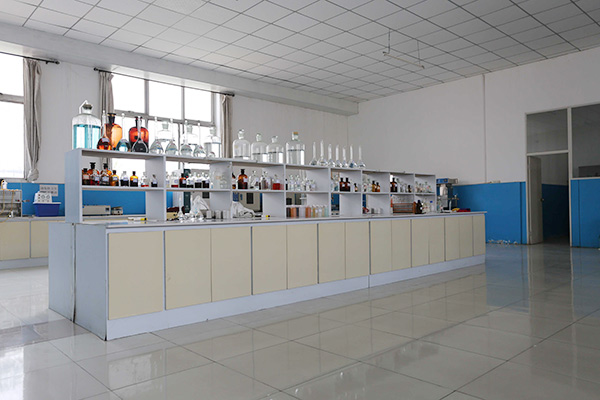
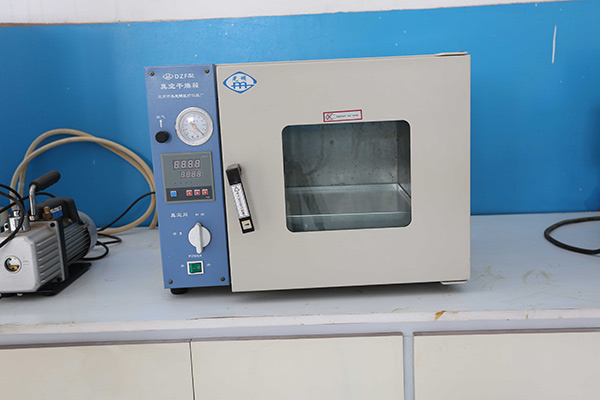
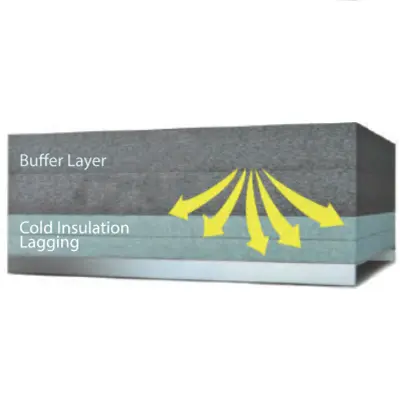
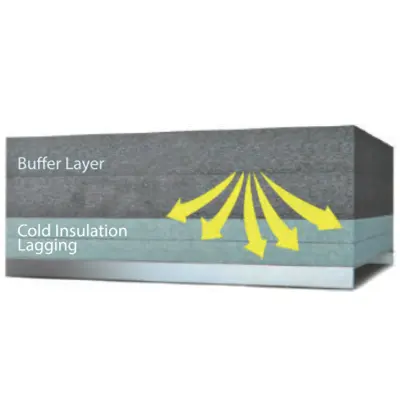
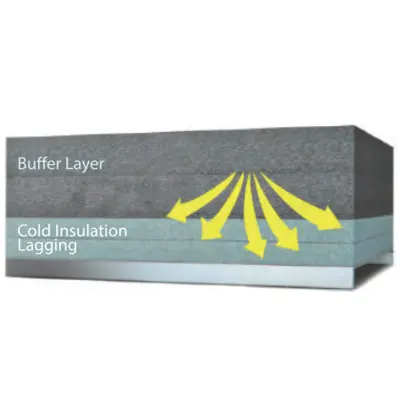
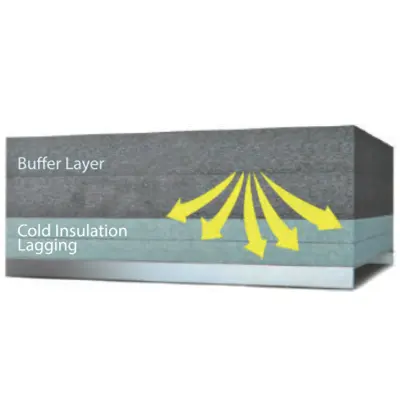
Industrial piping operating at temperatures below -40°C down to -200°C (such as liquid oxygen, nitrogen, and LNG transport terminals) requires specialized insulation systems to prevent extreme heat gain and condensation. Standard insulation materials face stress-cracking and loss of flexibility at these temperatures, leading to system failure.
Our Diolefin flexible rubber foam insulation is designed for cryogenic applications. It retains its elastomeric properties at low temperatures, absorbing mechanical vibrations and thermal contraction without cracking. Our cryogenic systems help protect process stability in demanding industrial plants.
Products certified by recognized global verification agencies to ensure performance, reliability, and safety
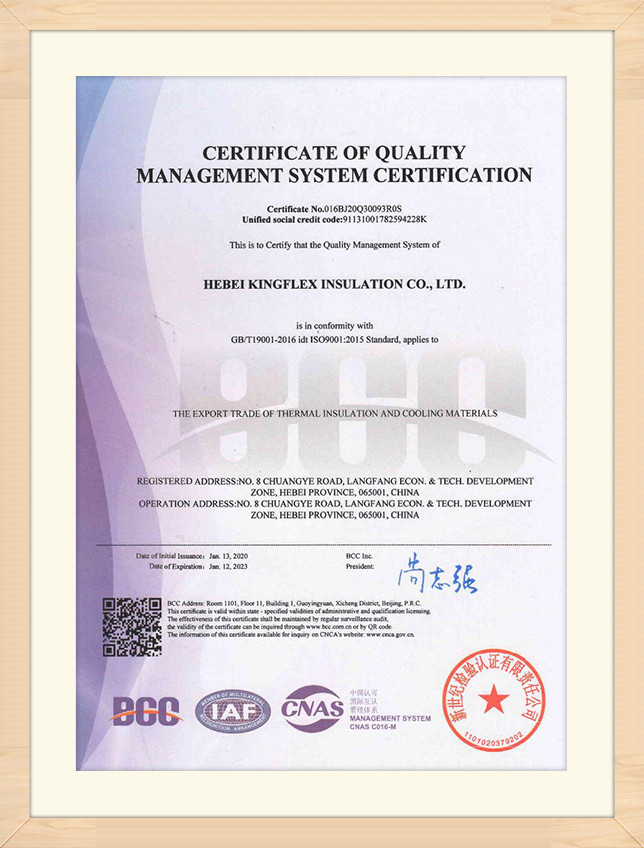
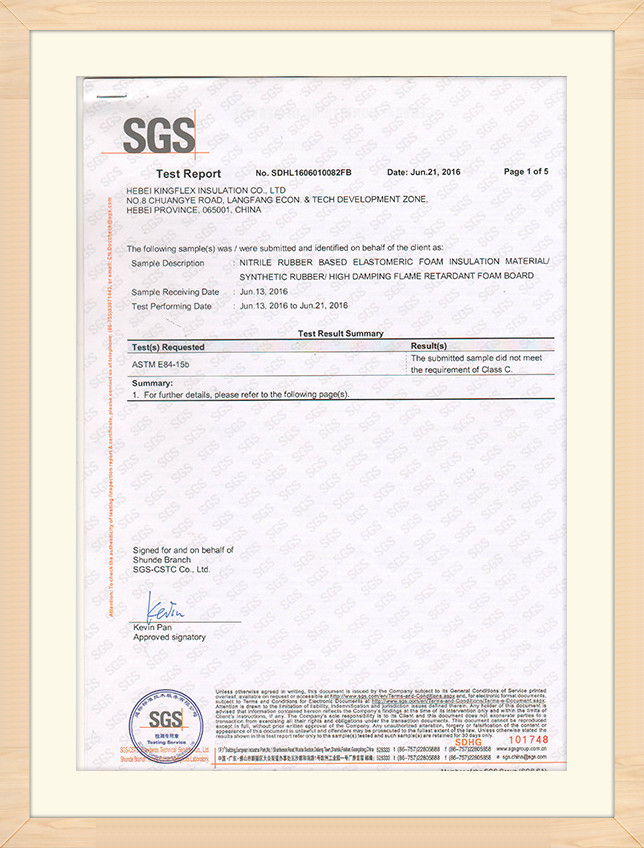
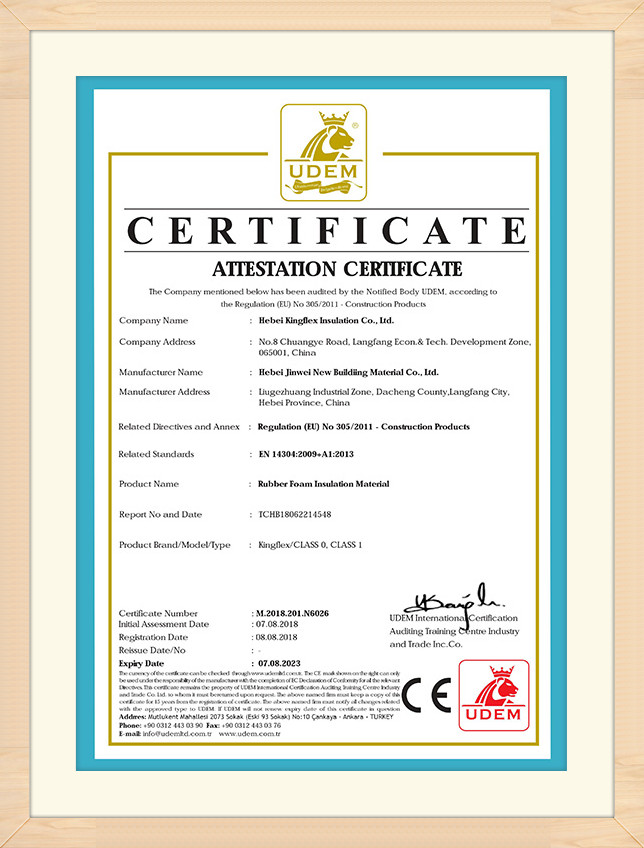
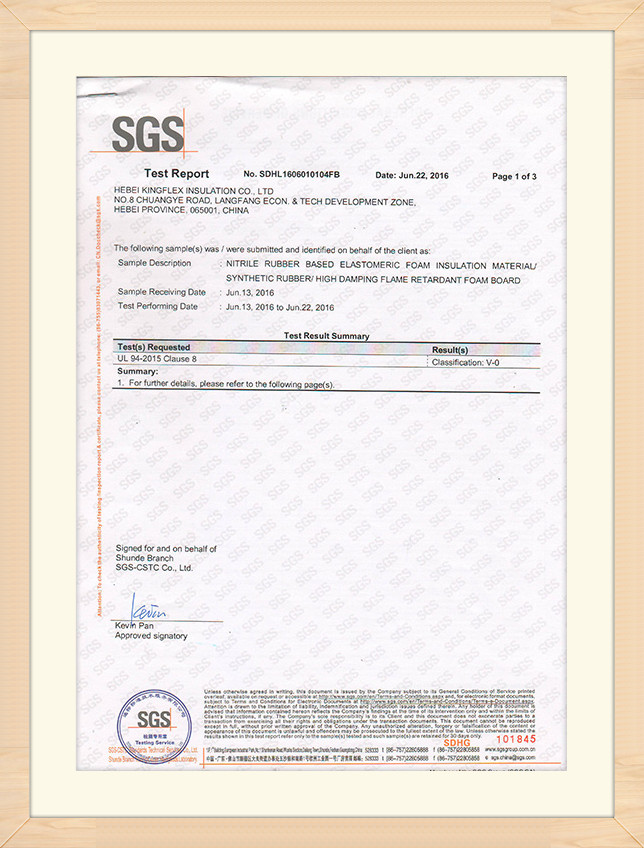
Our materials are systematically tested and certified for fire performance, environmental compliance, and physical properties, including BS 476, CE, REACH, RoHS, UL94, and ASTM standards. These certifications support cleanroom installations, commercial construction, and process plant applications where strict compliance is required.

How our elastomeric NBR/PVC closed-cell systems perform across different industries
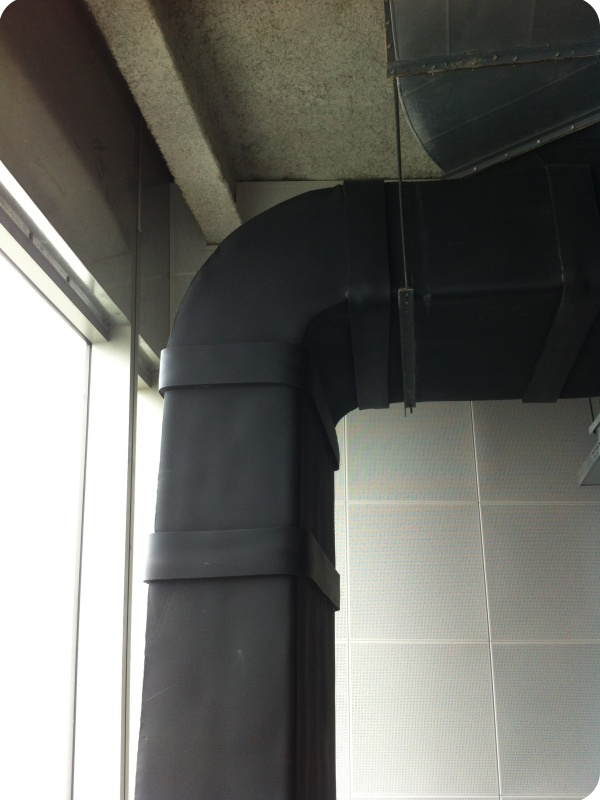
Installed in ductwork and mechanical cooling loops in hotels, hospitals, and office towers. Effective for condensation control and reducing energy loss in high-humidity environments.
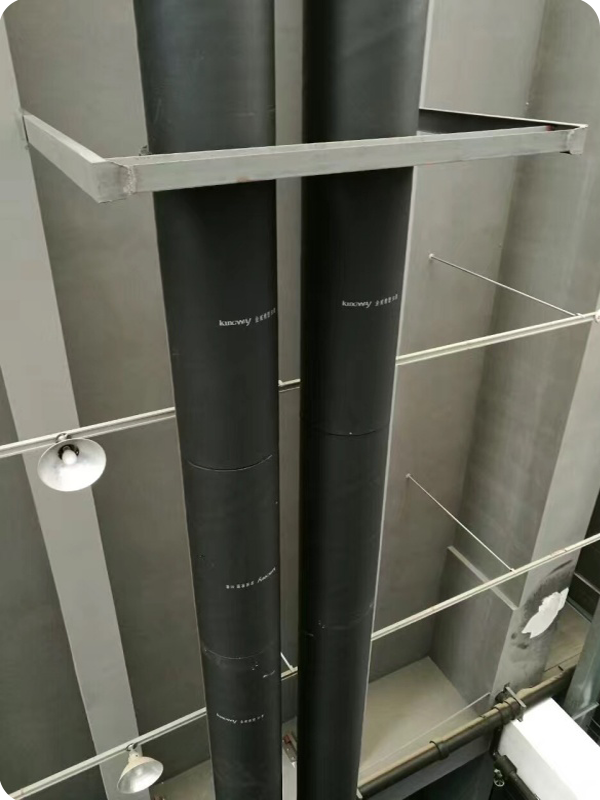
Used on high-pressure steam, chemical transfer, and fuel supply lines. The material provides corrosion control and helps protect workers from hot surface temperatures.
Applied in equipment rooms and ventilation pathways. The open-cell variant is designed to absorb high-frequency noise from fans and liquid movement, improving acoustic comfort in buildings.

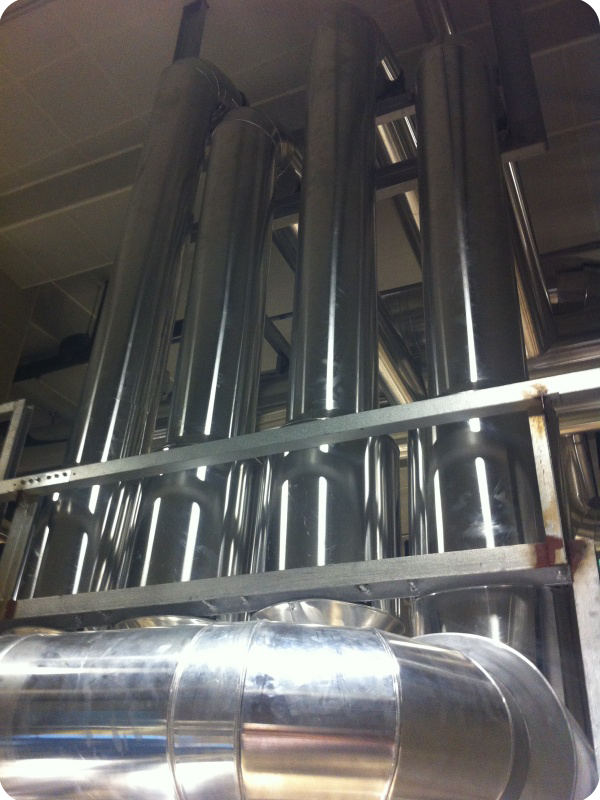
Verified correspondence and customer feedback regarding our bulk order support and order tracking
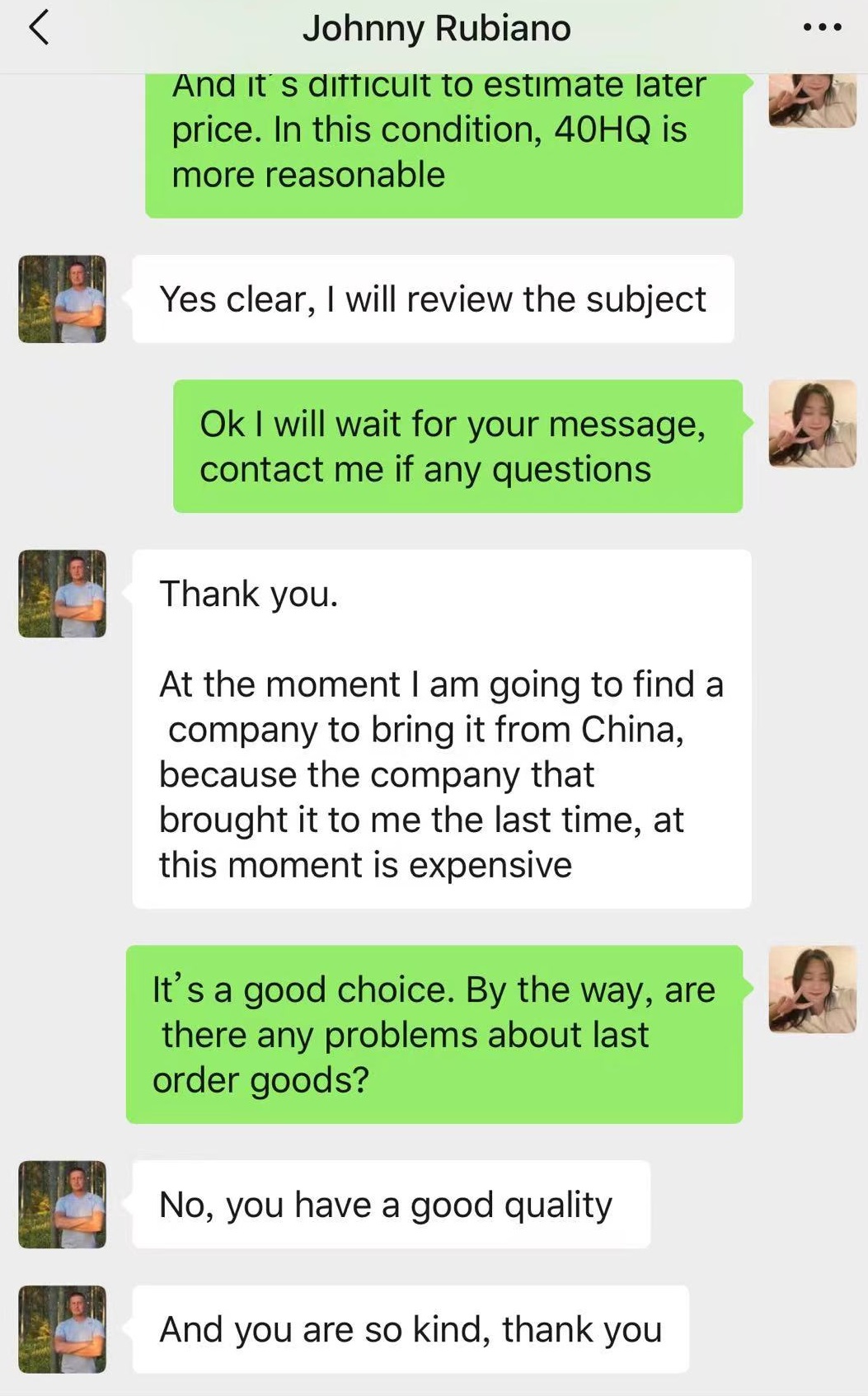
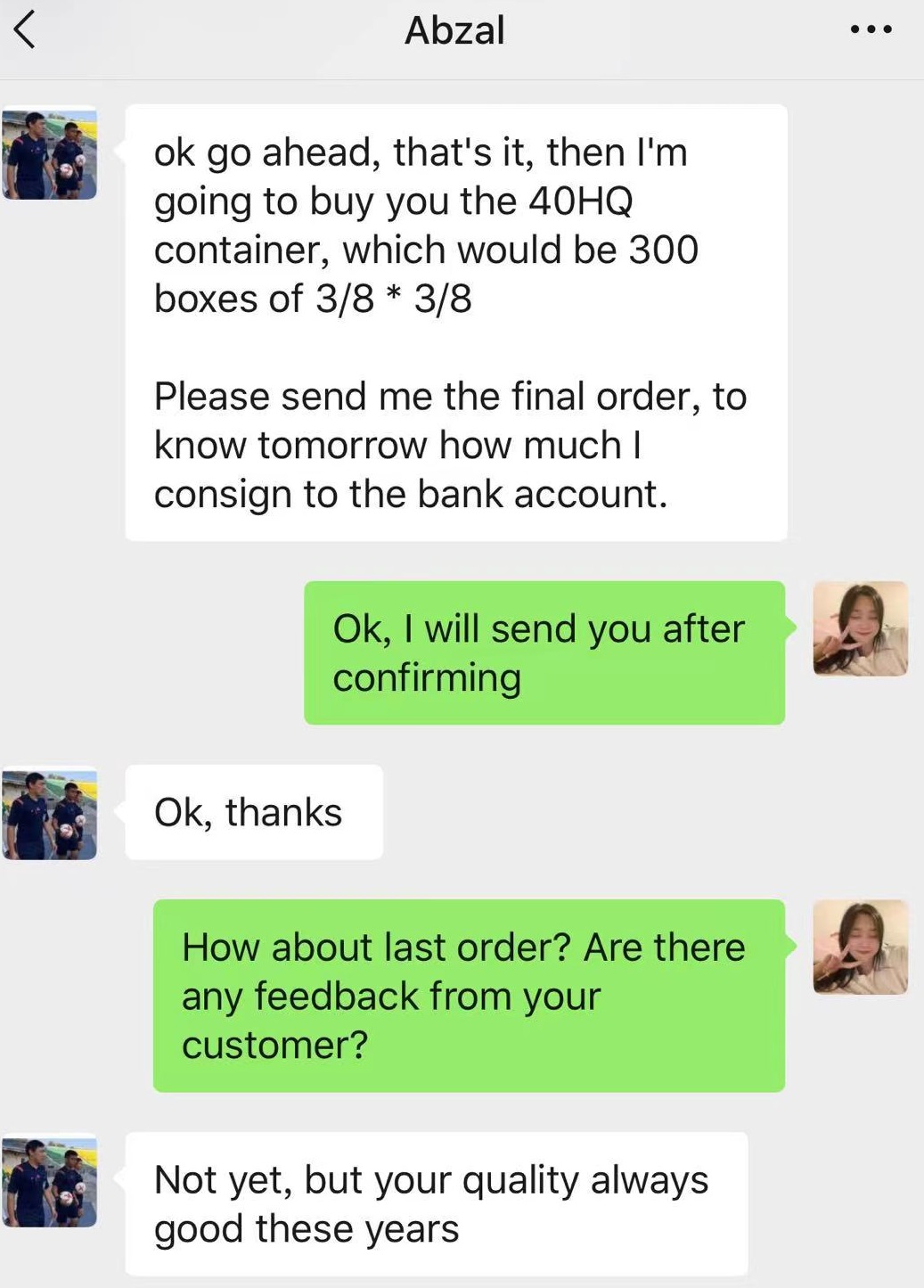


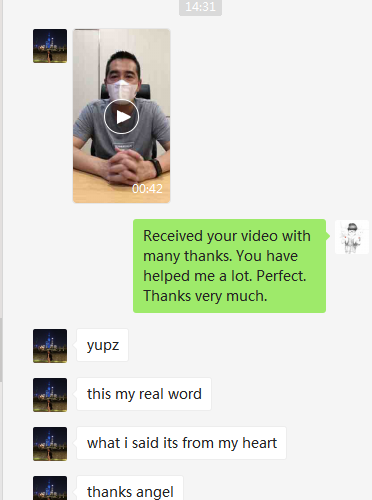
Detailed answers to common questions about selecting, applying, and testing mechanical insulation
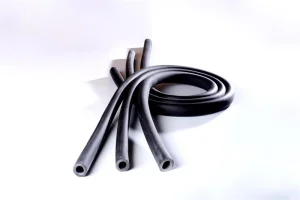
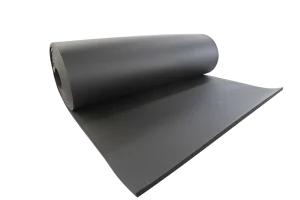
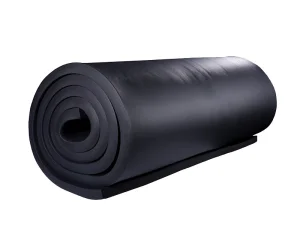
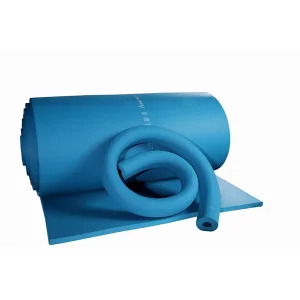
Explore our line of insulation tubes, boards, and specialized materials for industrial projects
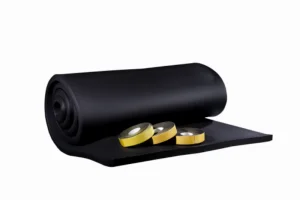
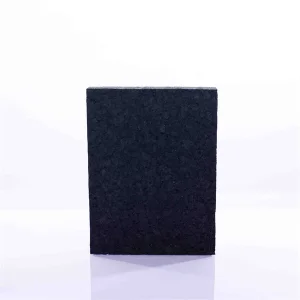
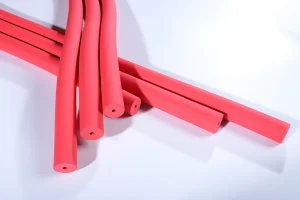
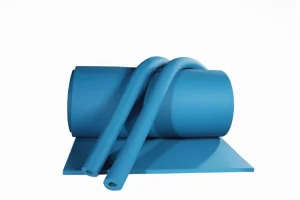
High-capacity operations supporting large-scale, automated mechanical insulation production
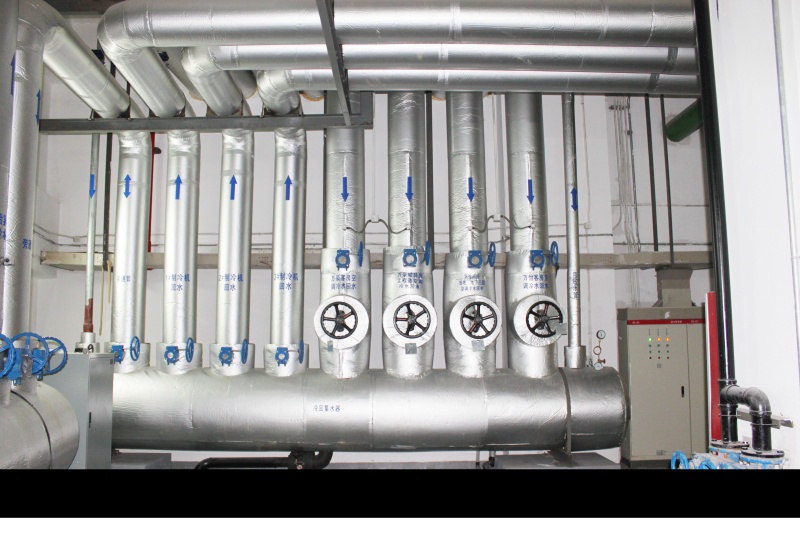
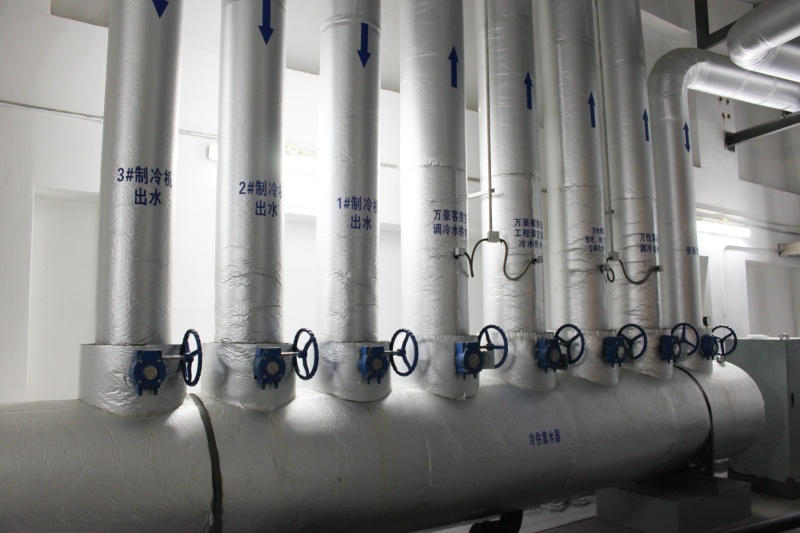
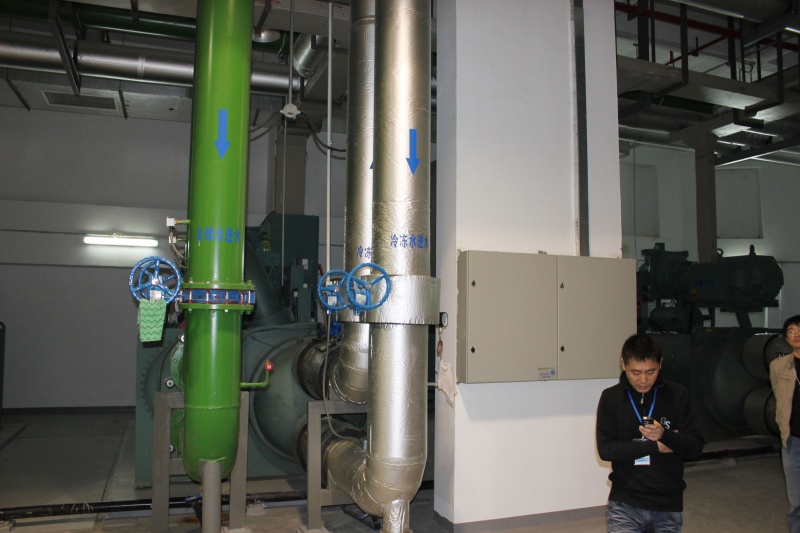
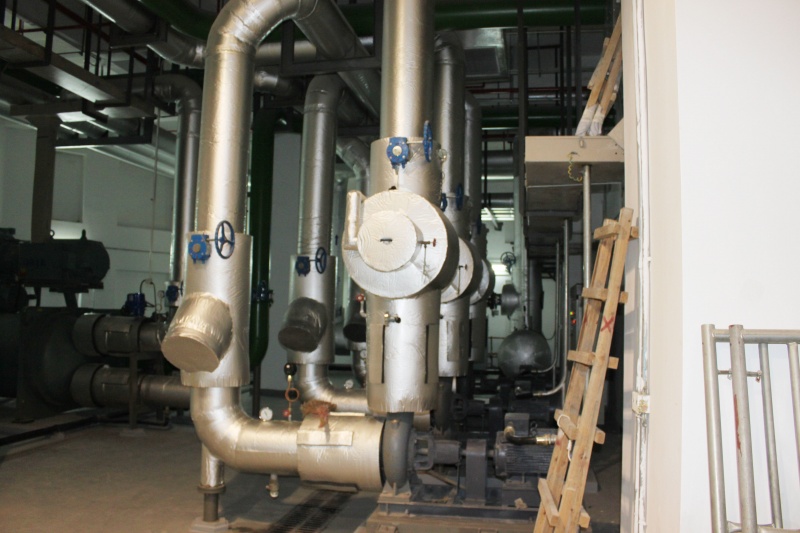
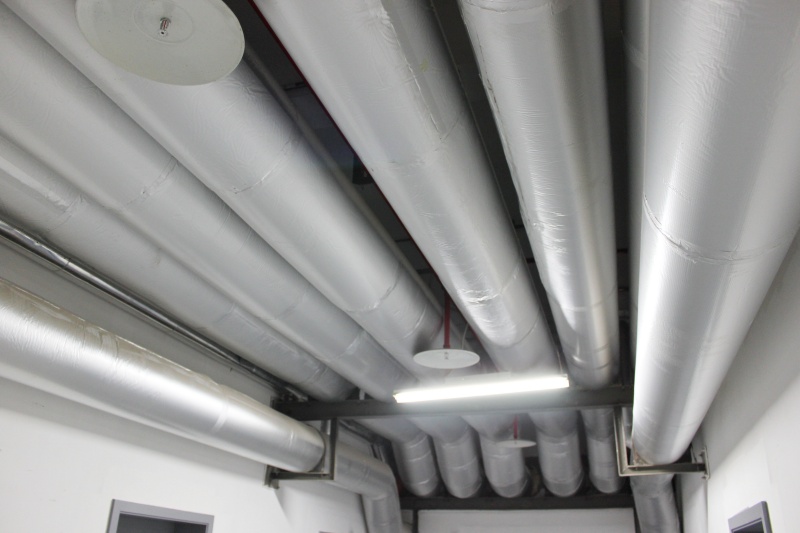

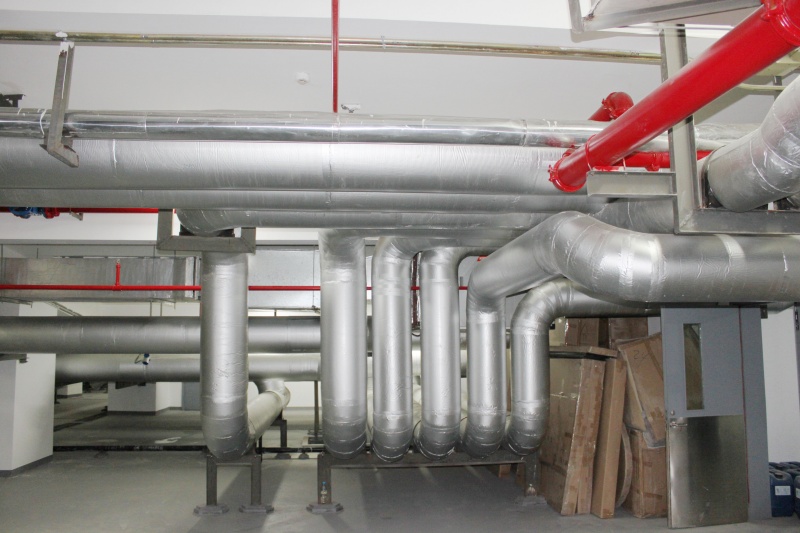

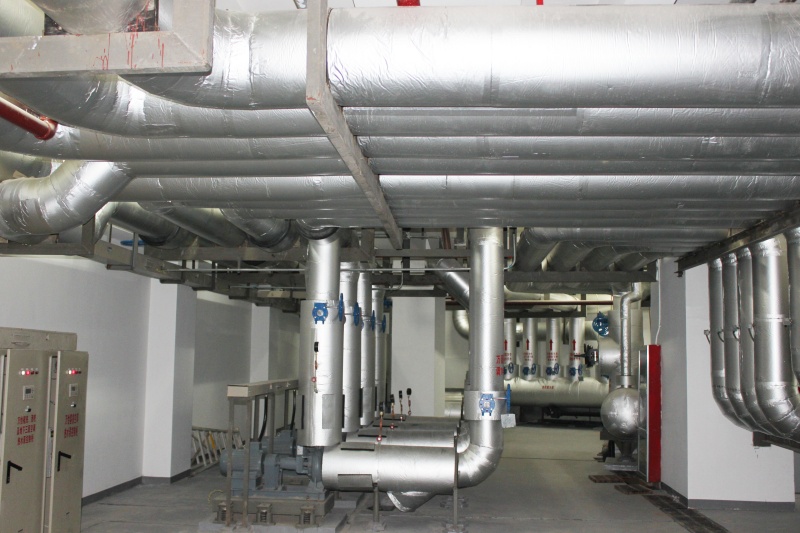
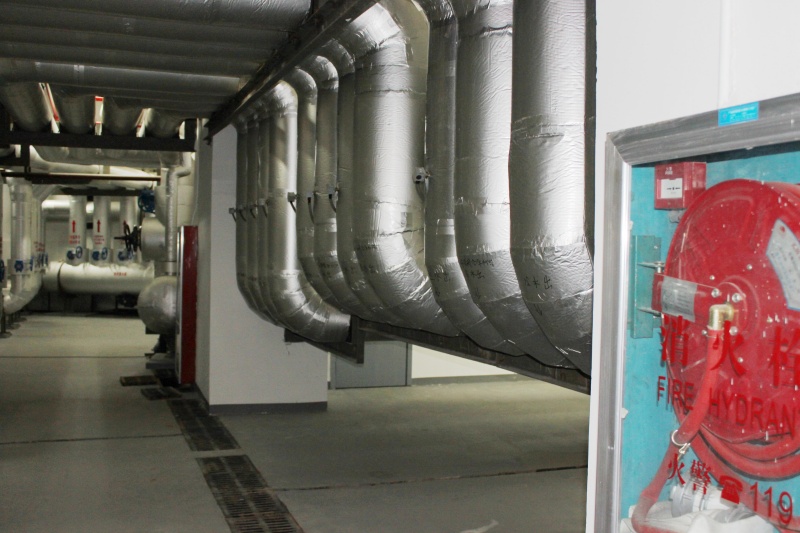
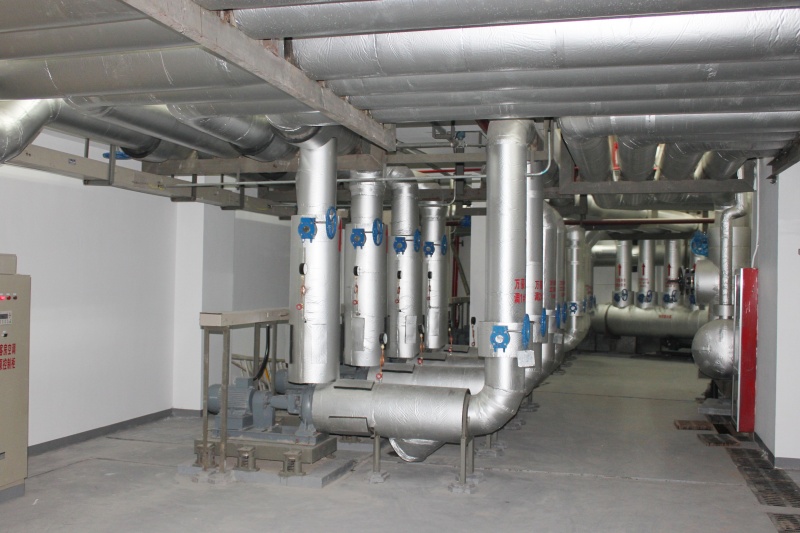
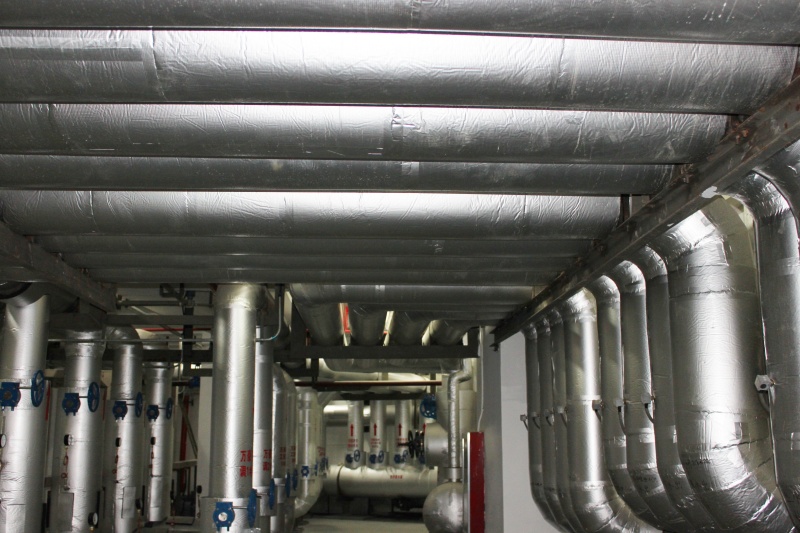
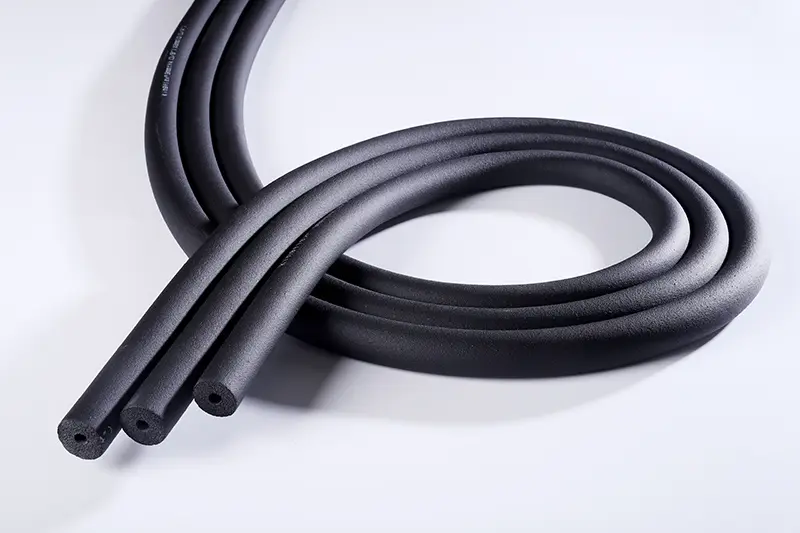
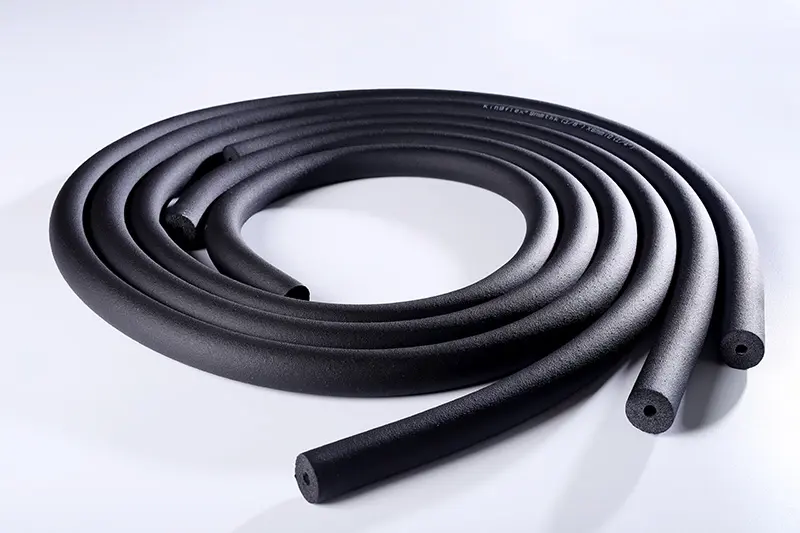
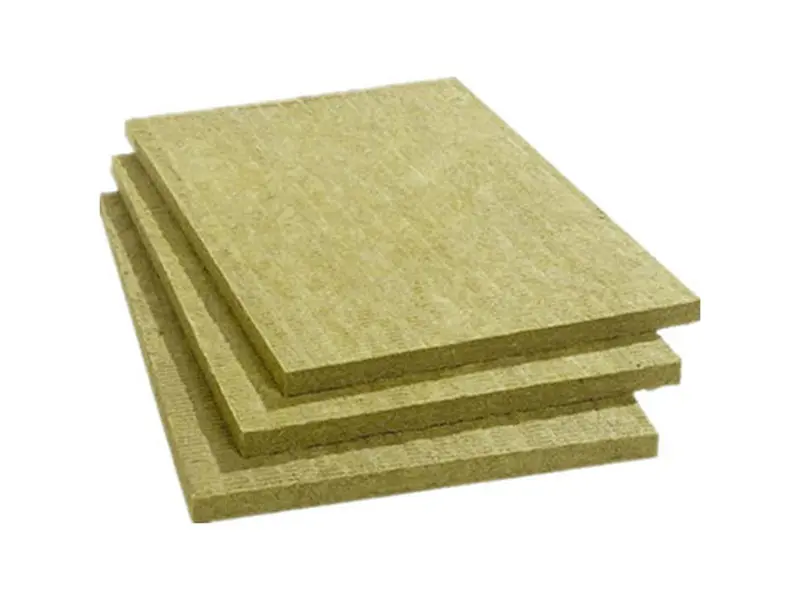
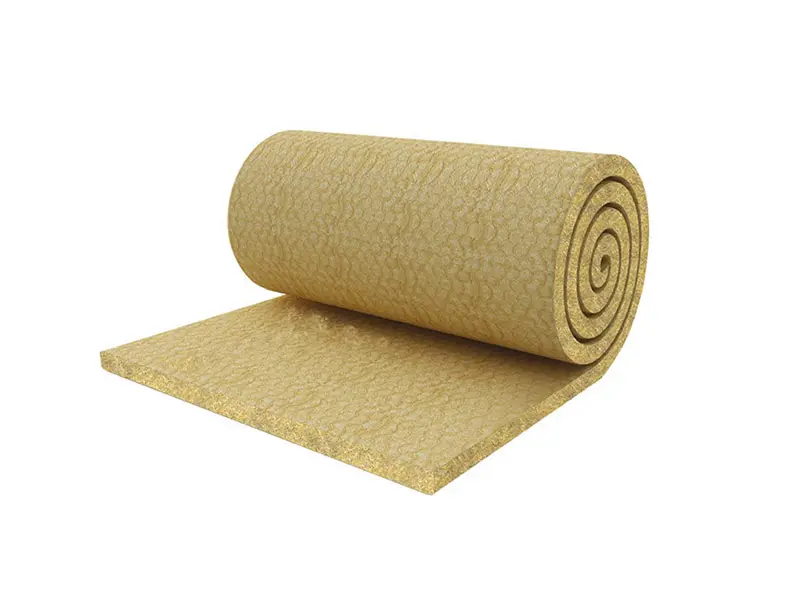
A broad range of elastomeric tubes, cryogenic rolls, and mineral insulation components
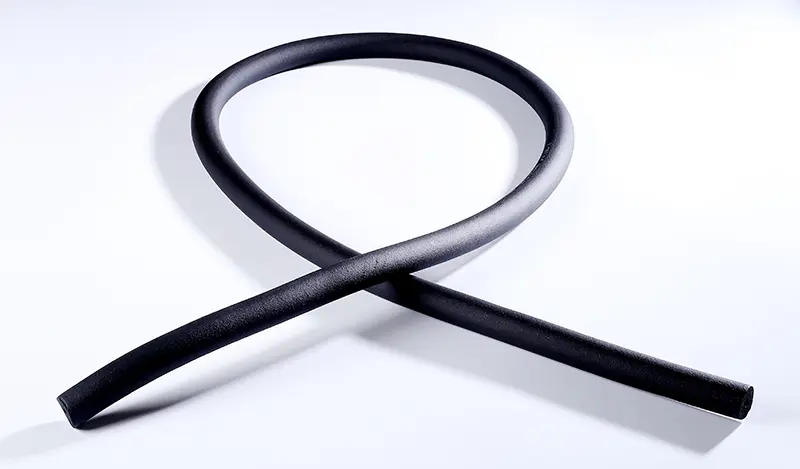
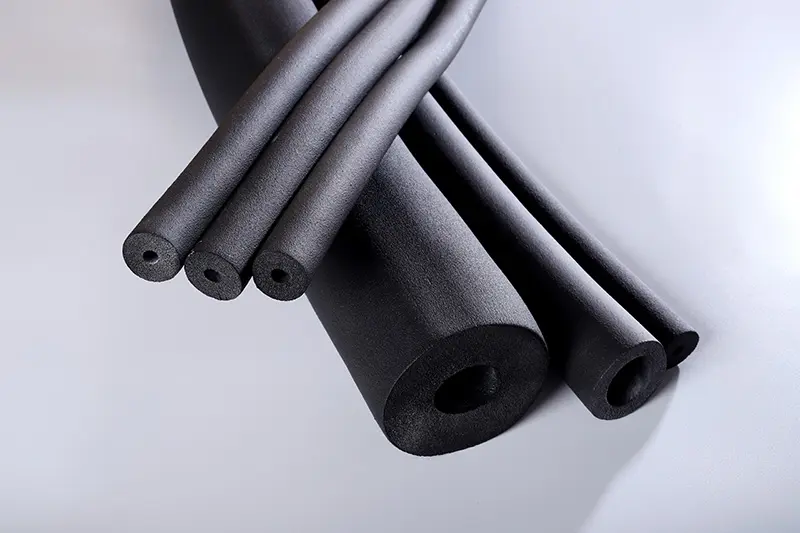






Recommended field practices for installing elastomeric closed-cell mechanical insulation systems
To maintain thermal performance and prevent condensation, it is critical to ensure proper field installation of elastomeric insulation. All pipe surfaces must be cleaned of dust, rust, and moisture before applying insulation. Installers should use sharp cutting tools to ensure clean seam cuts, allowing for tight, flush joint interfaces.
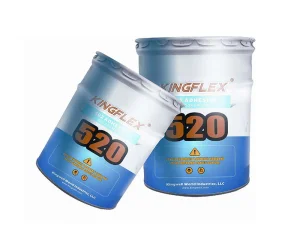
For high-humidity or chilled-water lines, use a compatible adhesive like Kingflex 520 to seal all longitudinal and circumferential joints. Applying proper compression joints instead of stretching the foam helps prevent seam separation during thermal cycles. Outdoor installations should be finished with an weather-resistant jacket or protective coating to shield the elastomeric material from UV degradation.
 Kingflex